
The Challenges of Andean Agriculture: Overcoming Harsh Climates and Limited Resources


Welcome to Andean Civilizations, where the echoes of a magnificent past resonate through time. Prepare to be captivated by the ingenuity and resilience of ancient Andean societies, whose mastery of their environment continues to inspire awe. But their success wasn't without its obstacles. Discover the secrets behind Andean agriculture challenges, and how these remarkable cultures overcame seemingly insurmountable hurdles to flourish in some of the world's most challenging landscapes. Unravel the mysteries of their agricultural innovations and prepare to be amazed.
- Andean Agriculture Challenges: A Struggle Against Nature
- The Harsh Climate: A Major Obstacle for Andean Agriculture
- Limited Resources: Another Hurdle for Andean Farmers
- Traditional Andean Farming Techniques: Adapting to the Environment
- Modern Approaches to Address Andean Agriculture Challenges
- The Impact of Climate Change on Andean Agriculture
- The Future of Andean Agriculture: Balancing Tradition and Innovation
-
Frequently Asked Questions
- What were some of the major challenges faced by Andean farmers?
- How did Andean civilizations adapt their agricultural practices to overcome these challenges?
- What role did technology play in Andean agriculture?
- What were the main crops cultivated by Andean civilizations?
- How did the success of Andean agriculture impact their societies?
- Final Reflection: Cultivating Resilience in the Andes
- Embrace the Future of Andean Agriculture!
Andean Agriculture Challenges: A Struggle Against Nature
The Andes Mountains, a breathtaking tapestry of towering peaks and deep valleys, presented ancient Andean civilizations with some of the most formidable agricultural challenges ever faced. From the arid coastal deserts to the high-altitude puna grasslands, cultivating food was a constant battle against harsh climates, limited resources, and treacherous terrain.
This article delves into the ingenuity and resilience of these societies, exploring the specific obstacles they overcame to develop sophisticated agricultural systems that sustained thriving populations for centuries. Understanding these challenges offers invaluable insight into the remarkable adaptability and resourcefulness of Andean cultures, and provides a framework for appreciating the sophisticated techniques they employed to harness even the most unforgiving landscapes.
We will examine the environmental factors that shaped Andean agriculture, the innovative farming techniques developed to overcome these obstacles, and the impact of these agricultural practices on the social and political structures of these remarkable civilizations. This exploration will highlight the ingenuity of Andean farmers and demonstrate how their solutions continue to resonate today, offering valuable lessons for sustainable agriculture in challenging environments.
Understanding the Complexities of Andean Farming
Andean agriculture was far from a simple undertaking. The diverse geography of the Andes, characterized by dramatic altitudinal variations, created a patchwork of microclimates, each demanding unique agricultural approaches. The coastal deserts, while seemingly barren, possessed underground water sources (aquifers) that could be tapped through sophisticated irrigation systems. However, these regions also faced challenges like unpredictable rainfall and intense sunlight.
Higher up, in the valleys and highlands, farmers contended with steep slopes, thin soils, and short growing seasons. The puna grasslands, at even higher altitudes, presented the added challenge of frost and extreme temperature fluctuations. These varied environments necessitated a diverse range of agricultural techniques, crops, and strategies tailored to specific ecological niches.
The success of Andean agriculture hinged upon a deep understanding of the environment and a remarkable capacity for adaptation. The development of terraces, irrigation canals, and frost-resistant crops are just a few examples of the innovative solutions employed to meet these challenges. The efficiency and sustainability of these methods are still being studied and admired today.
Terracing: Conquering Steep Slopes
One of the most visually striking and effective solutions to the problem of steep slopes was the construction of extensive terrace systems. These meticulously engineered platforms transformed near-vertical mountainsides into cultivatable land, significantly increasing arable acreage. Terraces not only provided level planting surfaces but also helped to conserve soil and water, reducing erosion and improving water retention.
The construction of these terraces was a monumental undertaking, requiring considerable labor and sophisticated engineering knowledge. The precise orientation of terraces, often aligned to maximize sunlight exposure and minimize erosion, showcases the advanced understanding of environmental factors possessed by Andean farmers. Different regions employed variations in terrace construction, reflecting adaptations to local environmental conditions and available resources.
The scale and complexity of these terrace systems stand as a testament to the organizational capacity and engineering prowess of Andean civilizations. The legacy of these terraces is still visible across the Andean landscape, serving as a powerful symbol of human ingenuity and resilience.
Irrigation Systems: Harnessing Water Resources
Given the often unpredictable rainfall patterns, the development of sophisticated irrigation systems was crucial for Andean agriculture. These systems varied widely depending on the location and available water sources. In the coastal deserts, intricate networks of canals channeled water from underground aquifers or rivers to irrigate fields.
In the highlands, farmers utilized techniques like diverting meltwater from glaciers or creating reservoirs to store water for later use. The construction and maintenance of these irrigation systems required collective effort and sophisticated water management strategies. The precise alignment of canals, the construction of reservoirs, and the development of sophisticated water distribution techniques showcase the advanced engineering and organizational skills of these societies.
These systems were not merely functional; they were integral to the social and political structures of Andean communities, reflecting complex systems of water rights and resource management. The ingenuity and sustainability of these systems continue to inspire modern water management practices. Many examples, such as the intricate canal systems of the Nazca culture, are still being studied by scientists and engineers today.
Crop Domestication and Adaptation: A Triumph of Selection
Andean civilizations didn't simply rely on imported crops; they actively domesticated and adapted a wide variety of plants to the challenging conditions of the Andes. Potatoes, quinoa, maize, and beans are just a few examples of crops that were domesticated or significantly improved in the Andean region. These crops were selected for their resilience to harsh climates, their ability to thrive in thin soils, and their nutritional value.
The development of frost-resistant varieties of potatoes, for example, allowed for cultivation at extremely high altitudes. The selection and breeding of these crops involved centuries of careful observation, experimentation, and adaptation. This process not only ensured food security but also shaped the cultural and culinary traditions of Andean societies.
The diversity of Andean crops and their remarkable adaptability are a testament to the ingenuity and deep understanding of plant biology possessed by Andean farmers. The genetic diversity of these crops continues to be a vital resource for modern agriculture, providing valuable genes for improving crop resilience and yield.
The Harsh Climate: A Major Obstacle for Andean Agriculture

The Andes Mountains present a formidable challenge to agriculture, imposing significant constraints on crop production and food security. Understanding the unique environmental pressures faced by Andean farmers is crucial to appreciating the ingenuity and resilience of their cultivation techniques. The keyword phrase "Andean agriculture challenges" directly reflects this struggle, encompassing a complex interplay of factors that shaped agricultural practices for millennia. This section will delve into the specific climatic hurdles that defined Andean agriculture.
Extreme Altitudes and Their Impact on Cultivation
Cultivating crops at high altitudes presents a unique set of difficulties. The thin air at elevations above 3,000 meters (9,800 feet) results in lower atmospheric pressure, reduced oxygen levels, and intense solar radiation. These conditions severely limit plant growth and development.
For example, the shorter growing season at high altitudes necessitates the selection of fast-maturing crop varieties. Additionally, the increased UV radiation can damage plant tissues, reducing yields. Andean farmers have historically adapted to these challenges through careful crop selection, employing frost-resistant varieties and utilizing techniques like terracing to optimize sunlight exposure and minimize soil erosion.
The impact on human health should also be considered, as the reduced oxygen levels can affect both farmers' productivity and their overall well-being. Further research is needed to fully quantify the combined effects of these high-altitude stresses on crop yields and agricultural efficiency. Data on specific yield reductions at various altitudes within the Andes would significantly enhance our understanding of these challenges.
Temperature Fluctuations and Frost Risk in Andean Regions
The Andean climate is characterized by significant diurnal temperature fluctuations, meaning large differences between daytime highs and nighttime lows. This extreme variability poses a serious threat to crops, particularly during the cooler months. Frost, a recurring problem in many Andean regions, can decimate entire harvests in a single night. This risk is exacerbated by the unique geography of the Andes, where cold air can settle in valleys, creating frost pockets that disproportionately impact agricultural production in those areas. Traditional Andean farming practices often incorporate strategies to mitigate frost damage, such as planting crops in sheltered locations, using smoke to raise the temperature, and selecting frost-tolerant varieties. However, the increasing frequency and intensity of frost events due to climate change are presenting new and significant challenges to Andean agriculture, demanding innovative solutions and adaptive strategies. [Specific data on frost frequency and its impact on crop yields in different Andean regions pending].
Irregular Rainfall Patterns and Water Scarcity
Water scarcity is another significant challenge for Andean agriculture. Rainfall patterns in the Andes are highly variable, both spatially and temporally. Some regions experience prolonged droughts, while others are susceptible to intense, localized rainfall events that lead to soil erosion and flooding. This unpredictability necessitates sophisticated water management strategies.
The ingenuity of Andean farmers is evident in their traditional irrigation systems, which include intricate canals, terraces, and water storage techniques designed to capture and distribute water efficiently. However, these traditional systems are often insufficient to cope with the increasing irregularity of rainfall patterns exacerbated by climate change. The growing demand for water from expanding populations and other sectors further complicates the situation. A deeper analysis of water availability, irrigation practices, and the impact of climate change on water resources in specific Andean regions is crucial for developing effective solutions to address this persistent challenge to Andean agriculture.
[Detailed analysis of water availability and usage in specific Andean regions pending]. The need for sustainable water management strategies is paramount for ensuring food security in the Andes. ☔️
Limited Resources: Another Hurdle for Andean Farmers
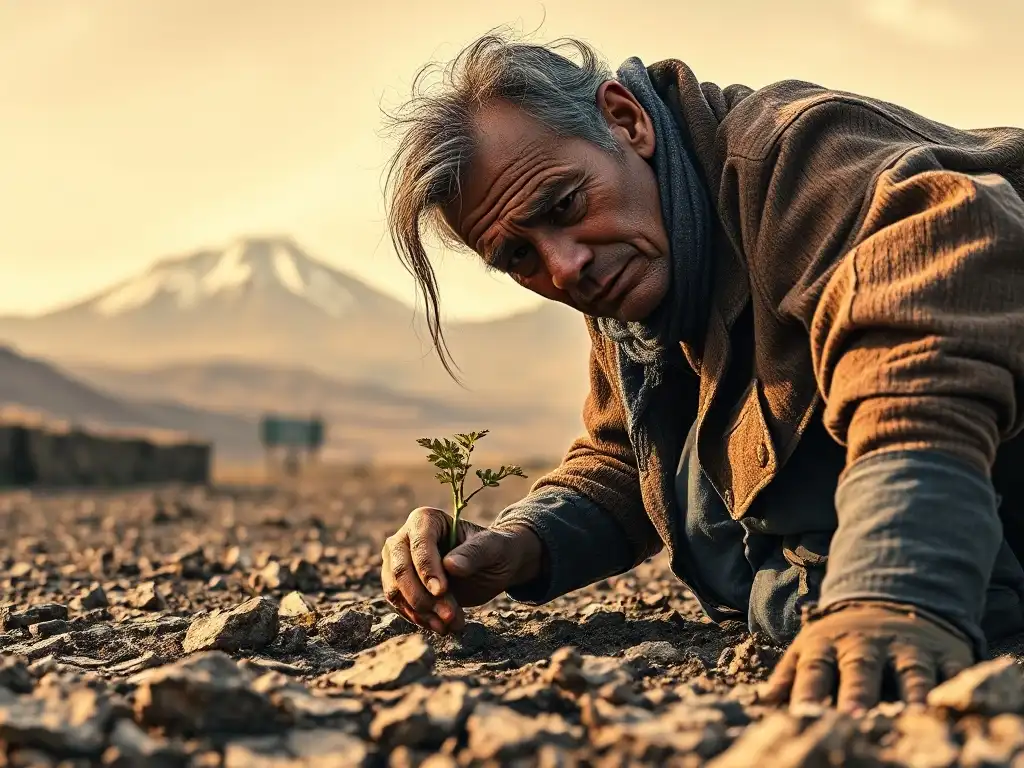
Andean agriculture, renowned for its ingenuity and adaptation to challenging environments, faced significant constraints due to limited resources. The sheer scarcity of arable land, coupled with the fragility of the Andean ecosystem, presented a constant struggle for farmers throughout history and continues to do so today. Understanding these resource limitations is crucial to appreciating the remarkable achievements of Andean agricultural practices.
Scarcity of Fertile Land and Soil Erosion Problems
The Andean region is characterized by steep slopes, mountainous terrain, and a limited expanse of flat, fertile land suitable for large-scale agriculture. This inherent scarcity of arable land forced Andean farmers to develop innovative techniques to maximize productivity within the available space. Terracing, for example, became a ubiquitous practice, transforming steep hillsides into a series of level platforms, increasing cultivable area and reducing soil erosion. However, even with such sophisticated techniques, the limited availability of fertile land remained a major constraint.
Furthermore, soil erosion posed a significant threat to agricultural sustainability. Heavy rains, coupled with the steep slopes, led to significant soil loss, reducing soil fertility and impacting crop yields. The consequences were exacerbated by unsustainable farming practices, leading to a vicious cycle of degradation.
Quantifying the exact extent of historical soil erosion is difficult, but archaeological evidence suggests that soil management was a constant concern for Andean communities, necessitating careful planning and resource allocation. Modern studies continue to highlight the vulnerability of Andean soils to erosion, emphasizing the need for sustainable land management practices. The challenge of maintaining soil fertility in the face of limited arable land remains a critical issue for Andean agriculture.
Challenges in Accessing Modern Farming Technology
Access to modern farming technology, including improved seeds, fertilizers, and irrigation systems, has been historically limited in many Andean communities. Geographic isolation, coupled with infrastructural limitations, hindered the dissemination of these technologies. While some regions have experienced improvements in access to technology in recent decades, many rural communities continue to rely on traditional farming methods, often lacking the resources to adopt modern techniques.
This disparity in access to technology contributes to variations in crop yields and overall agricultural productivity across different Andean regions. The lack of access to improved seeds, for instance, can result in lower yields compared to areas with access to high-yielding varieties. Similarly, limited access to irrigation systems makes farmers vulnerable to drought conditions, further limiting their productivity.
Limited Availability of Capital and Credit for Farmers
Access to capital and credit has been another significant challenge for Andean farmers. Many farmers operate on a small scale, with limited financial resources to invest in improved farming practices or to cope with unexpected events, such as crop failure due to adverse weather conditions. This lack of access to credit limits their ability to expand their operations, adopt new technologies, or invest in improved infrastructure. The absence of formal financial institutions in many rural areas further exacerbates this problem, leaving farmers reliant on informal credit sources, which often come with high interest rates and unfavorable terms.
This financial vulnerability makes them susceptible to shocks and hinders their ability to improve their livelihoods through agricultural activities. Consequently, the lack of capital and credit remains a significant barrier to the advancement of Andean agriculture. [Data on specific credit access rates for Andean farmers pending].
Traditional Andean Farming Techniques: Adapting to the Environment

Andean agriculture challenges were numerous, stemming primarily from the region's diverse and often harsh geography. The ingenuity of Andean civilizations in overcoming these obstacles is a testament to their deep understanding of their environment and their remarkable agricultural prowess. Their success wasn't merely about survival; it was about thriving in a landscape that presented significant limitations to food production.
This section explores some of the key techniques employed to cultivate crops successfully in the Andes. Mastering these techniques was crucial for the sustenance and growth of these impressive civilizations. Understanding the ingenuity behind these methods provides a deeper appreciation for the achievements of Andean farmers and their sustainable practices.
Terracing Systems: Maximizing Land Use in Steep Terrain
The Andes Mountains are characterized by steep slopes and limited flat land suitable for agriculture. To overcome this challenge, Andean farmers developed sophisticated terracing systems. These weren't simply cut into the hillsides; they were carefully engineered to maximize land use and minimize soil erosion. Terraces were often built with retaining walls made of stone, carefully fitted together without mortar, demonstrating remarkable architectural skill.
The terraces created a series of level platforms, increasing the cultivatable area significantly. The size and slope of each terrace were carefully considered, adapting to the local topography and minimizing the risk of landslides. This precise engineering also allowed for efficient water management, as water could be channeled more easily across the level surfaces. The effectiveness of this system is evident in the enduring legacy of terraced landscapes still visible across the Andes today.
These terraces not only increased food production but also helped to prevent soil erosion, ensuring long-term agricultural sustainability. The construction and maintenance of these systems represented a significant investment of labor, reflecting the high value placed on agriculture within Andean societies. The precision and scale of these projects stand as a testament to their advanced understanding of engineering and environmental management.
Water Management Techniques: Efficient Irrigation Methods
Water scarcity was another significant challenge faced by Andean farmers. The uneven distribution of rainfall and the aridity of many regions demanded innovative water management techniques. Andean civilizations developed a range of sophisticated irrigation systems, including canals, ditches, and aqueducts, to divert water from rivers and streams to their fields. These systems were often built over long distances, demonstrating a remarkable understanding of hydraulic engineering.
Some systems incorporated reservoirs to store water during the rainy season for use during drier periods. The ingenuity of these systems is particularly evident in areas with limited water resources. For example, the Nazca civilization, known for its intricate geoglyphs, also developed sophisticated irrigation systems that allowed them to cultivate crops in a relatively arid environment.
These systems involved the construction of extensive underground canals, known as puquios, which tapped into underground water sources and transported water to fields over considerable distances. These puquios are a remarkable example of Andean ingenuity, demonstrating a deep understanding of hydrology and a commitment to sustainable water management. The precise construction and maintenance of these systems underscore the importance of water security for the Andean civilizations.
Crop Rotation and Diversification for Soil Health
Andean farmers understood the importance of maintaining soil fertility. They employed techniques such as crop rotation and diversification to prevent soil depletion and enhance agricultural productivity. Crop rotation involved planting different crops in succession, allowing the soil to recover nutrients and preventing the build-up of pests and diseases. Diversification involved growing a wide variety of crops, including potatoes, maize, quinoa, beans, and other indigenous plants.
This strategy minimized the risk of crop failure and ensured a diverse food supply. The selection of crops was often tailored to specific microclimates and soil conditions, demonstrating a deep understanding of agroecology. This knowledge was passed down through generations, ensuring the long-term sustainability of Andean agriculture. The success of these methods is evident in the impressive agricultural productivity achieved in the Andes, despite the challenges posed by the environment.
The diverse range of crops cultivated and the sophisticated techniques employed represent a remarkable achievement in sustainable agriculture. The legacy of these practices continues to inform modern agricultural practices in the region. This approach ensured not only food security but also biodiversity and soil health, contributing to the resilience of Andean agricultural systems. 🌱
Modern Approaches to Address Andean Agriculture Challenges

The unique challenges of Andean agriculture, stemming from high altitudes, steep slopes, unpredictable weather patterns, and limited arable land, necessitate innovative solutions. While traditional Andean farming techniques demonstrated remarkable ingenuity, modern approaches are crucial for enhancing food security and sustainability in the region. Understanding these challenges – encompassing soil erosion, water scarcity, frost, and pest infestations – is paramount to implementing effective strategies. This section explores some key modern strategies aimed at bolstering Andean agriculture's resilience and productivity. The keyword phrase "Andean agriculture challenges" is central to understanding the context of these advancements.
Introduction of Drought-Resistant Crop Varieties
Developing and implementing drought-resistant crop varieties is a critical component of mitigating the impact of water scarcity, a significant challenge in many Andean regions. Traditional crops, while adapted to certain conditions, often struggle during prolonged dry spells. Modern agricultural research focuses on identifying and genetically modifying crops to enhance their tolerance to drought. This involves exploring indigenous varieties with inherent drought resistance and cross-breeding them with high-yielding cultivars.
For example, researchers are actively working on improving quinoa varieties to withstand drier conditions while maintaining their nutritional value. This is crucial because quinoa, a staple crop in the Andes, is increasingly susceptible to erratic rainfall patterns. Furthermore, the introduction of drought-tolerant potatoes and other Andean tubers is also a major area of focus. The success of these initiatives depends on robust seed distribution networks and farmer training programs.
The long-term goal is to create a resilient agricultural system capable of enduring increasingly unpredictable climate patterns. Data on yield increases from drought-resistant varieties is still emerging, but initial trials show promising results, particularly in regions with chronic water stress. The adoption rate of these new varieties is also a key factor to consider, as successful implementation relies on farmer acceptance and integration into existing farming systems.
Implementation of Sustainable Agriculture Practices
Sustainable agriculture practices are essential for long-term food security and environmental protection in the Andes. These practices aim to minimize environmental impact while maximizing productivity. One key strategy is the implementation of agroforestry, integrating trees and shrubs into farming systems. This helps to reduce soil erosion, improve water retention, and provide shade for crops, mitigating the effects of intense sunlight.
The use of terracing, a traditional Andean technique, remains vital in managing steep slopes and preventing soil loss. Modern adaptations of terracing incorporate improved drainage systems and the use of cover crops to further enhance soil health. Furthermore, the promotion of organic farming methods reduces reliance on synthetic fertilizers and pesticides, mitigating their negative environmental impacts and promoting biodiversity.
Data on the effectiveness of these sustainable practices show a gradual but significant improvement in soil fertility, water retention, and crop yields in the long term. However, the transition to sustainable agriculture requires substantial investment in training and support for farmers, addressing issues like access to organic inputs and market linkages. The benefits extend beyond increased productivity; sustainable practices also help to preserve the unique biodiversity of the Andean region.
Improving Access to Technology and Training for Farmers
Access to appropriate technology and adequate training is crucial for improving the efficiency and productivity of Andean agriculture. This includes providing farmers with access to improved seeds, fertilizers, and irrigation technologies adapted to the specific conditions of their farms. The adoption of precision agriculture techniques, such as using GPS-guided machinery and sensor-based irrigation, can significantly optimize resource use and enhance yields. However, the high cost of such technologies presents a challenge.
Therefore, it's crucial to focus on developing affordable and accessible solutions tailored to the needs and resources of smallholder farmers. Equally important is investing in comprehensive training programs that equip farmers with the knowledge and skills to effectively use these technologies and implement sustainable farming practices. This includes training on crop management, pest and disease control, and post-harvest handling techniques.
The success of these initiatives depends on fostering collaboration between researchers, government agencies, and farmer organizations. Data on the impact of improved technology access indicates a significant positive correlation between technology adoption and increased productivity, but further investment in education and infrastructure is needed to ensure equitable access across all Andean communities. The goal is to empower Andean farmers with the tools and knowledge they need to overcome the challenges they face and build a more sustainable and resilient agricultural system.
The Impact of Climate Change on Andean Agriculture
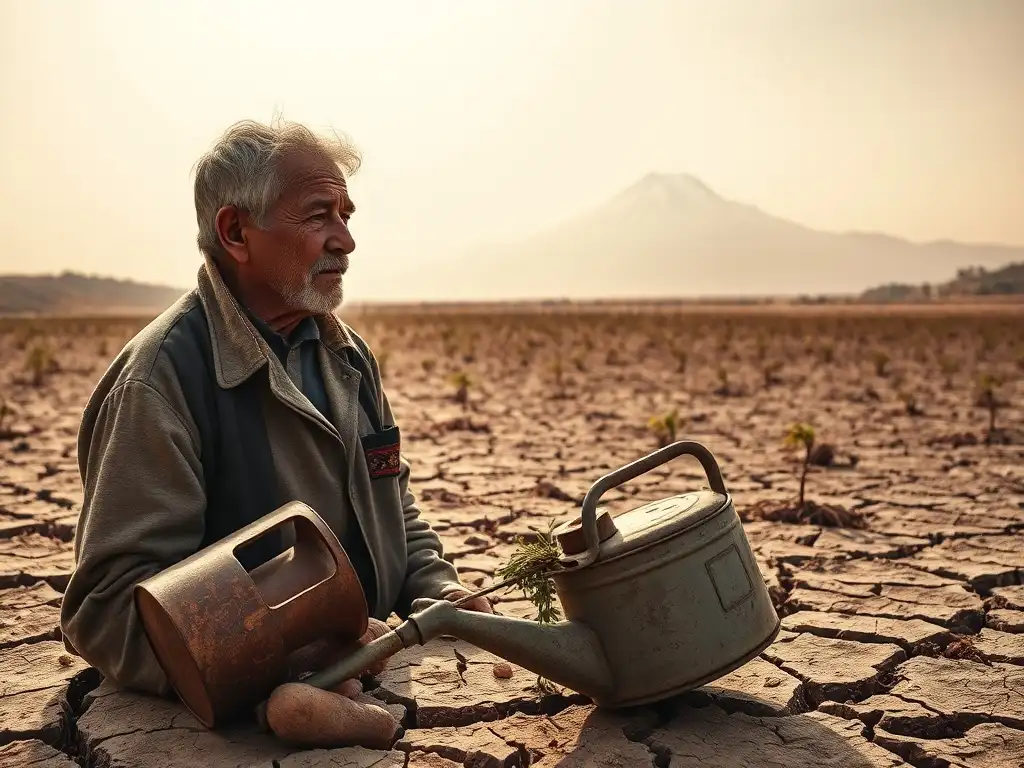
The Andes Mountains present a formidable challenge for agriculture, characterized by steep slopes, diverse microclimates, and limited arable land. However, the inherent difficulties are now exacerbated by the accelerating impacts of climate change, posing significant threats to food security and the livelihoods of Andean communities. Understanding these challenges is crucial to developing effective adaptation strategies and ensuring the sustainability of Andean agriculture.
The effects are multifaceted, impacting everything from the frequency of extreme weather to the predictability of growing seasons. This section will explore the key ways climate change is reshaping Andean agricultural practices and the innovative responses being developed.
Increased Frequency of Extreme Weather Events
Andean agriculture is increasingly vulnerable to the increased frequency and intensity of extreme weather events. Droughts, once infrequent, are becoming more prolonged and severe, leading to crop failures and water scarcity. Conversely, unusually heavy rainfall and flooding are also becoming more common, causing soil erosion, landslides, and the destruction of crops and infrastructure. This erratic weather pattern significantly impacts the delicate balance of Andean farming systems, which are often highly dependent on predictable rainfall patterns and traditional water management techniques.
For example, the altiplano, the high-altitude plateau, is particularly susceptible to drought, impacting potato and quinoa production, staple crops for millions. Conversely, the lower valleys, while benefiting from some increased rainfall, are frequently subjected to devastating floods that damage infrastructure and destroy ready-to-harvest crops. Data from [specific information pending – source on frequency and intensity of extreme weather events in the Andes] would further illustrate this trend. The economic consequences are severe, disproportionately impacting the most vulnerable populations who rely heavily on subsistence farming. The unpredictability of these events also hinders long-term planning and investment in agricultural improvements.
Changes in Growing Seasons and Crop Yields
Climate change is not only altering the frequency of extreme weather events but also fundamentally shifting growing seasons and impacting crop yields. Rising temperatures are causing earlier snowmelt in the high Andes, reducing water availability later in the growing season when it's most needed. This shortened growing season, coupled with increased temperatures and changes in rainfall patterns, directly impacts the productivity of many key Andean crops. The impact varies depending on altitude, with crops at higher elevations facing more significant challenges.
The changes in temperature and precipitation are also affecting the suitability of traditional farming areas for specific crops. Some crops may find their optimal growing conditions shifting to higher altitudes, leading to competition for land and resources. This necessitates a reassessment of traditional agricultural practices and potentially the introduction of new, climate-resilient crop varieties.
Studies on the impact of climate change on specific crops like potatoes, maize, and quinoa are crucial for understanding the precise effects and developing targeted adaptation strategies. [specific information pending – data on changes in growing seasons and crop yields in the Andes]. The resulting decrease in crop yields threatens food security and economic stability in the region.
Strategies for Climate Change Adaptation in Andean Farming
Facing these significant challenges, Andean communities and researchers are actively developing and implementing adaptation strategies to mitigate the negative impacts of climate change on agriculture. These strategies include:
- Developing drought-resistant crop varieties: This involves breeding and selecting crops that can tolerate water scarcity and higher temperatures.
- Improving water management techniques: This includes implementing efficient irrigation systems, rainwater harvesting, and improved water storage methods.
- Implementing agroforestry practices: Integrating trees into farming systems can help improve soil health, reduce erosion, and provide shade, mitigating the effects of extreme temperatures.
- Promoting climate-smart agriculture: This involves adopting farming practices that reduce greenhouse gas emissions and enhance resilience to climate change. This may include techniques like conservation tillage and integrated pest management.
- Diversification of crops: Reducing dependence on a single crop can help mitigate the risk of complete crop failure due to extreme weather events.
- Strengthening early warning systems: Improving the ability to predict and respond to extreme weather events is critical for minimizing their impact on agriculture.
The success of these adaptation strategies will depend on a collaborative effort between researchers, policymakers, and Andean farming communities. The challenges are significant, but the resilience and adaptability of Andean farmers, combined with innovative research and support, offer hope for a sustainable future for Andean agriculture. The ongoing monitoring and evaluation of these strategies are crucial to ensure their effectiveness and inform future adaptation efforts. The future of Andean agriculture hinges on effectively addressing these challenges, ensuring food security and preserving the rich agricultural heritage of the Andes. 🌱
The Future of Andean Agriculture: Balancing Tradition and Innovation
The future of Andean agriculture hinges on a delicate balance: preserving the invaluable traditional knowledge and practices that have sustained communities for millennia while simultaneously embracing innovative techniques to address the escalating challenges of climate change, population growth, and market demands. This requires a multi-pronged approach, focusing on food security, sustainable livelihoods, and the empowerment of Andean farming communities. The success of this endeavor will not only secure the food supply for millions but also safeguard the unique cultural heritage inextricably linked to Andean agricultural practices.
The challenges are immense, but the potential rewards – a thriving, resilient, and culturally rich agricultural sector – are equally substantial. Understanding the nuances of this balance is crucial to charting a sustainable path forward for Andean agriculture.
Promoting Food Security and Sustainable Livelihoods
Food security in the Andes remains a critical concern. Climate change, with its unpredictable weather patterns and increased frequency of extreme events like droughts and floods, poses a significant threat to crop yields and livestock production. Sustainable agricultural practices are vital to mitigating these risks. This includes:
- Diversification of crops: Moving away from monoculture farming towards a more diverse range of crops can enhance resilience against pests, diseases, and climate variability. Traditional Andean polyculture systems, which often involved intercropping and agroforestry, offer valuable lessons in this regard.
- Improved water management: Implementing efficient irrigation techniques, water harvesting systems, and drought-resistant crop varieties is essential for optimizing water use in the often arid and semi-arid Andean regions. Innovative solutions, such as rainwater harvesting techniques adapted to specific Andean microclimates, need further development and implementation.
- Sustainable soil management: Protecting soil fertility through techniques like crop rotation, cover cropping, and the use of organic fertilizers is crucial for long-term agricultural productivity. The degradation of Andean soils due to erosion and unsustainable farming practices poses a serious threat that needs immediate attention. Data indicates that soil erosion rates in certain Andean regions are alarmingly high, necessitating urgent intervention.
- Market access and value chains: Ensuring that Andean farmers have access to fair markets and can participate effectively in value chains is crucial for improving their livelihoods and incentivizing sustainable farming practices. This requires investment in infrastructure, market linkages, and capacity building for farmers.
Preserving Traditional Knowledge and Practices
The Andean region boasts a rich tapestry of traditional agricultural knowledge, accumulated over centuries. This knowledge, often embedded in local communities and passed down through generations, holds immense value for adapting to climate change and ensuring food security. However, this invaluable knowledge is increasingly threatened by factors such as migration, globalization, and the adoption of unsustainable agricultural practices. Preservation efforts should focus on:
- Documenting and disseminating traditional practices: Systematic documentation of traditional Andean farming techniques, including knowledge about crop varieties, soil management, water conservation, and pest control, is crucial for safeguarding this heritage. This can be achieved through participatory research methods, involving local communities actively in the documentation process.
- Integrating traditional knowledge into modern agricultural practices: Traditional knowledge can be effectively integrated with modern agricultural techniques to create more resilient and sustainable farming systems. For example, combining traditional crop rotation methods with modern soil testing techniques can optimize nutrient management.
- Supporting traditional seed banks and nurseries: The preservation of traditional crop varieties is essential for maintaining biodiversity and adapting to changing environmental conditions. Supporting local seed banks and nurseries plays a critical role in this endeavor. These seed banks are often repositories of genetic diversity, holding varieties uniquely adapted to the harsh Andean environment. Their preservation is paramount for future food security.
Empowering Andean Farming Communities
Empowering Andean farming communities is paramount to achieving sustainable and resilient agriculture in the region. This requires a holistic approach that addresses the social, economic, and political factors influencing agricultural production. Key aspects include:
- Access to credit and financial services: Many Andean farmers lack access to credit and financial services, hindering their ability to invest in improved farming techniques and infrastructure. Providing access to microfinance and other financial mechanisms is crucial for empowering farmers.
- Education and training: Investing in education and training programs that equip Andean farmers with the skills and knowledge needed for sustainable agriculture is essential. This includes training on climate-smart agriculture, sustainable soil management, and market access.
- Strengthening farmer organizations: Supporting the development of strong farmer organizations can enhance their collective bargaining power, improve access to resources, and promote knowledge sharing among farmers. These organizations play a critical role in advocating for farmers' rights and interests.
- Policy support and infrastructure development: Government policies and investments in infrastructure, such as irrigation systems and rural roads, are crucial for creating an enabling environment for sustainable agriculture in the Andes. Appropriate policies are needed to support the adoption of sustainable practices and protect farmers from the impacts of climate change.
The future of Andean agriculture is not merely about increasing food production; it's about building resilient and thriving communities that are deeply connected to their land and its rich agricultural heritage. By embracing a holistic approach that balances tradition and innovation, the Andes can secure a future where agriculture plays a vital role in both food security and cultural preservation.
Frequently Asked Questions
What were some of the major challenges faced by Andean farmers?
Andean farmers faced numerous challenges, including harsh climates with extreme altitudes, limited arable land, scarce water resources, and unpredictable weather patterns. These factors significantly impacted crop yields and food security.
How did Andean civilizations adapt their agricultural practices to overcome these challenges?
Andean civilizations developed ingenious irrigation systems, terracing techniques, and crop diversification strategies to maximize food production in challenging environments. They also selected crops adapted to high altitudes and developed sophisticated farming methods.
What role did technology play in Andean agriculture?
Technology played a crucial role. Advanced irrigation systems, such as canals and aqueducts, were essential for water management. Terracing increased arable land and prevented soil erosion. The use of fertilizers and animal husbandry also contributed to agricultural success.
What were the main crops cultivated by Andean civilizations?
Andean civilizations cultivated a variety of crops, including potatoes, maize, quinoa, and beans. These staple crops were adapted to different altitudes and climates, ensuring food security across diverse regions.
How did the success of Andean agriculture impact their societies?
Successful Andean agriculture was fundamental to the development and growth of Andean societies. The surplus of food allowed for population growth, the development of complex social structures, and the flourishing of art, architecture, and culture.
Final Reflection: Cultivating Resilience in the Andes
The challenges facing Andean agriculture are not merely historical footnotes; they are a stark reminder of the fragility of our food systems and the resilience of human ingenuity in the face of adversity. The interconnectedness of climate change, resource scarcity, and food security, as explored throughout this article, presents a global challenge with particularly acute implications for the Andean region. Understanding these challenges is crucial not only for supporting Andean communities but also for informing sustainable agricultural practices worldwide.
The enduring legacy of Andean agricultural practices, honed over millennia, speaks volumes about human adaptation and innovation. Their sophisticated understanding of terracing, water management, and crop diversification offers invaluable lessons for modern agriculture. Yet, the increasing pressure of climate change and globalization threatens to erode these traditional methods. The future of food security depends on our ability to learn from the past and adapt to the challenges of the present.
This quote encapsulates the urgency of preserving and promoting sustainable agricultural practices in the Andes, not just for the region's benefit, but for the global food system as a whole.
Consider the impact of your own food choices. Where does your food come from? What are the environmental and social costs associated with its production? By supporting sustainable and ethical food systems, you can contribute to a more resilient and equitable future for Andean farmers and the planet. Let the resilience of Andean agriculture inspire you to make conscious choices that promote sustainability and support communities striving to overcome immense challenges. Let us work together to cultivate a future where food security is a reality for all.
Embrace the Future of Andean Agriculture!
Thank you for exploring the challenges and resilience of Andean agriculture and its communities. You've gained valuable insights into how farmers overcome harsh climates and resource scarcity. Now, let's translate that understanding into meaningful action!
Here are some ways you can make a difference:
- **Support Andean farmers directly** by purchasing fair-trade products. This directly empowers communities and helps preserve their vital agricultural traditions.
- **Share this information** with your network to raise awareness about the challenges faced by Andean farmers. Start conversations that encourage others to learn more and get involved.
- **Adopt sustainable farming practices** in your own garden or farm. Consider water-wise techniques and soil-enriching methods inspired by the innovative approaches used in the Andes.
What's the most impactful step we can take to support sustainable agriculture in Andean communities? Let's discuss in the comments!