
The Rise of Quechua: From Humble Beginnings to an Imperial Tongue

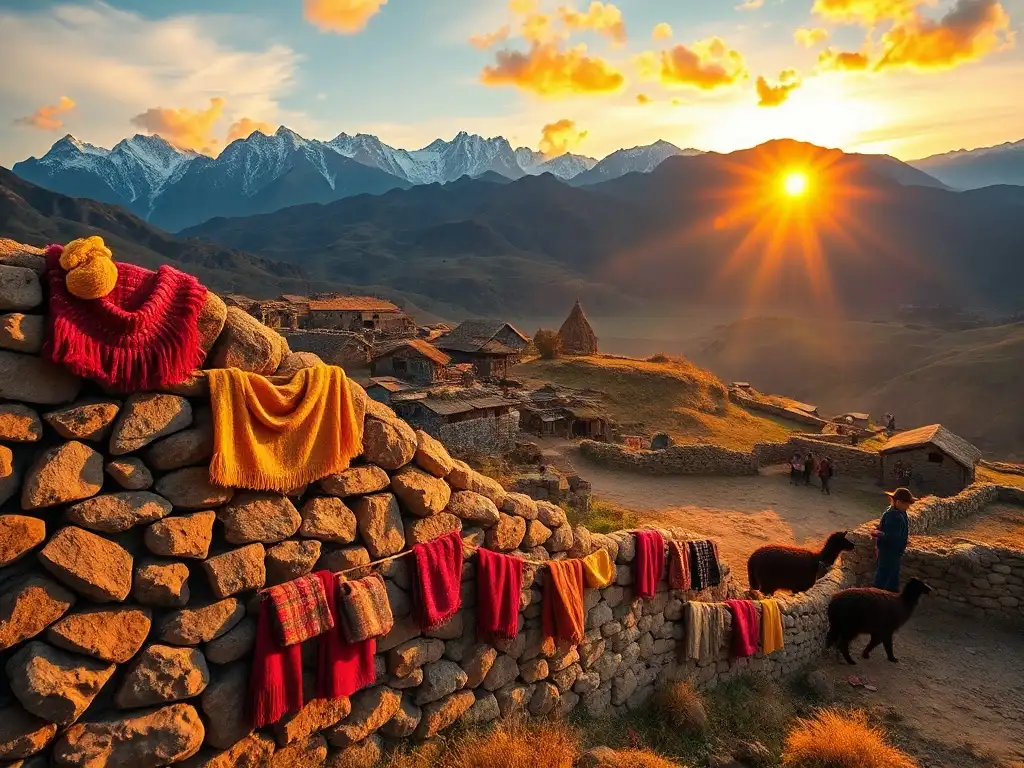
Unravel the mysteries of the Andes! Journey with us through a captivating tapestry of ancient empires, breathtaking artistry, and groundbreaking innovation. But prepare to be amazed by the remarkable story of the Quechua language, a legacy woven into the very fabric of Inca civilization. Discover how this once-humble tongue rose to become the voice of an empire, a tale that will leave you wanting to explore more of its fascinating history. Dive in and uncover the secrets of the Quechua language history Inca!
Quechua, a language family spoken by millions across the Andes Mountains, boasts a rich and complex history intricately woven into the fabric of Andean civilizations. This journey through the Quechua language history, focusing on its relationship with the Inca Empire, reveals a fascinating narrative of linguistic evolution, cultural exchange, and the enduring power of language to shape identity and power. From its humble beginnings as a dialect spoken among small communities, Quechua rose to become the lingua franca of a vast empire, a testament to its adaptability and the socio-political forces that propelled its spread.
This exploration delves into Quechua's pre-Inca origins, examines the influence of early speakers, and traces its expansion before the Inca Empire's ascendance, ultimately revealing how Quechua became inextricably linked with the Inca identity and legacy. Understanding Quechua’s history illuminates a crucial aspect of the Andean world and its lasting impact on South America.
Quechua's Pre-Inca Origins: Tracing the Language's Roots
Tracing Quechua's origins before the Inca Empire presents a significant challenge for linguists. While the exact timeframe and location of its emergence remain debated, evidence suggests a gradual development over centuries in the central Andes region. Archaeological findings, coupled with comparative linguistic analyses of various Quechua dialects, point towards a complex process of diversification and interaction with other Andean languages.
The earliest identifiable forms of Quechua likely emerged from a proto-Quechua language, possibly spoken in the highlands of Peru several centuries before the Inca. The exact timeline remains uncertain, with estimations ranging from [specific information pending] years ago. However, it's clear that the language wasn't static; it evolved and adapted through contact with diverse communities, absorbing influences and developing into the various dialects we know today.
This pre-Inca period laid the foundation for the language's later expansion and imperial adoption. The diversity of Quechua dialects today reflects this long and complex history, a testament to the resilience and adaptability of the language.
Early Quechua Speakers and Their Influence
Before the Inca Empire's dominance, various groups spoke early forms of Quechua. These communities were not necessarily politically unified, but their shared linguistic heritage suggests cultural exchange and interaction. The influence of these early Quechua speakers is evident in the vocabulary and grammatical structures present in later forms of the language. For example, [specific examples of vocabulary or grammatical structures with their origins pending].
Understanding the social structures and interactions of these pre-Inca Quechua speakers is crucial to fully appreciating the language's development. The cultural and social dynamics of these communities likely played a significant role in shaping the linguistic landscape of the Andes, paving the way for the eventual rise of Quechua to prominence under the Inca. Further research into the social organization and cultural practices of these communities is needed to fully understand their contribution to the development of the Quechua language.
The Expansion of Quechua Before the Inca Empire
Even before the Inca Empire's consolidation of power, Quechua was spreading throughout the Andean region. This expansion wasn't solely due to military conquest; rather, it was a complex interplay of factors including trade, migration, and intermarriage. The development of sophisticated agricultural techniques, such as terracing, facilitated the growth of settlements and increased interaction between different communities, fostering linguistic exchange.
The expansion of trade networks also played a crucial role, as Quechua may have been adopted as a lingua franca for commerce. This pre-Inca expansion laid the groundwork for the language's later, more rapid dissemination under Inca rule. Evidence suggests that certain Quechua dialects gained prominence in specific regions even before the Inca conquest, suggesting a degree of linguistic influence that predates the empire.
The process was likely gradual and multifaceted, highlighting the complex socio-political dynamics that shaped the spread of Quechua across the Andes. The groundwork laid in this period facilitated the ease with which Quechua was later adopted as the official language of the Inca Empire.
- Quechua's Pre-Inca Origins: Tracing the Language's Roots
- Early Quechua Speakers and Their Influence
- The Expansion of Quechua Before the Inca Empire
- What is the Quechua language's connection to the Inca Empire?
- How did Quechua spread throughout the Andes before the Inca Empire?
- Did the Inca Empire impose Quechua on conquered populations?
- What is the current status of the Quechua language today?
- How did the Quechua language influence other Andean languages?
The Quechua Language and the Inca Empire: A Turning Point
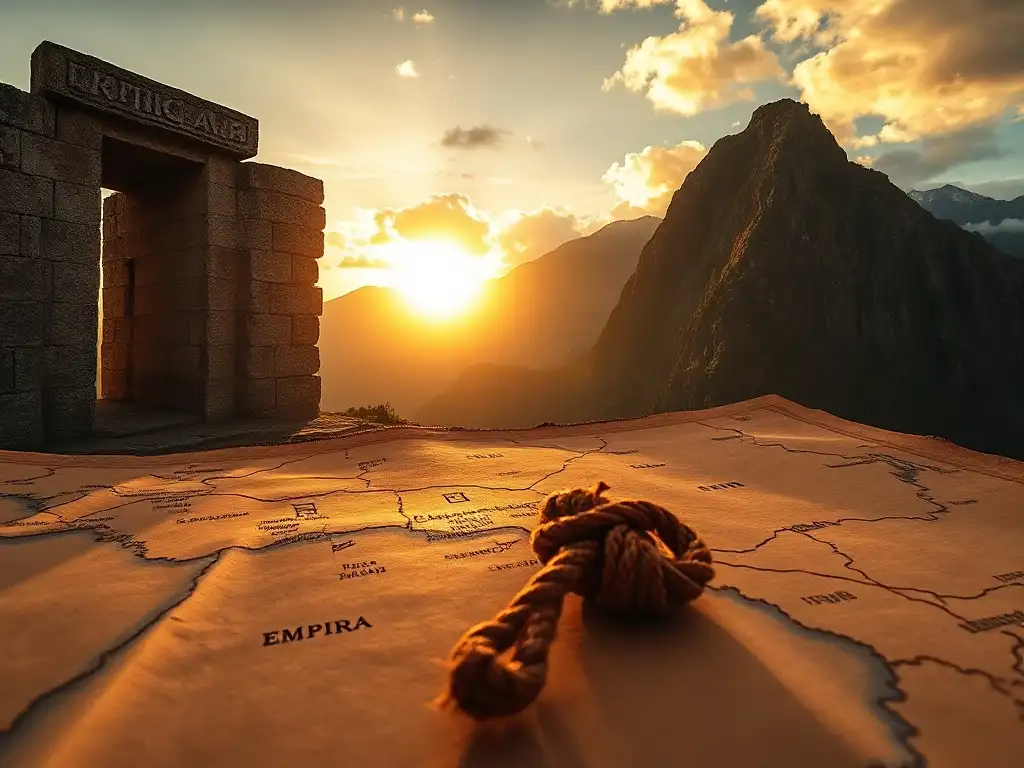
The Inca Empire's expansion in the 15th and 16th centuries dramatically altered the trajectory of the Quechua language. Before the Inca's rise, Quechua was likely one of many languages spoken in the Cusco region, not possessing the widespread dominance it would later achieve. The Inca's strategic adoption of Quechua as an administrative language transformed it from a regional dialect into the lingua franca of a vast and diverse empire, stretching across the Andes from modern-day Colombia to northern Argentina and Chile.
This pivotal moment in Quechua language history solidified its position and ensured its survival through centuries of colonial rule and beyond. The impact of Inca imperial power on the language's evolution is undeniable, shaping its grammar, vocabulary, and ultimately, its enduring legacy. Understanding this relationship is key to comprehending the Quechua language history Inca connection.
The Inca Adoption of Quechua as a Lingua Franca
The Inca expansion wasn't a simple military conquest; it was a sophisticated process of integration and control. Conquered populations were often incorporated into the Inca system, and maintaining communication across this vast and diverse territory was crucial.
While the Inca Empire encompassed a multitude of ethnic groups and languages, the need for efficient administration and communication led to the selection of Quechua, possibly a dialect spoken in or around Cusco, as the official language. This wasn't a conscious decision to suppress other languages; rather, it was a pragmatic choice to facilitate trade, governance, and the transmission of imperial ideology.
The choice likely stemmed from a combination of factors, including the existing prominence of Quechua in the Cusco region, its relative ease of learning compared to other Andean languages, and possibly the political influence of the Quechua-speaking groups within the growing empire. The selection of Quechua as the administrative language was a key factor in its spread and eventual dominance.
Quechua's Role in Inca Administration and Communication
The Inca's use of Quechua extended far beyond simple communication. It became the backbone of their intricate administrative system. Official records, decrees, and census data were kept in Quechua. The quipus, complex knotted-cord systems used for record-keeping, likely reflected the structure and vocabulary of the Quechua language.
Furthermore, the chasquis, a relay system of runners, facilitated rapid communication across the empire, transmitting messages and information primarily in Quechua. This widespread use cemented Quechua's importance within the Inca state, making it essential for anyone seeking to participate in the empire's political and economic life. The language itself became a tool of power, reflecting and reinforcing the authority of the Inca rulers. The standardization of weights and measures, tax collection, and the organization of labor all relied heavily on a shared understanding of the Quechua language.
Inca Standardization and Promotion of Quechua
The Inca's influence wasn't limited to simply adopting Quechua; they actively promoted its standardization and spread. While the details remain debated by scholars, it's clear that the Inca government implemented policies aimed at fostering linguistic uniformity. This may have involved the suppression of certain dialects or the promotion of specific grammatical structures and vocabulary.
The construction of roads, the movement of populations, and the establishment of administrative centers all contributed to the widespread adoption of Quechua. The creation of a standardized Quechua, although likely not a completely uniform language across the empire, facilitated communication and helped solidify the Inca's control. Furthermore, the prestige associated with the Inca court undoubtedly contributed to the increasing adoption of Quechua by conquered populations, further solidifying its position as the dominant language of the Andean region.
The impact of Inca standardization on the long-term survival and evolution of the Quechua language is profound and continues to be a subject of ongoing research. This active promotion, combined with the empire's power, ensured the survival and spread of Quechua for centuries to come.
Quechua Under Inca Rule: Spread and Cultural Impact
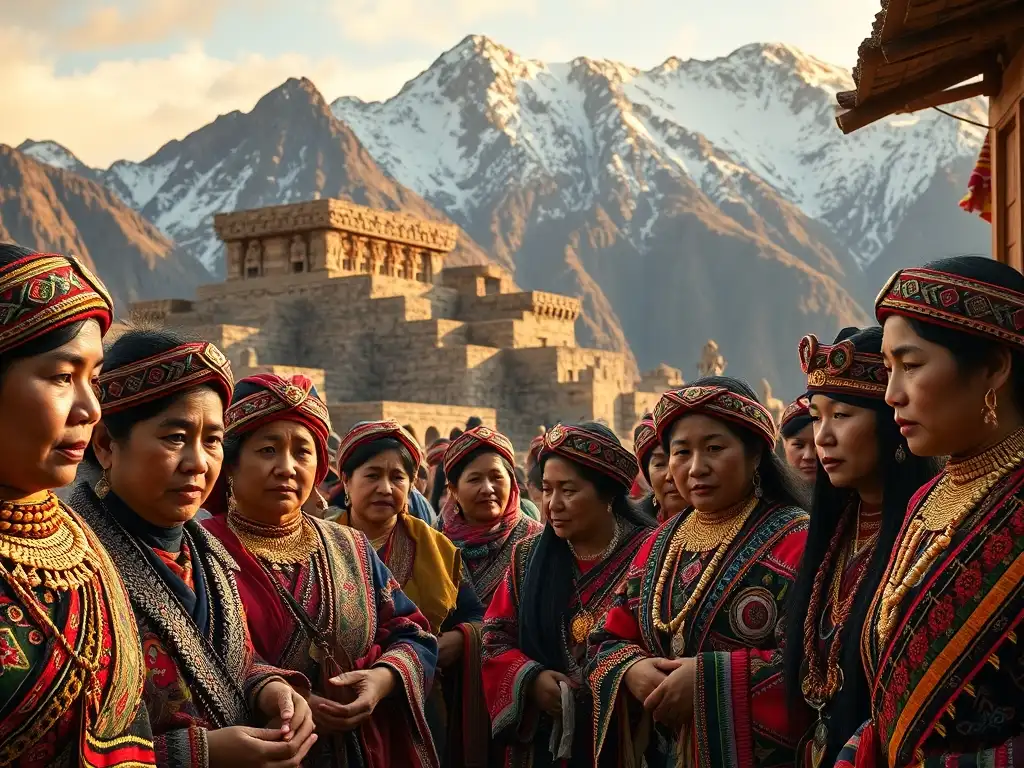
The Inca Empire's expansion played a pivotal role in the dissemination of Quechua, transforming it from a regional language to the lingua franca of a vast and diverse Andean realm. This wasn't a process of forced assimilation, but rather a strategic implementation of a chosen language for administrative and communicative purposes. The Inca's sophisticated system of tambos (roadside inns) and chasquis (runners) facilitated rapid communication across the empire, and Quechua became the essential tool for this network. This fostered a sense of unity, albeit a hierarchical one, across the diverse ethnic groups inhabiting the Inca territories.
The impact extended beyond mere communication. The standardization of Quechua, albeit with regional variations, contributed to a shared cultural identity. While local languages and traditions certainly persisted, Quechua provided a common ground for interaction, trade, and the transmission of imperial ideology. The Inca government actively promoted Quechua, using it in official documents, decrees, and educational settings.
This deliberate policy cemented Quechua's status as a symbol of imperial power and fostered its further spread. The sheer scale of the Inca Empire – encompassing millions of subjects across a vast geographical area – ensured Quechua's enduring legacy. The language became inextricably linked to the political and social fabric of the empire, even influencing the development of other Andean languages.
Quechua Dialects and Regional Variations within the Inca Empire
Despite the Inca's efforts towards standardization, Quechua wasn't a monolithic entity. Significant regional variations existed within the empire, reflecting the diverse linguistic landscape it encompassed. These dialects, often exhibiting subtle differences in pronunciation, vocabulary, and grammar, weren't merely random variations; they often reflected the unique cultural and environmental contexts of specific regions. For instance, coastal Quechua differed noticeably from highland Quechua, reflecting the distinct lifestyles and experiences of the people inhabiting those areas. The Inca administration acknowledged these variations, although a standardized form of Quechua, likely based on the Cuzco dialect, was employed for official purposes.
The existence of these dialects underscores the complexity of the Quechua language's development under Inca rule. It wasn't a case of complete homogenization, but rather a dynamic interplay between imperial standardization and the persistence of regional linguistic diversity. Research into these variations is crucial for understanding the full scope of Quechua's history and its adaptation to different environments and cultures within the Inca Empire. Further research is needed to fully document and analyze the extent of this linguistic diversity, including [specific information pending] on the precise number of mutually intelligible dialects.
Quechua in Inca Literature, Poetry, and Oral Traditions
While the Inca did not possess a written script in the same way as many other ancient civilizations, their sophisticated oral traditions played a vital role in preserving and transmitting knowledge, history, and cultural values. Quechua was the primary vehicle for these traditions. Narratives, poetry, songs, and myths were passed down through generations, often employing mnemonic devices and elaborate performance styles.
These oral narratives encompassed a vast range of topics, from historical accounts of Inca rulers and conquests to creation myths and cosmological beliefs. The emphasis on oral transmission highlights the importance of memory and performance skills in Inca society.
The lack of a widespread writing system doesn't imply a lack of literary expression. The richness and complexity of Inca oral literature, preserved through painstaking fieldwork and linguistic analysis, reveal a sophisticated and nuanced use of Quechua. While much remains lost to time, the surviving fragments provide invaluable insights into Inca worldview, social structures, and cultural values.
The rhythmic patterns and metaphorical language employed in Quechua oral poetry demonstrate a high level of artistic expression, reflecting the linguistic creativity and aesthetic sensibilities of Inca society. Further research into the structure and stylistic features of this oral literature is crucial to understanding the full scope of Inca literary achievements.
The Use of Quechua in Inca Rituals and Ceremonies
Quechua played a central role in Inca religious practices. Prayers, hymns, and incantations were all delivered in Quechua, reflecting the deep integration of language and spirituality in Inca culture. Rituals and ceremonies often involved the use of specialized Quechua vocabulary related to deities, offerings, and sacred objects. This specialized language served to reinforce the sacred nature of these events and to distinguish them from everyday communication.
The use of Quechua in rituals further strengthened its association with power and authority. Priests and other religious officials used Quechua to communicate with the gods and to mediate between the divine and the human realms. The language itself became imbued with a sacred quality, reflecting the importance of religious practices in Inca society. Detailed studies of Inca religious texts and rituals, even though largely based on post-conquest accounts, reveal the profound influence of Quechua on religious expression.
More research is needed to fully understand the nuances of religious Quechua and its role in shaping Inca religious beliefs and practices. The recovery and analysis of any surviving fragments of religious texts in Quechua would be particularly valuable. [Specific information pending] on the exact vocabulary used in different rituals.
The Spanish Conquest and Quechua's Resilience

The Spanish conquest of the Inca Empire in the 16th century drastically altered the linguistic landscape of the Andes. Prior to the arrival of the Europeans, Quechua, already a lingua franca across a vast territory, held a position of dominance. However, the imposition of Spanish as the official language of the colony presented a significant challenge to Quechua's continued prevalence. The Spanish crown actively promoted the use of Spanish, viewing it as crucial for consolidating political control and suppressing indigenous identities.
This policy manifested in various ways, impacting not only the everyday use of Quechua but also its prestige and social standing. The suppression was far from total, however, and the tenacity of Quechua in the face of colonial pressure is a testament to its deep roots in Andean society. The following sections will delve into the specific impacts and adaptive strategies employed by Quechua speakers.
The Impact of Colonialism on the Quechua Language
The Spanish conquest led to a decline in the public use of Quechua. Spanish became the language of administration, law, education, and commerce. This shift marginalized Quechua, relegating it primarily to the domestic sphere. The deliberate suppression of indigenous languages was a common colonial tactic, aiming to erase cultural memory and facilitate assimilation.
This is reflected in the historical records which often depict Quechua as a language of the “uncivilized” or “primitive,” contrasting it sharply with the refined elegance of Spanish. This negative perception further contributed to the language's decline in prestige. The impact wasn't uniform across all Andean regions, however. In remote areas, Quechua maintained a stronger presence, demonstrating the resilience of the language in the face of colonial policies.
The extent of language shift varied significantly depending on factors such as geographic location, proximity to Spanish-speaking centers, and the socio-economic status of the Quechua-speaking communities. Quantifying the exact extent of language loss during this period remains a challenge due to limitations in historical data. However, it's clear that the Spanish conquest marked a turning point in the Quechua language's history, initiating a period of significant change and adaptation.
Quechua's Survival and Adaptation During Spanish Rule
Despite the concerted efforts to suppress it, Quechua demonstrated remarkable resilience. Its survival can be attributed to several factors. Firstly, the sheer size and density of the Quechua-speaking population ensured its continued use within families and communities. The intimate nature of familial communication provided a safe haven for the language, preserving it from complete eradication.
Secondly, the vast geographic expanse of the Quechua-speaking world meant that complete suppression was simply impractical. In remote mountainous regions, Spanish influence was limited, allowing Quechua to flourish relatively undisturbed. Thirdly, Quechua speakers adapted their language, incorporating some Spanish loanwords to facilitate communication in the changed social context. This process of code-switching and borrowing reflects a dynamic interaction between the two languages, a testament to the adaptability of Quechua.
This linguistic flexibility allowed Quechua to remain relevant and functional even as its social status declined. The persistence of Quechua highlights the strong cultural ties and social networks that sustained the language through a period of intense colonial pressure. The survival of Quechua was not passive resistance, but rather an active process of adaptation and negotiation within a changing social and linguistic landscape.
The Role of the Church and Quechua Translations
The Catholic Church played a complex and often contradictory role in the survival of Quechua. While the Church actively promoted Spanish, it also recognized the importance of translating religious texts into Quechua to facilitate evangelization. This led to the creation of numerous Quechua-Spanish dictionaries and religious texts, which inadvertently contributed to the preservation and standardization of the language.
These translations, though serving a primarily religious purpose, also provided a written form for Quechua, helping to codify its grammar and vocabulary. The act of translation itself forced a degree of linguistic analysis and systematization, thereby strengthening the language's structure and ensuring its continued use beyond oral traditions. However, the Church's approach was often paternalistic, aiming to integrate Quechua culture within a Spanish-dominated framework.
The impact of these translations was therefore double-edged: while contributing to the language's survival, they also reinforced the dominant position of Spanish. The legacy of these early Quechua translations remains a significant part of the language's history, showcasing the often-unintended consequences of colonial policies and the resilience of the Quechua language itself. Further research into the specific vocabulary choices and grammatical structures used in these early translations could offer deeper insights into the dynamics of language contact and adaptation during this period.
Quechua in Modern Times: Revitalization and Contemporary Usage
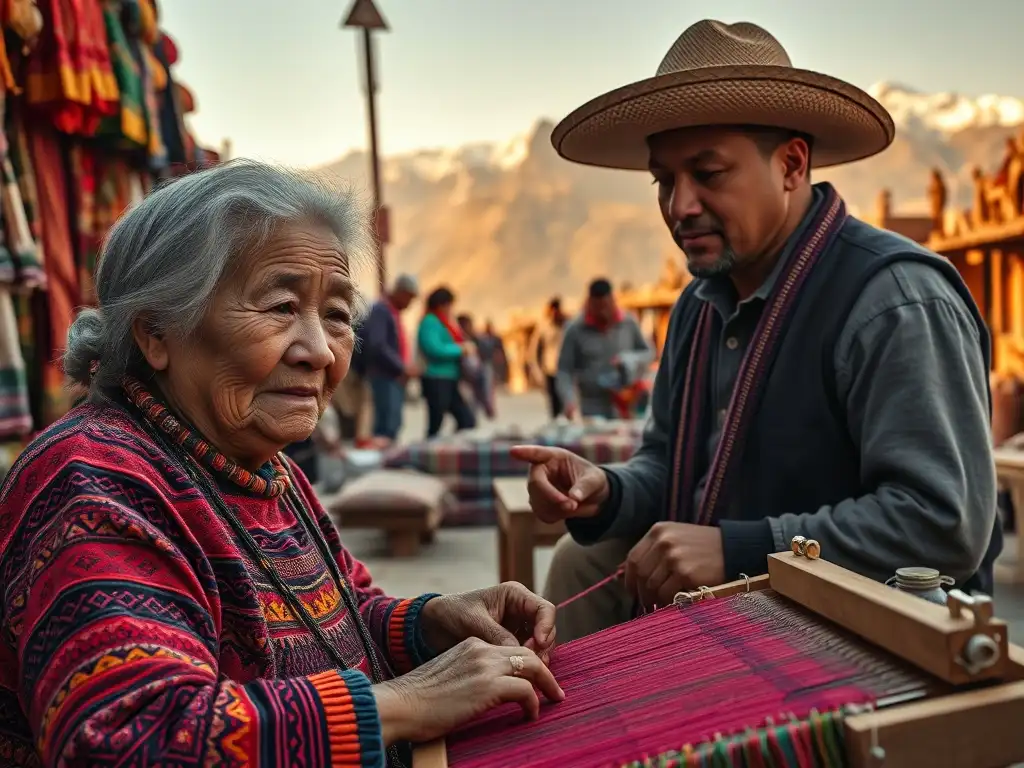
The Quechua language, far from being relegated to the history books after the Spanish conquest, thrives in the 21st century. While its dominance as the lingua franca of the Inca Empire is a thing of the past, millions of speakers continue to use Quechua daily across the Andes. Understanding its modern status requires acknowledging the diverse linguistic landscape and the ongoing efforts to revitalize and promote this rich language.
The resilience of Quechua is a testament to the enduring cultural identity of Andean communities. The impact of globalization and technological advancements on the Quechua language is a complex issue, with both challenges and opportunities arising from these forces.
The Current Status of Quechua in Andean Countries
Quechua's modern presence is far from uniform across the Andes. The number of speakers varies significantly between countries and even within regions of the same country. For example, in Peru, Quechua boasts a substantial number of speakers, concentrated primarily in the rural highlands.
However, even within Peru, significant dialectal variations exist, sometimes making communication difficult between speakers from different regions. Bolivia also has a large Quechua-speaking population, playing a significant role in the country's cultural identity. In Ecuador and Colombia, while the number of speakers is smaller, Quechua communities maintain their language and traditions, contributing to the overall linguistic diversity of these nations.
Argentina and Chile also have smaller, but significant Quechua-speaking populations, primarily in border regions with neighboring countries. Precise figures regarding the total number of Quechua speakers are difficult to obtain due to the lack of standardized census data in certain areas, and ongoing migration patterns. This lack of precise, up-to-date data makes it challenging to fully assess the current status of Quechua in each Andean nation.
Efforts to Preserve and Promote the Quechua Language
Recognizing the importance of preserving Quechua, various organizations and governments have undertaken numerous initiatives to promote its use and revitalization. These efforts range from educational programs incorporating Quechua into the curriculum to media initiatives using Quechua in radio, television, and online platforms. Furthermore, there's a growing movement to translate literature and other cultural materials into Quechua, enriching the language's resources and ensuring its accessibility to a wider audience. Community-based language nests, often run by elders, play a crucial role in transmitting the language to younger generations.
These programs are vital in maintaining linguistic continuity and cultural transmission. These efforts are not without their challenges; securing funding, overcoming societal biases that favor Spanish or other dominant languages, and adapting to the rapid changes of the digital age all present significant hurdles. Despite these challenges, the commitment to preserving Quechua reflects a deep-seated desire to maintain cultural heritage and linguistic diversity.
Quechua in Education, Media, and the Arts
The integration of Quechua into education systems is a key factor in its survival. While the implementation varies across countries, many Andean nations are incorporating Quechua language instruction into their curricula. This approach, however, often faces challenges, such as a shortage of qualified teachers and a lack of standardized educational materials. Despite these obstacles, the inclusion of Quechua in schools symbolizes a significant step toward language preservation and cultural recognition.
The media plays a crucial role in promoting Quechua. Radio stations and television channels broadcasting in Quechua help keep the language alive and relevant. Similarly, the arts—music, literature, theater—serve as powerful vehicles for promoting Quechua and its cultural significance.
The creation of Quechua-language films, songs, and books not only entertains and educates but also contributes to the overall visibility and prestige of the language. These efforts are crucial in demonstrating the vitality and dynamism of Quechua in modern society, countering the perception of it as a dying language. The use of Quechua in these diverse arenas underscores its enduring relevance and its ability to adapt to contemporary contexts.
The Future of Quechua: Challenges and Opportunities
The Quechua language, once the lingua franca of the vast Inca Empire, faces a complex future. While its historical significance as a marker of Andean identity is undeniable, its survival depends on addressing significant challenges and seizing emerging opportunities. The continued vitality of Quechua is not merely a linguistic matter; it's intrinsically linked to the preservation of cultural heritage and the empowerment of indigenous communities.
Understanding the current state of Quechua, its speakers, and the forces acting upon it is crucial to charting a path towards its continued flourishing. The Quechua language history Inca narrative is inextricably woven into the fabric of the Andean region, and its future is a shared responsibility.
The Importance of Linguistic Diversity and the Quechua Heritage
Linguistic diversity is a global treasure. Each language holds unique knowledge, perspectives, and cultural expressions. The loss of a language represents an irreplaceable loss of human history and experience.
Quechua, with its many dialects and variations reflecting the diverse landscapes and cultures of the Andes, embodies this principle profoundly. The preservation of Quechua is not simply about maintaining a vocabulary; it's about safeguarding the intricate tapestry of Andean traditions, storytelling, and worldview. The Quechua language, a vital component of the Inca legacy, carries within it centuries of accumulated wisdom, passed down through generations of oral traditions and woven into the very fabric of Andean society.
This rich heritage is a source of pride and identity for millions, and its protection is paramount for the future of the region. The vibrant expressions of Quechua culture, from traditional music and dance to agricultural practices and social structures, are all deeply intertwined with the language itself. Losing Quechua would mean losing a significant part of what makes the Andean culture unique and vibrant.
The Ongoing Struggle for Recognition and Equal Rights
Despite its historical importance, Quechua continues to face challenges in gaining full recognition and equal status alongside Spanish in many Andean countries. Many Quechua speakers still experience discrimination and marginalization, impacting access to education, healthcare, and other essential services. The lack of official bilingual education programs in many areas hinders the transmission of the language to younger generations. Furthermore, the dominance of Spanish in media, government, and commerce further marginalizes Quechua and contributes to language shift.
The struggle for recognition involves advocating for policies that promote bilingualism, protect indigenous rights, and ensure equal opportunities for Quechua speakers. This necessitates a multi-pronged approach, involving governmental action, community mobilization, and educational initiatives to create a more inclusive and equitable society where Quechua speakers can thrive. Concrete examples of successful strategies, such as community-based language revitalization programs and the incorporation of Quechua into official government communication, offer valuable insights into effective approaches.
Ensuring the Legacy of the Quechua Language for Future Generations
The survival of Quechua depends on active efforts to ensure its transmission to future generations. This requires a multi-faceted strategy that encompasses education, technology, and community engagement. Developing engaging and culturally relevant educational materials is crucial, including textbooks, digital resources, and multimedia content.
Technology plays a significant role in language preservation, offering opportunities for online language learning, digital archiving of oral traditions, and the creation of virtual communities for Quechua speakers. Community-based initiatives, such as language nests and immersion programs, provide invaluable opportunities for children to learn Quechua in natural and supportive environments. Furthermore, fostering pride in Quechua identity and promoting its use in various social contexts is essential for its continued vitality.
The long-term success of these efforts depends on the sustained commitment of governments, educational institutions, and most importantly, the Quechua-speaking communities themselves. The future of Quechua is not predetermined; it is a collective responsibility that requires a concerted and ongoing effort to ensure its lasting legacy. The Quechua language history Inca narrative must continue, vibrant and strong, for generations to come.
Frequently Asked Questions
What is the Quechua language's connection to the Inca Empire?
Quechua became the official language of the Inca Empire, facilitating communication and administration across their vast territory. Its widespread use solidified its importance and legacy. Imperial expansion directly contributed to Quechua's dominance.
How did Quechua spread throughout the Andes before the Inca Empire?
Before Inca rule, various Quechua dialects existed regionally. The Inca's political and military power propelled its standardization and spread throughout the empire. This expansion significantly increased the language's reach.
Did the Inca Empire impose Quechua on conquered populations?
While the Inca encouraged Quechua adoption, forceful imposition wasn't their primary method. Incentives and administrative practices promoted its use. However, resistance and the persistence of other languages certainly existed.
What is the current status of the Quechua language today?
Quechua remains a vibrant and living language spoken by millions in the Andes. Though Spanish dominates, Quechua's survival demonstrates its cultural resilience. Efforts to revitalize and teach the language are ongoing.
How did the Quechua language influence other Andean languages?
Quechua's influence is evident in the lexicon and grammar of many other Andean languages. Linguistic borrowing and contact led to mutual influences, particularly during the Inca Empire's expansion. This impact continues to be studied by linguists.
Final Reflection: Echoes of the Inca Empire in the Quechua Tongue
The enduring legacy of the Inca Empire isn't just etched in stone ruins; it's woven into the very fabric of language. The survival and resurgence of Quechua, despite centuries of colonial suppression, stands as a powerful testament to the resilience of a culture and the enduring strength of its people. This vibrant language, once the lingua franca of a vast empire, continues to thrive, a living link to a rich and complex past.
The journey of Quechua, from the heights of imperial power to the challenges of globalization, mirrors the struggles and triumphs of indigenous communities worldwide. Its continued presence, despite facing immense pressure from dominant languages, is a source of both pride and inspiration. A language is a dialect with an army and navy,
a quote often attributed to Max Weinreich, perfectly encapsulates the political and social forces that have shaped Quechua's history. Understanding this history allows us to appreciate the ongoing fight for linguistic diversity and the importance of preserving cultural heritage.
The story of Quechua isn't just a historical account; it's a call to action. Consider the impact of language preservation on cultural identity, and reflect on the power of language to connect us to our past and shape our future. You, the reader, hold the key to continuing this legacy. Learn a few Quechua phrases, support initiatives that promote indigenous languages, and share this story with others. Let the echoes of the Inca Empire resonate in your own commitment to linguistic diversity and cultural understanding.
Embrace the Legacy of Quechua!
Thank you for joining us on this enlightening journey through the rich history of the Quechua language. We hope you've gained valuable insights into its evolution and enduring significance within Andean cultures. Now, let's explore ways to connect with this vibrant heritage!
- **Immerse yourself** in the Quechua language by visiting local communities or attending cultural events where you can experience the language firsthand.
- **Share** your newfound appreciation for Quechua with friends and family, sparking conversations about the importance of linguistic diversity and cultural preservation.
- **Deepen your understanding** of Quechua by enrolling in an online course or workshop. This will allow you to enhance your fluency while honoring this profound tradition.
How will you help keep this remarkable language alive and integrate Quechua into your life?