
The Living Text: How Andean Oral Tradition Adapts Through Time

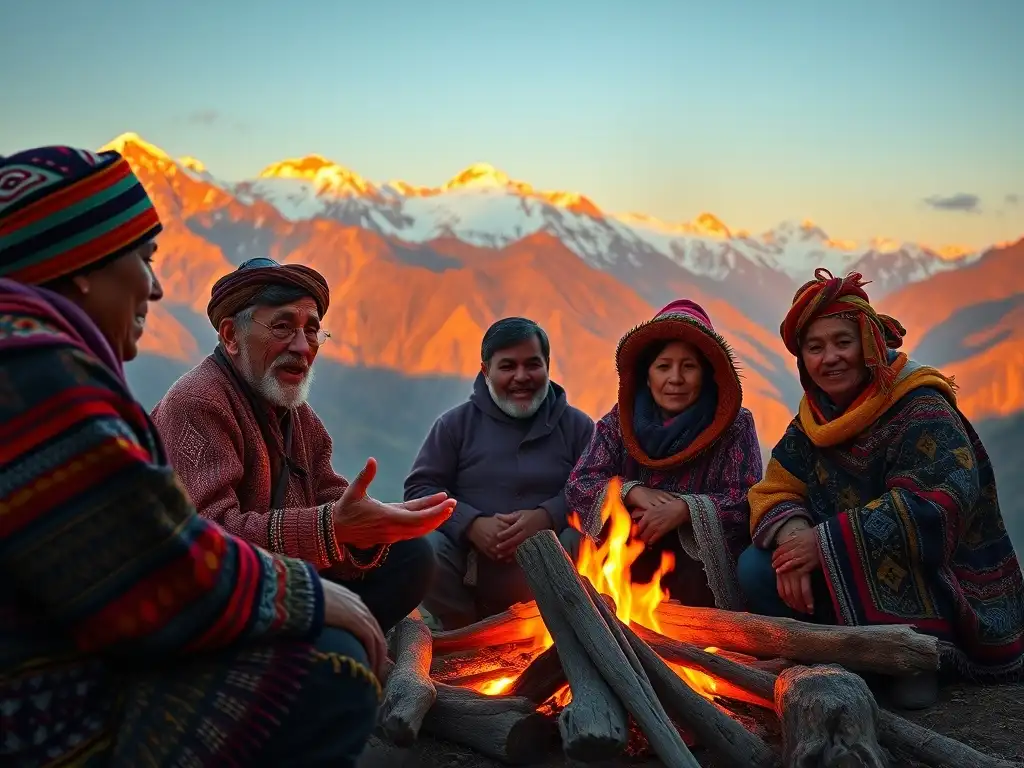
Step into a world lost to time, yet echoing in the whispers of the wind across the Andes. For centuries, the Andean oral tradition has woven a vibrant tapestry of stories, beliefs, and knowledge. But how has this ancient legacy adapted and survived the relentless march of time? Discover the fascinating answer in our exploration of Andean oral tradition adaptation, a journey through the enduring power of spoken history and its impact on Andean cultures. Prepare to be amazed by the resilience and ingenuity of these remarkable civilizations.
The Andes Mountains, a spine of towering peaks and deep valleys stretching along the western coast of South America, are not only a geographical marvel but also the cradle of vibrant and enduring cultures. For millennia, the indigenous peoples of the Andes – including the Incas, Moche, Nazca, and Tiahuanaco – have relied on a rich tapestry of oral traditions to transmit knowledge, history, beliefs, and social values across generations.
This article delves into the fascinating resilience and adaptability of Andean oral tradition, exploring how these dynamic narratives have survived and evolved through time, adapting to the changing landscapes of colonialism, globalization, and the modern world. We will examine the mechanisms of this adaptation, the challenges faced, and the enduring significance of oral traditions in contemporary Andean societies.
The preservation and understanding of this living heritage are crucial for appreciating the complexity and continuity of Andean cultures, providing invaluable insights into their past, present, and future. This exploration of Andean oral tradition adaptation will highlight its importance in maintaining cultural identity and fostering a sense of community.
Mechanisms of Transmission: Maintaining the Narrative Thread
Andean oral traditions weren't simply passed down haphazardly; sophisticated methods ensured the preservation and transmission of vital information. These methods often involved mnemonic devices such as songs, poems, and dramatic performances. Think of the yaravíes, melancholic songs that often carry narratives of love, loss, and social commentary, passed down through generations of Quechua speakers.
Storytelling played a crucial role, with skilled narrators – often elders within the community – holding a revered position. They weren't just storytellers; they were keepers of memory, shaping the collective identity of their people. Furthermore, rituals and ceremonies often incorporated oral narratives, strengthening their social and cultural significance.
This intricate web of transmission ensured that stories, myths, and historical accounts continued to resonate through time, even facing significant societal shifts. The specific techniques varied across different Andean communities, reflecting the unique cultural nuances of each region. For example, the use of knotted strings, or quipus, to record numerical and potentially narrative data, demonstrates the ingenious approaches taken to preserve information before the widespread adoption of writing systems.
The Impact of Colonialism: Resistance and Adaptation
The arrival of the Spanish conquistadors in the 16th century marked a profound turning point. The colonial period witnessed a systematic attempt to suppress indigenous languages and cultures, including oral traditions. However, rather than being eradicated, Andean oral traditions demonstrated remarkable resilience. They adapted by incorporating elements of the colonial experience, subtly weaving narratives of resistance and survival into existing stories.
This process involved a complex interplay between maintaining cultural identity and navigating the realities of colonial rule. For instance, some oral traditions were reinterpreted to incorporate religious elements of Catholicism, creating a syncretic blend of indigenous and colonial beliefs. This adaptation allowed oral traditions to persist, albeit in modified forms, often serving as a covert means of preserving indigenous knowledge and cultural memory in the face of oppression. The resilience showcased during this period is a testament to the enduring power of oral storytelling.
Oral Tradition in the Modern Era: Challenges and Revitalization
In the modern era, Andean oral traditions face new challenges. Globalization, urbanization, and the dominance of global media pose threats to the continued transmission of these valuable narratives. However, there's also a growing movement towards the revitalization and preservation of indigenous languages and cultures. Communities are actively working to document and disseminate oral traditions through various initiatives, including educational programs, festivals, and digital archives.
Efforts are underway to record and translate stories, songs, and rituals, making them accessible to wider audiences while also empowering younger generations to become active participants in preserving their heritage. This active engagement with technology and education signifies a new chapter in the ongoing adaptation of Andean oral traditions, ensuring their survival in the face of modern challenges. The active participation of younger generations is particularly promising, suggesting a strong future for the continuation of these rich traditions.
Andean oral traditions are not mere historical relics; they remain vital components of contemporary Andean societies. They continue to shape cultural identity, transmit values, and foster social cohesion. Stories, songs, and rituals bind communities together, creating a shared sense of belonging and continuity. These narratives offer a powerful means of expressing cultural pride and resisting assimilation.
The active practice of oral traditions underscores their ongoing relevance in shaping individual and collective identities within Andean communities. The preservation of these traditions is not simply a matter of preserving the past, but also of securing a vibrant and meaningful future for Andean cultures. The continued adaptation and transmission of these traditions ensure the ongoing vitality of Andean cultural heritage.
- Mechanisms of Transmission: Maintaining the Narrative Thread
- The Impact of Colonialism: Resistance and Adaptation
- Oral Tradition in the Modern Era: Challenges and Revitalization
- The Enduring Significance: Cultural Identity and Social Cohesion
- How did Andean oral traditions adapt to changing circumstances?
- What role did storytelling play in Andean oral tradition adaptation?
- What are some examples of how Andean oral traditions adapted to colonization?
- How did the adaptation of oral traditions affect the preservation of Andean culture?
- What is the significance of studying Andean oral tradition adaptation?
Understanding Andean Oral Tradition: A Dynamic Legacy
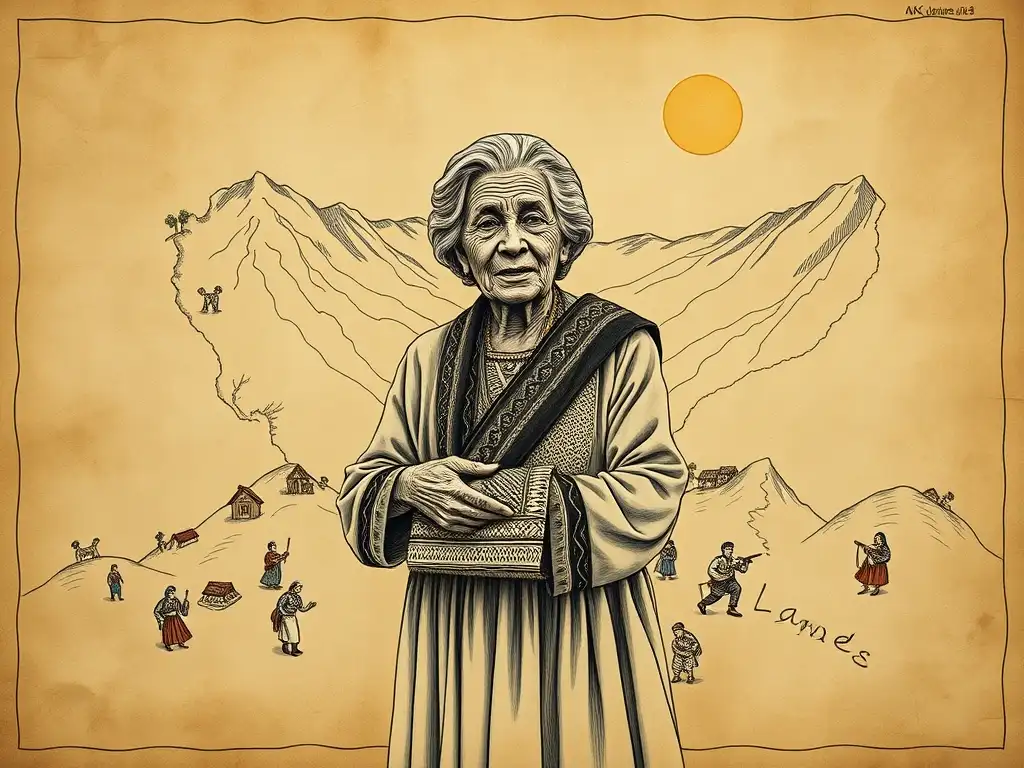
This section delves into the fascinating resilience of Andean oral tradition, exploring how it has adapted and thrived across millennia. We will examine the mechanisms of transmission, the role of storytelling, and the diverse forms this tradition takes, highlighting its enduring importance in Andean cultures. Understanding the adaptation of Andean oral tradition is key to appreciating its continued relevance in the modern world. The keyword phrase "Andean oral tradition adaptation" will be used naturally throughout to emphasize this aspect.
The Core of Andean Culture: Storytelling and Transmission
Andean oral tradition isn't merely a collection of stories; it's the very fabric of Andean cultural identity. Storytelling, a cornerstone of this tradition, serves multiple vital functions. It transmits historical knowledge, preserving accounts of past events, migrations, and social structures. These narratives, often embellished with mythical elements, provide a framework for understanding the world and their place within it. Consider, for example, the rich mythology surrounding the origins of the Inca Empire, passed down through generations via oral narratives and woven into the very essence of their identity.
The adaptation of these narratives is evident in the subtle variations found across different communities. While core elements remain consistent, details and interpretations change over time, reflecting the evolving social and environmental contexts. This process isn't a distortion; it's a dynamic reflection of a living tradition, adapting to new realities while retaining its fundamental essence. The flexibility inherent in oral transmission allows for this organic evolution, ensuring the tradition's continued relevance.
This transmission isn't a passive process. It's a vibrant exchange, often involving ritualistic performances, songs, and dances. These performances aren't mere entertainment; they are active engagements with the past, reinforcing community bonds and transmitting values across generations. The role of elders, as keepers of knowledge and storytellers, is paramount in this process. Their ability to adapt the narratives to resonate with younger audiences is crucial for the tradition's survival.
Beyond Words: The Multifaceted Nature of Oral Tradition
Andean oral tradition extends far beyond spoken narratives. It encompasses a rich tapestry of artistic expressions, including music, textiles, and even agricultural practices. These elements act as powerful mnemonic devices, reinforcing and expanding upon the information conveyed through spoken word. Think of the intricate designs on Andean textiles; these aren't merely decorative; they often encode historical events, mythological figures, or social structures. The adaptation of these visual narratives is visible in the evolution of textile styles across different periods and regions.
Moreover, the oral tradition is deeply intertwined with Andean cosmology and spirituality. Rituals, ceremonies, and shamanistic practices often involve oral components, such as prayers, chants, and incantations. These elements, passed down through generations, maintain a connection to the ancestors and the spiritual world. The adaptation of these spiritual practices is particularly nuanced, often incorporating new elements while preserving the core beliefs and rituals.
The enduring power of Andean oral tradition lies in its adaptability. It's a dynamic, evolving system that has successfully navigated centuries of change. By understanding the mechanisms of transmission, the diverse forms of expression, and the ongoing adaptation of this tradition, we gain a deeper appreciation for the rich cultural heritage of the Andes. This ongoing process ensures that the voices of the past continue to resonate in the present, enriching the lives of Andean communities for generations to come. The vibrant tapestry of Andean oral tradition continues to be woven, thread by thread, through time.
The Mechanisms of Adaptation in Andean Oral Narratives

Andean oral tradition, a vibrant tapestry woven from centuries of storytelling, isn't static. Its survival and evolution depend on dynamic mechanisms that allow narratives to adapt to changing social, environmental, and political landscapes. This adaptation isn't a simple process of copying; rather, it involves a complex interplay of memory, interpretation, and social negotiation.
Understanding these mechanisms is crucial to appreciating the resilience and transformative power of Andean oral tradition. We can observe several key processes at work, each contributing to the ongoing evolution of these invaluable cultural narratives. The continuous retelling and reinterpretation of these stories across generations ensures their relevance and longevity, reflecting the ongoing adaptation of Andean oral tradition.
Reshaping Stories: How Andean Tales Change Over Generations
The transmission of Andean oral narratives across generations is not a mere replication. Each retelling subtly reshapes the story, reflecting the teller's individual experiences, cultural context, and understanding. Consider, for example, the myths surrounding the creation of the world. Over time, these narratives might incorporate new elements, such as the integration of introduced plants or animals, reflecting environmental changes and cultural exchanges.
Similarly, tales of heroic figures might be adapted to resonate with contemporary social issues, imbuing them with new meanings relevant to the current generation. This continuous process of reinterpretation is not a corruption, but rather a vital mechanism for maintaining the relevance and vitality of the tradition. The adaptation process serves as a testament to the ongoing life of Andean oral narratives.
The changes are often subtle, manifesting in shifts in emphasis, the addition of minor details, or even the omission of certain elements deemed less relevant to the present audience. These seemingly small alterations accumulate over time, leading to significant variations in different versions of the same narrative. Analyzing these variations reveals a rich understanding of the cultural transformations experienced by Andean communities. For instance, [specific examples of variations in Andean creation myths pending] would illuminate this dynamic process.
The Influence of External Forces on Oral Tradition
Andean oral tradition has never existed in isolation. External forces, including colonization, globalization, and the spread of new technologies, have profoundly impacted its evolution. The arrival of the Spanish, for example, resulted in the suppression of certain narratives and the integration of new elements from European culture. However, this interaction was not a simple replacement; rather, it led to a complex process of syncretism, where indigenous stories were blended with European motifs and beliefs, creating unique hybrid narratives. This blending of narratives reflects the resilience of Andean oral tradition and its ability to absorb and reinterpret outside influences.
The 20th and 21st centuries have witnessed further transformations. The spread of literacy, radio, television, and the internet have introduced new ways of storytelling and information dissemination. While some might see this as a threat to oral tradition, it has also presented opportunities for its revitalization.
Many communities are now using these technologies to record and disseminate their oral narratives, ensuring their preservation and accessibility to a wider audience. This active adaptation demonstrates the enduring vitality of Andean oral tradition in the face of modernity. The integration of modern technology into the transmission of these tales represents a remarkable adaptation strategy.
The Role of Memory and Interpretation in Adaptation
Memory plays a crucial role in the adaptation of Andean oral tradition. The act of remembering is not a passive process; it is an active reconstruction of the past, shaped by individual experiences and cultural contexts. Each storyteller brings their own unique perspective and interpretation to the narratives they recount, contributing to the evolution of the story over time. The process of remembering and retelling is therefore inherently creative, leading to a dynamic and ever-evolving tradition. This active role of memory is fundamental to understanding the adaptation of Andean oral narratives.
Furthermore, the interpretation of these narratives is not fixed; it varies across different individuals and communities. What one community might interpret as a historical account, another might view as a moral lesson or a spiritual allegory. This diversity of interpretations reflects the richness and complexity of Andean oral tradition, demonstrating its capacity to resonate with diverse audiences and to adapt to different cultural contexts.
The fluidity of interpretation is a key feature of the ongoing adaptation of Andean oral tradition. The multifaceted nature of these interpretations underscores their enduring relevance. The ongoing adaptation of Andean oral tradition is a testament to its enduring cultural significance.
Case Studies: Examples of Andean Oral Tradition Adaptation
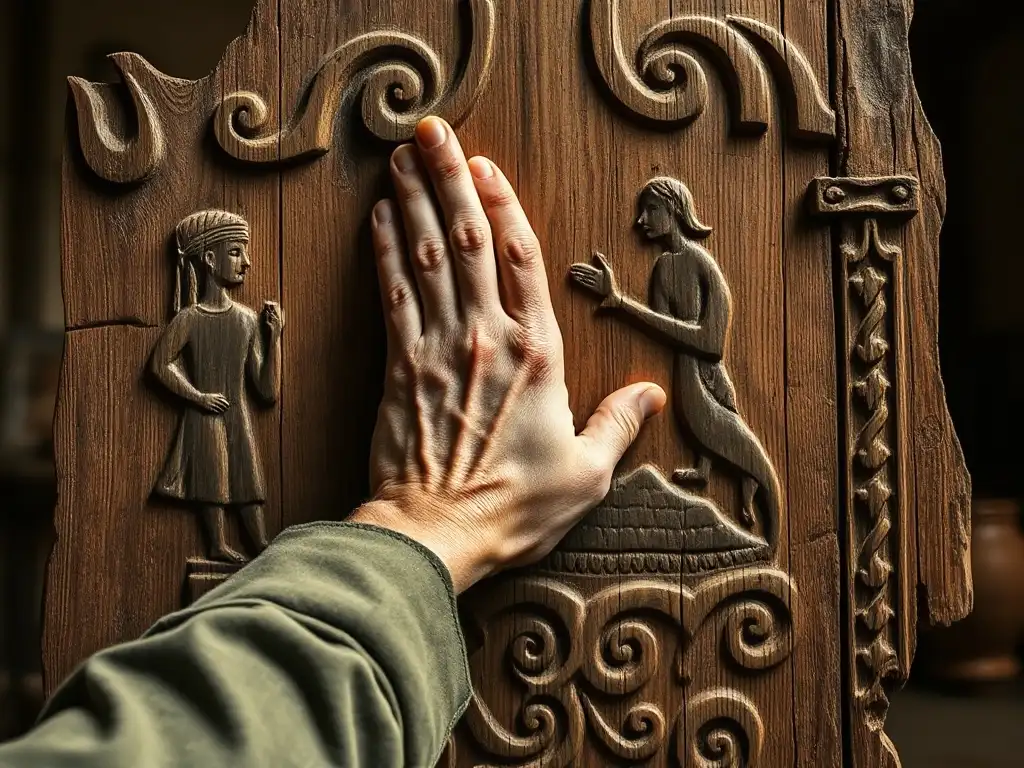
This section delves into specific examples showcasing the remarkable adaptability of Andean oral traditions, demonstrating how narratives evolve to reflect changing social, political, and environmental contexts. The enduring power of these stories lies in their capacity to remain relevant across generations, adapting their meanings while preserving their core essence. This dynamic process underscores the vitality of Andean oral tradition adaptation and its profound impact on Andean cultural identity. We will examine two prominent examples: the myth of Inkarrí and the legend of Tunupa.
Adaptation of the Myth of Inkarrí
The Original Story: The tale of the Inca king’s dismemberment and prophesied return.
The original myth of Inkarrí, a powerful figure often associated with the last Inca emperor, Atahualpa, depicts his brutal execution and dismemberment by the Spanish conquistadors. His body parts were scattered across the landscape, symbolizing the fragmentation of the Inca Empire. However, the myth importantly includes a prophecy: Inkarrí will return to reunite his scattered remains and restore the Inca nation.
This core narrative served as a source of hope and resilience during the colonial period, fueling resistance movements and maintaining a sense of collective identity amongst the subjugated population. The tale circulated primarily through yachaywasi, traditional community learning spaces, and was passed down through generations via storytelling and ritual performances.
The Modern Version: Inkarrí’s story now symbolizes Indigenous resistance and cultural survival.
In contemporary Andean communities, the Inkarrí myth continues to resonate deeply, but its interpretation has evolved. While the prophecy of his return remains, it is now frequently understood as a metaphor for the ongoing struggle for Indigenous rights and cultural survival. Inkarrí's dismemberment is not only a historical event but also a representation of the systematic attempts to destroy Andean culture and identity throughout history.
His eventual return is seen as the triumph of resilience, the reclaiming of ancestral lands, and the revitalization of indigenous languages and traditions. This reinterpretation is particularly prevalent in movements advocating for land rights, self-determination, and the preservation of Andean heritage.
Analysis of the Changes: The myth adapts to express ongoing struggles against oppression.
The shift in Inkarrí's narrative reflects the enduring power of oral traditions to adapt to changing circumstances. The core elements of the myth—dismemberment, scattering, and eventual reunification—remain, but their symbolic meaning has broadened. The original story focused on the restoration of the Inca Empire; the modern interpretation emphasizes the broader fight against oppression and the ongoing pursuit of cultural autonomy.
This adaptation demonstrates the flexibility and resilience of Andean oral tradition, allowing it to remain a powerful tool for social and political mobilization in the face of ongoing challenges. The story's continued relevance highlights the persistence of colonial legacies and the enduring need for Indigenous self-determination.
Adaptation of the Legend of Tunupa
The Traditional Narrative: Tunupa’s journey and her miracles performed across the Altiplano.
The legend of Tunupa, a powerful female deity venerated across the Altiplano, tells of her journey across the vast Andean landscape. She is often depicted as a mother figure, performing miracles and providing for her people. Traditional narratives detail her creation of vital resources, such as water sources, and her protection of communities from natural disasters.
These stories served crucial social functions, reinforcing community bonds, explaining natural phenomena, and providing a framework for understanding the world. The narratives were often accompanied by specific rituals and ceremonies, further embedding them within the fabric of Andean life. The oral transmission of these stories ensured their continuity across generations, adapting subtly to incorporate local variations and specific experiences.
The Contemporary Interpretation: Tunupa is now also associated with environmental protection.
In recent decades, the legend of Tunupa has undergone a significant adaptation, particularly in light of growing environmental concerns in the Altiplano region. Facing challenges like water scarcity, desertification, and climate change, communities now increasingly associate Tunupa with environmental protection. Her miraculous provision of water is reinterpreted as a symbol of the need for sustainable resource management and the importance of respecting the delicate ecological balance of the Andes. This shift underscores the dynamic nature of oral tradition, allowing it to engage with contemporary issues while maintaining its core themes of fertility, abundance, and the power of nature.
The Impact of Societal Shifts: Modern ecological concerns have shaped her modern interpretation.
The evolving interpretation of Tunupa's legend is a direct response to the changing socio-environmental landscape of the Andes. The increasing awareness of environmental degradation and the urgent need for conservation efforts have profoundly shaped how communities understand and reinterpret this ancient narrative. This adaptation showcases the remarkable capacity of Andean oral tradition to remain relevant and continue to serve as a powerful vehicle for addressing contemporary challenges.
The integration of ecological concerns into the legend of Tunupa highlights the ongoing interplay between tradition and modernity in Andean societies, demonstrating the vital role of oral tradition in navigating the complexities of the 21st century. The enduring power of Tunupa’s legend lies in its ability to adapt and remain a source of guidance and inspiration, even as the world around it changes.
The Significance of Andean Oral Tradition Adaptation
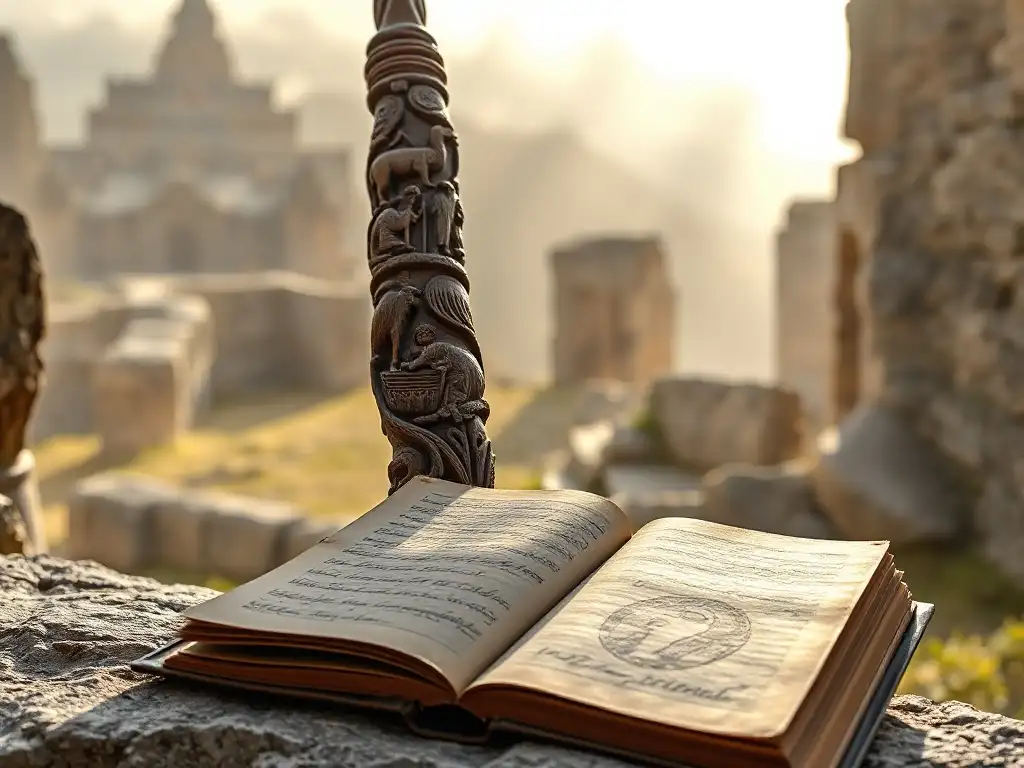
Andean oral tradition, a vibrant tapestry woven from centuries of storytelling, song, and ritual, isn't static. Its enduring power lies not in its immutability, but in its remarkable capacity for adaptation. This dynamic process ensures the continued relevance and vitality of ancestral knowledge in the face of societal shifts, technological advancements, and globalization.
Understanding this Andean oral tradition adaptation is crucial to appreciating the resilience and ingenuity of Andean cultures. The ability to reinterpret and re-contextualize ancient narratives allows these traditions to remain potent forces in shaping contemporary Andean identities and communities. This section explores the multifaceted ways in which Andean oral traditions adapt, demonstrating their remarkable staying power and ongoing significance.
Preserving Cultural Identity Through Adaptation
The adaptation of Andean oral tradition is not simply a matter of preserving the past; it's a powerful tool for forging a strong cultural identity in the present. As societies evolve, so too do the ways in which stories are told and songs are sung. However, the core values, beliefs, and historical narratives remain, albeit often subtly transformed.
For example, traditional Quechua narratives about the origins of the Andes might incorporate modern elements, such as references to environmental challenges or global migration patterns, without losing their fundamental meaning. This integration demonstrates a conscious effort to connect ancestral knowledge with contemporary realities, reinforcing a sense of continuity and belonging. This adaptability allows younger generations to connect with their heritage in a meaningful way, even as the world around them changes rapidly.
The incorporation of new elements doesn't diminish the value of the original stories; instead, it enriches them, making them more relevant and accessible to a wider audience. This is a key element of Andean oral tradition adaptation.
The Vital Role of Oral Tradition in Cultural Transmission
Oral tradition isn't simply entertainment; it's the primary mechanism for transmitting essential cultural knowledge across generations in many Andean communities. This includes practical knowledge, such as agricultural techniques, medicinal practices, and sustainable resource management strategies. These traditions are often embedded within narratives, songs, and rituals, making them easier to remember and pass down. The adaptation process ensures that this knowledge remains relevant and applicable in changing circumstances.
For instance, traditional methods of agriculture might be adjusted to address the challenges of climate change, while still retaining the fundamental principles passed down through generations. This dynamic interplay between tradition and innovation is crucial for the survival and prosperity of Andean communities. The ongoing adaptation of these oral traditions safeguards not just cultural identity, but also valuable practical knowledge. The transmission of this knowledge is not a passive process; it actively involves interpretation, negotiation, and creative re-imagining.
The Ongoing Evolution of Andean Cultural Narratives
The evolution of Andean cultural narratives is a testament to the enduring power of oral tradition. These narratives are not static entities; they are constantly being reshaped and reinterpreted by storytellers and communities. Factors such as migration, urbanization, and globalization significantly influence this process. New stories emerge, reflecting the challenges and opportunities of modern life, while older stories are re-told and re-interpreted in light of new experiences.
This continuous process of re-creation ensures that Andean oral traditions remain vibrant and relevant. For example, traditional myths about powerful spirits might be adapted to address contemporary anxieties about environmental degradation or social inequality. This adaptive capacity allows oral tradition to remain a powerful tool for social commentary and community building.
The constant re-imagining of these narratives ensures their continued relevance and ensures that Andean oral tradition adaptation remains a vital part of Andean culture. The fluidity of these narratives is not a sign of weakness, but rather a testament to their resilience and adaptability. The process is a dynamic interplay between the past and the present, ensuring the survival and evolution of these rich cultural forms.
Andean Oral Tradition Adaptation: Challenges and Future
The vibrant tapestry of Andean oral tradition, woven through millennia, faces unprecedented challenges in the modern world. Its survival hinges on a delicate balance between honoring ancestral practices and adapting to the ever-changing socio-cultural landscape. Understanding these challenges is crucial to ensuring the continued flourishing of this invaluable cultural heritage. The adaptation of Andean oral tradition isn't merely a matter of survival; it's a dynamic process of evolution, reflecting the resilience and adaptability of Andean communities themselves. The keyword, "Andean oral tradition adaptation," encapsulates this very essence of change and continuity.
Challenges to Preservation in a Modern World
The preservation of Andean oral tradition faces numerous obstacles in the 21st century. One significant challenge is the erosion of indigenous languages. As Spanish and other global languages gain prominence, younger generations may prioritize learning these dominant tongues, leading to a decline in the fluency and transmission of traditional narratives in Quechua, Aymara, and other indigenous Andean languages. This linguistic shift directly impacts the ability to accurately preserve and transmit the nuances, subtleties, and deep cultural meaning embedded within the oral narratives.
Another significant challenge is the impact of globalization and mass media. The constant influx of information from television, internet, and social media can overshadow the importance of traditional storytelling. Younger generations may find these forms of entertainment more appealing, leading to a decreased interest in participating in or learning from traditional oral traditions. This shift in attention can accelerate the loss of cultural knowledge and practices passed down through generations.
Furthermore, migration and urbanization contribute to the fragmentation of communities and the weakening of traditional social structures. The close-knit communities that historically played a vital role in transmitting oral traditions are becoming increasingly dispersed. This geographical scattering makes it more difficult to maintain the consistency and continuity of storytelling practices across generations. The loss of elders, who often serve as the keepers of these narratives, further exacerbates this challenge.
Finally, the lack of formal documentation and archiving of oral traditions poses a significant risk. While many narratives exist in oral form, there's a lack of systematic efforts to transcribe, translate, and archive them for future generations. This absence of documented material increases the vulnerability of these stories to being lost forever.
The Future of Oral Tradition in the Andes
Despite these significant challenges, the future of Andean oral tradition is not bleak. There's a growing recognition of the importance of preserving this rich cultural heritage, both within and outside of Andean communities. This awareness is fueling various initiatives aimed at promoting and revitalizing oral storytelling.
One promising approach is the integration of oral traditions into educational curricula. By incorporating these narratives into school programs, younger generations can learn about their cultural heritage and develop an appreciation for the value of storytelling. This approach provides a structured way to ensure the continuity of these traditions.
Furthermore, the use of technology offers new possibilities for preserving and disseminating oral traditions. Audio and video recordings can be used to document narratives, while digital platforms can facilitate wider access to these stories. This digital archiving creates a resilient safeguard against loss, making these invaluable narratives accessible to a broader audience.
The collaboration between researchers, community members, and educational institutions is also crucial. By working together, these stakeholders can develop innovative approaches for preserving and promoting Andean oral traditions. This collaborative approach leverages the diverse expertise and perspectives needed for successful adaptation and preservation.
Promoting and Supporting Andean Oral Storytelling
Several strategies can effectively promote and support Andean oral storytelling. These initiatives focus on empowering communities to actively participate in the preservation and transmission of their cultural heritage.
- Community-based storytelling workshops: These workshops provide a platform for elders to share their knowledge and for younger generations to learn traditional storytelling techniques. These participatory sessions foster a sense of community and ensure intergenerational transmission.
- Creation of digital archives and online resources: Making recordings and transcriptions of oral narratives accessible online allows for wider dissemination and promotes engagement with these stories. This digital approach expands the reach of these traditions beyond geographical limitations.
- Support for language revitalization programs: Investing in initiatives that promote the learning and use of indigenous Andean languages is crucial for ensuring the long-term survival of oral traditions. The preservation of language directly correlates with the preservation of cultural heritage.
- Funding for research and documentation projects: Providing resources for researchers to systematically document and analyze oral traditions ensures the preservation of this valuable cultural heritage for future generations. This investment is crucial for ensuring the long-term survival of these stories.
The continued adaptation and flourishing of Andean oral tradition requires a multi-faceted approach. By addressing the challenges, embracing innovative solutions, and fostering collaboration, we can ensure that these invaluable stories continue to resonate for generations to come. The future of "Andean oral tradition adaptation" lies in the hands of those who value and actively participate in its preservation.
Frequently Asked Questions
How did Andean oral traditions adapt to changing circumstances?
Andean oral traditions showed remarkable adaptability. They integrated new experiences and knowledge into existing narratives, ensuring their continued relevance across generations. This involved modifying stories and incorporating new elements to reflect changing social and environmental realities.
What role did storytelling play in Andean oral tradition adaptation?
Storytelling was central to the adaptation process. It allowed for the flexible transmission of knowledge and values, with storytellers adjusting narratives to resonate with contemporary audiences. This dynamic approach ensured the survival of the traditions.
What are some examples of how Andean oral traditions adapted to colonization?
Following colonization, Andean oral traditions incorporated elements of the Spanish language and culture, while subtly preserving their indigenous core. Many stories were reinterpreted to include new characters or settings, often combining pre-Columbian beliefs with Christian themes.
How did the adaptation of oral traditions affect the preservation of Andean culture?
The adaptation of oral traditions was crucial for the preservation of Andean culture. By evolving alongside societal shifts, these traditions ensured the continuity of indigenous values, beliefs, and knowledge despite external pressures. This flexible approach was key to cultural survival.
What is the significance of studying Andean oral tradition adaptation?
Studying Andean oral tradition adaptation offers valuable insights into the dynamic nature of culture and its resilience. It demonstrates the ability of oral traditions to adapt and thrive even in the face of significant historical and social change. This understanding is crucial for appreciating the richness and complexity of Andean cultures.
Final Reflection: Echoes Across the Andes: A Living Legacy
The enduring power of Andean oral tradition is not merely a historical curiosity; it is a vibrant, evolving force shaping identities and communities in the 21st century. These narratives, passed down through generations, continue to adapt and thrive, demonstrating a remarkable resilience in the face of globalization and technological advancements. Their continued relevance underscores the profound human need for storytelling and the enduring power of shared cultural heritage.
The impact of Andean oral traditions extends far beyond the realm of folklore; they are the bedrock of Andean identity, shaping worldviews, social structures, and even political discourse. Their ability to adapt – incorporating new experiences and perspectives while retaining their core values – is a testament to their inherent strength. Tradition is not the worship of ashes, but the preservation of fire.
This quote, though not directly from the Andes, perfectly encapsulates the dynamic nature of these oral traditions, constantly rekindled and reshaped by each new generation.
Consider the stories you carry within you, the narratives that shape your understanding of the world. How do these stories evolve and adapt as you experience new things? I invite you to reflect on the power of storytelling in your own life and to consider how you, too, can contribute to the preservation and evolution of the rich tapestry of human narratives. Let us all strive to be keepers of the flame, ensuring that the echoes of these ancient voices continue to resonate across the Andes and beyond, enriching our shared human experience.
Uncover the Rich Tapestry of Andean Traditions!
Thank you for exploring the vibrant world of Andean oral traditions with us! We hope this journey has illuminated the enduring power of these stories. Now, let's delve deeper into this living culture.
Here are a few ways you can connect more deeply with Andean traditions:
- Attend local storytelling events or workshops to experience the magic of oral tradition firsthand. Look for opportunities in your community to witness these traditions in action.
- Share your favorite Andean tales or personal reflections on these traditions through community forums or social media. Let's keep the conversation going!
- Consider volunteering with organizations that support indigenous communities and their storytelling efforts. Your contribution can help preserve these invaluable cultural treasures.
What personal connection resonates most strongly with you regarding Andean oral traditions, and how can you share that connection to inspire others?