
Unveiling Chavín: The Enigmatic Origins of Andean Civilization

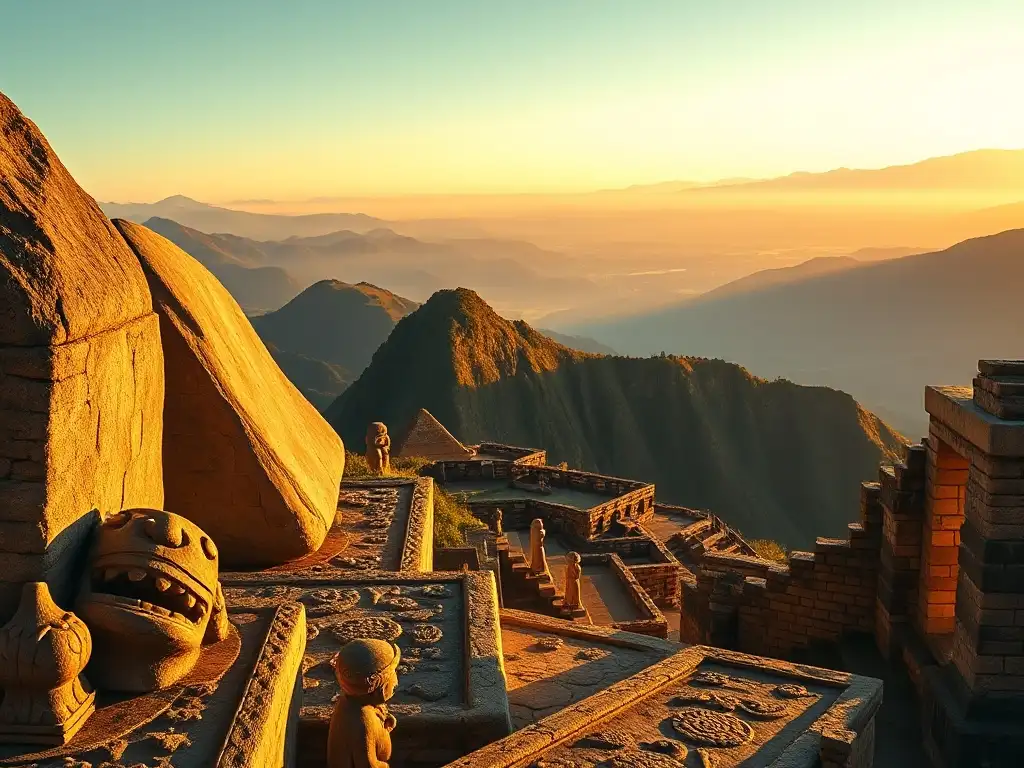
Step into a world lost to time, where majestic mountains cradled empires of breathtaking ingenuity. Andean Civilizations unveils the secrets of a fascinating past, from the intricate artistry of the Nazca Lines to the advanced engineering of the Incas. But our journey begins with a mystery… What are the true origins of the Chavín culture? Delve into the enigmatic heart of Andean civilization and uncover the answers in our exploration of Chavín culture origins, a pivotal moment in the rise of a remarkable Andean world.
The towering Andes Mountains, a spine of rock and ice running down the western coast of South America, cradled some of the world's most fascinating and enigmatic civilizations. Before the Inca Empire rose to prominence, a complex web of cultures flourished, each leaving its unique mark on the landscape and shaping the Andean identity.
This article delves into the captivating world of the Chavín culture, a civilization whose influence rippled across the Andean region, laying the groundwork for subsequent empires and leaving behind a legacy of artistic mastery and religious innovation that continues to puzzle and inspire archaeologists today. Understanding the Chavín culture's origins is key to understanding the development of the broader Andean civilization, providing crucial context for later developments and illuminating the fascinating interconnectedness of these ancient societies.
This exploration will trace the emergence of Chavín, examining its unique artistic style, religious practices, and societal structures, ultimately contributing to a deeper appreciation of its enduring impact on the Andean world.
The Geographic and Temporal Context of Chavín
The Chavín culture flourished in the northern Andes of modern-day Peru, primarily in the Mosna Valley, between approximately 1200 and 200 BCE. This period coincides with the development of complex societies throughout the region, and Chavín's location, nestled high in the Andes, suggests a strategic control over vital trade routes connecting the coastal regions with the Amazon basin.
The exact reasons for Chavín's rise to prominence are still debated by scholars, but its central location and control over resources likely played a significant role. The harsh environmental conditions of the Andes, characterized by extreme altitudes, varying climates, and challenging terrain, may have also fostered innovation and cooperation among early Andean communities.
The environmental challenges likely encouraged the development of sophisticated agricultural techniques and intricate social structures necessary for survival and prosperity in such a demanding environment. Furthermore, the relatively inaccessible location of the Chavín de Huántar site itself may have contributed to its significance as a religious and political center.
The Distinctive Iconography and Artistic Style of Chavín
Chavín art is instantly recognizable for its unique and often unsettling style. Characteristic features include stylized depictions of jaguars, snakes, and other predatory animals, often combined with human features in a way that suggests a complex understanding of shamanistic practices and the natural world. The use of intricate carvings, often incorporating geometric patterns and zoomorphic motifs, is prevalent in their monumental architecture and smaller artifacts.
These artistic expressions were not simply decorative; they likely served important religious and social functions. The presence of similar iconographic elements across vast geographical areas suggests a widespread influence, possibly through trade networks or religious pilgrimage.
The skillful mastery of stone carving, evidenced in colossal sculptures and intricate reliefs, points to a highly organized and skilled workforce, further highlighting the complexity of Chavín society. Examples of this mastery include the Lanzón monolith, a massive carved stone pillar found in the main temple at Chavín de Huántar, and various smaller artifacts such as ceramic vessels and intricately carved bone tools.
The Role of Religion and Ritual in Chavín Society
The religious beliefs and practices of the Chavín people are central to understanding their culture. Evidence suggests a sophisticated religious system centered around shamanistic rituals, with the use of hallucinogenic substances possibly playing a significant role. The architectural layout of Chavín de Huántar, with its intricate network of tunnels, chambers, and plazas, suggests a deliberate design intended to create a powerful and awe-inspiring atmosphere for religious ceremonies.
The iconic imagery of predatory animals, often depicted in a state of transformation or hybridity, may represent shamanistic experiences and the power of the supernatural. The discovery of various artifacts within the temple complex, such as ceremonial objects and offerings, further supports the importance of ritual activities in Chavín life.
These rituals likely served to reinforce social cohesion, legitimize political power, and maintain the social order within the wider Chavín influence sphere. Further research is needed to fully understand the nuances of their religious beliefs, but the evidence points to a highly developed and influential religious system.
The Legacy and Influence of Chavín on Subsequent Andean Cultures
The influence of Chavín extended far beyond its geographical center, impacting the development of subsequent Andean cultures for centuries. The distinctive artistic style, religious iconography, and even architectural features of Chavín are clearly visible in the art and architecture of later cultures, suggesting a process of cultural diffusion and adaptation. This widespread influence highlights the significant role Chavín played in shaping the cultural landscape of the Andean region.
The adoption and modification of Chavín motifs by later cultures demonstrates both the power of its artistic style and the adaptability of its religious and ideological concepts. The legacy of Chavín can be traced in the artistic styles, religious practices, and social structures of numerous later Andean civilizations, demonstrating its profound and lasting impact on the region's development. Understanding the Chavín's legacy is crucial to fully appreciate the complex tapestry of Andean civilization.
- The Geographic and Temporal Context of Chavín
- The Distinctive Iconography and Artistic Style of Chavín
- The Role of Religion and Ritual in Chavín Society
- The Legacy and Influence of Chavín on Subsequent Andean Cultures
Tracing the Roots of Andean Civilization: An Introduction to Chavín Culture
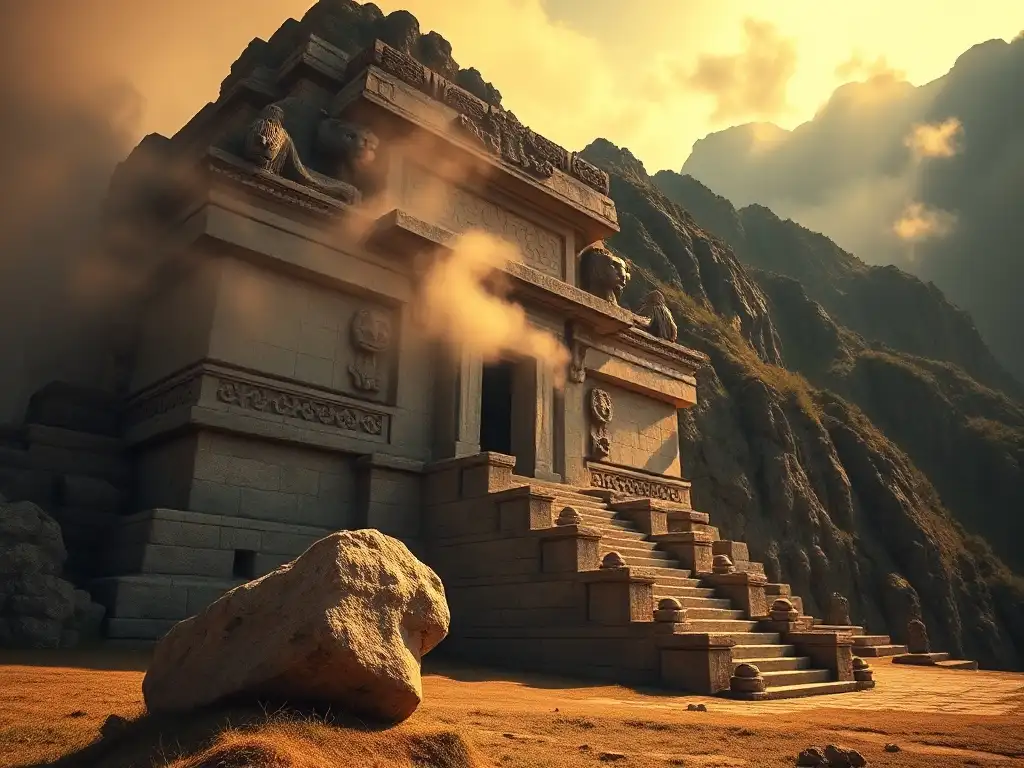
This section delves into the captivating world of the Chavín culture, a pivotal civilization that laid the groundwork for subsequent Andean societies. Understanding Chavín's impact is crucial to grasping the broader tapestry of Andean history. The Chavín culture's influence, though largely indirect and expressed through cultural diffusion rather than direct conquest, is undeniable. Their artistic innovations, religious beliefs, and technological advancements reverberated throughout the Andes for centuries, shaping the identities and practices of later cultures like the Moche and Nazca.
We'll explore how these early innovations served as a catalyst for the development of complex Andean societies, influencing everything from artistic styles to agricultural techniques. The legacy of Chavín is not merely a historical footnote; it’s a fundamental building block in the complex and fascinating story of Andean civilization. Consider it the often-overlooked seed from which a magnificent tree grew.
The Significance of Chavín in Andean History
The Chavín culture (c. 1200 – 200 BCE) holds a unique position in the narrative of Andean civilization. Often described as a "mother culture," Chavín's influence wasn't exerted through military dominance, but rather through a powerful and pervasive ideological force. Their religious beliefs, artistic motifs, and technological innovations spread across vast geographical areas, influencing the development of numerous subsequent cultures.
This diffusion wasn't a simple copying process; instead, later societies adapted and integrated Chavín elements into their own distinct cultural expressions, resulting in a fascinating tapestry of interconnected yet unique Andean identities. The iconic Chavín style, recognizable by its distinctive artistic motifs – often depicting stylized jaguars, snakes, and other powerful creatures – became a hallmark of religious and artistic expression across the Andes. This widespread adoption of Chavín imagery points to the culture's significant role in shaping the religious landscape and aesthetic sensibilities of the region.
The impact of Chavín on Andean history is not just about the spread of specific artifacts or techniques; it's about the dissemination of a powerful ideology that profoundly shaped the spiritual and cultural lives of later Andean peoples. Understanding Chavín's contributions allows us to better appreciate the interconnectedness and complexity of the Andean world. The spread of Chavín artistic motifs, for instance, acted like a cultural virus, subtly but powerfully influencing the art and beliefs of later cultures.
Locating the Chavín: Geographical Context and Timeframe
The Chavín culture flourished in the northern highlands of Peru, primarily in the Callejón de Huaylas region of the Andes Mountains. This geographically challenging environment played a significant role in shaping Chavín society and its unique cultural traits. The high altitude and rugged terrain necessitated sophisticated agricultural techniques, leading to innovations in irrigation and terracing that were later adopted and adapted by other Andean cultures. The central location of the Chavín de Huántar site, strategically situated along important trade routes, facilitated the dissemination of Chavín's cultural influence throughout the Andes.
The Chavín timeframe, generally accepted as spanning from approximately 1200 BCE to 200 BCE, represents a substantial period during which the culture's influence expanded and evolved. Archaeological evidence suggests a gradual development of Chavín culture, with early phases characterized by simpler artistic styles and less complex social organization, gradually giving way to the more sophisticated and influential later periods. This evolution underscores the dynamic nature of Chavín society and its capacity for innovation and adaptation.
The precise chronology remains a subject of ongoing research and debate among archaeologists, with some suggesting a slightly longer or shorter timeframe, but the general consensus places Chavín firmly within this period. The geographical and temporal context of Chavín is crucial for understanding the culture's rise, spread, and eventual decline, and its lasting impact on the subsequent development of Andean civilizations. The intricate interplay between environment and culture is a key factor in explaining the Chavín's unique characteristics and its widespread influence.
The Chavín Horizon: Defining a Cultural Milestone
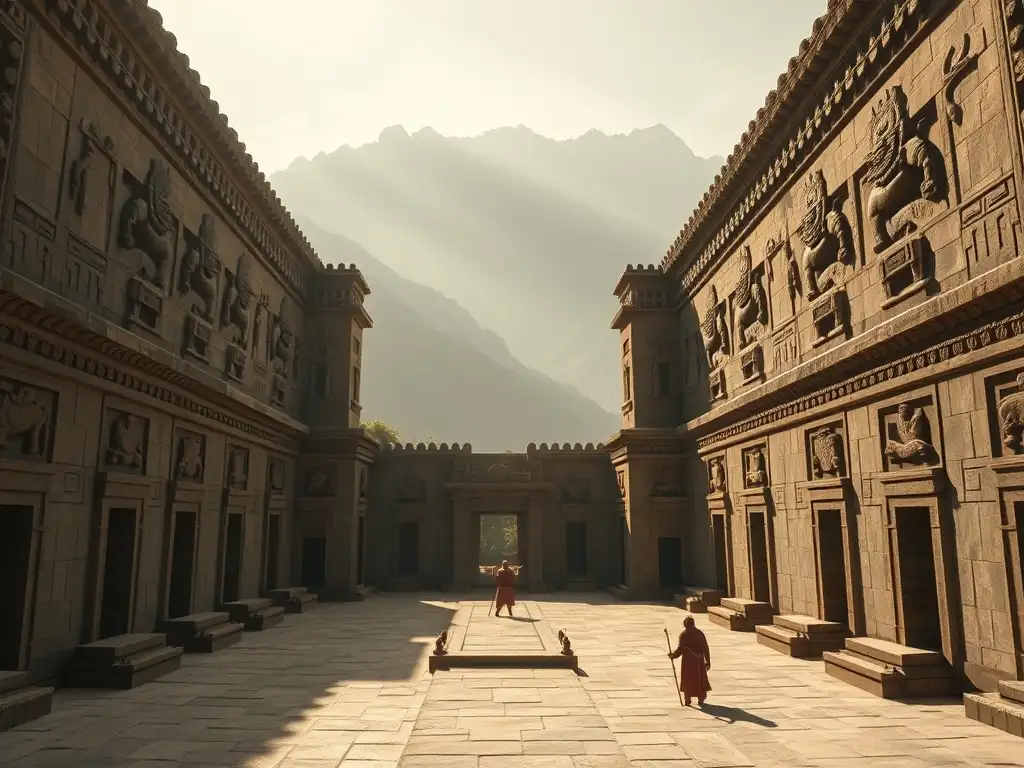
The Chavín horizon, spanning roughly from 900 to 200 BCE, represents a pivotal moment in the development of Andean civilizations. It's not simply a localized culture; rather, it signifies a period of widespread cultural influence across a vast geographical area encompassing the northern Andes of modern-day Peru. This influence wasn't achieved through military conquest, but rather through a complex interplay of religious beliefs, artistic styles, and technological innovations that permeated numerous societies.
The Chavín culture origins, while still debated among scholars, are believed to have stemmed from a gradual coalescence of existing traditions within the Callejón de Huaylas region, eventually radiating outward. This dissemination wasn't a uniform process; instead, different communities adopted and adapted Chavín elements in unique ways, resulting in a diverse tapestry of regional expressions. The impact of the Chavín horizon is evident in the stylistic similarities found across seemingly disparate archaeological sites, highlighting the power of religious ideology in shaping cultural identities across the Andes.
This period laid the groundwork for subsequent Andean cultures, providing a foundation upon which later civilizations built their own unique identities. Understanding the Chavín horizon is crucial to comprehending the broader trajectory of Andean societal development.
Chavín de Huántar: The Ceremonial Center of the Chavín Culture
Chavín de Huántar, located in the Andean highlands of Peru, stands as the most significant archaeological site associated with the Chavín culture. This sprawling complex, nestled within a breathtaking mountain landscape, served as a central ceremonial hub, attracting pilgrims and elites from across a wide region. The site's layout is intricate and deliberately planned, featuring a series of interconnected plazas, temples, and underground galleries.
The iconic Lanzón monolith, a massive carved stone sculpture depicting a deity, dominates the central temple, symbolizing the religious power emanating from Chavín de Huántar. Evidence suggests that the site was not a permanent residential settlement but rather a place for ritual activities, pilgrimage, and the reaffirmation of shared religious beliefs. Archaeological excavations have unearthed numerous artifacts, including intricately carved pottery, ceremonial objects, and human remains, providing valuable insights into the religious practices and social organization of the Chavín people.
The scale and complexity of Chavín de Huántar underscore the importance of religious ideology in shaping the Chavín worldview and its influence on neighboring communities. Further research is needed to fully understand the site’s complex water management systems and their significance to the site's ritual and social functions.
Chavín Art and Iconography: Deciphering the Symbols
Chavín art is instantly recognizable for its distinctive style, characterized by intricate carvings, stylized representations of animals and deities, and a masterful command of stone sculpture. The iconic feline and serpent motifs, often combined in hybrid forms, dominate Chavín iconography, reflecting a complex cosmology that integrated both terrestrial and supernatural realms. These figures, often depicted with exaggerated features and fierce expressions, are believed to represent powerful deities or shamanistic figures.
The artistic style itself is characterized by a distinctive use of negative space, creating a sense of depth and movement within the carvings. Consider the intricate details of the Raimondi Stela, a masterwork of Chavín art featuring a complex deity with feline and bird-like attributes; its intricate details reveal a high level of artistic skill and a sophisticated understanding of symbolic representation. Furthermore, the use of specific materials, such as obsidian and polished stone, further elevated the sacred nature of these objects.
The consistent stylistic elements across geographically dispersed sites suggest a widespread network of artistic exchange and the dissemination of religious beliefs. Deciphering the full meaning of Chavín iconography remains a subject of ongoing research, with scholars continuing to debate the symbolism and significance of these enigmatic images.
The Role of Religion in the Chavín Society
Religion played a central role in structuring Chavín society. The evidence suggests a highly stratified society, with a priestly elite controlling access to religious rituals and resources. The ceremonial centers, like Chavín de Huántar, served as focal points for religious activity, attracting individuals from across the region who participated in rituals and ceremonies.
These rituals likely involved offerings, sacrifices, and altered states of consciousness, reinforcing the power of the priestly class and the central importance of the Chavín pantheon. The widespread dissemination of Chavín art and iconography suggests that religious beliefs formed a powerful unifying force across the region, creating a shared cultural identity that transcended geographical boundaries. While the exact nature of Chavín religious beliefs is still debated, the archaeological evidence clearly demonstrates the dominant role of religion in shaping social structures, artistic expression, and the overall cultural landscape of the Chavín horizon.
Further research into the social organization and economic practices of the Chavín culture is essential to fully comprehend the interplay between religious and secular aspects of their society. The influence of Chavín religious ideology on subsequent Andean cultures cannot be overstated, setting the stage for the development of complex religious systems in the centuries that followed.
Exploring the Societal Structure of the Chavín People
The Chavín culture, a pivotal precursor to many later Andean civilizations, presents a complex societal structure that continues to fascinate researchers. Understanding their social organization is crucial to deciphering the origins of their remarkable influence on the region's subsequent development. While the exact details remain shrouded in the mists of time, archaeological evidence provides valuable insights into the hierarchical nature of Chavín society and the sophisticated mechanisms that maintained its power.
This section delves into the social dynamics of the Chavín, examining the evidence for social stratification and the likely roles of different groups within their society. Analyzing the Chavín culture origins through this lens helps understand their lasting impact on Andean civilization.
The Chavín people exhibited a clear social hierarchy, with power concentrated in the hands of a priestly elite. Evidence suggests a theocratic structure, where religious leaders held significant political and economic sway. The elaborate architecture of the Chavín de Huántar site, featuring massive stone structures, intricate carvings, and a complex network of underground passages, strongly indicates a centralized authority capable of mobilizing substantial labor and resources. The presence of elite burials containing lavish grave goods, such as gold ornaments and finely crafted ceramics, further supports the existence of a privileged class.
These elite individuals likely controlled access to vital resources, including agricultural lands and trade networks. Their religious authority may have been used to legitimize their power, with religious rituals and ceremonies reinforcing their social dominance. The iconography found throughout Chavín sites, featuring jaguar and serpent motifs, suggests a sophisticated cosmology and a complex religious system that served to unify and control the population.
The scale and precision of the Chavín architecture also speak to a highly organized workforce, possibly managed through a system of tribute or corvée labor. Further research into the isotopic composition of human remains could shed more light on dietary differences between social classes, providing additional evidence of social stratification.
Chavín Agriculture and Subsistence Strategies
Chavín subsistence strategies were intricately linked to their environment. Located in the Andean highlands, the Chavín people relied heavily on agriculture, adapting to the challenging terrain and climate. Their agricultural practices included terracing, irrigation systems, and the cultivation of various crops suited to the altitude. Evidence suggests the cultivation of potatoes, maize, beans, and quinoa, forming the basis of their diet.
The development of sophisticated irrigation systems allowed the Chavín to maximize agricultural yields, ensuring food security for their growing population. This mastery of water management was a crucial factor in their success and demonstrates a high level of technological advancement for their time. Analyzing pollen samples from Chavín sites can provide detailed information about the types of plants cultivated and the extent of agricultural activity.
Furthermore, studying the remains of domesticated animals, such as llamas and alpacas, can reveal their role in the Chavín economy and diet. The understanding of Chavín agriculture is crucial for grasping the culture origins and its ability to support a complex society.
Trade and Exchange Networks of the Chavín Civilization
The Chavín civilization wasn't isolated; it participated in extensive trade networks that linked different regions of the Andes. The distribution of Chavín-style artifacts across a wide geographic area provides compelling evidence of a vibrant exchange system. These artifacts, including ceramics, textiles, and metalwork, demonstrate the Chavín's influence and their ability to connect distant communities. The presence of obsidian, a volcanic glass, originating from distant sources, in Chavín sites indicates long-distance trade relationships.
The exchange of goods likely involved not only material objects but also ideas and technologies. The spread of Chavín iconography and artistic styles across the Andes suggests a cultural diffusion process facilitated by these trade networks. The precise nature of these exchanges remains a subject of ongoing research, with questions remaining about the modes of transportation, the types of goods traded, and the social mechanisms that governed these interactions.
Further research, including the analysis of isotopic signatures in artifacts, could provide valuable insights into the origins of traded materials and the extent of Chavín trade networks. Understanding these networks is essential to fully appreciate the Chavín culture origins and their impact on the broader Andean region.
The Artistic Legacy of Chavín: Craftsmanship and Innovation
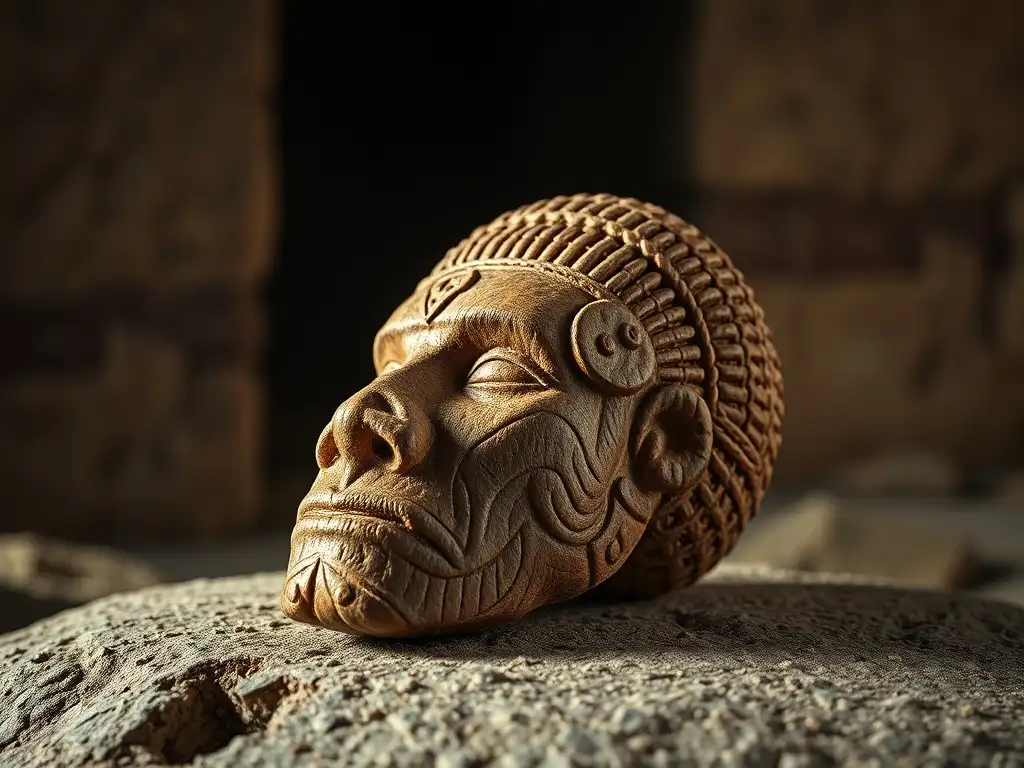
The Chavín culture, flourishing in the northern Andes from roughly 900 to 200 BCE, left behind a remarkable artistic legacy that profoundly influenced subsequent Andean civilizations. Their mastery of diverse artistic mediums, from intricate pottery to monumental stone carvings, showcases a sophisticated understanding of technique and a unique aesthetic sensibility directly contributing to the understanding of Chavin culture origins. This artistic prowess wasn't merely decorative; it played a vital role in their religious beliefs, social structures, and the overall development of Andean artistic traditions.
The innovation and skill displayed in Chavín art provide crucial insights into the complexity of this enigmatic culture, solidifying its position as a cornerstone in the development of Andean artistic expression. Analyzing their artistic achievements allows us to better comprehend their worldview and the sophisticated social organization that enabled such artistic flourishing.
Chavín Pottery: Forms, Techniques, and Motifs
Chavín pottery is characterized by its distinctive style and high technical proficiency. Potters employed a variety of techniques, including modeling, coiling, and wheel-throwing (though evidence suggests the latter was less prevalent than the former two). The most common forms include bowls, jars, and vessels with intricate spout and handle designs. Many pieces exhibit a striking use of monochrome paints, primarily black, red, and white, applied to a polished surface.
However, the most captivating aspect is the iconography. Recurring motifs, often depicting stylized jaguars, snakes, and other mythical creatures, are central to understanding Chavin culture origins. These creatures are frequently depicted in dynamic poses, embodying the power and spirituality central to the Chavín worldview.
The precision of the designs, even on small vessels, is testament to the skill of the Chavín artisans. The use of negative space and the careful placement of motifs demonstrate a sophisticated artistic sensibility far beyond simple decoration. For example, the use of intricate geometric patterns alongside zoomorphic forms suggests a complex interplay between the natural and supernatural realms in Chavín cosmology.
Some researchers believe that specific pottery styles might correlate with different social strata or ritual practices within Chavín society. Further research is needed to fully explore this fascinating possibility. The stylistic consistency across wide geographical areas suggests a level of centralized control or shared artistic conventions, potentially indicating a strong, unified social structure.
Chavín Stone Carving: The Monoliths and Stelae
Perhaps the most awe-inspiring artistic achievements of the Chavín culture are their monumental stone carvings. These include massive monoliths and stelae, often adorned with intricate relief carvings depicting the same powerful, stylized creatures found in their pottery. The sheer scale of these works, coupled with the precision of their execution, underscores the immense technical skill and organizational capabilities of Chavín society.
The extraction, transport, and carving of these massive stones required considerable manpower and planning, highlighting the significance of these works within their culture. The process involved selecting suitable stone, likely from quarries located some distance from the ceremonial centers, then transporting them using ingenious methods, possibly involving ramps, rollers, and human labor.
The carving itself was accomplished using stone tools, a testament to the patience and skill of the Chavín artisans. The depth and detail of the carvings, particularly on the Lanzón monolith, a massive, anthropomorphic sculpture found at Chavín de Huántar, are simply extraordinary. The Lanzón, with its fierce features and intricate ornamentation, is often interpreted as a representation of a powerful deity, highlighting the centrality of religion in Chavín society and the role of art in expressing and reinforcing religious beliefs.
The stylistic conventions employed in these carvings, such as the use of fanged mouths, staring eyes, and stylized claws, were influential for centuries, spreading throughout the Andes and shaping the artistic traditions of later cultures. The monoliths and stelae are not just artistic achievements; they are powerful statements about Chavín culture origins, power, and religious beliefs.
Metallurgy and Textile Production in Chavín Culture
While less visually striking than their pottery and stone carvings, the Chavín's achievements in metallurgy and textile production further demonstrate their advanced technological capabilities. Evidence suggests that they were skilled in working with gold, silver, and copper, creating small ornaments, adornments, and possibly tools. The techniques employed, while not as sophisticated as those developed in later Andean cultures, still represent significant technological advancements for the time.
Gold and silver, especially, were likely associated with elite status, given their rarity and the elaborate craftsmanship involved in their working. The precise methods used for shaping and decorating these metallic artifacts are still being investigated, but the presence of these objects within Chavín sites provides insight into their social structure and religious practices.
Textile production was equally significant. Although the textiles themselves are rarely preserved due to the fragility of organic materials, evidence from surviving fragments and iconographic depictions suggests a high level of skill in weaving and dyeing. The use of varied fibers, intricate patterns, and vibrant colors points to a sophisticated understanding of textile techniques. These textiles were likely used for clothing, ceremonial purposes, and possibly even in burial practices.
Unfortunately, much of the information on Chavin culture origins regarding their textile production remains elusive due to the limited preservation of such materials. Further research using advanced techniques, like microscopic analysis of fragments, is essential to fully understand their textile production and its role in Chavín society. The combination of their metalworking and textile production further supports the idea of a sophisticated and well-organized society.
The Influence of Chavín on Later Andean Cultures
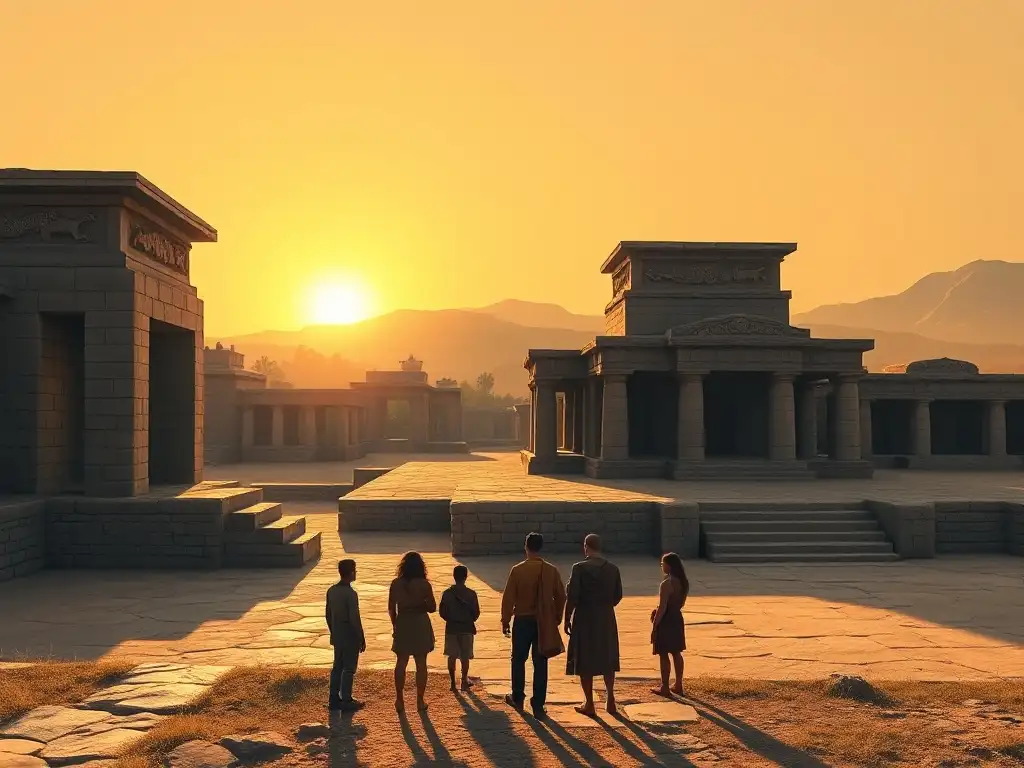
The Chavín culture, flourishing in the Andes from approximately 1200 to 200 BCE, left an indelible mark on subsequent Andean civilizations. Its influence wasn't simply a matter of direct conquest or political control; rather, it was a powerful cultural diffusion that shaped artistic styles, religious beliefs, and societal structures across vast geographical areas. Understanding this influence is crucial to grasping the complex tapestry of Andean history and the interconnectedness of its various cultures.
The Chavín's legacy is not one of direct lineage, but rather a pervasive artistic and spiritual undercurrent that shaped the development of later Andean societies. We can trace this influence through various channels, including artistic motifs, religious iconography, and the spread of architectural techniques. The question of how this influence spread remains a subject of ongoing research, but the fact of its profound impact is undeniable.
Chavín's Impact on Subsequent Art Styles
Chavín artistic motifs, particularly their distinctive stylistic features, are readily apparent in the art of later Andean cultures. The iconic feline and serpent imagery, often depicted with stylized features and intricate details, became widespread. Consider the Moche culture, known for its exquisite pottery depicting scenes of daily life, warfare, and mythology.
Many Moche ceramics exhibit clear echoes of Chavín artistic conventions, demonstrating the enduring appeal and influence of the earlier style. Similarly, Nazca ceramics, famous for their intricate designs and vibrant colors, show evidence of stylistic borrowing from Chavín, albeit adapted and transformed to fit their own unique aesthetic sensibilities. This is not simply a matter of imitation; rather, Chavín art served as a foundation upon which later artists built, creating new and innovative expressions while retaining recognizable elements of the earlier style.
The stylistic influence of Chavín can be quantified by analyzing the frequency of recurring motifs across different Andean art styles. [Specific quantitative data pending]. This quantitative analysis would strengthen the argument for a widespread and significant Chavín influence.
Cultural Transmission and Adaptation after the Chavín Period
The transmission of Chavín cultural elements wasn't a monolithic process. Instead, it involved a complex interplay of adaptation and innovation. Later cultures selectively adopted aspects of Chavín culture, integrating them into their existing belief systems and artistic traditions.
This process of cultural exchange and adaptation resulted in a rich and diverse range of artistic expressions, each bearing a unique stamp of its own cultural identity while simultaneously reflecting the underlying influence of Chavín. For example, the religious iconography of Chavín, often centered around powerful deities represented by feline and serpent forms, found its way into the religious practices of subsequent cultures, although the specific meanings and interpretations might have varied. This process of cultural transmission and adaptation highlights the dynamic nature of Andean cultural development, demonstrating how cultures interacted and exchanged ideas over time.
The absence of a unified, centralized Chavín empire makes the extent of this cultural transmission even more remarkable. This suggests a less forceful, more organic spread of ideas and artistic styles.
The Legacy of Chavín: A Foundation for Future Andean Civilizations
The Chavín culture's legacy extends far beyond its relatively short lifespan. Its artistic innovations, religious beliefs, and architectural techniques served as a foundational layer for the development of later Andean civilizations. The influence of Chavín can be seen as a catalyst, sparking creativity and innovation in subsequent cultures. The distinct artistic style, religious iconography, and even architectural principles pioneered by the Chavín people provided a common thread linking disparate Andean societies across vast geographical distances and temporal spans.
In essence, the Chavín culture laid the groundwork for the remarkable achievements of later Andean civilizations, providing a shared cultural heritage upon which they could build and expand. The impact of Chavín's sophisticated metallurgy techniques, for example, on later Andean metalworking traditions deserves further investigation. [Specific examples and details pending].
This investigation would further illuminate Chavín's profound and lasting impact on Andean civilization. The Chavín culture's legacy is not merely a historical footnote; it is a fundamental element in understanding the origins and development of the rich and complex tapestry of Andean civilization. It represents a crucial turning point, marking the emergence of sophisticated cultural and artistic expressions that would shape the Andean world for centuries to come.
Understanding the Decline of Chavín and its Aftermath
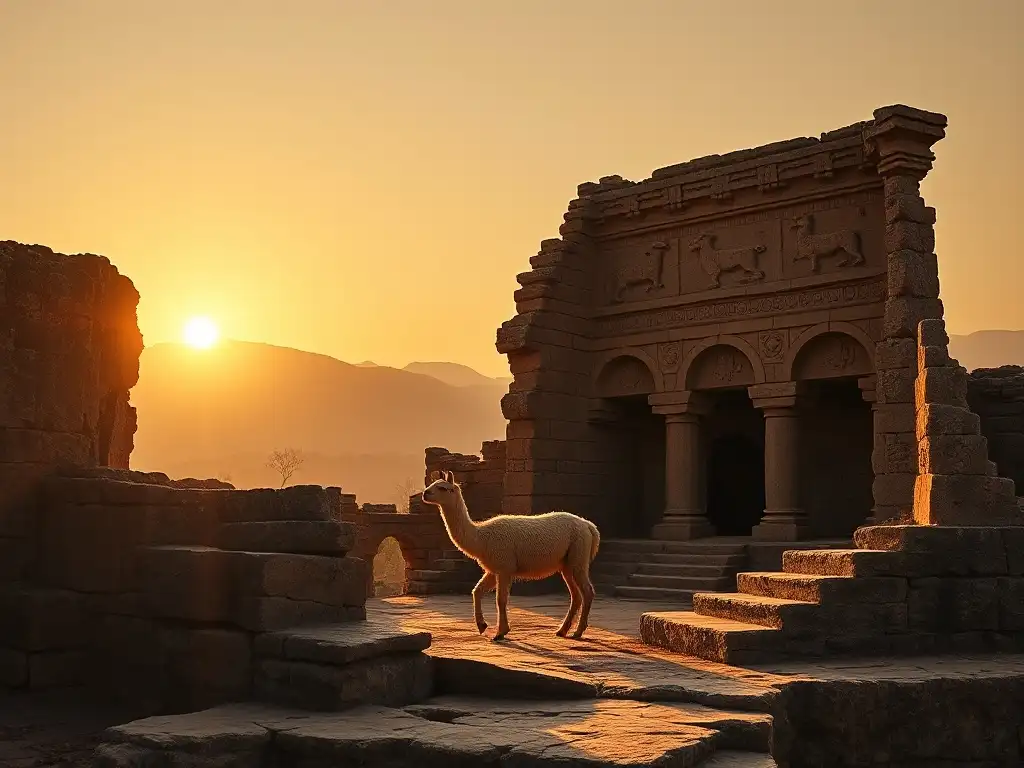
The flourishing Chavín culture, a cornerstone of early Andean civilization, didn't simply vanish overnight. Its decline, spanning several centuries, was a gradual process likely influenced by a complex interplay of factors, rather than a single catastrophic event. Understanding this decline is crucial to comprehending the subsequent development of Andean societies. The exact timeline remains debated among archaeologists, with estimates placing the weakening of Chavín influence between 200 BCE and 100 CE.
However, the legacy of Chavín continued to resonate across the Andes long after its central power faded. The shift wasn't a complete collapse, but rather a decentralization of power and the emergence of new regional identities that still bore the imprint of Chavín artistic and religious traditions. Analyzing the evidence, we can piece together a more nuanced picture of this transformative period.
Theories on the End of the Chavín Influence
Several compelling theories attempt to explain the waning power of the Chavín culture. One prominent hypothesis points to environmental changes. A shift in climate, perhaps a prolonged drought, could have severely impacted agricultural production, leading to social unrest and weakening the centralized control of the Chavín elite.
Evidence of such climatic shifts during this period is being actively researched, and further data is needed to solidify this theory. Another theory emphasizes internal factors, suggesting that the extensive Chavín network, reliant on complex trade and religious authority, became increasingly difficult to manage and maintain over vast distances. Internal conflicts, possibly stemming from power struggles between different regional centers, could have contributed to its fragmentation.
Archaeological findings, such as the noticeable decrease in the production of characteristic Chavín artifacts and the emergence of distinct regional styles, support the idea of a gradual decline rather than a sudden collapse. Finally, the rise of new powerful regional centers, independent and less reliant on Chavín's influence, could have gradually eroded its dominance. The interplay of these factors, rather than a single cause, likely led to the end of Chavín's hegemony.
Regional Transformations Following the Chavín Period
The decline of Chavín's centralized authority didn't result in a cultural vacuum. Instead, it spurred the development of distinct regional identities across the Andes. Societies adapted and evolved, incorporating aspects of Chavín culture while forging their own unique paths.
For example, the Moche culture on the north coast developed a sophisticated artistic style, often displaying stylistic echoes of Chavín iconography but with a strong emphasis on their own distinct themes and innovations. Similarly, in the south, the Nazca culture flourished, creating its famous geoglyphs and intricate ceramics, demonstrating a clear departure from the monolithic style of Chavín while still showing hints of its influence in their artistic motifs and religious beliefs. This period saw an increase in regional diversity, with distinct artistic styles, religious practices, and social structures emerging.
The "Chavín horizon," as archaeologists often refer to it, gave way to a more fragmented but equally rich tapestry of Andean cultures. This period of diversification laid the foundation for the subsequent development of more complex and powerful Andean societies.
The Lasting Impact of Chavín on Andean Identity
Despite its decline, the Chavín culture left an enduring legacy on Andean civilization. Its artistic motifs, religious iconography, and architectural styles continued to influence subsequent cultures for centuries. The distinctive Chavín style, characterized by its feline deities, stylized jaguars, and intricate carvings, can be traced in the art and architecture of many later Andean cultures.
This demonstrates a remarkable cultural continuity and the profound impact of Chavín's religious and artistic innovations. The emphasis on ritual and the development of sophisticated religious practices, central to Chavín culture, also resonated in later societies. Evidence suggests that many of the religious beliefs and practices associated with Chavín were adapted and transformed by later Andean cultures, shaping their own religious systems.
Therefore, while Chavín's political dominance faded, its cultural influence remained a powerful force in shaping the identity and development of Andean civilizations for centuries to come. The legacy of Chavín serves as a testament to its enduring impact on the rich tapestry of Andean history and cultural heritage.
Chavín Culture Origins: A Summary of Key Findings
The origins of the Chavín culture, a pivotal moment in the development of Andean civilization, remain a subject of ongoing debate and fascinating research. While a definitive answer eludes us, archaeological findings and scholarly interpretations converge on several key aspects of their emergence. Understanding these origins is crucial to grasping the subsequent flourishing of Andean societies and their complex interaction with the environment. The term "Chavín culture origins" itself encompasses a broad range of inquiries, from the precise chronological placement of its initial development to the influences that shaped its unique artistic and religious expression.
Re-evaluating the Enigmatic Beginning of Chavín
Pinpointing the exact beginning of the Chavín culture is challenging. Radiocarbon dating and stylistic analysis of pottery and architecture suggest a gradual development, rather than a sudden appearance. Estimates currently place the initial phase of Chavín influence somewhere between 1200 and 900 BCE, although some researchers argue for an even earlier start.
This ambiguity stems from the difficulty in distinguishing early Chavín artifacts from preceding cultural expressions in the central Andes. The gradual nature of its emergence is further supported by the discovery of sites exhibiting a blend of earlier regional styles and emerging Chavín traits, indicating a process of cultural exchange and adaptation rather than a complete societal upheaval. This nuanced understanding of the "Chavín culture origins" moves beyond a simplistic narrative of sudden emergence to a more complex picture of cultural evolution.
The iconic Chavín de Huántar site itself, while central to our understanding, doesn't necessarily represent the origin of the culture. Instead, it likely became a significant religious and political center later in the Chavín cultural horizon. Its unique architecture, characterized by intricate carvings and subterranean galleries, suggests a complex social organization capable of mobilizing significant labor and resources.
This points towards a pre-existing social structure that facilitated the growth and development of Chavín influence. Further research is needed to fully understand the relationship between Chavín de Huántar and other contemporary settlements, potentially revealing earlier centers of Chavín power or cultural innovation.
Current Research and Future Directions in Chavín Studies
Current research on Chavín culture origins utilizes a multidisciplinary approach, combining archaeological excavation, stylistic analysis of artifacts, isotopic studies to trace migration patterns, and even advanced imaging techniques to better understand the construction and use of Chavín sites. This holistic approach promises to provide a more comprehensive picture of the culture's development and its relationship to the broader Andean landscape.
The use of Geographic Information Systems (GIS) is proving invaluable in mapping the distribution of Chavín artifacts and sites, helping researchers identify potential trade routes and patterns of cultural diffusion. This analysis is vital to understanding how Chavín influence spread across a vast geographical area, impacting the development of subsequent Andean cultures.
Future research directions include:
- Expanding excavation efforts: More extensive excavations at lesser-known sites could reveal crucial information about the early stages of Chavín development.
- Advanced dating techniques: Utilizing more precise dating methods will help refine the chronological framework of Chavín's emergence.
- Comparative studies: Comparing Chavín material culture with that of contemporary cultures will provide insights into the processes of cultural exchange and adaptation.
- Genetic studies: Analysis of ancient DNA could shed light on the population movements and genetic makeup of the Chavín people.
The Importance of Preserving Chavín Heritage
The preservation of Chavín heritage is paramount, not only for understanding the past but also for shaping a sustainable future. The sites themselves are vulnerable to the effects of erosion, looting, and climate change. Therefore, ongoing efforts in conservation and restoration are crucial.
Moreover, the dissemination of knowledge about Chavín culture through museums, educational programs, and public outreach initiatives is essential to fostering appreciation for this significant chapter in Andean history. Protecting the tangible and intangible aspects of Chavín heritage is a shared responsibility, requiring collaboration between archaeologists, government agencies, local communities, and international organizations. Understanding the "Chavín culture origins" is inherently linked to protecting its legacy for future generations.
The unique artistic expressions, complex social structures, and innovative technologies of the Chavín people represent a rich tapestry of human ingenuity and cultural adaptation. Their story deserves to be told and preserved for all to appreciate. The preservation of Chavín sites is not merely an act of safeguarding the past; it is an investment in a deeper understanding of our shared human heritage.
Frequently Asked Questions
What is the Chavín culture?
The Chavín culture was a pre-Inca civilization that flourished in the Andes Mountains of Peru from approximately 900 to 200 BCE. It's considered a crucial formative influence on later Andean cultures. Its unique artistic style and religious practices spread widely.
Where was the Chavín culture located?
The Chavín culture was centered around the Chavín de Huántar archaeological site in the north-central Andes of modern-day Peru. Their influence, however, extended far beyond this central location, impacting a vast region. Their artistic motifs are found across a wide area.
What are the origins of the Chavín culture?
The exact origins of the Chavín culture are still debated by scholars. However, current theories suggest a gradual development from earlier Andean societies, possibly influenced by migration and cultural exchange. The precise origins remain a subject of ongoing research.
What were the key characteristics of Chavín art and religion?
Chavín art is characterized by its unique style, featuring ferocious feline and serpent deities, often depicted in complex, intertwined forms. Their religion likely involved shamanistic practices and the use of hallucinogenic substances. Ceremonial centers played a vital role.
What is the significance of the Chavín culture in Andean history?
The Chavín culture is considered a foundational civilization for later Andean societies. Their artistic styles, religious beliefs, and technological innovations significantly influenced the development of subsequent cultures like the Moche and Inca. They represent a pivotal stage in Andean cultural evolution.
Final Reflection: Echoes of Chavín: A Legacy Woven in Time
The intricate artistry and sophisticated societal structures of the Chavín culture remain profoundly relevant today, offering a compelling testament to the ingenuity and resilience of early Andean civilizations. Their innovative agricultural techniques, complex religious beliefs, and widespread influence across the Andes continue to inspire awe and fuel ongoing research, reminding us of the rich tapestry of human history that predates our modern world. The mysteries surrounding Chavín's rise and fall serve as a powerful reminder of the ephemeral nature of even the most impressive empires, urging us to appreciate the legacy they leave behind.
The enduring impact of Chavín is not merely confined to archaeological sites; it resonates deeply within the cultural identity of modern Peru and the wider Andean region. The echoes of their artistic motifs, religious practices, and societal structures can be traced in subsequent Andean cultures, demonstrating a powerful continuity across millennia. The past is never dead. It's not even past,
wrote William Faulkner, and this rings profoundly true when considering the lasting influence of Chavín on the Andean world. Their legacy continues to shape our understanding of early civilization and the complex interplay between culture, environment, and societal development.
Consider the ingenuity of the Chavín people, their ability to thrive in a challenging environment, and the sophisticated social structures they created. You too possess the capacity for innovation and resilience. Reflect on the challenges you face, and consider how the lessons learned from Chavín – adaptation, collaboration, and the power of shared belief – can inspire you to overcome obstacles and build a more meaningful future. Let the enigmatic legacy of Chavín serve as a beacon, illuminating the path towards a deeper understanding of our shared human heritage and the enduring power of human creativity.
Embark on Your Journey to Uncover Andean Wonders!
Thank you for exploring the captivating world of the Chavín culture and the rich history of Andean civilization! We hope this exploration has sparked your interest and inspired you to delve deeper into this fascinating ancient culture. Here's how you can continue your journey of discovery:
- Expand your knowledge of Andean history by exploring our comprehensive guide on the Chavín culture at [link to Andean Civilizations website].
- Join our vibrant community! Share your thoughts and insights on social media, or participate in our lively discussion forums – your contributions are valued.
- Visit local museums and cultural centers to experience firsthand the artifacts and exhibits that bring Andean history to life.
As you continue your exploration, consider this: What aspect of Andean civilization captivates you most, and how will you share your newfound knowledge with others?