
Moche Pottery Shapes: Distinguishing Genuine Forms from Replicas

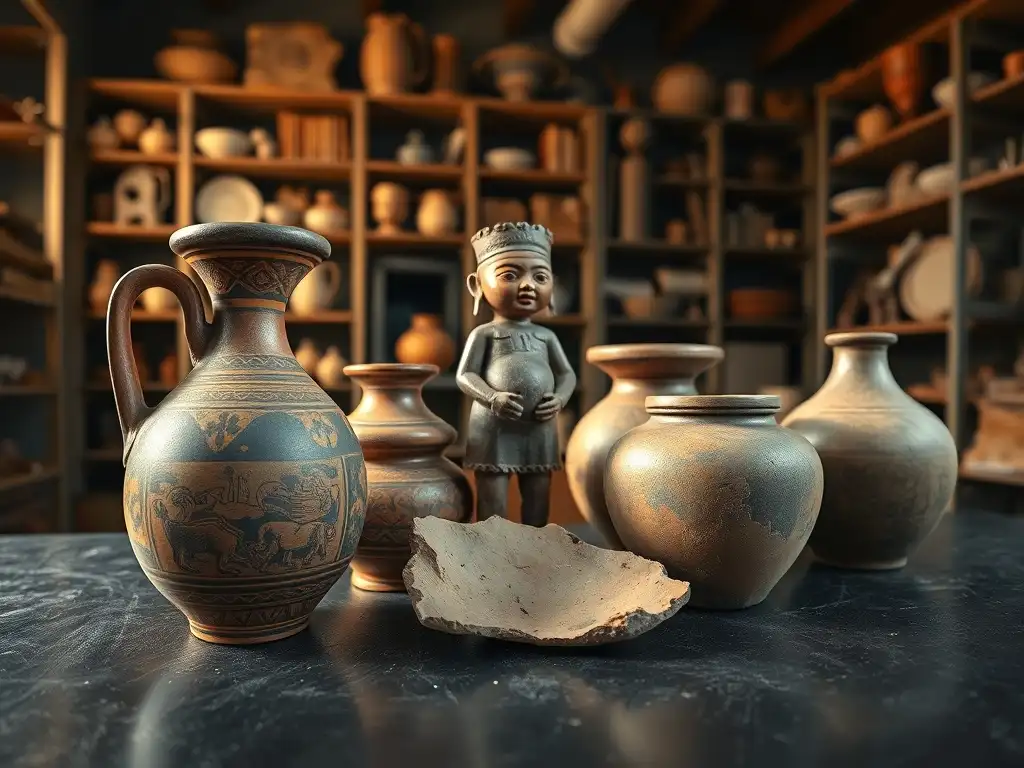
Dive into the mesmerizing world of Andean artistry! For centuries, the skill and ingenuity of civilizations like the Moche have captivated the world. But how can you tell the genuine article from a skillful replica? This exploration of Moche pottery replica identification will equip you with the knowledge to decipher the secrets hidden within these ancient forms, unlocking a deeper understanding of their intricate designs and the lost techniques of a bygone era. Journey with us to uncover the truth behind these fascinating artifacts.
- Moche Pottery Replica Identification: A Guide to Authenticity
- Decoding Moche Pottery Shapes: Key Features for Authentic Identification
- Solutions: Tools and Techniques for Moche Pottery Replica Identification
- Conclusion: Protecting the Legacy of Moche Art
-
Frequently Asked Questions
- How can I tell if a piece of Moche pottery is a genuine artifact or a replica?
- What are the common characteristics of authentic Moche pottery?
- Are there specific Moche pottery shapes that are more commonly replicated than others?
- Where can I find reliable resources for Moche pottery replica identification?
- What should I do if I suspect I own a Moche pottery replica?
- Final Reflection: Unmasking the Legacy: Authentic Moche Pottery and the Fight Against Forgery
- Unveil Your Passion for Moche Pottery!
Moche Pottery Replica Identification: A Guide to Authenticity
The vibrant and intricate world of Moche pottery, a hallmark of the ancient Andean civilization flourishing on Peru's northern coast (circa 100-800 CE), has captivated collectors and scholars for centuries. These remarkably preserved ceramics, renowned for their lifelike depictions of deities, rituals, and daily life, are highly sought after. Unfortunately, this desirability has fueled a significant market for replicas, making the identification of genuine Moche pottery a crucial skill for both enthusiasts and professionals.
This guide delves into the key characteristics that distinguish authentic Moche ceramics from their often-sophisticated imitations, providing you with the tools to confidently navigate the complexities of Moche pottery acquisition and appraisal. We will explore common problems encountered when attempting to identify genuine pieces and provide practical advice to help you avoid costly mistakes.
Mastering Moche pottery replica identification is key to appreciating the true artistry and historical significance of these extraordinary artifacts. Let's embark on this journey of discovery, equipping you to become a discerning judge of authentic Moche pottery.
The Challenge of Identifying Authentic Moche Ceramics
Identifying genuine Moche pottery requires a keen eye for detail and a thorough understanding of the stylistic conventions and technological processes employed by the Moche artisans. Unlike mass-produced modern replicas, authentic Moche pottery exhibits a unique combination of characteristics resulting from the specific materials, techniques, and cultural context of their creation. These characteristics are not always immediately apparent, and even experienced collectors can be fooled by high-quality forgeries. The challenge lies in recognizing subtle nuances in the clay composition, firing techniques, surface decoration, and overall aesthetic.
For example, the clay used by the Moche often contains specific minerals that impart a unique color and texture, which are difficult to replicate precisely. Furthermore, the intricate hand-painted designs, often employing multiple layers of pigments, display a depth and vibrancy that are rarely achieved in modern copies. The use of slip (a liquid clay coating) and the application of various pigments requires specific techniques, that are difficult to replicate.
The aging process itself leaves unique marks on authentic pieces, adding to their overall character and patina, aspects that are often absent in newly made replicas. A truly authentic Moche piece will display a level of craftsmanship and artistry that reflects centuries of tradition and skill. The following sections will analyze these factors in more detail.
Common Problems: Why Moche Pottery is Replicated
The high demand for Moche pottery, combined with its inherent artistic value and cultural significance, has created a lucrative market for replicas. Several factors contribute to the prevalence of Moche pottery reproductions:
- High market value: Authentic Moche pieces can fetch substantial prices, making the creation and sale of replicas a profitable enterprise. The value is driven by the rarity and historical significance of the artifacts.
- Ease of replication (to a degree): While perfectly replicating the nuances of Moche pottery is challenging, simplified versions can be produced relatively easily using modern techniques and materials. This allows for mass production and wider distribution of copies.
- Demand exceeding supply: The limited availability of authentic Moche pottery fuels the demand for alternatives, creating a market for replicas that are often marketed as genuine.
- Lack of widespread expertise: Not everyone possesses the expertise necessary to distinguish authentic Moche pottery from replicas, leading to unsuspecting buyers purchasing forgeries.
Understanding these factors is crucial in developing a critical eye when assessing the authenticity of Moche pottery. The next sections will provide detailed guidance on specific features to examine to identify telltale signs of a replica. We'll explore elements such as the clay itself, the painting techniques used, and the overall aesthetic of the piece, providing you with the knowledge to distinguish genuine Moche artistry from skillfully crafted imitations.
Decoding Moche Pottery Shapes: Key Features for Authentic Identification
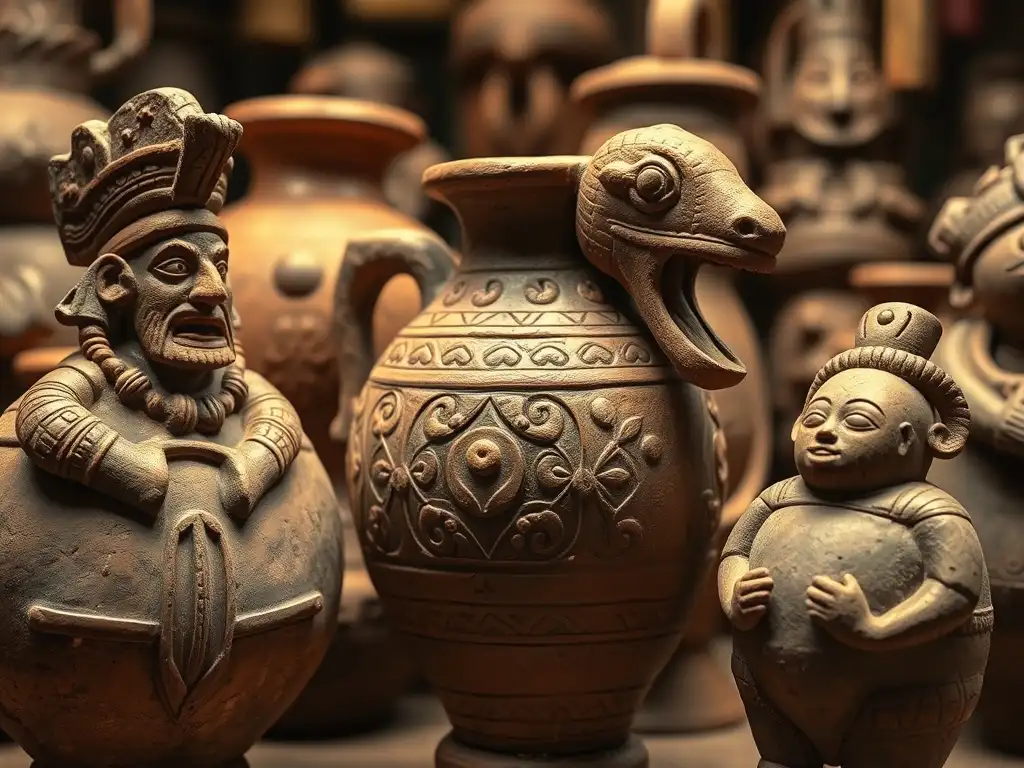
The accurate identification of genuine Moche pottery is crucial for collectors, museums, and researchers alike. Distinguishing authentic pieces from expertly crafted replicas requires a keen eye for detail and a thorough understanding of Moche artistic conventions. This section focuses on the characteristic shapes of Moche pottery, providing insights into identifying genuine artifacts and separating them from modern reproductions. Successfully navigating the world of Moche pottery replica identification relies heavily on recognizing these subtle yet significant distinctions.
Understanding the Classic Moche Pottery Forms
Moche potters were masters of their craft, producing a vast array of vessels in diverse shapes, each carrying symbolic meaning and reflecting sophisticated artistic techniques. Certain forms are particularly characteristic of the Moche culture and are frequently replicated. Understanding these classic forms is paramount for distinguishing authentic pieces.
Several key shapes stand out:
- Stirrup-spout vessels: These iconic vessels, with their distinctive stirrup-shaped spout and pouring lip, are perhaps the most recognizable Moche pottery type. Authentic stirrup-spout vessels often exhibit a subtle asymmetry, a slight imperfection that reveals the hand-crafted nature of the piece. Replicas, on the other hand, frequently appear overly symmetrical and perfectly uniform. Look for variations in the spout's thickness, the curvature of the body, and the overall balance of the piece. The presence of subtle imperfections often points to authenticity.
- Double-spout and bridge vessels: These complex vessels, featuring two spouts connected by a bridge, demonstrate the Moche potters' advanced technical skills. The precision of the bridge construction and the overall elegance of the design are significant indicators of authenticity. Close examination is necessary; replicas often fail to capture the nuanced details of the spouts' alignment and the bridge's delicate curvature. The presence of fine details, such as intricate mold lines, can also provide clues.
- Human and animal effigy vessels: Moche potters skillfully crafted vessels in the shape of humans, animals, and mythical creatures. These effigy vessels often exhibit remarkable detail and realism. Authentic pieces typically display a naturalism that is difficult to replicate, including subtle variations in facial features, body posture, and texture. Replicas often lack this level of detail and realism; the features may appear overly stylized or lack the subtle nuances that characterize genuine Moche work.
- Cylindrical and globular vessels: While seemingly simpler in form, cylindrical and globular vessels still offer clues to authenticity. Examine the surface texture for signs of hand-finishing, such as tool marks or slight variations in thickness. Authentic pieces often exhibit a unique patina developed over time, a characteristic absent in newer replicas. The overall feel of the vessel in your hand can provide additional insight.
Materials and Techniques: Clues to Moche Pottery Authenticity
Beyond the shapes themselves, the materials and techniques used in creating Moche pottery provide further avenues for authentication.
The Moche primarily used clay, often incorporating tempering materials like sand or shell fragments to improve the clay's workability and strength. The quality and type of clay, along with the presence of inclusions, can vary regionally and provide valuable insights into the origin of a piece. Replica makers often use different clay mixtures, resulting in a different texture and color. Careful examination of the clay's composition is important for discerning authenticity.
Furthermore, analyzing the firing techniques can reveal more information. Authentic Moche pottery often displays variations in color and firing effects, reflecting the variability of ancient firing methods. Replicas tend to have a more uniform and consistent firing, lacking the subtle variations indicative of ancient techniques.
The presence of imperfections, such as minor firing flaws or variations in the clay's color, can be indicative of authenticity. These subtle imperfections, often overlooked, represent the handcrafted nature of genuine Moche pottery. Analyzing these details will greatly enhance your ability to effectively perform Moche pottery replica identification.
Solutions: Tools and Techniques for Moche Pottery Replica Identification
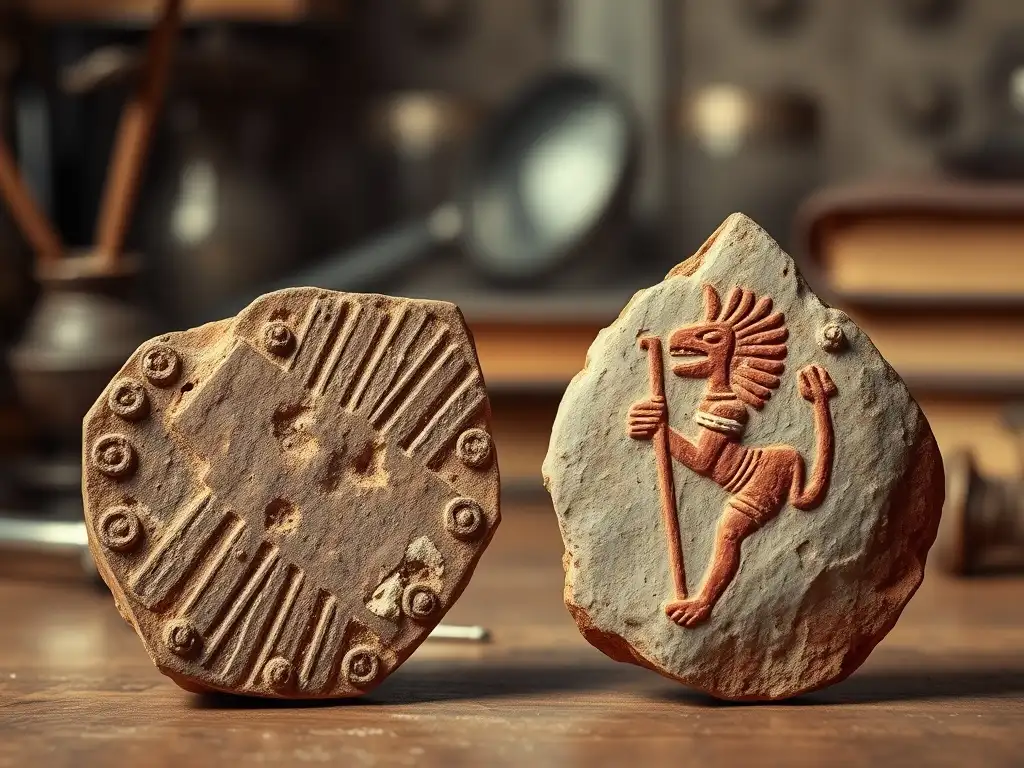
This section delves into practical methods for distinguishing authentic Moche pottery from expertly crafted replicas. The market for Andean artifacts, including Moche pottery, unfortunately attracts forgers, making reliable identification crucial for collectors, museums, and researchers alike. Successful Moche pottery replica identification requires a multifaceted approach, combining visual inspection with scientific analysis.
Visual Examination: Key Points to Observe
Visual assessment forms the first line of defense in Moche pottery replica identification. While replicas can be incredibly detailed, subtle inconsistencies often betray their artificial origins. Careful observation, coupled with a thorough understanding of Moche artistic conventions, is paramount.
Several key features should be scrutinized:
- Paint Application: Genuine Moche pottery typically displays meticulous paint application. The pigments are often finely ground and applied in thin, even layers. Replicas may exhibit thicker, uneven paint, brush strokes that are too visible, or a less vibrant color palette. Look for bleeding or uneven distribution of color around the edges of painted areas. Authentic pieces often show subtle variations in color intensity that reflect the natural application process.
- Firing Techniques: Examine the overall texture and color of the pottery. Authentic Moche pieces often display subtle variations in firing – slight discolorations or variations in the surface texture. Replicas tend to have a more uniform, often overly-perfect, appearance. The base of the vessel should also be examined for signs of uneven firing, which is typical of ancient techniques.
- Shape and Form: Moche pottery is characterized by a remarkable range of shapes and forms, often representing deities, animals, or scenes from daily life. While forgers attempt to replicate these forms, subtle deviations in proportion, curvature, or overall design can be indicative of a replica. Compare the piece to known examples of Moche pottery from reputable sources. Look for inconsistencies in the symmetry or the overall elegance of the form.
- Surface Texture: Run your fingers gently over the surface of the pottery. Authentic pieces often have a slightly rough or textured surface, reflecting the handmade nature of their creation. Replicas, often mass-produced, may have a smoother, more uniform finish. Look for any signs of mold lines or imperfections that might be indicative of a casting process.
Scientific Analysis: A Deeper Look
While visual inspection provides a preliminary assessment, scientific analysis offers a more conclusive method for Moche pottery replica identification. Several techniques can be employed:
- Thermoluminescence (TL) Dating: This technique measures the accumulated radiation absorbed by the clay over time, providing an estimate of the pottery's age. This is a powerful tool for definitively distinguishing ancient pieces from modern forgeries. A TL test can definitively place the creation date of the artifact within a reasonable timeframe.
- Petrographic Analysis: This involves microscopic examination of the clay's mineral composition. By identifying the specific types of clay and minerals used, it's possible to determine the geographic origin of the clay and compare it to known Moche sources. This analysis can reveal discrepancies between the claimed origin and the actual composition of the clay.
- Pigment Analysis: Scientific analysis of the pigments used in the decoration can reveal their chemical composition and age. This can help distinguish between ancient pigments and modern paints. This method is particularly useful in identifying the presence of modern pigments that were not available to Moche artisans. The absence of certain pigments and the presence of others can be highly indicative of the object's authenticity.
- X-ray Fluorescence (XRF): XRF analysis is a non-destructive method used to determine the elemental composition of the pottery's clay and glaze. It can help identify unusual elements or combinations of elements that might suggest a modern origin. This technique provides a detailed chemical fingerprint of the artifact, allowing for comparison with known authentic Moche pieces.
By combining careful visual examination with sophisticated scientific techniques, a high degree of certainty can be achieved in Moche pottery replica identification. This multi-pronged approach is essential for ensuring the authenticity and preservation of this invaluable cultural heritage. Remember, when in doubt, seek expert consultation from experienced archaeologists or art conservators specializing in Andean artifacts.
Conclusion: Protecting the Legacy of Moche Art
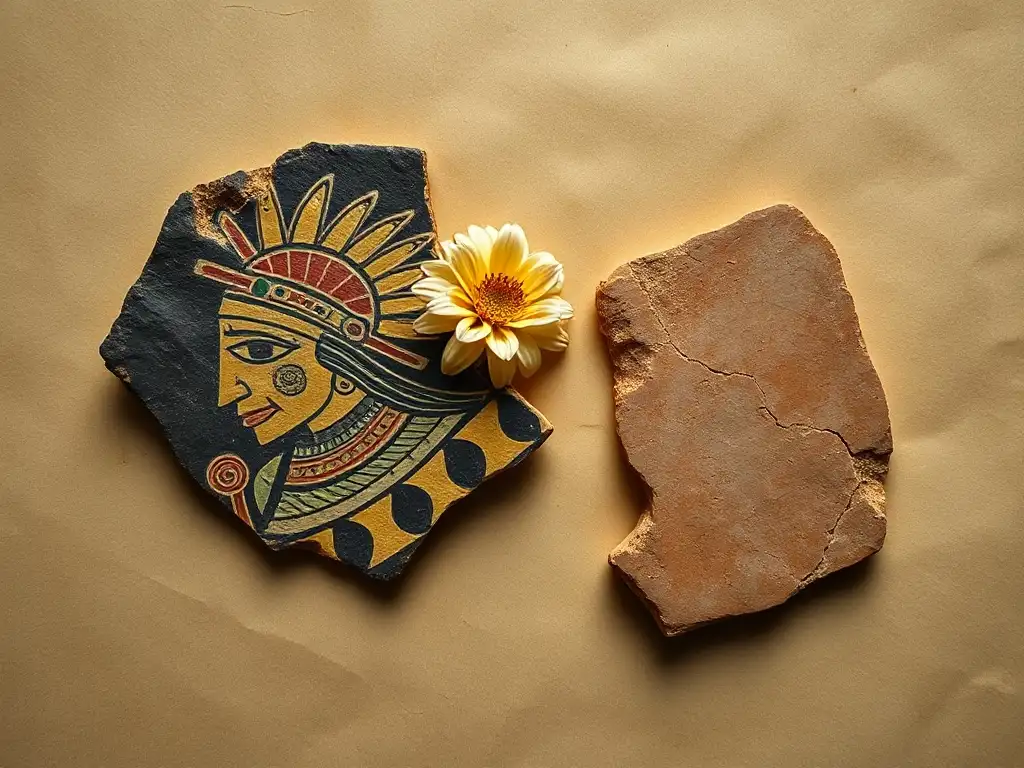
The ability to distinguish genuine Moche pottery from replicas is crucial for preserving the legacy of this remarkable Andean civilization. Understanding the subtle nuances in shape, paint application, and material composition empowers collectors, museums, and researchers alike to protect authentic artifacts and combat the illicit trade in cultural heritage. The economic incentives driving the creation of high-quality forgeries necessitate a vigilant and informed approach.
By utilizing the techniques and knowledge outlined in this guide, we can collectively contribute to the safeguarding of Moche pottery for future generations. The continued study and appreciation of these intricate pieces are vital to understanding the sophisticated artistry and cultural practices of the Moche people. Their legacy deserves our respect and protection.
The fight against the illegal replication and sale of Moche pottery is a continuous battle, requiring ongoing research and collaboration. Only through shared knowledge and a commitment to authenticity can we ensure the survival of these invaluable artifacts. The cultural significance of Moche pottery transcends mere aesthetic value; it represents a tangible connection to a rich and complex past.
Resources for Further Moche Pottery Study
This section offers a starting point for those interested in deepening their understanding of Moche pottery and replica identification. Further research is essential for developing expertise in this field. The resources listed below are not exhaustive but offer valuable avenues for continued learning.
The study of Moche pottery requires a multi-faceted approach. While visual analysis is crucial, understanding the historical context, technological processes, and stylistic variations is equally important. This involves exploring a wide range of resources, including:
- Academic Journals: Numerous scholarly journals publish articles on Andean archaeology and art history, providing in-depth analyses of Moche pottery and related topics. These articles often include high-resolution images and detailed descriptions of authentic pieces, which are invaluable for comparative analysis. Searching databases like JSTOR or Project MUSE using keywords like "Moche pottery," "Andean archaeology," and "ceramic analysis" will yield relevant results.
- Museum Collections: Online databases of major museums (many with extensive Andean collections) provide access to detailed catalog entries, photographs, and sometimes even 3D models of Moche pottery. These resources allow for close examination of authentic pieces, facilitating the development of a keen eye for identifying genuine forms.
- Archaeological Reports and Excavations: Reports from archaeological excavations offer firsthand accounts of Moche pottery discoveries, providing valuable insights into their context and manufacturing techniques. Many universities and research institutions make these reports available online or in their libraries.
- Books on Andean Art and Archaeology: Several books provide comprehensive overviews of Andean civilizations, including detailed sections on Moche pottery. These books often include high-quality illustrations and discussions of stylistic variations across different periods and regions.
- Expert Consultation: Engaging with experts in Andean archaeology and art history can provide invaluable insights and guidance. Many museums and universities have specialists who can offer advice on identifying genuine Moche pottery and understanding the nuances of their style and production.
Developing expertise in Moche pottery replica identification requires dedicated study and practice. By combining visual analysis with a strong understanding of the historical and archaeological context, one can significantly improve their ability to distinguish authentic pieces from forgeries. Remember, the preservation of Moche pottery relies on the collective efforts of individuals and institutions committed to protecting this irreplaceable cultural heritage. The more informed we are, the better equipped we are to combat the illegal trade and ensure that future generations can appreciate the artistry and cultural significance of these remarkable artifacts.
Frequently Asked Questions
How can I tell if a piece of Moche pottery is a genuine artifact or a replica?
Several factors contribute to authentication. Examine the pottery's surface texture for inconsistencies, and look for signs of age and wear. Professional appraisal is often necessary for definitive identification.
What are the common characteristics of authentic Moche pottery?
Authentic Moche pottery frequently displays detailed and vibrant imagery, often depicting mythological figures, animals, and scenes of daily life. The clay type and firing techniques also play a crucial role in identification.
Are there specific Moche pottery shapes that are more commonly replicated than others?
Popular and iconic shapes, such as stirrup-spout vessels and portrait jars, are frequently replicated. Less common forms might be less likely to be reproduced, but expert examination is still crucial.
Where can I find reliable resources for Moche pottery replica identification?
Museums, reputable archaeological societies, and expert art appraisers can offer valuable assistance in identifying authentic Moche pottery. Consulting scholarly publications is also recommended.
What should I do if I suspect I own a Moche pottery replica?
Don't despair! Replicas can still hold historical and artistic value. Focus on proper care and storage of your piece. Seeking expert opinion can help determine its origin and significance.
Final Reflection: Unmasking the Legacy: Authentic Moche Pottery and the Fight Against Forgery
The enduring allure of Moche pottery continues to fuel a thriving market, but this popularity unfortunately breeds a parallel industry of sophisticated replicas. Distinguishing genuine artifacts from expertly crafted forgeries is crucial not only for collectors but also for preserving the historical and cultural integrity of this remarkable civilization. The ability to identify authentic Moche pottery safeguards a vital part of Peru's heritage and ensures that future generations can appreciate the artistry and cultural significance of these ancient treasures.
The impact of forgery extends far beyond the financial realm; it undermines our understanding of Moche culture and its artistic evolution. The creation and sale of replicas distort the historical record, hindering scholarly research and preventing a true appreciation of the craftsmanship and innovation that defined Moche potters. As the art historian, William J. Conolly, once stated: The forgery not only deceives the buyer but also robs the future of its access to authentic works of art, thus diminishing our cultural heritage.
This sentiment rings particularly true for the Moche, whose intricate pottery offers a unique window into their beliefs, rituals, and daily life.
Consider the implications of this knowledge. You now possess the tools to discern authenticity, to become a more informed collector, or simply a more discerning observer of ancient art. Take the time to examine the details, to question the provenance, and to appreciate the subtle nuances that separate a genuine Moche piece from a skillful imitation. By actively engaging with this knowledge, you contribute to the preservation of a rich cultural legacy and ensure that the artistry of the Moche continues to inspire and educate for generations to come.
Unveil Your Passion for Moche Pottery!
Thank you for exploring the fascinating world of Moche pottery and learning to distinguish authentic pieces from reproductions. Now, let's delve deeper into the rich heritage of Andean civilizations.
Here are some ways to further your appreciation of Moche pottery:
- Participate in a hands-on pottery workshop and create your own piece inspired by Moche designs.
- Visit a museum with a significant collection of Moche artifacts and reflect on your experience. Consider keeping a journal to record your thoughts and observations.
- Share your discoveries and enthusiasm on social media using #MocheArt to connect with a community of Moche art enthusiasts.
Which specific Moche pottery piece would you most cherish in your home, and what draws you to it?