
From Lake Titicaca to Cusco: Tracing the Mythical Roots of Inca Society

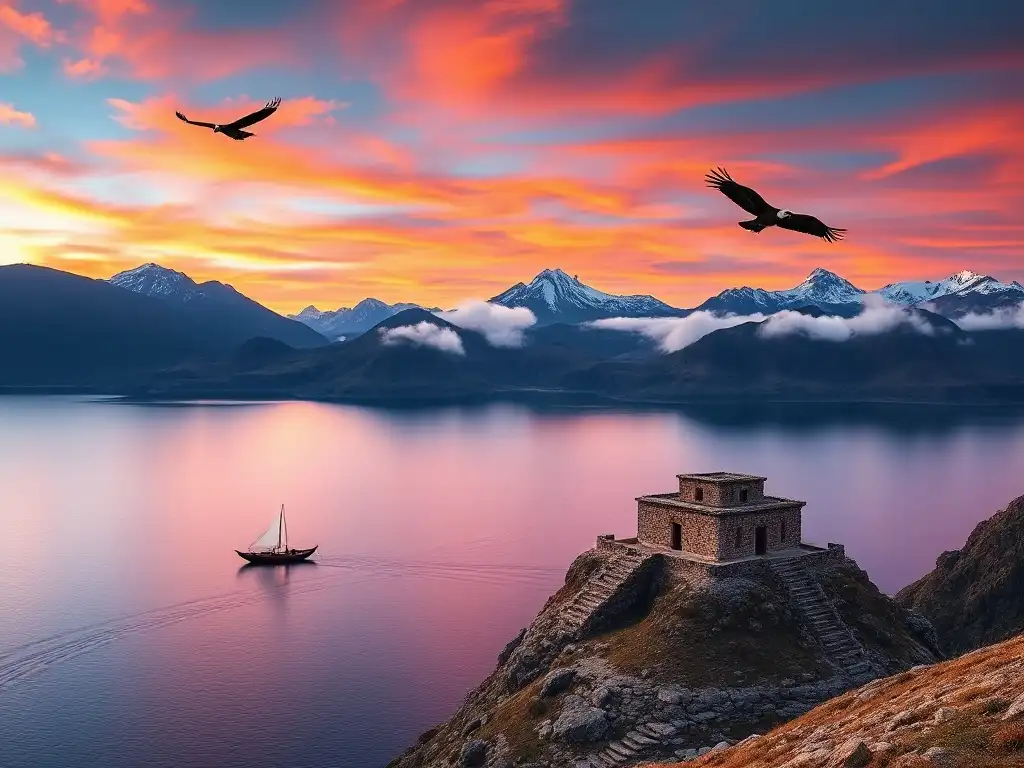
Dare to delve into the enigmatic heart of the Andes? Journey with us through the breathtaking landscapes and captivating legacies of the ancient Andean civilizations. Uncover the secrets behind the rise and fall of empires, from the intricate artistry of the Nazca to the awe-inspiring engineering feats of the Tiahuanaco. But our exploration begins with the Inca civilization history roots, a story steeped in myth and mystery, leading us from the shores of Lake Titicaca to the majestic heights of Cusco. Prepare to be amazed as we unravel the threads of this fascinating civilization...
The Inca civilization, a marvel of engineering and societal organization, leaves behind a legacy that continues to fascinate and inspire. Understanding the Inca Empire requires delving into its origins, a journey that takes us beyond concrete historical records and into the realm of myth and legend.
This exploration will trace the mythical roots of Inca society, examining the foundational stories that shaped their worldview and laid the groundwork for their remarkable empire, weaving together historical accounts with the vibrant tapestry of Inca mythology. We will journey from the purported birthplace at Lake Titicaca to the eventual capital at Cusco, uncovering the narratives that explain the Inca's rise to power and their unique cultural identity.
This article will explore the key mythical figures and events that, according to Inca tradition, shaped the very foundation of their civilization, providing a crucial context for understanding their later achievements. Understanding the Inca civilization history roots requires acknowledging the power of these foundational myths.
The Genesis of Inca Civilization: Myths and Legends
The Inca Empire's origins are shrouded in a blend of historical accounts and captivating myths. While archaeological evidence provides valuable insights into their material culture and societal structures, the stories passed down through generations offer a glimpse into their beliefs and understanding of their own past. These myths serve not merely as entertaining tales, but as fundamental narratives that explain the Inca worldview, their social hierarchy, and their relationship with the natural world.
The Inca creation myths, for example, often involve a creator god or a series of divine interventions that shaped the landscape and the very existence of humanity. These narratives provided a framework for understanding their place in the cosmos and the legitimacy of their rulers. Many of these stories were passed down orally, and their variations across different regions reflect the diverse cultural influences that shaped Inca identity.
The lack of a unified written language before Spanish contact means that reconstructing these narratives requires careful analysis of colonial-era accounts, archaeological findings, and ethnographic studies. Understanding these complexities is crucial to appreciating the depth and richness of Inca origins.
Lake Titicaca: Cradle of Inca Origins
According to Inca tradition, the legendary Lake Titicaca, situated high in the Andes Mountains on the border of Peru and Bolivia, is considered the birthplace of their civilization. This vast, high-altitude lake, with its breathtaking beauty and spiritual significance, features prominently in Inca mythology. The lake's islands, particularly the Isla del Sol (Island of the Sun) and Isla de la Luna (Island of the Moon), are believed to be sacred sites where the first Inca rulers emerged.
The Inca people held these islands in high reverence, viewing them not merely as geographical features, but as powerful spiritual centers connected to the creation of the world and the origins of their lineage. Many Inca ruins and ceremonial sites are located on these islands, testament to their enduring importance.
Archaeological discoveries continue to shed light on the early settlements around Lake Titicaca, corroborating some aspects of the mythical accounts while also revealing complexities that challenge simplistic interpretations. The lake itself, with its unique ecosystem and its central role in Inca cosmology, continues to be a source of both fascination and scholarly debate.
The Legend of Manco Capac and Mama Ocllo
Central to the Inca origin myth is the story of Manco Capac and Mama Ocllo, the legendary founders of the Inca civilization. Emerging from Lake Titicaca, according to the legend, they are often depicted as divine beings, or as descendants of the sun god Inti. Armed with a golden staff, Manco Capac is said to have been tasked with finding a suitable place to establish a new civilization. Wherever the staff sank into the earth, it indicated a fertile spot ready for cultivation.
This eventually led them to the valley of Cusco, where they founded the city and established the foundations of the Inca Empire. Mama Ocllo, meanwhile, played a crucial role in teaching the Inca people essential skills, particularly in weaving and domestic arts. The legend of Manco Capac and Mama Ocllo serves not only as an origin story, but also as a powerful symbol of Inca leadership and the importance of both masculine and feminine principles in their society.
The story reflects the Inca's belief in a divinely ordained leadership and their sophisticated understanding of social organization and agricultural practices. While the historical accuracy of this myth is debated, its cultural significance remains undeniable. The story continues to resonate with modern Peruvians and provides a powerful narrative for understanding the roots of Inca civilization.
The Emergence from Lake Titicaca
The Inca creation myth, deeply intertwined with their understanding of their origins and the Inca civilization history roots, places their beginnings at Lake Titicaca, the highest navigable lake in the world. This vast, majestic body of water, situated on the border of Peru and Bolivia, is not merely a geographical feature but a sacred site imbued with profound spiritual significance for the Inca. According to legend, the first Inca, Manco Cápac and Mama Ocllo, emerged from the lake's depths, instructed by the sun god Inti to civilize the surrounding lands.
This emergence wasn't a simple physical appearance; it represented a divine mandate, a bestowal of power and responsibility to establish a great empire. The lake itself, with its islands and surrounding landscapes, served as a cradle of Inca civilization, providing sustenance and a fertile ground for the development of their early communities. Archaeological evidence, while not directly confirming the mythological account, does reveal early settlements around Lake Titicaca dating back to pre-Inca times, suggesting a long history of human habitation and cultural development in the region.
The lake's strategic location, its abundance of resources, and its spiritual significance all contributed to its importance in the Inca origin story and the subsequent rise of their empire. The enduring legacy of this mythical emergence continues to shape the cultural identity of many Andean communities today. The reverence for Lake Titicaca remains strong, reflecting the deep-rooted connection between the Inca's mythical origins and their later imperial achievements.
The Journey to Cusco: Establishing the Inca Capital
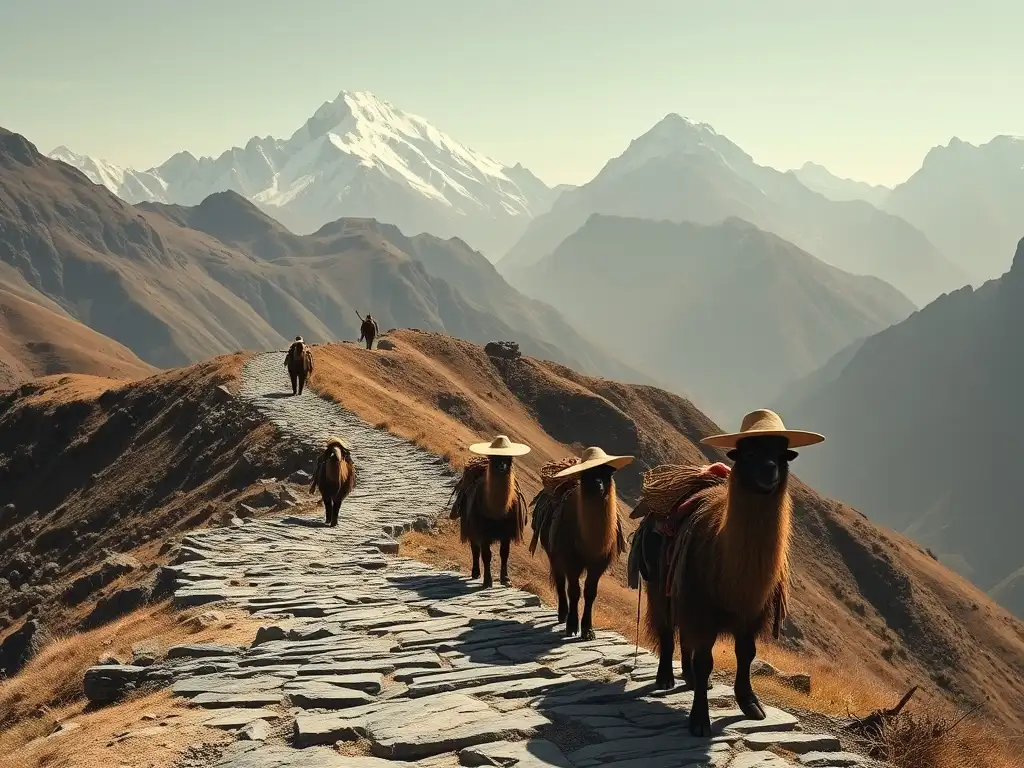
The journey from Lake Titicaca to Cusco, the eventual heart of the Inca Empire, is more than just a geographical displacement; it's a symbolic representation of the Inca's expansion and consolidation of power. The Inca civilization history roots are inextricably linked to this migration, a process which, according to legend, was guided by divine instructions and marked by significant events. Manco Cápac and Mama Ocllo, guided by their divine mandate, led their people southward, establishing settlements and gradually expanding their influence. Their journey wasn't a swift, single movement but a gradual process of exploration, conquest, and consolidation.
The route itself likely followed fertile valleys and strategically important locations, allowing for the development of agricultural practices and the control of vital resources. The selection of Cusco as the capital was not arbitrary. Its location in a strategically advantageous valley, surrounded by mountains that provided natural defenses, made it an ideal center for governing the growing empire.
The city itself evolved organically, reflecting the Inca's sophisticated architectural and urban planning skills. The sacred sites within Cusco, such as Sacsayhuamán, further solidified its importance as a religious and political center, strengthening the Inca's control and legitimacy. The journey from Lake Titicaca to Cusco, therefore, represents a significant chapter in the Inca civilization history roots, demonstrating the gradual evolution from a small community to a powerful empire.
The Significance of Huanacauri: A Pivotal Moment
Huanacauri, a site located near Cusco, holds a crucial place in the Inca origin myth and the Inca civilization history roots. It's not simply a geographical location but a symbolic representation of a pivotal moment in the Inca's rise to power. According to the legend, Huanacauri was the place where Manco Cápac and Mama Ocllo faced their first significant challenge, a confrontation with the existing local populations. This conflict, though described mythically, likely reflects the real struggles faced by the Inca as they expanded their influence.
The successful overcoming of this challenge at Huanacauri solidified their power and marked a turning point in their journey to establish their dominance. It's believed that this location became a sacred site, a place of remembrance and celebration of their early victories. The significance of Huanacauri lies not just in its role in the origin myth but also in its symbolic representation of the Inca's ability to overcome obstacles and unite diverse communities under their rule.
The site's importance in the Inca narrative underscores the complexities of their expansion and the challenges they faced in establishing their empire. It serves as a powerful reminder of the struggles and triumphs that shaped the Inca civilization history roots and laid the foundation for their future greatness. The enduring legacy of Huanacauri remains a testament to the resilience and determination of the early Inca people.
The Founding of Cusco: Center of the Inca World
Cusco, the ancient capital of the Inca Empire, holds a pivotal position in understanding the Inca civilization history roots. Its founding, shrouded in myth and legend, is inextricably linked to the origins and expansion of the Inca people. According to Inca tradition, Cusco's founding is attributed to Manco Cápac and Mama Ocllo, the legendary founders of the Inca dynasty.
These siblings, emerging from the sacred Lake Titicaca, were tasked by the sun god Inti to establish a civilization and a new world order. Their journey, a powerful metaphor for the Inca expansion itself, led them to the fertile valley of Cusco, where they planted a golden staff, a divine sign marking the location of their future capital. This act, symbolic of establishing dominion and cultural dominance, is central to the Inca origin story.
The actual historical process of Cusco's development was undoubtedly more complex than the mythical narrative suggests. Archaeological evidence suggests a gradual process of settlement and growth, with various pre-Inca cultures contributing to the city's development over centuries. While the precise timeline remains debated amongst scholars, it's clear that Cusco's strategic location, nestled within a fertile valley and surrounded by easily defensible mountains, played a significant role in its rise to prominence.
The city's growth was not solely based on its geographical advantages, however. The Inca's sophisticated system of administration, their mastery of engineering and construction, and their ability to integrate diverse populations into their empire all contributed to Cusco's development into a grand metropolis, a testament to the Inca civilization history roots.
The city's layout itself reflects the Inca worldview. The layout was meticulously planned, with streets running in straight lines, mirroring the Inca's emphasis on order and control. Temples, palaces, and residential areas were strategically positioned, reflecting the hierarchical structure of Inca society and their deep reverence for their gods and ancestors. The use of stone masonry in Cusco's construction is particularly remarkable.
The precision and skill demonstrated in fitting massive stones together without mortar is a testament to the Inca's advanced engineering capabilities, a striking feature that highlights the ingenuity of the Inca civilization history roots. The structures that remain standing today, though weathered by time, continue to inspire awe and wonder, offering a tangible link to the empire's rich past. The legacy of Cusco, therefore, extends beyond its physical presence; it embodies the enduring strength and sophistication of the Inca civilization.
- The Genesis of Inca Civilization: Myths and Legends
- Lake Titicaca: Cradle of Inca Origins
- The Legend of Manco Capac and Mama Ocllo
- The Emergence from Lake Titicaca
- The Journey to Cusco: Establishing the Inca Capital
- The Significance of Huanacauri: A Pivotal Moment
- The Founding of Cusco: Center of the Inca World
Inca Society's Foundations: Beyond the Mythical Narrative
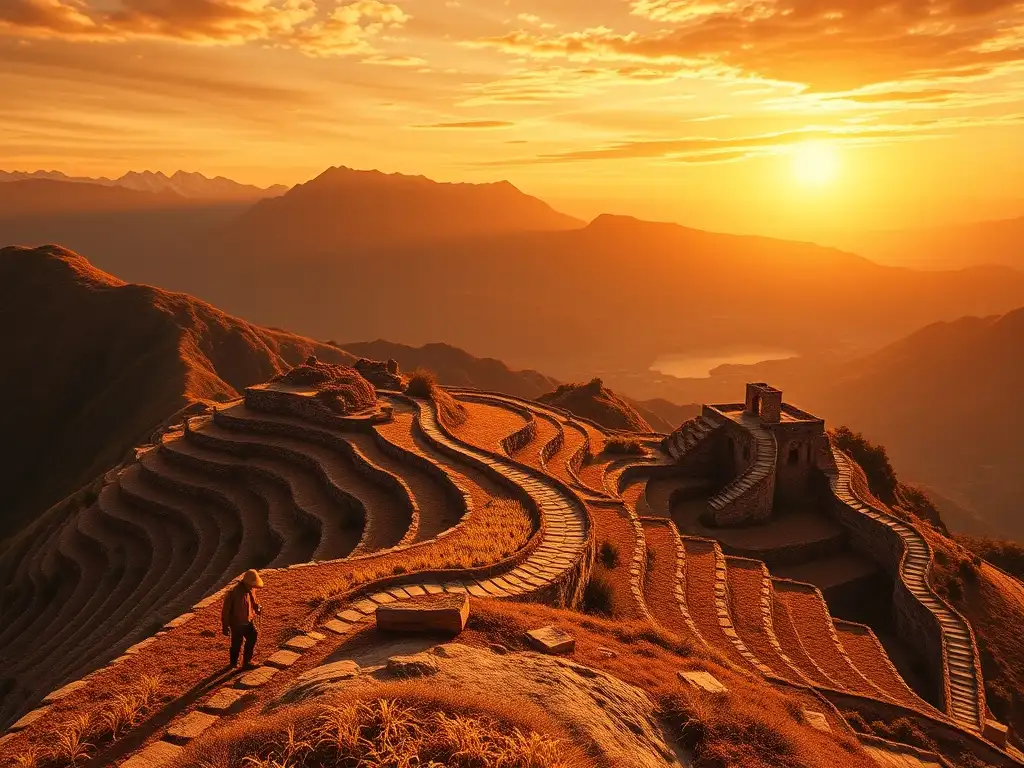
This section delves into the tangible evidence supporting the mythical origins of Inca civilization, moving beyond legendary accounts to explore the archaeological and anthropological findings that illuminate the early development of Inca society. We'll examine the gradual evolution of their social structures and the processes that led to the formation of the vast Inca Empire. Understanding these foundational elements is crucial to grasping the complexity and sophistication of the Inca civilization history roots.
Early Inca Settlements: Archaeological Insights
Archaeological excavations across the Andes have uncovered crucial evidence regarding the early Inca settlements. These sites, often located near fertile valleys and water sources, reveal a gradual progression from small, dispersed communities to larger, more organized settlements. The discovery of early Inca pottery, textiles, and agricultural tools provides valuable insights into their lifestyle and economic activities.
For example, the analysis of agricultural terraces found in sites like Pisac reveals sophisticated irrigation techniques, highlighting the Inca's mastery of their environment even in the early stages of their development. These early settlements, while less grand than later Inca cities, laid the groundwork for the empire's future expansion. Further research is needed to fully understand the extent of early Inca population density and the complex social interactions within these communities, however, preliminary data suggests a more complex social structure than previously assumed.
The intricate weaving techniques evident in early textiles suggest a degree of specialization and social stratification even within these seemingly small communities. This early evidence challenges the simplistic narratives often presented and paints a more nuanced picture of the Inca civilization history roots.
The development of Inca social structures was a gradual process, evolving from kinship-based groups to a highly stratified society. The ayllu, a community-based system of reciprocal obligations and shared resources, formed the bedrock of Inca social organization. While the ayllu system existed before the rise of the Inca Empire, the Inca state refined and expanded upon it, integrating it into a larger imperial structure. This involved the creation of a complex bureaucracy, with specialized roles and responsibilities.
The Inca state meticulously organized its population, assigning individuals to specific tasks within the ayllu and the larger empire. This organization extended to agriculture, construction, and military service, ensuring the efficient functioning of the Inca state. The Inca's social structure wasn't rigid, however. Social mobility existed, though it was often linked to merit and service to the state.
Evidence of social stratification is found in burial practices and the distribution of artifacts. Elaborate burials with rich grave goods suggest an elite class, while simpler burials indicate the common people. The study of these differences helps to unravel the complexities of Inca social hierarchy and its evolution through time, furthering our understanding of Inca civilization history roots.
The Rise of the Inca State: From Tribe to Empire
The transformation of the Inca from a small tribe to a vast empire was a multifaceted process, driven by both internal factors and external pressures. Several contributing factors are crucial to consider: skilled military organization, effective political strategies, and the Inca's ability to integrate conquered populations. The Inca's military prowess, coupled with their sophisticated administrative system, allowed them to conquer neighboring groups and expand their territory.
The Inca's success in integrating conquered populations into their empire is a key factor in their rise to power. They did this by strategically relocating people, implementing their administrative system, and incorporating aspects of conquered cultures into their own. This strategy prevented widespread rebellion and ensured the stability of the empire.
The Inca's ability to leverage existing social structures within conquered territories, while imposing their own control, demonstrates a high level of political acumen and strategic thinking. Their mastery of engineering, evident in their impressive road network and agricultural terraces, further facilitated their expansion and solidified their control over vast territories. The gradual expansion, incorporating and assimilating conquered groups, rather than through sudden conquest, is a key element in understanding the Inca civilization history roots and the long-term stability of their empire.
The Role of Religion and Mythology in Inca Society
Inca society was deeply intertwined with a complex religious system that permeated every aspect of life, from daily routines to monumental state projects. Their mythology, rich in symbolism and narratives, provided a framework for understanding the world and their place within it. The Inca worldview wasn't simply a set of beliefs; it was a living, breathing force that shaped social structures, political power, and individual behavior. Religious practices weren't confined to temples or priests; they were integral to the fabric of everyday existence.
Farmers offered prayers for bountiful harvests, builders invoked divine favor for successful constructions, and warriors sought blessings for victory in battle. This pervasive religiosity fostered a strong sense of community and collective identity, binding the vast Inca empire together through shared beliefs and rituals. The intricate system of huacas (sacred places) further underscored the importance of religion, with these sites acting as focal points for worship and pilgrimage across the empire.
The Inca's deep connection with their deities and the natural world is evident in their sophisticated calendar system, which meticulously tracked agricultural cycles and astronomical events, demonstrating a profound understanding of the cosmos and its influence on their lives. This close relationship between religious beliefs and practical aspects of life is a key element in understanding the Inca civilization's history and its remarkable achievements. The intricate interplay between mythology and daily life contributed significantly to the social cohesion and stability of the empire.
The Importance of the Sun God Inti
At the heart of the Inca pantheon resided Inti, the Sun God, considered the most important deity. Inti's significance transcended mere religious reverence; he was the central figure in Inca cosmology, politics, and social hierarchy. The Sapa Inca, the emperor, claimed direct descent from Inti, legitimizing his rule and reinforcing the divine nature of his authority. This divine lineage wasn't simply a symbolic claim; it was a cornerstone of Inca political ideology, justifying the emperor's absolute power and the hierarchical structure of society.
The Sun Temple in Cusco, a magnificent structure dedicated to Inti, served as a powerful symbol of the emperor's power and the centrality of the Sun God in Inca life. Elaborate festivals and ceremonies honoring Inti were held throughout the year, often involving human sacrifices, further emphasizing his importance. These rituals reinforced the Inca's connection to the cosmos and solidified the emperor's position as the intermediary between the divine and the human world. The worship of Inti wasn't solely a matter of religious practice; it was a political strategy that reinforced social order and strengthened the empire's cohesion.
The Sun God's influence extended to all aspects of Inca society, from agriculture and warfare to art and architecture. The prominence of Inti in Inca iconography and the dedication of numerous temples to him are testaments to his enduring importance in shaping the Inca civilization's history and cultural identity. The pervasive influence of Inti's worship is a crucial factor to consider when exploring the roots of Inca civilization and its enduring legacy.
Connecting the Mythical Past with Inca History
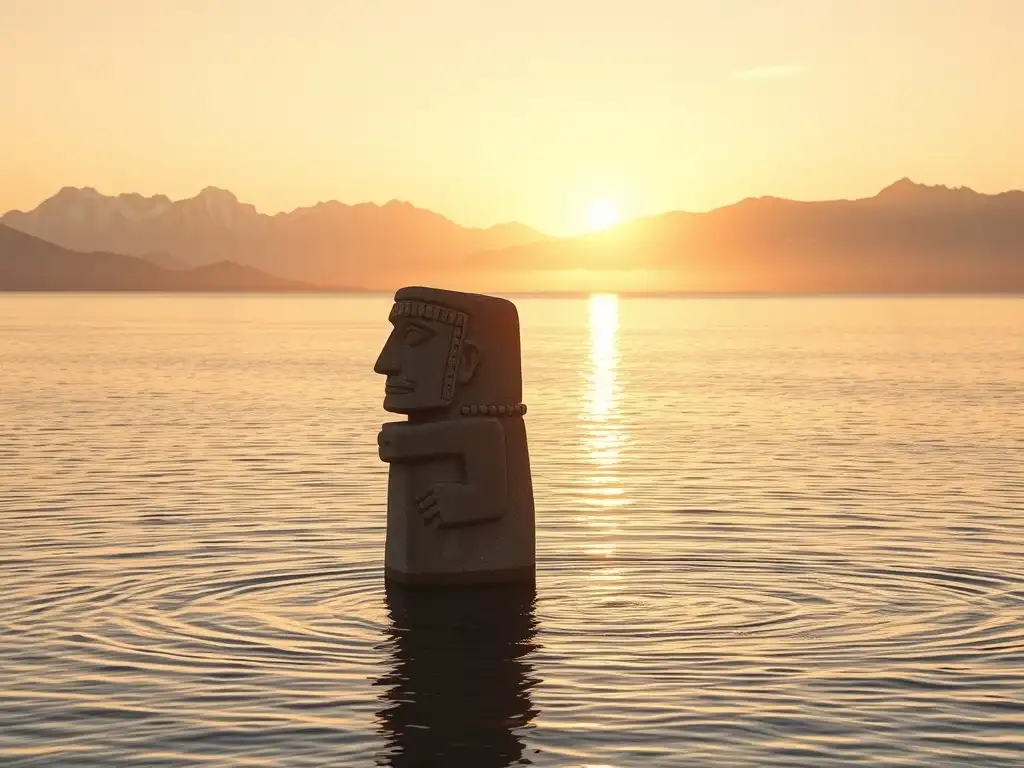
This section delves into the intricate relationship between Inca mythology and the historical development of their civilization. Understanding the Inca worldview is crucial to grasping the motivations, societal structures, and achievements of this remarkable empire. The Inca civilization history roots are deeply entwined with their creation myths, shaping their political systems, religious practices, and even their agricultural techniques.
We'll explore how these foundational stories influenced their daily lives and left an indelible mark on their legacy. The pervasive influence of these myths underscores the importance of examining Inca history through a lens that considers both the tangible evidence and the intangible beliefs that shaped their world.
The Influence of Lake Titicaca on Inca Culture
Lake Titicaca, the highest navigable lake in the world, holds a central place in Inca mythology. It's considered the birthplace of the Inca civilization, the origin point from which their empire expanded. According to legend, the first Inca, Manco Cápac and Mama Ocllo, emerged from the lake, tasked by the sun god Inti with establishing a civilization. This origin story isn't merely a whimsical tale; it profoundly impacted Inca culture in several ways:
- Religious Significance: Lake Titicaca became a sacred site, a place of pilgrimage and ritual. The lake's waters were believed to possess spiritual power, and offerings were made to appease the lake gods. The annual Inti Raymi festival, discussed later, further solidified the lake's religious importance.
- Agricultural Practices: The lake's fertile shores provided a crucial agricultural base for the early Inca settlements. The development of sophisticated irrigation systems, terraces, and agricultural techniques were directly influenced by the need to maximize the limited arable land around the lake. This early agricultural success laid the foundation for the Inca's later expansive agricultural achievements.
- Political Power: The claim of origin from Lake Titicaca legitimized the Inca's rule. The narrative of divine descent solidified their authority and helped unify diverse populations under their control. This divine connection was used to justify their expansion and conquest, reinforcing their power structure.
The lake's influence extends beyond simple narratives; it’s deeply embedded in the Inca worldview, shaping their values and shaping the very fabric of their society. Archaeological evidence supports the importance of Lake Titicaca, showcasing the presence of early settlements and ceremonial sites dating back to the pre-Inca era. These early settlements provide tangible evidence supporting the mythical origins, showing a continuous cultural development from the lake's shores.
The Legacy of the Founding Myths in Inca Practices
The Inca founding myths, beyond the Lake Titicaca origin story, significantly shaped their social and political structures. The stories of Manco Cápac and Mama Ocllo, along with other mythical figures, provided a framework for understanding their place in the cosmos and their social responsibilities.
- Social Hierarchy: The Inca's hierarchical society, with the Sapa Inca at its apex, mirrored the cosmic order described in their myths. The emperor was seen as a direct descendant of the sun god, further legitimizing his absolute authority. This divine right to rule was reinforced through elaborate ceremonies and rituals.
- Religious Beliefs: The Inca pantheon of gods and goddesses, their beliefs about the afterlife, and their rituals were all rooted in their creation myths. The emphasis on ancestor veneration and the importance of maintaining harmony with the natural world stemmed directly from these stories. Even the intricate system of ayllus (kinship groups) reflected the social structures outlined in these myths.
- State Administration: The Inca's highly organized state, with its sophisticated bureaucracy and infrastructure, can be seen as a reflection of the order and structure present in their foundational myths. The emphasis on efficiency and planning in their administration mirrored the deliberate creation of the world as described in their legends.
The enduring impact of these founding myths is undeniable. They provided a cohesive narrative that unified the diverse groups within the Inca Empire, shaping their social behavior, religious practices, and political institutions. Further research into Inca oral traditions and surviving artifacts could reveal even more profound connections between myth and reality in Inca society.
Inti Raymi: The Sun Festival
Inti Raymi, the festival of the sun, is a prime example of how Inca mythology manifested in grand-scale celebrations. This annual festival, held at the winter solstice, was the most important religious event in the Inca calendar. It celebrated the sun god Inti, the supreme deity in the Inca pantheon, and reinforced the emperor's divine authority. The festival's significance is multifaceted:
- Agricultural Cycle: Inti Raymi was intrinsically linked to the agricultural cycle. The festival marked the beginning of the new agricultural year, signifying the sun's renewed power and the promise of a bountiful harvest. Prayers and offerings were made to ensure a successful growing season.
- Political Power: The Sapa Inca presided over the Inti Raymi celebrations, acting as the intermediary between the people and the sun god. The festival served as a powerful display of the emperor's authority and his divine right to rule. The elaborate ceremonies and processions reinforced his status as the supreme ruler.
- Social Cohesion: Inti Raymi was a collective event, involving people from all levels of Inca society. It fostered a sense of unity and shared identity, reinforcing the social bonds within the empire. The festival provided an opportunity for people to celebrate their shared culture and beliefs.
The spectacle of Inti Raymi, with its elaborate rituals, sacrifices, and processions, was a powerful demonstration of Inca religious beliefs and political power. The festival's enduring legacy testifies to the profound influence of Inca mythology on the daily lives and cultural practices of the Inca people, providing a vivid illustration of the deep intertwining of myth and reality in the Inca civilization history roots. The detailed accounts from Spanish chroniclers, though biased, provide valuable insights into the scale and significance of this remarkable festival.
Cusco as a Reflection of Inca Cosmology
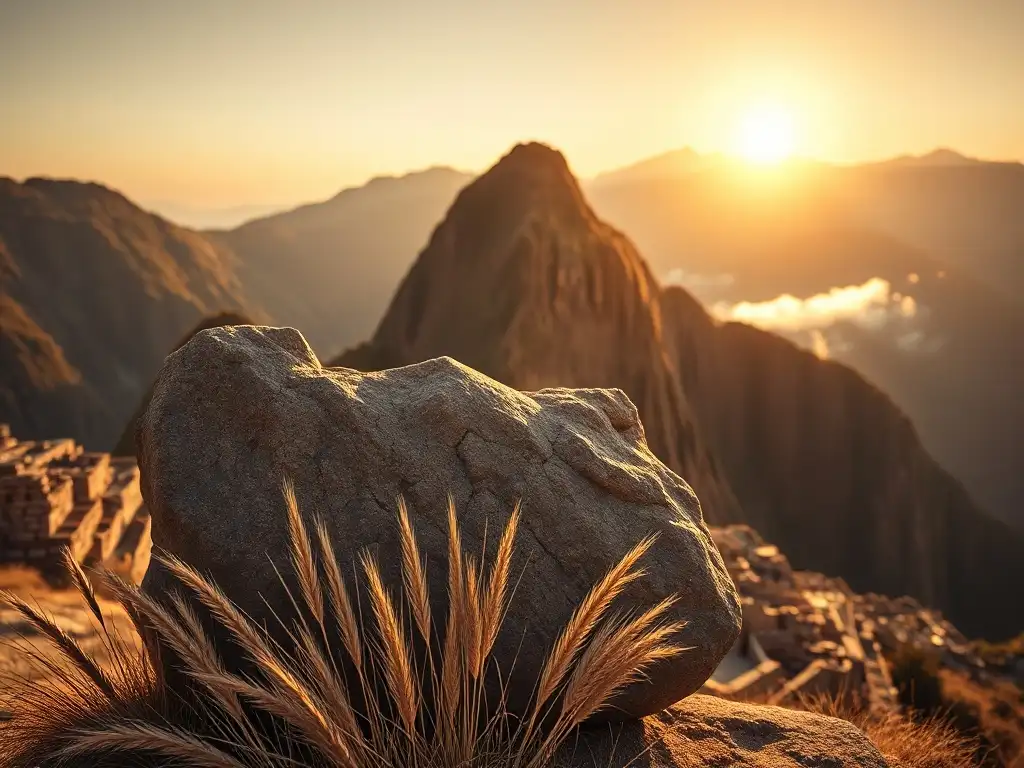
Cusco, the former capital of the Inca Empire, wasn't merely a political center; it was a meticulously planned city reflecting the Inca worldview. Inca cosmology saw the world as a carefully ordered system, mirroring the celestial bodies and the sacred landscape. The city's layout, therefore, wasn't arbitrary. Streets were aligned with the cardinal directions, reflecting the Inca understanding of the universe's structure.
This deliberate arrangement aimed to harmonize the earthly realm with the heavens, a key tenet of Inca Inca civilization history roots. The placement of significant buildings, such as temples and palaces, further emphasized this cosmic alignment. For example, the location of the Coricancha, the Temple of the Sun, was not accidental; its position within the city was carefully chosen to maximize its symbolic connection to the sun's path across the sky. This meticulous planning demonstrates the profound influence of Inca cosmology on their urban planning and highlights the deep connection between their beliefs and their physical environment.
The city's very structure served as a tangible representation of their spiritual beliefs, a testament to the integration of religion and urban development in Inca society. Archaeological evidence continues to reveal the intricate details of this cosmic design, deepening our understanding of Inca Inca civilization history roots and their sophisticated worldview. The study of Cusco’s layout provides invaluable insights into the beliefs and practices that shaped Inca civilization.
The Coricancha: Temple of the Sun
The Coricancha, or Temple of the Sun, stands as a prime example of Inca architecture and a powerful symbol of their religious beliefs. Located in the heart of Cusco, this temple wasn't just a place of worship; it served as the central point of Inca religious life and a testament to the importance of the sun god, Inti, in their pantheon. The temple's construction showcases the Incas’ mastery of stonework, with precisely cut stones fitting together without mortar, a testament to their advanced engineering skills.
The walls were originally plated with gold, further emphasizing the sun's radiant power and the Incas' reverence for Inti. The Coricancha wasn't a solitary structure; it was a complex of buildings, including smaller temples dedicated to other deities and perhaps even royal residences. The sheer scale and magnificence of the complex underscore the central role of religion in Inca society, reflecting the deep-seated beliefs that formed the bedrock of their Inca civilization history roots.
The destruction of much of the Coricancha by the Spanish conquistadors sadly obscured many details, but ongoing archaeological investigations continue to unveil its secrets and reveal more about the intricacies of Inca religious practices and the importance of the sun god in shaping their civilization. The surviving remnants of the Coricancha serve as a poignant reminder of the sophisticated religious practices and architectural prowess that defined the Inca Empire, offering a glimpse into the rich tapestry of their Inca civilization history roots. The meticulous craftsmanship and the symbolic significance of the Coricancha continue to fascinate and inspire researchers today.
Understanding the Roots of Inca Civilization
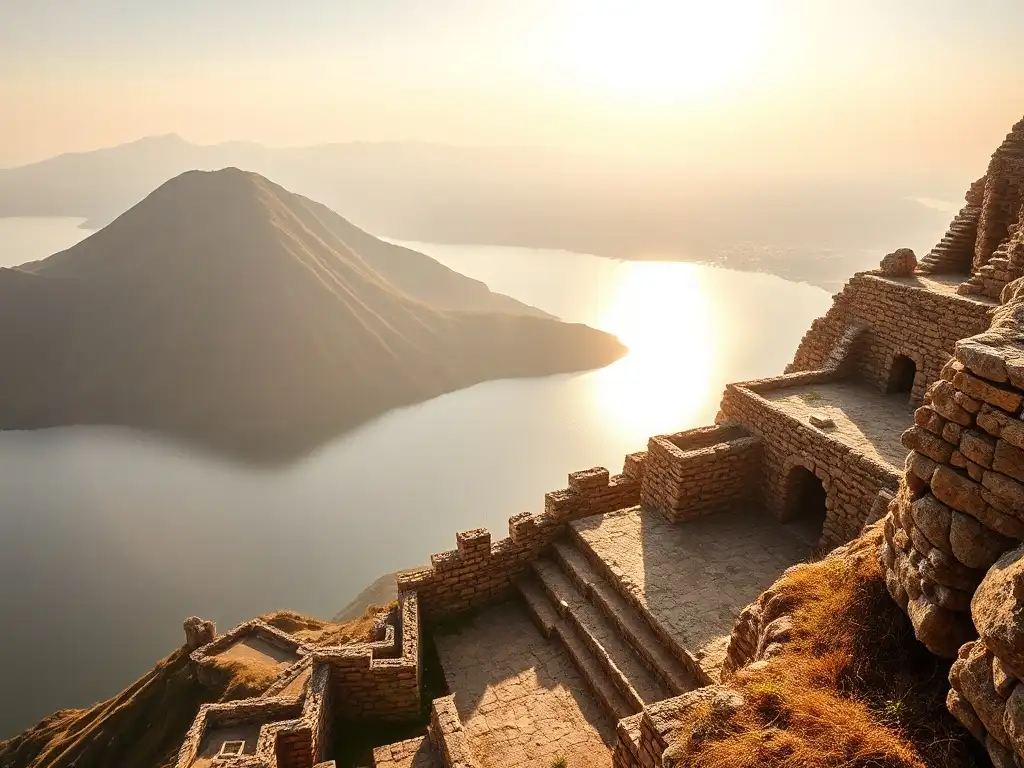
This section delves into the complex interplay of myth and historical evidence surrounding the origins of the Inca civilization. Understanding these roots is crucial to appreciating the empire's sophisticated societal structures, remarkable engineering feats, and extensive political influence. We will explore how Inca narratives shaped their identity and fueled their expansion across the Andes. The Inca civilization history roots are deeply intertwined with their origin myths, creating a powerful foundation for their societal development and imperial ambitions.
The Synthesis of Myth and History in Inca Culture
The Inca worldview seamlessly blended historical accounts with powerful myths. Their origin stories, passed down through generations via oral traditions and later recorded by Spanish chroniclers, weren't simply fanciful tales; they served as potent tools for social cohesion, legitimizing the Inca rulers' authority and explaining their dominion over diverse Andean peoples. The most prominent myth centers around the emergence of the Inca from the legendary lake Titicaca. This narrative, while steeped in mythology, likely reflects a historical process of the Inca's expansion from a smaller group around the lake into a vast empire.
The myth often depicts Manco Cápac and Mama Ocllo, the first Inca, emerging from the lake armed with a golden scepter and tasked by the sun god Inti to establish a civilization. This act of divine appointment provided religious and political legitimacy to the Inca rulers, solidifying their status as descendants of the gods and justifying their control over the land and its people. Archaeological evidence, while not directly confirming the literal emergence from Titicaca, supports the idea of a gradual expansion from the region, suggesting that the lake served as a crucial early center for Inca development.
The myth, therefore, acts as a symbolic representation of this historical expansion, imbued with religious significance. This synthesis of myth and history was integral to the Inca's cultural identity and political power.
The Enduring Impact of Inca Origins
The Inca origin myth didn't simply shape their past; it profoundly influenced their future. The narrative of emerging from Titicaca, a sacred body of water, instilled a deep respect for the natural world and the importance of water management. This reverence is evident in the Inca's advanced irrigation systems, terrace farming techniques, and sophisticated water infrastructure found throughout the empire. These impressive engineering feats weren't solely practical; they also reflected their spiritual connection to the land and their origin story.
Furthermore, the myth of Manco Cápac and Mama Ocllo's divine mandate contributed to the Inca's remarkable ability to integrate conquered peoples. By presenting themselves as divinely appointed rulers, they could more easily assimilate new populations into their empire, fostering a sense of shared identity and purpose. This strategy, combined with their effective administrative and military structures, allowed for the unprecedented expansion of the Inca empire across diverse geographical and cultural landscapes.
The enduring legacy of these origin myths is visible in the empire’s sophisticated social structure and its impressive achievements in engineering, agriculture, and governance. The impact of the Inca origin story resonates even today, shaping our understanding of this remarkable civilization.
The Role of the Origin Myth in Inca Expansion
The Inca origin myth played a pivotal role in the empire's expansion. The narrative of divine appointment provided a powerful justification for conquest and legitimized Inca rule over diverse Andean communities. The myth served as a potent propaganda tool, fostering a sense of destiny and encouraging loyalty among both Inca subjects and newly conquered populations. The claim to divine lineage allowed Inca rulers to present their expansion not as mere conquest but as a divinely ordained mission to unify the Andean world under their rule.
The story fostered a sense of shared identity and purpose, facilitating the integration of conquered peoples into the empire. Furthermore, the myth's emphasis on the importance of water and agriculture likely influenced Inca expansion strategies, prioritizing the control of fertile lands and water sources. The Inca’s expansion wasn't merely a military endeavor; it was a carefully orchestrated process fueled by a powerful origin myth that imbued their actions with religious and political significance.
The myth facilitated the incorporation of diverse Andean cultures and beliefs into the Inca worldview, contributing to the empire's remarkable political and social cohesion. The Inca civilization history roots, therefore, are inextricably linked to their imperial ambition and the power of their origin myth.
Examining the Inca's Unique Perspective on History
The Inca civilization, unlike many others documented in history, lacked a written language in the way we understand it. Their historical record was primarily oral, passed down through generations of storytellers, quipu (complex knotted cords used for record-keeping), and monumental architecture itself. This oral tradition, while susceptible to changes over time, offered a unique and deeply ingrained connection to their past. The Inca worldview was profoundly shaped by their understanding of their origins, which were deeply intertwined with their cosmology and their relationship with the Pachamama (Mother Earth) and the Apus (mountain spirits).
Their history wasn't just a linear progression of events; it was a living narrative, constantly reinterpreted and reaffirmed through rituals, festivals, and the very fabric of their society. This oral tradition emphasized lineage and ancestry, tying the Inca rulers directly to the mythical origins of their empire. The stories of their ancestors served not only to validate their rule but also to reinforce social cohesion and cultural identity.
Understanding the Inca's perspective necessitates recognizing the profound importance of oral history and its integral role in shaping their societal structures and beliefs. This oral history, though challenging to reconstruct fully for modern historians, offers valuable insights into their values and the way they perceived their place in the world. The lack of a written record, however, presents significant challenges in accurately piecing together a comprehensive and unbiased history, relying heavily on interpretations of archaeological evidence and colonial accounts, which themselves can be biased.
The Lasting Legacy of the Inca Civilization History Roots
The Inca civilization's influence on the modern world is undeniable, even centuries after the Spanish conquest. Their sophisticated engineering feats, such as the impressive road system connecting the vast empire, continue to inspire awe and admiration. The intricate agricultural techniques they developed, including terracing and irrigation systems adapted to diverse Andean landscapes, remain relevant today, offering valuable lessons in sustainable land management. Moreover, many aspects of their cultural heritage, including aspects of their language (Quechua), traditional clothing styles, and culinary practices, persist in various communities throughout the Andes.
The Inca legacy is not only tangible in the form of surviving structures, but also intangible, woven into the very fabric of Andean identity and cultural practices. This enduring legacy is a testament to the ingenuity and resilience of the Inca people and their profound impact on the region's history, culture, and environment. The study of Inca history, therefore, is not simply an academic exercise; it offers valuable insights into sustainable practices, societal organization, and the enduring power of cultural heritage.
Furthermore, understanding the Inca’s sophisticated understanding of astronomy and their intricate calendar systems provides a fascinating glimpse into their intellectual capabilities and their deep connection with the natural world. The ongoing research into Inca civilization continues to uncover new facets of their history and culture, enriching our understanding of this remarkable society and its lasting contributions. The Inca civilization's history roots are not just confined to the past; they actively shape the present and future of the Andes region.
Frequently Asked Questions
What are the mythical origins of the Inca civilization?
The Inca believed they descended from Lake Titicaca, specifically from the island of Isla del Sol. Their creation myth involves the emergence of the first Inca ruler, Manco Cápac, and his sister-wife Mama Ocllo, from the lake. This origin story helped solidify their legitimacy and power.
How did the Inca expand from Lake Titicaca to Cusco?
The Inca initially established a small kingdom around Cusco, gradually expanding their empire through military conquest and diplomacy. They strategically allied with some groups while subduing others, ultimately controlling a vast territory.
What role did Cusco play in Inca society?
Cusco served as the political and religious center of the Inca Empire. It was strategically located in a fertile valley and contained important religious sites and palaces, reflecting the Inca's power and authority.
What were some key characteristics of Inca technology?
The Inca excelled in stonework, creating impressive structures like Machu Picchu. They also developed advanced agricultural techniques, such as terracing, to cultivate food in challenging terrain. Their road system facilitated communication and trade throughout the empire.
How did Inca history influence later Andean cultures?
The legacy of the Inca Empire continues to influence Andean cultures today. Inca traditions, language (Quechua), and architectural styles persist, shaping the identity and heritage of modern Andean communities.
Final Reflection: Echoes of the Andes: A Legacy Woven in Myth and Stone
The enduring legacy of the Inca civilization continues to resonate today, shaping our understanding of societal structures, ingenuity, and the power of myth in shaping a culture. From the breathtaking landscapes of Lake Titicaca to the majestic ruins of Cusco, the Inca's story is not just a historical account; it's a living testament to human resilience, innovation, and the enduring strength of a shared narrative. Their sophisticated agricultural techniques, intricate social hierarchy, and awe-inspiring architecture continue to inspire wonder and fuel ongoing research.
The exploration of Inca mythology, woven into the fabric of their daily lives and reflected in their monumental constructions, reveals a profound connection to their environment and a sophisticated worldview. The mountains are our ancestors; the rivers are our veins; the earth is our mother.
This ancient wisdom speaks to a holistic understanding of the world, a perspective that holds valuable lessons for our modern, often fragmented society. Understanding their relationship with the natural world offers a powerful counterpoint to our current environmental challenges, prompting us to reconsider our own place within the ecosystem.
Consider the intricate tapestry of Inca history, the myths that bound their communities, and the echoes of their civilization that still reverberate through the Andes. You, the reader, are now part of this ongoing conversation. Take a moment to reflect on the power of shared narratives, the importance of respecting our environment, and the enduring strength of human ingenuity. Let the legacy of the Inca inspire you to connect with your own heritage, to appreciate the stories that shape your identity, and to build a future rooted in respect for the past and a commitment to a sustainable future.
**Unveil the Mysteries of Inca Heritage! **
Thank you for exploring the rich tapestry of Inca society with us! You've uncovered fascinating insights into the connection between Lake Titicaca and Cusco, and we hope you're inspired to learn more.
Now, let's take your journey further with these suggestions:
- **Explore** the ancient landscapes yourself! Plan a trip to Lake Titicaca and Cusco to experience their beauty and history firsthand.
- Share your thoughts! Join our online community and discuss your reflections on Inca mythology and its continuing relevance.
- Discover hidden gems! Research lesser-known Inca sites to deepen your understanding of this remarkable civilization.
What aspects of Inca mythology or history intrigue you most, and how do you think they've shaped modern Andean culture?