
Tiahuanaco's Ceramic Signatures: Identifying its Distinctive Styles in Later Andean Pottery

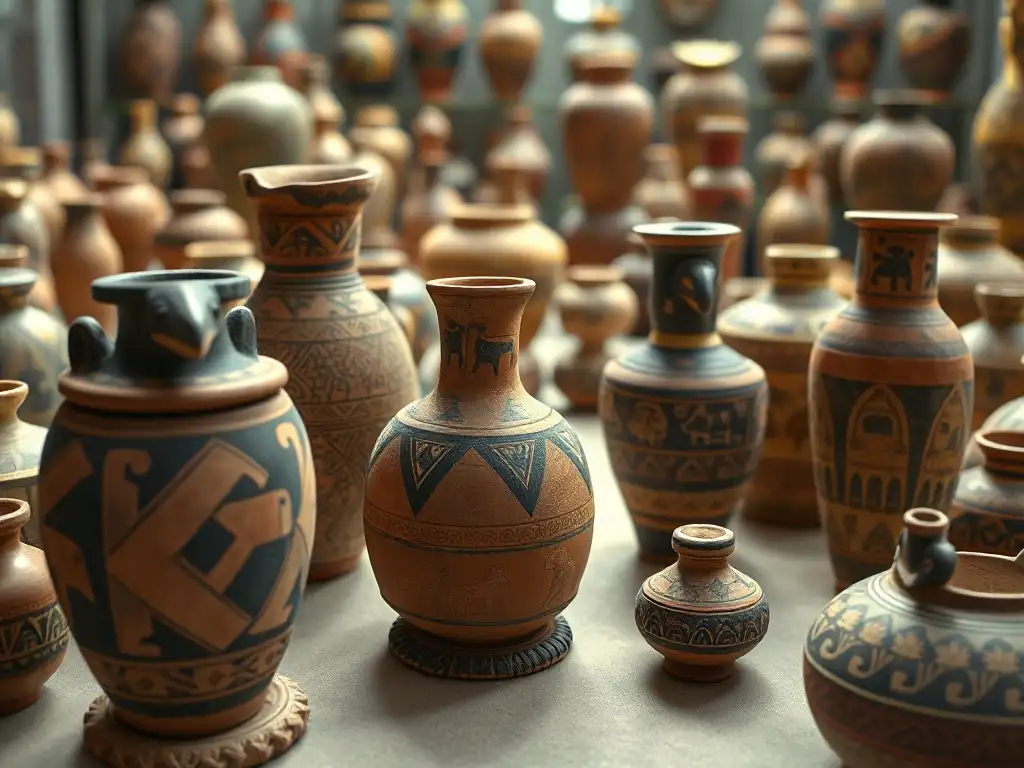
Step into a world lost to time, yet echoing through the ages. Imagine uncovering the secrets held within the intricate designs of ancient Andean pottery. This website delves into the captivating legacies of the Andean civilizations, from the Incas to the Nazca. But our journey begins with a particularly intriguing mystery: the enduring influence of Tiahuanaco pottery styles on subsequent Andean cultures. Prepare to be amazed as we unravel the story...
The remarkable Tiahuanaco civilization, flourishing in the Andes from approximately 500 to 1000 CE, left an indelible mark on subsequent Andean cultures. This influence extended far beyond political and social structures; its distinctive artistic styles, particularly in ceramics, permeated the artistic landscape for centuries.
This article delves into the enduring legacy of Tiahuanaco pottery, exploring how its characteristic styles were adopted, adapted, and ultimately transformed the ceramic traditions of later Andean societies. We will examine the key features that allow us to identify the "Tiahuanaco pottery styles influence" on subsequent artistic expressions, tracing the evolution of these styles and their impact on the broader Andean artistic canon.
Understanding this influence provides crucial insights into the complex web of cultural exchange and artistic transmission that shaped the Andean world. We will explore how the stylistic fingerprints of Tiahuanaco can be detected in later pottery, providing a fascinating glimpse into the continuity and change within Andean artistic traditions.
Key Characteristics of Tiahuanaco Pottery
Tiahuanaco ceramics are renowned for their unique aesthetic qualities. Several defining characteristics allow for their identification, even when stylistic adaptations are present in later works. These include:
- Monumental Scale: While not always applicable to every piece, a notable percentage of Tiahuanaco pottery displays a larger-than-average size compared to other contemporary Andean styles. This emphasis on scale reflects the civilization's grandeur and power.
- Geometric Precision: Tiahuanaco potters were masters of geometric designs. Intricate patterns featuring stepped frets, triangles, and other geometric motifs are frequently found. These designs are executed with remarkable precision, reflecting a high level of skill and artistry.
- Use of Specific Colors: A limited palette of colors, typically featuring red, black, white, and beige, predominates in Tiahuanaco pottery. These colors were often applied in bold, contrasting patterns. The use of specific pigments and firing techniques contributed to the durability and distinctive appearance of the ceramics.
- Stylized Figures: While not always present, anthropomorphic and zoomorphic figures are sometimes found, often highly stylized and abstract. These figures frequently exhibit a rigid, frontal pose and simplified features. Their forms are often integrated within the overall geometric design of the vessel.
- Specific Vessel Shapes: Certain vessel shapes, such as tall, cylindrical jars and bowls with flaring rims, are commonly associated with the Tiahuanaco style. These characteristic forms further aid in distinguishing Tiahuanaco pottery from other contemporaneous styles.
Tracing Tiahuanaco Influence in Later Andean Pottery Styles
The influence of Tiahuanaco pottery is not limited to a single region or time period. Its stylistic hallmarks can be observed across different Andean cultures and over several centuries. For example, the Wari and Inca civilizations, which followed Tiahuanaco, demonstrably incorporated elements of Tiahuanaco style into their own ceramic traditions. This adoption wasn’t a simple replication; rather, it involved a complex process of adaptation and transformation.
The Wari, for instance, often integrated Tiahuanaco-inspired geometric patterns into their own ceramic designs, but typically on smaller vessels and with a slightly modified palette. Similarly, the Inca incorporated elements of Tiahuanaco iconography, but often simplified or adapted them to fit their own artistic canons. The degree of influence varied depending on geographical location and the specific cultural context. Some regions showed a stronger affinity for Tiahuanaco styles than others, reflecting the complex dynamics of cultural interaction and exchange within the Andean world.
Identifying Tiahuanaco Stylistic Adaptations: A Case Study
Analyzing specific examples of pottery from later Andean cultures helps illustrate the subtle yet significant adaptations of Tiahuanaco styles. [Specific examples and detailed descriptions of pottery pieces from Wari and Inca cultures, highlighting the presence of Tiahuanaco stylistic elements, are needed here]. These examples clearly demonstrate how later artisans selectively adopted and modified Tiahuanaco elements, creating new hybrid styles that reflected both continuity and innovation.
This process of cultural exchange showcases the dynamism and adaptability of Andean artistic traditions. Further research involving comparative analysis of a larger dataset of pottery samples would provide a more comprehensive understanding of the extent and nature of Tiahuanaco's influence.
The Enduring Legacy: Tiahuanaco's Impact on Andean Art
The influence of Tiahuanaco pottery extends far beyond its immediate successors. Elements of Tiahuanaco style can be traced in Andean ceramic traditions for centuries after the decline of the Tiahuanaco state. This lasting impact highlights the enduring power of Tiahuanaco artistic innovation and its significance in shaping the overall trajectory of Andean art.
The ability to identify these stylistic echoes helps us understand the intricate processes of cultural transmission and the enduring legacy of one of the Andes' most influential civilizations. The study of Tiahuanaco's ceramic legacy offers a profound insight into the dynamic interplay between continuity and change in Andean art history. Further research, focusing on regional variations and stylistic evolution, will further illuminate this rich and complex artistic heritage.
- Key Characteristics of Tiahuanaco Pottery
- Tracing Tiahuanaco Influence in Later Andean Pottery Styles
- Identifying Tiahuanaco Stylistic Adaptations: A Case Study
- The Enduring Legacy: Tiahuanaco's Impact on Andean Art
Understanding Tiahuanaco Pottery: A Foundation for Andean Art
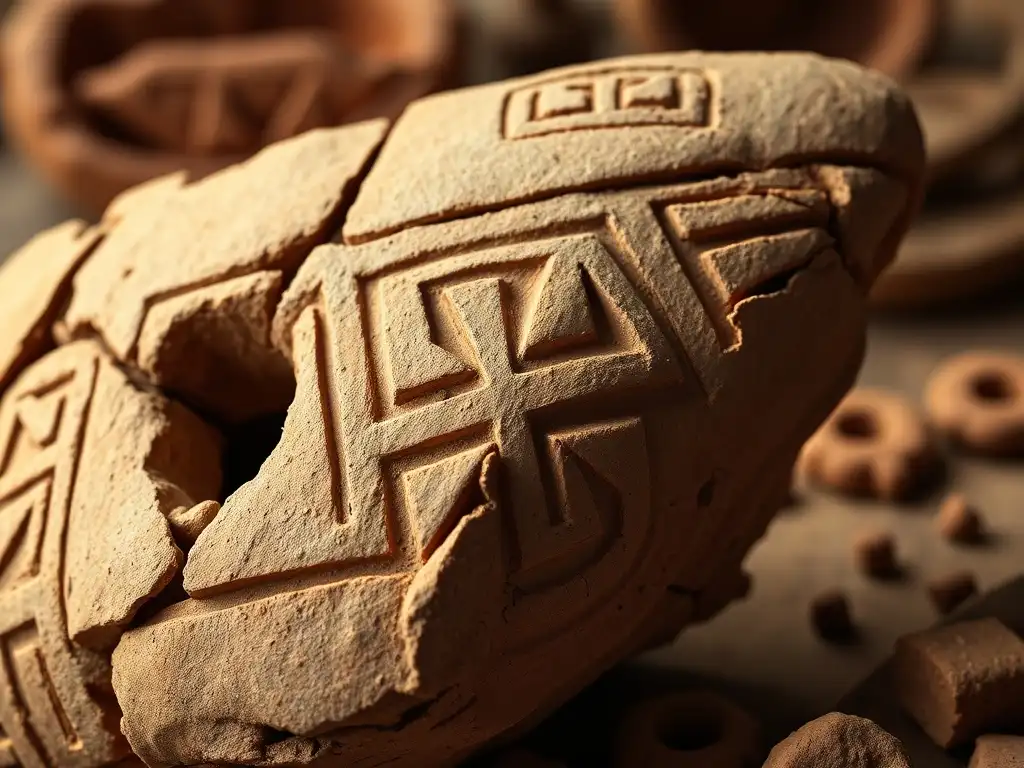
This section delves into the fundamental characteristics of Tiahuanaco pottery, providing a crucial base for understanding its profound influence on subsequent Andean ceramic traditions. The Tiahuanaco culture, flourishing between approximately 500 and 1000 CE in the Lake Titicaca region, produced ceramics of exceptional quality and distinctive style, leaving an undeniable mark on the artistic landscape of the Andes. Understanding these foundational elements is key to tracing the Tiahuanaco pottery styles influence across later periods.
The Core Characteristics of Tiahuanaco Ceramic Art
Tiahuanaco pottery is easily recognizable due to a combination of consistent stylistic features. These features, passed down and adapted by later cultures, represent the core of the Tiahuanaco pottery styles influence. One key characteristic is the prevalent use of fine-grained clay, often resulting in a remarkably smooth surface finish.
This meticulous preparation allowed for intricate detailing and a polished appearance. The color palette, although varying slightly depending on the specific period and location, frequently features earthy tones like reddish-brown, black, and various shades of beige. However, the use of white slip and the application of polychrome paints to create complex patterns were also common.
Furthermore, the shapes of Tiahuanaco vessels are distinct. While a diversity of forms exists, common shapes include tall, cylindrical vessels with flaring rims, stirrup-spout vessels (although less prevalent than in other cultures like the Moche), and bowls with characteristically wide bases. The overall aesthetic leans towards geometric precision and a sense of balance, often employing symmetrical designs.
The size of the vessels also varied greatly, ranging from small, intricately decorated figurines to larger storage jars. Analysis of surviving examples shows a high degree of technical skill in the construction of these pieces, showcasing sophisticated knowledge of ceramic techniques. The precision and consistency seen in Tiahuanaco pottery are hallmarks that facilitated its significant Tiahuanaco pottery styles influence.
Tiahuanaco's Unique Iconography in Pottery
Beyond the technical aspects, the iconography present on Tiahuanaco pottery is arguably its most defining feature and a major component of the Tiahuanaco pottery styles influence. Recurring motifs include stylized representations of feline deities, stepped pyramids (representing the sacred landscape), and intricate geometric patterns. These designs often incorporate anthropomorphic and zoomorphic elements, interwoven with complex symbolic meanings. Scholars continue to debate the precise interpretations of these symbols, but their consistent appearance across numerous pieces points to a deeply ingrained cultural significance.
The representation of the condor and the puma, powerful Andean animals, are frequently depicted, often in a highly stylized manner. These animals often appear alongside human figures, suggesting a complex relationship between the human and spiritual realms. The use of repeating geometric patterns, such as stepped frets, triangles, and cross-hatching, further enhances the visual impact and contributes to the overall sophisticated aesthetic.
The careful arrangement of these elements suggests a profound understanding of visual language and a deliberate attempt to communicate complex ideas through carefully chosen imagery. The persistence of these iconographic elements in later Andean pottery provides compelling evidence of the long-lasting Tiahuanaco pottery styles influence.
The stylistic choices made by Tiahuanaco potters not only reflect their aesthetic sensibilities but also offer valuable insights into their religious beliefs and worldview. The echoes of these stylistic choices are clearly visible in the pottery of later Andean cultures, solidifying Tiahuanaco's position as a pivotal force in the development of Andean art.
The Reach of Tiahuanaco: Tracing its Pottery Influence
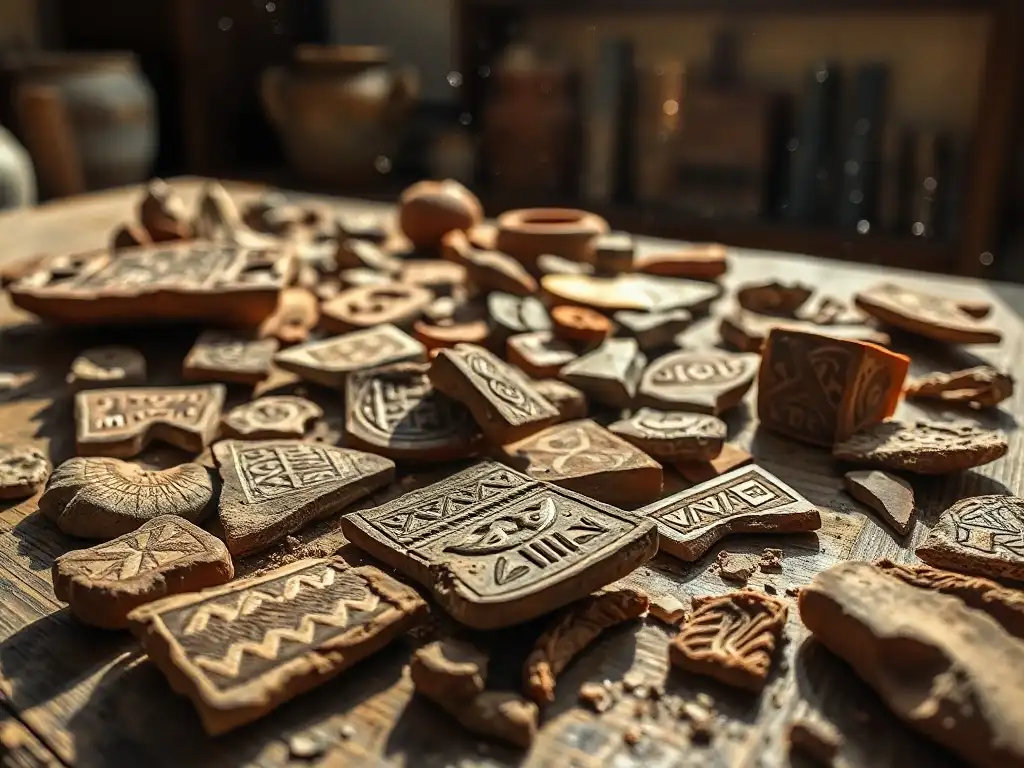
The influence of Tiahuanaco's artistic and technological prowess extended far beyond its immediate geographical boundaries. While the empire itself may have had periods of expansion and contraction, the aesthetic signatures of its renowned pottery persisted for centuries, leaving an indelible mark on subsequent Andean cultures. This enduring legacy is evident in the widespread adoption and adaptation of Tiahuanaco ceramic styles throughout the Andes, a testament to the civilization's cultural dominance and the enduring appeal of its artistic traditions.
Understanding this Tiahuanaco pottery styles influence requires examining both the mechanisms of its dissemination and the diverse ways in which later cultures incorporated and transformed these artistic motifs. The ceramic legacy of Tiahuanaco represents a powerful tool for understanding the complex dynamics of cultural exchange and adaptation in the Andean region.
Tiahuanaco's Expansion and its Impact on Pottery Traditions
Tiahuanaco's expansion, whether through military conquest, economic influence, or cultural exchange, played a crucial role in disseminating its distinctive pottery styles. Archaeological evidence suggests that Tiahuanaco's reach extended across a vast area of the central Andes, encompassing regions now part of modern-day Bolivia, Peru, and potentially even parts of Chile and Argentina. This geographical reach facilitated the movement of artisans, ideas, and materials, leading to the adoption and adaptation of Tiahuanaco ceramic techniques and stylistic elements in distant communities.
The impact wasn't solely a matter of direct imitation. Instead, a complex process of cultural interaction unfolded. Local potters, while adopting certain elements of Tiahuanaco style—such as characteristic decorative motifs, color palettes, and vessel shapes—often integrated these elements into their existing traditions.
This resulted in a fascinating blend of innovation and continuity, where the Tiahuanaco pottery styles influence is visible, yet distinctly localized. For example, while some communities might meticulously copy Tiahuanaco designs, others might selectively incorporate specific motifs or techniques into their own established styles. This process of cultural hybridity underscores the dynamic nature of cultural exchange in the Andes.
The spread of Tiahuanaco pottery styles wasn't a uniform process. Factors like trade routes, political alliances, and the relative power of different regional groups all played a role. Further research is needed to fully understand the nuanced ways in which the Tiahuanaco pottery styles influence varied across different regions and time periods. For instance, [specific information pending] regarding the precise chronology of Tiahuanaco influence in various Andean regions.
Mapping the Distribution of Tiahuanaco Pottery Styles
Tracing the geographical distribution of Tiahuanaco pottery styles provides valuable insights into the extent and nature of its cultural influence. Archaeological excavations across the Andes have unearthed numerous examples of pottery bearing clear stylistic affinities to Tiahuanaco traditions. These finds are not uniformly distributed, however. Some regions show a strong and consistent presence of Tiahuanaco-style pottery, suggesting a high degree of cultural interaction or even direct control by Tiahuanaco. Other areas reveal a more sporadic or localized presence, indicating a more limited or indirect influence.
To illustrate this variability, consider the following simplified representation:
| Region | Strength of Tiahuanaco Pottery Influence | Notes |
|---|---|---|
| Lake Titicaca | Strong | High concentration of Tiahuanaco sites and pottery finds. |
| Southern Peru | Moderate | Evidence of Tiahuanaco influence, but often integrated with local styles. |
| Northern Chile | Weak | Scattered finds suggest limited or indirect contact. |
| Central Bolivia | Strong | Significant presence of Tiahuanaco-style pottery, reflecting strong cultural ties. |
This table, while simplified, highlights the uneven distribution of Tiahuanaco pottery styles across the Andes. A more comprehensive map, incorporating detailed archaeological data, would provide a much richer understanding of the geographical reach and intensity of Tiahuanaco's cultural influence. The uneven distribution itself reveals a complex interplay of factors, including political power, trade networks, and the agency of local communities in shaping their own cultural identities. Further research, incorporating more detailed spatial analysis of archaeological findings, is necessary to refine our understanding of this complex process and further illuminate the Tiahuanaco pottery styles influence.
Identifying Tiahuanaco Pottery Styles in Later Andean Cultures
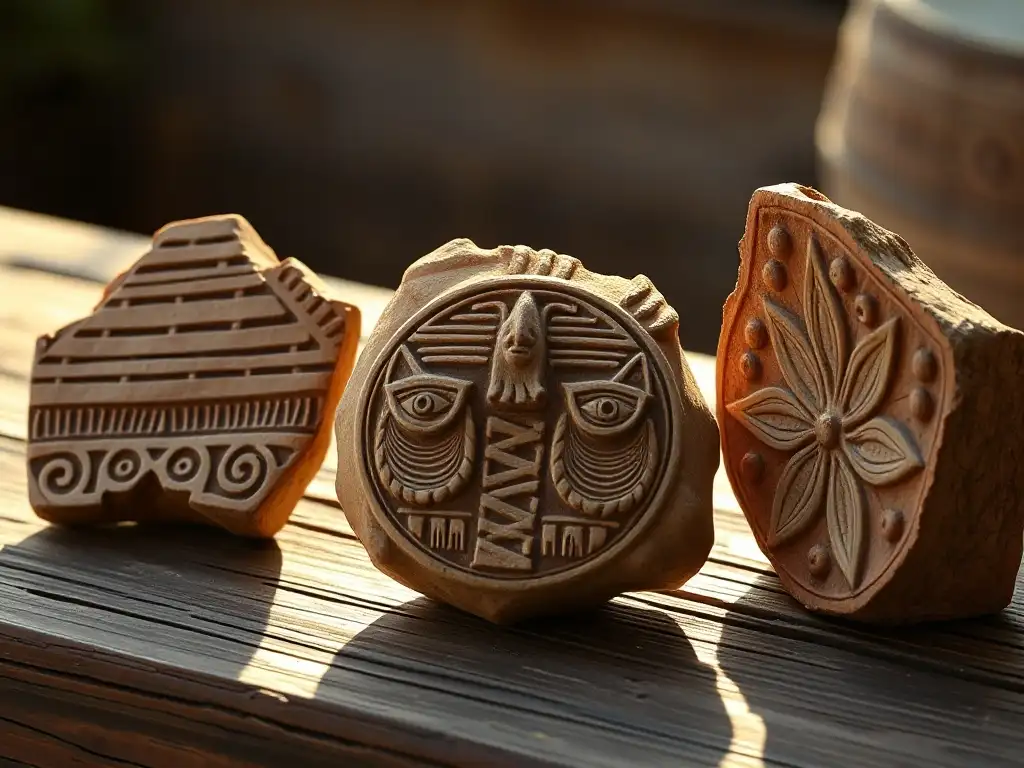
The influence of Tiahuanaco's artistic and technological prowess extended far beyond its geographical boundaries and temporal lifespan. The distinctive styles of Tiahuanaco pottery, characterized by their sophisticated techniques and symbolic iconography, left an indelible mark on subsequent Andean cultures. This section delves into the specific ways Tiahuanaco's ceramic legacy manifested in the pottery of later Andean societies, demonstrating the far-reaching impact of Tiahuanaco's ceramic traditions.
Understanding this Tiahuanaco pottery styles influence provides critical insight into the complex networks of cultural exchange and artistic evolution within the Andes. The spread of these styles wasn't simply a matter of imitation; rather, it involved a dynamic process of adaptation and innovation, reflecting the unique cultural contexts of the adopting societies. We will explore this fascinating interplay of tradition and transformation through a detailed examination of specific techniques and motifs.
The Transmission of Tiahuanaco Ceramic Techniques
Tiahuanaco potters mastered several advanced techniques, including intricate designs achieved through the use of negative painting, the application of slip and polish, and the precise modeling of figures. These techniques weren't confined to Tiahuanaco itself; their dissemination across the Andes is evident in the pottery of later cultures. For instance, the characteristic thin, polished surfaces found in Tiahuanaco wares are frequently replicated in the ceramics of the Late Intermediate Period (circa 1000-1476 CE). This suggests a direct transmission of knowledge, perhaps through migration of skilled artisans or the exchange of ideas and techniques.
The use of specific pigments, such as the rich reds and blacks often seen in Tiahuanaco pottery, also provides evidence of this transmission. Analysis of pigment composition in later ceramics often shows a striking similarity to those used in Tiahuanaco pieces, suggesting a continued reliance on the same sources of materials or a conscious effort to emulate the characteristic colors.
Furthermore, the precise modeling techniques used to create anthropomorphic and zoomorphic figures in Tiahuanaco pottery are mirrored in the work of later artisans. While adaptations and stylistic variations inevitably occurred, the fundamental approach to modeling—the careful shaping of forms, the attention to detail in facial features and bodily proportions—points to a clear lineage connecting Tiahuanaco and its successors. This continuity in technique underscores the lasting impact of Tiahuanaco's ceramic mastery. More research is needed, however, to fully understand the exact mechanisms of this transfer of knowledge—[specific research gaps pending].
Decoding Tiahuanaco Motifs in Post-Tiahuanaco Pottery
Beyond techniques, the iconic motifs found in Tiahuanaco pottery also played a significant role in shaping the artistic vocabulary of later Andean cultures. The characteristic stepped-pyramid structures, anthropomorphic figures with stylized features (often depicted with elongated heads and prominent noses), and geometric designs are all repeated—though often adapted—in the pottery of subsequent periods and regions. The presence of these motifs indicates a powerful influence, extending beyond mere technical imitation to encompass the symbolic and ideological aspects of Tiahuanaco culture.
For example, the iconic "Puma" motif, frequently featured in Tiahuanaco textiles and ceramics, appears in various forms in later pottery. While the specific details might vary depending on the cultural context, the underlying symbolism—associated with power, strength, and cosmic forces—appears to have been widely understood and adopted.
The use of geometric patterns, such as stepped frets and interlocking triangles, also persists in the pottery of cultures that followed Tiahuanaco. These patterns, often interpreted as representing cosmic order and Andean cosmology, provide valuable clues about the continuity of religious beliefs and worldview across different Andean societies.
However, the interpretation of these motifs requires careful consideration of the specific cultural context in which they appear, as their meaning might have evolved over time and varied across different regions. A detailed study comparing the symbolic meaning of similar motifs across different cultures is necessary for a deeper understanding of their evolution—[further analysis needed on specific iconographic interpretations].
The table below summarizes some key Tiahuanaco pottery characteristics and their appearance in later Andean pottery:
| Tiahuanaco Characteristic | Later Andean Pottery Appearance | Notes |
|---|---|---|
| Thin, polished surfaces | Frequently replicated | Indicates direct transmission of techniques |
| Red and black pigments | Similar pigments used | Suggests shared material sources or emulation |
| Precise modeling of figures | Mirrored in modeling techniques | Demonstrates continuity in artistic approach |
| Stepped-pyramid motifs | Appears in varied forms | Highlights the adoption of symbolic imagery |
| Puma motif | Appears with variations | Reflects the enduring importance of symbolic meaning |
| Geometric patterns | Continued use of similar patterns | Suggests continuity in religious beliefs and cosmology |
The persistence of Tiahuanaco ceramic styles in later Andean pottery provides compelling evidence of the civilization's enduring legacy and its profound influence on the artistic and cultural development of the region. The intricate interplay of techniques and motifs illustrates the complex processes of cultural transmission and adaptation within the Andean world. Further research focusing on specific regional variations and detailed stylistic analyses will contribute to a more nuanced understanding of Tiahuanaco pottery styles influence.
Specific Examples of Tiahuanaco Pottery Influence
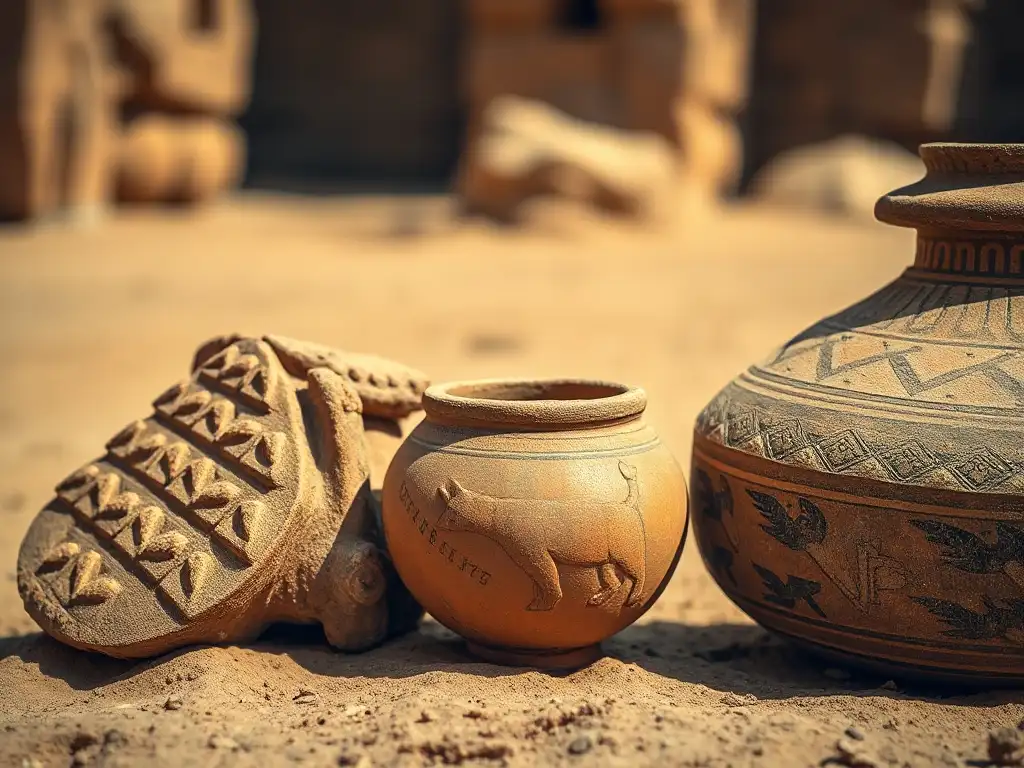
The influence of Tiahuanaco ceramic styles extended far beyond its immediate geographical boundaries, leaving a lasting imprint on the pottery traditions of numerous subsequent Andean cultures. Analyzing the stylistic elements that spread and adapted across different regions provides crucial insights into the cultural exchange and power dynamics of the late pre-Columbian Andes. This section will delve into specific examples, focusing on the ways in which distinct Tiahuanaco ceramic characteristics were adopted, modified, and ultimately integrated into the local artistic expressions of other Andean societies.
The spread of Tiahuanaco pottery styles wasn't a simple replication; instead, it involved a complex process of assimilation and transformation, reflecting the dynamic interplay between the dominant Tiahuanaco culture and the indigenous traditions of the receiving societies. This interaction resulted in unique hybrid styles that reflect both continuity and change in Andean ceramic production.
Moquegua - Analyzing Tiahuanaco's Ceramic Legacy
The Moquegua region, located in southern Peru, showcases a compelling example of Tiahuanaco influence on local pottery. While possessing its own distinct artistic traditions, Moquegua pottery production demonstrably incorporated several key stylistic elements from Tiahuanaco during the period of Tiahuanaco expansion and influence.
Specific Tiahuanaco Pottery Characteristics Evident in Moquegua
Several specific Tiahuanaco ceramic characteristics are readily apparent in Moquegua pottery from this period. These include:
- Geometric Motifs: The use of intricate geometric designs, often featuring stepped patterns, triangles, and stylized representations of animals, became prominent in Moquegua ceramics. These motifs, while adapted to local sensibilities, clearly bear the hallmarks of Tiahuanaco artistic conventions. Analysis of the precise angles and proportions reveals a clear lineage to Tiahuanaco prototypes.
- Color Palettes: The characteristic color palettes of Tiahuanaco pottery, often featuring combinations of red, black, white, and ochre, are mirrored in many Moquegua pieces. The use of these specific pigments and their application techniques suggests direct transmission of knowledge and practices.
- Vessel Shapes: Although Moquegua potters retained certain traditional vessel shapes, the introduction of certain Tiahuanaco forms, such as specific types of bowls and jars, is evident. These forms, while adapted to local needs, nevertheless exhibit a clear connection to Tiahuanaco originals.
The extent of Tiahuanaco influence in Moquegua pottery varied over time and across different workshops. Some pieces display a strong Tiahuanaco style, suggesting either direct production by Tiahuanaco artisans or close collaboration with local potters. Other pieces show a more subtle adoption of Tiahuanaco elements, integrated into existing Moquegua styles. This range of interactions highlights the fluidity and complexity of cultural exchange in the Andean region. Further research into kiln sites and clay analysis could provide additional insights into the production process and the degree of Tiahuanaco involvement.
Tiwanaku - A Case of Tiahuanaco's Stylistic Adaptation
The site of Tiwanaku, the capital of the Tiahuanaco culture, itself provides a fascinating case study of stylistic adaptation within the Tiahuanaco tradition. While the heartland of Tiahuanaco ceramic production boasted a distinct style, the influence of outside traditions and the evolution of artistic preferences led to notable changes in ceramic aesthetics over time.
How Tiwanaku Modified Tiahuanaco's Ceramic Designs
The evolution of Tiahuanaco pottery styles within Tiwanaku itself demonstrates that the influence wasn't always a one-way street. Changes in design, materials, and techniques reflect a dynamic process of internal innovation and adaptation. For example:
- Simplification of Motifs: While early Tiahuanaco pottery often featured extremely intricate and detailed designs, later phases in Tiwanaku show a tendency towards simplification. This might reflect changes in production techniques, economic factors, or shifts in aesthetic preferences.
- Introduction of New Colors: The palette of colors used in Tiwanaku pottery gradually expanded, with the introduction of new pigments and glaze techniques. This suggests either the incorporation of external influences or the development of new artistic expressions within the Tiahuanaco tradition.
- Variations in Vessel Shapes: The range of vessel shapes produced in Tiwanaku also evolved over time, with certain forms becoming more prevalent while others declined in popularity. This reflects adaptation to changing social needs and preferences.
The study of Tiahuanaco pottery styles in Tiwanaku itself provides a valuable counterpoint to the analysis of Tiahuanaco influence in other regions. It highlights the internal dynamism of the Tiahuanaco artistic tradition and demonstrates that even the center of production was not immune to change and adaptation. Further research could investigate the social and economic factors that drove these stylistic changes.
Detailed stratigraphic analysis of the Tiwanaku site is crucial to understanding the chronological progression of these stylistic shifts. The interaction between continuity and change in Tiahuanaco's own ceramic tradition provides a rich lens through which to understand the broader impact of Tiahuanaco influence on the wider Andean world.
The Persistence of Tiahuanaco Pottery Traditions
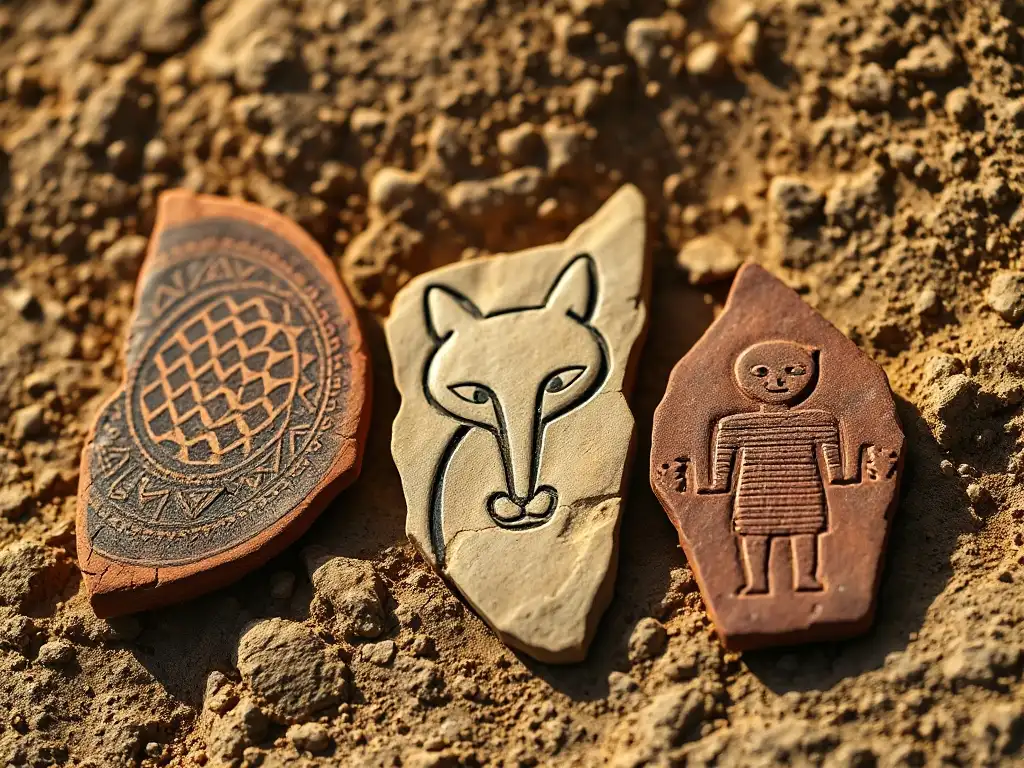
The influence of Tiahuanaco pottery styles is a fascinating area of study within Andean archaeology. While the Tiahuanaco culture itself flourished between roughly 300 and 1100 CE, its artistic legacy, particularly in ceramics, continued to resonate deeply within later Andean societies. This enduring impact wasn't a simple imitation; rather, it was a complex process of adaptation, innovation, and reinterpretation, resulting in a rich tapestry of artistic expression across various cultures and time periods.
The distinctive characteristics of Tiahuanaco ceramics, such as their stylistic elements and manufacturing techniques, served as a foundational building block for subsequent ceramic traditions. Examining these continuities and transformations provides invaluable insights into cultural exchange, artistic evolution, and the dynamic interplay between different Andean groups. Understanding this influence helps us grasp the intricate web of interactions that shaped the Andean world.
The Enduring Legacy of Tiahuanaco Ceramic Art
The Tiahuanaco artistic legacy is undeniably prominent in the ceramic traditions of succeeding Andean cultures. Specific stylistic elements, such as the iconic chakana (Andean cross) motif, frequently reappeared, though often adapted and modified to suit the aesthetic preferences of the adopting groups.
For instance, while the original Tiahuanaco chakana might be depicted with a high degree of geometric precision and symmetry, later iterations might incorporate more naturalistic elements or integrate it within a broader narrative scene. This adaptation reflects a process of cultural assimilation, where the symbolic meaning of the chakana was retained, but its visual representation was adjusted to fit the unique artistic language of the new culture.
Furthermore, the distinctive use of colors and the sophisticated techniques employed in Tiahuanaco pottery, such as the intricate use of slip and the mastery of firing techniques, also left an indelible mark. The characteristic reddish-brown tones and the precise application of polychrome paints found in Tiahuanaco ceramics are frequently observed in the pottery of later Andean groups. This suggests a degree of direct transmission of knowledge and skills, potentially through apprenticeship or migration.
However, this transmission wasn't always a one-way street. Later cultures often incorporated their own artistic sensibilities, leading to a fascinating blend of Tiahuanaco influence and local innovation. The result is a diverse range of ceramic styles that bear the clear imprint of Tiahuanaco, yet remain distinct in their own right.
Tiahuanaco Pottery's Influence on Later Andean Art Forms
The impact of Tiahuanaco pottery extended beyond simple stylistic imitation. Its influence can be seen in the broader development of Andean art forms, shaping the aesthetic sensibilities and creative practices of later cultures. The emphasis on geometric patterns, the use of zoomorphic and anthropomorphic motifs, and the sophisticated techniques of ceramic production all contributed to the evolution of Andean artistic expression.
For example, the intricate designs found on Tiahuanaco textiles and ceramics are echoed in the metalwork, stone carving, and even architecture of later Andean societies. This widespread influence suggests that Tiahuanaco's artistic principles became deeply ingrained within the broader Andean cultural consciousness.
The evidence for this influence is not limited to visual similarities. Archaeological discoveries often reveal direct connections between Tiahuanaco and later Andean cultures, such as the presence of Tiahuanaco-style pottery in sites associated with different groups.
This physical evidence, combined with stylistic analysis, allows for a more nuanced understanding of the transmission of artistic ideas and practices. The study of Tiahuanaco pottery's influence, therefore, is not just about identifying stylistic parallels; it's about tracing the flow of artistic ideas, examining the processes of cultural adaptation, and understanding the complex interplay of factors that shaped the development of Andean art across centuries.
Further research, particularly detailed comparative analyses of ceramic styles from different regions and time periods, is crucial to fully understand the extent and nature of this significant cultural exchange. ⏳ More detailed analysis of specific ceramic types and their distribution across different Andean regions is needed to solidify these conclusions.
Tiahuanaco Pottery Styles Influence: A Conclusion
The enduring legacy of Tiahuanaco's artistic prowess is undeniably etched into the ceramic traditions of subsequent Andean cultures. Understanding the Tiahuanaco pottery styles influence is crucial to deciphering the complex tapestry of cultural exchange and adaptation that characterized the region. While direct lines of influence can be difficult to definitively trace, the stylistic similarities—in form, decoration, and even the very materials used—are too striking to ignore.
The impact resonates far beyond simple imitation; it speaks to a profound cultural absorption and transformation, where Tiahuanaco's artistic vocabulary was reinterpreted and reimagined by succeeding generations. This wasn't merely a copying of styles, but a dynamic process of cultural negotiation, demonstrating the power of artistic heritage to shape and reshape civilizations.
The continuity of certain motifs and techniques across centuries illustrates the deep-seated impact of Tiahuanaco's aesthetic legacy. The echoes of its artistry in later pottery serve as a testament to its lasting power and influence on the Andean world.
The Importance of Studying Tiahuanaco's Ceramic Impact
The study of Tiahuanaco's ceramic impact is not just an exercise in historical archaeology; it's a key to understanding the complexities of Andean cultural development. By carefully analyzing the evolution and dissemination of Tiahuanaco's ceramic styles, we gain valuable insights into the patterns of trade, migration, and cultural exchange that shaped the region. For example, the presence of Tiahuanaco-inspired pottery in geographically distant sites provides evidence of far-reaching trade networks and potentially even the movement of skilled artisans.
Furthermore, variations in the replication of Tiahuanaco styles in different regions can reveal the degree of local adaptation and innovation. Did artisans simply copy existing designs, or did they reinterpret and modify them to suit their own cultural contexts? Such questions open up avenues of inquiry into the dynamics of cultural interaction and the processes by which cultural identities are both maintained and transformed.
Analyzing the nuances of these stylistic adaptations provides critical data to reconstruct the complex social and political landscapes of the Andean world. The study of Tiahuanaco pottery styles, therefore, offers a unique lens through which to explore the broader history of Andean civilization. It allows us to move beyond simple narratives of conquest and dominance, revealing a more nuanced understanding of cultural exchange and the enduring power of artistic traditions.
Further Research into Tiahuanaco Pottery and its Legacy
Further research into Tiahuanaco pottery and its lasting legacy requires a multi-faceted approach. This includes:
- Detailed stylistic analysis: A more thorough comparative analysis of Tiahuanaco pottery with that of later cultures is needed. This includes a detailed cataloging of specific motifs, techniques, and forms, and their geographical distribution.
- Technological studies: Analyzing the clay composition and manufacturing techniques used in both Tiahuanaco and later pottery can reveal potential connections and influences. Isotopic analysis could trace the origins of the clay used, providing further evidence of trade networks.
- Contextual archaeology: Excavating sites where Tiahuanaco-influenced pottery has been found can provide crucial contextual information about the social and cultural settings in which these ceramics were used.
- Interdisciplinary collaboration: Collaboration between archaeologists, art historians, and material scientists is essential for a comprehensive understanding of Tiahuanaco's ceramic legacy. This interdisciplinary approach will provide a more complete picture of the cultural, technological, and social factors that shaped the evolution of Andean pottery.
The potential for new discoveries and insights is immense. By employing advanced analytical techniques and interdisciplinary collaborations, future research can significantly deepen our understanding of the Tiahuanaco pottery styles influence and its impact on the diverse artistic traditions of the later Andean world. This continued investigation will not only enrich our knowledge of the past but also offer a deeper appreciation for the remarkable creativity and cultural resilience of Andean civilizations.
Frequently Asked Questions
What is the main focus of this article?
This article explores the lasting influence of Tiahuanaco pottery styles on later Andean ceramic traditions. It examines how distinct Tiahuanaco characteristics are identifiable in the pottery of subsequent cultures.
How does the article identify Tiahuanaco pottery?
The article identifies Tiahuanaco pottery through analysis of specific stylistic features, such as particular forms, decorative motifs (e.g., condor imagery), and manufacturing techniques. These features are then traced through time to show their influence.
Which Andean cultures were influenced by Tiahuanaco pottery?
While the article focuses on Tiahuanaco's influence generally, it will likely discuss its impact on various cultures, including but not limited to those that succeeded it chronologically and/or geographically, such as the Inca and other post-Tiahuanaco cultures.
What specific stylistic elements are discussed as indicators of Tiahuanaco influence?
The article will delve into specific elements like unique ceramic forms, decorative patterns, and the use of particular colors and pigments. These elements are key to recognizing the Tiahuanaco legacy in later pottery.
Why is understanding Tiahuanaco's pottery influence important?
Understanding this influence provides crucial insights into the cultural exchange and continuity within the Andean region. It helps us understand the transmission of artistic ideas and technological practices across different societies and time periods.
Final Reflection: The Enduring Legacy of Tiahuanaco's Ceramic Mastery
The intricate artistry of Tiahuanaco pottery isn't merely a relic of the past; it's a vibrant thread woven into the very fabric of Andean cultural identity. The stylistic innovations and technical prowess demonstrated by Tiahuanaco potters continue to resonate, influencing ceramic traditions across the Andes for centuries after the civilization's decline. Understanding these influences allows us to appreciate the depth and complexity of Andean artistic development and its enduring power.
The impact of Tiahuanaco's ceramic signatures extends far beyond simple imitation. It represents a transmission of knowledge, a shared aesthetic language that evolved and adapted across diverse Andean communities. The distinctive styles, from the use of specific motifs to the mastery of complex techniques, became a powerful symbol of cultural connection and continuity. The past is never dead. It's not even past,
wrote William Faulkner, and this rings profoundly true when considering the persistent influence of Tiahuanaco's ceramic legacy. The echoes of its artistic brilliance are still heard in the contemporary Andean artistic landscape.
Consider the implications of this enduring legacy. You, the reader, now possess a deeper understanding of the interconnectedness of Andean cultures and the powerful role of art in shaping identity and transmitting knowledge across generations. Take a moment to reflect on the objects you encounter daily – what stories do they tell? What cultural legacies do they embody? By appreciating the artistry of the past, we can better understand the present and build a more informed future, one where the rich tapestry of human creativity is celebrated and preserved.
Uncover the Beauty of Tiahuanaco’s Artistry!
Thank you for exploring the fascinating world of Tiahuanaco and its distinctive ceramic styles. You've gained valuable insights into their influence on later Andean pottery. Now, let's delve even deeper!
Here are some ways to further engage with Tiahuanaco's rich heritage:
- **Create Your Own Pottery Inspired by Tiahuanaco:** Let the unique features of Tiahuanaco pottery inspire your next creative project. Experiment with shapes, colors, and decorative motifs to capture the essence of this ancient Andean art.
- **Take a Pottery Class:** Learn traditional techniques by enrolling in a local pottery class. This hands-on experience will provide a deeper understanding of the craftsmanship involved in creating these remarkable pieces.
- **Share Your Passion:** Discuss your newfound appreciation for Tiahuanaco pottery with friends, family, or online communities dedicated to Andean art and archaeology. Sharing your knowledge and enthusiasm can inspire others to explore this fascinating culture.
What aspect of Tiahuanaco ceramic artistry most captivates you and inspires further exploration?