
The Mystery of Tumbaga: Unlocking the Secrets of Andean Alloys

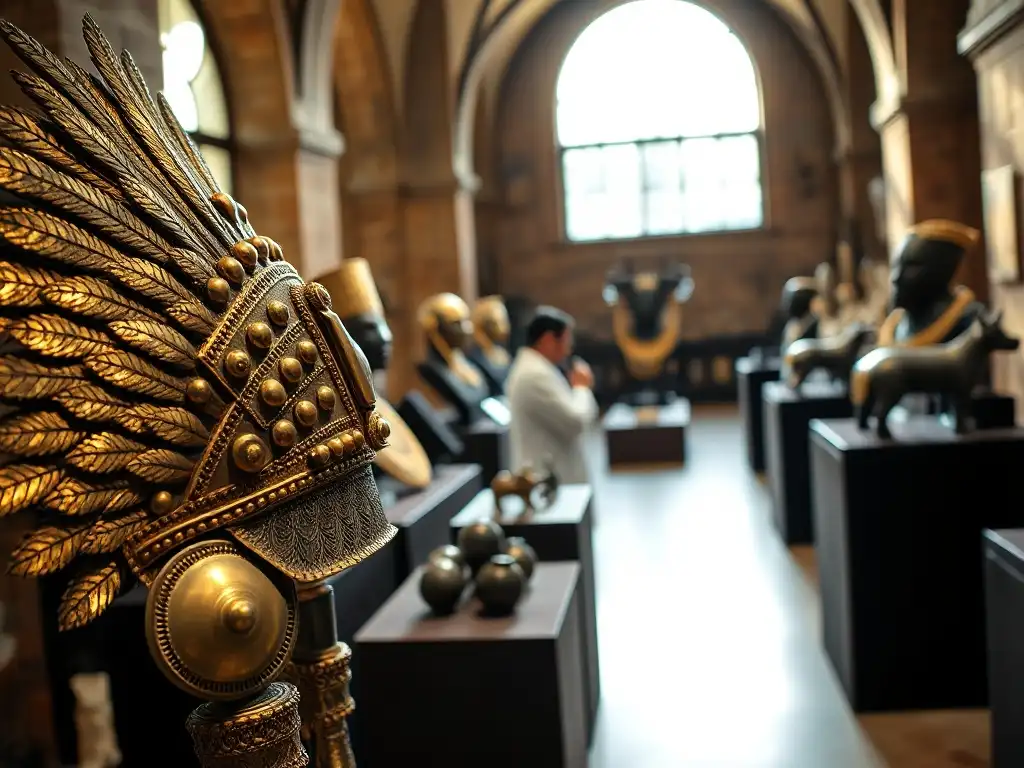
Step into a world lost to time, where mountains whisper tales of empires and artistry. Prepare to be amazed by the ingenuity of the ancient Andean civilizations – from the Incas to the Nazca. But first, let's unlock a mystery: the secrets of Andean Tumbaga alloy. Discover how these master craftspeople manipulated gold and copper to create breathtaking works of art, and delve into the fascinating techniques behind this legendary metal. Prepare to be captivated.
The Andes Mountains, a spine of towering peaks running down the western edge of South America, are home to a rich tapestry of ancient civilizations. For centuries, these cultures—including the Incas, Moche, Nazca, and Tiahuanaco—developed sophisticated technologies, leaving behind a legacy of impressive architectural feats, intricate textiles, and remarkably advanced metallurgical practices. Among their most intriguing achievements is the mastery of tumbaga, a gold-copper alloy that holds a unique place in Andean history.
This article delves into the captivating world of Andean metallurgy, focusing specifically on the mysteries surrounding tumbaga and the innovative techniques employed by ancient Andean artisans to create this remarkable material. We will explore the composition, production methods, and cultural significance of tumbaga, uncovering the secrets held within these ancient alloys and their enduring impact on Andean civilizations.
Understanding tumbaga provides a crucial window into the ingenuity and artistry of these fascinating societies, revealing a level of technological sophistication far beyond what was previously assumed. Prepare to be amazed by the skill and knowledge of these ancient metallurgists, and the enduring allure of their metallurgical masterpieces.
Introduction to Andean Metallurgy and Tumbaga
Andean metallurgy represents a remarkable chapter in the history of technology. Long before the arrival of Europeans, Andean societies had developed sophisticated techniques for working with metals, particularly gold, silver, and copper. These metals were not simply used for ornamentation; they played crucial roles in religious ceremonies, political power, and everyday life. The ability to extract, refine, and shape metals was a testament to the advanced knowledge and skills of Andean artisans.
Early Andean metallurgists experimented extensively with alloys, combining different metals to achieve desired properties like increased hardness, malleability, and color. One of the most significant achievements in this field was the development of tumbaga, a distinctive alloy that became highly prized for its unique characteristics and aesthetic appeal. The precise methods used to create tumbaga, however, remain partially shrouded in mystery, captivating researchers and enthusiasts alike. The use of tumbaga wasn't limited to a single Andean culture.
Evidence suggests its widespread use across various Andean societies, highlighting a shared understanding and exchange of metallurgical techniques across vast geographical distances. This widespread adoption emphasizes the significance of tumbaga not just as a material, but also as a symbol of cultural exchange and technological prowess. Further research is needed to fully understand the extent of this technological diffusion.
What is Tumbaga? Defining the Ancient Andean Alloy
Tumbaga is a gold-copper alloy, unique to the pre-Columbian Andean region. Unlike other gold alloys, tumbaga's distinctive feature lies in its variable composition. While the precise ratios varied across different regions and time periods, it typically consisted of a mixture of gold and copper, sometimes with small additions of other metals like silver or tin. This variability in composition resulted in a wide range of colors, from a pale yellow-gold to a deep reddish-gold, depending on the proportion of gold and copper.
The color variations were not merely accidental; Andean metallurgists skillfully controlled the composition to achieve specific aesthetic effects. The process of creating tumbaga involved complex techniques of melting, casting, hammering, and annealing. Archaeological evidence suggests that Andean artisans employed sophisticated methods for controlling the temperature and achieving the desired alloy composition. The resulting tumbaga objects—ranging from intricate jewelry and ceremonial artifacts to tools and weapons—testify to the advanced metallurgical skills of these ancient artisans.
Understanding the precise techniques employed in tumbaga production requires further investigation, but the surviving artifacts offer compelling clues into the ingenuity and precision of Andean metallurgy. The durability and aesthetic qualities of tumbaga contributed significantly to its widespread use and enduring legacy within Andean culture. The beauty and craftsmanship of tumbaga objects continue to captivate and inspire, offering a tangible link to the rich history and innovative spirit of the Andean civilizations.
The Composition of Tumbaga: Exploring its Unique Metallic Mix
Tumbaga, a gold-copper alloy, stands as a testament to the advanced metallurgical skills of Andean civilizations. Its unique composition, carefully controlled to achieve specific aesthetic and functional properties, is a key to understanding the sophistication of pre-Columbian metalworking. The precise ratios of gold and copper varied considerably depending on the desired outcome, the available resources, and even the stylistic preferences of different regions and time periods.
This variability, however, doesn't diminish the remarkable technical mastery demonstrated in its creation. The consistent production of high-quality tumbaga across vast geographical areas and lengthy spans of time underscores the widespread knowledge and transmission of metallurgical techniques within Andean societies. Understanding the composition of tumbaga unlocks a deeper appreciation for the artistry and ingenuity of these ancient cultures.
Copper and Gold: The Core Components of Tumbaga
The primary constituents of tumbaga are, unsurprisingly, copper and gold. Copper, readily available in the Andes, served as the base metal, providing strength and workability. Gold, though less abundant, contributed its characteristic color and luster, making tumbaga highly prized. The proportion of gold to copper dictated the alloy's final color, ranging from a pale, almost brassy yellow to a rich, deep golden hue.
Higher gold concentrations resulted in a more valuable and aesthetically pleasing product, often reserved for elite objects or ceremonial purposes. The precise control over the ratio of these two metals showcases a sophisticated understanding of metallurgy, far exceeding what was once believed possible for pre-Columbian societies. Archaeological evidence consistently demonstrates the ability to achieve remarkably consistent alloys across various artifacts, suggesting standardized practices and quality control.
Variations in Tumbaga Composition: Regional Differences
While copper and gold form the foundation of tumbaga, regional variations in composition provide fascinating insights into the cultural and economic landscapes of ancient Andean societies. For instance, analysis of tumbaga artifacts from the Moche culture might reveal a different gold-to-copper ratio compared to those from the Nazca or Inca civilizations. These differences could reflect variations in access to gold resources, differing stylistic preferences, or even the development of distinct metallurgical traditions in different regions.
Further research into these regional variations is crucial to understanding the complex interplay between cultural practices and technological innovation in ancient Andean metallurgy. The identification of trace elements within the alloy could also illuminate trade networks and the movement of raw materials across the Andean region.
The Role of Silver and Other Metals in Tumbaga
While copper and gold are the dominant components, the presence of other metals, particularly silver, adds another layer of complexity to the study of tumbaga. Silver, though less frequently found than gold and copper, was sometimes intentionally added to the alloy, influencing its color and properties. The inclusion of other trace elements, in smaller quantities, also occurred and may have been either intentional or accidental, reflecting variations in ore sources and smelting techniques.
The presence of these minor additives often requires sophisticated analytical techniques to identify, highlighting the need for advanced scientific methods in the ongoing study of Andean metallurgy. The precise function and significance of these minor additions remain an active area of research, promising further insights into the nuanced practices of Andean metalworkers.
Manufacturing Techniques of Tumbaga: Andean Metallurgical Practices
The creation of tumbaga artifacts involved a complex series of processes reflecting a deep understanding of materials science and advanced metallurgical techniques. These techniques, passed down through generations, allowed Andean artisans to produce a wide array of objects, from intricate jewelry to large-scale ceremonial items. The precise methods varied somewhat depending on the specific artifact being produced and the available resources, but the overall process demonstrates remarkable skill and ingenuity. The remarkable consistency in the quality and craftsmanship of tumbaga objects across different time periods and geographical locations further emphasizes the established nature of these metallurgical traditions.
Smelting and Melting Processes for Tumbaga
The initial stage in tumbaga production involved smelting the copper and gold ores to extract the pure metals. This process required specialized furnaces and a deep understanding of temperature control and reduction techniques. Once extracted, the copper and gold were carefully weighed and melted together in crucibles, achieving the desired gold-to-copper ratio.
The precise control over the melting and mixing process was crucial to obtaining a homogeneous alloy, free of defects. This stage required considerable skill and experience, ensuring the final product met the high standards of Andean craftsmanship. Archaeological evidence suggests the use of various types of furnaces, reflecting adaptation to local resources and technological advancements over time.
Casting and Shaping Tumbaga Artifacts
After melting, the molten tumbaga was cast into molds to create the basic shapes of the desired artifacts. The molds were often made from clay or stone and were carefully prepared to ensure a clean and accurate casting. Different casting techniques were used, ranging from simple open molds to more complex lost-wax casting, allowing for intricate designs and detailed features.
The mastery of casting techniques was essential for producing high-quality tumbaga artifacts, and the complexity of some castings reveals a surprising level of technological sophistication. The transition from simpler casting methods to more advanced techniques reflects the evolution of Andean metallurgical practices over time.
Cold Working and Finishing Techniques in Tumbaga Production
Once cast, the tumbaga objects underwent further shaping and finishing through cold working techniques. These techniques involved hammering, annealing, and repoussé to refine the shape, add detail, and achieve the desired surface finish. Hammering allowed for precise shaping and the creation of intricate designs, while annealing softened the metal, preventing cracking or breakage.
Repoussé, a technique of hammering from the back of the metal to create raised designs, allowed for the creation of highly detailed and three-dimensional artwork. The combination of casting and cold working techniques allowed Andean artisans to create a wide range of artifacts, showcasing their remarkable skill and artistic vision. The final polishing and finishing techniques further enhanced the beauty and value of the tumbaga objects.
The Significance of Tumbaga in Andean Societies
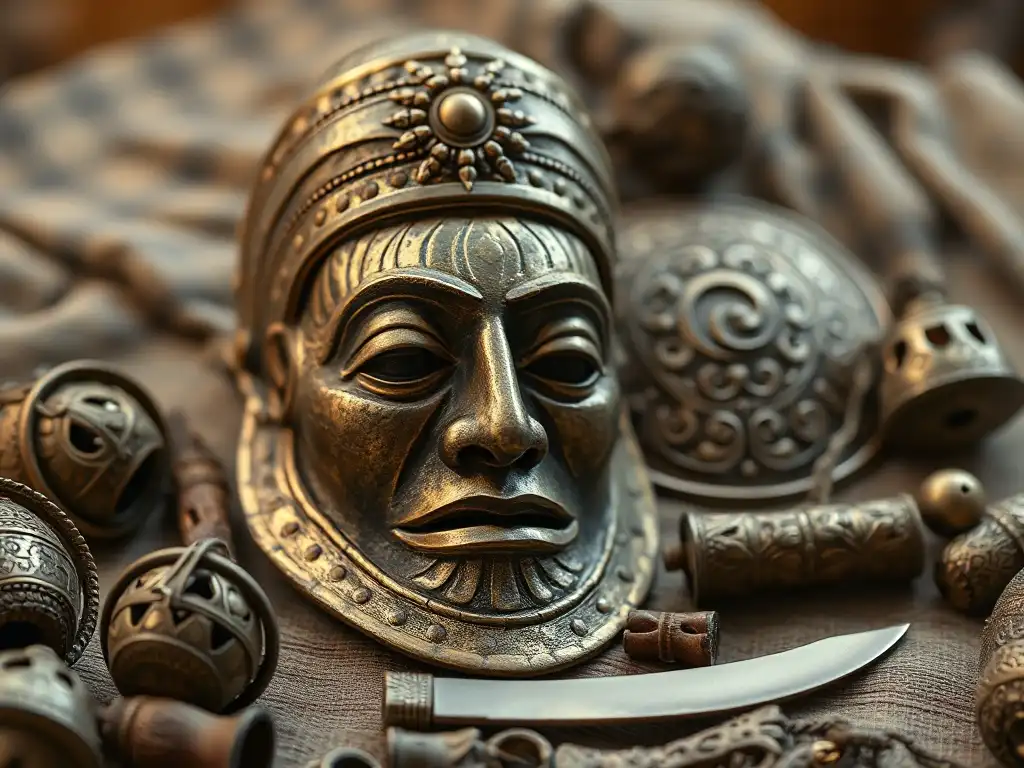
Tumbaga, a gold-copper alloy prized by Andean civilizations, held immense cultural and social significance. Its unique properties, vibrant color, and malleability made it ideal for crafting a wide array of objects, from intricate jewelry and ceremonial masks to elaborate weaponry and tools. The use of tumbaga wasn't merely decorative; it deeply intertwined with the social fabric of these societies, reflecting power structures, religious beliefs, and economic systems.
The mastery of tumbaga production itself represented a significant technological achievement, further enhancing its value and prestige. The widespread adoption and sophisticated artistry associated with tumbaga across various Andean cultures underscores its profound impact on their societies. Understanding the significance of tumbaga requires exploring its multiple facets within the social, religious, and economic spheres of Andean life.
Tumbaga as a Symbol of Status and Power
The association of tumbaga with power and elite status is clearly evident in the archaeological record. Large, ornate tumbaga objects such as diadems, breastplates, and ceremonial axes were frequently found in the tombs of rulers and high-ranking officials. The sheer size and complexity of these pieces, combined with the precious nature of the materials, served as powerful symbols of authority and wealth.
The intricate designs and meticulous craftsmanship further emphasized the wearer's elevated social position within the community. The exclusive access to tumbaga and the specialized skills required to work with it ensured that only the elite could afford and possess these luxurious items, solidifying their power and prestige. For example, the discovery of elaborate tumbaga headdresses in Muisca burials highlights this connection between the alloy and elite status.
Tumbaga in Ritual and Religious Practices
Beyond its secular applications, tumbaga played a crucial role in Andean religious practices. Many tumbaga artifacts discovered in ceremonial contexts suggest their use in rituals and offerings to deities. Small figurines, intricately crafted vessels, and decorative elements on ritual objects all point to tumbaga's importance in religious ceremonies.
The lustrous gold content, often associated with the sun and other celestial bodies, likely contributed to its sacred significance. The use of tumbaga in funerary contexts also suggests beliefs about the afterlife and the continued importance of these objects in the spiritual realm. The alloy's unique qualities – its golden sheen and resistance to tarnish – may have been interpreted as symbolic of immortality and divine power.
The Economic Importance of Tumbaga Trade
The production and trade of tumbaga objects constituted a significant aspect of the Andean economy. The control over gold and copper sources, coupled with the specialized knowledge required for alloy production, likely created a thriving trade network extending across various regions. The distribution of tumbaga artifacts across vast geographical areas is evidence of extensive trade routes and economic interactions between different Andean cultures.
The value of tumbaga objects fluctuated based on factors such as the quantity of gold in the alloy, the intricacy of the design, and the cultural significance of the object. This trade network not only facilitated the exchange of goods but also fostered cultural exchange and the dissemination of technological knowledge across the Andes. The economic importance of tumbaga is a testament to its significant role in shaping the Andean economic landscape.
Analyzing Tumbaga Artifacts: Insights into Andean Technology
The study of tumbaga artifacts offers invaluable insights into the advanced metallurgical skills of Andean societies. Analysis of these objects reveals a sophisticated understanding of alloying techniques, casting processes, and surface decoration methods. The precise control over the gold-copper ratio in tumbaga allowed artisans to produce objects with varying properties and aesthetics.
Dating Tumbaga Objects: Methods and Challenges
Dating tumbaga objects presents unique challenges. While techniques like radiocarbon dating can be used on organic materials found in association with tumbaga artifacts, directly dating the alloy itself is more complex. Scientists often employ stylistic analysis, comparing the design motifs and manufacturing techniques to establish chronological sequences.
Contextual information from archaeological excavations, such as the stratigraphic layers in which objects are found, also helps in dating. However, the lack of consistent stylistic changes and the possibility of recycling and reuse of metals can make precise dating difficult. Advanced techniques like X-ray fluorescence (XRF) can help in determining the composition and possibly identifying the source of the metals, but these methods usually do not provide a direct date.
The Poporo Quimbaya: An Example of Tumbaga Artistry
The Poporo Quimbaya, a type of ceremonial snuff container, exemplifies the pinnacle of Andean tumbaga artistry. These intricately crafted objects, often depicting human figures or mythical creatures, showcase exceptional skill in casting, repoussé, and gilding techniques. The exquisite detail and high-quality workmanship are a testament to the expertise of Quimbaya metalworkers. The Poporo Quimbaya's distinctive style and sophisticated craftsmanship make them highly prized artifacts, providing valuable insights into both the artistic and technological achievements of the Andean civilizations. Their intricate designs often involve complex scenes and symbolic elements, further enriching our understanding of their culture and beliefs.
Scientific Analysis of Tumbaga: Unveiling its Properties
Scientific analysis of tumbaga using techniques such as X-ray diffraction (XRD) and scanning electron microscopy (SEM) helps unveil the alloy's composition, microstructure, and properties. These analyses reveal the precise gold-copper ratios used by different Andean cultures and provide insights into their metallurgical processes. The results often show a surprising level of control over the alloying process, indicating a high degree of technological sophistication.
Furthermore, studies of corrosion and degradation patterns on tumbaga artifacts can provide clues about the environmental conditions and burial practices of the Andean people. This scientific approach is crucial in understanding the technological advancements of Andean metallurgy and the specific techniques employed in tumbaga production.
The Longevity of Tumbaga: Durability and Preservation
The remarkable survival of numerous Tumbaga artifacts across centuries speaks volumes about the alloy's inherent durability and resistance to degradation. This longevity, however, isn't solely a result of the alloy's composition; environmental factors and post-depositional conditions play significant roles. Tumbaga's resistance to corrosion, compared to pure gold or copper, is a key factor in its survival. The presence of both gold and copper, along with other trace elements, creates a protective surface layer that inhibits oxidation and other forms of deterioration.
This inherent resistance is crucial for the preservation of intricate details and delicate designs often found in Tumbaga objects. Many pieces have survived remarkably intact, offering invaluable insights into Andean metallurgical practices and artistic expression. However, the long-term preservation of these artifacts remains a challenge, requiring careful handling and specialized conservation efforts.
Factors Affecting the Preservation of Tumbaga
Several factors influence the preservation of Tumbaga artifacts. The burial environment, for example, significantly impacts the alloy's condition. Artifacts buried in dry, stable soil tend to exhibit better preservation than those exposed to fluctuating moisture levels or acidic soils. Soil composition, including the presence of salts and other chemicals, can accelerate corrosion. Furthermore, the presence of organic materials near the artifacts can contribute to degradation through the formation of acids.
The original craftsmanship also plays a role. Thickly cast pieces are generally more resilient to damage than thin, delicate sheets. Even the alloy's specific composition can affect its long-term stability; slight variations in the gold-copper ratio can influence the alloy's resistance to corrosion. Finally, post-excavation handling and storage practices are crucial. Improper handling can lead to damage and accelerate deterioration.
Conservation Techniques for Tumbaga Artifacts
The conservation of Tumbaga artifacts requires specialized expertise and meticulous techniques. Cleaning, for example, must be approached with extreme caution. Harsh chemicals can damage the alloy's surface and remove delicate details. Often, gentle mechanical cleaning methods are preferred, using soft brushes and specialized tools to remove loose dirt and debris.
Electrolytic cleaning, a technique that uses an electric current to remove corrosion products, is sometimes employed but requires careful control to avoid damaging the artifact. Stabilization techniques are crucial to prevent further deterioration. These may involve the application of protective coatings or the controlled removal of corrosive materials.
Once cleaned and stabilized, Tumbaga artifacts are typically stored in controlled environments with stable temperature and humidity levels to minimize the risk of further damage. Regular monitoring and assessment are essential to detect any signs of deterioration and implement appropriate conservation measures. The Andean Tumbaga alloy secrets of preservation are vital to understanding the survival of these incredible pieces.
Debunking Myths: Addressing Misconceptions about Andean Tumbaga
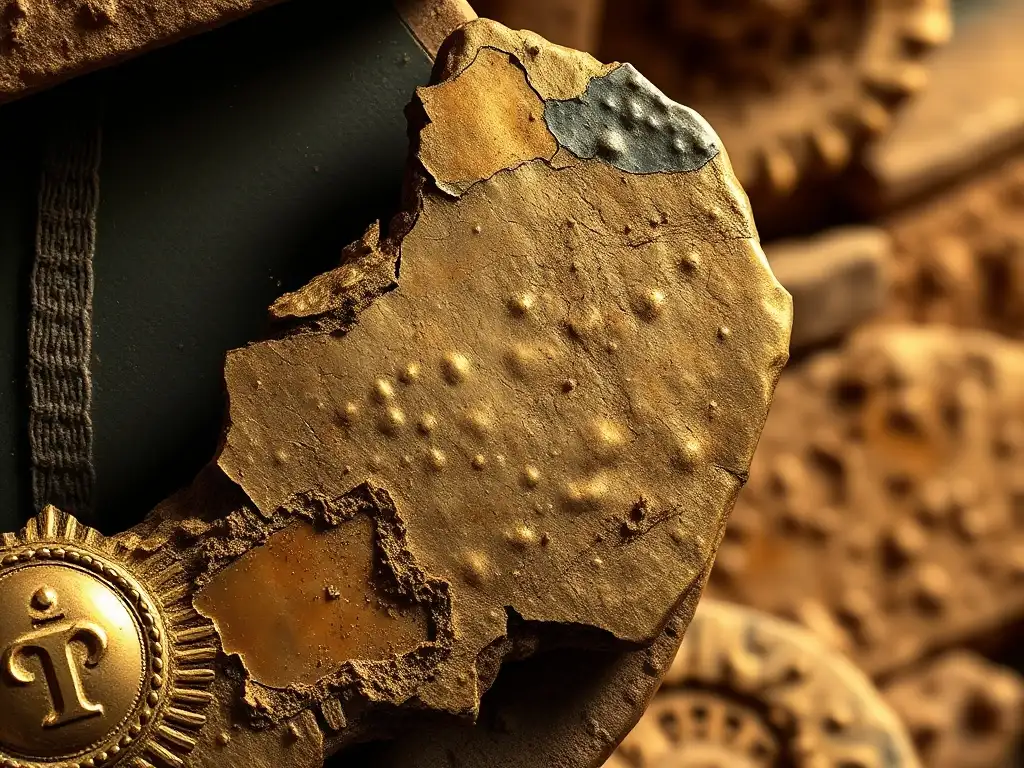
Despite extensive research, several misconceptions still surround Andean Tumbaga. These misunderstandings often stem from a lack of understanding of the alloy's complex composition and the sophisticated metallurgical techniques employed by Andean artisans. Correcting these misconceptions is crucial for a more accurate appreciation of Andean technological achievements and the cultural significance of Tumbaga objects.
Common Misunderstandings about Tumbaga’s Composition
One common misunderstanding is the belief that Tumbaga is simply a simple mixture of gold and copper. While gold and copper are the primary components, the alloy often contains trace amounts of other metals, such as silver, tin, and lead. These trace elements significantly influence the alloy's properties, including its color, hardness, and workability.
Another misconception involves the precise gold-copper ratio. The ratio varied considerably depending on the intended use and aesthetic preferences of the artisans, leading to a wide range of colors and textures in Tumbaga objects. Understanding these variations is essential for accurately interpreting the technological choices and artistic intentions of the Andean metalworkers.
The Myth of Tumbaga as an Inferior Metal
It is sometimes mistakenly believed that Tumbaga was considered an inferior metal by Andean civilizations, used only because of a scarcity of pure gold. This is inaccurate. While the availability of gold may have influenced the prevalence of Tumbaga, its use was a deliberate choice driven by the alloy's desirable properties. The ability to manipulate the gold-copper ratio to achieve specific colors and workability made Tumbaga highly versatile, suitable for a wide range of applications from intricate jewelry to large ceremonial objects. The unique properties of Tumbaga, rather than its being a substitute for pure gold, were highly valued.
Tumbaga's Purposeful Composition for Specific Uses
The Andean artisans skillfully tailored the composition of Tumbaga to suit specific applications. For example, alloys with a higher gold content were often preferred for jewelry and other highly valued objects, while those with a higher copper content might have been used for tools or utilitarian items requiring greater durability. This demonstrates a sophisticated understanding of metallurgy and a capacity to manipulate the properties of the alloy to meet functional and aesthetic requirements.
The precise control over the alloy's composition highlights the advanced metallurgical knowledge of the Andean cultures, challenging the notion that Tumbaga was a merely accidental or inferior alloy. The secrets of Andean Tumbaga alloy were carefully guarded and passed down through generations of skilled artisans.
Andean Tumbaga Alloy Secrets: A Legacy of Innovation
The allure of Andean Tumbaga, a gold-copper alloy, stems from its unique properties and the sophisticated metallurgical techniques employed by ancient Andean civilizations to create it. Understanding the secrets of Tumbaga requires delving into the fascinating history of Andean metallurgy, a field that showcases remarkable advancements for its time. The precise composition of Tumbaga varied across different cultures and time periods, but generally involved a mixture of gold and copper, sometimes with the addition of other metals like silver or tin.
This deliberate manipulation of metal ratios allowed Andean artisans to control the alloy's color, malleability, and durability, resulting in objects ranging from intricate jewelry and ceremonial masks to monumental sculptures and weaponry. The mastery of these techniques demonstrates a deep understanding of material science and a commitment to artistic expression that continues to inspire awe today.
The creation of Tumbaga was not merely a technical achievement; it was deeply intertwined with the spiritual and social fabric of Andean societies, reflecting their cosmological beliefs and societal structures. The discovery of Tumbaga artifacts in elite burials and ceremonial contexts underscores their significant cultural and religious importance.
The Legacy of Andean Metallurgical Expertise
Andean metallurgists weren't just skilled in alloying; they possessed a comprehensive understanding of mining, smelting, casting, and finishing techniques. Evidence suggests they employed sophisticated methods for extracting ores, controlling temperatures during smelting, and achieving incredibly fine levels of detail in their castings. The development of advanced techniques like the lost-wax casting process allowed them to create incredibly intricate and detailed objects.
Furthermore, the ability to manipulate the color and texture of Tumbaga showcases a refined understanding of material properties and their manipulation, a knowledge base that was likely passed down through generations of skilled artisans. Their expertise extended beyond simply creating objects; they understood how to manipulate the alloy to achieve specific aesthetic and functional goals. For example, some Tumbaga objects were hammered to achieve a specific surface texture, while others were meticulously polished to a high shine.
This level of craftsmanship highlights the significant investment in time, skill, and resources dedicated to the production of Tumbaga artifacts. The legacy of this metallurgical expertise continues to influence contemporary studies of ancient technologies and inspires ongoing research into the techniques employed by these ancient masters.
Tumbaga’s Place in the History of Metallurgy
The production of Tumbaga represents a significant milestone in the history of metallurgy. While other cultures experimented with gold-copper alloys, the Andean civilizations developed remarkably advanced techniques for creating and working with Tumbaga. The precision and artistry displayed in Tumbaga artifacts surpass many contemporaneous metallurgical achievements in other parts of the world. The alloy’s widespread use across different Andean cultures, over a considerable span of time, speaks to its enduring significance and adaptability.
Analyzing the composition and manufacturing techniques used in Tumbaga helps us understand the evolution of metallurgical practices in the Andes, revealing a continuous process of innovation and refinement over centuries. Studying Tumbaga allows us to compare and contrast Andean metallurgical practices with those of other ancient civilizations, enriching our understanding of global technological development. Its place in the broader history of metallurgy is secured by its unique characteristics and the significant technological advancements it represents.
Further Research and Future Studies on Tumbaga
Despite significant progress, much remains to be discovered about Andean Tumbaga. Future research should focus on several key areas. Firstly, more detailed analysis of Tumbaga artifacts using advanced techniques like X-ray fluorescence spectroscopy (XRF) and electron microscopy can provide precise compositional data and reveal subtle variations in alloying practices across different regions and time periods.
This will help us better understand the nuances of Tumbaga production and its evolution. Secondly, further archaeological investigations at mining sites and workshops can offer invaluable insights into the entire production chain, from ore extraction to final product. Thirdly, studies of ancient Andean texts and iconography can shed light on the symbolic meaning of Tumbaga and its role in Andean societies.
Finally, comparative studies with other ancient metallurgical traditions can provide a broader context for understanding the Andean achievements in alloying and metalworking. Continued research promises to further illuminate the secrets of this fascinating alloy and its place in the rich tapestry of Andean civilization.
Conclusion: Understanding the Significance of Tumbaga
The study of Andean Tumbaga offers a captivating glimpse into the sophisticated metallurgical skills and cultural ingenuity of the ancient Andean civilizations. The alloy itself, with its unique properties and varied applications, represents a pinnacle of pre-Columbian metalworking. Understanding the secrets of Tumbaga requires a multifaceted approach, integrating archaeological findings, metallurgical analyses, and anthropological interpretations.
By combining these perspectives, we can gain a deeper appreciation for the technological prowess, artistic talent, and cultural significance of this remarkable alloy. The enduring legacy of Tumbaga serves as a testament to the ingenuity and innovation of Andean societies and continues to inspire researchers and artisans alike.
The mysteries surrounding its creation and use are gradually being unraveled, offering valuable insights into the rich history and technological advancements of the Andean world. Further research is crucial to fully appreciate the complexity and significance of this remarkable material and its lasting impact on our understanding of Andean civilizations.
- Introduction to Andean Metallurgy and Tumbaga
- What is Tumbaga? Defining the Ancient Andean Alloy
- The Composition of Tumbaga: Exploring its Unique Metallic Mix
- Manufacturing Techniques of Tumbaga: Andean Metallurgical Practices
- The Significance of Tumbaga in Andean Societies
- Analyzing Tumbaga Artifacts: Insights into Andean Technology
- The Longevity of Tumbaga: Durability and Preservation
- Debunking Myths: Addressing Misconceptions about Andean Tumbaga
- Andean Tumbaga Alloy Secrets: A Legacy of Innovation
- Conclusion: Understanding the Significance of Tumbaga
Frequently Asked Questions
What is Tumbaga?
Tumbaga is a pre-Columbian alloy primarily used by Andean cultures. It's a gold-copper alloy, sometimes including other metals like silver or tin, known for its rich, varied colors and malleability. This allowed for intricate craftsmanship.
Why was Tumbaga so important to Andean civilizations?
Tumbaga held significant cultural and religious value. Its bright, lustrous appearance made it ideal for prestigious objects like ceremonial items, jewelry, and weaponry, symbolizing power and divinity.
What techniques did Andean artisans use to create Tumbaga objects?
Andean artisans employed sophisticated lost-wax casting and hammering techniques to create intricate Tumbaga pieces. They also mastered alloying processes to achieve specific colors and properties. Their skills were highly advanced.
Where can I find examples of Tumbaga artifacts?
Examples of Tumbaga artifacts can be found in museums worldwide, including the Metropolitan Museum of Art in New York and the Gold Museum in Bogotá, Colombia. Many are also found in private collections.
What makes the composition of Tumbaga so unique?
The unique composition of Tumbaga allowed for a wide range of colors and workability. The precise ratios of gold and copper, sometimes with other metals, were carefully controlled to achieve desired aesthetic and functional properties, showcasing advanced metallurgical knowledge.
Final Reflection: The Enduring Legacy of Tumbaga
The intricate artistry and sophisticated metallurgical techniques employed in creating Tumbaga objects remain a testament to the ingenuity of Andean cultures, a legacy that continues to inspire awe and wonder today. The secrets held within these alloys are not merely historical artifacts; they represent a profound understanding of material science and artistic expression that transcends time. Understanding Tumbaga allows us to appreciate the depth and complexity of pre-Columbian societies in a way that goes beyond simple historical accounts.
The enduring allure of Tumbaga lies not only in its aesthetic beauty but also in the stories it whispers of a rich cultural heritage. These objects, unearthed from the depths of history, speak volumes about the social structures, religious beliefs, and artistic sensibilities of the Andean civilizations. They remind us of the interconnectedness of past and present, demonstrating how innovation and artistic expression can endure across millennia. The past is never dead. It's not even past.
- William Faulkner. This quote perfectly encapsulates the enduring relevance of Tumbaga and its continued power to resonate with us today.
Consider, for a moment, the meticulous craftsmanship, the precise control over the alloying process, and the sheer artistry displayed in each Tumbaga piece. You too can unlock a deeper appreciation for the ingenuity of human creativity by engaging with the history and artistry of Tumbaga. Explore further, delve into the details, and allow yourself to be captivated by the enduring legacy of these remarkable alloys. Let the mystery of Tumbaga ignite your own curiosity and inspire you to uncover the hidden stories within the objects and cultures that surround you.
Unveil the Secrets of Tumbaga Today!
Thank you for exploring the fascinating world of Tumbaga with us. You've already uncovered some remarkable aspects of this ancient alloy, and now it's time to build upon that knowledge! Here are some ways to further deepen your understanding of Andean culture:
- Delve into the rich resources available on Andean metallurgy and its historical significance. Libraries and online archives offer invaluable insights.
- Share your newfound knowledge with friends and family. Spark a conversation about Tumbaga's history and its profound impact on Andean civilizations.
- Connect with others who share your interest in ancient alloys and indigenous cultures through online forums or communities. Engage in discussions and collaborate with fellow enthusiasts.
Now, consider this: How might the ingenuity behind ancient alloys like Tumbaga inspire breakthroughs in modern materials science? We eagerly await your insights!