
The Inca's Agricultural Challenges and How They Overcame Them

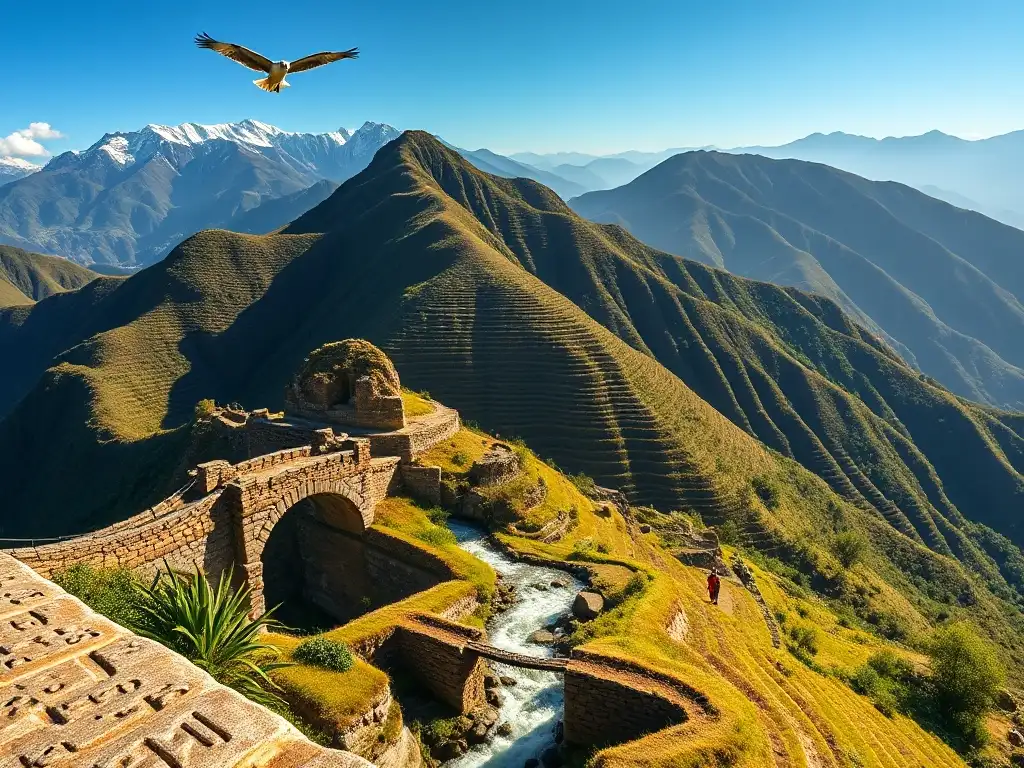
Step into a world lost to time, yet echoing with innovation and ingenuity. Imagine a civilization that defied the harsh Andes mountains, constructing a complex society built upon breathtaking agricultural achievements. Uncover the secrets behind the Inca's mastery of their environment – their remarkable Inca agricultural techniques – and witness how they transformed a seemingly unforgiving landscape into a thriving empire. Prepare to be amazed as we delve into the challenges they faced and the ingenious solutions they devised. Continue reading to unravel this fascinating story.
- Inca Agricultural Challenges and Ingenious Solutions
- The Harsh Andean Environment: Agricultural Obstacles
-
Inca Agricultural Techniques: Innovations and Adaptations
- Terraced Farming: Maximizing Land Use in the Andes
- Irrigation Systems: Canals and Aqueducts for Water Management
- Waru Waru Agriculture: Raised Fields for Flood Control
- Cochas: Artificial Ponds for Water Storage and Microclimates
- Crop Rotation and Diversification: Ensuring Soil Fertility
- Fertilization Methods: Use of Guano and Animal Manure
- Specific Inca Agricultural Practices and Their Impact
- Overcoming Environmental Challenges: The Inca's Legacy
-
Frequently Asked Questions
- What were some of the major agricultural challenges faced by the Inca?
- How did the Inca adapt their agriculture to high altitudes?
- What role did the waru waru system play in Inca agriculture?
- What other innovative agricultural techniques did the Inca use?
- How did Inca agricultural techniques contribute to their empire's success?
- Final Reflection: Echoes of the Andes: Inca Ingenuity and Our Modern World
- Embrace the Resilience of the Incas – Take the Next Step!
Inca Agricultural Challenges and Ingenious Solutions
The Inca Empire, renowned for its sophisticated social structures and impressive architectural feats, also possessed a remarkable understanding of agriculture. Flourishing in the diverse yet challenging Andean landscape, the Inca developed ingenious techniques to cultivate crops in environments ranging from arid coastal deserts to high-altitude mountain slopes. This article delves into the significant agricultural challenges faced by the Inca and explores the innovative solutions they implemented to ensure food security for their vast empire.
Understanding their agricultural prowess offers valuable insights into their societal organization, technological advancements, and enduring legacy. We will explore how Inca agricultural techniques, a testament to their ingenuity and adaptability, allowed them to thrive in a geographically demanding environment and shaped their civilization’s very existence.
This exploration will reveal the intricate relationship between the Inca and their environment, highlighting their mastery of water management, terracing, and crop diversification. We will uncover how their innovative farming practices not only ensured food production but also contributed to the stability and prosperity of their empire.
Introduction to Inca Agriculture and its Importance
Inca agriculture wasn't merely a means of subsistence; it was the cornerstone of their empire's power and stability. The Inca civilization, spanning across a vast and varied terrain, faced numerous obstacles in food production. The Andes Mountains, with their steep slopes, unpredictable weather patterns, and limited arable land, presented a significant challenge. Furthermore, the altitude variation across the empire resulted in diverse microclimates, requiring the Inca to adapt their techniques to a wide array of conditions.
Despite these difficulties, the Inca developed sophisticated agricultural practices that allowed them to cultivate a diverse range of crops, supporting a large and densely populated empire. Their success relied heavily on meticulous planning, communal labor, and an understanding of their environment that remains impressive even today. The importance of agriculture to the Inca is reflected in their mythology, religious practices, and social organization, demonstrating its central role in their worldview and societal structure.
Their agricultural innovations were not just about food production; they were integral to the very fabric of Inca society and its enduring legacy. The efficiency and productivity of Inca agriculture allowed them to create substantial food surpluses, which contributed significantly to the empire's ability to support its large population, maintain its army, and fund its ambitious construction projects. This surplus also facilitated trade and the exchange of goods within the empire, further strengthening its economic and political stability.
The Harsh Andean Environment: Agricultural Obstacles
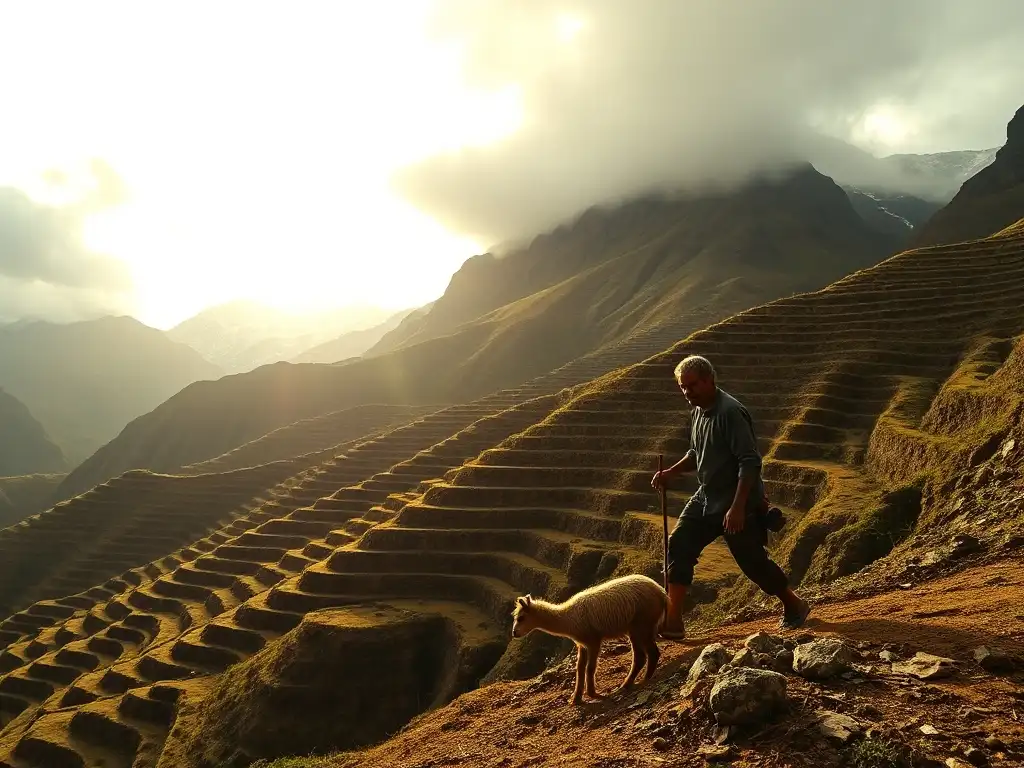
The Inca Empire, renowned for its sophisticated infrastructure and political organization, faced significant agricultural challenges imposed by the harsh Andean environment. Their mastery of agriculture, however, wasn't simply a matter of luck; it was a testament to their ingenuity and adaptation to a landscape that presented numerous obstacles. Understanding the Inca's agricultural techniques requires appreciating the difficulties they overcame.
These challenges, primarily related to altitude, temperature, and land availability, shaped their innovative farming practices and contributed significantly to their success. The ingenuity displayed in conquering these hurdles is a key aspect of understanding Inca agricultural techniques and their lasting legacy.
High Altitude Farming Challenges for the Incas
High-altitude farming presented a formidable obstacle for the Inca. The thin air at elevations exceeding 10,000 feet (3,000 meters) significantly reduced atmospheric pressure, impacting plant growth. Lower oxygen levels hindered photosynthesis, leading to slower growth rates and reduced yields. Furthermore, intense solar radiation at these altitudes could damage crops, while freezing temperatures at night posed a constant threat, especially during the growing season.
The Inca, however, weren't deterred. They developed sophisticated techniques to mitigate these problems, including the selection of cold-resistant crops like potatoes, quinoa, and other Andean grains. Their understanding of microclimates allowed them to strategically locate their crops to maximize sun exposure and minimize frost damage. This careful selection and placement exemplified the depth of their Inca agricultural techniques.
Extreme Temperature Fluctuations and Their Impact
The Andes are characterized by dramatic temperature swings, often experiencing significant differences between day and night temperatures. This extreme variability presented a major challenge to crop cultivation. During the day, intense sun could scorch crops, while freezing temperatures at night could kill them. This fluctuation also affected soil moisture, leading to periods of drought and waterlogging. To combat these fluctuations, the Inca employed various strategies.
They constructed terraces to regulate temperature and moisture, creating microclimates more favorable to agriculture. They also used irrigation systems to control water availability, ensuring consistent moisture levels despite fluctuating rainfall. The integration of these techniques demonstrates the sophisticated understanding of environmental factors inherent in Inca agricultural techniques. It wasn't simply about planting seeds; it was about carefully managing the entire environment to optimize growth.
Limited Arable Land and the Inca's Response
The mountainous terrain of the Andes provided limited arable land suitable for agriculture. Steep slopes, rocky outcrops, and narrow valleys restricted the area available for farming. This scarcity of land necessitated efficient land-use strategies. The Inca's response was remarkable.
They developed extensive terrace farming systems, transforming steep hillsides into productive agricultural plots. These terraces, supported by carefully constructed retaining walls, not only increased arable land but also helped to control soil erosion and conserve water. The construction of these terraces was a monumental undertaking, requiring considerable labor and engineering skill, showcasing the societal organization and technological advancement integral to Inca agricultural techniques.
This innovative approach to land use was crucial to sustaining the large Inca population and reflects the ingenuity of their agricultural practices. The efficient use of limited land was a central element of their agricultural success. The scale of their terracing projects alone demonstrates the importance placed on maximizing agricultural output, highlighting the ingenuity and sophistication of their Inca agricultural techniques.
Water Scarcity in the Andes and Irrigation Needs
The Andes Mountains present a formidable challenge for agriculture: water scarcity. While the region experiences periods of heavy rainfall, particularly during the wet season, these are often followed by prolonged dry spells. The steep slopes of the mountains also mean that water tends to run off quickly, leaving much of the arable land parched. This uneven distribution of water resources posed a significant obstacle to the Inca's ambitious agricultural projects. Their success hinged on developing sophisticated and efficient irrigation systems to capture and distribute this precious resource.
Without reliable access to water, crop yields would have been severely limited, jeopardizing the food security of the vast Inca Empire. The ingenuity of the Inca in overcoming this challenge is a testament to their understanding of their environment and their capacity for large-scale engineering projects. Their mastery of water management is a key element in understanding their agricultural success and the overall prosperity of their civilization. We can see evidence of this in the remarkably well-preserved irrigation canals and terraces found throughout the Andes, even today. These systems weren't simply ditches; they were carefully planned networks designed to maximize water capture, minimize water loss through evaporation, and distribute water equitably across vast areas of farmland.
The Inca's impressive ability to manage water resources directly impacted their agricultural productivity, significantly contributing to the population growth and stability of their empire. Indeed, their approach to irrigation can be seen as a fundamental pillar of their agricultural strategy, an example of how innovative engineering solutions can overcome harsh environmental conditions. The sophisticated nature of these systems, often involving complex networks of canals and reservoirs, reveals a deep understanding of hydrology and a commitment to long-term sustainability. Their ingenuity allowed the Inca to thrive in a challenging environment, proving the importance of water management for successful agriculture in arid and semi-arid regions.
Inca Agricultural Techniques: Innovations and Adaptations

The Inca Empire, renowned for its sophisticated social and political structures, also boasted impressive agricultural advancements. Their success wasn't simply a matter of luck; it stemmed from a deep understanding of their challenging environment and the development of ingenious Inca agricultural techniques. Facing diverse and often harsh terrains, from high-altitude mountains to arid coastal deserts, the Inca developed a range of innovative farming methods that ensured food security for a vast and densely populated empire.
These techniques, honed over centuries, allowed them to maximize yields and adapt to the unique challenges presented by the Andes Mountains. The ingenuity of their solutions is a testament to their remarkable engineering skills and deep ecological knowledge, making "Inca agricultural techniques" a fascinating subject of study.
Terraced Farming: Maximizing Land Use in the Andes
Terracing, the creation of step-like formations on slopes, is perhaps the most iconic Inca agricultural technique. This wasn't simply a matter of carving steps into hillsides; it was a carefully planned and executed system designed to maximize arable land in the steep Andean slopes. The terraces were not uniform; their size and orientation varied depending on the slope's angle, soil type, and water availability. Smaller terraces were used on steeper slopes, while larger ones were employed on gentler inclines.
The construction of terraces involved significant labor, but the benefits were substantial. They prevented soil erosion – a major problem in mountainous regions – by creating level platforms that retained water and soil nutrients. Furthermore, the terraces allowed for efficient irrigation, as water could be channeled easily from one level to the next.
The creation of microclimates within the terraced fields also extended the growing season, allowing for a greater variety of crops to be cultivated. Specific examples of well-preserved Inca terraces can still be observed in areas like Pisac and Ollantaytambo, showcasing the scale and precision of this remarkable agricultural achievement. Analysis of these sites reveals intricate systems of drainage and water management integrated within the terrace design itself, further highlighting the sophistication of Inca engineering.
Irrigation Systems: Canals and Aqueducts for Water Management
Water management was crucial for Inca agriculture, especially in drier regions. The Inca developed extensive irrigation systems, including canals and aqueducts, to transport water from rivers and streams to their fields. These weren't simply rudimentary ditches; they were often complex engineering feats, involving the construction of tunnels, bridges, and siphons to overcome obstacles like ravines and valleys. The Inca’s understanding of hydraulics allowed them to create efficient systems that delivered water precisely where it was needed.
The materials used in the construction of these systems varied depending on the availability of resources. Stone, earth, and even wood were employed, with careful attention paid to the durability and watertightness of the structures. Many of these irrigation systems were remarkably durable, with some sections still functioning even today.
The meticulous planning and execution of these projects showcase the Inca's advanced organizational capabilities and their commitment to sustainable agriculture. Detailed records, though scarce, suggest that communal labor played a significant role in the construction and maintenance of these vital irrigation networks. The effectiveness of these systems is evident in the thriving agricultural output of the Inca Empire, despite the challenging climatic conditions.
Waru Waru Agriculture: Raised Fields for Flood Control
Waru waru, a unique form of raised-field agriculture, was particularly important in wetland areas of the altiplano. This involved creating raised beds of fertile soil separated by canals filled with water. This system served multiple purposes. The raised fields provided better drainage, preventing waterlogging and improving soil aeration. The canals, in turn, acted as reservoirs, storing water during dry periods and regulating water temperature. The contrast between the water temperature in the canals and the air temperature created a microclimate that extended the growing season and protected crops from frost.
This system also improved soil fertility. The canals acted as nutrient traps, collecting organic matter and sediment. This nutrient-rich water was then used to irrigate the raised fields, resulting in higher crop yields. The combination of improved drainage, water management, and enhanced soil fertility made waru waru a highly productive and sustainable agricultural technique.
Archaeological evidence suggests that this system was highly effective in flood control, ensuring crop survival even in areas prone to seasonal flooding. The ingenuity of this design demonstrates the Inca’s profound understanding of both hydrology and soil science, showcasing a sophisticated approach to sustainable agriculture well ahead of its time. The resilience of this system, evidenced by its continued use in some Andean communities today, underscores its long-term effectiveness and adaptability.
Cochas: Artificial Ponds for Water Storage and Microclimates
The Inca's mastery of water management is legendary, and a prime example is their ingenious system of cochas. These weren't simply ponds; they were strategically constructed artificial lakes, often located on mountain slopes or in valleys, serving multiple crucial purposes. Their primary function was water storage, providing a reliable source of irrigation during the dry season, vital for sustaining crops in the challenging Andean environment. The size and depth of these cochas varied considerably depending on the local topography and water needs. Some were small, serving individual communities, while others were large-scale projects requiring significant labor and engineering expertise.
Beyond irrigation, cochas also played a significant role in creating favorable microclimates. The water's presence moderated temperature fluctuations, protecting crops from frost and extreme heat. The increased humidity around the cochas also benefited plant growth, particularly in arid regions. Furthermore, the reflective surface of the water helped regulate sunlight, creating a more consistent and productive growing environment.
Archaeological evidence suggests that the Inca meticulously planned the location and size of cochas, taking into account factors like water availability, sunlight exposure, and prevailing winds. This careful planning demonstrates a deep understanding of both hydrology and agronomy, showcasing the Inca's sophisticated approach to agricultural engineering. The enduring legacy of the cochas testifies to their effectiveness and adaptability, providing valuable insights into sustainable water management techniques relevant even today.
Crop Rotation and Diversification: Ensuring Soil Fertility
The Inca understood the importance of maintaining soil fertility, a challenge amplified by the steep slopes and often poor soil quality of the Andes. To address this, they employed sophisticated techniques of crop rotation and diversification. Instead of planting the same crop in the same field year after year, they implemented a system of rotating different crops with varying nutrient requirements. This prevented soil depletion and the build-up of pests and diseases associated with monoculture farming. Their agricultural calendar was carefully planned to ensure that different crops were planted in succession, maximizing the use of available land and resources.
Diversification was equally crucial. The Inca did not rely on a single staple crop but cultivated a wide variety of plants, including potatoes, maize, quinoa, beans, and various fruits and vegetables. This biodiversity ensured food security, minimizing the risk of crop failure due to disease or adverse weather conditions.
Different crops have different nutrient needs and root systems, further contributing to the overall soil health. The combination of crop rotation and diversification was a key element in the Inca's ability to sustain a large and thriving population in a challenging environment, a testament to their agricultural ingenuity and understanding of ecological principles. This approach, far from being primitive, demonstrates a level of agricultural sophistication comparable to, and in some ways surpassing, contemporary practices in many parts of the world.
Fertilization Methods: Use of Guano and Animal Manure
The Inca's agricultural success was also underpinned by their effective fertilization methods. One of their most important sources of fertilizer was guano, the excrement of seabirds. Guano deposits along the Peruvian coast were incredibly rich in nutrients, and the Inca established elaborate systems for harvesting and transporting it to their agricultural fields, often located far inland. The logistical challenges of transporting guano across mountainous terrain were immense, highlighting the importance the Inca placed on soil fertility. The use of guano provided a powerful natural fertilizer, significantly enhancing crop yields and ensuring robust plant growth.
In addition to guano, the Inca also utilized animal manure as a fertilizer. Llama and alpaca dung, readily available in the Andean highlands, played a crucial role in enriching the soil. The Inca carefully managed their livestock, ensuring a sufficient supply of manure for their agricultural needs.
They likely combined guano and animal manure in various ways, tailoring their fertilization strategies to the specific needs of different crops and soil types. This integrated approach to fertilization, combining organic sources like guano and animal manure, reflects a holistic understanding of soil science and nutrient management that continues to inspire sustainable agricultural practices today. The Inca's commitment to enriching their soil was fundamental to their agricultural success and underscores their profound understanding of ecological principles.
Specific Inca Agricultural Practices and Their Impact
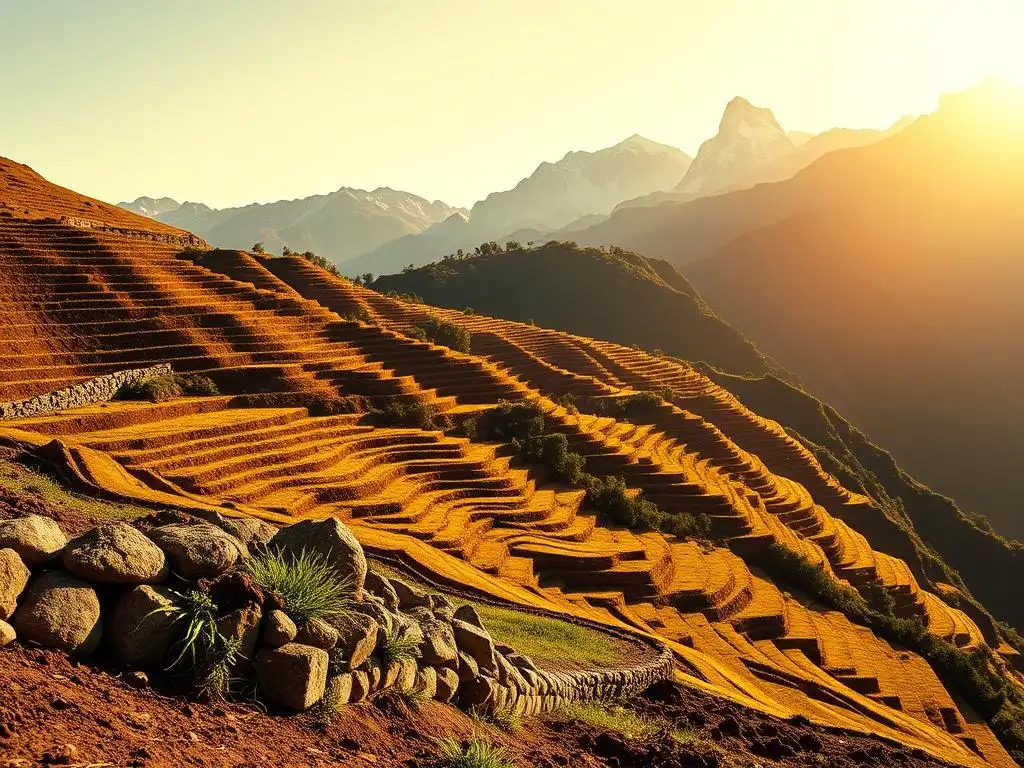
The Inca Empire, renowned for its sophisticated social and political organization, also displayed remarkable ingenuity in its agricultural practices. Their success in cultivating diverse crops across varied and challenging terrains is a testament to their deep understanding of Andean ecosystems and their ability to adapt and innovate. The empire's agricultural prowess was crucial to its stability and expansion, providing sustenance for a large and densely populated population. Mastering "Inca agricultural techniques" was essential to their survival and prosperity. This section delves into some of their key agricultural practices and their significant impact on the empire's development.
The Cultivation of Potatoes: A Staple Crop of the Incas
Potatoes ( Solanum tuberosum) were, and remain, a cornerstone of the Andean diet. The Incas cultivated a staggering diversity of potato varieties, adapted to different altitudes and microclimates. Their understanding of soil types and their ability to manipulate the environment allowed them to maximize yields. This wasn't simply a matter of planting and harvesting; it involved complex techniques:
- Terracing: Inca farmers expertly carved terraces into the steep Andean slopes, creating level platforms for cultivation. This prevented soil erosion, conserved water, and optimized sunlight exposure. The scale of these terracing projects is breathtaking, a testament to the organized labor and engineering skills of the Inca people. Some terraces still stand today as a legacy to their agricultural mastery.
- Irrigation Systems: Ingenious canals and aqueducts channeled water from rivers and springs to irrigate the terraces. These systems ensured a reliable water supply, even in arid regions, significantly increasing crop yields. The intricate network of canals demonstrates a profound understanding of hydraulic engineering.
- Crop Rotation: The Incas practiced crop rotation, alternating different crops in a given field over time. This helped maintain soil fertility and prevent the depletion of essential nutrients. This sustainable practice ensured long-term agricultural productivity. Furthermore, they understood the importance of fallow periods, allowing the land to rest and recover.
The Inca's mastery of potato cultivation, coupled with their sophisticated agricultural techniques, ensured a reliable food supply, supporting the empire's substantial population and contributing to its stability. Their diverse potato varieties provided nutritional security, and their techniques were sustainable, capable of supporting the population for centuries.
The Importance of Quinoa and Other Andean Grains
Quinoa ( Chenopodium quinoa), another staple crop, played a vital role in the Inca diet. Highly nutritious and adaptable to diverse environmental conditions, quinoa complemented potatoes, providing a crucial source of protein and essential amino acids. The Incas developed techniques to cultivate quinoa efficiently, utilizing similar methods as those used for potato cultivation. This included:
- Fertilization: Inca farmers employed various organic fertilizers, improving soil fertility and boosting quinoa yields. These fertilizers were derived from animal manure, compost, and other organic materials.
- Weed Control: Effective weed control was essential for maximizing quinoa yields. Inca farmers developed methods to remove unwanted plants, ensuring that quinoa plants had adequate space and resources to grow.
- Storage Techniques: Preserving quinoa for long periods was crucial. The Incas developed effective storage techniques, using granaries and other structures to protect the grain from pests and the elements. This ensured food security during lean times.
Beyond quinoa, the Incas cultivated other Andean grains, including amaranth and kiwicha, further diversifying their food supply and enhancing nutritional security. These grains, along with potatoes, formed the basis of the Inca diet, demonstrating the empire’s successful management of diverse crops.
Maize Production in the Inca Empire
Maize ( Zea mays), though not as prevalent as potatoes or quinoa, held a significant cultural and economic importance within the Inca Empire. While not as widely adapted across different altitudes as potatoes, maize thrived in warmer, lower-altitude regions. Inca maize cultivation involved:
- Waru Waru Agriculture: This unique technique involved constructing raised beds separated by irrigation canals. This system improved drainage, minimized waterlogging, and maintained soil temperature, particularly beneficial in higher-altitude regions. The effectiveness of this method in optimizing maize production is noteworthy.
- Specialized Labor: Maize cultivation often involved specialized labor, with farmers possessing expertise in managing this specific crop. This demonstrates a sophisticated understanding of agricultural specialization within the Inca system.
- Religious Significance: Maize held considerable religious significance for the Incas, reflecting its importance within their society. This is reflected in their art, rituals, and mythology.
The Inca's ability to successfully cultivate maize, even in challenging environments, highlights their agricultural expertise and resourcefulness. Their innovative methods, such as waru waru, exemplify their adaptability and commitment to maximizing food production across diverse ecological zones. The integration of maize into their agricultural system complemented their other crops, enhancing the overall resilience of their food supply.
Domestication and Breeding of Native Plants
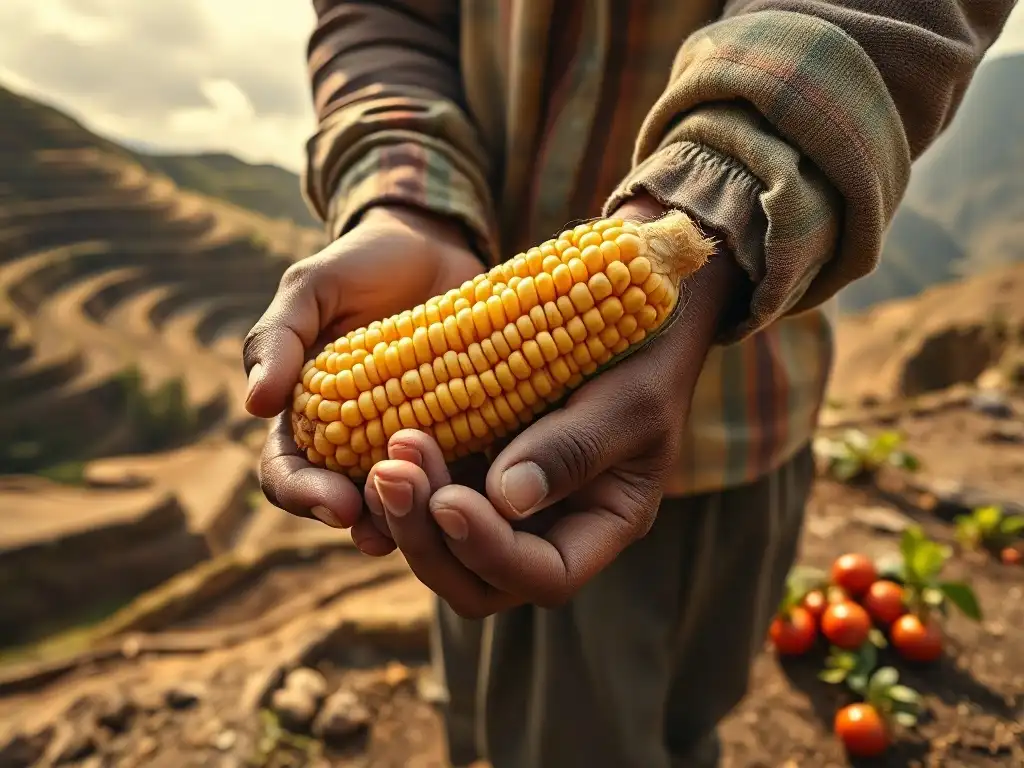
The Inca's mastery of agriculture wasn't just about clever techniques; it was deeply rooted in their understanding and manipulation of the Andean ecosystem. Centuries of careful observation and experimentation led to the domestication and breeding of a remarkable variety of native plants uniquely adapted to the harsh conditions of the Andes. This wasn't a haphazard process; the Inca possessed sophisticated knowledge of plant genetics, albeit implicitly.
They selected for desirable traits like disease resistance, higher yields, and improved nutritional content, effectively creating superior strains of potatoes, maize, quinoa, and beans—staples of their diet. For instance, the Inca developed hundreds of potato varieties, each suited to different altitudes and microclimates, a testament to their profound understanding of plant adaptation. This process of selective breeding, passed down through generations of farmers, ensured a reliable food supply even in the face of environmental challenges like frost, drought, and pests.
The meticulous selection of seeds and the preservation of superior plant material were crucial components of their agricultural success, showcasing an advanced understanding of plant biology far exceeding that of many contemporaneous societies. Their understanding extended beyond simply improving yields; it also involved improving the nutritional value of crops, enhancing their resilience to disease and harsh weather conditions—a feat of agricultural ingenuity that continues to inspire modern agricultural practices.
Inca agricultural success wasn't solely reliant on advanced techniques; it was intrinsically linked to their highly organized social structure. The ayllu, a kinship-based community, formed the bedrock of Inca agricultural production. The ayllu system wasn't merely a social unit; it was a cooperative agricultural enterprise. Land was collectively owned and worked, with responsibilities distributed according to age and ability.
This communal labor system ensured efficient utilization of resources and maximized agricultural output. The mita, a form of mandatory labor service, further supported large-scale projects like irrigation systems and terracing. While the mita could be demanding, it also provided a crucial workforce for maintaining and expanding agricultural infrastructure, a feat that would have been impossible to achieve without a highly structured and centralized system of labor allocation. The Inca's ingenious integration of social organization and agricultural practices resulted in a remarkably productive and resilient agricultural system, capable of supporting a large and complex empire.
This system, characterized by communal responsibility and a shared commitment to agricultural success, stands as a model of efficient resource management and social cooperation, highlighting the profound interconnectedness between social structure and agricultural productivity in the Inca empire. The communal aspect of Inca agriculture also fostered a strong sense of community and mutual support, ensuring the sustainability of their agricultural practices for generations. The effectiveness of this system is evidenced by the Inca's ability to feed a vast population despite the challenging environmental conditions of the Andes.
Overcoming Environmental Challenges: The Inca's Legacy
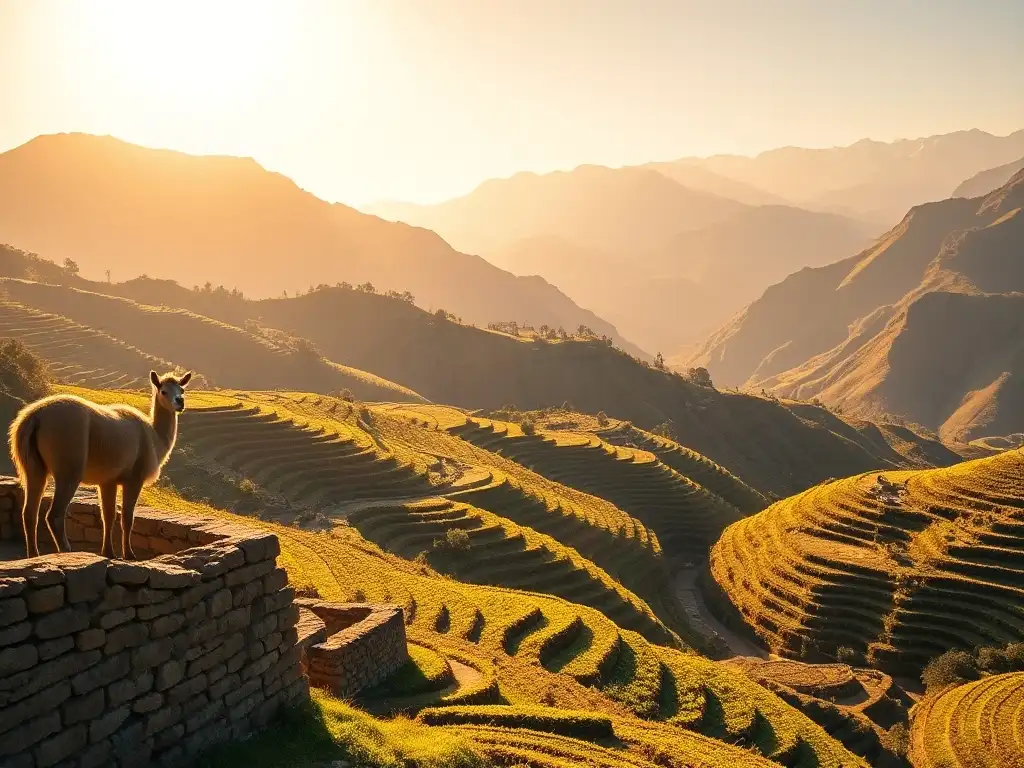
The Inca Empire, renowned for its sophisticated social and political structures, also possessed remarkable agricultural ingenuity. Their success wasn't solely due to fertile valleys; it stemmed from innovative techniques developed to overcome the harsh environmental realities of the Andes Mountains. Steep slopes, unpredictable weather patterns, and varying altitudes presented significant challenges to food production.
The ingenuity of Inca agricultural techniques allowed them to cultivate crops across diverse and challenging terrains, ensuring food security for a vast and growing population. Understanding these methods provides valuable insights into sustainable agriculture and resource management, offering lessons applicable even today. This section delves into the specific strategies employed by the Inca, highlighting their remarkable adaptability and foresight.
How Inca Agricultural Practices Ensured Food Security
Inca food security relied heavily on a diverse range of agricultural practices meticulously adapted to the varied Andean ecosystem. The waru waru system, for example, is a testament to their understanding of water management. This technique involved creating raised beds separated by irrigation canals. This system not only improved drainage in waterlogged areas but also retained moisture during dry spells, increasing crop yields significantly. The effectiveness of waru waru is further amplified by its microclimatic effect, which moderates temperature fluctuations and protects crops from frost.
Another key element was terracing. The Incans were masters of terracing, carving intricate networks of terraces into the steep mountain slopes. These terraces, often supported by retaining walls made of stone, created level planting surfaces, preventing soil erosion and maximizing arable land. The terraces also helped regulate water flow, directing it to where it was needed most.
This careful manipulation of the landscape allowed the Incans to cultivate crops at elevations where traditional farming would have been impossible. Evidence suggests that they even employed sophisticated irrigation systems to channel water from higher altitudes to lower terraces, ensuring a reliable water supply even during periods of drought. This intricate system was crucial for their survival and expansion.
The Sustainability of Inca Farming Methods
The sustainability of Inca farming methods is a crucial aspect of their success. Unlike many agricultural systems that deplete soil nutrients over time, Inca practices actively enhanced soil fertility. The waru waru system, for instance, improved soil aeration and prevented nutrient runoff.
The use of fertilizers, including manure and guano (bird droppings), further enriched the soil, contributing to higher crop yields over extended periods. Furthermore, crop rotation and intercropping were common practices, diversifying the agricultural landscape and reducing the risk of crop failure. This holistic approach to agriculture not only ensured food security but also minimized the environmental impact of farming.
The long-term sustainability of these methods is a testament to the Inca's deep understanding of their environment and their commitment to responsible resource management. Their practices serve as a model for contemporary sustainable agriculture efforts. The Inca's commitment to long-term sustainability stands in stark contrast to many modern agricultural practices that prioritize short-term gains over environmental health.
Lessons from Inca Agriculture for Modern Times
The Inca's agricultural achievements offer valuable lessons for modern agriculture, especially in the face of climate change and growing food insecurity. Their innovative water management techniques, such as waru waru and terracing, are particularly relevant in regions facing water scarcity. The principles of soil conservation and nutrient management employed by the Incans can inform sustainable farming practices that minimize environmental damage and enhance soil health.
Their emphasis on crop diversification and resilience can help mitigate the risks associated with climate change and pests. By studying and adapting Inca agricultural techniques, we can develop more sustainable and resilient food systems capable of feeding a growing global population while protecting the environment.
The Inca legacy extends beyond their impressive empire; it offers a blueprint for a more sustainable future, reminding us of the importance of understanding and respecting the intricate balance of nature. The ingenuity of Inca agricultural techniques continues to inspire researchers and practitioners worldwide, demonstrating the timeless value of traditional knowledge in addressing contemporary challenges.
The Influence of Inca Techniques on Contemporary Agriculture
The Inca's innovative agricultural practices continue to resonate in contemporary Andean agriculture. Their sophisticated understanding of water management, terracing, and crop diversification provides valuable lessons for modern farmers striving for sustainable and resilient food systems, especially in challenging environments. Many traditional Andean farming communities still utilize variations of Inca techniques, demonstrating their enduring practicality. For example, the intricate waru waru system, raised beds interspersed with irrigation canals, is being revived and adapted to address modern challenges like climate change and soil erosion.
This system, with its enhanced water retention and improved drainage, allows for increased crop yields even in arid conditions. Researchers are actively studying Inca agricultural methods to inform the development of climate-smart agriculture practices. The focus is on adapting these age-old techniques to modern contexts, ensuring food security and environmental sustainability in the face of increasing climatic variability. The Inca's emphasis on biodiversity, through the cultivation of a wide variety of crops, serves as a model for modern agro-ecological approaches that aim to enhance resilience and reduce vulnerability to pests and diseases.
The legacy of Inca agricultural ingenuity is not merely historical; it's a living testament to the enduring value of traditional knowledge and its potential for shaping a more sustainable future for Andean agriculture. The integration of ancient wisdom with modern scientific understanding offers a promising path towards improving agricultural productivity and safeguarding the environment in the Andes. This is particularly relevant given the increasing pressure on agricultural lands and the need for climate-resilient farming practices.
Conclusion: The Ingenuity of Inca Agricultural Systems
The Inca Empire's success was inextricably linked to its mastery of agriculture. Faced with diverse and challenging terrains, they developed ingenious techniques to maximize food production and ensure the sustenance of their vast population. From the breathtaking terraces carved into mountain slopes to the sophisticated irrigation systems that channeled water to arid fields, their agricultural innovations stand as a testament to their remarkable engineering skills and deep understanding of their environment.
Their methods weren't simply about producing food; they represented a holistic approach to resource management, reflecting a profound respect for the land and its capacity to provide. The Inca's agricultural legacy is not confined to the past; it continues to inspire contemporary agricultural practices and offers valuable lessons for sustainable food production in challenging environments. Their ingenuity in overcoming environmental limitations provides a powerful example of how human ingenuity and environmental stewardship can work together to create resilient and productive food systems.
The enduring relevance of Inca agricultural techniques underscores the importance of preserving and learning from traditional knowledge, especially in the face of growing global challenges related to food security and climate change. The study of Inca Inca agricultural techniques offers valuable insights into sustainable and resilient agricultural practices applicable to many parts of the world. Their achievements serve as a powerful reminder of the importance of adapting to environmental conditions and utilizing resources wisely.
Frequently Asked Questions
What were some of the major agricultural challenges faced by the Inca?
The Inca faced challenges like diverse and challenging terrains, including high altitudes, steep slopes, and arid coastal regions. They also had to contend with unpredictable weather patterns and limited arable land.
How did the Inca adapt their agriculture to high altitudes?
The Inca employed techniques like terracing to create level fields on slopes, and irrigation systems to channel water to crops. They also selected crops suited to high altitudes, such as potatoes and quinoa.
What role did the waru waru system play in Inca agriculture?
The waru waru system, a type of raised-field agriculture, allowed for better water management and soil drainage. This improved crop yields, especially in areas prone to flooding or drought.
What other innovative agricultural techniques did the Inca use?
The Inca developed advanced techniques such as crop rotation, fertilization with guano, and extensive storage systems (e.g., qollqas) to ensure food security throughout the year.
How did Inca agricultural techniques contribute to their empire's success?
The Inca's sophisticated agricultural practices ensured a reliable food supply, supporting a large and densely populated empire. This agricultural surplus also allowed for the development of specialized labor and a complex social structure.
Final Reflection: Echoes of the Andes: Inca Ingenuity and Our Modern World
The Inca's mastery of agricultural techniques wasn't just a feat of ancient engineering; it's a powerful lesson in resourcefulness and sustainability that resonates deeply with our current challenges. Facing climate change, dwindling resources, and a growing global population, understanding how the Inca adapted to their harsh environment offers invaluable insights into building a more resilient future for all. Their innovative solutions, born from necessity, provide a blueprint for sustainable practices we can implement today.
The Inca's legacy extends far beyond their impressive terraces and sophisticated irrigation systems; it's a testament to human ingenuity and the enduring power of adaptation. Their understanding of their environment, their respect for its limitations, and their commitment to collective action offer a compelling counterpoint to our often exploitative relationship with the natural world. The land was our mother, and we treated her with respect,
a sentiment echoed across many indigenous cultures, highlights the profound connection between people and their environment that the Inca exemplified. This connection is something we must urgently rediscover in our modern, often disconnected world.
Consider the ingenuity of the waru waru system, the terraced fields, and the sophisticated understanding of water management. These weren't just agricultural practices; they were expressions of a deep-seated respect for the land and a commitment to community well-being. You too can cultivate a more sustainable approach to life. Reflect on your own consumption habits, consider supporting local and sustainable agriculture, and explore ways to reduce your environmental footprint. Let the echoes of the Andes inspire you to build a future where ingenuity and sustainability go hand in hand.
Embrace the Resilience of the Incas – Take the Next Step!
Thank you for exploring the fascinating world of the Incas and their remarkable agricultural achievements! You've gained valuable insights into how they met and mastered significant challenges. Now, let's translate that inspiration into practical action.
- Learn more by researching traditional Andean farming methods still practiced today. You might be surprised by their effectiveness and relevance.
- Share this article with friends and fellow history enthusiasts to spark conversations about resilience and innovation in the face of adversity.
- Get involved with local agriculture projects or community gardens. Consider volunteering your time or learning about sustainable practices; you could make a real difference.
How can you apply the ingenuity of Inca farmers to overcome obstacles in your own life or community? Consider what aspects of their resourcefulness and adaptability resonate most with you and how you might incorporate similar strategies.