
The Inca Road System: A Testament to Ancient Engineering Prowess

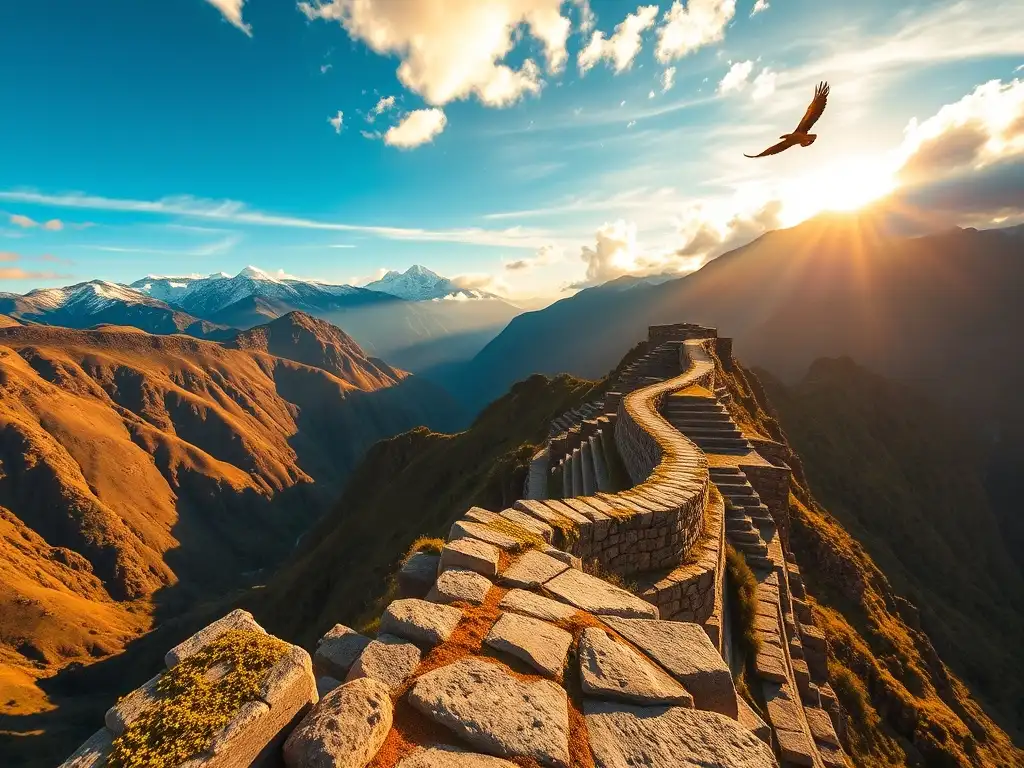
Step into a world lost to time, yet echoing with the ingenuity of the Andes. Prepare to be amazed by the breathtaking achievements of ancient civilizations, from the intricate artistry of the Nazca lines to the monumental structures of Tiahuanaco. But today, we delve into something truly remarkable: the Inca road system engineering. How did they conquer the treacherous Andes, creating a network that spanned an empire? Discover the secrets behind this astonishing feat of ancient engineering and unravel the mysteries of their unparalleled construction techniques. Begin your journey now!
The Inca Empire, renowned for its sophisticated civilization spanning the Andes Mountains, achieved remarkable feats in engineering, none more impressive than its extensive road network. This intricate system, known as the Qhapaq Ñan, wasn't merely a collection of pathways; it was the lifeblood of the empire, facilitating communication, trade, and military movements across a vast and challenging terrain.
This article delves into the impressive engineering behind the Inca road system, exploring its construction techniques, logistical challenges, and lasting legacy, showcasing the ingenuity and organizational prowess of this remarkable civilization. We will analyze the Inca road system engineering, revealing the secrets behind its effectiveness and endurance.
Understanding the Inca road system provides crucial insight into the complex societal structures and technological capabilities of the Inca Empire, highlighting its advanced planning and mastery of its environment. The scale and sophistication of this network stand as a testament to the Inca's remarkable understanding of engineering and their ability to overcome seemingly insurmountable obstacles.
Introduction to the Inca Road Network
The Inca road network, the Qhapaq Ñan, stretched over approximately 40,000 kilometers (25,000 miles), traversing diverse and challenging landscapes—from high-altitude mountain passes to dense rainforests and arid coastal deserts. This wasn't a single, continuous highway, but rather a complex system of interconnected roads, trails, and bridges, strategically designed to connect the various regions of the empire. The construction of this network required immense logistical planning and a highly organized workforce.
Inca engineers employed innovative techniques adapted to the specific geographical features of each region. For example, in mountainous areas, they expertly carved paths into steep slopes, utilizing retaining walls and drainage systems to prevent erosion and landslides. In areas prone to flooding, they constructed raised roadways and bridges.
The Inca’s mastery of stonework is evident throughout the road system; precisely cut stones were fitted together without mortar, creating durable and aesthetically pleasing structures that have withstood the test of time. Their understanding of terrain and their ability to adapt construction techniques to diverse environments were key to the success of this ambitious project. The impact of this network on the Inca Empire's administration, economy, and military strength was profound.
The Qhapaq Ñan: More Than Just a Road
The Qhapaq Ñan was far more than a simple transportation network; it was a crucial element of Inca societal structure and governance. It facilitated the efficient movement of goods, including agricultural products, textiles, and precious metals, across the vast empire. This robust infrastructure ensured the equitable distribution of resources and supported the empire's thriving economy. Furthermore, the Qhapaq Ñan played a vital role in communication.
Runners, known as chasquis, relayed messages along the roads at incredible speed, ensuring swift communication between distant regions. This rapid communication system was essential for maintaining order and responding quickly to any challenges or threats. The strategic placement of tambos (roadside inns) along the routes provided resting places for travelers, messengers, and officials, further enhancing the efficiency and effectiveness of the road system.
The military significance of the Qhapaq Ñan was also considerable; it allowed for the rapid deployment of troops across the empire, enabling the Incas to effectively maintain control over their vast territories and respond swiftly to any potential rebellions or external threats. The engineering marvel that is the Qhapaq Ñan served as a symbol of Inca power and dominance, a testament to their organizational skills and sophisticated engineering capabilities. The road system's impact extended far beyond mere transportation, shaping the social, economic, and political fabric of the Inca Empire.
- What makes the Inca road system so impressive from an engineering perspective?
- How did the Incas overcome the geographical challenges of the Andes when building their roads?
- What materials did the Incas primarily use in the construction of their roads?
- What was the purpose of the Inca road system beyond simple transportation?
- How did the Inca road system contribute to the success and expansion of the Inca Empire?
Inca Road System Engineering: Design and Construction
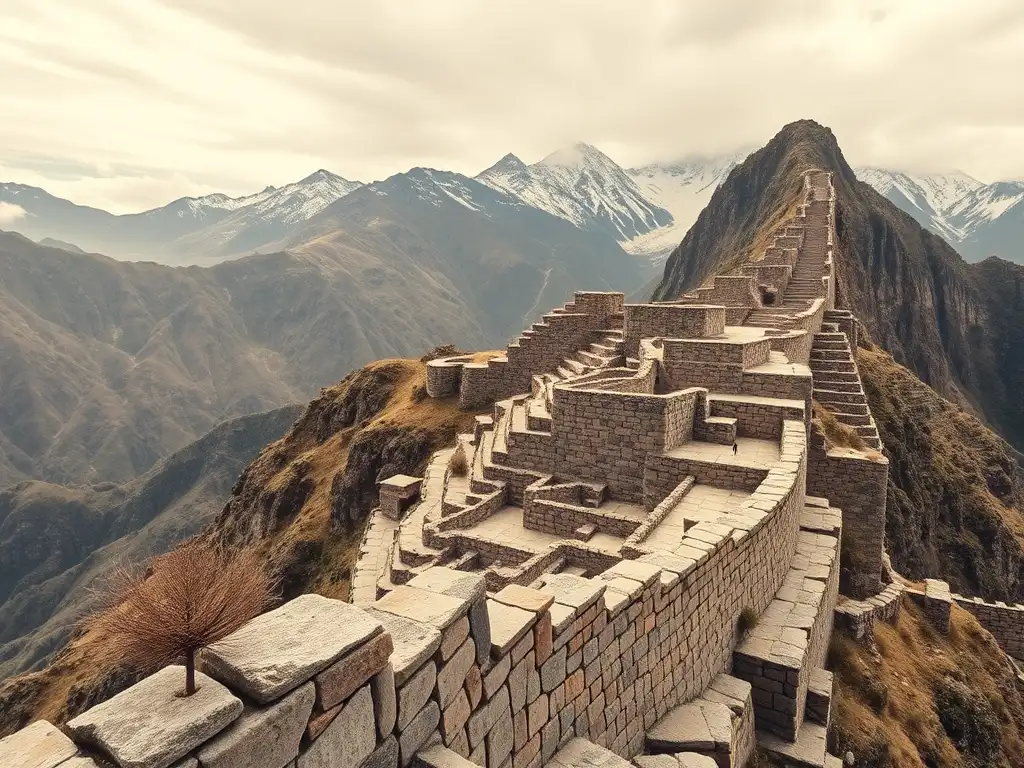
The Inca road system, a marvel of ancient engineering, stands as a testament to the ingenuity and organizational prowess of the Inca civilization. Spanning thousands of miles across diverse and challenging Andean terrain, this extensive network facilitated communication, trade, and military movement throughout the vast empire. Understanding the engineering principles behind its construction reveals a sophisticated understanding of surveying, materials science, and problem-solving.
This section delves into the key aspects of Inca road system engineering, focusing on the design and construction techniques employed. The sheer scale and functionality of the Inca road system, a feat of Inca road system engineering, continue to fascinate and inspire engineers today.
Planning and Surveying Techniques of Inca Roads
Inca road construction wasn't a haphazard undertaking. Meticulous planning and sophisticated surveying techniques were crucial to the success of this ambitious project. Evidence suggests the Incas employed a combination of methods for laying out their roads. They likely used a rudimentary form of triangulation, utilizing prominent landmarks like mountain peaks and valleys to establish straight lines over long distances. This is supported by the remarkably straight sections found in many stretches of the road system, especially in relatively flat areas.
Furthermore, the Incas demonstrated an advanced understanding of gradients and drainage. Roads were carefully graded to minimize steep inclines, making them suitable for both foot traffic and the transport of goods using llamas. Drainage systems, often incorporated into the road design itself, prevented water accumulation and erosion, ensuring the longevity of the infrastructure. The precision with which these roads were aligned and graded speaks to a deep understanding of surveying principles, far surpassing the capabilities of many contemporary societies. Consider the strategic placement of bridges and tunnels—clear evidence of detailed pre-construction planning and surveying.
Materials and Construction Methods of the Inca Road System
The Inca road system wasn't built using a single material or technique. Instead, the Incas displayed remarkable adaptability, choosing construction materials and methods appropriate to the local environment. In mountainous regions, they frequently used stone, carefully selecting and shaping blocks to fit together tightly without mortar. This dry-stone masonry technique, a hallmark of Inca architecture, resulted in incredibly durable and stable structures capable of withstanding earthquakes and weathering. The precision of the stonework is breathtaking; many sections of the road remain intact centuries later.
In other areas, particularly those with readily available resources, materials like earth, gravel, and wood were used. Earthworks were employed to create level stretches of road across uneven terrain. Gravel provided a durable surface layer, and timber was used for bridges and retaining walls. This flexible approach to materials selection and construction methods showcases the practicality and resourcefulness of Inca engineers. The selection of materials was clearly dictated by both availability and suitability for the specific environmental conditions. The ingenious combination of these materials resulted in a resilient and adaptable infrastructure.
Innovative Engineering Solutions in Inca Road Construction
The Inca road system wasn't just about building straight paths; it involved overcoming significant geographical challenges. The Incas demonstrated remarkable ingenuity in solving complex engineering problems, developing innovative solutions to navigate difficult terrain. One prime example is their construction of suspension bridges, which spanned deep gorges and rivers using ropes made from plant fibers. These bridges, though seemingly simple in design, represent a considerable achievement in engineering. They required a deep understanding of materials strength and load-bearing capabilities.
Another remarkable feat was the construction of tunnels and cuttings through mountains. These works, often carved directly into rock faces, demonstrate advanced knowledge of rock mechanics and excavation techniques. The precise alignment and construction of these tunnels, some of which are surprisingly long and straight, underscore the sophisticated planning and execution of Inca engineering projects. The intricate network of roads, bridges, and tunnels that make up the Inca road system is a testament to their problem-solving skills and innovative approach to infrastructure development. The Inca road system engineering was truly ahead of its time.
Key Features and Components of the Inca Road System
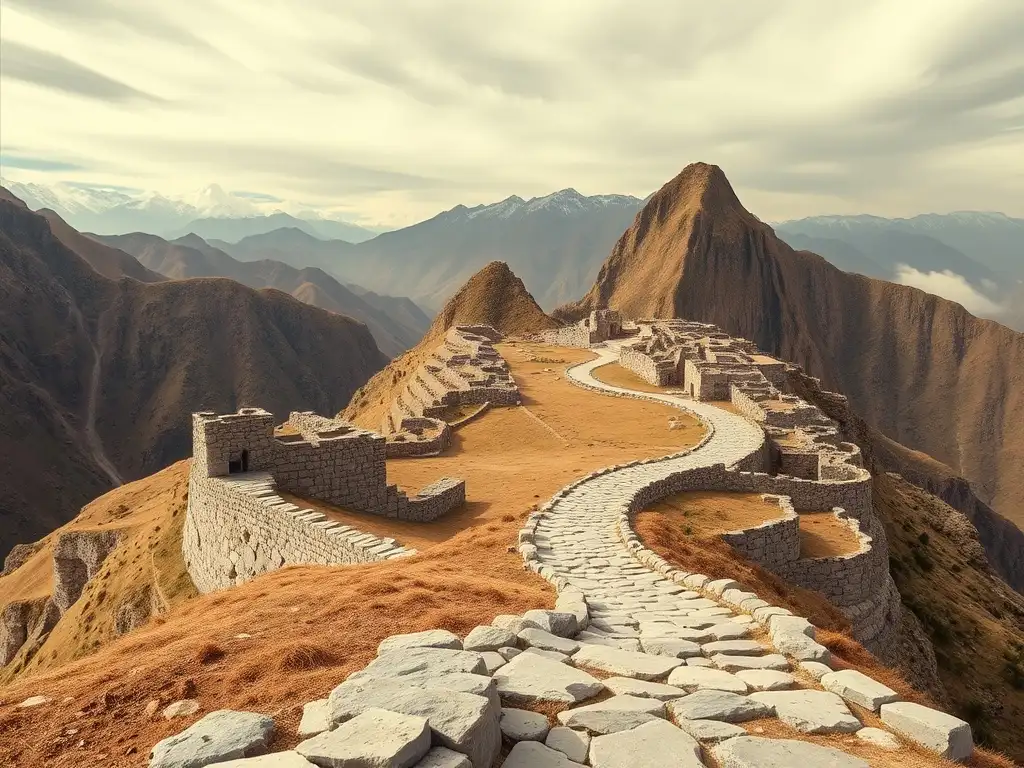
The Inca road system, a marvel of ancient engineering, wasn't just a network of paths; it was a meticulously planned and executed infrastructure project reflecting the Inca's advanced understanding of engineering principles and their sophisticated societal organization. Its success hinged on a combination of innovative construction techniques, strategic planning, and a highly organized workforce. Understanding the Inca road system engineering requires examining its key features: the strategic placement of tambos, the ingenious construction of bridges and tunnels, and the sophisticated road markers and signaling systems.
This intricate system facilitated trade, communication, and military movements across the vast and challenging Andean terrain, showcasing the empire's remarkable capabilities. The sheer scale and longevity of this network stand as a testament to Inca ingenuity and organizational prowess. Analyzing these components reveals the impressive level of planning and execution involved in creating this vital aspect of Inca civilization.
Tambos: Rest Stops and Supply Depots Along the Inca Roads
Tambos were strategically placed along the Inca roads, serving as crucial rest stops and supply depots. These structures weren't merely simple shelters; they were carefully designed buildings that catered to the needs of travelers, messengers, and officials moving along the extensive road network. Their design varied depending on location and purpose, ranging from small, basic shelters in less populated areas to larger, more elaborate complexes in more important locations.
Some tambos housed administrative personnel, while others served as storage facilities for food, supplies, and even livestock. The distribution of tambos was carefully planned to ensure that travelers were never too far from a place of rest and replenishment. The spacing between tambos was likely determined by factors such as terrain, altitude, and the expected travel time.
Archaeological evidence suggests that tambos played a vital role in supporting the empire's logistical operations, facilitating the efficient movement of people and goods across its vast territory. The presence of these structures along the roads highlights the Inca's emphasis on providing for the needs of their people and ensuring the smooth functioning of their vast empire. The precise number of tambos along the entire network remains uncertain, requiring further archaeological investigation.
Bridges and Tunnels: Overcoming Geographical Obstacles
The Inca road system wasn't limited by the challenges of the Andean landscape. Instead, Inca engineers cleverly overcame geographical obstacles using innovative techniques in bridge and tunnel construction. Their bridges, often built from stone, wood, and fiber ropes, spanned deep ravines and fast-flowing rivers. Some bridges were suspension bridges, demonstrating a sophisticated understanding of tensile strength and structural engineering.
The use of materials readily available in the local environment, combined with ingenious design, resulted in remarkably durable and effective structures. Similarly, tunnels were carved through mountains and hills, creating passable routes through otherwise impassable terrain. These tunnels, often meticulously engineered to maintain a consistent gradient, showcase the Inca's mastery of stonework and their ability to adapt their building techniques to the challenging conditions of the Andes.
The construction of these bridges and tunnels required significant engineering expertise, as well as a highly skilled and organized workforce. These structures are a testament to the Inca's adaptability and problem-solving skills, enabling them to construct a road network that connected even the most remote parts of their empire. The precise methods used in constructing these structures are still being studied, revealing the sophisticated knowledge of Inca engineers.
Road Markers and Signaling Systems of the Inca Empire
Beyond the physical construction of the roads themselves, the Inca Empire implemented a sophisticated system of road markers and signaling to facilitate efficient communication and travel along its extensive network. These systems ensured the smooth flow of information and goods, vital for maintaining control and stability across the vast empire. Archaeological evidence suggests the use of various markers, including carved stones, strategically placed piles of rocks, and even painted symbols on rocks.
These markers not only guided travelers but also served as territorial markers, reinforcing Inca control over the regions traversed by the roads. Furthermore, the Inca likely employed a system of visual signals, such as smoke signals or strategically positioned fires, to relay urgent messages across long distances. This combination of physical markers and visual signaling ensured efficient and rapid communication across the vast Andean terrain.
The exact nature and complexity of these signaling systems remain a subject of ongoing research, but the existing evidence clearly points to a well-developed and organized communication network that complemented the impressive physical infrastructure of the Inca road system. The effectiveness of this combined system highlights the Inca's focus on efficient communication as a key element of their imperial administration and control.
The Functionality and Importance of the Inca Road Network
The Inca road system, known as the Qhapaq Ñan, wasn't merely a network of paths; it was the very artery of the Inca Empire, a testament to their sophisticated engineering and organizational capabilities. Its functionality extended far beyond simple transportation, playing a crucial role in communication, trade, military control, and the overall unity of this vast and diverse empire. Understanding the Qhapaq Ñan's multifaceted importance is key to appreciating the Inca's remarkable achievements in Inca road system engineering.
The sheer scale of the project, spanning thousands of miles across challenging Andean terrain, is breathtaking. This section will delve into the specific ways this impressive infrastructure supported the Inca way of life.
Facilitating Communication and Trade within the Inca Empire
The Qhapaq Ñan enabled rapid and efficient communication across the empire. Couriers, known as chasquis, relayed messages along the roads using a sophisticated relay system. These runners, strategically stationed at intervals along the road network, could transmit urgent news or official decrees across vast distances in remarkably short periods. This swift communication was vital for coordinating military actions, managing resources, and maintaining control over the far-flung regions of the empire. Imagine the logistical challenges of governing such a diverse territory without a reliable communication system – the Qhapaq Ñan solved this problem brilliantly.
Furthermore, the road system significantly boosted trade and economic activity. Goods, ranging from agricultural products and textiles to precious metals and exotic goods from distant regions, were transported along these routes. The efficient movement of goods fostered economic interdependence and prosperity across the empire. The standardization of road widths and the construction of bridges and resting places facilitated trade, ensuring that goods could be transported safely and reliably, even across challenging geographical features. This efficient trade network contributed significantly to the overall economic strength and stability of the Inca Empire.
Military and Administrative Uses of the Inca Road System
The strategic importance of the Qhapaq Ñan for military purposes cannot be overstated. The roads allowed for the rapid deployment of troops to quell rebellions, defend against external threats, or enforce imperial authority. The Inca army could move swiftly across the empire, responding effectively to any challenges to their rule. The strategic placement of forts and military outposts along the roads further enhanced their defensive capabilities. The Inca road system engineering facilitated a highly mobile and efficient military response system, a key factor in maintaining the empire's stability and power.
Beyond military applications, the Qhapaq Ñan served vital administrative functions. Imperial officials could travel efficiently across the empire to oversee the administration of different provinces, collect taxes, and ensure compliance with imperial decrees. The roads connected the administrative centers of the empire, making it easier to manage the vast territory and maintain centralized control. This efficient administrative network, facilitated by the road system, was integral to the empire’s effective governance.
The Role of the Qhapaq Ñan in Inca Unity and Control
The Qhapaq Ñan was more than just a logistical network; it was a powerful symbol of Inca unity and imperial control. Its construction and maintenance were massive undertakings, requiring significant labor and resources. The very act of building the roads served to unify diverse populations under a common purpose, fostering a sense of shared identity and collective achievement.
The road network connected different ethnic groups and regions, promoting cultural exchange and integration within the empire. The standardization of road construction techniques and the consistent use of standardized materials across the empire also helped to solidify Inca rule and cultural dominance.
The Qhapaq Ñan served as a physical manifestation of Inca power and authority. Its impressive scale and engineering prowess demonstrated the capacity and might of the Inca state. The roads linked the empire's various centers of power, reinforcing the centralized control of the Inca leadership.
The seamless integration of the road network throughout the empire, reflecting a high degree of planning and coordination, was a critical factor in maintaining the empire's political unity and stability. The Qhapaq Ñan, therefore, served as a powerful symbol of Inca dominance and a crucial instrument for maintaining the empire's integrity and control. The impressive Inca road system engineering was a key element in the empire's success.
The Inca Road System's Impact on Andean Society
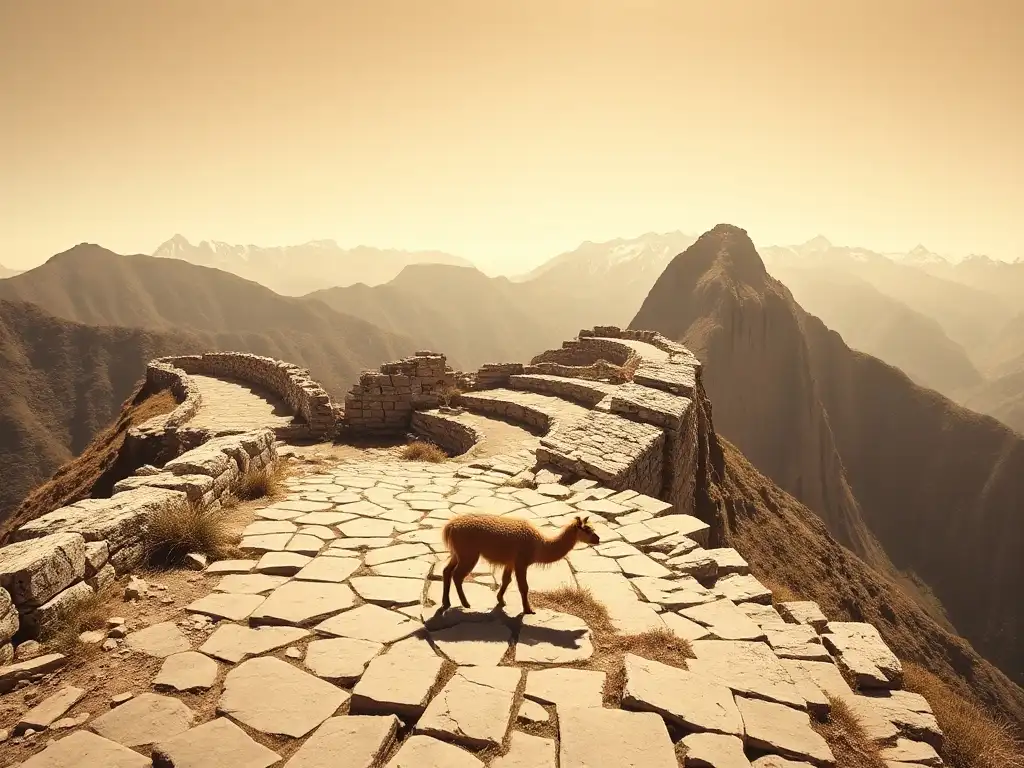
The Inca road system, a marvel of ancient engineering, profoundly impacted Andean society, extending far beyond its logistical function. Its influence permeated the cultural, economic, and social fabric of the empire, leaving an indelible mark on the region's development. Understanding the scope of this impact requires examining its multifaceted effects on communication, trade, and the overall societal structure of the Inca civilization.
The sheer scale of the Inca road system engineering is a testament to the ingenuity and organizational prowess of the Inca. It facilitated unprecedented levels of integration across diverse Andean communities, shaping their lives in profound ways. The efficiency of the system, built with meticulous planning and execution, is a key factor in understanding the Empire's success and longevity.
Cultural Exchange and Diffusion Through the Inca Roads
The Inca road system acted as a crucial artery for cultural exchange and diffusion throughout the vast empire. The movement of people – officials, artisans, messengers, and even common citizens – along these pathways fostered the sharing of ideas, traditions, and artistic styles. This facilitated a degree of cultural homogenization, while simultaneously allowing for the preservation of regional distinctiveness.
For instance, the spread of Quechua, the Inca language, along the roads contributed to a unifying linguistic element across diverse ethnic groups. However, this wasn't a process of complete cultural erasure. Regional variations in pottery, textiles, and religious practices continued to exist, demonstrating the complex interplay between centralized control and local autonomy facilitated by the road system.
The roads themselves became spaces of cultural interaction, with roadside shrines and resting places serving as points of convergence and exchange. Archaeological evidence suggests a vibrant exchange of goods and artistic motifs along these routes, reflecting the dynamic interplay between different Andean cultures within the Inca empire.
Economic Development and Trade Fueled by the Road System
The Inca road system was instrumental in stimulating economic development and trade across the Andes. The efficient transportation network facilitated the movement of goods, from agricultural products and textiles to precious metals and other resources, across vast distances. This enhanced the empire's ability to manage its resources, redistribute wealth, and maintain a stable economy.
The standardization of weights and measures, coupled with the establishment of waystations (tambos) along the roads, further streamlined trade and commerce. These tambos served as vital hubs for rest, supplies, and the exchange of goods, effectively creating a sophisticated logistical network. The system’s impact on agricultural practices is notable; the ability to transport surpluses from regions of abundance to areas experiencing scarcity minimized the risk of famine and ensured the stability of food supply across the empire.
This economic integration fostered a degree of interdependence amongst different regions, contributing to the empire's overall stability and prosperity. The efficient movement of goods also facilitated the accumulation of wealth within the Inca empire, further fueling its expansion and consolidation of power.
The Lasting Legacy of Inca Engineering in South America
The legacy of Inca road system engineering extends far beyond the empire's demise. Many sections of the road network remain visible today, serving as a testament to the ingenuity and skill of the Inca builders. The construction techniques employed, such as the use of interlocking stones and sophisticated drainage systems, demonstrate a high level of technical expertise and a deep understanding of Andean geography. The roads' enduring presence in the landscape has influenced subsequent infrastructure development in South America.
The strategic placement of roads, often following natural contours and utilizing existing pathways, continues to inform modern road planning in the region. Furthermore, the Inca road system's impact on Andean culture and identity is undeniable. The roads represent a powerful symbol of Inca achievement and a reminder of the empire's vast reach and influence.
The study of the Inca road system engineering continues to inspire awe and admiration for the technical prowess and organizational capabilities of this remarkable civilization. Their innovative approach to infrastructure development continues to be relevant and provides valuable lessons for modern engineering and urban planning. The system serves as a clear example of how sophisticated infrastructure can facilitate societal development, cultural exchange, and economic growth.
Preservation and Study of the Qhapaq Ñan Today
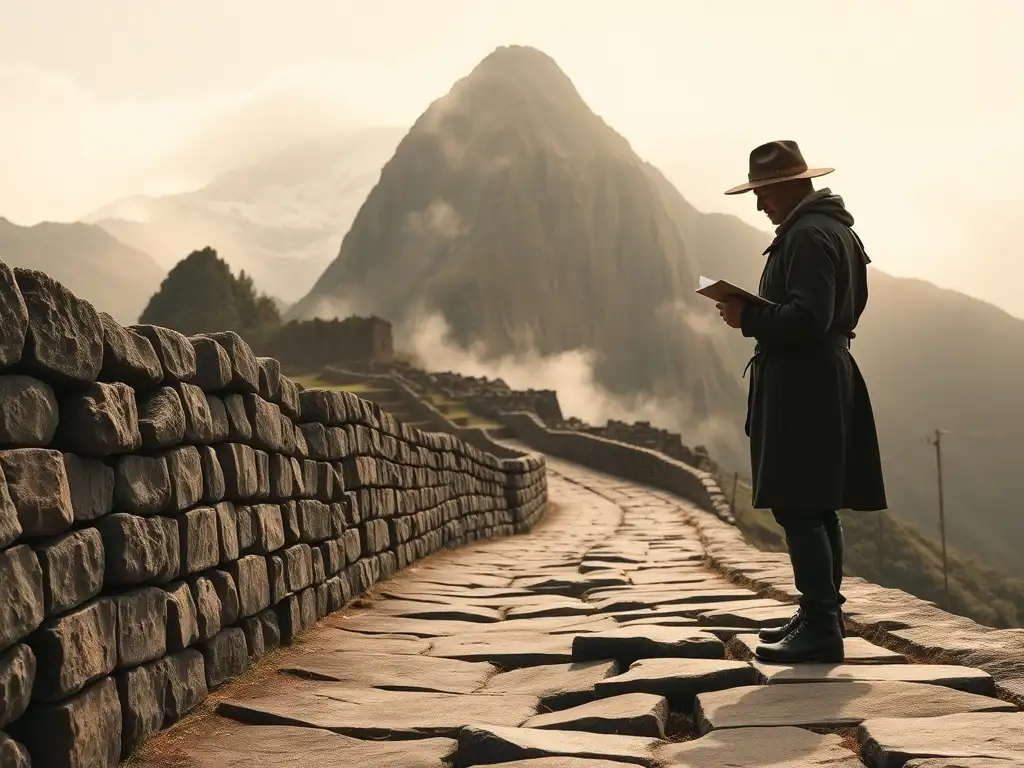
The Inca road system, or Qhapaq Ñan, a marvel of ancient engineering, faces the constant challenge of preservation in the face of time and the elements. Understanding the complexities of its construction and the materials used is crucial for effective conservation strategies. This requires a multi-faceted approach combining meticulous archaeological research with modern conservation techniques. The sheer scale of the Qhapaq Ñan—stretching thousands of miles across diverse terrains—makes this a monumental task, requiring international collaboration and significant funding.
Archaeological Research and Conservation Efforts
Archaeological research plays a pivotal role in understanding the Inca road system engineering. Teams of specialists, including archaeologists, anthropologists, and engineers, meticulously excavate sections of the road, analyzing the construction techniques, materials, and the overall design. This involves careful documentation of the stonework, including the types of stones used, the methods of cutting and fitting, and the presence of any mortar or binding agents.
For example, studies have revealed the sophisticated use of different types of stone depending on the terrain and the specific engineering challenges presented. In some areas, perfectly fitted polygonal stones demonstrate remarkable precision, while in other areas, more irregular stones were used, adapting to the natural landscape.
Furthermore, advanced techniques like ground-penetrating radar (GPR) and LiDAR are increasingly utilized to map and analyze the road network without causing damage to the existing structures. These technologies allow researchers to identify buried sections of the road, understand its overall layout, and assess its condition. This information is then used to inform conservation plans.
Conservation efforts focus on stabilization of vulnerable sections, using traditional techniques wherever possible to ensure authenticity while employing modern materials where necessary to provide stability and longevity. This delicate balance between preservation and intervention is crucial for the long-term survival of this invaluable historical resource. Careful monitoring of environmental factors, such as erosion and weathering, is also critical in developing effective long-term preservation strategies.
The Qhapaq Ñan holds immense cultural and historical significance, extending far beyond its engineering achievements. It stands as a testament to the Inca's organizational prowess, their sophisticated understanding of logistics, and their ability to integrate vast territories into a unified empire. This significance is increasingly recognized internationally, leading to efforts to promote the Qhapaq Ñan as a UNESCO World Heritage Site. The site's inclusion on the World Heritage list would significantly increase funding for preservation and research, further bolstering its protection.
Tourism related to the Inca road system is also growing, offering opportunities for economic development in the communities along its route. However, sustainable tourism practices are crucial to avoid damaging the fragile historical sites. Careful management of visitor numbers, the development of appropriate infrastructure, and community involvement in tourism initiatives are essential to ensure that tourism benefits the local population while preserving the integrity of the Qhapaq Ñan.
This includes educating tourists about the historical importance of the road and the need for respectful behavior while visiting the sites. The potential for responsible tourism to contribute to the long-term preservation of the Qhapaq Ñan is considerable.
Challenges and Future Perspectives for the Inca Road Network
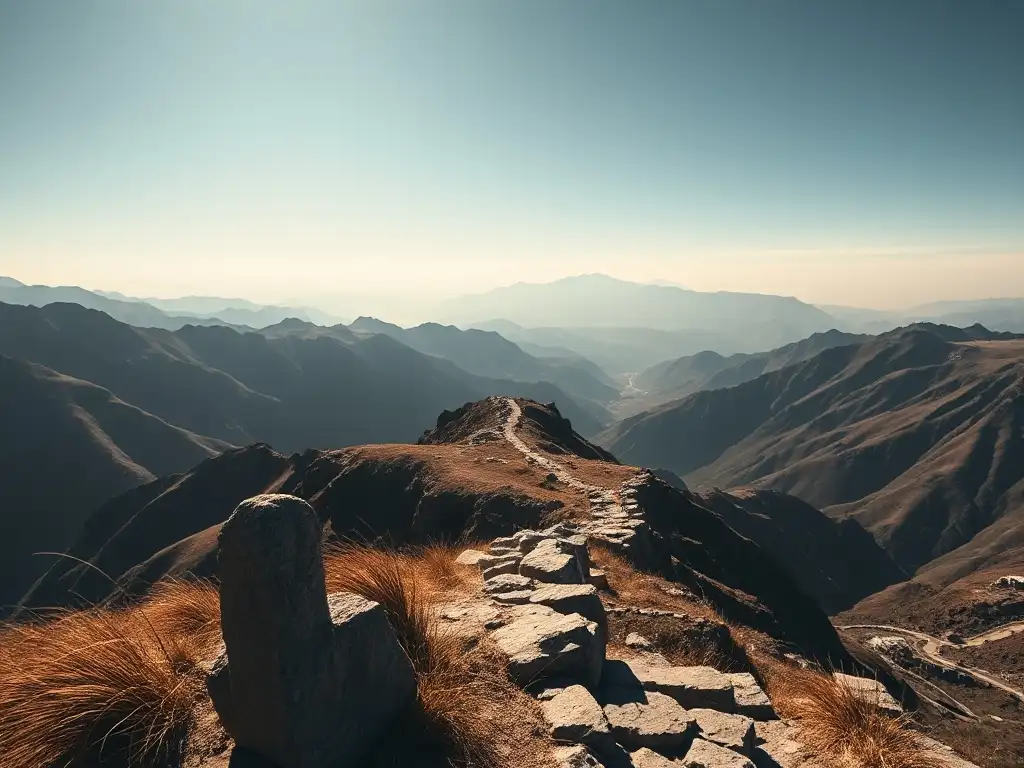
Despite ongoing preservation efforts, the Qhapaq Ñan faces numerous challenges. The sheer scale of the network, coupled with its exposure to the elements and the impact of human activity, necessitates ongoing maintenance and conservation. Many sections are threatened by erosion, landslides, and human encroachment. Illegal activities such as looting and vandalism also pose a constant threat. Furthermore, the impact of climate change, particularly increased rainfall and extreme weather events, presents a significant concern for the long-term stability of the Inca road system.
Addressing these challenges requires a collaborative, multi-disciplinary approach. This includes strengthening international cooperation to secure funding, enhance research, and develop effective preservation strategies. Local communities must be actively involved in the protection and management of the Qhapaq Ñan, ensuring that their cultural heritage is preserved for future generations.
Investing in education and awareness programs is vital to foster a sense of ownership and responsibility among local populations. The future of the Inca road system hinges on the successful integration of scientific knowledge, community involvement, and effective policy frameworks to ensure its long-term preservation and appreciation as a remarkable achievement of ancient Andean engineering. Continued research into Inca road system engineering will undoubtedly uncover further insights into their construction methods and the broader impact of this impressive feat of infrastructure on the Inca Empire.
Conclusion: The Inca Road System as an Engineering Marvel
The Inca road system stands as a monumental achievement in ancient engineering, a testament to the ingenuity and organizational prowess of the Inca civilization. Its scale, complexity, and durability, considering the available technology, are truly remarkable. The strategic placement of roads, the innovative construction techniques employed, and the efficient management of resources all contributed to the creation of a network that facilitated communication, trade, and military control across a vast and challenging terrain.
Understanding the Inca road system engineering provides invaluable insights into the sophisticated civilization that built it, challenging our modern perceptions of ancient capabilities. The system's impact resonates even today, inspiring awe and prompting further research into its intricacies.
The Enduring Significance of Inca Road System Engineering
The legacy of Inca road system engineering continues to influence modern engineering practices. The Inca's mastery of adapting to diverse geographical challenges, their use of readily available materials, and their understanding of structural principles offer valuable lessons for contemporary engineers. Their sustainable approach to construction, prioritizing the integration of the roads with the environment, serves as a model for environmentally conscious infrastructure development. The Inca road system's resilience against natural disasters, demonstrating exceptional durability despite seismic activity and harsh weather conditions, highlights the importance of robust design and construction techniques.
Studying the Inca's methods provides crucial insights for building sustainable and resilient infrastructure in challenging environments, particularly in mountainous regions. Furthermore, the Inca road system's sophisticated network design, optimized for communication and transportation, inspires modern network planning and management strategies. The enduring significance of Inca road system engineering lies not just in its historical importance but also in its continuing relevance to modern engineering practices and sustainable development. Further research into the specific materials used, such as the precise composition of the mortars and the sourcing of stones, could unlock even more secrets to their exceptional durability.
Analyzing the intricate drainage systems integrated into the road network could also inform modern solutions for mitigating the impact of water damage on infrastructure. The Inca road system, a marvel of ancient engineering, continues to offer valuable lessons for the future. The detailed study of its construction, maintenance, and overall impact is crucial for fostering innovation in modern engineering. 🗺️ The system’s longevity underscores the importance of considering long-term sustainability in infrastructure projects, a lesson that resonates deeply in our modern world.
Frequently Asked Questions
What makes the Inca road system so impressive from an engineering perspective?
The Inca road system is impressive due to its extensive network spanning thousands of miles across challenging Andean terrain. Its innovative construction techniques, including suspension bridges and stone paving, allowed for efficient travel and communication across diverse landscapes. The system's durability and adaptability to the environment are also noteworthy.
How did the Incas overcome the geographical challenges of the Andes when building their roads?
The Incas demonstrated remarkable adaptability by utilizing terracing, stonework, and strategic route planning. They skillfully navigated steep mountains, deep canyons, and dense jungles, employing ingenious solutions to overcome these obstacles. Their understanding of the terrain was crucial to their success.
What materials did the Incas primarily use in the construction of their roads?
The Incas primarily used stone for road construction, expertly fitting stones together without mortar. They also utilized earth, wood, and other readily available materials depending on the specific location and the challenges of the terrain. The choice of materials reflected both availability and durability.
What was the purpose of the Inca road system beyond simple transportation?
Beyond transportation, the Inca road system served strategic military purposes, facilitating rapid troop movement and control over the empire. It also played a vital role in communication, enabling the swift transmission of messages and the efficient distribution of goods and resources across vast distances. It was essential for political and economic integration.
How did the Inca road system contribute to the success and expansion of the Inca Empire?
The extensive network of roads was instrumental in the Inca Empire's success. It facilitated trade, communication, and military control, allowing for the efficient administration and governance of a vast and diverse territory. This integrated infrastructure was essential to the empire's growth and stability.
Final Reflection: Echoes of the Inca Road: A Legacy of Ingenuity
The Inca road system, a marvel of ancient engineering, remains a potent symbol of human ingenuity and a testament to the power of collaborative effort. Its sophisticated design, encompassing thousands of miles of meticulously crafted pathways across treacherous terrain, continues to inspire awe and wonder in the modern world, prompting us to reconsider our own approaches to infrastructure and societal organization. The sheer scale of this achievement, accomplished without the benefit of modern tools or technology, stands as a powerful challenge to our assumptions about what is possible.
The enduring legacy of the Inca road system extends far beyond its physical presence; it represents a profound cultural and social achievement. Its impact resonates even today, influencing our understanding of sustainable development, community building, and the importance of interconnectedness. The roads themselves were not merely pathways; they were arteries of communication, trade, and cultural exchange, binding a vast empire together. The Inca road system was not just a network of paths, but a living organism, pulsating with the lifeblood of a civilization.
This quote encapsulates the vibrant reality of the Inca civilization, a reality shaped and sustained by their remarkable engineering feat.
Consider the ingenuity of the Inca engineers, their deep understanding of their environment, and their commitment to a vision that transcended generations. You too possess the capacity for innovation and the power to shape your own world. Reflect on the challenges you face, and consider how the principles of collaboration, resourcefulness, and long-term vision, so clearly demonstrated by the Inca road system, might help you overcome them. Embrace the spirit of ingenuity, and let the echoes of the Inca road inspire you to build your own lasting legacy.
**Unveil the Wonders of the Inca Road System! **
Thank you for exploring the incredible engineering achievements of the Inca road system! We hope you enjoyed learning how this remarkable network shaped trade, communication, and culture in the Andes. Now, let's put your newfound knowledge to work!
- **Dive deeper:** Visit historical sites like Machu Picchu or Ollantaytambo to experience the Inca's ingenuity firsthand. Alternatively, delve into the rich history and groundbreaking techniques through books and documentaries.
- **Share your knowledge:** Inspire others by discussing the fascinating aspects of Inca civilization with friends, family, or on social media. Spark conversations about Andean history and its enduring legacy.
- **Join a community:** Connect with fellow history enthusiasts through local archaeology groups or online forums dedicated to Inca studies. Share your insights and learn from others' experiences.
What aspect of the Inca road system most captivates you, and how do you believe its innovative design influenced modern engineering practices?