
The Role of Astronomy in Tiahuanaco Religion: Celestial Observations and Beliefs

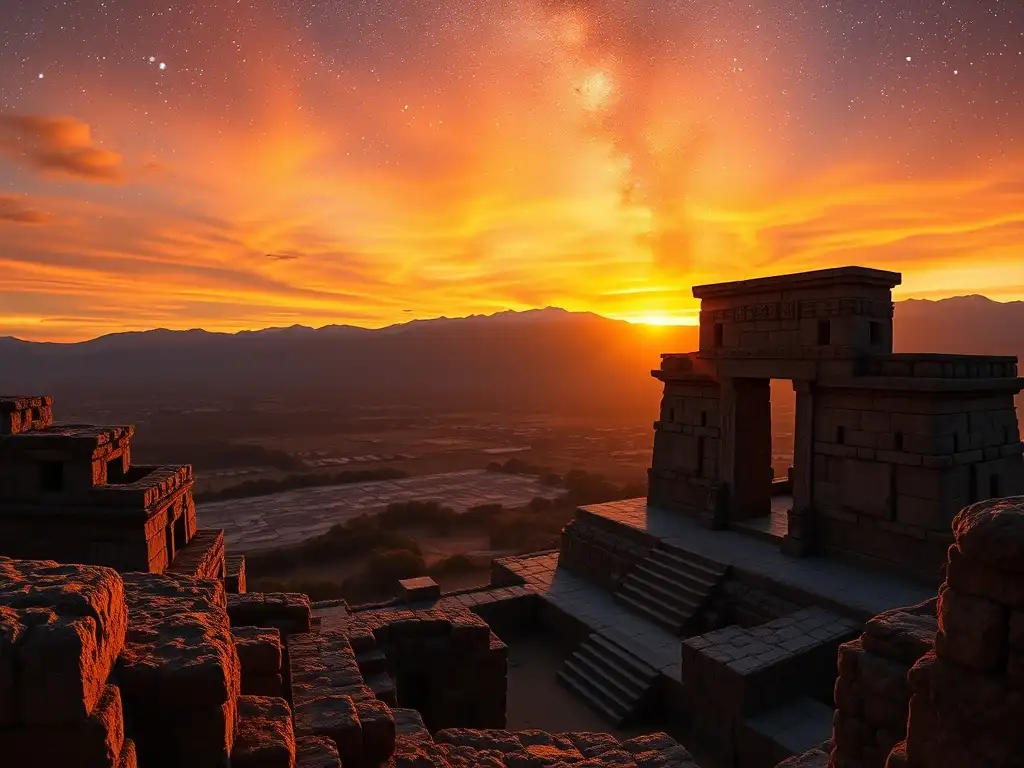
Step into a world lost to time, yet echoing with the whispers of celestial secrets. Imagine a civilization where the mountains touched the heavens, and the movements of the stars dictated the very rhythm of life. The Andean Civilizations website invites you to unravel the mysteries of the past, beginning with an exploration of Tiahuanaco astronomy religious beliefs. Discover how the ancient inhabitants of Tiahuanaco wove the cosmos into their very being – a story waiting to be unveiled. Prepare to be amazed.
- Tiahuanaco Astronomy and Religious Beliefs: Understanding Celestial Influences
- The Significance of Celestial Observation in Tiahuanaco Society
- Integrating Astronomy into Tiahuanaco Religious Practices
- The Astronomical Calendar and Tiahuanaco Rituals
- Tiahuanaco Cosmology and its Reflection in Religious Art
- The Legacy of Tiahuanaco Astronomical Knowledge and Religious Thought
-
Frequently Asked Questions
- What role did astronomy play in Tiahuanaco culture?
- How did Tiahuanaco people use astronomy in their daily lives?
- What specific celestial bodies were important to Tiahuanaco religion?
- What evidence supports the link between Tiahuanaco astronomy and religion?
- How does the Tiahuanaco understanding of astronomy compare to other Andean civilizations?
- Final Reflection: Starry Echoes of Tiahuanaco
- **Unveil the Mysteries of Tiahuanaco’s Celestial Wonders! **
Tiahuanaco Astronomy and Religious Beliefs: Understanding Celestial Influences
The enigmatic Tiahuanaco civilization, flourishing in the Bolivian Andes from approximately 500 CE to 1000 CE, left behind a legacy of monumental architecture and intricate artistry that continues to fascinate researchers and inspire awe. Beyond its impressive city planning and sophisticated agricultural techniques, however, lies a deeply complex religious system profoundly intertwined with astronomical observations and celestial beliefs.
This article delves into the fascinating relationship between Tiahuanaco astronomy and its religious practices, exploring how the meticulous tracking of celestial events shaped their cosmology, rituals, and worldview. We will examine the evidence suggesting a sophisticated understanding of the cosmos and how this understanding manifested in their religious beliefs and practices, ultimately contributing to a richer understanding of the "Tiahuanaco astronomy religious beliefs" that defined this remarkable civilization.
By analyzing architectural alignments, iconography, and archaeological findings, we aim to unravel the mysteries surrounding the Tiahuanaco's celestial connection and its impact on their spiritual life.
Architectural Alignments and Celestial Events
The monumental structures of Tiahuanaco, particularly the Kalasasaya complex and the Puerta del Sol (Sun Gate), exhibit remarkable alignments with significant celestial events. Detailed studies suggest that these alignments were not accidental but rather deliberate, reflecting a precise understanding of the sun's movements, solstices, and equinoxes. For example, the Kalasasaya's main axis appears to be aligned with the rising sun during the winter solstice, a date of significant religious importance in many Andean cultures. This precision implies a sophisticated knowledge of astronomy, far surpassing simple observation. Further research is needed to fully understand the complexities of these alignments and their relationship to specific rituals and ceremonies.
The precise measurements and the sheer scale of these structures underscore the level of planning and engineering capability present in Tiahuanaco society, suggesting a highly organized and centralized power structure dedicated to the precise alignment of their religious structures with the cosmos. This careful planning is not merely a feat of engineering but also a powerful statement of the importance of astronomy to their religious worldview.
Iconography and Celestial Symbolism
Tiahuanaco iconography is rich with symbols that seem to represent celestial bodies and astronomical phenomena. The Puerta del Sol, for instance, is adorned with intricate carvings depicting figures and symbols interpreted by some scholars as representations of constellations, celestial deities, or cosmological cycles. These interpretations, however, remain a subject of ongoing debate among researchers.
The repeated appearance of specific motifs, such as stylized representations of the sun, moon, and stars, throughout Tiahuanaco art strongly suggests a deep-seated connection between religious beliefs and astronomical observations. Further research into the specific meanings of these symbols and their placement within the larger context of Tiahuanaco art is crucial for a complete understanding of their cosmology. The intricate detail and symbolic richness of these carvings suggest a complex system of belief deeply rooted in the observation and understanding of the celestial world.
Ritual Practices and Celestial Cycles
The agricultural cycle, intrinsically tied to the sun's movements and seasonal changes, was likely a central element in Tiahuanaco religious practices. The timing of agricultural activities, such as planting and harvesting, may have been dictated by astronomical observations, emphasizing the close relationship between the celestial and earthly realms. Archaeological evidence, though limited, suggests the possibility of ritual ceremonies linked to specific astronomical events.
However, the precise nature of these rituals and their connection to astronomical observations requires further investigation. The interplay between the cyclical nature of the seasons and the cyclical nature of religious observance suggests a society deeply intertwined with the rhythms of the cosmos. More detailed research into the archaeological record may reveal further evidence of specific ritual practices linked to celestial events.
The Role of Celestial Deities
While specific details about Tiahuanaco's pantheon of deities remain elusive, it is highly probable that celestial bodies held a prominent position within their religious system. The sun, moon, and stars may have been venerated as deities or powerful forces influencing human affairs. The prominence of solar and lunar imagery in Tiahuanaco art supports this hypothesis.
Further research is needed to identify specific celestial deities and their roles within Tiahuanaco religious beliefs. The very structure of the religious system likely revolved around the relationship between the earthly and celestial, with specific deities representing and mediating the forces of the cosmos. The lack of extensive written records presents a significant challenge in fully understanding the nuances of Tiahuanaco's religious beliefs, however, further archaeological discoveries and detailed analysis of existing artifacts may shed light on this crucial aspect of their culture.
The Significance of Celestial Observation in Tiahuanaco Society
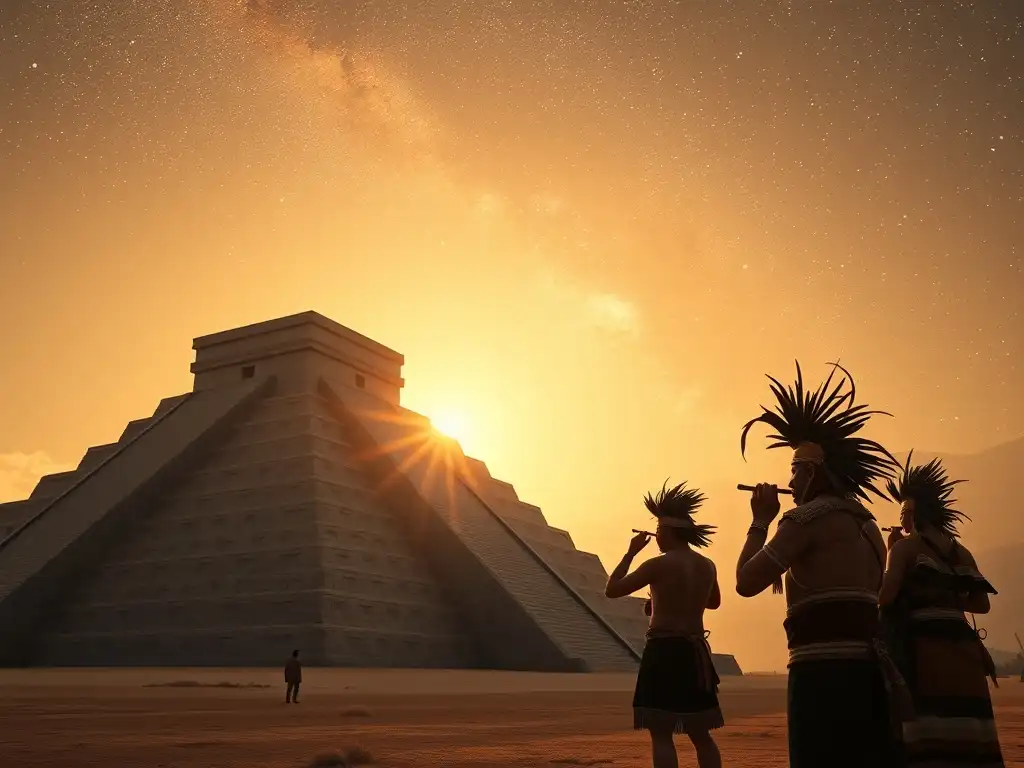
The integration of astronomy into the religious beliefs of Tiahuanaco was not merely a matter of casual observation; it was a deeply ingrained aspect of their societal structure, influencing their worldview, rituals, and even urban planning. Celestial events held profound significance, shaping their understanding of the cosmos and their place within it. The meticulous tracking of celestial bodies wasn't simply a scientific pursuit; it was a sacred duty, intimately connected with their spiritual life and the maintenance of cosmic order.
This intricate relationship between astronomy and religion is evidenced in various aspects of Tiahuanaco culture, from their sophisticated architecture to their complex religious iconography. The precision and sophistication of their astronomical knowledge suggest a highly developed understanding of the celestial cycles, far surpassing what was previously thought possible for a pre-Columbian civilization. This understanding highlights the advanced level of their scientific and religious development, emphasizing the importance of celestial observations in understanding Tiahuanaco's religious beliefs and practices.
The study of Tiahuanaco astronomy offers a unique window into the intellectual and spiritual capabilities of this remarkable civilization, enriching our understanding of their complex cosmology and its impact on their daily lives. Understanding this connection is crucial to grasping the full depth and complexity of Tiahuanaco religious beliefs.
Tiahuanaco's Advanced Astronomical Knowledge
Tiahuanaco astronomers possessed a surprisingly advanced understanding of celestial mechanics. Evidence suggests they accurately tracked the movements of the sun, moon, and stars, using this knowledge to predict solstices, equinoxes, and other significant astronomical events. Their calendar system, though not fully understood, appears to have been remarkably precise, possibly incorporating both solar and lunar cycles.
This level of astronomical sophistication wasn't merely coincidental; it was essential to their religious practices. The precise alignment of structures like the Kalasasaya suggests a deliberate effort to incorporate astronomical observations into their architecture, implying a profound connection between the earthly and celestial realms. The ability to predict celestial events likely enhanced their social standing and influence, allowing them to act as intermediaries between the human and divine worlds.
Further research is needed to fully unravel the complexities of their astronomical knowledge, but existing evidence strongly points to a level of sophistication that challenges previously held assumptions about pre-Columbian astronomical capabilities. The precision of their observations, coupled with the religious significance attributed to celestial events, solidifies the importance of astronomy within the fabric of Tiahuanaco society. This advanced knowledge was not simply theoretical; it was actively applied to their religious practices and daily life.
Evidence of Astronomical Practices in Tiahuanaco Architecture
The architectural marvels of Tiahuanaco bear undeniable testament to their sophisticated astronomical knowledge. The Kalasasaya, a massive stone structure, is perhaps the most compelling example. Its precise alignment with the solstices and equinoxes indicates a deliberate integration of astronomical principles into its design. The orientation of doorways, windows, and other architectural features suggests a conscious attempt to mark significant celestial events.
Furthermore, the placement of other structures within the Tiahuanaco complex might also reflect astronomical considerations, though further research is needed to confirm these hypotheses. The precision required for such alignments is remarkable, suggesting a sophisticated understanding of geometry and astronomy. This is not merely a matter of chance; the intricate planning and execution demonstrate a deep connection between their religious beliefs and their environment. These astronomical alignments were not merely decorative; they served a crucial religious function, reinforcing the connection between the terrestrial and celestial spheres.
The careful consideration of astronomical principles in the construction of Tiahuanaco's monumental architecture underscores the central role of celestial observation in their religious beliefs and practices. The integration of astronomy into their architecture is a powerful testament to the profound significance of celestial events in their cosmology. Further detailed analysis of Tiahuanaco architecture, employing modern surveying techniques, could reveal even more evidence of their advanced astronomical knowledge and its religious implications. The use of advanced tools and techniques might unlock further secrets hidden within the stones of Tiahuanaco.
Integrating Astronomy into Tiahuanaco Religious Practices
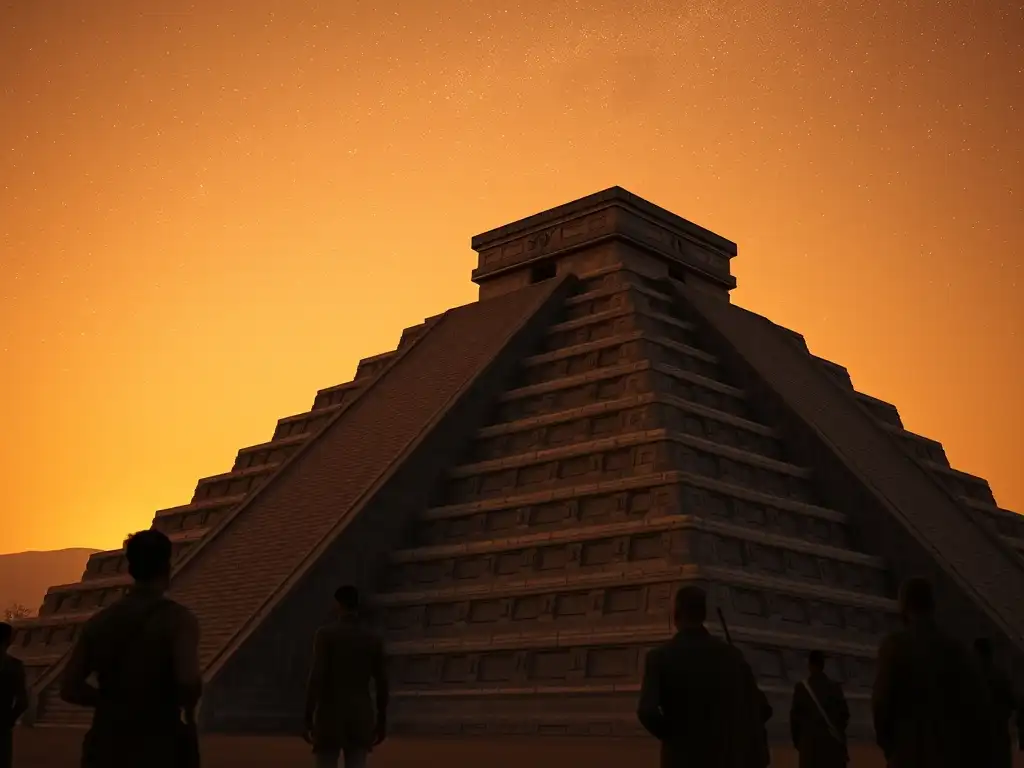
The Tiahuanaco civilization, flourishing in the Andean highlands between 500 and 1000 CE, intricately intertwined astronomical observations with its religious beliefs and practices. Their sophisticated understanding of celestial movements, evidenced by architectural alignments and iconography, suggests a deep-seated reverence for the cosmos and its influence on their lives.
This integration wasn't merely a matter of observation; it formed the very foundation of their worldview, shaping their rituals, social structures, and understanding of the divine. The meticulous planning evident in Tiahuanaco's monumental structures, such as the Kalasasaya Temple, strongly implies a deliberate attempt to align buildings with specific celestial events, transforming the physical landscape into a giant astronomical calendar.
This section explores the key celestial bodies and their roles within the Tiahuanaco religious framework, illuminating the profound connection between their astronomy and religious beliefs – a critical aspect of understanding Tiahuanaco cosmology. The term "Tiahuanaco astronomy religious beliefs" aptly encapsulates this intricate relationship.
The Sun God Inti and its Role in Tiahuanaco Religion
The Sun God Inti, a central deity across many Andean cultures, held paramount importance in Tiahuanaco religion. Evidence suggests that the Kalasasaya Temple, with its precisely aligned gateways and structures, functioned as a solar observatory. The positioning of the temple allowed priests to meticulously track the sun's solstices and equinoxes, marking pivotal moments in the agricultural calendar and religious cycle.
These observations weren't simply for practical purposes; they were integral to understanding Inti's power and influence. The sun's annual journey across the sky was interpreted as a manifestation of Inti's cyclical power, his life-giving energy sustaining the crops and the very fabric of their society.
The iconography of Tiahuanaco further reinforces the sun's significance. Numerous artifacts depict solar motifs, often associated with figures of authority and power, highlighting the sun's role as a symbol of divine kingship and cosmic order. The Tiahuanaco elite likely used their astronomical knowledge to legitimize their rule, connecting their authority directly to the celestial realm and the powerful Sun God.
Furthermore, the precise orientation of certain structures suggests specific rituals were timed to coincide with key solar events, reinforcing the sacred nature of these observations and their integration with religious practices. The precise details of these rituals, however, remain partially obscured by the passage of time; further research is needed to fully understand the intricacies of sun worship in Tiahuanaco.
The Moon Goddess Quilla and her Significance
While Inti dominated, the Moon Goddess Quilla played a significant, albeit perhaps less overtly prominent, role in Tiahuanaco's religious system. Unlike the sun's regular and predictable movements, the moon's phases provided a different kind of celestial rhythm, associated with cycles of fertility, growth, and decay. The cyclical nature of the moon's phases likely resonated deeply with the agricultural practices of the Tiahuanaco people, influencing their understanding of time and the natural world. It's plausible that the lunar calendar played a complementary role to the solar calendar, shaping the timing of certain ceremonies and agricultural activities.
Unfortunately, direct evidence linking specific Tiahuanaco structures to lunar observations is less abundant compared to solar alignments. However, the pervasive presence of moon-related iconography on artifacts and textiles suggests a considerable importance attributed to Quilla.
Further research, including detailed astronomical analysis of the existing structures and a more comprehensive study of Tiahuanaco iconography, is needed to fully understand the role of the moon goddess in their religious beliefs and practices. The interplay between the solar and lunar cycles within the Tiahuanaco worldview likely held profound significance, reflecting a more nuanced understanding of cosmic forces beyond the simple dominance of the sun.
Star Worship and Constellation Recognition in Tiahuanaco Cosmology
Beyond the sun and moon, the stars also held a significant place in Tiahuanaco cosmology. While specific constellations recognized by the Tiahuanaco people are still under investigation, the presence of intricate star patterns on textiles and ceramics suggests a developed understanding of the night sky. This knowledge likely informed their religious beliefs and practices, potentially influencing the timing of specific rituals and ceremonies. The use of astronomical knowledge to predict seasonal changes and agricultural cycles further underscores the importance of stargazing in their daily life.
The precise methods employed by the Tiahuanaco to track stellar movements remain uncertain. However, the sophistication of their other astronomical observations suggests a high level of skill and understanding. It is highly probable that they used a combination of observation, oral traditions, and possibly rudimentary instruments to chart the stars and their movements.
Further research into the iconography and possible alignment of structures with specific star patterns could unveil a richer understanding of Tiahuanaco's star worship and its connection to their religious beliefs. The discovery of new artifacts and the application of advanced astronomical techniques could significantly contribute to this fascinating area of study, potentially revealing a more complete picture of Tiahuanaco's celestial worldview. Uncovering further details about their "Tiahuanaco astronomy religious beliefs" regarding star worship could significantly expand our understanding of this fascinating civilization.
The Astronomical Calendar and Tiahuanaco Rituals
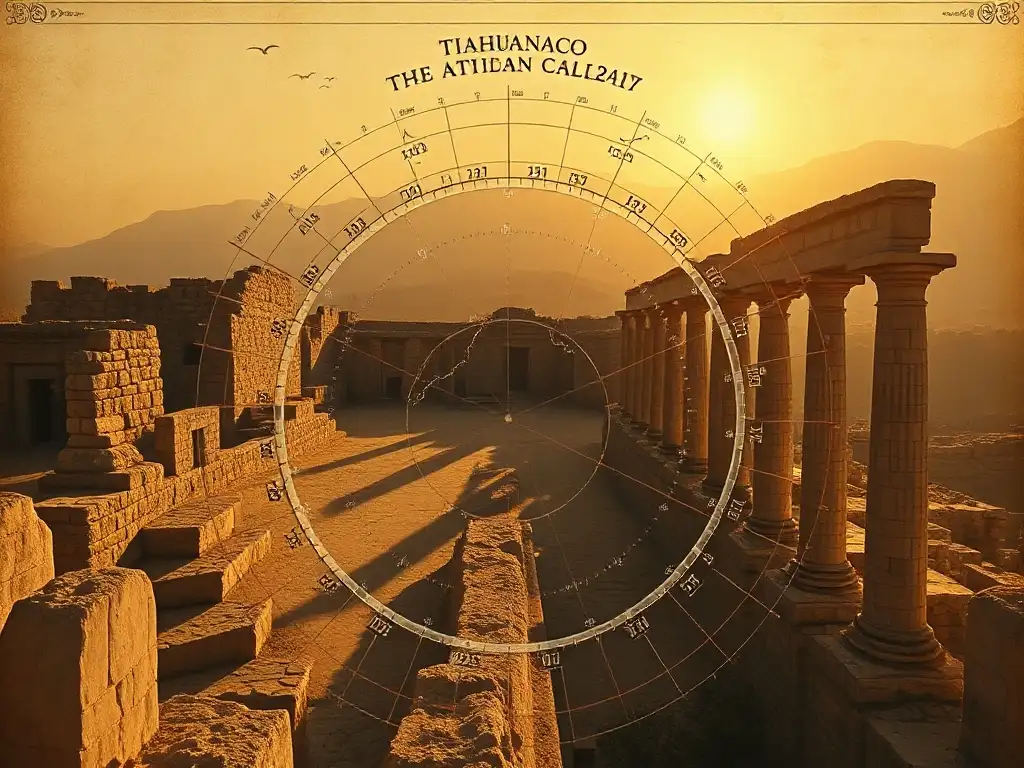
The intricate relationship between astronomy and religious practices in Tiahuanaco is evidenced by the sophisticated calendrical system interwoven into their rituals and societal structure. Understanding this celestial calendar is key to deciphering the beliefs and practices of this advanced Andean civilization. The Tiahuanaco people didn't simply observe the stars; they actively incorporated celestial events into their daily lives, shaping their agricultural practices, religious festivals, and even the very architecture of their city.
Their profound understanding of astronomy reflected a deep spiritual connection with the cosmos, a cosmology deeply embedded in their religious beliefs. This section delves into the specific ways in which the Tiahuanaco calendar impacted their religious life, demonstrating the profound importance of astronomical observations in their society. The precise nature of their astronomical knowledge continues to be a subject of ongoing research, but existing evidence suggests a remarkably advanced understanding of celestial cycles for the time period.
Tiahuanaco Solar Calendar: Agricultural Cycles and Ceremonies
The Tiahuanaco solar calendar played a crucial role in regulating agricultural practices and religious ceremonies. Evidence suggests a precise understanding of the solstices and equinoxes, pivotal moments in the agricultural year. The positioning of key structures within the city, such as the Kalasasaya complex, seems strategically aligned to mark these significant solar events.
For example, the precise observation of the summer solstice likely marked the beginning of the planting season, triggering elaborate ceremonies designed to ensure a bountiful harvest. These ceremonies, likely involving offerings and prayers to deities associated with fertility and agriculture, were integral to the Tiahuanaco worldview. The timing of these rituals was not arbitrary; the solar calendar provided a framework for their performance, emphasizing the interconnectedness between the celestial realm and the earthly needs of the community.
Further research is needed to fully understand the specific rituals associated with each solar event, but the evidence points to a highly organized system of agricultural and religious practices governed by the solar calendar. The precise details of the ceremonies, including the offerings and the roles of specific individuals, remain areas of ongoing scholarly investigation. We can, however, confidently assert the importance of the solar calendar in structuring Tiahuanaco life.
Lunar Cycles and Religious Festivals in Tiahuanaco
Beyond the solar calendar, lunar cycles also played a significant role in Tiahuanaco religious festivals. While the exact nature of these celebrations remains partially unknown, archeological findings suggest a strong association between lunar phases and specific religious events. The cyclical nature of the moon, mirroring the cycles of life and death, likely held symbolic importance, influencing the timing of rituals related to fertility, rebirth, and ancestor veneration.
Some scholars hypothesize that the full moon, a particularly potent symbol, may have been associated with major festivals, perhaps involving community gatherings, processions, and sacrificial offerings. The potential connection between lunar cycles and the water management systems of Tiahuanaco, given the region's arid climate, is another intriguing avenue of research. This suggests the lunar calendar might have held practical implications beyond purely religious practices, influencing the timing of irrigation and water distribution.
The interplay between the lunar and solar calendars in Tiahuanaco remains a complex area requiring further study, but the evidence strongly suggests that lunar cycles were integral to their religious observances and possibly even their water management strategies. The lack of extensive written records makes reconstructing the details of these festivals challenging, but the available evidence points to a sophisticated understanding of lunar cycles and their significance in Tiahuanaco society.
Alignment of Structures with Celestial Events
The precise alignment of various structures within the Tiahuanaco complex strongly suggests an intentional connection to specific celestial events. This deliberate orientation of buildings and monuments is not accidental; it demonstrates a sophisticated understanding of astronomy and its integration into the urban planning of the city. The Kalasasaya, for instance, exhibits alignments with the solstices and equinoxes, as mentioned previously.
Other structures may have been aligned with the rising or setting points of particular stars or constellations, further emphasizing the importance of celestial observations in their religious cosmology. These alignments served not only as astronomical markers but also as powerful symbols, reinforcing the sacred nature of the city and its connection to the cosmos. The meticulous precision of these alignments highlights the advanced astronomical knowledge of the Tiahuanaco people and their ability to translate this knowledge into the physical layout of their urban environment.
The exact significance of each alignment remains a subject of ongoing research, but the evidence clearly indicates a deliberate and sophisticated integration of astronomy into the urban planning and religious practices of Tiahuanaco. Further studies using advanced surveying techniques and astronomical modeling could shed more light on the precise astronomical alignments and their religious interpretations. The study of these alignments provides crucial insights into the Tiahuanaco worldview and their profound understanding of the universe.
Tiahuanaco Cosmology and its Reflection in Religious Art
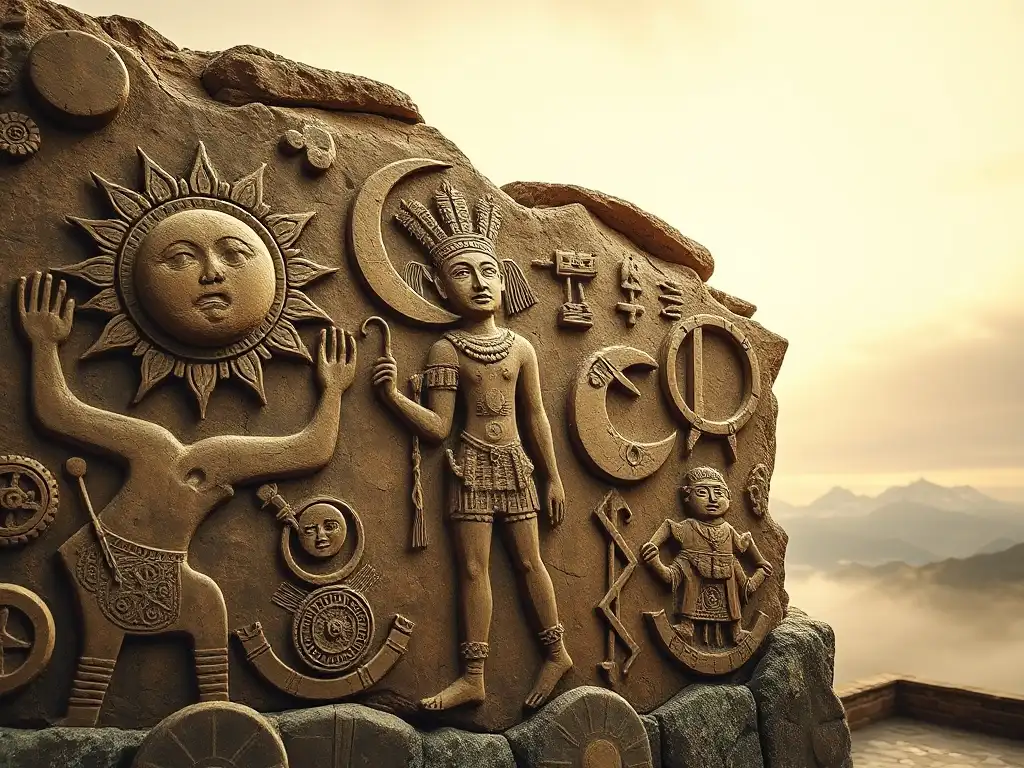
The cosmology of Tiahuanaco, a pre-Columbian civilization that flourished in the Andes, profoundly influenced its religious beliefs and artistic expressions. Their worldview, deeply intertwined with astronomical observations, is vividly depicted in their intricate iconography and monumental architecture. Understanding Tiahuanaco astronomy religious beliefs requires examining the sophisticated ways in which celestial events and constellations were integrated into their religious practices and artistic representations.
This section delves into the specific ways in which their cosmology manifested in their art, providing concrete examples and analysis. The intricate details carved into their artifacts aren't simply decorative; they are powerful statements about their connection to the cosmos.
The meticulous precision suggests a deep understanding of astronomy and its significance in their religious system, a testament to the advanced knowledge of this Andean civilization. The very layout of their cities, such as the positioning of structures in relation to the sun's movement, hints at a deliberate alignment with celestial events.
Astronomical Symbolism in Tiahuanaco Iconography
Tiahuanaco iconography is replete with symbols representing celestial bodies and phenomena. The kero, ceremonial drinking vessels, often feature intricate designs incorporating constellations, solar and lunar cycles, and other astronomical motifs. For example, some kero display representations of the Pleiades, a star cluster of significant importance in many Andean cultures.
The precise depiction of these constellations suggests detailed astronomical observations and a deep understanding of celestial movements. Furthermore, the recurring motif of the "chakana" or Andean cross, often interpreted as a representation of the Milky Way, underlines the centrality of astronomical observation in their religious beliefs. Analyzing the positioning and relationships between different symbols within these intricate designs reveals a complex system of celestial mapping and cosmological understanding.
The recurring use of specific motifs across various artifacts strengthens the idea that these weren't random designs but rather codified representations of their cosmological beliefs. Detailed studies of these artifacts are crucial for deciphering the nuances of Tiahuanaco astronomy religious beliefs.
The Representation of Celestial Beings in Tiahuanaco Art
Beyond celestial phenomena, Tiahuanaco art also depicts celestial beings, often anthropomorphic figures associated with specific constellations or celestial events. These figures, frequently found on monumental sculptures and ceramics, are often adorned with attributes reflecting their celestial nature. For instance, some figures wear headdresses resembling the sun or moon, while others hold staffs or scepters that might represent constellations.
The stylistic conventions used to depict these beings further emphasize their divine status, often employing exaggerated features and symbolic elements. The consistent depiction of these celestial beings across different media – stone carvings, ceramics, textiles (where evidence exists) – highlights their importance within the Tiahuanaco pantheon and their role in the religious practices of the civilization.
Further research into the specific iconographic features of these beings could reveal more about their individual roles within the Tiahuanaco cosmology. The detailed analysis of these representations provides invaluable insights into the Tiahuanaco worldview and the integration of the celestial realm into their religious system.
The Relationship Between Tiahuanaco Art and Celestial Beliefs
The relationship between Tiahuanaco art and celestial beliefs is not merely decorative; it's deeply intertwined and integral to their religious practices. The art served as a powerful medium for expressing and reinforcing their cosmological understanding. The creation of these intricate artifacts was likely a ritualistic act, connecting the artisans to the celestial realm they were depicting.
The placement of monumental sculptures, often aligned with astronomical events like solstices and equinoxes, further underscores the symbiotic relationship between their art and their celestial observations. This deliberate integration of astronomy into their artistic and architectural endeavors highlights the profound significance of celestial events in their daily lives and religious ceremonies. The precision and consistency in the depiction of astronomical phenomena in their art suggest a highly organized and sophisticated understanding of astronomy, which was deeply embedded in their religious and social structures.
Further research into the context of creation and the ritualistic aspects of the artistic practices would enrich our understanding of Tiahuanaco astronomy religious beliefs. The study of Tiahuanaco art, therefore, offers a unique window into the complex interplay between art, religion, and astronomy within this fascinating Andean civilization.
The Legacy of Tiahuanaco Astronomical Knowledge and Religious Thought
The sophisticated astronomical knowledge of the Tiahuanaco culture didn't vanish with the decline of their civilization. Its influence resonates profoundly in the religious and cosmological beliefs of subsequent Andean cultures, demonstrating a remarkable continuity in celestial observation and interpretation across centuries. The precise nature of this transmission remains a subject of ongoing debate among scholars, but evidence suggests a complex interplay of cultural exchange, adaptation, and independent development. We can trace aspects of Tiahuanaco's celestial worldview in the architecture, iconography, and ritual practices of later Andean societies, particularly those located in the altiplano region.
Influence on Later Andean Civilizations
The impact of Tiahuanaco astronomy on subsequent Andean civilizations is most clearly seen in the continuity of certain astronomical orientations and symbolic representations. For instance, the emphasis on cardinal directions and solstice alignments, prominent in Tiahuanaco architecture, is replicated in later structures built by the Inca and other groups. This suggests a shared understanding of the cosmos and its significance in religious practice.
Furthermore, certain iconographic motifs associated with celestial bodies and deities—like the sun, moon, and stars—appear in various forms across different Andean cultures, hinting at a common symbolic language rooted in Tiahuanaco's astronomical traditions. The precise mechanisms of cultural transmission—whether through direct contact, migration, or the diffusion of ideas—continue to be investigated. However, the striking similarities suggest a strong legacy.
The study of these shared motifs, combined with archaeological evidence of material culture exchange, provides crucial insights into the enduring influence of Tiahuanaco's astronomical knowledge. Detailed comparative studies of architectural alignments and iconography are needed to fully elucidate this complex process.
Research into Tiahuanaco astronomy is a vibrant and evolving field. New discoveries continually refine our understanding of the civilization's astronomical capabilities and their integration into religious beliefs. Recent advancements in archaeoastronomy, including high-resolution digital imaging and sophisticated computer modeling, have allowed for more precise analysis of architectural alignments and the potential functions of various structures.
For example, recent studies using advanced surveying techniques have revealed subtle alignments that were previously undetected, suggesting a more nuanced understanding of celestial events than previously thought. Furthermore, the ongoing excavation and analysis of artifacts continue to unearth new evidence related to celestial worship and cosmology.
The discovery of new iconographic elements, inscriptions, and ritual objects provides valuable data for understanding the specific beliefs and practices related to Tiahuanaco's astronomy. The application of cutting-edge technologies promises to further illuminate the sophisticated astronomical knowledge of this remarkable civilization, further enriching our understanding of "Tiahuanaco astronomy religious beliefs."
Modern Interpretations of Tiahuanaco's Celestial Beliefs
Modern interpretations of Tiahuanaco's celestial beliefs vary, reflecting the ongoing debates and advancements in the field. Some scholars emphasize the importance of solar and lunar cycles in their agricultural practices and social organization, highlighting the practical applications of their astronomical knowledge. Others focus on the symbolic and ritualistic aspects of their celestial observations, interpreting the alignment of structures and iconographic representations as reflecting a complex cosmology and worldview.
The role of specific constellations and celestial phenomena in their religious narratives is also a subject of ongoing investigation. For example, the potential association of certain constellations with deities or mythological narratives is being explored through a combination of archaeological evidence and ethnohistorical accounts.
A deeper understanding of Tiahuanaco's cosmology requires a multidisciplinary approach, integrating archaeological data, ethnoastronomical studies, and anthropological perspectives. The ongoing research in this area promises to continue refining our understanding of the complex interplay between astronomy, religion, and societal structure in Tiahuanaco culture, thus furthering our understanding of "Tiahuanaco astronomy religious beliefs."
Frequently Asked Questions
What role did astronomy play in Tiahuanaco culture?
Astronomy was central to Tiahuanaco's religious beliefs. Their calendar system and religious rituals were intimately tied to celestial observations, particularly the sun and stars. This reflects a deep understanding of the cosmos.
How did Tiahuanaco people use astronomy in their daily lives?
Their agricultural practices were closely linked to astronomical events. The precise timing of planting and harvesting was determined by their observations of the sun and stars, ensuring successful crop yields. This demonstrates a practical application of astronomical knowledge.
What specific celestial bodies were important to Tiahuanaco religion?
The sun was the most important deity, representing power and life. The stars and constellations also held significant religious meaning, influencing their myths and rituals. Lunar cycles likely played a role, though less evidence exists compared to solar observations.
What evidence supports the link between Tiahuanaco astronomy and religion?
Archaeological evidence, such as the precise alignment of structures with celestial events, and iconography depicting celestial bodies, strongly suggests a deep connection. Religious texts (where they exist) would further solidify this link, though deciphering them remains a challenge for researchers.
How does the Tiahuanaco understanding of astronomy compare to other Andean civilizations?
While sharing some similarities with other Andean cultures, Tiahuanaco's unique astronomical knowledge is evident in the complexity of their calendar system and the sophistication of their architectural alignments. Further research is needed to fully understand the specific nuances and interrelationships.
Final Reflection: Starry Echoes of Tiahuanaco
The meticulous celestial observations of the Tiahuanaco civilization remain a powerful testament to the intricate connection between humanity and the cosmos, a connection that resonates deeply even in our modern, technologically advanced world. Their sophisticated understanding of astronomy, far from being a mere scientific pursuit, formed the very bedrock of their religious beliefs and social structures, shaping their worldview in profound ways. This understanding challenges our assumptions about ancient civilizations and their capabilities, reminding us that advanced knowledge and spiritual depth can coexist harmoniously.
The enduring legacy of Tiahuanaco's astronomical insights continues to inspire awe and wonder, prompting us to reconsider our own relationship with the universe. Their reverence for the celestial bodies, their incorporation of astronomical phenomena into their religious rituals, and the very architecture of their city, all speak to a deep-seated spiritual connection that transcends time. As Carl Sagan eloquently stated, The cosmos is within us. We are made of star-stuff. We are a way for the universe to know itself.
This sentiment perfectly encapsulates the essence of the Tiahuanaco worldview and its enduring relevance.
Consider, for a moment, the implications of this ancient civilization's profound understanding of the heavens. What can we learn from their reverence for the cosmos? How can we reconnect with that sense of wonder and awe in our own lives? Let the legacy of Tiahuanaco inspire you to look up at the night sky, to contemplate the vastness of the universe, and to find your own connection to the celestial tapestry that binds us all. Let their story be a reminder of the enduring power of human curiosity, spiritual insight, and the timeless connection between humanity and the stars.
**Unveil the Mysteries of Tiahuanaco’s Celestial Wonders! **
Thank you for exploring the profound connection between astronomy and the religion of Tiahuanaco. You've uncovered the fascinating role celestial observations played in shaping the beliefs of this intriguing Andean civilization. Let's delve even deeper!
**Ready to expand your knowledge? Here are a few suggestions:**
- **Join a local astronomy club or society** to experience the night sky firsthand and connect with fellow astronomy enthusiasts.
- **Share your insights** about Tiahuanaco's celestial beliefs with friends, family, or online communities to spark conversations about the wonders of ancient cultures.
- **Research other ancient civilizations** that incorporated astronomy into their religious practices, and consider the lasting impact of these connections on our world.
How might the ancient understanding of the cosmos reshape our understanding of spirituality today?