
More Than a Container: The Multifaceted Uses of Andean Gourds

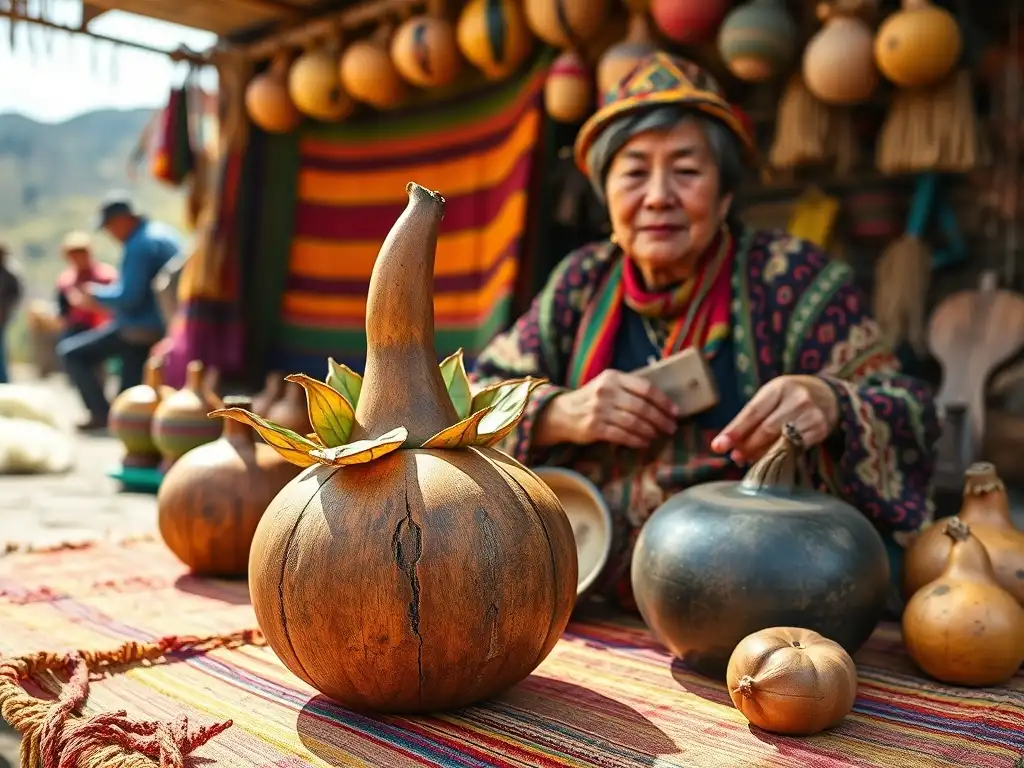
Dive into the captivating world of the Andes, where ingenuity thrived amidst breathtaking landscapes. Forget everything you think you know about simple gourds; prepare to be amazed. This journey into Andean gourd uses and history reveals a surprising tale of adaptation, artistry, and innovation within ancient Andean civilizations. Uncover the multifaceted roles these seemingly humble vessels played – from sacred rituals to everyday life – and discover how they shaped the cultures of the Incas, Moche, and beyond. Their story is far more complex and fascinating than you might imagine… dare to explore?
The Andean region, cradle of remarkable civilizations like the Inca, Moche, and Nazca, boasts a rich history interwoven with ingenious adaptations to its diverse environment. Beyond the iconic textiles and intricate metalwork, a seemingly humble plant played a crucial role in the daily lives and cultural practices of these ancient peoples: the gourd.
This article delves into the multifaceted uses of Andean gourds, revealing their significance far beyond their function as mere containers. We'll explore their diverse varieties, unique characteristics, and the ingenious ways Andean cultures harnessed their properties for a wide array of purposes, demonstrating the deep connection between these people and their natural resources.
This exploration will illuminate the ingenuity and resourcefulness of Andean civilizations, highlighting their mastery of utilizing readily available materials to create tools, instruments, and even ceremonial objects. Prepare to discover how the humble Andean gourd transcends its simple appearance to become a symbol of adaptation, innovation, and cultural richness.
Introduction to Andean Gourd Significance
The significance of gourds in Andean cultures cannot be overstated. For millennia, these versatile plants provided a readily available and sustainable resource, playing a crucial role in the daily lives of Andean communities. Far from being simply vessels for storing food and water, gourds served a multitude of purposes, reflecting the ingenuity and adaptability of Andean people.
Their uses ranged from practical tools and containers to ritualistic objects and musical instruments, demonstrating a deep integration of this plant into the fabric of Andean society. The cultivation, harvesting, and processing of gourds were likely embedded within complex social structures and agricultural practices, further underscoring their importance within the broader Andean worldview.
Understanding the diverse applications of Andean gourds offers a valuable insight into the resourcefulness and ingenuity of these ancient civilizations, enriching our understanding of their material culture and their relationship with the natural world. The pervasive presence of gourds in archaeological findings across various Andean cultures serves as a testament to their enduring significance.
Andean Gourd Varieties and Their Characteristics
The Andean region's diverse climates and altitudes fostered the cultivation of a variety of gourd species, each with unique characteristics that dictated its specific uses. The careful selection and cultivation of these plants demonstrate a deep understanding of botany and agricultural practices, reflecting the sophisticated knowledge systems of Andean societies. Different species varied significantly in size, shape, thickness, and hardness, influencing their suitability for different applications. This section will explore the key characteristics of these varieties and how these features influenced their use.
Gourd Species Cultivated in the Andes
While a precise catalog of every gourd species cultivated in the Andes is still under research [specific information pending], several prominent species were widely utilized. These included varieties suitable for creating large vessels for storing grains, smaller containers for liquids, and even those with unique shapes ideal for crafting musical instruments. The selection of a specific gourd species depended on the intended use, reflecting a sophisticated understanding of the plant's properties and the desired outcome.
Archaeological evidence suggests a degree of specialization in gourd cultivation, with certain communities focusing on particular species based on local environmental conditions and cultural preferences. The diversity of gourd species cultivated in the Andes highlights the adaptive capacity of Andean agricultural practices and the intricate relationship between humans and their environment.
Physical Properties of Andean Gourds: Size, Shape and Thickness
The physical properties of Andean gourds played a crucial role in determining their utility. Size varied dramatically, from small gourds suitable for making containers for personal use to larger ones used for communal storage. Shape also varied considerably, ranging from spherical to elongated or even bottle-shaped.
The thickness of the gourd's shell was another important factor, with thicker-shelled gourds being more durable and suitable for creating tools or instruments, while thinner-shelled gourds were better suited for making lighter containers. These variations in size, shape, and thickness reflect a careful selection process aimed at maximizing the gourd's potential for various applications, demonstrating a deep understanding of the material's properties and its suitability for different purposes. The skillful manipulation of these properties by Andean artisans resulted in a wide range of objects, reflecting both functionality and aesthetic considerations.
Historical Significance of Gourds in Andean Culture

The humble gourd, far from being a mere container, held profound significance within Andean civilizations. Its multifaceted uses extended beyond practicality, deeply intertwining with the cultural, religious, and even artistic expressions of these societies. Understanding the historical role of gourds offers a valuable lens through which to examine the ingenuity and resourcefulness of Andean peoples and their sophisticated understanding of their environment.
The enduring presence of gourds throughout Andean history underscores their importance as a versatile and readily available resource, shaping daily life and cultural practices for millennia. Analyzing their presence in archaeological contexts allows us to reconstruct not only the practical applications of gourds but also their symbolic meaning and social importance within different Andean communities.
This section delves into the historical significance of gourds, exploring their presence in various Andean societies, from pre-Inca cultures to the Inca Empire. The multifaceted nature of Andean gourd use highlights the ingenuity and adaptability of these civilizations.
Ancient Andean Gourd Artifacts and Archaeological Evidence
Archaeological digs across the Andes have yielded a wealth of evidence showcasing the widespread use of gourds. Fragments of gourds, often intricately carved or painted, have been unearthed in sites dating back thousands of years, providing tangible proof of their enduring presence. For example, excavations at [Specific archaeological site pending] revealed numerous gourd fragments decorated with geometric patterns and stylized figures, suggesting their use beyond simple utility.
These artifacts not only demonstrate the technical skill in gourd crafting but also provide insight into the aesthetic preferences and symbolic representations prevalent in these early Andean societies. The discovery of gourds alongside other artifacts, such as tools and textiles, points to their integration into daily life and their importance within the broader context of Andean material culture. Analysis of the types of gourds used, their size, and their level of decoration can offer clues about social status, trade networks, and the diversity of plant life utilized by these ancient communities.
The study of these ancient Andean gourd artifacts helps us piece together a more complete picture of their significance within the culture. Furthermore, the preservation of gourd fragments in arid climates has been particularly beneficial for archaeological research, providing valuable insights into the materials and techniques used in their production.
The Role of Gourds in Pre-Incan Societies
Before the rise of the Inca Empire, diverse Andean societies, such as the Moche, Nazca, and Tiahuanaco, each developed unique traditions surrounding gourd use. The Moche, renowned for their sophisticated metalwork and pottery, also displayed remarkable skill in crafting and decorating gourds. Many Moche gourds served as ceremonial vessels, often adorned with intricate designs depicting deities, mythical creatures, and scenes from daily life. These gourds were likely used in religious rituals and ceremonies, reflecting the integration of gourds into the spiritual life of the Moche people.
The Nazca, famous for their geoglyphs, also utilized gourds extensively. [Specific examples of Nazca gourd uses pending]. Similarly, the Tiahuanaco culture, known for its monumental architecture, incorporated gourds into various aspects of their society.
[Specific examples of Tiahuanaco gourd uses pending]. These examples highlight the diverse ways in which pre-Inca societies incorporated gourds into their cultural practices, showcasing their adaptability and the significant role they played in shaping Andean societies. The variety of uses, from utilitarian to ceremonial, reveals the deeply ingrained nature of the gourd within these cultures' identities.
Gourd Use in Inca Society
The Inca Empire further solidified the importance of gourds in Andean life. While continuing many pre-existing traditions, the Inca also developed new uses for gourds, reflecting their centralized and expansive empire. Gourds served as essential containers for food and liquids, playing a vital role in Inca agriculture and daily sustenance. Their lightweight and durable nature made them ideal for transporting goods across the vast Inca road network.
Beyond their practical uses, gourds also held symbolic significance within Inca society. [Specific examples of Inca symbolic gourd uses pending]. The Inca's mastery of agriculture and their sophisticated system of resource management ensured an abundant supply of gourds, contributing to their widespread use throughout the empire. The standardization of certain gourd types and designs under Inca rule suggests a degree of centralized control over production and distribution.
The integration of gourds into Inca religious practices and ceremonies is also evident in archaeological finds. The analysis of Inca-era gourds reveals a continuation of artistic traditions from earlier Andean cultures, while also reflecting the imperial style and aesthetic preferences of the Inca ruling class. The Inca's efficient use and management of gourds perfectly exemplify their advanced organizational skills and resourcefulness.
Practical Applications of Andean Gourds
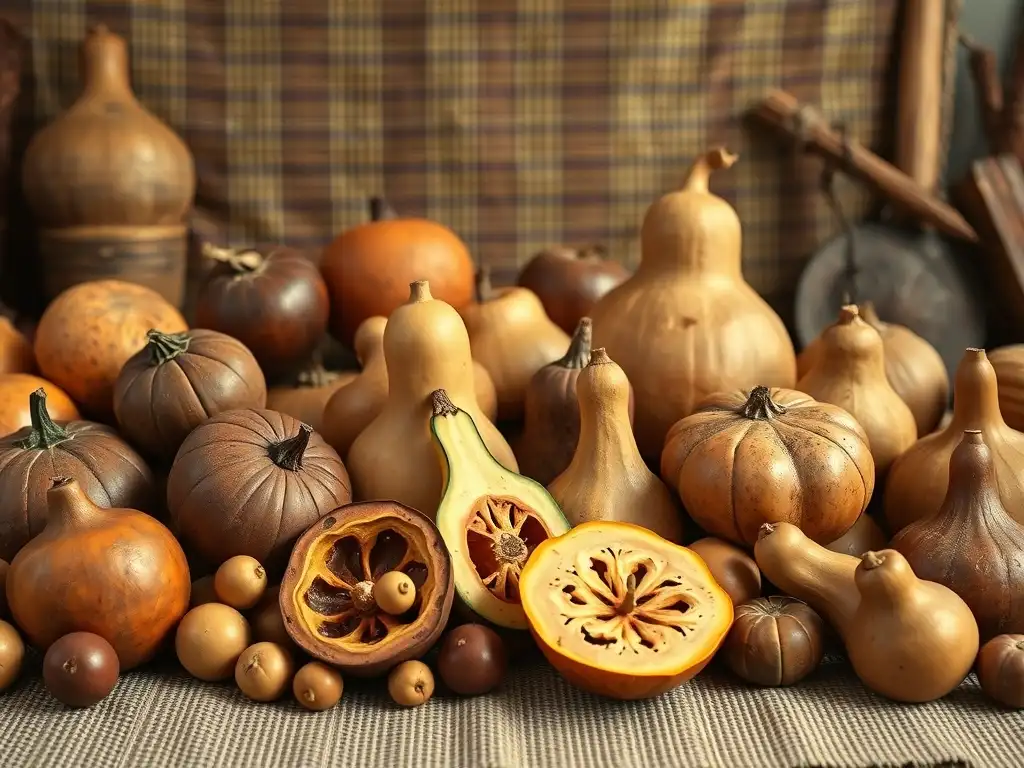
The Andean gourd, far from being a mere vessel, held a central place in the daily lives of ancient Andean peoples. Its versatility extended beyond simple containment, encompassing a wide array of practical applications shaped by ingenuity and resourcefulness. Understanding the multifaceted uses of the Andean gourd offers valuable insight into the resource management and technological prowess of these civilizations.
The abundance and accessibility of different gourd varieties, coupled with their durability and ease of shaping, fueled their widespread adoption across various aspects of Andean life. This section will explore the diverse practical applications of these remarkable fruits, highlighting their significance within the context of Andean history and culture.
Gourd as Everyday Containers: Storage and Transport
The most fundamental use of Andean gourds was as containers for a variety of goods. Their natural form, varying in size and shape depending on the species and growth conditions, provided ready-made vessels for storage and transport. This adaptability allowed for specialized uses catering to specific needs.
Water and Liquid Storage Using Gourds
Water, a precious resource, was often stored in gourds. Larger varieties were ideal for communal water storage, while smaller ones served individual needs. The gourd's natural impermeability, when properly cured and sealed, prevented leakage and maintained water quality for extended periods. Evidence suggests that different gourd types were selected for liquid storage based on their size, shape, and perceived durability – a testament to the detailed understanding of gourd properties by Andean communities. The practice of storing liquids in gourds continues in some Andean communities today, demonstrating a long-lasting tradition.
Dry Goods Storage: Grains, Seeds and Powders
Smaller gourds served as convenient containers for storing grains, seeds, and powdered substances like spices or medicinal herbs. Their airtight nature helped preserve the contents, protecting them from moisture, insects, and contamination. The diversity in gourd sizes allowed for the efficient storage of different quantities of goods, accommodating both household and communal needs. Archaeological findings frequently uncover gourds containing remnants of these stored goods, providing tangible evidence of this widespread practice. The carefully chosen size and shape of the gourds suggest a level of organization and planning in food storage and preservation.
Transportation of Goods with Gourd Vessels
Beyond storage, gourds also facilitated the transportation of goods. Their lightweight yet durable nature made them ideal for carrying smaller quantities of liquids, seeds, or other essential items over long distances. Their ergonomic shape allowed for comfortable carrying, especially when combined with carrying straps or nets woven from natural fibers. The use of gourds in transport highlights their role in the daily routines of Andean populations, supporting both individual and communal activities. Consider the arduous journeys undertaken by Andean peoples across varied terrains – the gourd's portability undoubtedly contributed to the success of these travels.
Gourd as Utensils and Tools
The ingenuity of Andean cultures extended the use of gourds beyond simple containers. Through careful shaping, carving, and embellishment, they transformed gourds into functional utensils and tools integral to daily life.
Gourd Ladles and Spoons
By removing portions of the gourd's shell and shaping the remaining material, Andean artisans crafted ladles and spoons. These implements were used for serving and consuming food, particularly stews and other liquid dishes. The smooth interior of the gourd ensured easy cleaning and prevented food from sticking, while the natural curvature of the utensil provided a comfortable grip. The variety in gourd shapes allowed for the creation of ladles and spoons of varying sizes and styles, catering to specific culinary needs. The craftsmanship evident in many surviving examples indicates a high level of skill and artistic sensibility.
Musical Instruments Made From Gourds
The resonant properties of cured gourds led to their use in the creation of musical instruments. Hollowed-out gourds, often adorned with decorative elements, served as resonating chambers for various instruments. The size and shape of the gourd influenced the pitch and tone of the instrument, demonstrating a sophisticated understanding of acoustics. These gourd-based instruments played a vital role in Andean rituals, ceremonies, and everyday life, contributing to the rich musical tapestry of the region. The diversity of gourd-based instruments discovered in archaeological contexts underscores the importance of music within Andean cultures.
Gourd-based Tools for Weaving
Some evidence suggests the use of gourds in the weaving process. While specifics remain somewhat limited [specific information pending further research], the possibility of using gourds as bobbins or shuttles in weaving is plausible given their shape and size. The smooth interior surface of the gourd would have aided in the smooth passage of the yarn during weaving.
Further research into textile production techniques and the analysis of weaving tools found at archaeological sites could shed more light on the role of gourds in this crucial aspect of Andean life. This potential application adds another layer to the multifaceted utility of the Andean gourd within the broader context of Andean technology.
Gourd in Andean Rituals and Ceremonies
The humble gourd transcended its utilitarian role to become a significant element in Andean rituals and ceremonies. Its hollow form, readily adaptable and capable of holding liquids and other objects, lent itself perfectly to symbolic representation and sacred practices. The shape and size of the gourd, often carefully selected, contributed to its specific ceremonial use. Larger gourds might have served as containers for offerings, while smaller ones could have held sacred powders or liquids.
The choice of gourd species itself may have held symbolic meaning, with certain types associated with specific deities or rituals. Evidence suggests that gourds were used in both public and private ceremonies, their presence signifying a connection to the spiritual realm. The careful crafting and decoration of these ceremonial gourds further underscored their importance in religious life.
Gourd Decoration and Symbolism
The decoration of gourds for ritual purposes was far from arbitrary. Intricate designs, often painted or carved, adorned the surfaces of these ceremonial vessels. These designs weren't simply aesthetic; they were imbued with deep symbolic meaning, often reflecting cosmological beliefs or representing specific deities. Geometric patterns, zoomorphic figures, and depictions of celestial bodies frequently appeared, conveying complex narratives and beliefs.
The use of specific colors also held significance, with certain hues associated with particular energies or spiritual forces. Analyzing these decorative elements provides crucial insights into the worldview and religious practices of the Andean cultures. The careful consideration given to the decoration highlights the sacred nature of these objects and their role in connecting the earthly and spiritual worlds. The artistry involved in creating these decorated gourds speaks to the skilled craftsmanship and spiritual dedication of their creators.
Ritual Uses of Gourds in Andean Cultures
Across various Andean cultures, gourds served diverse ritual purposes. In some societies, they functioned as containers for offerings presented to deities or ancestors. These offerings might include coca leaves, chicha (a fermented maize beverage), or other sacred substances. The act of presenting these offerings in meticulously crafted gourds elevated the ritual, underscoring the respect and reverence paid to the supernatural.
In other instances, gourds served as musical instruments, their hollow bodies resonating with sound to accompany sacred dances or ceremonies. Their use in such contexts suggests a connection between the physical and spiritual realms, with music acting as a conduit for communication with the divine. The specific ritual use of the gourd varied depending on the specific Andean culture and the nature of the ceremony. Studying these variations reveals the rich diversity of Andean religious practices.
Gourd Vessels in Andean Burials
The presence of gourds in Andean burials further emphasizes their importance in the lives and beliefs of these ancient people. Gourds have been found in numerous archaeological contexts, often accompanying the deceased. These gourds may have contained food or drink for the afterlife journey, reflecting beliefs about sustenance in the spiritual realm.
Alternatively, the gourds themselves might have held symbolic significance, representing the deceased's connection to the earth or to the spiritual world. The type of gourd, its size, and any decorations present can offer clues about the social status or spiritual beliefs of the individual interred. The inclusion of gourds in burials underscores their enduring importance, even beyond the realm of the living.
The careful placement of these vessels suggests a deliberate intention, hinting at their role in facilitating a successful transition to the afterlife. The discovery of gourds in burials provides tangible evidence of their enduring spiritual significance in Andean cultures.
Artistic and Decorative Uses of Andean Gourds
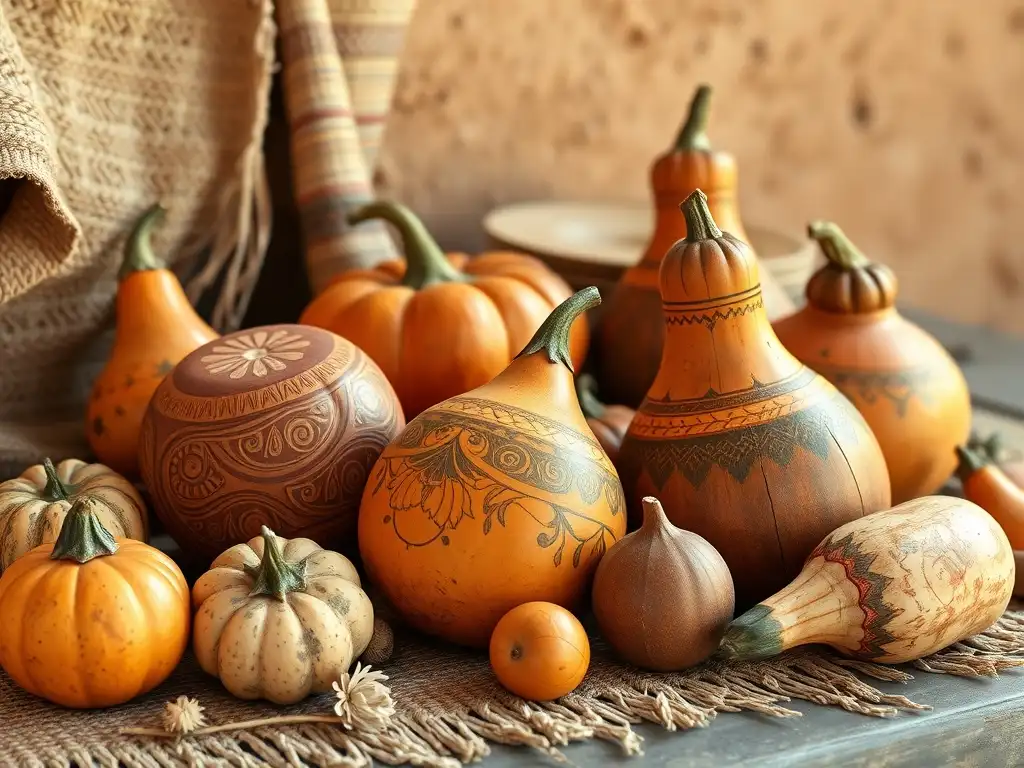
Andean cultures didn't just utilize gourds for practical purposes; they also recognized their aesthetic potential, transforming them into captivating works of art. The versatility of the gourd's form, combined with the readily available natural dyes and carving tools, allowed for a wide array of artistic expressions. This section explores the diverse artistic applications of Andean gourds, revealing a deep connection between functionality and beauty in their creation and use.
The history of Andean gourd artistry is a testament to the ingenuity and artistic skill of these ancient civilizations, showcasing their profound understanding of both the material and its symbolic significance. Understanding these artistic uses enriches our comprehension of "Andean gourd uses and history."
Gourd Carving and Engraving Techniques
The creation of Andean gourd art involved sophisticated techniques. Carving, for example, required specialized tools, likely made from stone or bone. Artisans meticulously removed layers of the gourd's hard shell, creating intricate designs and three-dimensional forms.
The process demanded precision and patience, reflecting the high value placed on the finished product. Evidence suggests different carving styles existed across various Andean cultures, with unique characteristics reflecting regional traditions and artistic preferences. For instance, the Moche culture might have favored bolder, more geometric patterns, while the Nazca might have incorporated more intricate, flowing lines.
Further research is needed to fully document the specific tools and techniques employed by each culture, but archaeological findings continue to shed light on these fascinating practices. The level of detail achievable through carving is remarkable, showcasing the artists' skill and mastery of their craft. This meticulous attention to detail underscores the importance of these objects beyond mere utility; they served as valuable cultural artifacts.
Andean Gourd Art: Motifs and Designs
The motifs and designs adorning Andean gourds were far from random. They often incorporated symbolic imagery reflecting the beliefs, values, and daily life of the Andean people. Recurring themes included stylized animals (such as condors, jaguars, and snakes), geometric patterns, and representations of deities or mythical creatures.
The use of color further enhanced the symbolic meaning. Natural dyes derived from plants and minerals were carefully applied, resulting in vibrant hues that likely held specific cultural significance. For example, red might have represented blood or fertility, while yellow could have symbolized the sun or gold.
Understanding the specific meanings associated with each color and design requires further investigation, particularly considering the variations across different Andean cultures. The rich tapestry of motifs and designs reflects the complex worldview of these ancient societies, revealing valuable insights into their culture and beliefs. Analyzing these decorative elements offers a deeper understanding of "Andean gourd uses and history."
Gourd as a Canvas for Storytelling
Beyond mere decoration, Andean gourd art often served as a powerful medium for storytelling. Intricate carvings and painted scenes depicted narratives, myths, and historical events, transforming the gourd into a portable and enduring record of cultural heritage. These narratives could recount historical battles, celebrate agricultural cycles, or depict important religious ceremonies.
The size and shape of the gourd itself could influence the narrative structure, with larger gourds potentially accommodating more elaborate scenes. Unfortunately, many of these stories have been lost to time, but the remaining examples offer glimpses into the rich oral traditions of Andean civilizations. The careful examination of surviving gourd art, alongside archaeological context and ethnohistorical accounts, can help us decipher these visual narratives and gain a deeper understanding of Andean cosmology, history, and social structures.
The preservation and study of these artistic gourds are crucial for reconstructing a more complete picture of "Andean gourd uses and history." The use of gourds as storytelling devices highlights the multifaceted nature of these objects, far exceeding their simple function as containers.
Sustainable and Modern Uses of Andean Gourds
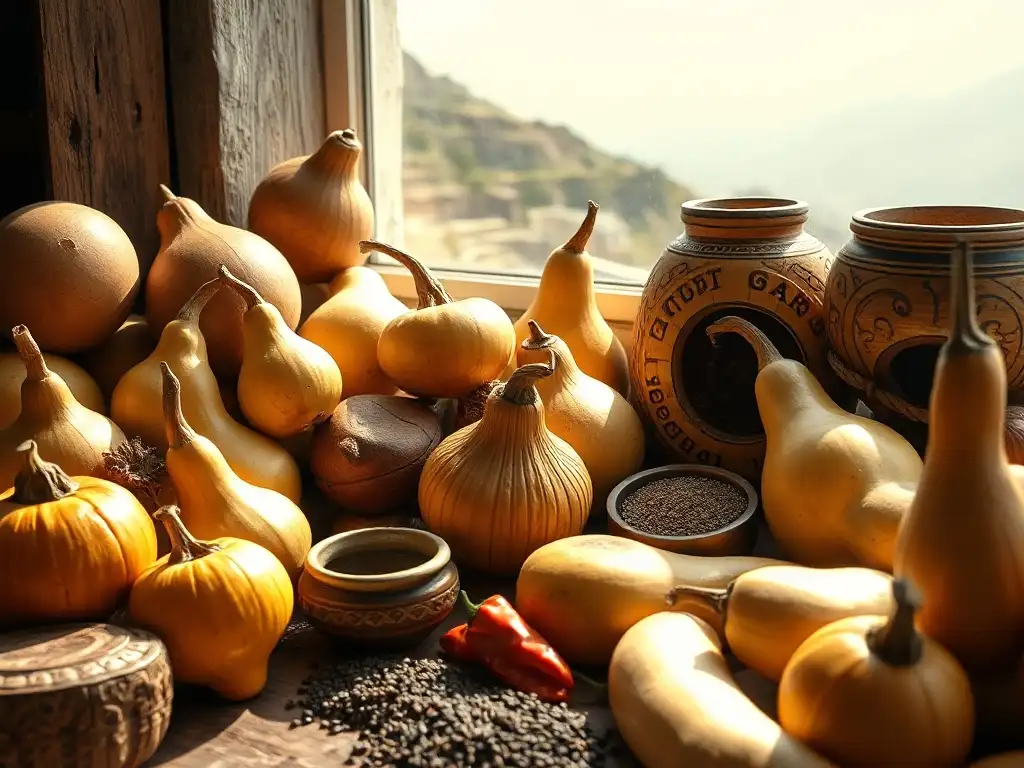
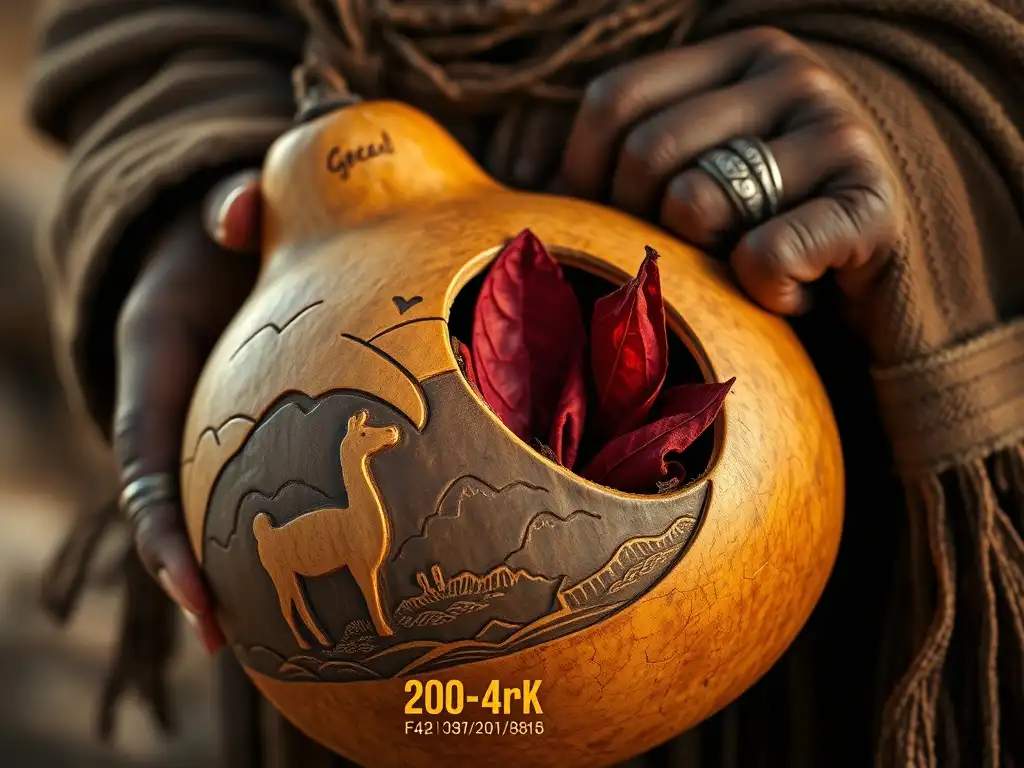
The enduring legacy of Andean gourds extends far beyond their historical significance. Their inherent properties—durability, lightweight nature, and biodegradability—make them surprisingly relevant in modern contexts, prompting a resurgence of interest in sustainable practices and traditional craftsmanship. This section explores how these remarkable vessels continue to find innovative applications, blending ancient techniques with contemporary needs. Understanding the multifaceted uses of Andean gourds reveals a fascinating interplay between past and present, highlighting the resourcefulness and ingenuity of Andean cultures.
Traditional Gourd Crafts and Contemporary Adaptations
Andean gourd craftsmanship, passed down through generations, has witnessed a remarkable adaptation to modern aesthetics and demands. While traditionally used for utilitarian purposes like carrying water or storing food, contemporary artisans are transforming these humble gourds into exquisite works of art. Techniques such as intricate carving, painting with natural dyes, and the incorporation of other materials like silver or bone, elevates the gourd from simple container to sophisticated decorative item. This revitalization not only preserves a rich cultural heritage but also creates unique, sustainable products appealing to a global market. For example, the intricate designs found on modern gourd lamps, inspired by ancient motifs, are a testament to this enduring tradition. The vibrant colors and detailed carvings reflect a deep understanding of Andean symbolism, seamlessly merging the past with the present. We can observe a growing trend of using gourds in contemporary interior design, showcasing their versatility and aesthetic appeal.
Gourd as a Sustainable Material in Modern Times
The inherent sustainability of Andean gourds is becoming increasingly valued in a world grappling with environmental concerns. Unlike many modern materials, gourds are biodegradable, reducing environmental impact. Their cultivation requires minimal resources, and their natural decomposition enriches the soil. This makes them an attractive alternative to plastic containers and other non-biodegradable materials, particularly in contexts where sustainability is paramount.
Furthermore, the use of gourds in modern applications, from crafting sustainable toys to creating eco-friendly packaging, is gaining momentum. Studies [specific information pending] on the biodegradability rates of different gourd species in various climates could further support their widespread adoption as a sustainable material. The potential for using gourds in bio-composite materials is also an exciting area of research, with the possibility of creating stronger and more sustainable alternatives to traditional plastics.
Promoting Andean Gourd Art and Craftsmanship
The preservation and promotion of Andean gourd art and craftsmanship are crucial for safeguarding cultural heritage and supporting local communities. Efforts to educate consumers about the sustainable nature of these products and the cultural significance of the techniques involved are vital. The creation of artisan cooperatives and fair-trade initiatives can ensure that artisans receive fair compensation for their work and that traditional techniques are passed on to future generations.
Furthermore, integrating Andean gourd crafts into educational programs and museums can raise awareness and inspire appreciation for this unique aspect of Andean culture. Supporting these initiatives not only preserves a valuable cultural heritage but also contributes to economic development in Andean communities, empowering artisans and fostering sustainable practices.
The promotion of Andean gourd art and craftsmanship is, therefore, not just a matter of preserving tradition but also a vital step towards sustainable development and cultural preservation. The vibrant colors, intricate designs, and sustainable nature of Andean gourds make them a compelling case study in the intersection of tradition, art, and sustainability.
Conclusion: The Enduring Legacy of Andean Gourds
The Andean gourd, far from being a mere vessel, represents a compelling case study in the ingenuity and adaptability of ancient Andean civilizations. Its multifaceted uses, spanning millennia, reflect a deep understanding of the natural world and a remarkable capacity for innovation. From simple containers for food and water to complex musical instruments and ritualistic objects, the gourd's significance permeated all aspects of Andean life.
The detailed craftsmanship evident in many surviving examples speaks volumes about the skill and artistry of the artisans who shaped them. Understanding the diverse applications of the Andean gourd provides a crucial insight into the daily lives, cultural beliefs, and technological prowess of these fascinating cultures. The enduring legacy of the Andean gourd is not just about its practical utility; it's about its enduring symbolic power and its contribution to the rich tapestry of Andean history and culture.
Further research into the specific chemical properties of various gourd species and their relationship to food preservation techniques would be invaluable in enriching our understanding of their role in Andean societies. The impact of the Spanish conquest on the traditional use of gourds also warrants further investigation, as it likely had a profound effect on their continued use and significance.
The Cultural Significance of Gourd in Andean Communities
The Andean gourd held far more than practical value; it was deeply embedded in the cultural and spiritual life of Andean communities. Many cultures viewed the gourd as a symbol of fertility and abundance, associating its rounded shape with the earth and its life-giving properties. In some Andean rituals, gourds were used as containers for sacred offerings, reinforcing their spiritual significance. Evidence suggests that specific gourd types held unique symbolic meanings within different Andean cultures.
For instance, [specific gourd types and their associated symbolism pending]. The intricate designs and decorations often found on ritualistic gourds further underscore their importance in religious ceremonies and social practices. The presence of gourds in burial sites also highlights their significance in the Andean worldview, suggesting a belief in their continued utility in the afterlife.
The vibrant colors and patterns applied to many gourds were likely not merely decorative but may have held specific symbolic meanings related to social status, clan affiliation, or spiritual beliefs. Detailed ethnographic studies of contemporary Andean communities that still utilize gourds could provide further insight into the enduring cultural significance of these objects. Analyzing the iconography found on preserved gourds could reveal valuable clues about the beliefs and practices of past Andean cultures.
Future Perspectives on Andean Gourd Uses
While the traditional uses of Andean gourds have diminished in some areas due to modernization, their potential for contemporary applications remains significant. The inherent biodegradability and sustainability of gourds offer an attractive alternative to plastic containers in a world increasingly concerned with environmental issues. Research into the potential of gourds for sustainable packaging and other eco-friendly applications is a promising avenue for future investigation.
Further exploration of the gourd's acoustic properties could lead to innovations in musical instrument design. The gourd's lightweight nature and durability also suggest potential applications in crafting and other artistic endeavors. Furthermore, [specific examples of contemporary uses and potential applications of Andean gourds pending].
A renewed appreciation for traditional Andean craftsmanship, coupled with modern technological advancements, could lead to the development of innovative and sustainable products inspired by the ancient use of Andean gourds. The potential for cross-cultural exchange and collaboration in this area could yield exciting results, blending traditional knowledge with contemporary design and technology. The future of the Andean gourd is not just about preserving its history but also about exploring its potential for a more sustainable and culturally rich future.
Frequently Asked Questions
What were Andean gourds primarily used for?
Andean gourds served many purposes. Primarily, they were used as containers for storing food, water, and other goods. Their versatility made them essential to daily life.
What materials were used to decorate Andean gourds?
Gourds were often adorned with intricate carvings, paintings, and sometimes even metal embellishments. The specific materials and designs varied across different cultures and time periods.
How did the use of Andean gourds evolve over time?
Initially serving as simple containers, gourd use evolved. They became sophisticated ceremonial objects, musical instruments, and even ritualistic artifacts within Andean societies.
Which Andean cultures most prominently used gourds?
Many Andean cultures utilized gourds, but their significance varied. The Inca, Moche, Nazca, and Tiahuanaco civilizations are particularly known for their diverse and artistic uses of gourds.
Where can I learn more about the history and significance of Andean gourds?
Further research into Andean archaeology and ethnography will reveal more details. Museums showcasing pre-Columbian artifacts often feature significant examples of Andean gourd artistry and craftsmanship.
Final Reflection: The Enduring Legacy of the Andean Gourd
The humble Andean gourd, far from being a mere container, represents a vibrant tapestry woven from practicality, artistry, and cultural resilience. Its enduring presence across centuries speaks volumes about the ingenuity and adaptability of Andean communities, a legacy that continues to resonate today. The intricate designs, diverse applications, and symbolic significance of these gourds offer a powerful testament to the enduring connection between humans and nature.
The impact of the Andean gourd extends far beyond its utilitarian function; it's a tangible link to a rich history and a living tradition. Its presence in contemporary art, craft markets, and even modern-day celebrations underscores its enduring cultural relevance. The gourd is not just a vessel; it is a story, a memory, a symbol of our heritage,
as one artisan eloquently stated. This sentiment encapsulates the profound emotional and cultural weight carried by these seemingly simple objects. The ongoing use and adaptation of the gourd demonstrate a remarkable continuity of tradition, a testament to the enduring power of cultural heritage.
Consider, for a moment, the versatility of this remarkable plant. From its humble beginnings as a seed to its transformation into intricate works of art, the Andean gourd embodies the potential for innovation and adaptation. You too can find inspiration in its resilience and resourcefulness. Explore the possibilities of sustainable living, appreciate the beauty found in everyday objects, and seek out the rich stories embedded within the traditions of your own community. Let the legacy of the Andean gourd inspire you to discover the hidden potential in the seemingly ordinary.
Unleash the Power of Andean Gourds!
Thank you for exploring the fascinating world of Andean gourds! We hope you've discovered their incredible versatility and rich cultural significance. Now, let's put your newfound knowledge to good use!
- Create beautiful and functional items: Transform gourds into decorative pieces or practical tools. Gather your supplies and let your creativity shine!
- Discover handcrafted treasures: Explore local markets or online retailers to find beautiful, traditional Andean gourd crafts. Share your discoveries with friends and family!
- Connect with fellow enthusiasts: Join a gourd-crafting workshop or start your own group to connect with others who share your passion.
What innovative ways can you envision using Andean gourds in your daily life? Share your ideas in the comments below!