
The Social Dynamics of Quechua: How Language Shapes Andean Communities

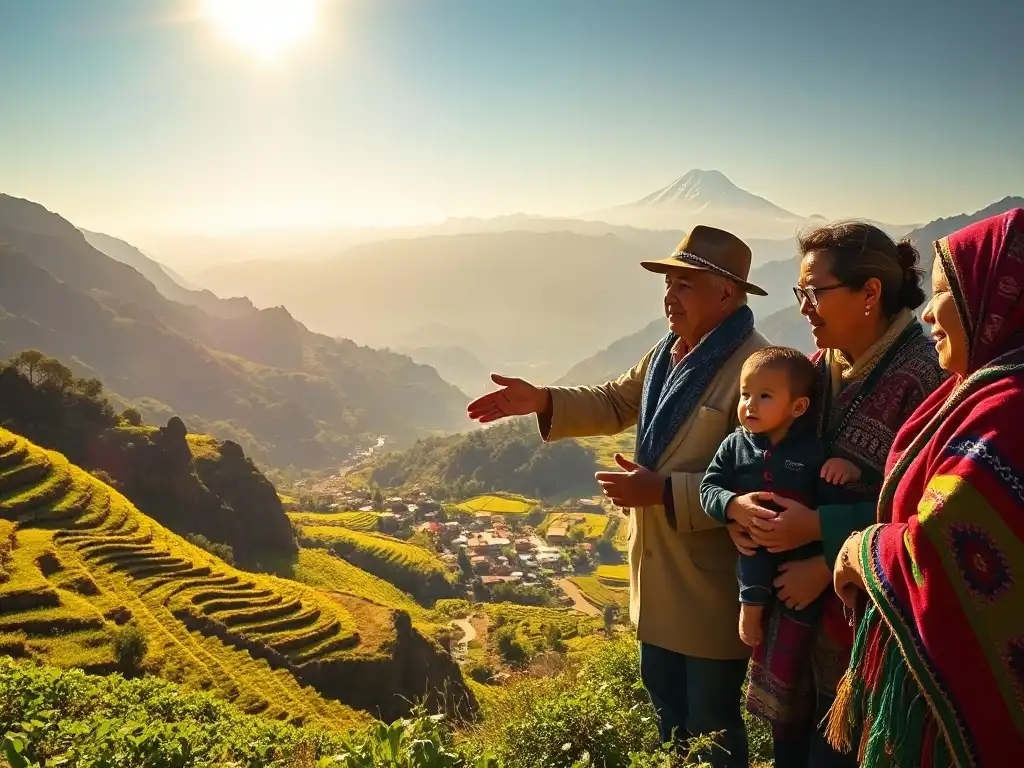
Dive into the captivating world of the Andean civilizations! From the towering heights of Machu Picchu to the intricate artistry of the Nazca Lines, we unravel the mysteries of these remarkable cultures. But what truly bound these societies together, shaping their very fabric? The answer lies within the powerful legacy of the Quechua language. Discover how its enduring presence continues to impact Andean communities today in our exploration of the Quechua language's social impact. Uncover the secrets woven into the very threads of their existence – begin your journey now.
Quechua, a language family spoken across the Andes Mountains for centuries, holds a profound significance far beyond mere communication. This article delves into the intricate social dynamics shaped by Quechua, exploring its role in forging Andean identity and preserving cultural heritage. We will examine how the Quechua language impacts various aspects of community life, from social structures and political organization to economic activities and artistic expression.
Understanding the social impact of Quechua is crucial to appreciating the rich tapestry of Andean civilizations and the resilience of their cultural traditions. The persistence of Quechua in the face of colonization and globalization speaks volumes about its enduring importance and the strong bonds it fosters within Andean communities.
We will explore specific examples highlighting how Quechua continues to shape the social fabric of these communities even today, demonstrating its enduring power as a unifying force and a vital element of Andean identity. This exploration will reveal the multifaceted ways in which this ancient language continues to influence the social, cultural, and political landscapes of the Andean region, making it a key factor in understanding the complexities of these vibrant communities.
The Role of Quechua in Andean Identity
The Quechua language is inextricably linked to the identity of many Andean communities. For generations, it has served as the primary vehicle for transmitting cultural values, traditions, and historical narratives. Speaking Quechua is often seen as a marker of belonging, connecting individuals to their ancestral heritage and fostering a strong sense of community.
This linguistic connection transcends geographical boundaries, uniting diverse groups across the Andes region under a shared cultural umbrella. Furthermore, the use of Quechua in everyday life, from family conversations to community gatherings, reinforces its importance as a symbol of cultural continuity and resistance against assimilation. The preservation of Quechua language and its integration into modern life signifies a conscious effort to maintain a distinct Andean identity in the face of globalizing forces.
This active maintenance of Quechua demonstrates a powerful connection to the past and a commitment to shaping the future while retaining a strong sense of cultural heritage. The vibrancy of Quechua in contemporary Andean communities demonstrates its ongoing role in shaping individual and collective identities.
Quechua as a Symbol of Cultural Heritage
Quechua's role extends beyond mere communication; it serves as a powerful symbol of cultural heritage, carrying within its vocabulary and grammar a wealth of traditional knowledge. Oral traditions, stories, songs, and poems passed down through generations in Quechua preserve vital aspects of Andean culture, including agricultural practices, medicinal knowledge, and spiritual beliefs. Many communities actively work to preserve and promote Quechua through educational initiatives, cultural events, and media productions.
The language itself becomes a repository of cultural memory, safeguarding ancient traditions and ensuring their continuity for future generations. This active preservation is not just about linguistic survival; it's about safeguarding a rich cultural heritage and ensuring its transmission to future generations. The use of Quechua in artistic expressions, such as music and literature, further underscores its role as a vital element of Andean cultural heritage, showcasing its versatility and adaptability in modern contexts.
The continued use of Quechua in various aspects of Andean life demonstrates its significance as a living testament to a rich and enduring cultural legacy. The ongoing efforts to revitalize and promote Quechua highlight its enduring significance as a cornerstone of Andean cultural identity and heritage.
- What is the Quechua language's significance in Andean communities?
- How has Quechua impacted the social structures of Andean societies?
- What challenges does the Quechua language face in modern Andean societies?
- How is the Quechua language being preserved and promoted in Andean communities?
- What is the relationship between Quechua and the broader Andean cultural identity?
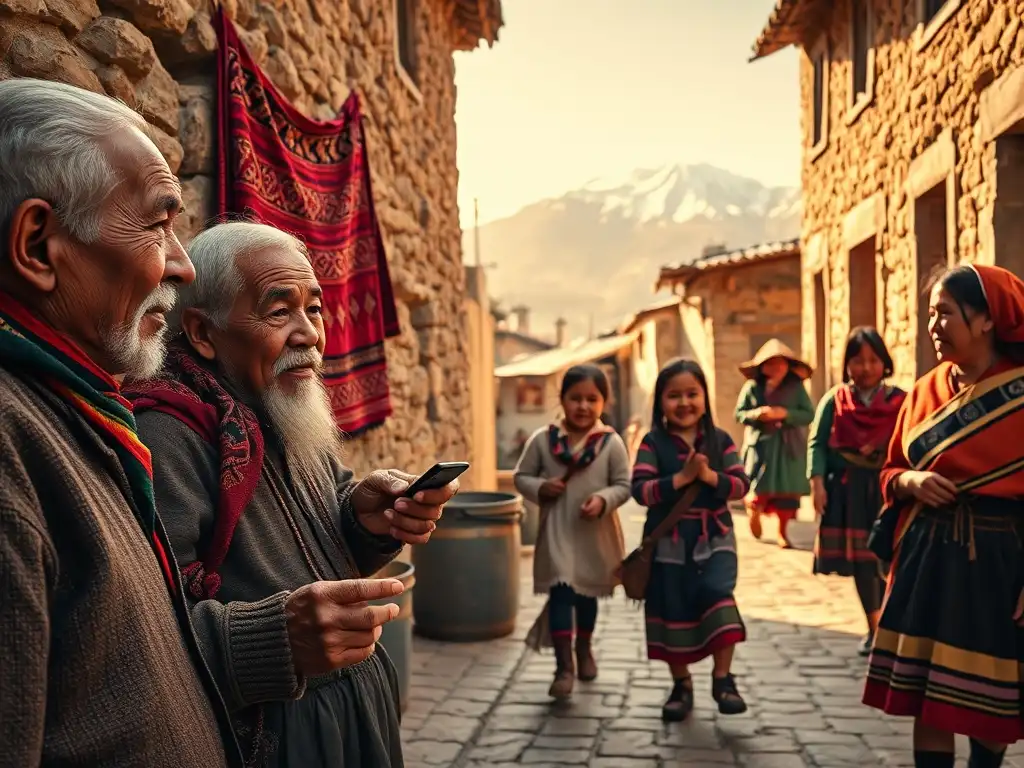
This section delves into the profound social impact of the Quechua language on Andean communities, exploring its influence on community cohesion, social structures, and the preservation of cultural heritage. The Quechua language, far from being merely a means of communication, acts as a powerful force shaping identity, social interaction, and the transmission of knowledge across generations. Understanding its role is crucial to appreciating the complexities of Andean societies.
The Quechua language is intrinsically linked to the social fabric of Andean communities. Its continued use fosters a strong sense of shared identity and belonging. Unlike societies where a dominant national language overshadows indigenous tongues, many Andean communities actively maintain Quechua, using it in daily life, reinforcing social ties, and strengthening community bonds. This linguistic unity translates into enhanced social cohesion, facilitating cooperation and mutual support within the community.
The structure of Quechua itself reflects and reinforces social hierarchies and relationships. Different dialects and levels of formality within the language reflect the complex social dynamics prevalent in Andean societies. For example, the use of specific vocabulary and grammatical structures can signal respect for elders, deference to authority figures, or intimacy within familial relationships. This linguistic nuance subtly yet powerfully shapes social interactions and reinforces existing power structures. The careful use of Quechua, therefore, is not just about communication; it's about navigating a complex social landscape.
Furthermore, the persistence of Quechua serves as a powerful symbol of resistance against assimilation and cultural homogenization. In a globalized world, the conscious choice to maintain and revitalize the Quechua language is a potent assertion of cultural identity and a testament to the enduring strength of Andean traditions. It empowers communities to maintain their unique cultural heritage and resist the pressures of external forces seeking to impose a singular, dominant culture. This resistance, manifested through language preservation, directly contributes to the social and political empowerment of Andean communities.
Quechua's Contribution to Oral Traditions and Storytelling
Quechua plays a vital role in preserving and transmitting rich oral traditions and storytelling within Andean communities. Many aspects of Andean culture, history, and cosmology are passed down through generations primarily through the oral tradition, with Quechua acting as the vehicle for this transmission. This oral tradition encompasses a vast repository of knowledge, including myths, legends, historical accounts, and practical knowledge related to agriculture, medicine, and social customs.
The unique linguistic features of Quechua, such as its rich vocabulary and nuanced grammatical structures, facilitate the creation and dissemination of intricate narratives. The use of metaphors, proverbs, and poetic devices within Quechua storytelling adds layers of meaning and depth, enriching the cultural experience and strengthening community bonds through shared narratives. Moreover, the storytelling traditions associated with Quechua often involve communal participation, with individuals from all ages contributing to the narrative and learning from the collective wisdom embedded within these stories.
The preservation of Quechua's oral traditions is not merely a matter of historical preservation; it's also crucial for the continued vitality of Andean communities. These stories convey crucial knowledge about cultural values, social norms, and environmental sustainability. Their continued transmission ensures that younger generations maintain a deep connection to their heritage and learn valuable life lessons embedded within the narratives.
The loss of Quechua would represent an irreparable loss of this invaluable cultural and intellectual heritage. Therefore, the continued use and revitalization of the Quechua language is directly linked to the preservation of a unique and vibrant oral tradition. The impact of Quechua on the social dynamics of Andean communities is therefore multifaceted and profound, impacting everything from daily interactions to the preservation of a rich cultural legacy.
The Evolution of Quechua and its Societal Adaptations
The Quechua language, far from being a static entity, has undergone a dynamic evolution deeply intertwined with the social fabric of the Andean communities it serves. Its trajectory reflects not only linguistic changes but also significant shifts in power structures, economic activities, and cultural interactions across centuries. Understanding this evolution is crucial to grasping the profound social impact the Quechua language continues to exert.
The very structure of the language, its dialects, and its usage patterns all bear the imprint of historical events and ongoing societal adaptations. Analyzing this linguistic evolution provides a compelling lens through which to examine the enduring influence of Quechua on Andean life. This section will explore the historical influences shaping Quechua's social usage and its ongoing adaptation to contemporary contexts.
The Inca Empire's expansion in the 15th and 16th centuries played a pivotal role in the standardization and spread of Quechua. While various Quechua dialects already existed, the Inca's administrative needs led to the elevation of a particular dialect – often referred to as Quechua Cuzqueño – to a position of prominence. This official language facilitated communication across the vast empire, becoming a lingua franca that connected diverse Andean communities. However, this standardization wasn't a uniform process. Local dialects persisted, often coexisting with the official version, reflecting the complex social stratification within the Inca society.
Following the Spanish conquest, Quechua faced immense pressure. Spanish became the dominant language of administration and power, leading to a decline in the public use of Quechua. However, the language persisted, primarily within rural communities. This period saw the emergence of a new form of Quechua, shaped by contact with Spanish. Loan words entered the lexicon, and grammatical structures subtly shifted, reflecting the ongoing linguistic interaction. The survival of Quechua in this context demonstrates its resilience and its deep-rooted connection to Andean identity. It also highlights the complex interplay between language, power, and cultural survival.
The persistence of Quechua in the face of colonial dominance can be partially attributed to its strong association with indigenous identity and cultural practices. Within Andean communities, Quechua continued to serve as the primary medium for transmitting oral traditions, stories, songs, and agricultural knowledge. This function solidified its role as a vital element of cultural preservation, ensuring its continuity through generations. The social impact of this linguistic resilience is undeniable, contributing significantly to the preservation of Andean cultural heritage.
Today, Quechua continues to evolve, adapting to the challenges and opportunities of the modern world. Globalization, urbanization, and increased access to education have all influenced its usage and development. While some Andean communities maintain a strong preference for Quechua as their primary language, others are witnessing a shift towards bilingualism (Quechua-Spanish). This shift, however, doesn't necessarily represent a decline in Quechua's importance. Instead, it often reflects a strategic adaptation to the demands of a globalized world, where fluency in Spanish can provide access to education, employment, and wider social networks.
The emergence of Quechua-language media, including radio stations, television programs, and online platforms, has played a crucial role in promoting its use among younger generations. These platforms provide exposure to contemporary Quechua, countering the perception of the language as solely associated with older generations. Furthermore, efforts to incorporate Quechua into formal education systems are gradually gaining momentum, furthering the language's revitalization. These initiatives aim to ensure that Quechua maintains its relevance and continues to thrive in the twenty-first century. The social impact of these developments is significant, fostering linguistic diversity and promoting cultural pride.
The future of Quechua is intricately linked to the socio-economic well-being of Andean communities. Investing in Quechua language education, promoting its use in various spheres of life, and recognizing its cultural value are crucial steps in ensuring its continued vitality and its enduring social impact. The language's survival and evolution reflect the resilience and adaptability of Andean cultures, showcasing the powerful connection between language and identity in a rapidly changing world. The ongoing efforts to preserve and promote Quechua demonstrate a deep commitment to cultural heritage and linguistic diversity within the Andean region.
The Quechua language, far from being a relic of the past, remains a vibrant force shaping social dynamics across the Andean region. Its continued use, alongside the challenges it faces in a rapidly globalizing world, profoundly impacts the social fabric of numerous communities. Understanding this impact requires examining the complex interplay between language maintenance, revitalization efforts, and the broader socio-political landscape.
The Quechua language social impact on Andean communities is multifaceted, affecting everything from identity formation to access to education and economic opportunities. This section delves into specific aspects of this intricate relationship, exploring both the challenges and the resilience of Quechua in the modern era.
The Impact of Bilingualism on Quechua-Speaking Communities
Bilingualism, often involving Spanish and Quechua, is a defining characteristic of many Andean communities. While offering access to wider opportunities, this linguistic duality presents both benefits and drawbacks for the preservation of Quechua. The impact varies significantly depending on factors such as the community's size, geographic location, and the strength of its cultural identity.
In some regions, bilingualism has fostered a strong sense of cultural pride, allowing Quechua speakers to navigate both their local traditions and the wider national context. This is particularly evident in communities where Quechua is actively used in education, local governance, and religious practices. These communities often demonstrate a higher level of language maintenance, with younger generations continuing to speak and understand Quechua fluently.
However, in other communities, the dominance of Spanish has led to a decline in Quechua proficiency, particularly among younger generations. This is often exacerbated by limited access to Quechua-language education and media, pushing Quechua towards marginalization within the family and public spheres. The shift towards Spanish can result in a loss of traditional knowledge, cultural practices, and a weakening of community bonds that rely on shared linguistic heritage. Studies show a correlation between the level of Spanish dominance and the erosion of Quechua vocabulary and grammatical complexity.
For example, research in [Specific region pending] indicates that while most individuals claim bilingual proficiency, the actual fluency in Quechua amongst younger generations is significantly lower than reported, suggesting a passive bilingualism where Spanish dominates everyday communication. This highlights the need for targeted interventions to support and promote active Quechua usage, particularly amongst youth. The effective integration of both languages, fostering a balanced bilingual environment where Quechua retains its vitality, is crucial for maintaining cultural diversity and social cohesion.
Recognizing the importance of Quechua's preservation, numerous revitalization efforts are underway across the Andes. These range from community-based initiatives focused on language immersion programs and the development of Quechua-language media to larger-scale government policies promoting bilingual education.
The social effects of these revitalization efforts are varied and complex. Successful programs often lead to increased pride in Quechua heritage, stronger intergenerational bonds, and a renewed sense of community identity. This can be observed in communities where Quechua is reintroduced into the curriculum, leading to a resurgence of interest in traditional storytelling, music, and cultural practices. Furthermore, access to Quechua-language media, such as radio programs and television shows, helps normalize the language and makes it more accessible to a wider audience.
However, the success of these initiatives is often contingent upon several factors, including community engagement, adequate funding, and the availability of trained teachers and resources. Challenges include resistance to change, a lack of standardized materials, and the ongoing influence of Spanish as the dominant language in many social spheres.
The long-term sustainability of these programs requires a sustained commitment from both local communities and governmental bodies. Evaluating the long-term social impact of these programs requires rigorous assessment methods, including tracking language proficiency levels across generations and analyzing the impact on cultural practices and social cohesion.
The ultimate goal is not just to preserve the Quechua language but to empower Quechua-speaking communities to thrive linguistically and culturally in the 21st century. The revitalization of Quechua is not merely a linguistic endeavor; it is a crucial step in safeguarding the rich cultural heritage of the Andean region and promoting social justice for Quechua-speaking populations.
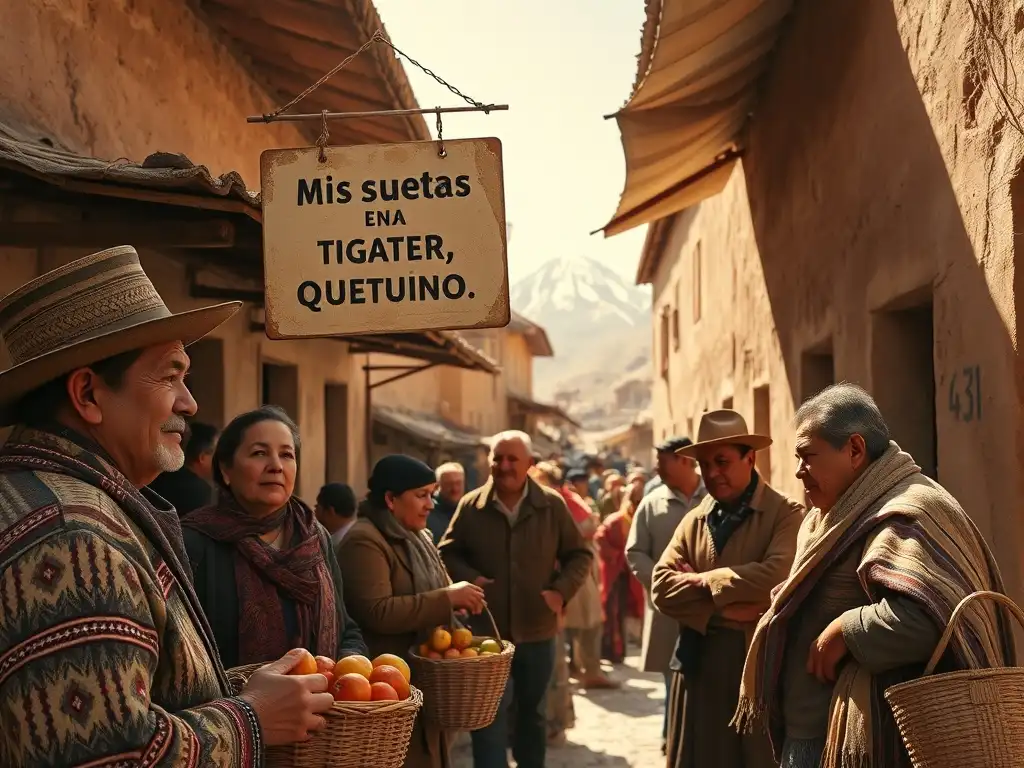
The Quechua language, far from being a mere tool for communication, acts as a potent vehicle for shaping social dynamics within Andean communities. Its enduring presence across diverse geographical areas and its adaptation to various social contexts highlight its crucial role in maintaining cultural identity and facilitating social cohesion. Understanding the social impact of Quechua requires examining not only its linguistic structure but also its intricate relationship with social structures, kinship systems, and cultural practices.
The very act of speaking Quechua strengthens community bonds, transmits knowledge across generations, and reinforces a shared sense of belonging. This section will delve into specific aspects of this complex interplay, focusing on how the language itself directly influences social interactions and community life.
The persistence of Quechua despite centuries of influence from Spanish and other languages is a testament to its deep-rooted social significance and its continued relevance in contemporary Andean society. The Quechua language social impact on Andean communities is profound and multifaceted.
Quechua's unique grammatical features directly influence social interactions. For example, the Quechua language employs a system of honorifics and address terms that reflect social hierarchies and relationships. The choice of pronouns and verb conjugations subtly conveys power dynamics and social standing. Using the appropriate form is crucial for navigating social situations and maintaining respectful communication.
Incorrect usage can lead to misunderstandings and even offense, highlighting the language's inherent social sensitivity. Furthermore, Quechua incorporates elements of politeness and indirectness, which differ significantly from the more direct style of Spanish. This difference in communication styles often leads to interesting intercultural interactions and provides valuable insights into the underlying social values of the Quechua-speaking communities.
These linguistic nuances are not simply grammatical quirks; they are integral to the social fabric of Andean communities, shaping how people interact, negotiate, and build relationships. The Quechua language's social impact is thus woven into its very structure. We see this reflected in the daily conversations, negotiations, and ceremonies that shape Andean life.
The Quechua kinship system, deeply intertwined with the language, significantly influences social interactions. Quechua utilizes a complex system of kinship terms that extend beyond immediate family, encompassing a wide network of relatives and community members. These terms not only identify biological relationships but also define social roles, responsibilities, and expectations within the community.
The use of these kinship terms reflects a strong emphasis on collectivism and mutual support, common characteristics of many Andean communities. For instance, the term for "brother" or "sister" might encompass a wider range of individuals than in Western kinship systems, extending to cousins or even close friends, reflecting a stronger sense of extended family and shared identity. The precise meaning and usage of these terms can vary across different Quechua dialects and communities, highlighting the language's remarkable adaptability and the diverse social structures it supports.
The intricate system of kinship terms in Quechua demonstrates the language's profound influence on the social fabric of Andean communities, shaping social interactions and reinforcing a strong sense of community. Further research into specific Quechua dialects is needed to fully understand the nuances of kinship terminology across the various Andean regions. [Specific data on kinship term variations across Quechua dialects pending].
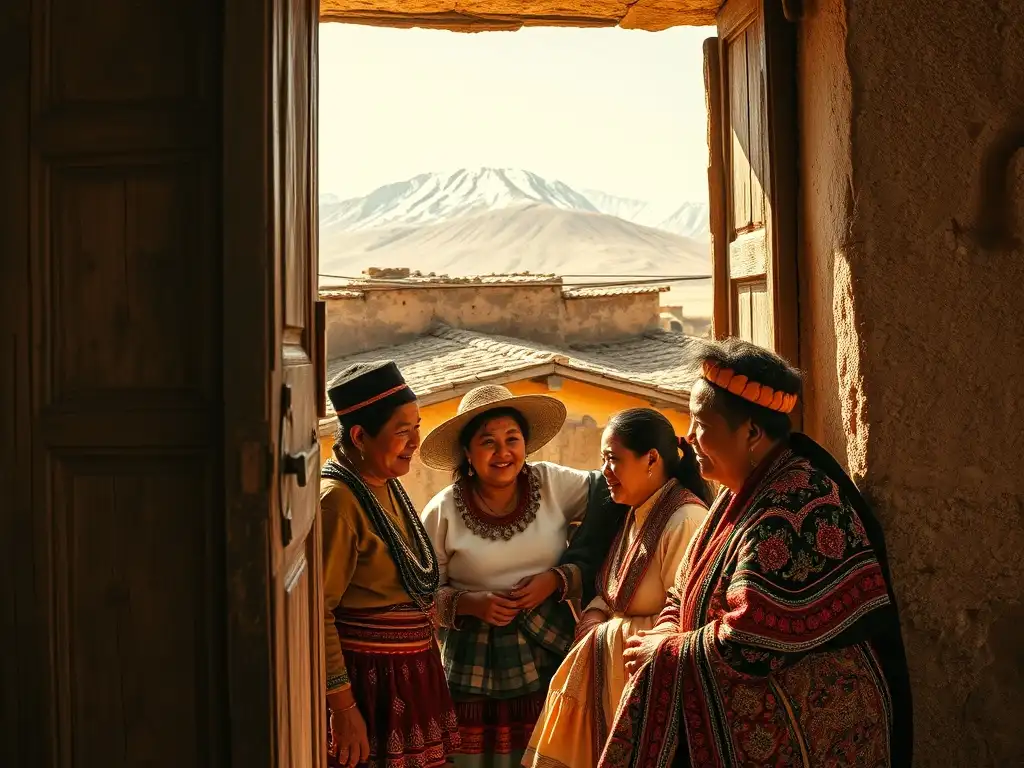
The Quechua language, a vibrant thread woven into the tapestry of Andean culture, faces a complex future. Its continued vitality hinges not only on linguistic preservation but on its ongoing social relevance within rapidly changing Andean communities. Understanding the challenges and opportunities facing Quechua is crucial to ensuring its survival and the preservation of the rich cultural heritage it embodies.
The impact of globalization, migration, and the dominance of Spanish present significant hurdles, yet simultaneously, a growing awareness of linguistic diversity and cultural pride offers a beacon of hope. The future of Quechua is inextricably linked to the future of the Andean communities it serves, and its story is one of resilience, adaptation, and the enduring power of language to shape identity and social interaction. The social impact of the Quechua language on Andean communities is undeniable, and its preservation is a task demanding concerted effort and strategic planning.
The Quechua language faces numerous challenges in maintaining its social prominence. The dominance of Spanish, particularly in urban areas and educational settings, presents a significant obstacle. Many young people prioritize learning Spanish for economic opportunities, often leading to a decline in Quechua fluency across generations. This linguistic shift can lead to a loss of traditional knowledge, cultural practices, and social cohesion deeply embedded within the Quechua language. Furthermore, migration from rural to urban areas contributes to the fragmentation of Quechua-speaking communities, hindering the transmission of the language.
However, opportunities for revitalization exist. A growing movement towards indigenous language revitalization is gaining momentum globally. This includes initiatives promoting Quechua language education, cultural festivals celebrating Quechua traditions, and the use of Quechua in media and public spaces. The increased awareness of the importance of linguistic diversity and the recognition of the Quechua language as a valuable cultural asset are crucial factors in fostering support for these initiatives.
The rise of digital platforms also offers unique opportunities for language preservation and promotion, enabling broader access to Quechua resources and fostering online communities. The key lies in developing sustainable strategies that address the socio-economic factors driving language shift while promoting the value and relevance of Quechua in contemporary Andean life. This requires a multifaceted approach involving governments, educational institutions, community leaders, and Quechua speakers themselves.
The Importance of Quechua Language Education for Future Generations
Investing in Quechua language education is paramount for ensuring the language's survival and its continued social impact on Andean communities. Comprehensive language programs, implemented from an early age, are crucial for fostering fluency and promoting a sense of cultural pride among young Quechua speakers. These programs should integrate traditional storytelling, songs, and other cultural practices to make learning engaging and meaningful.
Furthermore, integrating Quechua into the broader curriculum, across various subjects, can help normalize its use and demonstrate its relevance in everyday life. This ensures that Quechua is not perceived as a separate or outdated language, but rather as a vital tool for learning and social interaction.
The success of such programs depends on the training and support provided to teachers. Teachers need adequate resources, including culturally relevant teaching materials and ongoing professional development opportunities. Furthermore, creating supportive learning environments that celebrate linguistic diversity is crucial. This includes fostering positive attitudes towards both Quechua and Spanish, allowing students to develop bilingual proficiency.
The long-term goal is to empower future generations to use Quechua confidently and effectively in various contexts, ensuring its continued presence and influence within Andean societies. The preservation of the Quechua language is not merely a linguistic endeavor; it is an act of cultural preservation that safeguards the unique social fabric of Andean communities for generations to come. 👩🏫📚 This investment in education is an investment in the future of Andean cultural heritage and identity.
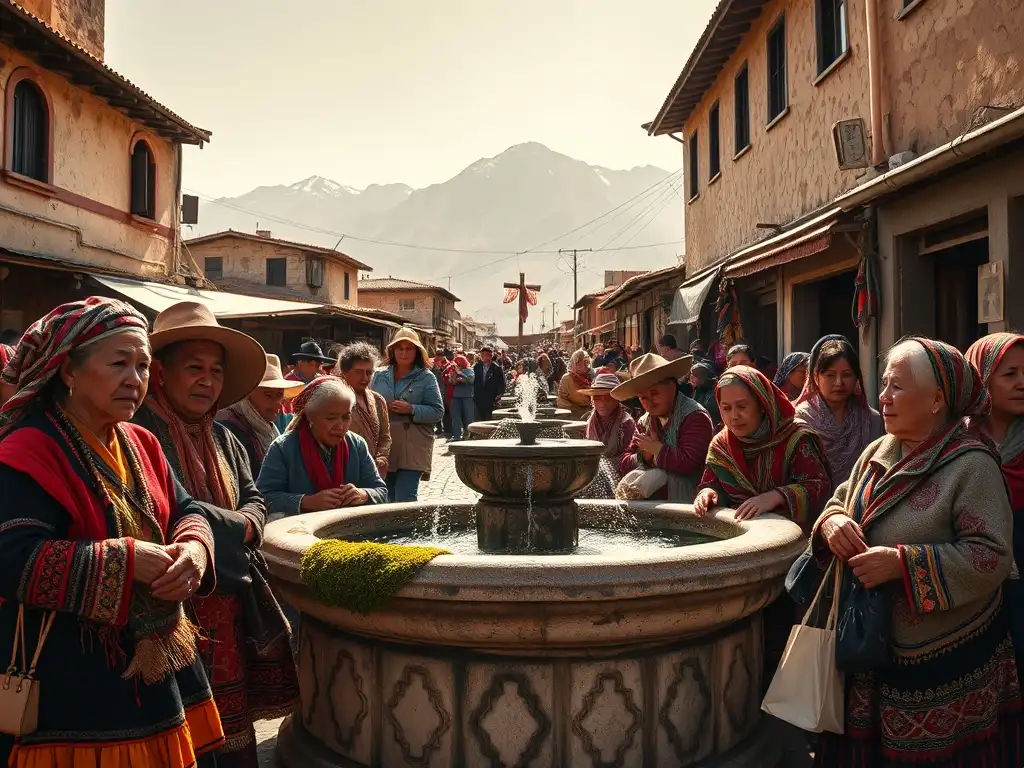
The Quechua language, far from being a relic of the past, continues to exert a powerful social impact, particularly within and beyond the traditional boundaries of the Andes. Its enduring presence speaks volumes about its role in shaping identity, fostering community, and navigating the complexities of modern life for Andean populations across the globe. Understanding this impact requires looking beyond the historical context and examining its contemporary relevance.
The resilience of Quechua demonstrates a profound connection between language and cultural survival, a testament to the enduring strength of Andean traditions. The language's influence extends far beyond simply communication; it acts as a cornerstone of cultural preservation and a vital tool for social cohesion. This is especially evident in the vibrant Quechua-speaking communities that have flourished in urban centers and across international borders.
The Influence of Quechua on Andean Diaspora Communities
Andean diaspora communities, scattered across the Americas and beyond, demonstrate the remarkable adaptability and enduring power of the Quechua language. These communities often utilize Quechua to maintain a strong sense of cultural identity amidst unfamiliar surroundings. The language acts as a vital link to their ancestral heritage, providing a sense of belonging and continuity across generations.
For example, Quechua-speaking communities in major cities like Lima, Buenos Aires, and even New York City maintain cultural centers and social groups where Quechua is the primary language of communication. This active use of Quechua strengthens social bonds, facilitates the transmission of traditional knowledge, and promotes a sense of shared identity among individuals who may have otherwise felt isolated. The impact on social cohesion is undeniable; Quechua serves as a unifying force, fostering a sense of community and mutual support.
Further research is needed to quantify the precise social impact, particularly regarding the correlation between Quechua fluency and various social indicators within these diaspora groups. [Specific data on social cohesion within diaspora communities pending].
Quechua as a Bridge Between Generations and Cultures
The Quechua language acts as a crucial bridge between generations, ensuring the transmission of ancestral knowledge, traditions, and cultural values. In many Andean communities, Quechua remains the primary language spoken within families, facilitating intergenerational communication and the preservation of oral traditions. This is particularly significant in the context of preserving traditional storytelling, songs, and agricultural practices. Grandparents often pass on their wisdom and experiences to younger generations in Quechua, creating a strong intergenerational bond and fostering a deeper understanding of their cultural heritage.
This transmission of cultural knowledge is vital for maintaining the richness and diversity of Andean culture. The continued use of Quechua also facilitates communication and understanding between different cultural groups within the Andes region. In areas where multiple indigenous languages coexist, Quechua often serves as a lingua franca, enabling communication and collaboration between communities that might otherwise struggle to understand each other.
The ongoing efforts to revitalize and promote the Quechua language are crucial for the future of Andean cultures. These efforts include educational initiatives, language immersion programs, and the development of Quechua-language media. These initiatives not only help to preserve the language but also contribute to the social and economic empowerment of Quechua speakers.
The positive social impact of Quechua, therefore, extends beyond simple communication, encompassing cultural preservation, community building, and intergenerational connection. The continued vitality of Quechua is a testament to the resilience of Andean cultures and their unwavering commitment to preserving their rich heritage. 🧑🏫 The future of Quechua is intrinsically linked to the future of Andean communities.
The Quechua language, far from being a relic of the past, continues to exert a profound social impact on Andean communities. Its persistence through centuries of colonization and globalization speaks volumes about its enduring cultural significance and its role in shaping social structures and identities. Understanding the intricate interplay between language, social organization, and cultural preservation is crucial to appreciating the vibrant tapestry of Andean societies.
The data presented here, while illustrating the complexities of Quechua's influence, only scratches the surface of this rich and multifaceted topic. Further research is needed to fully grasp the nuanced ways in which Quechua continues to evolve and adapt within the modern Andean context. The future of Quechua is intertwined with the future of Andean communities themselves, and its preservation is essential for maintaining their unique cultural heritage.
The social dynamics shaped by Quechua are multifaceted. We've seen how it functions as more than just a means of communication; it's a vehicle for transmitting cultural values, historical narratives, and social identities. Its use strengthens community bonds, fosters a sense of shared heritage, and provides a crucial link to the past.
The variations in Quechua dialects across different regions further highlight its role in defining local identities and fostering a sense of belonging within specific communities. Consider, for example, the subtle yet significant differences in vocabulary and pronunciation between Quechua speakers in the Cusco region versus those in the highlands of Ecuador – these linguistic variations reflect distinct cultural practices and social structures. This linguistic diversity, rather than being a source of division, actually enriches the broader Quechua cultural landscape.
The ongoing efforts to document and preserve these variations are vital for safeguarding the full spectrum of Quechua's cultural richness. The continued use of Quechua in various social settings – from family gatherings and religious ceremonies to local markets and political forums – underlines its enduring vitality and its profound impact on the social fabric of Andean communities. The language itself acts as a powerful symbol of resistance against cultural assimilation and a testament to the resilience of Andean culture.
The Continued Relevance of Quechua in Andean Societies
Despite the pressures of globalization and the dominance of Spanish, Quechua maintains a strong presence in many Andean societies. Its continued use is evident in various sectors, including education, media, and government. While Spanish remains the official language in many Andean nations, there's a growing movement to promote Quechua's use in education, recognizing its importance in preserving cultural heritage and fostering linguistic diversity. The implementation of bilingual education programs, for instance, aims to empower Quechua speakers and ensure that future generations can maintain fluency in their ancestral tongue.
Furthermore, the emergence of Quechua-language media outlets, such as radio stations and online platforms, plays a crucial role in promoting the language and providing access to information in a familiar and accessible format. These initiatives reflect a growing recognition of the social and economic benefits of linguistic diversity and the importance of preserving indigenous languages for future generations. The presence of Quechua in political discourse, albeit still limited in some areas, signifies a growing awareness of the language's role in representing the interests and voices of Quechua-speaking communities.
This increasing visibility of Quechua in various aspects of Andean life indicates a vibrant and resilient language that is far from disappearing. The continued relevance of Quechua is a testament to the strong cultural identity and resilience of Andean communities. The future of Quechua is not just about linguistic preservation; it's about preserving a rich cultural heritage and empowering Andean communities to shape their own futures.
Frequently Asked Questions
What is the Quechua language's significance in Andean communities?
The Quechua language holds immense cultural and social significance in Andean communities. It's a vital part of their identity, preserving traditions and fostering a sense of community. Its continued use strengthens social bonds and cultural heritage.
Quechua has played a crucial role in shaping social organization and power dynamics within Andean communities. It facilitated communication and collaboration, influencing community governance and social hierarchies throughout history. Its use continues to impact community leadership and decision-making processes.
What challenges does the Quechua language face in modern Andean societies?
The Quechua language faces challenges from the dominance of Spanish and other languages. Globalization and urbanization threaten its continued use, particularly among younger generations. Efforts to revitalize and promote Quechua are crucial for its survival.
How is the Quechua language being preserved and promoted in Andean communities?
Various initiatives are underway to preserve and promote Quechua. These include language immersion programs, community-based education projects, and the integration of Quechua into official settings. The use of Quechua in media and literature also plays a significant role.
What is the relationship between Quechua and the broader Andean cultural identity?
Quechua is intrinsically linked to the Andean cultural identity. It's a cornerstone of their heritage, deeply interwoven with their traditions, beliefs, and artistic expressions. The language's survival is vital for preserving the unique cultural tapestry of the Andes.
Final Reflection: Weaving the Threads of Quechua Identity
The enduring strength of the Quechua language is not merely a linguistic phenomenon; it is the very heartbeat of Andean communities, a vibrant testament to resilience and cultural survival in the face of globalization. Its continued use, despite centuries of pressure from dominant languages, speaks volumes about the deep-seated connection between language, identity, and social cohesion within these communities. The threads of Quechua, woven through generations, continue to bind together a rich tapestry of traditions, beliefs, and social structures.
The impact of Quechua extends far beyond mere communication; it shapes worldviews, social hierarchies, and even the very landscape of Andean life. It's a living archive, preserving invaluable knowledge about traditional practices, ecological understanding, and unique cultural perspectives. As I researched this topic, I was struck by the profound sense of community fostered by the shared language, a sentiment beautifully captured by the words of anthropologist, Alberto Flores Galindo: Language is not just a means of communication; it is the very soul of a culture.
This quote encapsulates the essence of Quechua's role in shaping Andean identity and fostering a sense of belonging.
Consider, for a moment, the power of language in your own life. How does it shape your relationships, your understanding of the world, and your sense of self? Now, imagine the strength and resilience required to maintain a language in the face of immense societal pressures. Let the story of Quechua inspire you to appreciate the diversity of human expression and to champion the preservation of cultural heritage in all its forms. Let us all work towards a future where linguistic diversity is celebrated, not suppressed, and where the voices of marginalized communities are heard and amplified.
Embrace the Power of Language in Your Community!
Thank you for exploring the fascinating relationship between language and community, using the Quechua culture as a vibrant example. Your interest in these social dynamics is crucial to understanding the richness of Andean traditions. Now, let's build on this knowledge and make a real difference!
Here are some practical steps you can take:
- Connect with Local Communities: Seek out opportunities to engage with Quechua-speaking communities. Attending local events or workshops provides a firsthand experience of the culture and fosters meaningful connections.
- Share Your Knowledge: Discuss your newfound understanding with friends and family. You could organize a small gathering or online discussion to explore Andean culture and language in more depth.
- Support Quechua Language Preservation: Promote and utilize resources dedicated to preserving and teaching Quechua. This could involve sharing valuable materials or even initiating a language exchange program.
What role do you believe language plays in shaping community identity today? Share your thoughts in the comments below!