
The Timeless Appeal of the Andes: Why the Past Continues to Intrigue Us

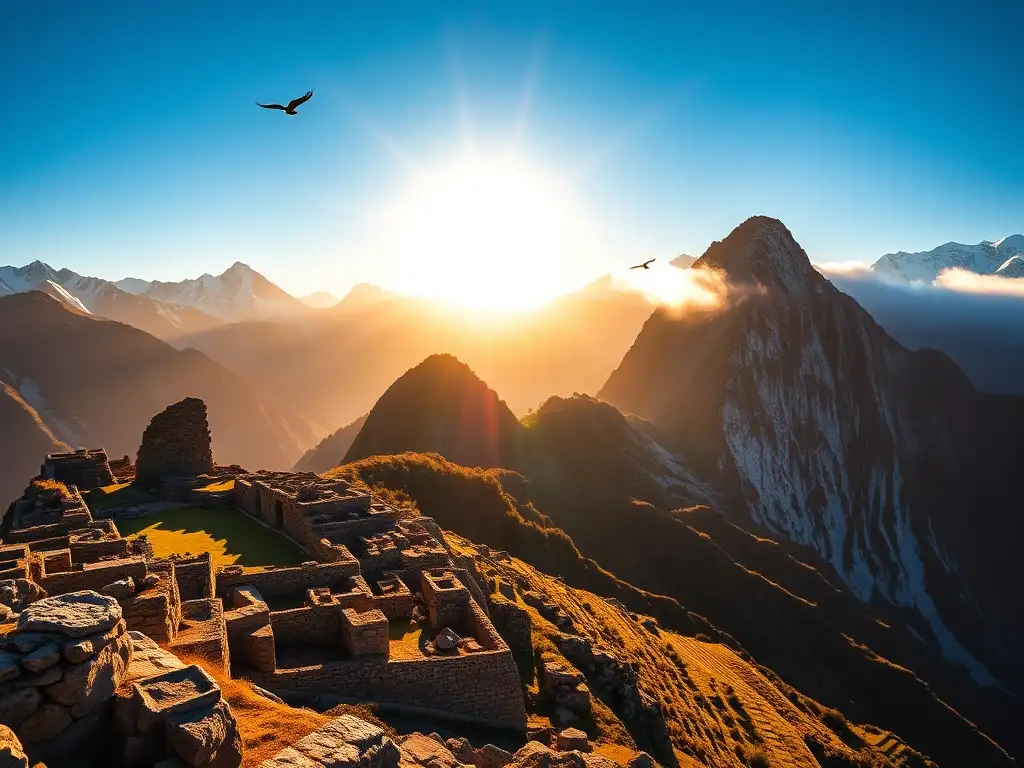
Step into a world lost to time, yet echoing with vibrant life. Ancient Andean civilizations history unfolds before you, revealing the ingenuity and artistry of cultures that thrived amidst the towering Andes mountains. From the intricate Nazca lines to the majestic Incan empire, discover the secrets and wonders of the pre-Incan highlands and unravel the mysteries that continue to fascinate us today. Prepare to be captivated by a legacy that transcends millennia—a legacy waiting to be explored.
The Andes Mountains, a spine of towering peaks traversing the western edge of South America, are not just a geographical marvel; they are a living testament to millennia of human ingenuity and resilience. For centuries, diverse and sophisticated cultures thrived in this challenging landscape, leaving behind an extraordinary legacy that continues to captivate and inspire us today.
This article delves into the fascinating history of the Ancient Andean civilizations, specifically focusing on the remarkable achievements of the pre-Inca cultures of the highlands and the regional developments that shaped the Andean world before the rise of the Inca Empire. We will explore the enduring allure of these civilizations, examining their intricate social structures, innovative technologies, breathtaking artistry, and the enduring mysteries that continue to fuel scholarly debate and public fascination.
Understanding these pre-Inca cultures is crucial to fully appreciating the complexity and richness of the Inca civilization and the broader tapestry of Andean history. The keyword "Ancient Andean civilizations history" will be explored in detail throughout this article.
Unveiling the Mysteries of Ancient Andean Civilizations
The Andes Mountains presented unique challenges – harsh climates, treacherous terrain, and unpredictable weather patterns. Yet, far from hindering development, these challenges spurred innovation and adaptation. Ancient Andean civilizations, including the Moche, Nazca, Tiahuanaco, and others, developed sophisticated agricultural techniques, such as terracing and irrigation systems, allowing them to cultivate the steep slopes and arid valleys.
Their mastery of astronomy is evidenced by the precise alignment of structures like the Nazca Lines, still baffling researchers with their purpose and scale. Furthermore, their advancements in metallurgy, particularly in gold and silver working, produced exquisite artifacts that showcase their artistic prowess and technological skills. The intricate textiles, ceramics, and monumental architecture further illustrate the complexity and sophistication of these societies.
These cultures weren't isolated; they interacted, traded, and even engaged in conflict, creating a dynamic and interconnected Andean world long before the Inca Empire. Understanding their interactions helps us comprehend the evolution of Andean culture and the eventual emergence of the Inca.
The Enduring Legacy of Pre-Incan Cultures in the Highlands
The pre-Inca highland cultures left an indelible mark on the Andes, their influence permeating subsequent societies. Their sophisticated understanding of agriculture provided the foundation for future food production, while their architectural innovations, such as the use of stone and intricate building techniques, were adopted and adapted by later civilizations. The intricate social structures and religious beliefs of these cultures also played a significant role in shaping the worldview and practices of the Inca.
For example, the veneration of mountains and the importance of ancestor worship, themes prevalent in many pre-Inca cultures, continued to hold significance within the Inca empire. Studying these legacies allows us to trace the continuity and change in Andean culture over time, highlighting the complex interplay between innovation and tradition. The impact of these pre-Inca societies is undeniable, forming a crucial base for the later Inca civilization.
Exploring Regional Developments Before the Inca Empire
The Andean region before the Inca Empire was far from monolithic. Different cultures flourished in distinct ecological zones, each developing unique adaptations and characteristics. The coastal regions saw the rise of powerful civilizations like the Moche, renowned for their elaborate funerary practices and sophisticated metalworking, while the highlands witnessed the development of the Tiahuanaco culture, known for its monumental architecture and complex irrigation systems.
These regional variations demonstrate the adaptability and resilience of Andean societies in response to diverse environmental challenges. The interactions between these distinct cultures – through trade, warfare, and cultural exchange – shaped the political landscape and contributed to the eventual rise of the Inca.
Understanding this complex interplay of regional developments is critical to fully comprehending the pre-Inca history and the eventual dominance of the Inca. The study of these diverse cultures provides a richer understanding of the "Ancient Andean civilizations history" than focusing solely on the Inca.
- Unveiling the Mysteries of Ancient Andean Civilizations
- The Enduring Legacy of Pre-Incan Cultures in the Highlands
- Exploring Regional Developments Before the Inca Empire
- What makes the study of Ancient Andean civilizations so important?
- How did the various Andean cultures interact with each other?
- What were some of the key technological achievements of the Ancient Andean civilizations?
- What is the significance of art and religion in Ancient Andean cultures?
- How did the Spanish conquest impact the Ancient Andean civilizations?
The Allure of the Andes: A Journey Through Time
The enduring fascination with Ancient Andean civilizations history stems from a confluence of factors, extending beyond mere archaeological discoveries. The sheer scale of their achievements, considering the challenging geographical environment, continues to inspire awe. Their sophisticated understanding of agriculture, astronomy, and engineering, developed in isolation from other major civilizations, presents a unique lens through which to understand human ingenuity and adaptation.
The intricate artistry and religious beliefs reflected in their artifacts and monumental structures offer glimpses into a rich and complex worldview, profoundly different from our own. This section delves into the geographical and ecological factors that shaped these remarkable societies and their remarkable adaptations to high-altitude living.
The Geographical Context: Shaping Andean Societies
The Andes Mountains, a colossal spine running down the western coast of South America, dramatically impacted the development of Ancient Andean civilizations history. The towering peaks, deep valleys, and arid coastal deserts created a diverse tapestry of environments, fostering regional variations in culture and societal organization. The inaccessibility of many areas contributed to the emergence of independent cultural centers, each with its unique traditions and technologies.
The challenging terrain also necessitated innovative solutions for agriculture, transportation, and resource management, leading to impressive feats of engineering such as terraced farming and sophisticated irrigation systems. The rugged landscape itself became a defining element of Andean identity, deeply embedded in their mythology and worldview. Understanding the geography is crucial to understanding the diversity and resilience of these ancient cultures.
The Diverse Ecosystems of the Andes and Their Impact on Culture
The Andes boast a remarkable range of ecosystems, from the arid coastal deserts to the lush cloud forests and high-altitude puna grasslands. This ecological diversity profoundly shaped the lives and cultures of the pre-Inca Andean civilizations. The coastal regions, characterized by aridity and marine resources, supported fishing communities and specialized crafts. The valleys provided fertile land for agriculture, leading to the development of intensive farming techniques.
The high-altitude puna, with its harsh conditions, presented unique challenges, forcing adaptations in agriculture, housing, and clothing. For example, the cultivation of potatoes, quinoa, and other hardy crops became essential for survival in these challenging environments. The varied ecosystems also contributed to regional trade networks, with communities exchanging goods and resources based on their specialized production. This intricate interplay between environment and culture is a key aspect of Ancient Andean civilizations history.
High Altitude Adaptations and Early Andean Life
Life at high altitudes in the Andes presented significant physiological challenges. The thin air, reduced oxygen levels, and intense solar radiation demanded remarkable adaptations. Early Andean populations developed strategies for coping with these conditions, including specialized diets rich in carbohydrates and iron, and the construction of dwellings designed to optimize warmth and shelter. Archaeological evidence suggests sophisticated understanding of medicinal plants and practices to alleviate altitude sickness. The development of sophisticated agricultural techniques, such as terracing and irrigation, allowed for the cultivation of crops in challenging environments. These adaptations weren't merely physical; they also shaped social structures and beliefs. For example, the importance of community cooperation in managing resources and mitigating risks became central to their social organization. The resilience and ingenuity displayed in overcoming the challenges of high-altitude living are testaments to the remarkable adaptability of early Andean populations and a crucial aspect of understanding Ancient Andean civilizations history.
Pre-Incan Cultures: A Tapestry of Innovation
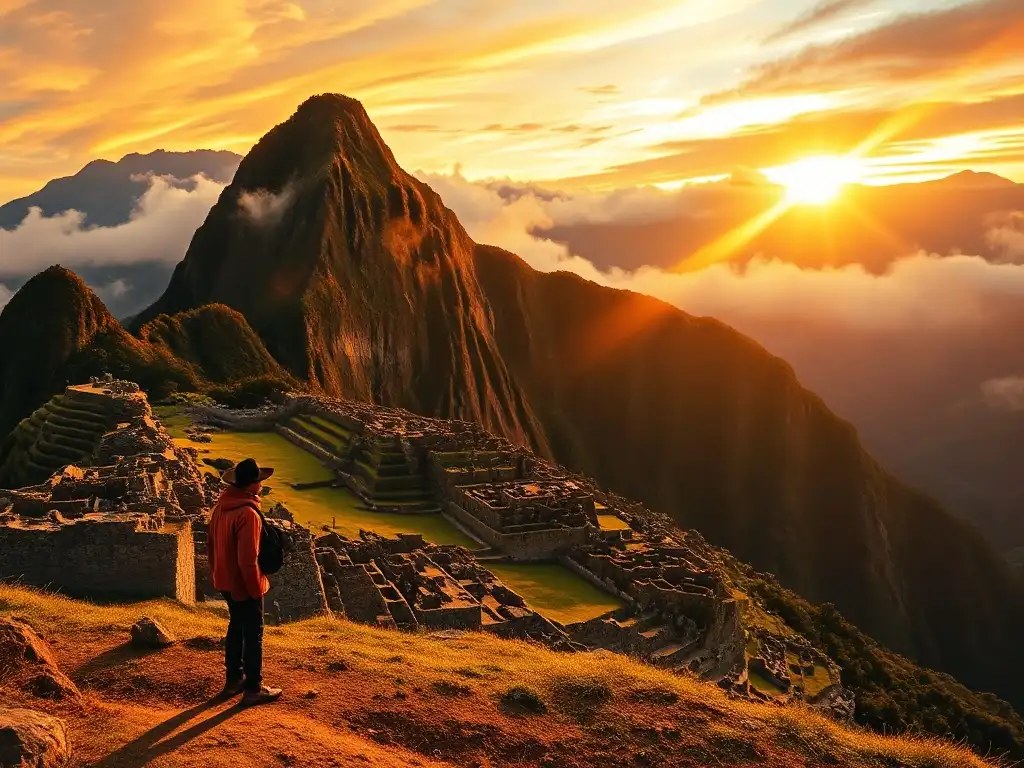
This section delves into the fascinating advancements and unique cultural expressions of the Andean region before the rise of the Inca Empire. Understanding these pre-Inca cultures – their sophisticated technologies, artistic achievements, and complex social structures – is crucial to appreciating the full richness of Ancient Andean civilizations history. We'll explore three prominent examples: the Moche, Nazca, and Tiahuanaco civilizations, highlighting their individual contributions to the tapestry of Andean development.
Each civilization left an indelible mark, shaping the landscape and influencing subsequent cultures in profound ways. Their legacy continues to inspire awe and wonder, demonstrating the ingenuity and resilience of these ancient peoples.
The Moche Civilization: Art, Power, and Irrigation Techniques
The Moche (circa 100-800 CE) were a powerful coastal civilization known for their remarkable artistry and sophisticated irrigation systems. Their mastery of ceramics is unparalleled, producing intricately detailed and vividly colored pottery depicting scenes of daily life, warfare, and religious rituals. These artifacts offer invaluable insights into their social hierarchy, religious beliefs, and daily activities. The Moche elite controlled vast resources and exerted considerable power, as evidenced by their elaborate tombs filled with gold and silver ornaments, along with finely crafted objects.
The Moche also developed impressive irrigation systems to cultivate the arid coastal lands. They constructed intricate networks of canals and reservoirs, diverting water from rivers and streams to irrigate their fields. This allowed them to support a large population and develop a thriving agricultural economy. The scale and complexity of their engineering feats are a testament to their advanced understanding of hydrology and their capacity for organized labor.
Evidence suggests a sophisticated system of social organization was necessary to manage these large-scale projects, implying a complex and centralized societal structure. The legacy of the Moche's ingenuity is still visible today in the remnants of their irrigation systems and the enduring beauty of their pottery, a powerful testament to their artistic and engineering prowess. The study of their sophisticated irrigation techniques contributes significantly to our understanding of Ancient Andean civilizations history.
The Nazca Culture: Decoding the Enigmatic Lines
The Nazca culture (circa 100 BCE – 800 CE), flourishing in the south coastal region of Peru, is most famous for its enigmatic geoglyphs – the Nazca Lines. These vast designs, etched into the desert surface, depict animals, plants, and geometric shapes, many visible only from the air. Their purpose remains a subject of debate among scholars, with theories ranging from astronomical calendars to ritualistic practices. However, the sheer scale and precision of these creations are undeniably impressive.
Beyond the Lines, the Nazca civilization also produced exquisite textiles, ceramics, and intricate goldwork. Their mastery of weaving techniques resulted in finely crafted textiles adorned with elaborate designs. These textiles often depict scenes of daily life, religious ceremonies, and mythical creatures, providing valuable insights into their worldview and cultural practices.
The Nazca's advanced knowledge of astronomy, evident in the alignment of some geoglyphs with celestial bodies, further underscores their sophisticated understanding of the natural world. The intricate designs and precision of the Nazca Lines, combined with their artistic achievements, represent a unique contribution to the rich landscape of Ancient Andean civilizations history. Further research is needed to fully decipher the meaning and purpose of these remarkable creations.
The Tiahuanaco Empire: Engineering Marvels and Spiritual Beliefs
The Tiahuanaco culture (circa 500-1000 CE) exerted significant influence across a wide area of the Andes, creating a powerful empire centered around the city of Tiahuanaco (modern-day Bolivia). This civilization is remarkable for its monumental architecture, sophisticated engineering, and complex religious beliefs. The city of Tiahuanaco itself was a center of power and religious significance, featuring massive stone structures, intricately carved monoliths, and impressive examples of precision stonework. The precise methods used to transport and assemble these colossal stones remain a subject of ongoing investigation and debate among researchers.
Tiahuanaco's influence extended far beyond its central city, with evidence suggesting a sophisticated administrative system and a vast trade network spanning much of the Andes. Their religious beliefs were deeply intertwined with their cosmology and agricultural practices, emphasizing the importance of water and fertility.
The widespread distribution of Tiahuanaco-style ceramics and artifacts across the Andes demonstrates the far-reaching impact of this empire and its significant contribution to the development of Ancient Andean civilizations history. The precise mechanisms of their control and the nature of their interactions with other Andean cultures continue to be actively researched, adding to our understanding of this enigmatic and influential civilization.
Other Notable Pre-Incan Societies: The Chavin
The Chavín culture, flourishing from roughly 900 to 200 BCE in the northern Andes of Peru, represents a pivotal moment in Andean history. Their influence, though not through a vast empire in the traditional sense, spread remarkably through a complex network of trade and cultural exchange. The Chavín's legacy is primarily defined by their iconic artistic style and religious beliefs, evident in their monumental architecture and intricate artifacts. The Chavín de Huántar site, located in the Callejón de Huaylas, serves as a prime example.
This sprawling complex features impressive stone structures, intricate carvings, and a sophisticated water management system, demonstrating advanced engineering capabilities for the time. Their artistic motifs, frequently depicting jaguars, snakes, and other powerful animals, often imbued with supernatural qualities, became widespread throughout the region, influencing subsequent cultures and suggesting a powerful religious ideology that transcended geographical boundaries. The use of distinctive stylistic elements in ceramics, textiles, and metalwork further underlines their cultural impact.
Scholars continue to debate the exact nature of Chavín power and influence, but the pervasive presence of Chavín-style art across a wide geographical area speaks volumes about its cultural significance in the development of Ancient Andean civilizations history. The Chavín culture's sophisticated artistic expression and their ability to disseminate their religious beliefs across vast distances serve as a testament to their ingenuity and impact on the subsequent development of Andean societies. Understanding the Chavín allows us to appreciate the complex layering of cultural influences that shaped the Andean world before the Inca.
The Wari
Emerging in the south-central Andes around 600 CE, the Wari civilization established one of the first large-scale empires in the region, predating the Inca by several centuries. Unlike the Chavín, the Wari exerted their influence through direct political control, creating a vast administrative network that spanned much of present-day Peru. Their capital, located near present-day Ayacucho, was a significant urban center, characterized by its planned layout and impressive architecture. The Wari built extensive road systems, connecting their vast territories and facilitating trade and communication.
This infrastructure, coupled with their sophisticated administrative techniques, allowed them to effectively govern a diverse population, consolidating resources and maintaining control. Wari pottery and textiles are distinctive, displaying standardized designs and styles that suggest a centralized production system. The Wari also developed a unique system of storage facilities, indicating sophisticated agricultural practices and a capacity to manage surplus food production. Archaeological evidence shows substantial evidence of their influence in numerous settlements across a wide area, from the coast to the highlands.
The collapse of the Wari empire remains a subject of ongoing research; however, several factors, such as climate change, internal conflicts, and possibly overextension of their administrative reach, likely contributed to their decline. The legacy of the Wari empire is undeniably significant in the development of Ancient Andean civilizations history. Their sophisticated administrative organization, advanced infrastructure, and standardized artistic production laid the groundwork for later Andean empires, particularly the Inca, highlighting their crucial role in shaping the political and cultural landscape of the Andes. The study of Wari continues to reveal valuable insights into the complexities of pre-Columbian state formation and the challenges of managing a large-scale empire in the Andean context.
The Technological Prowess of Ancient Andean Peoples
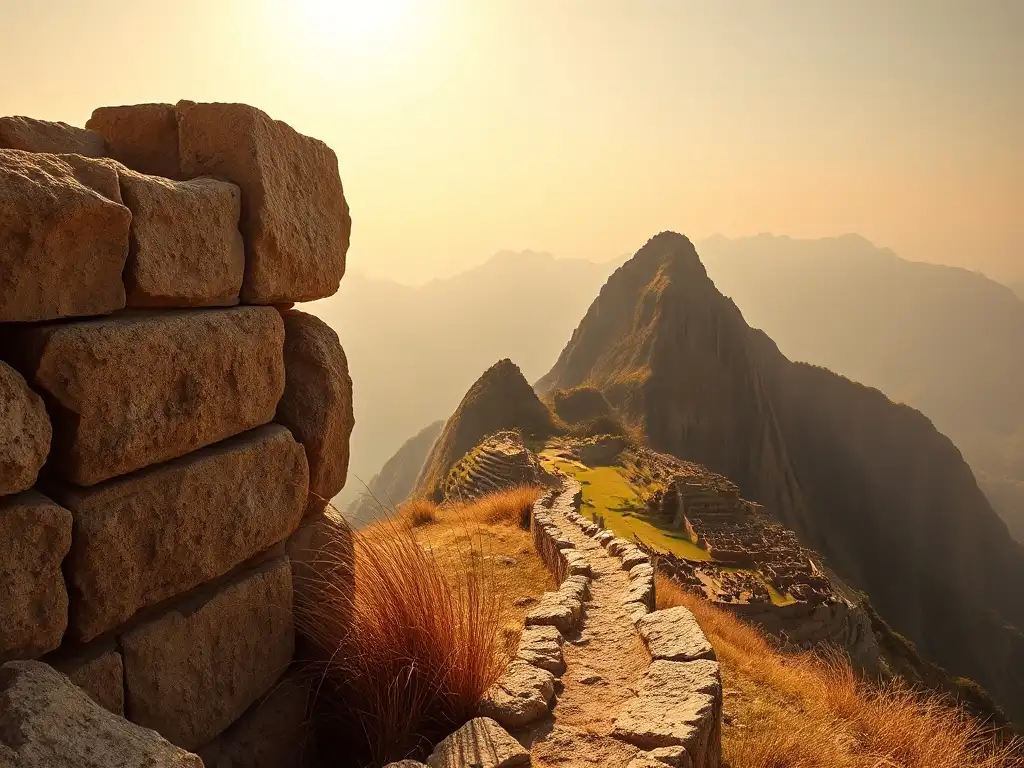
The enduring fascination with Ancient Andean civilizations history stems not only from their captivating art and intricate social structures but also from their remarkable technological achievements. These innovations, developed in challenging mountainous terrain, showcase ingenuity and adaptability that continue to amaze researchers today. Understanding these advancements provides critical context to appreciating the complexity and sophistication of these societies. The ingenuity displayed in agriculture, metallurgy, and textile production stands as a testament to the intellectual capabilities of these ancient peoples. Their mastery of their environment allowed for thriving communities and the creation of lasting legacies.
Advanced Agricultural Practices: Terracing and Water Management
The harsh Andean environment, characterized by steep slopes and unpredictable rainfall, presented significant challenges to agriculture. However, Ancient Andean civilizations history is replete with examples of ingenious solutions to these problems. The most striking example is the widespread use of terracing. This involved carving flat platforms into the mountain slopes, creating level fields for cultivation. This not only increased the amount of arable land but also helped to retain water and prevent soil erosion. The scale of these terracing projects is breathtaking, demonstrating a sophisticated understanding of engineering principles and a remarkable level of collective effort.
Furthermore, effective water management was crucial for survival. The ancient Andeans developed intricate systems of canals, aqueducts, and irrigation channels to divert water from rivers and streams to their fields. These systems were often remarkably efficient, allowing for the cultivation of crops even in arid regions. The Nazca culture, for instance, is famous for its sophisticated irrigation systems, which enabled them to thrive in the otherwise desert-like landscape of southern Peru.
Analysis of these systems reveals a deep understanding of hydrology and a commitment to sustainable agricultural practices. The precision and scale of these projects highlight the sophisticated planning and organizational capabilities of these societies. Evidence suggests that specific individuals or groups held specialized knowledge and oversaw the construction and maintenance of these vital water systems.
Metallurgical Skills: Working with Gold, Silver, and Copper
Ancient Andean civilizations history demonstrates a significant mastery of metallurgy, particularly in the working of gold, silver, and copper. These metals were not just used for practical tools but also for elaborate ceremonial objects and adornments, reflecting the high value placed on these materials and the skill of the artisans who worked them. The Moche culture, known for its expressive pottery, also produced intricate gold and silver artifacts. These objects, often depicting scenes of warfare, ritual, and daily life, provide valuable insights into Moche beliefs and social structures.
The techniques employed by these ancient metallurgists were remarkably advanced. They mastered techniques such as hammering, casting, and soldering, creating objects of incredible detail and sophistication. The use of alloys, such as tumbaga (an alloy of gold and copper), further demonstrates their understanding of material science.
Archaeological findings consistently reveal the high level of skill and artistry involved in the creation of these objects, ranging from delicate jewelry to large-scale ceremonial items. The precise hammering and intricate details on many artifacts highlight the specialized training and expertise required for this craft. The survival of these pieces, often in remarkable condition, is testament to the durability and quality of their metallurgical work.
Textile Art and Weaving Techniques: Paracas Mantles
The textile traditions of the Ancient Andean civilizations are legendary, with the Paracas culture standing out for its exquisite mantles. These richly colored and intricately woven textiles are renowned for their exceptional quality and artistic merit. The Paracas mantles are not merely decorative; they also reflect significant aspects of Ancient Andean civilizations history, often depicting mythological figures, animals, and scenes from daily life. These mantles were frequently used in burial ceremonies, highlighting their ceremonial and symbolic significance.
The weaving techniques employed by Paracas artisans were exceptionally advanced, involving complex patterns and the use of a wide range of colors and materials. They used a variety of techniques, including tapestry weaving, embroidery, and supplementary weft techniques, to create incredibly detailed and richly textured fabrics. The use of vibrant dyes, derived from natural sources, further enhanced the visual appeal of these textiles.
The sheer scale and intricacy of many mantles are astonishing, suggesting a highly organized and specialized textile production system. The preservation of these delicate textiles, often found in remarkably good condition within the arid coastal tombs, provides a unique window into the artistry and technical skills of the Paracas people, representing a significant element in Ancient Andean civilizations history. The enduring beauty and complexity of their textiles continue to inspire awe and admiration today.
The Development of Early Andean Pottery and Ceramics
The development of pottery and ceramics in the Andes represents a fascinating journey through technological innovation and artistic expression, deeply intertwined with the evolution of Ancient Andean civilizations history. Early examples, dating back to the initial periods of settled agriculture, showcase rudimentary techniques, often employing simple coil-building methods. These early vessels, frequently undecorated or featuring only basic incised patterns, served primarily utilitarian purposes – storing food, water, and other essential goods.
The materials used reflected the local availability of clay, leading to variations in color and texture across different regions. For example, coastal regions might have utilized clays with a higher silica content, resulting in lighter-colored pottery, while highland communities often worked with clays yielding darker, richer hues.
The transition to more sophisticated techniques, such as the use of the potter's wheel (though not universally adopted across all Andean cultures), marked a significant advancement. This allowed for the creation of more refined, symmetrical forms and increased production efficiency. The introduction of the wheel, however, didn't necessarily signal a decline in hand-building methods; many cultures continued to use both techniques concurrently, often adapting them to suit specific functional or aesthetic needs.
The development of specialized kilns also played a crucial role in improving the quality and durability of Andean pottery. These kilns allowed for higher firing temperatures, resulting in stronger, more water-resistant vessels, essential for long-term storage and transport.
The artistry of Andean pottery evolved alongside its technological advancements. Early simple decorations gave way to increasingly complex designs, reflecting the growing sophistication of Andean societies. We see the emergence of intricate painted motifs, often depicting animals, plants, and human figures, reflecting both religious beliefs and everyday life.
Different styles and techniques emerged across various cultures, allowing archaeologists to identify and trace the movements and interactions of different groups. For instance, the distinctive polychrome pottery of the Moche culture, with its vibrant colors and detailed depictions of rituals and mythology, stands in stark contrast to the simpler, often monochrome wares of other contemporaneous groups. The study of these stylistic variations provides invaluable insights into the diverse cultural landscapes of the Ancient Andean civilizations history.
Analyzing the chemical composition of pigments and clays further enables researchers to reconstruct trade networks and interactions between different communities. The enduring legacy of Andean pottery and ceramics continues to captivate researchers and enthusiasts alike, offering a rich tapestry of technological achievement and artistic expression.
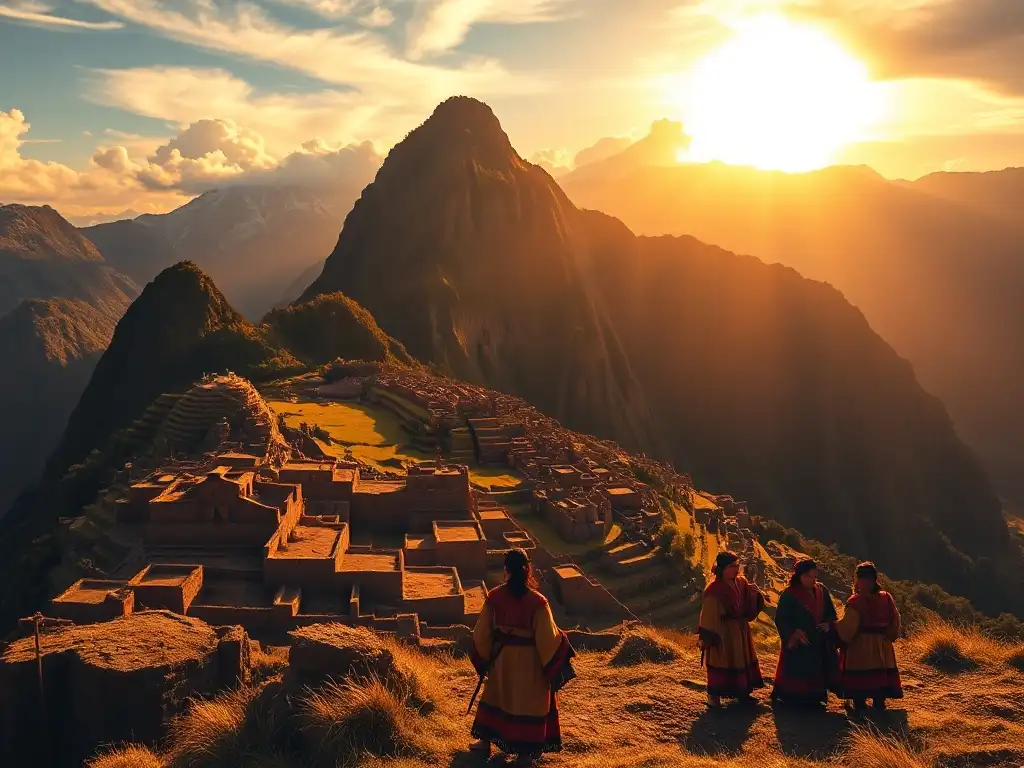
This section delves into the intricate social and religious frameworks that shaped the lives of the diverse Ancient Andean civilizations history before the Inca Empire's rise. Understanding these structures provides crucial insight into their accomplishments and lasting legacy. We'll examine the hierarchical societies, the prominent role of religion, and the significance of ancestor veneration.
Pre-Inca Andean societies weren't monolithic; they exhibited a range of social structures, often hierarchical. While the specifics varied between cultures (like the Moche, Nazca, and Tiahuanaco), common threads emerge. Generally, a ruling elite controlled resources and wielded significant power. This elite, often considered descendants of deities or possessing special shamanistic abilities, controlled access to land, labor, and religious ceremonies.
The evidence suggests a stratified society, with artisans, farmers, and laborers forming the majority. Archaeological findings, such as elaborate tombs for elites contrasted with simpler burials for commoners, vividly illustrate this disparity. Furthermore, the complexity of some urban centers, like those of the Moche, indicates a sophisticated system of social organization necessary to manage large-scale projects like irrigation systems and monumental architecture.
The power dynamics weren't always static. Evidence suggests periods of upheaval and change, with shifts in power potentially linked to environmental factors (droughts, floods) or internal conflicts. Studying ancient Andean civilizations history reveals a dynamic interplay between social classes, with power structures evolving over time. The nature of this power, whether based primarily on religious authority, kinship, or military strength, remains a subject of ongoing research and debate for scholars of Ancient Andean civilizations history.
Religious Beliefs and Ritual Practices: Inti, the Sun God
Inti, the sun god, held immense importance across many Andean cultures, though the specifics of worship varied. While not universally worshipped to the same extent as in the Inca Empire, the sun's life-giving power was widely recognized, symbolizing fertility, abundance, and the cyclical nature of life and death. The sun's daily journey across the sky was often mirrored in elaborate religious ceremonies and rituals.
Many cultures incorporated astronomical observations into their religious practices, constructing monumental sites aligned with solstices and equinoxes. These observatories, like those found in various locations throughout the Andes, demonstrate a deep understanding of astronomy and its connection to their religious beliefs. The sun god's importance is further underscored by the discovery of numerous artifacts depicting Inti in various forms – from gold ornaments to intricate pottery.
Religious practices extended beyond the worship of Inti. Other deities representing mountains, water, and other natural forces played crucial roles. The interplay between these deities and the sun god showcases a complex pantheon reflecting the Andean worldview, where the natural world was deeply intertwined with the spiritual realm. Detailed analysis of iconography and ritual objects continues to reveal further nuances in the religious beliefs and practices of these fascinating Ancient Andean civilizations history.
The Role of Ancestor Veneration in Andean Societies
Ancestor veneration formed a cornerstone of Andean spirituality, deeply impacting social structures and daily life. Belief in the continued presence and influence of ancestors was fundamental, impacting both religious and social practices. Evidence suggests that ancestors were considered intermediaries between the living and the divine, capable of influencing harvests, health, and the overall well-being of the community.
This reverence manifested in various ways. Elaborate funerary rituals, including the inclusion of grave goods reflecting the deceased's status, attest to the importance given to proper burial and remembrance. Mummies, often adorned with elaborate clothing and jewelry, were sometimes kept within family homes or designated shrines, further highlighting the ongoing connection between the living and the dead.
The impact of ancestor veneration on social structures is evident in the organization of kinship groups and lineage systems. The lineage of powerful families was often traced back to revered ancestors, reinforcing their authority and legitimacy. This system further solidified social hierarchies, with the descendants of revered ancestors holding privileged positions within their communities. The study of these practices offers valuable insights into the social dynamics and belief systems that shaped the Ancient Andean civilizations history.
The Significance of Andean Iconography: The Staff God
The Staff God, a recurring motif in ancient Andean art, particularly prevalent in the pre-Inca cultures of the central Andes, represents a complex interplay of religious beliefs and social structures. Depicted as a figure wielding a staff, often adorned with intricate details and symbolic elements, this deity holds a prominent place in understanding the cosmology and worldview of these societies. The staff itself is not merely a tool; it's a symbol of power, authority, and connection to the supernatural realm.
Different interpretations exist, with some scholars suggesting it represents a shamanistic figure mediating between the human and spiritual worlds, while others propose it symbolizes a ruler or a deified ancestor. The iconography surrounding the Staff God varies depending on the specific culture and time period, but common elements include stylized clothing, headdresses, and accompanying animals or mythical creatures, all contributing to a richer understanding of their beliefs.
The meticulous detail in these representations highlights the importance placed on these figures within Andean society. The prevalence of the Staff God in textiles, ceramics, and metalwork underscores its significance as a central figure in religious rituals and ceremonies.
The varied depictions of the Staff God across different Andean cultures also reveal regional variations in religious practices and beliefs. While the core symbolism of the staff remains consistent, the accompanying iconography and the overall stylistic choices can differ significantly, highlighting the diversity within the Andean world. For example, the representation of the Staff God in Moche art differs noticeably from that found in Nazca pottery, reflecting the unique artistic traditions and religious interpretations of each culture.
These variations provide valuable insights into the specific beliefs and practices of each group, while simultaneously demonstrating the underlying interconnectedness of Andean cultures. Further research into the specific contexts in which these images appear is crucial to fully unravel the multifaceted meaning of the Staff God. Archaeological excavations continue to unearth new examples, offering further opportunities to deepen our understanding of this important figure.
The careful study of these artifacts, combined with anthropological analysis, allows for a more nuanced interpretation of the Staff God's role within Andean society. The ongoing scholarly debate surrounding its significance demonstrates the complexity and enduring fascination with this iconic figure.
Why the Ancient Andes Captivates Us Today
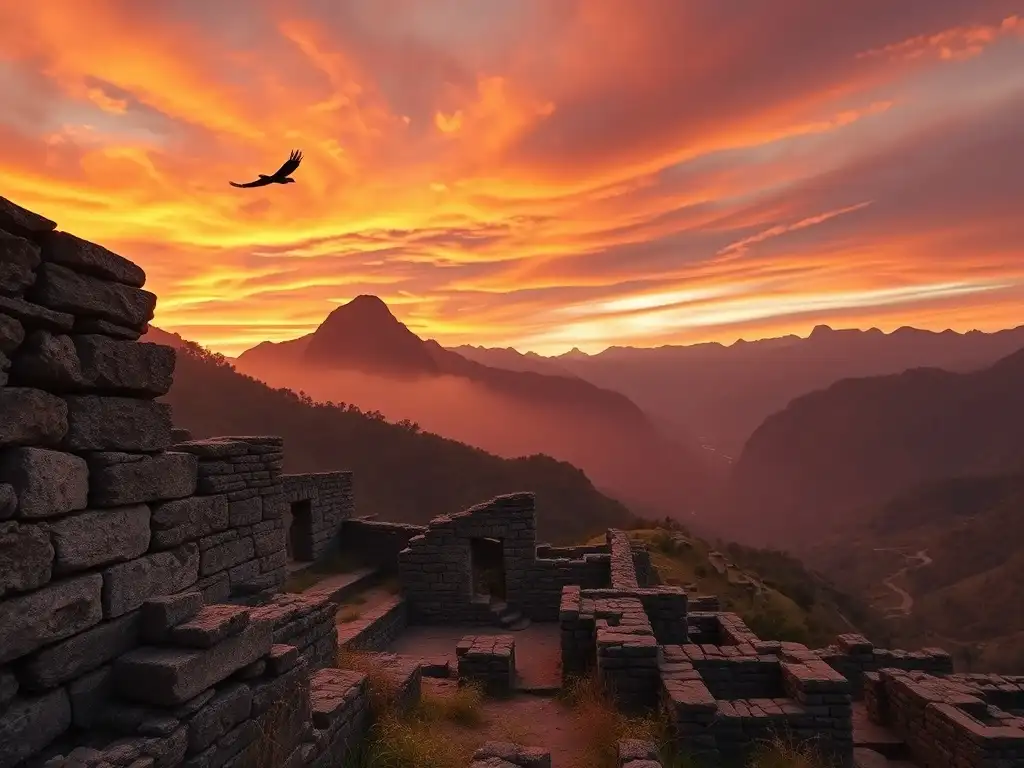
The enduring fascination with Ancient Andean civilizations history stems from a confluence of factors. It's not simply the grandeur of their achievements, but the intricate weaving of their lives, beliefs, and ingenuity into the very fabric of the Andes mountains themselves. The sheer scale of their accomplishments, considering the technological limitations of their time, is astonishing.
This section will explore some key aspects of this enduring appeal, focusing on specific examples that highlight the unique aspects of Andean culture and its lasting impact. The study of these civilizations offers a window into human resilience, adaptation, and the enduring power of cultural heritage.
Understanding their sophisticated systems of governance, agriculture, and spiritual practices provides valuable insights into human societies and their interaction with their environment, a critical lens for understanding the challenges we face today. The mystery surrounding certain aspects of their culture only adds to their allure, fueling ongoing research and captivating the imaginations of scholars and the public alike.
The Intricacy of Andean Art and Architecture: Machu Picchu
Machu Picchu, the iconic "Lost City of the Incas," stands as a testament to the sophisticated engineering and artistic prowess of the Inca civilization. Its construction, perched high in the Andes, involved a remarkable understanding of both architecture and the surrounding landscape. The precise stonework, the intricate water management systems, and the overall harmony between the city and its environment are truly awe-inspiring.
But Machu Picchu is just one example; many other sites throughout the Andes showcase the artistic skills of these ancient peoples. Consider the intricate textiles, often featuring vibrant colors and complex designs, which reveal sophisticated weaving techniques and a deep understanding of natural dyes. Or the finely crafted pottery, depicting scenes of daily life, mythology, and religious ceremonies, offering invaluable glimpses into their culture and beliefs.
The sheer artistry displayed in these artifacts speaks volumes about the ingenuity and creativity of these ancient civilizations. The precision and complexity of their work continue to inspire awe and wonder, captivating researchers and visitors alike, solidifying their legacy in the annals of "Ancient Andean civilizations history." The enduring appeal of Machu Picchu and similar sites is not just about their physical presence but also their symbolic power; they represent the incredible achievements of a civilization that thrived in a challenging environment.
The Mysteries Surrounding Unexplained Phenomena: The Nazca Lines
The Nazca Lines, a series of massive geoglyphs etched into the Peruvian desert, remain one of the greatest enigmas of Ancient Andean civilizations history. These enormous figures, depicting animals, plants, and geometric shapes, are only fully visible from the air, leading to much speculation about their purpose and creation. While various theories exist, ranging from astronomical observatories to ritual sites, no definitive answer has been reached.
The scale and precision of the lines are astonishing, requiring a level of organization and planning that speaks to the advanced societal structure of the Nazca culture. The mystery surrounding the lines continues to fuel research and fascination, drawing in experts from various fields, including archaeology, anthropology, and even astronomy. The ongoing debate and the sheer scale of the undertaking make the Nazca Lines a compelling example of the enduring mystery that surrounds some aspects of Ancient Andean civilizations history.
The lack of a definitive explanation only serves to enhance their allure, making them a powerful symbol of the unknown and a testament to the enduring questions that the study of the past can pose. The challenge of understanding their creation and purpose continues to captivate researchers and the public alike.
The Lessons We Can Learn From Ancient Andean Civilizations: Sustainable Agriculture
The ingenuity of Ancient Andean civilizations is perhaps most evident in their agricultural practices. Faced with challenging terrain and varying climates, these civilizations developed sophisticated techniques to cultivate crops in the harsh Andean environment. Terracing, irrigation systems, and the domestication of diverse crops demonstrate a deep understanding of ecology and a remarkable ability to adapt to their environment.
Their sustainable agricultural practices offer valuable lessons for modern societies grappling with issues of food security and environmental sustainability. The Andean civilizations' approach to resource management, particularly their understanding of water conservation and soil fertility, provides valuable insights into sustainable living. The study of their agricultural innovations provides a powerful case study for developing sustainable agricultural practices in challenging environments.
Their success in cultivating a variety of crops in diverse climates offers valuable lessons for modern agriculture, highlighting the importance of biodiversity and resilience in food production. Studying their methods allows us to draw parallels and explore alternative approaches to sustainable food systems for the future, emphasizing the importance of understanding "Ancient Andean civilizations history" in the context of modern challenges. This perspective underlines the lasting relevance of these ancient cultures in our quest for a more sustainable future.
The Ongoing Research and Discoveries in Andean Archaeology: The Lady of Cao
The study of ancient Andean civilizations is a dynamic and ever-evolving field, constantly revealing new insights into the past. One remarkable example of this ongoing research is the discovery and subsequent analysis of the tomb of the Lady of Cao. Unearthed in 2006 at the Huaca El Brujo archaeological site on the northern coast of Peru, this tomb contained the remarkably well-preserved remains of a high-status Moche woman, dating back to approximately the 5th century CE.
The Lady of Cao's discovery has revolutionized our understanding of Moche society, challenging previously held assumptions about gender roles and power structures. Her elaborate burial, filled with exquisite gold and silver artifacts, textiles, and ceramics, suggests a level of influence and authority previously unknown in Moche society.
The Lady of Cao's mummy itself is a treasure trove of information. Detailed analysis of her remains has provided valuable insights into her health, diet, and lifestyle. Scientists have been able to determine her age at death, the diseases she suffered, and even aspects of her daily routine.
This level of detail allows archaeologists to paint a more complete picture of this individual and her place within the Moche social hierarchy. The meticulous preservation of the body also offers a unique window into the Moche's sophisticated mummification techniques. Her tattoos, vividly preserved, provide crucial information about Moche art, symbolism, and religious beliefs.
Beyond the Lady of Cao herself, the excavation of her tomb has yielded a wealth of artifacts that shed light on various aspects of Moche culture. The intricate textiles, for instance, showcase the advanced weaving techniques and artistic skills of Moche artisans. The ceramics reveal details about Moche religious practices, iconography, and artistic styles.
The gold and silver ornaments highlight the Moche's mastery of metallurgy and their sophisticated understanding of material science. Further research continues to uncover the secrets hidden within these artifacts, adding layers of complexity to our understanding of this fascinating civilization. The ongoing analysis of the Lady of Cao's tomb and its contents is a testament to the enduring power of archaeological discovery in illuminating the rich history of ancient Andean civilizations.
The ongoing research not only clarifies aspects of Moche life but also provides a powerful counterpoint to Eurocentric historical narratives, highlighting the complexity and sophistication of pre-Columbian societies. The Lady of Cao's story serves as a compelling example of how new discoveries continue to reshape our understanding of the "Ancient Andean civilizations history".
Conclusion: The Continuing Relevance of the Andean Past
The study of Ancient Andean civilizations history offers a captivating journey through time, revealing sophisticated societies that thrived in challenging environments. Their innovations in agriculture, architecture, and social organization continue to fascinate and inspire, demonstrating the remarkable adaptability and ingenuity of human civilization. Understanding their achievements allows us to appreciate the depth and complexity of pre-Columbian societies and their lasting impact on the modern world.
The allure of these civilizations lies not only in their remarkable achievements but also in the unanswered questions and ongoing discoveries that continue to fuel scholarly debate and public interest. The legacy of the Andes is a powerful testament to the resilience of the human spirit and the enduring power of cultural heritage.
The Importance of Preserving and Understanding Ancient Andean History
Preserving Ancient Andean civilizations history is crucial for several reasons. Firstly, it safeguards a significant part of human heritage, providing invaluable insights into the development of societies and cultures. The unique adaptations and innovations of Andean civilizations, such as their sophisticated irrigation systems and impressive monumental architecture, offer lessons in resource management and engineering that remain relevant today.
Secondly, understanding this history promotes intercultural dialogue and respect, fostering a deeper appreciation for the diversity of human experience. The preservation efforts also help to combat the erasure of indigenous knowledge and traditions, ensuring that the voices and perspectives of Andean communities are heard and valued. Without diligent preservation, we risk losing irreplaceable artifacts and knowledge, diminishing our understanding of a crucial chapter in human history.
Active preservation initiatives, including archaeological excavation, museum curation, and community-based heritage projects, are essential for safeguarding this rich legacy for future generations. The meticulous documentation and analysis of archaeological finds, alongside the oral histories and traditions passed down through generations, are vital components of this crucial endeavor.
The Enduring Legacy of the Andes in Contemporary Society
The influence of Ancient Andean civilizations history extends far beyond the realm of academia. Their artistic styles, architectural techniques, and agricultural practices continue to inspire contemporary artists, architects, and farmers. The vibrant textiles, intricate ceramics, and monumental structures of these civilizations serve as a source of inspiration for modern creations, reflecting the enduring appeal of their aesthetic sensibilities.
Moreover, the sophisticated agricultural techniques developed by Andean civilizations, such as terracing and irrigation, offer valuable lessons for sustainable agriculture in the face of climate change. These ancient practices are being revisited and adapted to address modern challenges, highlighting the timeless relevance of Andean knowledge. Furthermore, the intricate social structures and governance systems of these societies provide insights into effective community management and resource allocation, offering valuable lessons for contemporary societies striving for equitable and sustainable development.
The legacy of the Andes is interwoven into the fabric of modern Andean societies, shaping their cultural identity and influencing their approaches to agriculture, art, and community organization. Their enduring legacy serves as a powerful reminder of the interconnectedness of past and present.
The Future of Andean Studies and Archaeological Research
The future of Andean studies promises exciting new discoveries and a deeper understanding of these fascinating civilizations. Advances in technology, such as remote sensing and DNA analysis, are opening up new avenues for research, allowing archaeologists to explore previously inaccessible sites and uncover new details about Andean life. The integration of interdisciplinary approaches, combining archaeology with anthropology, linguistics, and environmental science, will further enrich our understanding of these complex societies.
Furthermore, collaborative research involving Andean communities and scholars is essential for ensuring that research is conducted ethically and respectfully, incorporating indigenous knowledge and perspectives. This collaborative approach will not only enhance the accuracy and depth of research but also foster a sense of ownership and stewardship among local communities.
The future of Andean studies will involve a continued commitment to ethical research practices, technological innovation, and interdisciplinary collaboration, ensuring that the rich history of Ancient Andean civilizations is accurately understood, preserved, and celebrated for generations to come. The ongoing exploration and interpretation of these fascinating societies promise to continue revealing new insights and deepening our appreciation for the ingenuity and resilience of the human spirit.
Frequently Asked Questions
What makes the study of Ancient Andean civilizations so important?
The study of Ancient Andean civilizations is crucial because it reveals the ingenuity and complexity of these societies. It challenges Eurocentric narratives and offers valuable insights into diverse societal structures, technologies, and belief systems. Their achievements continue to inspire us today.
How did the various Andean cultures interact with each other?
Andean cultures engaged in a complex web of interactions, including trade, warfare, and cultural exchange. Some cultures dominated others at times, while others coexisted peacefully, sharing knowledge and resources. This created a dynamic and ever-changing landscape.
What were some of the key technological achievements of the Ancient Andean civilizations?
The Incas' sophisticated road system, the Nazca's mastery of irrigation, and the Moche's advanced metalworking techniques are just a few examples. These advancements allowed for complex social structures and significant population growth.
What is the significance of art and religion in Ancient Andean cultures?
Art and religion were deeply intertwined, playing a vital role in social organization and political power. Ceramics, textiles, and monumental architecture not only served practical purposes but also conveyed religious beliefs and social status.
How did the Spanish conquest impact the Ancient Andean civilizations?
The Spanish conquest had a devastating impact, leading to the collapse of the Inca Empire and the widespread destruction of cultural heritage. Disease, forced labor, and the suppression of indigenous beliefs significantly altered the course of Andean history.
Final Reflection: Echoes of the Andes: A Legacy That Endures
The enduring allure of the Ancient Andean civilizations isn't just a historical curiosity; it's a vibrant thread woven into the tapestry of our present. Understanding their sophisticated agricultural techniques, intricate social structures, and breathtaking artistry provides crucial context for addressing contemporary challenges in sustainability, social justice, and the preservation of cultural heritage. The echoes of their ingenuity resonate powerfully in our world today.
The impact of Andean civilizations extends far beyond dusty museum exhibits; their legacy continues to shape our understanding of human potential and resilience. Their mastery of challenging environments, their complex systems of governance, and their rich artistic traditions offer invaluable lessons for navigating the complexities of the modern world. As the writer and anthropologist, Wade Davis, eloquently stated: The loss of cultural diversity is not simply a matter of sadness, it is a loss of potential solutions to the problems that confront us all.
This rings especially true when considering the innovative solutions developed by the Andean people centuries ago.
Consider the ingenuity of their terraced farming techniques, their intricate knowledge of medicinal plants, or the breathtaking artistry expressed in their textiles and ceramics. These are not merely relics of the past; they are sources of inspiration and potential solutions for the future. You, the reader, are now part of this ongoing conversation. Take a moment to reflect on the parallels between the challenges faced by the Andean people and those we face today.
How can we learn from their successes and failures? How can we ensure that their legacy continues to inspire future generations? Let the echoes of the Andes guide you towards a more sustainable, equitable, and culturally rich future.
Uncover the Secrets of the Andes Today!
Thank you for exploring the fascinating world of Andean civilizations with us! We hope you've gained a deeper understanding of these ancient cultures and their enduring impact on our world. Now, let's continue your journey of discovery!
Here are some ways to delve even deeper:
- **Join our community:** Subscribe to our newsletter for exclusive content, updates, and insights into the captivating world of Andean history delivered straight to your inbox.
- **Share your experiences:** Discuss your favorite aspects of Andean history in the comments section below or on social media. Let's inspire others to explore this rich heritage!
- **Plan a trip:** Consider a journey to the Andes to experience the culture and history firsthand. Research travel options and immerse yourself in this remarkable region.
What aspect of Andean history captivates you most, and how will you further explore it?