
Vertical Farming in the Andes: The Inca's Multilayered Approach

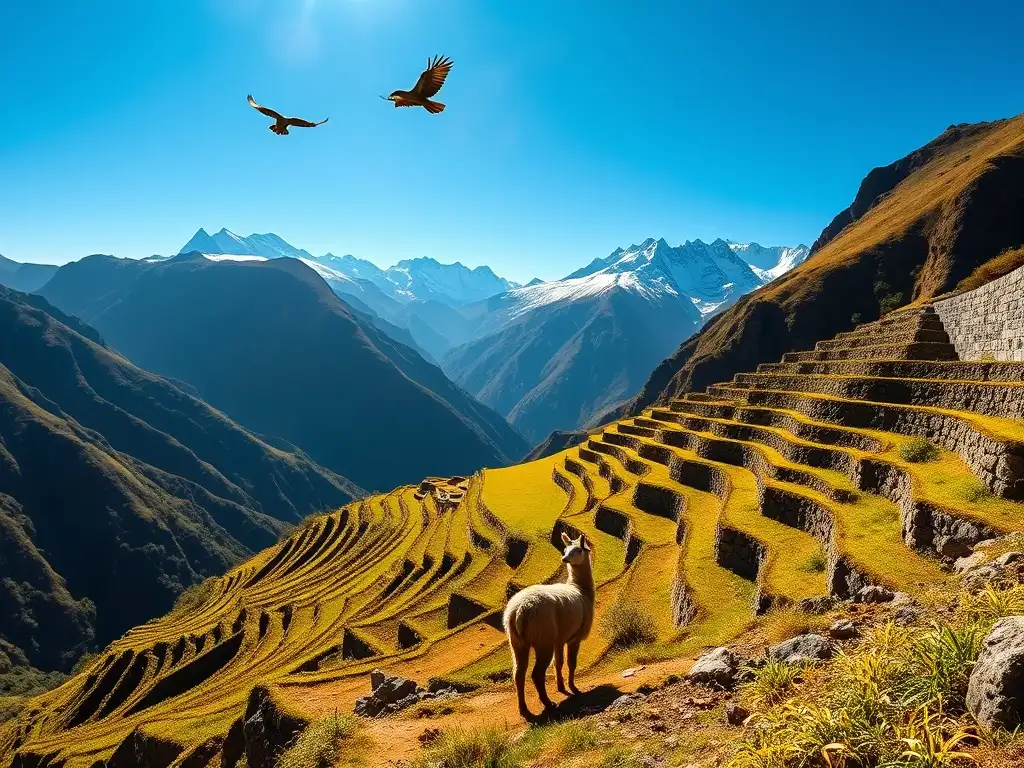
Step into a world lost to time, yet echoing with innovation. Imagine a civilization that defied the harsh Andes mountains, transforming seemingly barren landscapes into thriving agricultural powerhouses. Uncover the secrets of Inca agricultural techniques, a mastery of vertical farming that allowed them to flourish in the face of immense challenges. Prepare to be amazed by the ingenuity of the Inca Empire, and their profound impact on the very landscape they inhabited. Explore the heights of their achievement – the story awaits.
The Inca Empire, renowned for its sophisticated engineering and intricate social structures, also possessed remarkably advanced agricultural techniques. Their success in cultivating the challenging Andean terrain wasn't merely a matter of luck; it was a testament to their innovative approach to farming, often described as a form of "vertical farming" that maximized limited arable land and diverse microclimates.
This article delves into the ingenious Inca agricultural techniques, specifically examining their multilayered approach to farming, a system that allowed them to produce a surplus of food despite the steep slopes and varied altitudes of their mountainous empire. Understanding their methods offers valuable insights into sustainable agriculture and resource management, particularly relevant in today's world facing increasing environmental pressures and population growth.
We will explore the key elements of this remarkable system, highlighting its ingenuity and lasting impact. The keyword "Inca agricultural techniques" will be explored through various lenses, including the specific tools, crops, and societal organization that made their system so successful.
Terracing: Engineering the Impossible
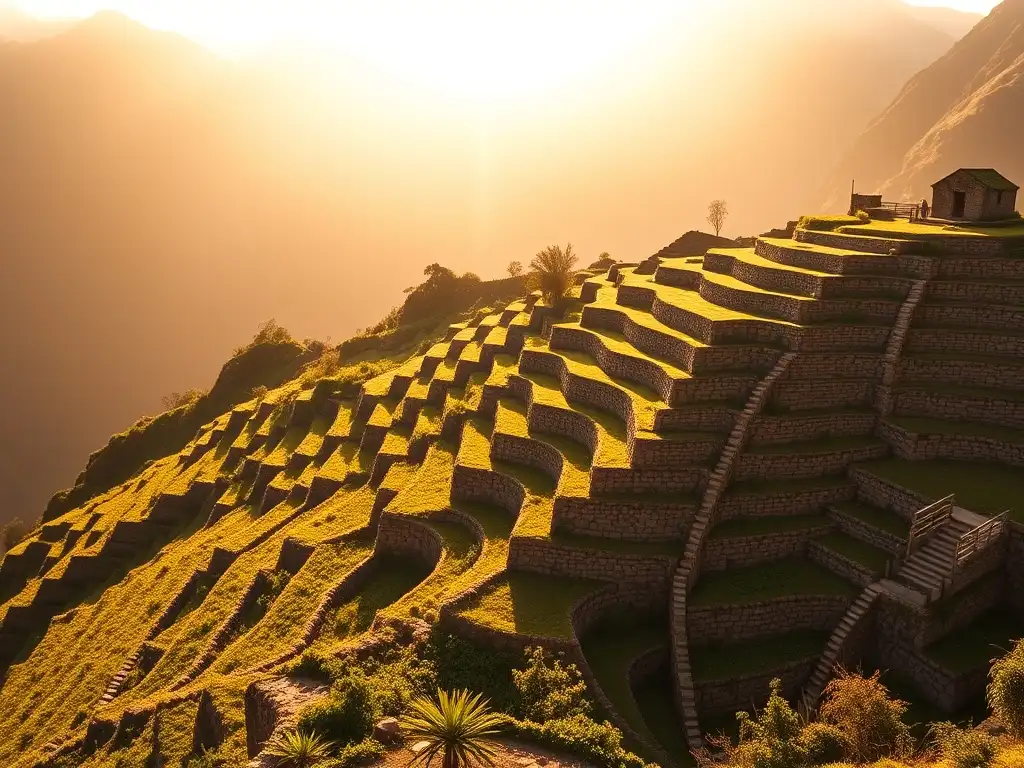
The most visually striking aspect of Inca agriculture was their mastery of terracing. They carved extensive terraces into the steep Andean slopes, creating a series of level platforms that dramatically increased the amount of cultivable land. These terraces weren't simply cut into the hillside; they were meticulously engineered.
Walls of stone, often precisely fitted without mortar, supported the terraces, preventing erosion and retaining water. The size and orientation of the terraces were carefully considered, taking into account factors such as sunlight exposure, water drainage, and soil type. The construction of these terraces was a massive undertaking, requiring significant labor and sophisticated planning, demonstrating the Inca's highly organized society and their commitment to agricultural productivity.
This intricate system not only increased arable land but also helped to control soil erosion and optimize water use, crucial in a region characterized by both heavy rainfall and periods of drought. The precision and scale of these terracing projects are still awe-inspiring today.
Waru Waru: Harnessing Water and Microclimates
Beyond terracing, the Inca employed another ingenious technique known as waru waru. This system involved creating raised beds separated by irrigation canals. This method had several benefits: It improved drainage in waterlogged areas, prevented frost damage by raising the crops above the colder ground, and allowed for efficient irrigation. The canals between the raised beds acted as reservoirs, regulating water flow and providing a source of moisture even during dry periods.
Furthermore, the different microclimates created within the waru waru system allowed for the cultivation of a wider variety of crops. This system showcases the Inca's deep understanding of both hydrology and the diverse microclimates found within the Andean landscape. Archaeological evidence suggests that waru waru systems were incredibly productive and resilient, contributing significantly to the food security of the Inca Empire.
Crop Diversity and Rotation: Ensuring Resilience
The Inca's agricultural success wasn't solely reliant on ingenious engineering. They also practiced sophisticated crop rotation and diversification techniques. This involved planting a variety of crops, including potatoes, maize, quinoa, and beans, in different fields and rotating them regularly. This strategy helped to prevent soil depletion and reduce the risk of crop failure due to pests or disease.
The diverse array of crops also ensured a balanced diet for the Inca population, providing a wide range of nutrients. This strategy highlights the Inca's holistic and sustainable approach to agriculture, emphasizing long-term sustainability over short-term gains. The understanding of crop interactions and the impact on soil health demonstrates a level of agricultural knowledge far beyond simple subsistence farming.
The construction and maintenance of the Inca agricultural systems were not the work of individuals but rather a collective effort involving the entire community. The mita system, a form of mandatory labor service, played a crucial role in supporting these large-scale agricultural projects. This system ensured that the necessary labor was available for terracing, irrigation, and other agricultural tasks.
This highlights the strong social organization and communal spirit that underpinned Inca agricultural productivity. The efficiency and scale of their agricultural projects were directly linked to their ability to mobilize and organize large numbers of people for collaborative work. The mita system, while demanding, ensured the sustainability and success of their agricultural endeavors.
- Terracing: Engineering the Impossible
- Waru Waru: Harnessing Water and Microclimates
- Crop Diversity and Rotation: Ensuring Resilience
- Social Organization and Labor: A Collective Effort
The Ingenuity of Inca Agricultural Techniques
Introduction to Inca Farming Innovations
The Inca Empire, renowned for its sophisticated social and political structures, also boasted remarkably advanced agricultural techniques. Their ingenuity stemmed from a necessity to cultivate food in the diverse and challenging Andean terrain. Far from relying solely on luck, the Inca developed a complex system of agricultural practices, finely tuned to the unique environments of the Andes Mountains.
This system, often referred to as "vertical farming," allowed them to achieve remarkable productivity across vastly different altitudes and climates. Their innovations weren't simply about growing food; they represented a deep understanding of ecology, water management, and soil conservation, all crucial for sustaining a large empire. These Inca agricultural techniques, honed over centuries, represent a fascinating example of human adaptation and resourcefulness.
Understanding their methods provides valuable insights into sustainable agriculture and resource management, even in the modern era. The empire's success hinged on their ability to effectively manage and utilize their diverse agricultural resources, a testament to their sophisticated understanding of the Andean ecosystem.
The Inca weren't simply farmers; they were engineers and environmental managers. They employed a range of innovative strategies, including terracing, irrigation systems, and crop diversification, to maximize yields and ensure food security. These techniques weren't just applied randomly; they were carefully planned and implemented to suit specific environmental conditions.
For instance, different crops were cultivated at different altitudes, taking full advantage of the varying microclimates found throughout the Andes. This sophisticated approach to agriculture allowed the Inca to produce a surplus of food, supporting a large population and the complex administrative structures of their empire. The mastery of Inca agricultural techniques is a key element in understanding the Empire's power and longevity.
The Challenge of Andean Agriculture
The Andes presented significant challenges to agriculture. Steep slopes, thin soils, unpredictable rainfall, and varying altitudes created a difficult environment for crop cultivation. The sheer topography of the region, characterized by its dramatic elevation changes, presented a significant obstacle. Traditional farming methods would have been largely ineffective. Yet, the Inca overcame these obstacles through a series of ingenious innovations.
The thin, often rocky soils of the high Andes required careful management to prevent erosion and maintain fertility. Unpredictable rainfall patterns, ranging from droughts to intense downpours, posed further challenges. The Inca's response was not simply to adapt to these challenges, but to actively shape their environment to support their agricultural needs. This involved a profound understanding of the local environment and the development of techniques tailored to the specific conditions of each region.
The Inca's success in overcoming these challenges is evident in the remarkable scale of their agricultural production. They were able to cultivate a wide range of crops, including potatoes (of which they cultivated hundreds of varieties), maize, quinoa, beans, and coca, providing dietary diversity and resilience against crop failures. Their mastery of water management was particularly crucial, given the unpredictable rainfall patterns of the Andes. They constructed elaborate irrigation systems, channeling water from rivers and streams to fields located at varying altitudes.
This involved the creation of canals, aqueducts, and reservoirs, demonstrating a sophisticated understanding of hydraulic engineering. The success of Inca agricultural techniques is a testament to their ability to not only understand but to actively shape their environment to serve their needs. This innovative approach to agriculture is a key aspect of understanding their societal success and enduring legacy.
Understanding Vertical Farming in the Inca Empire
The Inca Empire, renowned for its sophisticated social and political structures, also possessed remarkably advanced agricultural techniques. Their mastery of the challenging Andean terrain, characterized by steep slopes and varying altitudes, is a testament to their ingenuity and understanding of their environment. This section focuses specifically on the Inca's ingenious application of vertical farming, a system that allowed them to maximize agricultural output in a geographically demanding landscape. Understanding Inca agricultural techniques reveals not only their practical skills but also their deep connection to the land and its resources.
The success of their farming practices contributed significantly to the empire's stability and prosperity, supporting a large and densely populated urban center like Cusco. We'll explore how they adapted their farming methods to different ecological zones, creating a remarkably resilient and productive food system. Analyzing their methods provides valuable insights for modern sustainable agriculture, particularly in challenging environments.
Defining Inca Vertical Agriculture
Inca vertical agriculture wasn't simply planting crops at different altitudes. It was a complex, integrated system that involved terracing, irrigation, and crop diversification tailored to specific microclimates. The Incas cleverly exploited the altitudinal zones of the Andes, creating a "vertical archipelago" of agricultural production. This involved cultivating different crops at various altitudes, taking advantage of the unique temperature and rainfall patterns at each level.
For example, lower altitudes, warmer and often wetter, might be ideal for growing maize (corn), while higher, cooler altitudes were better suited for potatoes and quinoa. This strategic placement maximized yields and minimized the risk of crop failure due to unpredictable weather patterns. The system wasn't merely about altitude; it also incorporated sophisticated water management techniques, including canals, aqueducts, and sophisticated irrigation systems that channeled water from higher elevations to lower fields.
This intricate network ensured efficient water distribution, even during dry seasons. The careful planning and execution of these systems are a testament to the Incas' advanced understanding of hydrology and agriculture. Their mastery of these techniques allowed them to support a large population with a diverse and reliable food supply.
The Need for Innovative Farming Methods
The Andes' rugged terrain presented significant challenges to traditional farming methods. Steep slopes, limited arable land, and variable climates demanded innovative solutions. The need to feed a growing population within these constraints spurred the development of Inca agricultural techniques, including their renowned vertical farming systems.
Traditional farming methods, such as those practiced on flat plains, were simply not feasible in the mountainous regions of the Inca Empire. The scarcity of flat, fertile land necessitated the creation of artificial terraces on hillsides, transforming previously unusable slopes into productive agricultural areas. This wasn't a simple feat; it required considerable engineering skill, labor, and a deep understanding of soil mechanics and hydrology.
Furthermore, the unpredictable weather patterns of the Andes, with its distinct wet and dry seasons, necessitated the creation of robust irrigation systems to ensure a consistent water supply for crops. The combination of these factors—limited arable land, challenging terrain, and unpredictable weather—created a compelling need for the sophisticated agricultural innovations for which the Inca Empire is celebrated. The ingenuity of their solutions allowed them to overcome these limitations and establish a remarkably productive and sustainable agricultural system.
Multilayered Farming Systems of the Incas
The Incas, masters of adaptation and innovation, developed sophisticated agricultural techniques to thrive in the challenging Andean environment. Their success wasn't solely reliant on a single method, but rather a multifaceted approach that leveraged the diverse topography and microclimates of the Andes. This intricate system, often referred to as "vertical farming," allowed them to maximize agricultural output and ensure food security across varying altitudes and climates.
Understanding Inca agricultural techniques reveals a remarkable level of ingenuity and sustainable practices that remain relevant today. The key to their success lay in the integration of several strategies, working in harmony to optimize resource utilization and minimize environmental impact. This section will explore the core components of their remarkable agricultural system, focusing on the ingenuity behind their methods and the lasting impact on Andean farming practices.
Terraced Agriculture: The Foundation of Inca Farming
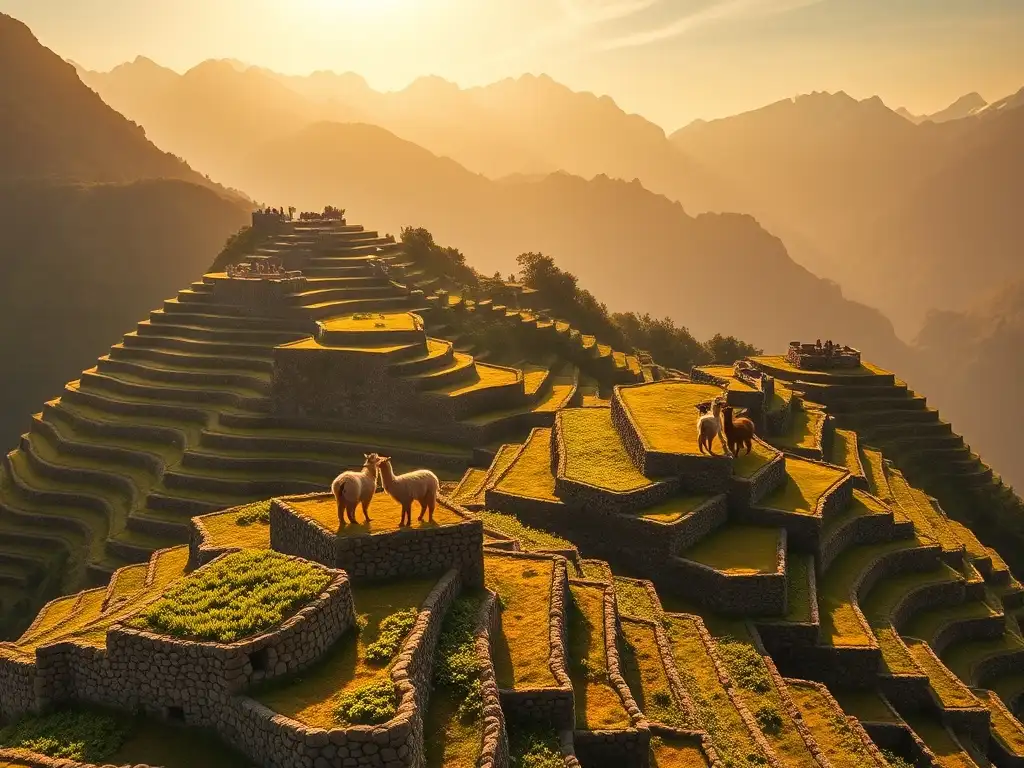
Terraced agriculture formed the bedrock of Inca farming. These meticulously constructed terraces, carved into hillsides, transformed steep slopes into arable land. The ingenuity of this system lies not just in its creation but also in its functionality. By creating level platforms, the Incas prevented soil erosion, a significant problem in mountainous regions.
Furthermore, the terraces allowed for efficient water management, with carefully designed irrigation channels diverting water from higher elevations to irrigate the crops below. This system, which utilized existing water sources effectively, was critical to the success of Inca agriculture. The efficiency of water distribution is further highlighted by the fact that even during periods of drought, many terraces retained sufficient moisture to sustain crop growth, demonstrating a remarkable understanding of hydrological principles.
The scale of these projects is truly impressive, with some terraced landscapes stretching for kilometers, showcasing the immense organizational power and engineering skills of the Inca Empire. The impact of this innovative approach on food production was significant, allowing the Incas to cultivate a diverse range of crops, including potatoes, maize, quinoa, and beans, all essential components of their diet. The terraces, therefore, were not just agricultural features but a testament to the Inca's mastery of engineering and their deep understanding of their environment.
The Design and Construction of Andean Terraces
The construction of Inca terraces was a complex undertaking, demanding careful planning, precision, and significant labor. The process began with the selection of suitable locations, often hillsides with sufficient water access. Then, skilled workers, using stone tools and a deep understanding of geology, meticulously carved the terraces into the slopes. The walls separating the terraces were built from locally sourced stone, carefully fitted together without mortar, showcasing remarkable stonemasonry skills.
These walls served not only as retaining structures but also as channels for irrigation water, demonstrating a sophisticated understanding of hydraulic engineering. The size and shape of the terraces varied depending on the topography and the type of crop to be cultivated. Smaller terraces were often used for crops requiring more intensive care, while larger terraces were suitable for crops like maize. Furthermore, the orientation of the terraces was often carefully chosen to maximize sunlight exposure, optimizing crop growth.
The construction itself involved a complex system of labor organization, with teams of specialists working together to complete the project. Archaeological evidence suggests that the construction of terraces was a community effort, highlighting the social and economic organization of Inca society. The lasting legacy of these terraces is evident in many parts of the Andes today, a testament to the durability and ingenuity of Inca engineering.
Beyond Terraces: Exploring Other Vertical Strategies
While terraced agriculture was a cornerstone of Inca agricultural techniques, the Incas employed other innovative strategies to maximize their agricultural output. They utilized a system of waru waru, raised fields built in wetlands, which improved drainage and soil fertility. This method allowed for the cultivation of crops in areas previously unsuitable for agriculture. They also developed sophisticated irrigation systems, including canals and aqueducts, to transport water from distant sources to their fields.
The intricate network of canals and aqueducts was a marvel of engineering, allowing the Incas to cultivate crops in areas with limited water resources. Furthermore, they practiced crop rotation and intercropping to maintain soil fertility and diversify their food sources. This practice, combined with their understanding of different microclimates, allowed them to cultivate a wide variety of crops, ensuring food security throughout the year. The Inca's mastery of agricultural techniques also extended to their understanding of plant genetics.
They developed numerous varieties of crops, adapted to the diverse conditions of the Andes, showcasing their knowledge of plant breeding and selection. Their methods represent a sophisticated understanding of ecology and sustainable resource management, reflecting a deep connection to their environment and a commitment to long-term food security. These diverse strategies, employed in concert with terraced agriculture, represent the multifaceted nature of Inca agricultural practices and their remarkable success in cultivating the challenging Andean landscape. The ingenuity and sustainability of their methods continue to inspire agricultural practices today.
The Role of Microclimates in Inca Agricultural Production
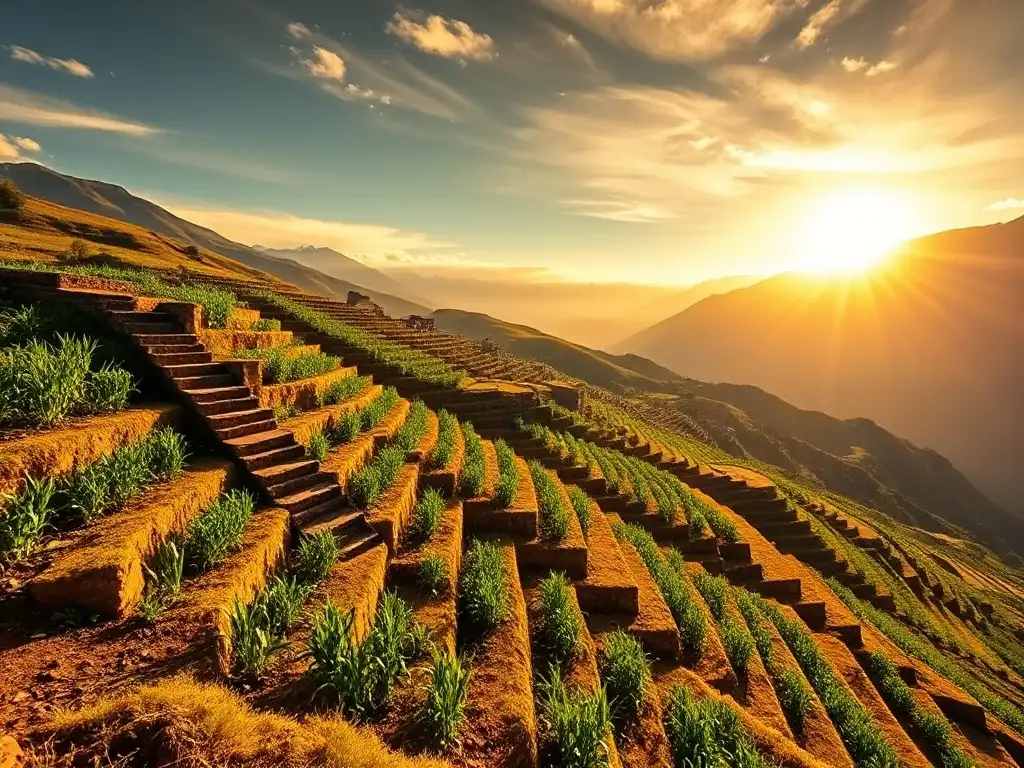
The Inca's mastery of Inca agricultural techniques wasn't simply about cultivating crops; it was about harnessing the power of the Andes' diverse microclimates. Their understanding of altitude, temperature, and rainfall variations allowed them to create a remarkably productive agricultural system across dramatically varied terrains. This wasn't a matter of luck; it was a sophisticated system born from centuries of observation and adaptation, a testament to their deep ecological knowledge.
The ingenuity of their approach is evident in their ability to cultivate a wide range of crops, from hardy potatoes at high altitudes to delicate coca plants in warmer valleys. This intricate interplay between environment and agricultural practice is key to understanding the success of Inca farming. Their ability to optimize each microclimate for specific crops was a significant factor in their empire's stability and growth.
The efficient utilization of available resources, combined with an understanding of environmental factors, represents a remarkable achievement in pre-Columbian agricultural engineering. This holistic approach to farming, deeply intertwined with their understanding of the Andean ecosystem, is a powerful example of sustainable practices that continue to inspire modern agricultural innovations.
Utilizing Altitude for Diverse Crops
The Andes' dramatic topography, characterized by its steep slopes and varying altitudes, presented both challenges and opportunities for the Inca. They cleverly exploited this verticality, developing a system of vertical agriculture that allowed them to cultivate a staggering diversity of crops. Higher altitudes, with their cooler temperatures and shorter growing seasons, were ideal for frost-resistant crops like potatoes 🥔, quinoa 🌾, and oca.
As one descended the slopes, the climate transitioned to warmer temperatures and longer growing seasons, suitable for crops like maize 🌽, beans 🫘, and squash 🎃. This strategic placement of crops maximized land use and minimized competition for resources. The Inca meticulously mapped their agricultural zones, categorizing them according to altitude and climate, ensuring optimal growing conditions for each plant.
This sophisticated understanding of agro-ecology allowed them to achieve high yields and food security despite the challenging Andean environment. The diverse range of crops cultivated, in turn, provided a varied and nutritious diet for the Inca population, contributing to their overall health and well-being. Evidence suggests a precise understanding of soil types at different altitudes further enhanced their agricultural success, reflecting a deep understanding of the complex relationship between soil, climate, and plant growth.
Managing Water and Irrigation in Vertical Fields
Efficient water management was crucial for the success of Inca agriculture, particularly given the steep slopes and unpredictable rainfall patterns of the Andes. The Inca developed ingenious irrigation systems to channel water from higher elevations to lower fields, ensuring a consistent water supply for their crops. These systems included canals, terraces, and aqueducts, often carved into the mountainside with remarkable precision. The construction of these systems involved significant labor and engineering skill, showcasing the Inca’s organizational capabilities and commitment to agricultural productivity.
The terraces, in particular, played a vital role in conserving water and soil. They not only prevented erosion but also helped to create level planting surfaces, facilitating irrigation and cultivation. The carefully designed channels ensured that water flowed evenly across the fields, optimizing water use and minimizing waste.
Furthermore, the Inca’s knowledge of water infiltration and drainage allowed them to create systems that were both efficient and sustainable. These sophisticated irrigation techniques allowed them to cultivate crops in areas that would otherwise have been unsuitable for agriculture, significantly increasing their agricultural output and contributing to the empire's prosperity. The legacy of these sophisticated water management systems is still visible in many parts of the Andes today, a testament to their enduring ingenuity and effectiveness in Inca agricultural techniques.
Key Crops Cultivated through Inca Vertical Farming
The Inca Empire's mastery of agriculture, particularly their innovative vertical farming techniques, allowed them to thrive in the challenging Andean terrain. Their success hinged on a diverse range of crops strategically cultivated at varying altitudes, maximizing resource utilization and ensuring food security. Understanding the key crops is crucial to appreciating the ingenuity of Inca agricultural techniques. The sophisticated system wasn't merely about growing food; it was a complex interplay of ecological understanding and social organization. This section explores the core crops that sustained the Inca civilization, highlighting their importance within the broader agricultural system.
Staple Foods in the Andean Diet
The Andean diet relied heavily on a few staple crops, each uniquely adapted to specific altitudes and microclimates. These formed the backbone of the Inca food system, providing essential calories and nutrients to the population.
- Potatoes ( Solanum tuberosum): Arguably the most iconic Andean crop, potatoes were cultivated in a vast array of varieties, each suited to different conditions. From the frost-resistant varieties grown at high altitudes to those thriving in warmer, lower valleys, potatoes provided a caloric foundation for the Inca diet. Their versatility in preparation – boiled, roasted, dried (chuño), or fermented – further enhanced their importance. The Incas developed sophisticated techniques for storing potatoes, ensuring food security throughout the year. The number of potato varieties cultivated by the Incas is estimated to be in the thousands, a testament to their agricultural expertise.
- Maize ( Zea mays): While not as widely adaptable as potatoes, maize was another crucial staple, particularly in warmer regions. It provided carbohydrates and was used in various forms, from fresh ears to ground flour for making chicha (a fermented beverage) and other foods. The Incas understood the importance of crop rotation and soil fertility in maize cultivation, employing techniques to maintain soil health.
- Quinoa (Chenopodium quinoa): A highly nutritious pseudocereal, quinoa was a vital part of the Inca diet, particularly valued for its protein content. It was grown at higher altitudes and complemented the potato and maize staples, providing a balanced nutritional profile. Its resilience to harsh conditions made it a reliable crop in challenging environments.
Specialized Crops and Their Cultivation
Beyond the staples, the Incas cultivated a range of specialized crops, each playing a specific role in their agricultural system and economy. These crops demonstrate the depth and breadth of their agricultural knowledge.
- Beans (Phaseolus spp.): Various bean varieties were integrated into the chakras (agricultural terraces) alongside other crops, providing essential protein and nitrogen fixation for soil enrichment. Intercropping beans with maize and other plants was a common practice, reflecting the Incas’ understanding of symbiotic relationships in agriculture.
- Tomatoes (Solanum lycopersicum): Precursors to the modern tomato, these were cultivated and used in various dishes, contributing flavor and nutrients to the Inca diet. Their cultivation often took advantage of the warmer microclimates within the chakras.
- Squash (Cucurbita spp.): Different types of squash, including pumpkins and gourds, were grown, providing carbohydrates, vitamins, and other nutrients. They were also used for various purposes beyond food, such as containers and tools.
- Fruits: A variety of fruits, adapted to different altitudes, including lúcuma, chirimoya, and pacay, added diversity and sweetness to the Inca diet, providing essential vitamins and minerals. Their cultivation showcased the Incas' understanding of diverse ecological niches within their vertical farming system. The precise techniques for cultivating each specialized crop varied depending on the specific plant and its environmental requirements, showcasing the remarkable adaptability of Inca agricultural techniques. The intricate system of waru waru agriculture, with its raised beds and irrigation channels, further enhanced the productivity of these specialized crops. The Inca's understanding of these crops and their sophisticated cultivation techniques demonstrate an impressive level of agricultural knowledge for their time.
The Impact of Inca Agriculture on Society and Economy
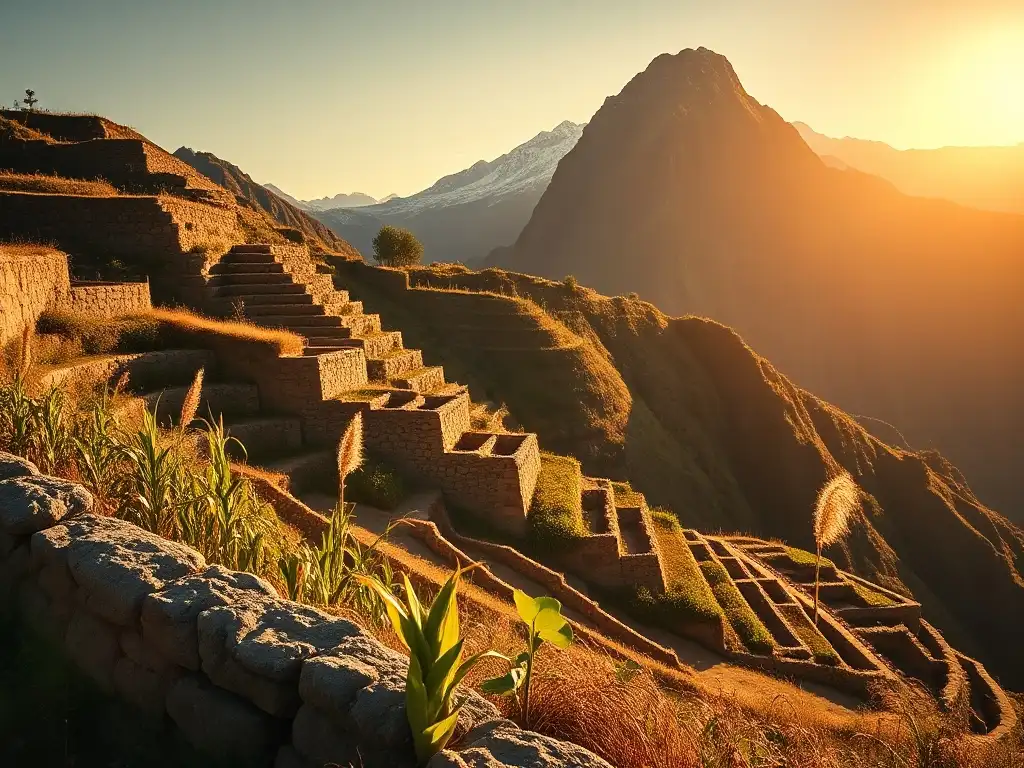
The Inca Empire's success wasn't solely due to military might; its sophisticated agricultural techniques were equally crucial to its growth and stability. Inca agricultural practices, often referred to as Inca agricultural techniques, directly impacted the empire's social structure, economic prosperity, and overall longevity. The ingenuity displayed in overcoming the challenging Andean terrain allowed for unprecedented population growth and a complex social hierarchy sustained by abundant food supplies.
This section will explore the profound influence of Inca agriculture on the empire’s society and economy. We'll analyze how their mastery of resource management translated into a stable, thriving civilization capable of supporting millions. The impact extended beyond mere sustenance; it shaped their social organization, religious beliefs, and even their artistic expressions.
Food Security and Population Growth
The Inca's mastery of Inca agricultural techniques directly resulted in remarkable food security. Their innovative methods, such as terracing, irrigation systems, and the cultivation of diverse crops, allowed them to maximize agricultural output in a geographically challenging environment. The high-altitude Andes presented significant obstacles – steep slopes, unpredictable weather patterns, and limited arable land. Yet, the Inca cleverly adapted their agricultural practices to overcome these hurdles.
For instance, the waru waru system, a form of raised-bed agriculture, significantly increased crop yields by improving drainage, retaining moisture, and moderating soil temperatures. This technique, combined with sophisticated irrigation channels, allowed the Inca to cultivate crops even in arid regions. This increased productivity directly contributed to significant population growth within the empire.
Estimates suggest that the Inca population reached millions, a remarkable feat considering the environmental limitations. The reliable food supply ensured social stability and reduced the vulnerability to famines that plagued other civilizations. This abundance also allowed for the development of a complex social hierarchy, with specialized labor forces dedicated to various aspects of agriculture and other crafts.
The Organization of Agricultural Labor
The success of Inca agriculture was not solely dependent on innovative techniques; it also relied heavily on a highly organized and efficient labor system. The mita system, a form of mandatory public service, played a crucial role in agricultural production. This system required all able-bodied citizens to contribute a certain amount of labor to public works projects, including agriculture. While the mita system has been criticized for its potential for exploitation, it also ensured that vast agricultural projects were completed, benefiting the entire population.
The organization of agricultural labor was not haphazard. The Inca state meticulously managed land distribution and resource allocation. Communities were assigned specific plots of land based on their needs and capabilities. Specialized agricultural experts, often priests or highly skilled farmers, oversaw the cultivation and harvesting processes, ensuring optimal yields.
This centralized planning and control allowed the Inca to efficiently manage resources and distribute food throughout the empire, contributing significantly to its economic and political stability. The system also fostered a sense of community responsibility and collective effort, essential for the success of their large-scale agricultural projects. The intricate network of agricultural labor, coupled with their advanced techniques, created a robust and resilient agricultural system that supported the vast Inca Empire. This system is a testament to the Inca's understanding of both agricultural science and social organization.
Legacy of Inca Farming Practices

The Inca Empire, renowned for its sophisticated social and political structures, also possessed remarkably advanced agricultural techniques. Their success wasn't simply about conquering vast territories; it was deeply intertwined with their ability to cultivate and manage resources in the challenging Andean environment. This involved a complex interplay of environmental understanding, innovative technologies, and meticulous social organization, all contributing to a sustainable food system that supported a large and densely populated empire.
Understanding Inca agricultural practices offers valuable insights into sustainable farming and resource management, lessons particularly relevant in today's world grappling with climate change and food security challenges. The ingenuity of their methods, often overlooked in favor of discussions of military prowess or architectural achievements, represents a significant contribution to human agricultural history.
Their legacy continues to inspire researchers and practitioners seeking environmentally friendly and resilient farming solutions. Key elements of their success included terraced farming, irrigation systems, and crop diversification, all carefully adapted to the unique conditions of the Andes.
Lessons for Modern Sustainable Agriculture
Inca agricultural techniques offer numerous lessons for contemporary sustainable agriculture. Their emphasis on terracing, for instance, reduced soil erosion significantly, a critical concern in modern farming. By creating level platforms on steep slopes, they maximized arable land and minimized the loss of topsoil due to water runoff. This is directly applicable to modern hillside farming, where soil erosion remains a major threat.
Their ingenious irrigation systems, often using canals and aqueducts to divert water from rivers and streams, allowed for precise water management and crop cultivation in arid regions. This highlights the importance of efficient water use in agriculture, a crucial factor in water-scarce environments. Furthermore, the Inca's practice of crop diversification, planting a variety of crops in the same area, minimized the risk of crop failure due to disease or pests. This contrasts sharply with the monoculture farming practices prevalent in many parts of the world today, which are often more vulnerable to such risks.
The Inca's emphasis on intercropping and agroforestry, integrating trees and crops, further enhanced biodiversity and soil health. These principles are now being revived and promoted in modern agriculture as key components of sustainable farming systems. Finally, their understanding of microclimates and the careful selection of crops suited to specific altitudes and environmental conditions underscores the importance of site-specific agricultural practices.
| Inca Technique | Modern Application | Benefits | Challenges in Modern Application |
|---|---|---|---|
| Terracing | Hillside farming, erosion control | Reduced soil erosion, increased arable land | Initial investment, land suitability |
| Irrigation Systems | Water-efficient irrigation, drought mitigation | Optimized water use, crop production in arid regions | Infrastructure costs, water rights |
| Crop Diversification | Polyculture farming, pest and disease resistance | Reduced risk of crop failure, increased biodiversity | Market demand, farmer knowledge and adoption |
| Intercropping & Agroforestry | Sustainable intensification, improved soil health | Enhanced biodiversity, improved soil fertility | Requires planning and management expertise |
| Microclimate Adaptation | Site-specific crop selection, climate-smart agriculture | Optimized crop yields, reduced environmental impact | Detailed climate data, farmer training |
The Enduring Relevance of Inca Agricultural Wisdom
The Inca's agricultural achievements continue to resonate today, providing valuable insights for addressing modern agricultural challenges. Their practices, developed over centuries of adapting to the harsh Andean environment, offer a blueprint for sustainable and resilient agricultural systems. The increasing awareness of the detrimental effects of intensive farming practices, coupled with the growing concerns about climate change and food security, has led to a renewed interest in traditional farming methods such as those employed by the Inca. Their emphasis on minimizing environmental impact, maximizing resource use efficiency, and building resilient systems is directly applicable to the challenges faced by modern agriculture.
By studying and adapting Inca agricultural techniques, we can develop more sustainable and environmentally friendly farming practices that ensure food security for future generations. Moreover, the Inca's success demonstrates the importance of integrating traditional knowledge with modern scientific understanding to create innovative and effective solutions for agricultural sustainability. Their legacy serves as a powerful reminder that sustainable agriculture is not merely a modern concept, but a practice that has been perfected by ancient civilizations like the Inca.
Understanding their strategies is essential for building a more secure and sustainable food future. Further research into specific Inca agricultural practices, including detailed analysis of their irrigation systems and crop rotation strategies, is needed to fully unlock the potential of this valuable historical knowledge. The exploration of Inca agricultural techniques continues to be an active area of research, highlighting their enduring relevance in the 21st century.
Conclusion: The Inca's Advanced Approach to Vertical Farming
The ingenuity of Inca agricultural techniques is undeniable. Their mastery of vertical farming wasn't simply a response to environmental challenges; it was a sophisticated system reflecting a deep understanding of ecology, resource management, and social organization. It allowed them to thrive in a diverse and challenging landscape, supporting a large and complex empire.
This wasn't just about food production; it was about creating a resilient and sustainable society, a model that continues to inspire innovative agricultural practices today. Understanding the intricacies of their methods offers valuable lessons for modern agriculture, particularly in the face of climate change and growing populations. The Inca legacy extends far beyond impressive ruins; it's a testament to human adaptability and the power of sustainable practices.
The Significance of Inca Agricultural Techniques
The Inca's agricultural innovations were pivotal to their societal success. Their techniques, refined over centuries, allowed them to cultivate diverse crops at varying altitudes, maximizing land use and minimizing risk. This wasn't merely about survival; it was about creating a surplus that supported a complex social structure, including a vast network of roads, temples, and administrative centers. The system's efficiency allowed for specialization of labor and the development of sophisticated trade networks.
The impact of their agricultural practices extended beyond food production, influencing their religious beliefs, social organization, and even their artistic expressions. Detailed studies of Inca terraces reveal remarkable engineering feats, showcasing a deep understanding of water management, soil conservation, and microclimate manipulation. The meticulous planning and execution of these projects underscore the high level of organization and cooperation within Inca society. The efficiency and sustainability of these methods represent a significant contribution to the history of human ingenuity and resource management.
The enduring legacy of Inca agricultural techniques serves as a potent reminder of the importance of sustainable practices and the power of human adaptation in the face of environmental challenges. Further research into specific crop management techniques, such as those used for potatoes and maize, could reveal even more nuanced aspects of their agricultural expertise. For instance, [specific information pending] on the precise methods of fertilization employed by the Inca. The integration of these advanced techniques within their overall socio-economic structure is a testament to their sophisticated understanding of ecological systems and their ability to harness them for societal benefit.
The study of Inca agricultural techniques offers valuable insights into the resilience and ingenuity of this remarkable civilization. Their mastery of vertical farming, combined with their sophisticated understanding of water management and soil conservation, allowed them to create a sustainable and productive agricultural system that supported a large and complex society. This system was not only efficient but also deeply integrated into their social, religious, and economic structures.
The legacy of Inca agricultural practices continues to inspire modern approaches to sustainable agriculture, particularly in challenging environments. The detailed analysis of their achievements reveals not just a sophisticated understanding of agriculture, but also a deep appreciation for the interconnectedness of human society and the natural world. The enduring relevance of Inca Inca agricultural techniques highlights the timeless value of sustainable practices and the importance of learning from the past to build a more resilient future.
The continued exploration of their methods and their integration into contemporary agricultural practices will undoubtedly yield further insights and benefits. The impact of their innovative approaches is undeniable, leaving behind a legacy that resonates even today. 📈
Frequently Asked Questions
What is vertical farming?
Vertical farming refers to the Inca's innovative agricultural techniques that utilized the varied altitudes of the Andes Mountains. They cultivated different crops at different elevations, maximizing land use and optimizing growing conditions. This system was crucial to their success.
How did the Inca adapt their farming to the Andes' diverse geography?
The Inca developed sophisticated techniques like terracing, irrigation systems, and waru waru (raised fields) to adapt to the steep slopes and varied climates of the Andes. These methods allowed them to cultivate a wide range of crops.
What crops did the Inca grow using vertical farming?
The Inca cultivated a diverse range of crops, including potatoes, maize, quinoa, and beans, each adapted to specific altitudes and microclimates within their vertical farming system. This diversification ensured food security.
What was the significance of the waru waru system in Inca agriculture?
Waru waru were raised fields surrounded by irrigation canals, which helped retain moisture and regulate temperature, improving crop yields, particularly in the harsh conditions of the Altiplano. This system was crucial for water management.
How did Inca agricultural techniques contribute to their empire's success?
The Inca's mastery of vertical farming and other sophisticated agricultural practices was essential to supporting their large population and powerful empire. Food surpluses enabled them to build infrastructure and maintain a complex social structure.
Final Reflection: Echoes of the Andes: Reimagining Sustainable Agriculture
The ingenuity of Inca agricultural techniques, particularly their mastery of vertical farming, remains a potent solution to modern food security challenges. Their sophisticated understanding of terracing, water management, and crop diversification offers a blueprint for sustainable practices desperately needed in a world facing climate change and population growth. The lessons learned from the Andes are not relics of the past; they are vital tools for the future.
The enduring legacy of Inca agricultural innovation continues to resonate, shaping our understanding of sustainable food production and inspiring innovative approaches to resource management. Their commitment to ecological balance and community well-being serves as a powerful counterpoint to the often exploitative practices of modern industrial agriculture. The earth provides enough to satisfy every man's needs but not every man's greed.
– Mahatma Gandhi. This quote highlights the crucial balance the Inca achieved, a balance we must strive to emulate in our own agricultural systems. Their methods offer a pathway towards a more equitable and environmentally conscious future, reminding us that sustainable practices are not merely trends, but necessities.
Consider the ingenuity of the waru waru system, the intricate network of raised beds and irrigation channels. Imagine the resilience of their terraced farms clinging to the steep Andean slopes. Now, consider your own relationship with food, your consumption habits, and the impact they have on the environment. You too can be a part of this legacy. By embracing sustainable practices in your own life, from reducing food waste to supporting local farmers, you can contribute to a future where food security and environmental stewardship go hand in hand, echoing the wisdom of the Inca.
Embrace the Future: Transform Your Perspective on Vertical Farming!
Thank you for exploring the fascinating world of vertical farming, particularly its historical roots in the Andes! The innovative, multi-layered agricultural techniques of the Inca civilization continue to inspire sustainable practices today. Now, let's turn that knowledge into action!
Here are a few engaging steps you can take:
- Start small: Cultivate a small vertical garden at home. Begin with easy-to-grow herbs or leafy greens and experience the rewards firsthand.
- Share your passion: Discuss vertical farming with friends and family, or share this article on social media to inspire others to explore this innovative farming technique.
- Connect with your community: Join local sustainability initiatives, such as a community garden or a food co-op, to network with like-minded individuals who are passionate about innovative agricultural solutions.
What aspect of vertical farming excites you most? Let's discuss in the comments below!