
Chavín Ceramics: More Than Just Pots, Stories in Clay

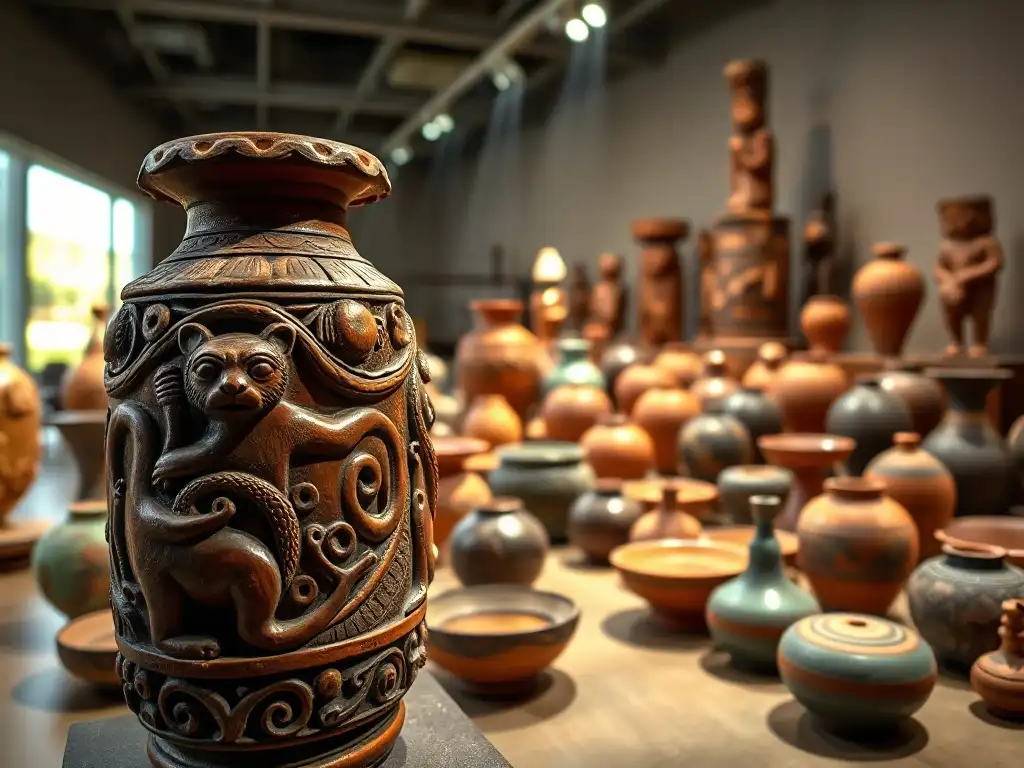
Dive into the enigmatic world of the Andes! Prepare to uncover the secrets held within the intricate designs of ancient Andean civilizations. Forget everything you think you know about simple pottery; our exploration of Chavín pottery styles and meanings reveals a fascinating narrative woven into clay, far beyond mere vessels. Journey with us through the captivating artistry and symbolism of the Pre-Incan cultures of the Coast—a testament to the ingenuity and spiritual depth of a lost world. Discover the stories etched in clay, and unravel the mysteries of Chavín.
The Chavín culture, flourishing in the Andes of Peru from approximately 900 to 200 BCE, left behind a legacy far richer than its impressive monumental architecture. Their mastery of ceramics, often overlooked in discussions of their sophisticated societal structures and religious practices, provides a captivating window into their beliefs, social hierarchy, and daily lives. This article delves into the intricate world of Chavín pottery styles and meanings, exploring the symbolic language encoded in these seemingly simple clay vessels and revealing how they served as powerful mediums for communication and storytelling within their complex society.
We will unpack the unique aesthetic characteristics of Chavín pottery, examining the iconography, techniques, and the profound cultural significance embedded within each piece. Understanding Chavín ceramics allows us to gain a deeper appreciation for the complexity and sophistication of this formative Andean civilization and its lasting influence on subsequent cultures.
Distinctive Styles and Iconography of Chavín Pottery
Chavín pottery is easily distinguishable from that of other contemporary Andean cultures due to its unique stylistic features. The most striking characteristic is the prevalence of zoomorphic and anthropomorphic motifs. These often feature hybrid creatures, combining feline, avian, and reptilian elements, reflecting the culture's complex cosmology and possibly alluding to shamanistic practices.
Many vessels depict stylized jaguars, serpents, and birds, often with exaggerated features and a sense of movement captured in their dynamic forms. The use of negative space is also noteworthy, with intricate designs carved or incised into the clay before firing, creating striking visual contrasts. Detailed analysis reveals a careful attention to detail, with individual pieces showcasing a high level of craftsmanship.
The use of different clay colors, often employing a palette of black, white, red, and buff tones, further enhanced the visual impact of these designs. These color choices were likely not arbitrary but held symbolic meaning within the Chavín worldview.
Techniques and Manufacturing Processes
The creation of Chavín pottery involved a sophisticated process, reflecting the advanced technological capabilities of the culture. Archaeological evidence suggests that Chavín potters utilized both the coil and wheel techniques, although the coil method seems to have been more prevalent. This involved carefully coiling strands of clay to build up the vessel's form, a technique requiring considerable skill and precision. After shaping, the vessels were often smoothed and polished before the application of decorative elements.
The firing process also required specialized knowledge and control of temperature to ensure the durability and aesthetic quality of the finished product. The precise techniques used in the manufacture of Chavín pottery, along with the sophisticated designs, suggest a high degree of specialization within the society, possibly indicating a dedicated class of artisans. Further research into the specific kilns and firing methods used would provide a more complete picture of their technological advancements.
The Symbolic Meaning of Chavín Ceramics: Interpreting the Iconography
The iconography of Chavín pottery is rich with symbolic meaning, offering valuable insights into the religious beliefs and social structures of the culture. Many scholars interpret the recurring motifs of hybrid creatures as representations of deities or shamanistic transformations. The jaguar, for instance, frequently appears as a powerful symbol, possibly associated with the underworld or shamanistic journeys. The presence of stylized human figures, often depicted in ritualistic poses, suggests the importance of religious ceremonies and the role of priests or shamans within the society.
The use of specific colors and patterns may have also held symbolic significance, perhaps representing different deities, social statuses, or cosmological concepts. While definitive interpretations remain debated, the consistent recurrence of certain motifs across various pieces strongly suggests a codified system of visual communication. Further research, integrating iconographic analysis with archaeological context and ethnohistorical accounts, is crucial for a more comprehensive understanding.
The variation in the quality and decoration of Chavín pottery suggests a potential connection to social hierarchy. Elaborately decorated vessels, featuring intricate designs and high-quality materials, may have been reserved for the elite members of society, reflecting their status and power. Simpler, undecorated pieces might have been used for everyday purposes by the wider population. This distinction in pottery styles could indicate a stratified society with a clear differentiation between the ruling class and the commoners.
However, more research is needed to definitively link specific pottery styles to particular social groups. Analyzing the contexts of discovery, alongside chemical analysis of the clay materials, may provide further evidence to support this hypothesis. The distribution of pottery across different sites and burial contexts could also reveal important clues about social organization.
- Distinctive Styles and Iconography of Chavín Pottery
- Techniques and Manufacturing Processes
- The Symbolic Meaning of Chavín Ceramics: Interpreting the Iconography
- Chavín Pottery and Social Hierarchy: Status and Power
Unveiling the World of Chavín Pottery
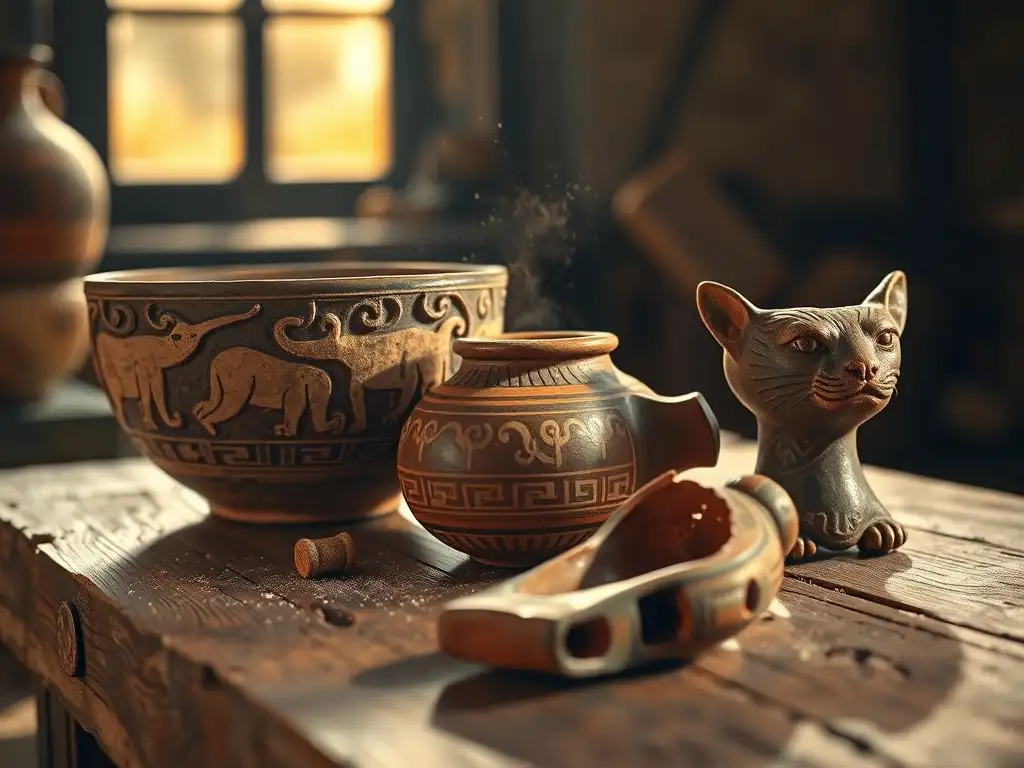
This section delves into the captivating world of Chavín ceramics, exploring their significance beyond mere utilitarian objects. We will examine the diverse styles, intricate designs, and symbolic meanings embedded within these ancient artifacts, providing a deeper understanding of Chavín culture and its place within the broader Andean context. The analysis will focus on how Chavín pottery styles and meanings reflect the society's complex religious beliefs, social structures, and artistic achievements.
Understanding Chavín pottery offers a unique lens through which to interpret the worldview of this influential pre-Inca civilization. The intricate details and symbolic representations found on these vessels offer invaluable insights into their cosmology, rituals, and daily life.
The Importance of Ceramics in Chavín Culture
Ceramics were far more than just containers for the Chavín people; they were integral to their religious practices, social status, and daily life. Their production and use were deeply intertwined with their spiritual beliefs, with specific styles and motifs associated with particular rituals or deities. The meticulous craftsmanship evident in Chavín pottery suggests a highly organized and specialized workforce, perhaps indicating a stratified social structure where skilled artisans held a respected position.
The widespread distribution of Chavín pottery across vast geographical areas further highlights its importance as a medium for cultural exchange and the dissemination of Chavín ideology. The sheer volume of surviving pottery also attests to its everyday use, demonstrating its significance in the daily lives of the Chavín people. Archaeological evidence suggests that pottery was used for everything from storing food and water to participating in religious ceremonies.
Chavín Pottery: A Window into Andean Beliefs
Chavín pottery styles and meanings are often deeply symbolic, reflecting the culture's complex cosmology and religious beliefs. Recurring motifs such as jaguars, snakes, and caymans – powerful figures in Andean mythology – frequently appear, suggesting a close relationship between the Chavín and the natural world. The use of specific colors and forms also likely held symbolic weight; for example, the prevalence of black and white might have represented duality or opposing forces.
Detailed studies of Chavín iconography have revealed intricate narratives woven into the ceramic designs, potentially depicting mythological stories, shamanistic rituals, or cosmological events. Unfortunately, the exact meanings of many symbols remain debated among scholars, highlighting the need for further research and interdisciplinary collaboration to unlock the full potential of these ancient artifacts. One example is the recurring depiction of a stylized feline figure, often interpreted as a jaguar deity, a powerful symbol of the Chavín pantheon.
The different representations of this feline across various pottery styles suggest a complex understanding of its role within the religious system. Further research using advanced imaging techniques might reveal even more nuanced details within the designs, providing further insight into their symbolic meaning.
Chronology of Chavín Ceramic Development
Establishing a precise chronology for Chavín ceramic development remains a challenge for archaeologists. However, stylistic analysis and radiocarbon dating of associated materials have allowed for the identification of several distinct phases, each characterized by specific features. Early Chavín pottery is often characterized by simpler forms and less elaborate decoration, gradually evolving into more complex designs and the incorporation of new motifs over time.
The development of new techniques, such as the use of slip and paint, also reflects the increasing sophistication of Chavín ceramic production. This evolution is not a linear progression, with regional variations and stylistic overlaps creating a complex picture of ceramic production across the Chavín sphere of influence. Further research, including detailed stylistic comparisons and more extensive radiocarbon dating, is needed to refine our understanding of the timeline and the factors driving the changes in Chavín pottery styles and meanings throughout its history.
A comprehensive chronological framework is crucial for understanding the evolution of Chavín culture and its interactions with neighboring societies. This will allow us to better contextualize the emergence of specific motifs and techniques, as well as assess the influence of regional variations in the wider Chavín cultural landscape. The development of a more refined chronological framework will undoubtedly contribute to a richer and more nuanced understanding of Chavín pottery styles and meanings.
Chavín Pottery Styles and Meanings: A Detailed Exploration
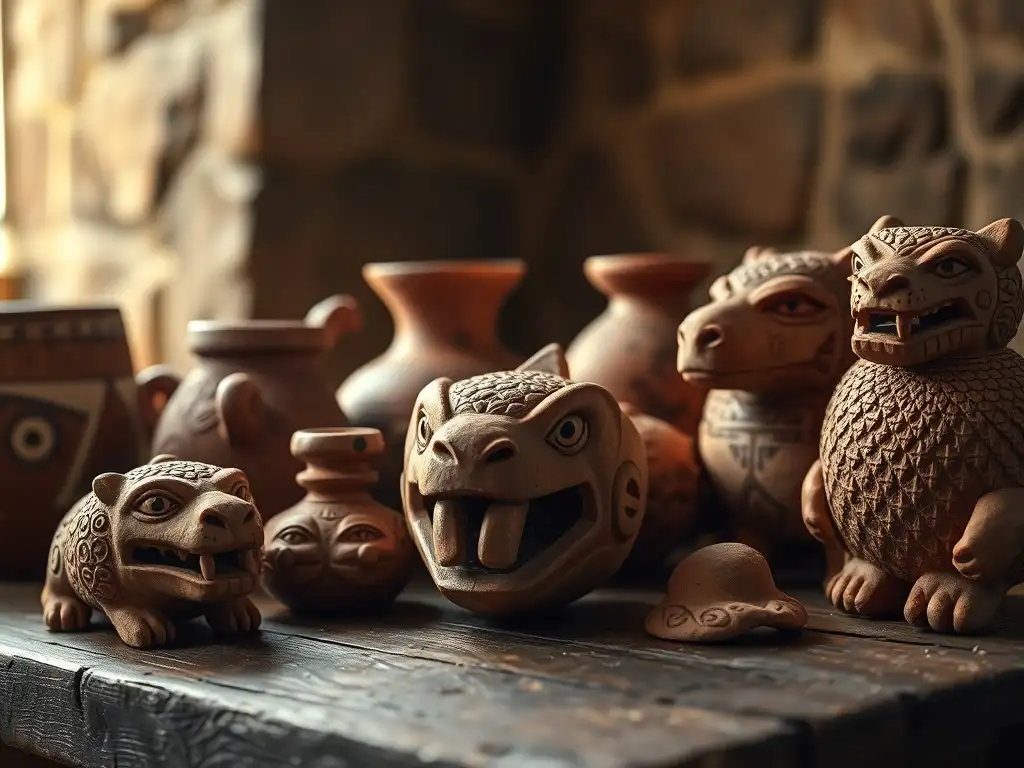
This section delves into the captivating world of Chavín ceramics, exploring the artistry, symbolism, and cultural significance embedded within these ancient artifacts. Understanding Chavín pottery styles and meanings provides crucial insight into the religious beliefs, social structures, and worldview of this influential pre-Inca civilization. We'll examine the distinctive features of their pottery, decode the iconography and symbolism, and analyze the prevalent animal motifs that permeate their artistic expressions. The analysis will reveal how these seemingly simple clay vessels served as powerful mediums for communicating complex ideas and narratives.
Distinctive Features of Chavín Ceramics
Chavín ceramics stand apart from other contemporary pottery styles due to several unique characteristics. One immediately noticeable feature is the prevalent use of monochromatic palettes. While some pieces exhibit polychromy (multiple colors), the majority rely on a restrained use of color, often sticking to black, white, red, and brown. These colors were achieved through the use of naturally occurring pigments, carefully ground and applied. The pigments were often derived from minerals found in the Andean region, highlighting the resourceful nature of Chavín artisans.
Another key feature is the finely polished surface of many Chavín vessels. This meticulous finishing technique, combined with the use of high-quality clay, resulted in durable and aesthetically pleasing pots. The polished surfaces often reflect light, adding a subtle gleam to the already intricate designs. This attention to detail suggests a high level of skill and craftsmanship, possibly indicating a specialized class of potters within Chavín society.
Finally, Chavín pottery is characterized by its distinctive shapes and forms. While some vessels were utilitarian, others were clearly ceremonial or decorative. Examples include large jars, elaborate bowls, and intricately shaped goblets. The diversity of shapes suggests varied uses and social functions, reflecting the complexity of Chavín society. Further research is needed to definitively link specific shapes to specific social roles or rituals. [Specific information pending: detailed typology of Chavín pottery shapes and their associated functions].
Iconography and Symbolism in Chavín Pottery
The iconography found on Chavín pottery is rich in symbolism, often depicting supernatural beings, mythical creatures, and abstract designs. A recurring motif is the Chavín deity, often represented as a feline-like figure with fangs, a prominent snout, and elaborate headdresses. This deity, frequently depicted in a stylized manner, is believed to have held a central role in Chavín religious beliefs. The depiction of this deity varies across different vessels, suggesting a complex understanding of its multifaceted nature.
Beyond the deity, Chavín pottery features a range of other symbolic elements, including geometric patterns, intertwined serpents, and stylized plants. The meaning of these symbols is still being deciphered by archaeologists, but many scholars believe they represent cosmological concepts, ritual practices, or shamanistic experiences. The intricate arrangements and combinations of these symbols suggest a complex system of communication, exceeding simple decoration. For example, the intertwining serpents might symbolize the duality inherent in the cosmos, or the cyclical nature of life and death.
The placement of these symbols on the pottery also carries significance. Certain motifs might be concentrated on specific areas of a vessel, highlighting their importance within the overall design. [Specific information pending: detailed analysis of the spatial arrangement of symbols on Chavín pottery and their contextual meaning].
The Significance of Animal Motifs in Chavín Art
Animal motifs are pervasive throughout Chavín art, including their ceramics. These depictions are not simply realistic representations but rather symbolic representations imbued with deep cultural meaning. Among the most commonly depicted animals are jaguars, birds of prey, snakes, and condor. These animals often appear in stylized forms, incorporating elements of both realism and abstraction.
The jaguar, for example, is frequently portrayed with exaggerated features, emphasizing its power and ferocity. In Chavín cosmology, the jaguar may have represented a powerful shamanic force, connecting the earthly and spiritual realms. Similarly, birds of prey, like the condor, might have symbolized the connection between the earth and the sky, representing the heights of spiritual power. The presence of these powerful and often fearsome creatures on the pottery suggests their importance in Chavín religious beliefs and possibly their social hierarchy.
The use of animal motifs in Chavín pottery likely served multiple purposes. They may have been used to convey stories, reinforce social status, or even function as magical talismans. Understanding the meaning of these animal representations provides valuable insights into the worldview and beliefs of this fascinating Andean civilization. Further research into the contextual use of these motifs within specific Chavín sites is needed to fully understand their significance. 🪶 🐍 🐆
Human and Mythological Representations on Chavín Vessels
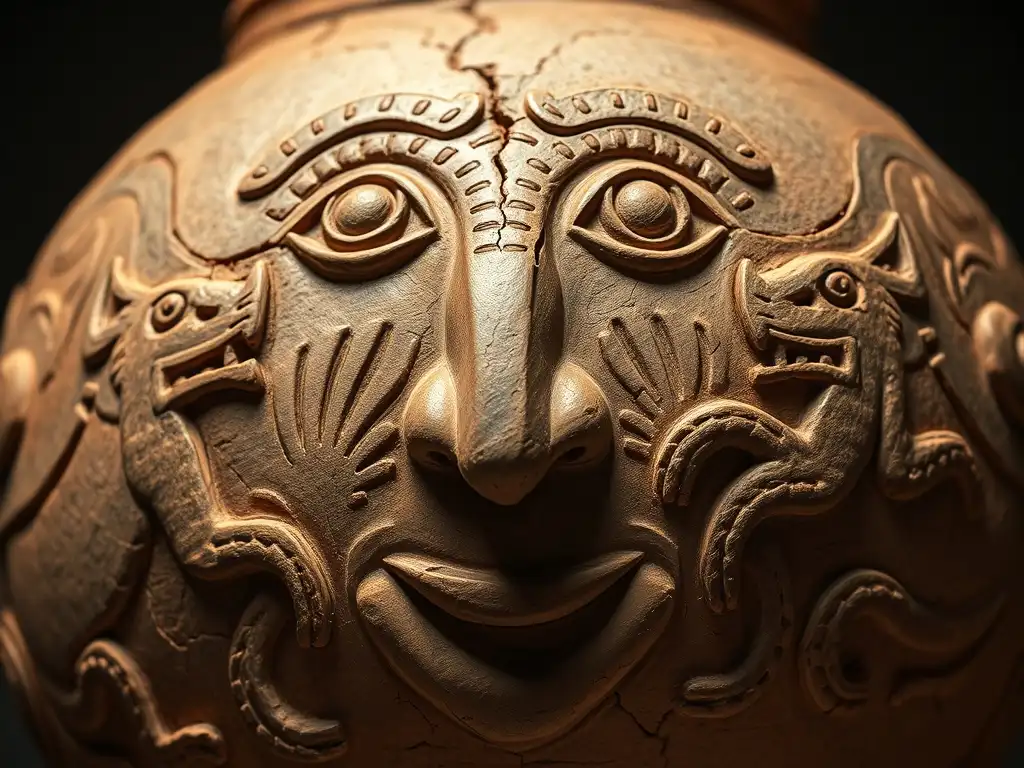
Chavín pottery is renowned for its striking depictions of both human and mythological figures. These representations aren't merely decorative; they offer valuable insights into Chavín cosmology and societal structure. Frequently, vessels portray individuals with exaggerated features – large eyes, feline-like mouths, and headdresses adorned with intricate designs. These stylistic choices aren't arbitrary; they likely symbolize shamanistic figures or deities central to Chavín religious beliefs.
The intense gaze of the depicted figures suggests a connection to the spiritual realm, hinting at the importance of vision and altered states of consciousness in Chavín culture. Furthermore, the recurring motifs found on these vessels, such as jaguars, snakes, and birds of prey, point towards a complex pantheon of supernatural beings influencing the lives of the Chavín people. The careful detail and precision in rendering these figures suggest a high level of artistic skill and a deep reverence for the beings represented.
Analysis of the poses and accompanying symbols further enriches our understanding, revealing potential narratives and beliefs about the interaction between the human and spiritual worlds. For example, some vessels depict humans interacting with supernatural creatures, perhaps illustrating myths or rituals. The stylistic consistency across various sites suggests a degree of cultural unity and shared belief systems within the Chavín sphere of influence.
Chavín Pottery Shapes and Their Functions
The shapes of Chavín ceramic vessels are as diverse as their decorations, reflecting a range of practical and symbolic functions. From simple bowls and jars used for everyday purposes to elaborate effigy vessels shaped like animals or humans, the variety speaks to the sophistication of Chavín craftsmanship and their understanding of material properties. The most common shapes include bowls, jars, and bottles, each varying in size and design. Larger jars, for instance, likely served as storage containers for food or liquids.
Smaller bowls could have been used for serving meals or offering libations. The intricately carved spouts and handles on some vessels suggest a level of care and attention to detail that transcended mere functionality. Indeed, the shapes themselves often played a symbolic role. Effigy vessels, shaped like animals or human figures, were likely used in rituals or held special significance.
The presence of certain shapes at specific sites may also reflect regional variations or specialized crafts within the Chavín culture. Further research into the context of discovery and associated artifacts is crucial for a more complete understanding of their function and significance. For example, the presence of residue within certain vessels could reveal their intended use, whether for food, drink, or perhaps even ceremonial substances.
The Use of Chavín Ceramics in Rituals and Daily Life
Chavín ceramics weren't merely functional objects; they played a significant role in both daily life and ritual practices. Everyday vessels, while simpler in design, still exhibited a level of craftsmanship that reflected the Chavín aesthetic. These objects facilitated basic tasks like food preparation, storage, and consumption, integrating seamlessly into the fabric of daily life. The presence of Chavín pottery in domestic contexts suggests a widespread appreciation for the art form, even within everyday activities.
However, the more elaborate vessels, often decorated with intricate designs and shaped like animals or human figures, were likely reserved for ritualistic contexts. These ceremonial pieces, potentially used in offerings or sacrifices, served as powerful symbols of religious beliefs and social status. Archaeological evidence suggests that some vessels were deliberately broken or placed in tombs, indicating their importance in funerary rites. The discovery of ceramics in association with other ritual artifacts, such as textiles and metal objects, further supports their role in larger ceremonial events.
The careful burial of certain vessels shows that they were not merely disposable items but held enduring cultural and spiritual significance. The study of Chavín pottery, therefore, provides a window into the daily lives and spiritual beliefs of this fascinating pre-Columbian society. The interplay between the functional and the ceremonial aspects of Chavín ceramics highlights the deeply integrated nature of art, religion, and daily life within their culture.
Techniques and Materials in Chavín Pottery Making
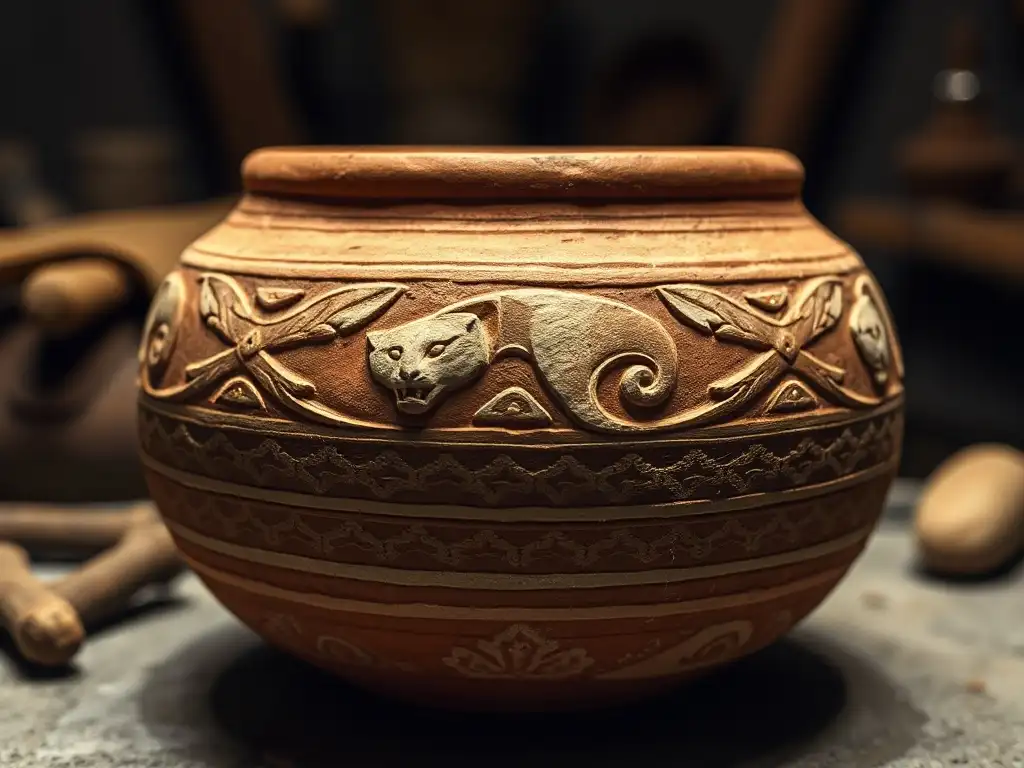
The remarkable artistry of Chavín pottery wasn't simply a matter of artistic vision; it was deeply intertwined with the technical skills and available resources of the Chavín culture. Understanding their techniques reveals a sophisticated understanding of materials science and a dedication to craftsmanship that elevates their pottery beyond mere vessels. Analyzing Chavín pottery styles and meanings requires a close examination of the processes involved in their creation.
The distinctive aesthetic characteristics of Chavín ceramics are directly linked to the materials used and the methods employed in their manufacture. This section delves into the specifics of Chavín pottery production, shedding light on the ingenuity and skill of these ancient artisans.
Clay Sources and Preparation in Chavín
The foundation of any ceramic piece lies in the clay itself. Chavín potters were discerning in their selection of raw materials, carefully choosing clays that would yield the desired properties of strength, workability, and aesthetic qualities. While precise locations of Chavín clay sources remain to be fully documented, [specific information pending: geographical locations of Chavín clay deposits], archaeological evidence suggests a preference for clays found near river valleys and alluvial deposits. These locations likely provided clays with optimal plasticity, allowing for easy shaping and molding.
The preparation process was likely meticulous. The raw clay would have been cleaned to remove impurities like stones and organic matter. This may have involved washing, sieving, and repeated kneading to achieve a uniform consistency. Evidence of tempering agents – materials added to improve the clay's strength and reduce cracking during firing – has been found in some Chavín ceramics.
[Specific information pending: types of tempering agents used in Chavín pottery and their impact on the final product]. The careful preparation of the clay was a crucial first step, laying the groundwork for the intricate designs and forms that would follow. This level of attention to detail highlights the importance placed on the quality of the raw materials and their role in the overall artistic process.
Hand-Building Techniques in Chavín Ceramic Production
Chavín potters primarily employed hand-building techniques, showcasing an impressive mastery of shaping clay without the aid of a potter's wheel. Common methods included:
- Pinch Potting: This involved pinching and shaping a ball of clay with the fingers and thumbs, gradually building up the walls of the vessel. This technique was likely used for smaller objects and simpler forms.
- Coil Building: This technique involved rolling out long coils of clay and carefully layering them upon each other, smoothing the joins to create a seamless surface. This allowed for the creation of larger and more complex forms, including the iconic Chavín stirrup-spout vessels.
- Slab Building: In this method, flat slabs of clay were shaped and joined together to construct the vessel. This method may have been used for creating larger, more geometric forms.
The precision and skill evident in Chavín ceramics suggest a high level of expertise in these hand-building techniques. The seamless joins and refined surfaces demonstrate a deep understanding of clay properties and the ability to manipulate it with remarkable dexterity. The potters' ability to create intricate shapes and delicate details using only their hands and simple tools is a testament to their artistry and technical skill.
The seamless integration of different techniques often seen in a single piece further underscores their advanced knowledge and creative adaptability. The development of these techniques over time likely played a crucial role in the evolution of Chavín pottery styles and meanings.
Chavín Firing Methods and Kiln Technology
The final stage in Chavín ceramic production was firing, a crucial step that transformed the clay from a fragile, malleable material into a durable, watertight object. While the specifics of Chavín kiln technology remain partially unclear, [specific information pending: details on kiln construction and types used by Chavín potters], archaeological evidence suggests that open-air firing was likely employed. This method involved building a bonfire around the pottery, allowing the heat to gradually increase and then slowly decrease over a period of time. The temperature control, however, may have been less precise than in later kiln technologies.
The firing process significantly influenced the final appearance and properties of the ceramics. The temperature reached during firing affected the color and hardness of the pottery. [Specific information pending: correlation between firing temperatures and the resulting color variations in Chavín pottery]. The atmosphere within the firing chamber also played a role.
A reducing atmosphere (lack of oxygen) could create a darker, more matte finish, while an oxidizing atmosphere (ample oxygen) could produce brighter, more vibrant colors. The mastery of these firing techniques was essential to achieving the desired aesthetic and functional qualities of Chavín pottery. The control over the firing process, in addition to the choice of clay and the shaping techniques, contributed to the unique character and enduring legacy of Chavín pottery styles and meanings.
Decorative Techniques on Chavín Pottery: Incising, Painting, and Modeling
Chavín potters were masters of their craft, employing a diverse range of techniques to adorn their ceramic creations. These weren't merely functional vessels; they were canvases for intricate designs imbued with symbolic meaning, reflecting the complex religious and social structures of the Chavín culture. The artistry wasn't just about aesthetics; it was a powerful form of communication, conveying narratives and beliefs through carefully chosen motifs and techniques. Analyzing these techniques provides crucial insights into Chavín artistic practices and their worldview.
One prevalent technique was incising, where sharp tools were used to carve designs into the clay before firing. This method often involved creating intricate geometric patterns, zoomorphic figures (depicting animals), and anthropomorphic representations (depicting humans or human-like figures). The depth and precision of the incisions varied, creating textural contrasts and highlighting specific elements within the design.
The incised lines could be shallow and subtle, or deep and dramatic, depending on the desired effect. Experts believe the tools used were likely made from obsidian or other hard materials readily available in the Andean region. The skill required to execute these detailed incisions showcases the high level of craftsmanship among Chavín artisans.
Beyond incising, painting played a significant role in Chavín pottery decoration. Potters used pigments derived from natural sources, such as minerals and plants, to create vibrant colors on their vessels. Red, black, and white were common choices, often used in combination to create complex patterns and imagery.
The application of paint varied; sometimes it was applied smoothly to create solid areas of color, while other times it was applied more loosely, creating a textured or mottled effect. The use of multiple colors and techniques within a single piece demonstrates a sophisticated understanding of color theory and the interplay of light and shadow. Further research is needed to fully understand the specific pigments used and their preparation methods, but preliminary analyses suggest a keen understanding of local resources.
Finally, modeling added another dimension to Chavín pottery decoration. This involved shaping and manipulating the clay itself to create three-dimensional elements on the surface of the vessels. This could involve adding appendages to figures, creating textured surfaces, or building up sections of the vessel to create a more complex form. Examples include the addition of small, modeled features to represent details like feathers on a bird or the fur on a jaguar.
The skill in modeling demonstrated a high level of control over the clay and a deep understanding of its properties. The combination of modeling with painting and incising resulted in richly decorated pieces that were both aesthetically pleasing and symbolically significant. The integration of these techniques highlights the multifaceted nature of Chavín artistic expression.
Regional Variations in Chavín Pottery Styles
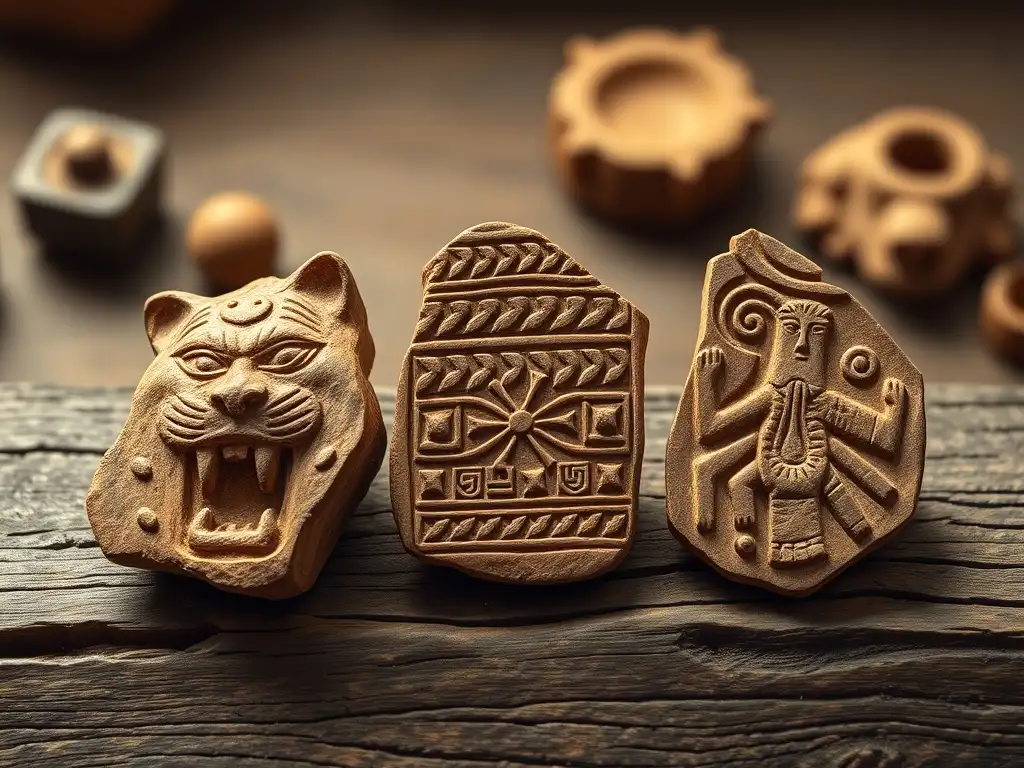
The Chavín culture, flourishing in the northern Andes from approximately 1200 to 200 BCE, didn't possess a monolithic artistic style. While a core Chavín aesthetic is recognizable, regional variations in pottery styles and meanings are evident, reflecting local adaptations and interpretations of the overarching Chavín ideology. This wasn't a centrally controlled empire dictating artistic uniformity; rather, a powerful cultural influence spreading outwards, leading to diverse expressions of a shared symbolic language.
The extent of this variation is still a subject of ongoing research and debate among archaeologists, with new discoveries constantly refining our understanding. Analyzing these variations helps paint a more nuanced picture of Chavín cultural exchange and the dynamism of its influence across the Andean landscape. The study of Chavín pottery styles and meanings offers crucial insights into the complex social and religious structures of this formative Andean civilization.
Chavín de Huantar and Its Unique Ceramic Tradition
The pottery found at Chavín de Huantar, the culture's namesake site, serves as a benchmark against which other regional styles are compared. Chavín de Huantar ceramics are characterized by their elaborate ornamentation, often featuring the iconic Chavín feline deity, depicted with sharp fangs, wide eyes, and a powerfully stylized body. These representations are often found in high-relief sculptures, meticulously carved into the clay surface.
The color palette is relatively restrained, primarily using black, white, and red pigments. A common technique involves the use of negative space, where the design is created by removing clay rather than adding it, producing a striking visual effect.
Examples include vessels with intricate zoomorphic and anthropomorphic designs, often displaying a blend of realistic and abstract elements. The meticulous detail and high-quality craftsmanship point to a specialized class of artisans, potentially linked to the religious elite. The size and complexity of some pieces suggest that they were not for everyday use, but rather held significant ceremonial or ritual importance.
Further research is needed to fully understand the specific functions and meanings associated with each stylistic variation found within the Chavín de Huantar site itself. The sheer variety within the central site indicates a complex and stratified society, where artistic expression served multiple social and religious functions.
Regional Differences in Chavín Pottery Decoration
Moving beyond Chavín de Huantar, we observe significant variations in Chavín pottery decoration across different regions. While the iconic feline deity and other key Chavín motifs appear consistently, their stylistic treatment and the overall composition of the designs often differ markedly. For example, in some regions, we see a greater emphasis on geometric patterns, while in others, the zoomorphic representations are more stylized or abstract. These differences might reflect variations in local artistic traditions, adapting and incorporating Chavín elements into their pre-existing aesthetic frameworks. The use of color also varies, with some regions exhibiting a broader palette than others.
Consider the differences between the pottery found in the coastal regions and those found in the highland areas. Coastal Chavín pottery sometimes incorporates marine motifs, reflecting the local environment. Highland pottery, on the other hand, may feature more representations of Andean fauna, such as camelids and birds.
Such variations highlight the dynamic interplay between the core Chavín style and local traditions, demonstrating that the Chavín cultural influence wasn't a simple imposition but a process of negotiation and adaptation. Further investigation into the specific chemical composition of the clays and pigments could reveal more about the geographic origins of the pottery and the extent of inter-regional exchange. The analysis of these variations will offer a richer understanding of the Chavín cultural sphere and its far-reaching impact.
Influence of Chavín Ceramics on Later Andean Cultures
The legacy of Chavín ceramics extends far beyond the period of the Chavín culture itself. Many subsequent Andean cultures adopted and adapted Chavín stylistic elements, incorporating them into their own unique artistic traditions. The iconic feline deity, for instance, continued to appear in the art of later cultures, albeit with stylistic modifications reflecting the evolving artistic conventions. This stylistic continuity demonstrates the enduring impact of Chavín artistic conventions on the development of Andean art. The transmission of artistic motifs and techniques across generations and cultures highlights the importance of Chavín as a formative period in Andean artistic history.
The influence is particularly evident in the art of the Moche and Nazca cultures, who both incorporated Chavín-inspired motifs into their own distinct styles. This demonstrates the significant influence of Chavín aesthetics on the broader development of Andean art. The persistence of certain Chavín-derived motifs across centuries and diverse cultural contexts suggests a deep-seated symbolic significance that transcended specific cultural boundaries.
Further research into the stylistic evolution of these motifs across different Andean cultures would illuminate the complex processes of cultural transmission and adaptation in the Andean region. The long-term influence of Chavín pottery styles and meanings continues to shape our understanding of Andean artistic history.
The Legacy of Chavín Pottery: Lessons from the Past
The Chavín culture, flourishing in the Andes from approximately 1200 to 200 BCE, left an indelible mark on Andean art and culture, largely through its sophisticated and distinctive ceramic traditions. Chavín pottery, far from being mere utilitarian objects, served as powerful mediums for religious expression, social commentary, and the transmission of cultural beliefs. Understanding Chavín pottery styles and meanings provides crucial insight into the worldview and societal structure of this formative Andean civilization.
Their innovative techniques and striking iconography influenced subsequent cultures for centuries, shaping the artistic landscape of the region and laying the groundwork for later Andean ceramic traditions. The legacy of Chavín pottery is not simply aesthetic; it is a testament to the ingenuity and spiritual depth of a civilization that profoundly impacted the course of Andean history.
Chavín Ceramics and their contribution to Andean Art History
Chavín ceramics represent a significant turning point in Andean art history. Prior to the Chavín period, ceramic styles were often simpler and less standardized. The Chavín artisans, however, introduced a level of sophistication previously unseen. This is evident in their mastery of several techniques, including:
- Slipping and Painting: Chavín potters expertly applied slips (liquid clay) of various colors, creating a smooth surface and a base for intricate painted designs. Common colors included red, black, white, and yellow, often combined to create complex patterns.
- Incision and Modeling: Beyond painting, they employed incision, carving designs into the clay before firing, and modeling, adding three-dimensional elements to the vessels. These techniques allowed for greater detail and textural complexity.
- Mold-Making: Evidence suggests the use of molds to create standardized forms, especially for certain types of vessels, demonstrating a level of organization and mass production previously unknown in Andean ceramic traditions.
These innovations not only enhanced the aesthetic appeal of their pottery but also facilitated the mass production of standardized forms, potentially reflecting aspects of their social and religious organization. The stylistic innovations of Chavín pottery profoundly influenced subsequent Andean cultures, establishing stylistic conventions and technical approaches that would be adopted and adapted for centuries to come. The impact of Chavín pottery on later styles is undeniable, marking its importance as a cornerstone of Andean artistic development.
Contemporary Understanding of Chavín Iconography
The iconography found on Chavín ceramics is complex and multifaceted, often featuring stylized representations of animals, such as jaguars, snakes, and birds, alongside abstract motifs. These images are not merely decorative; they are deeply symbolic, reflecting the religious beliefs and worldview of the Chavín people. Contemporary interpretations suggest that:
- Jaguars: Frequently depicted with fangs bared and in dynamic poses, jaguars likely represented power, ferocity, and shamanic abilities. They were often associated with the supernatural realm and the underworld.
- Snakes: Similarly, snakes symbolized fertility, transformation, and the life-giving forces of nature. Their intertwining bodies often conveyed the cyclical nature of life and death.
- Birds: Birds, particularly raptors, could represent messengers of the gods or spirits of the upper world. Their ability to fly connected them to the celestial realm.
The combination of these elements often creates complex narratives, possibly depicting shamanic journeys, mythological stories, or cosmological concepts. The precise meanings remain a subject of ongoing research and debate amongst archaeologists and art historians, but the symbolic richness of Chavín iconography is undeniable. Further analysis, including interdisciplinary approaches combining archaeological findings with anthropological interpretations, is crucial to enhance our understanding of these intricate images and their societal significance. The complexity of the iconography underscores the sophisticated religious and cosmological beliefs of the Chavín civilization.
Preservation and Study of Chavín Ceramic Artifacts
The preservation and study of Chavín ceramic artifacts are crucial for understanding this pivotal Andean civilization. Unfortunately, many artifacts have suffered damage due to looting, environmental factors, and the passage of time. Therefore, meticulous preservation techniques are essential. These include:
- Careful Excavation: Archaeological excavations must be conducted with precision to minimize damage to fragile artifacts. Proper documentation and recording of context are paramount.
- Conservation Treatment: Damaged artifacts require specialized cleaning and restoration techniques to stabilize them and prevent further deterioration. This often involves the use of advanced materials and methods.
- Environmental Control: Museums and storage facilities must maintain stable temperature and humidity levels to protect artifacts from degradation.
Furthermore, interdisciplinary research involving archaeologists, art historians, chemists, and other specialists is essential to gain a comprehensive understanding of Chavín ceramics. Chemical analysis can reveal the composition of pigments and clays, providing insights into the production techniques and sourcing of raw materials. Technological advancements, such as 3D scanning and imaging, allow for detailed documentation and analysis of artifacts without causing further damage.
The ongoing efforts in preservation and study are crucial to unlocking the secrets embedded within these remarkable objects and to ensure that the legacy of Chavín pottery continues to inspire and inform future generations. The preservation of these artifacts is not only a matter of safeguarding the past but also of ensuring the continued accessibility of this vital cultural heritage for scholarly research and public appreciation.
Frequently Asked Questions
What makes Chavín pottery unique?
Chavín pottery is distinguished by its unique artistic style, featuring bold, abstract designs often depicting mythological creatures and stylized figures. The use of polychrome paints and innovative techniques also set it apart.
What are some common motifs found in Chavín pottery?
Common motifs include caviar-like dots, feline features, serpentine forms, and mythological beings often associated with fertility and power. These motifs are deeply intertwined with their religious beliefs.
What materials were used to create Chavín pottery?
Chavín potters primarily used clay, often sourced locally. They expertly manipulated the clay to create diverse forms, and used natural pigments derived from minerals and plants to create vibrant colors.
How did Chavín pottery reflect the society's beliefs?
The iconography in Chavín pottery provides invaluable insights into their religious beliefs and worldview. Images of shamanic figures and supernatural entities suggest a sophisticated cosmology and ritual practices.
Where can I see examples of Chavín pottery today?
Examples of Chavín pottery are housed in museums worldwide, including Peru's national museums. Many pieces are also found in private collections and archaeological sites throughout the Andean region.
Final Reflection: Echoes of Chavín: A Legacy in Clay
The intricate artistry of Chavín ceramics isn't merely a relic of the past; it's a vibrant testament to the enduring power of human expression and a window into a sophisticated society that continues to fascinate and inspire. Understanding these ancient pottery styles offers a profound connection to a civilization that shaped the cultural landscape of the Andes, leaving an indelible mark on subsequent artistic traditions.
The enduring influence of Chavín artistic motifs, from the iconic feline and serpent imagery to the complex geometric patterns, is undeniable. These designs weren't simply decorative; they were imbued with deep spiritual and social meaning, reflecting a cosmology and worldview that continues to resonate. Art washes away from the soul the dust of everyday life.
- Pablo Picasso. This quote, while not directly about Chavín, perfectly captures the transformative power of their artistic legacy, reminding us that these pieces are more than just vessels; they are vessels of meaning, carrying the echoes of a lost civilization.
Consider the implications of this legacy. What can we learn from the Chavín's dedication to craftsmanship and the symbolic richness they imbued in their everyday objects? How can we, in our own lives, strive to create objects and experiences that carry similar weight and meaning? I urge you to look beyond the surface of these stunning ceramics and contemplate the stories they tell, the beliefs they represent, and the enduring power of human creativity to transcend time. Let the echoes of Chavín inspire you to find meaning and beauty in your own world.
Unveil the Rich Stories of Chavín Ceramics!
Thank you for exploring the fascinating world of Chavín ceramics with us! We hope you've discovered how these incredible artifacts reveal stories far richer than mere decoration. Now, it's your turn to bring these narratives to life.
Take the next step and immerse yourself deeper in Andean heritage by:
- **Visiting** nearby museums or exhibitions showcasing Chavín ceramics to experience their beauty firsthand.
- **Joining online communities** and forums dedicated to Andean art and culture to connect with fellow enthusiasts and share your insights.
- **Creating your own clay artwork** inspired by Chavín designs! Let your imagination soar and translate your own stories into captivating creations.
What story would you choose to tell through your own artistic expression? Share your ideas!