
Chavín's Use of Color: The Meaning Behind Their Palettes

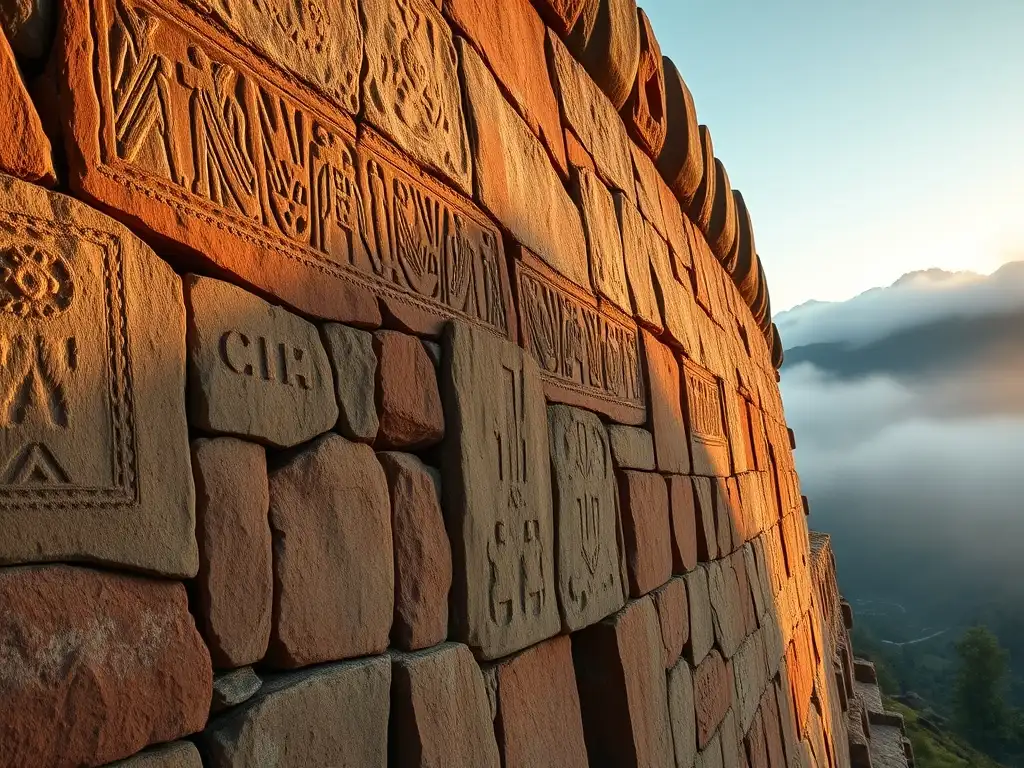
Unravel the mysteries of the Andes! Journey back in time to a world of vibrant artistry and complex societies. Here, you'll discover the fascinating tapestry of Andean civilizations, from the Incas to the lesser-known cultures that shaped their heritage. But first, prepare to be captivated by the intriguing world of Chavín color symbolism. What secrets do their palettes hold? Explore the meaning behind their vibrant hues and unlock a deeper understanding of this pre-Incan powerhouse. Dive in and discover the answers!
The vibrant hues and intricate designs of Chavín art offer a captivating glimpse into the worldview of this enigmatic pre-Columbian civilization. This article delves into the fascinating world of Chavín color symbolism, exploring the meaning behind their carefully chosen palettes and the role color played in their religious beliefs, social structures, and daily life.
We will unravel the mysteries surrounding the use of specific colors, analyzing their potential symbolic significance within the context of Chavín culture and its artistic expressions. Understanding Chavín's use of color provides a crucial key to unlocking a deeper understanding of their beliefs, rituals, and the sophisticated society they created in the Andes Mountains.
This exploration will reveal how color wasn't merely decorative, but rather a powerful tool for communication and the expression of complex spiritual and social ideas. Prepare to be amazed by the rich tapestry of meaning woven into the vibrant colors of Chavín art.
Introduction to Chavín Art and Color Significance
Chavín art, characterized by its distinctive stylistic features and its widespread influence across the Andes, is renowned for its masterful use of color. While many examples of Chavín art have suffered from the ravages of time and exposure to the elements, enough remains to allow us to appreciate the sophisticated palette employed by these skilled artisans. The colors weren't randomly applied; rather, they were carefully selected and strategically placed to enhance the overall aesthetic impact and convey specific meanings.
The most commonly used colors include reds, yellows, browns, and blacks, often derived from natural pigments like ochre, cinnabar, and charcoal. Further research is needed to fully determine the exact sources and preparation methods of these pigments, but preliminary studies suggest a deep understanding of the natural world and its resources.
The application techniques themselves, whether through painting, staining, or inlay, also contributed to the final effect, further emphasizing the deliberate and meaningful nature of the color choices. The symbolic meaning of these colors, however, remains a subject of ongoing scholarly debate and interpretation, with varying theories proposed based on archaeological evidence and cross-cultural comparisons.
The Chavín Culture: A Brief Overview
The Chavín culture flourished in the northern Peruvian Andes from approximately 1200 to 200 BCE. Centered around the monumental temple complex at Chavín de Huántar, this civilization exerted a significant influence on the surrounding regions, leaving an indelible mark on the art, religion, and social structures of subsequent Andean cultures. The Chavín people were skilled agriculturalists, developing sophisticated irrigation systems to cultivate crops in the challenging Andean terrain.
Their society was likely hierarchical, with a powerful priestly class controlling religious and political power. The iconic Chavín style, characterized by its distinctive artistic motifs—such as feline and serpent imagery, stylized human figures, and intricate geometric patterns—is evident in a wide array of artifacts, including ceramics, textiles, and stone carvings.
These artifacts often display a complex interplay of forms and colors, suggesting a rich symbolic language that is still being deciphered by researchers today. Understanding the societal structure and religious practices of the Chavín is vital to correctly interpreting the meaning behind their artistic choices, including the symbolic use of color.
Importance of Color in Ancient Andean Art
Color played a crucial role in the religious and ceremonial life of many ancient Andean cultures, and the Chavín were no exception. In many instances, the use of color seems directly linked to the spiritual beliefs and rituals of the time. For example, red, often associated with blood and sacrifice, might have represented vital energy or a connection to the supernatural realm. Yellow, possibly linked to the sun and gold, might have symbolized power, wealth, or divine authority.
Black, frequently used in depictions of the underworld, could have represented death, mystery, or the unseen forces of nature. The specific meanings, however, were likely complex and nuanced, varying according to the context in which the colors were used. Further research is needed to fully understand the subtle variations in meaning and the possible interplay between different colors within a single artwork.
The study of color in Chavín art requires a multidisciplinary approach, drawing upon archaeology, anthropology, art history, and other relevant fields to gain a more complete picture of the sophisticated symbolic system employed by this remarkable civilization. Analyzing the pigments themselves, the techniques used to apply them, and the cultural context in which the artwork was created are all crucial steps in unraveling the mysteries of Chavín color symbolism. The quest to fully understand Chavín color symbolism is an ongoing journey, promising further fascinating discoveries in the years to come.
Introducing Chavín's Unique Color Palette
The Chavín culture, flourishing in the Andes from roughly 900 to 200 BCE, developed a distinctive and sophisticated approach to color in their art and architecture. Unlike many other Andean cultures that heavily utilized bright, vibrant hues, Chavín artists favored a more subdued, earthy palette. This wasn't a lack of artistic skill; rather, it reflected a deeply symbolic understanding of color, intimately tied to their worldview and religious beliefs.
The muted tones—predominantly ochres, reds, browns, and blacks—were not simply aesthetic choices but conveyed complex meanings, often relating to the earth, fertility, and the spiritual world. The careful selection and application of these colors played a crucial role in conveying the power and mystery of their deities and the sacred nature of their rituals. Analysis of surviving artifacts reveals a nuanced system of color application, with layering and blending techniques used to create depth and visual impact, highlighting the advanced technical skill of Chavín artisans.
The mastery of these muted tones, rather than a rejection of vibrant color, represents a unique artistic achievement within the broader Andean context. Understanding this unique palette is key to unlocking the deeper meanings embedded within Chavín art.
The use of pigments themselves also deserves attention. Researchers have identified various sources for the pigments used in Chavín art, including minerals found locally in the Andean highlands. This suggests a deep connection between the artistic practice and the immediate environment, further emphasizing the symbolic significance of the chosen colors. The sourcing and preparation of these pigments would have been a skilled process in itself, adding another layer of meaning to the final artwork.
For example, the rich red ochre, often associated with blood and sacrifice in Andean cultures, likely held special significance for the Chavín. The careful selection and preparation of these materials would have been a ritualistic act, further imbuing the artwork with spiritual power. Further research into the specific mineral sources and preparation techniques could reveal even more about the Chavín's understanding and use of color.
- Introduction to Chavín Art and Color Significance
- The Chavín Culture: A Brief Overview
- Importance of Color in Ancient Andean Art
- Introducing Chavín's Unique Color Palette
Decoding Chavín Color Symbolism
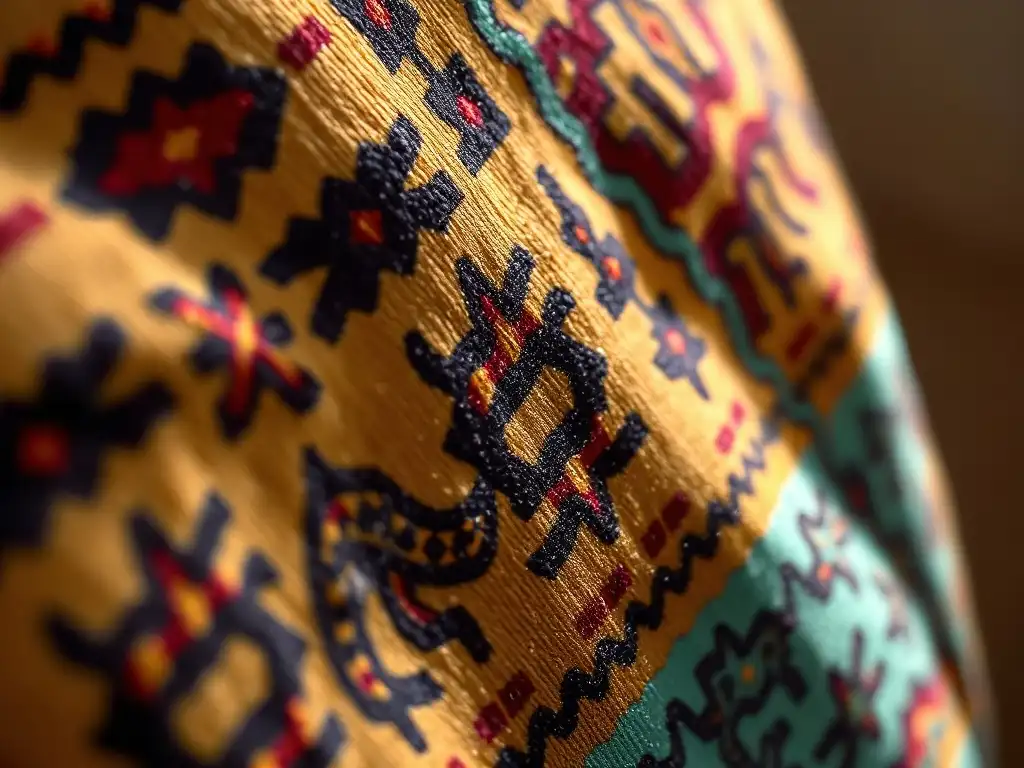
The Chavín culture, flourishing in the Andes from roughly 900 to 200 BCE, left behind a legacy of intricate art and architecture. A key element often overlooked in the study of Chavín artistry is the deliberate and symbolic use of color. Understanding Chavín color symbolism meaning requires a nuanced look at their palettes, the materials used, and the contexts in which these colors appeared.
This section delves into the specific meanings attributed to certain colors within the Chavín worldview, offering a glimpse into their complex cosmology and religious beliefs. By examining the chromatic choices in their ceramics, textiles (where evidence survives), and monumental architecture, we can begin to decipher the powerful messages embedded within their vibrant hues. This exploration of Chavín color symbolism meaning helps us understand the sophisticated cultural and religious systems of this influential pre-Inca civilization.
Chavín's Use of Primary Colors: Red, Yellow, and Blue
The Chavín artisans skillfully employed a limited but impactful palette, primarily focusing on red, yellow, and blue. These primary colors were not merely aesthetic choices; they held profound symbolic weight within their cultural framework. The source of these pigments is a subject of ongoing research, with evidence suggesting the use of mineral-based paints derived from local resources. For instance, red ochre was likely sourced from iron oxides found abundantly in the Andean region. The precise methods of pigment preparation and application remain partially unknown, adding another layer of mystery to the artistry.
The distribution of these primary colors varied across different art forms. Red, for example, seems to dominate in ceremonial objects and depictions of deities, while yellow appears more frequently in representations of agricultural themes or perhaps associated with the sun. Blue, a rarer color, may have held a particularly sacred connotation due to the scarcity of readily available blue pigments in the Andean environment. Further research into the precise mineral composition of Chavín pigments is needed to fully understand the range of colors used and their potential variations in hue and intensity.
Symbolic Meanings of Red in Chavín Iconography
Red in Chavín art frequently symbolizes blood, sacrifice, and the life force. This interpretation is supported by the frequent depiction of red-colored figures in contexts associated with ritual practices. Many ceramic vessels and textiles display stylized representations of jaguars, caiman, and other powerful animals, often rendered in vibrant red hues, reinforcing the association of the color with the dangerous yet revered power of the natural world.
The use of red in Chavín art was not simplistic; the intensity and application technique might have further nuanced the meaning. A deeper red might have signified a more intense connection to the life force or to a particularly potent deity.
Furthermore, the presence of red pigments in burial contexts suggests a connection to the afterlife and the transition between life and death. This is consistent with many Andean cultures that viewed blood as a vital element in maintaining cosmic balance and ensuring fertility. While we can infer symbolic meanings from the available evidence, further detailed analysis of specific artifacts and their contextual settings is necessary to fully understand the multifaceted role of red in Chavín iconography. The precise shades of red used and their relation to specific ritualistic practices require more in-depth study.
The Role of Yellow in Chavín Religious Art
Yellow, likely derived from clays or minerals, frequently appears in Chavín art associated with religious and agricultural themes. The sun, a powerful deity in many Andean cultures, is a likely candidate for a symbolic association with yellow. This hypothesis is supported by the frequent appearance of yellow in depictions of celestial bodies or scenes related to the harvest. The connection between the sun and agricultural prosperity in the Andean context is well-documented, making this interpretation particularly plausible.
Moreover, yellow might have represented the maize plant, a staple crop in the Andean diet and a central element in Chavín religious beliefs. The vibrant yellow of ripe maize would have resonated deeply with the Chavín people, further solidifying its symbolic significance. The interplay between yellow and other colors, such as red and blue, in specific artifacts may reveal further nuances in meaning.
For instance, a combination of yellow and red might represent the sun's life-giving energy, while the addition of blue might introduce a spiritual or cosmic dimension. More detailed studies comparing the use of yellow across different Chavín art forms are crucial to a comprehensive understanding of its diverse symbolic meanings. Further research into the specific mineral composition of the yellow pigments used could also provide valuable insights.
Blue and its Representations in Chavín Culture
The color blue, in Chavín culture, held a significant symbolic weight, often associated with the celestial realm and the powerful forces of nature. Unlike the vibrant reds and yellows frequently used in other Andean cultures, the Chavín's use of blue was more subdued, often appearing as deep indigos or lapis lazuli-like hues. This scarcity likely contributed to its elevated symbolic status. The pigment itself, often derived from minerals like azurite or possibly even imported lapis lazuli, would have been a precious commodity, further reinforcing its importance.
Analysis of Chavín textiles, ceramics, and stone carvings reveals a consistent association of blue with deities and ritualistic practices. For instance, the intricate designs adorning ceremonial vessels frequently incorporate blue elements within complex patterns representing mythical creatures or celestial events. The careful application of the blue pigment suggests a deliberate intentionality, emphasizing the sacred nature of the objects and the rituals they were associated with.
It's theorized that blue represented the vast, mysterious sky, connecting the earthly realm to the spiritual world. This connection is further supported by the frequent depiction of blue alongside other symbolic elements, such as feline imagery, commonly linked to shamanistic practices and the underworld.
The use of blue was not limited to religious contexts. While less prevalent than in ceremonial objects, blue pigments have also been found in domestic pottery, suggesting that this color, although rare, also held importance in daily life. The precise meaning in these secular contexts remains less clear, although it likely represented a connection to the spiritual world, even in mundane activities.
Further research into the distribution and context of blue pigments in non-ceremonial settings is needed to fully understand its broader symbolic role in Chavín society. The limited availability of the pigment and the meticulous application found on both ceremonial and domestic artifacts suggests a deep-seated cultural reverence for the color blue and its associated power. Perhaps the color represented a desired connection to the divine, a sought-after link to the powerful forces that governed their lives.
Secondary Colors and Their Interpretations
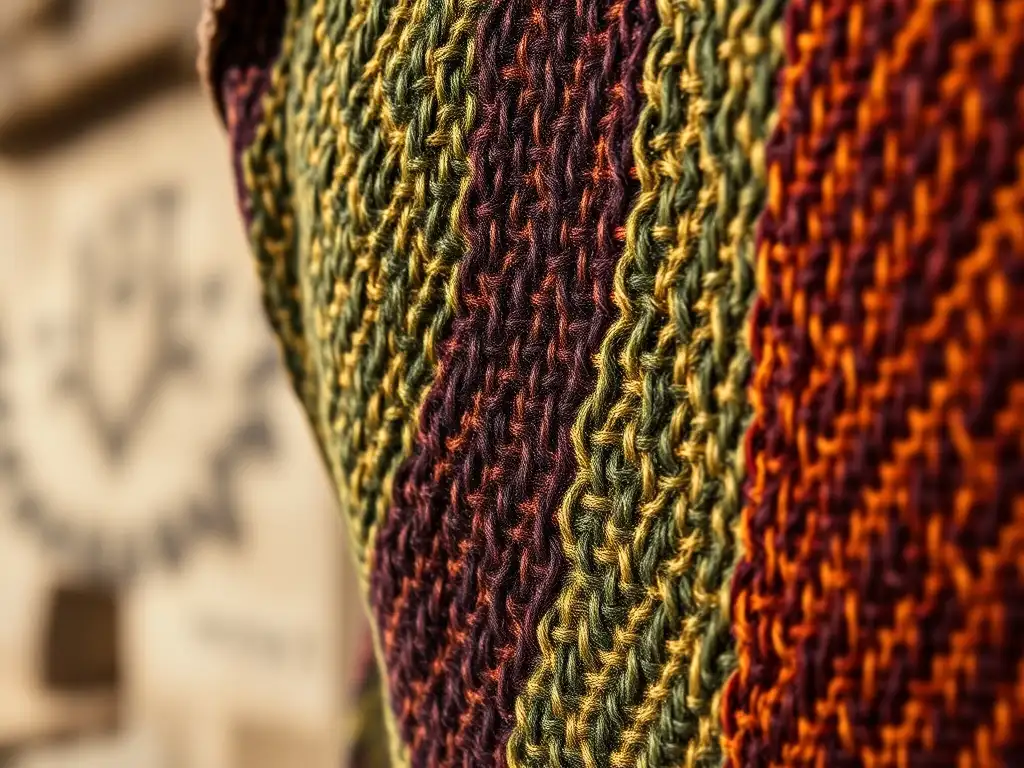
The Chavín culture, renowned for its sophisticated artistry and complex religious beliefs, employed a vibrant palette of colors in their textiles, ceramics, and monumental architecture. While the primary colors—red, yellow, and blue—held significant symbolic weight, the secondary colors—green, purple, and various shades of brown and ochre—also played crucial roles in conveying meaning and expressing their worldview. Understanding the nuanced use of these secondary colors provides deeper insight into Chavín cosmology and societal structure.
Analyzing the pigments themselves, their application techniques, and their context within specific artifacts allows us to approach a more comprehensive understanding of Chavín color symbolism meaning. The deliberate selection and arrangement of these colors suggest a sophisticated understanding of color theory and its symbolic potential, far exceeding what was previously assumed.
The Significance of Green in Chavín Art
Green, a color rarely found in abundance in the arid Andean landscape, held a special significance in Chavín art. It wasn't simply a matter of aesthetic preference; rather, its scarcity likely enhanced its symbolic value. Analysis of surviving textiles and ceramics reveals that green was often associated with fertility, vegetation, and the life-giving forces of nature.
The vibrant green hues, often achieved through the use of malachite-based pigments, likely represented the preciousness of water and the flourishing of life in the otherwise harsh environment. One can hypothesize that green symbolized the connection between the earthly realm and the spiritual world, representing the abundance that resulted from successful agricultural practices and a harmonious relationship with the deities. Furthermore, the strategic placement of green elements within complex designs suggests its role in conveying hierarchical or ritualistic meanings within the Chavín society.
Detailed studies of specific artifacts are needed to further explore this hypothesis and uncover more specific examples of green's use. More research into the specific sources of green pigments used by the Chavín would further illuminate their artistic techniques and the significance of this color.
The Use of Purple and its Possible Meanings
Purple, a color achieved through a combination of red and blue pigments, was likely a more difficult color to produce than others in the Chavín palette. This scarcity likely contributed to its association with power, royalty, and the divine. While further research is needed to fully understand the specific contexts in which purple was used, existing evidence suggests its use in ceremonial objects and garments worn by elite members of society.
The use of purple might have signified a connection to the supernatural realm, possibly representing the power of the shaman or the authority of religious leaders. The intensity of the purple hue might have also varied, potentially conveying different levels of status or spiritual power. For example, a deeper, richer purple might have indicated a higher rank or a closer connection to the gods than a lighter shade.
The rarity and the effort required to produce this color strongly suggest that it wasn't just a matter of aesthetic choice, but rather a deliberate selection meant to convey specific symbolic meanings. [Specific examples of purple usage in Chavín artifacts pending].
Exploring Brown and Ochre Tones in Chavín Ceramics
Brown and ochre tones, far from being simply "earth tones," played a significant role in Chavín aesthetics and symbolism. These colors, readily available from local clays and minerals, were extensively used in their ceramics. However, the variations in shades—from light beige to deep browns—suggest a deliberate choice reflecting specific meanings.
Lighter shades of ochre might have represented the fertile earth, while darker browns might have been associated with the underworld or the realm of the ancestors. The skillful blending of these tones in Chavín pottery often created complex patterns and textures, further enhancing their symbolic significance. The use of these earth tones alongside brighter colors, such as red or green, suggests a deliberate contrast, possibly representing the balance between the material world and the spiritual realm.
The following table provides a summary of the symbolic interpretations:
| Color | Possible Meanings | Associated Materials/Artifacts |
|---|---|---|
| Green | Fertility, vegetation, life-giving forces of nature | Textiles, ceramics |
| Purple | Power, royalty, the divine, connection to the supernatural | Ceremonial objects, elite garments |
| Brown/Ochre | Fertile earth, underworld, ancestors | Ceramics, possibly textiles |
The study of Chavín color symbolism meaning requires further investigation. More detailed analysis of specific artifacts, combined with advanced pigment analysis, is needed to fully understand the complexity and sophistication of their color palette. The careful consideration of color placement within larger designs is also crucial to unlock the deeper meanings encoded within Chavín art.
Chavín Color Palettes: Materials and Techniques
The vibrant hues adorning Chavín artifacts—from monumental sculptures to intricately woven textiles—speak volumes about the sophistication of their artistic practices and their understanding of color symbolism. Understanding the Chavín color palettes requires exploring both the sources of their pigments and the techniques employed in their application. The resulting colors, imbued with deep cultural meaning, represent a significant aspect of Chavín iconography and their worldview. This section will delve into the material culture and artistic processes behind the striking colors found in Chavín art, offering insights into their Chavín color symbolism meaning.
Sourcing Pigments: Natural Resources and Trade
The Chavín obtained their pigments from a variety of natural sources readily available within their environment and through extensive trade networks. Analysis of Chavín artifacts reveals the use of several key pigments:
- Reds: These were frequently derived from hematite, an iron oxide mineral commonly found in Andean regions. The intensity of the red varied depending on the quality and processing of the hematite. Some shades might also have incorporated cinnabar (mercury sulfide), though its use in Chavín art requires further research. The prevalence of red in Chavín art suggests its importance in their symbolic system, potentially representing blood, fertility, or power.
- Yellows: Yellow pigments likely came from various sources, including limonite (another iron oxide) and goethite. These minerals provided a range of yellow hues, from pale yellows to deeper, ochre tones. The use of yellow might be linked to the sun, gold, and agricultural abundance, reflecting the importance of these elements in their culture.
- Blacks and Browns: These dark tones were often achieved through the use of manganese oxides and charcoal. The precise composition varied, resulting in a spectrum of blacks and browns. Their symbolic meaning is less clear, but they may have represented the earth, night, or the underworld.
- Whites: White pigments were probably derived from clay minerals like kaolin, providing a stark contrast to the other vibrant colors. The use of white might symbolize purity, light, or the sacred.
The procurement of pigments wasn't always a simple matter of local sourcing. Evidence suggests that the Chavín engaged in extensive trade networks, potentially exchanging goods and materials across significant distances. This trade facilitated access to rarer pigments or those not readily available in their immediate environment, broadening the range of colors available to their artisans. Further research is needed to pinpoint the precise geographic origins of some Chavín pigments and the extent of their trade relationships.
Chavín Painting Techniques: Application Methods
Chavín artists employed a range of techniques to apply their pigments, resulting in a variety of surface finishes and textures. While the exact processes remain partially unknown, archaeological evidence and analysis of surviving artifacts provide some clues:
- Direct application: Pigments were likely mixed with a binding medium, such as a natural resin or gum, to create a paint. This mixture would then be directly applied to the surface of the object using brushes made from natural materials like animal hair or plant fibers.
- Incised lines: Some Chavín designs incorporated incised lines filled with pigment, creating a raised effect and adding depth to the artwork. This technique was particularly common in pottery and stone carving.
- Negative space: The Chavín also utilized negative space effectively, leaving areas unpainted to create striking visual effects. This technique, often used in conjunction with other methods, allowed for subtle variations in color and texture.
- Surface preparation: Before applying the pigment, the surface of the object likely underwent some preparation. This might have involved smoothing, polishing, or applying a primer to ensure better adhesion of the paint. The type of preparation may have varied depending on the material of the object. The specifics of this process remain a subject of ongoing study.
The careful application of pigments and the skillful use of various techniques demonstrate the high level of artistic skill and expertise within Chavín society. The mastery of color and form contributed significantly to the powerful visual impact of their art.
The Durability of Chavín Colors Over Time
The remarkable longevity of Chavín colors is a testament to the quality of their pigments and the effectiveness of their painting techniques. Many artifacts retain their vibrant hues despite exposure to the elements for millennia. This longevity is a result of several factors:
- Pigment stability: The pigments used by the Chavín, primarily inorganic minerals, tend to be relatively stable over time, resisting fading and degradation.
- Binding medium: The nature of the binding medium used in the paint also played a crucial role in the preservation of the colors. A durable binder would have helped to protect the pigment from environmental factors. Research into the specific binders used by Chavín artists is still ongoing.
- Environmental conditions: The relatively dry climate of the Andean highlands may have also contributed to the preservation of Chavín art. The lack of excessive moisture and humidity minimizes the risk of pigment degradation.
However, despite their remarkable durability, some fading and discoloration have occurred over time. Factors like exposure to sunlight, temperature fluctuations, and even human handling have contributed to the gradual deterioration of some Chavín artworks. Understanding the factors that affect the long-term preservation of Chavín colors is crucial for the ongoing conservation efforts aimed at protecting this important cultural heritage.
The ongoing study of Chavín color degradation helps inform modern conservation techniques, ensuring that these vibrant colors continue to resonate with future generations. The vibrant legacy of Chavín color continues to inspire awe and wonder, illuminating the artistic achievements and sophisticated understanding of color symbolism of this remarkable civilization.
Chavín Color in Different Art Forms
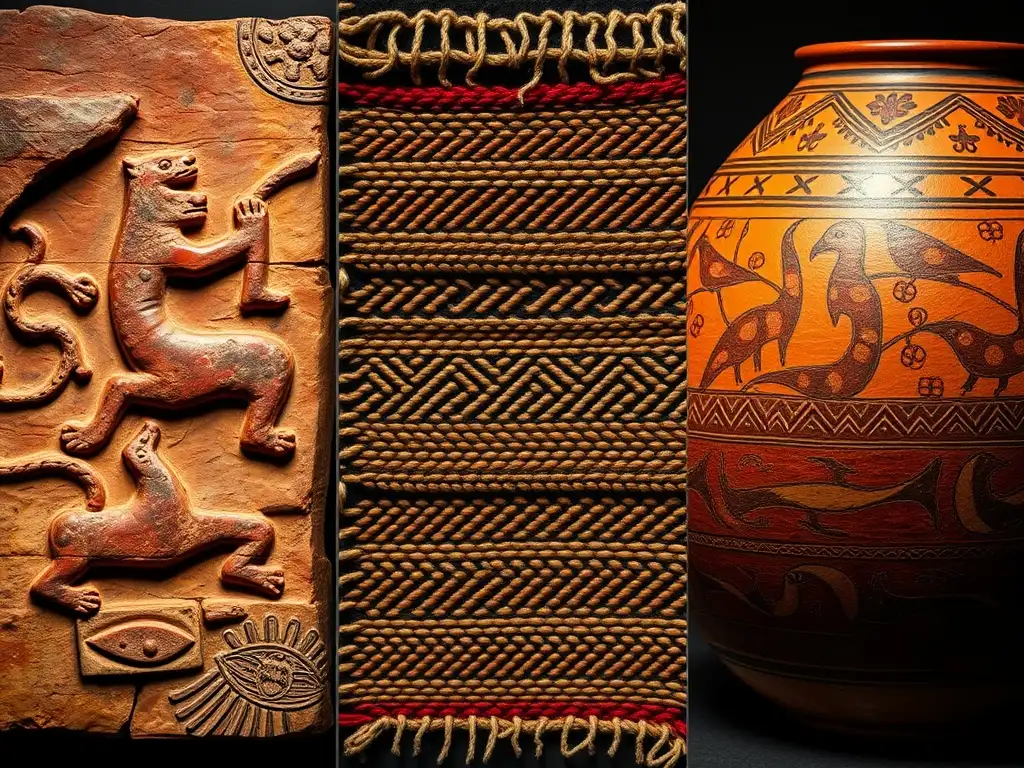
The Chavín culture, flourishing in the Andes from approximately 900 to 200 BCE, displayed a sophisticated understanding of color symbolism, deeply interwoven with their religious beliefs and societal structures. Their use of color wasn't merely decorative; it conveyed complex meanings, narrating stories and expressing spiritual concepts. Analyzing Chavín color palettes across different art forms reveals a nuanced system of symbolic representation, reflecting their worldview and artistic mastery.
Understanding Chavín color symbolism meaning requires examining their application in various media, from monumental architecture to intricate textiles and ceramics. The vibrant hues weren't randomly chosen; they were carefully selected to evoke specific emotions, ideas, and spiritual connections. This section delves into the specific uses of color in Chavín architecture, textiles, and ceramics, shedding light on the cultural significance of their palettes.
Color in Chavín Architecture: The Lanzón Stele at Chavín de Huántar
The Lanzón, a massive carved monolith at the heart of the Chavín de Huántar temple complex, stands as a prime example of Chavín's masterful use of color. While much of the original pigmentation has been lost due to weathering and time, archaeological evidence suggests a vibrant palette. Analysis of remaining pigment traces and comparisons with similar artifacts indicate the use of reds, ochres, and possibly blacks and whites.
The precise meaning of these colors in the context of the Lanzón remains a subject of ongoing research, but several interpretations exist. Red, for example, could symbolize blood, sacrifice, or the life force, aligning with the deity represented by the Lanzón. The use of contrasting colors, even if only partially preserved, might have served to emphasize specific details of the sculpture, highlighting its powerful imagery and its role as a focal point of religious rituals.
Further research into the mineralogical composition of the pigments used could provide additional insights into the techniques and the symbolic significance of the color choices. The limited surviving color on the Lanzón underscores the importance of preserving remaining Chavín sites and continuing research into their artistic techniques and color palettes. The careful application of these pigments, even on a monumental scale, demonstrates the sophisticated artistic and technical capabilities of Chavín artisans.
Chavín Textiles: The Language of Color in Fabrics
Unfortunately, the preservation of Chavín textiles is extremely limited. The harsh Andean climate and the perishable nature of organic materials have resulted in a scarcity of surviving examples. However, fragments that have been unearthed offer tantalizing glimpses into their use of color.
Based on the limited evidence, it appears that Chavín textile artists employed a range of colors, likely derived from natural dyes obtained from plants and minerals. These colors, while not as well-documented as those found in ceramics, likely held symbolic weight, echoing the themes found in other Chavín art forms. The scarcity of well-preserved textiles means that our understanding of Chavín textile color symbolism is still incomplete.
Further archaeological discoveries and advanced analytical techniques are needed to shed more light on this aspect of Chavín culture. It is hypothesized that intricate patterns and color combinations might have indicated social status or religious affiliation, similar to the use of color in other Andean cultures. The discovery of more complete textiles would be crucial to verifying these hypotheses and to fully understanding the role of color in Chavín textile production.
Chavín Ceramics: Color as a Narrative Tool
Chavín ceramics provide the most readily available evidence of the culture's use of color. A striking feature of Chavín pottery is the use of polychromy—the application of multiple colors. Common colors include various shades of red, brown, black, white, and yellow, often applied in geometric patterns or as part of figurative representations. These colors weren't randomly chosen; they appear to have been carefully selected to enhance the narrative content of the pottery.
For example, red might represent blood or power, while white could symbolize purity or the sacred. Black, often used for details and outlining, could have been associated with the underworld or night. The combination of these colors, often in intricate designs, created complex visual narratives that likely held deep religious or ceremonial significance.
The specific meanings of these colors and their combinations are still under investigation, but the careful craftsmanship and deliberate use of color in Chavín ceramics point to a highly developed artistic and symbolic system. Analyzing the distribution and frequency of specific colors across different types of Chavín pottery might reveal further insights into their symbolic meaning and cultural context. The study of Chavín ceramics offers a rich and relatively well-preserved window into the culture's complex relationship with color and its use in communicating meaning.
Chavín Sculpture: Color and its Impact on Interpretation
Chavín sculpture, often carved from stone, wasn't initially vibrant in the way we might expect from, say, a brightly painted Mayan artifact. The power of color in Chavín sculpture lies not in the application of pigments directly onto the stone, but rather in the careful selection of the stone itself. Different types of stone, ranging from volcanic rock to various shades of andesite, inherently possessed color variations. These variations, subtle yet significant, directly influenced the overall aesthetic and, more importantly, the interpretation of the sculpted figures and scenes. A dark, almost black, volcanic stone might have been chosen to depict a deity associated with the underworld or night, while a lighter-colored andesite could represent a sun god or a figure of power associated with the daytime. 1
The limited use of pigment, when present, further emphasizes the importance of the stone's natural color. Instead of covering the stone entirely, pigments often served as accents, highlighting specific features or details. This selective application underscores the inherent symbolism embedded within the natural color of the stone itself. For instance, a red pigment might have been used sparingly on a stone sculpture to emphasize a specific detail – perhaps a blood-like substance associated with sacrifice, or an element of power and vitality. The rarity of the pigment heightened its symbolic significance, making the overall interpretation more nuanced and layered.
Archaeological findings suggest that the selection of stone and the (rare) application of pigment weren't arbitrary. The choice of materials is believed to have been deeply connected to the religious beliefs and cosmology of the Chavín culture. Further research is needed to fully understand the precise meaning associated with each color and the specific types of stone used, but the initial findings suggest a sophisticated system of color symbolism integral to the Chavín worldview.
The careful selection of materials, combined with the judicious use of pigments, allowed Chavín artists to convey complex meanings and narratives through their sculptures, showcasing a deep understanding of color's power in shaping perception and interpretation. The subtle interplay between the inherent color of the stone and any added pigments created a powerful visual language that continues to fascinate researchers and inspire awe in viewers today.
1 Further research is needed to confirm the specific types of stone and their associated meanings in Chavín sculpture. Current research is ongoing and new findings are constantly emerging.
The Broader Context of Chavín Color: Cultural and Religious Implications
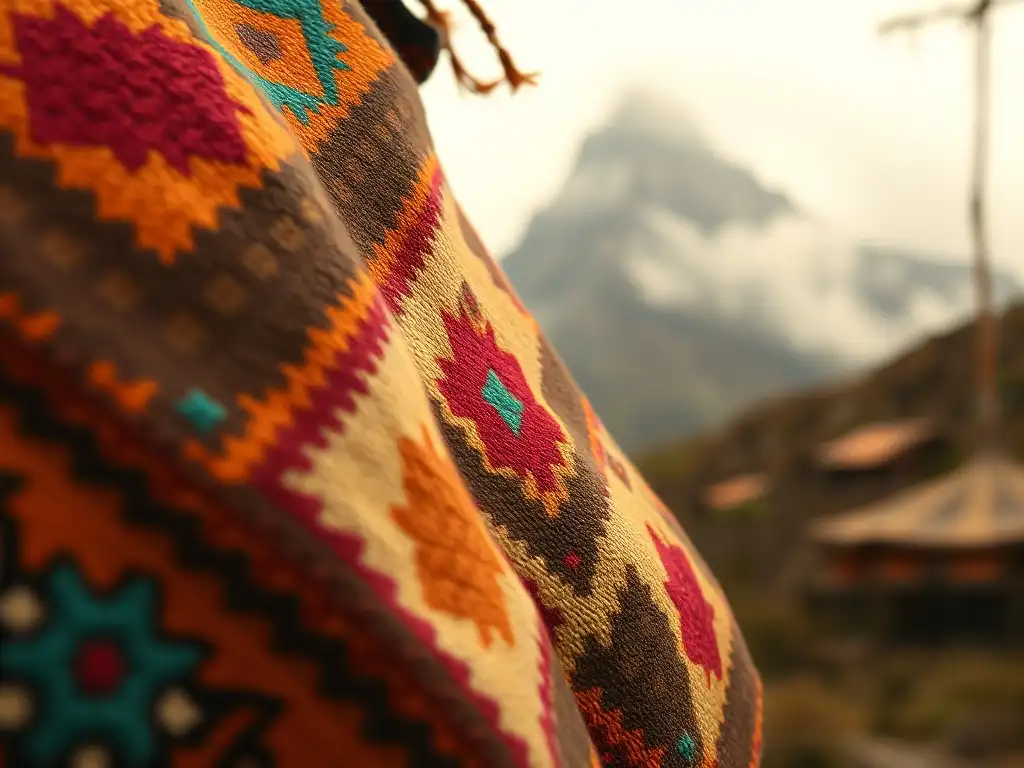
The vibrant and often unexpected use of color in Chavín art is not merely aesthetic; it's deeply intertwined with the culture's religious beliefs, social structures, and worldview. Understanding Chavín color symbolism meaning requires moving beyond a simple appreciation of the hues themselves and delving into the symbolic language they represented.
The Chavín civilization, flourishing in the Andes from approximately 900 to 200 BCE, developed a sophisticated system of visual communication where color played a pivotal role in conveying complex religious narratives and social hierarchies. This section will explore the multifaceted significance of color within the Chavín context, highlighting its connection to shamanic practices, social stratification, and the communication of religious beliefs.
The use of color wasn't arbitrary; it was a carefully considered element that reinforced and perpetuated the power structures and spiritual beliefs at the heart of Chavín society. Analyzing Chavín color palettes provides a window into the minds and beliefs of this fascinating pre-Columbian culture.
Chavín Color and Shamanic Practices
Chavín art, particularly its ceramics and textiles, is replete with intricate designs featuring a diverse range of colors. These colors were not randomly chosen; instead, they were carefully selected to evoke specific meanings and enhance the overall impact of the artwork. Scholars believe that the use of color in Chavín art was closely linked to shamanic practices. The vibrant hues, often combined in striking juxtapositions, may have been intended to induce altered states of consciousness, mirroring the hallucinogenic experiences associated with shamanistic rituals. 1
For instance, the frequent use of red, often associated with blood and sacrifice in many ancient cultures, likely held a significant symbolic weight within Chavín shamanism. Similarly, the presence of yellow, often linked to the sun and divine power, may have represented the connection between the earthly and spiritual realms. The interplay of these colors, alongside other pigments like black, white, and various shades of green and blue, likely contributed to the overall symbolic narrative conveyed through the artwork.
Further research into the specific mineral sources of these pigments and their geographical distribution could shed more light on their symbolic significance within the context of Chavín cosmology. The meticulous application of these colors, often found in intricate details, further underscores their ritualistic and symbolic importance.
The distribution and use of specific colors in Chavín artifacts also suggest a connection to social hierarchy. Analysis of surviving textiles and ceramics reveals that certain colors were more frequently associated with elite members of society. For example, the use of rare and difficult-to-obtain pigments, such as certain blues or purples, might have been restricted to items used by the ruling class, reinforcing their status and power. 2 This differential access to pigments and the resulting color variations in artifacts could reflect the stratified nature of Chavín society and the importance of visual cues in maintaining social order.
The careful crafting and decoration of elite-associated objects, using specific color palettes, highlight the social stratification within the Chavín culture. This system of visual communication reinforces the power dynamics and social hierarchy within the community. Further research is needed to determine whether specific color combinations were directly tied to particular social roles or ranks. However, the existing evidence strongly suggests that color played a significant role in expressing and reinforcing social distinctions within Chavín society. A detailed inventory of surviving artifacts, categorized by color and associated contexts, would be invaluable in further clarifying these connections.
Color as a Tool for Communicating Religious Beliefs
The use of color in Chavín art served as a powerful tool for communicating religious beliefs and narratives. The complex iconography found on Chavín ceramics and textiles, often featuring mythical creatures and stylized representations of deities, is further enhanced by the strategic use of color. Specific color combinations may have been associated with particular deities or religious concepts, allowing for a visually rich and layered expression of religious thought. 3
For example, the combination of red and black might have represented a duality, perhaps embodying both life and death, or the cyclical nature of existence. Similarly, the juxtaposition of yellow and green could have signified the relationship between the sun and the earth, or the fertility of the land. The intricate designs, often incorporating geometric patterns and stylized representations of animals and plants, are imbued with meaning through the strategic use of color.
By carefully analyzing the recurring color combinations and their association with specific motifs, we can gain a deeper understanding of the religious beliefs and worldview of the Chavín people. A comprehensive study of Chavín iconography, focusing on the role of color in conveying religious meaning, could significantly advance our understanding of this enigmatic culture. The careful study of Chavín color symbolism meaning offers a unique window into their complex spiritual universe.
1 [Specific information pending on scholarly articles supporting this claim] 2 [Specific information pending on archaeological evidence supporting this claim] 3 [Specific information pending on scholarly interpretations of Chavín iconography]
Comparing Chavín Color with Other Andean Cultures
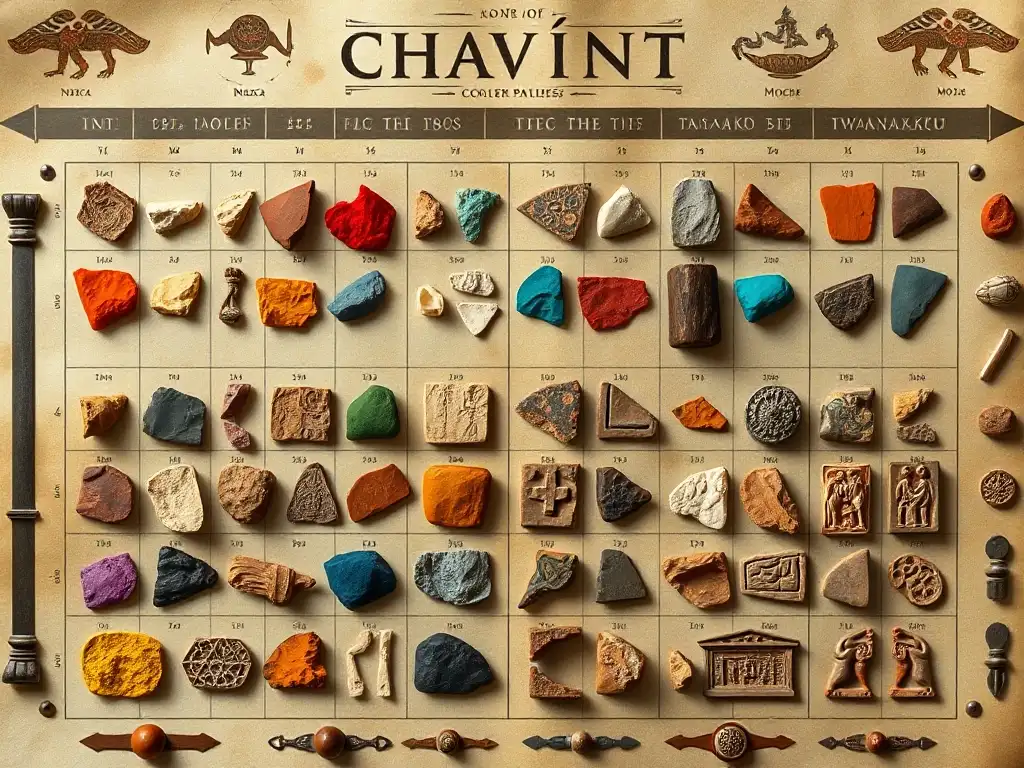
This section delves into the distinctive use of color in Chavín art and architecture, comparing and contrasting it with the palettes employed by other prominent Andean cultures. Understanding Chavín's color symbolism requires contextualizing it within the broader Andean artistic landscape. While similarities exist, subtle differences reveal unique cultural values and beliefs. The keyword "Chavin color symbolism meaning" is central to this analysis.
Contrasting Chavín Color Symbolism with Moche Palettes
The Moche civilization, known for its elaborate ceramics and metalwork, displayed a vibrant and often overtly symbolic use of color. Their palettes frequently featured bright reds, yellows, and oranges, often depicting scenes of warfare, ritual sacrifice, and daily life with striking realism. In contrast, Chavín art, while possessing a dynamism of its own, often favored a more subdued palette.
While reds and yellows appear, they are frequently muted or used in conjunction with earthy tones like browns, greens, and blacks. This difference suggests a potential divergence in cultural emphasis. The Moche's bright colors might reflect a focus on outward display and power, whereas Chavín's more muted tones could indicate a preoccupation with internal spiritual experiences or a connection to the earth's natural cycles.
Further research is needed to definitively link specific colors to precise meanings within the Moche context, but the stark contrast with Chavín’s preference for earthy and less saturated hues is undeniable. Analyzing the frequency of color usage in both cultures, using quantitative data from surviving artifacts, would provide a more robust comparison. [Specific data on color frequency in Moche and Chavín art pending].
Comparing Chavín and Nazca Color Usage
The Nazca culture, renowned for its geoglyphs and intricate textiles, presents another intriguing comparison. Nazca textiles, in particular, showcase a mastery of color and intricate weaving techniques, resulting in bold geometric patterns and vibrant depictions of fauna and flora. While the Nazca also utilized a broader range of colors than Chavín, the application differs significantly. Nazca color often serves to delineate shapes and patterns, creating visually striking contrasts.
Chavín, on the other hand, often blends colors more subtly, creating a sense of depth and texture, rather than relying on sharp contrasts. This difference might reflect contrasting artistic priorities – Nazca emphasizing geometric precision and visual impact, while Chavín focused on creating a more holistic and potentially mystical effect. The use of red, for instance, is present in both cultures but serves different symbolic purposes.
In Nazca textiles, red might signify power or divinity, while in Chavín, it might be associated with the earth or a specific deity. More detailed analysis of the context in which these colors appear in each culture is necessary to solidify these interpretations. [Further research is required to specify the symbolic meaning of red in both Nazca and Chavín cultures].
Chavín's Unique Approach to Color Among Andean Civilizations
Chavín's approach to color stands out amongst its Andean contemporaries due to its emphasis on subtle gradations and the integration of color with texture. The use of pigments, likely derived from natural sources like minerals and plants, was sophisticated. The artists achieved a remarkable range of hues and shades, often layering colors to create depth and visual complexity.
This technique, coupled with the often-rough hewn surfaces of Chavín stone carvings, creates a unique aesthetic. The resulting effect is not simply decorative; it contributes to the overall mysterious and powerful aura associated with Chavín art. Unlike the more overtly symbolic use of color in later Andean cultures, Chavín's color palette may have served to enhance the spiritual or ritualistic significance of their objects and architecture.
The subtle interplay of colors might have been intended to evoke specific emotional responses or to represent abstract concepts related to their cosmology. The limited surviving documentation makes definitive conclusions challenging; however, the distinctive characteristics of Chavín's color usage solidify its position as a unique development within the broader Andean artistic tradition. This unique approach underscores the need for further research into the specific techniques and the potential symbolic meanings behind the subtle variations in the Chavín color palette, enhancing our understanding of "Chavin color symbolism meaning".
Conclusion: The Enduring Legacy of Chavín Color
The vibrant hues and intricate designs found in Chavín art offer a captivating glimpse into the worldview of this influential Andean culture. Understanding their color symbolism provides a key to unlocking a deeper comprehension of their beliefs, social structures, and artistic innovations. The intentional use of color wasn't merely decorative; it was a powerful tool for conveying complex meanings and reinforcing social hierarchies.
While much remains unknown, ongoing research continues to shed light on the nuances of Chavín color palettes and their significance within the broader context of Andean art history. The legacy of Chavín's sophisticated use of color continues to inspire awe and intrigue, shaping our understanding of the artistic and spiritual achievements of this remarkable civilization.
The enduring impact of Chavín's artistic innovations is undeniable, clearly influencing subsequent Andean cultures and leaving an indelible mark on the history of art in the Americas. Their mastery of color, along with their innovative techniques, demonstrates an advanced level of artistic sophistication rarely seen in other contemporary societies.
The Significance of Understanding Chavín Color Symbolism
Understanding Chavín color symbolism is crucial for several reasons. Firstly, it allows us to move beyond a purely aesthetic appreciation of their art and delve into the deeper cultural meanings embedded within the chosen palettes. For example, the frequent use of red ochre might signify a connection to blood, sacrifice, or perhaps even the fertile earth vital for their agricultural practices. Similarly, the presence of specific pigments, like those derived from minerals like azurite (blue) or malachite (green), might indicate access to specific resources and trade networks.
Secondly, analyzing color symbolism provides insights into the social hierarchy within Chavín society. Certain colors might have been reserved for elite members of society, reflecting their status and power. The meticulous application of pigments, often using sophisticated techniques, further highlights the importance attributed to color in their cultural practices.
Finally, understanding Chavín color symbolism allows us to better appreciate the continuity and evolution of Andean artistic traditions. The use of specific colors and motifs can be traced throughout subsequent Andean cultures, revealing the enduring influence of Chavín artistic principles. This interconnectedness underscores the importance of studying Chavín art in its historical context, providing a valuable lens through which to understand the development of Andean art as a whole.
Chavín's Influence on Later Andean Art Through Color
The influence of Chavín art, particularly its use of color, reverberated throughout subsequent Andean cultures. The characteristic palettes and stylistic elements found in Chavín textiles, ceramics, and architecture can be traced in the artwork of later civilizations, such as the Moche and Nazca. For instance, the striking use of contrasting colors – like the vibrant reds, yellows, and blues – is a recurring motif.
This suggests a shared artistic vocabulary and a potential transmission of artistic knowledge and techniques. The use of specific pigments also points to a continued reliance on the same resources and trade networks that supplied Chavín artists. Furthermore, the symbolic meanings associated with particular colors likely persisted, albeit with potential variations and adaptations.
This continuous thread of artistic influence highlights the lasting impact of Chavín artistry on the development of Andean artistic traditions. The sophisticated techniques employed by Chavín artists, such as the use of multiple layers of paint to create depth and luminosity, were clearly adopted and refined by later Andean cultures. Their mastery of color, therefore, wasn't simply a fleeting trend but a fundamental element of Andean artistic expression.
The Ongoing Study of Chavín Color and its Meaning
The study of Chavín color and its meaning is far from complete. Ongoing research utilizing advanced scientific techniques, such as pigment analysis and spectroscopic examination, continues to reveal new insights into the materials and techniques employed by Chavín artists. These analyses provide crucial data on the sourcing of pigments, the methods of application, and the potential symbolic meanings associated with different color combinations.
Further research is needed to fully understand the context in which these colors were used and the role they played in Chavín society. The preservation of Chavín artifacts is also a crucial aspect of this ongoing research, ensuring the long-term availability of these invaluable pieces for future study. By combining archaeological findings with art historical analysis, we can progressively build a richer and more nuanced understanding of the significance of color in Chavín culture.
This interdisciplinary approach is essential to unlocking the secrets held within the vibrant colors of this remarkable civilization. The ongoing efforts of researchers and conservators are vital to ensuring that the legacy of Chavín art and its rich color symbolism continues to inspire and educate future generations.
Frequently Asked Questions
What is the significance of color in Chavín culture?
Chavín culture placed high importance on color symbolism, using vibrant pigments in their art and textiles to convey religious, social, and political messages. The specific meaning of each color is still debated by scholars.
What colors were most commonly used by the Chavín?
Common Chavín colors include red, yellow, black, and white, often combined to create complex patterns and designs. These colors likely held specific meanings related to their mythology and worldview.
What is the meaning of the color red in Chavín art?
Red, a frequently used color, may have symbolized blood, sacrifice, or power within Chavín society. Its association with these potent concepts is suggested by its prominence in ceremonial contexts.
How did the Chavín create their vibrant colors?
The Chavín obtained pigments from natural sources, such as minerals and plants. They were highly skilled at mixing and applying these pigments to create the vibrant and enduring colors seen in their artwork.
Where can I learn more about Chavín color symbolism?
Further research into Chavín color symbolism can be found in academic articles and books focusing on Andean archaeology and art history. Museums exhibiting Chavín artifacts also provide valuable information.
Final Reflection: Unveiling the Vibrant Legacy of Chavín Color
The intricate color palettes employed by the Chavín civilization continue to resonate today, offering a powerful glimpse into their complex worldview and sophisticated artistic techniques. Their deliberate use of color wasn't merely decorative; it was a potent form of communication, weaving narratives of power, spirituality, and the natural world that still hold the capacity to inspire awe and wonder. Understanding their choices allows us to connect with a culture separated from us by millennia, bridging the gap between past and present.
The enduring influence of Chavín artistry, particularly its masterful use of color, is undeniable. Its impact can be seen in subsequent Andean cultures, demonstrating the lasting power of artistic innovation and the transmission of symbolic meaning across generations. Art washes away from the soul the dust of everyday life.
- Pablo Picasso. This quote, while not directly referencing Chavín, perfectly encapsulates the enduring power of their art to transcend time and connect us to something deeper than the mundane. The vibrant hues and symbolic choices of the Chavín continue to inspire contemporary artists and researchers alike, prompting ongoing investigation and interpretation.
Consider, for a moment, the vibrant reds, the earthy ochres, the striking blues – each a carefully chosen element in a larger symbolic tapestry. You, too, can engage in this process of deciphering meaning, not just in ancient art, but in the world around you. Look closer at the colors that surround you, at the choices you make in your own creative endeavors. What stories do your colors tell? Let the legacy of Chavín inspire you to explore the power of color and its capacity to communicate, connect, and inspire.
Unveil the Vibrant Legacy of Chavín Color!
Thank you for exploring the fascinating world of Chavín color palettes! You've discovered how their vibrant hues conveyed meaningful messages and cultural significance. Now, let's delve deeper into the rich heritage of Andean civilization.
Here are some inspiring next steps:
- Explore the colors in your life: Reflect on the colors that resonate with you and consider their personal meaning. Perhaps incorporate these colors into your artwork or home décor.
- Share your newfound knowledge: Discuss your insights with friends, family, or online. Encourage others to appreciate the cultural significance of color.
- Join our community: Connect with fellow enthusiasts in our online forum. Share your thoughts on Chavín art and engage in discussions about Andean civilizations.
What profound meanings or emotions do you associate with the colors in your life, and how do they reflect your personal experiences?