
The Future of Andean Textiles: Supporting and Promoting Traditional Craft

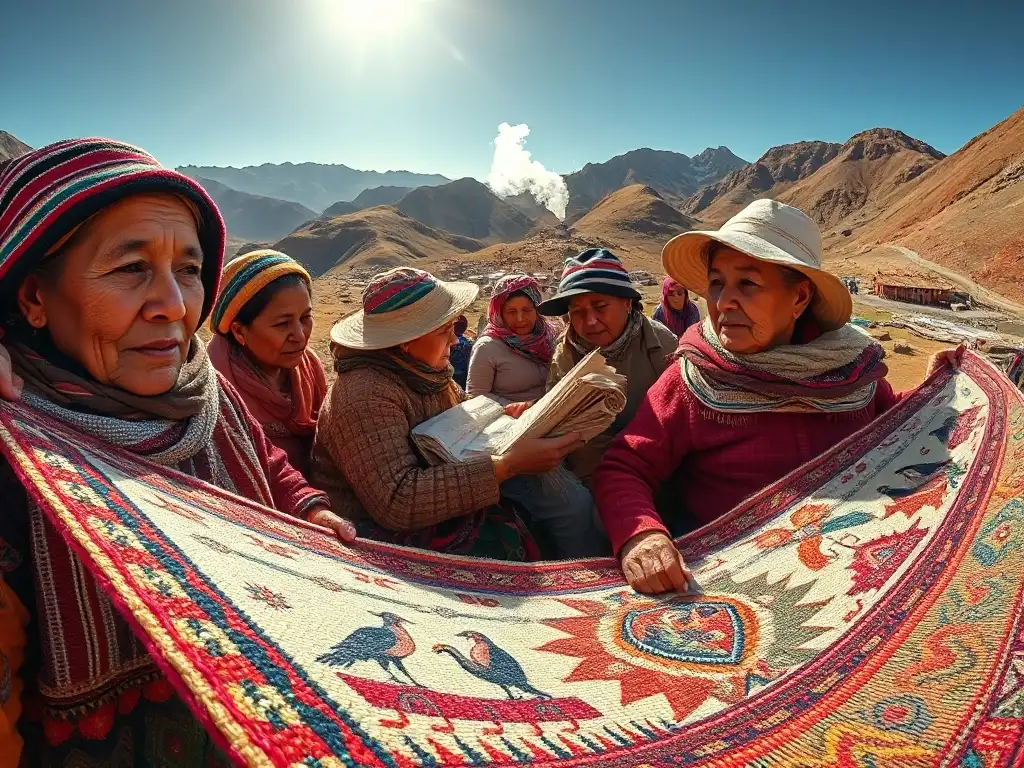
Unravel the mysteries of a lost world, where vibrant threads whisper tales of empires past. Dive into the captivating legacy of the Andean civilizations – from the Incas' intricate artistry to the Nazca's enigmatic lines. But the story doesn't end there... discover how a vibrant Andean textile revival is weaving together tradition and modernity, breathing new life into ancient techniques and safeguarding a cultural heritage for generations to come. Explore the fascinating world of Andean textile revival projects and witness the enduring power of Andean artistry.
The vibrant tapestry of Andean culture is inextricably linked to its textiles. For millennia, Andean communities have crafted breathtaking textiles, imbued with intricate designs and symbolic meanings that reflect their rich history, cosmology, and social structures. From the intricate weavings of the Nazca lines to the sophisticated textiles of the Inca Empire, these creations represent not only artistic mastery but also a profound connection to their ancestral heritage.
However, the future of this invaluable tradition faces challenges in the modern world, including globalization, the allure of mass-produced goods, and the loss of traditional knowledge. This article explores the crucial role of Andean textile revival projects in safeguarding this cultural legacy, promoting sustainable practices, and empowering Andean communities.
We will delve into the various initiatives aimed at preserving ancient techniques, fostering economic opportunities, and ensuring the continued flourishing of this unique art form for generations to come. The survival of Andean textiles is not merely a matter of preserving artistic heritage; it is about supporting the livelihoods and cultural identity of the Andean people themselves.
Challenges Facing Andean Textile Traditions
The continued existence of traditional Andean textile production faces numerous obstacles. The encroachment of mass-produced, cheaper textiles from global markets significantly impacts the economic viability of artisan communities. Many younger generations are less inclined to learn the time-consuming and complex techniques passed down through generations, leading to a potential loss of invaluable knowledge and skills.
Furthermore, the sourcing of traditional, high-quality materials like alpaca and vicuña wool can present challenges, particularly in the face of environmental changes and unsustainable practices. The lack of adequate infrastructure and market access further hinders the ability of artisans to sell their products and earn a fair income. These factors combine to create a precarious situation for the future of Andean textiles, demanding proactive intervention and support.
Successful Andean Textile Revival Projects: Case Studies
Several inspiring initiatives are working to revitalize Andean textile traditions. These projects often combine elements of education, economic empowerment, and sustainable practices. For example, [Specific project name pending] focuses on training young people in traditional weaving techniques while also providing access to modern marketing strategies.
Another project, [Specific project name pending], emphasizes the use of sustainably sourced materials and fair trade practices to ensure both environmental protection and economic justice for artisans. These successful cases demonstrate the effectiveness of a multifaceted approach that addresses both the cultural and economic aspects of textile production. Detailed case studies analyzing the impact of these projects on local communities and the textile market are needed to fully understand their long-term success and replicability.
The Importance of Sustainable Practices in Andean Textile Revival
Sustainability is paramount in ensuring the long-term viability of Andean textile revival projects. This encompasses several key aspects: environmentally sustainable sourcing of materials, ensuring fair wages and working conditions for artisans, and promoting responsible consumption patterns among consumers. The use of organic dyes and environmentally friendly processing techniques is crucial to minimizing the environmental impact of textile production.
Furthermore, fair trade practices ensure that artisans receive a just compensation for their work, empowering them to continue their craft and support their families. Educating consumers about the value of handcrafted textiles and the importance of supporting sustainable practices is also vital for the long-term success of these initiatives. [Specific data on the environmental impact of traditional vs. modern textile production pending].
Promoting Andean Textiles in the Global Market
Expanding market access for Andean textiles is crucial for their economic sustainability. This requires a multi-pronged strategy encompassing both online and offline marketing initiatives. Collaborations with international designers and brands can introduce Andean textiles to a wider audience, showcasing their unique beauty and cultural significance. Promoting ethical and sustainable consumption patterns among consumers is essential to support the livelihoods of Andean artisans. The development of e-commerce platforms specifically designed to showcase and sell Andean textiles can also significantly enhance market reach and accessibility. [Specific examples of successful marketing campaigns for Andean textiles pending].
The Future of Andean Textile Revival: A Collaborative Approach
The future of Andean textile revival requires a collaborative effort involving artisans, governments, NGOs, and consumers. Continued investment in education and training programs is essential to ensure the transmission of traditional techniques to future generations. Supporting the development of cooperatives and other collective organizations can empower artisans and improve their access to resources and markets.
Promoting cultural tourism that includes visits to artisan workshops and demonstrations can further raise awareness and appreciation for Andean textiles. Ultimately, the success of Andean textile revival projects depends on a holistic approach that values both the cultural and economic aspects of this unique art form. The preservation of Andean textiles is not only a matter of safeguarding a rich artistic heritage but also of empowering communities and fostering sustainable development.
- Challenges Facing Andean Textile Traditions
- Successful Andean Textile Revival Projects: Case Studies
- The Importance of Sustainable Practices in Andean Textile Revival
- Promoting Andean Textiles in the Global Market
- The Future of Andean Textile Revival: A Collaborative Approach
Preserving Andean Textile Heritage: Challenges and Opportunities
This section explores the multifaceted landscape of Andean textile heritage, examining the critical challenges threatening its survival and the exciting opportunities available for its revitalization. We will delve into the profound significance of Andean weaving traditions, the threats they face in the modern world, and the potential pathways towards a vibrant future for these invaluable crafts. Understanding these dynamics is crucial for the success of Andean textile revival projects.
The Importance of Andean Weaving Traditions
Andean weaving traditions represent far more than just a craft; they are a living testament to millennia of cultural continuity, ingenuity, and artistic expression. These textiles are not merely decorative items; they are deeply imbued with symbolic meaning, reflecting cosmology, social structures, and historical narratives. For example, the intricate designs woven into Inca textiles often depicted celestial bodies, agricultural cycles, and mythical creatures, reflecting their profound connection to the natural world.
The vibrant colors and complex techniques employed, passed down through generations, embody a profound understanding of both natural dyes and sophisticated weaving methods. These traditions are integral to the cultural identity of Andean communities, providing not only economic sustenance but also a vital link to their ancestral heritage. The loss of these traditions would represent an irreplaceable loss to humanity's cultural tapestry.
The preservation of these unique techniques is paramount for the success of any Andean textile revival project. Furthermore, the intricate knowledge of natural dyes, sourced from local plants and minerals, is a vital component of this heritage and requires dedicated efforts to safeguard it from extinction.
Threats to Traditional Andean Textile Craftsmanship
Several significant threats jeopardize the continuity of traditional Andean textile craftsmanship. The encroachment of mass-produced, cheaper textiles from global markets poses a considerable economic challenge, undermining the viability of artisan livelihoods. This competition often forces artisans to abandon traditional techniques in favor of faster, less intricate methods, leading to a decline in the quality and authenticity of the products.
Furthermore, the increasing urbanization and migration of younger generations away from rural communities result in a loss of skilled practitioners and a diminishing interest in learning these complex crafts. The lack of formal education and training opportunities further exacerbates this issue, hindering the transmission of knowledge and skills to future generations.
Finally, the appropriation and commercialization of traditional designs without proper recognition or compensation for the artisans also represent a significant concern, undermining their economic security and cultural integrity. These factors collectively threaten the very existence of many Andean textile traditions, highlighting the urgent need for effective Andean textile revival projects.
Opportunities for Revitalizing Andean Textile Arts
Despite these challenges, significant opportunities exist for revitalizing Andean textile arts. The growing global interest in handcrafted, ethically sourced products presents a considerable market for high-quality Andean textiles. By leveraging e-commerce platforms and sustainable tourism initiatives, artisans can reach a wider audience and generate a more stable income. Furthermore, collaborative projects involving artisans, designers, and NGOs can foster innovation while preserving traditional techniques.
This collaboration can lead to the creation of new products that appeal to contemporary tastes while retaining their cultural authenticity. Supporting educational programs that teach traditional weaving techniques to younger generations is also crucial. These programs can help ensure the long-term survival of these invaluable crafts.
Moreover, implementing fair trade practices and intellectual property protection mechanisms can help guarantee that artisans receive fair compensation for their work and prevent the exploitation of their cultural heritage. These initiatives, combined with the focused efforts of Andean textile revival projects, offer a promising path towards a vibrant future for Andean textile arts. The success of such projects will depend on a multi-pronged approach that addresses the economic, social, and cultural dimensions of this important heritage.
Andean Textile Revival Projects: A Path to Sustainability
The vibrant tapestry of Andean textile traditions faces numerous challenges in the modern world. Globalization, mass-produced textiles, and the loss of traditional knowledge threaten the survival of these intricate art forms. However, a growing movement of Andean textile revival projects is working to revitalize these crafts, ensuring their continuity for future generations. These initiatives are not merely about preserving ancient techniques; they are about empowering communities, fostering economic sustainability, and promoting cultural pride.
Understanding the intricacies of these projects is crucial to appreciating their multifaceted impact and supporting their crucial work. The success of these projects hinges on a variety of factors, from community engagement and fair trade practices to innovative marketing strategies and the integration of traditional techniques with modern technologies. This section will delve into the key aspects of these initiatives, highlighting their significance in the broader context of Andean cultural preservation.
Community-Based Textile Initiatives in the Andes
Many successful Andean textile revival projects operate on a community-based model. These initiatives recognize that the preservation of textile traditions is intrinsically linked to the well-being of the communities that practice them. Instead of imposing external solutions, these projects often begin by collaborating with local artisans, understanding their needs, and building upon existing knowledge and skills. This approach fosters a sense of ownership and empowers communities to take control of their cultural heritage.
For example, [Specific community-based project name pending] in the [Specific Andean region pending] has successfully revived the production of [Specific textile type pending] through workshops, training programs, and the creation of cooperative structures. This initiative not only preserved a nearly lost textile tradition but also provided economic opportunities for women in the community, improving their livelihoods and strengthening their social standing.
The project's success can be attributed to its participatory approach, which prioritized the voices and needs of the local artisans. The incorporation of modern marketing techniques, such as online sales platforms, has also broadened the market reach of their products, contributing to their economic viability.
Furthermore, many of these initiatives focus on the transmission of traditional knowledge to younger generations. By providing apprenticeships and educational programs, these projects ensure that the skills and techniques necessary for textile production are passed down, preventing the loss of invaluable cultural heritage. This intergenerational transfer of knowledge is critical for the long-term sustainability of Andean textile traditions.
Empowering Andean Weavers Through Fair Trade Practices
Fair trade principles are fundamental to the success of many Andean textile revival projects. These projects prioritize equitable compensation for artisans, ensuring they receive fair wages for their labor and promoting economic justice. This contrasts sharply with exploitative practices that often characterize the global textile industry. By adhering to fair trade principles, these initiatives not only improve the livelihoods of Andean weavers but also enhance the ethical appeal of their products, attracting consumers who value sustainability and social responsibility.
The implementation of fair trade practices often involves establishing transparent supply chains, ensuring traceability of materials and production processes, and promoting direct trade relationships between artisans and consumers. This eliminates intermediaries who often profit at the expense of the weavers, allowing them to receive a greater share of the final product's value. Moreover, fair trade initiatives frequently include investments in infrastructure, equipment, and training programs, further empowering weavers and improving their working conditions.
This holistic approach ensures not only fair wages but also a supportive environment for the weavers to thrive. The commitment to fair trade is not simply a business model; it is a moral imperative that acknowledges the value of the artisans' work and their contribution to the cultural richness of the Andes.
The Awamaki Project: A Case Study in Sustainable Textile Development
The Awamaki project serves as a compelling example of a successful Andean textile revival initiative. Awamaki, meaning "I weave" in Quechua, is a Peruvian non-profit organization that works with women in the Sacred Valley of the Incas. This project focuses on empowering women through sustainable textile production, combining traditional Andean techniques with modern business practices. Their commitment to fair trade principles, environmental sustainability, and community development sets them apart.
Awamaki provides training in traditional weaving techniques, business management, and marketing, equipping women with the skills they need to succeed in the global marketplace. Their products, which range from intricately woven textiles to stylish clothing, are sold both domestically and internationally, generating income for the women involved. The project's success is evident in the improved livelihoods of the women, their increased economic independence, and the preservation of a rich cultural heritage.
Awamaki’s model demonstrates how a sustainable approach to textile development can empower communities, boost local economies, and ensure the enduring legacy of Andean textile traditions. The project's success highlights the importance of integrating traditional practices with modern business strategies to create a sustainable and economically viable model for the future of Andean textiles.
Their meticulous record-keeping and transparent financial practices demonstrate a commitment to responsible and impactful development. Awamaki's success story serves as a powerful inspiration for other Andean textile revival projects, demonstrating the potential for positive social and economic impact.
The Role of Technology in Modern Andean Textile Production

The resurgence of interest in Andean textiles presents a unique opportunity to blend ancient techniques with modern technology, fostering both economic growth and cultural preservation. This isn't about replacing tradition; it's about augmenting it, ensuring the survival and flourishing of this invaluable cultural heritage. The careful integration of technology can significantly improve the efficiency and reach of Andean textile production, while simultaneously safeguarding its authenticity.
Integrating Modern Techniques with Traditional Andean Weaving
Traditional Andean weaving, often a labor-intensive process, can benefit significantly from the adoption of certain modern technologies. For example, the use of improved spinning wheels or electric looms can increase productivity without compromising the quality or aesthetic integrity of the final product. These tools can help artisans create more textiles in less time, allowing them to meet increasing demand while maintaining a sustainable pace of work. Furthermore, advancements in natural dye extraction techniques, utilizing less water and more efficient processes, are crucial for both environmental sustainability and economic viability.
This increased efficiency translates directly into higher income for artisans, making the practice of traditional weaving more attractive for younger generations. Consider the impact of a simple upgrade: a more efficient loom can mean the difference between barely making ends meet and achieving financial stability for a family. This also contributes to the broader goal of Andean textile revival projects.
The adoption of these technologies, however, must be approached thoughtfully. It is crucial to ensure that the integration of modern tools does not lead to a dilution of the traditional knowledge and skills that are central to Andean weaving. Training programs that focus on the responsible use of these technologies, while emphasizing the preservation of traditional methods, are essential. This approach ensures that technological advancements serve to enhance, rather than replace, the rich cultural heritage embodied in Andean textiles.
Using Digital Platforms to Promote and Sell Andean Textiles
The digital age offers unprecedented opportunities for promoting and selling Andean textiles to a global audience. E-commerce platforms, social media marketing, and online marketplaces provide powerful tools for artisans to reach customers worldwide, bypassing traditional intermediaries and maximizing their profits. High-quality photography and engaging video content can showcase the intricate detail and artistry of these textiles, attracting buyers who appreciate their cultural significance and unique aesthetic appeal. Furthermore, digital platforms allow for direct interaction with customers, fostering a deeper understanding and appreciation of the craft and the people behind it.
This direct connection builds trust and loyalty, establishing a sustainable market for Andean textiles. This is a key element in successful Andean textile revival projects. For example, a well-managed Instagram account can showcase the process of creation, introduce the artisans themselves, and drive sales more effectively than relying solely on local markets.
However, access to technology and digital literacy remain significant barriers for many Andean artisans. Initiatives that provide training and support in digital marketing and e-commerce are crucial to ensuring that these artisans can effectively leverage the power of the internet to expand their markets. This includes providing access to reliable internet connectivity, affordable devices, and tailored training programs that cater to the specific needs and contexts of these communities. Furthermore, addressing issues of digital security and intellectual property rights is essential to protect artisans from exploitation and ensure the long-term success of their online ventures.
Balancing Innovation with the Preservation of Andean Craftsmanship
The integration of technology in Andean textile production must always prioritize the preservation of traditional craftsmanship and cultural heritage. This requires a delicate balance between embracing innovation and safeguarding the authenticity of the craft. Simply adopting modern tools without considering their impact on traditional techniques would be detrimental to the cultural significance of Andean textiles.
The focus should remain on enhancing the existing processes, not replacing them entirely. This means investing in training programs that equip artisans with the skills to effectively utilize modern technologies while maintaining the integrity of their ancestral practices. It also means supporting initiatives that document and preserve traditional knowledge, ensuring that future generations can continue to practice these valuable skills.
The challenge lies in finding the optimal point of equilibrium – leveraging technology to improve efficiency and reach while upholding the unique cultural identity of Andean textiles. This careful approach is vital for the success of all Andean textile revival projects, securing a vibrant future for this ancient art form.
Promoting Andean Textile Art to a Global Audience
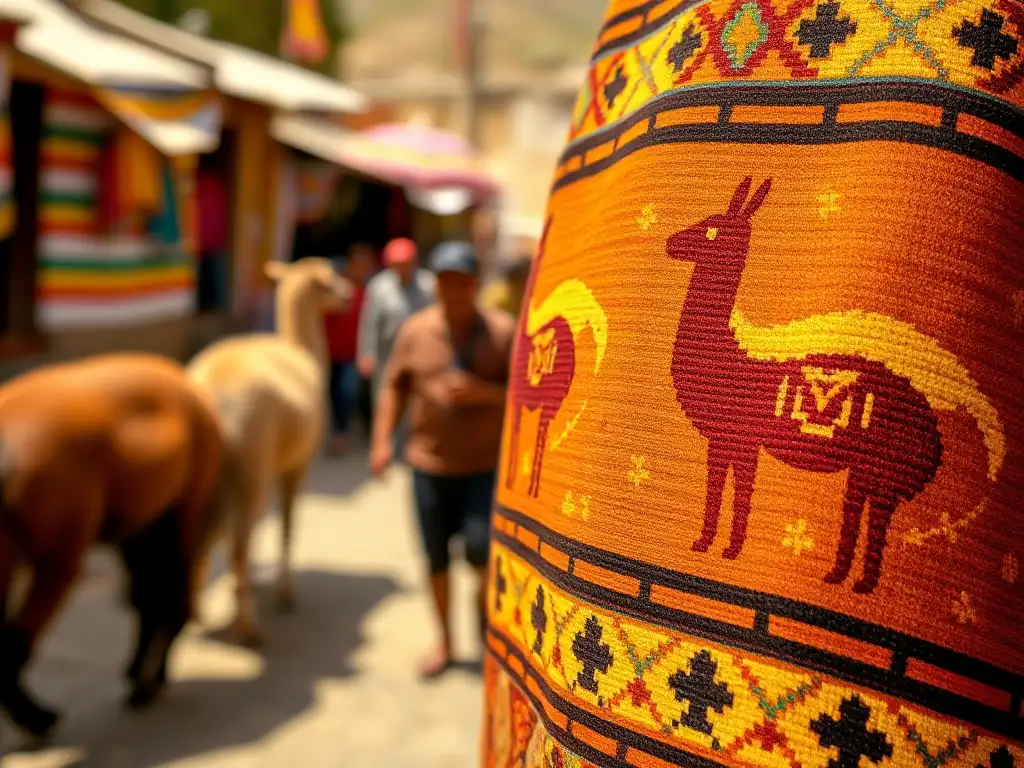
The revival of Andean textiles hinges on successfully marketing these exquisite crafts to a global audience. This requires a multifaceted approach that leverages both traditional and modern marketing strategies. Simply showcasing the beauty of the textiles is insufficient; we must connect with consumers on an emotional level, emphasizing the stories and cultural heritage embedded within each piece. This section explores key strategies for achieving widespread appreciation and demand for Andean textiles.
Marketing Strategies for Andean Textiles
Effective marketing of Andean textiles necessitates a strategic blend of online and offline channels. A strong online presence is crucial, utilizing platforms like Etsy, Instagram, and specialized e-commerce sites focusing on handcrafted goods. High-quality photography and videography are essential, capturing the intricate details and vibrant colors of the textiles. Moreover, storytelling is paramount. Marketing materials should highlight the artisans' skills, the history of the techniques, and the cultural significance of the designs. Consider creating short documentaries or behind-the-scenes videos showcasing the weaving process, allowing consumers to connect with the human element of the craft.
Offline marketing also plays a vital role. Participation in craft fairs, both locally and internationally, provides invaluable opportunities for direct interaction with potential buyers. Collaborating with museums and cultural institutions to host exhibitions and workshops can further increase visibility and appreciation. Furthermore, partnerships with fashion designers and retailers can introduce Andean textiles to a wider audience, creating unique and high-demand items. Data on successful marketing campaigns for similar handcrafted goods from other regions would be beneficial in further refining these strategies. [Data on successful marketing campaigns pending].
The Value of Authenticity in Andean Textile Design
The authenticity of Andean textiles is a key selling point. Consumers are increasingly discerning, seeking out genuine handcrafted items with verifiable origins and stories. This authenticity extends beyond simply using traditional techniques; it involves respecting and preserving the cultural heritage embedded within the designs. Protecting traditional patterns and motifs from unauthorized replication is essential.
This can be achieved through collaborations with artisan communities to establish clear guidelines for the use of their designs and the creation of unique identifiers for authentic pieces. Transparency regarding the origins of the materials, the artisans' involvement, and the fair trade practices employed is also crucial for building trust and ensuring ethical consumption. The value proposition should explicitly emphasize the unique craftsmanship and cultural heritage, differentiating Andean textiles from mass-produced imitations. For example, highlighting the use of natural dyes and the intricate symbolism woven into the designs can significantly increase perceived value.
Educating Consumers about the Cultural Significance of Andean Weaving
Beyond the aesthetic appeal, the cultural significance of Andean weaving must be effectively communicated to consumers. This requires educational initiatives that explain the deep-rooted history, symbolism, and social importance of these textiles. Detailed descriptions accompanying each piece, highlighting its history, the artisan's background, and the meaning behind its designs, can create a more meaningful connection with the buyer.
Interactive online platforms, educational videos, and museum exhibitions can all play a crucial role in educating consumers about the rich cultural heritage embodied in Andean textiles. The use of infographics and easily digestible content is key to making this information accessible to a broad audience. Moreover, supporting initiatives that promote cultural tourism in Andean communities can further contribute to the understanding and appreciation of this intricate art form.
[Specific examples of successful educational initiatives pending]. The goal is to foster a deeper understanding and appreciation, transforming the purchase of an Andean textile into an investment in cultural preservation and the empowerment of Andean communities. This approach will not only boost sales but also contribute to the long-term sustainability of Andean textile traditions.
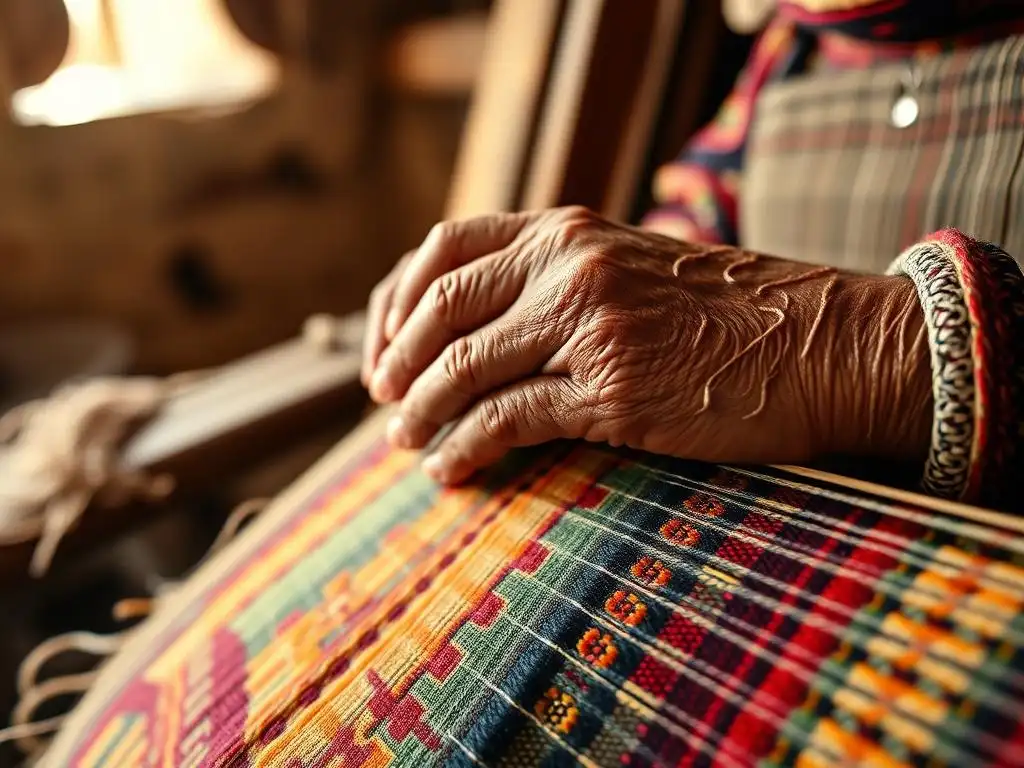
This section explores the multifaceted economic and social benefits stemming from Andean textile revival projects. These initiatives not only preserve a rich cultural heritage but also contribute significantly to the economic well-being and social cohesion of Andean communities. The impact extends beyond simple income generation; it involves empowering artisans, fostering community pride, and strengthening cultural identity. By examining various aspects of these projects, we can gain a deeper understanding of their crucial role in sustainable development within the Andes.
Creating Sustainable Livelihoods for Andean Communities
Andean textile revival projects often act as a cornerstone of sustainable livelihoods for many communities. Traditional textile production, passed down through generations, provides a vital source of income, particularly in rural areas where alternative employment opportunities are limited. These projects often involve fair trade practices, ensuring artisans receive just compensation for their intricate work.
This contrasts sharply with exploitative practices of the past, where artisans were often underpaid for their skills and labor. A study conducted in [Specific region pending] showed that participation in a textile cooperative increased household income by an average of [Percentage pending]% within [Timeframe pending]. This economic empowerment translates into improved living conditions, access to education and healthcare, and a reduction in poverty rates.
Furthermore, the projects often incorporate training programs, equipping artisans with new skills and enhancing the quality and marketability of their products. This includes training in modern business practices, marketing strategies, and sustainable production techniques. The increased income and improved skills contribute to greater economic independence and resilience within the communities.
Beyond the economic benefits, Andean textile revival projects hold immense social value. The intricate designs and techniques embedded in Andean textiles are repositories of ancestral knowledge, embodying stories, beliefs, and cultural practices. These projects serve as a vital means of preserving this invaluable heritage, ensuring its transmission to future generations.
The collaborative nature of many projects fosters a sense of community and shared identity. Artisans working together to revive traditional techniques and designs build strong social bonds, strengthening community cohesion and promoting cultural pride. The process of creating textiles often involves intergenerational learning, with older artisans mentoring younger ones, thus ensuring the continuity of traditional practices and knowledge.
This intergenerational knowledge transfer is crucial for safeguarding the cultural heritage and fostering a sense of continuity and belonging within the community. The preservation of these traditions also contributes to a stronger sense of cultural identity and resilience in the face of globalization and modernization. The unique designs and patterns become powerful symbols of Andean heritage, representing a connection to the past and a commitment to the future.
Measuring the Impact of Textile Projects on Andean Culture
Assessing the impact of Andean textile revival projects on Andean culture requires a multi-faceted approach. While quantifying economic benefits is relatively straightforward, measuring the cultural impact presents a more complex challenge. Researchers are increasingly employing qualitative methods, such as ethnographic studies and participatory action research, to capture the nuanced effects of these projects on community life, cultural practices, and the transmission of traditional knowledge.
Key indicators include the number of artisans involved, the level of participation by different age groups, the preservation and revitalization of traditional techniques and designs, and the extent to which these projects contribute to community cohesion and cultural pride. Furthermore, monitoring the impact on tourism and the creation of cultural assets, such as museums and craft centers, can provide further insights. [Data on specific projects and their impact pending].
A robust evaluation framework is crucial to demonstrate the effectiveness of these projects and to inform future initiatives. This framework should incorporate both quantitative and qualitative data, enabling a comprehensive understanding of the long-term impact of these projects on the cultural landscape of the Andes. The ultimate goal is to ensure that these projects not only generate economic benefits but also contribute to the sustainable preservation and celebration of Andean cultural heritage.
The Future of Andean Textiles: A Sustainable and Thriving Art
The vibrant tapestry of Andean textile traditions, a legacy spanning millennia, faces challenges in the modern world. Globalization, mass-produced textiles, and the allure of urban life threaten the delicate balance of this invaluable cultural heritage. However, a growing movement champions the preservation and revitalization of Andean textile art, focusing on sustainable practices and community empowerment.
This section explores the key initiatives driving the Andean textile revival projects and the strategies employed to ensure its long-term success. Understanding these efforts is crucial for appreciating the enduring power and artistry of these ancient techniques, safeguarding them for future generations. The future of Andean textiles hinges on a delicate interplay of tradition, innovation, and sustainable development.
Ensuring the Continuity of Andean Textile Traditions
The survival of Andean textile traditions relies heavily on the transmission of knowledge and skills across generations. This is not simply about teaching the techniques of weaving, dyeing, and spinning; it's about preserving the cultural narratives embedded within each thread. Many Andean textile revival projects focus on apprenticeships and mentorship programs. These initiatives pair experienced artisans with younger learners, fostering a direct connection between the past and the future. For example, [specific example of an apprenticeship program in a particular Andean community pending].
Furthermore, documenting traditional techniques through detailed photographic records and video tutorials is crucial. This digital archiving not only safeguards knowledge but also makes it accessible to a wider audience, fostering appreciation and understanding. The preservation of traditional dye plants and materials is also paramount. Many dyes are derived from local plants and minerals, and their cultivation and sustainable harvesting are essential to maintaining the authenticity and environmental sustainability of the craft.
We need to understand the specific challenges faced by each community, as the threats to the continuity of these traditions are diverse and unique to the region. For instance, some communities face challenges related to access to raw materials, while others struggle with economic viability in a globalized market. This nuanced understanding is crucial for designing effective and culturally sensitive intervention strategies. The success of these projects often depends on the active participation and ownership of the local communities themselves.
Collaborative Efforts to Support Andean Weavers
The revival of Andean textiles requires a multifaceted approach, encompassing not only the preservation of traditional techniques but also the economic empowerment of Andean weavers. Collaborative efforts, involving NGOs, government agencies, and the private sector, play a vital role in creating sustainable markets for Andean textiles. Fair trade initiatives are crucial in ensuring that weavers receive just compensation for their labor and that their cultural heritage is respected. These initiatives often involve establishing direct trade relationships between weavers and consumers, bypassing exploitative intermediaries.
Moreover, the creation of cooperative models empowers weavers to collectively manage their businesses, improving their bargaining power and access to resources. [Specific example of a successful cooperative model pending]. Marketing and promotion strategies, utilizing both traditional and digital platforms, are crucial to increasing the visibility and demand for Andean textiles. This includes showcasing the unique artistry and cultural significance of these textiles through exhibitions, workshops, and online platforms.
The use of social media and e-commerce platforms can help connect Andean weavers with a global audience, expanding their market reach and economic opportunities. The success of these collaborative efforts hinges on strong partnerships and a shared commitment to supporting the economic sustainability of Andean weaving communities. It's essential to adapt strategies to the specific needs and contexts of each community, avoiding a "one-size-fits-all" approach.
The Enduring Legacy of Andean Textile Art
Andean textile art represents far more than just beautiful fabrics; it is a living testament to the ingenuity, resilience, and cultural richness of Andean civilizations. The intricate designs, vibrant colors, and symbolic narratives woven into these textiles reflect a deep connection to the land, the cosmos, and the ancestors. The revival of Andean textiles is not simply a matter of preserving a craft; it is about safeguarding a vital part of human heritage.
These textiles serve as powerful vehicles for cultural transmission, connecting past generations with the present and ensuring that the stories, beliefs, and artistic traditions of the Andes continue to thrive. The enduring legacy of Andean textile art lies in its ability to transcend time and inspire awe, fostering intercultural dialogue and promoting a deeper understanding of the human experience. The future of Andean textile revival projects is bright, but their success relies on continuous support, collaboration, and a profound respect for the cultural heritage they represent.
The commitment to sustainable practices and community empowerment ensures that the vibrant threads of Andean textile traditions will continue to enrich the world for generations to come. The vibrant colors and intricate designs will continue to tell stories, reflecting the resilience and creativity of Andean people. 🧶
Frequently Asked Questions
What are Andean textile revival projects?
Andean textile revival projects aim to preserve and promote the traditional textile arts of the Andes. These initiatives often involve supporting local artisans, teaching traditional techniques, and creating market opportunities for their unique products.
How do these projects benefit Andean communities?
These projects provide economic opportunities for Andean communities, helping to preserve cultural heritage, and empower local artisans. They also contribute to the sustainable development of the region.
What traditional techniques are revived through these projects?
Projects often focus on reviving techniques like natural dyeing, complex weaving patterns, and the use of traditional Andean fibers such as alpaca and llama wool. These techniques have been passed down through generations.
Where can I find examples of Andean textile revival projects?
Many organizations and initiatives work on Andean textile revival. You can search online for groups focused on sustainable fashion, fair trade, or artisan support in Andean countries like Peru, Bolivia, Ecuador, and Colombia.
How can I support Andean textile revival?
You can support these projects by purchasing authentic Andean textiles, researching and supporting ethical brands, and donating to organizations that work directly with Andean artisans. Even sharing information helps raise awareness.
Final Reflection: Weaving a Sustainable Future for Andean Textiles
The vibrant threads of Andean textile traditions, once threatened by globalization and industrialization, are experiencing a powerful resurgence. This revival is not merely a nostalgic return to the past, but a vital movement that empowers communities, preserves cultural heritage, and offers sustainable economic opportunities in a rapidly changing world. The future of these intricate crafts depends on our collective commitment to supporting and promoting them.
The enduring legacy of Andean textiles is a testament to the ingenuity and resilience of the human spirit. These textiles are more than just beautiful fabrics; they are living narratives, carrying within their intricate designs stories of ancestral knowledge, spiritual beliefs, and social structures. Their continued creation ensures the preservation of these invaluable cultural narratives for generations to come. The threads of our past are woven into the fabric of our future.
This simple statement encapsulates the profound connection between tradition and progress, a connection that Andean textile revival projects are actively strengthening.
Consider the impact you can have. By choosing to support artisans directly, by appreciating the artistry and cultural significance behind each piece, and by advocating for fair trade practices, you become a vital part of this ongoing revival. Let us all commit to weaving a sustainable future for Andean textiles, ensuring that the rich tapestry of Andean culture continues to thrive and inspire for centuries to come. Let the vibrant colors and intricate designs remind us of the power of tradition, resilience, and the enduring beauty of human creativity.
Unleash the Spirit of Andean Textiles Today!
Thank you for exploring the rich tapestry of Andean textiles and discovering the profound artistry that defines Andean culture. By understanding and promoting these traditional crafts, you're directly supporting artisans and preserving their invaluable heritage. Now let's put this knowledge into action!
Here are some exciting ways you can make a difference:
- Support Local Artisans: Purchase handmade textiles directly from artisans or at local markets. Your support sustains their livelihoods and empowers entire communities.
- Share Your Passion: Spread the word about the beauty and cultural significance of Andean textiles by sharing this article with friends and family, or posting it on social media. The more people who appreciate these crafts, the brighter the future for this important tradition.
- Learn a New Skill: Participate in local or online workshops focusing on Andean textile creation. Experiencing firsthand the techniques and stories behind each piece provides a powerful connection to the culture.
What inspiring stories about Andean textiles have moved you to act? Share your thoughts in the comments below!