
The Alchemists of the Andes: Transforming Earth into Exquisite Artifacts

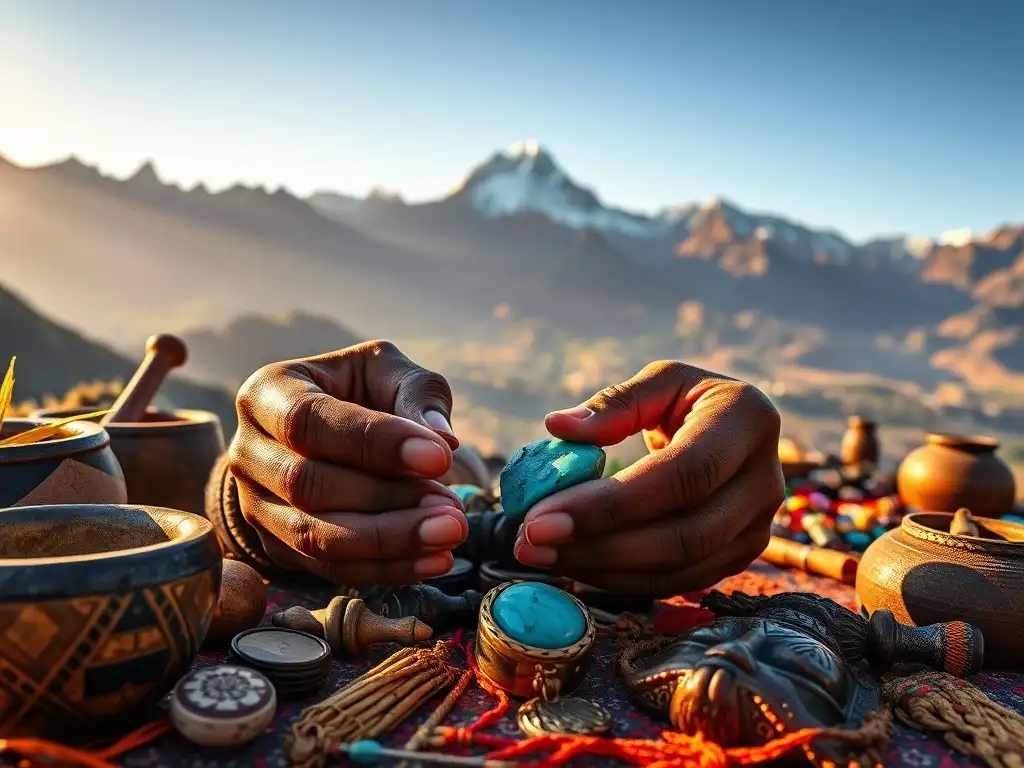
Unravel the mysteries of a lost world. For centuries, the Andes Mountains have guarded secrets of unparalleled ingenuity. Were the ancient Andean civilizations truly masters of alchemy, transforming humble materials into breathtaking works of art and intricate technologies? Journey with us to discover the fascinating story behind Andean civilization alchemy techniques, and witness the astonishing legacy they left behind. Prepare to be amazed.
The Andes Mountains, a spine of towering peaks stretching along the western edge of South America, were not merely a geographical feature; they were a crucible where ancient civilizations forged a unique relationship with the earth. This article delves into the sophisticated metallurgical techniques employed by Andean cultures, exploring their mastery of transforming raw materials into exquisite artifacts that continue to astound us today.
We'll examine the ingenuity and artistry behind their alchemic processes, revealing how these ancient Andean civilizations transmuted common earth into gold, silver, copper, and bronze objects of unparalleled beauty and craftsmanship, pushing the boundaries of metallurgical innovation in their time. This exploration will focus on the evidence of their advanced understanding of metallurgy, showcasing their sophisticated techniques and the cultural significance of their creations.
Understanding their "alchemy" provides invaluable insight into the technological prowess and cultural richness of Andean civilization. We will investigate the processes, materials, and societal implications of this fascinating aspect of Andean technological development, focusing on the key aspects of their "alchemy" as it relates to the broader context of Andean civilization.
Mastering the Art of Smelting: From Ore to Metal
Andean metallurgists displayed a remarkable understanding of smelting, the process of extracting metal from its ore. They developed sophisticated techniques for constructing furnaces capable of reaching the high temperatures necessary to melt metals like copper, silver, and gold. Evidence suggests the use of various types of furnaces, some utilizing forced air for increased efficiency. The construction of these furnaces, often made of clay and stone, required advanced knowledge of engineering and materials science.
Furthermore, the precise control of temperature and airflow was crucial for successful smelting. Detailed archaeological findings, such as furnace remnants and slag analysis, reveal the complexity and sophistication of their smelting practices. The mastery of this process was fundamental to the production of the wide array of metal objects found throughout Andean archaeological sites. The efficiency of their smelting techniques is a testament to their practical knowledge and technological advancement.
Alloying and the Creation of New Metals: The Birth of Bronze and Beyond
Beyond smelting individual metals, Andean artisans mastered the art of alloying – combining different metals to create materials with enhanced properties. The most notable example is bronze, an alloy of copper and tin, which was significantly harder and more durable than pure copper. The creation of bronze represented a substantial technological leap, enabling the production of more sophisticated tools, weapons, and ornaments. The precise ratios of copper and tin used in Andean bronze varied depending on the desired properties and the availability of materials, demonstrating a nuanced understanding of metallurgy.
Evidence suggests that experimentation played a crucial role in the development of these alloys. Archaeological analysis of Andean bronze artifacts reveals a deep understanding of the relationship between alloy composition and the resulting material properties. This capacity for innovation and experimentation allowed them to push the boundaries of their metallurgical capabilities.
The Exquisite Detailing of Andean Metalwork: Techniques and Artistry
The sheer artistry of Andean metalwork is breathtaking. Beyond the mastery of smelting and alloying, they employed a diverse range of techniques to create intricate designs and forms. These included hammering, casting, repoussé (hammering from the back to create relief), and filigree (delicate wirework). The precision and detail in their work are astounding, particularly considering the tools available to them.
The use of molds for casting allowed for the mass production of certain items while still maintaining high levels of detail. Furthermore, the ability to create intricate designs using hammering and chasing techniques demonstrates a remarkable level of skill and patience. These techniques, combined with their understanding of metallurgy, contributed to the creation of unique and aesthetically pleasing objects, reflecting their advanced technological and artistic capabilities.
The production and use of metal objects were not merely technological achievements; they held profound social and cultural significance within Andean societies. Metal artifacts often served as symbols of power, status, and religious authority. Elaborate gold and silver ornaments were associated with elites and religious figures, while tools and weapons played essential roles in daily life and warfare.
The distribution of metal objects across different regions and social strata provides insights into trade networks, social hierarchies, and the overall organization of Andean societies. The use of specific metals and alloys in different contexts further highlights their symbolic value and the complex social structures they reflect.
The study of Andean metallurgy therefore provides a valuable lens through which to understand the broader cultural and social dynamics of these ancient civilizations. The artistry and precision in their work speak to not just technological advancement but also to a deep understanding of the social and spiritual significance of their creations.
- Mastering the Art of Smelting: From Ore to Metal
- Alloying and the Creation of New Metals: The Birth of Bronze and Beyond
- The Exquisite Detailing of Andean Metalwork: Techniques and Artistry
- The Social and Cultural Significance of Andean Metallurgy: Beyond the Artifact
Andean Metallurgy: A Legacy of Innovation
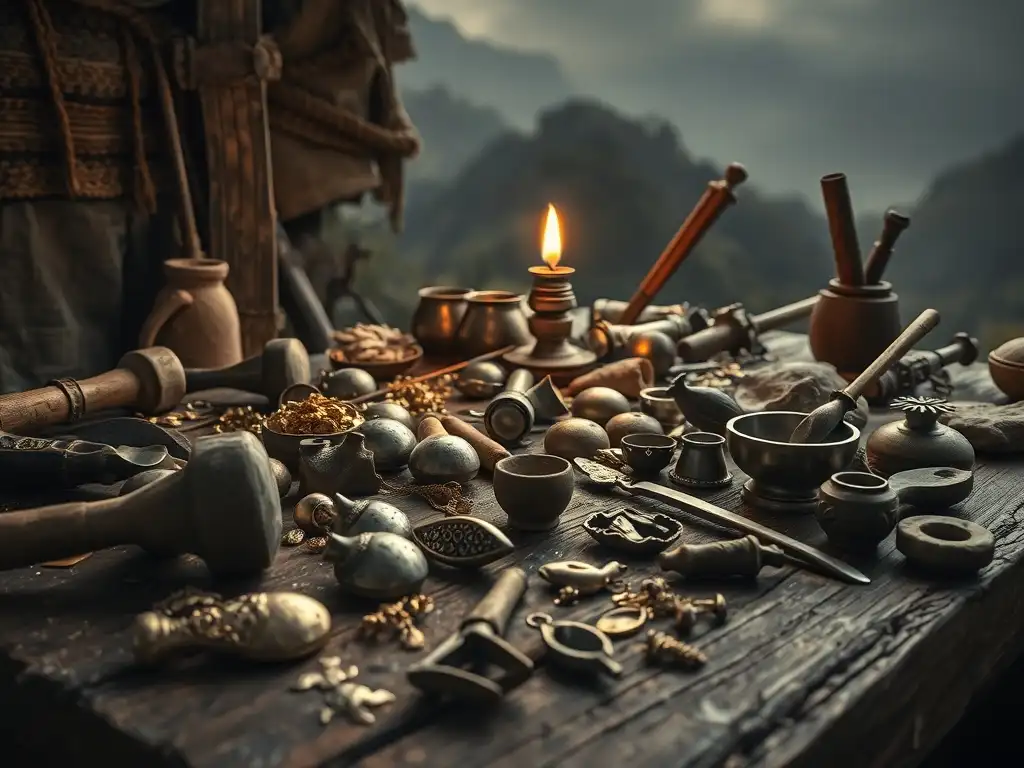
The Andes Mountains, a spine of towering peaks stretching along the western coast of South America, were not just a geographical feature; they were a crucible where ingenuity and resourcefulness forged a remarkable metallurgical tradition. This legacy, spanning millennia, reveals a sophisticated understanding of material science and a creative spirit that transformed humble ores into exquisite artifacts, reflecting the unique artistic sensibilities and technological prowess of Andean civilizations.
The study of "Andean civilization alchemy techniques," as we might term it today, unveils a fascinating story of experimentation, innovation, and mastery over challenging environments. This section will delve into the earliest stages of Andean metallurgy, tracing the evolution of techniques and exploring their profound significance within the context of Andean society.
The Dawn of Metalworking in the Andes
The earliest evidence of metalworking in the Andes dates back to approximately 2000 BCE, with the initial use of native copper, readily available in its malleable form. This period witnessed a gradual shift from solely using stone tools to incorporating copper into the production of tools, weapons, and ornaments. The initial techniques were relatively simple, involving cold hammering and annealing – a process of heating and cooling the metal to increase its malleability and workability.
This early stage laid the groundwork for the more complex metallurgical achievements that would follow. Consider the Chavín culture (900-200 BCE), known for their intricate carvings and monumental architecture. Their use of hammered copper demonstrates a foundational understanding of metal manipulation, setting the stage for the advancements of later Andean societies.
These early copper artifacts, while simple in design compared to later works, represent a crucial step in the development of Andean metallurgy, showcasing the ingenuity of early Andean artisans and their ability to adapt available resources to their needs. The transition from stone to metal marked a significant technological leap, impacting various aspects of Andean life, from agriculture to warfare.
The development of metalworking wasn't uniform across all Andean regions. Different groups, influenced by their specific environments and cultural contexts, developed their own unique techniques and styles. The availability of certain ores and the development of specific smelting techniques significantly influenced the metallurgical development of each region. This early period is marked by a gradual refinement of techniques, reflecting an ongoing process of experimentation and learning, passed down through generations of skilled artisans.
Early Andean Metal Techniques and Their Significance
As Andean societies evolved, so did their metallurgical practices. The discovery and utilization of other metals, such as gold, silver, and bronze (an alloy of copper and tin), marked a significant turning point. The ability to alloy metals, a complex process requiring precise temperature control and a deep understanding of material properties, showcases the advanced knowledge of Andean metallurgists.
This allowed for the creation of stronger, more durable, and aesthetically pleasing objects. The creation of alloys like tumbaga (an alloy of gold and copper) allowed for a wider range of colors and textures, significantly impacting artistic expression. The mastery of these techniques wasn't limited to a select few; evidence suggests a widespread knowledge and practice of metallurgy across various Andean cultures.
The use of sophisticated techniques like casting (pouring molten metal into molds) and repoussé (hammering metal from the back to create raised designs) further demonstrates the remarkable skill of Andean artisans. These techniques allowed for the creation of intricate and highly detailed objects, ranging from functional tools to elaborate ceremonial items. The development of lost-wax casting, a particularly advanced technique, allowed for the production of highly complex three-dimensional forms with incredible precision. This method involved creating a wax model, covering it in clay, melting out the wax, and then pouring molten metal into the resulting mold.
The resulting artifacts, often adorned with intricate details, underscore the sophisticated understanding of metallurgy possessed by Andean cultures. The sheer artistry and technical skill involved in these processes highlight the profound significance of metallurgy within Andean societies. These objects weren't merely utilitarian; they held deep symbolic and ritualistic value, reflecting the cosmological beliefs and social structures of the time. The exquisite craftsmanship evident in these artifacts speaks to the high status and respect accorded to Andean metallurgists within their communities.
The legacy of Andean metallurgy continues to fascinate and inspire, showcasing a remarkable blend of artistic expression and technological innovation. Further research is needed to fully understand the nuances of regional variations in Andean metallurgy, particularly the specific techniques employed in different regions and time periods. The intricate details of alloy composition and the precise steps involved in various casting techniques remain areas of ongoing study, promising to unveil even more about the impressive abilities of these ancient Andean alchemists.
Andean Civilization Alchemy Techniques: Unveiling the Secrets
This section delves into the fascinating world of Andean metallurgy, exploring the sophisticated techniques employed by ancient Andean civilizations to transform raw materials into exquisite artifacts. We'll move beyond simply stating that they were skilled metallurgists and examine the nuanced processes, the spiritual context, and the remarkable ingenuity that characterized their approach. The term "alchemy" is used here not in its European, medieval sense, but to highlight the transformative power and almost mystical aura surrounding their metallurgical practices within the broader context of Andean civilization.
These techniques, passed down through generations, represent a pinnacle of pre-Columbian technological achievement. Understanding these "Andean civilization alchemy techniques" provides invaluable insight into the worldview and societal structures of these remarkable cultures.
The Role of Ritual and Spirituality in Andean Metallurgy
The creation of metal artifacts in the Andes wasn't simply a technical process; it was deeply intertwined with ritual and spirituality. Metallurgy was not just a craft, but a sacred act, connecting the artisans to the spiritual realm and the earth itself. The sourcing of ore, the smelting process, and the shaping of the final object were all imbued with symbolic meaning.
Consider, for example, the elaborate ceremonies likely associated with the extraction of precious metals from high-altitude mines. These weren't merely mining operations; they were sacred journeys into the heart of the mountain, a source of power and life-giving energy.
The use of specific alloys, such as tumbaga (a gold-copper alloy), was not arbitrary. Different alloys were associated with specific deities or cosmological concepts. The intricate designs and iconography found on many artifacts further underscore the ritualistic significance of Andean metallurgy. These weren't merely decorative elements; they were powerful symbols, carrying potent spiritual meaning and conveying complex narratives.
The artisans weren't just shaping metal; they were creating sacred objects that served as conduits between the human and divine worlds. Detailed archaeological evidence, including the discovery of ritual offerings found alongside metalworking tools and artifacts, strongly supports this interpretation. The careful selection of materials, the precision of the craftsmanship, and the symbolic representations all contribute to the understanding of Andean metallurgy as a sacred practice.
Understanding the Processes: From Ore to Artifact
The transformation of raw ore into finished metal artifacts involved a complex series of steps, showcasing remarkable technical proficiency. The Andeans mastered techniques such as:
- Ore Extraction: This involved painstaking efforts to locate and extract ore from challenging high-altitude environments. Archaeological evidence suggests the use of sophisticated mining techniques, including the construction of extensive underground tunnels and the use of tools made from stone and other materials.
- Smelting: The Andeans developed highly efficient smelting techniques to extract the metal from the ore. This often involved the use of furnaces and bellows, allowing them to reach the high temperatures necessary for melting even high-melting point metals like copper and gold.
- Alloying: The creation of alloys, such as tumbaga, demanded a precise understanding of metallurgy. The ability to control the proportions of different metals to achieve specific properties demonstrates a high level of technical expertise. The resulting alloys often exhibited superior strength, durability, and aesthetic qualities.
- Casting: The Andeans employed sophisticated casting techniques, including lost-wax casting, to create complex shapes and intricate designs. This involved creating a wax model, covering it in clay, melting out the wax, and then pouring molten metal into the resulting mold.
- Hammering and Shaping: After casting, artisans further refined the metal objects through hammering and shaping, demonstrating remarkable skill and precision. The final product often involved highly detailed designs and intricate ornamentation.
The entire process, from ore extraction to the final polishing, required specialized knowledge, skill, and teamwork. This collaborative effort highlights the importance of social organization and the transmission of knowledge within Andean communities. The artifacts themselves, with their intricate details and remarkable craftsmanship, serve as testaments to the advanced metallurgical techniques developed and perfected by these ancient civilizations.
The lasting legacy of Andean metallurgy continues to inspire awe and wonder, revealing a deep understanding of material science and a profound connection between humanity and the natural world. Further research into Andean civilization alchemy techniques promises to unveil even more about their sophisticated practices.
Goldworking in Ancient Andean Societies: Beyond the Shine
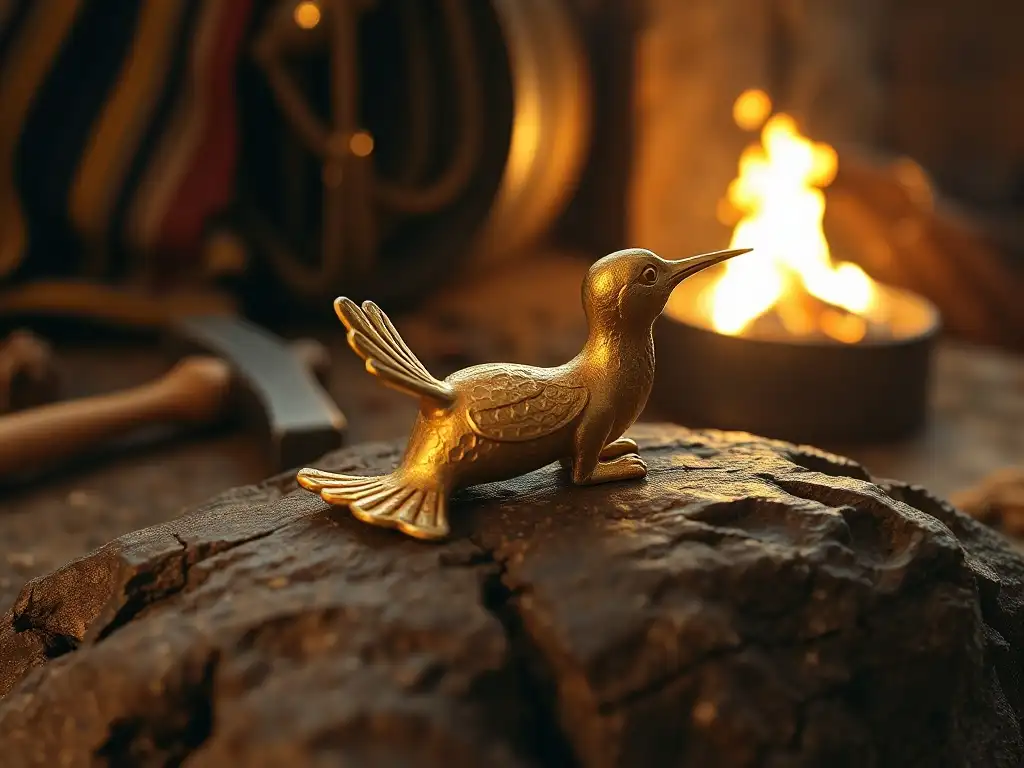
The Andean civilizations weren't just skilled at working with gold; they were masters of transforming it into breathtaking artifacts. Their mastery of Andean civilization alchemy techniques went far beyond simple ornamentation; it represented a sophisticated understanding of metallurgy, cosmology, and social hierarchy. This section delves into the intricate processes and profound symbolism embedded within their goldwork. The sheer artistry and technical prowess displayed in these objects offer a compelling glimpse into the advanced technological capabilities and rich cultural beliefs of these remarkable societies. The techniques used were highly sophisticated, reflecting a deep understanding of material properties and chemical processes.
Techniques for Extracting and Refining Gold
Andean goldsmiths developed ingenious methods for extracting and refining gold from its ore. Evidence suggests they employed a combination of techniques, including panning, amalgamation (using mercury), and fire assaying. The specifics of these processes varied across different cultures and time periods, reflecting regional variations in ore deposits and technological advancements.
- Panning: This simple but effective method relied on the density difference between gold and other materials. Prospectors would swirl mixtures of water and ore in shallow pans, allowing the heavier gold particles to settle at the bottom. While seemingly rudimentary, panning was a crucial first step in obtaining relatively pure gold concentrates. This technique, still used today in some regions, showcases the enduring practicality of ancient Andean methods.
- Amalgamation: This process involved mixing crushed ore with mercury, a highly toxic substance. The mercury readily bonded with the gold, forming an amalgam that could then be separated from the waste rock. Subsequent heating would vaporize the mercury, leaving behind relatively pure gold. This technique, while effective, posed significant health risks to the goldsmiths, highlighting the challenges and sacrifices involved in their craft. The specific types and quantities of mercury used varied based on the ore composition and the desired purity level.
- Fire Assaying: This more sophisticated technique involved melting the ore in high-temperature furnaces, typically using charcoal as fuel. The molten gold would then separate from the other materials, either sinking to the bottom of the crucible or being collected as a separate layer. The control of temperature and the selection of appropriate fluxes were critical to the success of this process. The construction and operation of these furnaces required a high level of technical skill and knowledge, representing a significant technological achievement for the time.
The combination of these methods allowed Andean goldsmiths to achieve remarkably high levels of gold purity, essential for creating the intricate and delicate objects that characterize their artistry. Further research into the precise chemical composition of their artifacts could reveal even more about their refining techniques and the sophistication of their understanding of chemistry.
Gold held immense symbolic significance in Andean cultures, representing power, divinity, and the sun. Its association with the sun god Inti is particularly prominent in Inca culture, where gold was used to adorn temples, royal regalia, and elite burials. The intricate designs and motifs incorporated into gold artifacts often reflected religious beliefs, cosmological concepts, and social status.
The use of gold was far from egalitarian. Access to gold and the ability to craft gold objects were largely restricted to the elite, reinforcing social hierarchies and emphasizing the power of the ruling class. The creation of elaborate gold ornaments and ceremonial objects served as a powerful means of demonstrating wealth, prestige, and divine connection.
| Symbol | Meaning | Example |
|---|---|---|
| Sun | Divinity, power, life-giving force | Inti's representation in gold sun disks |
| Condors | Power, strength, connection to the Andes | Gold condor figures in royal burials |
| Jaguars | Power, ferocity, shamanic abilities | Gold jaguar masks and ornaments |
| Llamas | Wealth, fertility, connection to the earth | Gold llama figurines as offerings or adornments |
The social impact of goldworking extended beyond the creation of luxury items. The demand for gold spurred trade networks, mining activities, and the development of specialized crafts. Goldworking contributed significantly to the economic and political structures of Andean societies, shaping their social dynamics and influencing their interactions with neighboring cultures. The legacy of Andean goldworking continues to fascinate and inspire, offering a testament to their remarkable artistry and technological achievements. Further studies into the social and economic implications of this craft could further illuminate the complex interplay between technology, religion, and power in Andean civilizations.
Silver and Copper: Essential Metals in Andean Technology
The Andean civilizations, renowned for their sophisticated artistry and engineering prowess, demonstrated exceptional skill in metallurgy, particularly concerning silver and copper. These metals, readily available within the Andean mountain ranges, formed the backbone of their technological advancements and artistic expressions. Understanding their mastery of these materials offers a glimpse into the ingenuity and resourcefulness of these ancient societies. The term "Andean civilization alchemy techniques" is perhaps an apt, albeit slightly anachronistic, description of their processes, given the transformative power they wielded over these base materials.
Mining and Processing of Silver and Copper Ores
Andean miners employed remarkably effective techniques to extract silver and copper ores from the challenging Andean terrain. Evidence suggests they utilized open-pit mining for shallower deposits and intricate shaft mining for deeper veins. These operations, often located at high altitudes, were complex undertakings requiring significant organization and labor. The scale of some mines, like those associated with the Inca empire, is truly impressive, showcasing the advanced capabilities of their mining infrastructure.
The processing of these ores involved several stages. Initially, the ores were crushed using stone tools and hammers. Then, various techniques were employed to separate the valuable metals from the surrounding rock. One common method involved heating the crushed ore in furnaces, a process sometimes aided by bellows to increase airflow and temperature. This process, often conducted in specially constructed kilns, helped to separate the metal from impurities. The resulting metal, however, was usually not pure. Further refinement, possibly involving repeated heating and hammering, was necessary to achieve higher levels of purity depending on the desired application. This meticulous approach to refining speaks to the sophisticated understanding of metallurgy possessed by Andean artisans. The specific techniques varied across different Andean cultures and over time, reflecting regional differences in resources and technological advancements. Further research is needed to fully understand the nuances of these regional variations in Andean civilization alchemy techniques.
Applications of Silver and Copper in Daily Life and Ritual
The processed silver and copper were then utilized in a wide array of applications, reflecting their importance in both daily life and religious practices. Copper, more readily available, found widespread use in tools such as axes, chisels, and knives crucial for agriculture and construction. It was also fashioned into adornments, decorative objects, and ritual items, demonstrating its versatility.
Silver, due to its rarity and lustrous beauty, held a higher symbolic value. It was frequently used in the creation of prestigious objects for religious ceremonies, elite burials, and royal regalia. Elaborate silver ornaments, intricate jewelry, and ceremonial vessels testify to the skilled craftsmanship and the high regard for silver within Andean societies.
The Inca, for example, are known for their intricate silver work, often incorporating intricate designs and techniques like repoussé and chasing. The detailed nature of these artifacts showcases a deep understanding of metalworking and a high level of artistic skill. The use of silver in ritual contexts highlights its association with power, divinity, and the supernatural realm.
The application of silver and copper wasn't limited to functional or decorative purposes. Analysis of artifacts reveals that alloys of these metals, as well as with other metals like gold, were also created. These alloys often possessed properties that were superior to the base metals alone, demonstrating a sophisticated understanding of material science. This blending of metals, a key element of Andean civilization alchemy techniques, allowed for the creation of tools and objects with enhanced durability, strength, and aesthetic appeal.
The creation of these alloys further points towards a deep understanding of material properties and their manipulation. The exact composition of these alloys and the methods used to create them are areas that require further research. The study of these techniques continues to reveal the complexity and sophistication of Andean metallurgy.
Beyond Precious Metals: Alloying and Advanced Metallurgy
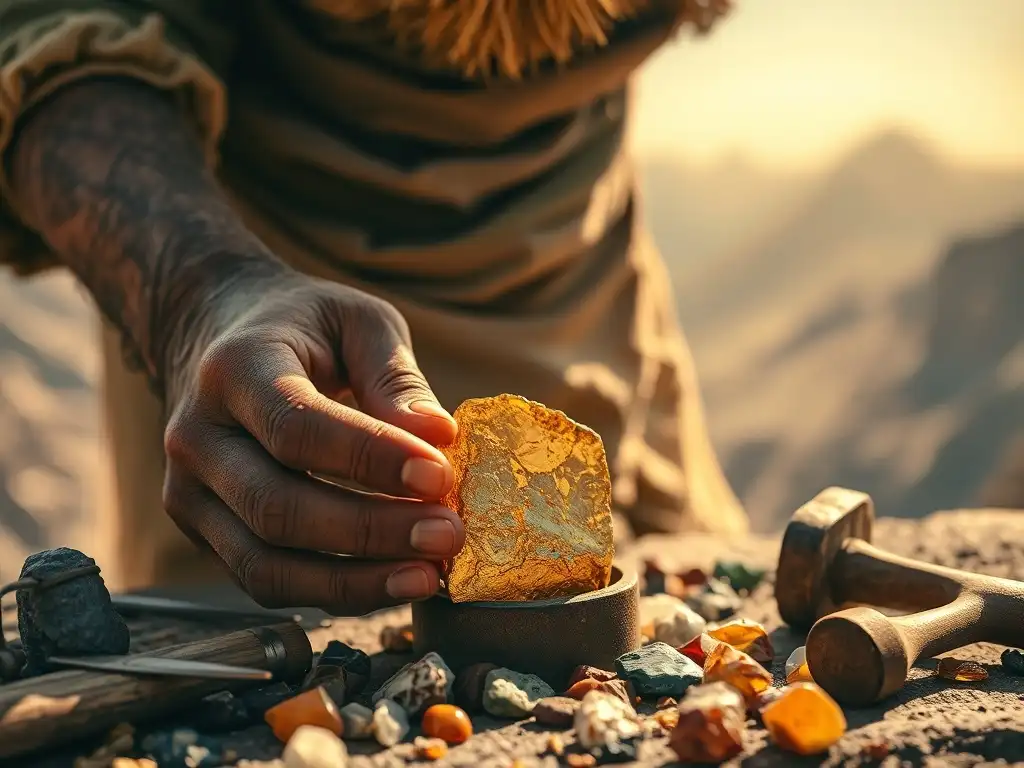
The Andean civilizations weren't just skilled at working with readily available metals like gold and silver; they were true masters of alloying, a process that involved combining different metals to create materials with enhanced properties. This sophisticated metallurgical knowledge allowed them to produce a wider range of objects with varying colors, durability, and workability. Their expertise in alloying represents a significant leap in Andean civilization alchemy techniques, pushing the boundaries of their technological capabilities and artistic expression.
The creation of alloys wasn't merely a technical achievement; it was deeply intertwined with their religious and social structures, influencing the status and value of the resulting artifacts. Understanding these techniques provides a deeper appreciation for the ingenuity and complexity of Andean metallurgy. The precise methods used varied across different cultures and time periods, highlighting a dynamic and evolving metallurgical tradition.
Andean Alloy Techniques: Creating New Materials
Andean metallurgists developed remarkably precise techniques for creating alloys. Their methods involved carefully controlling the proportions of different metals, often using crucibles and furnaces to achieve the desired melting points and compositions. Evidence suggests they employed various techniques, including:
- Cupellation: This process involved separating precious metals from base metals using heat and oxidation. This allowed them to refine gold and silver to a high degree of purity before alloying.
- Casting: Once the desired alloy was created in a molten state, they used sophisticated casting techniques to shape the metal into intricate forms. This involved creating molds, often from clay or stone, and pouring the molten metal into them. The resulting castings often displayed remarkable detail and precision.
- Hammering and Annealing: After casting, the metal was often further worked through hammering and annealing processes. Hammering shaped the metal, while annealing (heating and cooling) softened it to make it more malleable. This iterative process allowed them to create thin sheets, intricate wires, and finely detailed objects.
- Inlay and Overlay: Andean artisans didn't simply create alloys; they used them creatively. Techniques such as inlay (embedding one metal into another) and overlay (applying a thin sheet of one metal to another) allowed them to produce visually stunning and complex artifacts.
The development and mastery of these techniques, refined over centuries, showcases the sophisticated understanding of material science within Andean civilization alchemy techniques. The level of control demonstrated in the creation and manipulation of alloys is a testament to their advanced metallurgical knowledge. Further research is needed to fully understand the nuances of their techniques, particularly regarding the specific temperatures and processes used. [Specific temperature ranges and furnace designs pending].
Tumbaga and Other Notable Andean Alloys
One of the most famous Andean alloys is tumbaga, a gold-copper alloy that was highly prized for its rich, distinctive color and its relative ease of working. The proportions of gold and copper varied, resulting in a range of hues from a pale, yellowish-gold to a deep, reddish-gold. The precise ratios were likely carefully controlled to achieve specific aesthetic effects. Tumbaga was used to create a wide variety of objects, including:
- Jewelry: Ornate necklaces, earrings, and headdresses were often crafted from tumbaga, showcasing the alloy's malleability and lustrous appearance.
- Ceremonial Objects: Tumbaga was also used to create ceremonial objects, such as masks, figurines, and vessels, reflecting its symbolic importance.
- Tools and Weapons: While less common, tumbaga was also used for certain tools and weapons, demonstrating the alloy's durability and strength.
Other notable Andean alloys included those incorporating silver and tin. These alloys were often used for practical applications, such as tools and utensils. The use of these alloys demonstrates a broad understanding of material properties and the ability to tailor alloys to specific functional needs. The diversity of alloys and their application demonstrate the sophisticated level of Andean civilization alchemy techniques and their deep understanding of metallurgy.
The skillful manipulation of different metals allowed for a remarkable range of artistic and functional objects, leaving a rich legacy of metallurgical innovation. Further research into the exact composition and manufacturing methods of these various alloys is crucial for a complete understanding of Andean metallurgical expertise. The study of these techniques offers a fascinating glimpse into the ingenuity and advanced knowledge of Andean civilizations.
The Art of Andean Metalworking: Exquisite Artifacts
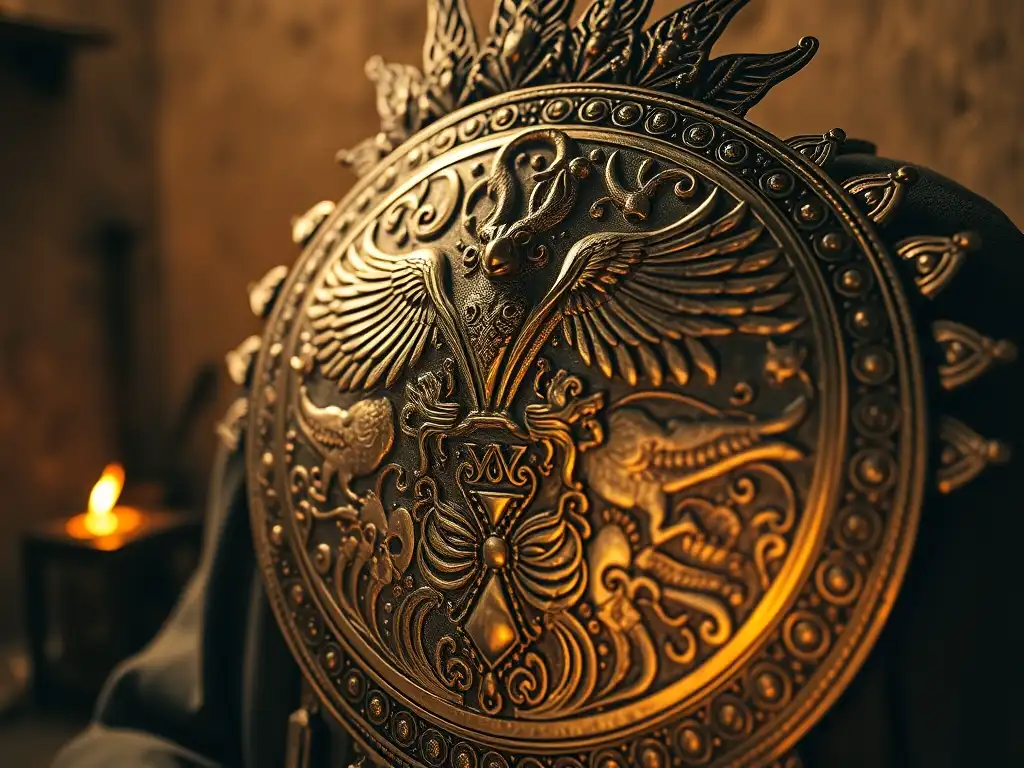
Andean civilization alchemy techniques weren't about turning lead into gold in the traditional alchemical sense. Instead, Andean metallurgists possessed a sophisticated understanding of alloying, casting, hammering, and gilding, transforming base metals into breathtakingly intricate and beautiful objects. Their mastery of these techniques allowed them to create artifacts of unparalleled artistry and technical skill, reflecting a deep connection to the spiritual and cosmological beliefs of their cultures. This wasn't simply craftsmanship; it was a complex interplay of artistic expression and technological prowess, driven by religious practices and social structures.
The sheer artistry involved in creating these pieces speaks volumes about the skill and dedication of Andean artisans. The processes involved were often complex and laborious, requiring specialized knowledge passed down through generations. Understanding these processes reveals a fascinating glimpse into the sophisticated technological capabilities of these ancient civilizations.
Examples of Masterful Andean Metalwork
The ingenuity of Andean metalworkers is evident in the diversity of objects they produced. From delicate gold jewelry adorned with intricate designs to massive ceremonial objects made of copper alloys, the range of their creations is astonishing. Consider, for example, the intricately crafted gold and silver figurines depicting deities, animals, and humans.
These weren't merely decorative; they served important ritualistic and social functions, reflecting the importance of metalwork within Andean societies. The precision of the casting techniques, the delicate filigree work, and the vibrant patination achieved are all testaments to their advanced metallurgical skills. The use of different alloys, such as tumbaga (a gold-copper alloy), allowed for a wide range of colors and textures, enhancing the aesthetic appeal and symbolic meaning of the objects.
Furthermore, the mastery of hammering techniques allowed Andean artisans to create incredibly thin sheets of metal, often used for creating intricate repoussé and chasing designs. This involved hammering the metal from the back to create raised designs on the surface, a technique requiring immense skill and patience. The resulting pieces are often breathtakingly detailed and delicate, demonstrating the high level of expertise attained by Andean metalworkers.
The sheer variety of techniques employed, combined with the artistic skill of the artisans, resulted in objects of exceptional beauty and cultural significance. The creation of these artifacts demanded not only technical skill but also a profound understanding of the properties of different metals and alloys.
The Sican Tumis and Their Ceremonial Significance
Among the most impressive examples of Andean metalworking are the tumis of the Sican culture (circa 750-1370 CE). These ceremonial knives, often made from tumbaga, are characterized by their distinctive crescent shape and elaborate handles depicting stylized figures, often associated with Sican mythology and cosmology. The handles frequently feature intricate depictions of deities, animals, and mythical beings, showcasing the artisans' mastery of both casting and hammering techniques.
The high level of detail and the skillful use of different alloys to create visual effects demonstrate a sophisticated understanding of metallurgy and design. The creation of a single tumi would have been a significant undertaking, requiring specialized knowledge and considerable time and effort.
The ceremonial significance of the tumis is undeniable. They were not merely tools; they were powerful symbols of authority and ritual power, often associated with elite figures and religious ceremonies. Their presence at elite burials and their elaborate ornamentation underscore their importance within Sican society. The detailed iconography on the tumis provides valuable insights into Sican religious beliefs, social structures, and artistic conventions.
The use of gold and other precious metals reinforces their status as objects of immense value and spiritual significance. Studying the tumis provides crucial information about Andean civilization alchemy techniques and their integration into religious and social life, highlighting the profound influence of metallurgy on Sican culture and society. The meticulous craftsmanship involved in creating these objects demonstrates the high level of skill and artistry achieved by Sican metallurgists, solidifying their place as masters of Andean metalworking.
Legacy of Andean Metalworking: Influence and Modern Relevance
The legacy of Andean metalworking extends far beyond the stunning artifacts that have captivated archaeologists and art historians for centuries. The techniques developed by Andean civilizations, particularly their mastery of metallurgy, continue to resonate today, influencing modern practices and inspiring new approaches to material science and sustainable resource management. Understanding the ingenuity and sophistication of these ancient techniques provides valuable insights for contemporary challenges.
The sophisticated understanding of alloys and techniques employed by Andean civilizations, such as the Incas, Moche, and Nazca, represent a significant contribution to the global history of metallurgy. Their innovative approaches to smelting, casting, and metalworking demonstrate a high level of technological advancement for their time. This legacy is not merely historical; it holds practical relevance for contemporary metalworking practices and sustainable resource management.
The Enduring Impact of Andean Metallurgical Techniques
The impact of Andean metallurgical techniques is multifaceted. Their ability to create incredibly intricate and durable objects, from delicate gold jewelry to massive bronze tools, showcases a deep understanding of material properties and manipulation. For instance, the Incas' mastery of repoussé—a technique involving hammering metal from the back to create raised designs—produced stunningly detailed works of art.
Similarly, their use of alloys, such as tumbaga (a gold-copper alloy), allowed them to create objects with unique colors and properties. These techniques, while refined over centuries, demonstrate an enduring principle: a deep understanding of material science leads to superior results. Modern metalworkers can still learn from these ancient methods, adapting them to contemporary technologies and materials.
The precision and artistry evident in Andean metalwork continues to inspire contemporary artisans and designers, pushing the boundaries of creative possibilities in metalworking. This influence is visible in the jewelry, sculpture, and decorative arts that draw upon Andean aesthetics and techniques.
The legacy also extends to the scientific understanding of alloys and their properties. Andean metallurgists experimented extensively with different metal combinations, resulting in alloys with unique characteristics tailored to specific applications. The precise recipes and techniques used to create these alloys remain a subject of ongoing research, offering valuable insights into the scientific knowledge of these ancient civilizations.
The detailed analysis of these alloys provides a fascinating glimpse into the level of sophistication in Andean metallurgy, revealing a practical knowledge of material science that was remarkably advanced for its time. The discovery of new techniques and alloys continues to unveil the depth and breadth of their metallurgical expertise.
Lessons from the Past: Sustainable Practices in Metal Extraction
Beyond the artistic and technological achievements, the Andean civilizations offer valuable lessons in sustainable resource management, particularly in the context of metal extraction. While the scale of their operations was far smaller than modern mining practices, their methods often incorporated principles of environmental stewardship. Evidence suggests a focus on recycling and reusing materials, minimizing waste and reducing the environmental impact of metal production. This contrasts sharply with many modern mining practices, which often have significant environmental consequences.
The Andean approach to metal extraction, while not perfectly sustainable by modern standards, provides a crucial example of resource management within the constraints of their technology. Understanding their methods, including their likely focus on smaller-scale operations and possibly the use of less environmentally damaging techniques, can inform contemporary efforts to develop more sustainable mining practices.
Studying the historical practices of Andean civilizations provides valuable insights into the potential for creating a more environmentally responsible approach to metal extraction. Further research is needed to fully understand the environmental impact of Andean metalworking, but the available evidence suggests a more integrated and less destructive approach than many modern practices.
This makes their techniques a rich source of inspiration for developing truly sustainable metalworking practices in the future. The pursuit of sustainable mining practices is a critical challenge today, and lessons from the past, such as the potentially more environmentally conscious approach of Andean civilizations, offer valuable guidance.
Andean Metalworking: A Testament to Ingenuity and Artistry
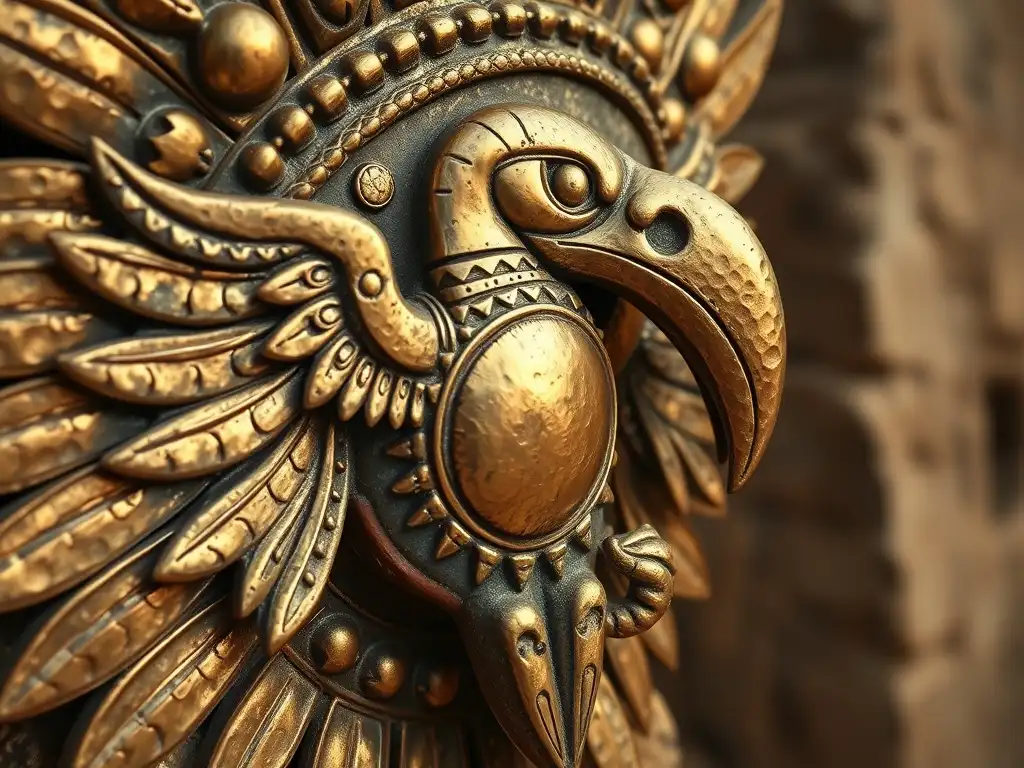
The Andean civilizations weren't simply adept at metalworking; they were masters. Their achievements in metallurgy, often described as "Andean civilization alchemy techniques," represent a sophisticated understanding of materials science, artistry, and spiritual belief systems. Far from crude techniques, their processes involved intricate steps, specialized tools, and a deep knowledge of the properties of various metals. This wasn't just about functionality; it was about creating objects imbued with power and meaning.
The Mastery of Alloys and Techniques
Andean metallurgists displayed remarkable skill in creating alloys with specific properties. For instance, they produced tumbaga, a gold-copper alloy, achieving a wide range of colors and hardnesses depending on the precise proportion of each metal. This wasn't a haphazard process; careful experimentation and precise measurement were crucial to achieving the desired results. The creation of tumbaga artifacts, from intricate jewelry to ceremonial objects, demonstrates a deep understanding of metallurgical processes that surpasses many contemporary estimations of their capabilities.
Evidence suggests they also utilized techniques like casting, hammering, annealing, and gilding to shape and refine their metallic creations. The precision and detail in their work speak volumes about their proficiency. Furthermore, the use of different alloys, such as those incorporating silver and tin, showcases a broader understanding of material science than previously thought.
Sourcing and Processing of Metals
The acquisition of raw materials was itself a feat of logistical prowess. The Andes are rich in mineral resources, but accessing them often involved arduous journeys to high-altitude mines. Evidence suggests that some Andean civilizations established extensive mining networks, transporting ores over significant distances. The processing of these ores involved complex steps, including crushing, grinding, smelting, and refining.
Archaeological findings, like the remnants of furnaces and smelting facilities, provide tangible insights into their methods. The ingenuity involved in extracting, transporting, and processing these materials is a significant aspect of the Andean civilization alchemy techniques story. It required a coordinated effort and a deep understanding of both the environment and metallurgical procedures.
The Symbolism and Significance of Andean Metalwork
Andean metalwork wasn't merely functional; it possessed profound symbolic and ritualistic significance. Objects were often crafted not only for practical use but also to represent power, status, and religious beliefs. The intricate designs and motifs found on many artifacts tell stories, reflecting the cosmology and worldview of the respective civilizations. For example, the use of specific metals and alloys in certain contexts points to their association with particular deities or ceremonies.
The sheer artistry involved, combined with the rich symbolism, elevates Andean metalworking beyond mere craftsmanship to a form of sophisticated cultural expression. The careful selection of materials and the precision of the designs underscore the deep cultural meaning woven into every piece. Analysis of these artifacts provides invaluable insights into the beliefs and practices of these fascinating ancient societies.
Concluding Thoughts on Andean Alchemists
The term "alchemy" might seem anachronistic when applied to Andean metallurgy, but it captures the essence of their achievements. They weren't simply transforming raw materials into objects; they were transforming the earth itself into exquisite artifacts imbued with spiritual and cultural meaning. Their mastery of alloys, their sophisticated techniques, and their profound understanding of the symbolism of metals all contribute to a rich legacy that continues to fascinate and inspire.
Further research and analysis are crucial to fully unravel the complexities of their methods and the depth of their cultural achievements. The legacy of Andean metalworking stands as a testament to human ingenuity and artistry.
Call to Further Exploration of Andean Culture
The study of Andean civilization alchemy techniques, and Andean metallurgy in general, offers a window into a rich and complex culture. It calls for continued investigation into their mining practices, smelting techniques, alloy compositions, and the symbolic meaning embedded within their creations. By exploring these aspects, we gain a deeper appreciation for the technological prowess and artistic sophistication of these ancient civilizations.
Further research could focus on analyzing the specific chemical compositions of different alloys, mapping ancient mining routes, and conducting detailed stylistic analyses of artifacts to further illuminate their cultural significance. The Andean civilizations left behind a remarkable legacy—a legacy that deserves further exploration and understanding. The more we learn, the more we appreciate the ingenuity and artistry of these ancient masters.
Frequently Asked Questions
What were the main goals of Andean alchemists?
Andean "alchemists" weren't focused on turning lead into gold like European alchemists. Their goals were more about transforming materials to create exquisite artifacts and powerful religious objects. This involved mastering metallurgy and pigment creation.
What materials did Andean alchemists primarily work with?
They primarily worked with metals like gold, silver, and copper, as well as various pigments derived from minerals and plants to create vibrant colors for textiles and ceramics. Precious stones also played a significant role.
How did Andean alchemy influence their art and technology?
Andean alchemy was deeply intertwined with both art and technology. The mastery of metallurgy enabled the creation of sophisticated metalwork, while the development of pigments advanced the production of stunning textiles and ceramics. These techniques showcased advanced technological skills.
Were there specific Andean groups more known for their alchemical practices?
While many Andean cultures practiced sophisticated material transformations, the Inca, Moche, and Nazca civilizations are particularly noted for their advanced metallurgical and pigment techniques, showcasing remarkable alchemical skills.
How did the environment influence Andean alchemy?
The Andean environment heavily influenced their alchemical practices. The availability of specific ores, minerals, and plants dictated the materials used and the techniques developed. The challenging terrain also influenced their ingenuity.
Final Reflection: Echoes of Andean Alchemy in a Modern World
The intricate techniques of Andean alchemy, far from being relics of a bygone era, resonate powerfully with contemporary concerns about sustainability, resource management, and the profound connection between humanity and the natural world. The meticulous processes employed by these ancient artisans, their deep understanding of the earth's materials, and their ability to transform humble elements into objects of breathtaking beauty serve as a potent reminder of our own responsibility towards the planet.
The enduring legacy of Andean alchemy is not merely aesthetic; it's a testament to human ingenuity and a profound respect for the environment. Their methods, often passed down through generations, represent a sophisticated understanding of chemistry and metallurgy that continues to inspire modern researchers and artists alike. The earth gives us everything we need; it is our duty to treat it with respect and use its gifts wisely.
This unspoken principle underpins the entire Andean alchemic tradition and offers a valuable lesson for our own time, grappling as we are with the consequences of unsustainable practices.
Consider the intricate details, the painstaking effort, the deep connection to the land that went into creating these artifacts. Now, consider your own relationship with the materials you use daily. What can you learn from the alchemists of the Andes?
How can you cultivate a similar respect for the resources you consume and the impact your choices have on the world around you? Embrace the spirit of transformation, not just in the physical sense, but also in your own approach to living sustainably and responsibly. Let the echoes of Andean alchemy inspire you to create a more beautiful and harmonious future.
Unveil the Magic of Andean Artistry!
Thank you for exploring the incredible craftsmanship of Andean civilizations! You've discovered how talented artisans transformed natural materials into breathtaking artifacts that tell stories of culture and tradition. Now, let's put that inspiration into action!
- Explore the world of Andean artistry further by visiting local galleries and museums showcasing indigenous art.
- Connect with other enthusiasts by joining online communities and forums dedicated to Andean art and sharing your thoughts on the craftsmanship.
- Create your own Andean-inspired art! Experiment with traditional techniques and natural materials.
What aspect of Andean art most fascinates you, and how will you integrate that into your creative endeavors?