
The Importance of Ancestor Veneration: Understanding Rituals in PreIncan Cultures

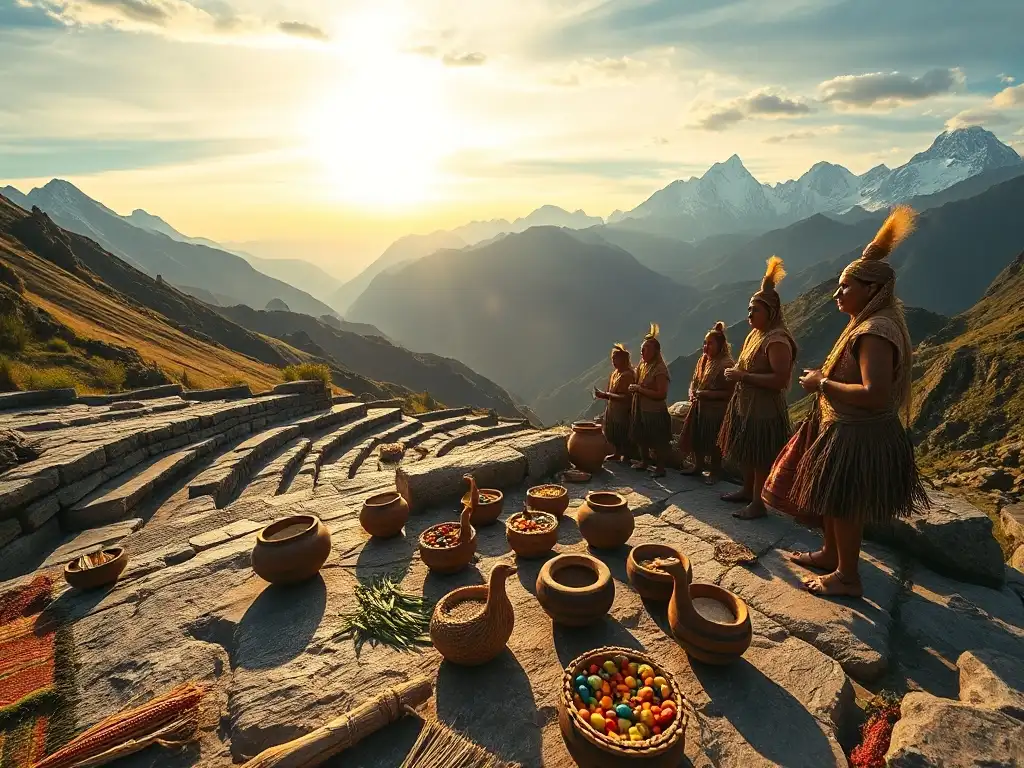
Step into a world lost to time, yet echoing with the whispers of ancient power. Uncover the mysteries of the Andes, a land where towering mountains held secrets as vast as the sky above. This journey delves into the captivating realm of PreIncan ancestor veneration rituals, exploring the profound spiritual significance these practices held for civilizations like the Moche and Nazca.
Prepare to be amazed by the ingenuity and complexity of their beliefs – a glimpse into a world where the living and the dead were inextricably intertwined. Dive in and discover the legacy that shaped the Andes we know today.
- The Significance of PreIncan Ancestor Veneration Rituals
- PreIncan Rituals Honoring the Departed
- Regional Variations in Ancestor Veneration Before the Inca
- The Enduring Legacy of PreIncan Ancestor Veneration
- Frequently Asked Questions
- Final Reflection: Echoes of the Past, Shaping the Present
- Embrace Your Heritage: Activate the Power of Ancestor Veneration!
The Significance of PreIncan Ancestor Veneration Rituals
The Andean region, long before the rise of the Inca Empire, teemed with vibrant and complex cultures that developed unique belief systems and practices. Central to the spiritual lives of many Pre-Incan societies was the profound reverence for ancestors – a deeply ingrained belief system that shaped their social structures, political systems, and daily lives. This article delves into the world of Pre-Incan ancestor veneration, exploring the rituals, motivations, and the crucial role ancestors played in their worldview.
Understanding these practices provides invaluable insight into the rich tapestry of Andean history and the enduring legacy of these fascinating civilizations. We will examine specific examples from various cultures, highlighting the diversity and common threads within these ancestral traditions, thereby enriching our comprehension of "PreIncan ancestor veneration rituals." This exploration will reveal how the respect for ancestors wasn't merely a religious observance, but a cornerstone of their social and political fabric.
Introduction to Ancestor Veneration in Andean Pre-Incan Societies
Ancestor veneration in Pre-Incan Andean societies wasn't a monolithic practice; rather, it manifested in diverse forms across different cultures. From the elaborate mummification practices of the Chinchorro culture in northern Chile – some of the earliest known examples of artificial mummification in the world – to the intricate burial rituals of the Paracas culture on the southern coast of Peru, each society developed unique ways to honor their deceased. These practices weren't simply about disposing of the dead; they were integral components of a complex system of beliefs that connected the living and the dead.
For example, the Nazca people, renowned for their enigmatic geoglyphs, also practiced elaborate burial rituals, often including grave goods intended to provide for the deceased in the afterlife. These offerings, ranging from pottery and textiles to food and tools, reflect the belief that the ancestors continued to exist and require sustenance and support in the spirit world.
The Moche culture, known for its sophisticated artistry and irrigation systems, also exhibited a strong emphasis on ancestor veneration, evidenced by their elaborate tombs and the frequent depiction of ancestors in their artwork. The diversity of these practices underscores the rich and varied nature of Pre-Incan beliefs, while revealing a common thread: the vital importance placed upon maintaining a connection with their ancestors.
Why Honor the Dead? Exploring the Motivations Behind PreIncan Ancestor Worship
The motivations behind Pre-Incan ancestor worship were multifaceted and deeply intertwined with their understanding of the world. One primary reason was the belief that ancestors possessed continued influence over the living. They were seen not merely as deceased relatives, but as powerful intermediaries between the human world and the supernatural realm.
This belief fostered a sense of continuity between generations, with ancestors acting as protectors, guides, and sources of strength and wisdom. Seeking their blessing and guidance was crucial for success in various aspects of life, from agriculture and warfare to health and prosperity. Furthermore, ancestor veneration served to strengthen social bonds and reinforce kinship ties.
Rituals involving the ancestors provided opportunities for community gatherings, reinforcing social cohesion and solidifying group identity. The meticulous care given to mummies and tombs, often passed down through generations within families, underscored the enduring importance of familial connections and the ongoing role of ancestors in the lives of the living. The maintenance of these traditions helped transmit cultural knowledge and beliefs across generations, ensuring the continuity of their cultural heritage.
The Role of Ancestors in Pre-Incan Worldview
The belief in the continued presence and influence of ancestors profoundly shaped the Pre-Incan worldview. Ancestors were not relegated to the past; they were active participants in the present, influencing the course of events and affecting the lives of the living. Their spirits were believed to inhabit sacred sites, influencing the fertility of the land, the success of harvests, and the outcome of battles.
This belief system is reflected in the construction of elaborate tombs and sacred sites, often located in strategically important locations, such as mountaintops or near water sources. These places served as focal points for rituals and offerings, reinforcing the connection between the living and the spiritual world. The construction of these sites, often involving significant labor and resources, highlights the importance of ancestor veneration and its central role in Pre-Incan society.
Furthermore, the integration of ancestral figures in their art, textiles, and pottery demonstrates the pervasive influence of ancestor veneration in their daily lives. These weren't merely decorative elements; they were powerful symbols representing the ongoing presence and influence of their ancestors. The ancestor's role wasn't just spiritual; it was deeply intertwined with the social and political order, shaping their understanding of power, lineage, and community.
PreIncan Rituals Honoring the Departed
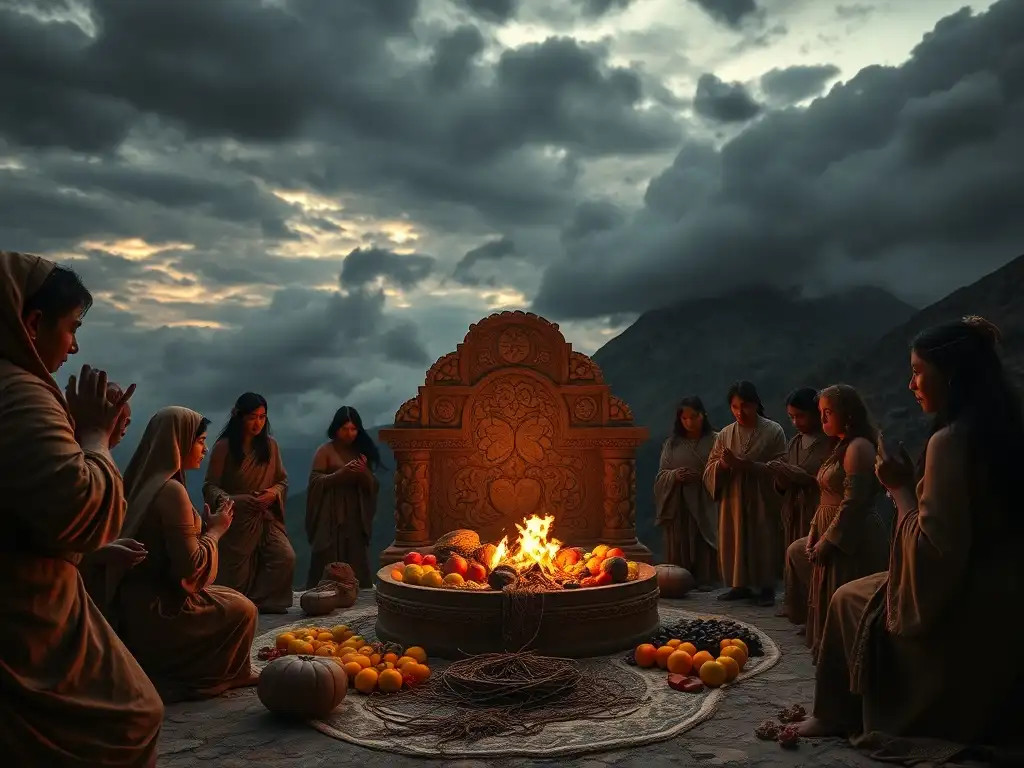
This section delves into the diverse and complex rituals surrounding ancestor veneration in PreIncan Andean cultures. Understanding these practices provides crucial insight into the social structures, belief systems, and worldview of these fascinating societies. The reverence for ancestors wasn't merely a sentimental practice; it was deeply interwoven with the fabric of daily life, influencing political structures, agricultural cycles, and even warfare.
The intensity and specific forms of these rituals varied across different PreIncan cultures, reflecting the unique regional developments and beliefs prevalent in each area. Key to understanding PreIncan ancestor veneration rituals is recognizing their multifaceted nature, encompassing not just burial rites, but also ongoing communication and offerings to the departed.
Common Forms of PreIncan Ancestor Veneration Practices
Ancestor veneration in PreIncan societies manifested in various ways. Regular offerings of food, drink, and other valuable goods were common. These weren't simply symbolic gestures; they were believed to sustain the ancestors in the afterlife and maintain a vital connection between the living and the dead. Archaeological evidence consistently reveals the presence of such offerings in burial sites and domestic contexts. For example, excavations of Moche sites have unearthed elaborate grave goods including finely crafted pottery, textiles, and even sacrificed animals, suggesting a belief in the continued needs and desires of the deceased. Furthermore, ritual feasts and ceremonies, often involving elaborate costumes and dances, were frequently held to honor ancestors and seek their guidance. These events served to reinforce social bonds and reaffirm the importance of lineage within the community. The specific rituals and offerings varied significantly depending on the social standing of the deceased and the specific cultural group.
Burial Practices and Their Significance in PreIncan Cultures
Burial practices in PreIncan cultures were far from uniform, reflecting the diverse regional traditions and beliefs. While some cultures practiced simple inhumation – the direct burial of the body in the ground – others developed far more elaborate practices. For instance, the Nazca culture is known for its intricate burial complexes, often including multiple interments and rich grave goods, reflecting a complex social hierarchy and beliefs regarding the afterlife.
The location of burials also held significance. Some groups favored burial within the domestic sphere, emphasizing the ongoing presence of ancestors within the family unit. Others chose more remote locations, possibly to emphasize a separation between the living and the dead.
The positioning of the bodies, the inclusion of specific grave goods, and the overall structure of the burial site all offer valuable clues to understanding the beliefs and practices surrounding death and the afterlife in these societies. Detailed analysis of these aspects is crucial to fully appreciating the complexities of PreIncan ancestor veneration rituals. Analyzing the orientation of bodies, for example, can reveal information about beliefs concerning the journey to the afterlife.
Mummification Techniques and the Preservation of Ancestors
Mummification, while not universally practiced across all PreIncan cultures, played a significant role in ancestor veneration in some regions. The most well-known examples come from the Chinchorro culture of northern Chile, who developed sophisticated mummification techniques thousands of years before the Egyptians. Their process involved removing organs, replacing them with materials like reeds and sand, and then covering the body in clay and paint.
This wasn't simply a method of preservation; the mummies themselves became focal points for rituals and offerings. Unlike the Egyptian practice, Chinchorro mummification wasn't restricted to elites; individuals of all social strata could be mummified. This suggests that ancestor veneration was a widespread practice, integral to the social fabric of Chinchorro society.
In other cultures, like the Paracas, mummification was also practiced, though the techniques and the significance varied. The Paracas are renowned for their elaborate textiles used in wrapping their mummies, further emphasizing the importance of these preserved ancestors within their culture. The study of these techniques provides valuable insights into the beliefs and practices surrounding death and the continuity of life in PreIncan societies, offering a compelling window into their spiritual world and reinforcing the importance of PreIncan ancestor veneration rituals.
Offerings and Sacrifices: Appeasing Ancestral Spirits
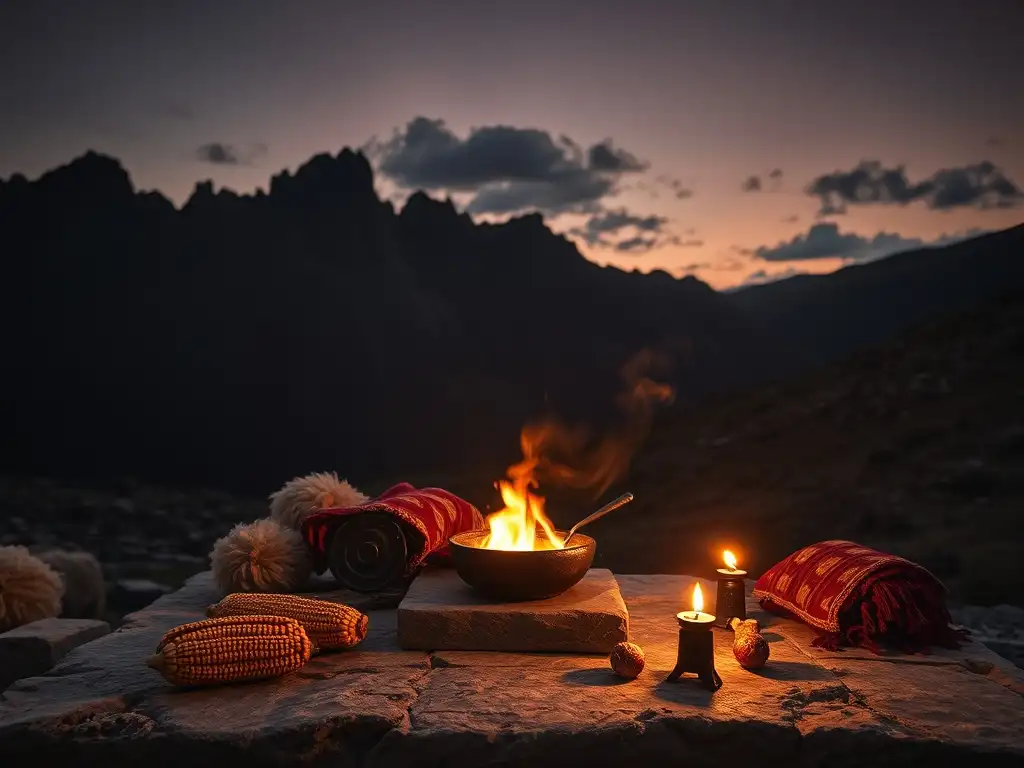
Ancestor veneration in PreIncan cultures wasn't a passive remembrance; it involved active engagement to maintain harmonious relationships with the departed. Offerings and sacrifices formed a crucial part of these interactions, aiming to appease ancestral spirits and ensure their continued benevolence. The nature of these offerings varied considerably across different Andean cultures and time periods, reflecting diverse beliefs and social structures.
For instance, the Moche civilization, known for its elaborate funerary practices, frequently interred their elite with lavish grave goods. These included finely crafted pottery depicting scenes of daily life and ritual, intricate gold and silver ornaments, textiles, and even human sacrifices.
These sacrifices, while seemingly brutal from a modern perspective, were believed to provide the deceased with necessary sustenance and attendants in the afterlife, ensuring their continued power and protection of the living. The scale and complexity of these offerings directly correlated with the social status of the deceased, highlighting the importance of maintaining a strong connection with powerful ancestors.
In contrast, other cultures, such as the Nazca, might have favored simpler offerings, focusing on agricultural products like maize, beans, and cotton. These offerings, while less extravagant, still held significant symbolic weight, representing the life-giving forces of the land and the ancestors' continued connection to the community's prosperity. The placement of these offerings – often in carefully constructed tombs or alongside ceremonial sites – further emphasizes the ritualistic importance placed upon these acts of appeasement.
Archaeological evidence suggests that the frequency and type of offerings might have varied seasonally, perhaps tied to agricultural cycles and the need to ensure bountiful harvests. Further research is needed to fully understand the nuances of these seasonal variations and their connection to the agricultural calendar.
Feasts and Celebrations Dedicated to the Deceased
Beyond material offerings, PreIncan cultures also employed feasts and celebrations as a means of honoring their ancestors. These weren't simply somber memorials; they were vibrant communal events that reaffirmed the ongoing connection between the living and the departed. The celebratory aspect of these rituals highlights the belief that ancestors remained active participants in the community's life, even after death. Their presence was invoked not only through reverence but also through joyful participation in shared meals and festivities.
The scale of these feasts ranged from intimate family gatherings to large-scale community events. These events often involved the consumption of specific foods and beverages, with the selection reflecting both cultural significance and the preferences of the honored ancestor. Certain types of chicha (a fermented maize beverage) might have been brewed specifically for these occasions, and particular dishes prepared according to ancient recipes. The consumption of these foods was not merely nutritive; it was a symbolic act of communion, bringing the living and the dead together in a shared experience.
Furthermore, music, dance, and storytelling played a significant role in these celebrations. Music, often created using instruments like panpipes and drums, was believed to transcend the veil between worlds, allowing communication with the ancestral realm. Dances, often mimicking agricultural activities or other aspects of daily life, reenacted the ancestors' contributions to the community's well-being.
Stories, passed down through generations, recounted the ancestors' deeds and achievements, reinforcing their legacy and inspiring future generations. The combination of these elements created a powerful and immersive experience, fostering a sense of continuity and shared identity across generations. The vibrant nature of these feasts underscores the positive and enduring relationship between the living and their ancestors in PreIncan Andean societies.
Regional Variations in Ancestor Veneration Before the Inca
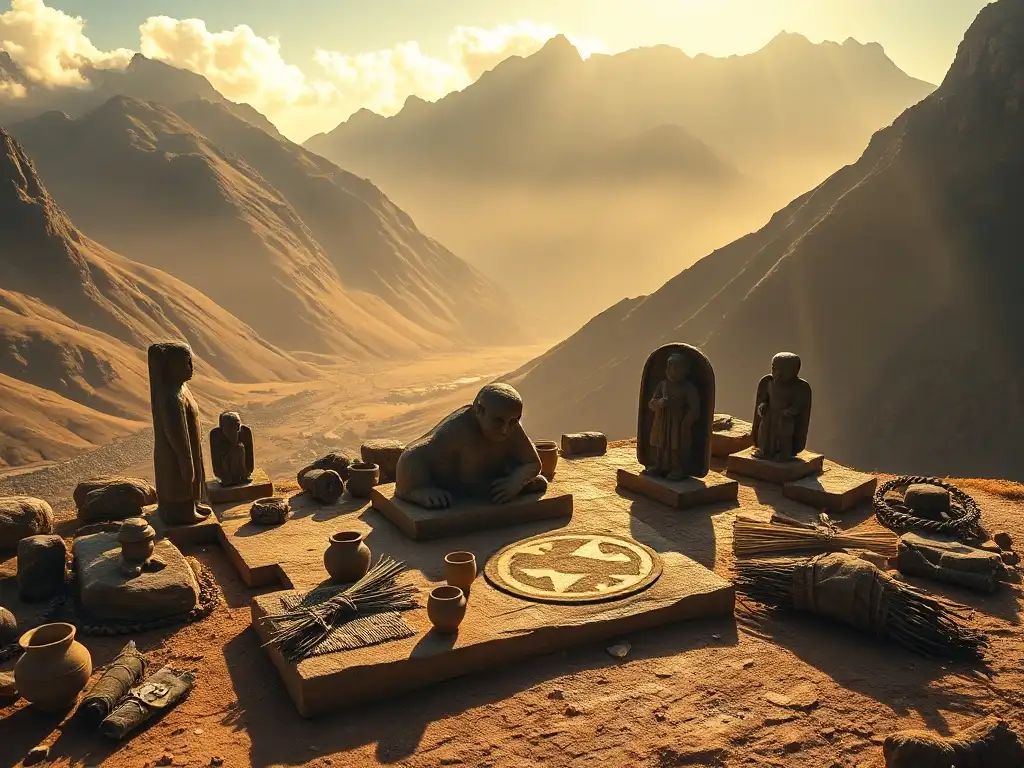
Ancestor veneration played a crucial role in the spiritual and social fabric of numerous pre-Inca Andean cultures. However, the specific practices and beliefs varied significantly across different regions and societies. This section will explore the nuances of ancestor veneration in two prominent pre-Inca cultures: the Moche and the Nazca, highlighting the diversity of ritual expressions and beliefs within the broader Andean context.
Understanding these regional variations provides a richer and more nuanced perspective on the complexity of pre-Inca societies and their relationship with their ancestors. The significance of these practices in shaping social structures and political power dynamics cannot be overstated, making the study of "PreIncan ancestor veneration rituals" essential for comprehending the Andean world.
Ancestor Veneration in the Moche Culture
The Moche civilization (c. 100-800 CE), known for its sophisticated artistry and intricate irrigation systems, held a complex system of ancestor veneration deeply intertwined with their political and religious structures. Evidence suggests a hierarchical approach to ancestor worship, with elite ancestors receiving significantly more elaborate rituals and burial practices than commoners. This distinction reflects the Moche’s stratified social organization and the importance of lineage in maintaining power.
The meticulous nature of Moche burial practices, including the inclusion of grave goods, elaborate tomb construction, and the frequent depiction of ancestors in their art, underscores the profound reverence they held for their predecessors. The continuation of these rituals over generations solidified the legitimacy of ruling elites and fostered social cohesion.
Moche Burial Rituals and Elite Ancestor Worship
Moche burial sites reveal a clear distinction between the burial practices of elites and commoners. Elite burials often involved elaborate tombs, sometimes multi-chambered structures, filled with a vast array of grave goods. These goods included finely crafted pottery depicting scenes of ritual sacrifice and ancestor veneration, gold and silver ornaments, textiles, and even human sacrifices.
The sheer quantity and quality of the grave goods suggest a belief in the continued existence and influence of the deceased, requiring them to be provided with the necessary resources in the afterlife. One striking example is the discovery of numerous Moche tombs containing individuals adorned with elaborate headdresses and jewelry, interred with offerings suggesting continued status and power even in death. These elaborate burials reinforced the power structure and the legitimacy of the ruling class, linking their authority directly to their ancestors.
The careful preservation of these sites and artifacts provides invaluable insight into the beliefs and practices surrounding Moche ancestor veneration. Further research into the chemical composition of grave goods may shed additional light on the sourcing of materials and trade networks that sustained these practices.
Ancestor Veneration in the Nazca Culture
The Nazca culture (c. 100 BCE – 800 CE), famed for its enigmatic geoglyphs etched into the desert landscape, also practiced ancestor veneration, albeit with different expressions compared to the Moche. While they lacked the elaborate tomb architecture of the Moche, Nazca ancestor veneration appears to have been deeply ingrained in their daily lives and ritual practices.
Evidence points towards a more communal approach to ancestor remembrance, less focused on individual elites and more integrated into the broader social fabric. The enigmatic Nazca lines themselves, along with their intricate pottery and textiles, offer clues to understanding their beliefs and practices relating to their ancestors.
Nazca Geoglyphs and Their Connection to Ancestral Cults
The colossal geoglyphs of the Nazca desert, often depicted as stylized animals and plants, are widely believed to have held religious significance for the Nazca people. While the exact purpose of the geoglyphs remains a topic of ongoing debate, many scholars suggest a connection to ancestral cults and ritual practices. The intricate designs, viewed from elevated vantage points, may have served as focal points for ceremonies or pilgrimage routes, connecting the living with the spirits of their ancestors.
The meticulous precision and scale of these creations suggest a level of societal organization and collaborative effort indicative of a deeply held belief system. Some researchers postulate that the geoglyphs may have represented totems or symbolic representations of ancestral figures, reinforcing their presence and importance within the community.
The connection between these massive earthworks and the broader context of Nazca ancestor veneration remains a subject of ongoing research, with new discoveries potentially revealing further insights into the intricate relationship between landscape, ritual, and belief. The study of these geoglyphs, combined with the analysis of Nazca pottery and textiles depicting ritual scenes, will continue to illuminate the sophisticated nature of Nazca ancestor veneration and its impact on their cultural identity.
Ancestor Veneration in the Tiahuanaco Culture
The Tiahuanaco culture, flourishing in the southern Andes from approximately 500 CE to 1000 CE, displayed a complex and sophisticated system of ancestor veneration deeply intertwined with their religious beliefs and social structures. Unlike some cultures that focused on specific ancestral figures, Tiahuanaco's reverence seemed to encompass a broader, more collective ancestral lineage, reflecting their highly organized and stratified society. Evidence suggests that ancestors were not merely remembered but actively engaged with through ritual practices aimed at maintaining cosmic balance and ensuring societal prosperity.
This engagement wasn't a passive commemoration; it was a dynamic interaction believed to impact the living world. The elaborate ceremonies likely involved offerings of food, textiles, and precious objects, placed in carefully constructed tombs or within the monumental structures themselves. The sheer scale of Tiahuanaco's architecture hints at the significant resources dedicated to these ancestral rituals, underlining their importance in the culture's worldview.
Further research into the iconography found on Tiahuanaco artifacts could reveal more nuanced details about specific ancestral figures or lineages held in particularly high regard. The powerful imagery of stylized figures and creatures may well represent deified ancestors, mediating between the living and the spirit world. Understanding the full extent of their ancestor veneration requires further investigation of their burial practices and the symbolic meanings embedded within their monumental constructions.
Tiahuanaco Architectural Remains and Ancestral Significance
The monumental architecture of Tiahuanaco, particularly the Kalasasaya platform and the Akapana pyramid, serves as compelling evidence of the importance placed on ancestor veneration. These structures weren't simply functional buildings; they were meticulously designed spaces for ritual activity, likely incorporating elements meant to connect the living with the spirit world. The precise alignment of the structures with astronomical events suggests a deep understanding of the cosmos and the belief that the ancestors played a crucial role in maintaining its order. The intricate carvings and stonework, often depicting stylized figures and animals, could represent ancestral figures or powerful spirits connected to the lineage.
The Kalasasaya's layout, with its massive stone blocks and precisely placed gateways, might have facilitated processions and ceremonies dedicated to honoring ancestors. The careful placement of offerings within and around these structures further strengthens the link between the architecture and ancestral veneration. The scale and precision of the construction demonstrate the immense effort invested in these ritual spaces, reflecting the profound significance of ancestral connection within Tiahuanaco society.
Analyzing the architectural design and the arrangement of artifacts found within these sites can shed light on the specific rituals and beliefs surrounding ancestor veneration in Tiahuanaco. The very existence of these monumental structures stands as a testament to the central role of ancestors in their culture. Further studies are needed to fully understand the symbolic meanings inherent in the architectural design and to decipher the complete narrative of their ancestral rituals.
Regional Differences in Rituals: A Comparative Overview
While ancestor veneration was a common thread throughout the Pre-Inca Andean cultures, significant regional variations existed in the specific rituals and practices employed. For example, the Moche culture on the north coast is known for its elaborate tomb complexes containing lavish grave goods, suggesting a focus on individual ancestral figures of high status, possibly rulers or priests. In contrast, the Nazca culture, known for their geoglyphs and sophisticated irrigation systems, might have practiced ancestor veneration in a more dispersed manner, possibly linking it to their intricate water management systems and agricultural cycles. The specific rituals associated with each culture reflected their unique social structures, environmental adaptations, and religious beliefs.
Some cultures might have emphasized public ceremonies involving large groups, while others might have favored more private, family-centered rituals. The types of offerings varied as well, with some cultures favoring precious metals and textiles, while others might have focused on agricultural products or other locally significant items. Understanding these regional differences requires careful consideration of the archaeological evidence from each culture, including burial practices, iconography, and the context of discovered artifacts.
The variability highlights the diverse ways in which Andean communities interacted with their ancestors, reflecting the rich tapestry of cultural expressions within the broader Andean region before the Inca expansion. Further research involving detailed comparisons of archaeological findings across different regions will greatly enhance our understanding of the nuances of Pre-Inca ancestor veneration practices. This comparative approach will allow us to identify both common threads and unique regional adaptations in these significant cultural traditions.
The Enduring Legacy of PreIncan Ancestor Veneration
The reverence for ancestors wasn't merely a fleeting practice in PreIncan Andean societies; it was a deeply ingrained belief system that permeated every aspect of life, from daily routines to monumental constructions. Understanding the significance of PreIncan ancestor veneration rituals is crucial to comprehending the complex social structures and spiritual worldviews of these cultures. This enduring legacy profoundly shaped subsequent Andean civilizations, including the Inca Empire, and continues to resonate in contemporary Andean communities.
The persistent importance of ancestor veneration highlights its role as a foundational element of Andean identity and cultural continuity across millennia. This section will delve into the far-reaching impact of these practices, demonstrating their influence on later Andean societies and their continuing relevance today.
Influence of PreIncan Practices on Later Andean Cultures
The Inca Empire, while possessing its own unique characteristics, undeniably inherited and adapted many aspects of PreIncan ancestor veneration. Evidence suggests a continuity of ritual practices, albeit with modifications and additions reflecting the Inca's imperial ambitions and centralized power structure. For example, while the Moche meticulously preserved mummies and performed elaborate funeral rites, the Inca expanded upon these traditions, incorporating them into a state-sponsored system that reinforced their authority and legitimacy.
The Inca's capacocha sacrifices, while arguably a more formalized and politically charged practice, share thematic similarities with earlier ancestor-related offerings found in PreIncan contexts. The construction of impressive mausoleums and the performance of ancestor-honoring ceremonies were not merely symbolic acts; they served to maintain social order, reinforce kinship ties, and legitimize the rule of the Inca elite. The intricate system of ayllus (kinship groups) in the Inca Empire also reflects the importance of lineage and ancestral ties, a concept that had deep roots in PreIncan societies.
These inherited practices, adapted and transformed, played a vital role in shaping the Inca worldview and sociopolitical organization. The continuity demonstrates the profound and lasting impact of PreIncan ancestor veneration.
The Continuity of Ancestral Beliefs in the Inca Empire
The Inca Empire inherited and adapted many PreIncan traditions concerning ancestor veneration, weaving them into the fabric of their imperial ideology. While the scale and formality of rituals may have shifted, the core belief in the enduring power and influence of ancestors remained central. The Inca's elaborate mummification practices, for instance, showcased a deep respect for their ancestors, with royal mummies treated as powerful entities requiring continued attention and offerings.
These mummies weren't simply relics of the past; they were considered active participants in the present, capable of influencing events and offering guidance to the living. The construction of royal tombs, often integrated into monumental architectural complexes such as Machu Picchu, further illustrates the importance of ancestor veneration in Inca society. These sites served not only as burial places but also as sacred spaces where living descendants could connect with their ancestors, seeking blessings and reaffirming their lineage.
The continuity of these practices across the transition from PreIncan to Inca underscores the enduring power and significance of ancestral beliefs within Andean culture. The Inca clearly understood the political and social capital inherent in maintaining these traditions.
Modern Perspectives on PreIncan Ancestral Rituals
Contemporary Andean communities continue to practice forms of ancestor veneration, demonstrating the remarkable persistence of these traditions across millennia. While the specifics of rituals may have evolved, the underlying principles of respecting and honoring ancestors remain central to Andean identity and cultural practices. Archaeological discoveries, anthropological studies, and ethnographic research provide valuable insights into these ongoing practices, illuminating the connections between past and present.
Many communities maintain ancestral shrines, perform annual ceremonies, and offer tributes to their ancestors, demonstrating the enduring power of these deeply rooted beliefs. Furthermore, the study of PreIncan ancestor veneration rituals offers a valuable lens through which to understand the complexities of Andean societies. It provides insights into social structures, kinship systems, religious beliefs, and cosmological worldviews.
By examining these rituals, we gain a deeper appreciation for the richness and diversity of Andean cultures and their enduring legacy. The continued relevance of these traditions highlights the importance of preserving and understanding this integral aspect of Andean heritage. The study of PreIncan ancestor veneration rituals is not merely an academic exercise; it is a vital contribution to understanding the living culture of the Andes.
Conclusion: Reflecting on the Importance of Understanding PreIncan Ancestral Practices
The study of "PreIncan ancestor veneration rituals" provides a crucial key to unlocking a deeper understanding of the rich tapestry of Andean history and culture.
Frequently Asked Questions
What is ancestor veneration?
Ancestor veneration is the reverence and worship of deceased ancestors. Many Andean cultures believed their ancestors held significant power and influence over the living. These beliefs shaped their daily lives and rituals.
How did PreIncan cultures practice ancestor veneration?
PreIncan cultures employed various methods, including building elaborate tombs, offering food and sacrifices, and performing ceremonial dances and rituals to honor their ancestors. These practices varied across different cultures.
What was the significance of mummies in PreIncan ancestor veneration?
Mummies were highly revered and often treated as active members of the community, even after death. They were frequently consulted for advice and participated in ceremonies. Their presence provided a tangible link to the past.
No, ancestor veneration practices differed significantly between the various PreIncan cultures. While the core belief in ancestor power was common, the specific rituals and their significance varied greatly based on regional and cultural differences.
How did ancestor veneration impact PreIncan society?
Ancestor veneration played a crucial role in maintaining social order and continuity. It reinforced kinship ties, provided a framework for understanding the world, and helped legitimize political power. It was fundamental to their social structure.
Final Reflection: Echoes of the Past, Shaping the Present
The intricate rituals of PreIncan ancestor veneration, far from being relics of a bygone era, resonate powerfully with contemporary concerns about legacy, community, and the enduring power of memory. Understanding these practices offers a profound insight into the human need to connect with those who came before, a need that transcends time and geographical boundaries. The echoes of these ancient ceremonies continue to shape our understanding of identity and belonging.
The enduring influence of PreIncan ancestor veneration is evident not only in the archaeological record but also in the continued presence of similar practices in many indigenous communities across the Andes. These rituals, often deeply intertwined with agricultural cycles and the rhythms of nature, speak to a profound respect for the cyclical nature of life and death. The ancestors are not merely the past; they are the living foundation upon which the present is built.
This sentiment, though not directly from a PreIncan source, encapsulates the core belief system that underpinned their elaborate funerary practices and ancestor-honoring ceremonies. The legacy of these beliefs continues to shape cultural identities and spiritual practices in the region.
Consider, for a moment, the ways in which you connect with your own ancestors. Do you share stories, traditions, or values passed down through generations? How might a deeper understanding of PreIncan ancestor veneration enrich your own sense of heritage and belonging? I invite you to explore this question, not just intellectually, but also emotionally, allowing the echoes of these ancient practices to resonate within your own life and inspire a renewed appreciation for the enduring power of connection across time.
Embrace Your Heritage: Activate the Power of Ancestor Veneration!
Thank you for exploring the profound traditions of ancestor veneration in pre-Incan cultures. You've discovered the significance of these rituals in shaping community identity. Now, let's put this knowledge into practice!
Here are some meaningful steps you can take:
- Connect with your lineage: Research your family history and explore traditions that honor your ancestors. Consider creating a personal ritual to celebrate their legacy. This could be as simple as lighting a candle on a significant anniversary or sharing stories about them with loved ones.
- Share your discoveries: Discuss what you've learned with friends and family. Help spread awareness about the importance of ancestor veneration in modern life through conversations, social media, or community events.
- Explore local cultural heritage: Visit museums or cultural centers that showcase Andean history to deepen your understanding and appreciation of these rich civilizations.
How will you integrate the wisdom of your ancestors into your life today?