
The Inca Legacy: Architectural Marvels That Shape Modern Andean Cities

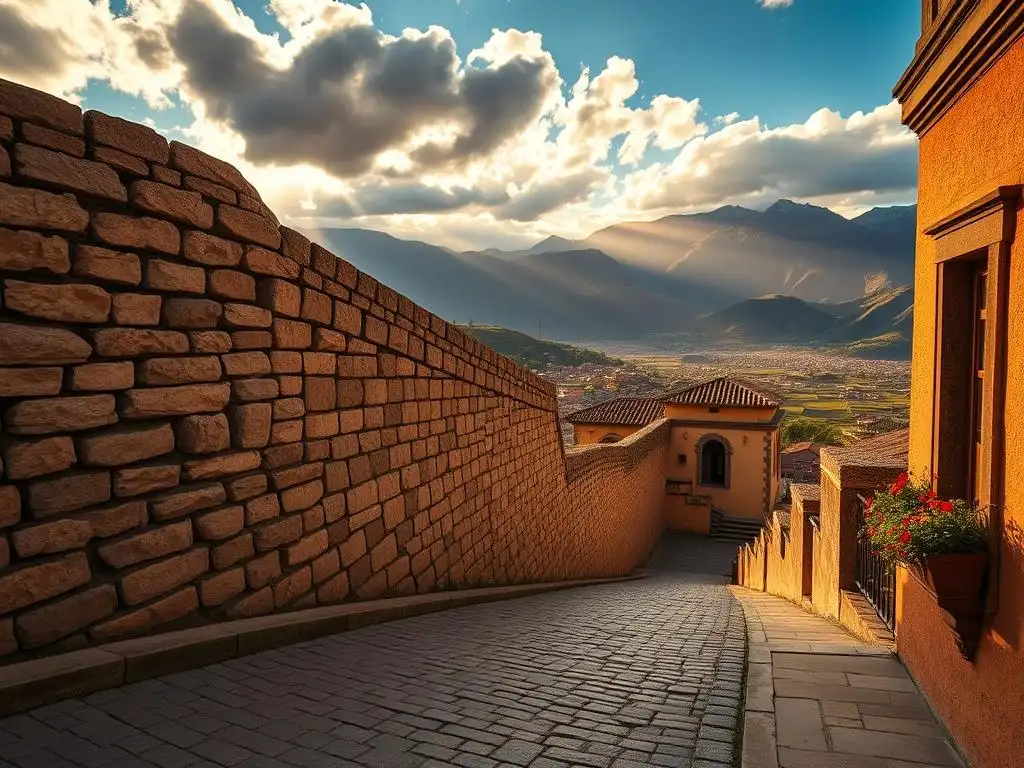
Step into a world lost to time, yet vividly present in the breathtaking landscapes of the Andes. Imagine the echoes of Inca ingenuity resonating in the modern cities that rise from their ancient foundations. This website unveils the secrets of the Andean civilizations—from the Incas to the Nazca—exploring their remarkable achievements in art, technology, and culture. But the story doesn't end there... Discover how Inca architecture continues to influence the design of modern Andean cities, a legacy that will leave you awestruck. Prepare to be amazed.
The Inca Empire, at its zenith a sprawling realm encompassing much of the Andes Mountains, left behind a legacy far beyond its political and social structures. Its remarkable architectural achievements continue to profoundly shape the urban landscapes of modern Andean cities.
This article explores the enduring influence of Inca construction techniques, urban planning principles, and the masterful use of stone, demonstrating how these elements remain visible and integral to the character of many contemporary Andean settlements. We will delve into the specific architectural principles employed by the Inca, examining their innovative engineering and construction methods, their sophisticated understanding of urban planning, and the lasting impact of their iconic stonework on the cities we see today.
Understanding this legacy provides a crucial perspective on the evolution of Andean urban development and highlights the remarkable continuity between the past and the present. The exploration of Inca architecture's influence is not merely an academic exercise; it’s a journey into the heart of Andean identity and a testament to the ingenuity of a civilization that continues to inspire awe.
Introduction: The Enduring Influence of Inca Construction
The Inca Empire's sophisticated architectural prowess is undeniable. From the majestic Machu Picchu perched high in the Andes to the intricate network of roads connecting distant corners of their vast empire, Inca structures showcased an unparalleled mastery of engineering and artistry. But the impact of Inca architecture extends far beyond these iconic sites. Many modern Andean cities, from Cusco to Quito, bear the indelible mark of Inca construction techniques and urban planning principles.
The use of locally sourced stone, the careful integration with the natural landscape, and the emphasis on functionality and durability all resonate in contemporary Andean urban design. This enduring influence is a testament to the ingenuity and foresight of Inca builders and a fascinating example of how ancient traditions can shape the modern world. We'll examine how these ancient practices continue to inform contemporary building practices and urban development strategies in the region.
Inca Architectural Principles: Foundations of Andean Urban Design
Inca architecture wasn't simply about constructing impressive buildings; it was a holistic approach to urban design that reflected a deep understanding of the environment and the needs of their society. Key principles included: adaptability to varied terrains, integration with the natural landscape, the use of sustainable materials, and a focus on functionality and community. These principles, deeply rooted in the Inca worldview, continue to inspire contemporary Andean architects and urban planners.
The legacy of Inca urban planning is visible in the layout of many modern cities, with their emphasis on interconnectedness, accessibility, and respect for the environment. The efficient use of space, the careful placement of buildings in relation to the sun and prevailing winds, and the creation of public spaces all reflect the enduring relevance of Inca architectural philosophies.
Inca Engineering and Construction Techniques
Inca engineers were masters of their craft, employing sophisticated techniques to overcome challenging geographical obstacles. Their mastery of dry-stone construction, a method of building without mortar, is particularly noteworthy. They achieved incredible precision in fitting stones together, creating structures of exceptional strength and durability that have withstood the test of time.
Evidence suggests a deep understanding of seismic activity, with buildings designed to withstand earthquakes. Their mastery of terracing, used to create agricultural land on steep slopes, also showcases their advanced engineering skills and their ability to adapt to the challenging Andean terrain. This innovative approach to construction continues to inform modern building practices, particularly in regions prone to seismic activity.
The Use of Stone in Inca Buildings
The Inca's use of stone was not merely functional; it was also deeply symbolic. They selected stones based on their color, texture, and properties, carefully shaping and fitting them together to create structures of immense beauty and strength. The precise fitting of stones, without the use of mortar, remains a testament to their skills and precision.
The unique characteristics of Andean stone, its color variations and textures, are still prized in modern construction. Many contemporary buildings in Andean cities incorporate local stone, reflecting a continuity with Inca traditions and a celebration of the region's natural resources. The use of stone in modern Andean architecture is a visible link to the Inca legacy, demonstrating a continued appreciation for this ancient building material.
Inca Urban Planning: A Model for City Layout
Inca urban planning was remarkably advanced for its time. Cities were meticulously designed to optimize functionality and community life. The use of a grid system, the creation of strategically placed plazas and public spaces, and the integration of infrastructure such as water channels and roads all contributed to the efficiency and livability of Inca urban centers.
This emphasis on community and social interaction remains a desirable aspect of urban planning today. Many modern Andean cities retain elements of the Inca grid system and continue to prioritize the creation of public spaces and community gathering areas, reflecting the lasting influence of Inca urban planning principles. The Inca legacy provides a valuable model for sustainable and community-focused urban development in the modern era.
Inca Architectural Marvels and Their Modern Echoes
The Inca Empire's architectural prowess left an indelible mark on the Andean region, influencing not only the aesthetic beauty but also the functionality of modern cities. Their mastery of stonework, their understanding of Andean geography, and their sophisticated urban planning techniques continue to inspire contemporary architects and urban planners. The Inca's ability to seamlessly integrate their structures with the natural landscape is a testament to their deep understanding of their environment, a principle that resonates strongly in modern sustainable design practices.
The enduring legacy of Inca architecture is evident in the preservation of numerous sites and their ongoing influence on new constructions. Modern Andean cities frequently incorporate elements of Inca design, resulting in a unique blend of ancient and contemporary styles. This fusion is not merely aesthetic; it represents a conscious effort to honor the past while embracing the future.
The inherent strength and resilience of Inca constructions, achieved through innovative techniques like dry-stone masonry, remain a source of study and admiration for modern engineers. Understanding these techniques is crucial to appreciating the enduring impact of Inca architecture on modern Andean cities.
Sacsayhuamán: A Fortress That Inspires Contemporary Design
Sacsayhuamán, the imposing fortress overlooking Cusco, stands as a powerful symbol of Inca military might and architectural ingenuity. Its cyclopean masonry, characterized by massive, precisely fitted stones, continues to baffle and inspire modern engineers. The sheer scale and precision of the construction, achieved without mortar, serves as a testament to the Inca's advanced knowledge of engineering and their understanding of structural integrity.
The fortress's strategic location and its integration with the surrounding landscape represent a masterful example of defensive architecture, influencing contemporary designs that prioritize both security and environmental harmony. Today, the site's imposing presence continues to inspire architects, who often draw inspiration from its imposing walls and strategic positioning when designing modern structures.
The unique shapes and sizes of the stones are also studied for their structural implications, leading to innovations in modern construction techniques. The enduring mystery surrounding certain aspects of its construction fuels ongoing research, reinforcing its importance as a source of inspiration and knowledge.
Machu Picchu: The Lost City's Influence on Tourism and Architecture
Machu Picchu, the iconic "Lost City of the Incas," exemplifies the harmonious integration of architecture and nature. Its terraced agriculture, ingenious water management systems, and the breathtaking placement of its structures amidst the Andes mountains inspire architects and urban planners to this day. The city's design, which prioritized sustainability and minimized environmental impact, provides valuable lessons for contemporary sustainable development.
Its rediscovery and subsequent designation as a UNESCO World Heritage Site significantly impacted tourism in the region, highlighting the importance of preserving historical sites and promoting sustainable tourism practices. Furthermore, the city's unique architectural style, characterized by its use of locally sourced materials and its integration with the surrounding landscape, continues to influence contemporary architectural trends, particularly in eco-tourism projects. The city's enduring appeal serves as a powerful reminder of the importance of preserving cultural heritage and integrating historical sites into modern tourism strategies.
Coricancha: The Sun Temple's Impact on Religious Structures
Coricancha, the Sun Temple in Cusco, was the most important religious site in the Inca Empire. Its lavish gold ornamentation and intricate stonework showcase the Inca's mastery of craftsmanship and their deep reverence for the sun. Though much of the original structure was destroyed after the Spanish conquest, its remnants continue to influence religious architecture in the region.
The temple's layout and its symbolic significance continue to be studied by archaeologists and historians, providing insights into Inca religious beliefs and practices. The use of gold and other precious materials in its construction highlights the Inca's advanced metallurgical techniques and their understanding of material science.
The temple's influence can be seen in the layout and design of some modern churches and religious structures in the region, reflecting a continued appreciation for Inca craftsmanship and spiritual values. Furthermore, the temple's story serves as a powerful reminder of the impact of colonialism on indigenous cultures and the importance of preserving cultural heritage.
Ollantaytambo: The Living City and Its Legacy in Urban Planning
Ollantaytambo, a remarkably well-preserved Inca site, stands as a testament to the Inca's sophisticated urban planning. Its intricate network of streets, terraces, and water channels demonstrate a deep understanding of urban design principles. The city's integration with the surrounding agricultural landscape showcases the Inca's efficient use of resources and their ability to create sustainable urban environments. This sophisticated understanding of urban planning and resource management continues to inspire modern architects and urban planners.
Ollantaytambo’s design emphasizes the importance of incorporating natural elements into urban spaces, a principle that is increasingly relevant in contemporary sustainable urban planning. The city’s enduring legacy lies not only in its impressive architecture but also in its demonstration of a holistic approach to urban design, incorporating social, economic, and environmental factors. Its survival and continued habitation underscore the adaptability and resilience of Inca urban design principles.
Specific Examples of Inca Influence in Modern Andean Cities
Cusco: The Inca Capital as a Living Testament
Cusco, the former Inca capital, serves as a living testament to the Inca's architectural legacy. Many buildings in the city incorporate Inca stonework, reflecting a conscious effort to preserve and integrate the past into the present. The city's layout, with its narrow, winding streets, reflects the Inca's urban planning principles. The use of Inca stone in modern constructions not only adds an aesthetic appeal but also demonstrates a commitment to preserving the city's historical heritage.
The city's blend of Inca and colonial architecture creates a unique urban landscape, showcasing the layers of history that have shaped Cusco. The city's ongoing efforts to preserve its Inca heritage are a testament to the enduring importance of this legacy. Cusco is a prime example of how a city can successfully integrate its historical past into its modern identity.
Arequipa: Blending Colonial and Inca Architecture
Arequipa, known as the "White City," boasts a unique blend of colonial and Inca architectural styles. While primarily known for its colonial architecture, Arequipa's buildings often incorporate Inca techniques and materials, particularly in their foundations and structural elements. The use of sillar, a distinctive white volcanic stone, is a characteristic feature of both Inca and colonial architecture in Arequipa.
The city's layout, although influenced by the Spanish, still reflects some principles of Inca urban planning, such as the strategic use of terraces and adaptation to the terrain. Arequipa demonstrates how different architectural styles can coexist and complement each other, creating a rich and diverse urban landscape. The city’s architectural heritage is a powerful reminder of the complex interplay of cultures that have shaped the Andean region.
Písac: Inca Agricultural Techniques in Modern Farming Practices
Písac, located near Cusco, is renowned for its impressive Inca agricultural terraces. These terraces, carved into the mountainside, demonstrate the Inca's mastery of water management and their ability to cultivate crops in challenging terrain. These techniques continue to influence modern farming practices in the region, providing valuable lessons in sustainable agriculture.
The Inca's understanding of soil conservation and water management is particularly relevant in contemporary agriculture, which is increasingly focused on sustainable and environmentally friendly practices. The ongoing use of these terraces reflects the enduring practicality of Inca agricultural knowledge and its continuing relevance in modern Andean farming. The preservation of these terraces is not only a tribute to Inca ingenuity but also a vital component of sustainable agriculture in the region.
The Cultural Significance of Inca Architecture in Modern Life
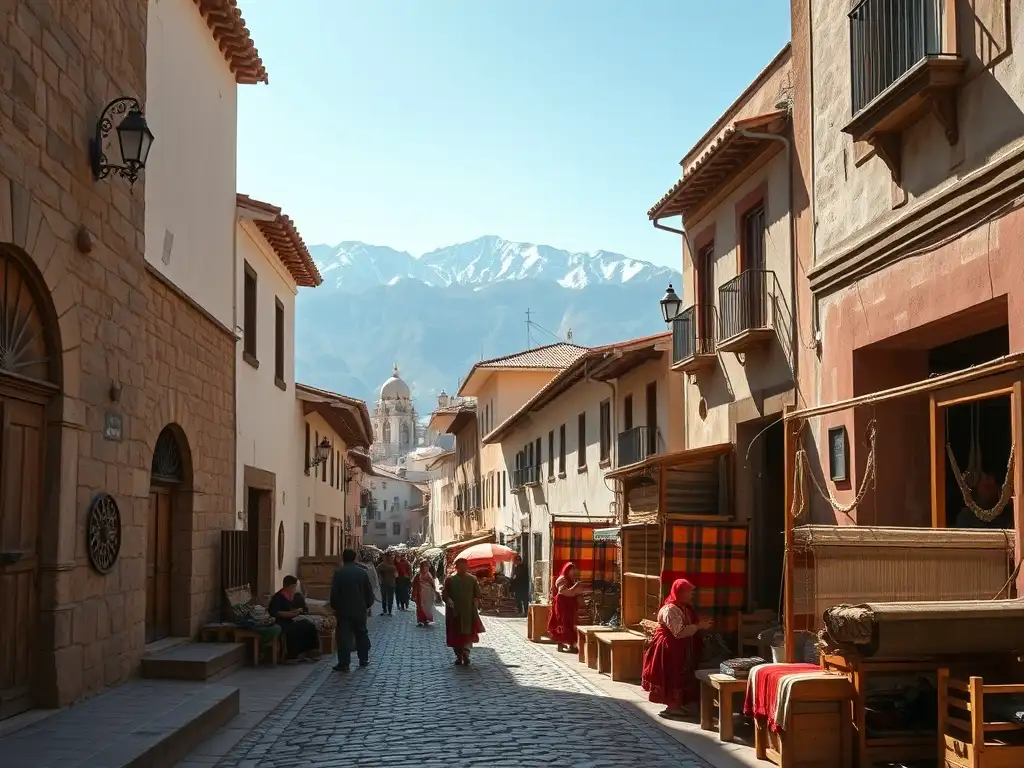
Inca architecture continues to resonate deeply within modern Andean life, transcending its historical significance to become an integral part of cultural identity and daily experience. The intricate stonework, precise engineering, and harmonious integration with the landscape serve as a constant reminder of the ingenuity and sophistication of the Inca civilization. This legacy fosters a sense of pride and connection to the past, strengthening community bonds and inspiring a sense of shared heritage.
Many Andean communities actively incorporate elements of Inca architectural styles in their modern constructions, reflecting a conscious effort to maintain a visual and spiritual link to their ancestors. This is not merely a stylistic choice; it represents a profound cultural continuity, a living testament to the enduring impact of Inca civilization.
The use of traditional materials and techniques, where feasible, further reinforces this connection. The knowledge passed down through generations ensures the continuation of these architectural traditions, albeit adapted to meet contemporary needs.
Preserving Inca Heritage in Andean Communities
Preserving Inca heritage is not merely a matter of historical preservation; it is a vital aspect of maintaining cultural identity and economic stability for many Andean communities. Many communities actively participate in the restoration and maintenance of Inca sites, recognizing their value as both historical landmarks and tourist attractions. This involvement fosters a sense of ownership and responsibility, ensuring the long-term preservation of these invaluable sites. Traditional building techniques are often revived and passed on to younger generations, ensuring the continuity of these skills.
Furthermore, several successful community-based tourism initiatives have emerged, allowing local communities to directly benefit from the preservation and promotion of Inca heritage sites. This not only supports economic development but also reinforces the importance of preserving these sites for future generations. The success of these initiatives depends heavily on community engagement and careful planning, ensuring that economic benefits are balanced with environmental protection.
The Role of Inca Architecture in Andean Identity
Inca architecture plays a crucial role in shaping Andean identity, serving as a powerful symbol of cultural continuity and national pride. The iconic imagery of Inca stonework, terraces, and monumental structures is deeply ingrained in the collective consciousness of the Andean people, representing their rich history and resilience. This architectural heritage is frequently featured in national symbols, art, literature, and popular culture, reinforcing its importance in the national narrative.
The architectural styles and techniques employed by the Inca are not merely historical relics; they are a source of inspiration for contemporary artists, architects, and designers. This continuous interaction between past and present ensures that the Inca architectural legacy remains a vibrant and evolving aspect of Andean cultural identity, constantly being reinterpreted and reimagined. The very presence of Inca ruins in modern cities serves as a physical manifestation of this enduring connection to the past.
The Impact of Inca Architecture on Tourism and Economy
Inca architecture is a significant driver of tourism and economic development in the Andean region. The impressive ruins of Machu Picchu, Sacsayhuamán, and Ollantaytambo, among others, attract millions of visitors annually, generating substantial revenue and creating employment opportunities for local communities. This economic impact extends beyond the immediate vicinity of the sites, benefiting related industries such as transportation, hospitality, and handicrafts.
The preservation and promotion of Inca architectural sites are, therefore, crucial for sustaining economic growth and improving the quality of life for many Andean communities. However, it is essential to manage tourism sustainably to prevent damage to these fragile sites and ensure that the economic benefits are equitably distributed amongst the local population. Careful planning and responsible tourism practices are paramount to ensuring the long-term viability of this economic engine.
Challenges and Opportunities in Preserving Inca Architectural Legacy
Preserving the Inca architectural legacy presents significant challenges and opportunities. The passage of time, natural disasters, and the impact of human activity all contribute to the deterioration of these ancient structures. Climate change poses an additional threat, with increased frequency and intensity of extreme weather events placing further strain on these vulnerable sites. However, these challenges also present opportunities for innovation and collaboration.
Advances in conservation techniques, coupled with increased international cooperation and community engagement, offer new avenues for preserving this invaluable heritage for future generations. Investing in research, developing sustainable tourism strategies, and implementing effective conservation measures are crucial steps towards ensuring the long-term preservation of Inca architecture. The successful implementation of these strategies requires a multi-faceted approach, involving governments, local communities, and international organizations.
Balancing Modern Development with Inca Heritage Conservation
Balancing modern development with Inca heritage conservation requires careful planning and a commitment to sustainable practices. The need for infrastructure development, urbanization, and economic growth often clashes with the preservation of Inca sites. Finding a harmonious balance between these competing demands requires innovative solutions that prioritize the protection of these invaluable cultural assets.
This involves incorporating heritage conservation into urban planning strategies, implementing strict building codes near historical sites, and investing in sustainable infrastructure projects that minimize their environmental impact. Careful consideration must be given to the potential effects of development on the surrounding environment and the integrity of the Inca sites themselves. A collaborative approach involving stakeholders from all sectors is crucial to ensure that development is undertaken responsibly and sustainably.
The Importance of Sustainable Tourism in Protecting Inca Sites
Sustainable tourism plays a crucial role in protecting Inca sites while generating economic benefits for local communities. Uncontrolled tourism can lead to damage to the sites themselves, as well as negative impacts on the surrounding environment and local cultures. Implementing sustainable tourism practices, such as limiting visitor numbers, promoting responsible visitor behavior, and investing in environmentally friendly infrastructure, is vital for preserving these fragile ecosystems and cultural heritage.
The economic benefits generated by tourism should be equitably distributed among the local communities, fostering a sense of ownership and responsibility for the preservation of these sites. This ensures that the long-term economic viability of tourism is aligned with the protection of Inca heritage. Sustainable tourism is not merely an option, but a necessity for the continued existence of these remarkable sites.
Community Engagement in Conservation Efforts
Engaging local communities in conservation efforts is essential for the long-term preservation of Inca architectural heritage. Their knowledge of the sites, their connection to the land, and their vested interest in their preservation are invaluable assets. Involving communities in decision-making processes, providing them with training and resources, and ensuring that they benefit directly from conservation efforts fosters a sense of ownership and responsibility.
Community-based tourism initiatives, where local people play a key role in managing and promoting tourism, provide a sustainable model for economic development while simultaneously safeguarding cultural heritage. This collaborative approach ensures that conservation efforts are culturally sensitive and economically viable, promoting the long-term preservation of Inca architectural sites for future generations. The success of conservation hinges on recognizing the vital role of local communities as active participants, not just passive beneficiaries.
Conclusion: The Timeless Legacy of Inca Architecture
The Inca Empire's influence on modern Andean cities is undeniable. Their sophisticated architectural techniques, reflecting a deep understanding of engineering and environmental adaptation, continue to inspire awe and inform contemporary construction practices. From the precise stonework showcasing their mastery of fitting stones without mortar to the ingenious irrigation systems that sustained their vast agricultural endeavors, the Inca legacy is woven into the fabric of modern Andean urban landscapes.
The enduring strength and aesthetic beauty of Inca structures stand as a testament to their advanced civilization and provide valuable lessons for sustainable and resilient urban development in the 21st century. Understanding this legacy allows us to appreciate the ingenuity of past Andean cultures and to potentially leverage their knowledge for future urban planning challenges. The study of Inca architecture not only enriches our historical understanding but also offers practical insights for building more environmentally conscious and durable cities.
This profound impact underscores the importance of preserving and studying Inca architectural heritage for the benefit of present and future generations. The intricate details and overall grandeur of Inca structures serve as a powerful reminder of the enduring impact of this remarkable civilization.
The Continuing Relevance of Inca Architectural Principles in Modern Andean Cities
Inca architectural principles, particularly their focus on adapting to the environment and utilizing readily available materials, remain highly relevant in modern Andean cities. The challenges of building in mountainous terrain, prone to earthquakes and extreme weather, necessitate construction techniques that prioritize stability and resilience – principles expertly demonstrated by Inca builders. Contemporary architects and engineers in the Andes often draw inspiration from Inca techniques, such as the use of interlocking stones to create earthquake-resistant structures.
The integration of traditional Andean building materials, such as adobe and stone, into modern designs reflects a growing awareness of the importance of sustainability and environmental responsibility. Moreover, the Inca emphasis on creating harmonious structures that blend seamlessly with their surroundings serves as a model for environmentally conscious urban planning. Many modern projects strive to emulate the Inca approach by minimizing their environmental footprint and integrating their designs into the natural landscape.
This integration is not merely aesthetic; it contributes to the creation of more resilient and sustainable urban environments. The enduring wisdom of Inca architecture provides valuable lessons for modern urban development in the Andes and beyond, highlighting the importance of respecting the environment and adapting construction techniques to specific geographical challenges. The ongoing relevance of Inca architectural principles demonstrates the timelessness and ingenuity of their approach to construction.
- Introduction: The Enduring Influence of Inca Construction
- Inca Architectural Principles: Foundations of Andean Urban Design
- Inca Architectural Marvels and Their Modern Echoes
- Specific Examples of Inca Influence in Modern Andean Cities
- The Cultural Significance of Inca Architecture in Modern Life
- Challenges and Opportunities in Preserving Inca Architectural Legacy
- Conclusion: The Timeless Legacy of Inca Architecture
- The Continuing Relevance of Inca Architectural Principles in Modern Andean Cities
- What is the most significant influence of Inca architecture on modern Andean cities?
- How did Inca urban planning impact the layout of modern Andean cities?
- What Inca architectural features are commonly seen in contemporary Andean buildings?
- Are there examples of modern buildings directly inspired by Inca architecture?
- How has the understanding of Inca architecture evolved, impacting modern interpretations?
Frequently Asked Questions
What is the most significant influence of Inca architecture on modern Andean cities?
The most significant influence is the adaptation of Inca principles of construction to modern materials and techniques. This includes the use of terraced landscapes, stonework techniques, and integration with the natural environment.
How did Inca urban planning impact the layout of modern Andean cities?
Inca urban planning, characterized by grid patterns and strategically placed plazas, is still evident in the layout of many modern Andean cities, although often modified and expanded. Central plazas remain important social and civic hubs.
What Inca architectural features are commonly seen in contemporary Andean buildings?
Common features include the use of stone in construction, the incorporation of terraces into building design, and the emphasis on building structures that blend harmoniously with the landscape. Simple, geometric shapes are also prevalent.
Are there examples of modern buildings directly inspired by Inca architecture?
Yes, many contemporary buildings consciously incorporate Inca-inspired elements. This includes the use of traditional stonework, similar roof designs, and the creation of open public spaces mimicking Inca plazas. Some even feature re-creations of Inca motifs.
How has the understanding of Inca architecture evolved, impacting modern interpretations?
Improved archaeological understanding and respect for Inca heritage lead to more accurate and sensitive interpretations in modern architecture. This means a shift towards sustainable building practices and a greater emphasis on preserving historical context within modern designs.
Final Reflection: Echoes of Empire: The Enduring Legacy of Inca Architecture
The ingenuity of Inca architecture continues to resonate powerfully in modern Andean cities, a testament to the enduring strength and adaptability of a civilization long past. From the precise stonework that withstands earthquakes to the innovative urban planning that prioritized community and access to resources, the Inca's impact is undeniable and profoundly shapes the very fabric of life in the Andes today. This legacy is not merely historical; it's a living, breathing part of the region's identity.
The influence of Inca architectural principles on modern construction techniques and urban design is a fascinating study in cultural continuity. The integration of traditional materials and methods with contemporary needs demonstrates a remarkable resilience and a deep respect for ancestral knowledge. This resonates deeply with me, highlighting the importance of preserving and celebrating cultural heritage. The past is never dead. It's not even past.
– William Faulkner. This quote perfectly encapsulates the ongoing relevance of Inca architecture, its presence a constant reminder of the ingenuity and cultural richness of a bygone era.
Consider, for a moment, the breathtaking landscapes of the Andes and the cities nestled within them. Imagine the echoes of Inca ingenuity in the very stones beneath your feet, the echoes of a civilization that prioritized harmony between humanity and nature. You, too, can be a part of this enduring legacy. By appreciating the architectural marvels of the Inca and understanding their lasting impact, you contribute to the preservation of a rich cultural heritage and inspire future generations to build sustainably and thoughtfully, honoring the past while shaping a vibrant future.
Unveil the Wonders of Inca Architecture Today!
Thank you for joining us on this journey through the incredible architectural legacy of the Incas! We hope you feel inspired by the ingenuity and beauty that continues to shape modern Andean cities. Now, let's delve deeper into these wonders.
Here are some ways to further explore the Inca legacy:
- **Explore local historical sites:** Discover nearby landmarks showcasing Inca architecture and learn about their historical significance. For example, a visit to Ollantaytambo can provide a breathtaking insight into Inca engineering.
- **Connect with fellow enthusiasts:** Join online communities or local groups dedicated to Andean culture and architecture to share your discoveries and experiences. The exchange of knowledge and perspectives can be incredibly enriching.
- **Create your own Inca-inspired project:** Incorporate elements of this rich heritage into your life, whether through art, home décor, or even a culinary exploration of Andean cuisine. The possibilities are endless!
Which Inca architectural marvel most captivates your imagination, and why? Share your thoughts below!