
Unraveling the Mysteries of Nazca Textile Conservation

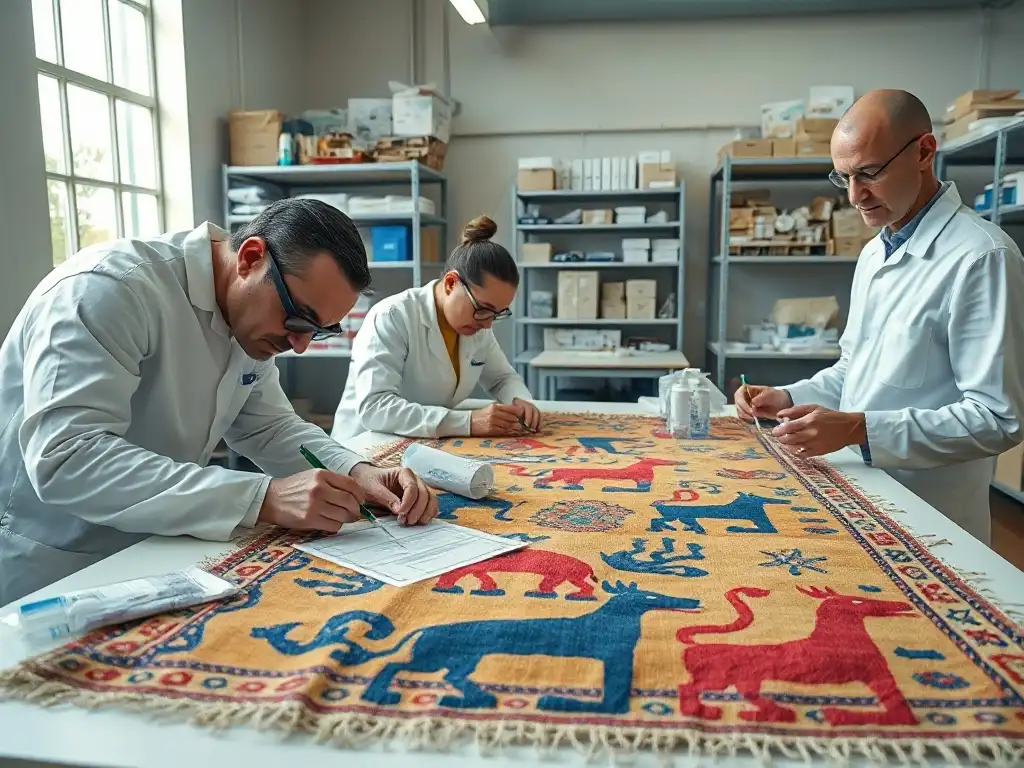
Step into a world lost to time, yet vividly preserved in threads of gold and vibrant hues. Imagine the intricate artistry of the Nazca people, their stories woven into breathtaking textiles that have defied centuries. But how do we safeguard this fragile legacy? Unraveling the mysteries of Nazca textiles conservation techniques, this site delves into the fascinating world of Andean civilizations, revealing their astounding achievements and the ongoing efforts to protect their remarkable heritage. Prepare to be amazed.
The Nazca civilization, renowned for its enigmatic geoglyphs, also left behind a breathtaking legacy of textiles. These intricate weavings, vibrant with color and complex in design, offer invaluable insights into Nazca society, beliefs, and artistic prowess. However, the fragility of these ancient artifacts presents a significant challenge: their conservation.
This article delves into the intricate world of Nazca textiles conservation techniques, exploring the scientific methods and meticulous processes employed to preserve these irreplaceable pieces of history for future generations. We will examine the unique challenges posed by the materials, the environment, and the inherent degradation processes affecting these delicate textiles, ultimately providing a comprehensive overview of the crucial work dedicated to safeguarding this invaluable cultural heritage. Understanding these techniques is not just about preserving artifacts; it's about preserving a vital part of our shared human history.
The Delicate Nature of Nazca Textiles: Material Challenges
Nazca textiles were predominantly crafted from camelid fibers – alpaca and llama wool – which are naturally susceptible to degradation. The fibers themselves are prone to damage from factors such as light exposure, humidity fluctuations, and insect infestation. Furthermore, the dyes used by the Nazca were often organic, derived from plants and minerals, making them equally vulnerable to fading and chemical breakdown over time. The complex weaving techniques, while aesthetically impressive, can also contribute to fragility, with delicate threads easily broken or loosened.
Understanding the specific composition of the fibers and dyes is therefore crucial for developing effective conservation strategies. Detailed analysis using techniques like microscopy and spectroscopy is often undertaken to fully characterize the materials and inform appropriate treatment choices. The vulnerability of these materials necessitates a multi-faceted approach to conservation, involving careful handling, controlled environmental conditions, and targeted treatments.
Environmental Factors and Their Impact on Preservation
The environmental conditions in which Nazca textiles are stored and displayed significantly impact their long-term preservation. Fluctuations in temperature and humidity can cause the fibers to expand and contract, leading to weakening and eventual breakage. Excessive light exposure, particularly ultraviolet (UV) radiation, accelerates the fading of dyes and degrades the fibers. Proper storage conditions, therefore, are paramount.
This includes maintaining a stable temperature and humidity level, minimizing light exposure (especially UV), and protecting the textiles from dust and pollutants. Museums and research institutions employ specialized climate-controlled storage facilities and display cases equipped with UV filters to mitigate these environmental risks. Careful monitoring of environmental parameters is also essential to ensure the effectiveness of these protective measures. The goal is to create an environment that minimizes stress on the textiles and slows down the natural degradation processes.
Conservation Techniques: A Multidisciplinary Approach
Conserving Nazca textiles is a complex and multidisciplinary endeavor requiring the expertise of conservators, scientists, and archaeologists. The process typically begins with careful documentation, involving detailed photographic records and meticulous descriptions of the textile's condition. This initial assessment informs the subsequent conservation strategy. Treatment methods can range from simple cleaning and stabilization techniques to more complex interventions, such as repairing tears and mending damaged areas.
Specific techniques might include surface cleaning using soft brushes and specialized solvents, consolidating weakened fibers with appropriate adhesives, and infilling losses with compatible materials. Each step is carefully documented, ensuring the preservation of historical integrity and transparency in the conservation process. The selection of materials and techniques is crucial, emphasizing the use of reversible and minimally invasive methods whenever possible. This ensures that future generations of conservators have options for further treatment or re-evaluation.
Challenges and Future Directions in Nazca Textile Conservation
Despite significant advances in conservation science, challenges remain in preserving Nazca textiles. The scarcity of certain materials and the complexity of some weaving techniques necessitate ongoing research and development of new conservation approaches. Furthermore, the ethical considerations surrounding intervention are paramount; decisions must always prioritize the long-term preservation of the artifact while minimizing any risk of irreversible damage.
Future research will likely focus on developing more effective and less invasive treatments, improving our understanding of the materials and degradation processes, and promoting sustainable practices in the storage and display of these invaluable artifacts. The preservation of Nazca textiles requires a continuing commitment to scientific innovation, collaborative efforts, and a deep appreciation for their cultural significance. The ongoing work in this field is not just about preserving objects; it's about preserving a vital part of Peruvian and global cultural heritage.
- The Delicate Nature of Nazca Textiles: Material Challenges
- Environmental Factors and Their Impact on Preservation
- Conservation Techniques: A Multidisciplinary Approach
- Challenges and Future Directions in Nazca Textile Conservation
- Examination and Documentation of Nazca Textiles
- Cleaning Methods for Ancient Nazca Weavings
- Dry Cleaning Techniques for Delicate Textiles
- Wet Cleaning Approaches for Nazca Fabrics
- Stabilization and Support Techniques for Nazca Textiles
- Repair and Restoration of Nazca Textile Fragments
- Storage and Display Solutions for Preserved Nazca Textiles
- The Role of Technology in Modern Textile Conservation
- What are the biggest challenges in conserving Nazca textiles?
- What materials are typically used in Nazca textile conservation?
- What are some of the common conservation techniques employed?
- How do conservation efforts help us understand Nazca culture?
- Where can I learn more about Nazca textile conservation techniques?
Introduction to Nazca Textiles and Their Significance
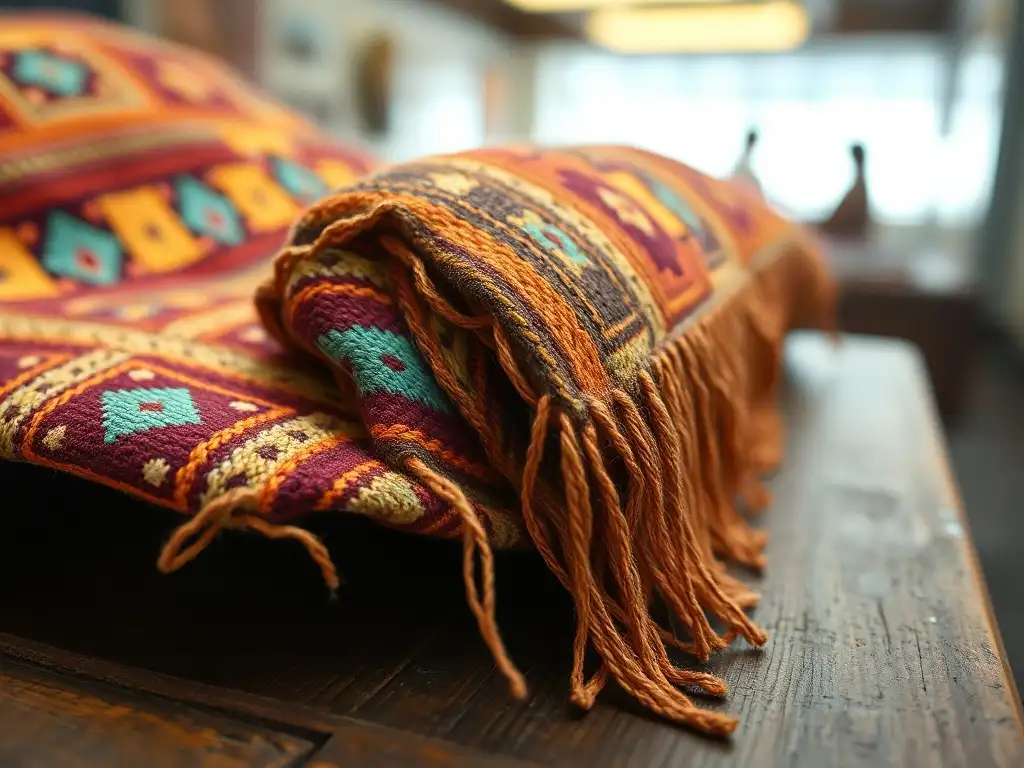
Nazca textiles represent a remarkable achievement in ancient Andean textile production, showcasing sophisticated weaving techniques and vibrant artistic expression. These textiles, often discovered within elite burials or ceremonial contexts, offer invaluable insights into the social structures, religious beliefs, and daily lives of the Nazca people (c. 100 BCE – 800 CE). Their preservation is crucial not only for understanding Nazca culture but also for safeguarding a significant part of Peru's cultural heritage. The intricate designs, vibrant colors, and the sheer technical skill involved in their creation make these artifacts highly prized by researchers and museums alike. Understanding the challenges and successes in Nazca textiles conservation techniques is paramount to ensuring their longevity for future generations. The fragility of these ancient artifacts necessitates the development and application of specialized conservation strategies. This section will delve into the cultural significance and unique characteristics of Nazca textiles, highlighting the importance of their preservation.
The Cultural Importance of Nazca Weavings
Nazca weavings were far more than simple clothing or household items; they held deep cultural and symbolic meaning. Many textiles depict intricate designs featuring stylized animals, plants, and geometric patterns, often interpreted as representations of deities, mythical creatures, or cosmological concepts. The use of specific colors and motifs likely carried social and religious significance, potentially indicating status, clan affiliation, or participation in specific rituals.
For example, the frequent depiction of the hummingbird, a creature associated with fertility and renewal, suggests its importance in Nazca cosmology. The careful arrangement of colors and motifs within the textile design suggests a highly structured and codified system of visual communication, a complex language woven into the very fabric of Nazca society. Analysis of burial contexts reveals that certain textiles were specifically associated with elite individuals, emphasizing their social standing within the community.
The intricate nature of the weaving itself also speaks to the high level of skill and craftsmanship held by Nazca artisans, highlighting the value placed on this particular art form. Further research is needed to fully elucidate the complex symbolism embedded within these remarkable weavings, but their importance within Nazca society is undeniable. The sheer artistry and cultural significance of these textiles make their preservation a critical undertaking.
Unique Characteristics of Nazca Textile Art
Nazca textiles are distinguished by their exceptional quality and the unique techniques employed in their creation. The use of camelid fibers, primarily alpaca and llama wool, allowed for the creation of incredibly fine and durable textiles. The Nazca mastered a variety of weaving techniques, including plain weave, tapestry weave, and gauze, often combining these techniques within a single piece to achieve complex visual effects.
The use of natural dyes derived from plants, minerals, and insects resulted in a stunning array of vibrant colors, many of which have remarkably survived the passage of time. The precision and intricacy of the designs, often incorporating multiple colors and fine details, are a testament to the skill and patience of Nazca weavers. Analyzing the fiber structure, dye composition, and weaving techniques provides crucial information about the technological advancements and artistic practices of the Nazca culture.
The presence of specific motifs, such as stylized feline figures or geometric patterns, allows for comparisons with other contemporary Andean cultures, furthering our understanding of regional interaction and cultural exchange. The study of these unique characteristics helps us to appreciate the artistry and technical mastery of Nazca weavers and to inform modern conservation efforts. The preservation of these unique characteristics is fundamental to understanding Nazca culture and technology.
Why Preserve Nazca Textiles?
The preservation of Nazca textiles is critical for several reasons. Firstly, these artifacts represent irreplaceable sources of information about Nazca culture and technology. Their study allows us to reconstruct aspects of Nazca daily life, religious beliefs, and social structures. Secondly, preserving these textiles safeguards a significant part of Peru's cultural heritage, ensuring that future generations can appreciate the artistry and ingenuity of this ancient civilization.
Thirdly, the application of effective Nazca textiles conservation techniques helps to protect these fragile artifacts from further deterioration, extending their lifespan and allowing for continued research and study. The deterioration of these textiles, due to factors like light exposure, humidity, and insect infestation, poses a significant threat to their long-term survival. Therefore, the development and implementation of appropriate conservation strategies are paramount.
The loss of these invaluable artifacts would represent an irreplaceable loss to our understanding of Andean history and culture. Hence, ongoing efforts in the field of Nazca textiles conservation techniques are essential for the continued preservation of this significant cultural legacy. The long-term preservation of these textiles ensures the continuation of their study and appreciation for years to come.
Challenges in Conserving Ancient Nazca Textiles
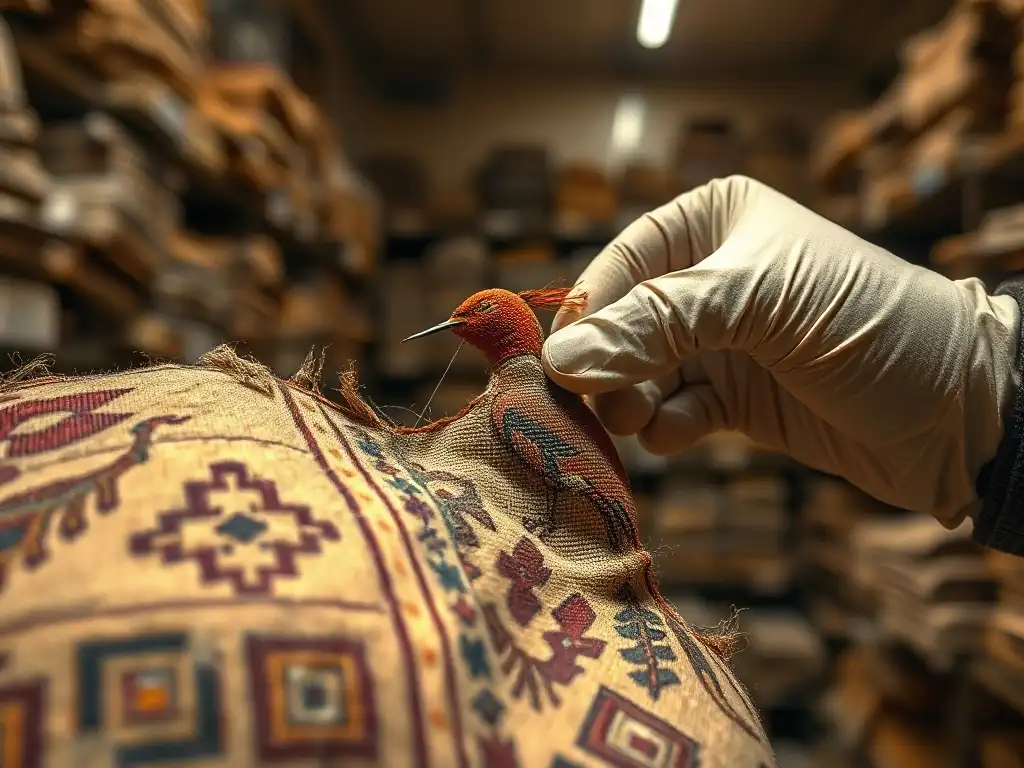
The preservation of ancient Nazca textiles presents a unique set of challenges demanding specialized knowledge and techniques. These delicate artifacts, often hundreds, if not thousands, of years old, are susceptible to a multitude of degrading factors. Successful Nazca textiles conservation techniques require a multi-faceted approach, addressing environmental threats, material decay, and the inherent fragility of the fabrics themselves.
Understanding these challenges is crucial for developing effective long-term preservation strategies. The goal isn't just to maintain the textiles' current state, but to ensure their continued accessibility for future generations of researchers and the public, allowing continued appreciation of the artistry and cultural significance of these remarkable pieces.
Environmental Factors Affecting Textile Preservation
Environmental conditions play a significant role in the deterioration of Nazca textiles. Fluctuations in temperature and relative humidity are particularly damaging. High temperatures can accelerate the rate of chemical reactions within the fibers, leading to embrittlement and weakening. Conversely, high humidity promotes the growth of mold and mildew, which can cause irreversible damage to the textile structure and color.
Light exposure, especially ultraviolet (UV) radiation, is another major culprit. UV rays break down the chemical bonds in the fibers, leading to fading, weakening, and discoloration. This is especially detrimental to the vibrant dyes used in Nazca textiles, many of which are derived from natural sources and particularly vulnerable to light degradation.
Furthermore, the presence of pollutants in the air, such as sulfur dioxide and nitrogen oxides, can accelerate the deterioration process through chemical reactions with the textile fibers. Careful environmental control, including stable temperature and humidity levels, minimal light exposure, and filtration of pollutants, is paramount for effective long-term preservation. The ideal environment mimics the stable conditions found deep within the earth where many of these artifacts were initially protected.
Material Degradation in Nazca Textiles: A Closer Look
The inherent materials of Nazca textiles contribute significantly to their vulnerability. The fibers themselves, often cotton or camelid wool, are susceptible to degradation over time. Cotton fibers are prone to hydrolysis, a process where water molecules break down the cellulose chains, leading to weakening and embrittlement. Camelid wool, while more resilient, is still vulnerable to degradation from environmental factors and insects.
The dyes used in Nazca textiles are another point of concern. Many of these dyes are natural pigments derived from plants, minerals, or insects. These natural dyes are often less stable than synthetic dyes and are prone to fading, leaching, and color changes over time.
Furthermore, the techniques used in the past to dye and process the fibers might have introduced weaknesses into the textile structure that are now exacerbated by time and environmental exposure. A detailed analysis of the textile's material composition is therefore essential for developing appropriate conservation strategies. This involves identifying the specific fibers, dyes, and other materials used, understanding their chemical properties, and assessing their current state of degradation.
Handling and Storage Issues of Delicate Fabrics
The physical handling and storage of Nazca textiles pose significant challenges. These textiles are incredibly fragile, and even minor handling can cause damage. Improper handling can lead to fiber breakage, tears, and the abrasion of delicate surface details. The sheer weight of the textile itself can cause stress and deformation, especially in larger pieces.
Storage is equally critical. Inappropriate storage conditions can lead to pest infestation, physical damage from compression or crushing, and deterioration from environmental factors. Ideally, textiles should be stored in acid-free archival boxes in a controlled environment. The textiles should be supported to prevent stress and deformation, and any handling should be conducted by trained professionals wearing appropriate protective gear.
Careful documentation of handling and storage procedures is essential to track the condition of the textiles over time and to inform future conservation efforts. This meticulous approach ensures that these irreplaceable pieces of history are treated with the respect and care they deserve, preserving them for generations to come. Proper handling and storage protocols are as vital as environmental control and material analysis in achieving long-term preservation of Nazca textiles. The development and implementation of standardized procedures are crucial for the ongoing success of Nazca textiles conservation techniques.
Nazca Textiles Conservation Techniques: A Detailed Overview
This section delves into the specific techniques employed in the crucial work of Nazca textiles conservation. The fragility of these ancient artifacts demands meticulous and specialized approaches, balancing the need for preservation with the desire to understand and appreciate their intricate designs and cultural significance. The preservation of these textiles is paramount for understanding the sophisticated artistry and societal structures of the Nazca civilization. Effective Nazca textiles conservation techniques are essential to safeguarding this invaluable piece of cultural heritage for future generations.
Examination and Documentation of Nazca Textiles
Before any cleaning or intervention, a thorough examination and meticulous documentation of the Nazca textiles are paramount. This crucial first step involves a multi-faceted approach, combining visual inspection with advanced analytical techniques. The goal is to create a comprehensive record of the textile's current condition, identifying areas of damage, degradation, and potential instability. This detailed assessment informs all subsequent conservation strategies.
The initial visual examination assesses the textile's overall integrity, noting any tears, holes, loose threads, stains, or areas of discoloration. Detailed notes are recorded, often accompanied by precise sketches or high-resolution digital photography. This provides a baseline for tracking changes during and after treatment.
Further analysis may involve the use of microscopy to examine fiber structure and identify the materials used in the weaving process. This can reveal valuable information about the dyes, techniques, and the overall quality of the original materials. Fiber analysis can also help determine the level of degradation and identify potential sources of damage.
For example, microscopic examination might reveal the presence of insect infestation or the effects of environmental factors like humidity and light exposure. This detailed documentation helps researchers understand the textile's history and the best methods for its ongoing preservation. Specific data points, such as fiber type (e.g., cotton, camelid wool), dye composition, and weaving techniques, are carefully recorded in a comprehensive database.
Cleaning Methods for Ancient Nazca Weavings
Cleaning Nazca textiles requires a delicate balance between removing harmful contaminants and avoiding further damage to the already fragile materials. The selection of cleaning methods depends heavily on the type and extent of soiling, the textile's material composition, and its overall condition. Two primary approaches are used: dry cleaning and wet cleaning. Each method has its advantages and disadvantages, and the choice often involves a careful evaluation of the risks and potential benefits. The overarching principle is to minimize intervention, opting for the least invasive method that achieves the desired level of cleaning.
Dry Cleaning Techniques for Delicate Textiles
Dry cleaning methods are generally preferred for delicate Nazca textiles, as they minimize the risk of water damage and fiber degradation. These techniques typically involve the use of specialized vacuuming systems to remove loose surface dirt and debris. Compressed air, applied carefully and with precision, can also be used to dislodge particulate matter from within the textile's structure. In some cases, low-pressure suction may be employed to gently remove embedded soil.
The selection of appropriate tools and techniques is crucial; improper handling can cause irreversible damage to the fragile fibers. For example, the use of overly strong suction could pull loose threads or damage delicate areas. Regular monitoring during the cleaning process is essential to ensure the safety and integrity of the artifact.
Wet Cleaning Approaches for Nazca Fabrics
Wet cleaning is a more invasive approach and is generally reserved for cases where dry cleaning methods prove insufficient. This involves the use of carefully selected solvents and water, applied with extreme caution. The process typically begins with testing on a small, inconspicuous area of the textile to assess the materials' response to the cleaning solution. The selection of cleaning agents is critical; they must be compatible with the textile fibers and dyes to avoid any discoloration or damage.
The cleaning solutions are carefully applied, often using specialized tools like soft brushes or sponges, to gently lift embedded soil and stains. Following the cleaning, the textile is carefully rinsed and stabilized to prevent further deterioration. The entire process is meticulously documented, noting the solutions used, the duration of treatment, and any observed changes in the textile's condition.
This detailed record is crucial for future researchers and conservators. The process is often slow and painstaking, requiring significant expertise and patience. The drying process also needs careful control to avoid warping or damage to the fabric.
Stabilization and Support Techniques for Nazca Textiles
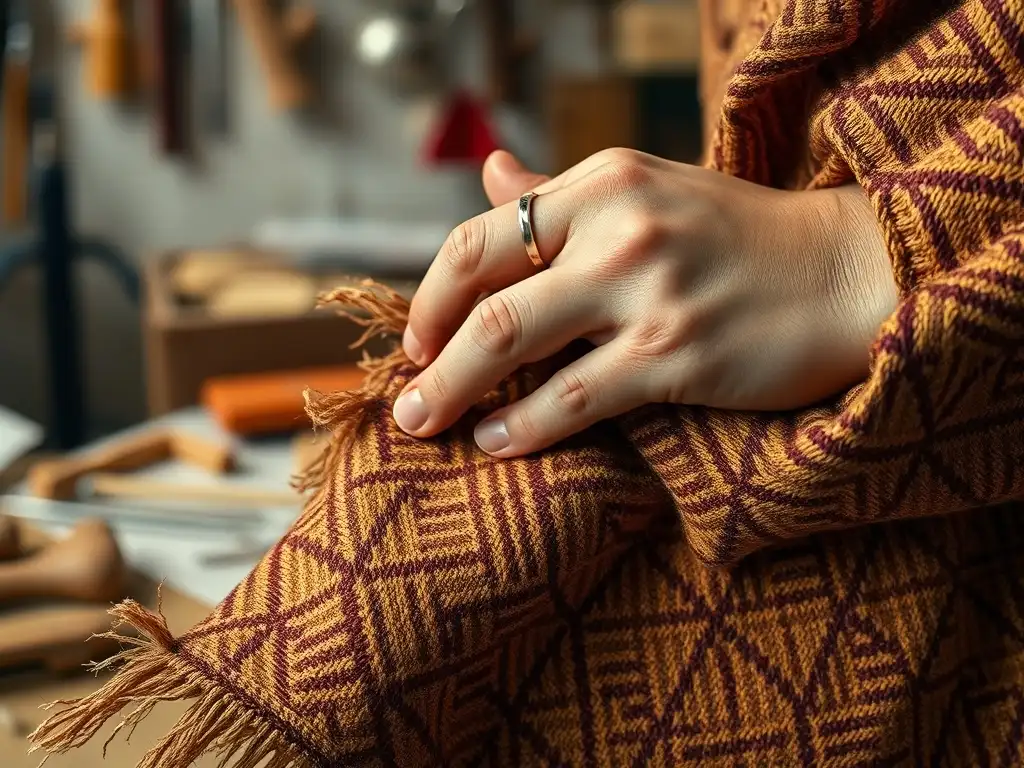
The fragility of Nazca textiles necessitates careful stabilization before any further conservation work. These ancient fabrics, often made from camelid fibers like alpaca or vicuña, are susceptible to damage from factors like age, environmental exposure, and previous handling. Stabilization aims to arrest further deterioration and prepare the textile for more involved treatments. This often involves carefully cleaning the textile to remove loose dirt and debris using specialized vacuuming techniques and, in some cases, gentle dry brushing.
The choice of cleaning method depends heavily on the textile's condition and the type of soiling present. For severely deteriorated textiles, a more conservative approach, possibly involving only minimal surface cleaning, might be necessary to avoid further damage. Following cleaning, the textile may be supported using techniques like controlled humidification to relax the fibers and reduce stress on weakened areas.
This process is often monitored closely to prevent excessive moisture from causing further damage. The goal is to gently relax the fibers, allowing them to return to a more stable state without causing irreversible harm. Careful documentation of every step is crucial for future researchers and conservators.
Stitching and Mounting Techniques for Damaged Textiles
Stitching and mounting are crucial for supporting fragile Nazca textiles. Different stitching techniques are employed depending on the type and extent of damage. For small tears, invisible mending techniques using fine threads that closely match the original fiber color and weight are preferred. Larger tears or holes may require more visible stitching, but conservators strive to minimize the visual impact of the repairs.
The choice of thread is critical; it must be strong yet flexible enough to allow for movement and prevent further damage to the fragile fibers. The use of archival-quality, acid-free threads is paramount to prevent future deterioration. Mounting techniques provide additional support, especially for textiles that are too fragile to handle without support. This might involve carefully attaching the textile to a backing material, such as acid-free linen or Japanese tissue paper, using archival-quality adhesives.
The mounting process requires a delicate touch to prevent damage to the textile. The choice of adhesive is crucial; it must be reversible, allowing for future removal without causing harm to the artifact. The aim is to provide support without obscuring the textile itself.
The Use of Supporting Materials in Textile Conservation
The selection of supporting materials is crucial in Nazca textile conservation, as these materials directly interact with the artifact and can impact its long-term preservation. The use of acid-free Japanese tissue paper is a common practice, providing a light yet supportive layer over delicate areas. This thin, translucent paper allows for the textile's details to remain visible while offering crucial support.
Other materials, such as acid-free linen or silk, can be used depending on the textile's condition and the specific needs of the conservation process. The key is to choose materials that are inert, meaning they won't react with the textile fibers and cause further deterioration. These materials should also be strong yet flexible enough to support the textile without causing stress or strain.
Their color should be chosen carefully, aiming for neutrality to avoid any visual distraction from the textile itself. The application of these supporting materials often involves careful hand stitching or the use of reversible adhesives, ensuring the support is secure yet removable if needed.
Repair and Restoration of Nazca Textile Fragments
The repair and restoration of fragmented Nazca textiles is a complex and delicate process, requiring expertise and patience. Conservators often begin by carefully cleaning and stabilizing individual fragments before attempting any reassembly. This involves meticulous examination of each fragment to assess its condition and identify any potential problems.
The fragments are then carefully compared and matched based on their weave structures, colors, and patterns. The reassembly process itself is often painstaking, requiring the use of fine needles, archival-quality threads, and gentle hand techniques. Sometimes, gaps between fragments are too large to be directly stitched together.
In such cases, conservators might use carefully chosen infill materials to bridge the gap, ensuring these additions are easily distinguishable from the original textile. The goal is not to create a perfect replica but to stabilize the fragments and present them in a way that allows for accurate study and appreciation of the original artifact. Ethical considerations, discussed in the next section, heavily influence the approach taken during this stage.
Ethical Considerations in Textile Restoration
Ethical considerations are paramount in Nazca textile restoration. The primary goal is to preserve the artifact for future generations, minimizing any interventions that could damage or alter its original integrity. Decisions about repair and restoration techniques should be made with careful consideration of the potential long-term impacts. Complete reconstruction of missing sections is generally avoided; instead, the focus is on stabilizing existing fragments and presenting them in a way that is historically accurate and informative.
Transparency is key; detailed records of all conservation treatments, including materials used and techniques employed, should be meticulously documented to allow future researchers to understand the history of the artifact's conservation. Furthermore, any interventions should be reversible, allowing for future adjustments or removal if new techniques or understanding emerges. This approach ensures that the artifact is preserved in a manner that respects its cultural significance and allows for future study and interpretation.
Choosing Appropriate Repair Materials
Selecting appropriate repair materials is crucial for the long-term preservation of Nazca textiles. The materials must be chemically inert, meaning they won't react with the textile fibers and cause deterioration. They should also be strong enough to provide support but flexible enough to avoid putting undue stress on the fragile fibers.
Archival-quality materials are preferred, specifically those that are acid-free and lignin-free. These materials are designed to minimize the risk of acid hydrolysis, a common cause of deterioration in textile fibers. Examples of commonly used materials include acid-free Japanese tissue paper, linen, and silk.
The color of the repair materials should be carefully chosen; ideally, they should be neutral and unobtrusive, minimizing their visual impact on the original textile. The choice of adhesive is also critical; reversible adhesives are often preferred, allowing for future removal of the repair materials without damage to the artifact. Thorough testing of all materials is essential before their application to the textile to ensure compatibility and prevent any adverse reactions.
Storage and Display Solutions for Preserved Nazca Textiles
The preservation of delicate Nazca textiles requires meticulous attention to storage and display. Optimal conditions are crucial to prevent further deterioration from factors like light exposure, humidity fluctuations, and pest infestations. Museums and archives employ a multi-pronged approach to ensure long-term preservation. This includes the use of specialized storage containers, often constructed from acid-free materials such as archival-quality cardboard or inert plastics.
These containers are designed to minimize contact with the textiles, often using supports of acid-free tissue paper or cotton padding to prevent creasing and abrasion. Furthermore, the textiles are typically stored flat, within acid-free enclosures, to avoid undue stress on the fibers. For display, museums utilize controlled-environment display cases, minimizing light exposure through the use of UV-filtering glass and low-intensity, LED lighting. Rotation of displayed textiles is a common practice, limiting the cumulative exposure time for any single piece.
The aim is to balance the need for public access with the imperative of minimizing environmental degradation. Careful consideration is also given to the materials used in display cases, ensuring they are inert and won't react with the textiles. The overall goal is to create a stable and protective environment that slows down the natural aging process and prevents any further damage.
Climate Control and Environmental Monitoring
Maintaining stable environmental conditions is paramount in Nazca textile conservation. Fluctuations in temperature and relative humidity can significantly accelerate fiber degradation, leading to weakening, embrittlement, and ultimately, irreversible damage. Climate control systems within storage facilities and display areas are carefully calibrated to maintain optimal levels. Typically, this involves maintaining a relatively cool temperature, usually between 65°F and 70°F (18°C and 21°C), and a low, stable relative humidity, generally around 45-55%.
Continuous environmental monitoring is essential. Sophisticated sensors track temperature and humidity levels, recording data at regular intervals. This data provides a comprehensive record of environmental conditions and allows for the prompt identification and correction of any deviations from the ideal parameters.
Modern monitoring systems often include alarm systems that alert staff to any significant changes, allowing for immediate intervention to prevent damage. This proactive approach significantly reduces the risk of textile degradation due to environmental factors, ensuring the long-term preservation of these invaluable artifacts. The use of data loggers provides an invaluable audit trail, allowing researchers to correlate environmental conditions with any observed changes in the textile condition over time.
Safe Handling Protocols for Nazca Textile Storage
The physical handling of Nazca textiles requires the utmost care and adherence to strict protocols. These fragile artifacts are extremely susceptible to damage from even slight stress or improper handling. Before any handling occurs, personnel must wear clean, cotton gloves to prevent the transfer of oils, dirt, or other contaminants from their hands to the textiles. Textiles are typically handled only when absolutely necessary, and then with extreme gentleness.
Any lifting or moving is done with appropriate support, minimizing stress on the delicate fibers. Proper lifting techniques, using supports under the entire textile to avoid uneven stress, are crucial. Detailed written procedures outline the correct handling methods, which are thoroughly taught to all personnel involved in the storage and management of the collection.
Regular training sessions reinforce these protocols, emphasizing the fragility of the textiles and the potential consequences of improper handling. Furthermore, the use of archival-quality materials for any support or storage is strictly enforced, ensuring that no harmful chemicals or substances come into contact with the textiles. The goal is to minimize human intervention and prevent any accidental damage during handling, storage, or movement.
The Role of Technology in Modern Textile Conservation
Technological advancements have revolutionized Nazca textile conservation, offering increasingly sophisticated tools and techniques for preservation and analysis. Digital imaging, for example, allows for the non-invasive documentation of textile condition, creating detailed records that track changes over time. Multispectral imaging and X-ray fluorescence (XRF) spectroscopy provide insights into the dyes and pigments used, revealing information about the textile's creation and the materials employed. These techniques allow researchers to study the textiles without causing any damage.
Furthermore, advanced environmental control systems, incorporating sophisticated sensors and automated climate control, ensure the maintenance of optimal storage conditions. The use of specialized software allows for detailed monitoring and analysis of environmental data, providing early warning of any potential problems. The development of new, environmentally stable materials for storage and display also plays a vital role.
Research continues into the development of even more effective preservation methods, employing advanced materials and techniques to ensure the long-term survival of these invaluable cultural artifacts. The ongoing integration of technology into Nazca textile conservation guarantees that these fragile treasures will be protected for generations to come, offering future researchers and the public access to these remarkable works of art. This continuous innovation ensures that conservation efforts remain at the forefront of the field, leveraging the best available technology for optimal preservation.
Understanding the Materials of Nazca Textiles

The remarkable preservation of Nazca textiles offers invaluable insights into the sophisticated craftsmanship and artistic sensibilities of this ancient Andean civilization. Understanding the materials used is crucial for effective Nazca textiles conservation techniques. The textiles themselves are a testament to both the ingenuity of the Nazca people in utilizing readily available resources and their deep understanding of natural processes for creating vibrant and durable fabrics.
This section delves into the key components of Nazca textiles: the fibers, the dyes, and the binding agents. By analyzing these elements, conservators can develop targeted strategies to ensure the long-term preservation of these fragile yet stunning artifacts.
Fiber Analysis of Nazca Textiles: Cotton and Alpaca
The primary fibers used in Nazca textiles are cotton and alpaca. Cotton, grown abundantly in the coastal valleys, provided a soft, absorbent, and relatively strong fiber ideal for weaving various types of cloth. Microscopic analysis reveals the characteristic features of Gossypium barbadense, a long-staple cotton known for its superior quality. The use of cotton is evident in many preserved garments, tapestries, and fragments found in Nazca tombs and sites.
Alpaca, on the other hand, provided a finer, warmer, and stronger fiber, often used in conjunction with cotton or alone for specific applications. The relative proportions of cotton and alpaca in a given textile often varied depending on the intended use and the desired texture and warmth. For example, garments intended for colder, higher altitudes might incorporate a higher percentage of alpaca, while lighter clothing used in warmer coastal areas would primarily use cotton.
Analyzing the fiber composition allows conservators to understand the specific challenges faced in preserving each textile, as cotton and alpaca react differently to environmental factors and degradation processes. Careful identification of the fiber blend is, therefore, a crucial first step in developing appropriate Nazca textiles conservation techniques.
Natural Dyes Used in Nazca Textile Production
The vibrant colors of Nazca textiles are a testament to the mastery of natural dyes. A wide range of hues, from deep reds and oranges to subtle yellows and greens, were achieved using a variety of plant and insect-based dyes. These dyes were carefully extracted and processed, often involving complex techniques that required specialized knowledge and skill.
Detailed chemical analysis of the dyes has revealed the use of cochineal insects for reds, various plants for yellows and greens, and possibly minerals for browns and blacks. The precise identification of the plant sources remains an ongoing area of research, as many of the dyes are now difficult to definitively identify without further scientific analysis.
However, the use of natural dyes presents unique challenges for conservation, as these dyes are often sensitive to light, humidity, and changes in pH. Understanding the specific dye composition is therefore crucial for developing appropriate conservation strategies that minimize fading and degradation.
Identification of Pigments and Mordants
Beyond the dyes themselves, the successful application of color to the fibers depended on the use of mordants. Mordants are substances that bind the dye to the fiber, improving colorfastness and preventing fading. In Nazca textiles, evidence suggests the use of both mineral and vegetable mordants.
These mordants were likely applied before dyeing, allowing for a more permanent and vibrant color. Identifying the specific mordants used is crucial for effective conservation, as the interaction between the dye, the fiber, and the mordant influences the textile's susceptibility to degradation. For example, the use of certain metallic mordants can lead to metal corrosion over time, impacting both the color and the structural integrity of the textile.
Therefore, a thorough understanding of the pigments and mordants is paramount for developing effective and targeted Nazca textiles conservation techniques, ensuring the longevity of these invaluable cultural artifacts. Further research into the specific mordants employed by Nazca artisans would significantly enhance our understanding of their sophisticated dyeing practices.
Case Studies in Nazca Textile Conservation
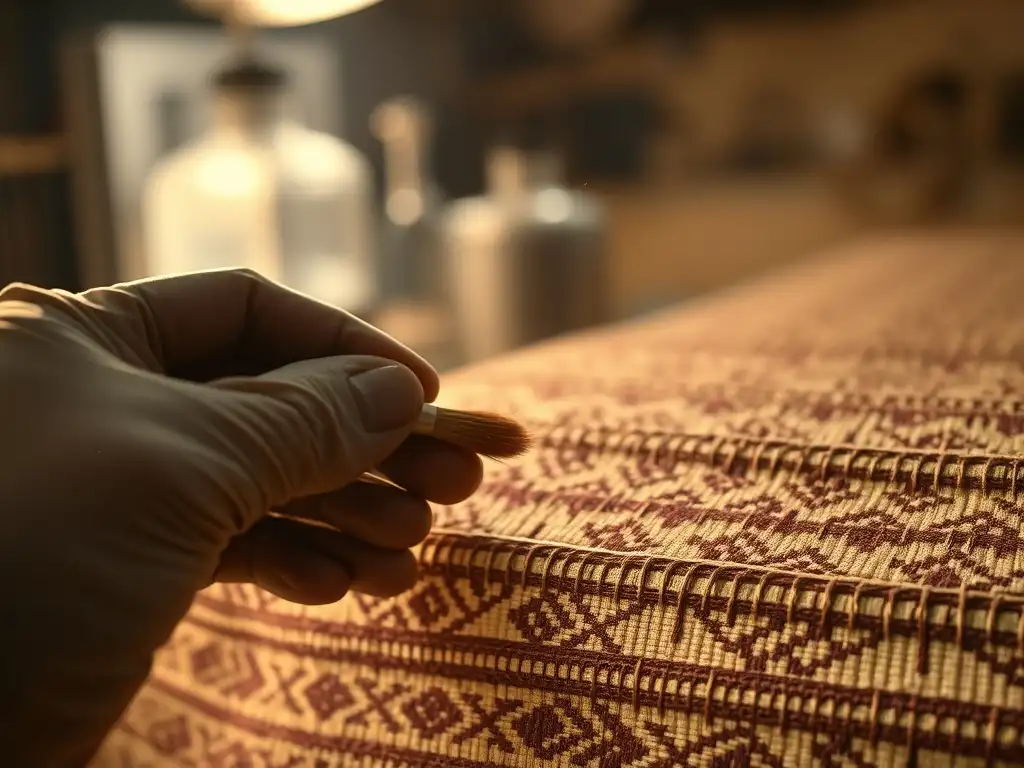
This section delves into specific examples of Nazca textiles conservation, highlighting the challenges and successes encountered in preserving these fragile artifacts. Understanding these case studies provides crucial insights into the complexities of Nazca textiles conservation techniques and informs best practices for future projects. The delicate nature of these ancient textiles demands meticulous attention to detail and a multidisciplinary approach. We will examine specific examples to illustrate these points.
Conservation of the Paracas Textile Mantle at the British Museum
The Paracas textile mantle, while not strictly Nazca, offers valuable parallels in terms of material, age, and degradation patterns. Its conservation provides a compelling case study for understanding the challenges inherent in preserving ancient Andean textiles. The mantle, a stunning example of Paracas artistry (ca. 200 BCE – 200 CE), suffered significant damage from age, exposure to environmental factors, and previous, less sophisticated conservation attempts.
The British Museum's conservation project involved a multi-stage process. Initially, a thorough assessment was undertaken using various non-invasive techniques, including digital photography, X-ray fluorescence (XRF) spectroscopy, and fiber optic microscopy. This allowed conservators to carefully map the extent of damage, identify the types of fibers used (likely camelid), and analyze the composition of dyes. This detailed analysis was crucial in determining the most appropriate conservation strategies.
Subsequent stages focused on stabilization and repair. Areas of significant fragility were consolidated using carefully selected adhesives, ensuring minimal impact on the original material. Tears and losses were repaired using techniques that minimized visual impact, often employing supplementary materials that closely matched the original in color and texture. The entire process was meticulously documented, including detailed photographic records and written reports. The project underscored the importance of a holistic approach, integrating scientific analysis with traditional conservation skills to achieve optimal preservation.
Analysis of Challenges and Successes in the Paracas Mantle Project
The Paracas mantle project highlights both the significant challenges and remarkable successes achievable in Nazca textiles conservation techniques. One major challenge was the inherent fragility of the textile itself. The age and exposure to environmental factors had weakened the fibers, making even gentle handling potentially damaging. The project team effectively addressed this by employing extremely careful handling procedures and utilizing specialized equipment, such as micro-spatulas and fine-tipped brushes.
Another challenge involved the complex interaction of different materials within the textile. The dyes, often natural pigments derived from plants and minerals, had faded and degraded in some areas, while others remained remarkably vibrant. The conservation team had to carefully consider the chemical interactions between different parts of the textile to avoid unintended consequences. The success of the project lies in its meticulous planning and execution, using a combination of traditional and modern techniques.
The project's success can be measured not only in the improved condition of the mantle but also in the valuable knowledge gained. The meticulous documentation and analysis of the conservation process have created a valuable resource for future projects. This detailed record allows other conservators to learn from the successes and failures, contributing to the ongoing development of best practices in Nazca textiles conservation techniques.
The project serves as a powerful testament to the potential for preserving these irreplaceable cultural treasures for future generations. The careful application of conservation science and traditional skills ensured the long-term survival of this significant artifact, providing a valuable model for future efforts in preserving the rich textile heritage of the Andean region.
Future Directions in Nazca Textile Preservation
The preservation of Nazca textiles is an ongoing challenge demanding innovative approaches and collaborative efforts. While significant strides have been made in understanding and implementing effective conservation techniques, the fragility of these ancient artifacts necessitates a continuous pursuit of improvement and refinement. This section explores promising avenues for future research and application in Nazca textiles conservation.
New Technologies and Research in Textile Conservation
The field of textile conservation is constantly evolving, with new technologies offering exciting possibilities for the preservation of delicate Nazca textiles. Advanced imaging techniques, such as multispectral imaging and X-ray fluorescence (XRF) spectroscopy, allow for non-invasive analysis of the textiles' composition and degradation processes. This detailed information is crucial for developing targeted conservation strategies.
For example, XRF can identify the specific types of dyes used, providing insights into the techniques and materials employed by Nazca artisans. This data, combined with advanced material science research, can lead to the development of more effective and tailored cleaning and stabilization methods. Furthermore, the use of 3D scanning and modeling offers the potential to create accurate digital replicas of fragile textiles, allowing for broader access to study and appreciation without risking further damage to the originals.
The development of biodegradable and reversible conservation materials is also a crucial area of research, ensuring that future interventions do not compromise the long-term integrity of the textiles. Specifically, research into new adhesives and consolidants that mimic the properties of original materials is vital for minimizing adverse interactions. The application of nanotechnology in textile conservation is another promising area for future investigation, potentially offering solutions for strengthening weakened fibers and preventing further degradation.
Community Involvement in Preservation Efforts
Effective Nazca textiles conservation requires a multi-faceted approach that incorporates the expertise and engagement of local communities. These communities are often the custodians of traditional knowledge related to the textiles, possessing valuable insights into their historical context, use, and even potential care methods. Active participation from local communities is essential not only for ethical reasons but also to ensure the long-term sustainability of preservation efforts.
This can involve training programs focused on basic textile care and handling, as well as collaborative research projects. Involving local artisans in the conservation process can also lead to the development of sustainable income generation opportunities, creating a positive feedback loop that encourages continued community support for preservation initiatives. Furthermore, community engagement can help foster a greater sense of ownership and pride in the Nazca textile heritage, leading to increased public awareness and a stronger commitment to their protection.
This participatory approach is crucial for ensuring that conservation efforts are culturally sensitive and respectful of local traditions. By empowering local communities, we can build a more resilient and sustainable framework for safeguarding these irreplaceable artifacts for generations to come.
The Importance of Continued Research on Nazca Textiles
The ongoing study of Nazca textiles is paramount to the success of any conservation strategy. Continued research is needed to deepen our understanding of the materials, techniques, and degradation processes impacting these fragile artifacts. Further investigation into the dyes and pigments used by Nazca artisans is crucial, as is the study of the textile structures and weaving techniques. This research can inform the development of more effective and targeted conservation methods, minimizing the risk of damage during treatment.
Long-term monitoring of conserved textiles is also essential to assess the effectiveness of different conservation strategies and to identify any potential long-term issues. This requires the development of standardized protocols for documenting the condition of the textiles and tracking changes over time. The establishment of a comprehensive database of Nazca textile conservation treatments, along with their outcomes, would be invaluable for future researchers and conservators.
By fostering a collaborative environment among researchers, conservators, and community members, we can ensure the continued protection and appreciation of this remarkable cultural heritage. The preservation of Nazca textiles is not merely a technical challenge; it is a responsibility to future generations, demanding a sustained and collaborative commitment to research and preservation efforts. The vibrant colors and intricate designs of these ancient textiles represent a significant piece of human history, and their preservation ensures that their stories continue to resonate for centuries to come.
Frequently Asked Questions
What are the biggest challenges in conserving Nazca textiles?
The biggest challenges include degradation from age and environmental factors, such as humidity and light exposure. Fragile materials and the complexity of the textile structures also pose significant difficulties.
What materials are typically used in Nazca textile conservation?
Conservators utilize a range of materials, including specially formulated adhesives, supports for fragile areas, and controlled environment chambers to stabilize and preserve the textiles. Natural fibers are sometimes preferred where possible.
What are some of the common conservation techniques employed?
Common techniques include cleaning with gentle methods, repairing tears and holes, pest control, and proper storage in controlled environments. Careful documentation of each step is also crucial.
How do conservation efforts help us understand Nazca culture?
Conserving Nazca textiles allows us to preserve a vital part of their cultural heritage. The textiles provide invaluable insights into their artistic skills, social structures, and daily life. The vibrant colors and intricate designs tell compelling stories.
Where can I learn more about Nazca textile conservation techniques?
You can find more information through academic journals, museum websites, and specialized publications on Andean textile conservation. Contacting museums and research institutions that specialize in Andean artifacts is also a valuable resource.
Final Reflection: The Enduring Legacy of Nazca Textiles
The meticulous conservation of Nazca textiles is not merely an act of preservation; it's a vital bridge connecting us to a lost civilization and a testament to the enduring power of human creativity. These fragile artifacts, imbued with the vibrant spirit of a vanished culture, offer invaluable insights into their society, beliefs, and artistic mastery. Their survival, however, depends entirely on our commitment to safeguarding them for future generations.
The ongoing challenge of Nazca textile conservation highlights the delicate balance between scientific advancement and cultural sensitivity. The techniques discussed throughout this article represent a continuous evolution, driven by both technological innovation and a deeper understanding of the textiles' unique composition and vulnerabilities. The past is never dead. It's not even past,
wrote William Faulkner, and this rings profoundly true when considering the responsibility we bear towards these ancient treasures. Their continued existence allows us to engage with a rich history, fostering a sense of connection to our shared human heritage.
Consider the intricate designs, the vibrant colors, the stories woven into the very fabric of these textiles. They are not simply objects; they are windows into a world lost to time. Take a moment to reflect on the impact of this knowledge. How can you, in your own way, contribute to the preservation of cultural heritage? Whether it's supporting museums, advocating for responsible tourism, or simply sharing the beauty and significance of these artifacts with others, your actions can make a difference in ensuring that the legacy of Nazca textiles continues to inspire and educate for centuries to come.
**Embrace the Legacy of Nazca: Take Action! **
Thank you for joining us on this enlightening journey into the intricate world of Nazca textile conservation. We hope you've gained valuable insights into the importance of preserving these remarkable artifacts and the rich cultural history they represent. Now, it's time to act!
Here's how you can contribute to the preservation of Nazca textiles and their stories:
- **Support local conservation efforts:** Volunteer with organizations dedicated to textile preservation. Your time and skills can make a significant difference.
- **Share your knowledge:** Discuss the fascinating history and cultural significance of Nazca textiles with friends, family, and online communities to raise awareness and appreciation for this invaluable cultural heritage.
- **Expand your knowledge:** Explore online resources, such as courses and workshops on textile conservation, to deepen your understanding and skills.
What aspect of Nazca textile conservation most captivates you, and how do you plan to contribute to its enduring legacy?