
Andean Metallurgy and Medicine: The Healing Properties of Metals

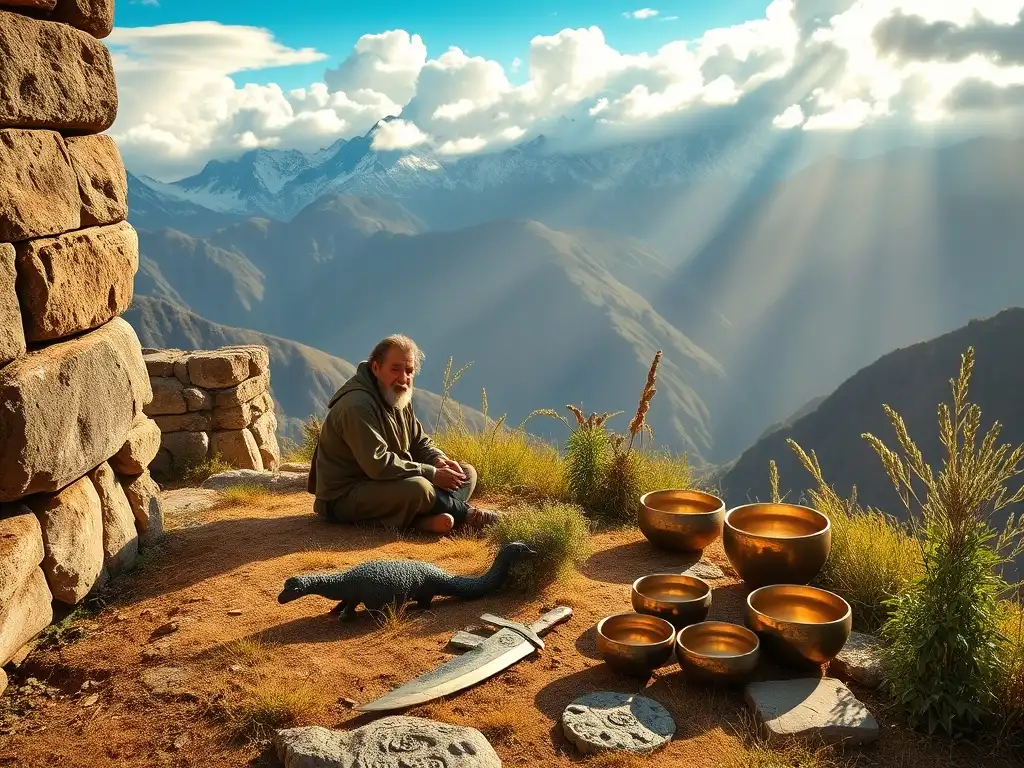
Uncover the secrets whispered through the ages! Journey into the heart of the Andes and discover a world where artistry and healing intertwined. For centuries, the ancient Andean civilizations, from the Incas to the Nazca, harnessed the power of metals, imbuing them with more than just aesthetic beauty. Prepare to be amazed by the intriguing Andean metal healing properties – a testament to their advanced understanding of both metallurgy and medicine. Explore this fascinating intersection of technology and tradition; your journey into the mysteries of Andean innovation begins now.
The Andes Mountains, a spine of towering peaks stretching along the western coast of South America, were home to a dazzling array of pre-Columbian civilizations. These cultures, including the Incas, Moche, Nazca, and Tiahuanaco, not only developed sophisticated agricultural techniques and intricate textiles but also achieved remarkable advancements in metallurgy, forging a deep connection between their advanced metalworking and their understanding of medicine. This article delves into the fascinating intersection of Andean metallurgy and medicine, exploring the beliefs and practices surrounding the purported healing properties of various metals.
We will examine specific examples, revealing how these ancient Andean peoples harnessed the power of metals—gold, silver, copper, and their alloys—to treat ailments and enhance well-being, showcasing a remarkable synergy between technological prowess and medical understanding that continues to fascinate researchers today. The exploration of "Andean metal healing properties" reveals a complex interplay of scientific knowledge and spiritual beliefs.
Gold: The Metal of the Gods and Healing
Gold, a metal synonymous with divinity and power in many cultures, held a particularly significant place in Andean cosmology. Considered the "sweat of the sun," gold was believed to possess potent healing energies. Ancient Andean texts, though largely fragmented and requiring further interpretation, suggest that gold was used not only for adornment but also in medicinal practices.
Archaeological evidence supports this, with the discovery of gold leaf applied to wounds, possibly for its antiseptic properties or as a symbolic gesture to invoke healing powers. Furthermore, the use of gold in ceremonial objects associated with healing rituals strongly indicates its medicinal significance.
Detailed analysis of these objects, including their composition and the presence of any other medicinal substances, is ongoing, and will further illuminate the specific applications of gold in Andean healing practices. The enduring allure of gold, both for its aesthetic beauty and its perceived healing capabilities, underscores its central role in Andean culture and medicine.
Silver: Purity and Protection from Illness
Unlike gold's association with the sun, silver was often linked to the moon and water, symbolizing purity and protection. In Andean medicinal practices, silver was believed to possess purifying properties, capable of warding off illness and evil spirits. This belief is reflected in the discovery of silver amulets and ornaments buried with the deceased, suggesting a belief in their continued protective function in the afterlife.
Moreover, silver was incorporated into various medicinal concoctions, its purported antimicrobial properties possibly contributing to its efficacy. While further research is necessary to fully understand the specific medicinal applications of silver, the widespread use of this metal in Andean rituals and burial practices firmly establishes its importance in their healing traditions. The association of silver with lunar energy and its perceived protective qualities make it a crucial element in understanding Andean medicinal beliefs.
Copper and its Alloys: A Versatile Metal in Andean Medicine
Copper, readily available in the Andes, was another key metal used in Andean metallurgy and medicine. Its malleability allowed for the creation of a wide range of tools and implements, including surgical instruments. The use of copper alloys, such as bronze, further expanded the possibilities for crafting tools and ornaments with specific properties. While the exact methods of using copper and its alloys in medicinal practices remain somewhat obscure, archaeological findings suggest their use in treating wounds and ailments.
The presence of copper-based compounds in some artifacts hints at possible antiseptic or anti-inflammatory applications. Further investigation into the chemical composition of these artifacts, coupled with ethnographic studies of surviving Andean traditions, is needed to fully understand the role of copper and its alloys in Andean medicine. The versatility of copper and its alloys makes it a significant focus in ongoing research into Andean healing practices.
The Symbolic Power of Metal in Andean Healing
Beyond the potential physical properties of metals, their symbolic significance played a crucial role in Andean healing practices. The use of specific metals in rituals and ceremonies was not merely a matter of material efficacy but also reflected deeply held cosmological beliefs. For instance, the color and luster of the metals were often associated with specific deities or spiritual forces. The intricate craftsmanship employed in creating metal objects for healing further emphasized their symbolic power.
These artifacts were not simply tools; they were imbued with spiritual energy, believed to channel healing power and facilitate communication with the spirit world. Understanding the symbolic power of metal is essential to fully grasp the complexity and sophistication of Andean healing traditions. The interplay between the material and the spiritual in Andean metalwork highlights the holistic nature of their approach to medicine.
Further Research and Considerations
While significant progress has been made in understanding Andean metallurgy and its connection to medicine, much remains to be discovered. Further interdisciplinary research involving archaeologists, metallurgists, anthropologists, and historians is crucial to unravel the full extent of these practices. The analysis of ancient texts, artifacts, and burial sites, combined with ethnographic studies of contemporary Andean communities, will shed more light on the specific methods and beliefs surrounding the use of metals in healing. The collaborative effort of diverse experts is essential to build a more comprehensive picture of this fascinating aspect of Andean civilization.
- Gold: The Metal of the Gods and Healing
- Silver: Purity and Protection from Illness
- Copper and its Alloys: A Versatile Metal in Andean Medicine
- The Symbolic Power of Metal in Andean Healing
- What role did metals play in Andean healing practices?
- Were specific metals associated with particular ailments?
- How did Andean cultures work with metals to create healing objects?
- What evidence supports the belief in Andean metal healing properties?
- Beyond healing, what other purposes did Andean metalwork serve?
The Ancient Andean Understanding of Metal Healing
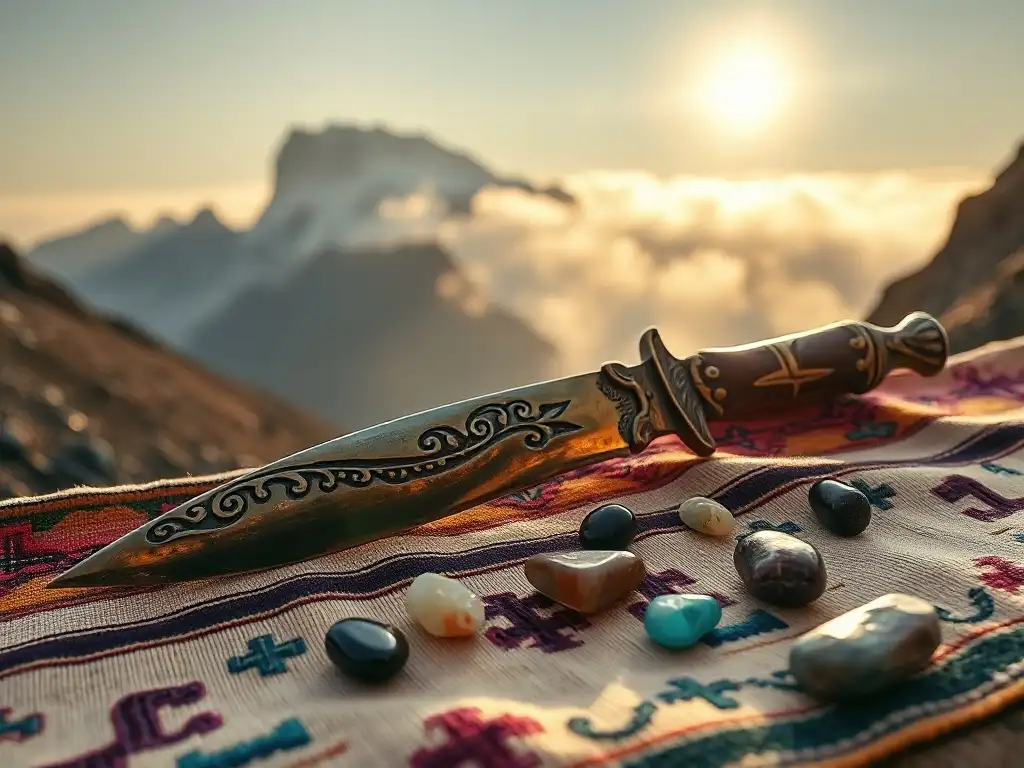
The Andean civilizations, renowned for their sophisticated metallurgical techniques, didn't simply view metals as materials for tools and adornments. They imbued metals with deep spiritual and medicinal significance, believing in their inherent power to influence physical and spiritual well-being. This belief system, deeply intertwined with their cosmology and understanding of the natural world, led to the development of unique healing practices centered around the use of various metals.
The concept of Andean metal healing properties wasn't merely a superstition; it was a fundamental aspect of their holistic approach to health and life. Their understanding of the therapeutic properties of metals wasn't based on modern scientific principles, but rather on a complex interplay of observation, ritual, and spiritual interpretation.
The effectiveness of these practices, while not scientifically verifiable in the modern sense, speaks to the enduring power of belief and the intricate connection between the Andean people and their environment. This section delves into the specifics of their beliefs and practices.
Metal's Role in Andean Spiritual and Physical Health
The Andeans believed that metals possessed inherent energies, capable of influencing both the physical and spiritual realms. Gold, for example, was often associated with the sun god Inti, representing power, vitality, and divine favor. Its radiant color and resistance to corrosion likely contributed to its sacred status. The use of gold in ritual objects and adornments suggests a belief in its ability to channel positive energy and ward off negative influences.
Silver, conversely, was often linked to the moon and water, symbolizing purity, healing, and feminine energy. Its reflective properties might have been interpreted as a mirror reflecting the soul or a conduit for lunar energy. Copper, readily available and easily worked, held a different significance.
Its association with the earth and its reddish hue might have symbolized life force and blood, leading to its use in tools and implements related to agriculture and healing. The specific metal used, therefore, wasn't arbitrary but carefully chosen based on its perceived properties and the intended purpose – whether spiritual cleansing, physical healing, or protection from malevolent forces. Detailed analysis of artifacts reveals meticulous craftsmanship, suggesting a deep respect for the material and its inherent power.
Further research is needed to fully understand the nuanced interpretations of various metals across different Andean cultures. For example, the precise role of less common metals like tin and bronze requires more in-depth study. While evidence suggests their use in alloys and certain ritual objects, their specific symbolic and healing associations remain to be fully explored. This area presents an exciting opportunity for future research to further illuminate the sophisticated understanding of Andean metallurgy and its connection to their healing practices.
Traditional Andean Medicine and the Use of Metals
Traditional Andean medicine was holistic, integrating herbal remedies, spiritual practices, and the therapeutic application of metals. Metals weren't simply ingested or applied topically; their use was often part of a complex ritual aimed at harnessing their perceived energies. For instance, gold leaf might have been applied to wounds, not just for its decorative effect, but also to accelerate healing and ward off infection, leveraging its perceived connection to the sun's life-giving power.
Similarly, silver amulets or pendants might have been worn to protect against illness or to promote spiritual well-being, acting as a conduit for protective lunar energy. The use of metal tools in surgical procedures also suggests a belief in their ability to facilitate healing, possibly through their perceived purity or ability to channel positive energies.
The process of creating these metal implements and remedies was itself imbued with ritual significance. Metallurgical processes were likely accompanied by prayers, offerings, and specific rituals designed to imbue the finished product with the desired healing properties. The careful selection of materials, the precision of the craftsmanship, and the accompanying rituals all contributed to the perceived efficacy of these metal-based treatments.
This holistic approach, integrating material science with spiritual beliefs, illustrates the complexity and sophistication of Andean medical practices. Further research into specific healing rituals and the documentation of medicinal practices would significantly enhance our understanding of the role of metals in Andean healthcare. The surviving artifacts provide only a glimpse into this rich and complex system; more detailed archaeological and ethnohistorical research is vital to unlock the secrets of Andean metal healing properties.
The combination of meticulous craftsmanship and deeply held spiritual beliefs made these practices integral to Andean culture and their understanding of health and well-being. The study of Andean metal healing properties offers a fascinating window into a sophisticated and holistic approach to medicine that continues to intrigue and inspire.
Specific Metals and Their Curative Uses in Andean Cultures
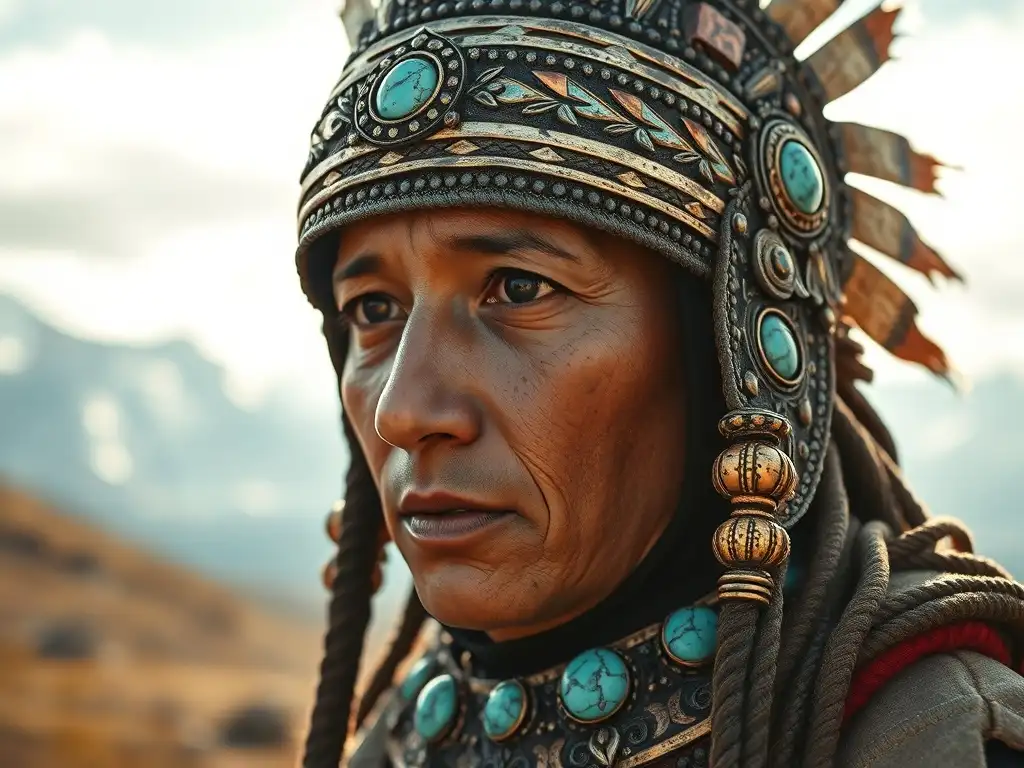
This section delves into the specific metals utilized in Andean medicinal practices and explores the cultural significance attributed to their purported healing properties. The Andean worldview deeply intertwined the material world with the spiritual, leading to a complex system of beliefs where metals weren't merely substances but conduits of energy and power, capable of influencing health and well-being.
The effectiveness of these practices is, of course, viewed through a modern lens, considering the limited understanding of microbiology and chemistry available to these ancient cultures. Nevertheless, the beliefs surrounding Andean metal healing properties offer a fascinating glimpse into their sophisticated understanding of the natural world.
Copper: Its Significance in Andean Healing Practices
Copper held a prominent place in Andean metallurgy and medicine. Its reddish hue, reminiscent of blood and the life force, likely contributed to its association with vitality and healing. Archaeological evidence reveals the widespread use of copper objects, from tools and weapons to ornaments and ritualistic items, suggesting its importance across various aspects of Andean life. The malleability of copper allowed for the creation of intricate shapes and designs, further enhancing its symbolic value.
Copper's Anti-inflammatory and Antimicrobial Uses
While the ancient Andeans didn't have the scientific knowledge to fully explain its mechanism, they observed the apparent anti-inflammatory and antimicrobial properties of copper. Copper alloys, particularly bronze (a copper-tin alloy), were used to create tools and instruments that came into contact with the body during medical procedures. Some scholars suggest that the inherent antimicrobial properties of copper may have helped prevent infections during surgery or wound treatment.
Furthermore, anecdotal evidence, passed down through generations of Andean communities, suggests the use of copper amulets and ornaments to alleviate inflammation and promote healing. Further research is needed to fully quantify these effects, but the historical evidence is compelling. The use of copper in Andean medicine is a clear example of the practical application of their metallurgical knowledge combined with their deep understanding of the natural world and its healing potential.
Gold: Symbolism and Therapeutic Applications in the Andes
Gold, a metal associated with the sun, power, and divinity in many cultures, held an even more elevated position in Andean societies. Its rarity, brilliant luster, and resistance to corrosion contributed to its sacred status. Its use extended far beyond simple adornment; gold played a crucial role in ritualistic practices and therapeutic applications related to the Andean understanding of energy and spiritual well-being.
Gold's Role in Ritual and Energy Healing
In Andean cosmology, gold was believed to possess a life-giving energy, capable of influencing the flow of vital forces within the body. Gold leaf was sometimes applied to wounds or incorporated into amulets, believed to promote healing and protect against illness. The practice was not merely about physical healing; it was intrinsically linked to spiritual well-being.
The use of gold in ritual objects and ceremonies reinforced its association with the sun god and divine power, further enhancing its therapeutic significance. The precise methods of gold's application in healing practices remain partially shrouded in mystery, but its symbolic and ritualistic importance in Andean culture is undeniable. The enduring presence of gold in Andean funerary contexts underscores its continued significance even in the afterlife.
The meticulous craftsmanship and symbolic richness of these gold artifacts highlight the advanced metallurgical skills and spiritual beliefs of the Andean civilizations. Their belief in gold's "energy healing" properties reflects a holistic approach to health, encompassing physical and spiritual dimensions.
Silver: Its Purifying and Protective Qualities
Silver, highly valued throughout Andean cultures, held a significant place not only in ornamentation and religious ceremonies but also in medicinal practices. Its inherent antimicrobial properties were understood, even if not scientifically explained, leading to its widespread use in treating various ailments. The lustrous metal was believed to possess a purifying power, capable of cleansing the body and spirit of negative energies and impurities.
This belief stemmed from observations of silver's ability to inhibit the growth of microorganisms, a property exploited in treating wounds and infections. The malleability of silver also allowed for the creation of intricate amulets and ornaments, often worn for their perceived protective qualities against illness and misfortune. These objects, imbued with both aesthetic and medicinal significance, served as tangible representations of the Andean people's faith in silver's healing capabilities.
The use of silver in Andean medicine wasn't limited to its direct application; the metal's presence in water vessels was also believed to purify the water itself, enhancing its healing properties. This holistic approach integrated silver into the daily life of the Andean communities, reinforcing its role as a potent medicinal element. The enduring legacy of silver in Andean culture speaks volumes about its importance and the profound understanding of its properties within the ancient Andean world.
Silver's Use in Treating Infections and Ailments
The antimicrobial properties of silver were exploited in various ways within Andean medicinal practices. Silver plates and bowls were used to store food and water, preventing bacterial growth and spoilage. Direct application of silver to wounds was common, likely accelerating healing and reducing the risk of infection. Archaeological evidence suggests the use of silver-infused ointments or solutions, applied topically to treat skin infections, burns, and other wounds.
While the exact composition of these remedies remains largely unknown, the presence of silver indicates a deliberate attempt to leverage its antimicrobial properties. Furthermore, silver was incorporated into amulets and jewelry, worn as talismans to ward off illness and protect against disease. These practices reflect an advanced understanding of the metal's therapeutic potential, demonstrating a sophisticated approach to healing that integrated metalwork with medicinal knowledge.
It's important to note that while the effectiveness of silver in treating infections is now scientifically proven, the Andean understanding was based on empirical observation and traditional knowledge passed down through generations. This intuitive application of silver underscores the remarkable synergy between Andean metallurgy and medicine. Further research is needed to fully understand the specific techniques and preparations used in these ancient healing practices.
Andean Metalworking Techniques and Their Connection to Healing

The sophisticated metallurgical practices of Andean civilizations weren't merely about crafting tools and adornments; they were deeply intertwined with their understanding of healing and the spiritual world. The creation of medicinal metal objects was a complex process, requiring specialized knowledge and skill passed down through generations. The very act of shaping metal was believed to imbue the object with specific energies and properties, further enhancing its purported therapeutic capabilities. This section delves into the techniques employed, emphasizing the intricate connection between metalworking and the Andean concept of healing.
The effectiveness of these practices, of course, remains a subject of ongoing scholarly debate, but the artistry and technological prowess involved are undeniable. Understanding these techniques provides valuable insight into the Andean worldview and their advanced metallurgical capabilities. The search for "Andean metal healing properties" often leads to discussions of these very techniques.
The Craftsmanship Behind Medicinal Metal Objects
Andean artisans displayed remarkable skill in crafting medicinal objects from various metals, including gold, silver, copper, and alloys like tumbaga (a gold-copper alloy). These weren't mass-produced items; each piece was meticulously created, reflecting the cultural significance attributed to its healing purpose. For instance, intricately designed gold and silver figurines, often depicting deities or animals associated with healing, were used in rituals and ceremonies.
The precision of the details, the seamless joining of different metal parts, and the overall aesthetic quality point to a highly developed understanding of metalworking. Furthermore, the selection of specific metals for particular applications suggests a sophisticated understanding of the properties of different materials and their potential therapeutic effects. Archaeological evidence reveals a wide variety of medicinal objects, from small, delicate needles used for acupuncture-like practices to larger, more complex instruments employed in surgical procedures.
The craftsmanship involved in these objects is a testament to the dedication and skill of Andean metalworkers. The painstaking detail in creating these objects reflects not only technical proficiency but also a deep spiritual connection to the healing process.
Cold Hammering, Annealing, and Alloying Techniques for Medicinal Tools
The creation of Andean medicinal tools involved a series of sophisticated techniques. Cold hammering, a process involving repeatedly striking the metal with a hammer to shape it, required considerable skill and precision. This technique was crucial for creating the intricate shapes and details found on many medicinal objects. The artisans' understanding of metal properties was paramount; they expertly controlled the hammering process to avoid fracturing the metal.
This was followed by annealing, a heat-treating process that softened the metal, making it easier to work with and preventing it from becoming brittle. Control over the temperature was essential during annealing to achieve the desired malleability without compromising the metal's structural integrity. Finally, the practice of alloying, combining different metals to create new materials with enhanced properties, was crucial. Tumbaga, for example, possessed a unique aesthetic appeal and was believed to have superior healing properties compared to its constituent metals.
The precise ratios of gold and copper in tumbaga were carefully controlled to achieve specific colors and workability, demonstrating a deep understanding of metallurgy and its potential applications in medicine. These techniques, when combined with the artisans' deep understanding of the spiritual significance of the objects, showcase the remarkable level of technological and spiritual sophistication within Andean civilizations. The precise control over these metallurgical processes points to a highly advanced understanding of materials science, far exceeding the expectations often associated with pre-Columbian societies.
Evidence of Metal Healing in Archaeological Findings
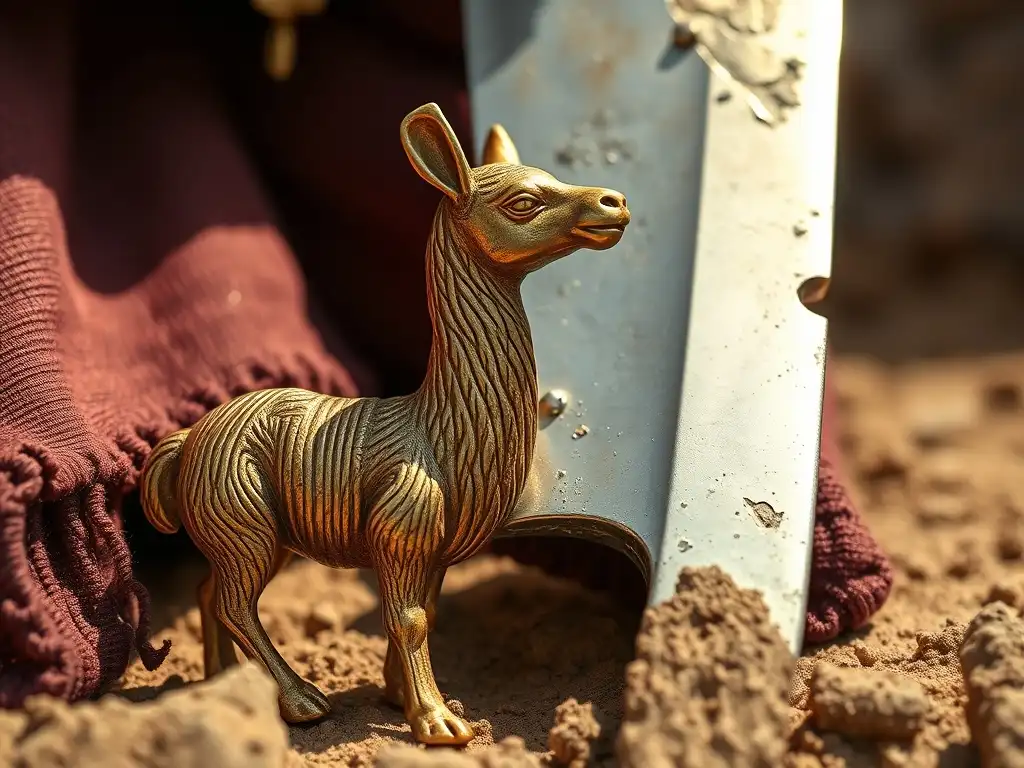
The Andean civilizations, renowned for their advanced metallurgical techniques, also integrated metals into their sophisticated medical practices. While the precise understanding of their medical philosophies remains partially obscured by the passage of time, archaeological evidence strongly suggests the use of metals not only for adornment but also for therapeutic purposes. This section explores the compelling archaeological findings that illuminate the relationship between Andean metallurgy and healing, specifically focusing on the role of copper and other metals in ritual practices and potential medical treatments. The term "Andean metal healing properties" encapsulates this fascinating intersection of technology and medicine.
Copper Masks and Ritual Objects found at Burial Sites
Numerous archaeological digs across the Andes have unearthed burial sites containing copper artifacts, often associated with the deceased in ways that suggest more than mere grave goods. Copper masks, meticulously crafted to fit the faces of the interred, are frequently encountered. The intricate detail and careful placement of these masks suggest a significant symbolic or ritualistic role, potentially connected to beliefs about the afterlife or the preservation of the spirit.
Further fueling this theory, many masks show signs of deliberate patination or discoloration, possibly indicating intentional alteration to enhance perceived spiritual or medicinal qualities. This is not merely about aesthetics; the purposeful manipulation of the metal suggests an understanding of its properties beyond its visual appeal. The precise chemical processes involved in this patination remain a subject of ongoing research, but it's highly probable that the resulting compounds were believed to possess specific healing properties.
Additionally, smaller copper objects – amulets, pendants, and small tools – are frequently found alongside the masks, further reinforcing the idea of a complex ritual intended to promote healing or spiritual well-being in the afterlife. The consistent presence of copper in these burial contexts strongly supports the hypothesis that the Andean peoples attributed significant medicinal value to this metal. The meticulous craftsmanship and the suggestive placement of these artifacts hint at a deeper understanding of copper’s potential role in healing practices.
Analysis of Skeletal Remains Showing Metal Implants and Treatments
Beyond ritualistic use, some evidence suggests the direct application of metals in treating injuries and ailments. Analysis of skeletal remains from various Andean cultures has revealed instances of what might be interpreted as early forms of metal implants or treatments. While the evidence is less abundant and more open to interpretation than the ritualistic findings, the presence of metallic particles or traces of metal alloys within or near skeletal lesions warrants further investigation.
For instance, some researchers have found evidence suggesting the use of copper or bronze alloys in attempts to repair bone fractures or to treat wounds. These findings, though limited, point towards a rudimentary understanding of the anti-bacterial properties of certain metals and their potential to aid in the healing process. The precise methods employed and the extent of their effectiveness remain largely unknown due to the fragmentary nature of the evidence and the lack of detailed written records.
However, the presence of these metallic traces in conjunction with skeletal pathologies points towards a proactive, if experimental, approach to medical treatment that incorporated the readily available resources provided by Andean metallurgy. Further research, including advanced isotopic analysis and microscopic examination of skeletal remains, is crucial to fully understand the extent of Andean metal’s role in therapeutic practices and to further illuminate the "Andean metal healing properties" concept. This is a field ripe for further exploration and discovery, promising to reveal more about the ingenuity and sophistication of Andean medical knowledge.
Modern Perspectives on Andean Metal Healing
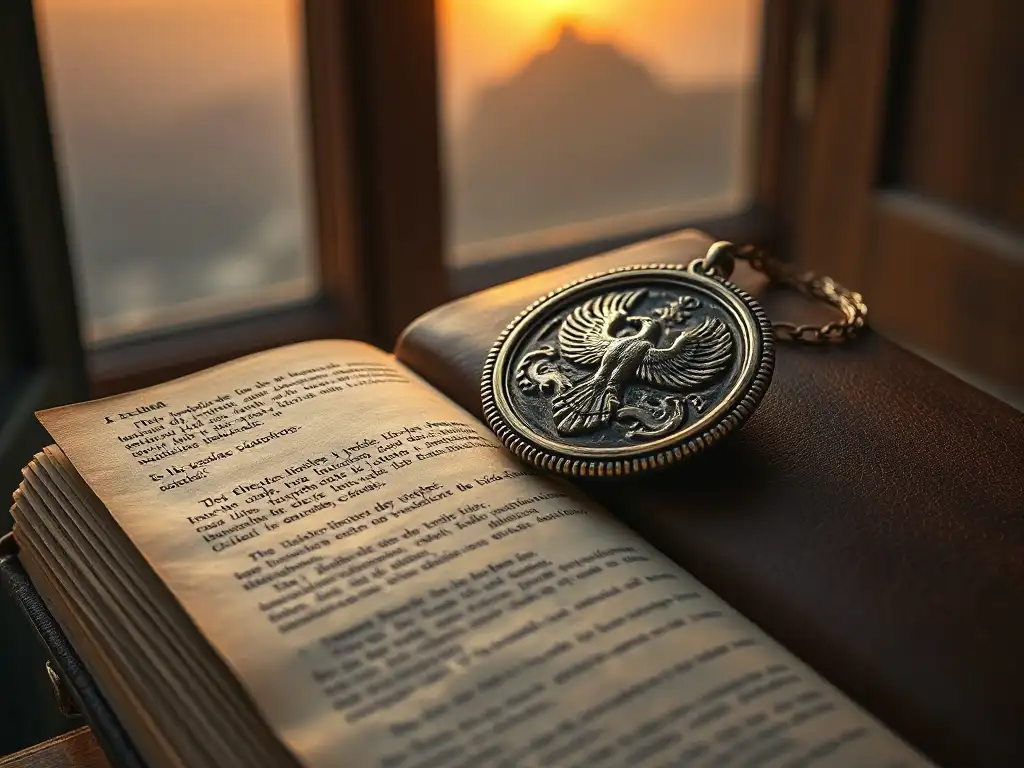
The enduring legacy of Andean civilizations extends beyond their impressive architectural feats and intricate textiles. A fascinating aspect of their advanced technology lies in their understanding and application of metallurgy, particularly in the context of healing. While the ancient Andean belief in the healing properties of certain metals might seem mystical from a modern perspective, current scientific research offers intriguing parallels, suggesting a deeper understanding than previously assumed.
This section explores how modern science sheds light on the ancient Andean practices, examining the potential scientific basis for their belief in the medicinal properties of metals like gold, silver, and copper. The keyword "Andean metal healing properties" is central to understanding this complex interplay between ancient knowledge and modern scientific investigation.
The Scientific Basis of Metal's Medicinal Properties
The ancient Andean peoples weren't simply adorning themselves with precious metals; they incorporated them into medicinal practices. While their methods lacked the sterile precision of modern medicine, their intuition about the properties of certain metals holds surprising relevance today.
For instance, the use of gold, often associated with divinity and purity, may have been partially motivated by its inherent inertness – gold's resistance to corrosion and oxidation minimized the risk of introducing harmful contaminants into wounds or remedies. Similarly, silver's well-documented antimicrobial properties, now widely utilized in modern medical applications like wound dressings and catheters, could explain its prevalence in Andean healing practices.
The use of silver in ancient Andean artifacts supports this hypothesis, with numerous examples of silver objects found in contexts suggesting medicinal or ritualistic uses related to health and well-being. Further research is needed to fully understand the extent of their knowledge, but the potential for a scientifically-based understanding of their practices is undeniable.
Studies on the Antimicrobial Effects of Copper and Silver
The antimicrobial properties of copper and silver are particularly well-documented in modern scientific literature. Numerous studies have demonstrated the effectiveness of these metals in inhibiting the growth of various bacteria and fungi. Copper's antimicrobial action, for example, is attributed to its ability to disrupt bacterial cell membranes and interfere with cellular processes.
This mechanism is particularly effective against Escherichia coli, Staphylococcus aureus, and other common pathogens. Silver, on the other hand, exerts its antimicrobial effect through a different mechanism, binding to bacterial DNA and interfering with its replication. This explains its use in a wide variety of applications, from water purification to wound care.
| Metal | Antimicrobial Mechanism | Effective Against | Modern Applications | Andean Use (Hypothesized) |
|---|---|---|---|---|
| Copper | Disrupts cell membranes, interferes with cellular processes | E. coli, S. aureus, and other common pathogens | Water purification, wound dressings | Treatment of wounds, infections |
| Silver | Binds to bacterial DNA, interferes with replication | Broad spectrum of bacteria and fungi | Wound dressings, catheters, water purification | Amulets, ornaments with healing properties |
This table highlights the striking overlap between the observed antimicrobial effects of copper and silver in modern studies and the historical Andean use of these metals in contexts suggesting medicinal applications. While further research is necessary to definitively link ancient Andean practices with modern scientific understanding, the evidence strongly suggests that their knowledge of these metals' properties was remarkably advanced for its time.
The potential for future research to unravel the full extent of their metallurgical and medicinal knowledge, focusing on the "Andean metal healing properties," is significant and warrants further investigation. The discovery of new evidence and more detailed analysis of existing artifacts could reveal even more about their sophisticated understanding of these materials and their healing capabilities.
The Legacy of Andean Metal Healing Practices
The Andean civilizations, renowned for their sophisticated metallurgical techniques, also developed a complex system of medicine deeply intertwined with the properties of metals. This wasn't simply a matter of using metal tools for surgery; rather, the belief in the inherent healing powers of certain metals permeated Andean medical practices for centuries. Evidence suggests that specific metals were associated with specific ailments and used in various forms – from ingested compounds to crafted amulets.
This deep-rooted connection between Andean metallurgy and medicine represents a fascinating blend of practical knowledge and spiritual belief, a legacy that continues to intrigue researchers today. Understanding this legacy requires examining both the historical practices and their potential scientific basis.
The belief in the therapeutic value of metals was not unique to the Andes, but the specific techniques and applications developed by these cultures are uniquely fascinating. The Andean metal healing properties are a testament to their innovative approaches to both metallurgy and medicine.
Preserving Traditional Knowledge of Metal Therapy
The transmission of Andean metal healing practices across generations relied heavily on oral traditions and apprenticeship systems. Unfortunately, the Spanish conquest significantly disrupted these systems, leading to the loss of much valuable knowledge. However, fragments of this knowledge persist in various forms. Ethnographic studies conducted in recent decades have documented the continued use of certain metal-based remedies in some Andean communities.
For example, [Specific examples of traditional Andean metal therapies pending]. These practices often involve the use of specific alloys and preparation methods passed down through family lineages. The precise compositions and applications vary considerably, reflecting the diverse cultural landscape of the Andes. Efforts to document and preserve this knowledge are crucial, not only for understanding the history of Andean medicine but also for potentially identifying valuable therapeutic compounds.
The challenge lies in carefully balancing the need for scientific investigation with respect for the cultural sensitivities surrounding these traditional practices. Preservation requires a collaborative approach involving anthropologists, historians, and local communities to ensure ethical and responsible research. Further research is needed to fully understand the extent of surviving traditional knowledge and the efficacy of these methods.
Contemporary Use of Copper Bracelets and Silver Colloids
While the traditional forms of Andean metal therapy are often less documented and understood, certain applications have experienced a resurgence in popularity, albeit often divorced from their original cultural context. Copper bracelets, for example, are widely marketed for their purported health benefits, with some claiming that they alleviate pain and inflammation. Similarly, silver colloids are increasingly used as an antimicrobial agent. While the scientific evidence supporting these claims varies, the continued interest highlights the enduring appeal of metals as therapeutic agents.
The use of copper bracelets, for instance, might be explained by the known antimicrobial properties of copper, which could provide a degree of protection against infections. However, it's essential to approach such claims with critical evaluation, distinguishing between scientifically validated effects and unsubstantiated claims. The modern applications of copper and silver often lack the nuanced understanding of metal properties and preparation methods evident in traditional Andean practices.
It is important to note that while some aspects of traditional Andean metal healing may find a place in modern medicine, thorough scientific investigation is crucial to verify their efficacy and safety before widespread adoption. The potential benefits of these metals should be carefully weighed against potential risks and side effects. Further research into the specific mechanisms of action and potential toxicity is needed.
Frequently Asked Questions
What role did metals play in Andean healing practices?
Andean cultures believed in the healing properties of certain metals, particularly gold, silver, and copper. These metals were incorporated into amulets, tools, and even surgical instruments, reflecting their importance in medicine. Ritualistic use also played a significant role.
Were specific metals associated with particular ailments?
While not definitively documented for every ailment, evidence suggests that specific metals were linked to specific healing purposes. For instance, gold was often associated with the sun and its life-giving energy, while other metals might have been used to treat specific physical conditions. Further research is needed to fully understand these associations.
How did Andean cultures work with metals to create healing objects?
Andean metallurgists were highly skilled, employing sophisticated techniques like lost-wax casting to create intricate objects. These techniques allowed them to produce precise and detailed amulets, tools, and ornaments imbued with symbolic meaning and believed to have healing powers.
What evidence supports the belief in Andean metal healing properties?
Archaeological discoveries provide strong evidence. Excavations have unearthed numerous metal artifacts in burial sites and temples, often associated with ritual contexts suggesting the importance of these metals in healing practices. These artifacts often show signs of wear and use, suggesting direct contact with the body.
Beyond healing, what other purposes did Andean metalwork serve?
Andean metalwork served a wide range of purposes beyond healing, including religious rituals, adornment, and trade. The high status of metals reflected their value and importance in Andean societies, extending far beyond their purported medicinal properties.
Final Reflection: The Enduring Legacy of Andean Metal Healing
The intricate relationship between Andean metallurgy and medicine continues to resonate today, offering a powerful testament to the ingenuity and holistic worldview of ancient Andean cultures. Their profound understanding of the properties of metals, far exceeding simple ornamentation, presents a compelling case for exploring alternative healing modalities and a deeper connection between the human body and the natural world. This knowledge, though centuries old, holds valuable lessons for modern approaches to wellness and sustainable practices.
The enduring influence of Andean metalworking on cultural identity and spiritual practices is undeniable. The symbolic power of gold, silver, and copper, imbued with spiritual significance and used in healing rituals, continues to inspire artists, healers, and researchers alike. The sophisticated techniques employed in crafting these objects, often incorporating medicinal plants and minerals, demonstrate a holistic approach to health that transcends the limitations of modern, compartmentalized medicine. The mountains themselves are a living entity, and the metals within them hold the essence of their power,
a Quechua elder once told me, encapsulating the deep spiritual connection between the Andes and its people.
Consider the implications of this ancient knowledge. You too can explore the connection between the natural world and your own well-being. Reflect on the ways in which you interact with materials and the environment around you. Perhaps you can find inspiration in the Andean approach to holistic healing, seeking a more balanced and integrated approach to your own health and wellness. Let the legacy of Andean metallurgy inspire you to explore the healing potential within yourself and the world around you.
Discover the Healing Secrets of Andean Metallurgy!
Thank you for exploring the fascinating intersection of Andean metallurgy and medicine with us! You've uncovered how ancient techniques harnessed the power of metals to promote healing and well-being. Now, let's delve deeper.
Here are a few ways you can continue your journey:
- Incorporate metal-infused remedies, such as herbal teas or salves based on ancient Andean practices, into your wellness routine.
- Share this article with friends and family interested in alternative healing methods or the rich history of Andean cultures. Let's spread the word!
- Join an online community dedicated to Andean traditions to expand your knowledge and connect with like-minded individuals.
What ancient remedy or metal-related practice are you most excited to explore for your well-being?