
The Art of Andean Seed Selection: Preserving Genetic Diversity for Future Generations

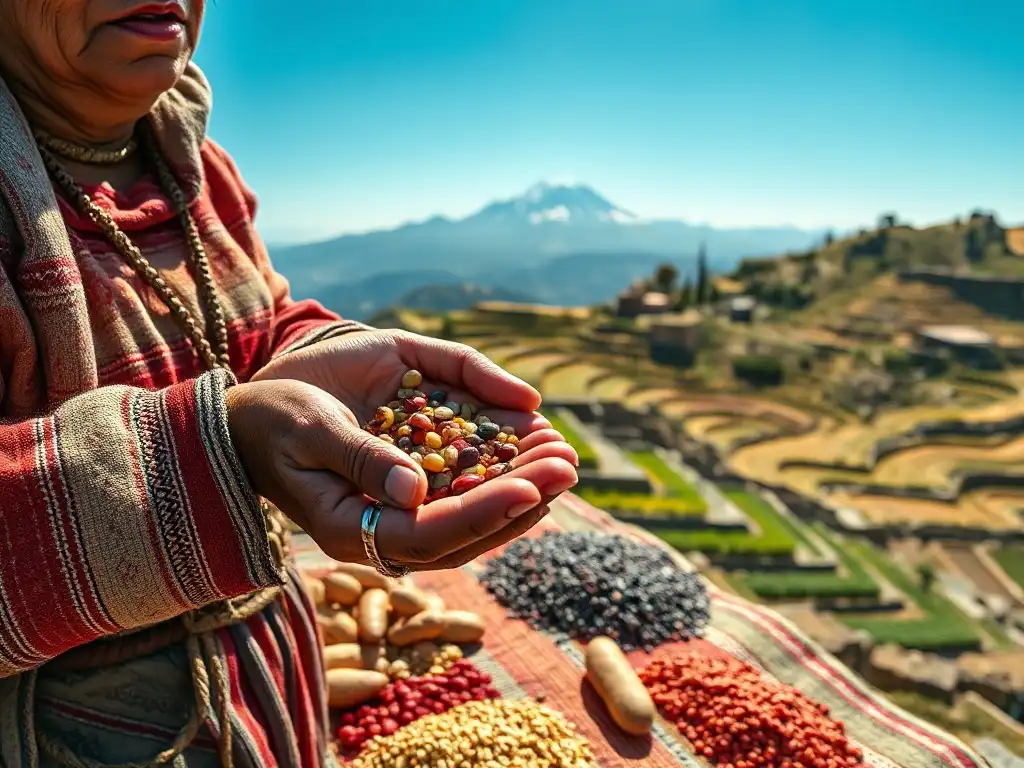
Step into a world lost to time, yet echoing with the ingenuity of ancient Andean cultures. For centuries, these remarkable civilizations thrived, shaping not only breathtaking landscapes but also innovative techniques that continue to inspire awe. Discover the secrets behind their success, starting with the intriguing practices of Andean seed selection methods. Unravel the mysteries of their agricultural prowess and learn how their meticulous approach to preserving genetic diversity continues to hold vital lessons for us today. Prepare to be amazed by the ingenuity of the Andes!
The Andes Mountains, a spine of towering peaks running down the western coast of South America, are home to a breathtaking array of ecosystems and a rich tapestry of human history. For millennia, Andean civilizations have thrived in these challenging environments, developing sophisticated agricultural practices that are both remarkably effective and deeply intertwined with their cultural identity. Central to their success was, and continues to be, a profound understanding of seed selection—a practice that went far beyond mere crop improvement, representing a vital link between the past, present, and future of Andean communities.
This article delves into the fascinating world of traditional Andean seed selection methods, exploring their ingenious techniques and the crucial role they play in preserving genetic diversity for future generations. We will examine how these methods, honed over centuries, not only ensured food security but also contributed to the remarkable biodiversity of Andean crops.
Understanding these techniques provides valuable insights into sustainable agriculture and offers lessons for modern approaches to crop management in the face of climate change and increasing food insecurity. The preservation of this invaluable knowledge is paramount for safeguarding both the cultural heritage and the agricultural future of the Andes.
Introduction to Andean Seed Heritage and its Importance
Andean seed heritage represents a treasure trove of genetic diversity, accumulated over thousands of years through meticulous selection and adaptation to varied and often harsh environmental conditions. The Incas, Moche, Nazca, and Tiahuanaco cultures, among others, developed sophisticated systems of agriculture, relying heavily on the careful selection of seeds to ensure high yields and resilience against pests, diseases, and climate variability. This wasn't simply a matter of choosing the largest or most visually appealing seeds; rather, it was a complex process informed by deep ecological knowledge and passed down through generations via oral traditions, rituals, and practical experience.
The importance of this heritage cannot be overstated. These carefully selected seeds possess unique genetic traits that provide valuable resistance to diseases and pests, making them crucial for maintaining food security in a changing climate. The loss of this genetic diversity would represent an irreplaceable loss for the Andean region and the world.
Maintaining this heritage is not merely a matter of preserving the past; it is a crucial step in ensuring the future sustainability of Andean agriculture. The continued use and study of these traditional methods offer valuable insights into developing more resilient and sustainable crops for the future. Furthermore, these seeds often hold cultural significance, deeply embedded within the social fabric of Andean communities.
Understanding Traditional Andean Agriculture and its Reliance on Seed Selection
Traditional Andean agriculture is characterized by its remarkable adaptation to diverse altitudes, microclimates, and soil types. Farmers employed a range of techniques, including terracing, irrigation systems, and crop rotation, to maximize yields. However, the cornerstone of their success was their meticulous approach to seed selection. This involved a multi-faceted process:
- Careful Observation: Farmers meticulously observed the performance of different plants throughout the growing season, noting their resistance to pests and diseases, their yield, and the quality of their produce.
- Seed Saving and Storage: Seeds from the most desirable plants were carefully saved and stored, often using traditional methods that ensured their viability for the next planting season. These methods varied depending on the specific crop and the local environment.
- Community Exchange: The exchange of seeds within and between communities played a vital role in maintaining genetic diversity and adapting crops to local conditions. This fostered collaboration and ensured the preservation of a wide range of varieties.
- Rituals and Ceremonies: Seed selection was often interwoven with spiritual and ceremonial practices, reflecting the deep cultural significance of agriculture in Andean societies. These rituals reinforced the importance of seed selection and ensured the continuity of traditional practices.
The selection process wasn't static; it constantly adapted to changing environmental conditions and the evolving needs of the community. This dynamic approach ensured the continued resilience of Andean agriculture and the preservation of a remarkable range of crops. The diversity of Andean crops—from potatoes and quinoa to maize and beans—is a testament to the effectiveness of their traditional seed selection methods.
These methods, developed over centuries, provide invaluable lessons for modern agriculture, particularly in the context of climate change and the need for more resilient and sustainable farming practices. The continued study and application of these techniques are essential for ensuring the future of Andean agriculture and preserving a rich cultural heritage.
- Introduction to Andean Seed Heritage and its Importance
- Understanding Traditional Andean Agriculture and its Reliance on Seed Selection
- What were the primary methods of Andean seed selection?
- How did Andean farmers maintain genetic diversity in their crops?
- What role did environmental factors play in Andean seed selection?
- How did Andean seed selection techniques compare to those of other ancient civilizations?
- What is the significance of studying ancient Andean seed selection methods today?
Ancient Andean Seed Selection Methods: A Legacy of Knowledge
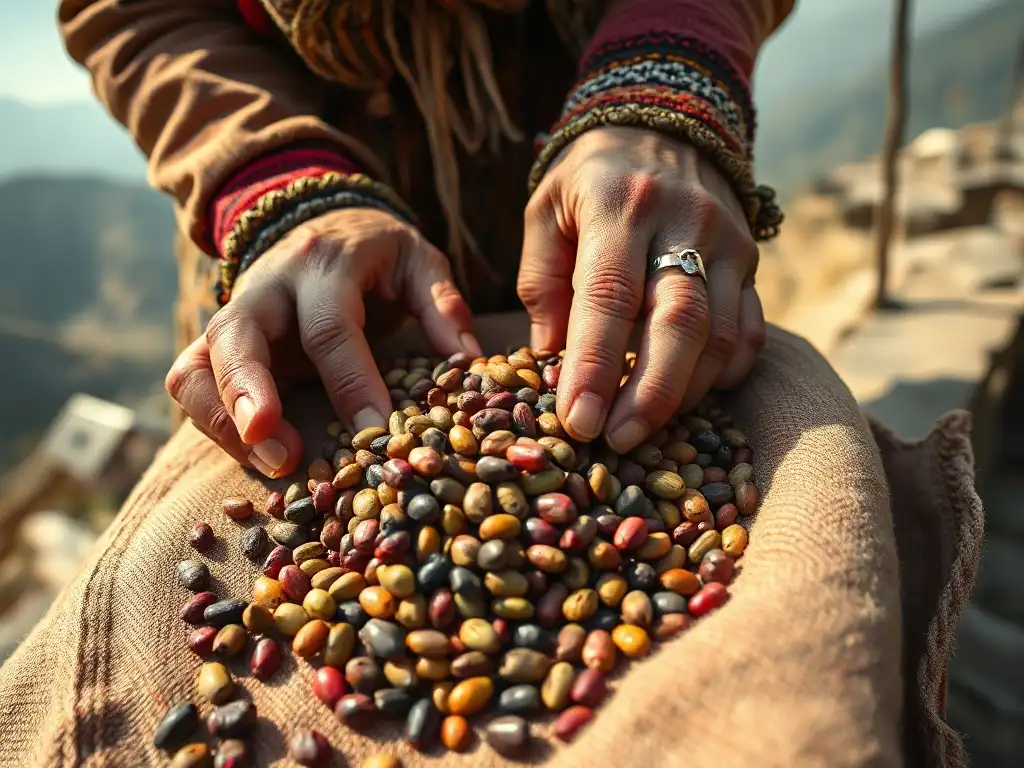
Andean seed selection methods represent a sophisticated and sustainable approach to agriculture, honed over millennia. These techniques, passed down through generations, ensured the survival and prosperity of Andean civilizations by maintaining the genetic diversity of crucial crops while adapting to the challenging environmental conditions of the Andes Mountains. Understanding these methods offers valuable insights into both ancient agricultural practices and the importance of preserving biodiversity for future food security. The meticulous selection of seeds wasn't merely a practical task; it was deeply intertwined with Andean cosmology, spirituality, and social structures.
Identifying Superior Plants: Key Traits for Andean Farmers
Andean farmers, unlike modern agricultural practices often focused on monocultures, prioritized selecting seeds from plants exhibiting a diverse range of desirable traits. This holistic approach ensured resilience against pests, diseases, and environmental fluctuations. The selection criteria weren't standardized across all Andean cultures, varying with specific crops and local environments. However, several key traits consistently guided their choices.
Selecting for Yield and Productivity in Andean Crops
High yield was, naturally, a crucial factor. Farmers carefully observed the quantity and quality of the harvest from individual plants. Larger, fuller ears of corn, more abundant potato tubers, and greater quantities of quinoa seeds were all highly valued.
This selection process wasn't simply about maximizing immediate yield; it also considered factors like seed size and weight, which directly impacted the success of future plantings. Detailed records, though often non-written, were kept through observation and oral traditions to track the performance of different plant lineages across generations. For example, specific potato varieties known for exceptional yield in high-altitude regions were carefully maintained and propagated.
Choosing Seeds for Disease Resistance and Resilience
Disease resistance was paramount in the challenging Andean environment. Farmers meticulously identified plants that showed resistance to common pests and diseases prevalent in their specific microclimates. This involved observing signs of disease on plants throughout the growing season and selecting seeds only from healthy, vigorous specimens. This constant selection pressure led to the development of remarkably resilient crop varieties, capable of thriving even under adverse conditions. For instance, certain quinoa varieties displayed inherent resistance to fungal infections common in the arid Andean highlands.
Prioritizing Adaptation to Diverse Andean Environments
The Andes boast incredible environmental diversity, ranging from arid coastal deserts to lush cloud forests and high-altitude páramos. Andean farmers recognized this variation and carefully selected seeds adapted to specific microclimates. Plants exhibiting tolerance to drought, frost, or strong winds were preferred for their respective environments. This localized adaptation ensured the survival of crops across the vast Andean landscape. The selection of potato varieties, for example, illustrates this point perfectly. Different clones were chosen for their suitability to different altitudes, soil types, and rainfall patterns.
The Role of Observation and Experience in Andean Seed Selection Practices
Andean seed selection wasn't a purely scientific endeavor; it was deeply rooted in generations of accumulated knowledge and practical experience. Farmers relied on keen observation, meticulous record-keeping (often through oral traditions and mnemonic devices), and an intimate understanding of their local environment to guide their choices.
Techniques for Visual Inspection of Plants and Seeds
Visual inspection played a crucial role. Farmers carefully examined plants throughout their lifecycle, assessing traits like plant height, stem thickness, leaf color, and the overall vigor of the plant. Seed characteristics, such as size, shape, color, and weight, were also carefully scrutinized. This careful visual assessment, combined with knowledge of local conditions, allowed farmers to identify superior plants with a high degree of accuracy. The size and plumpness of the seeds, for instance, were strong indicators of potential yield and viability.
The Importance of Local Knowledge and Intergenerational Transmission
The transmission of this knowledge across generations was vital. Experienced farmers shared their expertise with younger generations, ensuring the continuity of these invaluable agricultural practices. This intergenerational transfer of knowledge wasn't merely didactic; it involved hands-on participation and shared experiences in the fields, fostering a deep understanding of the nuances of seed selection. This oral tradition, supplemented by practical demonstrations, ensured the preservation and adaptation of Andean seed selection methods over centuries. The loss of this traditional knowledge poses a significant threat to the genetic diversity of Andean crops.
Calendar and Seasonal Considerations for Seed Selection
The timing of seed selection was crucial and aligned with the Andean agricultural calendar, which was intricately linked to astronomical observations and local ecological indicators. The specific time for harvesting seeds often corresponded to particular phases of the moon or other celestial events believed to influence seed quality and future crop yields. This meticulous attention to timing ensured that seeds were collected at their optimal maturity, maximizing their viability and ensuring successful planting in the following season.
The selection process wasn't solely driven by immediate needs; it also incorporated a long-term perspective, ensuring the preservation of genetic diversity for future generations. This understanding of seasonal rhythms and their impact on seed quality is a testament to the deep connection between Andean farmers and their environment.
Specific Andean Crops and Their Seed Selection Practices
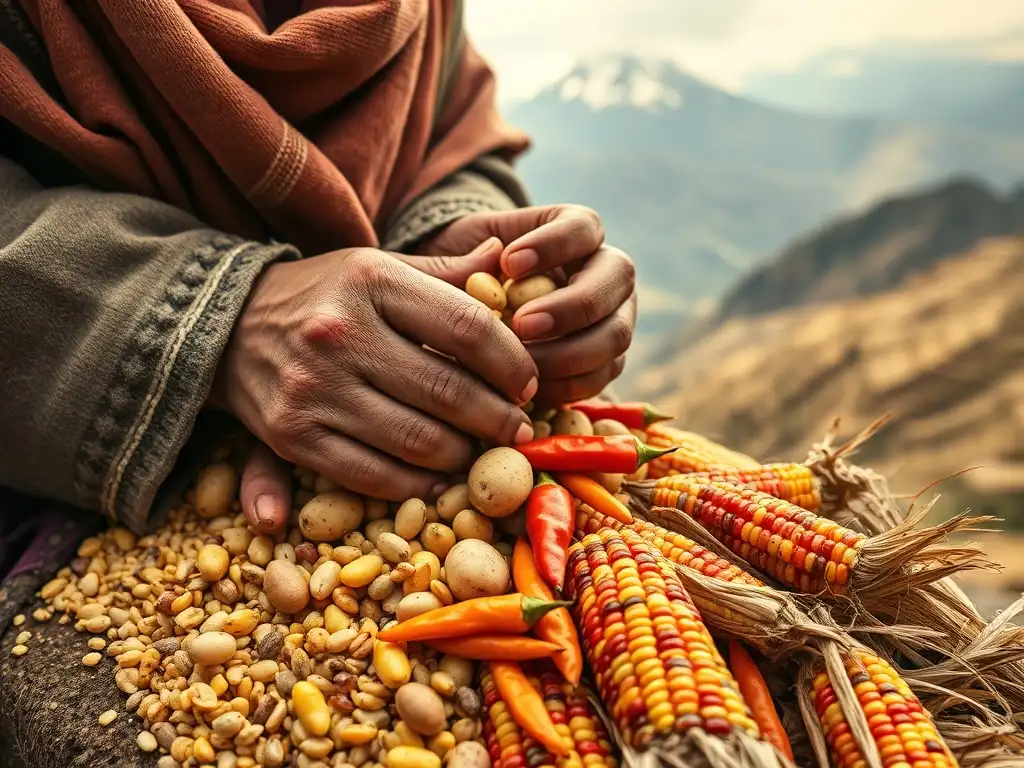
This section delves into the meticulous methods employed by Andean civilizations in selecting and preserving seeds, focusing on two staple crops: potatoes and quinoa. These practices, refined over millennia, ensured both the survival and the diversification of these crucial food sources. Understanding these "Andean seed selection methods" provides insight into the ingenuity and agricultural expertise of these ancient societies. The preservation of genetic diversity was paramount, enabling adaptation to diverse environments and the maintenance of nutritional value.
Potato Seed Selection: A Staple of Andean Agriculture
The potato ( Solanum tuberosum) is arguably the most important crop in the Andes, its cultivation deeply intertwined with the cultural identity of the region. Andean farmers developed sophisticated techniques for potato seed selection, focusing not only on yield but also on traits like disease resistance, taste, and suitability for various cooking methods.
Selecting Different Potato Varieties for Specific Uses
Andean farmers recognized the vast diversity within potato species. They meticulously selected and maintained a wide array of varieties, each adapted to specific ecological niches and culinary purposes. For example, some varieties were chosen for their suitability for boiling, others for frying, and still others for making chuño, a freeze-dried potato product.
This diversification minimized risk, ensuring a food supply even in the face of environmental challenges or crop failures. The selection process often involved observing the performance of different clones over several growing seasons, noting their yield, size, shape, and resistance to pests and diseases. This careful observation and selection, passed down through generations, resulted in an incredible array of potato varieties uniquely suited to the Andean environment.
Strategies for Maintaining Potato Seed Quality and Health
Maintaining the health and vigor of potato seeds was crucial. Andean farmers employed various strategies to prevent disease and ensure high-quality planting material. These included practices like carefully selecting tubers free from blemishes and disease, storing them in cool, dry conditions, and employing crop rotation techniques to reduce pest and disease buildup in the soil.
Furthermore, they often used traditional methods of seed treatment, such as soaking the seed potatoes in herbal infusions believed to enhance their resistance to disease. The meticulous attention paid to seed quality ensured high yields and sustained the long-term productivity of potato crops. The knowledge of these traditional practices, often passed down orally, is invaluable for modern agricultural practices aiming to enhance both yield and resilience.
Quinoa Seed Selection: Ensuring Nutritional Diversity
Quinoa ( Chenopodium quinoa), another Andean staple, boasts remarkable nutritional value, rich in protein and essential amino acids. The selection of quinoa seeds was guided by both nutritional considerations and adaptation to diverse environmental conditions. The high-altitude Andean regions presented unique challenges, demanding quinoa varieties with exceptional tolerance to cold temperatures, drought, and ultraviolet radiation.
Selecting Quinoa Seeds for Different Colors and Flavors
Quinoa seeds exhibit a remarkable variety of colors, ranging from white and cream to red, black, and even purple. Andean farmers carefully selected seeds based on color, flavor, and cooking characteristics. Different colors often correlated with variations in nutritional content and taste profiles.
Some varieties were preferred for their nutty flavor, while others were valued for their milder taste. This emphasis on diverse quinoa varieties ensured a rich culinary landscape and provided a wider range of nutritional benefits. The selection process was also influenced by the specific needs and preferences of individual communities, leading to a regional diversification of quinoa varieties.
Adaptation of Quinoa Varieties to High Altitude Conditions
The success of quinoa cultivation in the harsh Andean environment is a testament to the effectiveness of traditional seed selection practices. Andean farmers identified and preserved quinoa varieties exhibiting superior tolerance to high-altitude conditions, including frost resistance, drought tolerance, and adaptation to nutrient-poor soils. This adaptation was crucial for ensuring food security in these challenging environments.
The selection process involved careful observation of plant growth and yield under various environmental conditions, leading to the development of uniquely adapted quinoa varieties that thrive at high altitudes. This remarkable adaptation is a crucial factor in quinoa's global success as a sustainable and nutritious crop.
Maize Seed Selection: Variations Across Andean Regions
Maize, or corn, was a staple crop across the Andes, but its cultivation and seed selection varied significantly depending on the specific region and its unique environmental conditions. Altitude played a crucial role, with different varieties adapted to high-altitude páramos, intermediate valleys, and coastal regions. For instance, high-altitude maize varieties often exhibited shorter growth cycles and greater tolerance to frost, while coastal varieties were selected for their salt tolerance and resistance to drought.
The diversity in maize types is breathtaking; some varieties boasted unique colors, sizes, and textures, reflecting the ingenuity of Andean farmers in adapting this vital crop to diverse environments. These adaptations weren't merely cosmetic; they represented crucial genetic adaptations that ensured survival and productivity in challenging conditions. The selection process was not a passive one; rather, it was an active and ongoing engagement with the environment, reflecting a deep understanding of local ecosystems and the needs of the crop.
Farmers carefully observed the performance of different plants, noting traits like yield, disease resistance, and the quality of the kernels. This meticulous observation formed the basis for their seed selection practices, ensuring the continuation of well-adapted maize varieties across generations. The legacy of this careful selection is still visible today in the extraordinary genetic diversity of Andean maize.
Selecting Maize Seeds for Different Purposes and Environments
Andean farmers didn't just select maize seeds based on environmental factors; they also considered the intended use of the harvest. Different varieties were selected for specific purposes, such as making chicha (a fermented maize beverage), preparing various types of cornmeal, or using the stalks for animal fodder. Some varieties were prized for their high protein content, while others were selected for their sweetness or their ability to store well.
This practice of selecting seeds for specific purposes resulted in a remarkable diversification of maize types within each region. For example, in some areas, farmers might cultivate a variety specifically for its large, starchy kernels suitable for making tortillas, while another variety, with smaller, sweeter kernels, might be grown for making chicha. This diversification maximized the utility of the crop and ensured food security.
The knowledge of which variety to plant where and for what purpose was often passed down through generations, forming an intricate body of traditional ecological knowledge crucial for sustainable agriculture. The nuanced understanding of maize genetics and environmental factors demonstrates the sophisticated agricultural practices of the Andean civilizations.
The Importance of Seed Saving and Exchange in Maize Cultivation
Seed saving was not merely a practical necessity but a vital cultural and social practice in Andean maize cultivation. Farmers carefully stored selected seeds, often treating them with reverence and employing various preservation techniques to maintain their viability. The exchange of seeds between communities was equally important, facilitating the spread of beneficial traits and ensuring genetic diversity within and between populations.
This exchange wasn't simply a matter of bartering; it was often embedded within social and ceremonial contexts, strengthening community ties and promoting cooperation. Seed fairs and festivals provided opportunities for sharing and exchanging seeds, ensuring the continued adaptation and improvement of maize varieties across the region. This collaborative approach to seed management underscored the interconnectedness of Andean communities and their shared commitment to sustainable agriculture.
The practice of seed saving and exchange was crucial for maintaining the remarkable genetic diversity of Andean maize, a testament to the wisdom and foresight of ancient Andean farmers. This practice, unfortunately, has faced challenges in recent times, highlighting the importance of preserving these traditional knowledge systems. The continued cultivation and exchange of heirloom maize varieties is a vital step in preserving Andean agricultural heritage and ensuring food security for future generations.
The Significance of Andean Seed Banks and Community Seed Saving Initiatives
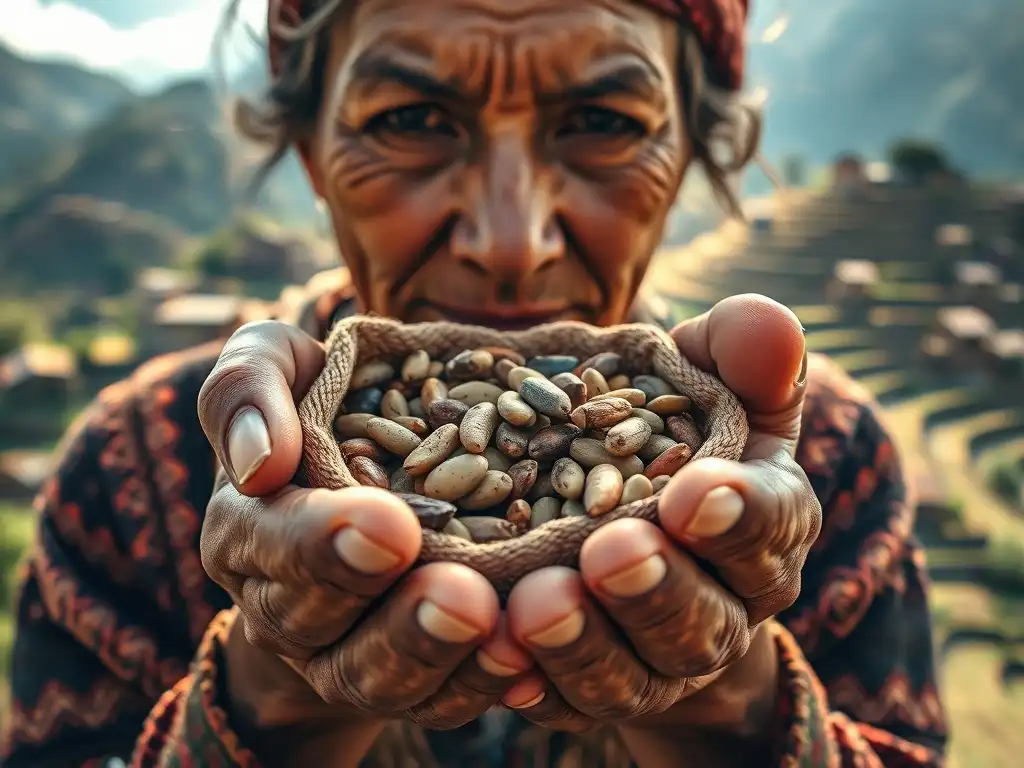
The preservation of Andean biodiversity, particularly its vast array of crops, is paramount for food security and cultural heritage. Andean seed selection methods, honed over millennia, are integral to this preservation. While modern agricultural practices often prioritize uniformity, Andean communities continue to champion diverse seed varieties, reflecting a deep understanding of their environment and the importance of genetic resilience. This section explores the vital role of seed banks and community-based seed saving initiatives in safeguarding this invaluable genetic legacy. The challenges faced by these initiatives, alongside their remarkable successes, highlight the critical need for continued support and investment.
Preserving Genetic Diversity through Seed Conservation
Andean seed conservation efforts prioritize the preservation of genetic diversity within crops like potatoes, maize, quinoa, and beans. These crops exhibit incredible variability, with thousands of varieties adapted to specific ecological niches. This diversity is not merely a collection of different-looking plants; it represents a vast genetic library containing genes for resistance to diseases, pests, and climate change. Losing this diversity would severely limit the adaptability of Andean agriculture to future challenges.
Seed banks, both large-scale institutional ones and smaller community-based initiatives, play a critical role in safeguarding this genetic wealth. They act as repositories of valuable genetic material, ensuring its availability for future generations of farmers. The meticulous documentation of each seed variety, including its origin, characteristics, and traditional uses, is crucial for understanding and utilizing this genetic resource effectively.
Community-Based Seed Banks: Safeguarding Andean Heritage
Community-based seed banks are particularly significant in preserving Andean agricultural heritage. These initiatives are often run by local farmers who possess deep knowledge of traditional seed selection methods and the specific needs of their environment. They actively participate in the selection, cleaning, storage, and exchange of seeds, ensuring the continuity of local varieties.
Examples abound of communities successfully preserving unique potato varieties, each adapted to a specific altitude, soil type, or microclimate. These community-managed resources are often more effective than larger, centralized seed banks in maintaining the dynamic nature of genetic diversity, as they are intimately connected to the evolving needs of local farmers. This grassroots approach ensures that the knowledge and practices surrounding seed selection remain alive and relevant within the community.
Traditional Storage Methods for Preserving Andean Seeds
Traditional Andean seed storage methods, developed over centuries, demonstrate remarkable ingenuity and effectiveness. Techniques like storing seeds in cool, dry places, using natural materials like clay pots or woven baskets, and employing natural drying agents, showcase a profound understanding of seed biology and environmental conditions. These methods, often passed down through generations, are not only environmentally friendly but also contribute to the long-term viability of the seeds.
While modern seed storage technologies offer advantages in terms of scale and precision, traditional methods retain their importance, especially in remote communities with limited access to advanced facilities. The combination of traditional knowledge and modern techniques offers a powerful approach to seed conservation.
The Role of Andean Seed Selection in Food Security and Resilience
Andean seed selection methods are not merely a historical practice; they are a crucial element in ensuring food security and resilience in the face of climate change and other challenges. The diversity of Andean crops, carefully maintained through generations of selective breeding, provides a buffer against crop failures. If one variety is susceptible to a particular disease or pest, others may be resistant, ensuring a more stable food supply. This inherent resilience is particularly important in regions facing increasing environmental variability.
Maintaining Agricultural Diversity for Future Generations
The importance of maintaining agricultural diversity cannot be overstated. A monoculture approach, focusing on a limited number of high-yielding varieties, makes agricultural systems vulnerable to widespread crop failure. The Andean approach, emphasizing diversity, offers a far more robust and sustainable system. By preserving a wide range of seed varieties, future generations of farmers will have the flexibility to adapt to changing environmental conditions, pest outbreaks, and market demands. This adaptability is a cornerstone of long-term food security and the preservation of Andean agricultural traditions.
Adapting Andean Crops to Climate Change through Seed Selection
Climate change poses a significant threat to agriculture worldwide. Rising temperatures, altered precipitation patterns, and increased frequency of extreme weather events are already impacting crop yields. Andean seed selection methods, with their focus on identifying and preserving varieties adapted to specific environmental conditions, provide a valuable tool for adapting crops to these changing conditions.
By selecting seeds from plants that have demonstrated resilience to drought, frost, or other climate-related stressors, farmers can enhance the adaptability of their crops and mitigate the impacts of climate change on food production. This proactive approach is essential for ensuring the continued viability of Andean agriculture in the face of future climate challenges. Further research into the genetic mechanisms underlying these adaptations is crucial for developing climate-resilient varieties for the future.
Challenges and Future of Andean Seed Selection
The preservation of Andean seed selection methods faces significant challenges in the 21st century. The delicate balance between traditional practices and the pressures of modernization poses a critical threat to the genetic diversity inherent in these ancient agricultural systems. Understanding these challenges is crucial for developing effective strategies to safeguard this invaluable legacy for future generations. The continued application of Andean seed selection methods is paramount not only for the Andean region but also for global food security and biodiversity.
Threats to Traditional Andean Seed Selection Practices
The intricate and time-honored Andean seed selection practices are under siege from several converging forces. The impact is multifaceted, affecting both the availability of diverse seed varieties and the knowledge base required to maintain them. This section will explore these threats in detail.
The Impact of Modern Agriculture and Hybrid Seeds
The rise of modern, industrial agriculture presents a significant threat. The widespread adoption of hybrid seeds, often genetically modified, offers higher yields in the short term but often comes at the cost of genetic diversity. These hybrid seeds frequently require specific inputs like fertilizers and pesticides, disrupting traditional farming practices and reducing the reliance on locally adapted varieties.
This shift undermines the careful selection and preservation of indigenous seeds, leading to a homogenization of crops and an increased vulnerability to pests and diseases. For example, the introduction of high-yield potato varieties has, in some cases, led to the abandonment of traditional, disease-resistant varieties, creating a precarious situation for food security in the face of climate change. The loss of these traditional varieties represents an irreplaceable loss of genetic material.
The Importance of Supporting Andean Farmers and Their Traditions
The continued practice of Andean seed selection relies heavily on the knowledge and dedication of Andean farmers. These farmers possess generations of accumulated wisdom regarding seed selection, adaptation to diverse environments, and sustainable cultivation techniques. However, socioeconomic factors such as poverty, lack of access to markets, and limited government support often force farmers to abandon traditional methods in favor of more lucrative, albeit less sustainable, options.
Supporting these farmers through fair trade practices, access to credit, and educational programs that value and promote their traditional knowledge is essential for the long-term preservation of Andean seed selection. Investing in the next generation of Andean farmers is crucial; this requires providing them with the tools and resources to continue these vital traditions. This includes not only financial support but also recognition of their invaluable contributions to global food security and biodiversity.
Promoting Andean Seed Selection and Conservation
Active measures are needed to counteract the threats facing Andean seed selection practices. A multi-pronged approach, involving both local communities and international organizations, is necessary to ensure the survival of this invaluable agricultural heritage.
Initiatives for Seed Exchange and Knowledge Sharing
One crucial strategy is to foster networks for seed exchange and knowledge sharing among Andean farmers and communities. This can involve establishing seed banks, both local and regional, that safeguard diverse seed varieties. These initiatives should prioritize the active participation of local communities in the management and preservation of their genetic resources.
Furthermore, the development of platforms for the exchange of information and best practices is critical. This could include workshops, training programs, and online resources designed to share knowledge about traditional seed selection methods and modern conservation techniques. Such initiatives should emphasize the importance of maintaining the integrity of traditional knowledge while also incorporating appropriate modern technologies to enhance seed preservation and distribution.
The Value of Andean Seed Selection Practices for Global Agriculture
The value of Andean seed selection practices extends far beyond the Andean region. The incredible genetic diversity preserved within these seeds holds immense potential for improving crop resilience to climate change, pests, and diseases. These traditional varieties often possess traits such as drought tolerance, nutrient efficiency, and resistance to various pathogens, characteristics that are highly sought after in modern agriculture.
By studying and incorporating these traits into modern breeding programs, scientists can develop more sustainable and resilient crop varieties that benefit farmers worldwide. The knowledge accumulated over millennia by Andean farmers represents a valuable resource for global agriculture and should be recognized and supported accordingly. The lessons learned from Andean seed selection methods can inform the development of more sustainable agricultural practices globally, contributing to both food security and environmental sustainability.
Frequently Asked Questions
What were the primary methods of Andean seed selection?
Andean civilizations used a variety of methods, including visual inspection for desirable traits like size, color, and shape, and performance testing over multiple growing seasons to assess yield and resilience. They also employed empirical knowledge passed down through generations.
How did Andean farmers maintain genetic diversity in their crops?
They practiced crop diversification, growing a wide range of varieties within a single species. This strategy, combined with saving seeds from the best-performing plants each year, helped maintain a rich genetic pool. Seed exchange between communities also played a crucial role.
What role did environmental factors play in Andean seed selection?
Adaptation to specific microclimates was crucial. Farmers selected seeds that thrived in their local conditions, considering factors like altitude, rainfall, and soil type. This ensured high yields and resilience to local environmental challenges.
How did Andean seed selection techniques compare to those of other ancient civilizations?
While other cultures also practiced seed selection, the Andean approach was notable for its emphasis on maintaining high levels of biodiversity within local ecosystems. Their techniques reflected a deep understanding of ecological interconnectedness.
What is the significance of studying ancient Andean seed selection methods today?
Understanding these methods provides valuable insights for modern agriculture. The principles of diversity and adaptation offer potential solutions to contemporary challenges such as climate change and the loss of genetic resources in crops.
Final Reflection: The Enduring Legacy of Andean Seeds
The meticulous practices of Andean seed selection, once a cornerstone of vibrant agricultural ecosystems, remain critically relevant in our era of climate change and biodiversity loss. The preservation of these ancient techniques is not merely a historical endeavor; it is a vital strategy for ensuring food security and environmental resilience for generations to come. The knowledge embedded within these methods holds the key to unlocking sustainable agricultural practices capable of withstanding the challenges of a rapidly changing world.
The profound impact of Andean seed selection extends far beyond the agricultural realm; it speaks to the interconnectedness of culture, environment, and human survival. These methods are a testament to the ingenuity and deep understanding of nature possessed by Andean communities for millennia. Their legacy continues to inspire innovative approaches to sustainable agriculture worldwide. The seeds we plant today determine the harvests of tomorrow, and the choices we make today shape the future of our planet.
This simple truth underscores the urgency of preserving and promoting these invaluable traditional practices.
Consider the seeds you consume, the food you grow, and the landscapes you inhabit. What role can you play in supporting the preservation of biodiversity and the promotion of sustainable agriculture? By understanding and appreciating the wisdom embedded in Andean seed selection methods, we can each contribute to a future where food security and environmental stewardship go hand in hand. Let us learn from the past to build a more resilient and sustainable future, one seed at a time.
Embrace the Future: Start Your Andean Seed Journey!
Thank you for exploring the world of Andean seeds! By recognizing the importance of preserving genetic diversity, you're making a significant contribution to sustainable agriculture and cultural heritage. Let's work together to ensure these vital seeds thrive for generations to come.
- Start a home garden using heirloom Andean seeds. You can find them at local farmers' markets or online retailers specializing in native varieties.
- Join or form a seed-saving community group. Share your knowledge, seeds, and experiences with others who are passionate about preserving Andean biodiversity.
- Educate others about the importance of genetic diversity. Consider hosting a workshop or writing an article to inspire wider participation in this crucial effort.
What Andean varieties will you grow, and how will you inspire your community to join you?