
The Symbolic Representation of Family in Andean Art

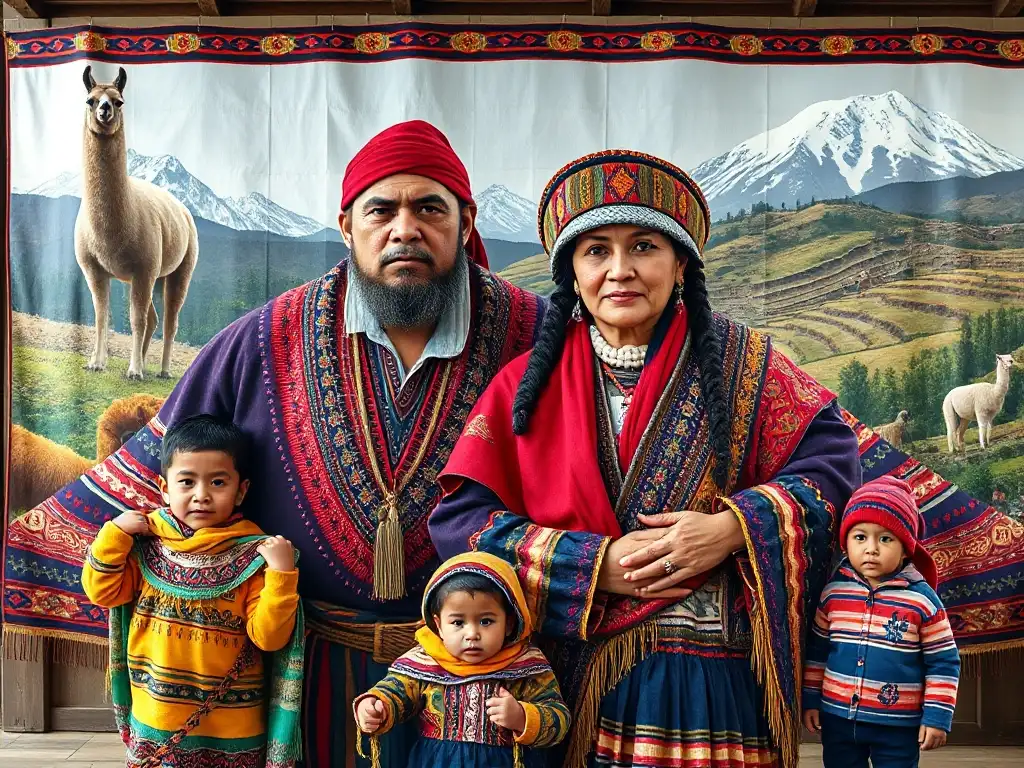
Unravel the mysteries of the Andes! Journey through millennia of captivating history and discover a world brimming with intricate artistry and complex social structures. Prepare to be amazed by the powerful symbolism woven into the very fabric of Andean art family, a legacy that continues to resonate today. Delve into the rich tapestry of ancient traditions and uncover the secrets behind the enduring representations of family in Andean culture. What stories do these artifacts whisper? Read on to find out...
- The Symbolic Representation of Family in Andean Art: An Exploration
- Understanding Family Structures in Ancient Andean Societies
- Andean Art and the Depiction of Family Bonds
- Key Symbols Representing Family in Andean Art
- Regional Variations in Family Symbolism
- Analyzing the Meaning of Family in Andean Artistic Expression
- The Enduring Legacy of Andean Family Symbolism
-
Frequently Asked Questions
- What is the significance of family in Andean cultures?
- How is family symbolism depicted in Andean art?
- What are some common symbols used to represent family in Andean art?
- Which Andean cultures most prominently featured family symbolism in their art?
- Where can I learn more about Andean art and family symbolism?
- Final Reflection: Weaving the Threads of Andean Family
- Embrace the Essence of Family through Andean Art!
The Symbolic Representation of Family in Andean Art: An Exploration
The intricate tapestry of Andean civilizations reveals a profound reverence for family and kinship, deeply woven into the fabric of their social structures and artistic expressions. This article delves into the fascinating world of Andean art, exploring how artists across various cultures—including the Incas, Moche, Nazca, and Tiahuanaco—symbolically represented family units and their significance within their societies. We'll examine recurring motifs, artistic techniques, and contextual clues to understand the nuanced ways in which family relationships were portrayed, offering a glimpse into the complex social dynamics of these remarkable civilizations.
Understanding the symbolic representation of family in Andean art provides crucial insights into their values, beliefs, and social organization, enriching our comprehension of their rich cultural heritage. This exploration will focus on the keyword "Andean art family symbolism," analyzing its various manifestations across different Andean artistic traditions.
Representations of the Nuclear Family in Moche Pottery
Moche pottery, renowned for its exquisite detail and vibrant depictions of daily life, offers compelling evidence of how the nuclear family was visually represented. Frequently, scenes depict a central figure, likely the head of the household, flanked by a spouse and children. The hierarchical arrangement within these scenes, often with the male figure positioned prominently, reflects the patriarchal structure prevalent in Moche society.
However, the inclusion of women and children as central figures, rather than peripheral elements, underscores their importance within the family unit. Furthermore, the careful depiction of individual features, attire, and activities within these scenes suggests a strong emphasis on familial identity and the roles each member played within the larger societal framework. Analysis of numerous Moche pots reveals a consistency in these representations, solidifying their significance as a cultural marker.
The careful observation of these details allows us to reconstruct a more complete picture of family life in Moche society. Detailed studies of these artifacts are ongoing, and new discoveries continue to refine our understanding of Moche family structures.
Extended Family and Ancestral Veneration in Inca Textiles
Inca textiles, renowned for their intricate weaving techniques and symbolic designs, often depict extended family units and the importance of ancestral veneration. Complex patterns incorporating repeated motifs, such as llamas (representing wealth and social status) and geometric shapes (potentially symbolizing family lineage), are frequently interpreted as representing the extended family network.
The inclusion of these symbols within funerary textiles further highlights the belief in a continuity between the living and the deceased, emphasizing the enduring importance of family across generations. The use of specific colors and materials also played a significant role, with certain dyes and fibers potentially indicating different branches of the family or specific familial roles.
Further research is needed to fully decode the complex symbolism embedded within Inca textiles, but existing scholarship offers valuable insights into the enduring importance of family across generations. The intricate details of these textiles reveal a profound understanding of the interconnectedness between family members, both living and deceased.
The Role of Shamans and Rituals in Tiahuanaco Art
Tiahuanaco art, characterized by its monumental architecture and stylized figures, often depicts shamanistic figures alongside family groups, suggesting the integration of religious beliefs and practices within the family structure. The presence of these figures in contexts related to family life suggests that shamans played a significant role in family rituals, ceremonies, and perhaps even in mediating family disputes. The stylized representations of family members often appear alongside symbolic representations of the cosmos, indicating a belief in the interconnectedness of the family and the divine.
The monumental scale of many Tiahuanaco artworks further emphasizes the importance of these rituals and the collective identity of the family within the larger community. Analysis of these representations reveals a complex interplay between religious beliefs and family life. The limited existing research on this topic underscores the need for further investigation into the significance of these depictions.
Comparing and Contrasting Family Symbolism Across Andean Cultures
While variations exist across different Andean cultures, several common threads emerge in their artistic representations of family. The consistent emphasis on the nuclear family, the importance of ancestral veneration, and the integration of religious beliefs into family life are recurring themes. However, the specific ways in which these themes are expressed vary considerably, reflecting the unique social structures and cultural values of each civilization. For example, the Moche's focus on realistic depictions of daily life contrasts with the Tiahuanaco's more stylized and symbolic approach.
These differences highlight the diversity within Andean art while simultaneously revealing underlying commonalities in their understanding of family and kinship. A comprehensive comparison across these cultures provides a richer understanding of Andean social structures and belief systems. Further research comparing and contrasting the artistic representations of family across these cultures will reveal a more nuanced understanding of their societal structures.
Understanding Family Structures in Ancient Andean Societies
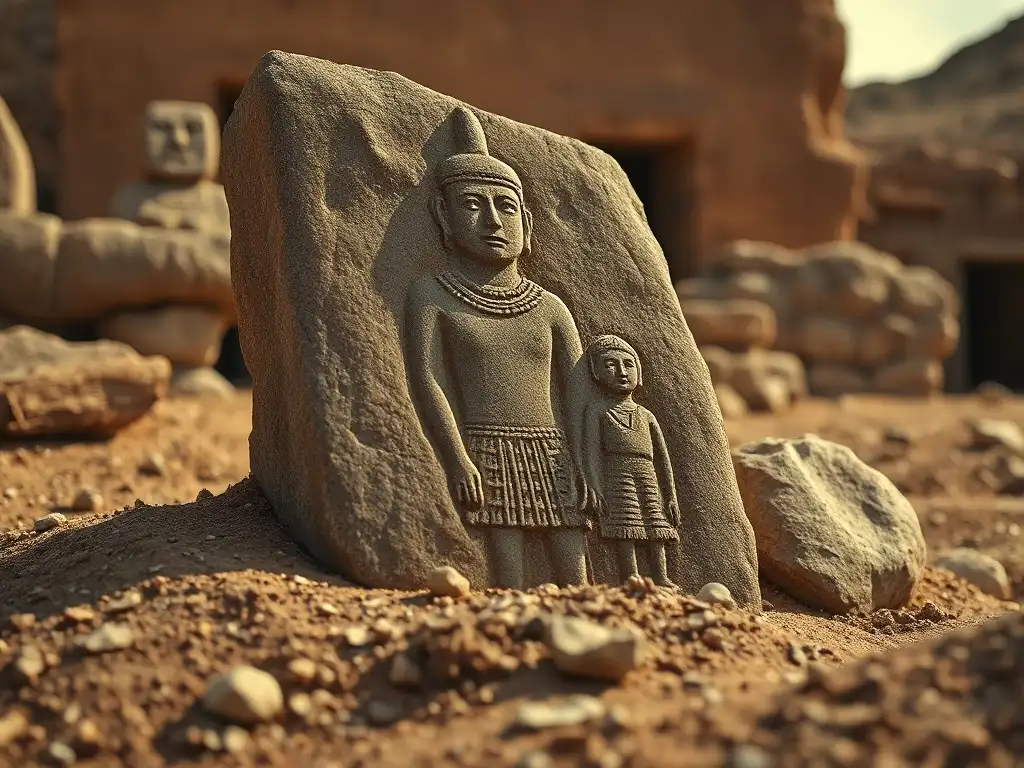
This section delves into the complexities of family structures within various Andean civilizations, focusing on how these structures are reflected and interpreted through their art. Understanding the nuances of Andean family life is crucial for interpreting the symbolic representations found in their pottery, textiles, and metalwork. The concept of "family" in the Andean context often extended beyond the nuclear family unit we are familiar with in modern Western societies, encompassing a wider network of kinship ties and obligations.
This broader perspective is vital when analyzing the symbolism embedded within Andean art. The term "Andean art family symbolism" itself highlights the interconnectedness of artistic expression and societal structures.
The Importance of Kinship in Andean Civilizations
Kinship was the cornerstone of Andean societies, forming the bedrock of their social, political, and economic systems. Lineage and ancestry were paramount, determining social status, access to resources, and even religious roles. Unlike many societies that emphasize the nuclear family (parents and children), Andean civilizations often prioritized extended family networks, including grandparents, aunts, uncles, and cousins. This extended family structure provided crucial support systems, facilitating cooperation in agriculture, construction, and defense.
The strength of these kinship bonds is frequently depicted in Andean art, showcasing individuals within a larger family group or emphasizing specific familial relationships. For instance, representations of ancestors often held prominent positions in funerary contexts, demonstrating the enduring influence of kinship across generations. Many artifacts showcase multiple generations together, highlighting the importance of maintaining these connections. The continuity of family lines, and the associated power and resources, were often visually represented through specific motifs and iconography.
The organization of family units varied across different Andean cultures. While generalizations are challenging due to the diversity of these societies, certain patterns emerge. The Incas, for example, emphasized a hierarchical system where the ayllu, a community based on kinship and shared ancestry, played a central role. The ayllu structure wasn't simply a family unit but a complex social and economic organization. Membership in the ayllu dictated land access, labor obligations, and social standing. Artistic representations of Incan life often depict communal activities and the hierarchical structure within the ayllu, reflecting the importance of this family-based organization.
Conversely, other Andean cultures, like the Moche, may have had slightly different family structures, although a strong emphasis on kinship remained. [Specific information pending on Moche family structures and their artistic representation]. The Nazca, renowned for their geoglyphs and intricate pottery, also likely had complex kinship systems, although the exact nature of these systems remains a subject of ongoing research.
[Specific information pending on Nazca family structures and their artistic representation]. Analyzing art from these different cultures allows us to compare and contrast their family structures and how they expressed these structures visually. We can observe variations in the depiction of family members, the prominence of certain relationships (e.g., parent-child versus sibling relationships), and the overall context of family life within the broader social landscape.
The study of Andean art family symbolism provides valuable insights into the intricate tapestry of Andean social organization. The intricate details in textiles and pottery provide clues to unraveling these complex systems, giving us a glimpse into the lives and values of these ancient civilizations.
Andean Art and the Depiction of Family Bonds
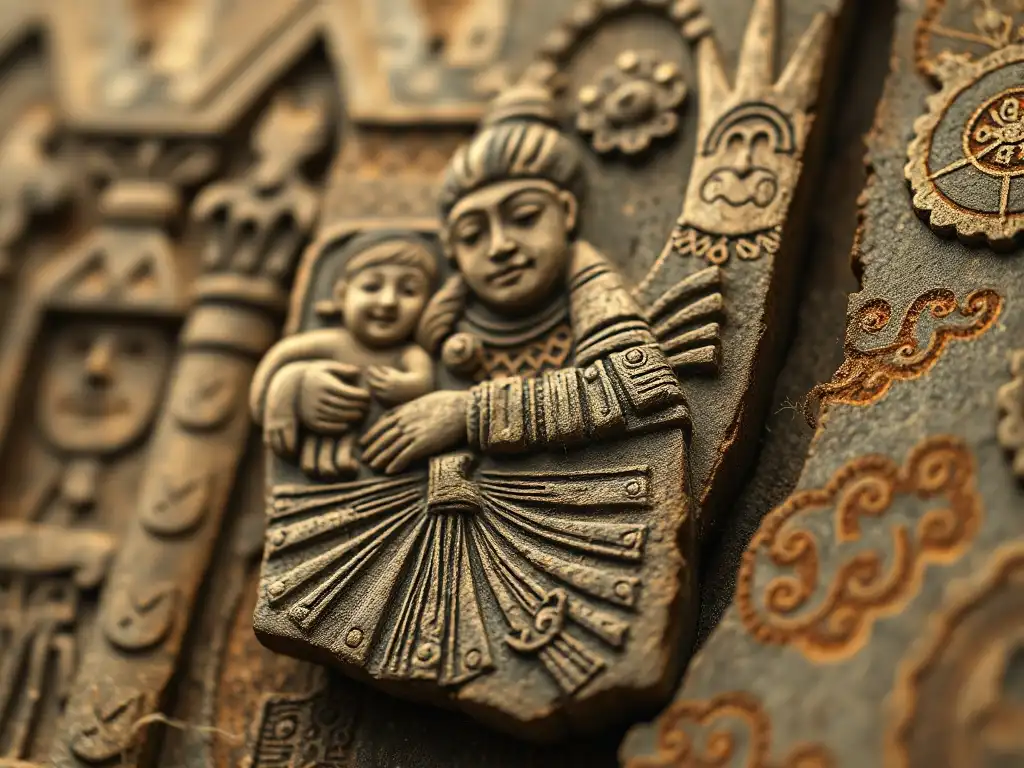
This section delves into the fascinating ways Andean civilizations represented family structures and relationships in their art. Analyzing Andean art family symbolism reveals intricate details about their social organization, values, and beliefs. The enduring legacy of these artistic expressions provides invaluable insights into the complexities of Andean family life, offering a rich tapestry of cultural understanding.
We will explore how different media, such as ceramics and textiles, were employed to depict various aspects of family life, from everyday activities to significant rituals and ceremonies. Understanding these visual narratives allows us to appreciate the profound importance placed upon family within these ancient societies.
The careful study of Andean art, specifically focusing on its representations of family, offers a unique lens through which to interpret their social dynamics and cultural heritage. The enduring power of these artistic representations continues to resonate today, reminding us of the enduring strength and importance of family across cultures and time.
Visual Narratives of Family Life in Andean Ceramics
Andean ceramics, particularly those from the Moche and Nazca cultures, offer compelling visual narratives of family life. These intricately decorated vessels frequently depict scenes of daily activities, showcasing the roles and interactions of family members. For instance, Moche pottery often portrays scenes of family meals, with individuals depicted in various stages of life, highlighting generational bonds. The meticulous detail in these representations extends to clothing, hairstyles, and even facial expressions, providing a glimpse into the social dynamics within Andean families. Analyzing the spatial arrangements of figures on the pottery helps reveal hierarchies and power structures within the family unit.
Furthermore, the recurring motifs and symbols employed in Moche and Nazca ceramics further enhance our understanding of Andean family symbolism. Specific iconography, such as the depiction of children playing or adults engaged in child-rearing activities, reinforces the importance of family continuity and the transmission of cultural values across generations. The presence of specific animals or plants in these scenes may also carry symbolic meaning related to family prosperity, protection, or fertility.
For example, llamas, often depicted in Andean art, could symbolize wealth and social status within a family. The detailed analysis of these visual cues allows researchers to construct a more comprehensive understanding of family structures and social roles within these ancient Andean societies.
The vibrant colors and dynamic compositions of these ceramic artworks not only serve aesthetic purposes but also function as powerful visual narratives that transmit crucial information about Andean family life. The enduring appeal of these ceramics lies in their ability to connect us to the past, offering a tangible link to the lives and experiences of Andean families.
Weaving as a Medium for Expressing Kinship Ties
Textiles, another significant art form in Andean cultures, served as a powerful medium for expressing kinship ties. The intricate designs and symbolic patterns woven into textiles often conveyed information about family lineage, social status, and marital alliances. The use of specific colors, motifs, and techniques could indicate membership in particular clans or families. For example, the use of particular dyes or the incorporation of specific geometric patterns might signify a family's history or connection to a specific geographic location.
Moreover, the process of weaving itself often involved communal participation, further highlighting the importance of kinship cooperation. The creation of a single textile could involve multiple family members, each contributing their skills and knowledge to the collective effort. This collaborative aspect of textile production reflects the close-knit nature of Andean family structures and the importance of shared labor.
The intricate designs and high-quality craftsmanship of Andean textiles serve as a testament to the skill and dedication of Andean weavers and the profound significance of family within their society. The continued study of Andean textiles provides valuable insight into the complex interplay between family, community, and artistic expression.
The rich symbolism embedded within these textiles offers a deeper understanding of the social fabric of Andean civilizations and the enduring legacy of their artistic traditions. The vibrant colors and intricate patterns of these textiles continue to inspire awe and admiration, reflecting the sophisticated artistry and cultural significance of Andean family life.
Key Symbols Representing Family in Andean Art
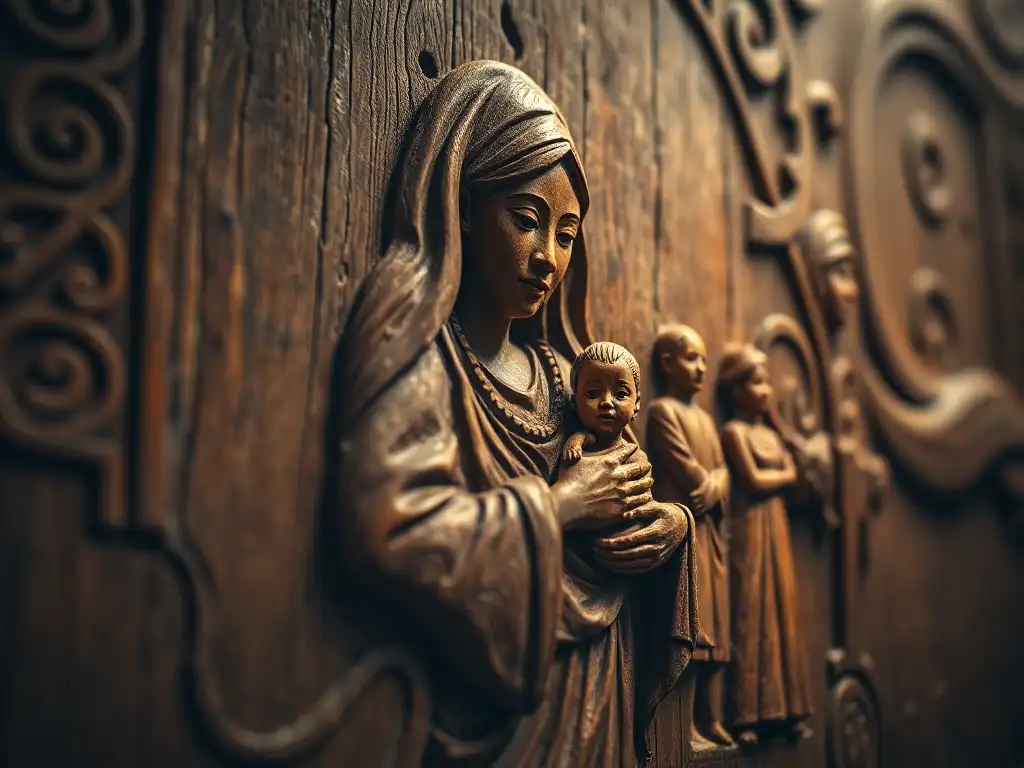
This section delves into the rich tapestry of Andean art, focusing specifically on the symbolic representations of family structures and kinship ties. Understanding these visual cues provides invaluable insight into the social fabric of Andean civilizations, revealing their complex systems of lineage, ancestry, and community. We will explore key recurring motifs and analyze their significance within the broader context of Andean culture and worldview.
The analysis will focus on the intricate relationship between visual representations and the deeply rooted values of these societies, highlighting how Andean art serves as a powerful medium for transmitting cultural knowledge across generations. This exploration of Andean art family symbolism will illuminate the profound importance placed on family and kinship within these ancient societies.
The Significance of Ancestral Figures in Andean Iconography
Ancestral figures are undeniably central to Andean iconography, serving as potent symbols of family continuity and spiritual connection. Their presence in textiles, ceramics, and stone carvings underscores the profound respect and reverence afforded to ancestors. These figures are often depicted in a manner that emphasizes their status and importance within the family structure.
For example, Moche pottery frequently portrays powerful ancestors, often adorned with elaborate headdresses and regalia, overseeing scenes of daily life or ritual activities. This visual representation reinforces the idea that the living are connected to and guided by their forebears. The style of depiction, including the use of specific colors and postures, can further reveal the ancestor's role and influence within the family.
Detailed analysis of these visual cues helps researchers understand the complex dynamics of power and kinship within Andean communities. Further research is needed to fully analyze the regional variations in the portrayal of ancestral figures and their significance within different Andean cultures. [Specific data on regional variations pending].
Depictions of Children and Lineage in Andean Art
The depiction of children in Andean art often reflects the importance placed on lineage and the continuation of family traditions. Children are frequently shown alongside adults, often participating in activities or rituals that emphasize their integration into the family and community. In Nazca textiles, for instance, children are sometimes portrayed participating in agricultural activities, highlighting their role in the continuity of family livelihoods.
Moreover, the careful depiction of children's clothing and adornments often reveals their social status and position within the family hierarchy. The size and placement of children within the artwork can also be significant, indicating their importance and the family’s emphasis on generational continuity.
The presence of children in artwork, therefore, is not merely decorative; it’s a powerful statement about the value placed on family and the future of the community. Understanding these subtle visual cues is key to unlocking the complexities of Andean family structures and social dynamics.
The Condor: A Symbol of Ancestral Connection
The condor, a majestic bird of the Andes, holds a prominent place in Andean symbolism, frequently representing power, strength, and the connection to the ancestral realm. Its inclusion in artwork, particularly in contexts relating to family, often signals a link between the living and their ancestors. The condor's ability to soar to great heights is seen as symbolic of the spiritual journey and the connection to the supernatural world.
The depiction of condors often accompanies representations of ancestors or family groups, reinforcing the notion that the ancestors are present and watching over their descendants. For example, Inca textiles frequently feature condor imagery alongside other symbols of family and lineage, further emphasizing this connection. The condor's presence thus serves as a powerful visual reminder of the enduring bonds between generations and the continued influence of the ancestral realm on family life within Andean cultures.
The specific iconographic elements associated with the condor, such as its posture and coloration, can also provide further insights into the specific nature of the ancestral connection being depicted. 🪶 More research is needed to fully explore the nuanced meanings associated with condor symbolism across different Andean cultures. [Further research needed on regional variations in condor symbolism].
Regional Variations in Family Symbolism
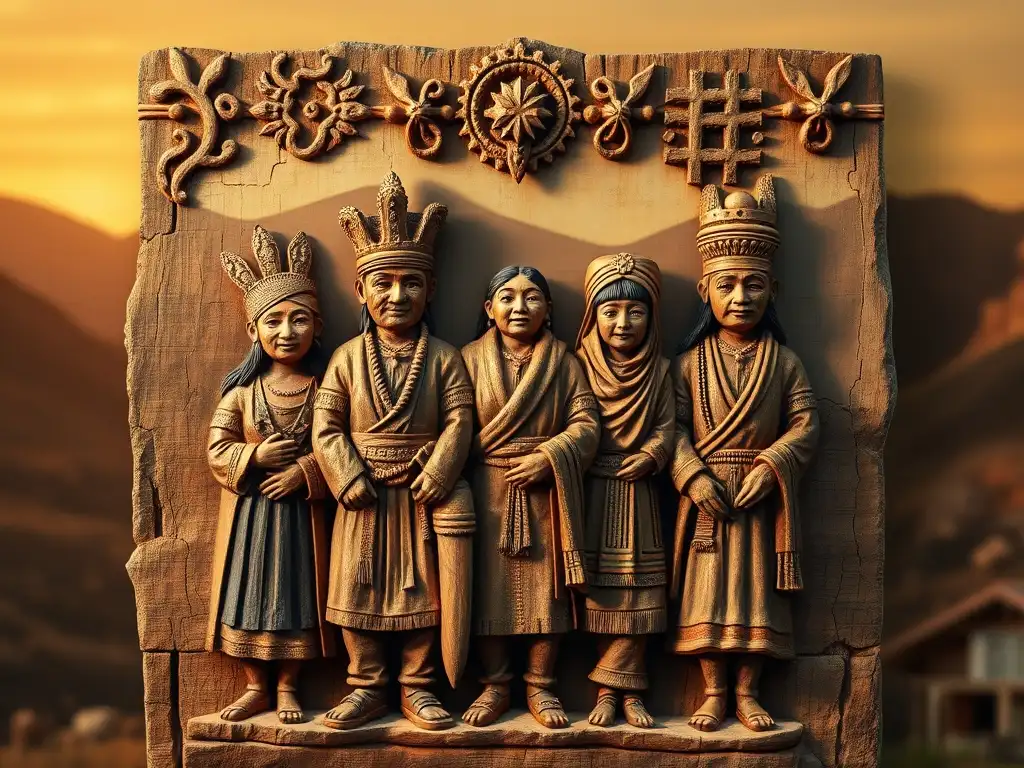
The Andean region, despite its shared geographical location and some cultural exchange, witnessed a fascinating diversity in how families were symbolically represented in its art. Understanding these regional variations is crucial to grasping the nuances of Andean social structures and the evolving concepts of kinship across different civilizations. The symbolic representation of family wasn't a monolithic concept; rather, it reflected the unique social hierarchies, religious beliefs, and political systems of each culture.
Analyzing Andean art family symbolism reveals a rich tapestry of expressions, from the highly individualized portrayals of Moche lineage to the collective emphasis in Tiahuanaco iconography. The intricate details found in pottery, textiles, and stone carvings provide invaluable insights into the complex dynamics of Andean family life.
The variations we observe highlight the importance of considering specific cultural contexts when interpreting these powerful visual narratives. This section will explore three key Andean cultures – Moche, Inca, and Tiahuanaco – to illuminate these regional differences in the symbolic representation of family.
Family Representations in Moche Art: A Focus on Lineage
Moche art, renowned for its exquisite pottery and metalwork, provides compelling evidence of a strong emphasis on lineage and ancestry in their conception of family. Unlike some later Andean cultures that focused on the collective, Moche art often showcased individual family members, highlighting their roles and status within the social hierarchy. Many Moche ceramics depict elaborate scenes of family gatherings, rituals, and daily life, offering glimpses into their family structures. These depictions frequently emphasize the importance of lineage through the representation of ancestors and the transmission of power and prestige across generations.
The meticulous detail in Moche pottery often reveals specific individuals within a family, distinguished by their attire, adornments, and the context of their portrayal. For example, a recurring motif is the depiction of high-ranking individuals, possibly rulers or priests, alongside their family members, suggesting a strong connection between political power and family lineage. The careful placement and prominence given to certain figures within these scenes further underscore the importance of status and hereditary succession.
This focus on individual representation within the family unit contrasts sharply with the more collective approach seen in other Andean cultures, showcasing the Moche's unique perspective on kinship and social organization. Further research into the specific iconography used to identify individuals within these family groups could provide even more nuanced insights into Moche family structures and social dynamics.
Inca Art and the Emphasis on Royal Family Depictions
Inca art, in contrast to the Moche, prioritized the depiction of the royal family and their divine connection. While family was undoubtedly important within Inca society, artistic representations largely focused on the imperial lineage and the legitimization of the Inca ruler's power. This emphasis reflects the highly centralized and hierarchical nature of the Inca state. The Inca worldview emphasized the divine origin of the Sapa Inca (emperor), and art served as a powerful tool to reinforce this ideology.
Textiles, stone carvings, and metalwork often featured prominent depictions of the Sapa Inca and his immediate family, reinforcing their elevated status and reinforcing the idea of a divinely ordained rulership. These representations were often highly stylized and symbolic, employing specific iconographic elements to convey the royal family's authority and connection to the gods. The use of specific colors, patterns, and materials further emphasized the sacred nature of the imperial lineage.
For instance, the use of gold, a precious material associated with the sun god Inti, was frequently reserved for depictions of the royal family, reinforcing their divine connection. While depictions of commoner families are less frequent, the available evidence suggests a significant emphasis on kinship ties within local communities, albeit less prominently featured in the official art commissioned by the Inca state.
Tiahuanaco Iconography and Collective Family Representation
Tiahuanaco art, characterized by its monumental architecture and stylized iconography, presents a different perspective on family symbolism. Unlike the Moche focus on individual lineage or the Inca emphasis on royal power, Tiahuanaco art often emphasizes a more collective and abstract representation of family. This reflects the broader social structures and religious beliefs of the Tiahuanaco culture.
The iconic "Gate of the Sun," for example, features a central figure surrounded by smaller figures, which some scholars interpret as a representation of a collective family unit or a community bound together by shared ancestry and religious beliefs. This emphasis on collective identity contrasts sharply with the individualistic portrayals seen in Moche art. The stylized nature of Tiahuanaco iconography often obscures individual distinctions, instead focusing on broader themes of unity, fertility, and cosmic order.
The recurring motifs of stylized figures and geometric patterns suggest a worldview that prioritized community and collective identity over individual family units. Further research is needed to fully understand the specific symbolic meanings behind these representations and their relationship to the social and religious life of the Tiahuanaco people. However, the existing evidence strongly suggests a different approach to representing family compared to other Andean cultures, reflecting a unique social and cosmological perspective.
Chimú Art: Depictions of Family and Elite Power
Chimú art, flourishing along the northern coast of Peru from roughly 900 to 1470 CE, offers a fascinating lens through which to examine the representation of family within a highly stratified society. Unlike some Andean cultures that emphasized broader kinship networks, Chimú art frequently showcases the nuclear family, but primarily within the context of elite power and legitimacy. The emphasis is less on the idealized family unit and more on the consolidation and display of royal authority.
One striking aspect of Chimú family depictions is the consistent portrayal of the ruling couple, often depicted in a larger scale than other figures, emphasizing their elevated status. These representations frequently appear in elaborate textiles, ceramics, and goldwork. The textiles, for example, often show the royal couple seated on elaborate thrones, surrounded by attendants and symbols of power, such as staffs and regalia.
The size and prominence of the ruler and their consort visually communicate their dominance and their role as the foundation of the Chimú state. This isn't necessarily a representation of the ideal family, but rather the ruling family as the embodiment of the state's power.
Ceramics, particularly those found in elite tombs, provide further insight. While some pottery may depict scenes of daily life, including what might be interpreted as family interactions, the focus often remains on the ruler and their immediate family. These depictions aren't necessarily intimate portrayals of affection, but rather carefully constructed images designed to reinforce royal authority and legitimize their rule. The careful arrangement of figures, the use of specific iconography, and the materials themselves all contribute to this effect. The use of precious metals, for instance, further emphasizes the wealth and power of the royal family.
The absence of widespread depictions of extended family members in Chimú art suggests a focus on the nuclear family as the primary unit of power transmission. This contrasts with some other Andean cultures where broader kinship networks played a more significant role in social organization. In the Chimú case, the emphasis on the ruling couple and their immediate offspring is a clear reflection of their centralized political system and the importance of hereditary succession.
This focus on the nuclear family, however, serves primarily as a tool for consolidating and displaying elite power, rather than a reflection of the broader social structure. The careful manipulation of imagery in Chimú art allowed the elite to project an image of strength and stability, reinforcing their control over the Chimú state.
Analyzing the Meaning of Family in Andean Artistic Expression
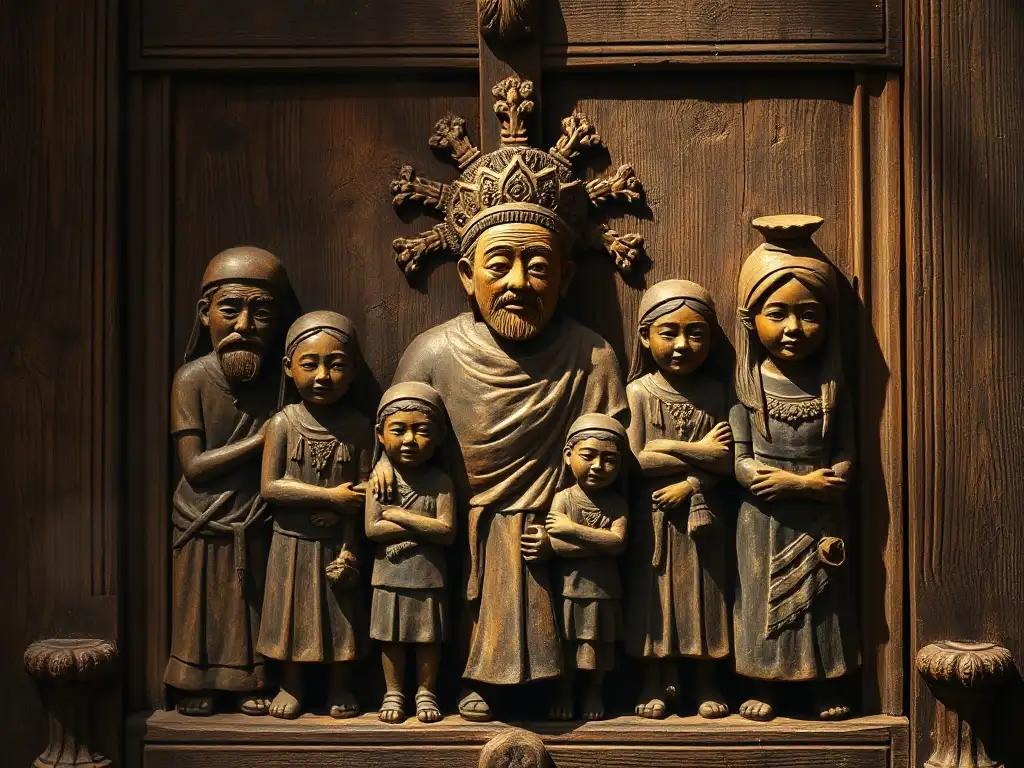
This section delves into the diverse ways Andean civilizations represented family structures in their art, exploring the nuances of their symbolic language and the insights it offers into their social organization and belief systems. The concept of "family" in Andean societies wasn't always a direct reflection of modern Western definitions. Extended kinship networks, clan affiliations, and a strong emphasis on lineage played crucial roles, shaping the artistic expressions of these communities.
Understanding this complex interplay is key to deciphering the meaning embedded in Andean art depicting familial relationships. We will examine how different Andean cultures—including the Incas, Moche, Nazca, and Tiahuanaco—varied in their artistic representations of family, highlighting both common threads and unique characteristics.
The analysis will focus on the visual elements employed, such as iconography, composition, and the use of materials, to reveal the deeper social and cultural significance of these artistic expressions. By studying Andean art family symbolism, we gain a deeper appreciation for the intricate social fabric of these remarkable civilizations.
Andean art frequently served to reinforce existing social hierarchies. Representations of family often reflected the power dynamics within society. For instance, elite families in the Inca Empire were frequently depicted in a larger scale than commoners, emphasizing their elevated status.
Textiles, a significant medium in Andean art, often showcased intricate designs and precious materials reserved for the nobility, further highlighting their social standing within the family structure and broader society. The use of gold and silver in Inca royal portraits and other artifacts associated with elite families underscored their wealth and power. Detailed analysis of these artifacts shows a clear correlation between the visual prominence afforded to individuals within family groupings and their actual social rank.
This wasn't merely aesthetic; it was a deliberate visual strategy to perpetuate and legitimize the existing social order. Even seemingly mundane depictions of family activities could subtly convey social hierarchy through variations in clothing, posture, and the presence or absence of specific symbols of authority.
The Connection Between Family and Religious Beliefs in Andean Culture
Religion permeated all aspects of Andean life, deeply intertwining with family structures and artistic representation. Ancestor veneration was a central theme, with deceased family members considered powerful intermediaries between the living and the spirit world. Funerary practices, often involving elaborate rituals and the inclusion of grave goods, are reflected in Andean art. For example, the Moche culture's ceramic vessels frequently depicted scenes from the afterlife, often showing family members interacting with deities or deceased ancestors. These depictions highlight the belief that family bonds extended beyond death, reinforcing the importance of lineage and ancestral heritage. The use of specific iconography, such as certain animals or plants, within these familial representations served as visual shorthand for religious beliefs and ensured a continuity of spiritual connection across generations. The close relationship between the earthly family and the spiritual realm is consistently emphasized in Andean art, demonstrating the profound religious significance of family life.
Family Depictions in Andean Funerary Rituals
Andean funerary rituals provide invaluable insights into the significance of family in their worldview. Grave goods, often including intricately crafted textiles, ceramics, and metalwork, frequently depict family members together. These artistic representations within burial contexts offer direct evidence of the importance placed on maintaining family ties even after death.
The arrangement of bodies within tombs, alongside the accompanying artifacts, suggests carefully planned ceremonies that emphasized the continuity of the family unit across generations. For example, the inclusion of miniature representations of family members within larger funerary objects suggests a belief in the afterlife where familial relationships continued. The careful selection and placement of grave goods, reflecting the social status and roles of the deceased within their families, provides further evidence of the centrality of family in Andean culture.
Analyzing these funerary rituals and their artistic manifestations gives a profound insight into Andean conceptions of family and the afterlife, enriching our understanding of their complex social and religious beliefs. The detailed nature of these artifacts and their arrangement within the burial site indicates a deliberate intention to represent the family unit symbolically, even beyond the confines of earthly life. This further highlights the enduring impact of Andean art family symbolism.
The Enduring Legacy of Andean Family Symbolism
The representation of family in Andean art provides a captivating window into the complex social structures and belief systems of these ancient cultures. Unlike many societies that emphasize individual achievement, Andean societies prioritized the collective, with family and kinship networks forming the bedrock of their social organization. This emphasis is strikingly evident in their artistic expressions.
Analysis of textiles, pottery, and metalwork reveals recurring motifs and symbols that communicate ideas about family roles, lineage, and the cyclical nature of life and death. The enduring power of these symbols is seen in their continued relevance within contemporary Andean communities. Understanding these representations allows us to gain a deeper appreciation for the values and worldview that shaped Andean civilizations.
The intricate details woven into textiles, for instance, often depict scenes of family life, ceremonies, and ancestor veneration, highlighting the profound importance of family in their cosmology. This section will explore the various ways Andean artists depicted family, focusing on the enduring impact these representations have had on modern Andean culture.
Contemporary Interpretations of Andean Art's Family Imagery
Modern scholars and Andean communities themselves continue to interpret and reinterpret the symbolism found in ancient Andean art. The meaning attributed to particular motifs can vary depending on the specific context and the community interpreting them. For example, the recurring image of a llama with its offspring might be interpreted as representing the interconnectedness of family members, the importance of nurturing, or the cyclical renewal of life within the community. Similarly, depictions of family groups participating in agricultural activities or religious ceremonies emphasize the collective nature of Andean life and the shared responsibilities within family units.
Many contemporary Andean artists draw inspiration from these ancient motifs, integrating them into their own works to express themes of family, identity, and cultural continuity. This revitalization of ancient symbolism is not merely a nostalgic exercise; rather, it serves as a powerful tool for maintaining cultural heritage and asserting community identity in the face of globalization and modernization. The use of traditional techniques and materials alongside contemporary artistic sensibilities creates a dynamic dialogue between past and present, underscoring the enduring legacy of Andean family values.
The Influence of Ancient Andean Art on Modern Andean Culture
The influence of ancient Andean art's family symbolism extends beyond the realm of artistic expression. These images serve as potent reminders of ancestral traditions, contributing to a sense of collective identity and historical continuity within Andean communities. Family gatherings often involve the display or use of objects featuring these symbols, reinforcing their cultural significance across generations. Furthermore, many contemporary Andean communities utilize these ancient motifs in ceremonies and rituals related to family life, such as weddings, births, and funerals. The enduring presence of these symbols in everyday life underscores their role in shaping social norms and values.
The survival of these visual representations is a testament to the resilience of Andean cultural heritage. Their continued use and interpretation highlight the enduring importance of family and kinship in Andean societies, demonstrating the profound impact of ancient artistic traditions on the cultural landscape of the Andes today. The vibrant tapestry of Andean culture, deeply woven with the threads of family symbolism, continues to inspire and enrich the lives of Andean people.
The study of Andean art allows us to appreciate not only the aesthetic achievements of these ancient civilizations but also the profound social and cultural values that shaped their lives and continue to resonate in contemporary Andean society. This rich legacy of family symbolism offers a unique lens through which to understand the intricate tapestry of Andean culture, past and present.
Frequently Asked Questions
What is the significance of family in Andean cultures?
Family was central to Andean societies. Their social structures were deeply rooted in kinship, with extended families playing a vital role in daily life and community organization. This is reflected strongly in their art.
How is family symbolism depicted in Andean art?
Andean art frequently portrays family through visual representations of family units, shared activities, and interconnectedness. Common motifs include figures working together in agricultural scenes or participating in ceremonies.
What are some common symbols used to represent family in Andean art?
Common symbols include stylized figures representing parents and children, geometric patterns representing family lineage or clan, and depictions of shared resources like llamas or crops.
Which Andean cultures most prominently featured family symbolism in their art?
Many Andean cultures, including the Inca, Moche, and Nazca, incorporated family symbolism into their art. However, the specific ways these symbols were used varied depending on the culture and its beliefs.
Where can I learn more about Andean art and family symbolism?
You can explore further through museum collections featuring Andean art, academic journals specializing in Andean studies, and books dedicated to Andean iconography and social structures. Online resources are also increasingly available.
Final Reflection: Weaving the Threads of Andean Family
The enduring power of family, as depicted in Andean art, resonates deeply with contemporary society's ongoing search for belonging and connection. The intricate tapestries, meticulously carved sculptures, and vibrant ceramics we've explored aren't just historical artifacts; they are powerful statements about the enduring human need for community and the multifaceted nature of familial bonds. These artistic expressions offer a timeless lens through which to examine our own relationships and the structures that shape our lives.
The symbolic representations of family in Andean art continue to influence our understanding of kinship, community, and cultural identity. They challenge simplistic notions of family, revealing the complex interplay of ancestry, spirituality, and social roles within Andean societies. The intricate weaving patterns, often mirroring the interconnectedness of family members, speak to a profound understanding of interdependence. The family is not an accident, but a work of art.
This sentiment, though not directly from Andean sources, perfectly captures the deliberate and meaningful construction of family as reflected in their art. It compels us to consider the conscious effort required to nurture and sustain strong familial bonds, a lesson as relevant today as it was centuries ago.
Consider the intricate details, the vibrant colors, the stories woven into the very fabric of these ancient artworks. Let them inspire you to examine your own family history, to appreciate the strength and resilience of your own familial connections, and to actively cultivate meaningful relationships with those you cherish. You too are part of a living tapestry, a vibrant expression of human connection, and your story, like the art of the Andes, deserves to be celebrated and shared.
Embrace the Essence of Family through Andean Art!
Thank you for exploring the profound symbolism of family in Andean art. We hope you've discovered the deep connections, rich history, and vibrant expressions this art form embodies. Now, let's put your new knowledge into practice.
Here are some ways to further immerse yourself in the beauty of Andean culture:
- Visit a Local Exhibition: Experience the cultural significance firsthand by visiting an art exhibition showcasing Andean works.
- Share Your Discoveries: Discuss your newfound understanding with friends and family. Perhaps host a gathering to share what you've learned and your favorite pieces.
- Create Your Own Artwork: Inspired by the art you've seen? Create your own piece reflecting themes of family and heritage.
How does family resonate within your own cultural context, and how might you express that through art? We'd love to hear your thoughts!