
The Moche's Use of Slip Decoration: Enhancing Ceramic Surfaces

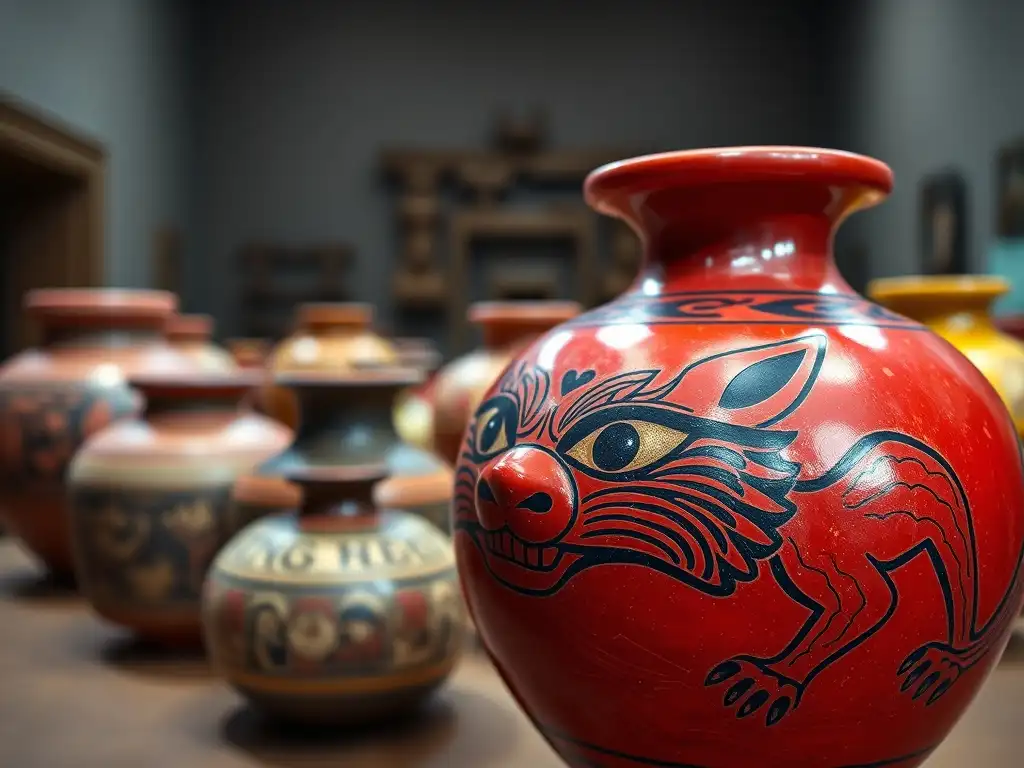
Uncover the secrets whispered by the sands of time! Dive into the mesmerizing world of Andean civilizations, where ingenuity and artistry flourished. Prepare to be captivated by the intricate artistry of the ancient Andean cultures, particularly the unparalleled skill of the Moche people. Their mastery of Moche pottery slip decoration techniques is only a glimpse into the breathtaking sophistication of their civilization. Journey with us to discover how these remarkable techniques transformed simple clay into breathtaking works of art – a legacy that continues to inspire awe centuries later. Let's explore!
- Moche Pottery Slip Decoration Techniques: An In-Depth Look
- Moche Slip Application Methods
- Understanding Moche Slip Materials and Pigments
- Iconography and Meaning in Moche Slip Decoration
- Analyzing the Technical Skill of Moche Slip Decoration
- Moche Slip Decoration: Legacy and Influence
- Frequently Asked Questions
- Final Reflection: The Enduring Legacy of Moche Slip Decoration
- Discover the Art of Slip Decoration
Moche Pottery Slip Decoration Techniques: An In-Depth Look
The Moche civilization (c. 100–800 CE), flourishing along the northern coast of Peru, left behind a remarkable legacy of artistic achievements, most notably their exquisite ceramics. This article delves into the sophisticated techniques employed by Moche artisans, focusing specifically on their masterful use of slip decoration to enhance the aesthetic and symbolic qualities of their pottery. We will explore the diverse applications of slip, its role in creating vibrant colors and intricate designs, and its significance within the broader context of Moche culture and beliefs.
Understanding Moche pottery slip decoration techniques provides invaluable insight into their artistic prowess, technological innovation, and the rich symbolism embedded within their ceramic art. This exploration will reveal the complexities of their craft and the enduring artistry reflected in their surviving pieces, enriching our understanding of this fascinating ancient civilization. Prepare to be amazed by the ingenuity and creativity of the Moche potters!
Introduction to Moche Ceramics and Surface Treatment
Moche pottery is renowned for its exceptional quality, realistic depictions, and vibrant colors. The creation of these stunning pieces involved a multi-step process, beginning with the selection and preparation of clay. After shaping the vessel on a potter's wheel (or by hand-building in some cases), the Moche potters meticulously prepared the surface for decoration.
This often involved smoothing the clay to create a fine, even texture. Before applying slip, some pieces may have received a preliminary coating of a different material to improve adhesion or alter the final color appearance. The choice of clay type and pre-treatment significantly affected the final result, influencing the absorption of slip and the intensity of the colors.
Evidence suggests that different clays were utilized for varying vessel types and decorative styles, demonstrating a sophisticated understanding of material properties. The precision and care evident in these preliminary steps laid the foundation for the stunning slip decorations to follow. The Moche potters' understanding of material science and artistic vision combined to produce truly remarkable works.
What is Slip Decoration in Moche Pottery?
Slip, in the context of Moche pottery, refers to a liquid suspension of clay and water, often containing additional pigments and additives. This slip was applied to the already-shaped and prepared ceramic vessel. The Moche potters utilized a variety of slip colors, achieved through the addition of natural pigments derived from minerals and plants.
Common colors included reds, oranges, yellows, blacks, and whites, often combined to create intricate polychrome designs. The application technique itself varied, ranging from simple washes to more complex layered applications, negative painting (reserving areas of the base clay color), and even the use of stencils. The thickness of the slip application also played a crucial role in the final appearance, influencing both the color intensity and the texture of the surface.
After the slip dried, the pottery was often fired at high temperatures, resulting in a durable and visually stunning final product. The skillful application of slip was fundamental to the artistic expression and cultural significance of Moche pottery. 🎨
The Role of Slip in Moche Ceramic Art
The role of slip in Moche ceramic art extended far beyond simple decoration. The colors and patterns created using slip were not arbitrary; they carried significant symbolic meaning, reflecting Moche cosmology, social structures, and religious beliefs. Specific colors were associated with particular deities or events, while intricate designs often depicted mythological figures, scenes of daily life, or representations of the natural world.
For example, red slip was frequently used in depictions of warriors and ceremonies, while white slip might symbolize purity or the supernatural realm. The complexity and precision of the slip decoration showcased the artisan's skill and the importance of the vessel's intended function, whether it was for ritual use, daily life, or funerary purposes. The analysis of Moche slip decoration provides invaluable insights into their worldview, social hierarchy, and rich cultural tapestry.
Analyzing the patterns and colors used in different contexts offers a glimpse into the beliefs and values of the Moche people. The enduring beauty and symbolic power of Moche pottery is a testament to the mastery of slip decoration techniques.
Moche Slip Application Methods
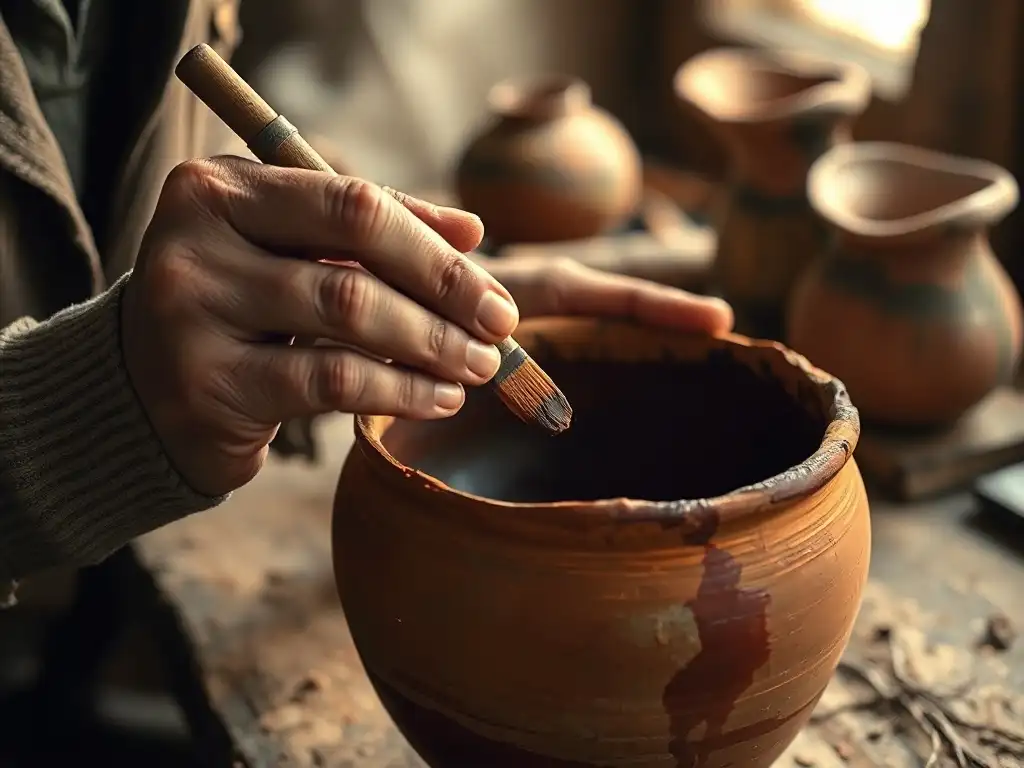
The Moche, renowned for their sophisticated ceramic artistry, employed a range of techniques to apply slip decoration to their pottery, resulting in the vibrant and detailed pieces we admire today. Understanding these methods provides crucial insight into their artistic processes and the level of skill involved. The application of slip wasn't a mere afterthought; it was an integral part of the creative process, carefully planned and executed to achieve the desired aesthetic effect.
Analyzing the surviving examples reveals a surprising level of complexity and innovation in their approach to slip decoration. Mastering these techniques required considerable expertise and likely involved specialized artisans within Moche society.
Preparing the Clay for Slip Decoration
Before any slip could be applied, the Moche meticulously prepared their clay. This wasn't a simple process; it involved several crucial steps that directly impacted the final appearance and durability of the finished product. Evidence suggests they used a combination of local clays, carefully selecting and mixing them to achieve the desired consistency and color.
The clay was often levigated – a process of washing and filtering the clay to remove impurities and unwanted particles – resulting in a smoother, more refined surface ideal for slip application. This meticulous preparation ensured the slip adhered properly and prevented cracking or flaking during firing. The careful selection of clay type also influenced the final color and texture of the pottery, adding another layer of complexity to the Moche's artistic process.
Furthermore, the addition of tempering agents, such as crushed rock or shell, further enhanced the clay's workability and strength, minimizing the risk of breakage during the firing process. The precise proportions of these additives would have been carefully controlled, demonstrating a deep understanding of ceramic materials and their properties.
Techniques for Applying Slip to Moche Vessels
The Moche employed several techniques for applying slip to their vessels, each contributing to the unique characteristics of their pottery. These methods ranged from simple to complex, demonstrating a mastery of both basic and advanced techniques. One common method involved pouring or dipping the vessel into a slip bath, ensuring even coverage.
For more intricate designs, however, the Moche artists used brushes and other tools to apply slip selectively, creating detailed patterns and images. This selective application allowed for the creation of multi-colored designs, with different slips layered on top of each other to create depth and visual interest. The precision and control evident in many pieces suggest a high level of skill and experience among the Moche artisans.
The choice of application technique directly impacted the final texture and appearance of the slip layer, with some methods resulting in a smoother finish than others. Analyzing the surface texture of surviving Moche pottery offers valuable clues to understanding the range of application techniques they employed.
Slip Painting Techniques on Moche Ceramics
Slip painting was a pivotal technique in Moche ceramic decoration. This involved applying the slip with brushes to create intricate designs, often depicting scenes from their daily life, mythology, and religious beliefs. The Moche artists demonstrated remarkable skill in controlling the flow of slip, creating fine lines and delicate details.
They used a variety of brushes made from natural materials, allowing for different levels of precision and texture. The pigments used in the slip were derived from natural sources, such as minerals and plant extracts, and were meticulously ground and mixed to achieve the desired colors. The range of colors employed is impressive, from deep reds and oranges to subtle yellows and blacks, showcasing their mastery of color mixing and application.
The layering of slips, with one color applied over another, added depth and complexity to the designs. Detailed analysis of Moche slip painting reveals remarkable artistic skill and a deep understanding of color theory and application techniques. The precision and control evident in these pieces are truly astounding, showcasing the high level of artistry within Moche society.
The Use of Brushes and Tools in Moche Slip Decoration
The tools used by Moche artisans significantly impacted the final product. While brushes were essential for slip painting, other tools played crucial roles. Evidence suggests the use of simple tools like reeds or sharpened sticks for creating lines and textures. These were likely used in conjunction with brushes to achieve a wide variety of effects.
The use of stamps or stencils, although not definitively proven for every piece, is a possibility and would explain the consistent repetition of certain motifs in some pottery. Furthermore, the use of different brush sizes and types allowed for varying levels of detail and texture. Fine-tipped brushes created delicate lines, while broader brushes were used for larger areas of color. The careful selection and use of tools underscore the sophisticated nature of Moche slip decoration techniques, highlighting their profound understanding of materials and their artistic capabilities.
The precision and control demonstrated in the surviving pieces suggest a high level of training and expertise among the artisans. Further research into the tools and techniques employed will undoubtedly reveal more about the complexities of Moche ceramic production. 🎨
Layering and Blending Moche Ceramic Slips
The Moche were masters of manipulating slip, achieving incredible visual depth and complexity through skillful layering and blending techniques. They didn't simply apply a single coat; instead, they often applied multiple layers of different colored slips, allowing some to show through others to create subtle gradations and unique effects. This wasn't a haphazard process; careful planning and execution were essential to achieving the desired outcome. Consider the intricate designs found on many Moche vessels – the smooth transitions between colors, the subtle shading, and the overall sense of three-dimensionality – all testaments to their sophisticated understanding of slip application.
One common technique involved applying a lighter slip as a base coat, followed by darker slips in carefully controlled strokes or areas. This allowed the lighter slip to peek through in places, creating a sense of luminosity and depth, reminiscent of modern glazing techniques. The control exhibited in these layered applications is remarkable; the lines between colors are often crisp and precise, demonstrating a high level of technical skill and artistic precision.
We see examples of this in the depiction of human figures, where subtle shading is used to convey muscle definition and the play of light on the skin. The layering also contributed to the durability of the pottery, creating a protective shell that resisted cracking and chipping.
Blending, another key aspect of Moche slip decoration, involved the skillful merging of different colored slips on the surface of the pot. This wasn't achieved by mixing the slips beforehand; rather, the Moche artists applied adjacent colors and then expertly blended them using a variety of tools, possibly including brushes made from natural materials or even their fingers. The resulting effect was a soft, almost watercolor-like appearance, especially visible in depictions of landscapes or flowing textiles. The precision required to blend colors seamlessly, without muddying the overall design, is a testament to their artistic mastery and intimate understanding of the materials they worked with.
This blending technique added a level of sophistication and visual richness not seen in many other contemporary ceramic traditions. Careful examination of surviving examples reveals the remarkable subtlety and finesse of this process. The smooth gradients achieved are a testament to their skill and patience.
Understanding Moche Slip Materials and Pigments
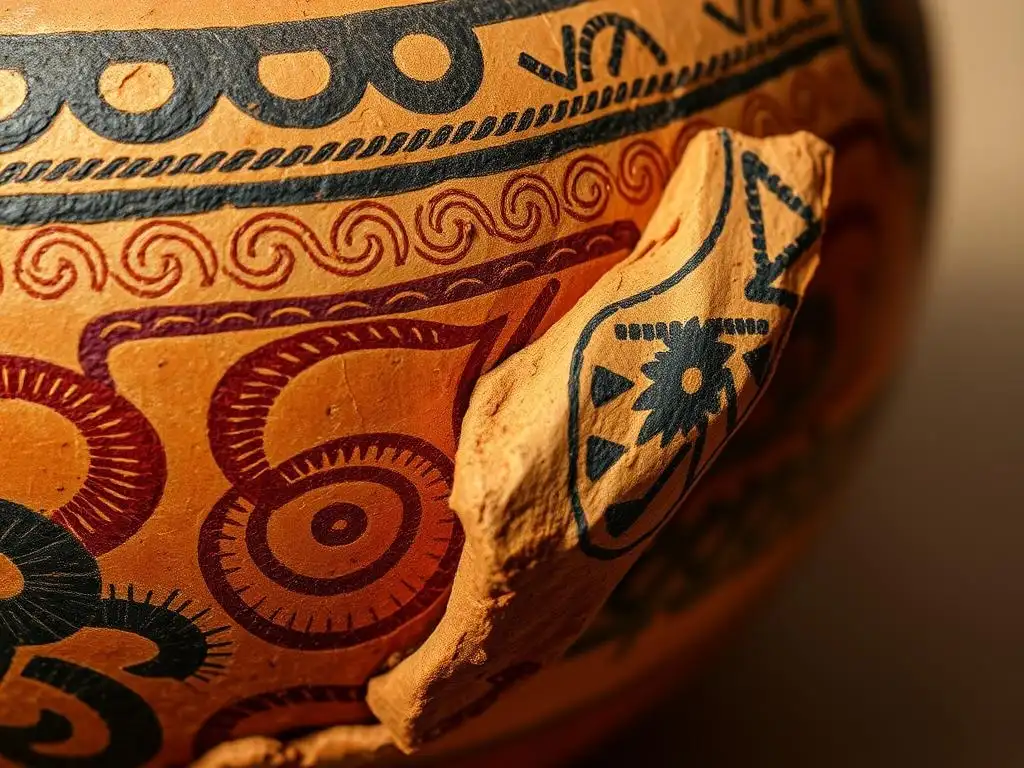
The mastery of Moche pottery slip decoration techniques is inextricably linked to their understanding and skillful manipulation of natural materials. Moche artisans weren't simply applying paint; they were engaging in a sophisticated process involving the sourcing, processing, and application of carefully selected pigments and slip, a liquid suspension of clay particles. This section delves into the materials that formed the foundation of their vibrant and enduring ceramic art.
Understanding these materials provides crucial insight into the technical skill and artistry of the Moche civilization, enhancing our appreciation for their remarkable achievements in pottery. The analysis of surviving pottery fragments, combined with archaeological evidence of pigment production sites, allows us to reconstruct, at least partially, their methods.
This reconstruction reveals a deep understanding of the local environment and a meticulous approach to material selection. The consistent quality and vibrant colors found across Moche pottery suggest a high degree of standardization in the preparation of their slip materials.
Sourcing and Processing Raw Materials for Moche Slips
The raw materials for Moche pottery slip decoration techniques originated from the diverse landscape surrounding their settlements. Clay, the primary component of the slip, was likely sourced from nearby riverbeds and alluvial deposits. The specific clay type significantly influenced the final color and texture of the slip.
Further research is needed to pinpoint the exact geological sources of the clays used by the Moche, but analyses of pottery shards suggest a variety of clay compositions, possibly reflecting regional variations or intentional choices by the artisans. The process of preparing the slip likely involved meticulous cleaning, grinding, and sieving of the clay to achieve a smooth, consistent suspension. This would have involved removing impurities and ensuring a uniform particle size, crucial for achieving even application and preventing cracking during firing.
The addition of temper, such as crushed rock or shell, might have been used to adjust the slip's viscosity and to prevent cracking during the firing process. Evidence suggests that the Moche may have employed different temper materials depending on the desired slip properties and the type of clay used.
The Color Palette of Moche Pottery Slips
The Moche's vibrant color palette, a hallmark of their ceramic art, was achieved through a sophisticated understanding of pigments and their interaction with the clay slip. Their color range extended far beyond simple reds and browns, encompassing a variety of shades, including blacks, whites, yellows, and even subtle greens. The use of these colors wasn't arbitrary; they served both aesthetic and symbolic purposes, reflecting a complex worldview and sophisticated artistic sensibilities.
The consistent application of color across vast quantities of pottery suggests a degree of standardization and control over the pigment production process. Further research is required to definitively identify all the pigments used, but analyses of Moche pottery have revealed the presence of iron oxides for red and brown tones, manganese oxides for black, and possibly kaolinite for white.
Achieving Red and Brown Hues in Moche Ceramics
The rich red and brown hues characteristic of much Moche pottery were primarily achieved through the use of iron oxides. These iron-rich minerals, abundant in the Andean region, were likely sourced from local geological formations.
The specific shade of red or brown could have been manipulated by varying the type and concentration of iron oxide used, as well as by adjusting the firing temperature and atmosphere. For example, a higher firing temperature in an oxidizing atmosphere would have resulted in a brighter, more intense red, while a lower temperature or a reducing atmosphere could have produced a darker brown.
The Moche's ability to control these variables allowed them to create a nuanced range of red and brown tones, evident in the subtle variations observed across their ceramic works. The precise recipes for achieving these specific colors remain partially unknown, but ongoing research through scientific analysis of pigment samples from excavated sites continues to shed light on these methods.
Creating Black and White Slip for Moche Art
Black and white slips provided Moche artisans with a contrasting palette for their intricate designs. The black color was likely achieved through the use of manganese oxides, another readily available mineral in the Andean region. Similar to the iron oxides used for reds and browns, the concentration of manganese oxide and the firing conditions would have influenced the intensity and shade of the black slip.
A reducing atmosphere during firing may have been crucial for achieving the deep black tones observed in many Moche ceramics. The creation of white slip is more complex and requires further research. However, it's hypothesized that kaolinite clay, known for its bright white color, may have played a significant role.
The purity of the kaolinite and the firing process would have been critical in achieving a bright, even white. The skillful combination of black and white, often used in negative space techniques, showcases the Moche's advanced understanding of color theory and their ability to create visually stunning and sophisticated designs, further highlighting their mastery of Moche pottery slip decoration techniques.
The Chemistry of Moche Ceramic Pigments
The vibrant colors characterizing Moche pottery are a testament to their sophisticated understanding of pigment chemistry. While precise formulations remain partly elusive due to the degradation of organic components over millennia, analysis of surviving artifacts reveals a fascinating palette derived from natural sources. Iron oxides, for example, played a crucial role, providing the range from deep reds and browns to yellows and oranges depending on the mineral form (hematite, goethite, etc.)
and firing conditions. The intensity and hue were further modified by the addition of other minerals and the control of the firing atmosphere. For instance, the addition of manganese oxides could deepen reds and create purplish tones, while the use of clays rich in titanium could contribute to the creation of lighter, brighter colors.
Further complicating the picture, and enhancing the Moche potters' skill, is the evidence suggesting the use of various firing techniques. Some pigments might have been applied before firing (pre-firing), while others were added post-firing. Pre-firing techniques allowed for greater color penetration and intensity, while post-firing techniques, possibly using a lower temperature, could have been employed for finer details or special effects. This variation in firing techniques, combined with the careful selection and mixing of minerals, allowed Moche artisans to achieve a remarkable range of colors and finishes.
The precise ratios of these mineral components are often difficult to determine definitively due to the challenges of analyzing ancient materials. However, ongoing research using techniques like X-ray diffraction and electron microscopy continues to shed light on the specific chemical compositions of Moche pigments, providing increasingly precise insights into the techniques employed by these master artisans. These studies not only enhance our understanding of the Moche's artistic capabilities but also provide valuable information on their technological achievements and resource management.
The intricate chemical knowledge underlying the Moche's vibrant ceramic palette underscores their profound understanding of materials science, far exceeding what many might expect from a pre-Columbian civilization. This complex interplay of materials and techniques contributes significantly to the enduring aesthetic appeal and historical importance of Moche pottery.
Iconography and Meaning in Moche Slip Decoration
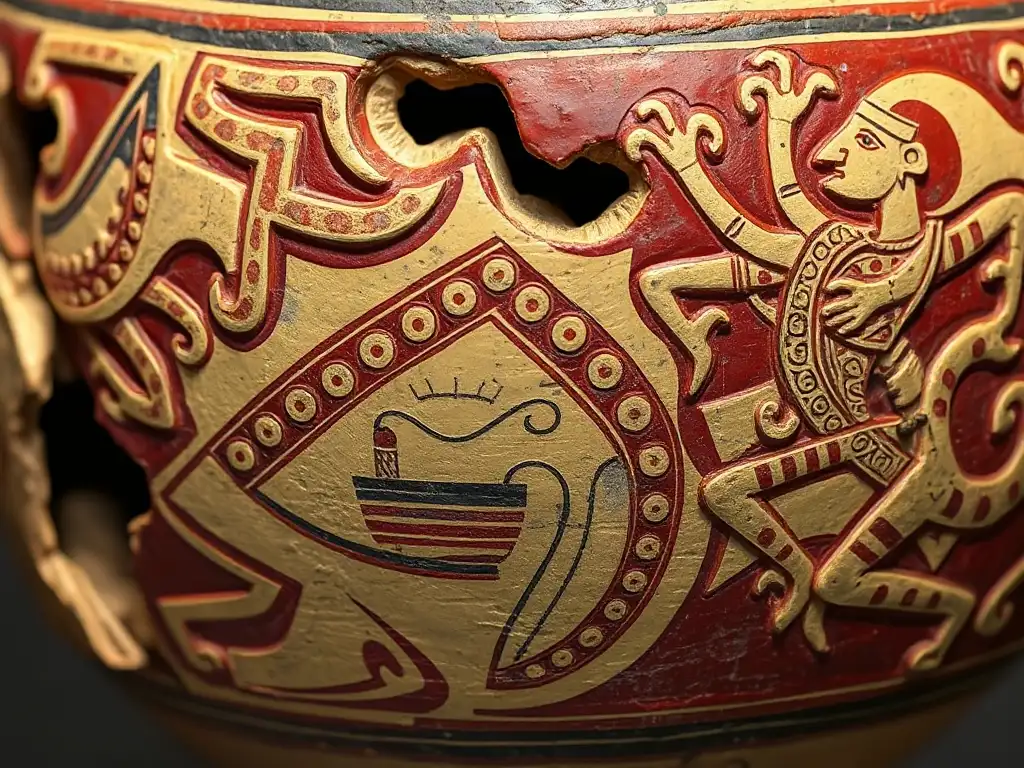
Moche pottery, renowned for its vibrant colors and intricate designs achieved through slip decoration techniques, wasn't merely decorative. The imagery painted onto these vessels offers a fascinating glimpse into the beliefs, rituals, and daily life of this ancient Andean civilization. Understanding the iconography is crucial to appreciating the artistry and the cultural significance of Moche slip-decorated ceramics. The careful application of different colored slips, often layered and polished to a high sheen, created a stunning visual effect that served a deeper purpose than mere aesthetics.
Analysis of these decorated surfaces reveals a complex system of symbols and narratives, providing invaluable insights into Moche society. The skillful manipulation of slip allowed Moche artisans to create dynamic compositions, conveying narratives with remarkable detail and expressiveness. This section will explore the narrative scenes, recurring motifs, and the symbolic meaning behind the imagery found on Moche pottery.
Narrative Scenes on Moche Pottery
Many Moche slip-decorated vessels depict complex narrative scenes, often portraying events of ritualistic or mythological significance. These aren't simple illustrations; they are carefully composed stories unfolding across the ceramic surface. The artist's skill in arranging figures and detailing the action creates a sense of movement and drama.
For example, some vessels depict scenes of warfare, with warriors engaging in combat, showcasing weaponry and attire. Others illustrate elaborate ceremonies, with figures in ceremonial garb participating in rituals involving offerings and possibly sacrifices. The detailed rendering of these scenes, from the expressions on the faces of the figures to the intricate patterns of their clothing, speaks to the Moche's advanced artistic capabilities and their dedication to preserving their cultural narratives through this medium.
The dynamic compositions, often involving multiple figures and actions, are a testament to the sophistication of Moche storytelling. Careful observation reveals subtle details that enrich the narrative, adding layers of meaning and complexity to the depicted events. Further research into specific vessel iconography is needed to fully understand the precise meaning behind each unique narrative.
Recurring Motifs in Moche Slip-Decorated Vessels
Beyond the narrative scenes, certain motifs repeatedly appear on Moche slip-decorated pottery, suggesting their symbolic importance within Moche culture. These recurring elements are not randomly placed; their strategic positioning within the composition enhances the overall narrative or reinforces the vessel's symbolic meaning. Some common motifs include stylized plants, such as maize and other agricultural products, signifying the importance of agriculture in Moche society.
Geometric patterns, often intricate and complex, may have represented cosmological concepts or social structures. The frequent appearance of specific animal representations, such as felines, birds of prey, and marine creatures, likely held symbolic meaning related to Moche mythology, shamanistic practices, or social hierarchies. Analyzing the frequency and context of these motifs across different vessels provides crucial clues to understanding their symbolic meaning within the broader Moche cultural system.
The consistency of these motifs across various pottery types and styles suggests a strong cultural continuity and a shared understanding of their symbolic significance. Further study is needed to definitively interpret the meaning of each motif and its relationship to other elements within the Moche iconographic system.
Depictions of Moche Deities and Mythological Figures
A significant portion of Moche slip decoration features depictions of deities and other mythological figures. These figures, often anthropomorphic or zoomorphic, are easily recognizable through their distinctive attributes and iconography. For example, certain figures, frequently depicted with elaborate headdresses and regalia, may represent high-ranking priests or rulers, potentially embodying divine power. Other figures, sometimes depicted with monstrous or supernatural features, might represent powerful spirits or deities associated with specific natural phenomena or aspects of the Moche worldview. The detailed rendering of these figures, with their specific attributes and symbolic clothing, allows researchers to begin to understand the complex Moche pantheon and their role in the society's religious beliefs. The context in which these figures appear, alongside other elements in the composition, further illuminates their symbolic meaning and their relationship to the larger narrative being depicted. Unfortunately, [specific information pending] regarding the precise identities and functions of many of these figures.
Representations of Moche Daily Life
Moche slip decoration doesn't only depict ritualistic or mythological scenes; it also provides glimpses into the daily life of the Moche people. Representations of activities such as fishing, agriculture, and craftsmanship reveal the practical aspects of their existence. These depictions show individuals engaged in various tasks, providing valuable insights into their social organization, economic activities, and technological advancements.
For instance, scenes depicting fishing expeditions show the types of boats and fishing techniques used. Similarly, depictions of agricultural activities illustrate the importance of maize cultivation and other agricultural practices. These realistic portrayals offer a unique window into the everyday lives of the Moche, supplementing the information gleaned from archaeological excavations and other sources.
The level of detail in these scenes, often including tools, clothing, and expressions, makes them particularly valuable for understanding Moche society. The careful observation of these everyday scenes allows for a richer understanding of the social dynamics and economic activities of the Moche people. Further research, comparing these depictions with archaeological evidence, would enhance our understanding of Moche daily life.
The vibrant slip decoration adorning Moche pottery wasn't merely aesthetic; it deeply intertwined with the social fabric and ritual practices of the Moche society. The meticulous application of these colorful slips, often depicting scenes of warfare, religious ceremonies, and everyday life, suggests a strong connection between the artistry and the social hierarchy. High-ranking individuals likely commissioned elaborate pieces, showcasing their status and power through the complexity and scale of the decoration. The imagery itself, often featuring powerful figures like priests or warriors, further reinforces this social significance.
The presence of specific motifs, such as stylized depictions of deities or mythical creatures, hints at the religious beliefs and rituals of the Moche people. These decorated vessels may have played a crucial role in ceremonies, used to offer libations or as part of funerary rites. Archaeological findings consistently support this theory, with decorated pottery frequently unearthed in elite tombs and ceremonial contexts. The intricate details and the clear narrative elements present in many pieces suggest that the creation and use of this pottery were carefully planned and executed, reflecting a society where art and religion were intrinsically linked.
The very act of creating these decorated vessels likely held ritual significance, possibly involving specialized artisans with privileged status within the community. Further research into the specific pigments and the methods of application could shed more light on the ritual aspects of Moche slip decoration. Analyzing the distribution of different decorative styles across different social strata could also provide valuable insights into the social hierarchy and the role of art in maintaining it.
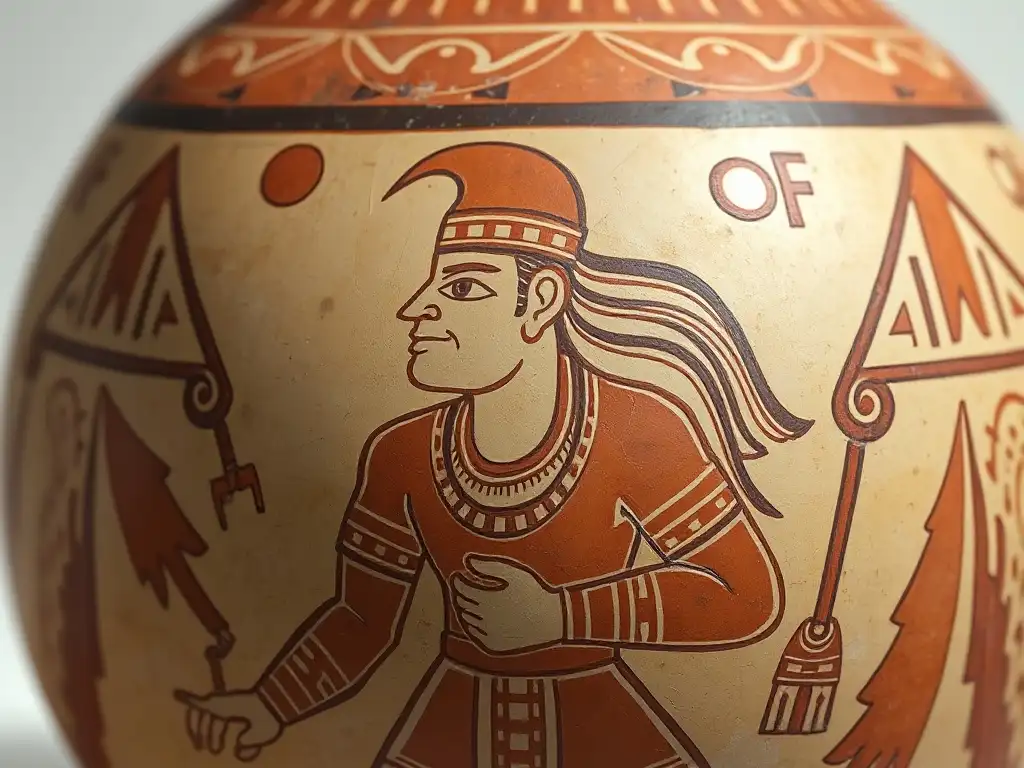
Moche slip decoration frequently showcased scenes depicting rulers, warriors, and priests, highlighting their power and authority within the society. The size and prominence of these figures within the composition often directly corresponded to their perceived importance. For example, depictions of powerful rulers often occupied the central space, surrounded by smaller figures representing subordinates or subjects. The use of specific colors and techniques further enhanced this visual hierarchy.
Bright, bold colors and intricate details were often reserved for the most important figures, while less prominent characters might be depicted in muted tones or with simpler designs. The clothing and regalia of these figures also played a crucial role in communicating their power. Elaborate headdresses, ornate jewelry, and ceremonial attire all served to visually reinforce their elevated social status. The depiction of warfare scenes, often featuring victorious warriors, also served to legitimize the power of the ruling class and to instill a sense of awe and respect among the population.
These depictions were not merely celebratory; they likely served as a means of propaganda, reinforcing the social order and the authority of the ruling elite. The careful selection and arrangement of these visual elements demonstrate a sophisticated understanding of the power of visual communication and its role in maintaining social control within the Moche state. The consistent presence of these power symbols in Moche pottery across different regions suggests a unified ideology and a strong central authority. The study of these depictions provides invaluable insight into the political organization and social dynamics of the Moche civilization.
Religious and Mythological Themes in Moche Slip Ware
The Moche people's rich religious beliefs and mythology are vividly depicted in the slip decoration of their pottery. Many vessels feature complex scenes that appear to represent mythological narratives, often featuring anthropomorphic deities and supernatural beings interacting with humans. These scenes frequently depict rituals, sacrifices, and other ceremonial events, providing valuable clues about the Moche religious worldview. The recurring motifs, such as stylized feline deities, mythical birds, and other supernatural creatures, suggest a complex pantheon of gods and goddesses.
Analysis of these motifs reveals a potential connection to agricultural cycles and the forces of nature, indicating the importance of these elements in the Moche religious system. The depictions of shamans and priests performing rituals, often interacting with these supernatural beings, suggest the crucial role that religious specialists played in Moche society. The use of specific colors and symbols within these scenes may hold further symbolic meaning, relating to specific deities or ceremonies. For example, certain colors might be associated with particular gods or represent specific aspects of the natural world.
Researchers continue to decipher the intricate iconography of Moche slipware, aiming to reconstruct a more complete picture of their religious beliefs and practices. The study of these images offers a unique window into the spiritual life of the Moche, revealing the richness and complexity of their mythological world. Further research, including comparative studies with other Andean cultures, could help to refine our understanding of the Moche pantheon and their religious practices.
Analyzing the Technical Skill of Moche Slip Decoration
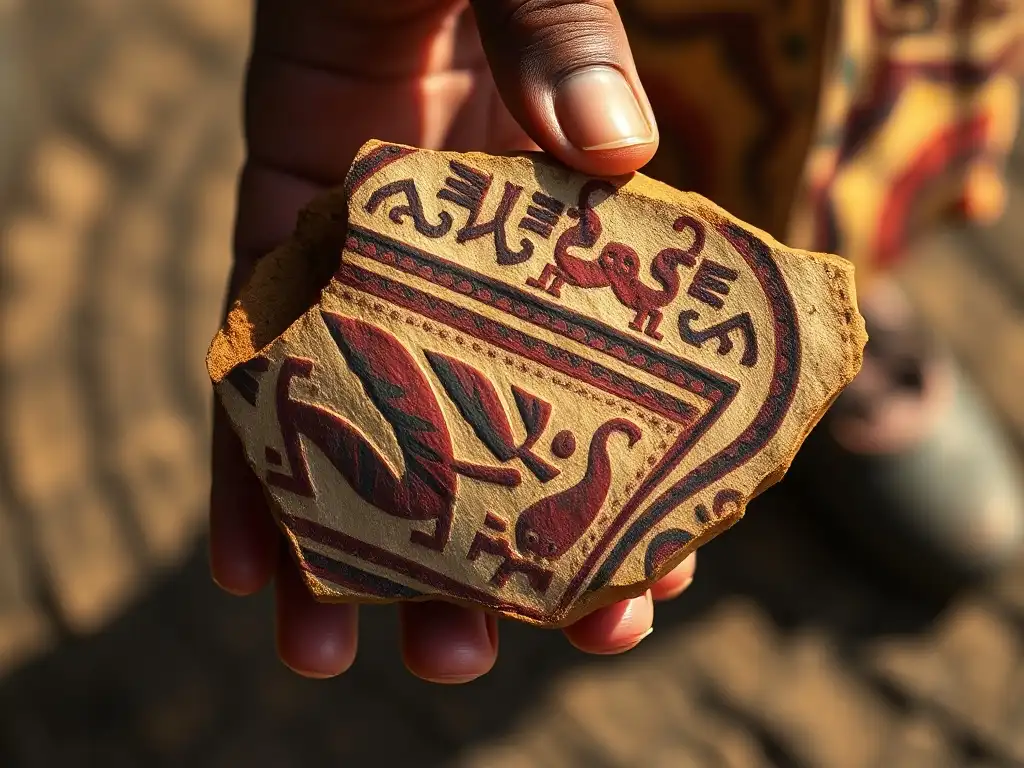
The Moche, a pre-Columbian civilization flourishing on the northern coast of Peru (circa 100-800 CE), were masters of ceramic artistry. Their skill is perhaps most evident in their sophisticated use of slip decoration, a technique involving the application of a liquid clay suspension to alter the color and texture of the pottery surface.
Understanding the technical proficiency involved in Moche slip decoration requires examining the precision of application, the impact of the firing process, and the methods employed for preserving these vibrant works of art. This section delves into the intricacies of Moche pottery slip decoration techniques, revealing the remarkable artistry and technological understanding behind this ancient craft.
The level of detail and control demonstrated in their work points to a highly developed understanding of materials and techniques, a hallmark of Moche artistic achievement. Analyzing the various aspects of their process reveals a level of sophistication rarely seen in other contemporary cultures.
Precision and Detail in Moche Slip Application
Moche artisans achieved incredible precision in applying slip, often using multiple layers of different colors and consistencies to create intricate designs. The thinness and evenness of the slip application are astonishing, indicating a high level of skill and practice. Consider the intricate depictions of mythological beings, geometric patterns, and scenes of daily life often found on Moche pottery.
The fine lines, subtle shading, and delicate details are impossible to replicate without a deep understanding of the material's properties and a steady hand. This mastery extended beyond simple brushwork; some pieces showcase incredibly fine lines achieved through techniques like negative space painting or the use of specialized tools, possibly made from reeds or other natural materials. The control over the slip's viscosity allowed for both broad washes of color and incredibly fine details, highlighting the advanced understanding of material science possessed by these ancient potters.
Evidence suggests the use of stencils in certain cases, further demonstrating their innovative approach to achieving consistent and complex designs. The application of slip was not a haphazard process; it was a carefully considered step in a complex production chain that reflected both artistic vision and technical mastery, a perfect blend of art and technology.
The Firing Process and its Impact on Slip Color
The firing process played a crucial role in determining the final color and appearance of the Moche slip decoration. Different firing temperatures and atmospheric conditions could dramatically alter the hues and textures of the slips, allowing Moche artisans to achieve a wide range of effects. For example, the use of oxidizing or reducing atmospheres during firing could produce contrasting colors from the same slip.
An oxidizing atmosphere, rich in oxygen, generally resulted in brighter, more vibrant colors, while a reducing atmosphere, lacking oxygen, often produced darker, earthier tones. This understanding of the chemical reactions involved in firing allowed for a level of color control that is remarkable for its time. The precise temperature control required for consistent results suggests that Moche potters possessed advanced knowledge of pyrotechnology, allowing them to reliably achieve the desired aesthetic results.
Further research into the specific kiln types used and the firing techniques employed would provide a more complete understanding of this crucial aspect of Moche pottery slip decoration techniques. The variations in color and texture seen across different Moche ceramic pieces demonstrate a sophisticated understanding of the interplay between slip composition, application technique, and the firing process.
Preserving Moche Ceramic Slip Decoration
The remarkable preservation of many Moche ceramic pieces, including their intricate slip decoration, is a testament to both the quality of the materials and the techniques employed in their creation. The use of durable clays and carefully selected slip materials contributed to the longevity of these artifacts. However, environmental factors, such as humidity and temperature fluctuations, pose ongoing challenges to the preservation of these delicate pieces.
Modern conservation efforts focus on mitigating these factors and employing techniques to stabilize the slip layers and prevent further deterioration. Understanding the original methods of Moche pottery preservation, if any existed beyond the inherent durability of the materials, remains an area of ongoing research. Scientists and conservators continue to study the chemical composition of the slips and the clays used in their creation to better understand the factors contributing to their longevity and develop effective preservation strategies.
The challenge lies in finding a balance between preserving the original aesthetics and ensuring the long-term survival of these significant cultural artifacts, a delicate task that demands both scientific knowledge and a deep respect for the Moche artistic legacy. The ongoing efforts to preserve Moche pottery are crucial for ensuring that future generations can appreciate the remarkable technical skill and artistic vision of this ancient civilization.
Moche Slip Decoration: Legacy and Influence
The Moche civilization (c. 100 – 800 CE), flourishing along the northern coast of Peru, left behind a remarkable legacy, particularly in their mastery of ceramic art. Their Moche pottery slip decoration techniques are renowned for their vibrant colors, intricate designs, and remarkable preservation, providing invaluable insights into their worldview, social structures, and daily life. This section explores the enduring impact of Moche slip decoration, examining its historical context and its influence on subsequent Andean cultures.
Understanding these techniques requires appreciating the painstaking process involved, from the careful selection of clays to the application of multiple layers of slip and pigment. The sheer artistry displayed in these pieces showcases a sophisticated understanding of material science and artistic expression. The precision and detail evident in their work highlights the high level of skill possessed by Moche artisans.
Moche Ceramic Art and its Place in Andean History
Moche ceramic art occupies a unique position within the broader context of Andean art history. Unlike many other Andean cultures, the Moche created a vast corpus of ceramic vessels, not just for utilitarian purposes but also for elaborate rituals and funerary practices. This prolific production allowed for an extraordinary level of stylistic experimentation and the development of highly refined Moche pottery slip decoration techniques. Their ceramics are not merely vessels; they are narrative canvases, depicting scenes of warfare, religious ceremonies, daily life, and mythical creatures.
The use of slip—a liquid clay suspension—allowed for a wide range of colors and surface textures, enhancing the already impressive three-dimensional modeling found on many pieces. The vibrant hues, often achieved through the layering of different colored slips, are remarkably well-preserved, testament to the Moche's advanced understanding of ceramic firing techniques. Analysis of the chemical composition of the slips and pigments used has revealed the Moche's sophisticated knowledge of local resources and their ability to manipulate these materials to achieve specific aesthetic effects. For example, studies have shown the use of iron oxides for reds and yellows, manganese for blacks and browns, and various clays for whites and creams.
This demonstrates a deep understanding of the chemical properties of these materials, allowing for the creation of a wide range of colors and tones. The detailed depictions found on Moche pottery often include intricate scenes of daily life, religious rituals, and mythical beings. These carefully rendered images offer invaluable insights into the Moche worldview and social organization.
The Influence of Moche Slip Techniques on Later Cultures
The sophisticated Moche pottery slip decoration techniques had a profound and lasting influence on subsequent Andean cultures. While the exact mechanisms of transmission are still under investigation, the stylistic elements and technical expertise developed by the Moche are clearly visible in the ceramic traditions of later cultures. The use of polychrome slipware, for instance, became a hallmark of several succeeding Andean styles. While the specific pigments and clays might vary based on regional availability, the underlying principles of layering slips to create complex color schemes and detailed designs are readily apparent.
This continuity suggests a process of cultural exchange and adaptation, where later artisans learned from and built upon the Moche's achievements. The influence of Moche aesthetics extended beyond mere technical imitation. The stylistic conventions—the depiction of specific iconographic motifs, the use of particular compositional strategies—were adopted and reinterpreted by later artists, resulting in a rich and complex tapestry of artistic expression across centuries.
Further research into the stylistic evolution of Andean pottery is needed to fully understand the precise nature and extent of Moche influence on later cultures. However, the evidence strongly suggests a significant and enduring legacy. The impact is evident not only in the direct adoption of techniques but also in the broader artistic language used by later Andean societies.
Conclusion: The Enduring Artistry of Moche Pottery
The Moche civilization’s mastery of Moche pottery slip decoration techniques stands as a testament to their artistic prowess and technological innovation. Their vibrant and intricate ceramics provide a window into their world, offering invaluable insights into their society, beliefs, and artistic sensibilities. The enduring influence of their techniques on subsequent Andean cultures underscores the significance of their contribution to the rich tapestry of Andean art.
The continued study and appreciation of Moche pottery are crucial not only for understanding their own unique culture but also for tracing the evolution of Andean artistic traditions. The detailed analysis of their techniques continues to inspire contemporary artists and researchers alike, highlighting the enduring legacy of these remarkable artisans.
The legacy of Moche pottery is more than just beautiful objects; it represents a sophisticated understanding of materials, artistic expression, and cultural transmission. The vibrant colors and intricate designs continue to captivate and inspire, leaving an indelible mark on the history of Andean art.
Frequently Asked Questions
What is slip decoration in Moche pottery?
Slip decoration is a crucial technique in Moche pottery. It involves applying a thin layer of clay suspension, often a different color than the base clay, to the surface of the ceramic vessel. This creates a smooth, even surface and allows for further decoration.
What were the primary colors used in Moche slip decoration?
The Moche potters skillfully utilized a range of colors. Reds, yellows, whites, and blacks were prevalent, often combined to create intricate designs. These colors were derived from natural pigments.
How did the Moche achieve such fine detail in their slip decoration?
The precision and detail in Moche slip decoration were achieved through a combination of techniques. These included using fine brushes, carefully controlling the slip consistency, and employing multiple layers of slip and paint.
What tools did the Moche use for slip decoration?
Moche artisans used various tools, including simple brushes made from plant fibers or hair, and potentially pointed implements for fine lines and details. The exact tools are still a subject of ongoing research.
What is the significance of Moche slip decoration techniques?
Moche slip decoration techniques showcase the artistic sophistication and technical mastery of the civilization. The intricate designs often depict religious beliefs, social structures, and daily life, providing invaluable insights into their culture.
Final Reflection: The Enduring Legacy of Moche Slip Decoration
The vibrant artistry of Moche slip decoration continues to resonate today, a testament to the ingenuity and cultural depth of this ancient civilization. More than just a decorative technique, the meticulous application of slips reveals a sophisticated understanding of material science and a profound connection to the spiritual world, leaving an undeniable mark on the history of art and ceramics. The precision and artistry displayed in these pieces challenge modern techniques and inspire contemporary artists even now.
The Moche's mastery of slip decoration wasn't merely about aesthetics; it was a powerful form of communication, a visual language that conveyed social status, religious beliefs, and narratives of daily life. The beauty of the Moche pottery is not just in its visual appeal, but in its ability to transport us to another time and place, allowing us to connect with a culture that existed centuries ago.
This enduring power of their art speaks volumes about the human desire to create, to express, and to leave a lasting legacy. The complexity of the techniques, the range of colors, and the sheer volume of surviving pieces are a powerful testament to their dedication and skill.
Consider the intricate details, the vibrant hues, and the stories whispered through the painted surfaces of Moche pottery. You too can appreciate the enduring power of artistic expression. Take a moment to reflect on the artistry you encounter in your daily life, and consider how these creations, like the Moche's slip-decorated ceramics, can connect us across time and cultures. Let the legacy of the Moche inspire you to appreciate the beauty and power of human creativity, and perhaps even to explore your own artistic potential.
Discover the Art of Slip Decoration
Thank you for exploring the remarkable world of the Moche civilization and their unique slip decoration techniques! We hope you've found inspiration in their artistry and cultural significance. Now, let's put that inspiration to work!
- Unleash your creativity: Experiment with slip decoration! Gather some clay and create unique ceramic pieces inspired by Moche traditions. Let your imagination guide your designs.
- Share your creations: Join our community and showcase your work on social media using the hashtag #AndeanArtistry. We'd love to see what you make!
- Continue learning: Deepen your understanding of Andean art by exploring related articles and resources on our website. Discover even more about these ancient techniques and their enduring legacy.
What designs would you create if you were to make your own slip-decorated ceramics?