
The Inca's Approach to Pest Control: Natural Methods of Protection


Step into a world lost to time, yet echoing with ingenuity. For centuries, the Andes Mountains held the secrets of the Inca Empire, a civilization renowned for its architectural marvels and sophisticated societal structures. But what about their daily lives? Discover the surprising sophistication of Inca pest control methods – a testament to their deep understanding of nature and their remarkable ability to thrive in a challenging environment. Prepare to be amazed by their innovative, natural approaches; the story unfolds...
- Inca Pest Control Methods: Natural Strategies for Crop Protection
-
Natural Pest Management Techniques of the Incas
- Plant-Based Insecticides Used by the Incas
- Tobacco and its application against various insects
- Chili Peppers as a repellent for pests in stored crops
- Biological Pest Control in Inca Agriculture
- Utilizing ladybugs and other natural predators for pest control
- Ducks and Guinea Pigs for pest control in fields
- Crop Rotation and Diversification as Pest Control Strategies
- The Inca approach to alternating potato and quinoa crops
- Benefits of planting multiple varieties to reduce pest impact
- Soil Management and Its Role in Pest Prevention
- Soil health through adding llama and alpaca dung
- Using guano to fertilize and enhance plant resistance
- Advanced Inca Farming Practices and Pest Reduction
- Comparing Inca Pest Control with Modern Methods
- Conclusion: The Genius of Inca Pest Control Strategies
- Frequently Asked Questions
- Final Reflection: Echoes of the Andes: Sustainable Pest Control for a Modern World
- Harness the Wisdom of the Incas Today!
Inca Pest Control Methods: Natural Strategies for Crop Protection
The Inca Empire, renowned for its sophisticated engineering and social structures, also possessed a remarkable understanding of sustainable agriculture. Their mastery of complex irrigation systems and terracing techniques is well-documented, but less attention is often given to their ingenious approaches to pest control.
This article delves into the natural and sustainable methods employed by the Inca to protect their vital crops, showcasing their deep knowledge of the Andean ecosystem and their commitment to long-term agricultural success. Understanding their techniques offers valuable insights into environmentally friendly pest management strategies, relevant even in modern agriculture, and highlights the ingenuity of this remarkable civilization.
We will explore the significance of agriculture within the Inca societal structure, the challenges posed by pests and environmental factors, and the specific methods the Inca implemented to combat these threats, revealing a sophisticated system far beyond simple farming practices. The keyword "Inca pest control methods" will be explored throughout this article, examining its various facets and providing a comprehensive understanding of the subject.
The Importance of Agriculture in the Inca Empire
Agriculture formed the bedrock of Inca society. Their economy and social structure were intricately interwoven with their ability to produce sufficient food to sustain a large and expanding population living in a challenging, high-altitude environment. The Inca developed advanced agricultural techniques, including sophisticated irrigation systems, terraced farming on steep slopes (known as andenes), and the cultivation of diverse crops adapted to varying altitudes and microclimates. This agricultural success fueled their empire’s growth and stability.
Failure to protect crops from pests would have had catastrophic consequences, threatening the very foundation of their society. The Inca understood this deeply, leading them to develop effective, environmentally conscious pest control strategies that were integrated into their overall agricultural practices. Their approach prioritized sustainability and biodiversity, demonstrating a remarkable understanding of ecological balance centuries before modern ecological awareness. 🥔
Understanding Inca Agricultural Challenges: Pests and Crop Vulnerability
The Inca faced numerous agricultural challenges, including unpredictable weather patterns, steep terrain, and, crucially, a variety of crop pests. The high altitude Andean environment presented unique challenges, with specific insects and diseases affecting their crops. These pests targeted staple crops such as potatoes, maize (corn), quinoa, and beans – the cornerstone of the Inca diet. The vulnerability of these crops to pests necessitated the development of effective control strategies.
The Inca did not rely on chemical pesticides, which were unknown to them. Instead, they developed a complex system of integrated pest management that utilized natural methods, incorporating biological control, crop rotation, and careful selection of planting locations. The impact of pest infestations on food security was undoubtedly significant, driving the Inca to develop proactive and effective solutions.
The consequences of crop failure were severe, potentially leading to famine and social unrest. Therefore, their pest control methods were not merely agricultural practices but crucial components of their societal stability. 🐛
Natural Pest Management Techniques of the Incas

The Inca Empire, renowned for its sophisticated agricultural practices, developed ingenious methods of pest control long before the advent of modern chemical pesticides. Their approach prioritized natural, sustainable techniques, reflecting a deep understanding of their environment and the delicate balance of the Andean ecosystem. This holistic approach, passed down through generations, ensured the preservation of crops vital to their survival and prosperity.
Understanding their methods offers valuable insights into sustainable agriculture and provides a fascinating glimpse into the ingenuity of Inca ingenuity. The effective implementation of these practices allowed the Inca to cultivate diverse crops across varied altitudes and climates, maximizing agricultural output and ensuring food security for their vast empire. Their success highlights the importance of integrating ecological knowledge into agricultural practices, a lesson particularly relevant in today's world.
Plant-Based Insecticides Used by the Incas
The Incas utilized a wide array of plants with insecticidal properties to protect their crops. Their knowledge, likely accumulated over centuries of observation and experimentation, allowed them to identify and effectively employ these natural resources. Many of these plants are still used today, both in traditional Andean medicine and in modern organic pest control. This demonstrates the enduring value of these Inca techniques and the remarkable insight into the natural world possessed by the ancient civilization.
One example is the effective use of Nicotiana rustica, a species of wild tobacco. The strong alkaloids present in the plant, including nicotine, act as potent neurotoxins to insects. Another plant frequently employed was Matricaria chamomilla (chamomile), which exhibits insecticidal properties and also has repellent qualities. Researchers continue to study the specific compounds within these and other Inca-utilized plants to fully understand their mechanisms of action and potential for modern applications. Further research is needed to fully document the complete range of plant-based insecticides employed by the Incas, but available evidence suggests a sophisticated and effective system.
Tobacco and its application against various insects
Tobacco, specifically Nicotiana rustica, played a significant role in Inca pest control. Its potent insecticidal properties were harnessed in various ways. The leaves were often crushed and mixed with water to create a spray or infusion. This solution was then applied directly to crops to deter or eliminate insect infestations. The strength of the solution varied depending on the targeted pest and the stage of crop growth. For example, weaker solutions might have been used on young seedlings to avoid harming the plants themselves.
Evidence suggests that tobacco was also used in fumigations. Burning tobacco leaves released nicotine-rich smoke, which proved effective in controlling insects in storage areas, protecting harvested crops from pests during the crucial storage period. This method was particularly important for grains and other stored foods that were susceptible to insect damage. The precise methods of fumigation, such as the type of containers used and the duration of exposure, remain areas requiring further investigation. However, the effectiveness of this technique is well-documented in historical accounts and ethnobotanical studies.
Chili Peppers as a repellent for pests in stored crops
Chili peppers ( Capsicum spp. ), a staple in Inca cuisine and agriculture, also served as a valuable tool in pest control. The capsaicinoids, the compounds responsible for the peppers' pungency, act as a powerful repellent to many insects. Inca farmers strategically incorporated chili peppers into their stored crops to deter pests. This could have involved placing chili peppers amongst stored grains or weaving chili pepper stems into storage containers.
The precise methods of incorporating chili peppers into stored crops varied depending on the type of crop and the storage method employed. The pungent aroma and the irritating effects of capsaicinoids on insects effectively prevented infestation. This clever and sustainable method minimized crop losses during storage, thereby ensuring food security and stability within Inca communities. The use of chili peppers highlights the integration of food production and pest management within the Inca agricultural system, demonstrating a remarkable understanding of natural pest control techniques. Further research into Inca agricultural practices could unearth further examples of integrated pest management approaches.
Biological Pest Control in Inca Agriculture
The Inca Empire, renowned for its sophisticated agricultural practices, cleverly employed biological pest control methods, minimizing reliance on potentially harmful chemicals. Their understanding of ecological balance allowed them to integrate natural predators into their farming systems, creating a resilient and sustainable approach to pest management. This approach was crucial in maintaining the productivity of their terraced fields, which were vital to sustaining their large population. The Inca's success stemmed from meticulous observation of the natural world and a deep understanding of the intricate relationships within their ecosystems.
Their methods, while seemingly simple, were remarkably effective and offer valuable lessons for modern sustainable agriculture. This holistic approach, prioritizing natural processes over chemical intervention, showcases the Inca's advanced understanding of ecological principles and their commitment to environmental stewardship. The Inca’s ability to sustain high agricultural yields over centuries is a testament to the effectiveness of their biological pest control strategies.
Utilizing ladybugs and other natural predators for pest control
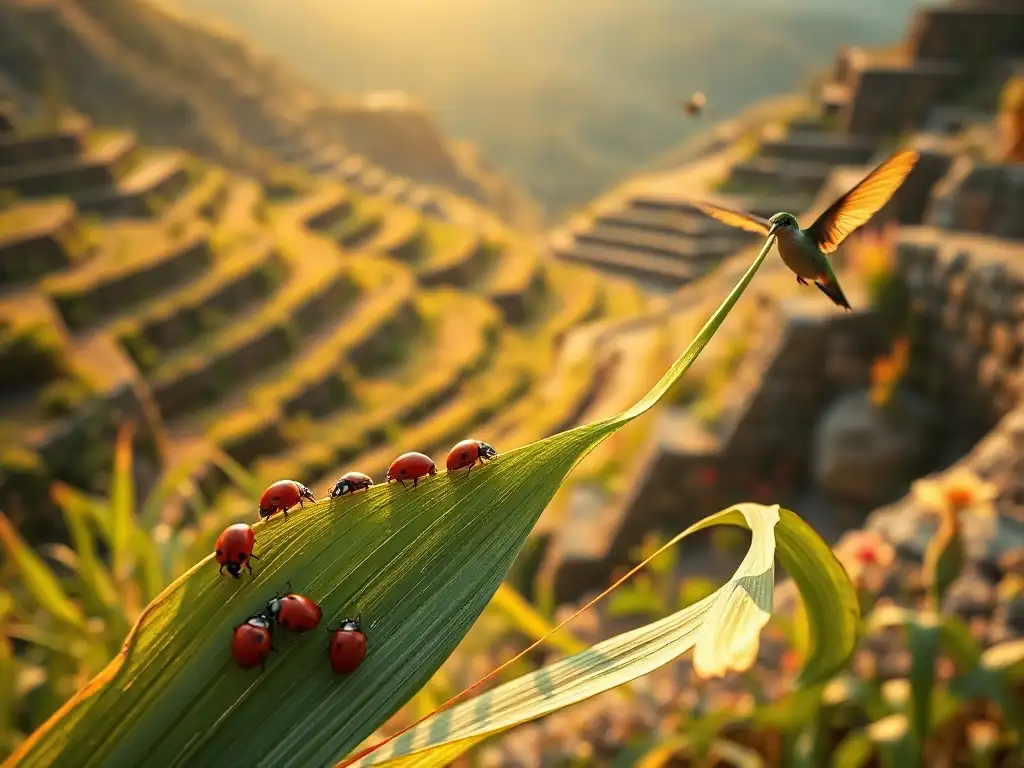
Ladybugs, with their voracious appetites for aphids and other destructive insects, were a cornerstone of Inca biological pest control. Farmers likely encouraged ladybug populations by providing suitable habitats, such as planting specific flowering plants that attracted these beneficial insects. Evidence suggests that the Incas understood the importance of biodiversity in maintaining ecological balance.
By fostering a diverse range of plant and insect life, they created environments where natural predators could thrive, effectively suppressing pest populations. Beyond ladybirds, the Incas likely utilized other natural predators, though specific records on this are scarce. It's reasonable to assume that birds, amphibians, and even certain types of insects played a role in their integrated pest management strategy.
Further research into Inca agricultural practices could reveal more details about the specific predators employed and the techniques used to manage their populations effectively. The utilization of ladybugs and other beneficial insects highlights the Incas’ sophisticated understanding of the interconnectedness of life within their agricultural systems.
Ducks and Guinea Pigs for pest control in fields
The Inca’s innovative pest control extended beyond insects. They integrated animals, like ducks and guinea pigs, into their agricultural practices for pest management. Ducks, allowed to roam freely in irrigated fields, effectively controlled snails and other mollusks that could damage crops. Their foraging behavior provided a natural and efficient way to limit pest populations.
Similarly, guinea pigs, while primarily raised for food, may have also played a role in controlling weeds and insects in and around fields. Their grazing habits could have contributed to weed suppression, indirectly benefiting crop growth. The use of ducks and guinea pigs exemplifies the Incas' holistic approach to agriculture.
By integrating livestock into their farming systems, they achieved multiple benefits: pest control, fertilizer production (from duck and guinea pig droppings), and a source of protein. This integrated system demonstrates the efficiency and sustainability of their agricultural practices, highlighting their understanding of interconnectedness within their ecosystems. The Inca system showcases a remarkable synergy between animal husbandry and crop cultivation, a model that could inspire contemporary sustainable farming practices.
Crop Rotation and Diversification as Pest Control Strategies
The Inca's mastery of agriculture wasn't solely about maximizing yield; it was also about minimizing pest damage. Their sophisticated understanding of ecological balance led them to develop ingenious pest control strategies, prominently featuring crop rotation and diversification. Instead of planting the same crop repeatedly in the same location, a practice that often leads to pest build-up, the Inca implemented a system of rotating crops.
This prevented the depletion of specific nutrients in the soil that certain pests thrive on, and importantly, disrupted the life cycles of many common pests. By strategically changing the location and type of crop each year, they effectively reduced the population density of pests reliant on specific host plants. This approach was particularly effective in managing soil-borne pests and diseases, which often accumulate over time in monoculture systems.
The Inca's meticulous record-keeping, likely through the use of quipus (knotted strings), helped them track the success of their rotations and adapt their strategies over time, ensuring long-term agricultural sustainability. This cyclical approach wasn't simply a matter of chance; it was a carefully planned and executed system demonstrating a deep understanding of ecological principles.
The Inca approach to alternating potato and quinoa crops
A prime example of the Inca's crop rotation prowess is their alternating of potato and quinoa cultivation. Potatoes, a staple crop, are susceptible to various pests and diseases. Quinoa, a resilient grain, has a different pest profile.
By alternating these crops, the Inca disrupted the life cycles of pests specific to potatoes. The quinoa crop, acting as a "break crop," would not support the potato pests, effectively reducing their populations before the next potato planting. Furthermore, quinoa's deep root system helped improve soil structure and fertility, creating a more favorable environment for subsequent potato crops.
This wasn't simply a random rotation; evidence suggests the Inca carefully selected planting locations based on factors like altitude, soil type, and sunlight exposure to optimize the benefits of this alternating system. This practice exemplifies their holistic approach to agriculture, integrating pest control seamlessly into their broader agricultural strategy. The success of this method is evidenced by the long-term cultivation of both crops in the Andean region, a testament to the effectiveness of their agricultural practices.
Benefits of planting multiple varieties to reduce pest impact
Beyond crop rotation, the Inca also employed the strategy of planting multiple varieties of the same crop within a single field. This practice, known as polyculture, offered significant advantages in pest management. By planting different potato varieties, for example, the Inca created a less uniform environment, making it more difficult for pests to establish large, thriving populations.
Some varieties might be more resistant to specific pests than others, acting as a buffer against widespread infestation. This diversification also reduced the risk of total crop failure due to a single pest outbreak. If one variety succumbed to a particular pest, others might remain relatively unaffected, ensuring a more stable food supply.
This strategy, combined with crop rotation, significantly minimized the risk of widespread crop loss and contributed to the Inca Empire's remarkable agricultural success. The inherent resilience of this diversified approach ensured food security and demonstrates the Inca's profound understanding of ecological principles and their application to practical agriculture. This multifaceted approach to pest management is a hallmark of their agricultural ingenuity and a valuable lesson for modern sustainable farming practices.
Soil Management and Its Role in Pest Prevention
The Inca's sophisticated understanding of agriculture extended far beyond simply planting crops. Their mastery of soil management played a crucial role in preventing pest infestations. They recognized that healthy soil fostered healthy plants, inherently more resistant to pests and diseases. This wasn't a passive approach; rather, it involved a meticulous system of techniques aimed at optimizing soil fertility and structure.
For example, the waru waru agricultural system, characterized by raised beds separated by irrigation canals, not only improved water management but also created a microclimate less favorable to certain pests. The raised beds themselves provided excellent drainage, preventing waterlogging which can encourage fungal diseases and attract pests. Furthermore, the Inca's careful terracing on steep slopes minimized erosion, preserving the topsoil's rich organic matter and beneficial microorganisms vital for plant health and pest resistance.
This holistic approach to soil management was fundamental to their success in preventing widespread crop damage. Their practices offer valuable insights into sustainable pest control even today. The Inca's methods highlight the importance of preventative measures, minimizing the need for reactive interventions.
Soil health through adding llama and alpaca dung
Llama and alpaca dung were invaluable resources for the Inca, serving as a natural and readily available fertilizer. Their use wasn't simply about boosting crop yields; it also contributed significantly to pest prevention. The dung, rich in organic matter and nutrients, improved the overall health and resilience of the soil.
This healthier soil, in turn, nurtured stronger, more vigorous plants better equipped to withstand pest attacks. The Inca understood the importance of balancing nutrient levels, avoiding excessive application of dung which could inadvertently encourage certain pests. Their careful application, often combined with other organic materials like compost, created a balanced soil environment that promoted plant health and pest resistance.
The use of animal manure was an integral part of their integrated pest management strategy, demonstrating a deep understanding of the interconnectedness between soil health, plant vigor, and pest pressure. The effectiveness of this approach is evidenced by the relative success of Inca agriculture in maintaining food security across diverse and challenging Andean environments.
Using guano to fertilize and enhance plant resistance
Guano, the excrement of seabirds, was another critical component of Inca pest control. Highly prized for its exceptional nutrient content, guano was strategically applied to fields to enhance soil fertility and boost plant resistance to pests. The Inca understood that nutrient-rich soils produced robust plants less susceptible to disease and insect infestation.
The application of guano wasn't haphazard; they carefully managed its use, recognizing that an excess could have negative consequences. The precise techniques and timing of guano application varied depending on the crop and the specific soil conditions. This demonstrates a sophisticated understanding of soil science and its impact on plant health.
The use of guano wasn't merely a fertilizer; it was a key element in their integrated pest management system, contributing to the overall resilience of their agricultural practices. The Inca's careful management of this valuable resource highlights their remarkable understanding of ecological balance and their commitment to sustainable agriculture. The legacy of their guano utilization continues to inspire modern sustainable farming practices.
Advanced Inca Farming Practices and Pest Reduction

The Inca Empire, renowned for its sophisticated agricultural techniques, developed ingenious methods to protect its crops from pests, significantly contributing to its agricultural success and the sustenance of its large population. Their approach prioritized natural pest control, minimizing reliance on harmful chemicals, a testament to their deep understanding of ecological balance and sustainable resource management. This section delves into some of their advanced farming practices and how they inherently reduced pest pressure.
Understanding these methods provides valuable insights into Inca ingenuity and sustainable agriculture principles relevant even today. The effective Inca pest control methods were intrinsically linked to their overall farming practices.
Terracing and Its Impact on Pest Control
Inca agricultural prowess is perhaps best exemplified by their mastery of terracing. This technique, the creation of step-like fields on mountain slopes, was not merely a feat of engineering; it was a crucial element of their integrated pest management strategy. By carefully shaping the land into terraces, the Incas significantly altered the microclimate of their fields, influencing factors like temperature, humidity, and sunlight exposure – all of which can affect pest populations. The controlled environment created by terracing also improved drainage, reducing the risk of waterlogged soils that are conducive to certain types of pests and diseases.
Furthermore, the physical barriers created by terrace walls limited the movement of pests between fields. This spatial separation helped to prevent widespread infestations and provided a mechanism for containing outbreaks before they could spread across larger areas. The strategic placement of terraces, often taking advantage of natural contours and microclimates, further enhanced this effect, creating a mosaic of diverse agricultural zones that minimized the risk of uniform pest attacks.
This integrated approach to farming minimized the impact of pests and increased overall crop yields. The efficiency of this system is a testament to the Inca's profound understanding of their environment and their ability to work with nature, rather than against it.
How terracing minimized pest spread and soil erosion
The impact of Inca terracing on pest control extended beyond simple physical barriers. The careful management of water flow within the terraced fields played a significant role in pest suppression. Efficient irrigation systems, often incorporating channels and reservoirs, prevented waterlogging, a prime condition for many pest species to thrive. Conversely, well-drained soils were less susceptible to fungal diseases and other soilborne pests. This meticulous water management also reduced soil erosion, preserving the topsoil’s integrity and beneficial microorganisms crucial for plant health and pest resistance.
Moreover, the diverse cropping patterns within the terraces helped to further minimize pest problems. The Incas employed crop rotation and intercropping techniques, planting a variety of crops in close proximity. This diversification disrupted the life cycles of pests that might specialize in a single crop, preventing them from building up large populations. The diversity also promoted beneficial insects and other organisms that acted as natural predators or competitors to pest species. The combination of efficient water management, diverse planting, and physical barriers created a robust and resilient agricultural system exceptionally resistant to pest infestations.
Examples in the Sacred Valley of Peru
The Sacred Valley of Peru offers compelling evidence of the effectiveness of Inca terracing in pest management. The intricate network of terraces still visible today showcases the scale and sophistication of their agricultural practices. Archaeological studies of these sites have revealed residues of various crops, indicating the diverse planting strategies employed by the Incas.
The well-preserved terraces demonstrate the long-term success of their approach, suggesting that their pest control methods were highly effective over many generations. Analysis of soil samples from these sites could potentially reveal further insights into the impact of Inca farming techniques on soil health and pest populations (specific information pending further research on soil analysis in the Sacred Valley).
The enduring legacy of Inca terracing in the Sacred Valley provides a powerful testament to the effectiveness of their integrated pest management strategies. The combination of carefully designed terraces, efficient irrigation, diverse cropping patterns, and a deep understanding of ecological principles resulted in a remarkably productive and resilient agricultural system. Studying these ancient practices offers invaluable lessons for modern sustainable agriculture, highlighting the importance of holistic approaches that work in harmony with natural processes. The Inca's legacy continues to inspire innovative solutions to modern agricultural challenges, reminding us of the enduring wisdom embedded within traditional farming techniques.
Water Management and Pest Control in Inca Agriculture

Inca agricultural practices were remarkably sophisticated, demonstrating a deep understanding of the interconnectedness between water management and pest control. Their methods weren't simply about maximizing crop yields; they actively incorporated strategies to minimize pest infestations. This integrated approach stemmed from a keen observation of the environment and a practical understanding of how water availability influenced pest populations.
For instance, controlled irrigation prevented waterlogging, a condition that often fosters fungal diseases and attracts various pests. Conversely, strategic water deprivation during certain growth stages could disrupt the life cycles of specific insects. This holistic perspective, combining irrigation techniques with careful observation of pest activity, represents a significant advancement in sustainable agriculture, far surpassing the practices of many contemporary societies.
The Inca’s success underscores the importance of considering the entire ecosystem when developing agricultural strategies. Their advanced understanding of water's role in pest control provides valuable lessons for modern sustainable farming practices. The Inca's approach prioritized long-term sustainability over short-term gains, a lesson often overlooked in modern intensive agriculture.
Irrigation canals and their effects on pest habitats
The intricate network of irrigation canals constructed by the Inca civilization played a crucial role in pest control, beyond simply providing water to crops. The carefully designed canals, often running along precise contours, created a controlled environment that discouraged the proliferation of certain pests. For example, well-maintained canals with consistent water flow prevented stagnant water pools, thereby eliminating breeding grounds for mosquitoes and other disease vectors.
Furthermore, the canals' design sometimes incorporated features that physically impeded the movement of some pests. The precise grading and the use of specific materials in canal construction could limit pest access to crops. The impact extended beyond direct pest control; the canals also influenced microclimates, creating conditions less favorable to certain pests.
This intricate system demonstrates the Incas’ profound understanding of hydrology and its impact on agriculture and pest management. Their mastery of water control wasn't just about irrigation; it was a multifaceted strategy for environmental management that encompassed pest control as a key component. Archaeological evidence consistently reveals the meticulous attention to detail in the construction and maintenance of these canals, highlighting their crucial role in the Inca's agricultural success.
The use of aqueducts to control water flow
The Inca’s construction of aqueducts further exemplifies their advanced understanding of water management and its implications for pest control. These impressive feats of engineering not only transported water over long distances but also facilitated precise control of water flow. By regulating the amount and timing of water delivery to fields, the Inca could manage soil moisture levels, preventing both waterlogging and drought conditions that can increase pest susceptibility.
The aqueducts also allowed for efficient drainage, minimizing the accumulation of stagnant water, which is a breeding ground for many pests. Moreover, the controlled water flow from aqueducts helped to maintain a healthy microclimate around the crops, making them less vulnerable to pests. The precise control offered by aqueducts allowed the Inca to tailor irrigation schedules to specific crops and their varying pest vulnerabilities throughout the growing season.
This sophisticated system, combining engineering prowess with detailed knowledge of crop needs and pest behavior, represents a remarkable achievement in sustainable agriculture. The aqueducts stand as a testament to the Inca’s innovative approach to water management and its vital role in their successful pest control strategies. Their legacy continues to inspire modern agricultural practices that prioritize water efficiency and integrated pest management.
Comparing Inca Pest Control with Modern Methods
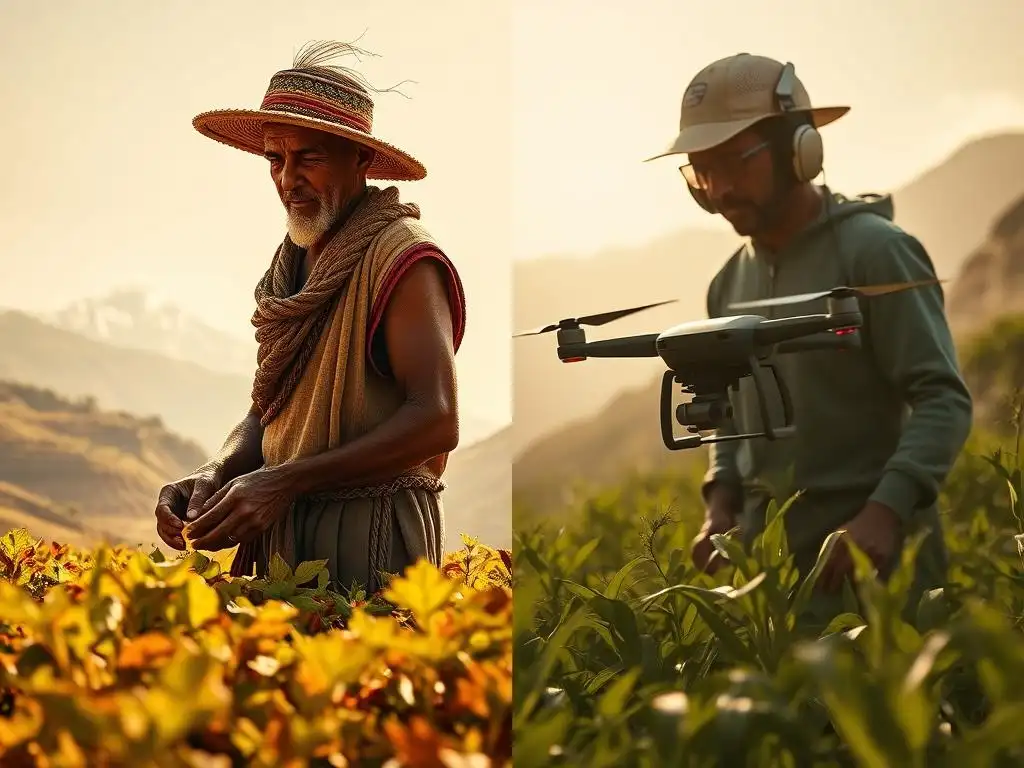
The Inca Empire, renowned for its sophisticated agricultural practices, developed ingenious pest control methods long before the advent of modern chemical pesticides. Understanding their techniques offers valuable insights into sustainable agriculture and highlights the potential drawbacks of contemporary approaches. While modern methods often rely on synthetic pesticides with potentially harmful environmental consequences, the Incas prioritized natural solutions, integrating pest management into a holistic agricultural system. This approach minimized long-term environmental damage and promoted biodiversity.
Let's examine some key differences:
| Feature | Inca Pest Control | Modern Pest Control |
|---|---|---|
| Methodology | Primarily preventative, relying on natural methods | Often reactive, utilizing synthetic pesticides |
| Focus | Ecosystem balance, biodiversity | Targeted pest elimination, potentially harming beneficial organisms |
| Techniques | Crop rotation, companion planting, natural predators | Chemical sprays, genetically modified crops, fumigation |
| Sustainability | High, minimal environmental impact | Variable, potential for environmental damage and health risks |
| Long-term effects | Positive, soil health improvement | Potentially negative, pesticide resistance, soil degradation |
The Inca system, while effective for its time, faced limitations. Large-scale infestations could still have devastating consequences, and the absence of widespread chemical solutions meant dealing with losses more directly. However, their emphasis on prevention and ecological balance represents a compelling model for modern sustainable agriculture. The challenge lies in adapting and scaling their methods to meet the demands of a vastly larger and more complex global food system.
Sustainable Pest Control: Lessons from the Incas
The Incas' success in pest control stemmed from a deep understanding of their environment and the interconnectedness of its elements. Their approach was fundamentally preventative, aiming to create an agricultural ecosystem resistant to pests rather than reacting to infestations. This involved a multifaceted strategy:
- Crop Rotation: Rotating crops prevented the buildup of pests and diseases specific to a single plant. By alternating crops, the Incas disrupted the life cycle of many common pests, minimizing their impact. This is a cornerstone of modern sustainable farming, too, though often overlooked in favor of monoculture farming for efficiency.
- Companion Planting: Strategic planting of certain species alongside crops repelled pests or attracted beneficial insects. For example, planting herbs like mint or garlic alongside vegetables could deter many common garden pests. This technique leveraged natural repellents, reducing reliance on external interventions.
- Natural Predators: The Incas actively protected and encouraged natural predators of pests. Maintaining biodiversity within their agricultural systems ensured the presence of insects, birds, and other animals that naturally controlled pest populations. This contrasts sharply with many modern methods that inadvertently harm beneficial insects through broad-spectrum pesticide use.
- Water Management: Precise irrigation techniques played a vital role. Controlled water flow prevented the spread of waterborne diseases and pests, ensuring healthy plant growth. This highlights the importance of water conservation and responsible irrigation in modern agriculture.
The Inca’s integrated approach to pest management demonstrates a profound understanding of ecological principles, highlighting the value of preventative measures and biodiversity in maintaining agricultural health. Their methods offer valuable lessons for contemporary farmers seeking more sustainable and environmentally friendly practices.
The Inca Legacy in Organic Farming Practices
The principles underpinning Inca pest control are strikingly similar to many modern organic farming practices. Both emphasize natural methods, minimizing the use of synthetic chemicals, and promoting biodiversity. The Inca's emphasis on preventative measures, crop rotation, companion planting, and the utilization of natural predators resonates strongly with the core tenets of organic agriculture.
The rise of organic farming reflects a growing awareness of the long-term environmental and health consequences of heavy pesticide use. Consumers are increasingly demanding pesticide-free produce, driving the adoption of organic practices. In this context, the Inca legacy serves as a powerful reminder of the efficacy and sustainability of traditional methods. The Inca's success demonstrates that effective pest control doesn't necessitate the use of harmful chemicals.
Instead, it hinges on a deep understanding of ecological principles and the adoption of holistic, integrated approaches. Their methods provide a blueprint for a more sustainable agricultural future, one that prioritizes environmental health and human wellbeing. Further research into Inca agricultural techniques could unlock even more insights into improving modern organic farming practices and developing truly sustainable pest management strategies.
Conclusion: The Genius of Inca Pest Control Strategies
The Inca Empire, renowned for its sophisticated engineering and societal organization, also demonstrated remarkable ingenuity in agricultural practices. Their approach to pest control, far from relying on chemical pesticides, showcased a deep understanding of ecological balance and sustainable resource management. This holistic strategy, combining meticulous crop rotation, diverse planting techniques, and the strategic use of natural predators, ensured bountiful harvests while preserving the long-term health of their agricultural lands.
The effectiveness of their methods is a testament to their keen observation skills and intimate knowledge of their environment. Understanding their techniques offers valuable insights for contemporary sustainable agriculture, particularly in the face of growing concerns about chemical pesticide use and its environmental impact. The Inca’s legacy extends beyond impressive stonework; it encompasses a sophisticated and sustainable agricultural system that continues to inspire.
The enduring relevance of Inca agricultural knowledge
The Inca's sophisticated pest control methods hold significant relevance in the modern world. Facing the challenges of climate change, soil degradation, and the harmful effects of synthetic pesticides, we can learn much from their sustainable practices. Their reliance on biodiversity, for example, offers a compelling alternative to monoculture farming, which often creates conditions ripe for pest infestations. The Inca's use of companion planting, where different crops are grown together to mutually benefit each other, is a powerful technique for reducing pest pressure and enhancing overall yield.
This is particularly relevant today as we seek more resilient and ecologically sound agricultural practices. Studies comparing modern sustainable farming techniques with Inca practices reveal striking similarities, highlighting the timelessness and effectiveness of their approach. For instance, the use of intercropping, a core component of Inca agriculture, is now being actively promoted as a sustainable pest management strategy.
Further research into Inca agricultural techniques could yield valuable insights for developing more resilient and environmentally friendly farming practices. The integration of indigenous knowledge with modern scientific understanding is crucial for addressing the challenges of food security in a changing world. The Inca experience serves as a powerful case study in the importance of respecting ecological balance and harnessing the power of biodiversity in agriculture.
Final thoughts on Inca ingenuity and ecological awareness
The Inca's mastery of pest control wasn't merely a matter of practical necessity; it reflected a profound understanding of the interconnectedness of life within their ecosystem. Their methods weren't simply reactive measures to deal with existing problems; they were proactive strategies designed to prevent problems from arising in the first place. This proactive approach, underpinned by a deep respect for the environment, is a critical lesson for contemporary agriculture.
The Inca’s success underscores the importance of moving beyond a purely extractive relationship with nature, towards a more harmonious and sustainable coexistence. Their legacy serves as a powerful reminder that true agricultural success lies not only in maximizing yields, but also in preserving the health of the environment for future generations.
Their ingenious solutions provide a blueprint for a more sustainable future, demonstrating that effective pest management can be achieved without resorting to harmful chemical interventions. The study of Inca agriculture offers a valuable opportunity to re-evaluate our current agricultural practices and embrace a more holistic and ecologically conscious approach to food production.
Frequently Asked Questions
What pest control methods did the Incas use?
The Incas primarily relied on natural pest control methods, avoiding chemical pesticides. Their techniques included crop rotation, companion planting, and the careful selection of resistant plant varieties.
Did the Incas use any type of traps for pest control?
While evidence of sophisticated Inca traps for animals exists, direct evidence of insect traps specifically designed for pest control is limited. Their focus was largely on preventative measures.
How did the Incas manage crop diseases?
The Incas used diverse planting techniques to minimize the impact of diseases. They also developed a deep understanding of their local ecosystems and adapted their farming practices accordingly.
What role did biodiversity play in Inca pest control?
Biodiversity was crucial to their strategy. Diverse crops and planting patterns reduced the risk of widespread pest infestations or disease outbreaks.
Were the Inca's pest control methods effective?
Their methods proved surprisingly effective for their time and context. The Inca Empire's agricultural success demonstrates the efficacy of their integrated, natural approach to pest management.
Final Reflection: Echoes of the Andes: Sustainable Pest Control for a Modern World
The Inca's ingenious approach to pest control, relying on natural methods and a deep understanding of their environment, offers a powerful counterpoint to our modern, often chemically-intensive practices. Their sustainable strategies, though developed centuries ago, hold vital lessons for addressing the escalating challenges of pest management in a world grappling with environmental degradation and the growing resistance to synthetic pesticides.
The enduring legacy of the Inca's agricultural wisdom resonates deeply, reminding us of the interconnectedness between human societies and the natural world. Their holistic approach, prioritizing biodiversity and ecological balance, stands in stark contrast to the often-destructive consequences of modern monoculture farming. The Earth provides enough to satisfy every man's needs but not every man's greed.
– Mahatma Gandhi. This quote encapsulates the core difference between the Inca's sustainable practices and the unsustainable practices that often dominate modern agriculture. Their methods, while seemingly simple, offer a powerful model for a more harmonious relationship with our planet.
Consider the implications of the Inca's methods for your own life. Perhaps you can incorporate some of their principles into your own garden, choosing companion planting or natural pest deterrents. More broadly, reflect on how we can collectively shift towards more sustainable agricultural practices, learning from the wisdom of past civilizations to build a healthier and more resilient future. Let the echoes of the Andes inspire you to cultivate a more sustainable relationship with the land, ensuring a bountiful harvest for generations to come.
Harness the Wisdom of the Incas Today!
Thank you for exploring the fascinating world of Inca natural pest control! Discovering their sustainable practices reveals valuable insights that honor ancient wisdom and promote a healthier environment. Let's put these ideas into action!
- Implement a natural pest deterrent in your garden: Begin with readily available ingredients such as garlic or neem oil to protect your plants.
- Explore the local flora: Research native plants that act as natural repellents and consider incorporating them into your garden.
- Share your experience: Discuss your new pest control methods with friends, or even start a community garden focused on sustainable practices.
What innovative methods are you eager to try, and how will they benefit your environment? Share your ideas in the comments below!