
Nazca Lines: The Role of the Paracas Culture in Their Creation

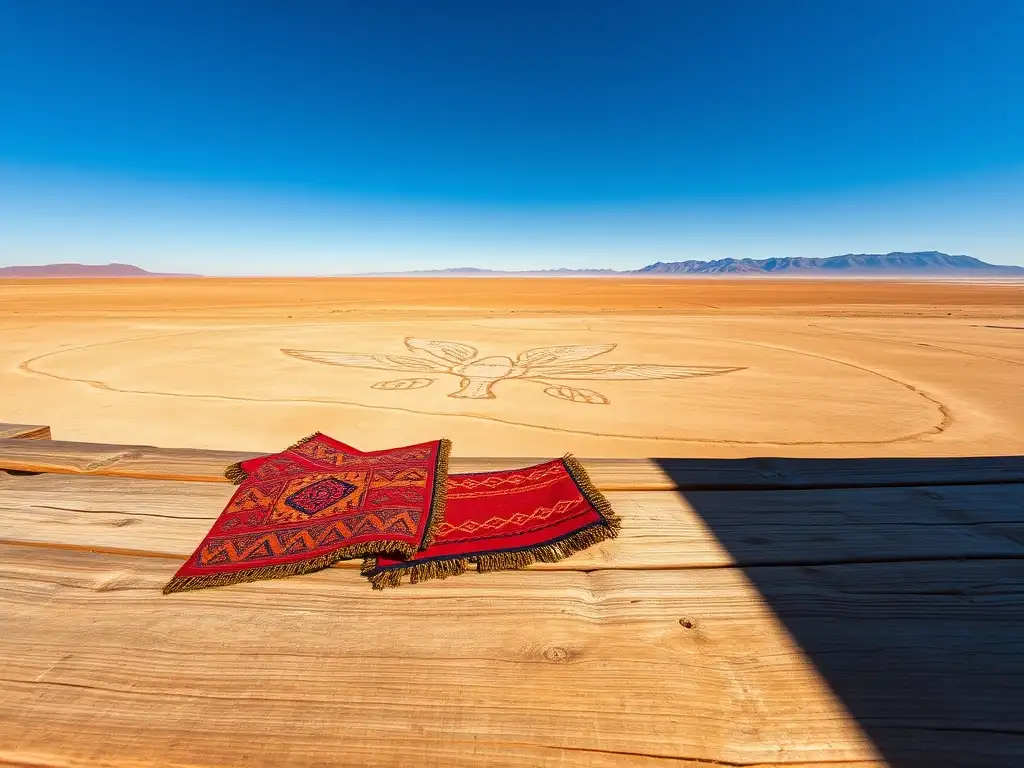
Dive into the enigmatic world of the Andes! Prepare to unravel the mysteries surrounding one of the most captivating ancient cultures. For centuries, the Nazca Lines have baffled researchers, but what if the key to understanding their creation lies hidden within the influence of the Paracas culture? Uncover the fascinating connection and explore the rich tapestry of Andean civilization, from the Incas to the Moche, as we delve into the secrets behind these monumental geoglyphs. Prepare to be amazed.
- Nazca Lines: Unveiling the Paracas Culture's Influence
- Paracas Culture's Artistic and Technological Legacy
- The Paracas-Nazca Transition: A Cultural Shift
- Decoding the Paracas Influence on Specific Nazca Lines
- The Debate: Extent of Paracas Culture Nazca Lines Influence
- Conclusion: The Enduring Legacy of Paracas in the Nazca Lines
-
Frequently Asked Questions
- What is the relationship between the Paracas culture and the Nazca Lines?
- Did the Paracas culture directly create the Nazca Lines?
- What specific Paracas artistic elements might have influenced the Nazca Lines?
- How did the Paracas' technological advancements potentially contribute to the creation of the Nazca Lines?
- What other Andean cultures might have influenced the Nazca Lines, besides the Paracas?
- Final Reflection: Unraveling the Threads of Paracas Influence on the Nazca Lines
- Uncover the Mysteries of the Nazca Lines Today!
Nazca Lines: Unveiling the Paracas Culture's Influence
The Nazca Lines, etched into the arid plains of southern Peru, remain one of archaeology's most enduring mysteries. These colossal geoglyphs, depicting animals, plants, and geometric figures, stretch for miles across the desert landscape, visible only from the air.
While the Nazca civilization (100-800 CE) is most often credited with their creation, growing evidence suggests a significant, perhaps foundational, role played by the preceding Paracas culture (700 BCE – 200 CE). This article delves into the compelling arguments linking the Paracas culture to the Nazca Lines, exploring the potential influence they exerted on the artistic and technological innovations that ultimately resulted in these iconic desert masterpieces.
Understanding this potential connection provides a richer, more nuanced perspective on the origins and meaning of the Nazca Lines, enriching our understanding of the "Paracas culture Nazca lines influence." We will explore the cultural continuity and technological advancements that may have paved the way for the creation of these enigmatic figures.
Introduction to the Nazca Lines and Their Enigma
The sheer scale and precision of the Nazca Lines are breathtaking. These lines, ranging from simple geometric shapes to intricate representations of animals like the hummingbird, monkey, and spider, were created by removing the dark reddish-brown surface stones to reveal the lighter subsoil. The precise methods used to create these massive designs, visible only from a significant altitude, continue to fascinate and puzzle researchers. Early theories suggested extraterrestrial involvement, but modern scholarship emphasizes the ingenuity and sophisticated understanding of the Nazca people.
However, the question of their purpose remains largely unanswered. Were they astronomical calendars, ritual sites, or something else entirely? The investigation into the origins of the Nazca Lines is far from over, and the potential influence of the Paracas culture adds another layer to this complex puzzle. This exploration into the "Paracas culture Nazca lines influence" sheds light on the potential roots of this enigmatic phenomenon.
The Paracas Culture: Precursors to the Nazca Civilization
The Paracas culture, flourishing centuries before the Nazca, inhabited the same coastal and desert regions of southern Peru. While distinct in many ways, a significant degree of cultural continuity existed between the Paracas and Nazca civilizations. This continuity is particularly evident in their artistic styles. Paracas textiles, renowned for their vibrant colors, intricate designs, and masterful weaving techniques, display a similar level of sophistication and symbolic representation seen in the Nazca Lines.
The Paracas also demonstrated advanced knowledge of engineering and water management, crucial for survival in the harsh desert environment. Their mastery of irrigation systems, for example, suggests a deep understanding of the landscape, a skill that may have been essential in planning and executing the monumental task of creating the Nazca Lines. The Paracas' expertise in textile design, with its complex iconography and intricate patterns, may have also influenced the artistic style and symbolic language employed in the Nazca geoglyphs.
Further research is needed to fully understand the extent of this "Paracas culture Nazca lines influence," but the parallels are undeniable and warrant further investigation. The intricate details found in Paracas textiles, often featuring similar motifs to those found in the Nazca Lines, suggest a possible artistic lineage and a potential transmission of knowledge and techniques. This shared cultural heritage, combined with the Paracas' technological prowess, makes their influence on the creation of the Nazca Lines a compelling hypothesis.
Paracas Culture's Artistic and Technological Legacy
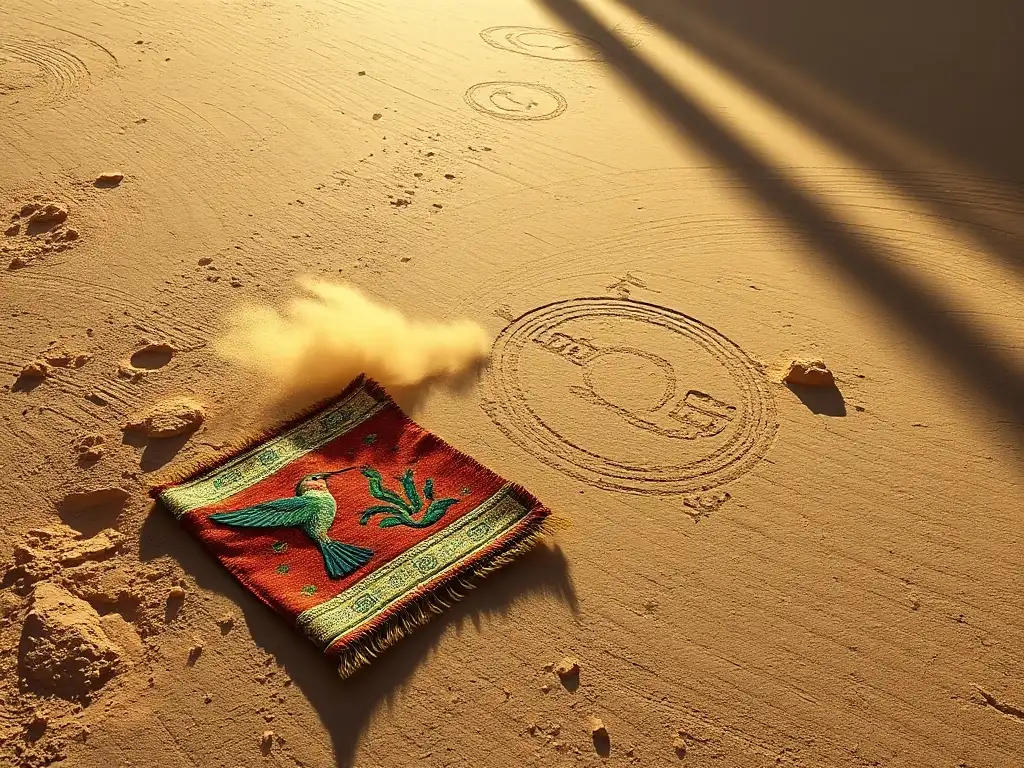
The Paracas culture, flourishing in southern Peru from roughly 800 BCE to 200 BCE, significantly predates the Nazca civilization (100 BCE – 800 CE). While separated by time, the influence of the Paracas' artistic and technological achievements on the creators of the Nazca Lines is undeniable. Understanding the Paracas legacy is crucial to fully appreciating the context and potential meaning behind these enigmatic geoglyphs.
The Paracas' mastery of textile art, pottery, and engineering provided a rich foundation upon which the Nazca built, leaving an indelible mark on their iconic creations and contributing significantly to the overall "Paracas culture Nazca lines influence." This influence is not merely stylistic, but also reflects a shared understanding of landscape, symbolism, and technical capabilities.
Paracas Textile Art: A Precedent for Nazca Geoglyphs
Paracas textiles are renowned for their vibrant colors, intricate designs, and masterful weaving techniques. These textiles often feature complex geometric patterns, stylized animals, and mythical beings—motifs strikingly similar to those found in the Nazca Lines. The precision and scale of Paracas textile designs, often encompassing entire burial shrouds, suggest a sophisticated understanding of pattern replication and spatial planning.
This expertise in large-scale, intricate designs could have directly informed the creation of the Nazca geoglyphs, providing a blueprint for executing such ambitious projects. The meticulous detail in Paracas textiles, achieved through incredibly fine threads and complex weaving methods, mirrors the precision required to construct the Nazca Lines. Consider, for example, the intricate depictions of birds and animals found on Paracas mantles—these detailed representations demonstrate a capacity for precise linework and symbolic representation, skills undoubtedly carried forward and amplified in the creation of the massive geoglyphs.
Paracas Pottery and Iconography: Echoes in Nazca Designs
Paracas pottery is equally impressive, showcasing a distinct style characterized by elaborate ornamentation and unique iconography. Many motifs present in Paracas pottery—such as stylized birds, felines, and anthropomorphic figures—reappear in the Nazca Lines. The stylistic similarities extend beyond mere representation; the use of bold lines, contrasting colors, and dynamic compositions in Paracas pottery anticipates the visual impact of the Nazca geoglyphs. Analyzing the iconography reveals potential links between the two cultures' belief systems and worldview.
For instance, if a specific bird species holds symbolic significance in Paracas pottery, its representation in the Nazca Lines may suggest a continuing cultural reverence for that same creature. Furthermore, the techniques used in Paracas pottery decoration—such as negative painting and incision—demonstrate a deep understanding of line, shape, and visual effect, which clearly influenced the design and execution of the Nazca Lines. The shared iconography strongly supports the "Paracas culture Nazca lines influence" hypothesis.
Paracas Engineering Skills: Laying the Groundwork for Geoglyphs
Beyond artistic achievements, the Paracas also demonstrated remarkable engineering skills. Their mastery of irrigation systems, evidenced by sophisticated canal networks, points to a deep understanding of land management and large-scale construction. This expertise in manipulating the landscape would have been invaluable to the Nazca in creating the Lines.
The ability to plan and execute extensive earthworks, as demonstrated by Paracas irrigation projects, suggests a capacity for large-scale undertakings that directly relates to the immense effort required to construct the Nazca geoglyphs. Moreover, the Paracas understanding of the terrain, soil composition, and water management would have been crucial for the long-term preservation of the geoglyphs.
The meticulous planning and execution visible in Paracas engineering projects strongly suggest a direct influence on the Nazca's ability to create and maintain the Lines, adding another layer to the "Paracas culture Nazca lines influence" narrative. Further research into Paracas settlement patterns and land-use practices could shed additional light on this crucial aspect.
The Paracas-Nazca Transition: A Cultural Shift
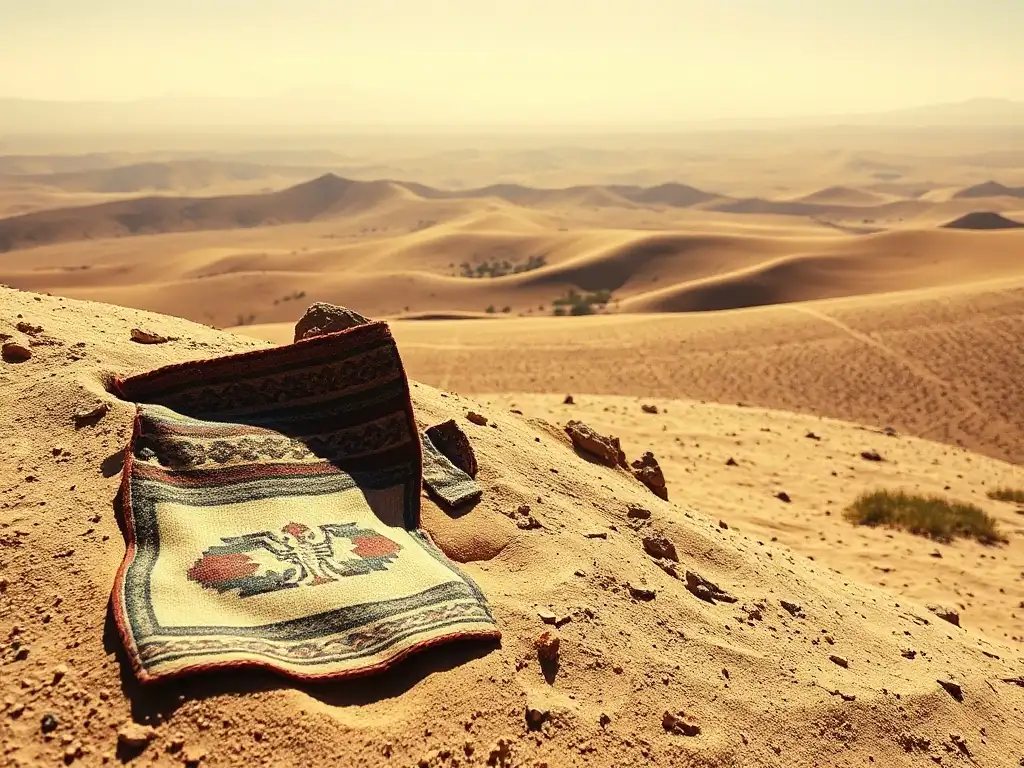
The Nazca Lines, those enigmatic geoglyphs etched into the Peruvian desert, are often studied in isolation. However, understanding their origins requires examining the preceding Paracas culture, a civilization whose influence profoundly shaped Nazca artistic expression and worldview. The transition between Paracas and Nazca wasn't a sudden break but a complex process of cultural evolution, with the Paracas legacy subtly yet significantly impacting the creation of the famous lines.
This section explores the key aspects of this transition, highlighting the continuity and change between these two remarkable Andean societies. The "Paracas culture Nazca lines influence" is not simply a matter of geographical proximity but a deep-seated cultural inheritance.
The Evolution of Artistic Styles from Paracas to Nazca
Paracas artistry, renowned for its vibrant textiles and intricate pottery depicting complex mythological scenes, laid the groundwork for Nazca's aesthetic sensibilities. While Nazca art developed its own distinctive characteristics—a more geometric and stylized approach—the fundamental principles of narrative representation and symbolic imagery clearly show a direct lineage from Paracas traditions. Consider the recurring motifs: the stylized depictions of birds, felines, and mythical creatures in both Paracas textiles and Nazca ceramics exhibit remarkable similarities.
The vibrant color palettes, though adapted, also echo the vivid hues favored by Paracas artisans. Analyzing the evolution of these artistic styles reveals a clear, unbroken thread connecting the two cultures. The transition wasn't a rejection of Paracas aesthetics but rather a sophisticated reinterpretation and adaptation to the evolving Nazca worldview.
For example, the complex weaving techniques of the Paracas, known for their intricate designs and use of multiple colors, influenced the precision and detail evident in the Nazca Lines themselves. The ability to create such intricate designs on a monumental scale suggests a continuation of the Paracas' mastery of fine detail and complex patterns.
How Paracas Ritual Practices Influenced Nazca Geoglyphs
The creation of the Nazca Lines was undoubtedly a ritualistic undertaking. Evidence suggests that the process involved significant community participation and was deeply rooted in the religious beliefs of the time. Examining Paracas religious practices offers crucial insights into understanding the motivations behind the creation of these vast geoglyphs.
Paracas culture was characterized by elaborate burial rituals, often involving elaborate mummification and the inclusion of grave goods reflecting their beliefs about the afterlife. This emphasis on ritual and the symbolic importance of death and rebirth may have influenced the creation of the Nazca Lines as a form of monumental ritual expression. The placement of some geoglyphs near known ceremonial sites further supports this hypothesis.
The sheer scale of the undertaking suggests a highly organized society capable of mobilizing large workforces for extensive periods, echoing the social structure and organizational capabilities evident in Paracas society. The meticulous planning and execution of the geoglyphs also reflect the precision and attention to detail seen in Paracas craftsmanship.
The Role of Paracas Beliefs in the Creation of Nazca Figures
The specific figures depicted in the Nazca Lines—birds, animals, plants, and anthropomorphic forms—often carry symbolic weight. Understanding the potential significance of these figures requires analyzing the cosmological beliefs of both Paracas and Nazca cultures. While specific details remain elusive, the continuity of certain motifs suggests that Paracas mythology played a role in shaping the iconography of the Nazca Lines.
The recurring presence of stylized birds, for instance, could reflect a shared belief in avian deities or the importance of birds in their respective cosmologies. Similarly, the depiction of certain plants and animals might allude to specific agricultural practices or beliefs about the natural world. Further research into Paracas iconography and mythology is needed to fully decipher the meaning of the Nazca Lines, but the evidence strongly suggests a direct connection between the two cultures' belief systems.
The "Paracas culture Nazca lines influence" is therefore not just stylistic but also deeply rooted in shared spiritual and cosmological frameworks. The meticulous nature of the lines, their placement, and the figures themselves all point towards a complex ritualistic purpose, reflecting the legacy of Paracas religious practices. The lines were not merely artistic expressions but powerful statements reflecting a worldview deeply rooted in the past.
Decoding the Paracas Influence on Specific Nazca Lines
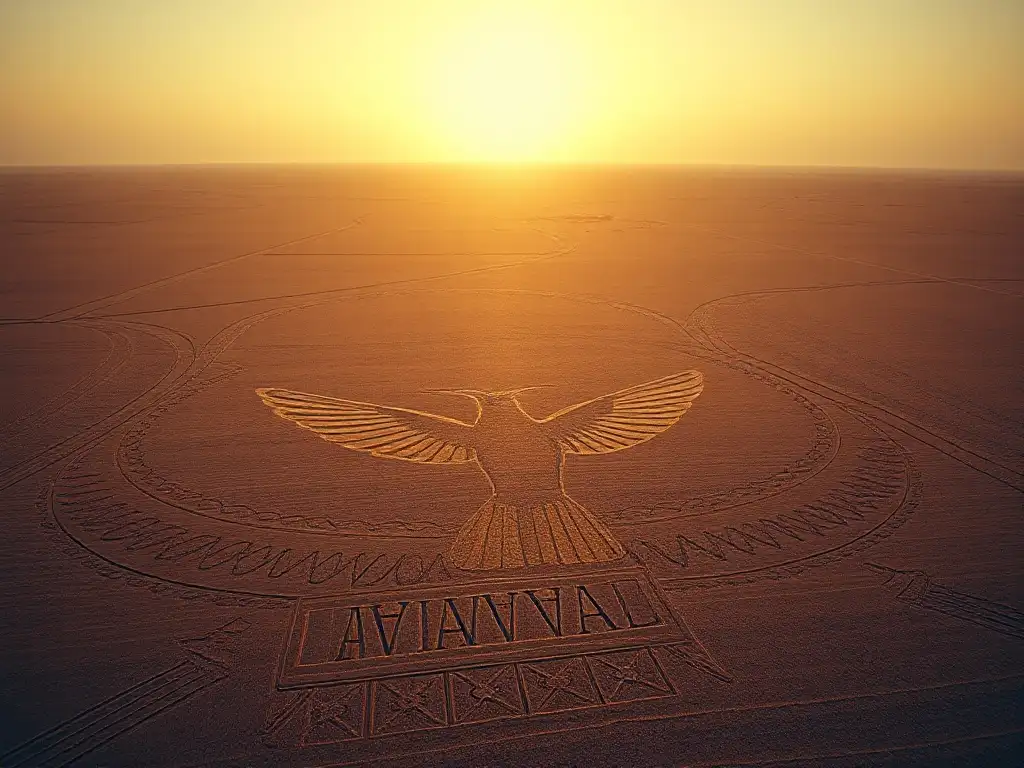
The enigmatic Nazca Lines, sprawling across the Peruvian desert, have captivated researchers for decades. While the purpose of these geoglyphs remains debated, the influence of the preceding Paracas culture is undeniable. This section delves into the specific ways Paracas artistic traditions and iconography appear to have directly informed the creation of certain Nazca Lines.
Understanding this cultural lineage helps to enrich our interpretation of these monumental works and provides crucial context for understanding the evolution of Andean art and symbolism. The study of the "Paracas culture Nazca lines influence" reveals a fascinating continuity in artistic expression across these significant periods of Peruvian prehistory.
Analyzing Paracas Motifs Present in the Nazca Geoglyphs
A key element in establishing the Paracas influence lies in the comparative analysis of textile motifs from Paracas Necropolis and Cemetery sites with the imagery depicted in the Nazca Lines. Researchers have identified striking similarities in the representation of certain animals, plants, and mythical beings. For instance, the stylized depictions of birds, particularly those with elongated beaks and vibrant plumage, are remarkably consistent across both Paracas textiles and specific Nazca geoglyphs. Similarly, geometric patterns and complex designs found woven into Paracas fabrics reappear, albeit on a colossal scale, in the Nazca Lines.
This suggests a direct transmission of artistic conventions, with the Nazca artists potentially drawing inspiration from, or even directly replicating, pre-existing Paracas designs. The meticulous detail and precision observed in both textile work and the geoglyphs further strengthens this argument. The continuity of style suggests a shared cultural understanding of symbolism and aesthetics.
Examples of Paracas-Inspired Figures in the Nazca Lines
Several specific Nazca geoglyphs showcase strong Paracas influences. One notable example is the depiction of a large, stylized feline. Its posture, features, and overall design bear a remarkable resemblance to feline representations commonly found on Paracas textiles.
The use of similar color schemes, achieved through the removal of the darker surface layer to reveal lighter subsoil, also points towards a conscious emulation of Paracas artistic techniques. Another compelling example is the presence of specific plant motifs, such as the depiction of a large cactus or a specific type of flowering plant, which are also frequently depicted in Paracas pottery and textiles. The striking parallels in these representations strongly suggest a direct link between Paracas artistic traditions and the creation of these Nazca geoglyphs.
Further research into specific geoglyph characteristics and their correlation with Paracas artifacts is needed to fully document the extent of this influence. Detailed photographic analysis and digital mapping of the lines could reveal further connections.
The Hummingbird Geoglyph and its Paracas Connections
The Nazca hummingbird geoglyph offers a particularly compelling case study. This intricate design, with its delicate details and lifelike representation of the bird, shares remarkable similarities with hummingbird representations in Paracas textile art. The vibrant colors and detailed feather patterns, though rendered on a vastly different scale, exhibit a consistent stylistic approach.
The posture and positioning of the hummingbird in the geoglyph also echo similar representations in Paracas art. The precision and artistry involved in creating such a detailed image across such a vast expanse of desert further highlights the skill and knowledge inherited from, or shared with, the Paracas culture. The hummingbird, a significant symbol in Andean cultures, likely carried similar spiritual or symbolic meaning across both Paracas and Nazca societies, strengthening the connection between the two.
Further investigation into the specific iconography of the hummingbird in both cultures is necessary to fully understand the implications of this striking parallel. This requires detailed comparisons of both the artistic styles and the possible symbolic meanings attributed to this avian figure. This deeper analysis could further illuminate the "Paracas culture Nazca lines influence."
The Debate: Extent of Paracas Culture Nazca Lines Influence
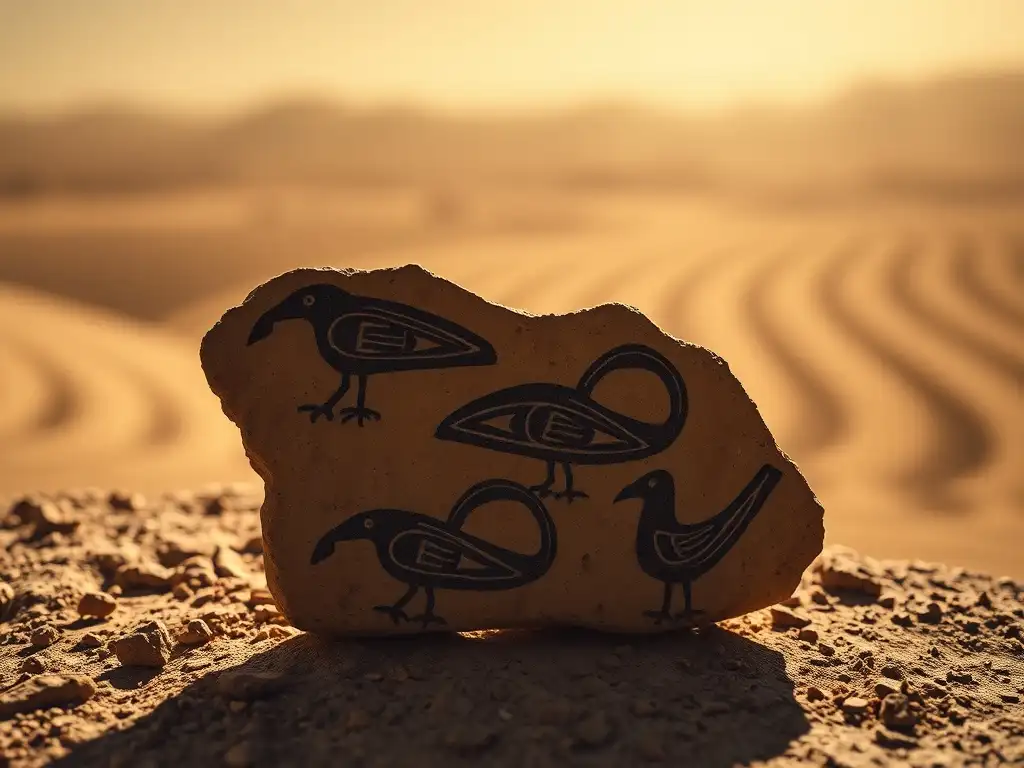
The question of the Paracas culture's influence on the creation of the Nazca Lines remains a subject of ongoing scholarly debate. While the Nazca culture is directly associated with the lines, the extent to which their predecessors, the Paracas, contributed to their conception, design, or even the underlying worldview that led to their creation is a complex issue. Some researchers argue for a significant, direct link, highlighting stylistic and technological continuities.
Others propose a more indirect influence, emphasizing the broader cultural inheritance passed down through generations. The lack of explicit written records from either culture complicates this investigation, forcing researchers to rely heavily on archaeological evidence, stylistic analysis, and comparative studies of other Andean cultures.
This nuanced debate underscores the intricate interconnectedness of Andean societies and the challenges of definitively tracing cultural influences across time. Understanding the full spectrum of this debate is crucial for a complete appreciation of the Nazca Lines' origins and significance.
Contrasting Theories on the Creation of the Nazca Lines
Two primary schools of thought exist concerning the creation of the Nazca Lines. The first posits a direct lineage from Paracas artistic traditions to the Nazca Lines. Proponents of this theory point to similarities in textile designs, pottery motifs, and even the use of certain pigments as evidence of a continuous artistic and ideological thread.
They suggest that the knowledge and techniques used in creating elaborate Paracas textiles, known for their intricate designs and complex weaving techniques, might have influenced the creation of the Nazca geoglyphs. This theory often emphasizes a gradual evolution of artistic expression, with the Nazca Lines representing a culmination of established Paracas artistic principles translated to a monumental scale.
Conversely, the second theory proposes a more indirect influence. This perspective acknowledges the broader cultural context of the Paracas culture but argues that the Nazca Lines represent a unique cultural expression specific to the Nazca civilization. While acknowledging stylistic similarities, this approach emphasizes the significant technological innovations and unique artistic choices made by the Nazca people.
They might argue that the lines represent a distinct response to specific socio-political or religious developments within Nazca society, rather than a direct continuation of Paracas traditions. This theory highlights the importance of considering the specific historical and environmental context of the Nazca Lines, rather than solely focusing on stylistic parallels. The debate hinges on interpreting the significance of shared stylistic elements versus the unique innovations apparent in the Nazca Lines themselves.
The Direct versus Indirect Paracas Influence on Nazca Art
The debate surrounding Paracas influence on Nazca art extends beyond the geoglyphs to encompass a broader range of artistic expressions. Analyzing the pottery styles, textile designs, and metalwork of both cultures reveals both similarities and differences. For example, the use of vibrant colors and intricate patterns is common to both, suggesting a shared aesthetic sensibility.
However, the specific motifs and techniques employed differ significantly. Paracas textiles, for instance, are renowned for their complex tapestry weaving and the use of anthropomorphic and zoomorphic representations. Nazca pottery, while equally colorful, often features distinct stylistic elements, such as stylized figures and geometric designs.
This complex interplay of continuity and change complicates the assessment of Paracas influence. A direct influence might be suggested by the shared use of certain pigments or the repetition of some motifs, while the unique stylistic choices of Nazca artists point to an independent development and adaptation of inherited traditions. The question is not simply one of imitation or direct copying but rather one of cultural transmission and transformation.
The Nazca people clearly inherited a rich artistic heritage from the Paracas, but they also developed their own unique artistic language, resulting in a distinct cultural expression. Further research, particularly focused on detailed comparative analyses of individual motifs and techniques, is needed to fully understand the nature and extent of this complex interplay.
Johan Reinhard's Views on Paracas Cultural Contribution
Johan Reinhard, a renowned Andean archaeologist, offers a valuable perspective on the Paracas-Nazca relationship. While his specific writings on the direct influence of Paracas culture on the Nazca Lines may require further specification [specific information pending], his broader work on Andean civilizations highlights the importance of considering the long-term cultural continuity in the region.
Reinhard's research often emphasizes the interconnectedness of different Andean cultures and the gradual evolution of artistic and religious traditions across generations. His approach likely acknowledges the shared cultural heritage of the Paracas and Nazca, emphasizing the complex interplay of continuity and change in the development of Andean art and iconography.
His perspective likely suggests that the Nazca Lines, while a unique achievement of the Nazca civilization, are nonetheless rooted in a broader cultural context shaped by the contributions of preceding cultures, including the Paracas. Understanding his detailed analyses of Andean iconography and religious practices would provide further clarity on his position regarding the Paracas contribution to the Nazca Lines.
Conclusion: The Enduring Legacy of Paracas in the Nazca Lines
The Nazca Lines stand as a testament to the ingenuity and artistry of the ancient Andean cultures. While the Nazca civilization is primarily credited with their creation, understanding their origins requires acknowledging the significant influence of the preceding Paracas culture.
This section summarizes the interwoven threads of Paracas heritage found within the enigmatic geoglyphs, highlighting the enduring legacy of a culture that paved the way for the artistic and technological advancements of its successors. The "Paracas culture Nazca lines influence" is not simply a matter of chronological proximity; it's a demonstrable continuity of artistic styles, technological capabilities, and potentially, even worldview.
Summarizing the Paracas culture's impact on the Nazca Lines
The Paracas culture, flourishing from approximately 800 BCE to 200 BCE, left an indelible mark on the subsequent Nazca civilization (200 BCE – 600 CE). Their sophisticated textile techniques, renowned for their intricate designs and vibrant colors, likely informed the precision and detail evident in the Nazca Lines. The Paracas' mastery of fine lines and complex patterns, showcased in their iconic textiles and pottery, suggests a level of artistic and technological prowess directly relevant to the creation of the geoglyphs.
Furthermore, certain stylistic motifs found in Paracas art, such as stylized animals and anthropomorphic figures, bear striking resemblance to some of the imagery depicted in the Nazca Lines. This visual continuity points towards a clear transmission of artistic conventions and aesthetic sensibilities from one culture to the next. The precise methods of transferring these skills remain a subject of ongoing research, but the evidence strongly suggests a direct lineage.
Analyzing the textiles alongside the lines reveals a potential connection in the understanding and application of precise geometric principles and planning. Perhaps the Paracas' sophisticated understanding of land surveying, though not directly proven, may have influenced the Nazca's ability to create such large-scale designs.
The Interconnectedness of Andean Civilizations: Paracas and Nazca
The relationship between the Paracas and Nazca cultures exemplifies the interconnectedness of Andean civilizations. It wasn't a simple case of replacement or conquest, but rather a complex process of cultural exchange and adaptation. The Nazca inherited and built upon the achievements of their predecessors, transforming and refining existing technologies and artistic traditions.
This is not unique to the Paracas and Nazca; similar patterns of cultural transmission and evolution are observable throughout the Andean region. The development of the Nazca Lines, therefore, wasn't an isolated event but a culmination of centuries of cultural evolution, with the Paracas culture playing a crucial, foundational role. Understanding this interconnectedness is crucial for a complete understanding of the Nazca Lines and their significance within the broader context of Andean history.
The intricate relationship between these two cultures underscores the importance of considering the wider historical and cultural landscape when studying individual civilizations. This holistic approach enriches our understanding of the complex tapestry of Andean history.
Further Research and Understanding of Paracas and Nazca
Further research is needed to fully elucidate the extent of the Paracas culture's influence on the Nazca Lines. This includes:
- Comparative analysis of Paracas and Nazca textiles: A more detailed comparison of the weaving techniques and motifs could reveal additional connections between the two cultures.
- Archaeological excavations at Paracas sites: Further excavations may uncover evidence of surveying tools or planning related to the creation of large-scale designs, strengthening the link between Paracas technology and the Nazca Lines.
- Advanced imaging techniques: The application of advanced imaging technologies to both Paracas artifacts and the Nazca Lines could reveal subtle details previously overlooked, providing further insights into their relationship.
- Ethnoarchaeological studies: Studying contemporary Andean communities' methods of land management and artistic practices could offer valuable insights into the processes involved in creating the geoglyphs.
By pursuing these avenues of research, we can gain a deeper understanding of the "Paracas culture Nazca lines influence" and the rich cultural heritage of the Andean region. The Nazca Lines remain a captivating enigma, but by understanding the contributions of preceding cultures like the Paracas, we move closer to unraveling their mysteries and appreciating their significance within the broader history of Andean civilization. The ongoing exploration of this relationship promises to reveal even more fascinating insights into the artistry, ingenuity, and interconnectedness of these remarkable ancient societies.
Frequently Asked Questions
What is the relationship between the Paracas culture and the Nazca Lines?
The relationship between the Paracas and Nazca cultures is crucial to understanding the Nazca Lines. While the Nazca culture is directly credited with creating the lines, the Paracas culture's artistic and technological advancements, particularly in textiles and ceramics, may have influenced their sophisticated design and execution.
Did the Paracas culture directly create the Nazca Lines?
No, the Nazca people are generally considered the creators of the Nazca Lines. However, the Paracas culture's preceding influence on artistic styles and societal structures might have indirectly contributed to the development of the later Nazca artistic expression seen in the lines.
What specific Paracas artistic elements might have influenced the Nazca Lines?
The complex iconography found in Paracas textiles and ceramics, featuring stylized animals and figures, may have inspired some of the imagery used in the Nazca Lines. Their mastery of geometric patterns and large-scale designs could also be a precursor to the lines' monumental scale.
How did the Paracas' technological advancements potentially contribute to the creation of the Nazca Lines?
While the exact methods remain debated, Paracas expertise in textile production and large-scale earthworks (though on a smaller scale than the Nazca Lines) may have provided foundational knowledge and techniques applicable to the creation of the lines. This includes understanding land management and large-scale projects.
What other Andean cultures might have influenced the Nazca Lines, besides the Paracas?
While the Paracas influence is significant, other Andean cultures likely played a role, though less directly. The long history of Andean artistic and technological development suggests a cumulative influence from various predecessors to the Nazca culture, contributing to the lines' unique characteristics.
Final Reflection: Unraveling the Threads of Paracas Influence on the Nazca Lines
The enduring mystery of the Nazca Lines continues to captivate us, but a deeper understanding of their creation reveals a powerful narrative of cultural continuity and innovation. The intricate geoglyphs, far from being isolated creations, are a testament to the rich artistic and societal legacy of the Paracas culture, whose influence profoundly shaped the Nazca worldview and artistic expression. This connection, often overlooked, provides a crucial lens through which to appreciate the true magnitude of this ancient marvel.
The Paracas' mastery of textile art, their sophisticated understanding of the landscape, and their deeply spiritual connection to the natural world all laid the groundwork for the Nazca Lines. Their innovative techniques in weaving, their intricate iconography, and their reverence for the desert environment are echoed in the precision and symbolism of the geoglyphs. The past is never dead. It's not even past.
- William Faulkner. This quote perfectly encapsulates the enduring legacy of the Paracas culture, whose influence resonates powerfully through the Nazca Lines and continues to shape our understanding of ancient Peruvian civilization.
Consider the implications of this interconnectedness. How does recognizing the Paracas influence enrich your appreciation of the Nazca Lines? What other hidden connections might exist between seemingly disparate ancient cultures? I urge you to delve deeper, to explore the rich tapestry of pre-Columbian history, and to appreciate the enduring power of cultural inheritance. Let the mystery of the Nazca Lines inspire you to seek out the untold stories and hidden connections that shape our world.
Uncover the Mysteries of the Nazca Lines Today!
Thank you for exploring the fascinating world of the Nazca Lines and the Paracas culture! Your curiosity has sparked a deeper understanding of these ancient wonders. Now, let's delve further into their rich history.
Here's how you can continue your exploration:
- Take a guided tour: Seeing the Nazca Lines from the air will leave you awestruck by their scale and ignite your passion for ancient civilizations.
- Expand your knowledge: Learn more about the Paracas culture through our dedicated articles and resources to fully appreciate their importance in Andean history.
- Join the conversation: Share your thoughts and discoveries with fellow enthusiasts on social media or in online forums.
What new perspectives have you gained on the Nazca Lines that might reshape our understanding of ancient artistic expression?