
The Burdens of Taxation: How Tribute Shaped the Lives of Commoners

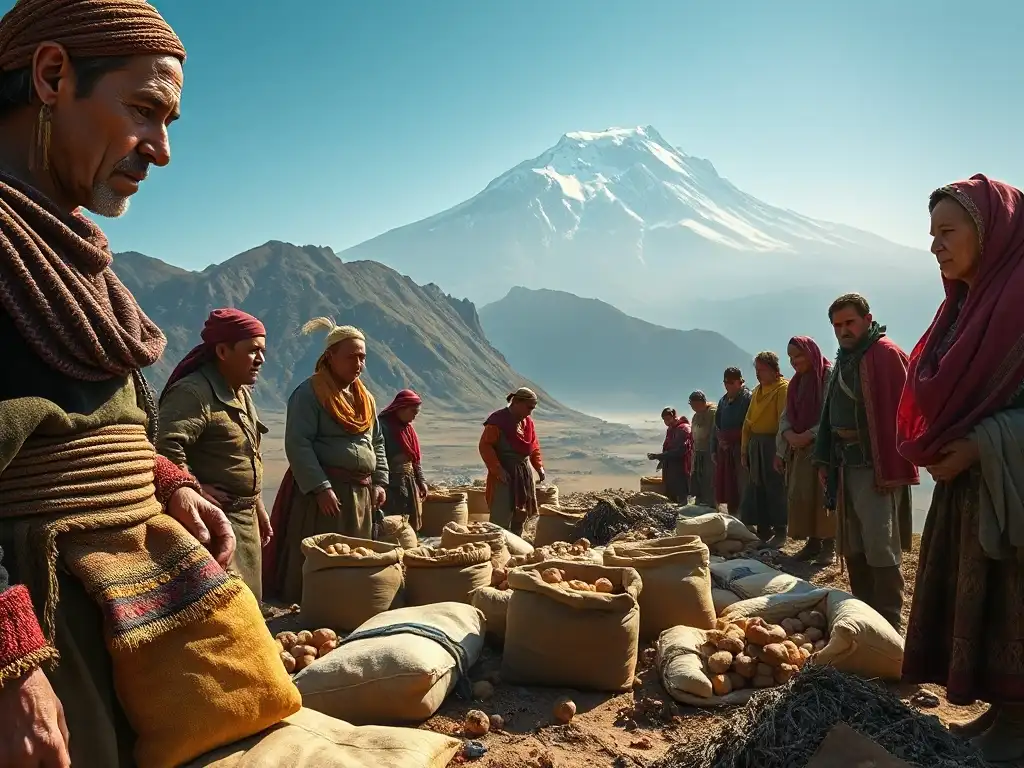
Step into a world lost to time, yet echoing with the whispers of empires. Imagine a civilization stretching across the Andes, where intricate artistry met breathtaking engineering. But beyond the gleaming gold and majestic cities, a different story unfolds: the story of the Andean commoner, and the complex Andean commoner tribute system that shaped their lives.
Uncover the surprising realities of taxation in this ancient world – a system both demanding and surprisingly sophisticated – and discover how it impacted the daily lives of these remarkable people. Are you ready to delve deeper into the fascinating burdens, and unexpected benefits, of tribute?
- The Burdens of Taxation: How Tribute Shaped the Lives of Commoners in Andean Civilizations
- Understanding the Andean Commoner Tribute System
- The Impact of Tribute on Andean Commoners
- Specific Examples of Andean Tribute Practices
- Consequences and Resistance to the Tribute System
- The Long-Term Effects of Andean Taxation
-
Frequently Asked Questions
- What was the Andean commoner tribute system?
- What types of tribute did Andean commoners pay?
- How did the tribute system impact the daily lives of Andean commoners?
- Were all Andean commoners equally burdened by the tribute system?
- How did the tribute system contribute to the power of the Andean elites?
- Final Reflection: The Enduring Legacy of Andean Tribute
- Uncover the Legacy of Tribute: Take Action Today!
The Burdens of Taxation: How Tribute Shaped the Lives of Commoners in Andean Civilizations
The Andean world, a tapestry woven from the threads of diverse civilizations like the Inca, Moche, Nazca, and Tiahuanaco, was not a monolithic entity. Understanding its complexities requires delving beyond the glittering palaces and impressive monuments of the elite to examine the lives of the commoners who formed the bedrock of these societies.
This article explores the significant impact of the tribute system – the Andean commoner tribute system – on the daily lives, social structures, and economic realities of these individuals. We will dissect the various forms tribute took, its economic implications, and the ways in which commoners navigated this fundamental aspect of their existence.
The analysis will reveal how seemingly disparate Andean cultures shared a common thread: the reliance on a system of obligatory contributions that profoundly shaped their social landscape. This system wasn't merely a method of resource extraction; it was a complex mechanism that intertwined with religious beliefs, social obligations, and political power, influencing everything from agricultural practices to artistic expression.
Forms of Tribute: Beyond Simple Taxation
The Andean commoner tribute system wasn't a simple matter of paying taxes in the modern sense. It encompassed a wide range of obligations, varying across different cultures and periods. While monetary payment as we understand it didn't exist, tribute took many forms:
- Labor Tribute ( mita ): This was arguably the most pervasive form, demanding a significant portion of a commoner's time for labor on public works projects such as road construction, temple building, or agricultural endeavors for the elite. The mita system, particularly prominent under the Inca, could last for months at a time, leaving families short-handed and impacting agricultural yields. The intensity and duration of mita service varied depending on factors such as the size of the population, the scale of the project, and the perceived loyalty of the community.
- Agricultural Tribute: Commoners were expected to contribute a portion of their agricultural produce – maize, potatoes, coca leaves – to the ruling class. The quantity and type of produce demanded varied based on local agricultural capabilities and the needs of the state. This often meant that commoners had to produce a surplus beyond their own needs, creating a precarious situation where crop failures could have devastating consequences.
- Textile and Craft Tribute: Skilled artisans were obligated to contribute their creations – textiles, pottery, metalwork – to the state. This demonstrates the integration of specialized labor into the tribute system, highlighting the importance of craft production in supporting the ruling elite. The quality and intricacy of the items demanded reflected the social standing of the artisan and the prestige of the ruler.
- Religious Tribute: Tribute wasn't just about material goods; it also involved religious obligations. This could include participation in religious festivals, the provision of offerings, or the performance of specific rituals. The religious dimension underscores the close relationship between political power and religious authority in Andean societies. Failure to meet these obligations could be interpreted as a transgression with severe consequences.
The Economic Impact on Andean Commoners
The constant demands of the tribute system significantly impacted the Andean commoner's economic well-being. The time spent on mita labor translated to a direct reduction in time available for personal agriculture, potentially leading to food shortages and economic hardship. The extraction of agricultural produce, textiles, and crafts diminished the resources available for household consumption and trade.
This created a cycle of dependence on the state, where commoners were obligated to produce a surplus to support the elite while struggling to meet their own basic needs. The system lacked the safety nets found in more modern welfare states, leading to increased vulnerability in times of drought, famine, or disease. Evidence suggests that periods of intense tribute demands often coincided with periods of social unrest and rebellion.
Despite the burdens, Andean commoners were not passive recipients of the tribute system. They developed strategies to navigate its demands and, at times, resist its excesses. These strategies included:
- Negotiation and Barter: Commoners often engaged in negotiations with local authorities to adjust the demands of tribute based on local conditions. Barter systems may have been used to supplement or replace traditional tribute forms.
- Community Support: Mutual aid and community support networks helped commoners cope with the challenges of tribute. Shared labor and resource pooling mitigated the impact of individual burdens.
- Rebellion and Resistance: While infrequent due to the power of the state, instances of rebellion and open resistance against excessive tribute demands are documented in historical accounts. These acts of defiance demonstrate the limits of state control and the commoner's determination to protect their livelihoods.
The Andean commoner tribute system wasn't a static entity. It evolved over time, adapting to changing political landscapes and economic conditions. Understanding its complexities requires a nuanced approach that considers both its oppressive aspects and the resilience of those who lived under its weight. The system's legacy continues to shape our understanding of Andean societies, highlighting the intricate relationship between power, economics, and social life in these fascinating civilizations.
Understanding the Andean Commoner Tribute System
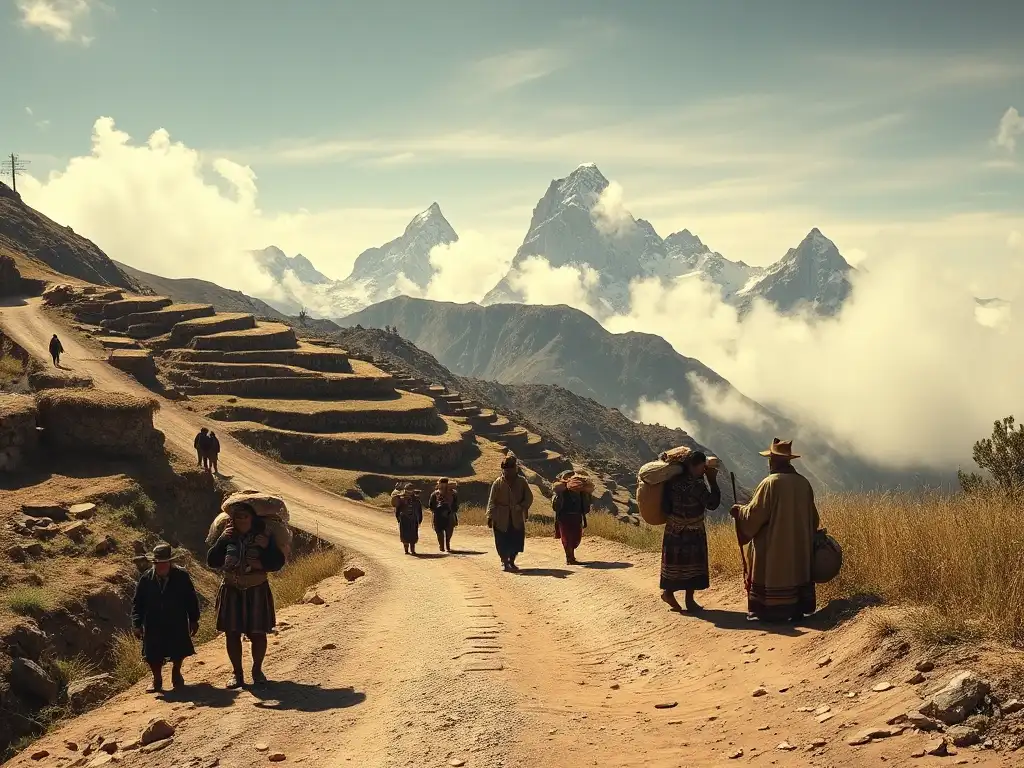
The Andean commoner tribute system wasn't simply a matter of extracting resources; it was intricately woven into the fabric of Andean societies, reflecting complex social structures, economic realities, and religious beliefs. Understanding this system requires moving beyond a purely economic lens and considering the multifaceted nature of power, obligation, and exchange in pre-Columbian societies. The "tribute" wasn't always a coercive extraction; it often involved reciprocal relationships and a system of redistribution that ensured the survival and functioning of the entire community.
This section explores the various forms this tribute took, focusing on the significant burdens and impacts on the lives of commoners across different Andean cultures. The system varied considerably depending on the specific civilization and its ruling elite, yet common threads of labor, agricultural production, and religious obligations run throughout. Analyzing these aspects offers a more complete picture of the Andean commoner's experience within their respective socio-political structures.
The Concept of Reciprocity and Redistribution in Pre-Columbian Andes
The Andean concept of reciprocity, ayni in Quechua, was fundamental to the tribute system. It wasn't simply a one-way extraction of resources from the commoners to the elite. Instead, it involved a complex network of mutual obligations and exchanges within the community.
The elite, in theory, were responsible for redistributing the collected goods and services to support public works, religious ceremonies, and the overall well-being of the population during times of scarcity or need. This redistribution system ensured that the commoners received benefits in return for their contributions, although the balance of this reciprocity was often skewed in favor of the ruling class. The effectiveness of this redistribution varied greatly based on the political stability and efficiency of the ruling power.
During periods of upheaval or weak leadership, the system could break down, leading to widespread suffering among the commoners. Archaeological evidence, such as storage facilities and evidence of large-scale public works projects, suggests the existence of such a redistribution system, though the exact mechanisms and fairness remain subjects of ongoing scholarly debate. The concept of ayni highlights the complex social dynamics at play, moving beyond a simple “taxation” model to a more nuanced understanding of social obligation and communal responsibility.
Labor as a Form of Taxation: The Mita System and its Variations
A significant aspect of the Andean commoner tribute system was the obligation to provide labor. The mita system, particularly associated with the Inca Empire, is a prime example. This system demanded a certain percentage of the able-bodied population to work on state projects for a set period. These projects ranged from agricultural endeavors and infrastructure development (road construction, irrigation systems) to mining activities and the construction of religious sites.
The mita wasn't uniformly applied across all Andean cultures; variations existed in its implementation and the scope of its demands. For instance, the Moche civilization likely employed similar systems, albeit less formalized and documented, focusing on labor for temple construction and agricultural intensification. The burden of the mita was substantial, often requiring individuals to leave their families and communities for extended periods.
This disruption of family life and agricultural cycles significantly impacted the commoners' ability to sustain themselves and their households. Moreover, the harsh conditions and potential for exploitation within the mita system frequently led to widespread resentment and resistance among the common population. The system's impact on the lives of Andean commoners is undeniable, shaping their daily routines and impacting their overall well-being.
Agricultural Tribute: Maize, Potatoes, and Other Staples
Agricultural tribute constituted a crucial element of the Andean commoner tribute system. Commoners were obligated to contribute a portion of their harvests to the ruling elite. The specific crops varied depending on the region and the dominant agricultural practices. Maize, potatoes, quinoa, and other staples formed the backbone of this agricultural tribute.
The quantity demanded often depended on factors like the fertility of the land, the size of the household, and the overall agricultural productivity of the region. The collection of agricultural tribute played a vital role in sustaining the elite and supporting large-scale public works and ceremonies. However, the burden of this obligation, especially during periods of crop failure or environmental hardship, could be devastating for commoners, leading to food shortages and famine within their communities.
The extraction of agricultural products wasn't solely for the elite's consumption; a portion was likely stored in state-controlled warehouses for redistribution during times of need, aligning with the concept of ayni. However, the unpredictable nature of this redistribution and the potential for corruption within the system often left commoners vulnerable to hardship, highlighting the inherent risks and inequalities embedded within the agricultural tribute system. The precise percentages and mechanics of this agricultural taxation remain areas needing further research, especially for smaller, less centralized Andean societies.
The Impact of Tribute on Andean Commoners
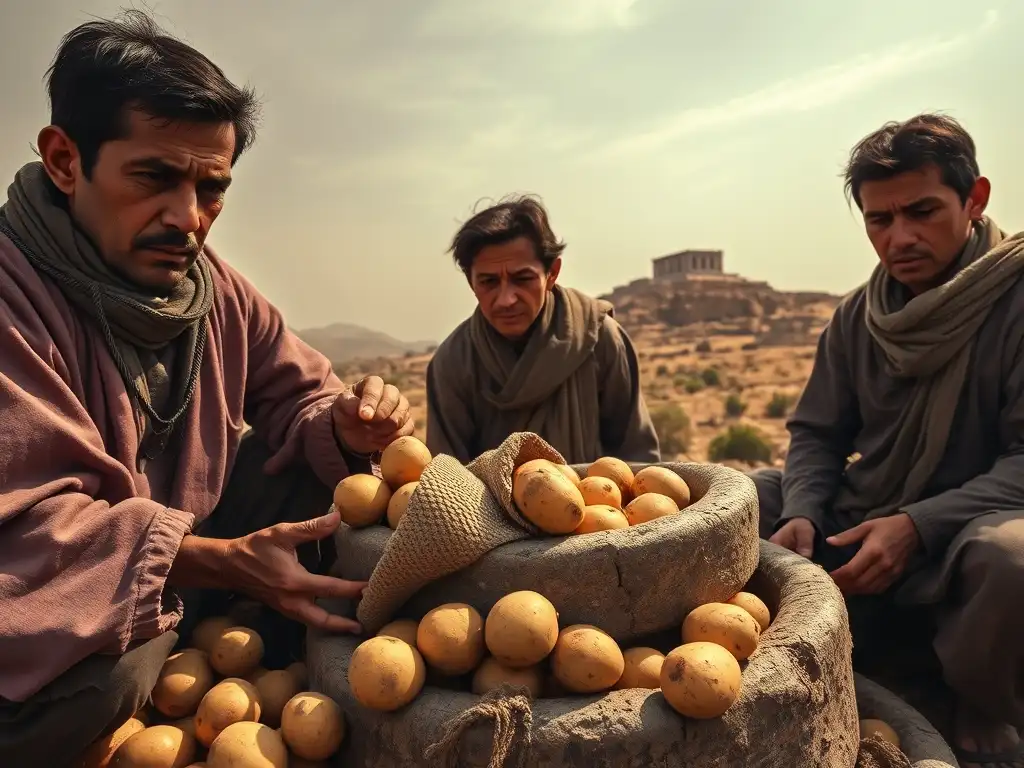
The Andean commoner tribute system profoundly impacted the daily lives of the common people across various Andean civilizations, from the Incas to the Moche and Nazca. Understanding this system requires moving beyond a simple assessment of "taxes" and delving into the intricate web of labor demands, resource extraction, and social control that shaped their existence. The consequences were far-reaching, affecting not only their economic stability but also their social standing and overall quality of life. This section explores the multifaceted burdens shouldered by Andean commoners due to the tribute system.
Daily Life Under the Demands of Labor and Goods
The daily lives of Andean commoners were inextricably linked to the demands of the tribute system. This wasn't simply a matter of paying a monetary tax; it involved significant contributions of labor and goods. For example, the mita, a form of compulsory labor service prevalent in the Inca Empire, required able-bodied men to dedicate a portion of their time to state projects.
These projects ranged from agricultural work on royal estates to the construction of infrastructure like roads and temples. The ayllu, the community-based social structure, played a crucial role in organizing and distributing this labor. However, the demands of the mita often disrupted agricultural cycles, leaving less time for tending to personal fields and impacting food security.
The system also required substantial contributions of goods. This included agricultural produce like maize, potatoes, and coca leaves, as well as textiles, metalwork, and other crafted items. The quantity and type of goods demanded varied depending on the specific civilization and the needs of the ruling elite.
Archaeological evidence reveals vast storehouses filled with tribute goods, highlighting the scale of this extraction. These demands often strained the resources of peasant communities, particularly during times of drought or crop failure, leading to hardship and even famine. The constant pressure to meet these obligations left little room for individual economic advancement or personal enrichment, perpetuating a cycle of dependence on the ruling power.
Economic Vulnerability of Peasant Communities
The Andean commoner tribute system created a systemically vulnerable economic situation for peasant communities. The extraction of labor and goods left little surplus for personal use or reinvestment in improving agricultural techniques or diversifying production. This economic fragility made these communities highly susceptible to external shocks such as natural disasters or fluctuations in agricultural yields. A poor harvest could easily lead to widespread hardship and even starvation, as the communities had little reserve to fall back on.
Furthermore, the tribute system often favored the elite at the expense of the commoner. While the ruling class benefitted from the surplus generated through tribute, the commoners bore the brunt of the economic burdens. This unequal distribution of resources deepened existing inequalities and solidified the social hierarchy. The lack of economic agency further restricted the commoners' ability to improve their living standards or challenge the existing power structures. The system essentially trapped them in a cycle of poverty and dependence, making it difficult, if not impossible, to achieve economic independence.
The Andean commoner tribute system wasn't simply an economic mechanism; it was deeply intertwined with the social hierarchy and ideology of the ruling class. The extraction of tribute was justified through religious and political narratives that portrayed the ruling elite as divine intermediaries or chosen leaders with a right to the community's resources. This ideology helped to legitimize the system in the eyes of the commoners, making resistance more difficult.
The Inca, for instance, presented their emperors as descendants of the sun god, granting them a sacred authority over the land and its people. This divine right to rule was used to justify the demands of the mita and the extraction of tribute goods. Similar justifications were employed by other Andean civilizations, using religious beliefs and myths to reinforce the existing social order.
This intricate relationship between religious ideology, political power, and the tribute system effectively maintained social control and prevented widespread rebellion amongst the Andean commoners. The system, therefore, was not merely about economic exploitation, but also about the reinforcement of a deeply ingrained social and political hierarchy. Understanding this complex interplay is crucial to grasping the full impact of the Andean commoner tribute system.
Specific Examples of Andean Tribute Practices
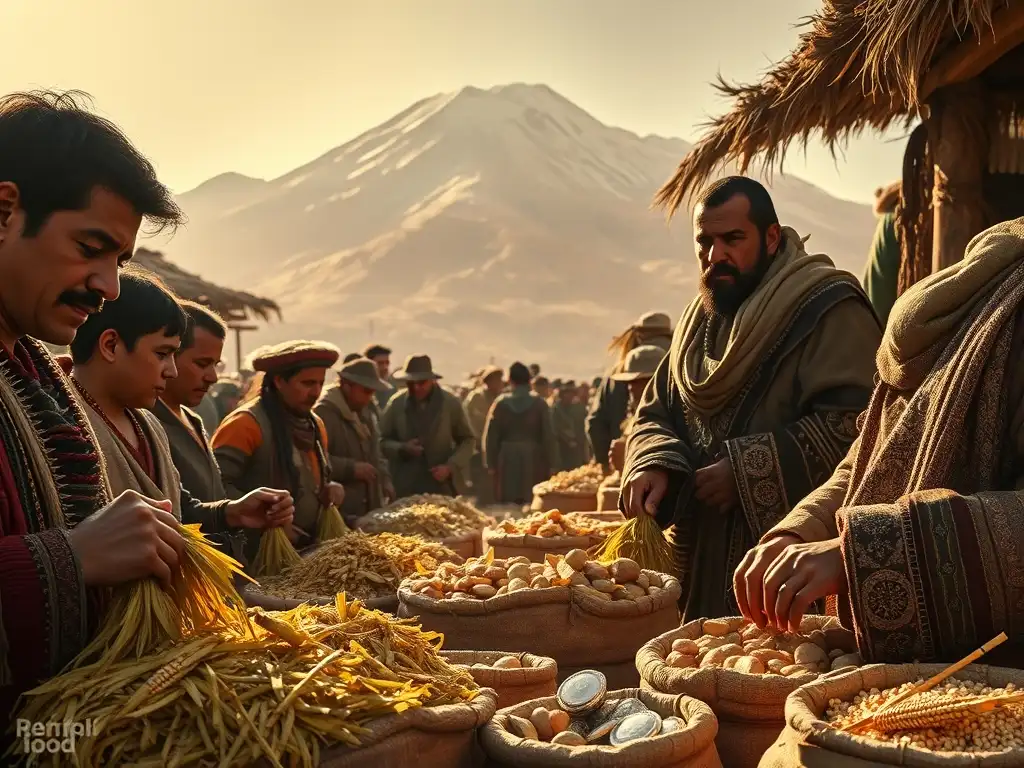
This section delves into the specifics of how the Andean tribute system impacted the lives of commoners across different civilizations and regions. Understanding the nuances of tribute collection and its administration provides a clearer picture of the daily realities faced by the vast majority of the Andean population. We will examine how the system varied across different empires and how local power structures influenced its implementation. The keyword "Andean commoner tribute system" will be explored in depth, showcasing its diverse forms and implications.
Inca Tribute System: The Tawantinsuyu Model
The Inca Empire, or Tawantinsuyu, implemented a highly organized and sophisticated tribute system. Unlike some other Andean societies, the Inca system wasn't solely based on labor extraction. While mita, a form of rotational labor service, was a cornerstone, it was supplemented by other forms of tribute, including agricultural products, textiles, and precious metals. The mita system obligated able-bodied men to work for the state for a set period, typically several months a year. This labor was directed towards various projects, including infrastructure development (roads, irrigation systems, temples), agriculture on state-owned lands, and military service.
The amount of tribute demanded varied depending on factors such as the individual's geographic location, social status (although the system aimed for a degree of standardization across commoners), and the specific needs of the empire at any given time. For example, communities near fertile valleys might contribute more agricultural goods, while those skilled in textile production would be expected to provide cloth. The system was administered through a complex bureaucratic network, with officials monitoring production and distribution. Records, often kept using quipus (knotted cords), meticulously tracked the contributions of each community.
Failure to meet tribute obligations could result in severe punishments, ranging from fines to imprisonment. The Inca tribute system, while demanding, also provided a degree of social security, with the state providing support in times of famine or other crises. This complex interplay of obligation and reciprocal support shaped the lives of commoners within the Tawantinsuyu.
Regional Differences in Tribute Collection and Management
While the Inca Empire strived for standardization, regional variations in the Andean commoner tribute system persisted. The specific forms of tribute and the methods of collection differed significantly across the vast territory of the empire. Coastal communities, for instance, often contributed fish, salt, and other marine products, while highland communities focused on agricultural goods like potatoes and maize.
The methods of collection also varied. In some areas, tribute was collected directly by state officials, while in others, local authorities acted as intermediaries, collecting and then forwarding the tribute to higher levels of administration. This decentralized approach, while potentially leading to some inefficiencies, allowed for a degree of adaptation to local conditions and customs.
The following table highlights some of these regional variations:
| Region | Primary Tribute Forms | Collection Method | Notable Features |
|---|---|---|---|
| Coastal Peru | Fish, salt, cotton textiles | Direct state collection | Strong emphasis on maritime resources |
| Highland Peru | Potatoes, maize, llama wool | Local authority mediated | Varied based on altitude and agricultural output |
| Amazon Basin | Tropical fruits, timber, dyes | Often through barter | More flexible system, reflecting diverse ecology |
This diversity highlights the complexity of the Andean commoner tribute system and the importance of considering local contexts when analyzing its impact.
The Role of Local Elites in Tribute Administration
The administration of the Andean commoner tribute system was not solely a matter of top-down control by the imperial or state authorities. Local elites, often members of pre-existing power structures, played a crucial role in the process. They acted as intermediaries between the commoners and the central administration, collecting tribute, ensuring its quality, and forwarding it to higher authorities.
In return for their services, these elites often retained a degree of autonomy and influence within their communities. This arrangement allowed for a smoother functioning of the tribute system, as local leaders possessed intimate knowledge of their communities' resources and capabilities.
However, this system also presented opportunities for exploitation. Local elites could manipulate the tribute collection process to their advantage, potentially underreporting production or demanding additional contributions from commoners. This dynamic created a complex power dynamic, where local elites balanced their responsibilities to the state with their interests in maintaining their own power and influence within their communities.
The extent of this exploitation varied considerably across different regions and time periods, highlighting the need for further research to fully understand the complex interactions between local elites and the state in the administration of the Andean commoner tribute system. The intricate relationship between imperial power and local influence remains a key area for ongoing scholarly investigation, enriching our understanding of the Andean social structure and the impact of tribute on daily life.
Consequences and Resistance to the Tribute System
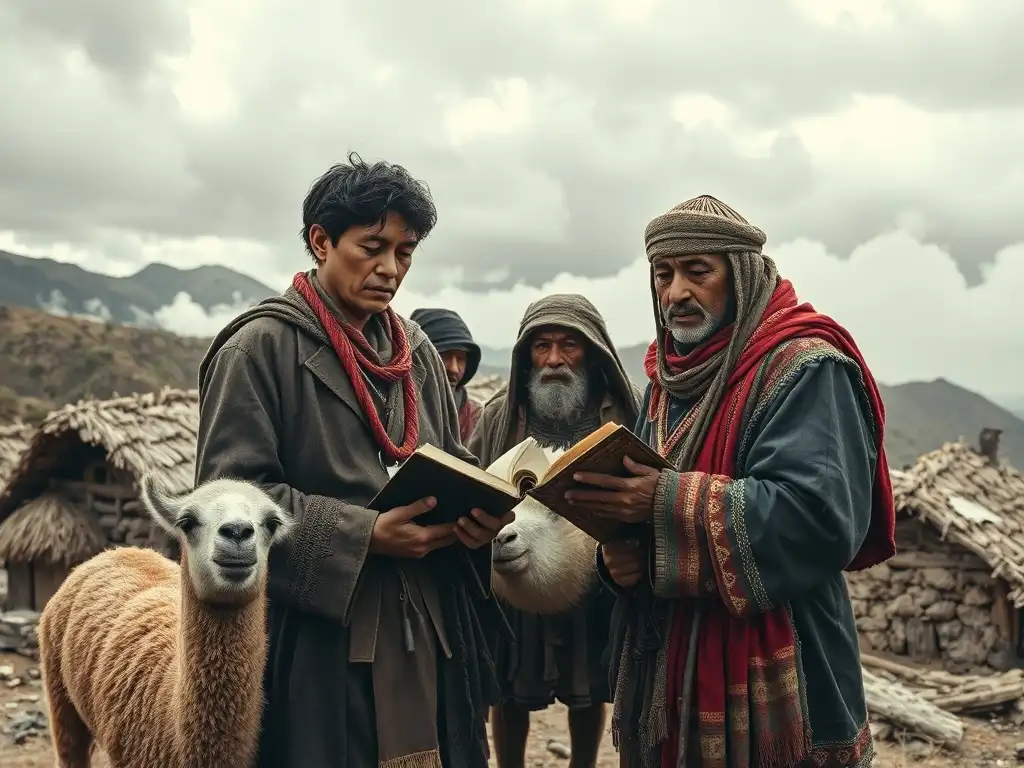
The Andean commoner tribute system, while crucial for the functioning of the empires, imposed significant burdens on the common people. Its consequences extended far beyond the simple extraction of goods and labor. The system directly impacted the daily lives of commoners, influencing their access to resources, their social standing, and their overall well-being.
The constant demand for tribute often meant less time dedicated to personal agriculture, leading to food insecurity and potential famine in lean years. This vulnerability was exacerbated by the cyclical nature of Andean agriculture, heavily dependent on rainfall and the unpredictable climate of the region. Furthermore, the forced labor required for public works projects, such as road construction or temple building, diverted individuals from their own fields and families, creating a strain on community structures and family units.
The constant pressure to meet tribute quotas fostered a climate of fear and uncertainty, impacting the social fabric of Andean communities. This system wasn't simply about economic extraction; it was a tool of social control, maintaining the power structure of the ruling elite.
Strategies for Maintaining Community Autonomy
Despite the oppressive nature of the tribute system, Andean commoners weren't passive recipients of imperial demands. They developed various strategies to navigate the system and maintain a degree of autonomy within their communities. One common approach was the careful management of resources. Communities often employed collective farming techniques, pooling resources to ensure that tribute demands didn't completely deplete their stores.
This strategy, while not eliminating the burden, helped mitigate its impact and ensured community survival. Another strategy involved negotiating with local officials. By building relationships with local authorities and demonstrating cooperation, communities sometimes managed to negotiate lower tribute quotas or more flexible payment schedules. This negotiation often relied on community leaders acting as intermediaries, representing the interests of their people and attempting to reach mutually acceptable agreements.
The success of these negotiations varied greatly depending on the specific circumstances and the power dynamics at play. Evidence suggests that some communities were more successful in achieving these concessions than others, highlighting the importance of social organization and leadership in mitigating the harshest aspects of the tribute system. Finally, subtle forms of resistance, such as withholding a portion of the tribute or subtly reducing the quality of goods delivered, were also employed, though these methods carried significant risks of retribution.
Uprisings and Revolts Against Excessive Demands
While subtle resistance was commonplace, outright revolt against the Andean commoner tribute system also occurred. These uprisings were often triggered by particularly harsh demands, unexpected crises such as crop failure, or perceived injustice in the application of the tribute system. The scale of these revolts varied greatly, ranging from localized protests to broader, coordinated uprisings involving multiple communities.
Historical accounts, though often fragmented, describe instances of communities actively resisting imperial authority, sometimes leading to armed conflict. The success of these revolts also varied. Some resulted in temporary concessions or adjustments to the tribute system, while others were brutally suppressed, leading to further hardship for the participating communities.
Analyzing these instances requires careful consideration of the available sources, as many accounts were written from the perspective of the ruling elite and may not fully reflect the experiences of the commoners involved. Further research is needed to fully understand the dynamics and consequences of these uprisings. The precise details of many revolts, including dates, locations, and the specific grievances that fueled them, remain [specific information pending].
The Andean commoner tribute system left a lasting impact on Andean social relations. The system's inherent inequalities exacerbated existing social stratification, reinforcing the power of the elite while simultaneously creating a sense of shared hardship among commoners. This shared experience of oppression, however, also fostered a sense of community resilience and solidarity.
The strategies employed by communities to navigate the tribute system—from collective resource management to negotiation and occasional revolt—demonstrate the agency of commoners and their capacity for resistance. The legacy of the tribute system is visible in the intricate social structures that persisted in Andean societies long after the collapse of the empires. Understanding the enduring impact of this system requires a nuanced analysis of its economic, social, and political consequences, recognizing both its oppressive aspects and the resilience of the communities that lived under its shadow.
The system's lasting effect on social organization, resource distribution, and power dynamics continues to shape Andean societies even today, highlighting the enduring legacy of ancient imperial structures. The study of the Andean commoner tribute system offers valuable insights into the complex interplay between power, resistance, and social adaptation in ancient civilizations.
The Long-Term Effects of Andean Taxation
The Andean commoner tribute system, while seemingly a simple exchange of goods and labor for protection and infrastructure, had profound and long-lasting impacts on the lives of commoners and the societies they built. Understanding these effects requires moving beyond a purely economic analysis and considering the social, cultural, and political ramifications. The system wasn't simply about extracting resources; it actively shaped social structures, artistic expression, and the very fabric of Andean economies for centuries. The weight of tribute wasn't just felt in the immediate present; its consequences reverberated through generations.
The Andean tribute system significantly impacted social mobility. While theoretically offering a safety net and access to infrastructure projects, the reality was often more complex. The consistent demand for labor and resources often tied individuals to specific roles and locations, hindering social advancement.
Those who excelled in agriculture or specialized crafts might have been able to accumulate some surplus, but the majority of the population remained firmly within their established social strata. The system's inherent inequalities exacerbated existing social hierarchies, preventing significant upward mobility for most commoners. For instance, a skilled weaver might produce exquisite textiles as tribute, but this achievement wouldn't automatically translate into a higher social standing or exemption from further demands.
The constant pressure to fulfill tribute obligations limited opportunities for individuals to improve their economic circumstances and social position. This created a system where social stratification was maintained and reinforced by the very mechanisms designed to supposedly benefit all members of society. The cyclical nature of tribute ensured a predictable, yet deeply unequal, social order.
The Role of Tribute in Shaping Andean Art and Architecture
The immense architectural achievements of the Andes, such as Machu Picchu and the Nazca Lines, were undeniably fueled by the tribute system. The labor and resources extracted from commoners directly contributed to the construction of monumental structures, temples, and irrigation systems. However, this relationship wasn't purely exploitative.
The very act of contributing to these projects imbued a sense of collective identity and pride, subtly shaping Andean art and architecture. The intricate designs found in textiles, pottery, and metalwork, often created as part of tribute obligations, reflected not only the skill of the artisans but also the cultural values and beliefs of the Andean communities. While the system demanded labor and resources, it also provided a channel for artistic expression, albeit one constrained by the demands of the ruling elite.
The artistry seen in many tribute offerings serves as a testament to the creativity and resilience of Andean commoners, even within the confines of a system that imposed substantial burdens. Further research is needed to fully understand the nuance of this relationship: [Specific data on the percentage of artistic production directly linked to tribute obligations pending].
The Economic Legacy of the Tribute System and its Transformation
The economic legacy of the Andean tribute system is multifaceted. While it facilitated the construction of large-scale infrastructure projects and supported the elites, it also fostered a degree of economic interdependence across different Andean communities. The system, however, was not without its vulnerabilities. Droughts, natural disasters, or internal conflicts could disrupt the flow of tribute, leading to economic instability and social unrest.
The Spanish conquest dramatically altered the system. The Inca tribute system, based on mita labor and goods, was replaced by a more exploitative system that benefited Spanish colonizers. This transition led to a decline in traditional Andean crafts and a shift towards resource extraction for the benefit of the colonial economy. The transition from the mita system to the encomienda system exemplifies this change, highlighting the devastating long-term economic consequences.
The introduction of new crops and livestock by the Spanish also had a profound impact, leading to a gradual transformation of the Andean economic landscape. However, the underlying principle of extracting resources from the commoners, albeit in different forms, persisted for centuries after the conquest. Understanding this evolution is crucial to grasping the complete economic legacy of Andean taxation. The long-term effects of this transformation are still being felt today.
Frequently Asked Questions
What was the Andean commoner tribute system?
The Andean commoner tribute system was a complex structure where commoners provided labor, goods, or resources to the ruling elite, including the Inca Empire and preceding civilizations. This ensured the functioning of the state and the elites' lifestyle.
What types of tribute did Andean commoners pay?
Tribute varied depending on the civilization and the commoner's skills. It could include agricultural products, textiles, metals, labor for public works, or military service. The demands were substantial.
How did the tribute system impact the daily lives of Andean commoners?
The tribute system significantly impacted daily life, often demanding a substantial portion of their time and resources. This left little time for personal pursuits and could lead to hardship, particularly during times of drought or other crises.
Were all Andean commoners equally burdened by the tribute system?
No, the burden of tribute varied. Those with specialized skills (e.g., skilled weavers or metalworkers) might provide specialized goods, while others provided agricultural products or labor. Social standing also likely played a role.
How did the tribute system contribute to the power of the Andean elites?
The tribute system was crucial to the power and wealth of the Andean elites. The vast resources and labor collected allowed them to fund large-scale public works, maintain armies, and support a complex administrative system, solidifying their control.
Final Reflection: The Enduring Legacy of Andean Tribute
The Andean tribute system, far from being a relic of the past, continues to cast a long shadow on the socio-economic realities of the region. Its impact resonates in contemporary inequalities, shaping access to resources and opportunities for communities even today. Understanding this historical burden is crucial to building a more equitable future.
The pervasive influence of the tribute system on Andean culture is undeniable; its effects are woven into the very fabric of social structures and power dynamics. The legacy of forced labor and resource extraction continues to manifest in disparities in wealth distribution and access to education and healthcare. The past is never dead. It's not even past.
– William Faulkner. This quote perfectly encapsulates the enduring relevance of understanding the tribute system's impact on the lives of Andean commoners, as its consequences continue to shape the present. The echoes of this historical oppression demand our attention and understanding.
Consider the weight of this history, the generations burdened by its legacy. You, the reader, now possess a deeper understanding of the complexities of the Andean tribute system. Use this knowledge to advocate for social justice, to challenge systemic inequalities, and to build a future where the burdens of the past do not define the possibilities of the present. Let the stories of these commoners inspire you to work towards a more just and equitable world for all.
Uncover the Legacy of Tribute: Take Action Today!
Thank you for exploring the complex relationship between taxation and the lives of ordinary people in Andean civilizations. Your interest in this topic not only enhances your understanding but also shows respect for the rich history of those who lived under these systems.
Now, you can take further action to make a difference. Here are some suggestions:
- Engage with the past: Visit a local museum or historical site to learn more about the heritage of Andean civilizations and their tribute systems. Consider exploring exhibits that focus on the daily lives of the people and the impact of taxation on their communities.
- Share your knowledge: Discuss the historical effects of taxation on ordinary people with friends, family, or online. Let's keep the conversation going!
- Join a community: Connect with local organizations focused on history or economic education to learn more and contribute to ongoing discussions.
How do you think understanding the legacy of tribute can shape our perspectives on modern taxation? Share your thoughts below!