
Sacred Mountains and Caves: The Spiritual Landscape of Inca Origins

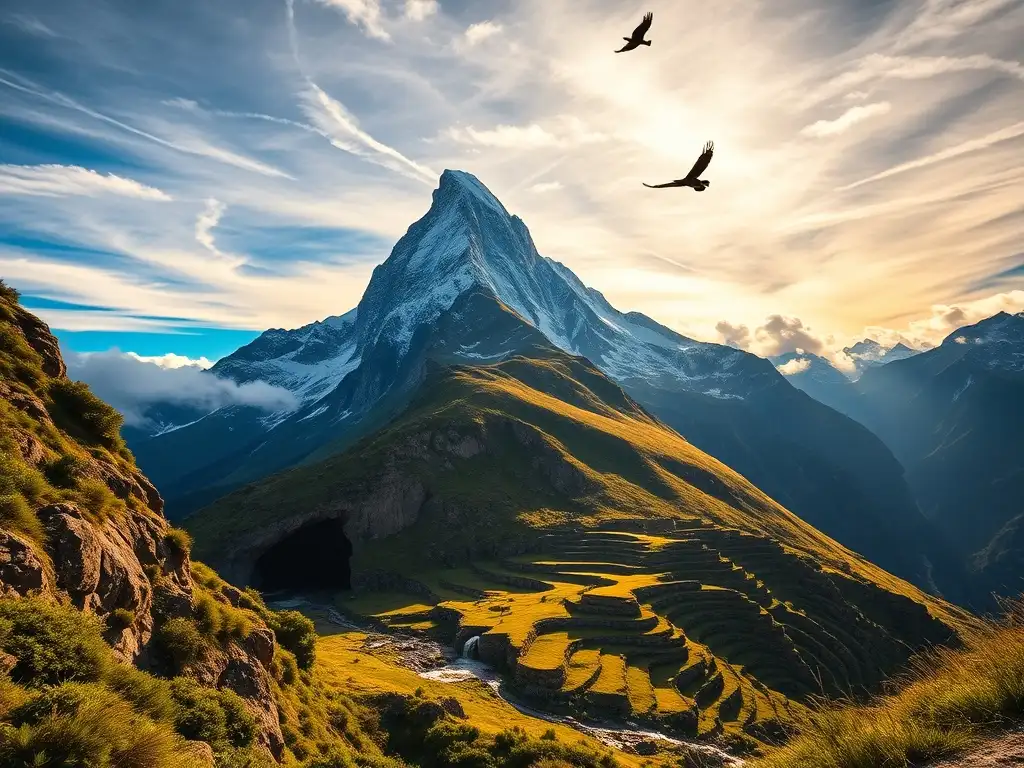
Step into a world lost in time, where towering peaks pierce the heavens and ancient secrets whisper from sun-baked earth. Journey with us to the heart of the Andes, a land sculpted by myth and shaped by empires. Uncover the mysteries surrounding Inca sacred mountain sites, and explore the profound spiritual connection these breathtaking landscapes held for one of history’s most fascinating civilizations. Prepare to be amazed by the ingenuity and reverence embedded within these sacred places—a legacy that continues to resonate today. Discover more about the Inca's enduring connection to the mountains… the story awaits.
- Inca Sacred Mountain Sites: Exploring the Spiritual Landscape of Inca Origins
- The Significance of Mountains in Inca Cosmology
- Caves as Portals to the Underworld: A Key Element in Inca Spirituality
- The Connection Between Mountains and Caves: A Dual Sacred Geography
- Inca Sacred Mountain Sites: Origins and Legends
- Pilgrimage Routes to Inca Sacred Mountain Sites
- The Legacy of Inca Sacred Mountain Sites Today
-
Frequently Asked Questions
- What were sacred mountains to the Inca?
- How did the Inca use sacred caves?
- Which are some of the most important Inca sacred mountain sites?
- What is the significance of the relationship between mountains and water in Inca spirituality?
- How did the Inca's beliefs about sacred mountains influence their urban planning?
- Final Reflection: Echoes of the Andes: A Legacy of Sacred Space
- Embark on Your Journey to the Sacred!
Inca Sacred Mountain Sites: Exploring the Spiritual Landscape of Inca Origins
The Inca Empire, renowned for its sophisticated engineering and intricate social structures, held a deeply spiritual worldview inextricably linked to its natural environment. Mountains, in particular, were not merely geographical features but powerful entities imbued with divine significance, playing a pivotal role in Inca cosmology, religious practices, and the very foundation of their imperial identity.
This exploration delves into the sacred mountain sites crucial to understanding the Inca origins and their profound connection to the apus, the mountain spirits believed to hold immense power and influence over the lives of the people. We will examine the significance of these sites, the rituals performed there, and the enduring legacy they hold within the broader context of Inca mythology and belief systems.
Understanding the Inca reverence for these sacred mountains provides a critical lens through which to interpret their societal structures, agricultural practices, and even their imperial expansion. The spiritual landscape shaped their world, and deciphering it unveils a richer appreciation for the complexity and sophistication of Inca civilization.
The Apus: Guardians of the Inca World
The Inca worldview was profoundly shaped by the apus, the powerful mountain spirits believed to be the guardians and protectors of the empire. These weren't simply personified mountains; they were considered divine beings with agency, capable of influencing weather patterns, harvests, and the overall prosperity of the Inca people. Each apu was unique, possessing individual characteristics and associated with specific territories and communities.
The most revered apus often held positions of prominence within the Inca pantheon, influencing political decisions and religious ceremonies. The Inca maintained a complex relationship with these mountain deities, offering sacrifices, performing rituals, and constructing elaborate shrines at their bases to appease and honor them.
This intricate system of mountain worship highlights the profound interconnectedness between the Inca and their environment, underscoring the crucial role of nature in their spiritual and political lives. Evidence of this reverence is found in numerous archaeological sites across the Andes, demonstrating the widespread nature of this belief system.
Huayna Picchu and Machu Picchu: Sacred Peaks of the Lost City
Machu Picchu, the iconic "Lost City of the Incas," is not only an architectural marvel but also a sacred site deeply connected to the surrounding mountains. Huayna Picchu, the dramatic peak overlooking the citadel, is a prime example of a sacred mountain within the Machu Picchu complex.
Its steep slopes and imposing presence likely contributed to its sacred status, possibly representing a powerful apu overseeing the city below. Archaeological investigations have uncovered evidence of Inca religious structures and ritual offerings on Huayna Picchu, suggesting its significance as a place of worship and pilgrimage.
The Inca's careful selection of this location for their citadel, nestled amongst towering peaks, speaks volumes about the importance they placed on the spiritual landscape in shaping their urban planning and societal organization. The relationship between Machu Picchu and its surrounding apus is fundamental to understanding the city's function and the Inca's deep connection to the Andean landscape.
Ausangate: The Sacred Mountain of Cusco
Ausangate, a majestic peak in the Andes, holds immense spiritual significance for the Inca and continues to be revered by indigenous communities today. Considered one of the most important apus in the Cusco region, Ausangate's snow-capped summit and imposing presence made it a focal point for Inca religious practices. Annual pilgrimages to Ausangate, involving elaborate rituals and offerings, were crucial for ensuring the well-being of the region and the empire as a whole.
The vibrant colors of the surrounding landscape, with its diverse flora and fauna, further enhanced the mountain's sacred aura. The enduring reverence for Ausangate highlights the continuity of Andean spiritual traditions and the deep connection between the Inca and the natural world, a connection that transcends time and continues to resonate today.
The specific rituals and offerings performed at Ausangate are still being researched, with much more information needed to fully understand the complexity of its spiritual role. [Specific details on Ausangate rituals pending].
The Significance of Caves in Inca Spirituality
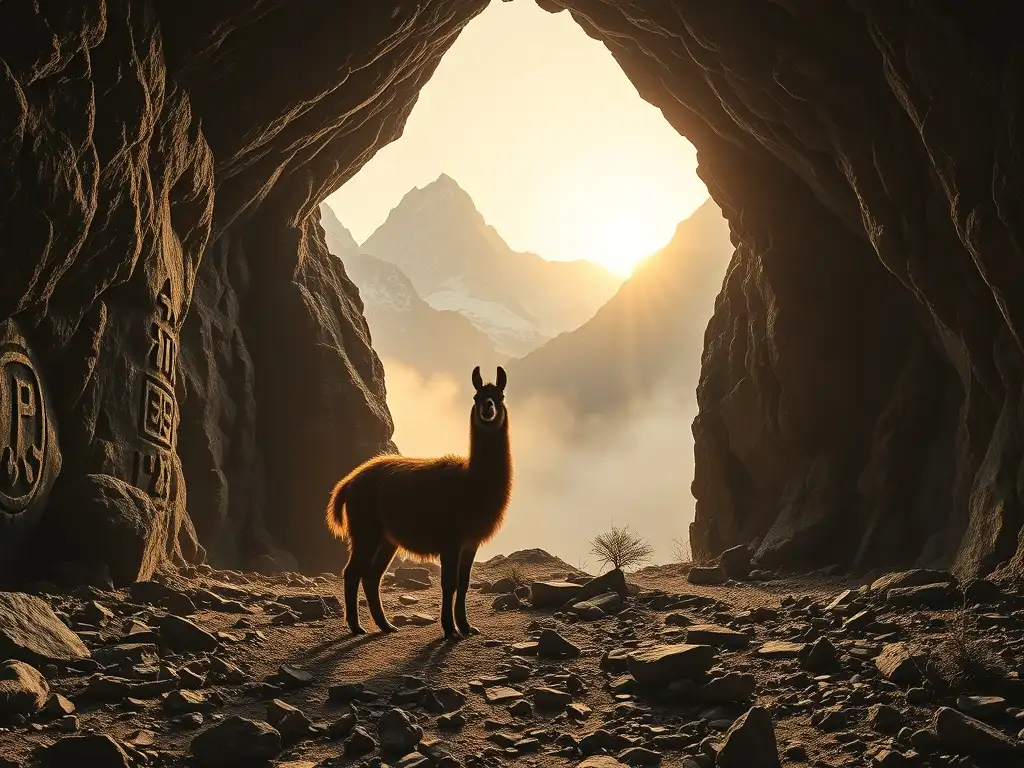
Beyond mountains, caves played a significant role in Inca spiritual beliefs. Many caves were considered sacred sites, often associated with specific deities or ancestral spirits. These subterranean spaces were seen as portals to the underworld, connecting the living world with the realm of the ancestors. The darkness, mystery, and inaccessibility of caves likely contributed to their sacred status, making them ideal locations for rituals, offerings, and communing with the spirit world.
Archaeological evidence shows that many caves were used for storing sacred objects or performing secret ceremonies, further highlighting their importance in Inca religious practices. The precise nature of these rituals and the specific deities associated with different caves remain areas of ongoing research, but the overall significance of caves in Inca spirituality is undeniable. The interplay between mountain sites and cave shrines further emphasizes the complex and interconnected nature of the Inca spiritual landscape.
The Enduring Legacy of Inca Sacred Sites
The Inca’s reverence for sacred mountains and caves continues to resonate today. Many of these sites remain places of pilgrimage and spiritual significance for indigenous communities in the Andes. The enduring legacy of these sacred spaces underscores the profound connection between the Inca and their environment, a connection that continues to inform Andean cultural identities and spiritual practices.
The preservation of these sites is crucial not only for understanding Inca history and culture but also for respecting the ongoing spiritual traditions of the Andean people. The ongoing research and study of these sites offer valuable insights into the rich tapestry of Inca beliefs and the enduring influence of their spiritual worldview. The careful study and respectful preservation of these sacred sites are critical for ensuring a continued understanding and appreciation of Inca culture and its enduring legacy.
The Significance of Mountains in Inca Cosmology
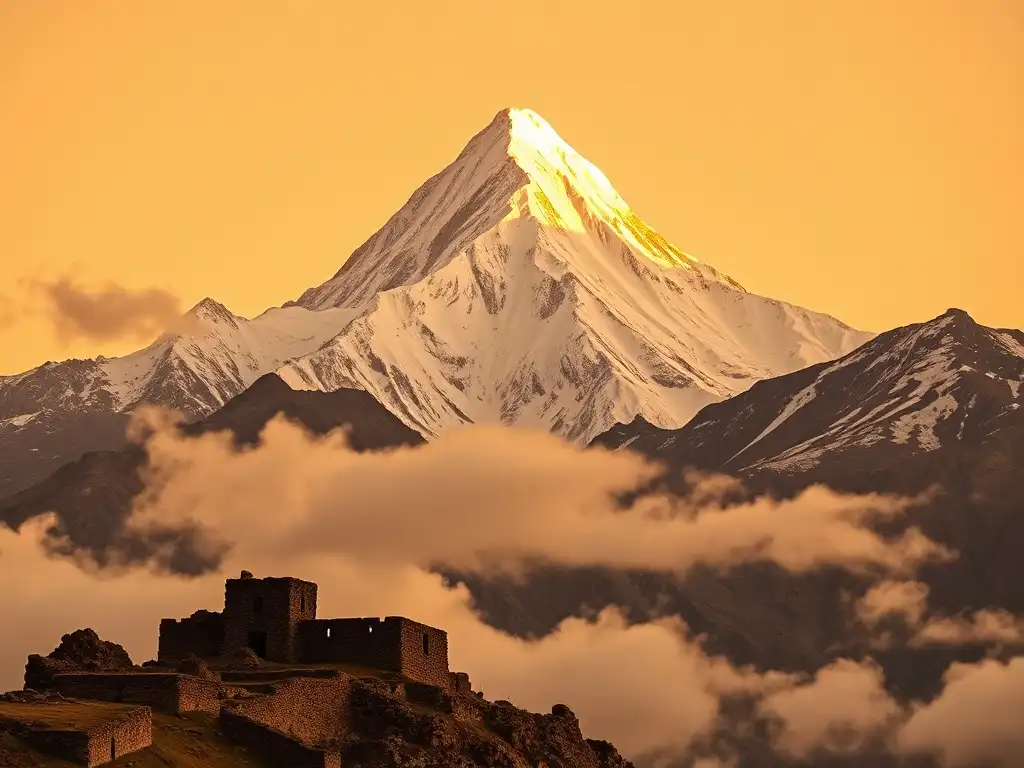
The towering Andes Mountains weren't merely geographical features to the Inca; they were the very backbone of their cosmology, deeply interwoven with their spiritual beliefs and practices. Inca sacred mountain sites held immense religious significance, acting as powerful intermediaries between the earthly and spiritual realms.
These weren't just any mountains; specific peaks were revered as Apus, powerful deities embodying the forces of nature and playing crucial roles in Inca society. Understanding the Inca worldview necessitates acknowledging the profound reverence they held for these majestic peaks, a reverence reflected in their elaborate rituals, infrastructure, and artistic expressions.
The Inca's relationship with their sacred mountains wasn't simply a matter of awe; it was a fundamental aspect of their daily lives, shaping their social structures, agricultural practices, and understanding of the cosmos. The influence of these sacred mountains permeates every aspect of Inca culture, from their intricate road systems to their sophisticated agricultural techniques, highlighting the deep connection between the physical and spiritual worlds.
Andean Beliefs and the Apus
Andean beliefs centered around a complex interplay of deities and forces of nature. The Apus, mountain deities, occupied a central position in this cosmology. Each mountain was considered a unique and powerful entity, possessing its own spirit and agency. These weren't simply inanimate objects; they were active participants in the lives of the Inca, influencing weather patterns, harvests, and the overall well-being of the communities situated in their shadow.
The Inca believed that appeasing the Apus was crucial for ensuring prosperity and avoiding misfortune. This appeasement took many forms, including offerings, prayers, and elaborate rituals performed at specific sacred sites located on or near the mountains themselves. Evidence suggests that specific Apus were associated with particular regions or clans, highlighting the localized nature of this spiritual connection.
For instance, the Apus of the Cusco region were particularly important, reflecting the centrality of Cusco in the Inca empire. The specific attributes and powers attributed to each Apus varied depending on local traditions and beliefs, adding to the richness and complexity of Inca religious life. Understanding the Apus is key to understanding the Inca's relationship with their environment and their overall spiritual worldview.
The Role of Sacred Peaks in Inca Rituals
Inca rituals associated with sacred mountain sites were integral to their social and political order. These weren't casual events; they were meticulously planned and executed ceremonies involving significant participation from the community. Pilgrimages to sacred peaks were commonplace, often involving arduous journeys across challenging terrain. These journeys were not merely physical; they were also spiritual journeys of purification and communion with the divine.
The rituals themselves involved a variety of offerings, including llama sacrifices, coca leaves, and other precious goods, all intended to honor and appease the Apus. These offerings weren’t simply gifts; they were seen as a way to maintain a harmonious relationship between the human and spiritual worlds. Archaeological evidence reveals the existence of numerous ceremonial sites on or near sacred peaks, including shrines, terraces, and intricate pathways, all testament to the importance of these locations in Inca religious practices.
The precise rituals varied depending on the specific Apus and the purpose of the ceremony, ranging from small-scale community events to large-scale imperial festivals. The meticulous planning and execution of these rituals underscores the central role that mountain worship played in Inca society. The frequency and importance of these rituals also highlight the ongoing need to maintain a positive relationship with the powerful forces represented by the Apus.
Understanding the Inca Worldview Through Mountain Worship
The reverence for Inca sacred mountain sites offers a unique window into the Inca worldview. Their cosmology wasn't a detached philosophical system; it was intimately intertwined with their daily lives. The mountains weren't simply objects of veneration; they were active participants in the Inca's social, political, and agricultural life.
The intricate relationship between the Inca and the Apus reveals a deep understanding of the interconnectedness of the natural world. This worldview emphasized harmony and balance, a concept reflected in their sustainable agricultural practices and their respect for the environment. The Inca's ability to thrive in a challenging environment speaks to their profound understanding of their natural surroundings and their ability to integrate their spirituality with their practical needs.
Studying the Inca's mountain worship provides valuable insights into their social structures, their political organization, and their overall understanding of the world. By examining the evidence left behind – from archaeological remains to surviving accounts – we can gain a deeper appreciation for the profound spiritual significance of the Andes Mountains in the lives of the Inca. The legacy of this sacred relationship continues to resonate today, shaping our understanding of this remarkable civilization and its enduring connection to the land.
Caves as Portals to the Underworld: A Key Element in Inca Spirituality
The Inca worldview was deeply intertwined with the natural world, viewing mountains, rivers, and especially caves as sacred spaces imbued with spiritual power. While the majestic Inca sacred mountain sites are well-documented, the significance of caves in Inca spirituality often receives less attention. These subterranean realms were not simply geological formations; they represented portals to the ukhu pacha, the underworld, a realm of ancestral spirits and powerful energies.
The Inca believed that these caves were direct connections to the unseen world, allowing communication with their ancestors and the supernatural forces that shaped their lives. This perception significantly influenced their religious practices, burial customs, and overall understanding of the cosmos. Understanding the role of caves provides a crucial perspective on the complex tapestry of Inca beliefs and rituals.
The Meaning of Caves in Inca Mythology
In Inca mythology, caves were often associated with the origins of life and the creation of the world. Some narratives depict caves as the birthplace of deities or powerful spirits. These narratives frequently involved the emergence of ancestors from the earth, highlighting the cave's role as a conduit between the earthly and spiritual realms.
The darkness and mystery within the caves fostered a sense of awe and reverence, reinforcing their sacred status. The symbolism extended beyond simple origins; caves were also seen as places of transformation and rebirth, mirroring the cyclical nature of life and death emphasized in Inca cosmology. Many cave paintings discovered in Andean regions depict scenes related to these creation myths, further solidifying the spiritual significance attributed to these subterranean spaces.
Furthermore, the echoes and unique acoustic properties of some caves likely contributed to their mystical aura, enhancing the perception of spiritual presence. The discovery of mummies and artifacts within these caves underscores their use as sacred burial sites, reinforcing their connection to the ancestral world.
Cave Shrines and Their Ceremonial Importance
Numerous caves served as Inca sacred mountain sites or as independent shrines, where Inca priests performed rituals and offerings. These ceremonies often involved leaving offerings such as textiles, ceramics, and food, aimed at appeasing or honoring the spirits dwelling within. Evidence suggests that some caves were carefully modified to enhance their ritualistic function, with the construction of small platforms or altars within their interiors.
The specific rituals performed varied depending on the location and the perceived power of the cave's presiding deity or spirit. Some caves were associated with specific agricultural cycles, with rituals performed to ensure successful harvests. Others were linked to healing practices, with individuals seeking cures for illnesses or seeking spiritual guidance.
The restricted access to many of these caves, often located in remote or treacherous locations, further elevated their sacred status and reinforced their mystical significance. This carefully controlled access likely heightened the experience for those allowed entry.
Coricancha Cave and its Significance
While specific details about many Inca cave shrines remain elusive due to the limited surviving documentation and the often-fragile nature of archaeological findings, Coricancha (although primarily known for its above-ground temple), also had a significant cave associated with it. [Specific information pending] regarding the precise location and the nature of the rituals performed at this particular cave. However, given Coricancha's importance as the main temple of the Inca sun god, Inti, it is reasonable to assume that the associated cave held significant religious importance, likely serving as a place for private rituals, or perhaps a connection to the underworld mirroring the sun god's journey through the night.
The cave may have been used for divination or as a repository of sacred objects. Further research and archaeological investigation are needed to fully understand the role of this specific cave within the broader context of Inca spirituality and the worship of Inti.
The limited information emphasizes the need for ongoing research into Inca sacred sites, particularly those less studied than the prominent above-ground structures. The potential for uncovering further insights into Inca spirituality through the study of caves is substantial.
The Connection Between Mountains and Caves: A Dual Sacred Geography
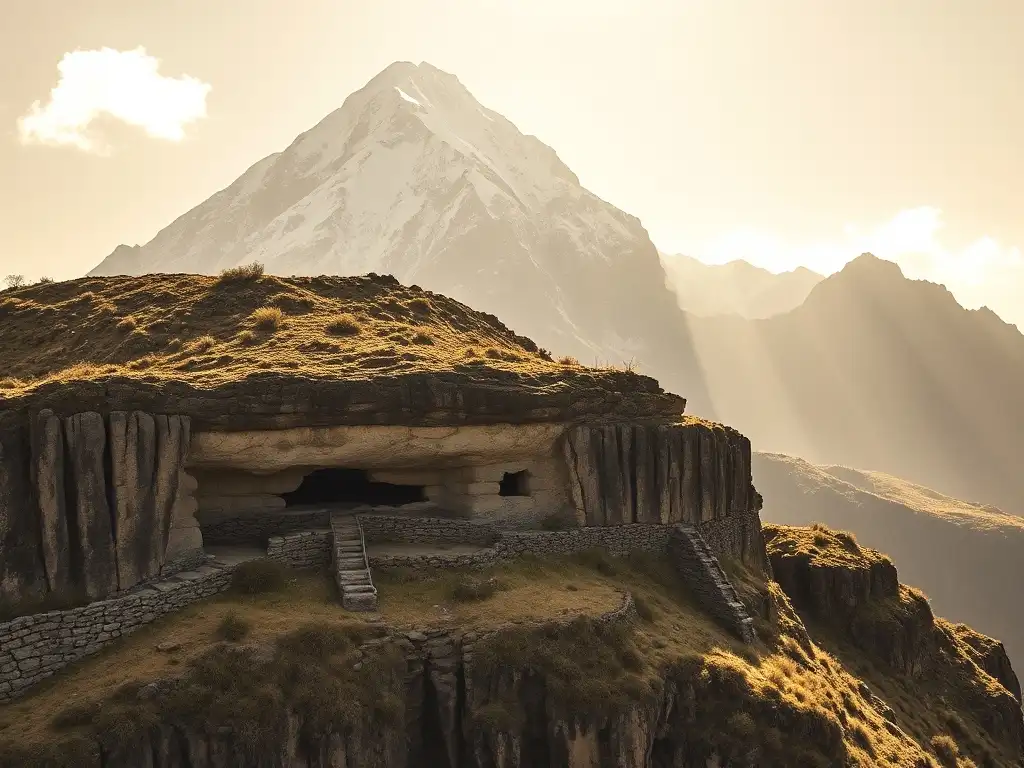
The Inca worldview was deeply intertwined with the physical geography of the Andes, particularly the prominent mountains and extensive cave systems. These weren't merely geological features; they were integral parts of a complex cosmology, representing a powerful connection between the upper and lower worlds. Inca sacred mountain sites, like those surrounding Cusco, were not isolated entities but rather nodes within a larger network of sacred spaces, often including nearby caves.
This dual sacred geography reflects a sophisticated understanding of the cosmos, where mountains symbolized celestial power and caves represented the subterranean realm, both crucial to Inca spiritual life and the understanding of Inca sacred mountain sites. The relationship between these elements is not simply spatial proximity, but a profound spiritual interconnectedness, shaping ritual practices and cosmological beliefs. Understanding this relationship is key to appreciating the depth and complexity of Inca religion.
The strategic location of many important Inca sites, often perched high on mountain slopes with cave systems nearby, underscores this intricate spiritual geography. This wasn't random placement; it was a deliberate act of establishing sacred landscapes imbued with power and meaning.
The Interplay of Upper and Lower Worlds
Inca cosmology posited a three-tiered universe: the Hanan Pacha (upper world), the Kay Pacha (present world), and the Ukhu Pacha (underworld). Mountains, with their towering peaks reaching into the sky, were considered direct pathways to the Hanan Pacha, the abode of the sun god Inti and other celestial deities. Conversely, caves, with their dark, mysterious depths, represented the Ukhu Pacha, a realm of ancestors, spirits, and powerful energies.
The Inca believed that these two realms were not separate but interconnected, with caves acting as portals or conduits between the upper and lower worlds. This is reflected in the numerous cave paintings and artifacts found within these sacred spaces, suggesting ritual activity and a belief in the direct communication with the supernatural through these underground passages.
The placement of Inca sacred mountain sites near these cave systems reinforces this spiritual connection, creating a complex network of sacred energy flow between the celestial and subterranean realms. Archaeological evidence suggests that certain caves were used for specific rituals, while others served as burial sites, emphasizing their crucial role in the Inca worldview and the significance of Inca sacred mountain sites.
Ritual Practices Combining Mountain and Cave Worship
Many Inca rituals involved a synergistic interplay between mountain and cave worship. Pilgrimages often involved ascents to mountaintops for offerings and prayers, followed by descents into caves for further rituals or consultations with spirits. These journeys symbolized the traversing of the cosmos, bridging the gap between the celestial and subterranean worlds.
The specific rituals varied depending on the location and the purpose, but the underlying principle remained consistent: the integration of mountain and cave spaces within a single spiritual practice. For example, some caves served as huacas, or sacred places, where offerings were made to appease deities or request blessings. Others were believed to be entrances to the underworld, used for shamanistic practices and communication with ancestors.
The specific offerings and rituals performed at these Inca sacred mountain sites and associated caves varied based on local traditions and the specific deity or spirit being addressed. Further research is needed to fully understand the nuances of these practices, but the combined use of mountains and caves reveals a sophisticated and interconnected spiritual system.
Inti Raymi Rituals at Sacsayhuaman and Nearby Caves
The Inti Raymi, the Inca festival of the sun, provides a compelling example of the combined use of mountain and cave worship. Sacsayhuaman, a massive fortress overlooking Cusco, served as a primary location for Inti Raymi celebrations. Its strategic location on a mountaintop, overlooking the city and the surrounding landscape, reinforced its sacred significance.
However, the rituals weren't confined to the fortress itself. Nearby cave systems, often hidden within the surrounding hills, likely played a supporting role in the festivities. These caves might have been used for preparatory rituals, for storing sacred objects, or for specific ceremonies related to the worship of Inti and other deities.
While the exact nature of these rituals remains partially obscured by the passage of time, the spatial proximity of Sacsayhuaman and the surrounding caves strongly suggests a deliberate integration of these sacred spaces within the larger Inti Raymi celebration, highlighting the importance of Inca sacred mountain sites within the Inca religious calendar. Further investigation into the archaeological record of these caves could reveal valuable insights into the specifics of these rituals and their significance within the broader Inca religious context. The combination of the grand scale of Sacsayhuaman and the more intimate setting of the caves created a powerful and multifaceted sacred experience, reflecting the dual nature of the Inca worldview and the prominence of Inca sacred mountain sites.
Inca Sacred Mountain Sites: Origins and Legends
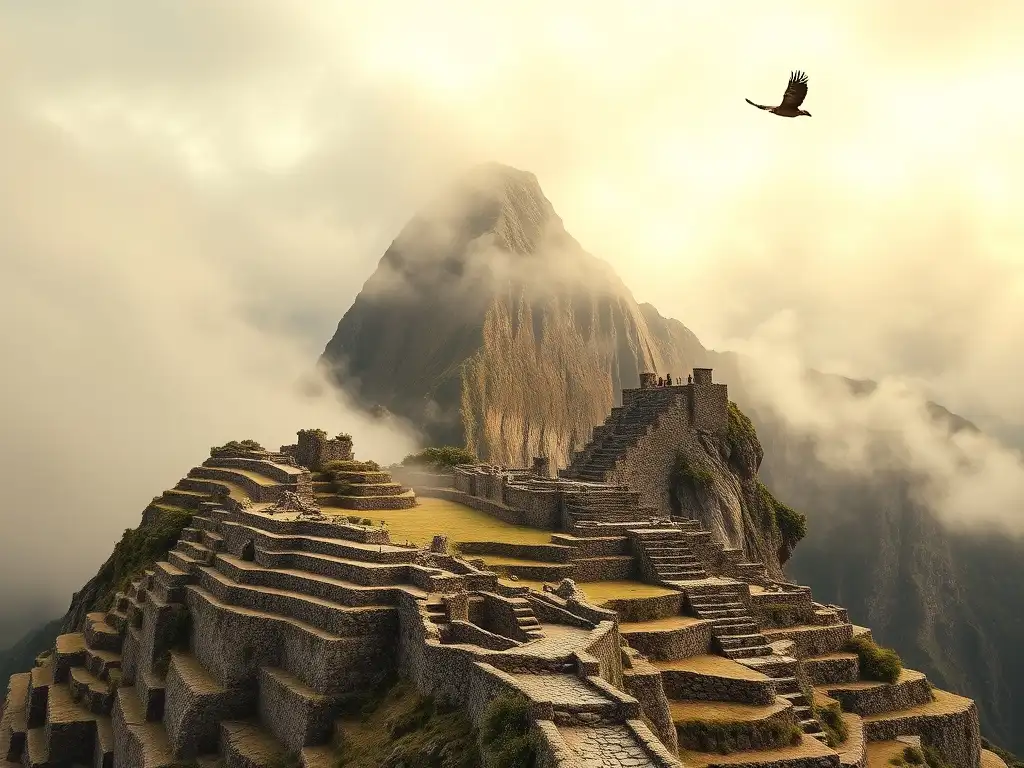
The Inca worldview was profoundly shaped by their perception of the sacred landscape, particularly the towering Andes mountains and the mysterious depths of caves. Understanding their spiritual beliefs requires exploring the profound connection the Inca civilization held with these geographical features, which served not just as physical landmarks but as powerful symbols of their origins, cosmology, and relationship with the divine. This deep reverence for Inca sacred mountain sites is reflected in their mythology, rituals, and even their urban planning.
The mountains weren't merely backdrops to their lives; they were active participants in the Inca world, imbued with spiritual power and inhabited by powerful deities. This section delves into the captivating legends and beliefs surrounding these sacred places.
The Creation Myths and the Role of Mountains
Inca creation myths frequently feature mountains as central elements. The huacas, or sacred places, were often located on mountain peaks, in caves, or along significant geological formations. These locations weren't randomly chosen; they held specific cosmological significance. For example, some mountains were believed to be the dwelling places of powerful apus, mountain spirits considered to be powerful deities.
These apus were believed to influence weather patterns, agricultural yields, and the overall well-being of the communities living in their shadow. The Inca believed that appeasing these spirits through offerings and rituals was crucial for maintaining cosmic balance and ensuring prosperity. The specific myths varied depending on the region and the particular mountain, demonstrating the localized nature of Inca beliefs while still maintaining a core cosmology. One recurring theme is the emergence of the world from a primordial chaos, with mountains rising from the waters as the first solid land, symbolic of the creation and ordering of the cosmos.
This is reflected in numerous stories passed down through generations, often involving the actions of creator gods shaping the land and establishing the sacred geography. The specific details of these creation narratives, however, require further research to fully elucidate their nuances and regional variations. [Specific details of regional creation myths pending].
The Legend of Mount Ausangate and its Protector Spirit
Mount Ausangate, located in the Cusco region, stands as a prime example of an Inca sacred mountain site. Considered one of the most important apus in the Andes, Ausangate is revered as a powerful deity, a protector spirit watching over the surrounding communities. The mountain's snow-capped peak is often seen as a manifestation of this divine presence, its glaciers representing the life-giving water essential for agriculture.
Legends abound concerning Ausangate, many describing its connection to the Inca’s origins and the founding of Cusco. These stories often involve the divine intervention of the apu in guiding the Inca people, providing them with sustenance and protection. The annual pilgrimage to Ausangate, still practiced today, highlights the enduring significance of this mountain and its enduring spiritual power in the collective memory of the Andean people.
The rituals involved in these pilgrimages, including offerings of coca leaves and llama sacrifices, provide tangible evidence of the deep-seated veneration for this Inca sacred mountain site. Detailed accounts of these ceremonies and their symbolic meaning would further illuminate the complexity of the Inca's spiritual practices. [Detailed descriptions of Ausangate rituals pending].
The Ancestral Connection to the Land and its Sacred Features
The Inca reverence for mountains and caves wasn't merely a matter of religious belief; it was intrinsically linked to their understanding of ancestry and their connection to the land. Mountains were seen as the ancestors themselves, their imposing presence symbolizing the strength and resilience of the Inca people. Caves, on the other hand, often served as burial sites and places of pilgrimage, representing the transition between the world of the living and the spirit world. The Inca believed that their ancestors inhabited these sacred spaces, continuing to exert influence over the affairs of the living.
This close relationship between the living, the dead, and the spirit world is further reflected in the Inca's meticulous attention to the huacas – the sacred sites scattered throughout their empire. The careful preservation and maintenance of these sites demonstrate the importance of maintaining a harmonious relationship with the ancestral spirits and the natural world. This holistic worldview, which integrated the spiritual and the physical, profoundly shaped Inca society and its relationship with the environment.
Further investigation into Inca burial practices and the archaeological evidence found in these sacred caves could shed further light on this fascinating aspect of Inca culture. [Data on specific cave sites and burial practices pending]. The careful study of Inca sacred mountain sites continues to reveal the depth and complexity of their spiritual beliefs and their profound connection to their ancestral homeland.
Pilgrimage Routes to Inca Sacred Mountain Sites
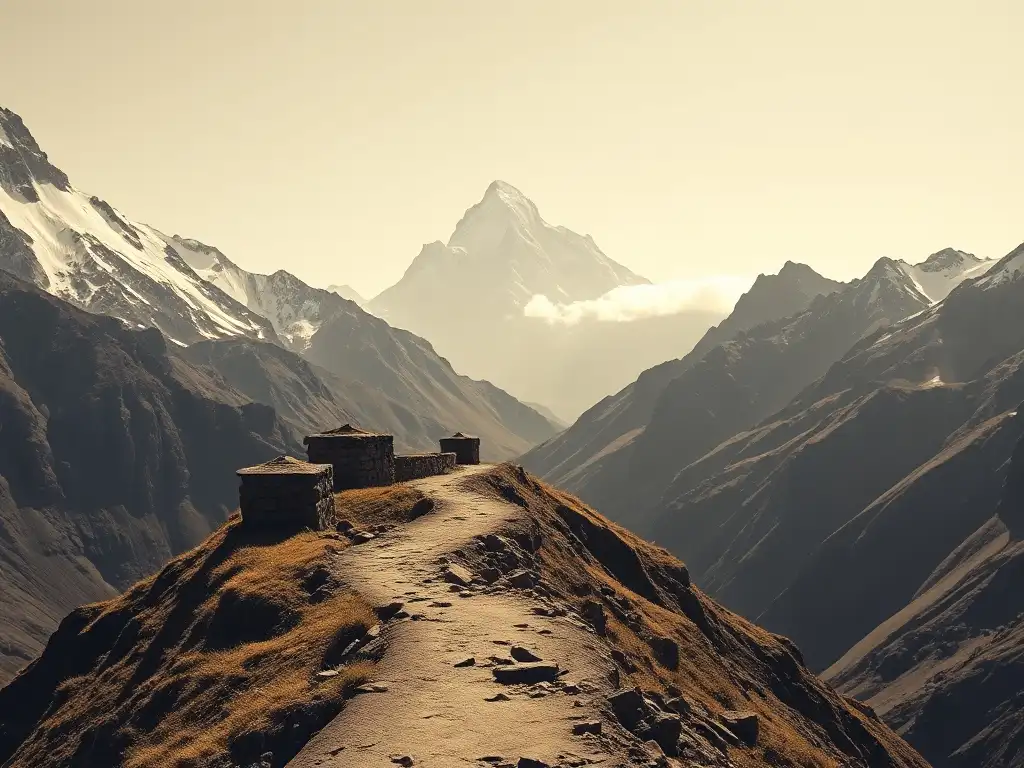
The Inca Empire, renowned for its sophisticated engineering and intricate social structures, also held a deeply spiritual worldview. Central to this worldview was the reverence for apus, or sacred mountains, considered powerful deities and ancestral spirits. Understanding the Inca sacred mountain sites requires acknowledging the extensive network of pilgrimage routes that connected these sacred places, facilitating communication with the divine and reinforcing the empire's ideological unity.
The routes themselves were as significant as the destinations, embodying the Inca's profound relationship with their environment and their beliefs. This section will delve into the importance of these pilgrimage routes and the unique spiritual journeys they represented.
The Importance of Pilgrimage in Inca Culture
Pilgrimage wasn't merely a physical journey for the Inca; it was a deeply spiritual undertaking. It represented a powerful connection between the human and divine realms, a process of purification and renewal. Pilgrims, often undertaking arduous journeys across challenging terrain, sought blessings, healing, and spiritual guidance from the apus. The act of pilgrimage itself was considered a form of sacrifice, demonstrating devotion and commitment to the deities.
Evidence suggests that pilgrimage was deeply ingrained in Inca society, affecting various aspects of life. For example, the timing of pilgrimages often coincided with significant agricultural cycles or important festivals, highlighting the interconnectedness between spiritual practices and the agricultural economy. Furthermore, the construction and maintenance of the pilgrimage routes themselves were communal endeavors, reflecting the collective commitment to religious practices and reinforcing social bonds.
The successful completion of a pilgrimage was a source of great personal pride and enhanced social standing within the community. This powerful blend of religious fervor, social cohesion, and agricultural practicality underscored the pervasive influence of pilgrimage in Inca culture. The sheer scale and organization of the pilgrimage system reveal a sophisticated understanding of both spiritual and logistical management.
The Qhapaq Ñan and its Pilgrimage Routes
The Qhapaq Ñan, or Inca Road system, was more than just a network of highways; it served as a vital artery for pilgrimage. This extensive network, stretching thousands of kilometers across the Andes, connected the major Inca centers with sacred mountain sites and other significant religious locations. The Qhapaq Ñan wasn't simply a means of transportation; its design and construction incorporated elements reflecting the spiritual significance of the journey. The routes often followed natural features, such as rivers and mountain ridges, incorporating strategically placed resting places, ceremonial sites, and huacas (sacred places) along the way.
The careful planning and construction of the Qhapaq Ñan demonstrate the Inca's meticulous attention to detail and their deep understanding of engineering and spiritual principles. The roads themselves were meticulously constructed using advanced techniques, capable of withstanding harsh weather conditions and facilitating travel throughout the year. The strategic placement of rest stops and ceremonial sites along the routes indicates a conscious effort to enhance the spiritual experience of the pilgrimage. The Qhapaq Ñan, therefore, wasn't simply a practical transportation network; it was a sacred pathway that facilitated the spiritual connection between the Inca and their deities.
The remains of the Qhapaq Ñan today continue to serve as a testament to the sophistication and spiritual depth of the Inca civilization. Further research is needed to fully understand the specific pilgrimage routes within the broader Qhapaq Ñan network. [Specific route details pending]
The Spiritual Journey and the Connection to the Sacred Landscape
The Inca pilgrimage wasn't a passive experience; it involved active engagement with the sacred landscape. Pilgrims would often perform rituals and offerings along the route, leaving behind coca leaves, textiles, and other items as expressions of devotion. The journey itself was seen as a transformative process, allowing pilgrims to connect with the natural world and deepen their spiritual awareness. The sacred mountains, with their imposing presence and perceived connection to the divine, played a crucial role in this transformation.
The physical act of traversing the arduous terrain was seen as a form of purification and self-discipline. The challenges faced along the way – altitude sickness, harsh weather, and difficult terrain – were seen as tests of faith and commitment. The successful completion of the pilgrimage was viewed as a testament to the pilgrim's devotion and their ability to overcome adversity.
The experience fostered a profound sense of connection to the apus and the wider spiritual landscape. This spiritual journey wasn't confined to the physical act of travel; it extended to the internal transformation experienced by the pilgrim, reinforcing their connection to Inca cosmology and their place within the larger spiritual order. The integration of the spiritual journey with the physical landscape is a key element to understanding Inca sacred mountain sites and their significance within the broader Inca worldview.
Further study is needed to fully understand the specific rituals and offerings performed along different pilgrimage routes. [Specific ritual details pending]
The Legacy of Inca Sacred Mountain Sites Today
The Inca's reverence for apus, or sacred mountains, continues to resonate powerfully in modern Andean communities. While the Inca Empire itself fell centuries ago, the spiritual connection to these majestic peaks remains a vital part of the cultural identity of many indigenous groups. This enduring legacy is evident not only in the continued pilgrimage to these sites but also in the ongoing efforts to preserve them for future generations. Understanding this modern-day relationship with Inca sacred mountain sites is crucial for appreciating the full scope of Inca heritage and its lasting impact.
The significance of these locations extends beyond mere historical interest; they are living, breathing components of a vibrant cultural tapestry. The echoes of Inca cosmology and spirituality continue to shape beliefs, practices, and the very landscape itself. This section will explore the preservation of this heritage and the continued spiritual significance of these sites.
Preserving Inca Heritage and Cultural Memory
Preserving Inca sacred mountain sites presents unique challenges. These sites are often located in remote, high-altitude regions, making access difficult and conservation efforts costly. Furthermore, the very act of preservation can be a delicate balancing act. While protecting these places from damage due to tourism or development is essential, it's equally important to respect the ongoing spiritual practices of local communities who consider these mountains sacred spaces.
Many organizations and local communities work diligently to balance these needs. This involves careful management of tourist access, community-based conservation projects, and educational initiatives to raise awareness about the importance of these sites. Sustainable tourism models are increasingly being adopted, aiming to provide economic benefits to local communities while minimizing environmental impact and respecting cultural sensitivities. For example, [specific examples of community-based conservation projects pending], showcasing successful models of collaborative preservation.
Detailed records and archaeological studies are also crucial to understanding the sites' history and ensuring their proper care. The meticulous documentation of Inca ruins, pathways, and agricultural terraces helps paint a vivid picture of the intricate relationship between the Inca and their sacred mountains, enriching our understanding of their culture and beliefs. The preservation of this legacy is not merely an act of historical preservation; it is a vital step in upholding cultural identity and ensuring the continuation of ancient traditions.
Modern Day Significance and Ritual Practices of the Qoyllur Rit'i Festival
The Qoyllur Rit'i festival, held annually near Cusco, Peru, provides a compelling example of the enduring importance of Inca sacred mountain sites. This vibrant festival attracts thousands of pilgrims who ascend to the snow-capped Sinakara mountain to honor the Apu Ausangate. The festival blends indigenous Andean beliefs with elements of Catholicism, reflecting the syncretic nature of Andean spirituality. Pilgrims engage in various rituals, including offerings to the mountain spirit, ceremonial dances, and processions.
The festival is a powerful demonstration of the continued spiritual significance of the apu within contemporary Andean society. The sheer scale and intensity of the pilgrimage highlight the deeply rooted connection between the people and their sacred landscape. Furthermore, the festival plays a vital role in reinforcing community bonds and transmitting cultural knowledge across generations. The passing down of traditions, songs, and stories associated with the festival ensures the continuity of Inca spiritual practices.
The festival is not merely a religious event; it is a dynamic cultural expression that underscores the continuing relevance of Inca sacred mountain sites in the lives of Andean communities. [Specific data on participant numbers and rituals pending further research]. The Qoyllur Rit'i festival offers a unique window into the living legacy of Inca spirituality.
The Enduring Importance of the Inca Sacred Landscape
The legacy of Inca sacred mountain sites extends far beyond the ruins themselves. These sites represent a living connection to the past, a tangible link between Inca cosmology and the contemporary spiritual lives of Andean communities. The ongoing efforts to preserve these sites, coupled with the continued practice of ancient rituals, highlight the enduring importance of the Inca sacred landscape. Understanding this enduring legacy requires a nuanced approach that respects both the historical significance and the contemporary cultural significance of these places. The preservation of Inca sacred mountain sites is not just about safeguarding historical monuments; it's about protecting a vibrant cultural heritage that continues to shape the lives and beliefs of people in the Andes today. The intricate interplay between history, spirituality, and community underscores the profound impact of the Inca legacy on the Andean world. The continued reverence for these sacred spaces serves as a testament to the enduring power of Inca traditions and the deep connection between people and their environment. The study of "Inca sacred mountain sites" offers invaluable insight into a rich and complex cultural heritage.
Frequently Asked Questions
What were sacred mountains to the Inca?
Sacred mountains, or apus, were venerated as deities in Inca cosmology. They were believed to be the abodes of powerful spirits and played a crucial role in Inca religious practices and daily life.
How did the Inca use sacred caves?
Inca sacred caves served as sites of ritual and pilgrimage. They were often associated with water sources and believed to be portals to the underworld, connecting the living with the spirit world.
Which are some of the most important Inca sacred mountain sites?
Some of the most important sites include Mount Ausangate, Mount Salkantay, and Mount Huayna Picchu, all located in the Andes Mountains of Peru. These mountains are still considered sacred by many Andean communities today.
What is the significance of the relationship between mountains and water in Inca spirituality?
Water, originating from mountains, was considered sacred and essential for life. The Inca viewed the relationship between mountains and water as a source of life and power, connecting the earthly and spiritual realms.
How did the Inca's beliefs about sacred mountains influence their urban planning?
Inca cities and settlements were often strategically located in relation to sacred mountains. This reflected their deep spiritual connection to the landscape and the importance of maintaining a harmonious relationship with the natural world.
Final Reflection: Echoes of the Andes: A Legacy of Sacred Space
The reverence for sacred mountains and caves, central to Inca cosmology, continues to resonate today, shaping our understanding of spirituality, environmentalism, and the enduring power of ancient cultures. These sites, far from being relics of a bygone era, offer profound insights into the interconnectedness of humanity and nature, a lesson desperately needed in our increasingly fragmented world. Their enduring presence challenges us to reconsider our relationship with the land and the spiritual significance of the natural world.
The impact of Inca sacred sites extends far beyond their physical presence; they represent a profound connection between people and place, a legacy that continues to inspire artists, scholars, and spiritual seekers alike. Their influence can be seen in contemporary Andean culture, where these sites remain vital centers of pilgrimage and spiritual practice. The mountains are not simply stones, but living beings, imbued with the spirit of our ancestors.
This sentiment, echoing through generations, underscores the enduring power of these sacred spaces and their continued relevance in shaping Andean identity.
Consider the profound wisdom embedded within these ancient landscapes. How can we, in our modern lives, cultivate a deeper appreciation for the sacredness of nature? I invite you to reflect on the enduring power of these sites, not just as historical landmarks, but as living testaments to the enduring human need for connection with something larger than ourselves. Let the echoes of the Andes inspire you to find your own sacred spaces, to connect with the natural world, and to honor the rich spiritual heritage of the Inca civilization.
Embark on Your Journey to the Sacred!
Thank you for exploring the mystical world of the Inca's sacred mountains and caves with us! Your interest in these profound spaces reveals a deep connection to the rich spiritual traditions of the Andes. Let's take your exploration further!
- Visit a sacred site: Immerse yourself in the energy of a local mountain, nature reserve, or other area imbued with spiritual significance. Consider researching places known for their spiritual history or energy.
- Share this article: Inspire friends and family who appreciate history and spirituality to join you in exploring this fascinating subject.
- Connect with a community: Join an online forum or local group focused on Andean cultures to learn from and share experiences with others who share your interests.
What sacred place resonates most deeply with you, and how can you cultivate a stronger connection with it?