
Beyond the Familiar: Challenging Assumptions About PreCeramic Andean Societies

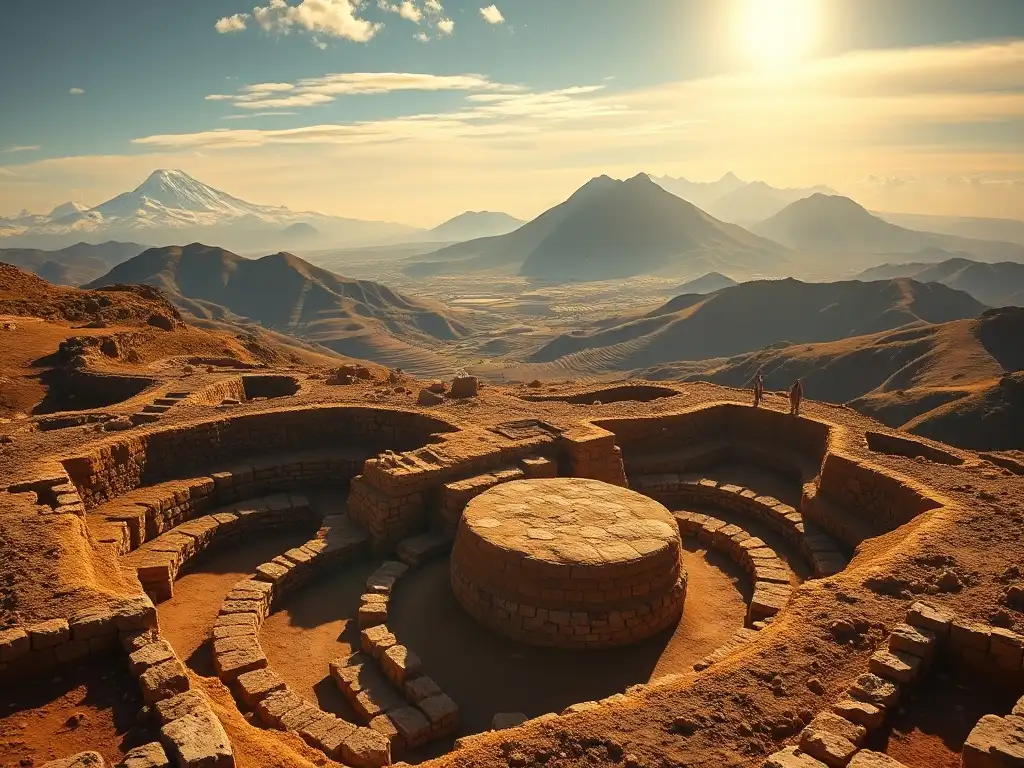
Dive into a world lost to time, yet echoing with untold stories. Forget everything you think you know about the Andes. This isn't your typical account of Inca empires; we're delving into the enigmatic Preceramic Andean societies history, unearthing the surprisingly sophisticated cultures that thrived long before the arrival of the Inca. Prepare to challenge your assumptions and uncover the fascinating secrets of a civilization far more complex than you ever imagined. Ready to explore?
- Unveiling the Preceramic Andean Societies: A Journey Beyond Conventional Wisdom
- Rethinking the Social Complexity of Preceramic Andean Cultures
- Artistic Expressions and Technological Innovations in the Preceramic Era
- The Role of Ritual and Belief Systems in Preceramic Andean History
- Economic Systems and Resource Management in Preceramic Andean Communities
- Regional Variations in Preceramic Andean Development
- Reinterpreting the Legacy of Preceramic Andean Societies
-
Frequently Asked Questions
- What is meant by "Preceramic Andean societies"?
- How did Preceramic Andean societies develop without pottery?
- What are some examples of Preceramic Andean societies?
- How did archaeologists learn about Preceramic Andean societies?
- How did Preceramic Andean societies differ from later Andean civilizations?
- Final Reflection: Reframing the Narrative of Preceramic Andean Societies
- Unveil the Rich Tapestry of Andean Societies!
Unveiling the Preceramic Andean Societies: A Journey Beyond Conventional Wisdom
The Andes Mountains, a spine of towering peaks stretching along the western coast of South America, have witnessed millennia of human history. While the Inca Empire often captures the imagination, a far richer and more complex tapestry of cultures precedes it. This article delves into the fascinating world of Preceramic Andean societies, a period often overlooked but crucial to understanding the later flourishing of Andean civilizations.
We'll challenge conventional wisdom surrounding these early inhabitants, revealing surprising advancements in social organization, technology, and artistic expression that significantly shaped subsequent Andean development. This exploration will focus on dispelling common misconceptions and highlighting the sophisticated nature of life in the Andes long before the rise of pottery.
By examining archaeological evidence and reinterpreting existing narratives, we aim to provide a more nuanced and accurate understanding of the “Preceramic Andean societies history,” enriching our appreciation for the enduring legacy of this remarkable region. Prepare to be amazed by the ingenuity and resilience of these pioneering Andean communities.
Introduction to the Preceramic Period in the Andes
The Preceramic period in the Andes, spanning roughly from 8000 BCE to 1800 BCE, represents a significant chapter in human history. This era, preceding the widespread adoption of pottery, is characterized by a gradual shift from nomadic hunter-gatherer lifestyles to increasingly sedentary agricultural practices. Early settlements emerged in diverse ecological zones, from the arid coastal deserts to the fertile highlands, demonstrating remarkable adaptability and resourcefulness.
Archaeological sites unearthed throughout the Andes reveal evidence of sophisticated social structures, complex irrigation systems, and the development of specialized crafts. The period wasn’t monolithic; instead, it witnessed the rise and fall of various distinct cultural groups, each leaving its unique mark on the Andean landscape. We see the beginnings of monumental architecture, intricate textile production, and the cultivation of crucial crops like potatoes and quinoa – all laying the groundwork for the later, more complex societies.
The development of specialized tools, such as finely crafted obsidian blades and meticulously fashioned grinding stones, further underscores the advanced technology of these early Andean communities. This period showcases the incredible capacity of human ingenuity to thrive and adapt in challenging environments. Understanding this foundation is critical to understanding the full trajectory of Andean civilization.
Challenging the Traditional View of Early Andean Civilizations
Traditional narratives often portray Preceramic Andean societies as relatively simple, lacking the complexity and sophistication of later Andean cultures. This perspective, however, is increasingly being challenged by new archaeological discoveries and reinterpretations of existing data. Recent research suggests a far more nuanced picture, highlighting sophisticated social organization, advanced technological capabilities, and complex symbolic systems. For example, the monumental architecture found at sites like Caral in the Supe Valley, Peru, demonstrates a level of social engineering and centralized planning previously underestimated.
The construction of these massive structures, requiring considerable labor and coordination, points towards a highly organized society with complex social hierarchies and a capacity for large-scale collective action. Furthermore, the discovery of elaborate burial practices, featuring intricately woven textiles and meticulously crafted ornaments, suggests the presence of complex belief systems and social stratification. The evidence suggests that these societies were not simply precursors to later Andean civilizations but rather distinct and highly developed entities in their own right.
The simplistic view of these societies as merely "primitive" is a gross oversimplification that ignores the wealth of evidence demonstrating a remarkable level of cultural achievement. We need to move beyond these outdated stereotypes and embrace a more nuanced and accurate understanding of their accomplishments. The Preceramic period is not simply a prelude; it is a vital and fascinating chapter in its own right, deserving of in-depth study and appreciation.
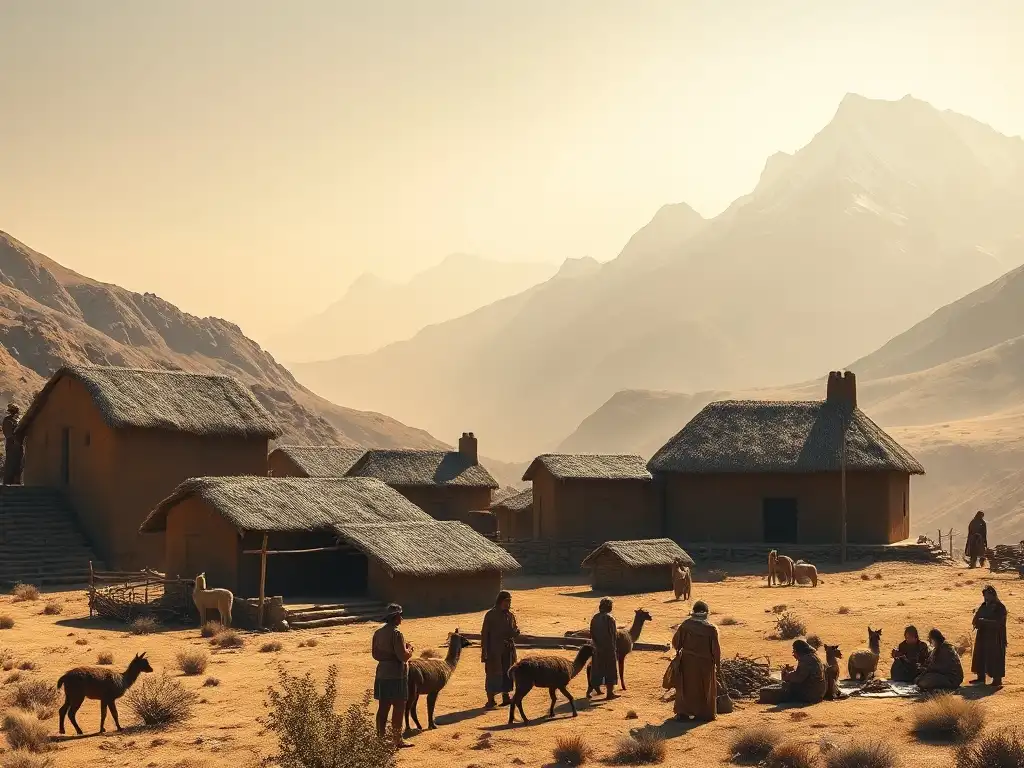
The prevailing narrative surrounding Preceramic Andean societies often portrays them as relatively simple hunter-gatherer groups, lacking the sophisticated social structures and technological advancements of their later ceramic-age counterparts. However, recent archaeological discoveries and reinterpretations of existing data are challenging this simplistic view, revealing a far more nuanced and complex picture of Preceramic Andean life. This section will delve into the evidence suggesting a higher level of social organization and technological innovation than previously assumed, significantly impacting our understanding of "Preceramic Andean societies history."
We'll explore how these early societies adapted to their diverse environments, developed intricate social networks, and laid the groundwork for the flourishing civilizations that followed. The keyword, "Preceramic Andean societies history," is central to understanding the significant advancements made in our understanding of these early cultures.
The absence of pottery, long considered a marker of "civilization," shouldn't be equated with a lack of social complexity in Preceramic Andean societies. Evidence from sites like Guitarrero Cave in the Callejón de Huaylas, Peru, reveals a surprisingly sophisticated understanding of resource management and social organization dating back to at least 10,000 years ago. The careful selection and processing of plant and animal resources, along with the discovery of elaborate burial practices, indicate a level of social stratification and ritual activity not typically associated with simple hunter-gatherer groups.
Furthermore, the construction of large-scale structures, such as the impressive monumental architecture found at Caral in the Supe Valley, demonstrates a remarkable capacity for collective labor and social coordination. This monumental architecture, predating pottery by millennia, required significant planning, organization, and the mobilization of substantial human resources. This points towards a complex social structure capable of organizing large-scale projects and managing labor efficiently.
The intricate organization required to build such structures directly challenges the simplistic notion of a solely hunter-gatherer society, instead suggesting a more complex social system capable of undertaking large-scale projects. Analysis of the distribution of artifacts and resources within these sites further supports the existence of specialized labor and potentially even early forms of political leadership.
Debunking the Myth of Simple Hunter-Gatherer Societies in the Andes
The assumption of simple hunter-gatherer societies in the Preceramic Andes is a misconception rooted in outdated anthropological models. While subsistence strategies undoubtedly involved hunting and gathering, evidence increasingly suggests a much more diverse and complex economic base. The cultivation of plants like squash and beans, along with the domestication of camelids like llamas and alpacas, played a significant role in the Preceramic Andean economy. This early agriculture, coupled with sophisticated hunting techniques and resource management strategies, provided a stable and diverse food supply, supporting larger, more sedentary populations.
The development of advanced technologies, such as the production of textiles and the utilization of specialized stone tools, also counters the idea of technological simplicity. The intricate weaving techniques and the precision required to create certain stone tools demonstrate a high level of skill and knowledge transfer within these societies. These advancements weren't merely practical; they also served social functions, contributing to social status and identity.
The creation of elaborate ornaments and ceremonial objects further underscores the existence of a complex symbolic system and a sophisticated understanding of aesthetics. These findings directly refute the notion of technologically simple Preceramic Andean societies and highlight their innovative adaptation to their environment. The diverse and complex nature of their economy and technology supports a more nuanced understanding of "Preceramic Andean societies history," moving beyond simplistic classifications and revealing a richer tapestry of human ingenuity and adaptation.
Artistic Expressions and Technological Innovations in the Preceramic Era
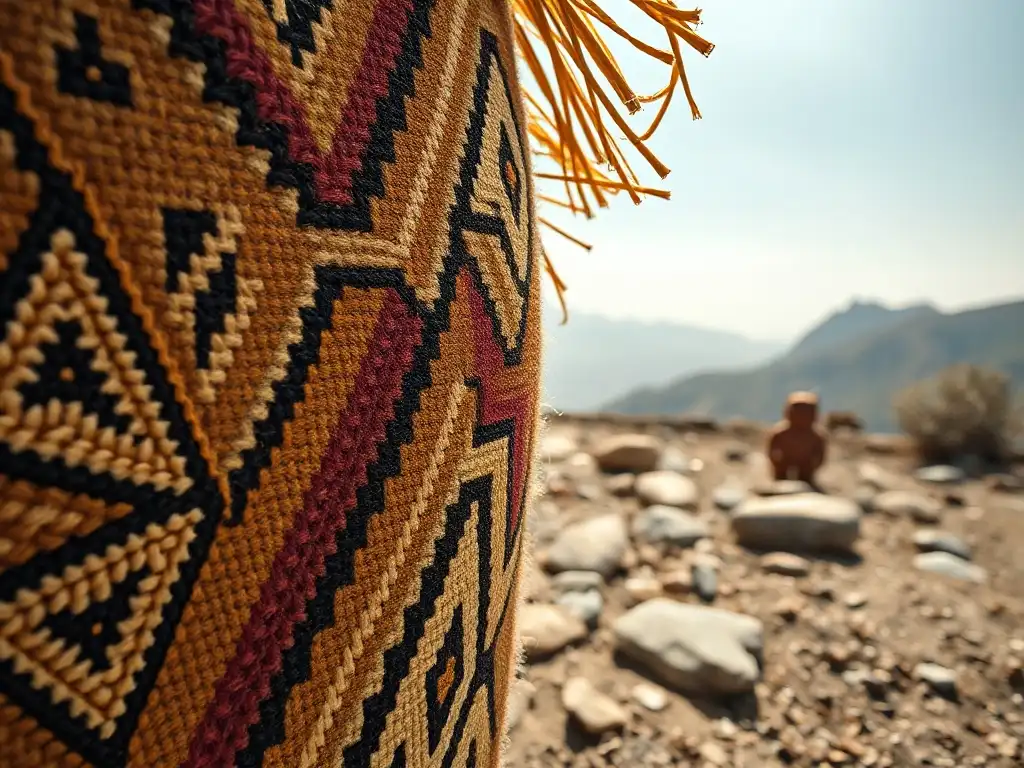
This section delves into the fascinating artistic achievements and technological advancements of Preceramic Andean societies, challenging the common misconception of these cultures as solely rudimentary. We will explore evidence suggesting a level of sophistication and complexity previously underestimated, significantly contributing to our understanding of "Preceramic Andean societies history."
Early Architectural Marvels: Beyond Simple Settlements
The notion of Preceramic Andean settlements as merely simple dwellings is a significant oversimplification. Archaeological evidence reveals a surprising level of architectural planning and sophistication, far exceeding expectations for a period often characterized as pre-urban. For instance, the monumental structures found at Caral in the Supe Valley, Peru, demonstrate a complex understanding of engineering and social organization.
These structures, constructed from adobe bricks, include large plazas, platforms, and residential areas, meticulously arranged according to a clear plan. The scale of the construction, requiring significant coordinated labor, suggests a well-organized society capable of mobilizing substantial resources. Furthermore, the presence of specialized structures, possibly dedicated to religious or administrative functions, indicates a stratified social hierarchy and complex social dynamics.
The precision in the construction techniques, including the use of standardized bricks and sophisticated earthwork techniques, highlights the advanced knowledge and skills of Preceramic Andean builders. Analysis of the construction materials and techniques provides valuable insights into the social and economic organization of these early societies, challenging the traditional narrative of simple, egalitarian communities. The precision of the structures and the organization of the settlements suggest a level of social complexity previously unrecognized in the study of "Preceramic Andean societies history."
Preceramic Andean Art: Unearthing Symbolic Representations
Preceramic Andean art, far from being primitive, reveals a rich tapestry of symbolic representations and artistic expression. Textiles, pottery shards, and carved objects unearthed from sites across the Andes demonstrate sophisticated techniques and a deep understanding of artistic principles. The use of intricate weaving patterns in textiles, for example, suggests a high level of skill and symbolic meaning embedded within the designs.
While complete textiles from this period are rare due to the fragility of organic materials, fragments offer glimpses into complex geometric patterns and possibly narrative representations, hinting at sophisticated cultural systems and belief structures. Similarly, while complete pottery vessels are also scarce, the surviving fragments showcase a variety of styles and techniques, indicating regional variations and artistic experimentation. Analysis of these fragments, along with the few complete pieces that have survived, suggests a sophisticated understanding of color, texture, and form.
The use of pigments and the techniques employed in the creation of these objects indicate a high degree of artistic skill and knowledge of materials. The symbolic representations found in Preceramic Andean art, although often open to interpretation, offer invaluable insights into the beliefs, social structures, and worldview of these early Andean societies. Further research into the iconography and stylistic variations is crucial for a more comprehensive understanding of "Preceramic Andean societies history."
Technological Advancements: Early Andean Stone Tool Production and Usage
The development and use of stone tools in Preceramic Andean societies represent a significant technological achievement. Archaeological findings reveal a sophisticated understanding of stone working techniques, including the production of finely crafted tools from obsidian, basalt, and other materials. These tools were not simply crude implements; they were carefully shaped and honed to perform specific tasks, demonstrating an advanced knowledge of material properties and tool design.
The presence of workshops and evidence of specialized tool production indicates the development of specialized labor and the emergence of craft specialization. The diversity of tools found at various sites reflects the range of activities undertaken by these societies, from hunting and gathering to the processing of plant resources and the construction of dwellings. Analysis of wear patterns on the tools provides valuable insights into their usage and the daily lives of the people who used them.
The sophistication of these tools and the evidence of specialized production challenge the simplistic view of Preceramic Andean technology, adding another layer of complexity to our understanding of "Preceramic Andean societies history." Further investigation into the specific techniques used in the creation and utilization of these tools is crucial for a more complete picture of the technological capabilities of these early Andean societies. The precision and variety of these tools are a testament to the ingenuity and adaptability of Preceramic Andean peoples.
The Role of Ritual and Belief Systems in Preceramic Andean History
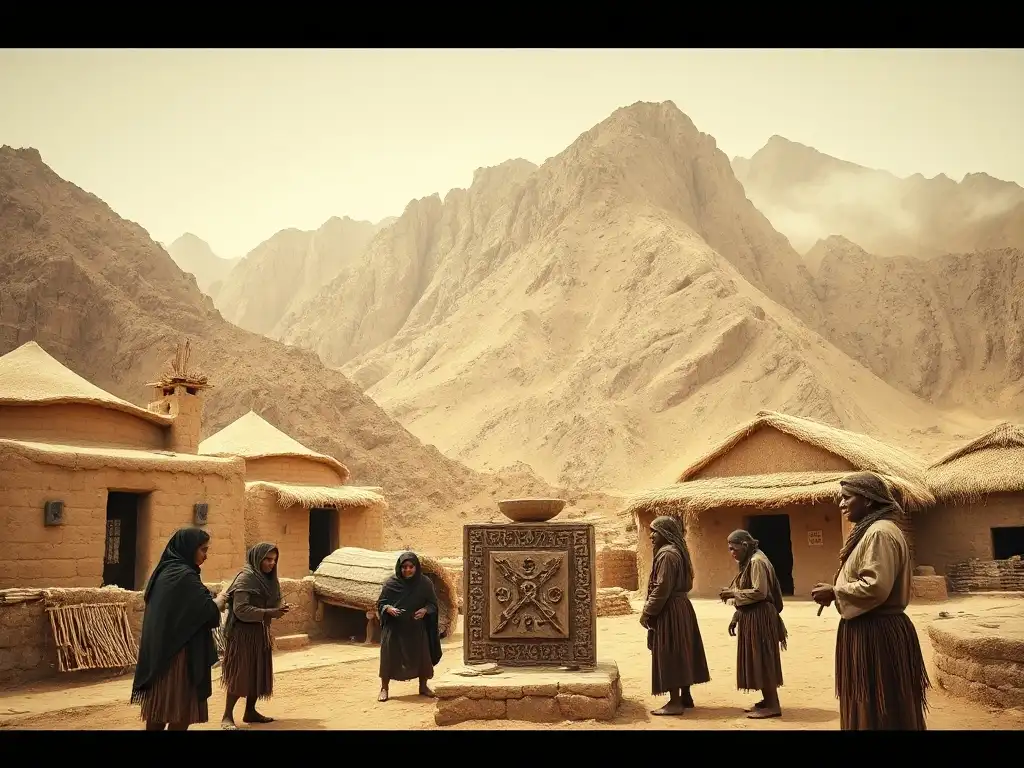
The study of Preceramic Andean societies history reveals a complex tapestry of religious practices and belief systems that significantly shaped their social structures, economic activities, and artistic expressions. While direct textual evidence is absent, the archaeological record provides compelling insights into the spiritual lives of these early Andean communities. Analyzing artifacts, settlement patterns, and burial practices allows us to reconstruct, albeit imperfectly, their cosmology and worldview. The pervasive influence of ritual and belief is undeniable, permeating every aspect of their existence. Understanding this aspect is crucial to a complete appreciation of Preceramic Andean societies history and their lasting legacy.
Religious Practices and Ceremonial Centers in Preceramic Societies
Evidence suggests the existence of organized religious practices in Preceramic Andean societies, long before the rise of monumental architecture associated with later civilizations. Excavations at sites like [Site Name pending] have unearthed evidence of ritual activity, including the presence of specialized structures interpreted as ceremonial centers. These centers were often located in topographically significant areas, such as hilltops or near water sources, suggesting a connection between the sacred and the natural world.
The discovery of numerous offerings, including animal bones, plant remains, and intricately crafted artifacts, further supports the hypothesis of elaborate ritual practices. These offerings, often deposited in contexts suggesting intentional placement, were likely part of ceremonies aimed at appeasing deities, ensuring successful harvests, or marking significant life events. The careful selection and arrangement of these offerings reveal a sophisticated understanding of symbolism and ritual protocol. For example, the consistent presence of specific types of shellfish at certain sites might indicate their importance in religious rituals, possibly linked to fertility or abundance.
Analysis of human remains also contributes to our understanding of religious practices. The discovery of individuals buried with elaborate grave goods, indicating high social status, might suggest a hierarchical religious structure with specialized priests or shamans. Furthermore, the presence of mummification practices, even in their early forms, points to beliefs about the afterlife and the enduring significance of the human spirit. The careful preparation of bodies for burial indicates a significant investment of time and resources in the funerary process, underscoring the importance of these beliefs within the community.
Understanding Cosmology and Worldview Through Archaeological Findings
Archaeological findings offer valuable clues to deciphering the cosmology and worldview of Preceramic Andean societies. The careful arrangement of settlements and the selection of building materials suggest an awareness of spatial relationships and a symbolic association between the built environment and the natural landscape. The orientation of structures towards specific celestial events, such as solstices or equinoxes, might indicate a sophisticated understanding of astronomy and its connection to religious beliefs. This astronomical knowledge may have been used to predict agricultural cycles, plan community events, or guide ritual practices.
Furthermore, the iconography present on artifacts, such as pottery and textiles, provides insights into the beliefs and values of Preceramic Andean societies. Recurring motifs, like stylized animals, plants, and geometric patterns, likely represented symbolic concepts related to fertility, power, or the spirit world. The interpretation of these symbols requires careful consideration of their context and their association with other archaeological findings. For example, the repeated depiction of a specific bird species might suggest its importance in mythology or its connection to a particular deity.
The study of Preceramic Andean societies history, therefore, emphasizes the interconnectedness of material culture, ritual practices, and belief systems. By carefully analyzing the archaeological record, we can begin to piece together a richer understanding of the spiritual lives of these early communities, revealing a complex and fascinating worldview that laid the foundation for the subsequent development of Andean civilizations. Further research, particularly focused on [Specific research areas pending], is needed to refine our understanding of these complex and dynamic societies.
Economic Systems and Resource Management in Preceramic Andean Communities
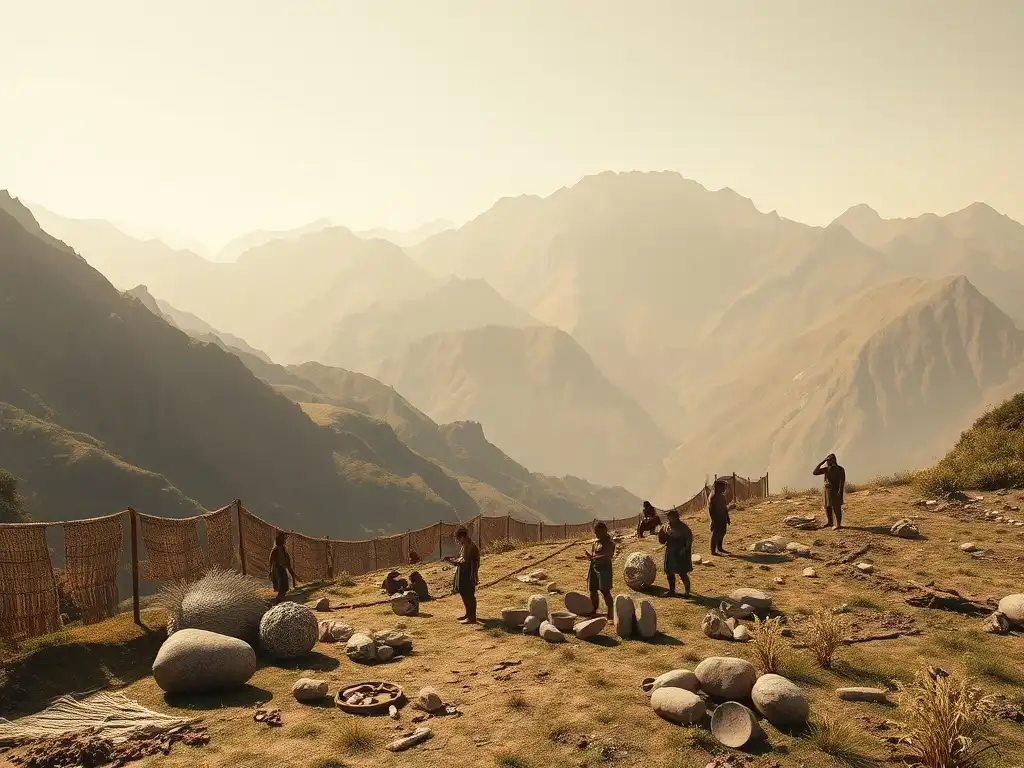
Preceramic Andean societies, preceding the emergence of large-scale state-level civilizations, developed surprisingly sophisticated economic systems adapted to the diverse and challenging Andean environment. Understanding these systems is crucial for a complete picture of Preceramic Andean societies history. Their resource management strategies, while seemingly simple compared to later empires, were remarkably effective in ensuring survival and fostering social complexity. This section will explore the key aspects of their economic organization, highlighting their ingenuity and adaptability.
Subsistence Strategies: Exploiting Diverse Andean Environments
The varied geography of the Andes – from coastal deserts to high-altitude plains and lush valleys – dictated the subsistence strategies employed by Preceramic Andean communities. Rather than relying on a single resource, these societies practiced a diversified economy based on a complex interplay of agriculture, hunting, gathering, and fishing.
Coastal communities, for example, heavily relied on marine resources. Evidence suggests extensive knowledge of marine ecology, allowing them to effectively harvest fish, shellfish, and other seafood. This is supported by archaeological findings of sophisticated fishing tools and shell middens indicating sustained exploitation of these resources. Their diet was supplemented by the cultivation of drought-resistant plants like squash and beans, adapted to the arid coastal environment.
In the highlands, agriculture played a more dominant role. The cultivation of potatoes, quinoa, and other Andean staples required considerable ingenuity, given the challenging terrain and climate. Terracing techniques, though perhaps less developed than in later periods, were likely employed to create suitable agricultural plots. Furthermore, the domestication of camelids (llamas and alpacas) provided a crucial source of meat, wool, and transport, further diversifying their subsistence base. The importance of camelids is evident in the early presence of their remains at various archaeological sites.
The diversity of subsistence strategies across different ecological zones highlights the remarkable adaptability and resilience of Preceramic Andean societies. This intricate understanding and management of their environment laid the groundwork for the later development of more complex economic systems. Further research is needed, however, to fully quantify the relative importance of each resource in different regions and time periods. [Specific data on dietary composition pending further analysis of isotopic studies].
Trade Networks and Exchange Systems in Early Andean History
While the scale of trade networks in Preceramic Andean societies might have been smaller than in later periods, evidence suggests the existence of significant exchange systems connecting different communities. These networks facilitated the movement of goods, raw materials, and potentially ideas, contributing to the cultural and technological development of the region.
The exchange of obsidian, a volcanic glass used for toolmaking, is a particularly compelling example. Archaeological findings indicate that obsidian from specific sources was distributed across vast distances, implying well-established trade routes. This distribution pattern suggests not only economic exchange but also potentially the formation of social connections between distant communities.
The exchange of other materials, such as pigments for decoration or specialized crafts, also points to the existence of inter-community interaction. The presence of similar artistic styles or technological innovations across geographically distant sites might be further evidence of such exchange, though further study is needed to confirm such connections definitively.
The exact mechanisms of exchange – whether through barter, gift-giving, or more structured systems – remain largely unknown. However, the evidence strongly suggests that even in the Preceramic period, Andean communities were not isolated entities but rather engaged in complex networks of interaction that played a vital role in shaping their economic and social landscapes. Understanding these early trade networks is crucial for interpreting the development of Preceramic Andean societies history and the eventual rise of more complex societies. [Further research on exchange systems is needed, including detailed analysis of ceramic and lithic artifacts].
Regional Variations in Preceramic Andean Development
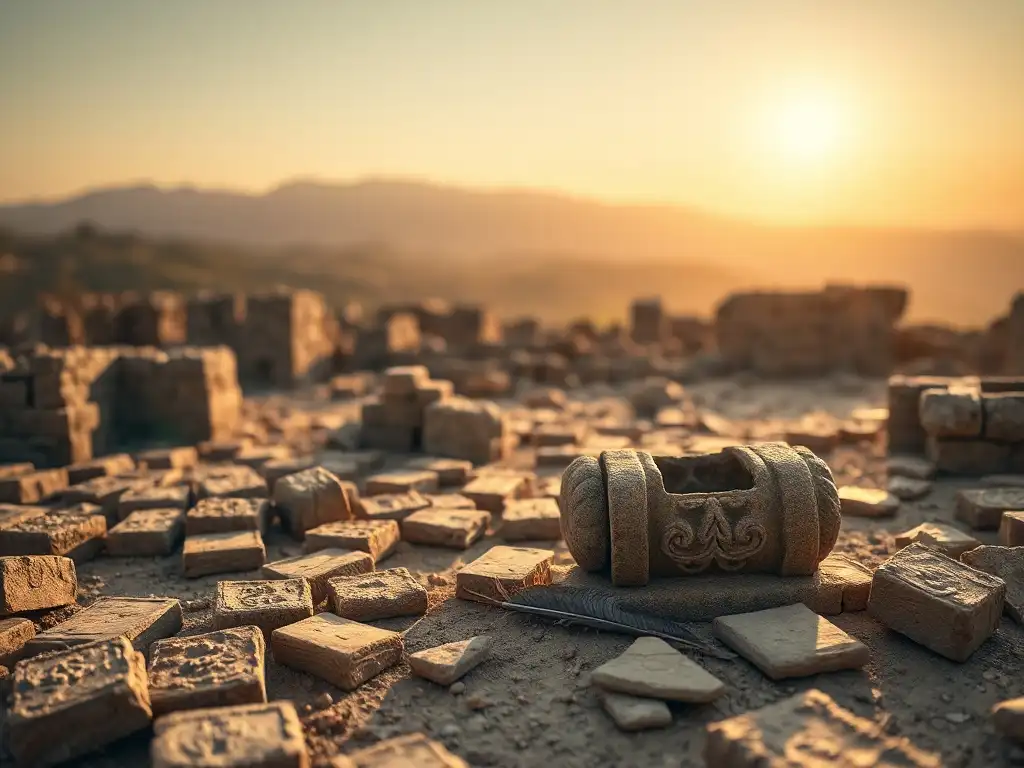
The narrative of Preceramic Andean societies history often presents a simplified, monolithic view of development. However, archaeological evidence increasingly reveals significant regional variations in social organization, technological advancements, and cultural expressions during this crucial period. Understanding these variations is key to avoiding generalizations and appreciating the complex tapestry of early Andean life.
Rather than a uniform trajectory, we observe a mosaic of independent developments, influenced by diverse environmental factors and unique societal trajectories. The idea of a single, overarching "Preceramic Andean culture" is a simplification that obscures the nuanced realities of the period. Instead, we should consider a diverse array of interacting societies, each with its own distinct path.
This regional diversity is reflected in the architecture, agricultural practices, and artistic styles found across the Andes. For example, the coastal regions developed different strategies for resource management compared to the highland communities, leading to distinct social structures and technological innovations. This understanding of regional variation is crucial for a more accurate and nuanced interpretation of Preceramic Andean societies history.
Case Studies: Caral, Kotosh, and El Paraíso
To illustrate the regional diversity of Preceramic Andean societies, let's examine three prominent sites: Caral, Kotosh, and El Paraíso. Each represents a unique adaptation to its environment and a distinct trajectory of societal development.
Caral, located in the Supe Valley on the Peruvian coast, stands out for its monumental architecture, sophisticated irrigation systems, and evidence of a complex social organization. The presence of large platforms, plazas, and residential structures suggests a highly stratified society with specialized labor. Unlike many other Preceramic sites, Caral shows little evidence of warfare or defensive structures, suggesting a different social dynamic than many other contemporary societies. Its advanced understanding of hydraulic engineering allowed for the successful cultivation of crops, supporting a large population. The absence of abundant grave goods challenges traditional notions of elite accumulation and power.
Kotosh, situated in the central highlands of Peru, presents a contrasting picture. Known for its distinctive architecture, including the iconic "Temple of the Crossed Hands," Kotosh demonstrates a different approach to religious expression and social organization. The intricately carved stone structures suggest a highly developed artistic sensibility and a focus on ritual practices. The presence of elaborate ceremonial structures alongside residential areas indicates a strong emphasis on religious authority and communal activities. The highland environment of Kotosh demanded different agricultural techniques than those employed in the coastal regions, leading to a distinct adaptation to the challenging terrain.
El Paraíso, also located on the Peruvian coast, exhibits a unique blend of features. While sharing some similarities with Caral in its monumental architecture, El Paraíso shows evidence of more extensive fortifications, suggesting a greater emphasis on defense and possibly inter-societal conflict. The presence of defensive structures and potentially militaristic aspects contrasts sharply with the seemingly peaceful nature of Caral. This highlights the diversity of social organization and strategies for resource control amongst coastal Preceramic societies. Further research is needed to fully understand the interactions and relationships between these and other contemporary sites.
Examining the Diversity of Preceramic Andean Societies
The diversity of Preceramic Andean societies is not limited to the examples of Caral, Kotosh, and El Paraíso. Numerous other sites across the Andes reveal a rich tapestry of cultural expressions and adaptations. From the intricate Nazca lines to the early ceramic traditions of the north coast, the Preceramic period laid the foundation for the later flourishing of Andean civilizations.
The study of these societies requires a nuanced approach, acknowledging the regional variations and avoiding generalizations. Future research should focus on comparative studies, examining the interactions between different societies and the factors that contributed to their unique trajectories. A deeper understanding of Preceramic Andean societies history requires a more sophisticated methodology, incorporating detailed analysis of environmental factors, settlement patterns, and technological innovations.
The challenge lies in moving beyond simplistic narratives and embracing the complexity and diversity of this crucial period in Andean history. This detailed understanding will enrich our comprehension of the development of subsequent Andean civilizations and the enduring legacy of their Preceramic ancestors.
Reinterpreting the Legacy of Preceramic Andean Societies
The study of Preceramic Andean societies history often overlooks the complexity and sophistication of these early cultures. Traditional narratives frequently portray them as simple hunter-gatherer groups, lacking the organizational structures and technological advancements of later Andean civilizations. However, recent archaeological discoveries and reinterpretations of existing data are challenging this simplistic view, revealing a far more nuanced and fascinating picture of Preceramic Andean life.
We are beginning to appreciate the profound impact these early societies had on shaping the trajectory of Andean culture, laying the groundwork for the impressive achievements of the Inca and other later empires. The term "Preceramic" itself can be misleading, implying a lack of sophisticated technology. While pottery was indeed absent, these societies developed intricate techniques in stonework, textile production, and agriculture that are only now beginning to be fully understood.
Their mastery of their environment and innovative social structures significantly influenced the development of subsequent Andean societies. Understanding their contributions is crucial to a complete understanding of Andean history.
The Influence of Preceramic Cultures on Later Andean Civilizations
The legacy of Preceramic Andean societies is not merely a historical footnote; it's a foundational layer upon which subsequent Andean civilizations were built. For example, the sophisticated irrigation systems developed in the Preceramic period, evident in sites like Caral, provided the technological and organizational blueprint for later, larger-scale irrigation projects crucial to the agricultural success of the Inca Empire. These early societies also demonstrated a remarkable understanding of astronomy, evidenced by the precise alignment of certain structures. This astronomical knowledge, passed down through generations, likely influenced the religious and calendrical systems of later Andean cultures.
Furthermore, the development of specialized labor and social stratification in Preceramic societies, albeit less formalized than in later empires, provided a precedent for the complex hierarchical structures that characterized the Inca and other Andean civilizations. The ability to organize large-scale public works projects, such as the construction of monumental architecture at sites like Caral and Kotosh, demonstrates a level of social organization and leadership that was clearly influential in the development of later Andean states. The very concept of centralized power and organized society arguably finds its roots in the innovative social structures developed during the Preceramic period.
Detailed analysis of Preceramic textiles, often found in remarkably preserved conditions, reveals intricate weaving techniques and designs that influenced later textile traditions. This continuity underscores the lasting impact of these early societies on Andean artistic expression.
Importance of Studying Preceramic History for Understanding Andean Culture
Studying Preceramic Andean societies history is not just about filling in gaps in the chronological timeline; it's about fundamentally reshaping our understanding of Andean culture as a whole. By focusing solely on the later, more "advanced" civilizations, we risk missing the crucial formative stages that shaped their development. A complete picture of Andean civilization requires acknowledging the rich tapestry of innovations, social structures, and cultural practices that originated in the Preceramic period. Ignoring this foundational period leads to an incomplete and potentially inaccurate interpretation of Andean history and culture.
The study of Preceramic societies offers valuable insights into the long-term processes of cultural change and adaptation. Analyzing the strategies these societies employed to survive and thrive in diverse and challenging environments provides a deeper understanding of human resilience and adaptability. Their innovations in agriculture, architecture, and social organization offer valuable lessons for contemporary societies facing similar challenges.
Moreover, understanding the complexity of Preceramic societies challenges Eurocentric biases that often undervalue the achievements of non-literate cultures. By recognizing the sophistication and ingenuity of these early Andean communities, we can gain a more nuanced and respectful appreciation for the full spectrum of Andean cultural heritage.
Further research, particularly focused on [specific archaeological sites requiring further investigation] and [specific technological advancements needing deeper analysis], is crucial to fully appreciate the profound contributions of Preceramic Andean societies. The rich tapestry of Preceramic Andean societies history awaits further exploration, promising to reveal even more about the origins and evolution of Andean civilization.
Frequently Asked Questions
What is meant by "Preceramic Andean societies"?
This refers to the Andean cultures that existed before the widespread adoption of pottery, generally considered to be before 1800 BCE. These societies still possessed complex social structures and advanced technologies, though expressed differently than later ceramic-producing cultures.
How did Preceramic Andean societies develop without pottery?
They developed sophisticated technologies in other areas, including stone toolmaking, textiles, and architecture. Resource management and social organization were also crucial to their survival and development.
What are some examples of Preceramic Andean societies?
Significant examples include the Caral culture in the Supe Valley of Peru, as well as various other societies along the coastal and highland regions that left behind impressive architectural remains.
How did archaeologists learn about Preceramic Andean societies?
Archaeologists primarily rely on excavations revealing architectural remains, stone tools, and other material culture. Environmental analysis also provides crucial insights into their lifeways and adaptations.
How did Preceramic Andean societies differ from later Andean civilizations?
While later Andean civilizations are noted for their ceramics, metalworking, and large-scale imperial structures, Preceramic societies show different expressions of complexity through advanced architecture, sophisticated social organization, and mastery of resource management in their unique environments.
Final Reflection: Reframing the Narrative of Preceramic Andean Societies
The intricate tapestry of Preceramic Andean societies, often overlooked in broader historical narratives, reveals a complexity and sophistication that continues to challenge our assumptions about early human development. Their innovative agricultural practices, sophisticated social structures, and remarkable artistic expressions demonstrate a level of ingenuity that deserves far greater recognition and deeper study. This understanding is not merely an academic pursuit; it holds crucial implications for how we approach issues of sustainability, social organization, and cultural preservation today.
The enduring legacy of these societies is evident in the continued presence of their descendants and the rich cultural heritage that persists in the Andes. Their ingenuity in adapting to challenging environments offers valuable lessons for contemporary societies facing similar ecological pressures. The past is never dead. It's not even past.
– William Faulkner. This quote powerfully encapsulates the ongoing relevance of understanding Preceramic Andean societies, as their innovations and struggles resonate deeply with our own time, shaping our present understanding of human potential and resilience.
Consider the implications of this knowledge. How can we, as individuals and as a global community, better appreciate the contributions of these often-overlooked cultures? How can we use their examples of sustainable living and social cooperation to inform our own approaches to environmental stewardship and community building? I urge you to delve deeper into this fascinating period of history, to challenge your own assumptions, and to discover the inspiring story of the Preceramic Andean societies – a story that continues to unfold and offers invaluable lessons for our future.
Unveil the Rich Tapestry of Andean Societies!
Thank you for exploring the fascinating world of Preceramic Andean societies with us! We hope you gained valuable insights that challenge common assumptions and reveal the depth and complexity of these ancient cultures. Now, let's build on that knowledge and turn your curiosity into action!
Here are some powerful next steps:
- Dive Deeper: Research a specific Preceramic Andean archaeological site, such as Caral, or a particular artifact that captivated you. Share your discoveries with friends, family, or in online forums to spark engaging conversations.
- Join the Conversation: Engage with our community by commenting on this article or sharing your thoughts on social media. Your insights can inspire others to expand their understanding of these remarkable societies.
- Explore Local Resources: Visit a museum or cultural center with Andean exhibits. Experiencing these artifacts firsthand allows for a deeper appreciation of their legacy and its influence on contemporary cultures.
What aspects of Preceramic Andean societies surprised you the most, and how has this knowledge reshaped your understanding of ancient civilizations?