
The Development of Andean Religion: From Local Beliefs to Organized Cults

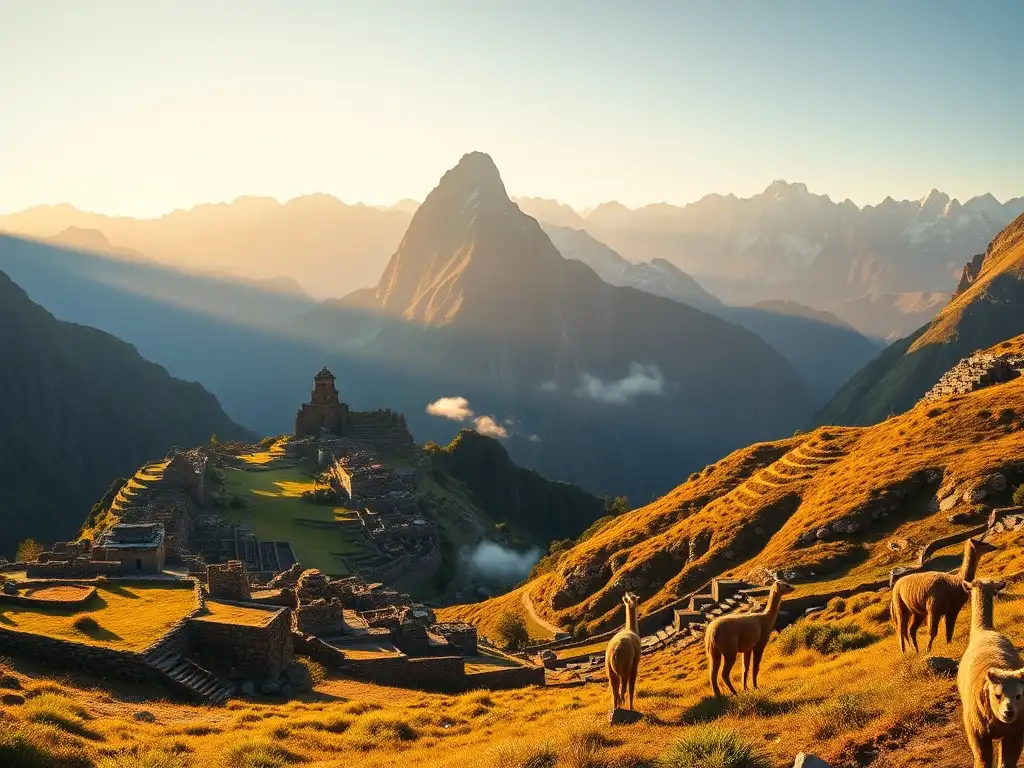
Unravel the mysteries of the Andes! Journey through millennia of captivating Andean history, unearthing the vibrant tapestry of cultures that shaped this extraordinary region. From the intricate artistry of the Nazca lines to the sophisticated engineering of the Incas, prepare to be amazed. But what truly drove these remarkable achievements? Discover the surprising evolution of Andean religious development, a story of evolving beliefs and powerful cults that shaped the very fabric of Andean society. Dive in and uncover the secrets waiting within.
- Andean Religious Development: From Local Beliefs to Organized Cults
- Early Andean Spiritual Practices: Foundations of Belief
- The Rise of Complex Societies and Evolving Religious Structures
- Regional Variations in Andean Religious Expression
- The Consolidation of Organized Andean Cults
- Key Deities and Figures in Andean Religion
- Religious Practices and Rituals in the Andean World
- The Legacy of Andean Religion
- Frequently Asked Questions
- Final Reflection: Echoes of the Andes: A Legacy of Faith and Adaptation
- **Unveil the Mysteries of Andean Religion! **
Andean Religious Development: From Local Beliefs to Organized Cults
The Andes Mountains, a spine of towering peaks and fertile valleys stretching along the western edge of South America, cradled a diverse tapestry of ancient civilizations. For millennia, these societies developed complex religious systems that evolved from localized, nature-based beliefs into highly organized state cults. This article explores the fascinating trajectory of Andean religious development, tracing the transformation from simpler animistic practices to the elaborate theologies and ritual practices of empires like the Inca.
We will examine the key factors driving this evolution, including the rise of agricultural surpluses, the development of centralized political structures, and the increasing importance of religious leaders in maintaining social order. Understanding this religious evolution is crucial to comprehending the overall development of Andean societies and their lasting impact on the region's cultural landscape.
The study of Andean religious development offers a unique lens through which to analyze the interplay between belief systems, social structures, and political power in these remarkable ancient societies. This journey through time will reveal the intricate connections between the spiritual and material worlds in the Andes, shedding light on the beliefs and practices that shaped these vibrant cultures.
The Early Stages: Animism and Nature Worship
Early Andean religious practices were deeply intertwined with the natural world. Animism, the belief that spirits inhabit natural objects and phenomena, was prevalent. Mountains, rivers, and other geographical features were revered as sacred entities, often possessing powerful spirits capable of influencing human lives. Archaeological evidence, such as cave paintings depicting shamanistic rituals and the veneration of natural elements, supports this understanding. These early beliefs formed the foundation upon which more complex religious systems would later be built. The worship of ancestors also played a significant role, with rituals and offerings intended to maintain harmonious relationships with the deceased. This emphasis on the interconnectedness of the living and the dead reflects a deep respect for the continuity of life and the cyclical nature of existence within the Andean worldview. The specific practices varied across different regions and communities, reflecting the diverse environments and the distinct cultural identities of early Andean societies.
The Rise of Agricultural Deities and Fertility Cults
With the development of agriculture, particularly the cultivation of crops like potatoes and maize, new deities and religious practices emerged. The importance of agricultural productivity led to the development of fertility cults, centered around ensuring bountiful harvests. Deities associated with fertility, rain, and the sun gained prominence, reflecting the crucial role of these natural forces in agricultural success.
Temples and ceremonial centers were constructed to honor these deities, often incorporating sophisticated irrigation systems and agricultural terraces into their design, demonstrating the close relationship between religion and the practical aspects of life. The increasing complexity of agricultural practices fostered a greater need for collective rituals and social organization, contributing to the development of more structured religious institutions. Evidence of elaborate offerings, including human sacrifices in some cases, indicates the significance attributed to appeasing these powerful agricultural deities.
The Development of State Religions and Imperial Cults
The emergence of powerful Andean empires, such as the Inca, saw the rise of state religions and imperial cults. The Inca state actively promoted a unified religious system, integrating existing local beliefs with new imperial ideologies. The Inca sun god, Inti, became the supreme deity, symbolizing the power and authority of the emperor, who was considered a direct descendant of the sun. Elaborate temples, such as the Coricancha in Cusco, were built to honor Inti and other important deities.
The state controlled religious practices, appointing priests and organizing large-scale festivals and ceremonies. These state-sponsored religious activities served to reinforce the emperor's authority and maintain social cohesion within the vast Inca empire. The centralized religious system played a crucial role in consolidating political power and ensuring the stability of the Inca state. The standardization of religious practices across the empire facilitated communication and integration among diverse populations.
The Syncretism of Andean Religions and the Colonial Period
The Spanish conquest of the Andes in the 16th century dramatically altered the religious landscape. While the Spanish attempted to suppress indigenous religious practices, a process of religious syncretism occurred, with Andean beliefs and practices blending with elements of Catholicism. Indigenous deities were often assimilated into the Catholic pantheon, with their attributes and functions associated with Christian saints.
This syncretism resulted in a hybrid religious system that continues to influence Andean culture today. The persistence of indigenous religious elements reflects the resilience of Andean traditions and the capacity of indigenous populations to adapt and reinterpret religious beliefs in the face of colonial domination.
The study of this syncretism provides valuable insights into the dynamic interaction between indigenous cultures and colonial powers, and the enduring legacy of Andean religious traditions. The blending of Andean and Catholic elements created a rich and complex religious tapestry that continues to shape the spiritual and cultural identity of the Andean region.
Early Andean Spiritual Practices: Foundations of Belief
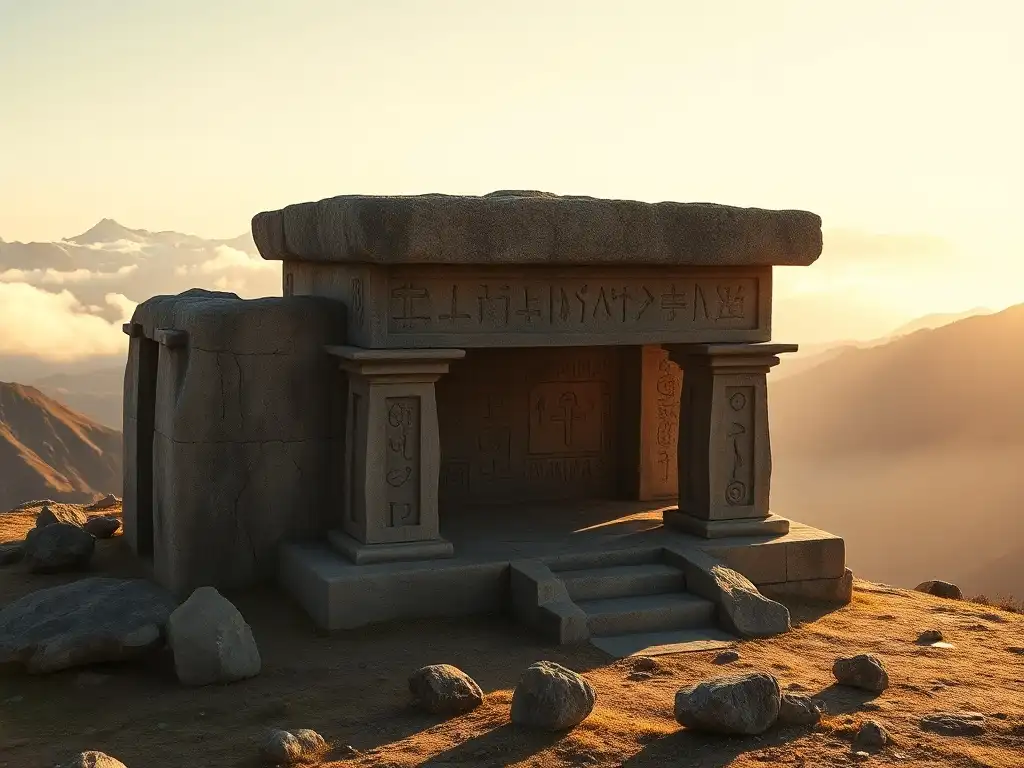
This section delves into the earliest expressions of spirituality in the Andes, laying the groundwork for the more complex religious systems that would emerge later. Understanding these foundational beliefs is crucial to comprehending the subsequent development of Andean religion and its profound impact on Andean societies. We'll explore the evidence available from archaeological findings and anthropological interpretations to paint a picture of these nascent spiritual practices.
The evolution of Andean religious thought, from localized animistic beliefs to sophisticated state-sponsored cults, is a fascinating journey reflecting the increasing complexity of Andean societies. The term "Andean religious development" itself encompasses this wide spectrum of beliefs and practices.
Pre-Ceramic Period Spirituality in the Andes
The Pre-Ceramic period (roughly 8000-1800 BCE) in the Andes offers glimpses into the earliest forms of Andean spirituality. While direct evidence is scarce due to the perishable nature of many ritual objects and the challenges of archaeological interpretation, careful analysis of burial practices, cave paintings, and the spatial organization of early settlements provides crucial insights. For instance, the careful placement of grave goods, often including tools, food, and adornments, suggests beliefs about the afterlife and the continued existence of the spirit.
Cave paintings, depicting stylized animals and human figures, may represent shamanistic journeys or narratives of cosmological significance. The lack of monumental architecture or centralized religious structures during this period points towards localized, possibly family-based, spiritual practices. Analysis of these early practices reveals a deep connection between humans and the natural world, a theme that would continue to be central to Andean religion throughout its development.
Further research into the iconography found in early Andean cave systems could shed more light on the specific beliefs and practices of this era. The Andean religious development during this period is marked by its localized nature and close relationship with the environment.
Animism and Nature Worship in Early Andean Societies
Animism, the belief that spirits inhabit natural objects and phenomena, was a pervasive element in early Andean spiritual life. Mountains, rivers, and other prominent geographical features were often considered sacred, imbued with power and agency. This animistic worldview is evident in the reverence shown towards these natural elements in both ritual and daily life.
Archaeological discoveries, such as the presence of offerings left near springs or mountain peaks, support this interpretation. The worship of nature wasn't simply a matter of superstition; it was intrinsically linked to survival. The Andean people's dependence on the environment for sustenance fostered a profound respect for and understanding of its power.
Furthermore, the cyclical nature of Andean agriculture, heavily dependent on weather patterns, likely contributed to the development of complex cosmologies that sought to understand and influence these natural cycles. The very survival of these early Andean communities depended on understanding and harmonizing with the spiritual forces they believed governed the natural world, a critical aspect of Andean religious development.
The Role of Shamans in Andean Pre-Columbian Religion
Shamans occupied a pivotal role in early Andean societies, acting as intermediaries between the human and spirit worlds. These individuals, often possessing specialized knowledge and skills, were believed to be capable of communicating with spirits, healing the sick, and influencing the natural world. Archaeological evidence suggests that shamans played a significant role in ritual practices, possibly leading ceremonies and interpreting omens.
The discovery of shamanistic paraphernalia, such as hallucinogenic plants and ritual objects, further supports this interpretation. The role of shamans in early Andean religious development was crucial. They served not only as religious leaders but also as healers, advisors, and social mediators.
Their influence extended to all aspects of life, from agriculture to warfare, solidifying their position as key figures within their communities. While the specific practices and beliefs varied across different regions and time periods, the shaman's role as a spiritual leader remained consistent throughout much of Andean pre-Columbian history. Further study is needed to fully understand the diversity of shamanic practices across the vast Andean region and how these practices contributed to the complex tapestry of Andean religious development.
The Rise of Complex Societies and Evolving Religious Structures
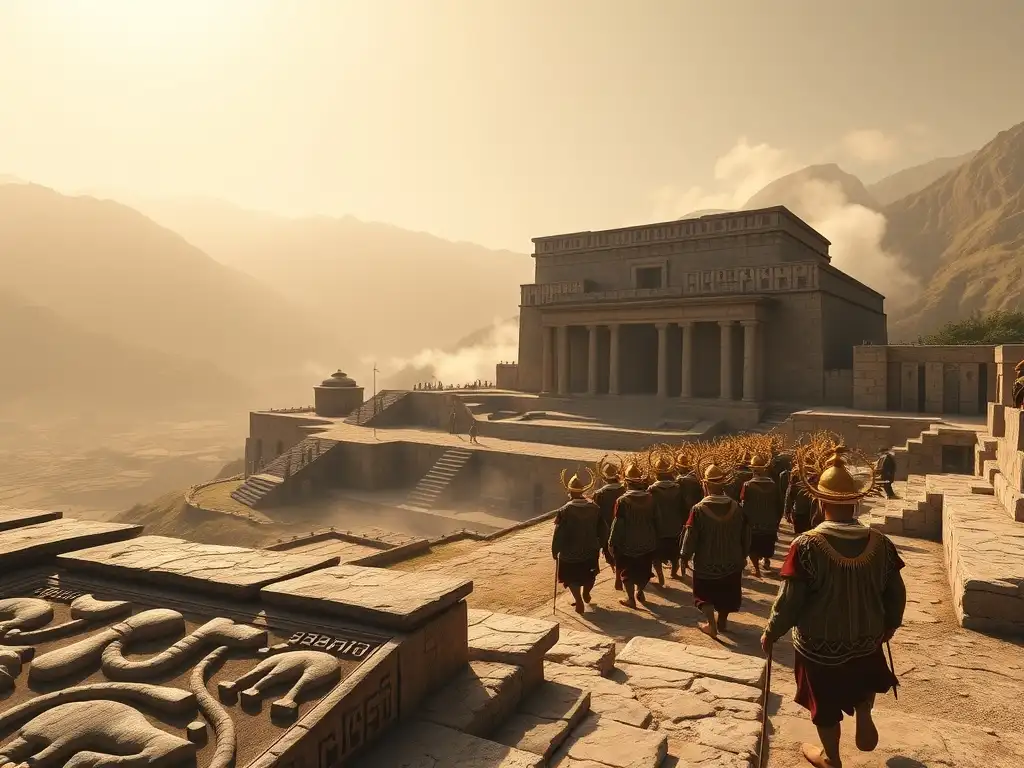
The development of complex societies in the Andes profoundly impacted the nature of Andean religious beliefs and practices. The shift from small, dispersed settlements to larger, more centralized societies fostered the emergence of organized religion, moving away from localized, ancestor-based spiritualities towards more elaborate, formalized cults. This transition wasn't sudden; it unfolded gradually over millennia, with the rise of chiefdoms playing a crucial role in this religious evolution.
Understanding this intricate interplay between societal development and religious change is key to grasping the nuances of Andean religious development. The increasing social stratification and political power inherent in chiefdoms provided the fertile ground for the development of complex religious systems. This process involved the consolidation of power in the hands of religious elites, the construction of monumental architecture dedicated to religious practices, and the standardization of rituals and beliefs across larger populations.
The Emergence of Andean Chiefdoms and Religious Centralization
The emergence of chiefdoms in the Andes, beginning around 1500 BCE in some regions, marked a significant turning point in Andean religious development. Prior to this, religious practices were likely more localized and centered around family lineages and ancestral veneration. However, with the rise of chiefdoms came the concentration of power and resources in the hands of a ruling elite.
This elite actively used religion to legitimize their authority and consolidate their power. We see evidence of this in the construction of large-scale ceremonial centers and the development of specialized religious roles. These chiefdoms began to control access to vital resources, including agricultural lands and water sources—things inextricably linked to religious beliefs surrounding fertility and abundance.
The control of these resources allowed the chief and his priestly advisors to exert significant influence over the population, shaping religious beliefs and practices to reinforce their social and political dominance. The transition from localized ancestor worship to a more centralized religious system wasn't a simple replacement but rather a complex process of adaptation and synthesis. Older traditions were often incorporated into the new religious frameworks, creating a layered and multifaceted system of belief.
Development of Ritual Centers and Sacred Sites in the Andes
The construction of monumental ritual centers and sacred sites is a clear indicator of the growing importance of organized religion in Andean societies. These sites, often located in geographically significant locations like mountaintops or near water sources, served as focal points for religious activities and pilgrimage. The scale and complexity of these structures—from the simple platforms of early chiefdoms to the massive stone cities of later empires—reflect the increasing power and resources of the ruling elite. Examples include the impressive ceremonial centers at Chavín de Huántar and the monumental architecture of Tiwanaku, which demonstrate the incredible engineering feats and sophisticated religious organization of these societies.
The construction of these sites required significant labor investment, highlighting the importance of religion in mobilizing and organizing the population. Furthermore, the presence of specialized artifacts and iconography within these sites suggests a complex religious hierarchy and a sophisticated understanding of ritual practices. These sites weren't just places of worship; they were also centers of social and political power, reinforcing the close relationship between religion and the state.
The careful placement of these structures, often aligned with celestial events, also speaks to a sophisticated understanding of astronomy and its importance within the Andean worldview. The intricate carvings and designs found on many artifacts and structures further demonstrate the deep symbolism and religious meaning embedded within these spaces. Further research into the specific rituals performed in these sites is needed to fully appreciate the complexity of Andean religious practice.
The Influence of Agriculture on Andean Religious Beliefs
Agriculture played a fundamental role in shaping Andean religious beliefs and practices. The Andes' challenging geography and diverse climates meant that successful agriculture was not only essential for survival but also deeply intertwined with the spiritual realm. The dependence on capricious weather patterns, fertile land, and reliable water sources naturally led to the development of religious beliefs and rituals focused on ensuring agricultural productivity. Deities associated with fertility, water, and the harvest were central to the Andean pantheon.
Rituals aimed at ensuring bountiful harvests, appeasing powerful mountain spirits, and ensuring the continuation of life were integral parts of Andean religious life. This close connection between agriculture and religion is reflected in the iconography found on many artifacts, which often depict agricultural scenes and deities associated with fertility and abundance. The cyclical nature of agricultural practices also influenced the structure of Andean religious calendars, with festivals and rituals timed to coincide with planting, harvesting, and other crucial stages of the agricultural cycle.
Furthermore, the importance of water management in Andean agriculture led to the development of complex systems of irrigation and water control, many of which were closely tied to religious beliefs and practices. The management of water resources was often entrusted to religious specialists, highlighting the importance of religion in maintaining the social and ecological balance necessary for successful agriculture. The intricate relationship between agriculture, water management, and religious practices is a testament to the integral role of agriculture in shaping the development of Andean religious beliefs and practices, demonstrating how even basic needs are inextricably linked to the spiritual sphere in these cultures.
Regional Variations in Andean Religious Expression
Andean religious development wasn't a monolithic entity; instead, it displayed remarkable diversity reflecting the varied geography and ecological niches across the Andes. While a shared cosmological framework existed, specific deities, rituals, and practices differed significantly between coastal and highland communities, leading to a rich tapestry of religious expressions. This section explores these crucial regional variations, highlighting the unique characteristics of Andean religious beliefs and practices in different environments.
Understanding these nuances is key to appreciating the complexity and dynamism of Andean religious development. The interplay between environment and belief shaped the very fabric of Andean spirituality, a testament to the adaptability and resilience of these ancient cultures.
Coastal Andean Religious Practices: The Cult of the Sea and Fishing Deities
Coastal Andean societies, such as the Moche and Chimú, developed intricate religious systems deeply intertwined with the sea. Their survival depended heavily on fishing, leading to the prominence of marine deities and rituals focused on ensuring bountiful harvests. Evidence from Moche iconography reveals elaborate depictions of powerful sea deities, often anthropomorphic figures with attributes of fish or marine animals. These deities were not merely benevolent providers; they were also capable of wrath, as evidenced by representations of storms and shipwrecks in Moche art.
The cult of the sea involved complex ceremonies, likely involving offerings of food, drink, and possibly human sacrifices, although the extent of human sacrifice remains a topic of ongoing scholarly debate. Archaeological finds from coastal sites reveal evidence of specialized temples and ritual spaces dedicated to these marine deities, further underscoring their importance in coastal Andean society. Furthermore, the design and construction of fishing implements themselves may have held ritual significance, reflecting a profound connection between technology, religion, and the natural world.
The precise nature of these rituals and beliefs, however, remains partially obscured due to the limited survival of textual records. Further research and analysis of archaeological evidence are necessary to fully understand the intricacies of coastal Andean religious practices.
Highland Andean Religious Traditions: The Importance of Agriculture and Mountain Spirits
In contrast to the coastal regions, the highland Andean civilizations, such as the Inca and Tiwanaku, placed significant emphasis on agriculture and the worship of mountain spirits ( apus). The harsh environment of the Andes necessitated a close relationship with the land and its resources, fostering a deep reverence for the mountains, which provided water, fertile soil, and protection. Agricultural cycles were intricately linked to religious practices, with festivals and rituals timed to coincide with planting and harvesting seasons.
The apus, personified mountain spirits, were considered powerful intermediaries between the human and divine realms. They were revered as protectors and providers, and their favor was sought through offerings and sacrifices. These offerings ranged from simple gifts of food and drink to more elaborate ceremonies involving llamas or other animals.
The construction of impressive agricultural terraces, some of which remain visible today, underscores the importance of agriculture and its connection to the spiritual world. These terraces weren't just practical feats of engineering; they were also sacred spaces, imbued with religious significance. The meticulous planning and execution of these projects demonstrate the deep-seated connection between Andean spirituality and the practical aspects of life.
The Religious Significance of Mountains in Andean Cosmology
The mountains held a central position in Andean cosmology, representing more than just geographical features. They were viewed as sacred entities, embodying power, fertility, and the connection between the earthly and celestial realms. This is reflected in the Inca practice of capacocha, a ritual sacrifice involving the selection of children from across the empire to be offered to the mountain deities. This act was not viewed as a brutal act of violence, but rather as a supreme honor, a way to ensure the continued prosperity and well-being of the empire.
The concept of pachamama ("Mother Earth") further illustrates the deep connection between the Andean people and the mountains. Pachamama wasn't just the earth; she was the life-giving force, the source of all sustenance, inextricably linked to the mountains and their life-giving waters. The reverence for pachamama manifested in numerous rituals and practices, including offerings of coca leaves and chicha (a fermented corn beverage), intended to maintain a harmonious relationship with the natural world.
The integration of the mountains into the fabric of Andean cosmology highlights the holistic worldview of these societies, where the spiritual and physical realms were intimately intertwined. Understanding this integrated perspective is crucial to interpreting Andean religious development and its lasting influence.
Regional Deities and Pantheon Formation in the Andes
The Andean region, far from exhibiting a monolithic religious system, displayed remarkable diversity in its pantheon and the worship of specific deities. The development of Andean religion wasn't a top-down imposition but rather a complex process of syncretism and adaptation, shaped by local environments and cultural interactions. While certain deities, like the sun god Inti, held pan-Andean significance, their representation and associated rituals varied considerably across different regions.
For instance, the worship of Inti in the Cusco region, the heartland of the Inca empire, differed significantly from its manifestation in coastal communities or in the highlands of the north. In Cusco, Inti was closely linked to royal power, with the Sapa Inca acting as his earthly representative. In other areas, however, Inti might have been integrated into pre-existing local belief systems, sharing prominence with other, regionally specific deities.
This regional variation is strikingly evident in the archaeological record. The iconography associated with deities varies geographically, reflecting distinct artistic styles and cultural traditions. For example, depictions of the sun god might feature different attributes or symbolic animals depending on the region.
Similarly, the types of offerings presented to the deities, whether they were agricultural products, textiles, or precious metals, reveal regional preferences and economic specializations. The construction of religious sites themselves, from small household shrines to monumental temples, also reflected regional variations in architectural styles and religious practices. The scale and complexity of these sites often correlated with the power and wealth of the local community or ruling elite.
The process of pantheon formation involved the gradual integration of local deities into a larger, more inclusive religious system. This wasn't necessarily a process of conquest and suppression, but rather one of negotiation and adaptation. As larger political entities emerged, such as the Wari or Tiwanaku empires, they incorporated and reinterpreted local deities, creating a more complex and stratified pantheon.
This process often involved the elevation of certain local deities to regional or even pan-Andean significance, while others retained their local importance. This created a dynamic religious landscape where both local and wider religious identities co-existed, sometimes overlapping and sometimes remaining distinct. The Inca, for example, skillfully integrated existing cults into their own religious system, often associating local deities with aspects of their own pantheon, thus strengthening their political control and fostering a sense of unity across their vast empire.
This process of religious syncretism played a crucial role in the development of Andean religious expression, creating a rich and multifaceted system of beliefs and practices that varied from region to region. Understanding this regional diversity is key to a deeper comprehension of Andean religious development.
The Consolidation of Organized Andean Cults
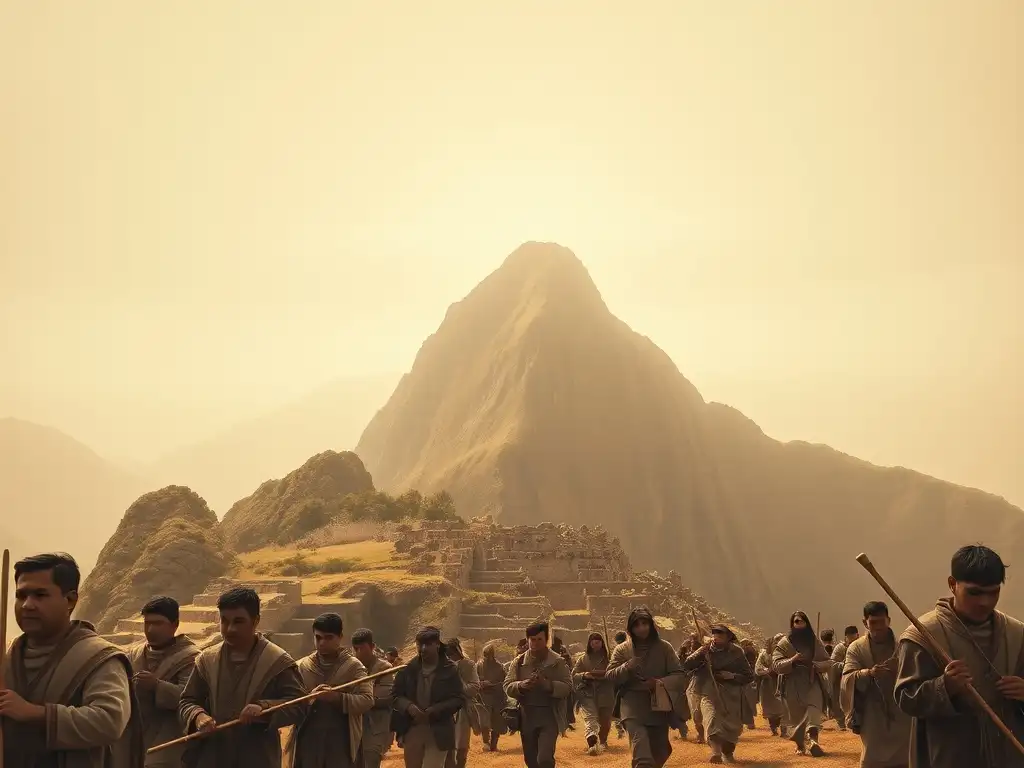
The development of complex societies in the Andes was intrinsically linked to the evolution of their religious beliefs and practices. While early Andean cultures exhibited diverse local spiritualities, the rise of powerful states like the Inca, Moche, and Nazca saw the consolidation of organized cults, transforming religious practices from localized traditions into powerful instruments of social control and political legitimacy. This transition involved a complex interplay of factors, including the centralization of power, the rise of priestly elites, and the construction of monumental religious architecture.
Understanding this process is crucial to comprehending the profound impact religion had on shaping Andean societies and their unique cultural identities. The shift from decentralized, often shamanistic practices to formally structured religious systems represents a significant milestone in Andean religious development. The term "Andean religious development" itself encapsulates this complex journey from simpler beliefs to elaborate state-sponsored religions.
The Formation of State Religions in Andean Civilizations
The formation of state religions in the Andes wasn't a sudden event but a gradual process spanning centuries. Initially, local deities and ancestor veneration likely held sway. However, as states expanded and centralized their power, rulers began to actively promote specific deities and religious practices to consolidate their authority and legitimize their rule.
This is clearly evidenced in the Inca Empire, where the worship of Inti (the sun god) and Viracocha (the creator god) became central to imperial ideology. The Inca emperors presented themselves as descendants of the sun god, directly linking their legitimacy to the divine realm. Similarly, the Moche civilization developed elaborate religious iconography centered around powerful deities associated with warfare, fertility, and the supernatural.
These state-sponsored cults provided a unifying force across diverse populations, fostering social cohesion and reinforcing the power of the ruling elite. The development of sophisticated religious rituals and ceremonies further cemented the authority of these state religions, solidifying their position within Andean society. The careful orchestration of these rituals, often involving large-scale participation and elaborate displays of power, served to reinforce the social hierarchy and the divine right of the rulers.
The Role of Priests and Religious Institutions
The rise of organized Andean cults was inextricably linked to the emergence of a powerful priestly class. These priests acted as intermediaries between the divine and the human world, controlling access to religious knowledge and practices. Their influence extended far beyond purely spiritual matters; they often played significant roles in government, agriculture, and social organization.
In the Inca empire, for instance, the amautas (wise men) held considerable political and social influence, advising the emperor and interpreting religious doctrine. Their expertise in astronomy, calendar systems, and agricultural practices made them indispensable figures within Inca society. The institutionalization of religious practices, overseen by these priestly elites, ensured the continuity and standardization of religious beliefs and rituals across vast territories.
The development of specialized religious institutions, such as temples and shrines, further strengthened the power and prestige of the priesthood, consolidating their central role in Andean religious development. The hierarchical structure of these institutions mirrored the social hierarchy of the state, reinforcing the existing power dynamics.
The Construction of Temples and Religious Architecture in the Andes
The construction of monumental temples and religious architecture served as a powerful visual manifestation of Andean religious beliefs and the power of the state. These structures, often built on strategically significant locations, served as focal points for religious rituals and ceremonies. Their sheer scale and grandeur underscored the importance of religion in Andean society and the power of the ruling elite who commissioned their construction.
Examples include the impressive temples at Chavín de Huántar, the monumental pyramids of the Moche, and the intricate stonework of Machu Picchu. The architectural styles varied across different cultures and periods but consistently reflected a deep understanding of engineering and architectural principles. The precise alignment of some structures with astronomical events suggests a sophisticated knowledge of astronomy and its integration into religious practices.
These monumental constructions also served as repositories of religious knowledge and symbols, helping to transmit religious beliefs and traditions across generations. The intricate carvings, murals, and other decorative elements found in Andean temples provide valuable insights into the cosmology and religious beliefs of these ancient civilizations, furthering our understanding of Andean religious development. The sheer investment of resources and labor in these projects underlines the central role of religion in shaping Andean societies.
Key Deities and Figures in Andean Religion
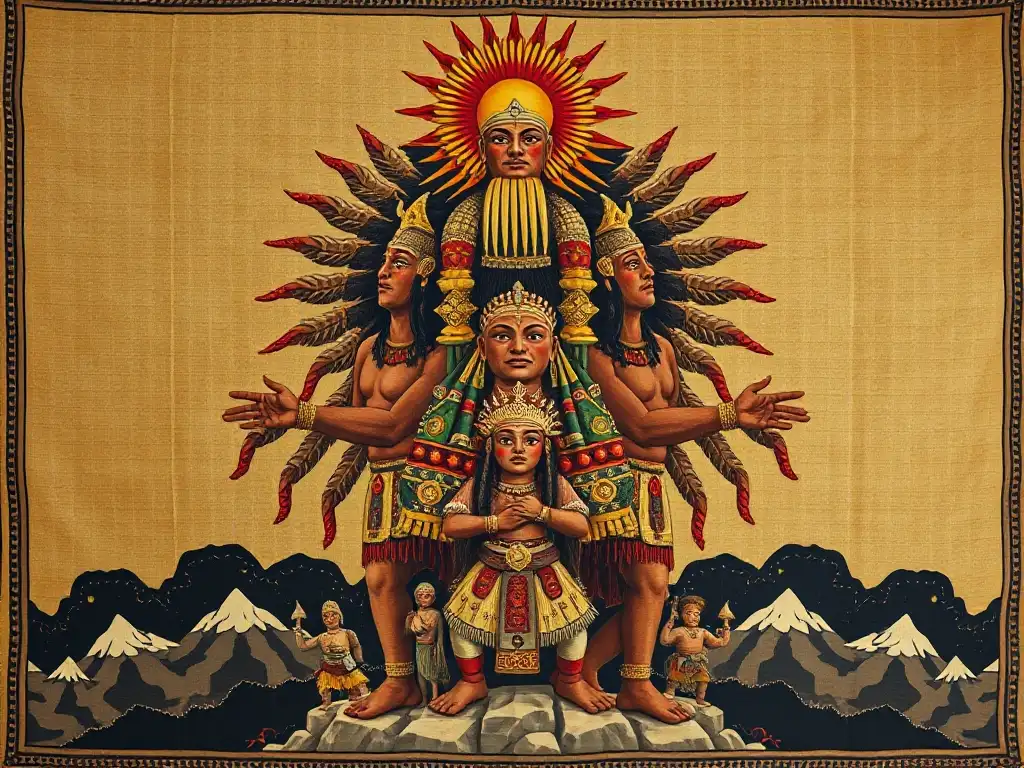
Andean religious development wasn't a monolithic entity; rather, it was a complex tapestry woven from diverse local beliefs and practices that gradually coalesced into organized, often imperial, cults. Understanding the evolution of Andean religion requires examining the key figures and deities who shaped its multifaceted nature. The pantheon wasn't static; it evolved over centuries, reflecting changing social structures and power dynamics. The influence of Andean religious development is still visible in modern Andean cultures.
Viracocha: The Creator God in Andean Mythology
Viracocha, often depicted as a bearded, white-skinned man, stands as a pivotal figure in Andean mythology, particularly within the Inca cosmology. While his worship wasn't uniformly widespread across all Andean cultures prior to Inca expansion, his prominence grew significantly under Inca rule. He's often described as the creator god, responsible for bringing forth the world and humanity.
Different accounts detail his creation methods; some narrate him emerging from Lake Titicaca, while others portray him molding humans from stone or clay. His role extended beyond creation; he was also associated with water, storms, and the sea, demonstrating the importance of these elements to Andean life and agriculture.
The power and influence attributed to Viracocha solidified his position as a supreme deity within the Inca empire's state religion, helping to unify diverse beliefs under a single, powerful creator figure. This process of unification reflects a key aspect of Andean religious development, the assimilation of local deities into a broader, imperial framework.
The worship of Viracocha involved elaborate rituals and ceremonies. Temples were dedicated to him, and priests played a crucial role in interpreting his will and mediating between the divine and the human realms. His iconography, often found in textiles and ceramics, further cemented his presence in the daily lives of the Andean people. The spread of Viracocha’s influence showcases the powerful role of state religion in shaping Andean religious development, demonstrating how political power could be intertwined with spiritual authority.
Inti: The Sun God and Imperial Patron
Inti, the sun god, held unparalleled importance within the Inca empire. Unlike Viracocha, whose origins predate the Inca, Inti’s elevation to a supreme deity was intrinsically linked to the Inca's rise to power. The Inca emperors claimed direct descent from Inti, legitimizing their rule through a divine lineage.
This connection between the ruling class and the sun god was a cornerstone of Inca ideology and greatly influenced Andean religious development. The importance of Inti is evident in the elaborate sun temples constructed throughout the empire, showcasing the level of resources and devotion dedicated to his worship. The Inca calendar was meticulously aligned with the sun's movements, highlighting Inti's central role in regulating agricultural cycles and the very rhythm of life.
Inti's worship involved daily offerings, including sacrifices of llamas and other animals, and prayers for bountiful harvests and successful military campaigns. The emperor, as the intermediary between Inti and the people, played a vital role in conducting these rituals, reinforcing his status as a divine ruler. The imperial patronage afforded to Inti is a clear example of how political power shaped religious practice, demonstrating the close relationship between Andean religious development and the rise of complex societies. The prominence of Inti solidified the Inca's authority and promoted a unified religious identity across the vast empire.
Pachamama: The Earth Mother and Fertility Goddess
Pachamama, meaning "Earth Mother," represents a more ancient and widespread deity within the Andean pantheon. Unlike Viracocha and Inti, whose prominence was particularly strong within the Inca state religion, Pachamama’s veneration transcended specific empires and persisted across various Andean cultures. She embodies the life-giving power of the earth, representing fertility, abundance, and the cyclical nature of life and death. Her worship was deeply ingrained in agricultural practices, with offerings and rituals performed to ensure successful harvests and appease her power.
The significance of Pachamama in Andean religious development lies in her enduring presence across different societies and her connection to the fundamental aspects of Andean life. While her role might have been reshaped or incorporated into broader state religions, her core essence as the earth mother remained consistent. Her veneration highlights the deep-rooted connection between Andean communities and their environment, a connection that shaped their spiritual beliefs and practices.
The continued reverence for Pachamama, even in modern times, is a testament to the lasting influence of this ancient goddess on Andean culture and religious identity. The persistence of Pachamama's worship demonstrates the resilience of indigenous Andean beliefs even in the face of imperial expansion and religious syncretism.
Other Important Deities and Spirits in the Andean Pantheon
Beyond the major deities like Viracocha and Inti, the Andean pantheon was rich with a diverse array of lesser gods, spirits, and mythical beings, reflecting the varied landscapes and beliefs of different Andean cultures. These figures often held significant roles in local communities, influencing daily life and agricultural cycles. Their worship might have been less formalized than that of the major deities, but their importance in maintaining cosmic balance and ensuring prosperity was undeniable.
For instance, the Pachamama, or Mother Earth, was universally revered across many Andean societies. She represented the fertile ground, the source of life and sustenance, and her appeasement was crucial for successful harvests. Offerings and rituals were frequently performed to honor her, ensuring her continued benevolence.
The mountain spirits, or apus, were also crucial figures in Andean religious life. Each mountain peak was considered sacred, inhabited by powerful spirits that influenced the weather, water sources, and the well-being of the communities living in their shadow. These apus were often depicted in art and were the subject of elaborate ceremonies, including offerings of coca leaves, chicha (a fermented corn beverage), and other gifts.
The specific rituals and offerings varied depending on the particular apu and the community's relationship with the mountain. The importance of maintaining a harmonious relationship with the apus was paramount; their displeasure could result in natural disasters or other misfortunes.
Beyond the apus, a vast array of other spirits populated the Andean worldview. These included water spirits ( mallkis), who controlled rivers and lakes; earth spirits ( supay), who inhabited caves and subterranean realms; and various animal spirits, each with its own unique power and significance. These spirits played important roles in local beliefs and practices, often influencing daily routines and decisions.
Their presence reminds us of the complex and nuanced nature of Andean religion, which went far beyond the worship of the major deities. The precise nature and roles of these lesser deities and spirits are still being uncovered by scholars through careful analysis of archaeological evidence and surviving oral traditions. The sheer diversity of these figures underscores the adaptability and richness of Andean religious beliefs, highlighting their deep connection to the natural world.
Further research into local traditions and archaeological findings continues to shed light on the intricate tapestry of the Andean spiritual landscape. Understanding these lesser deities provides a more complete picture of Andean religious development and its profound impact on Andean societies.
Religious Practices and Rituals in the Andean World
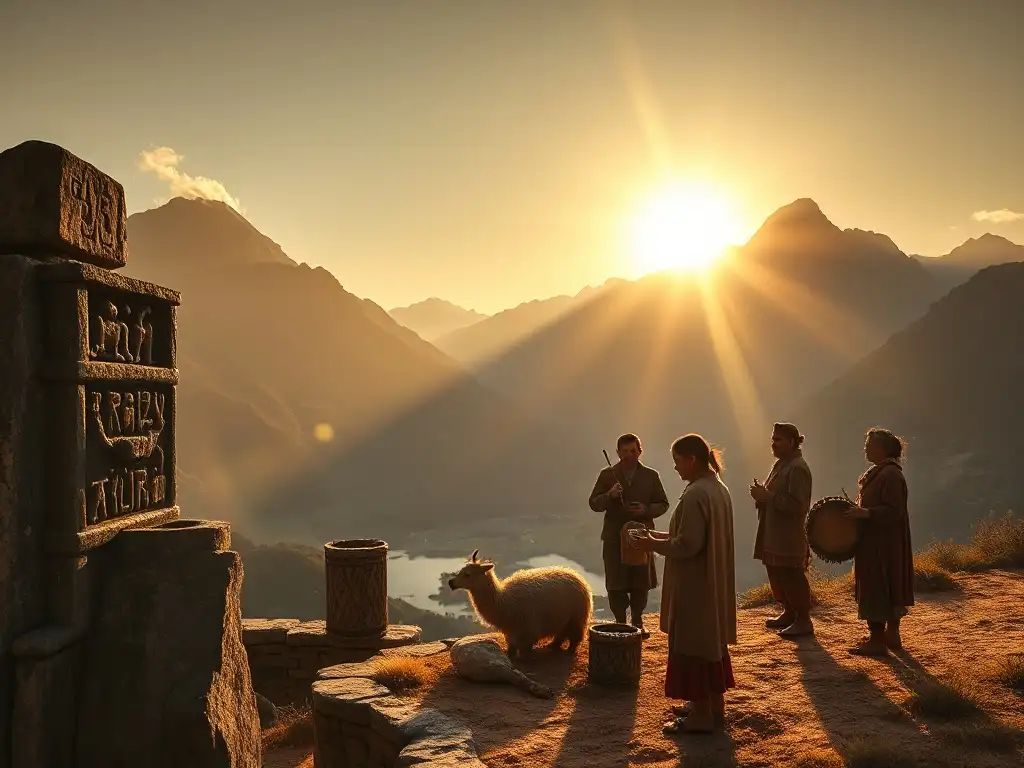
The Andean religious landscape was incredibly diverse, shaped by the varied geography and the independent development of numerous cultures. While generalizations are difficult, certain common threads link the religious practices of different Andean groups, from the coastal Moche to the high-altitude Inca. A key aspect of Andean religion was the close relationship between the human and spiritual worlds, a belief reflected in their intricate rituals and offerings.
The concept of Ayni, reciprocal exchange, was central, influencing not just social interactions but also the relationship between humans and the supernatural. Understanding Andean religious development requires acknowledging the evolution from localized, ancestor-focused beliefs to the more centralized, state-sponsored cults of later empires like the Inca. The influence of Andean religious development on social structures, political power, and artistic expression was profound, shaping the very fabric of Andean societies.
This section delves into the specifics of these practices, focusing on the key elements that defined Andean spirituality and its evolution over time. Analyzing Andean religious development provides crucial insights into the complexity and sophistication of these ancient civilizations.
Andean Offerings and Sacrificial Practices
Andean offerings and sacrifices weren't simply acts of appeasement; they were integral components of maintaining balance and reciprocity within the cosmos. These actions, encompassed under the broad term of pago, involved a wide array of objects, from agricultural products like maize and coca leaves to precious metals like gold and silver. The nature of the offering varied depending on the specific deity or spirit being addressed, the context of the ritual, and the social status of the offerer.
For example, the Moche civilization, renowned for its elaborate metalwork, frequently offered finely crafted gold and silver artifacts to their gods. These weren't merely decorative pieces; their intricate designs often depicted mythological scenes and narratives, reflecting the deep religious significance imbued within them. Evidence from Moche tombs reveals elaborate burials containing numerous offerings, suggesting a belief in an afterlife and the continued importance of maintaining connections with the deceased.
In contrast, the Inca, with their vast empire, employed a more centralized system of sacrifice, often involving human sacrifice, particularly during significant events such as the installation of a new Sapa Inca or during times of crisis. These human sacrifices, while seemingly brutal, were viewed as a necessary act to maintain kay pacha (the earthly world) in harmony with the hanan pacha (upper world) and ukhu pacha (underworld).
The scale and nature of Andean sacrificial practices underscore the profound importance of religious beliefs within these societies and the power dynamics they reflected. Further research is needed to fully understand the nuances of these practices across different Andean cultures and time periods.
The Significance of Pilgrimages in Andean Religion
Pilgrimages played a crucial role in Andean religious life, acting as a powerful means of connecting individuals with sacred sites and strengthening their ties to the divine. These journeys weren't merely physical acts; they were deeply spiritual experiences, fostering a sense of community and reaffirming shared beliefs. Sacred mountains, springs, and caves were frequently the destinations of these pilgrimages, each holding unique significance within specific Andean cosmologies.
The Inca, for instance, undertook extensive pilgrimages to sites like Machu Picchu and Sacsayhuamán, which held immense religious and political importance. These journeys were often undertaken by large groups of people, strengthening social bonds and reinforcing the authority of the Inca state. The act of traveling to these sacred places was seen as a form of spiritual cleansing and renewal, allowing individuals to connect with the ancestral spirits and reaffirm their connection to the cosmos.
The sheer scale of some of these pilgrimages, involving thousands of individuals, highlights their significance within Andean society. Further research into the specific routes, rituals, and motivations behind these pilgrimages would provide invaluable insights into the beliefs and practices of different Andean communities.
Andean Ceremonies and Festivals: Inti Raymi: The Festival of the Sun
Inti Raymi, the Festival of the Sun, stands as a prime example of the grandeur and complexity of Andean ceremonies and festivals. Celebrated during the winter solstice, this festival was a pivotal event in the Inca calendar, signifying the renewal of the sun's power and the promise of a bountiful harvest. The festival involved elaborate rituals, processions, and sacrifices, showcasing the Inca's sophisticated understanding of astronomy and their profound reverence for the sun god, Inti.
The festivities involved a multitude of participants, from the Sapa Inca himself to commoners. Processions wound their way through Cusco, the Inca capital, with participants adorned in vibrant clothing and carrying offerings. The climax of the festival involved sacrifices, often including llamas and other animals, offered to Inti to ensure his continued favor.
Inti Raymi wasn't merely a religious event; it was a powerful demonstration of Inca power and authority, reinforcing social hierarchy and consolidating the empire's legitimacy. Detailed accounts of Inti Raymi, though fragmented, reveal a vibrant and awe-inspiring spectacle that reflected the profound religious beliefs and sophisticated social organization of the Inca empire.
Further archeological research and analysis of existing historical accounts are vital to reconstruct a more complete picture of this significant event and its impact on Andean religious development. The detailed nature of the festival highlights the importance of the sun god, Inti, within the Inca pantheon and the profound influence of Andean religious development on their society.
The Use of Sacred Objects and Artifacts in Andean Rituals
The Andean world was replete with sacred objects and artifacts, integral to their complex religious practices. These weren't merely decorative items; they held profound spiritual significance, acting as conduits between the human and supernatural realms. Their use varied across different cultures and time periods, reflecting the evolving nature of Andean religious beliefs.
For instance, the Moche civilization, known for its intricate metalwork and pottery, crafted elaborate ceremonial vessels depicting deities and mythical scenes. These weren't just containers; they were active participants in rituals, used to offer libations or hold sacred substances believed to possess magical properties. The intricate detail and artistry involved underscore the deep reverence afforded to these objects.
One particularly compelling example is the discovery of richly adorned tombs containing gold and silver artifacts, often featuring representations of animals, plants, and celestial bodies. These objects weren't merely grave goods; they were imbued with power, designed to accompany the deceased on their journey to the afterlife and to ensure their continued well-being. The careful selection and placement of these artifacts within the tomb suggest a highly structured and ritualized burial process, reflecting a sophisticated understanding of the cosmos and the afterlife.
The use of precious metals, like gold, further emphasizes the value placed on these objects and their connection to the divine. The shimmering gold, associated with the sun and its life-giving power, symbolically linked the deceased to the eternal light and energy of the cosmos.
Furthermore, textiles played a crucial role in Andean religious rituals. The intricate weavings, often incorporating symbolic designs and colors, served as more than just clothing or blankets. They were imbued with spiritual power, used in ceremonies and worn by priests and elites to connect with the supernatural.
The vibrant colors, often derived from natural dyes, held symbolic meaning, representing different deities, concepts, or aspects of the natural world. The weaving techniques themselves, passed down through generations, were considered sacred knowledge, embodying the accumulated wisdom and spiritual understanding of the community. The creation of these textiles was often a ritualistic act in itself, involving prayer and offerings to ensure the success of the project and the infusion of spiritual power into the finished product.
The discovery of intricately woven textiles in ancient Andean sites provides tangible evidence of the importance of these objects in religious practices. These artifacts are not simply relics of the past; they are powerful testaments to the spiritual depth and sophistication of Andean cultures.
The use of kero (ceremonial drinking vessels) also exemplifies the importance of sacred objects. These vessels, often made from ceramic, wood, or metal, were not simply utilitarian; their shapes, decorations, and the rituals surrounding their use imbued them with sacred significance. Different kero designs might have been associated with specific deities, ceremonies, or social statuses, reflecting the intricate layering of Andean religious beliefs and social structures.
The act of drinking from these vessels during ceremonies, often involving shared libations, fostered community and reinforced social bonds, connecting participants to the sacred and to each other. The meticulous craftsmanship and symbolic representations on these kero demonstrate the profound attention to detail and the deeply spiritual nature of Andean culture. The careful preservation of many of these objects through time further underscores their lasting significance and the enduring impact of Andean religious traditions.
Finally, the careful study of these artifacts, through archaeological excavation and analysis, continues to reveal new insights into the complexities of Andean religious practices. By understanding the materials, designs, and contexts of these objects, researchers can gain a deeper appreciation for the beliefs, values, and social structures of these ancient civilizations.
The ongoing research in this area is crucial for preserving and interpreting the rich legacy of Andean religious development. The meticulous documentation and preservation of these artifacts are essential for future generations to understand and appreciate the profound spiritual significance of these objects within the broader context of Andean religious practices.
The Legacy of Andean Religion
The profound impact of Andean religious beliefs and practices extends far beyond the demise of the great empires like the Inca. Understanding the legacy of Andean religion requires acknowledging its multifaceted nature and enduring influence on subsequent cultural developments and contemporary Andean societies. The intricate cosmology, sophisticated rituals, and deeply ingrained spiritual connection with the natural world left an indelible mark on the region's history and continues to shape its present.
This enduring legacy highlights the resilience and adaptability of Andean religious thought, demonstrating its capacity to evolve and integrate with new cultural influences while retaining its core tenets. Analyzing this legacy provides crucial insights into the continuity and transformation of Andean identity across millennia. The study of Andean religious development, therefore, is not merely an academic exercise but a vital key to understanding the complex tapestry of Andean history and culture.
Andean Religious Influence on Later Civilizations
The collapse of the Inca Empire did not signify the end of Andean religious practices. Instead, elements of Inca religion were absorbed and adapted by succeeding cultures, particularly during the colonial period. The Spanish conquest attempted to suppress indigenous beliefs, imposing Catholicism as the dominant religion.
However, syncretism – the blending of different religious beliefs and practices – became a powerful force. Indigenous deities were often reinterpreted within the framework of Catholic saints, leading to a fascinating fusion of religious systems. For instance, the Inca sun god, Inti, found parallels in the Catholic figure of Saint Peter, reflecting a strategic adaptation by the indigenous population to maintain their spiritual heritage under the guise of the accepted religion.
This syncretic process resulted in unique religious expressions that blended traditional Andean beliefs with Catholic dogma, shaping the religious landscape of the Andes for centuries to come. The persistence of ancient Andean rituals, albeit modified, in modern Andean communities is a direct testament to the enduring influence of these pre-Columbian religious systems. Understanding this syncretism is essential for comprehending the complexities of Andean religious development and its lasting impact on the region's identity.
The Persistence of Andean Beliefs in Modern Times
Despite centuries of colonization and the introduction of new religious systems, many Andean beliefs and practices persist to this day. This remarkable continuity demonstrates the deep-rooted nature of Andean spirituality and its ability to adapt to changing circumstances. While the outward forms of worship may have evolved, the underlying cosmological principles and spiritual values often remain remarkably consistent.
For example, the veneration of sacred mountains ( apus), the importance of Pachamama (Mother Earth), and the practice of shamanic healing continue to play significant roles in the lives of many Andean communities. These practices are often interwoven with Catholic traditions, creating a rich tapestry of syncretic religious expressions. The continued significance of these ancient beliefs highlights the enduring power of Andean religious traditions and their profound influence on the cultural identity of the region.
The study of these contemporary expressions offers invaluable insights into the dynamic nature of Andean religious development and its ongoing relevance in modern society. Furthermore, observing these practices provides a crucial link to the past, allowing us to better understand the ancient religious systems and their evolution.
The Study of Andean Religious Development and its Importance
The study of Andean religious development is crucial for several reasons. First, it sheds light on the complex evolution of Andean societies, revealing the intricate relationship between religious beliefs, social structures, and political power. The sophisticated religious systems of the Andes were not simply separate from daily life; they were integral to every aspect of Andean society, influencing everything from agriculture and warfare to art and architecture.
Second, understanding Andean religious development helps us appreciate the richness and diversity of pre-Columbian cultures, challenging Eurocentric perspectives on religious history. The Andean worldview, with its emphasis on the interconnectedness of humanity and nature, offers a valuable alternative to Western religious paradigms. Finally, the study of Andean religious development provides a deeper understanding of the ongoing cultural processes shaping the Andes today.
The persistence of ancient beliefs and practices in modern Andean communities demonstrates the resilience of indigenous cultures and the ongoing relevance of Andean spirituality. Therefore, continued research and investigation into Andean religious development are essential for a complete and nuanced understanding of Andean history, culture, and the enduring legacy of its rich spiritual heritage. The ongoing research into “Andean religious development” constantly reveals new insights into this fascinating and complex topic.
Frequently Asked Questions
What were the earliest forms of Andean religion?
Early Andean religion was characterized by local, ancestor-based beliefs and nature worship. These practices varied significantly between different groups and regions, lacking a unified system. Evidence suggests a strong connection to the land and its resources.
How did Andean religious practices evolve over time?
Over time, Andean religions transitioned from localized beliefs to more complex, organized cults with specialized priests and temples. The development of powerful states like the Incas facilitated the standardization and spread of certain religious practices across broader regions. This involved the incorporation of existing beliefs into a larger, more structured system.
What role did the Inca Empire play in shaping Andean religion?
The Inca Empire played a crucial role in standardizing and centralizing religious practices. They imposed their own pantheon of gods, established a state religion, and built impressive temples and pilgrimage sites. However, they also incorporated existing local deities and customs into their system.
What were some of the key elements of Inca religious beliefs?
Inca religion centered around powerful deities, such as Inti (the sun god) and Viracocha (the creator god). Ancestor veneration remained important, and rituals focused on maintaining cosmic balance and ensuring agricultural prosperity. Human sacrifice was also practiced, albeit seemingly infrequently.
How did Andean religious beliefs influence their art and architecture?
Andean religious beliefs heavily influenced their art and architecture. Temples, palaces, and other structures were often designed to reflect cosmological beliefs, and art frequently depicted deities, mythical creatures, and scenes from religious rituals. Religious symbolism is pervasive in their textiles, pottery, and metalwork.
Final Reflection: Echoes of the Andes: A Legacy of Faith and Adaptation
The intricate tapestry of Andean religious development, woven from threads of local beliefs and imperial ambitions, continues to resonate powerfully in contemporary society. Its enduring influence is not merely a historical curiosity; it's a living testament to the human capacity for adaptation, innovation, and the persistent search for meaning in the face of immense change. The echoes of ancient rituals and cosmological understandings still shape the cultural landscape of the Andes, reminding us of the enduring power of faith.
The blending of indigenous traditions with introduced belief systems, a hallmark of Andean religious history, offers a compelling case study in cultural syncretism. This dynamic interplay, far from resulting in the erasure of indigenous practices, often led to vibrant new expressions of faith, demonstrating the resilience and adaptability of cultural identities. Culture is not inherited; it is learned, practiced, and negotiated.
This quote highlights the ongoing, active nature of cultural development, a process mirrored in the evolution of Andean religion. The constant negotiation between tradition and innovation continues to shape religious practices in the region today, a testament to the enduring power of cultural memory.
Consider the profound implications of this historical narrative for your own life. How do you reconcile tradition and innovation in your own beliefs and practices? What enduring threads of faith and meaning connect you to your past, and how do you envision these threads shaping your future? Let the story of Andean religious development inspire you to reflect on the dynamic interplay between your personal beliefs and the ever-evolving cultural landscape that surrounds you. Embrace the ongoing process of learning, adaptation, and the creation of meaning, just as the Andean people have done for millennia.
**Unveil the Mysteries of Andean Religion! **
Thank you for exploring the fascinating world of Andean religion with us! You've discovered the depth and complexity of indigenous beliefs and how they evolved into the organized religious systems that shaped Andean civilizations. Now, let's delve even deeper into this rich cultural heritage.
Here are some ways to further your understanding:
- **Expand your knowledge:** Explore the intricacies of Andean religious practices through books, documentaries, and academic articles. This will provide a broader perspective on the subject.
- **Join the discussion:** Share your thoughts and insights in our community forum. We value your perspectives and encourage lively discussions.
- **Experience the culture firsthand:** Immerse yourself in Andean culture by visiting significant archaeological sites or attending traditional festivals. This direct engagement offers unparalleled insights.
Which aspect of Andean religion resonates most with you, and how do you believe it continues to shape contemporary Andean cultures? We'd love to hear your thoughts in the comments below!