
The Gift of the Gods: The Origins and Divine Associations of Andean Music

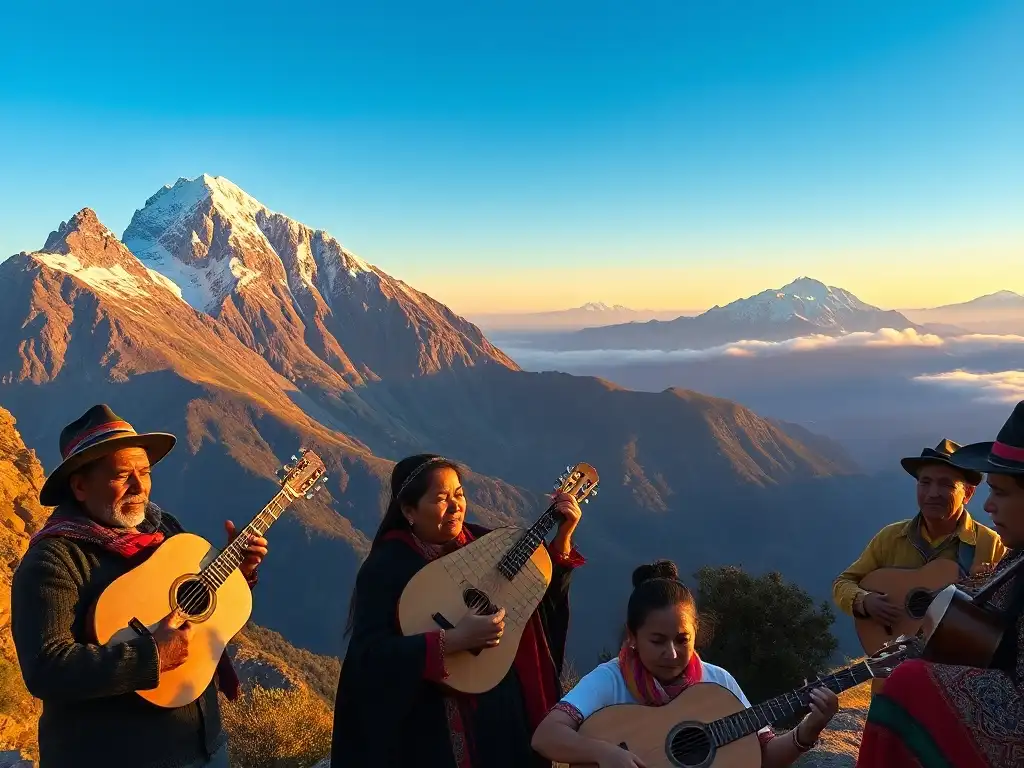
Unravel the mysteries of a world lost to time, yet echoing in every note. Journey with us into the heart of the Andes, where the vibrant tapestry of ancient civilizations—from the Incas to the Nazca—still whispers secrets. Discover how the very origins of Andean music were intertwined with the divine, a celestial symphony born from the mountains themselves. Prepare to be captivated by a story far older than history books—a story waiting to be rediscovered. Delve into the resonant legacy of the Andes and unlock the Gift of the Gods.
- The Gift of the Gods: Exploring Andean Music Origins and Divine Associations
- Divine Inspiration: Gods and Goddesses Linked to Andean Musical Practices
- Early Instruments: The Divine Tools of Andean Music Creation
- Ritualistic Roles: Andean Music in Sacred Ceremonies and Festivals
- Music and Cosmology: The Andean Worldview Reflected in Sound
- The Legacy of Andean Music: Preserving the Divine Heritage
- Frequently Asked Questions
- Final Reflection: Echoes of the Andes: A Legacy of Sound
- **Embrace the Rhythm of the Andes! **
The Gift of the Gods: Exploring Andean Music Origins and Divine Associations
Andean music, a vibrant tapestry woven from the threads of ancient traditions and modern expressions, holds a profound spiritual significance deeply intertwined with the cosmology and beliefs of the Andean civilizations. This exploration delves into the fascinating origins of Andean music, unveiling its intricate connections to the divine and its enduring role in shaping Andean culture. From the haunting melodies of panpipes echoing across the vast landscapes to the rhythmic beats of drums resonating during sacred ceremonies, Andean music is more than just sound; it's a powerful conduit to the past, a living testament to the enduring legacy of the Andean peoples.
Understanding its origins is key to appreciating its richness and complexity, revealing a story far older and more profound than most realize. This article will examine the ancient beginnings of Andean musical traditions and explore their deep-rooted connections to spirituality, revealing how music served as a vital link between the earthly and the divine realms within Andean societies.
We will examine evidence from archaeological findings, historical accounts, and contemporary practices to paint a comprehensive picture of Andean music’s origins and its enduring spiritual significance. Prepare to embark on a journey through time and sound, discovering the profound impact of Andean music on the lives and beliefs of its creators.
Tracing the Roots: Unveiling the Ancient Beginnings of Andean Music
Unraveling the precise origins of Andean music presents a significant challenge due to the limitations of written records from pre-Columbian times. However, archaeological discoveries offer tantalizing clues. Evidence suggests musical instruments, such as bone flutes and ceramic ocarinas, existed in the Andes thousands of years ago. These artifacts, discovered in various archaeological sites across the region, provide compelling evidence of a rich musical tradition that predates the Inca Empire.
For example, excavations at sites associated with the Nazca culture (circa 100 BCE – 800 CE) have unearthed intricately decorated ceramic vessels depicting musicians playing instruments strikingly similar to those used in contemporary Andean music. This suggests a remarkable continuity in musical traditions spanning centuries. Furthermore, the discovery of flutes and other instruments in pre-Inca tombs indicates that music played a crucial role in funerary rites and other important social events.
The materials used – bone, wood, stone, and ceramics – reflect the readily available resources of the Andean environment and the ingenuity of the artisans who crafted them. Analyzing the materials, construction techniques, and stylistic elements of these ancient instruments helps researchers piece together a more complete picture of early Andean musical practices. The study of these artifacts, combined with ethnographic research among contemporary Andean communities, provides a richer understanding of the evolution of Andean musical traditions.
The Sacred Soundscape: Andean Music's Connection to Spirituality
Andean music was not merely entertainment; it was inextricably linked to the spiritual world. Music played a pivotal role in religious ceremonies, agricultural rituals, and social gatherings, acting as a powerful medium for communication with the divine. Many Andean cultures believed in a complex pantheon of gods and spirits, and music was seen as a way to honor and appease them. The sounds of instruments, particularly the haunting melodies of panpipes, were believed to have the power to influence the natural world, influencing weather patterns and ensuring successful harvests.
Moreover, music was used to accompany shamanistic rituals, facilitating communication with the spirit world and healing the sick. The rhythmic patterns and melodic structures of Andean music often reflect the natural rhythms of the Andes themselves – the rising and setting of the sun, the cycles of the seasons, and the flow of rivers. This connection to the natural world further emphasizes the sacred nature of Andean music. Furthermore, the use of specific instruments in particular ceremonies highlights the intricate relationship between music and spirituality.
For example, certain types of flutes might be reserved for specific deities or rituals, demonstrating a deep understanding of the symbolic power of sound. The enduring presence of these musical traditions in contemporary Andean communities underscores their continued importance in maintaining cultural identity and spiritual connection. The sounds of the Andes continue to resonate with the echoes of ancient beliefs and practices, highlighting the enduring power of music to connect people to their heritage and the divine.
Divine Inspiration: Gods and Goddesses Linked to Andean Musical Practices
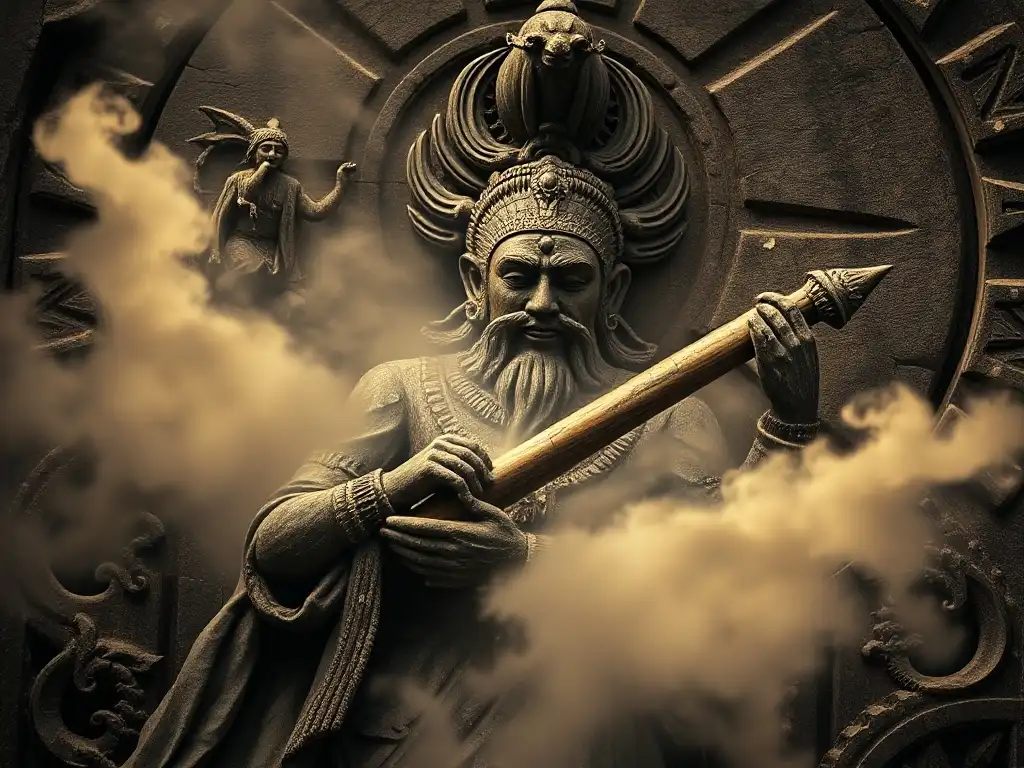
Andean music, a vibrant tapestry of melodies and rhythms, wasn't merely entertainment; it was deeply intertwined with the spiritual beliefs and cosmology of the ancient Andean civilizations. Understanding its origins requires acknowledging the profound connection between music and the divine. The sounds, instruments, and rituals surrounding Andean music were all imbued with sacred meaning, reflecting a worldview where the natural world and the supernatural were inextricably linked.
This section will explore the key deities associated with musical practices, highlighting the specific ways in which music served as a conduit to the divine. The influence of these divine associations is still palpable in contemporary Andean musical traditions, showcasing the enduring power of these ancient beliefs. Analyzing the "Andean music origins" reveals a rich tapestry woven with threads of faith and spirituality.
Inti, the Sun God: Musical Offerings and Rhythms of the Cosmos
Inti, the Inca sun god, held paramount importance in Andean cosmology. He was considered the source of life, warmth, and prosperity. Musical offerings to Inti were integral parts of daily life and major festivals. The q'ena, a panpipe, was frequently used to emulate the sun's radiant energy through its bright, soaring melodies.
These musical tributes weren't simply expressions of reverence; they were believed to actively influence Inti's favor, ensuring bountiful harvests and warding off misfortune. The rhythms of Inti's music often mirrored the cyclical nature of the cosmos, reflecting the sun's daily journey across the sky and the annual agricultural cycle. Specific melodies and rhythms were associated with different times of the year, reflecting the changing seasons and the agricultural tasks associated with them.
For example, specific yaravíes (a genre of Andean music characterized by its melancholic and introspective nature) might have been played during the winter solstice, reflecting the somber mood of the season and the need to appeal to Inti for the return of the sun's warmth. The intricate interplay of melodies and rhythms in these musical offerings served as a powerful form of communication with the divine, seeking to maintain harmony between the human and celestial realms. The legacy of Inti's influence continues to resonate in many contemporary Andean musical forms.
Pachamama, the Earth Mother: Sounds of Fertility and Harvest Rituals
Pachamama, the Earth Mother, represented the life-giving force of the land. Her fertility was crucial for agricultural success, and music played a vital role in appeasing and honoring her. Instruments like the tarka (a type of Andean flute) and the antara (a panpipe with a slightly different construction than the q'ena) were often employed in rituals related to planting and harvesting.
These instruments, with their earthy tones and grounding rhythms, were believed to resonate with Pachamama's energy, fostering her benevolence and ensuring the abundance of crops. The songs performed during these rituals often invoked prayers for fertility, good harvests, and protection from natural disasters. The melodies frequently incorporated sounds mimicking nature – the rustling of leaves, the flow of water, the chirping of insects – further connecting the music to the earth's life force.
Specific rituals, like the pachuco, involved musical performances aimed at ensuring the fertility of the land and the well-being of the community. These musical practices weren't merely symbolic; they were considered essential for maintaining a harmonious relationship with Pachamama and ensuring the prosperity of the community. The connection between Andean music and the earth's bounty is a recurring theme, emphasizing the deep-rooted spiritual relationship between the people and their environment.
Illapa, the God of Thunder and Rain: The Power of Music in Weather Ceremonies
Illapa, the god of thunder and lightning, controlled the vital rains necessary for agriculture. His capricious nature demanded respect and appeasement. Music played a critical role in weather ceremonies, aiming to influence Illapa's actions. The sounds of drums and rattles, mimicking the thunder and the falling rain, were used to communicate with the deity.
These powerful percussive elements were designed to evoke Illapa's attention and ensure timely rainfall. Intense musical performances were often employed during droughts, seeking to persuade Illapa to release the much-needed water. The energy and intensity of the music were believed to be directly proportional to its effectiveness in communicating with the powerful deity.
The specific instruments used, their rhythms, and the accompanying chants were carefully chosen to reflect the urgency of the situation and the desire to appease Illapa's potentially destructive power. The efficacy of these musical ceremonies highlights the crucial role music played in the daily lives of ancient Andean communities, demonstrating how deeply intertwined their spiritual beliefs and their musical practices were. The legacy of these rain-making ceremonies, though adapted over time, continues to resonate in contemporary Andean communities, showcasing the enduring importance of music as a tool for communicating with the supernatural.
Early Instruments: The Divine Tools of Andean Music Creation
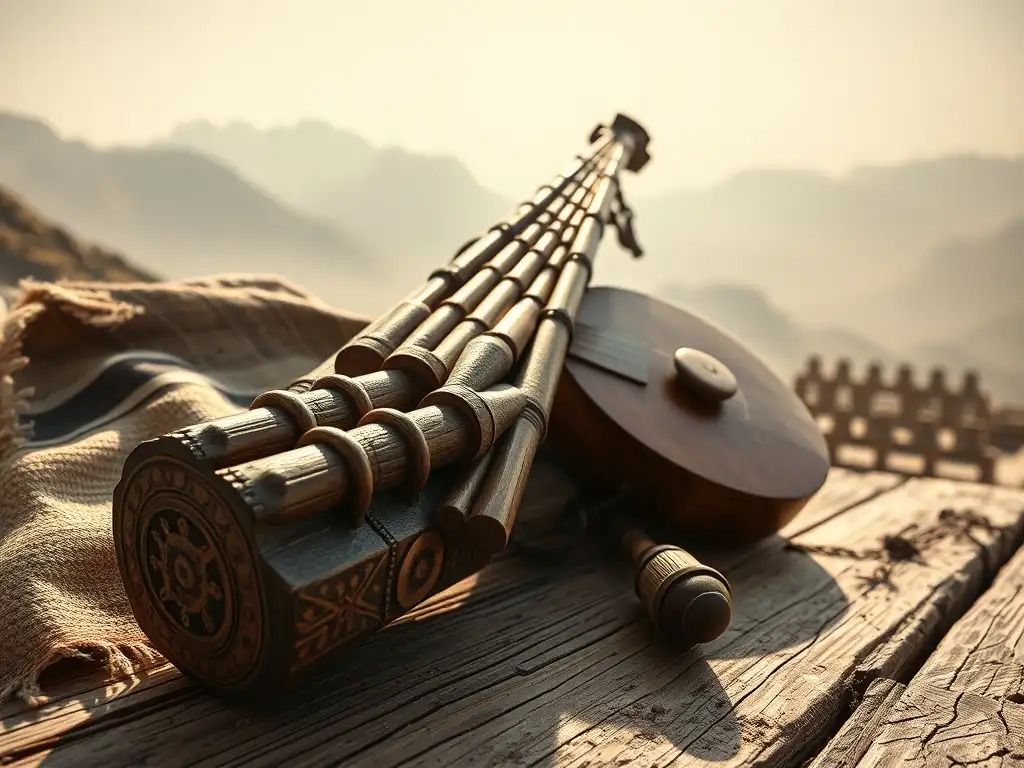
This section delves into the origins of Andean musical instruments, exploring their construction, use, and the deeply ingrained spiritual significance attributed to them by ancient Andean cultures. Understanding these instruments is key to comprehending the profound role music played in their daily lives, religious ceremonies, and social structures. The creation and playing of these instruments wasn't merely a craft; it was a sacred act, connecting the musicians to the divine realm and the forces of nature.
The enduring legacy of these instruments speaks volumes about the ingenuity and spiritual depth of Andean civilizations. Analyzing their design and materials reveals much about the technological prowess and artistic sensibilities of these ancient societies, further solidifying their place in the history of musical instrument development.
The evolution of these instruments, from their rudimentary beginnings to more complex forms, reflects the changing social structures and beliefs of the Andean world over centuries. The study of Andean music origins relies heavily on understanding the instruments themselves.
The Siku (Panpipes): A Sacred Instrument and its Spiritual Significance
The siku, a panpipe instrument made of several reeds of varying lengths, holds a central place in Andean musical traditions. Its origins are ancient, with evidence suggesting its use dating back millennia. The siku wasn't simply a musical instrument; it was a conduit to the spiritual world. Different siku ensembles, varying in size and arrangement, were believed to represent different deities or natural forces. For instance, a larger siku ensemble might have been used in ceremonies honoring the mountain gods, while a smaller one might have accompanied more intimate rituals.
The construction of the siku itself was a meticulous process, imbued with ritualistic significance. The reeds, typically made from caña brava (giant reed), were carefully selected and prepared, often involving specific prayers and offerings. The precise tuning of each reed was crucial, as any slight imperfection was believed to disrupt the harmony between the earthly and spiritual realms. The sounds produced by the siku were believed to mimic the voices of nature – the wind whistling through the mountains, the rain falling on the earth, or the songs of birds.
This connection to nature further enhanced the instrument's sacred status. The mastery of the siku required years of dedicated practice and spiritual attunement, highlighting the deep connection between music, spirituality, and craftsmanship in Andean culture. The sounds created were not merely musical notes, but expressions of prayer and communication with the divine.
The Quena (Flute): Sounds of the Mountains and the Gods
The quena, a vertical end-blown flute, is another iconic Andean instrument deeply intertwined with the spiritual landscape. Made traditionally from various materials including cane and wood, the quena's haunting melodies were often associated with the mountains and the spirits that inhabited them. Its simple yet evocative sound was believed to be able to communicate with the apus (mountain spirits), conveying messages and requests to the divine.
The quena's role in Andean rituals was multifaceted. It was used to accompany ceremonies, invoke deities, and tell stories of creation myths and heroic deeds. The melodies played were not arbitrary; they were carefully structured and imbued with symbolic meaning. Different rhythms and scales were associated with different deities or events, demonstrating a sophisticated understanding of musical symbolism.
Furthermore, the quena's portability allowed it to be used in a variety of settings, from grand temple ceremonies to smaller, more intimate gatherings. Its enduring popularity across Andean communities, from the pre-Columbian era to the present day, underscores its profound cultural significance. The quena's simple design belies its complex symbolic and ritualistic applications.
The Tinya (Drum): Rhythms of Earth and Sky
The tinya, a type of drum, represents the earth's heartbeat and the celestial rhythms of the sky within Andean music origins. While the exact variations in construction differed across various Andean cultures, the tinya generally consisted of a hollowed-out log or gourd covered with animal skin. Its deep resonant sound provided a powerful rhythmic foundation for ceremonies and dances.
The tinya's role often involved marking the time and providing a sense of communal energy. Its size and shape varied depending on the intended use. Larger tanyas might have been used in large-scale public ceremonies, while smaller ones may have been used in more private settings.
The rhythmic patterns produced by the tinya were intricately linked to agricultural cycles, celestial events, and the overall balance of the cosmos. Different rhythms were associated with planting, harvesting, and other important agricultural activities. The powerful rhythmic pulse of the tinya helped to unify participants in collective ceremonies, fostering a sense of shared experience and spiritual connection.
The tinya's raw, powerful sound symbolized the earth's energy and the cyclical nature of life and death. The mastery of the tinya, like other instruments, required dedicated practice and an understanding of its symbolic significance. Its role extended beyond mere accompaniment, serving as a powerful symbol of community and the harmonious interplay between earthly and celestial forces.
Ritualistic Roles: Andean Music in Sacred Ceremonies and Festivals
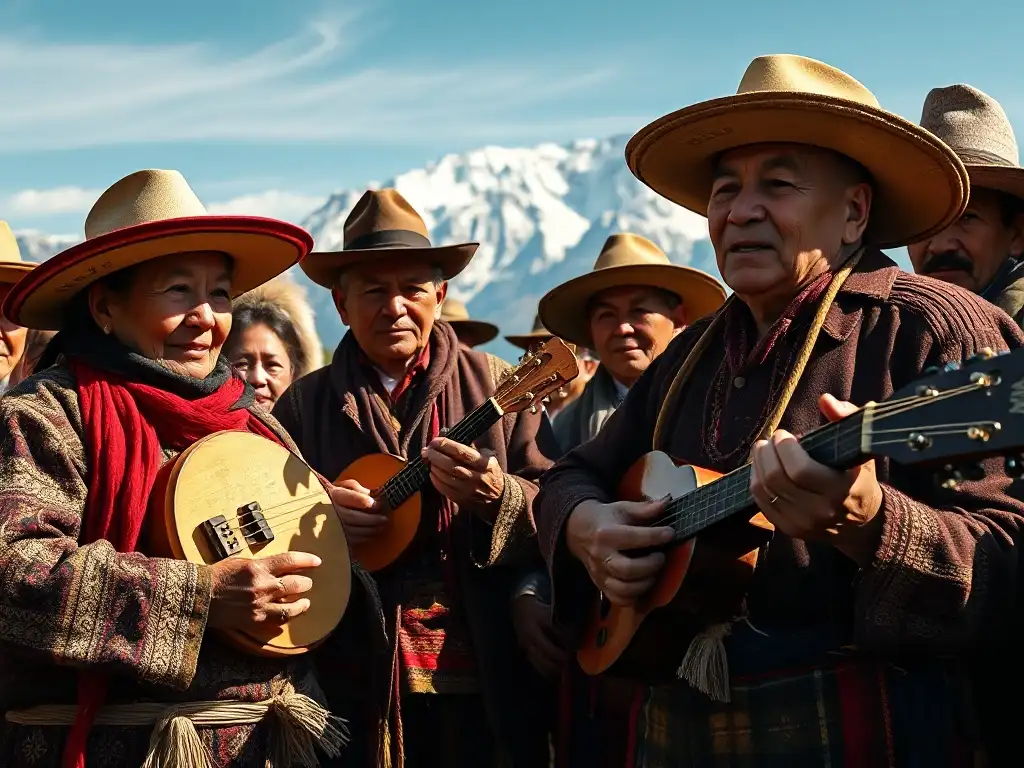
Andean music wasn't merely entertainment; it held a profoundly sacred and ritualistic role in the lives of ancient Andean peoples. Music served as a vital link between the human and spiritual realms, facilitating communication with deities, ancestors, and the forces of nature. Its performance wasn't arbitrary; specific instruments, melodies, and rhythms were meticulously chosen to achieve specific ritualistic aims, reflecting a sophisticated understanding of the power of sound.
The origins of this deeply embedded musical tradition are intertwined with the very fabric of Andean cosmology and beliefs. Understanding this connection is crucial to appreciating the true significance of Andean music and its enduring legacy. The intricate relationship between music and ritual varied across different Andean cultures, but common threads of reverence and spiritual connection consistently emerge.
Music in Inca Religious Rituals: Honoring the Deities
Inca religious rituals were deeply infused with music. The Capac Apu, or mountain gods, were particularly important, and musical offerings were central to appeasing and honoring them. Ceremonies often involved panpipes ( antara) and drums ( tinya), creating a sonic landscape intended to evoke the majesty and power of the Andes themselves.
The huayno, a genre characterized by its lively melody and complex rhythms, likely held a prominent place in these celebrations, its energetic pulse mirroring the vitality of the Inca empire. Specific songs, perhaps passed down through generations of amautas (wise men), may have been reserved for particular deities or occasions, creating a rich tapestry of musical devotion. Evidence suggests that the Inca court maintained a dedicated group of musicians, responsible for composing and performing these sacred pieces.
Unfortunately, much of the precise repertoire and performance practices remains lost to time, but archaeological discoveries and surviving accounts offer tantalizing glimpses into this vibrant musical world. Further research into Inca iconography and surviving musical instruments could reveal additional details about the specific musical offerings made to different deities.
Music in Andean Agricultural Ceremonies: Invoking the Blessings of Nature
Agricultural cycles were central to Andean life, and music played a crucial role in ensuring bountiful harvests. Ceremonies marking the planting and harvesting seasons often featured music intended to invoke the blessings of nature. Instruments like the pututu (a shell trumpet) might have been used to summon the spirits of rain and fertility.
The rhythmic sounds of percussion instruments, possibly combined with chants and vocalizations, could have been employed to mimic the natural rhythms of the earth and the growth of crops. These ceremonies weren't merely symbolic; they were active attempts to influence the forces of nature, demonstrating the profound interconnectedness between Andean people and their environment. The melodies and rhythms used in these agricultural ceremonies likely varied regionally, reflecting the unique ecological conditions and agricultural practices of different Andean communities.
For example, communities dependent on irrigation systems might have developed unique musical traditions related to water management and the appeasement of water spirits. Detailed ethnomusicological studies of contemporary Andean communities could shed further light on the evolution of these agricultural musical traditions.
Music in Death Rituals: Accompanying the Soul's Journey
Death rituals in the Andes were elaborate affairs, and music played a key role in guiding the soul on its journey to the afterlife. Funerary ceremonies often involved mournful melodies played on instruments like the zampoña (panpipes) and charango (a small lute). These somber tunes likely reflected the sorrow of the mourners and the solemnity of the occasion.
The music may have been intended to comfort the deceased's spirit and aid its passage to the other world. Some scholars suggest that certain musical motifs were specifically associated with death and the underworld, reflecting the Andean belief in a complex afterlife. The use of specific instruments or musical styles in these rituals likely varied depending on the social status of the deceased and the specific beliefs of the community.
The study of ancient burial sites and surviving textile depictions could offer valuable insights into the musical practices associated with Andean death rituals. Further research into the iconography of funerary artifacts might also reveal clues about the role of music in the Andean concept of the afterlife.
Music and Cosmology: The Andean Worldview Reflected in Sound
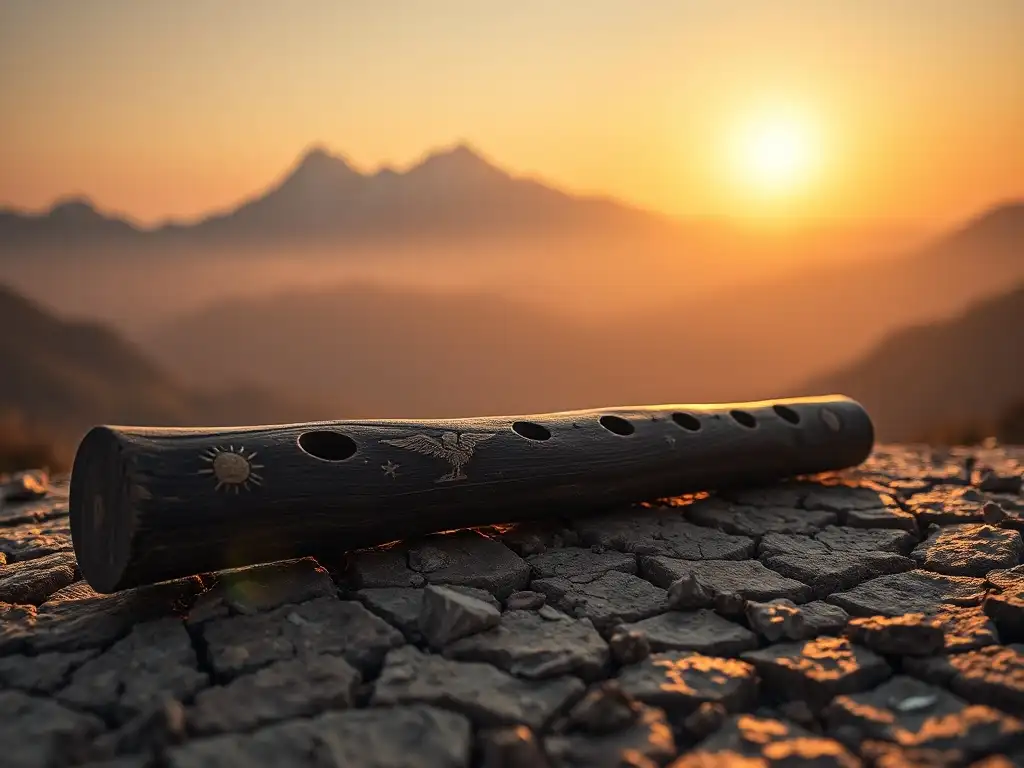
The origins of Andean music are deeply intertwined with the Andean worldview, a complex cosmology that saw the universe as a harmonious and interconnected whole. Understanding Andean music requires understanding this profound connection between the earthly and the spiritual realms. Unlike Western musical traditions that often compartmentalize music as separate from other aspects of life, Andean music was, and in many ways still is, integral to daily life, religious rituals, and the expression of social structures.
The very soundscapes were believed to be imbued with power, reflecting and influencing the balance of the cosmos. This section will explore how this cosmological perspective shaped the development and significance of Andean musical traditions, focusing on the inherent relationship between sound and the divine. The understanding of "Andean music origins" isn't simply about dates and instruments, but about a spiritual and philosophical framework.
The Harmony of the Cosmos: Musical Expressions of Order and Balance
Andean cosmology emphasized balance and harmony – a delicate equilibrium between opposing forces like the sun and moon, the mountains and valleys, the dry and wet seasons. This concept is profoundly reflected in Andean music. The intricate polyrhythms and polyphonies, often featuring layered melodies played simultaneously on panpipes ( siku), flutes ( antara), and drums ( tinku), create a sonic tapestry that evokes this sense of interconnectedness.
The specific intervals and scales used were not arbitrary; they were believed to reflect the natural order of the universe, mirroring the cycles of nature and the movements of celestial bodies. For example, the use of pentatonic scales, prevalent in many Andean traditions, is thought to resonate with the natural harmonies found in the landscape and the sounds of nature.
The subtle interplay of instruments, the precise timing, and the overall sonic texture all contribute to the creation of a harmonious soundscape that mirrors the ideal cosmic order. Deviation from this harmony was believed to disrupt the balance, potentially leading to misfortune or imbalance in the community.
The Interconnectedness of All Things: Sound as a Unifying Force
The Andean worldview emphasizes the interconnectedness of all living things, a concept reflected in the social and ritual functions of music. Music wasn't simply entertainment; it served as a powerful tool for unifying communities, fostering social cohesion, and maintaining social order. Rituals, often accompanied by music and dance, reinforced social structures and celebrated important events in the agricultural cycle and the lives of the community.
The shared experience of creating and participating in musical performances strengthened social bonds and reaffirmed collective identity. The use of specific instruments and musical styles in different ceremonies further highlighted the intricate relationships between music, social roles, and the spiritual world. For example, certain instruments might be reserved for specific rituals or social occasions, reflecting the hierarchical structure of Andean societies.
This deep integration of music into the social fabric highlights the multifaceted role of sound in shaping Andean communities and reinforcing their cosmological beliefs. The power of collective musical expression underscored the interconnectedness of individuals within the wider community and the cosmos.
Andean Music as a Form of Prayer: Communicating with the Divine
Andean music was not merely a reflection of the cosmos; it was also a means of communicating with the divine. Music served as a form of prayer, a way to invoke the favor of deities and ancestors, and to request blessings for the community. Specific musical pieces were associated with particular deities or spirits, and the performance of these pieces was believed to influence the outcome of important events such as harvests, healing ceremonies, or battles.
The intensity and emotional power of the music, often accompanied by fervent dancing and ritualistic actions, were believed to transcend the earthly plane and reach the spiritual realm. The use of specific instruments, melodies, and rhythms in these contexts underscored their sacred significance. Many instruments, like the pututo (a long, straight trumpet), were associated with specific deities and used only in ceremonial settings.
The careful selection and execution of these musical forms showcased the deep spiritual significance of music in Andean cultures, demonstrating how sound could serve as a bridge between the human and divine worlds. The very act of playing Andean music was an act of devotion and a pathway to communion with the spiritual forces that shaped their lives. This deep connection between music and spirituality remains a central aspect of Andean cultural identity, making the study of "Andean music origins" a journey into the heart of their spiritual beliefs.
The Legacy of Andean Music: Preserving the Divine Heritage
The origins of Andean music are deeply intertwined with the spiritual beliefs and cosmological worldview of the Andean civilizations. Music wasn't merely entertainment; it was a vital component of religious rituals, agricultural cycles, and social life. Understanding its legacy requires acknowledging its sacred roots, a connection that persists to this day.
The soundscapes of the Andes, from the haunting melodies of panpipes to the rhythmic pulse of drums, echo millennia of cultural transmission. These sounds, passed down through generations, carry the weight of ancient traditions, imbued with the beliefs and practices of civilizations that flourished long ago. The very act of playing and listening to this music is a participation in a continuous dialogue with the past, a testament to the enduring power of cultural heritage.
The study of Andean music origins reveals a complex interplay of instruments, vocal styles, and ritualistic contexts that contributed to a unique and powerful musical tradition. The influence of the divine is palpable in every note, every rhythm, a testament to the profound connection between music and spirituality in the Andes.
The Enduring Influence of Ancient Musical Traditions
The echoes of ancient Andean musical practices resonate even in contemporary Andean music. While modern instruments and styles have been incorporated, the fundamental elements remain remarkably consistent. For example, the pututu, a long shell trumpet used in Inca ceremonies to announce important events and communicate with deities, continues to find its place in modern festivals and celebrations, albeit often alongside more contemporary instrumentation.
Similarly, the use of panpipes, a quintessential Andean instrument, persists strongly in modern musical expressions. The pentatonic scales prevalent in ancient Andean music continue to be a defining characteristic of its modern forms, underscoring the enduring legacy of these ancient traditions. Many modern Andean musicians actively seek to preserve and revitalize these ancient techniques, ensuring that the divine heritage embedded within their music continues to thrive.
This active preservation is not merely nostalgic; it represents a powerful connection to ancestral roots and a vibrant cultural identity. The continuous evolution of Andean music demonstrates the adaptability of ancient traditions within a modern context.
Modern Interpretations and the Continuation of Sacred Sounds
Modern Andean music isn't simply a replication of ancient styles; it's a dynamic fusion of tradition and innovation. Contemporary musicians draw inspiration from ancient forms while incorporating elements of Western music, creating a vibrant and evolving soundscape. This creative process involves a respectful blending of traditional instruments like the charango (a small, lute-like instrument) with modern instruments like guitars and keyboards.
The incorporation of these elements doesn't diminish the sacred aspects of Andean music; instead, it expands its reach and allows it to connect with a wider audience while maintaining its core essence. This fusion reflects the complex cultural landscape of the Andes today, a place where ancient traditions intertwine with modern influences, creating a unique and powerful musical expression.
The continuation of sacred sounds within modern interpretations is a testament to the enduring power of Andean music, demonstrating its ability to adapt and thrive in a constantly changing world. The result is a rich tapestry of sounds that both honors the past and embraces the future.
Andean Music in Contemporary Society: Cultural Preservation and Innovation
Andean music plays a significant role in contemporary Andean society, serving as a powerful vehicle for cultural preservation and innovation. It's not only heard in formal settings like concerts and festivals but also permeates everyday life, from informal gatherings to radio broadcasts. Music is used to celebrate harvests, religious festivals, and community events, reinforcing social bonds and transmitting cultural values.
Furthermore, Andean music serves as a powerful tool for reclaiming cultural identity, particularly in the face of globalization and cultural homogenization. The preservation of traditional musical styles and instruments becomes a powerful statement of cultural resistance and affirmation. The ongoing efforts to document and archive traditional Andean music are critical to its long-term survival.
Initiatives focused on teaching traditional musical techniques to younger generations ensure the continuity of this rich heritage. This active involvement underscores the critical role Andean music plays in shaping cultural identity and fostering a sense of community in contemporary Andean society. The vibrant scene of contemporary Andean music exemplifies the power of tradition to adapt and thrive in the modern world, demonstrating a deep connection to the past while embracing the dynamism of the present.
Frequently Asked Questions
What are the origins of Andean music?
Andean music's origins are deeply rooted in pre-Columbian times, influenced by the diverse cultures of the Andes. It's a blend of indigenous traditions, evolving over centuries and incorporating later influences. Ceremonial and ritualistic practices strongly shaped its development.
How did the Incas influence Andean music?
The Inca Empire played a significant role, standardizing instruments and musical styles across its vast territory. Their music was integral to religious ceremonies, agricultural cycles, and social gatherings. Panpipes and drums were particularly important instruments.
What are some of the key instruments in Andean music?
Traditional Andean instruments include the zampoña (panpipes), charango (a small lute), quena (a flute), and various drums. These instruments, often made from natural materials, reflect the close relationship between the people and their environment. The specific instruments varied across different cultures.
What is the significance of music in Andean culture?
Music held, and continues to hold, immense spiritual and social significance in Andean societies. It's integral to religious festivals, celebrations, and daily life. Music was used to connect with the gods, commemorate ancestors, and strengthen community bonds.
How did Andean music evolve after the Spanish conquest?
The Spanish conquest significantly impacted Andean music, introducing European instruments and musical styles. However, indigenous traditions persisted, often blending with the new influences, creating a unique and vibrant musical fusion that continues to this day. Syncretism is a key element of this evolution.
Final Reflection: Echoes of the Andes: A Legacy of Sound
The vibrant tapestry of Andean music, woven from ancient rituals and modern expressions, continues to resonate deeply within the global community. Its enduring power lies not just in its captivating melodies and rhythms, but in its profound connection to the land, its people, and a spiritual heritage that stretches back millennia. This legacy, far from being a relic of the past, remains a vital force shaping cultural identity and artistic innovation today.
The exploration of Andean music's origins reveals a journey through time, a testament to the resilience and creativity of the Andean peoples. Their music, born from the heart of the mountains and imbued with the spirit of their ancestors, transcends mere entertainment; it’s a living testament to their enduring connection to the cosmos. Music is the universal language of mankind,
a sentiment that rings particularly true when considering the cross-cultural appeal and enduring power of Andean musical traditions. The influence of these ancient sounds can be heard in contemporary genres, a testament to their enduring power and adaptability. It's a reminder that the past isn't simply a historical footnote, but a living, breathing force that continues to shape our present.
Consider, for a moment, the profound impact of these ancient melodies on your own life. Perhaps you've felt the stirring power of a panpipe's haunting notes, or the infectious energy of a celebratory Andean dance. Let the echoes of the Andes inspire you to delve deeper into the rich tapestry of world music, to appreciate the cultural heritage embedded within each note, and to seek out the stories whispered within the rhythms. Embrace the gift of these ancient sounds, and allow them to enrich your understanding of the world and your place within it.
**Embrace the Rhythm of the Andes! **
Thank you for exploring the rich tapestry of Andean music and its spiritual significance. Your interest in the origins and meanings of these melodies is invaluable, enriching our understanding of this vibrant cultural heritage. Let's delve deeper into this fascinating world!
Here are some ways to further immerse yourself in Andean culture:
- **Create a personalized playlist** of Andean music that speaks to you. Share your discoveries with friends and family!
- **Experience the energy** of Andean music firsthand by attending a local concert or festival and connecting with the community.
- **Join an online community** dedicated to Andean music to share your insights, discover new artists, and connect with fellow enthusiasts.
As you continue to explore the enchanting world of Andean music, consider how you can integrate its spirit into your daily life to foster creativity and deeper connections.