
Moche MoldMade Ceramics: Mass Production and Artistic Expression

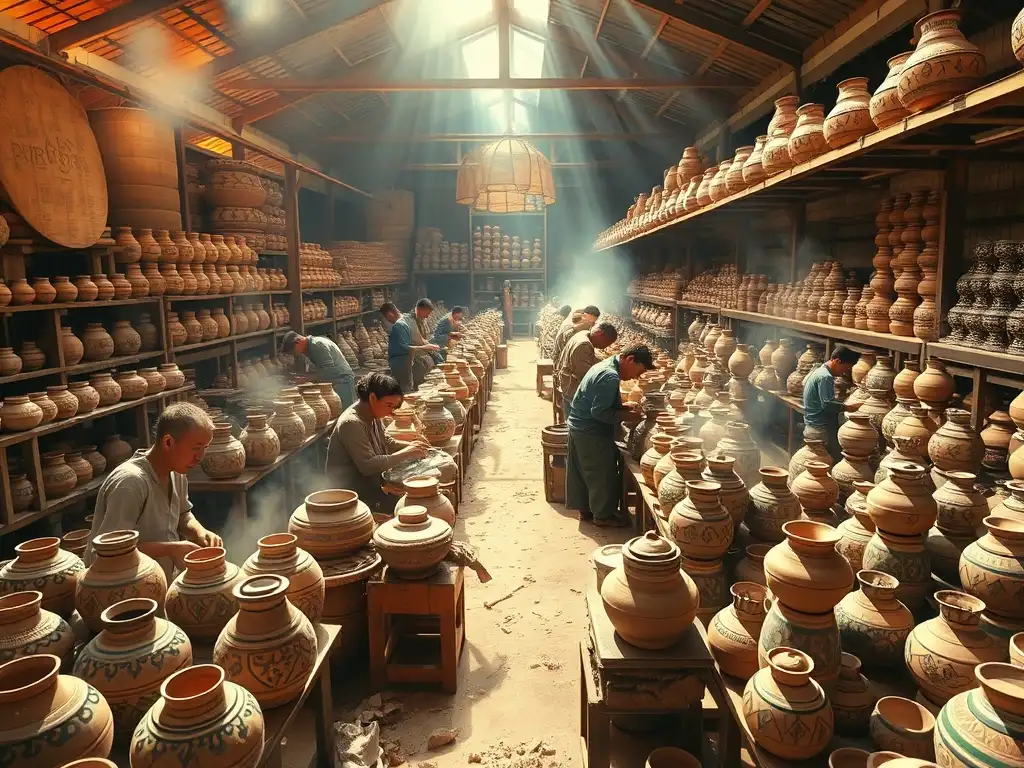
Step into a world lost to time, yet echoing with vibrant artistry and ingenuity. Imagine a civilization capable of mass-producing exquisite pottery on a scale never before seen. Here, within the depths of Andean Civilizations, we unravel the mysteries of the Moche, exploring their remarkable achievements in Moche pottery mass production. Prepare to be amazed by the secrets hidden within their meticulously crafted ceramics—a testament to a culture that continues to captivate and inspire. Discover the story...
- The Impact of the Printing Press on European Society
- The Spread of Information Through Printing
- The Cultural Impact of Printed Materials
- Variations in Early Printed Materials
- The Economic and Social Impact of the Printing Press
- Understanding Early Printing Through Bibliographic Analysis
- Frequently Asked Questions
- Final Reflection: Echoes of the Moche: Legacy of Mass Production and Artistic Genius
- Unveil the Artistry of Moche Ceramics!
The Impact of the Printing Press on European Society
The Moche civilization (circa 100-800 CE), flourishing along the northern coast of Peru, left behind a remarkable legacy of artistic and technological achievement. Nowhere is this more evident than in their mastery of ceramic production. While renowned for their intricate and expressive pottery depicting deities, rituals, and everyday life, the Moche also developed sophisticated techniques for mass production, a feat significantly impacting their social structure, economic prosperity, and cultural dissemination.
This article delves into the innovative methods employed by the Moche in their ceramic workshops, revealing how they achieved large-scale production without compromising the artistic quality and symbolic richness of their creations. We will explore the evidence for mass production techniques, analyze the social implications of this technological advancement, and discuss how it contributed to the widespread dissemination of Moche iconography and beliefs across their territory and beyond.
This exploration will showcase the Moche's ingenuity and their ability to blend artistic expression with efficient manufacturing processes, a hallmark of their advanced civilization. Understanding their Moche pottery mass production strategies offers crucial insights into the complexity and sophistication of this fascinating ancient culture.
The Significance of Mold-Making in Moche Ceramic Production
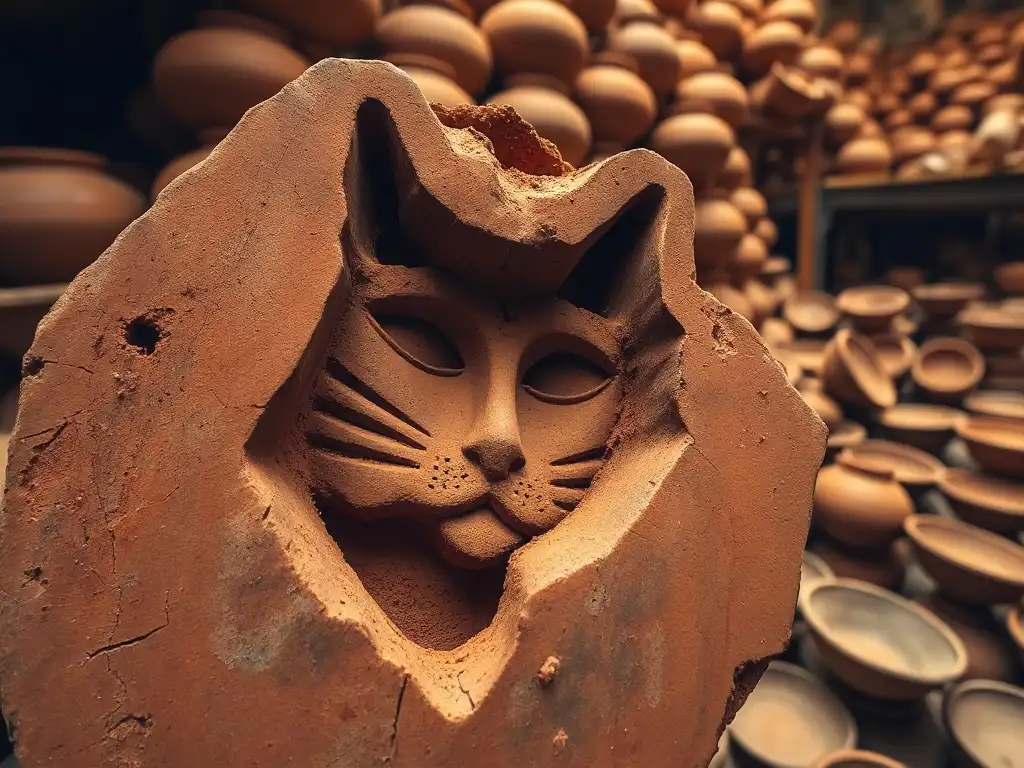
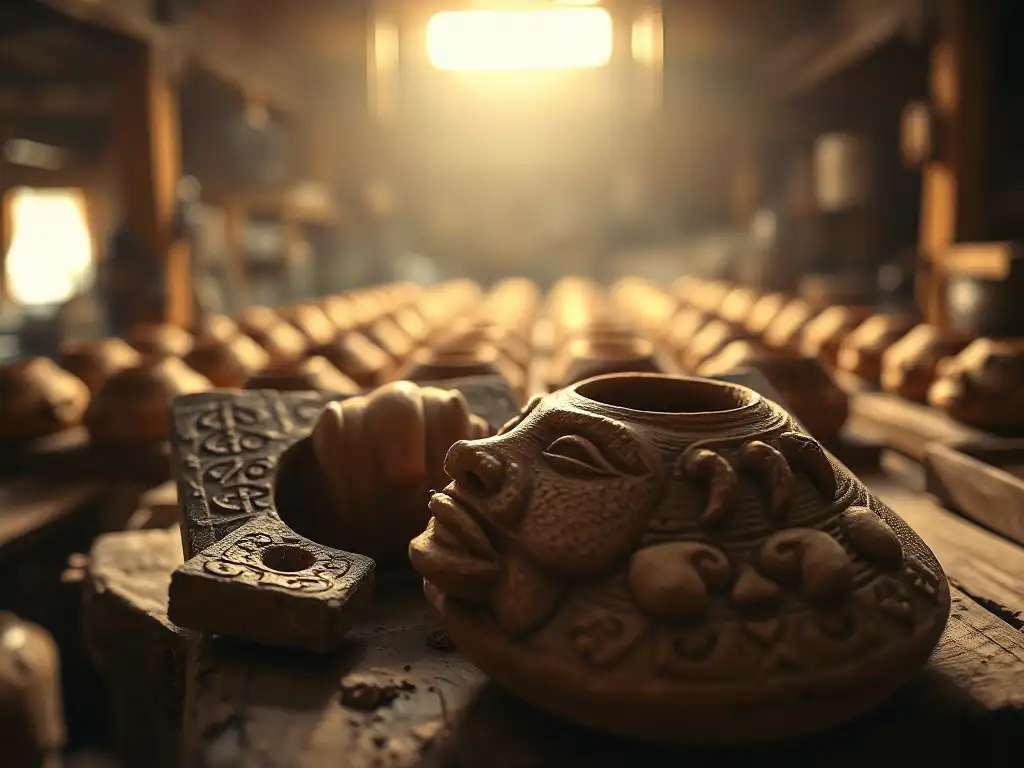
The key to understanding Moche pottery mass production lies in their innovative use of molds. Unlike earlier Andean cultures that relied primarily on hand-building techniques, the Moche perfected a system employing both mold-made and hand-finished elements. Archaeological evidence reveals a variety of molds, ranging from simple, one-piece molds for basic vessel forms to more complex, multipart molds allowing for intricate detailing.
These molds, often made from clay or other readily available materials, enabled artisans to create multiple copies of the same design with remarkable speed and consistency. This standardization, while allowing for mass production, didn't stifle artistic expression. Instead, Moche artisans used the molds as a base, adding individual touches and intricate painted details to each piece, resulting in a unique, albeit standardized, product.
The use of molds facilitated the creation of large quantities of pottery for diverse purposes—from everyday use to elaborate funerary offerings—demonstrating a sophisticated understanding of industrial processes. The sheer volume of Moche ceramics unearthed attests to the efficiency and widespread adoption of this mold-making technology.
Printing Technology: An Overview of Moche Ceramic Decoration Techniques
Beyond the mold-making itself, the Moche employed further techniques to enhance efficiency and artistic consistency in their mass production of pottery. The application of slip and paint, crucial elements in the creation of the vibrant and detailed imagery characteristic of Moche ceramics, appears to have been standardized to a degree. Analysis of the pigments used suggests a degree of pre-mixing and standardization to ensure consistent color and application.
Furthermore, the repetitive nature of many decorative motifs points to a possible system of apprenticeship and specialized labor. Individual artisans likely specialized in specific tasks, such as mold-making, slip application, painting, or firing, leading to a highly efficient division of labor. This division of labor, combined with the use of molds, allowed for a significant increase in the output of Moche pottery, contributing to the cultural dissemination of their artistic styles and iconography throughout their extensive territory.
The level of organization and specialization suggests a complex social structure supporting this advanced production system. The impact of this efficient and organized system on the Moche economy and social structure was profound, enabling the creation of vast quantities of ceramics for trade, ritual, and daily life.
The Spread of Information Through Printing
This section explores how the Moche civilization, despite lacking a writing system comparable to those of other ancient cultures, achieved a remarkable level of standardization and mass production in their pottery, effectively disseminating visual information and artistic styles across their vast territory. While not directly analogous to the printing press, their techniques allowed for the rapid replication of designs and imagery, fostering a shared cultural identity. The Moche's mastery of mold-making facilitated the dissemination of artistic motifs and narratives across vast distances, achieving a form of "visual printing" that impacted their society profoundly.
This wasn't simply about replicating utilitarian objects; it was a powerful tool for reinforcing social structures and beliefs. The widespread distribution of similar ceramic pieces suggests a highly organized system of production and distribution, effectively disseminating cultural messages and artistic conventions throughout the Moche realm.
Understanding this process helps us appreciate the sophistication of their society and the role of mass-produced artifacts in shaping their identity. The effectiveness of this visual communication system is evident in the uniformity of style and iconography found in Moche pottery across different regions, showcasing the power of mass production in shaping a shared cultural narrative.
The Role of the Printing Press in Disseminating Ideas (Analogy to Moche techniques)
While the Moche lacked a printing press in the traditional sense, their mold-making techniques served a comparable function. The creation of reusable molds allowed for the rapid replication of ceramic pieces, analogous to the printing press's ability to reproduce multiple copies of a text. This process significantly increased production efficiency, enabling the dissemination of artistic ideas and cultural symbols across a wide geographical area.
The standardization achieved through mold-making ensured consistency in the production of pottery, much like the printing press ensured consistency in the reproduction of texts. This "visual printing" system facilitated the spread of Moche iconography and artistic styles, ensuring that their cultural narratives reached a broad audience. The impact was far-reaching, contributing significantly to the cohesion and cultural unity of the Moche civilization.
This system was more than just efficient production; it was a powerful tool for cultural propagation and the reinforcement of social hierarchies. Further research into the distribution networks and the variations within standardized pieces could provide deeper insights into the socio-economic dynamics of the Moche society.
Standardization and Efficiency in Book Production (Analogy to Moche Pottery)
The standardization of Moche pottery, achieved through the use of molds, mirrors the standardization achieved in book production through the printing press. Both processes drastically improved efficiency. Just as the printing press allowed for the mass production of books, significantly reducing the time and effort required to create multiple copies, the Moche's mold-making techniques allowed them to produce large quantities of pottery with minimal variation.
This standardization is evident in the uniformity of shape, size, and decorative elements across many Moche ceramic pieces found across their territory. The efficiency of this process allowed for the creation of both utilitarian and ceremonial objects on a scale previously unimaginable, contributing to the flourishing of Moche culture.
This efficiency not only facilitated the spread of artistic styles but also suggests a highly organized and centralized system of production, indicating a complex social structure. The degree of standardization speaks volumes about the Moche's organizational skills and their understanding of efficient production methods.
Early Printing Centers: Venice, Paris, and London (Analogy to Moche Pottery Production Centers)
While we don't have evidence of centralized "printing centers" in the same way as Venice, Paris, and London during the Renaissance, the geographical distribution of Moche pottery suggests the existence of regional centers of production. These centers likely specialized in specific types of pottery or stylistic motifs, mirroring the specialized production of books and other printed materials in early printing centers. The consistency of style within certain geographical areas, coupled with variations between regions, hints at a decentralized yet coordinated system of production.
Archaeological findings could shed more light on the organization of these potential regional production centers. Further investigation into the distribution patterns of different pottery styles could help pinpoint these centers and reveal more about the Moche's economic and social organization.
Analyzing the clay composition and the presence of specific decorative elements in pottery from different regions could provide valuable clues in identifying regional production hubs and understanding the flow of goods and ideas across the Moche territory. The identification of these centers would significantly enhance our understanding of the Moche's sophisticated production and distribution networks, and their successful dissemination of visual information.
The Cultural Impact of Printed Materials
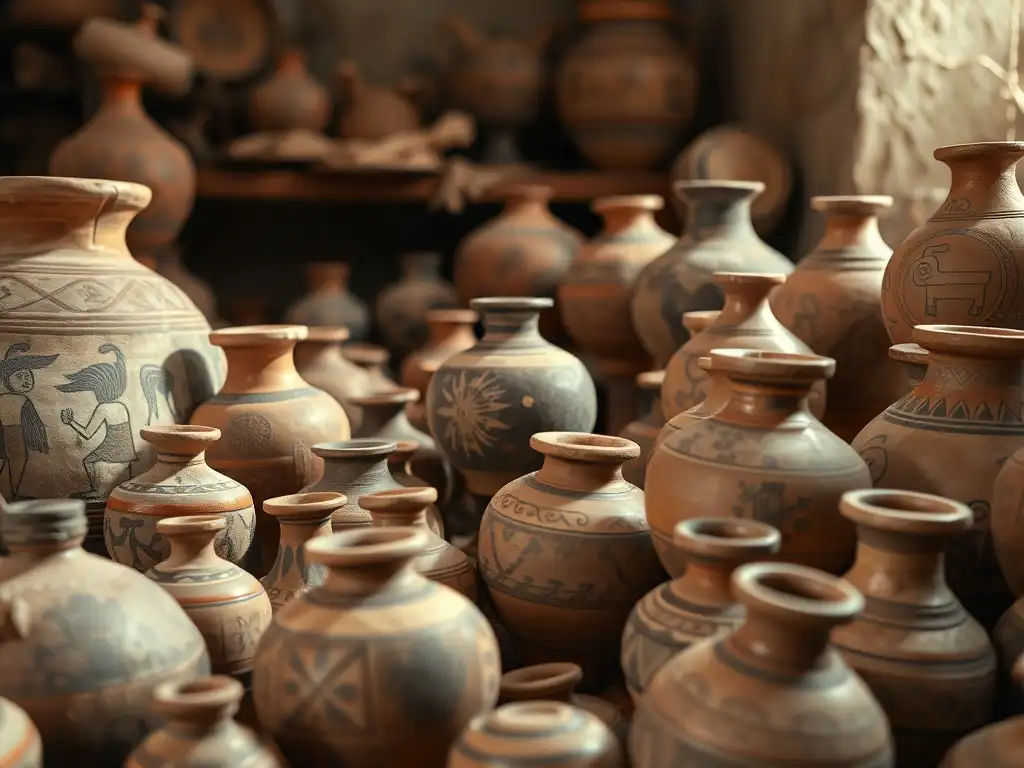
The Moche civilization, renowned for its sophisticated artistry and technological advancements, didn't utilize printed materials in the way we understand them today. However, the concept of mass production, so evident in their mold-made ceramics, can be seen as a parallel to the impact of the printing press on later cultures.
The ability to create multiple, identical copies of a design, whether a ceramic vessel or a printed page, profoundly altered the dissemination of information and cultural values. The Moche's mastery of ceramic mold-making allowed them to efficiently produce large quantities of standardized vessels, facilitating widespread distribution of their artistic motifs and potentially impacting social structures in ways that resonate with the influence of the printing press centuries later.
Analyzing the Moche's production methods offers valuable insights into how societies harness technological innovation to shape cultural landscapes. This is particularly relevant when considering the implications of Moche pottery mass production on their society.
The Rise of Vernacular Literature
While the Moche didn't have a written language in the same sense as later Andean civilizations, their ceramic art served as a visual "language," conveying narratives, beliefs, and social hierarchies. The mass production of these ceramic vessels, adorned with intricate scenes of daily life, rituals, and mythology, effectively disseminated these visual narratives throughout their society. This widespread dissemination of imagery can be compared to the rise of vernacular literature following the invention of the printing press, which made books accessible to a wider audience, not just the elite.
The Moche's mold-made ceramics, therefore, acted as a form of "visual vernacular," accessible to all social strata, thereby shaping collective understanding and cultural identity. The standardization achieved through mass production ensured consistency in the message conveyed, amplifying its impact across the Moche empire.
The Power of Printed Images and Illustrations
The detailed illustrations on Moche pottery, depicting scenes of warfare, religious ceremonies, and daily life, are remarkable for their precision and detail. These meticulously crafted images, reproduced through the efficient process of mold-making, played a crucial role in transmitting cultural knowledge and values. The scale of production, facilitated by Moche pottery mass production, ensured the widespread dissemination of these powerful images, reinforcing social norms and beliefs across their expansive territory.
Consider the impact of similarly detailed illustrations in early printed books; they served to educate, entertain, and shape public opinion. The Moche's commitment to replicating these images across numerous vessels underscores the importance of visual communication in their culture, much like the printed image's impact on later societies. The standardization of these images through mass production ensured a unified cultural narrative.
The printing press not only democratized access to information but also became a powerful tool for social and political change. Similarly, the mass production of Moche pottery, with its depictions of power structures, religious beliefs, and social interactions, could have played a significant role in shaping Moche society. The consistent reproduction of certain motifs and scenes, achieved through mold-making, may have served to reinforce social hierarchies, legitimize authority, or propagate religious doctrines.
The scale of Moche pottery mass production suggests a deliberate effort to disseminate specific messages throughout their empire, thereby influencing social and political dynamics. Further research into the distribution patterns of these ceramic pieces and their iconography could reveal more about their role in shaping Moche social structures and political power. The study of these artifacts, therefore, offers valuable insights into the potential of mass-produced visual media to influence societal change, both in ancient and modern contexts.
Variations in Early Printed Materials
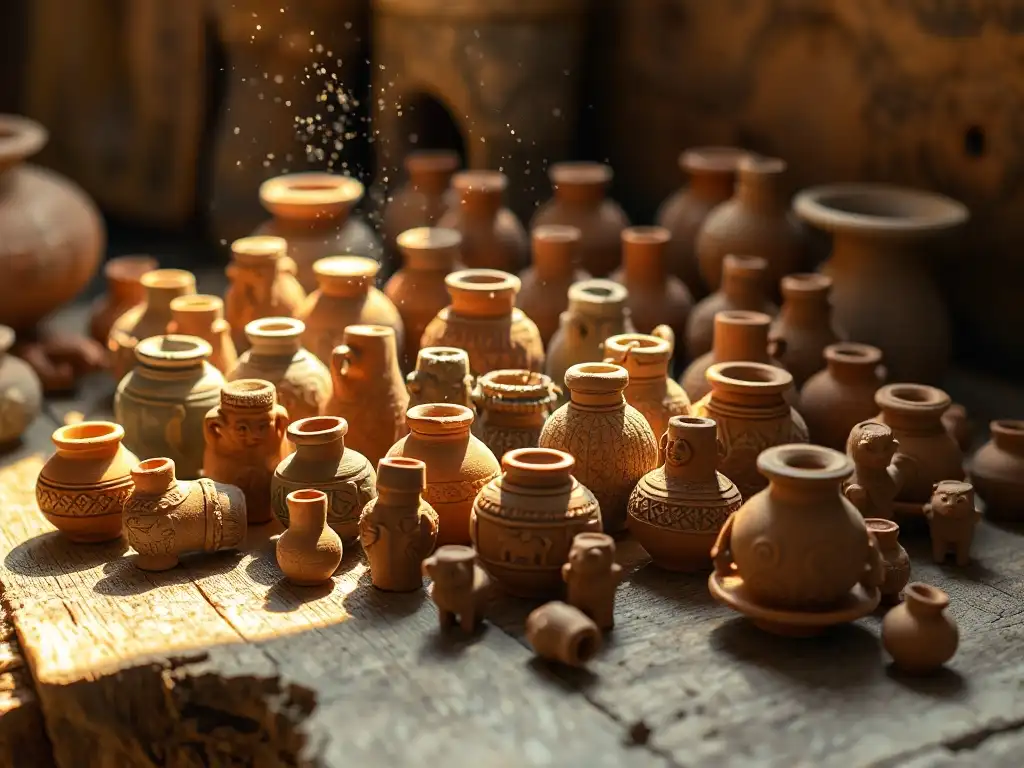
The remarkable success of the Moche in mass-producing pottery wasn't simply a matter of replicating the same designs endlessly. While standardization allowed for efficient production, the Moche artisans also demonstrated a fascinating range of variation within their mold-made ceramics, showcasing both artistic flexibility and a keen understanding of their audience. This section explores the nuances in their production techniques and the resulting diversity of their ceramic output.
Regional Differences in Printing Styles
While the Moche civilization wasn't geographically vast compared to later empires, regional variations in their pottery styles are evident. Analysis of recovered artifacts reveals subtle but significant differences in the molds themselves, leading to distinct characteristics in the final products. For instance, ceramics from the northern coastal regions often exhibit a bolder use of color and more elaborate details in their depictions of deities and mythological scenes, while those from the south tend to feature simpler designs and a more restrained color palette.
This might reflect local preferences, artistic traditions, or even the availability of specific pigments or clays in different areas. Further research is needed to definitively link these stylistic differences to specific geographic locations, as precise provenance data for many Moche artifacts remains incomplete.
[Specific geographic data pending]. However, the existing evidence strongly suggests that the Moche weren't simply operating a monolithic production system but rather a network of workshops, each contributing its own unique stylistic flair to the overall body of Moche pottery.
Changes in Printing Practices Over Time
The Moche civilization's dominance wasn't static; it spanned several centuries, and during this time, their techniques and styles evolved. Early Moche pottery, dating back to the initial stages of mold-making, displays simpler designs and a less refined execution. The molds themselves were often less sophisticated, resulting in less detailed and more roughly finished pieces.
As the civilization matured, however, we see a marked improvement in both mold design and the skill of the artisans. Later Moche pottery demonstrates a greater level of detail, more vibrant colors, and a wider range of stylistic choices. This evolution can be attributed to several factors: improved techniques in clay preparation and mold construction, increased specialization of labor within the workshops, and potentially the influence of artistic innovations or cross-cultural exchange.
[Specific examples of technological improvements in mold-making pending]. Analyzing the evolution of Moche pottery provides valuable insights into the dynamic nature of their society and the continuous refinement of their artistic and technological practices. The changes aren't merely stylistic; they point to an evolving understanding of both the technical aspects of production and the artistic choices that defined their cultural expression.
Types of Printed Materials: Broadsides, Pamphlets, and Books
While the term "printed materials" might seem anachronistic when referring to Moche pottery, the analogy is helpful in understanding the variety of forms and functions that their mass-produced ceramics fulfilled. Instead of broadsides, pamphlets, and books, we find a range of vessel types, each tailored to a specific purpose.
- Large, elaborate vessels: These might be analogous to "books," often depicting complex narrative scenes or elaborate mythological imagery, likely used for ceremonial purposes or to display wealth and status. The level of detail and craftsmanship in these pieces points to significant investment of time and resources.
- Smaller, simpler vessels: These could be compared to "pamphlets," possibly intended for everyday use, such as food storage or serving. While simpler in design, these vessels still demonstrate the characteristic Moche style and artistry.
- Small, standardized vessels: These resemble "broadsides" in their simplicity and mass production. Their uniformity suggests a functional role, perhaps for holding pigments or other small items.
This diversification of ceramic forms underscores the fact that Moche mass production wasn't solely about creating identical copies. The variety of shapes, sizes, and decorative styles reflects the multifaceted needs of Moche society, demonstrating the versatility and adaptability of their production techniques. The ability to produce both highly elaborate and simple vessels efficiently speaks volumes about the sophistication of their ceramic industry and its crucial role in Moche culture and daily life. The sheer volume of these artifacts recovered from archaeological sites further emphasizes the scale of their production and its impact on the societal landscape.
The Moche civilization's mastery of ceramic production, particularly their innovative use of molds for mass production, had a profound impact on their economy and social structure. This technological advancement wasn't merely about creating more pottery; it fundamentally reshaped their society. The efficient production methods allowed for the creation of vast quantities of ceramics, impacting trade, social stratification, and religious practices. Understanding the scale of this production requires examining both the logistical aspects and the social implications.
The Growth of the Moche Pottery Trade
The ability to mass-produce pottery using molds dramatically increased the volume of Moche ceramics available for trade. Evidence suggests a sophisticated network of exchange, extending far beyond the immediate Moche heartland. The standardization achieved through mold-making facilitated large-scale trade, as consistent quality and style made it easier to establish reliable trade routes and partnerships with neighboring cultures.
This trade wasn't limited to utilitarian wares; the highly decorated and intricately designed vessels also played a crucial role in establishing Moche prestige and influence. The sheer quantity of pottery found in archaeological sites across a wide geographical area speaks volumes about the extent of this commercial activity.
While precise figures on trade volume are difficult to obtain due to the nature of archaeological evidence, the widespread distribution of Moche ceramics suggests a flourishing and extensive trade network vital to the Moche economy. The standardization of certain forms further suggests a structured system of distribution, possibly involving specialized merchants or guilds.
The mass production of Moche pottery had a significant impact on social stratification within the society. The specialization of labor required for large-scale production likely led to the development of specialized artisan classes. These skilled potters, mold-makers, and decorators would have occupied a relatively high social standing, contributing to a more complex social hierarchy. The availability of large quantities of ceramics also influenced social rituals and practices.
Elaborate funerary offerings, often including numerous vessels, suggest that access to these goods was a marker of social status. The distribution of different types of pottery—from simple, mass-produced vessels for everyday use to highly decorated pieces reserved for elites—reinforces this connection between pottery and social hierarchy. Furthermore, the control and distribution of resources required for large-scale ceramic production, including clay, pigments, and labor, likely strengthened the power of the ruling elite.
The Enduring Legacy of Moche Ceramic Mass Production
The Moche's innovative approach to ceramic production left a lasting legacy. Their mastery of mold-making techniques, combined with their artistic skill, resulted in a remarkable body of work that continues to fascinate and inspire. The sophisticated organization and planning required for mass production demonstrate the advanced level of social and technological development within the Moche civilization.
This legacy isn't just about the aesthetic appeal of the pottery; it represents a significant technological achievement that demonstrates the Moche’s understanding of industrial processes centuries ahead of similar developments in other parts of the world. The enduring impact of their production methods is evident in the sheer volume of surviving pottery and the influence it has had on subsequent Andean cultures.
The study of Moche pottery mass production offers invaluable insights into their economic organization, social structures, and artistic capabilities, showcasing their remarkable ingenuity and leaving a legacy that continues to be studied and admired today. 🏺
Understanding Early Printing Through Bibliographic Analysis
The Moche civilization (c. 100 – 800 CE) of ancient Peru is renowned for its sophisticated ceramic artistry. While often admired for the intricate detail and vibrant colors of individual pieces, a lesser-known aspect of their pottery production is the remarkable scale of their operations, hinting at a highly organized and efficient system of Moche pottery mass production. This wasn't simply artisans working independently; evidence suggests a level of standardization and specialization that enabled the creation of large quantities of pottery, both utilitarian and ceremonial. This section delves into the techniques and organizational structures that facilitated this impressive feat.
Examining Moche Ceramic Production Centers and Workshops
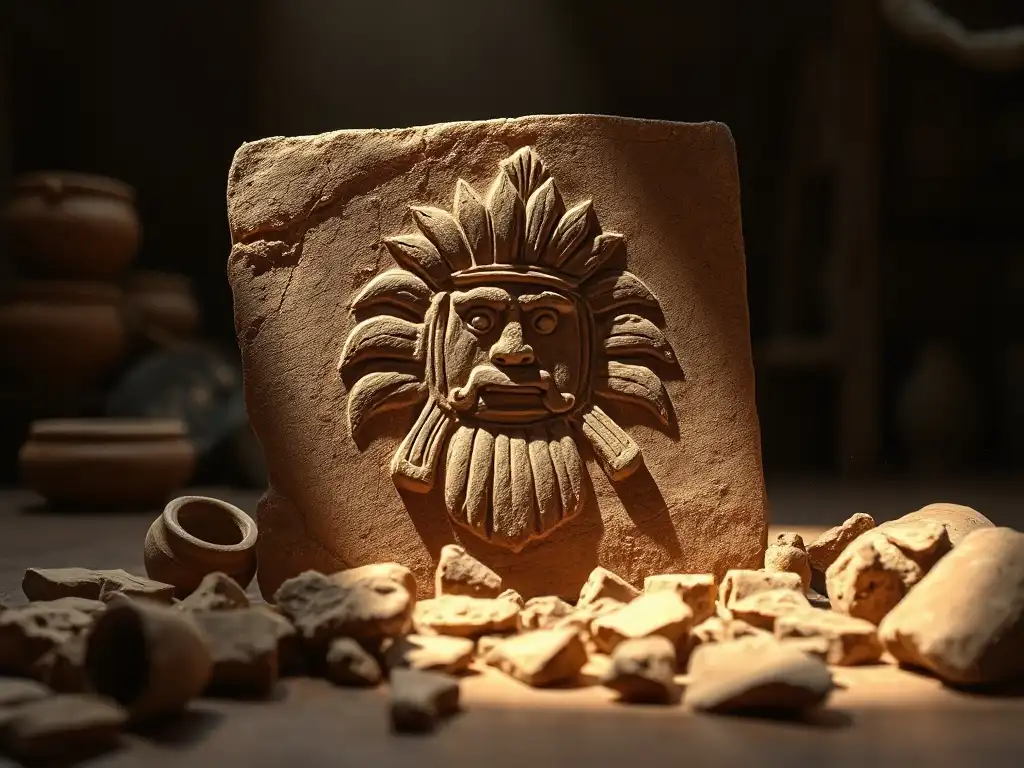
Archaeological excavations have unearthed numerous Moche ceramic production centers, revealing crucial insights into their manufacturing processes. These sites often contain large quantities of discarded pottery shards, broken molds, and raw materials, providing tangible evidence of the scale of production. The presence of multiple workshops within a single site, each specializing in different aspects of pottery creation (e.g., mold-making, painting, firing), points towards a sophisticated division of labor.
This division of labor, in turn, fueled the Moche pottery mass production process, allowing for a higher output compared to individual artisans working alone. Analysis of the clay itself, including its sourcing and preparation, also reveals a level of standardization designed to ensure consistency across large batches of pottery.
For example, the consistent use of specific clay types from particular sources suggests a careful selection process aimed at optimizing the properties of the final product for both functionality and aesthetic appeal. Furthermore, the discovery of large quantities of standardized molds indicates a systematic approach to creating multiple identical pieces.
Deciphering Moche Mold-Making Techniques and Their Impact on Production
The use of molds was a critical element in Moche pottery mass production. Analysis of surviving molds reveals a range of techniques, including the use of both one-piece and multi-piece molds, as well as the application of different materials. Some molds were created from clay, while others were made from other materials [specific materials pending further research].
The sophistication of these molds, with their intricate details and ability to create complex shapes, speaks to the advanced level of Moche craftsmanship. The standardization achieved through mold-making allowed for the efficient replication of specific designs, significantly increasing the volume of pottery produced. The use of molds also facilitated the creation of standardized sizes and shapes, optimizing storage and transport.
This standardization is evident in the large quantities of nearly identical vessels found at various sites, further supporting the hypothesis of widespread Moche pottery mass production. The artisans were not simply copying; they were creating standardized and functional designs with a high level of quality and aesthetic consistency.
Future Research Directions in Understanding Moche Pottery Production
While significant progress has been made in understanding Moche ceramic production, several areas require further investigation. High-resolution imaging techniques could provide more detailed analysis of mold construction and the manufacturing process. Further chemical analysis of the clays and pigments could reveal more about the sourcing of materials and the techniques used in preparing them.
Comparative studies of different Moche production centers could help to identify regional variations in techniques and organization. Finally, a more comprehensive understanding of the social and economic organization of Moche society is crucial to fully appreciate the context of their impressive ceramic production capabilities and the societal implications of Moche pottery mass production.
This would involve the integration of archaeological data with ethno-historical studies to paint a more complete picture of the Moche's advanced production techniques and their influence on the broader cultural landscape. This interdisciplinary approach is essential for a more robust understanding of this fascinating aspect of Moche civilization.
Frequently Asked Questions
How did the Moche achieve mass production of their pottery?
The Moche utilized mold-made techniques for mass production. They created reusable molds from clay, allowing for the efficient replication of designs and forms. This significantly increased their output.
What role did molds play in Moche artistic expression?
While molds allowed for mass production, they didn't stifle artistic expression. The Moche still painted and decorated the pre-formed pieces, adding individual details and variation. This ensured unique characteristics in each item.
Were all Moche pottery pieces mold-made?
No, while mold-making was prevalent, especially for common wares, the Moche also created many hand-built pieces, particularly for elite or ceremonial purposes. These often featured more intricate details and were less standardized.
What kind of materials did the Moche use in their mold-made pottery?
Moche pottery primarily used clay, often sourced locally. They also used various pigments for decoration, derived from minerals and plants, creating a wide array of vibrant colors. The firing process was crucial to achieving the desired durability and color.
How did mass production impact Moche society?
Mass production of pottery contributed to the Moche's economic and social structures. It allowed for wide distribution of goods, potentially signifying power and status through the control and dissemination of these manufactured items.
Final Reflection: Echoes of the Moche: Legacy of Mass Production and Artistic Genius
The sophisticated mass production techniques employed by the Moche artisans remain a testament to their ingenuity and continue to inspire contemporary manufacturing processes. Their ability to create such intricate and aesthetically pleasing ceramics on a large scale challenges our modern assumptions about the relationship between artistry and industrial production. This legacy is not merely historical; it's a vibrant thread woven into the fabric of our understanding of ancient civilizations and their technological advancements.
The enduring power of Moche pottery lies not only in its technical brilliance but also in its profound emotional resonance. These pieces, imbued with vibrant colors and evocative imagery, speak across millennia, offering a glimpse into the beliefs, rituals, and daily lives of a vanished culture. Their mass production, far from diminishing their artistic value, amplified their impact, ensuring that the Moche worldview was widely disseminated and preserved. Art washes away from the soul the dust of everyday life.
– Pablo Picasso. This quote, while not directly about Moche pottery, beautifully captures the enduring power of art to transcend time and connect us to something larger than ourselves.
Consider the implications of the Moche's achievements. How can we, in our own time, strive to balance mass production with artistic integrity? How can we ensure that the drive for efficiency doesn't overshadow the importance of creativity and cultural expression? I urge you to reflect on this legacy, to appreciate the intricate beauty of Moche pottery, and to consider how its story might inform your own creative endeavors and your understanding of the intersection between technology and art. Let the echoes of the Moche inspire you to create, innovate, and preserve beauty in your own world.
Unveil the Artistry of Moche Ceramics!
Thank you for exploring the fascinating world of Moche ceramics with us! Your interest in these unique artifacts enriches your understanding and helps preserve the vibrant legacy of Andean cultures. Now, let's take your journey of discovery further!
Here are a few ways to delve deeper:
- Explore our curated collection: Browse our gallery of Moche artifacts to appreciate their artistry and significance.
- Share your insights: Discuss the impact of Moche ceramics on social media or in our comments section—let's celebrate this remarkable heritage together!
- Join our community: Subscribe to our newsletter for exclusive content, expert interviews, and the latest updates on Andean civilizations.
How do you think the artistic expressions in Moche ceramics reflect the values and daily lives of their creators?