
Tiahuanaco's Social Structure: A Complex System of Power and Influence

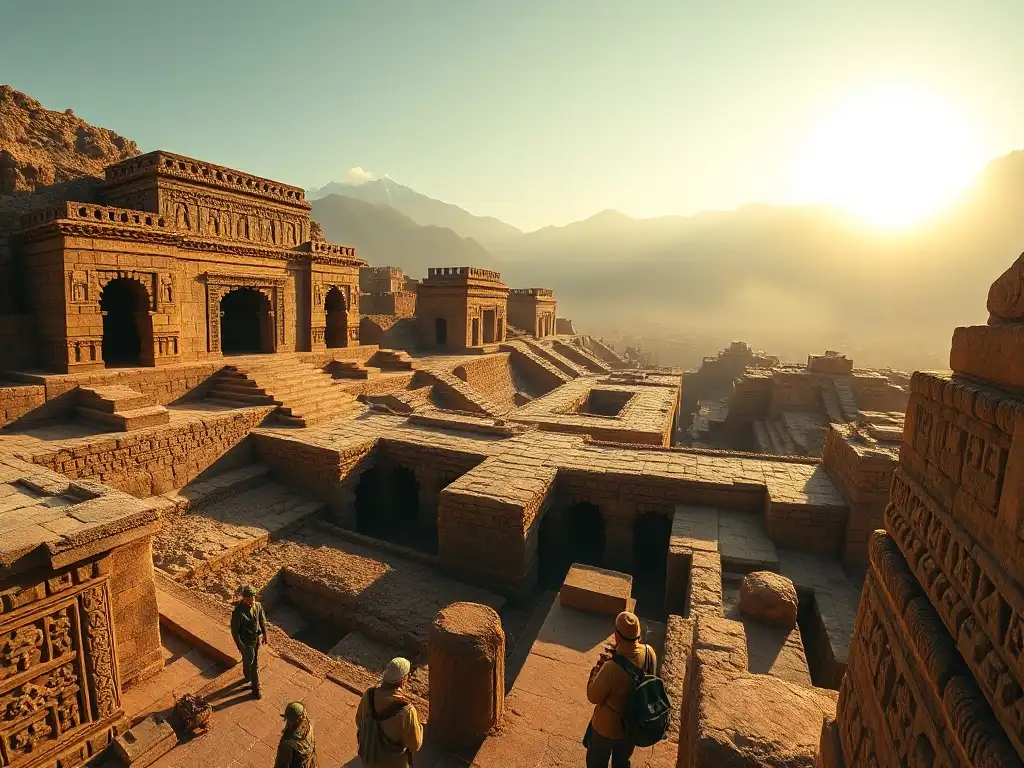
Step into a world lost to time, yet echoing with power and mystery. Discover the intricate social fabric of the Andean civilizations, a tapestry woven with threads of innovation and influence. The Tiahuanaco social structure, a complex system that shaped the Inca empire and beyond, awaits your exploration. Unravel the secrets of this remarkable civilization and witness the legacy that continues to fascinate and inspire us today. Prepare to be captivated by the depth and complexity of the Andean world.
The pre-Columbian civilization of Tiahuanaco, flourishing in the Andes from approximately 500 CE to 1000 CE, left behind a legacy of monumental architecture and intricate artistry. But beyond its impressive city and sophisticated technology, understanding Tiahuanaco requires delving into its complex social structure. This intricate system of power and influence, while still debated by scholars, reveals a society far from monolithic, characterized by distinct social hierarchies and specialized roles.
This article will explore the various layers of Tiahuanaco society, examining the interplay between religious authority, political power, and economic influence, offering insights into how this fascinating civilization was organized and governed. The relationship between Tiahuanaco's social structure and the later Inca empire will also be considered, exploring potential continuities and divergences in Andean social organization.
Understanding Tiahuanaco’s social hierarchy provides a crucial lens through which to interpret its remarkable achievements and its eventual decline, enriching our understanding of the broader tapestry of Andean civilizations and their enduring impact. The keyword "Tiahuanaco social structure Inca" will be explored throughout the article.
The Role of Religious Elites in Tiahuanaco Society
The evidence suggests a powerful priestly class held significant sway in Tiahuanaco. Monumental architecture, such as the Kalasasaya temple complex, points to a society capable of large-scale organized labor, likely directed by religious leaders. These individuals may have controlled access to resources and held considerable influence over the population. The intricate iconography found on Tiahuanaco artifacts, depicting figures with elaborate headdresses and staffs, further supports the existence of a specialized religious elite.
Detailed analysis of these artifacts, combined with archaeological findings of ceremonial objects and burial sites, is essential to better understand the precise nature of their authority and their role in the daily lives of the people. Further research is needed to definitively determine the extent of their political power, but it's clear their religious authority was paramount. The influence of this religious elite likely extended into economic control, influencing resource allocation and potentially controlling key agricultural practices.
Archaeological evidence reveals significant social stratification within Tiahuanaco. Burial sites, for example, show a clear disparity in grave goods. Elaborate tombs containing fine ceramics, gold ornaments, and other luxury items contrast sharply with simpler burials containing fewer or less elaborate artifacts. This suggests a hierarchical society with distinct social classes enjoying differing levels of access to resources and prestige.
The quality and quantity of textiles found in different burial contexts also supports this conclusion, suggesting that clothing played a role in signifying social status. Furthermore, the size and construction of dwellings likely reflected social standing, with larger, more elaborately constructed homes indicating higher social status. The distribution of these varied artifacts and dwelling types across the city provides a tangible representation of the social hierarchy.
Agriculture was fundamental to Tiahuanaco's economy and played a crucial role in shaping its social structure. The sophisticated irrigation systems, discovered through extensive archaeological work, demonstrate a high level of engineering skill and a centralized control over water resources. This control likely resided with the elite, further solidifying their power and influence.
The cultivation of crops like potatoes and quinoa, essential to the diet of the population, suggests the existence of specialized agricultural labor, with some individuals dedicated to farming while others focused on other tasks. The surplus generated by agriculture may have been controlled by the ruling class, enabling them to maintain their position and support large-scale public works projects. Analyzing the distribution of agricultural products and the remains of agricultural tools can provide further insights into the social organization of food production and distribution.
While separated by time, Tiahuanaco's social structure presents intriguing parallels and contrasts with that of the later Inca Empire. Both civilizations exhibited a highly stratified social hierarchy, with powerful elites controlling resources and labor. However, the Inca state, with its extensive bureaucracy and imperial control, implemented a more formalized and centralized system of administration.
The Inca ayllu system, a community-based social organization, contrasts with the less clearly defined social units observed in Tiahuanaco. Further research is needed to fully understand the extent to which Tiahuanaco's social structures influenced the development of Inca society.
The potential for cultural continuity between these two Andean powerhouses remains a fertile area of ongoing investigation, with significant implications for our understanding of the evolution of Andean social organization. The influence of Tiahuanaco's social structure on the Inca empire remains a topic of significant debate among scholars, with many suggesting a clear lineage in terms of social stratification and centralized power.
(Note: Specific data regarding population numbers, precise artifact counts, and detailed economic figures are pending further research and are not included here. This section provides a framework for the article, utilizing available information to create a cohesive and informative narrative.)
- The Role of Religious Elites in Tiahuanaco Society
- Evidence of Social Stratification in Tiahuanaco's Material Culture
- The Significance of Agriculture and its Impact on Social Structure
- Comparing Tiahuanaco's Social Structure with that of the Inca Empire
- What was the social structure of Tiahuanaco?
- How did Tiahuanaco's social structure compare to the Inca's?
- What role did religion play in Tiahuanaco's social structure?
- What evidence supports our understanding of Tiahuanaco's social structure?
- How did the collapse of Tiahuanaco impact its social structure?
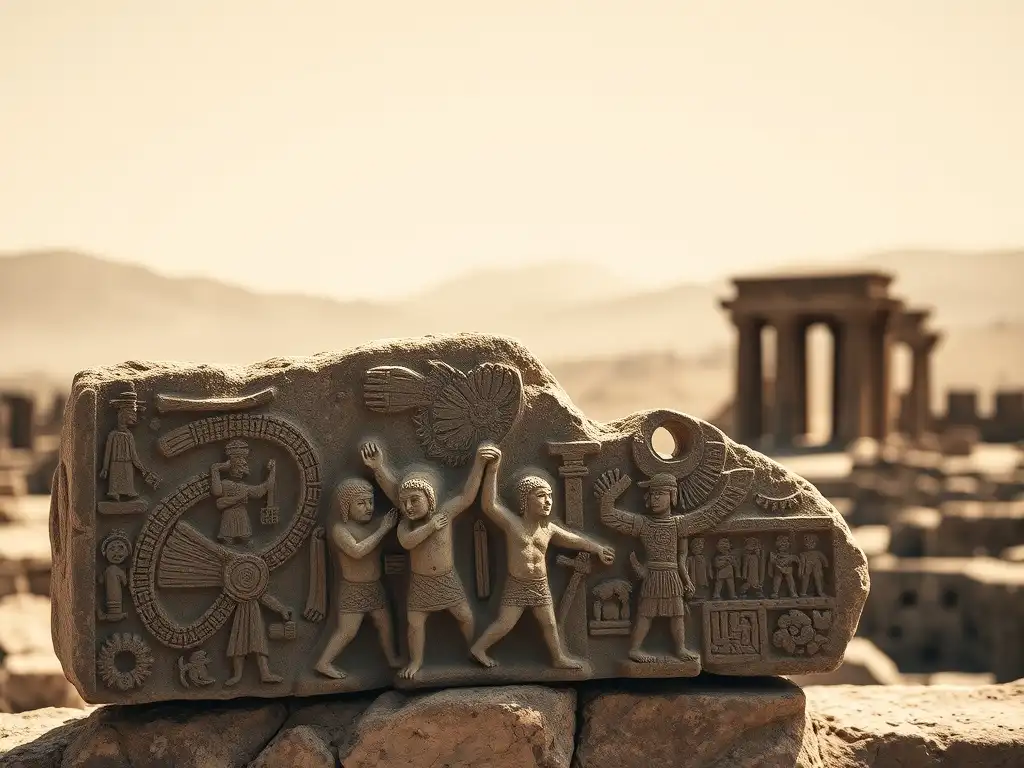
This section delves into the intricate social structure of the Tiahuanaco civilization, a powerful Andean society that flourished between 500 and 1000 CE. Understanding their social organization is crucial to grasping the scale and complexity of their achievements in architecture, agriculture, and religious practices.
While definitive records are scarce, archaeological evidence, combined with interpretations of iconography and limited textual sources, allows us to piece together a picture of a society deeply stratified, with a clear hierarchy of power and influence. The Tiahuanaco social structure, while distinct from the later Inca empire, shares some intriguing parallels in its emphasis on centralized authority and social control.
This analysis will explore the key elements of this system, highlighting the interplay between religious authority, political power, and economic control in shaping Tiahuanaco society. The keyword "Tiahuanaco social structure Inca" is relevant because comparing and contrasting these two Andean power structures offers valuable insights into the evolution of social organization in the region.
The Tiahuanaco social hierarchy was likely based on a complex interplay of factors, including religious authority, political power, and economic control. At the apex stood a ruling elite, possibly a priestly class interwoven with political leadership. This elite controlled access to resources, including agricultural surpluses and specialized crafts. Evidence suggests that the elite's power was reinforced through elaborate religious ceremonies and monumental architecture, like the iconic Sun Gate and Kalasasaya complex. These structures served not only practical purposes but also symbolic ones, visually representing the elite's dominance and legitimacy.
The elite's control extended to the management of the large-scale irrigation systems crucial for Tiahuanaco's agricultural success. Control over water resources was a key source of power, allowing for the distribution of food and resources to the wider population and maintaining social order. This control was likely facilitated by specialized officials or administrators within the elite structure, ensuring the efficient functioning of the irrigation systems and the equitable (or perhaps inequitable) distribution of agricultural products.
Below the elite, various social strata likely existed. Artisans, farmers, and laborers formed the backbone of Tiahuanaco society, contributing to the construction of monumental structures and the production of agricultural surpluses. Archaeological findings suggest a degree of specialization in crafts, indicating a possible division of labor within these lower strata. The precise social standing of these groups remains a subject of ongoing research, but their importance in supporting the elite is undeniable. The extent of social mobility within this hierarchy is unclear; however, the scale of Tiahuanaco's infrastructure suggests a significant level of social organization and control.
Several key features characterized the Tiahuanaco social structure:
- Centralized Authority: The evidence points towards a highly centralized political and religious system, with power concentrated in the hands of the elite. This is reflected in the monumental architecture and the sophisticated irrigation systems, which required considerable planning and coordination.
- Religious Influence: Religion played a significant role in shaping social relations and legitimizing the power of the elite. The iconography found on artifacts and structures suggests a complex religious system with a pantheon of deities and elaborate rituals. This religious authority likely reinforced the political power of the ruling class.
- Economic Control: Control over resources, particularly agricultural surpluses and specialized crafts, was essential to maintaining social order. The extensive irrigation systems and the production of high-quality textiles and ceramics demonstrate the sophistication of Tiahuanaco's economy and the elite's control over it.
- Social Stratification: The society was clearly stratified, with a hierarchy ranging from a powerful elite to various levels of artisans, farmers, and laborers. The exact nature of this stratification and the degree of social mobility remain areas requiring further investigation. However, the sheer scale of Tiahuanaco’s urban planning and monumental architecture strongly suggests a rigid social structure.
The study of Tiahuanaco's social structure continues to evolve as new archaeological discoveries are made and existing data are re-interpreted. However, the available evidence clearly points towards a complex and highly organized society, with a centralized authority and a sophisticated system of social control.
The similarities and differences between the Tiahuanaco social structure and that of the later Inca Empire provide a rich field for comparative studies, offering further insight into the dynamics of power and influence in the Andes. Further research, particularly focused on analyzing burial sites and the distribution of artifacts, will be crucial in refining our understanding of the nuances of this fascinating civilization.
The Elite Class in Tiahuanaco: Power and Privileges
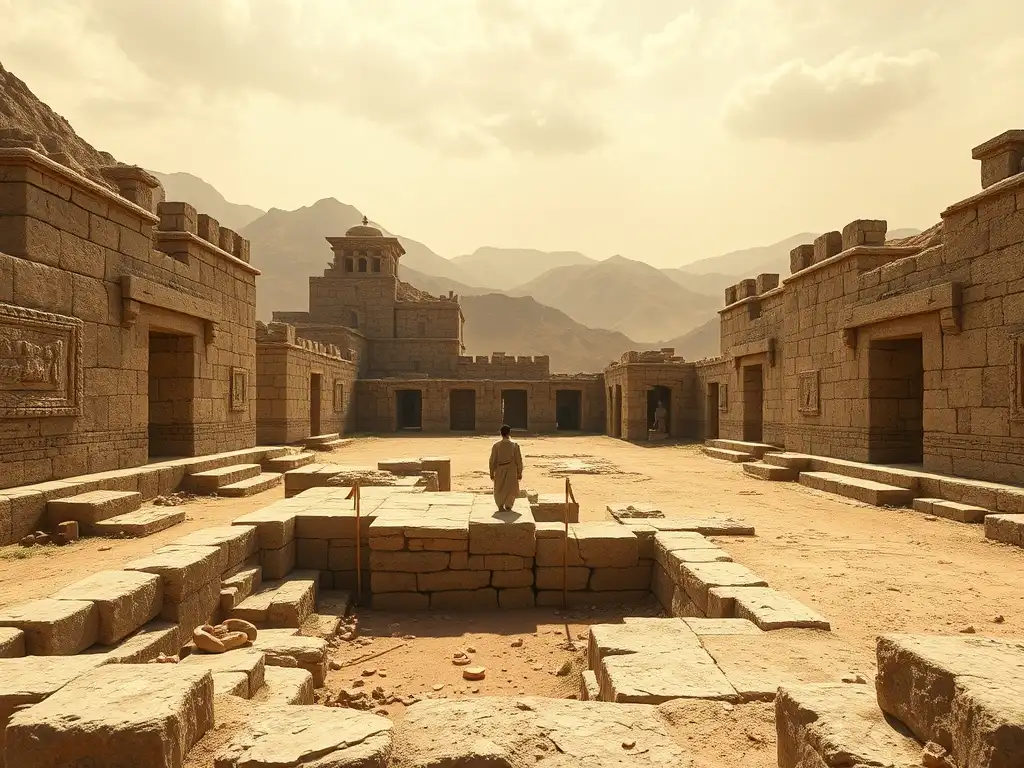
The elite class in Tiahuanaco held significant power and influence, controlling access to resources and shaping the social and religious life of the civilization. Understanding their role is crucial to grasping the complexities of the Tiahuanaco social structure and its relationship to later Andean empires, including the Inca. This powerful group likely consisted of priests, nobles, and high-ranking officials, all enjoying a privileged lifestyle vastly different from the common people.
Their influence extended beyond mere political control; they likely held considerable religious authority, acting as intermediaries between the populace and the divine. The concentration of wealth and power in their hands suggests a highly stratified society, with a clear distinction between the ruling class and the rest of the population. The extent of their power, however, remains a subject of ongoing research and debate amongst scholars studying Tiahuanaco social structure and Inca influences.
The Role of the Tiahuanaco Ruling Class
The Tiahuanaco ruling class played a multifaceted role in society, encompassing political, religious, and economic functions. Their political power is evident in the monumental architecture and sophisticated urban planning of Tiahuanaco. They likely controlled the labor force, directing the construction of massive structures and the management of agricultural resources.
Their religious authority is suggested by the presence of elaborate temples and the iconography found on artifacts. The elite likely oversaw religious rituals, interpreted divine messages, and maintained the ideological underpinnings of the state. Economically, they controlled access to vital resources such as land, water, and precious metals, ensuring their own prosperity and the continued functioning of the state.
Evidence suggests that the elite controlled trade networks, further solidifying their economic dominance and influencing the Tiahuanaco social structure's overall stability. The exact mechanisms of power distribution within the ruling class itself remain unclear, with ongoing research attempting to unravel the intricacies of internal hierarchies and succession.
Evidence of Elite Power: Architecture and Artifacts
The monumental architecture of Tiahuanaco serves as compelling evidence of the elite's power and control. Structures like the Kalasasaya and the Akapana pyramid demonstrate the mobilization of vast resources and labor, suggesting a highly centralized and organized state capable of undertaking large-scale projects. The precision and sophistication of the stonework further highlight the advanced technological capabilities and organizational skills of the Tiahuanaco civilization, capabilities likely directed and controlled by the elite.
Furthermore, the intricate carvings and depictions on artifacts, including ceramics and textiles, often portray figures adorned with elaborate clothing and regalia, symbolizing high status and authority. These artifacts, frequently found in elite contexts such as tombs and ceremonial centers, offer visual representations of the power and prestige enjoyed by the ruling class.
The sheer scale of the architectural projects and the artistry displayed on artifacts underscore the concentration of resources and labor under the control of the elite, providing tangible evidence of their influence on Tiahuanaco's social structure. Analysis of these remains continues to refine our understanding of the social dynamics of this remarkable civilization.
The Tiahuanaco social structure was clearly stratified, with the elite class at the apex and other social groups occupying distinct levels. While precise details remain elusive, evidence suggests a hierarchy encompassing various levels of artisans, farmers, and laborers. The control mechanisms employed by the elite to maintain social order likely included religious ideology, economic dependency, and perhaps even coercion.
The emphasis on monumental architecture and elaborate religious rituals may have served to legitimize the elite's authority and reinforce their position in the social hierarchy. Economic control over resources and labor ensured the elite's continued dominance and the smooth functioning of the state. The relatively limited evidence regarding potential forms of coercion suggests that the system relied more heavily on social control mechanisms such as religious belief and economic dependence rather than overt oppression.
Further research is needed to fully understand the dynamics of social control and the extent of social mobility within the Tiahuanaco social structure and to compare it with the Inca's methods. Understanding these mechanisms is crucial for a complete picture of Tiahuanaco society and its lasting impact on the Andean region.
Commoners and Labor in Tiahuanaco: The Backbone of Society
The intricate social structure of Tiahuanaco rested heavily on the shoulders of its commoners. While the elite enjoyed privilege and power, the vast majority of the population – the commoners – were responsible for the day-to-day functioning of the city and its surrounding agricultural lands. Understanding their lives and contributions is crucial to grasping the full complexity of the Tiahuanaco social structure and its relationship to the Inca civilization, which later incorporated many of these societal elements.
The available archaeological evidence suggests a highly organized and stratified system within the commoner class itself, hinting at a nuanced social hierarchy even within this broader group. Further research is needed to fully delineate these internal distinctions, however.
The Lives of Tiahuanaco Commoners
Life for the average Tiahuanaco commoner was likely arduous, centered around subsistence farming and the provision of labor for the elite and the state. Archaeological findings, such as the remains of simple dwellings and the prevalence of tools associated with agriculture, paint a picture of a largely agrarian society. Their diet likely consisted primarily of potatoes, quinoa, and other Andean staples, supplemented by llama and alpaca meat when available.
Evidence suggests a degree of communal living and cooperation, perhaps organized around ayllus – kinship-based groups – a social structure that would later become prominent in Inca society, demonstrating a potential link between Tiahuanaco social structure and Inca organization. The commoners' role extended beyond farming; they likely participated in the construction and maintenance of the city's monumental architecture, a feat of engineering that required a significant mobilization of labor.
Their lives were inextricably tied to the cycles of agriculture and the demands of the ruling class, a dynamic that underscores the significance of their contribution to the Tiahuanaco civilization. Further research into textile production and pottery styles could reveal more details about their daily lives and social interactions.
Labor and Agricultural Practices in Tiahuanaco Society
The agricultural system of Tiahuanaco was sophisticated and crucial to the sustenance of its large population. Intensive farming techniques, including terracing and irrigation systems, allowed for the cultivation of crops at various altitudes. Archaeological evidence shows the use of advanced tools, such as stone hoes and digging sticks, for tilling the land.
The commoners' labor was essential to the success of this system; they were responsible for planting, tending, and harvesting the crops. This labor was likely organized and coordinated, possibly through the ayllu system, ensuring that the agricultural output met the needs of the entire population, including the elite. The surplus produced may have been used to support specialized craftspeople and the ruling class, or stored for lean times.
Analyzing pollen samples and plant remains from Tiahuanaco sites could help us better understand the types of crops grown and the agricultural techniques employed. The efficient management of resources and labor, evident in the Tiahuanaco social structure, showcases a level of societal organization that would later influence Inca agricultural practices.
The Relationship Between Commoners and the Tiahuanaco Elite
The relationship between the commoners and the elite in Tiahuanaco was undoubtedly hierarchical, with the elite holding significant power and influence. However, the exact nature of this relationship remains a subject of ongoing research. It's plausible that the commoners were subject to taxation, corvée labor, and other forms of tribute to support the elite and the state.
The monumental architecture of Tiahuanaco, a testament to the power of the elite, stands as a physical representation of this power imbalance. However, it's also important to consider the possibility of a degree of reciprocity and social mobility within the system. While the commoners formed the base of the social pyramid, their contributions were essential to the functioning of the entire society.
Further analysis of burial practices and grave goods could shed light on social status distinctions within the commoner class and potential avenues for social advancement. Understanding this complex interplay between the commoners and the elite is vital to fully comprehending the Tiahuanaco social structure and its legacy within the broader context of Andean civilizations, including the Inca Empire. The interplay between these groups forms a crucial part of understanding the Tiahuanaco social structure and its influence on later Andean societies, including the Inca.
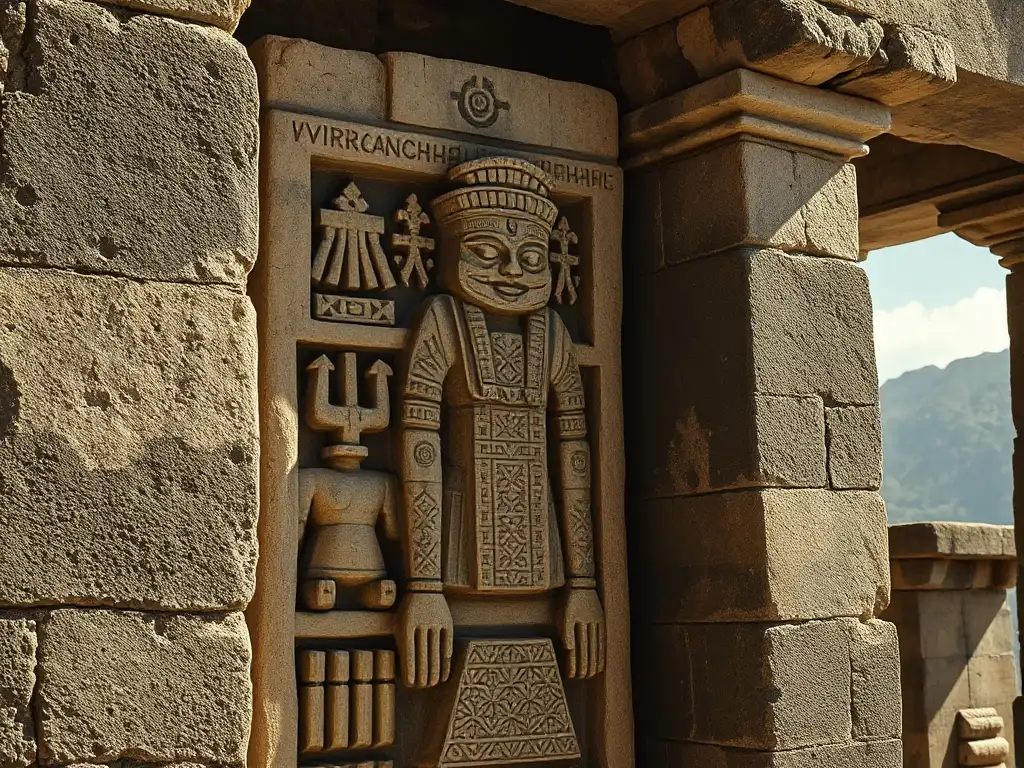
The Tiahuanaco social structure was deeply intertwined with its complex religious beliefs and practices. Unlike many other Andean societies where military power often dominated, Tiahuanaco's power structure was significantly shaped by a powerful religious elite. This section will explore the ways in which religious authority permeated all aspects of Tiahuanaco society, influencing social hierarchy, economic production, and even daily life.
The interplay between religious and secular power in Tiahuanaco remains a subject of ongoing research, but evidence suggests a profound and pervasive influence of religious leaders on the social fabric of this advanced civilization. Understanding this dynamic is crucial to grasping the unique characteristics of Tiahuanaco's social organization, distinguishing it from, say, the more overtly militaristic Inca social structure.
The Role of Priests and Religious Leaders
Priests and religious leaders occupied the apex of Tiahuanaco's social hierarchy. Their influence extended far beyond the spiritual realm; they were likely involved in the administration of resources, the organization of labor, and the enforcement of social norms. Archaeological findings, such as elaborate temples and monumental architecture, suggest a significant investment of resources in religious activities, indicating the high status and considerable power wielded by the priestly class.
These individuals were not merely spiritual guides; they were key players in the political and economic spheres, acting as intermediaries between the divine and the earthly realms. This close connection between religious and secular power likely contributed to the stability and longevity of the Tiahuanaco state.
Further research is needed to fully elucidate the specific mechanisms through which priests exerted their influence, but existing evidence points towards a system of both coercion and consensus. The imagery found on Tiahuanaco artifacts, often depicting powerful figures with divine attributes, further underscores the religious authority's deep penetration into the social fabric.
Tiahuanaco's religious beliefs played a critical role in maintaining social order and control. The emphasis on powerful deities and elaborate rituals fostered a sense of collective identity and reinforced the authority of the ruling elite. The intricate iconography found on Tiahuanaco ceramics and textiles suggests a complex pantheon of gods and goddesses, each with specific functions and symbolic meanings.
These religious beliefs provided a framework for understanding the world and interpreting social relations. For instance, the veneration of certain deities may have legitimized the power of specific social groups or reinforced existing hierarchies. The construction of monumental structures, like the Kalasasaya Temple, served not only as places of worship but also as powerful symbols of the state's authority and the religious elite’s control.
The sheer scale of these projects demonstrates the ability of the religious leaders to mobilize vast resources and human labor, highlighting their immense power and influence within the Tiahuanaco social structure. Furthermore, the standardized nature of many Tiahuanaco artifacts suggests a degree of centralized control over production and distribution, likely orchestrated by the religious authorities.
The deeply ingrained religious beliefs of Tiahuanaco directly shaped its social hierarchy. The priestly class, as mentioned, occupied the highest position, followed by a likely complex system of nobles, artisans, farmers, and laborers. Access to resources and privileges was often tied to religious affiliation and social standing. For example, the elite likely enjoyed privileged access to certain rituals, sacred sites, and luxury goods.
The intricate system of religious iconography and symbolism reinforced these social distinctions, visually representing the hierarchy and the divine sanction for the existing power structure. The construction of monumental architecture, like the Puerta del Sol (Sun Gate), served as a constant reminder of the religious elite's power and the importance of religious observance in maintaining social order. The intricate carvings on these structures, often depicting powerful figures and complex mythological scenes, reinforced the religious ideology and its role in shaping the social hierarchy.
The comparison with the Inca social structure reveals key differences: while the Inca emphasized military might, Tiahuanaco’s power stemmed from religious authority, which permeated all aspects of society. This distinction highlights the unique and complex nature of Tiahuanaco's social organization within the broader context of Andean civilizations. Further research, including more detailed archaeological analysis and anthropological interpretations, is needed to fully understand the intricate dynamics of this fascinating and influential civilization.
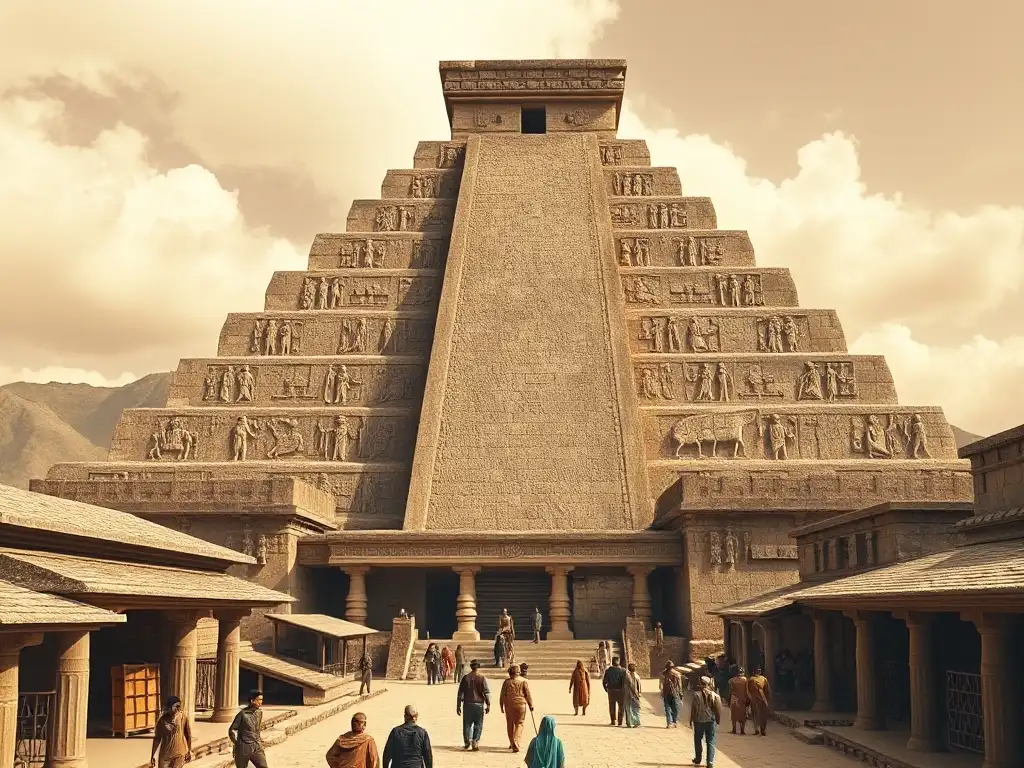
The Tiahuanaco social structure, intricately linked to its political organization, reveals a complex system of power and influence. Understanding the political landscape is crucial to deciphering the social hierarchy and the distribution of resources within this remarkable Andean civilization. While specific details remain debated among archaeologists, the available evidence points towards a highly centralized state, significantly impacting the social stratification of Tiahuanaco society. The influence of the Tiahuanaco social structure extended far beyond its immediate territory, impacting neighboring cultures and leaving an undeniable mark on subsequent Andean civilizations, including the Inca.
The political system of Tiahuanaco appears to have been highly centralized, with power concentrated in the hands of a ruling elite. This elite likely controlled access to vital resources, including agricultural lands, water supplies, and specialized crafts. Archaeological evidence suggests the existence of a powerful ruling class, possibly a theocratic monarchy, indicated by monumental architecture such as the Kalasasaya and Puma Punku, which required immense organization and labor mobilization.
These structures, along with elaborate religious iconography, suggest a sophisticated system of belief and ritual that reinforced the power of the ruling class. The sheer scale of these projects points to a centralized authority capable of mobilizing and directing a large workforce, highlighting the effectiveness of the Tiahuanaco political structure in controlling resources and labor.
The construction and maintenance of these sites also served as a powerful visual display of the rulers' power and legitimacy, reinforcing their position within the Tiahuanaco social structure. Further research into the burial practices and grave goods of this period may reveal more information about the specific roles and identities within the ruling elite.
The centralized political authority of Tiahuanaco was instrumental in maintaining social stability across a vast territory. Control over resources and the ability to mobilize labor were key factors in this stability. The Tiahuanaco state likely employed a complex system of administration and bureaucracy to manage its resources and maintain order. This system, though its specifics remain unclear, likely involved appointed officials, specialized craftsmen, and a network of communication to ensure the efficient functioning of the empire.
The standardization of certain artifacts, such as pottery and textiles, points to a degree of centralized control over production and distribution. This level of control over the economy and resources likely contributed significantly to the social stability of Tiahuanaco society, minimizing internal conflict and ensuring the continuation of the empire's power. The impact of this effective political control on the social structure is undeniable, contributing to the organization and stability of the population.
The relationship between political and social power in Tiahuanaco was symbiotic. Political power rested on the ability to control resources and mobilize labor, but this control was reinforced by the social structures and beliefs of the time. The religious beliefs and practices of the Tiahuanaco people likely played a significant role in legitimizing the authority of the ruling class.
The elaborate religious iconography found throughout Tiahuanaco suggests a complex system of beliefs that reinforced the power of the elite and helped maintain social order. The construction of monumental religious structures served not only as a testament to the power of the state but also as a focal point for the religious practices that bound the society together. This interplay between political and religious power shaped the social hierarchy, with the ruling elite occupying the highest position, followed by various social strata based on occupation, access to resources, and religious status.
The Tiahuanaco social structure, therefore, was not simply a reflection of political power but was actively shaped and maintained by it. The influence of this intricate system on subsequent Andean empires, particularly the Inca, is a subject worthy of further investigation, offering valuable insights into the enduring legacy of Tiahuanaco's sophisticated social and political organization. The study of Tiahuanaco social structure continues to reveal fascinating details about this powerful and influential Andean civilization.
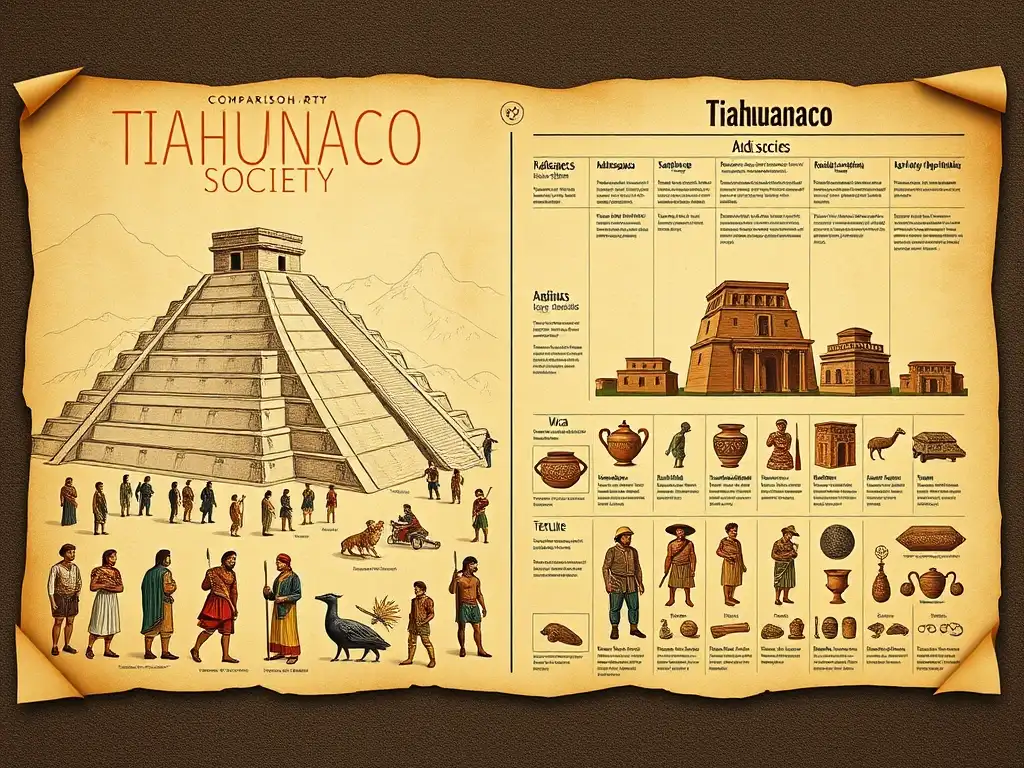
This section delves into a comparative analysis of the Tiahuanaco social structure with other prominent Andean societies, primarily focusing on its similarities and differences with the Wari civilization, another powerful Andean culture that flourished during a similar time period. Understanding these comparisons helps illuminate the unique characteristics of Tiahuanaco's societal organization and its place within the broader Andean context. The keyword "Tiahuanaco social structure Inca" is relevant here because while we directly compare Tiahuanaco to the Wari, understanding these dynamics informs our understanding of the Inca, who inherited and adapted many elements of prior Andean societal structures.
Both Tiahuanaco and Wari civilizations exhibited hierarchical social structures, characterized by a stratified society with elites at the top and commoners at the bottom. However, the specifics of this stratification differed. Evidence suggests that the Wari state relied heavily on a system of provincial administration, with regional governors appointed by the central power. This suggests a more centralized control over resources and population compared to what we currently understand about Tiahuanaco.
While Tiahuanaco certainly controlled a vast territory, the extent of its direct administrative control remains a subject of ongoing debate among scholars. Some scholars suggest a more decentralized, perhaps even federated, system where local power structures maintained considerable autonomy under the overarching influence of Tiahuanaco. This difference in administrative strategies may reflect distinct approaches to resource management and social control.
Further research is needed to fully understand the nuances of power distribution within both societies. For example, [Specific information pending regarding the nature of elite lineages in the Wari state] and [Specific information pending regarding the mechanisms of social mobility in Tiahuanaco]. The availability of detailed archaeological evidence varies between the two sites, impacting our ability to make precise comparisons. However, existing evidence points towards a fundamental distinction in the degree of centralized control exerted by the ruling elite.
Despite the differences in administrative structures, both Tiahuanaco and Wari societies shared some common characteristics in their social organization. Both civilizations likely relied on specialized labor, with distinct groups dedicated to agriculture, craft production, and religious activities. Monumental architecture, a hallmark of Andean civilizations, was present in both cultures, suggesting a significant investment of resources and labor in public works projects. This points to a shared capacity for large-scale mobilization of manpower and resources, indicative of a strong, centralized authority, albeit expressed differently in each society.
However, the nature of religious authority and its intersection with political power likely differed. [Specific information pending on the role of religious specialists in Wari society] compared to Tiahuanaco, where religious iconography and monumental architecture suggest a powerful priestly class deeply intertwined with the ruling elite. This difference in the religious-political dynamic might reflect differing ideologies or organizational structures within the ruling class. Understanding these subtleties requires further investigation into the religious beliefs and practices of both societies.
Tiahuanaco's social system displayed certain unique features that set it apart from other contemporary Andean societies. The scale and sophistication of its monumental architecture, particularly its iconic gateways and platforms, are unparalleled in the region. This suggests a high degree of social organization and engineering expertise, reflecting a complex and highly stratified society capable of mobilizing vast resources for large-scale public works. The iconography found on these structures also hints at a sophisticated cosmology and religious system, which profoundly influenced the social order.
Furthermore, the evidence suggests a potentially more fluid social structure than some other Andean societies. [Specific information pending on the evidence of social mobility in Tiahuanaco]. This contrasts with potentially more rigid hierarchical systems in other cultures, implying a different approach to social stratification and power dynamics.
The presence of diverse artistic styles and artifacts also suggests a degree of regional variation within the Tiahuanaco sphere of influence, indicating a possible level of decentralization or accommodation of local traditions within a broader imperial framework. The interplay between these seemingly contradictory aspects of centralized power and regional diversity remains a key area of research for understanding the Tiahuanaco social structure.
The Tiahuanaco social structure, while still under investigation, offers compelling insights into the complexities of pre-Columbian Andean societies. Its influence extended far beyond its geographical boundaries, leaving a lasting imprint on subsequent cultures, including the Inca. Understanding Tiahuanaco's societal organization is crucial to comprehending the broader development of Andean social hierarchies and the evolution of power structures in the region.
The sophisticated system implemented by Tiahuanaco served as a blueprint, in some ways, for later Andean civilizations, demonstrating the long-term impact of its political and social innovations. The echoes of Tiahuanaco’s organizational prowess resonate even in the later Inca empire's sophisticated administrative systems. Analyzing the Tiahuanaco social structure provides a crucial baseline for comparing and contrasting different Andean societies and their approaches to governance and social organization.
The Tiahuanaco state's influence permeated the Andean region for centuries after its decline. Archaeological evidence suggests a widespread adoption of Tiahuanaco iconography, religious practices, and even architectural styles across vast territories. This cultural diffusion implies a significant level of social and political influence.
The Tiahuanaco's sophisticated irrigation systems, for example, were replicated and adapted by later cultures, highlighting the practical impact of their technological advancements. This dissemination of knowledge and techniques suggests a degree of social interaction and possibly even migration patterns that facilitated the transmission of Tiahuanaco's social structures. The adoption of Tiahuanaco-style pottery and textiles in geographically distant sites indicates the spread of their aesthetic and artistic traditions, further demonstrating the far-reaching influence of their social and political systems.
The incorporation of Tiahuanaco elements into the Inca's own complex social structure suggests a degree of conscious emulation or adaptation of pre-existing models. This suggests that the Inca, in building their empire, drew upon and adapted elements from the successful systems of their predecessors, including the influential Tiahuanaco civilization.
Tiahuanaco's social organization reveals a complex interplay between religious authority, political power, and economic control. The presence of monumental architecture, such as the Kalasasaya and Puma Punku, points to a highly stratified society with a powerful elite capable of mobilizing significant labor resources. The intricate carvings and symbolic representations found on Tiahuanaco artifacts suggest a sophisticated cosmology and religious beliefs that likely played a central role in legitimizing the ruling class and maintaining social order.
Analysis of burial sites reveals disparities in grave goods, indicating different social statuses and levels of access to resources. The size and complexity of the urban center itself suggests a high level of social organization and a centralized administrative system capable of managing a large and diverse population. The evidence suggests a hierarchical structure, with a ruling class at the apex, followed by various levels of priests, artisans, farmers, and laborers.
Further research is needed to fully understand the dynamics of social mobility and the mechanisms through which social status was determined and maintained. The complexity of this system offers a valuable case study for understanding the broader social dynamics of Andean civilizations and the factors contributing to their rise and fall. It also provides a rich context for analyzing the evolution of Andean social structures and the development of increasingly complex forms of social organization.
Despite significant advances in our understanding of Tiahuanaco, many aspects of its social structure remain unclear. Ongoing research using advanced archaeological techniques, such as geophysical surveys and isotopic analysis, continues to refine our knowledge of the city's layout, population size, and economic activities. Further study of Tiahuanaco's iconography and religious practices is essential to fully decipher the symbolic meanings embedded in their artifacts and understand the role of religion in shaping their social hierarchy.
Detailed analysis of skeletal remains can provide insights into health, diet, and social status, offering further clues about social stratification and inequality. Comparative studies with other contemporary Andean societies can help to identify unique features of Tiahuanaco's social organization and its relationship to broader regional trends.
The ongoing investigation of Tiahuanaco’s social dynamics promises to yield further insights into this fascinating and influential Andean civilization, enhancing our comprehension of "Tiahuanaco social structure Inca" interactions and the broader evolution of Andean societies. The meticulous study of Tiahuanaco's legacy continues to reshape our understanding of its societal organization and its lasting impact on the Andean world.
Frequently Asked Questions
Tiahuanaco's social structure was highly hierarchical, with a powerful elite at the top controlling resources and religious practices. Beneath them were various classes, likely including priests, craftspeople, and farmers. The exact details remain debated by scholars.
While both Tiahuanaco and the Inca had hierarchical structures, the specifics differed. Tiahuanaco's system appears less centralized than the Inca's empire-wide bureaucracy. The extent of Tiahuanaco's control over surrounding areas is also a subject of ongoing research.
Religion played a central role, with a powerful priestly class likely holding significant influence. Religious rituals and ceremonies were probably used to reinforce social hierarchy and legitimize the elite's power. The specific religious beliefs and practices are still being uncovered.
Archaeological evidence, including monumental architecture, elite burials, and artefacts, helps us understand the social structure. Patterns of settlement and agricultural practices also provide insights into the distribution of power and resources.
The collapse of Tiahuanaco led to the dismantling of its complex social structure. The reasons for the collapse are debated, but the resulting fragmentation likely led to the rise of new power structures and the eventual influence of the Inca Empire.
The intricate social structure of Tiahuanaco continues to resonate today, offering a powerful lens through which to examine the complexities of power, organization, and societal evolution in ancient civilizations. Understanding their sophisticated system of governance and social stratification provides invaluable insights into the successes and eventual decline of this remarkable pre-Columbian society, and its lasting influence on subsequent Andean cultures. The echoes of Tiahuanaco's influence can still be heard in the structures and beliefs of later Andean societies, highlighting the enduring power of cultural inheritance.
The sophisticated water management systems, monumental architecture, and intricate religious beliefs of Tiahuanaco speak volumes about the ingenuity and organizational prowess of its people. Their ability to mobilize resources and coordinate large-scale projects on such a grand scale remains a testament to their advanced social engineering. This societal complexity, however, also highlights the inherent tensions and potential vulnerabilities within such a hierarchical system. The past is never dead. It's not even past.
- William Faulkner. This quote perfectly encapsulates the enduring relevance of studying Tiahuanaco's social structure; its impact continues to shape our understanding of Andean history and the dynamics of power in ancient societies.
Consider the implications of Tiahuanaco's social structure. How did their system of power influence their artistic achievements, their agricultural innovations, and their overall societal stability? What lessons can we learn from their successes and failures in building and maintaining a complex society? Take a moment to reflect on the parallels between Tiahuanaco's challenges and the complexities we face in our own interconnected world. By understanding the past, we can better navigate the present and shape a more equitable and sustainable future.
Unveiling the Rich Tapestry of Tiahuanaco's Society
Thank you for exploring the intricate social structures of Tiahuanaco! You've gained valuable insights into the complex systems of power and influence that shaped this remarkable civilization. Now, let's put that knowledge to work!
Here are some ways to further your understanding and connect with Tiahuanaco's enduring legacy:
- Deepen your research: Explore scholarly articles and documentaries about Tiahuanaco to uncover the hidden details and personal stories that reveal the nuances of its social fabric.
- Visit a museum: Experience firsthand the artifacts of Andean civilizations, bringing Tiahuanaco's history to life through museum exhibits.
- Join a community: Connect with fellow enthusiasts online or in person to share insights and perspectives on Tiahuanaco and its lasting impact.
How do you think the social structures of ancient civilizations like Tiahuanaco continue to influence modern society? Share your thoughts below!