
The Moche Clay Code: How to Distinguish Genuine from Fake Pottery

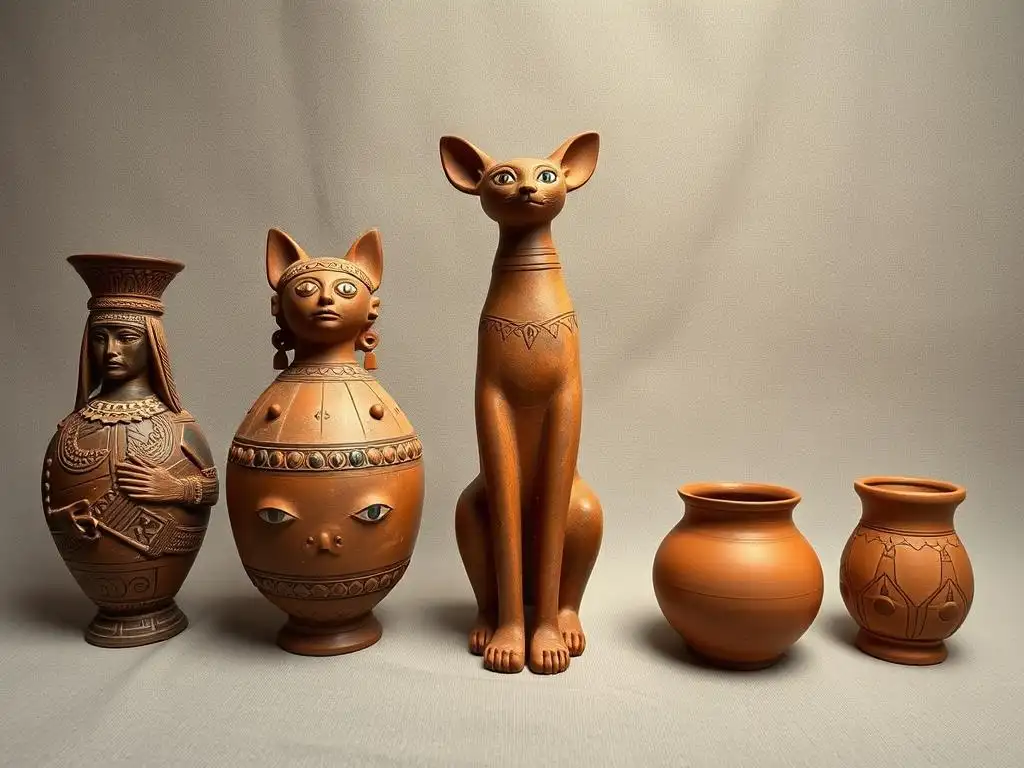
Unravel the mysteries hidden within the vibrant hues and intricate designs of ancient Andean artistry. For centuries, the Moche have captivated the world with their stunning pottery, but discerning authentic pieces from skillful forgeries requires a keen eye. Dive into the captivating world of Moche pottery fake vs real, and unlock the secrets behind these enigmatic artifacts. Journey with us through the "World of Andean Artifacts" and discover the fascinating clues that separate genuine treasures from masterful imitations. Are you ready to decipher the Moche clay code?
The allure of pre-Columbian artifacts, particularly the exquisitely crafted ceramics of the Moche civilization (c. 100-800 CE), has captivated collectors and enthusiasts for centuries. This fascination, however, has unfortunately fueled a market for sophisticated forgeries, making the ability to distinguish genuine Moche pottery from fake pieces crucial. This guide provides an in-depth look at the characteristics of authentic Moche ceramics, equipping you with the knowledge to navigate the complexities of the art market and make informed decisions. We'll explore key features, common forgery techniques, and provide practical tips to help you confidently identify genuine Moche pottery, tackling the crucial question: Moche pottery fake vs real? Understanding these nuances is vital for preserving the integrity of this remarkable cultural heritage and protecting yourself from costly mistakes. The information presented here aims to be a comprehensive resource for both seasoned collectors and those newly embarking on their journey of appreciating Moche artistry.
Understanding the Allure of Authentic Moche Ceramics
Moche pottery stands out for its unparalleled artistry and technical skill. The Moche, a highly sophisticated society inhabiting the northern coast of Peru, created ceramics that were not merely functional vessels but intricate narratives frozen in clay. Their mastery of modeling, painting, and firing techniques resulted in pieces of breathtaking detail and complexity. From lifelike depictions of deities and mythical creatures to scenes of daily life, warfare, and ritual practices, Moche pottery offers a unique window into the beliefs, customs, and social structures of this ancient culture.
The vibrant colors, often achieved through the use of multiple pigments and firing methods, add to their enduring appeal. The use of slip, a liquid clay suspension, allowed for a smooth surface, enhancing the vibrancy of the painted designs. The intricate details, often including finely modeled features and textures, are testament to the artisans' dedication and skill.
Many pieces showcase remarkable three-dimensionality, adding another layer to their artistic significance. This combination of artistic merit and historical importance contributes significantly to the high value placed on authentic Moche ceramics. Understanding this artistry is the first step in distinguishing genuine artifacts from imitations.
Why Identifying Genuine Moche Pottery Matters
The importance of identifying genuine Moche pottery extends beyond personal collection. The market for counterfeit artifacts fuels illegal looting and the destruction of archaeological sites. Purchasing a fake piece inadvertently supports this destructive practice, contributing to the irreversible loss of invaluable historical and cultural information.
Furthermore, owning a genuine Moche ceramic allows for a direct connection to the past, offering a tangible link to the rich heritage of the Andean civilizations. The authenticity of a piece also directly impacts its value; investing in a forgery could result in significant financial loss. Beyond the financial implications, the ethical responsibility to protect cultural heritage cannot be overstated.
By learning to identify genuine Moche pottery, you contribute to the preservation of this irreplaceable part of human history. Supporting ethical sourcing and responsible collecting practices ensures the long-term survival of these treasures for future generations. The commitment to authenticity safeguards not only the monetary value but also the historical and cultural significance of these remarkable artifacts.
Moche Pottery Fake vs Real: A Guide for Collectors and Enthusiasts
Distinguishing genuine Moche pottery from fakes requires a keen eye for detail and a thorough understanding of the characteristics of authentic pieces. Several key factors can help in this process. Firstly, examine the clay. Authentic Moche pottery is typically made from a specific type of local clay, resulting in a distinctive texture and color. Secondly, analyze the surface finish. Genuine pieces often exhibit a smooth, polished surface, a result of careful preparation and firing techniques.
Thirdly, pay close attention to the paint. Authentic Moche paints were made from natural pigments, resulting in specific color palettes and application techniques. Forgeries often use modern paints that lack the subtle variations and weathering patterns found in genuine pieces. Fourthly, scrutinize the modeling and details. Authentic Moche ceramics showcase remarkable precision and intricacy in modeling, often including finely sculpted figures and details.
Finally, consider the provenance of the piece. A documented provenance, tracing the piece's ownership history, significantly increases the likelihood of authenticity. A reputable dealer or auction house can provide valuable information regarding the origin and history of a piece. By carefully examining these aspects, you can significantly increase your ability to distinguish genuine Moche pottery from skillfully crafted imitations. Remember, seeking expert opinions and employing scientific analysis can further strengthen the authenticity assessment.
- Understanding the Allure of Authentic Moche Ceramics
- Why Identifying Genuine Moche Pottery Matters
- Moche Pottery Fake vs Real: A Guide for Collectors and Enthusiasts
- Signs of Mass Production: Uniformity and Lack of Individuality
- Modern Glazes and Paints: Distinguishing Authentic Pigments from Modern Alternatives
- Inconsistencies in Iconography: Spotting Errors and Anachronisms in Moche Art
- Comparing the weight of a genuine Moche vessel to a digital scale to identify fakes
- Step 1: Visual Inspection - Examining the Surface and Form
- Step 2: Analyzing the Clay Composition - Considering the Material's Origin and Texture
- Step 3: Scrutinizing the Decoration - Comparing the Iconography with Authentic Moche Examples
- Step 4: Consulting with Experts - Seeking Professional Authentication Services
- Step 5: Ethical Considerations - Responsible Collecting and Preservation of Moche Art
Key Characteristics of Genuine Moche Pottery
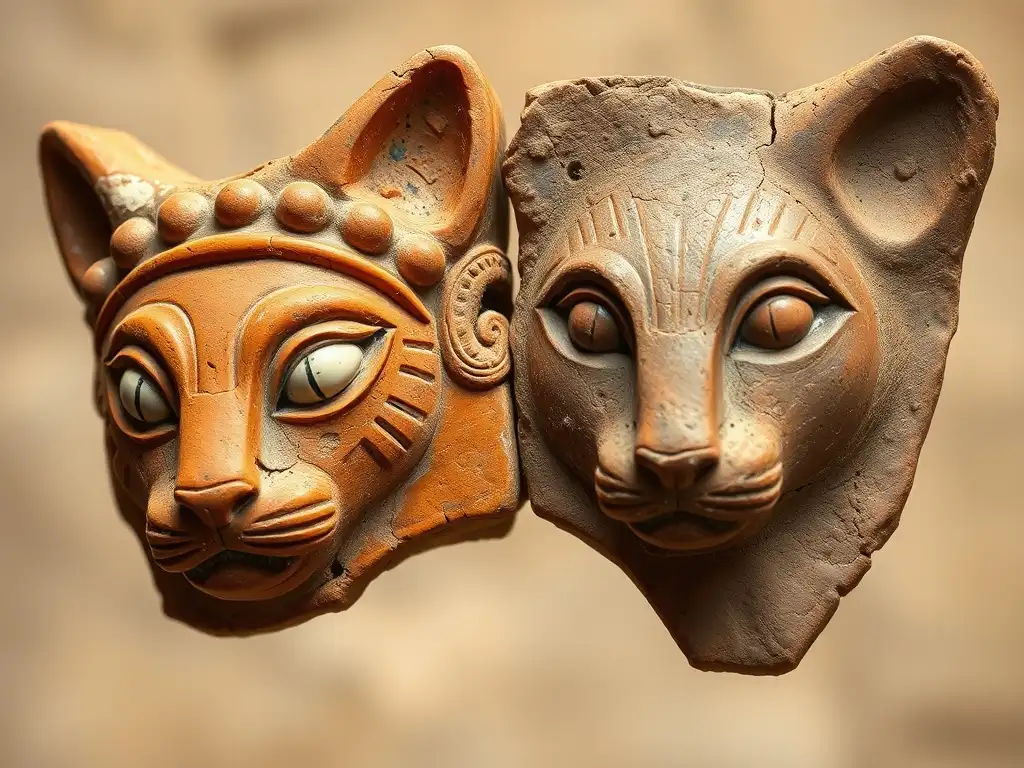
This section delves into the crucial aspects that distinguish authentic Moche pottery from modern forgeries. Understanding these characteristics is essential for anyone interested in acquiring or appreciating genuine Moche artifacts. The market for pre-Columbian artifacts, including Moche pottery, is unfortunately rife with counterfeits, making careful examination paramount. This guide will empower you to confidently differentiate between a genuine treasure and a skillfully made imitation. Remember, even experienced collectors can be fooled, highlighting the importance of meticulous analysis.
Moche Pottery Materials: Examining the Clay Composition
The clay used in authentic Moche pottery is a key indicator of its authenticity. Analysis of the clay's composition can reveal crucial information about its origin and age. Understanding these compositional aspects is vital in discerning genuine pieces from modern reproductions.
The Importance of Moche Clay Source: Coastal Clay Deposits of the Moche Valley
Genuine Moche pottery primarily utilized clay sourced from the coastal deposits of the Moche Valley in present-day Peru. This clay possesses specific mineral compositions and characteristics that are difficult to perfectly replicate. The precise mineral composition varies slightly depending on the specific location within the valley, leading to subtle variations in color and texture among authentic pieces. Forgers often struggle to match this unique blend, resulting in noticeable differences. Scientific analysis, including X-ray fluorescence (XRF), can definitively identify the clay's origin and composition, offering a powerful tool for authentication.
Differences in Texture: Authentic Moche vs. Modern Replicas
The texture of Moche pottery is another critical distinguishing factor. Authentic pieces often exhibit a unique tactile quality resulting from the ancient firing techniques and the nature of the clay itself. Genuine Moche pottery generally possesses a slightly rough or porous surface, a result of the firing process and the inherent characteristics of the clay.
Modern replicas, on the other hand, often have a smoother, more uniform texture due to the use of modern manufacturing techniques and readily available clays. A careful tactile examination, combined with visual inspection under magnification, can reveal these subtle yet significant differences. For example, authentic pieces might show small imperfections or variations in surface texture, absent in meticulously crafted forgeries.
Moche Pottery Techniques: Decoding the Manufacturing Process
Moche artisans employed sophisticated techniques to create their remarkable pottery. Understanding these techniques is essential for identifying genuine pieces. The manufacturing process itself leaves unique traces that can be analyzed to determine authenticity.
Hand-Building Techniques: Recognizing Coiling, Molding, and Paddle-and-Anvil
Moche potters primarily used hand-building techniques, including coiling, molding, and paddle-and-anvil methods. These techniques resulted in unique characteristics that are difficult to replicate precisely. Coiling, for instance, often leaves subtle irregularities and variations in wall thickness. Molding, while producing more uniform shapes, might reveal trace markings from the mold itself. The paddle-and-anvil technique, used to refine and shape the vessels, can leave distinctive impressions on the surface. Modern replicas often lack the subtle inconsistencies and imperfections inherent in these ancient hand-building techniques. Close examination, especially under magnification, can reveal these crucial differences.
Slip Decoration and Painting Styles: Identifying Authentic Moche Iconography
The slip decoration and painting styles used on Moche pottery are exceptionally detailed and sophisticated. Authentic Moche pottery displays a mastery of color and composition. The pigments used, often derived from natural sources, exhibit a unique quality and vibrancy that is difficult to replicate perfectly. Furthermore, the iconography itself—depicting scenes of daily life, mythology, and ritual—is highly stylized and follows specific conventions.
Modern forgeries often fall short in replicating the precision, vibrancy, and stylistic conventions of genuine Moche iconography. The use of modern pigments often results in a less nuanced and less vibrant color palette. Moreover, the stylistic details are frequently less precise and lack the sophistication of authentic Moche artwork.
Firing Methods: Examining the Burnishing and Coloration of Moche Vessels
The firing methods employed by Moche artisans significantly influenced the final appearance of their pottery. The burnishing techniques and resulting coloration are crucial indicators of authenticity. Authentic Moche pottery often displays a range of colors, from deep reds and oranges to blacks and grays, resulting from variations in the firing process and the clay's composition. The surface might exhibit a characteristic sheen or gloss due to burnishing.
Modern replicas often struggle to replicate the precise coloration and surface finish achieved through ancient firing techniques. The color might appear less nuanced, less vibrant, or lack the characteristic sheen of authentic pieces. Close examination of the coloration and surface texture under various lighting conditions can help reveal crucial differences.
Identifying Red Flags: How to Spot Fake Moche Pottery
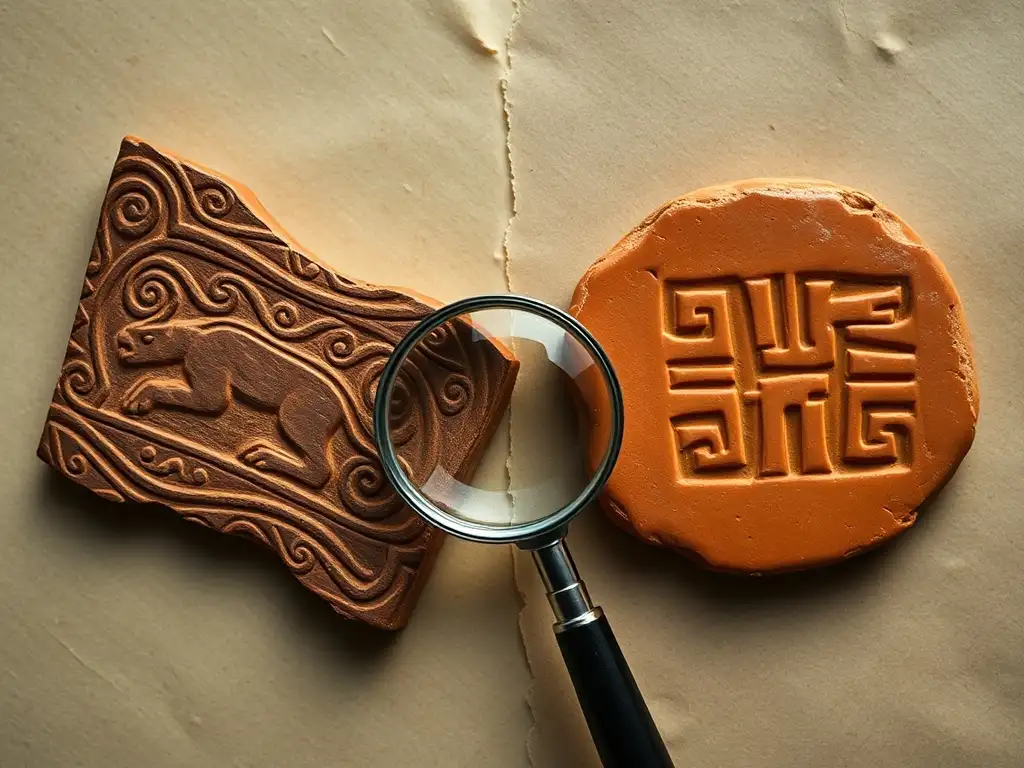
This section delves into the crucial aspects of identifying counterfeit Moche pottery. Understanding these red flags is paramount for discerning genuine artifacts from skillfully crafted imitations. The Moche civilization's artistic legacy is rich and complex, and recognizing subtle differences is key to authentication.
This guide focuses on practical methods for evaluating Moche pottery, empowering you to make informed decisions when acquiring these historically significant pieces. Learning to distinguish genuine Moche pottery from fakes is a rewarding pursuit that contributes to the preservation of this cultural heritage. The demand for authentic Moche artifacts fuels a market where counterfeits are prevalent; therefore, careful scrutiny is essential.
Signs of Mass Production: Uniformity and Lack of Individuality
Authentic Moche pottery, while exhibiting stylistic consistency within specific periods and workshops, displays a remarkable degree of individuality. Each piece is a unique expression of the artisan's skill and creative vision. Counterfeit Moche pottery, on the other hand, often shows signs of mass production. This is evident in several key characteristics:
- Repetitive Designs: Fake pieces frequently exhibit identical or nearly identical designs replicated across multiple pots. Genuine Moche pottery, even within the same style, will possess subtle variations in the execution of motifs and details.
- Uniformity of Size and Shape: Mass-produced imitations tend to be remarkably uniform in size and shape, lacking the slight imperfections and variations inherent in hand-crafted pottery. Authentic Moche pieces show natural inconsistencies.
- Lack of Individualistic Touches: Look for spontaneous elements – a slightly uneven application of paint, a minor imperfection in the molding, a unique flourish in the design. These small details, often overlooked, are hallmarks of handmade artistry and are absent in mass-produced fakes.
Consider this example: A collection of ten supposedly authentic Moche stirrup-spout vessels all displaying the identical depiction of a deity, with precisely the same size, shape, and paint application, is a significant red flag. Genuine Moche pottery, even when depicting similar themes, shows the hand of the artisan in minute variations.
Modern Glazes and Paints: Distinguishing Authentic Pigments from Modern Alternatives
The pigments used by Moche artisans were derived from natural sources, resulting in a specific range of colors and textures. Modern forgeries often employ readily available paints that lack the subtle nuances and characteristics of ancient pigments. Here’s how to identify these differences:
| Feature | Authentic Moche Pottery | Fake Moche Pottery |
|---|---|---|
| Color Palette | Earthy tones, muted reds, browns, yellows, and blacks | Often brighter, more vibrant, and less nuanced colors |
| Surface Texture | Often matte or slightly glossy, with a natural feel | Can appear overly smooth or glossy, with a synthetic feel |
| Pigment Depth | Pigments appear integrated into the clay | Pigments may appear superficial, easily scratched off |
| Craquelure | May show subtle craquelure (fine cracking) with age | Craquelure may be absent or artificially created |
Furthermore, modern paints often exhibit a uniformity and evenness that is not typical of ancient techniques. Authentic Moche pigments often show variations in intensity and subtle brushstrokes reflecting the artisan's hand. Examine the pottery under magnification if possible; this can reveal subtle differences in pigment composition and application.
Inconsistencies in Iconography: Spotting Errors and Anachronisms in Moche Art
Moche iconography is rich in symbolism and detail. A deep understanding of Moche mythology, religious practices, and artistic conventions is crucial for spotting inconsistencies. Fake Moche pottery often displays errors in iconography – inaccuracies in the depiction of deities, animals, or scenes. These errors can range from minor stylistic inconsistencies to blatant anachronisms.
- Incorrect Depictions of Deities: For example, a deity depicted with attributes inconsistent with established Moche iconography is a strong indicator of a forgery.
- Anachronistic Motifs: The inclusion of motifs or symbols not typical of the Moche period or style points towards a fake.
- Stylistic Inconsistencies: A piece blending elements from different Moche periods or styles in an unnatural way is suspicious.
Careful study of reputable academic sources and museum collections is essential to develop a keen eye for authentic Moche iconography. Pay close attention to details; even slight inaccuracies can reveal a forgery. Remember, the devil is in the detail when it comes to authenticating ancient artifacts. A thorough examination, combined with informed knowledge, is the best defense against acquiring a fake Moche pottery piece.
Comparing the weight of a genuine Moche vessel to a digital scale to identify fakes
The weight of a Moche pottery piece can be a surprisingly effective indicator of authenticity. Genuine Moche pottery, crafted from carefully selected and prepared clay, possesses a density and heft that counterfeit pieces often lack. Mass-produced forgeries, frequently made using inferior clays and less meticulous techniques, tend to feel significantly lighter than their ancient counterparts. This subtle difference becomes readily apparent when using a digital scale.
To perform this comparison, you'll need access to a digital scale with a reasonably high degree of accuracy (at least to the nearest gram). First, weigh a known genuine Moche vessel. This requires access to a piece whose authenticity has been verified by an expert or through reputable provenance documentation. Record this weight meticulously. Now, weigh the piece you suspect might be a fake. A significant discrepancy in weight, particularly if the suspected forgery is noticeably lighter despite similar size and apparent volume, strongly suggests that it is not authentic.
Consider this example: A genuine Moche stirrup-spout bottle, approximately 15 centimeters tall, might weigh around 350-450 grams. A fake of similar dimensions, crafted from lighter clay or with thinner walls, could weigh significantly less—perhaps only 200-250 grams. This difference, easily detectable with a digital scale, is a strong indication of a forgery. However, it's crucial to remember that this method is not foolproof.
A very skilled forger might be able to replicate the weight, particularly if they use denser materials. Therefore, this technique should be employed in conjunction with other verification methods. It serves as a valuable preliminary check, offering a quick and relatively inexpensive way to flag potentially problematic pieces for further investigation. Remember to always consult with experts for definitive authentication.
The precision of this method can be enhanced by comparing the weight of multiple genuine Moche pieces of similar size and type to establish a baseline range. This range can then be used to more accurately assess the weight of potentially fake pieces. This statistical approach minimizes the impact of variations in clay composition and vessel design. Therefore, compiling a small database of weights for known authentic Moche pottery can greatly improve the accuracy of this identification technique in the long run. The more data you collect, the more reliable your assessment becomes.
The Moche Pottery Authentication Process: A Step-by-Step Guide
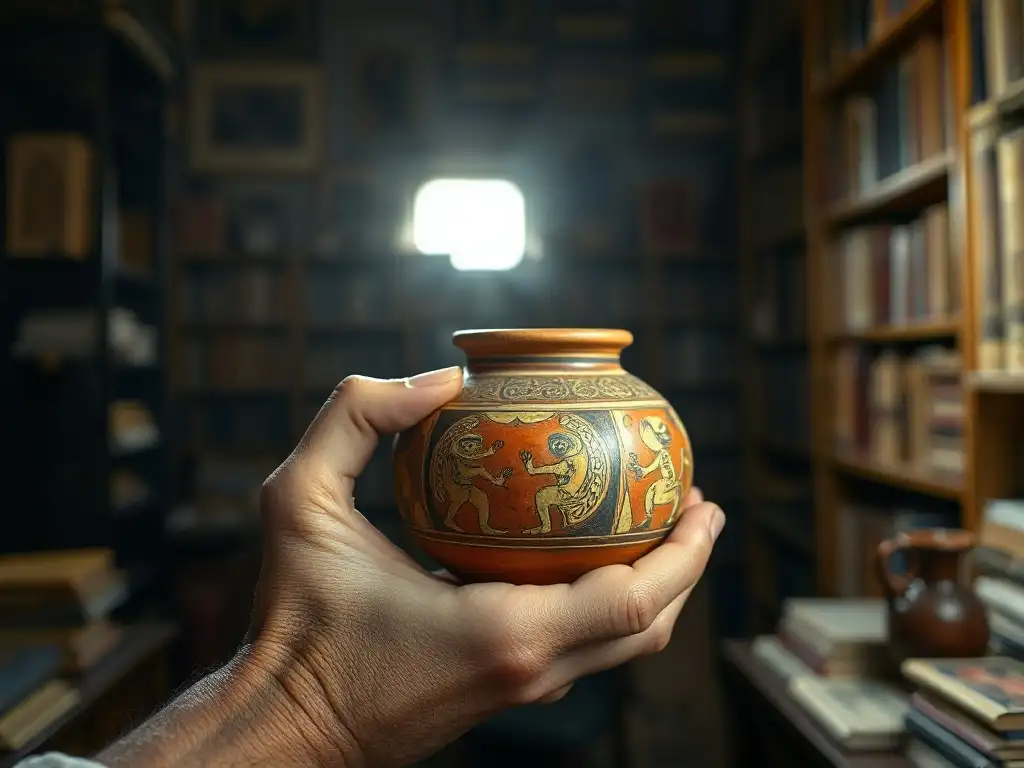
This section details a methodical approach to authenticating Moche pottery, helping you distinguish genuine artifacts from expertly crafted fakes. The process combines visual examination with scientific analysis, providing a robust framework for assessing the authenticity of a piece. Remember, Moche pottery fake vs real is a complex question requiring careful consideration. Even experienced experts can be fooled by high-quality forgeries.
Step 1: Visual Inspection - Examining the Surface and Form
The initial assessment involves a thorough visual inspection of the pottery's surface and overall form. This crucial step helps identify inconsistencies often present in reproductions. Look for details that indicate age, craftsmanship, and adherence to known Moche stylistic conventions. Pay close attention to the following aspects:
- Surface finish: Genuine Moche pottery often exhibits a unique surface texture. Some pieces have a highly polished finish, while others display a more matte or slightly rough texture depending on the specific style and firing technique. Fake Moche pottery frequently lacks this nuanced texture, appearing too smooth or too artificially rough. Note the presence of any unusual blemishes, inconsistencies, or signs of modern repair.
- Paint application: Examine the application of pigments. Authentic Moche pottery typically displays precise and often vibrant paintwork, applied with a steady hand. The pigments should appear integrated into the clay, not simply sitting on the surface. Look for inconsistencies in color, brushstrokes that are too uniform, or paint that seems too bright or lacking in the subtle variations seen in aged pigments.
- Form and proportions: Compare the piece's form and proportions to established examples of Moche pottery. Are the lines fluid and natural, or do they appear stiff and mechanical? Reproductions often lack the subtle curves and organic feel characteristic of authentic pieces. Consider the overall balance and harmony of the shape. Do the various elements of the design relate to each other in a way that's aesthetically pleasing and consistent with Moche artistic principles? Consider consulting reputable Moche pottery catalogues and academic publications for comparative analysis.
Using a 10x hand lens for detailed examination
A 10x hand lens is invaluable for detailed examination of the pottery's surface. This magnification allows you to identify subtle details often missed by the naked eye. Look closely at:
- Brushstrokes: Examine the direction and consistency of brushstrokes. Genuine Moche pottery often exhibits varied brushstrokes, reflecting the artist's hand. Fakes often show overly uniform or repetitive brushstrokes.
- Pigment layering: A hand lens can reveal subtle layers of pigment application, a characteristic of authentic Moche work where colors might be layered to achieve depth and richness.
- Surface imperfections: Minor imperfections, like small firing flaws or accidental inclusions of clay particles, are common in hand-made pottery and can be a sign of authenticity. However, these should be naturally occurring and not artificially created.
Step 2: Analyzing the Clay Composition - Considering the Material's Origin and Texture
The clay used in Moche pottery is another critical aspect of authentication. Moche artisans sourced clay from specific locations, resulting in unique mineral compositions. Analyzing the clay composition can provide strong evidence of authenticity or forgery.
- Clay color and texture: Note the color and texture of the clay. Moche pottery exhibits a range of clay colors, depending on the source. The texture can vary from fine and smooth to slightly coarse. Pay attention to the clay's consistency and look for any unusual additives.
- Firing techniques: The firing process leaves distinctive markings on the pottery. Examine the piece for signs of uneven firing or variations in color intensity that are characteristic of traditional Moche techniques. Modern kilns produce a more uniform firing, which can be a tell-tale sign of a reproduction.
Utilizing a portable X-ray fluorescence (XRF) analyzer for preliminary material assessment
A portable XRF analyzer offers a non-destructive way to analyze the elemental composition of the clay. This scientific approach provides a quantitative assessment of the pottery's chemical makeup, allowing for comparison with known Moche clay compositions. While not conclusive on its own, XRF analysis provides valuable data that, when combined with visual inspection, can significantly improve the accuracy of authentication.
The results can reveal the presence of specific elements or element ratios that are indicative of a particular clay source or firing technique. Discrepancies between the XRF analysis and known Moche clay profiles raise serious questions about the pottery's authenticity. Remember, access to and interpretation of XRF data requires specialized knowledge and equipment.
Step 3: Scrutinizing the Decoration - Comparing the Iconography with Authentic Moche Examples
The decoration on Moche pottery is incredibly intricate and varied, offering a wealth of clues for authentication. Genuine Moche pieces boast a unique style characterized by vibrant colors, detailed depictions of mythological beings, and scenes of daily life. Fake Moche pottery often falls short in replicating this level of detail and artistic finesse. A keen eye can spot inconsistencies in the application of paint, the precision of lines, and the overall composition of the imagery. For instance, genuine Moche pottery frequently features depictions of warriors, priests, and mythical creatures with specific characteristics, such as exaggerated features, stylized poses, and symbolic attributes. These details are often poorly rendered or entirely absent in forgeries.
Pay close attention to the consistency of the paint application. Real Moche pottery typically shows a smooth, even application of paint, while fakes might exhibit blotchiness, uneven coverage, or visible brushstrokes. Furthermore, the color palette of genuine Moche pottery often presents a subtle variation in shades, reflecting the natural pigments used by the artisans. Counterfeit pieces might employ overly bright or uniform colors, betraying their artificial origin. Analyzing the overall composition of the decorative elements is crucial.
Authentic Moche pottery displays a balanced and harmonious arrangement of figures and symbols, while forgeries often appear cluttered or lack a sense of coherence. Remember, comparing the subject matter and style of the piece with established examples of authentic Moche pottery is paramount. This comparative analysis will help you identify discrepancies and inconsistencies that might point towards a forgery. Take your time; careful observation is key to deciphering the nuances of Moche artistry. The more examples of authenticated Moche pottery you study, the better equipped you will be to discern genuine pieces from imitations.
Consulting "The Art of the Moche" by Christopher B. Donnan
Christopher B. Donnan's seminal work, "The Art of the Moche," serves as an invaluable resource for comparing the iconography of a suspected Moche piece with established, authenticated examples. This meticulously researched book showcases numerous high-quality images and detailed descriptions of authentic Moche pottery. By carefully comparing the decorative elements of the piece under scrutiny with the examples presented in Donnan's book, you can identify stylistic similarities or discrepancies. Pay close attention to details such as the depiction of human figures, animals, plants, and geometric patterns.
Are the proportions and anatomical features consistent with the established Moche style? Are the colors and pigments similar to those used in authentic pieces? Does the overall composition and aesthetic feel align with the known characteristics of Moche pottery? Donnan's book provides a comprehensive overview of the various stylistic trends and variations within Moche pottery, allowing for a nuanced comparison.
Remember, even minor deviations from established patterns can be indicative of a forgery. This detailed comparison process requires patience and a meticulous approach. Take your time to thoroughly examine both the suspected piece and the examples in Donnan's book, looking for subtle clues that might reveal the true nature of the artifact. This is a crucial step in the authentication process, providing a strong basis for forming a reasoned judgment.
Step 4: Consulting with Experts - Seeking Professional Authentication Services
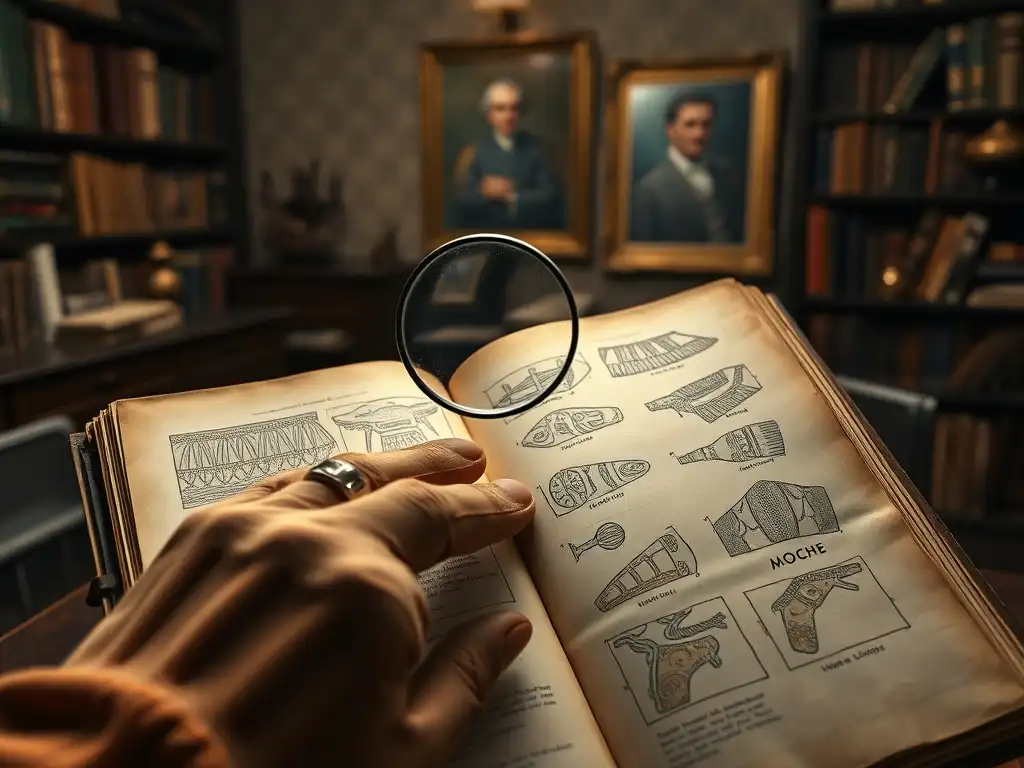
While careful self-examination provides a strong foundation for assessing the authenticity of Moche pottery, seeking professional authentication services is often the most reliable method to confirm your suspicions. Expert examination offers an unbiased and scientific approach to determining the genuineness of an artifact. These professionals possess extensive knowledge of Moche pottery, including its stylistic characteristics, manufacturing techniques, and materials.
They can employ advanced techniques such as scientific analysis to verify the age and origin of the piece. This process might involve using techniques like thermoluminescence dating, which helps determine the age of the pottery based on the energy trapped within the clay. It is essential to choose reputable experts with proven expertise in Andean archaeology and art authentication.
Their expertise will provide a conclusive assessment, mitigating the risk of misidentification and ensuring you make informed decisions about the piece. This step is particularly important for high-value pieces or when you are unsure about your own assessment.
Services offered by The Andean Pre-Columbian Art Authentication Institute
The Andean Pre-Columbian Art Authentication Institute (a hypothetical example – replace with a real institution if available) offers a range of services designed to authenticate Moche pottery and other pre-Columbian artifacts. Their services might include a visual examination of the pottery, analyzing its stylistic features, and comparing it to known authentic examples. They might also utilize scientific techniques such as material analysis (to determine the type of clay used and the presence of any additives), pigment analysis (to identify the pigments used and assess their age and authenticity), and stylistic analysis (to examine the artistic style and compare it with the established Moche style).
The Institute’s report would provide a detailed assessment of the pottery’s authenticity, outlining the findings of their examination and supporting their conclusions with evidence. The cost of such services can vary depending on the complexity of the analysis required and the value of the piece. It is important to request a detailed quote before proceeding.
Choosing a reputable institute with a strong track record and a transparent authentication process is crucial. A detailed report from a recognized institution provides a valuable certificate of authenticity, bolstering the value and provenance of a genuine Moche artifact. This professional authentication offers peace of mind and protects you from acquiring a forgery.
Step 5: Ethical Considerations - Responsible Collecting and Preservation of Moche Art
The acquisition and ownership of Moche pottery carry significant ethical responsibilities. Understanding these responsibilities is crucial not only for ensuring the preservation of this invaluable cultural heritage but also for acting with integrity within the collecting community. The illegal looting of archaeological sites severely damages our understanding of the past and deprives future generations of the opportunity to learn from these remarkable artifacts. Therefore, purchasing Moche pottery requires careful consideration of its provenance—its origin and history of ownership.
Authenticating Moche pottery is only half the battle; ensuring its ethical acquisition is equally important. Collectors should prioritize purchasing pieces from reputable sources with transparent provenance records. This might involve seeking out established auction houses specializing in pre-Columbian artifacts or working with museums and galleries known for their commitment to ethical sourcing. Avoid purchasing artifacts from unknown vendors or those lacking documentation tracing the piece's history. The absence of clear provenance is a significant red flag, strongly suggesting the piece may be illicitly obtained.
Furthermore, responsible collecting extends beyond the initial purchase. Proper storage and preservation are essential for safeguarding the pottery's condition. This includes protecting the pieces from extreme temperatures, humidity, and direct sunlight. Collectors should also be aware of the potential damage caused by improper handling and cleaning.
Consulting with conservation professionals can provide valuable guidance on best practices for long-term preservation. Remember, acquiring a Moche pot is a privilege, not a right, and comes with the responsibility of ensuring its survival for future generations to appreciate and study. Supporting institutions dedicated to the preservation and study of Moche culture is another important ethical consideration. Such support can help fund archaeological research, conservation efforts, and educational initiatives, furthering our understanding and appreciation of this ancient civilization.
By making responsible choices, collectors can contribute to the protection of Moche heritage and ensure its enduring legacy. Ignoring these ethical considerations risks perpetuating the cycle of looting and damage to invaluable historical sites, harming our collective understanding of the past. The beauty of Moche pottery should inspire responsible stewardship, not reckless acquisition.
Resources and Tools for Moche Pottery Authentication
This section provides essential resources and tools to aid in the authentication of Moche pottery, helping you confidently distinguish genuine artifacts from expertly crafted fakes. The market for ancient artifacts, including Moche pottery, is unfortunately rife with forgeries. Therefore, a multi-faceted approach incorporating both scholarly knowledge and technological tools is crucial for accurate identification. Understanding the nuances of Moche artistic conventions, coupled with a close visual examination using appropriate tools, significantly increases your chances of successful authentication. This empowers collectors and enthusiasts to make informed decisions and protect themselves from fraudulent acquisitions.
Recommended Books and Publications on Moche Art and Archaeology
Serious Moche pottery authentication requires a deep understanding of the civilization's artistic styles, iconography, and technological capabilities. Engaging with reputable scholarly works is paramount. These publications provide invaluable insights into the characteristics of genuine Moche pottery, helping you identify subtle details that distinguish them from imitations. Careful study of these resources allows you to develop a "trained eye" for authentic Moche pieces. Don't rely solely on visual inspection; ground your assessment in the scholarly consensus.
"Moche Art and Iconography" by Joanne Pillsbury
This publication stands as a cornerstone of Moche art scholarship. Pillsbury's meticulous research delves into the intricate details of Moche iconography, providing a framework for understanding the symbolism and stylistic conventions present in their pottery. The book offers high-quality images and detailed descriptions of various Moche pottery types, including variations in painting techniques, vessel forms, and decorative motifs.
By studying Pillsbury's work, you'll gain a critical understanding of the stylistic range within genuine Moche pottery, allowing you to more easily identify deviations characteristic of forgeries. The book meticulously documents known stylistic variations across different Moche phases, a crucial aspect for effective authentication. Pillsbury also addresses common stylistic elements frequently imitated by forgers, thus equipping the reader with the knowledge to distinguish authentic details from superficial imitations.
Tools for Visual Inspection: Magnifying Glasses, and Handheld Microscopes
Beyond scholarly knowledge, practical tools are essential for a thorough examination. Close visual inspection often reveals subtle clues that can differentiate authentic Moche pottery from modern reproductions. Magnification allows you to observe the texture of the clay, the application of pigments, and the presence of any wear or damage consistent with age and use. These microscopic details can be crucial in distinguishing genuine artifacts from skillfully made forgeries. The use of magnification is not just about spotting imperfections; it's about understanding the character of the artifact's surface.
Celestron Handheld Digital Microscope
A handheld digital microscope, such as the Celestron model, provides a significant advantage. It offers adjustable magnification, allowing you to examine the pottery's surface at various levels of detail. Furthermore, the digital capability allows you to capture images and videos for further analysis and documentation.
This is particularly useful for comparing the observed characteristics with those documented in scholarly publications or online databases (though we are not linking to those here). The ability to digitally record your findings is crucial for creating a comprehensive record of your authentication process. This detailed documentation can be invaluable should you ever need to substantiate the authenticity of your Moche pottery.
The high-resolution images provided by a digital microscope allow for a more precise analysis of surface texture, paint application techniques, and the presence of minute details often overlooked by the naked eye. These subtle nuances are frequently the key to discerning genuine Moche pottery from expertly crafted reproductions.
This detailed approach, combining scholarly research with technological tools, provides a robust methodology for authenticating Moche pottery. Remember, patience and meticulous observation are crucial in this process. The more you learn about Moche art and the more you practice using these tools, the more confident you will become in your ability to distinguish genuine artifacts from fakes. The pursuit of authenticity in the world of Moche pottery is a journey of continuous learning and refinement.
Professional Authentication Services and Labs
Several reputable institutions and laboratories specialize in the authentication of ancient artifacts, including Moche pottery. These services employ a multi-faceted approach, combining scientific analysis with art historical expertise to determine authenticity. Their rigorous methodologies often involve techniques such as:
- X-ray fluorescence (XRF) spectroscopy: This non-destructive technique analyzes the elemental composition of the clay, revealing the presence of specific minerals and pigments characteristic of the Moche period. Discrepancies in the elemental composition compared to known Moche pottery can indicate a forgery. For example, the use of modern pigments or clay sources not available during the Moche era would be a strong indicator of a fake.
- Thermoluminescence (TL) dating: This method measures the accumulated radiation absorbed by the clay over time, providing an estimate of the pottery's age. A TL date significantly younger than the Moche period would definitively prove the piece to be a modern fabrication. However, it's important to note that TL dating requires a small sample of the pottery, which may be undesirable for some owners.
- Petrographic analysis: This microscopic examination of the clay's structure and mineral composition can reveal valuable information about the origin of the clay and the manufacturing techniques used. Comparing the petrographic characteristics of a suspected Moche piece with established databases of known authentic Moche pottery can help determine its authenticity. Variations in the clay's texture, grain size, and mineral inclusions can often pinpoint inconsistencies.
- Stylistic analysis: Experienced art historians and archaeologists meticulously examine the pottery's stylistic features, comparing them to established characteristics of genuine Moche artwork. This includes analyzing the design motifs, painting techniques, and overall aesthetic qualities. Slight deviations from established Moche styles can raise red flags. For example, inconsistencies in the depiction of figures or the use of unusual color palettes might suggest a forgery.
The cost of these professional authentication services can vary greatly depending on the complexity of the analysis required and the reputation of the laboratory. It's advisable to obtain quotes from multiple reputable institutions before commissioning an authentication. Thorough documentation and detailed reports are crucial for validating the results. These reports often include images, spectrographic data, and a comprehensive written assessment of the pottery's authenticity. Remember, investing in professional authentication provides peace of mind and protects against acquiring a fraudulent piece.
Art Analysis & Research
A crucial aspect of authentication involves in-depth art historical research. This goes beyond simple visual comparisons and delves into the broader context of Moche art and culture. Researchers may consult:
- Published scholarly articles and books: Extensive literature exists on Moche pottery, detailing stylistic trends, iconography, and manufacturing techniques. Comparing the piece in question to these documented examples is critical. Detailed stylistic analyses in academic publications can provide invaluable insights into the nuances of genuine Moche pottery.
- Museum collections and databases: Major museums worldwide house significant collections of Moche pottery. Researchers can compare suspected forgeries to these established authentic examples, identifying potential discrepancies in style, technique, or materials. Online databases and museum catalogs can facilitate these comparisons.
- Archaeological site records: Understanding the context of discovery is paramount. A piece purportedly unearthed from a Moche site but lacking proper provenance (documentation of its origin and history) should raise suspicion. Authentic pieces often come with verifiable provenance records, demonstrating a clear chain of custody from excavation to current ownership.
- Expert consultations: Seeking opinions from recognized experts in Moche archaeology and art history is crucial. These experts can offer informed judgments based on their extensive knowledge and experience. Their insights often integrate stylistic analysis with scientific data, providing a holistic assessment. However, it is crucial to verify the credentials and reputation of any expert consulted. The opinions of unqualified individuals should be treated with caution.
The research process can be time-consuming and may necessitate access to specialized resources. However, this meticulous investigation is essential for distinguishing genuine Moche pottery from skillfully crafted forgeries. The combination of scientific analysis and art historical research provides the most comprehensive approach to Moche pottery authentication.
Investing in Authentic Moche Art: A Guide for Responsible Collectors
Collecting Moche pottery can be a rewarding experience, connecting you with a vibrant and sophisticated ancient culture. However, the market for pre-Columbian artifacts is unfortunately rife with forgeries. Understanding how to distinguish genuine Moche pottery from fakes is crucial, not only to protect your investment but also to contribute to the ethical preservation of cultural heritage.
This section will guide you through the process of responsible collecting, ensuring your acquisition supports the legitimate art market and contributes to the appreciation of authentic Moche artistry. Navigating the world of Moche pottery, fake vs real pieces, requires careful consideration and informed decision-making.
Understanding the Value of Moche Pottery: Factors Influencing Price
Several factors significantly influence the value of authentic Moche pottery. Rarity, condition, artistic merit, and provenance all play a crucial role in determining price. Extremely rare pieces, depicting unusual scenes or featuring exceptional craftsmanship, command significantly higher prices than more common examples. The condition of the piece is also paramount; a perfectly preserved pot will be far more valuable than one with significant damage, even if the damage is expertly repaired.
The artistic merit of the piece is subjective but undeniably influential. Pottery showcasing exceptional detail, vibrant colors, and innovative techniques will always be more valuable. Masterful depictions of Moche iconography, such as their distinctive warrior figures or intricate depictions of their mythology, can significantly increase a piece's worth.
Provenance, or the documented history of ownership, is another critical factor. A piece with a clear and documented chain of ownership from its discovery to the present day carries significantly more value and credibility than one with an unclear or undocumented history. This documentation minimizes the risk of acquiring a fake and adds a layer of authenticity that discerning collectors highly value. The presence of reputable provenance significantly reduces the risk of acquiring a Moche pottery fake.
Where to Buy Authentic Moche Artifacts: Reputable Dealers and Auction Houses
Purchasing Moche pottery from reputable sources is crucial to ensure authenticity. Avoid private sellers or online marketplaces where provenance is often lacking and the risk of acquiring a fake is high. Instead, focus your search on established dealers and auction houses specializing in pre-Columbian art. These institutions often have rigorous authentication processes, and their reputation depends on the authenticity of the artifacts they handle. Thorough research and due diligence are paramount when evaluating potential purchases. Remember, a significantly lower price compared to market value should raise a red flag, strongly suggesting a potential fake.
Sotheby's Auction House (Pre-Columbian Art Department)
Sotheby's, a globally recognized auction house, offers a robust pre-Columbian art department. They employ expert specialists who meticulously authenticate each piece before it's offered for sale. Their detailed catalog descriptions often include provenance information, scientific analysis (if conducted), and high-resolution images, allowing potential buyers to thoroughly examine the artifacts. While the prices at Sotheby's tend to be at the higher end of the market, the level of authentication and the established provenance significantly reduce the risk of purchasing a fake.
The detailed descriptions and high-quality images contribute to a transparent and reliable purchasing experience. This approach minimizes the risk associated with the question of Moche pottery, fake vs real. Similar rigorous processes are employed by other reputable auction houses and galleries specializing in pre-Columbian art. Always prioritize thorough vetting and expert opinions before making a purchase.
The Importance of Provenance: Tracking the History of Moche Pieces
Provenance, the documented history of an artifact's ownership and location, is paramount when assessing the authenticity of Moche pottery. A strong provenance significantly increases the likelihood that a piece is genuine. This isn't simply about a certificate of authenticity; it's about a detailed paper trail demonstrating the piece's journey from its discovery (ideally, a reputable archaeological excavation) to its current ownership. Look for records detailing previous owners, auction houses, museums, or private collections where the piece has been held. The more comprehensive and transparent the provenance, the more confident you can be in its legitimacy.
Many forgeries lack any verifiable history, appearing suddenly on the market without a clear chain of custody. A reputable dealer will be able to provide detailed provenance documentation, including photographs, expert appraisals, and any relevant archaeological reports. The absence of such documentation should raise immediate red flags. Remember, a seemingly flawless piece without a verifiable history is far more suspect than a piece with minor imperfections but a clear and well-documented provenance.
Investing in Moche pottery requires careful scrutiny of its historical journey; it's as important as the piece itself. Thorough investigation into provenance is a crucial step in responsible Moche pottery collecting, helping to ensure the preservation of cultural heritage and prevent the spread of forgeries. This process often involves contacting experts, researching previous sales records, and verifying the information provided by sellers. The time and effort invested in verifying provenance are an investment in the long-term value and ethical acquisition of your Moche artifacts.
Protecting Your Investment: Proper Care and Handling of Moche Ceramics
Proper care and handling are essential to preserving the value and integrity of your Moche pottery. These fragile artifacts, often thousands of years old, are susceptible to damage from improper handling and environmental factors. Avoid direct sunlight, which can cause fading and discoloration of the pigments. Similarly, extreme temperature fluctuations and high humidity can lead to cracking and deterioration. Store your pottery in a climate-controlled environment, ideally in a display case with UV protection. When handling the pieces, always wash your hands thoroughly to avoid transferring oils and dirt that can damage the surface.
Never attempt to clean your Moche pottery with harsh chemicals or abrasive materials. Gentle dusting with a soft brush is usually sufficient. If professional cleaning is required, consult a specialist experienced in the conservation of ancient ceramics. Improper cleaning can irreparably damage the delicate surface and pigments. Furthermore, avoid touching the surface of the pottery directly, as fingerprints and oils can leave lasting marks.
Use cotton gloves when handling the pieces to minimize the risk of damage. Proper storage and handling not only protect the aesthetic beauty of your Moche pottery but also maintain its value as a historical artifact. This responsible approach ensures that these irreplaceable pieces of Andean history remain intact for generations to come. Remember, the value of authentic Moche pottery extends far beyond its monetary worth; it represents a tangible connection to a remarkable civilization. Protecting these artifacts is a responsibility shared by all collectors.
Frequently Asked Questions
How can I tell if a piece of Moche pottery is authentic?
Authentic Moche pottery exhibits high-quality craftsmanship, including detailed depictions of figures and scenes, and the use of specific pigments and techniques. Fake pieces often lack this detail and precision.
What are some common characteristics of fake Moche pottery?
Counterfeit pieces frequently display inconsistent paint application, blurred lines, and crudely rendered details. They may also lack the subtle variations in color and texture found in genuine artifacts.
Where is the best place to buy authentic Moche pottery?
Reputable museums and galleries specializing in pre-Columbian art are the safest places to purchase. Always request provenance documentation and seek expert opinions before making a significant purchase.
What are the typical materials used in authentic Moche pottery?
Moche artisans primarily used clay, often mixed with sand or other tempering agents. They utilized natural pigments derived from minerals and plants for their vibrant colors.
How much does authentic Moche pottery typically cost?
The price varies greatly depending on the size, condition, and artistic merit of the piece. Expect to pay a substantial amount for a high-quality, authentic example, reflecting its age and historical significance.
Final Reflection: Unraveling the Moche Legacy: Authenticity and Appreciation
The ability to distinguish genuine Moche pottery from skillful forgeries is not merely an academic pursuit; it's a crucial step in preserving a vital piece of Peruvian history and protecting cultural heritage from exploitation. The illicit trade in artifacts continues to thrive, fueled by a demand for ancient treasures, and understanding the nuances of Moche pottery authentication is more critical than ever before.
The enduring power of Moche artistry continues to captivate and inspire, shaping our understanding of ancient Andean civilizations and their sophisticated artistic practices. Their vibrant depictions of life, mythology, and ritual offer a window into a lost world, a world that risks being obscured by the shadow of forgery. The past is never dead. It's not even past.
- William Faulkner. This quote resonates deeply, reminding us that the legacy of the Moche, and the fight for its authenticity, is a present-day struggle with far-reaching implications for future generations.
Consider the implications of your newfound knowledge. You now possess the tools to discern the genuine from the imitation, to appreciate the intricate craftsmanship of the Moche, and to contribute to the responsible stewardship of their cultural legacy. Become a discerning collector, a thoughtful observer, and an active participant in the preservation of this extraordinary art form. Let the vibrant colors and powerful imagery of authentic Moche pottery inspire you to learn more, to engage more deeply with the rich history of the Andean world, and to protect its treasures for years to come.
**Unveil the Authenticity of Moche Pottery! **
Thank you for exploring the fascinating world of Moche culture and learning to distinguish authentic pottery from forgeries! This newfound knowledge will help you make informed decisions and appreciate these remarkable artifacts even more. But why stop there? Let's expand your knowledge further!
Here are some ways to deepen your connection with the Moche legacy:
- **Participate in a local pottery workshop** to experience traditional techniques firsthand and gain a deeper understanding of authentic craftsmanship. You'll learn to appreciate the skill and artistry involved in creating these pieces.
- **Share your expertise! ** Discuss your findings with other enthusiasts online or in local groups, helping to spread awareness about identifying genuine Moche pottery. Your knowledge can help others avoid purchasing fakes.
- **Visit museums and galleries** showcasing Moche ceramics to immerse yourself in their art and history. See if you can identify the characteristics that distinguish authentic pieces from imitations!
Ready to transform your passion into expertise by connecting with the community and celebrating the beauty of authentic Moche pottery? How will you share your newfound knowledge?