
The Andean Code: Unwritten Rules for Respectful Travel

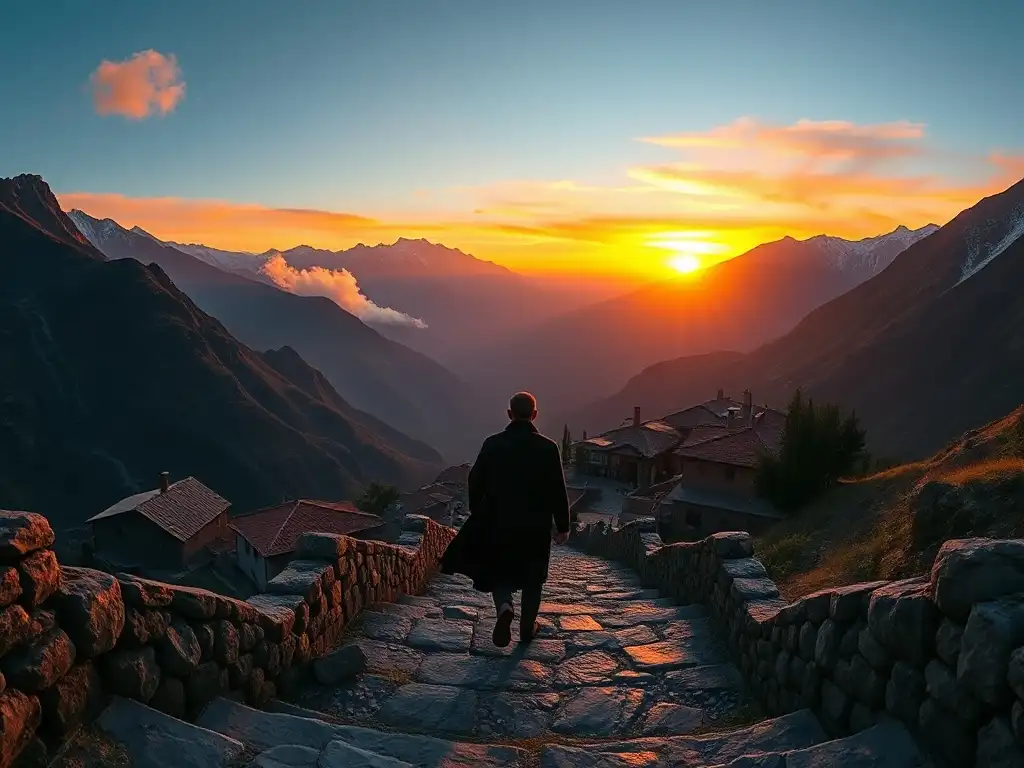
Step into a world lost in time, yet echoing in the vibrant cultures of the Andes. From the breathtaking artistry of the Nazca lines to the ingenious engineering of Machu Picchu, the Andean civilizations left an indelible mark on history. But before you embark on your own Andean adventure, discover the unwritten rules that govern respectful travel. Our guide to respectful Andean travel etiquette will unlock the secrets to experiencing this incredible region with sensitivity and understanding – ensuring your journey is both enriching and ethically sound. Are you ready to explore?
- Understanding the Importance of Respectful Andean Travel Etiquette
- Decoding the Unwritten Rules of Andean Culture
- Overcoming Common Challenges in Andean Travel
- Practical Tips for a More Meaningful Trip
- Conclusion: Leaving a Positive Footprint in the Andes
- Frequently Asked Questions
- Final Reflection: Weaving Respect into the Andean Tapestry
- Embrace Your Andean Adventure Today!
Understanding the Importance of Respectful Andean Travel Etiquette
The Andes Mountains, a spine of towering peaks stretching along the western edge of South America, are home to a rich tapestry of indigenous cultures and breathtaking landscapes. For centuries, these communities have thrived, developing sophisticated agricultural techniques, intricate artistic expressions, and complex social structures. Today, as the Andes become increasingly accessible to travelers, it's crucial to approach exploration with a deep respect for the living heritage and delicate ecosystems of this extraordinary region.
This article serves as a guide to responsible and respectful Andean travel, emphasizing the unwritten rules that promote meaningful interactions and minimize negative impacts. Understanding and practicing respectful Andean travel etiquette isn't just polite; it's essential for ensuring the preservation of this incredible cultural and natural legacy for future generations.
We'll explore the "Andean Code," a framework for ethical travel that prioritizes cultural sensitivity, community well-being, and environmental sustainability. This is a journey into responsible tourism, focusing on the keyword "respectful Andean travel etiquette" and aiming to provide practical advice for meaningful engagement with Andean cultures.
Why Cultural Sensitivity Matters in the Andes
Cultural sensitivity is paramount when traveling in the Andes. The region boasts a diverse range of indigenous groups, each with its unique traditions, beliefs, and customs. A simple gesture or seemingly harmless action can be misinterpreted and cause offense. For example, direct eye contact can be perceived as aggressive in some Andean communities, while certain forms of physical touch might be considered inappropriate.
Understanding these nuances is crucial for fostering positive interactions. Furthermore, respecting local customs, such as appropriate dress and behavior in sacred sites, demonstrates genuine appreciation for the Andean way of life. Ignoring these cultural subtleties not only disrespects the local people but also diminishes the richness of the travel experience.
It's vital to approach each encounter with humility, openness, and a willingness to learn. Remember, the goal is to engage authentically, not to impose your own cultural norms. The Andean people are welcoming and generous, but demonstrating respect for their customs will profoundly enhance your experience.
The Impact of Tourism on Andean Communities
Tourism, while offering economic opportunities, can also pose significant challenges to Andean communities. Uncontrolled tourism can lead to environmental degradation, cultural commodification, and the erosion of traditional ways of life. Overcrowding in popular tourist destinations strains local resources and infrastructure, while the influx of visitors can disrupt the peace and tranquility of remote villages. The economic benefits of tourism are often not evenly distributed, leading to disparities within communities.
Responsible travelers should strive to minimize their negative impact by supporting locally owned businesses, choosing eco-friendly accommodations, and respecting the carrying capacity of fragile ecosystems. By contributing to sustainable tourism initiatives, travelers can help ensure that the benefits of tourism are shared equitably and that the environment and culture are protected for generations to come. This includes being mindful of waste disposal, conserving water, and respecting wildlife habitats.
Moving Beyond Tourist Clichés: Embracing Authentic Experiences
Too often, Andean tourism falls into the trap of perpetuating stereotypical representations. Instead of engaging in superficial interactions or participating in staged cultural performances, responsible travelers seek authentic experiences. This involves engaging with local communities in meaningful ways, learning about their history and traditions directly from them, and supporting their efforts to preserve their cultural heritage. This could involve participating in community-based tourism projects, attending local festivals, or learning traditional crafts.
Such encounters foster genuine connections, allowing for a deeper understanding and appreciation of Andean cultures. Authentic experiences go beyond simply ticking off tourist attractions; they involve active listening, respectful observation, and a commitment to reciprocal exchange. By embracing authenticity, travelers enrich their own journeys while contributing to the preservation of Andean cultural diversity. This approach promotes genuine cultural exchange, ensuring that tourism becomes a force for good, not a source of cultural dilution.
Decoding the Unwritten Rules of Andean Culture
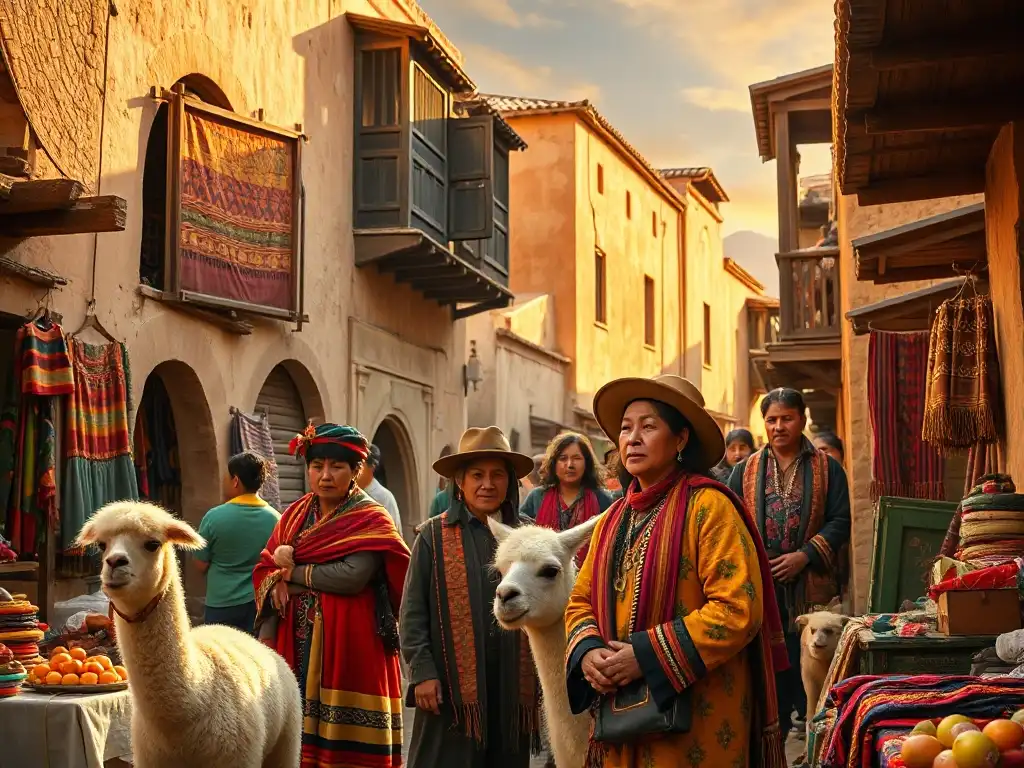
This section delves into the nuanced social customs and traditions of the Andean region, crucial for practicing respectful Andean travel etiquette. Understanding these unwritten rules enhances your travel experience and fosters positive interactions with local communities. Respectful travel isn't just about avoiding offense; it's about actively engaging with the culture in a meaningful and ethical way. This means going beyond simply avoiding negative actions and actively seeking to understand and appreciate the rich tapestry of Andean life.
Understanding the subtleties of Andean social interactions is key to fostering respectful relationships. It's about demonstrating genuine interest and empathy towards the people and their customs.
Greetings and Gestures: The Andean Way
A simple "Buenos días," "Buenas tardes," or "Buenas noches" (good morning, good afternoon, good evening) goes a long way. A firm handshake is generally acceptable, but a gentle nod or a slight bow might be more appropriate in certain rural settings. Avoid overly familiar gestures, loud conversations, and public displays of affection, which might be considered disrespectful. Observe how locals interact and try to mirror their level of formality. In some communities, a slight bow of the head is a more common greeting than a handshake, demonstrating respect and humility.
Understanding Personal Space and Physical Contact
Personal space is generally valued in Andean cultures, although this can vary depending on the region and the relationship between individuals. Avoid touching people unnecessarily, especially on the head or shoulders, which can be considered intrusive. Maintain a comfortable distance during conversations and be mindful of your body language. Direct eye contact can be interpreted differently depending on the context; prolonged staring might be perceived as aggressive, while avoiding eye contact altogether may signify disrespect. The best approach is to observe and mirror the behavior of the people you interact with.
The Importance of Patience and Flexibility in Interactions
Patience is a virtue when interacting with people in the Andes. Things may not always proceed as quickly or as efficiently as you are accustomed to. Embrace the slower pace of life and enjoy the journey. Flexibility is also essential.
Be prepared to adapt to unexpected changes in plans and be understanding if communication barriers arise. A willingness to learn a few basic Quechua phrases, even if only greetings and thank yous, can significantly improve interactions and demonstrate your respect for the local language and culture. Remember, a smile and a genuine effort to communicate, even with limited language skills, can go a long way in building positive relationships.
Respecting Sacred Sites and Traditions
Respect for sacred sites and traditions is paramount for respectful Andean travel. This involves understanding the significance of these places and acting accordingly.
Guidelines for Visiting Ancient Ruins and Ceremonial Centers
When visiting ancient ruins or ceremonial centers, dress modestly and respectfully. Avoid loud noises and disruptive behavior. Refrain from climbing on or touching the structures, as this can damage the delicate artifacts and show a lack of respect for the cultural heritage. Many sites have specific guidelines for visitors; be sure to follow these instructions carefully. Take the time to learn about the history and significance of the site before your visit. This will deepen your appreciation for the cultural heritage and help you engage with the site in a more meaningful way.
Avoiding Cultural Appropriation: Responsible Souvenir Shopping
When purchasing souvenirs, be mindful of cultural appropriation. Avoid items that are clearly sacred or have religious significance. Look for ethically produced handicrafts made by local artisans. Support local businesses and communities by purchasing directly from them rather than from large commercial outlets. Authenticity is important, and supporting local artisans is a great way to show respect for Andean culture and contribute to the local economy.
Photography Etiquette: Asking for Permission and Being Mindful
Always ask for permission before taking photographs of people. A simple "Puedo tomar una foto?" (Can I take a photo?) is a good starting point. Respect people's privacy and avoid taking pictures of individuals without their consent.
Be mindful of the context and avoid taking photographs in situations that might be considered intrusive or disrespectful. Remember, photographs are a record of people's lives and should be treated with respect. Avoid using flash photography near delicate artifacts or in sensitive locations. Remember that you are a visitor in their community, and respecting their privacy and cultural norms is crucial for showing respect.
Sustainable Practices for Responsible Travel
Respectful Andean travel isn't just about polite interactions; it's deeply intertwined with sustainable practices. The delicate Andean ecosystems and the vibrant cultures they support are incredibly vulnerable to the impacts of mass tourism. By embracing sustainable tourism principles, we can ensure the longevity of these precious resources for future generations and contribute to the well-being of local communities.
This means actively minimizing our environmental footprint, supporting local economies, and making conscious choices that prioritize the preservation of the Andes' unique character. The goal is to leave a positive impact, rather than a negative one, on the land and its people. Choosing ethical and sustainable options isn't just a trend; it’s a responsibility.
Minimizing Environmental Impact: Leave No Trace Principles
The "Leave No Trace" principles are paramount for minimizing your environmental impact in the Andes. This involves carefully managing waste, staying on marked trails to avoid damaging vegetation, and respecting wildlife by observing them from a distance. Remember that even small actions, like improperly disposing of trash, can have a significant cumulative effect on the fragile Andean environment. Pack out everything you pack in – this includes food scraps and toilet paper. Avoid using single-use plastics whenever possible.
Opt for reusable water bottles, shopping bags, and containers to reduce your plastic consumption. Respecting the natural beauty of the Andes requires conscious effort to leave it as pristine as you found it. Proper waste management is crucial for preserving the beauty of these incredible landscapes. Consider the cumulative impact of thousands of visitors—every little bit helps.
Supporting Local Economies: Choosing Locally Owned Businesses and Products
Supporting local economies is an essential aspect of respectful Andean travel. By choosing locally owned businesses, guesthouses, and tour operators, you directly contribute to the economic well-being of Andean communities. This financial support helps preserve traditional crafts, supports local farmers, and contributes to the long-term sustainability of the region. Look for businesses that prioritize fair wages and ethical labor practices.
Purchase handcrafted souvenirs from local artisans, ensuring that your purchases contribute directly to their livelihoods. Choosing to eat at local restaurants and markets not only supports local farmers but also allows you to experience authentic Andean cuisine. This approach fosters a more meaningful and impactful travel experience while strengthening the local economy. Remember that your spending power can have a significant positive influence.
Conserving Water and Energy: Simple Steps for Sustainable Travel
Conserving water and energy is another critical component of responsible Andean travel. Water resources in many Andean regions are scarce, and energy consumption often relies on non-renewable sources. By taking simple steps to conserve both, you can make a significant contribution. This could involve taking shorter showers, turning off lights when leaving a room, and reusing towels.
Be mindful of your water usage, especially in areas with limited resources. Opt for accommodations with sustainable practices in place, such as rainwater harvesting or solar energy. Small changes in your habits can collectively make a huge difference in preserving these valuable resources. Consider the impact of your actions, and strive to minimize your consumption of both water and energy.
Recommended Eco-Friendly Travel Gear
Packing eco-friendly travel gear demonstrates a commitment to sustainable travel. Investing in reusable water bottles, shopping bags, and food containers significantly reduces plastic waste. A lightweight, durable backpack minimizes the need for multiple bags, and biodegradable toiletries reduce your environmental impact. Choosing clothing made from sustainable materials, such as organic cotton, further contributes to responsible travel.
Consider a portable water filter or purification tablets to reduce the need for plastic water bottles. By packing thoughtfully, you can minimize your environmental impact and demonstrate your commitment to responsible tourism. This conscious approach helps preserve the pristine Andean environment for generations to come. Remember, even small changes can collectively make a huge difference.
Overcoming Common Challenges in Andean Travel
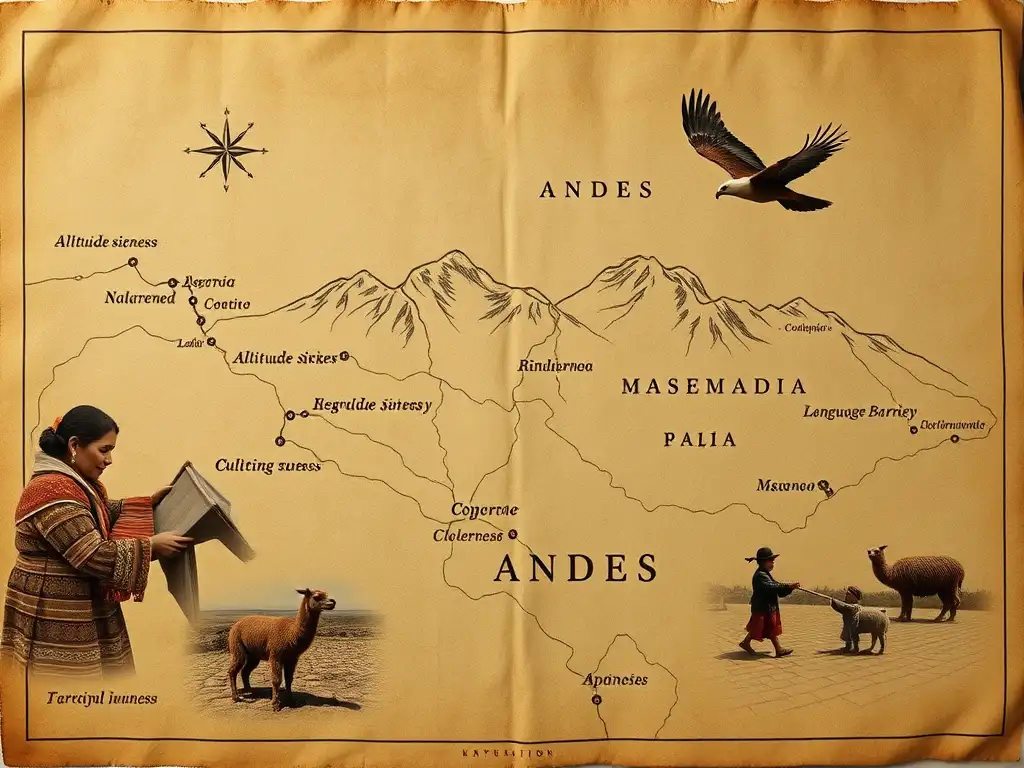
Respectful Andean travel etiquette extends beyond just polite interactions; it also involves navigating potential challenges responsibly and respectfully. Understanding and preparing for common difficulties can significantly enhance your travel experience and minimize any negative impact on local communities. This section focuses on two key areas: language barriers and altitude sickness.
Language Barriers: Tools for Effective Communication
Communication is crucial for respectful interactions. While Spanish is widely spoken in many Andean regions, indigenous languages like Quechua and Aymara are also prevalent, particularly in rural areas. Overcoming language barriers is essential for authentic engagement and avoiding unintentional misunderstandings that could be perceived as disrespectful.
Using Language Learning Apps to Prepare
Before your trip, dedicate time to learning basic Spanish phrases. Numerous language learning apps, such as Duolingo and Babbel, offer interactive lessons tailored to different skill levels. Focusing on phrases related to greetings, basic necessities (food, accommodation, directions), and polite requests will significantly improve your interactions. Even a few basic phrases demonstrate a genuine effort to connect with the local culture, fostering a more respectful exchange. For example, learning how to say "Buenos días" (good morning) and "Gracias" (thank you) goes a long way.
Essential Quechua and Aymara Phrases for Travelers
While Spanish is sufficient in many tourist areas, venturing into more remote regions may require knowledge of Quechua or Aymara. Learning a few essential phrases in these languages can demonstrate respect for the local culture and open doors to more meaningful interactions. Consider learning phrases like "sumaj" (good/beautiful in Quechua) or "kusisqa" (happy in Quechua) to express appreciation. Resources like phrasebooks specifically designed for Quechua and Aymara speakers can be invaluable. Remember that pronunciation is key, so listening to audio examples is highly recommended.
Employing Translation Devices for Real-Time Communication
For more complex communication needs, translation devices and apps can be incredibly helpful. While not a replacement for learning basic phrases, they can facilitate conversations in real-time, particularly when dealing with nuanced topics or unexpected situations. Ensure your chosen device has offline functionality, as reliable internet access isn't always guaranteed in all Andean regions. It's important to remember that technology is a tool; maintaining respectful body language and a patient approach remains crucial for successful communication.
Altitude Sickness: Prevention and Management
Altitude sickness, or acute mountain sickness (AMS), is a common concern for travelers visiting the Andes. Respectful travel includes prioritizing your health and taking steps to minimize potential health issues that could require assistance from local communities.
Acclimatization Techniques: Gradual Ascent and Hydration
The best way to prevent altitude sickness is through gradual acclimatization. Avoid rapid ascents; instead, plan your itinerary to allow your body time to adjust to the changing altitude. Spend a few days at lower altitudes before heading to significantly higher elevations. Adequate hydration is equally important. Drink plenty of water throughout your trip, even if you don't feel thirsty. Avoid alcohol and caffeine, as they can dehydrate you. This proactive approach demonstrates responsible travel planning and minimizes the risk of needing emergency medical assistance.
Natural Remedies for Altitude Sickness
Several natural remedies can help alleviate mild symptoms of altitude sickness. Coca tea, a traditional Andean beverage, is often used to combat altitude sickness symptoms. However, it's crucial to note that its effects vary among individuals. Other remedies include ginger, which can help with nausea, and rest, which is essential for allowing your body to adjust. Remember, these are supportive measures, not cures. Severe altitude sickness requires immediate medical attention.
Recommended Travel Insurance with Altitude Coverage
Comprehensive travel insurance with specific altitude sickness coverage is essential for respectful and responsible travel. Altitude sickness can lead to unexpected medical expenses, and appropriate insurance will help cover these costs, preventing you from burdening local medical facilities or communities. Ensure your policy covers emergency medical evacuation, which can be crucial in remote areas. Choosing a reputable insurance provider that understands the specific challenges of high-altitude travel is vital. This demonstrates preparedness and minimizes potential disruptions to your trip and potential strain on local resources.
Respectful Andean travel often hinges on understanding and navigating the region's unique transportation systems. Successfully traversing the Andes requires more than just booking a flight; it demands a sensitivity to local customs and infrastructure. The journey itself can be a significant part of the cultural immersion, offering opportunities to connect with local communities and appreciate the challenges of daily life in the region. Failing to account for these intricacies can lead to delays, frustration, and, potentially, disrespectful interactions with locals.
For instance, showing impatience or demanding preferential treatment due to a lack of understanding of the system can be perceived negatively. Prioritizing patience and adaptability is crucial for a positive and respectful experience. Understanding the nuances of local transportation is key to minimizing your environmental impact, as well.
Understanding Local Transportation Options: Buses, Collectivos, and Taxis
The Andean region offers a diverse range of transportation options, each with its own cultural significance and practical considerations. Buses, for example, are a common and often affordable means of traveling between cities and towns. They frequently serve as a social hub, allowing for interaction with locals and offering a glimpse into everyday life. However, they can be crowded and journeys can be long.
Collectivos, on the other hand, are shared taxis that operate along fixed routes. They are generally faster than buses but might not always travel to your precise destination. Negotiating fares is often expected, but always do so respectfully and fairly.
Finally, taxis offer a more private and convenient option, especially in urban areas, but they can be more expensive. Choosing the most appropriate mode of transport depends on your budget, time constraints, and comfort level. Remember to always be mindful of the environmental impact of your choices; opting for shared transportation whenever possible is a more sustainable approach.
Booking Reputable Tour Operators: Finding Ethical and Sustainable Options
Selecting the right tour operator is paramount for ensuring a respectful and sustainable travel experience in the Andes. Not all operators adhere to the same ethical standards. Some prioritize profit over the well-being of local communities and the environment. To find responsible operators, research thoroughly.
Look for companies that clearly outline their commitment to sustainable tourism practices, such as fair wages for local guides and staff, community-based projects, and environmental conservation initiatives. Read reviews from other travelers, paying close attention to comments regarding the operator's treatment of local people and their respect for cultural heritage. Avoid operators who offer overly cheap tours, as these may indicate unethical practices such as underpaying guides or neglecting environmental concerns. Choosing a reputable tour operator can significantly contribute to a more meaningful and ethical trip.
Pre-Planning Your Itinerary for a Smoother Journey
Pre-planning your itinerary significantly contributes to a smoother and more respectful trip. Spontaneous travel can be appealing, but in the Andes, a degree of pre-planning can prevent unforeseen challenges and potentially disrespectful situations. By researching destinations and transportation options in advance, you can avoid putting undue stress on local communities or causing disruptions. For instance, knowing the operating hours of transport services allows for better time management and avoids unnecessary pressure on drivers or other service providers.
Understanding local customs and traditions related to travel will also help you navigate situations more smoothly and respectfully. Planning allows for a more thoughtful and considered approach, reducing the likelihood of unintentional cultural missteps. A well-researched itinerary not only ensures a more comfortable journey but also demonstrates respect for the local culture and environment.
Practical Tips for a More Meaningful Trip
This section offers practical advice for travelers seeking to engage respectfully with Andean cultures and environments. Understanding and implementing these tips will contribute significantly to a more meaningful and ethical travel experience, fostering positive interactions and minimizing negative impacts. Remember, respectful Andean travel etiquette is not just about following rules, but about demonstrating genuine care and consideration for the people and places you visit.
Engaging with Local Communities Respectfully
Engaging with local communities is a cornerstone of respectful Andean travel. It's about building bridges of understanding and mutual respect, rather than simply observing from a distance. This involves actively seeking out opportunities for authentic interaction, always with sensitivity and awareness of cultural norms.
Participating in Community-Based Tourism Initiatives
Community-based tourism (CBT) projects offer exceptional opportunities for meaningful engagement. These initiatives are often designed and managed by local communities themselves, ensuring that tourism benefits directly support their economic development and cultural preservation. Look for organizations that prioritize community empowerment, environmental sustainability, and cultural authenticity.
Participating in CBT provides a more immersive and enriching travel experience while contributing directly to the well-being of the community. For example, participating in a traditional weaving workshop or helping with a community-led agricultural project not only allows you to learn new skills but also contributes to the local economy. The economic impact is significant, often directly supporting families and preserving traditional crafts.
Supporting Local Businesses and Artisans Directly
Bypassing large, international corporations and supporting local businesses and artisans directly is crucial for respectful Andean travel. Purchasing handicrafts from local markets or choosing family-run restaurants and hotels ensures that your tourism dollars remain within the community. This directly supports local livelihoods and helps preserve traditional skills and knowledge. Look for authentic, handmade items, and inquire about the origin and creation process; this shows respect for the artisan's skill and cultural heritage. For instance, choosing a hand-woven textile over a mass-produced souvenir directly supports the weaver and their family.
Being an Ambassador for Responsible Tourism
Beyond individual actions, you can become an ambassador for responsible tourism by spreading awareness among your fellow travelers and within your own community. Sharing your positive experiences with others, highlighting the importance of respectful travel etiquette, and promoting ethical tourism practices can have a significant impact. This includes recommending responsible tour operators, sharing information about community-based initiatives, and encouraging others to adopt similar practices. Word-of-mouth recommendations are powerful tools for promoting sustainable and respectful travel.
Documenting Your Journey Responsibly
Documenting your Andean adventure is a natural desire, but it's crucial to do so responsibly, ensuring that your photography and storytelling respect the dignity and privacy of the people and places you encounter.
Sharing Your Experiences with Sensitivity and Respect
When sharing your travel experiences online or with others, always prioritize sensitivity and respect. Avoid sensationalizing or trivializing cultural practices, and be mindful of the context in which you share your photos and stories. Obtain permission before photographing individuals, especially in intimate or private settings. Respect the privacy of individuals and avoid sharing images that could be considered intrusive or disrespectful. Remember, your photos and stories represent not only your experience but also the Andean communities you have visited.
Avoiding Stereotypes and Generalizations
Avoid perpetuating harmful stereotypes and generalizations about Andean cultures. Recognize the diversity within these cultures and avoid making broad, sweeping statements that reduce complex societies to simplistic representations. Instead, focus on sharing authentic and nuanced perspectives, highlighting the richness and diversity of Andean heritage. For example, avoid using stereotypical imagery or language that reinforces harmful misconceptions.
Promoting Positive and Authentic Representation of Andean Cultures
Strive to portray Andean cultures in a positive and authentic light. Highlight the beauty, resilience, and richness of these societies while avoiding romanticized or exoticized portrayals. Focus on sharing accurate information and respectful storytelling that acknowledges the complexity and diversity of Andean history and culture. This includes accurate representation of indigenous languages and customs, avoiding appropriation or misrepresentation. Consider the impact of your words and images, and aim to foster understanding and appreciation rather than perpetuating harmful stereotypes.
Conclusion: Leaving a Positive Footprint in the Andes
This exploration of respectful Andean travel etiquette underscores the importance of mindful engagement with the rich cultural heritage and delicate ecosystems of the Andes. By understanding and adhering to unwritten rules of respect, travelers can contribute significantly to the preservation of these invaluable treasures for future generations. Practicing ethical and sustainable tourism isn't just a trend; it's a responsibility.
It's about recognizing the profound impact we have, both positive and negative, on the communities and environments we visit. The aim isn't simply to see the Andes, but to experience them in a way that honors their history and ensures their vibrancy for years to come. Remember, respectful Andean travel etiquette isn't a checklist; it's a mindset.
The Power of Conscious Travel in Andean Regions
Conscious travel in the Andean regions goes beyond simply avoiding harmful actions; it actively seeks to foster positive interactions and contribute to the well-being of local communities. This means supporting locally owned businesses, engaging with artisans directly, and learning about the history and traditions of the region from authentic sources, not just tourist brochures. For example, choosing to stay in a community-run lodge instead of a large international hotel directly benefits the local economy and empowers the community.
Similarly, participating in guided tours led by local experts not only provides a richer and more insightful experience but also supports local livelihoods and ensures the preservation of traditional knowledge. The economic benefits of conscious travel are undeniable, creating a ripple effect that strengthens communities and sustains their cultural heritage.
Consider the positive impact of your spending: every sol spent directly benefits the local economy, helping to maintain traditional crafts, preserve historical sites, and improve the quality of life for Andean communities. The power of your choices as a traveler is significant; choose wisely, and choose consciously.
Making a Difference Through Respect and Understanding
Respectful Andean travel etiquette hinges on understanding and appreciating the diverse cultures and traditions that make up the Andean region. This involves learning basic Quechua phrases, showing deference to elders, and being mindful of local customs and beliefs. For instance, asking permission before taking photographs, particularly of individuals or sacred sites, is crucial.
Similarly, dressing modestly when visiting religious sites demonstrates respect for local traditions. The simple act of learning a few basic phrases in Quechua, even a simple "hola" or "gracias," can go a long way in showing respect and building rapport with local people. Remember that cultural sensitivity is paramount; avoid making assumptions or generalizations about the Andean people and their traditions.
Engage with humility and a genuine desire to learn and understand, and you'll find yourself rewarded with enriching experiences and lasting connections. The depth of the Andean culture is vast and complex; approach it with humility and a willingness to learn.
Embracing the Andean Spirit and Its Enduring Legacy
The Andean spirit is characterized by a deep connection to the land, a strong sense of community, and a profound respect for ancestral traditions. By embracing this spirit, travelers can cultivate a deeper appreciation for the region and contribute to its ongoing preservation. This means acknowledging the significance of ancestral sites and respecting their sacredness.
It means supporting initiatives that promote sustainable development and environmental protection. It means engaging with the local community in a way that is mutually beneficial and respectful. The enduring legacy of the Andean civilizations should inspire us to tread lightly, to learn from the past, and to contribute to a brighter future.
By incorporating these principles into our travel plans, we can ensure that the Andean spirit continues to thrive, inspiring future generations of travelers and preserving this extraordinary region for all to enjoy. Let's strive to leave the Andes better than we found them – a testament to the power of respectful and conscious travel.
Frequently Asked Questions
What is considered disrespectful behavior when visiting Andean communities?
Showing up unannounced is disrespectful. It's crucial to obtain permission before taking photos of people or entering sacred sites. Loud and boisterous behavior is also inappropriate.
How can I show respect for local customs and traditions?
Learn basic Quechua phrases, dress modestly, and always ask permission before touching anything. Observe local customs and be mindful of spiritual sites. Participate respectfully in any ceremonies you're invited to attend.
What are appropriate gifts to bring to Andean communities?
Small, practical gifts like school supplies or medical supplies are appreciated. Avoid giving overly expensive gifts which could create uncomfortable situations. Gifts should be offered with humility and respect.
How should I interact with locals?
Approach interactions with patience and humility. Learn some basic Spanish or Quechua to show respect. Always ask permission before taking photographs of individuals or their property and be mindful of personal space.
Are there any specific guidelines regarding photography in sacred sites?
Photography is often restricted or requires permission in sacred sites. Be mindful of the spiritual significance of these places and avoid disrespectful behavior like flash photography or intrusive poses. Always ask before taking pictures.
Final Reflection: Weaving Respect into the Andean Tapestry
The principles of respectful Andean travel etiquette are not merely suggestions; they are the threads that weave a vibrant and sustainable future for this incredible region. Ignoring these unwritten rules risks unraveling the very fabric of Andean communities and their rich cultural heritage. Understanding and embracing these customs is not just polite; it's essential for responsible and meaningful travel.
The impact of tourism on the Andes is undeniable, a double-edged sword capable of both immense good and significant harm. The way we choose to travel – with respect, humility, and a genuine desire to learn – directly shapes the experience for both ourselves and the communities we visit. As the renowned anthropologist, Claude Lévi-Strauss, wisely observed: Travel is fatal to prejudice, bigotry, and narrow-mindedness, and many of our people need it sorely on these accounts. Broad, wholesome, charitable views of men and things cannot be acquired by vegetating in one little corner of the earth all one's lifetime.
This quote resonates deeply, highlighting the transformative power of respectful travel and the responsibility we bear as visitors.
Consider the impact of your actions. Will you leave a positive mark on the Andean landscape and its people? Will you choose to support local businesses and artisans, ensuring that the benefits of tourism are fairly distributed? I urge you to reflect on your travel style and commit to making conscious choices that prioritize respect, reciprocity, and sustainability. Let's ensure that our journeys through the Andes contribute to the preservation of its beauty and the well-being of its communities, leaving a legacy of appreciation and understanding for generations to come.
Embrace Your Andean Adventure Today!
Thank you for learning about respectful travel in the Andes! Understanding these key principles will enrich your experience and help you connect authentically with the local culture. Now, let's put this knowledge into practice and create a truly meaningful journey.
Here's how you can get started:
- **Prioritize local engagement:** Seek opportunities to connect with local communities. Consider participating in workshops or community events to learn directly from the people who call the Andes home.
- **Share your journey:** Inspire others to travel respectfully by sharing your experiences on social media. Use the hashtag #RespectfulTravelAndes to encourage responsible tourism.
- **Explore beyond the guidebooks:** Learning a few basic phrases in the local language can significantly enhance your interactions. Even a simple "hello" can open doors to deeper connections and create memorable experiences.
As you plan your next adventure, consider this: **How can you further immerse yourself in the rich Andean culture during your travels? **