
Woven Wonders: Exploring the Intricate Artistry of Andean Textiles

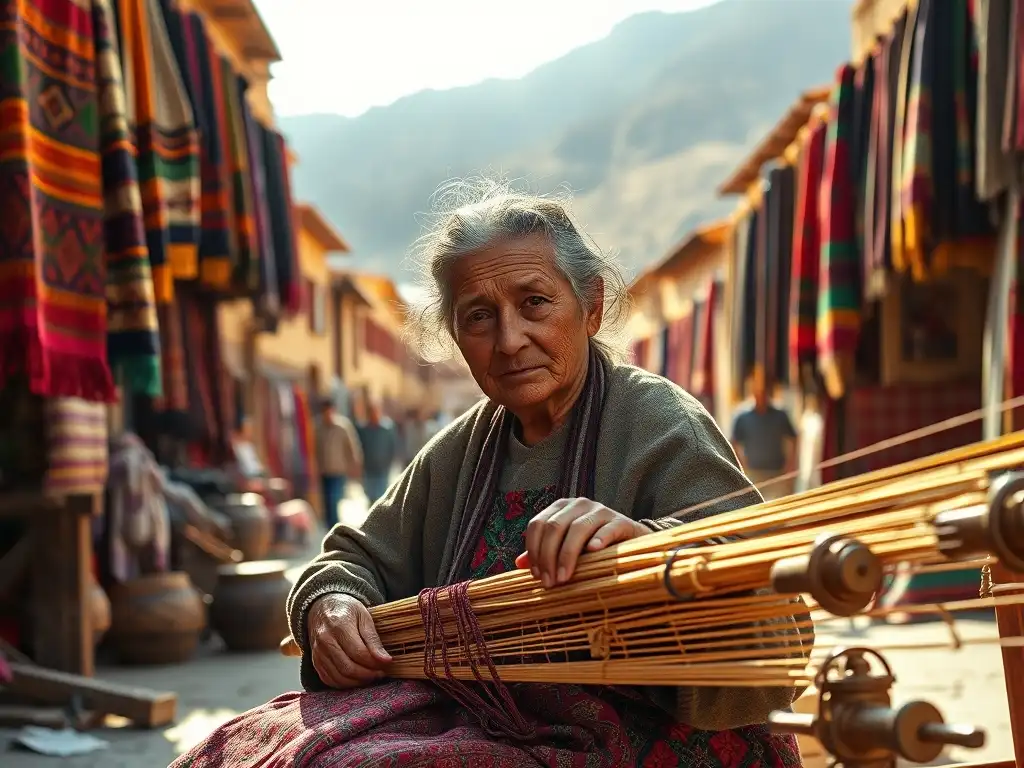
Unravel the mysteries of a lost world where vibrant threads tell tales older than time itself. Step into the captivating realm of Andean Civilizations, where we delve into the rich tapestry of history, culture, and artistry. Prepare to be amazed by the intricate craftsmanship and symbolic power woven into the very fabric of Andean textiles history. Discover how these remarkable creations reveal secrets of ancient societies and ignite a deeper understanding of their complex world. Journey with us as we explore the legacy of the Incas, Moche, Nazca, and Tiahuanaco – a legacy as enduring as the threads themselves.
The Andes Mountains, a spine of towering peaks running down the western coast of South America, are home to a rich tapestry of ancient cultures. For millennia, these civilizations—including the Incas, Moche, Nazca, and Tiahuanaco—developed sophisticated technologies and artistic expressions, none more remarkable than their textiles. This article delves into the fascinating history of Andean textiles, exploring the intricate artistry, innovative techniques, and symbolic meanings woven into these enduring masterpieces.
We will uncover how these textiles served not only as practical clothing and household items, but also as powerful tools for communication, social status, and religious expression, providing invaluable insights into the lives and beliefs of these remarkable Andean peoples. Understanding Andean textiles history is key to unlocking a deeper appreciation for the ingenuity and artistry of these ancient civilizations. Prepare to be amazed by the vibrant colors, complex designs, and enduring legacy of these woven wonders.
The Materials: From Alpaca to Cotton
Andean textile production relied heavily on the readily available natural resources of the region. The most prized fiber was undoubtedly alpaca wool, renowned for its softness, warmth, and luxurious feel. Different alpaca breeds yielded fibers with varying textures and colors, allowing artisans to create textiles of exceptional quality and diversity.
Llama wool, though coarser, was also utilized, often blended with alpaca to achieve specific textures and weights. Cotton, cultivated in the warmer coastal regions, provided a lighter, more breathable fabric, frequently used for clothing worn in hotter climates. The skillful manipulation of these natural fibers, combined with advanced dyeing techniques, allowed Andean weavers to create a breathtaking spectrum of colors and textures.
Consider the sheer scale of the operation: Imagine the herding, shearing, spinning, and dyeing required – a testament to the organized and sophisticated nature of Andean society. Furthermore, the careful selection and blending of fibers demonstrate a deep understanding of material properties and their potential for creating both durable and aesthetically pleasing textiles.
Techniques and Tools: Mastering the Craft
The creation of Andean textiles was a complex process involving a range of specialized techniques and tools. The most fundamental was spinning, transforming raw fibers into strong, even threads. Evidence suggests the use of drop spindles and later, more sophisticated spinning wheels, enhancing productivity and thread quality.
Weaving itself was a highly skilled craft, employing various techniques such as backstrap loom weaving, a portable and versatile method allowing for intricate designs. The intricacy of some pieces, featuring hundreds of threads and complex patterns, points to a high level of skill and dedication. Beyond the basic techniques, Andean weavers mastered advanced methods such as tapestry weaving, creating detailed images and designs by interweaving differently colored threads.
The tools themselves – from simple spindles and looms to specialized combs and needles – were meticulously crafted, reflecting the importance placed on this crucial craft. The precision and artistry evident in surviving textiles highlight the mastery and skill achieved by Andean weavers over centuries.
Symbolism and Meaning: Beyond the Threads
Andean textiles were far more than just clothing; they were powerful symbols embedded with deep cultural and religious meaning. Specific colors, patterns, and motifs conveyed social status, religious beliefs, and narratives. For example, certain geometric patterns might indicate a person's clan or lineage, while elaborate depictions of animals or deities could represent spiritual beliefs or cosmological concepts.
The use of specific dyes, sourced from plants and minerals, also held symbolic weight, with colors like red representing power and fertility, while others signified purity or spirituality. Studying these intricate designs provides a window into the complex social structures, religious practices, and worldviews of the Andean civilizations. The level of detail and the consistency of symbolic representation across different regions and time periods suggest a highly developed and standardized system of visual communication.
Indeed, unlocking the symbolism woven into these textiles offers a unique and valuable perspective on Andean culture and history. This intricate tapestry of symbolic meaning significantly enhances the richness and complexity of the Andean textile legacy.
Legacy and Influence: A Continuing Tradition
The legacy of Andean textiles continues to this day. While many traditional techniques have been adapted or modernized, the fundamental skills and artistic principles remain alive. The vibrant colors, intricate designs, and deep cultural significance of Andean textiles continue to inspire artists and designers worldwide.
The enduring appeal of these textiles lies in their exceptional quality, stunning aesthetics, and profound connection to a rich cultural heritage. The preservation and study of Andean textiles are crucial for understanding the history and culture of the Andes, and the remarkable ingenuity of its people. Moreover, the ongoing appreciation and practice of these weaving traditions ensure that the artistry and symbolism of Andean textiles will continue to enrich and inspire future generations.
The story of Andean textiles is a story of innovation, artistry, and cultural resilience. The enduring legacy of these woven wonders is a testament to the creativity and skill of the Andean people, a legacy worth preserving and celebrating.
- The Materials: From Alpaca to Cotton
- Techniques and Tools: Mastering the Craft
- Symbolism and Meaning: Beyond the Threads
- Legacy and Influence: A Continuing Tradition
The Historical Significance of Andean Textiles
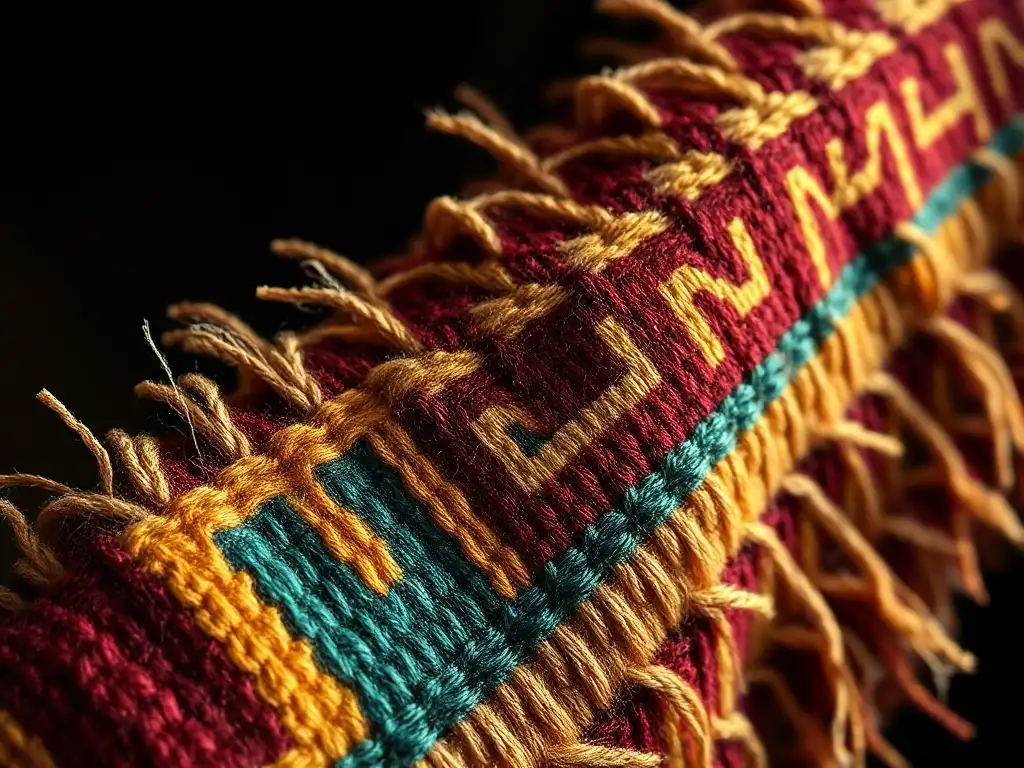
Andean textiles represent far more than mere clothing; they are tangible threads connecting us to a rich and complex past. Their historical significance is deeply interwoven with the social, political, and religious life of the Andean civilizations. Understanding the history of Andean textiles provides invaluable insight into the ingenuity, artistry, and worldview of these ancient cultures.
The intricate designs, vibrant colors, and sophisticated techniques employed in their creation reflect a profound understanding of their environment and a sophisticated aesthetic sensibility. From the earliest pre-Columbian examples to the textiles produced in the post-conquest era, these woven wonders offer a compelling narrative of Andean history and cultural resilience. The study of Andean textiles history reveals a continuity of tradition, adaptation to changing circumstances, and an enduring legacy of artistic excellence.
Analyzing the fibers, dyes, and weaving techniques used reveals much about the economic and social structures of Andean societies. The availability of certain materials, like alpaca or vicuña wool, indicated wealth and status, while the complexity of a textile's design often reflected the social position of its wearer or its intended purpose.
Pre-Columbian Textile Traditions in the Andes
Pre-Columbian Andean textile traditions are characterized by an astonishing diversity of techniques and styles, reflecting the vast geographical expanse and cultural complexity of the region. Long before the Inca Empire, cultures like the Paracas, Nazca, and Moche created textiles of exceptional quality and artistry. The Paracas culture (circa 800-100 BCE), for example, is renowned for its elaborate mantles and tunics, often adorned with intricate embroidery and complex iconography. These textiles, frequently discovered in elaborate burial sites, provide important clues about their religious beliefs and social hierarchy.
The Nazca culture (circa 100-800 CE) is equally famous for its finely woven textiles, characterized by geometric patterns and vivid colors achieved through natural dyes. Their mastery of techniques like tapestry weaving allowed them to create highly detailed and visually stunning pieces. The Moche culture (circa 100-800 CE) also produced sophisticated textiles, often depicting scenes of warfare, ritual ceremonies, and everyday life, offering valuable insights into their social organization and beliefs. These early Andean textile traditions laid the groundwork for the later, even more complex and sophisticated weaving traditions of the Inca Empire.
The use of specific fibers, such as cotton and camelid wools (llama, alpaca, vicuña, and guanaco), reveals a deep understanding of animal husbandry and agricultural practices. The intricate designs and symbolism encoded within these textiles often reflect cosmological beliefs, mythological narratives, and social structures. Detailed analysis of these pre-Columbian textiles reveals a remarkable level of technical skill and artistic expression, showcasing the ingenuity and creativity of these early Andean civilizations.
Andean Textile Art: A Window to Ancient Cultures
Andean textile art serves as a powerful window into the worldview and social structures of ancient Andean cultures. The intricate designs woven into these textiles often represent complex narratives, religious beliefs, and social hierarchies. For instance, the use of specific colors and patterns could indicate a person's social status, clan affiliation, or even their occupation. Certain motifs, such as stylized animals, plants, and geometric shapes, held significant symbolic meaning, often reflecting cosmological beliefs and mythological narratives. The meticulous craftsmanship involved in the creation of these textiles highlights the high value placed on artistry and skill within Andean societies.
Textiles were not merely functional items; they served as important markers of identity, status, and power. They were used in ceremonies, rituals, and as offerings to deities. The use of specific techniques, such as tapestry weaving, brocade, and embroidery, also reveals the high level of technical expertise possessed by Andean weavers. The vibrant colors achieved through the use of natural dyes further underscore the ingenuity and resourcefulness of these ancient cultures.
Furthermore, the preservation of these textiles over centuries provides invaluable evidence of the continuity of Andean traditions and the resilience of their cultural heritage. By studying the motifs, techniques, and materials used in Andean textile art, we gain a deeper understanding of the beliefs, practices, and social structures of these fascinating ancient civilizations. The vibrant colors and intricate designs continue to inspire awe and admiration, serving as a testament to the artistic genius of the Andean people. The study of Andean textiles history allows us to connect with a rich tapestry of cultural expression, revealing the enduring legacy of these remarkable civilizations.
Materials and Techniques in Andean Weaving
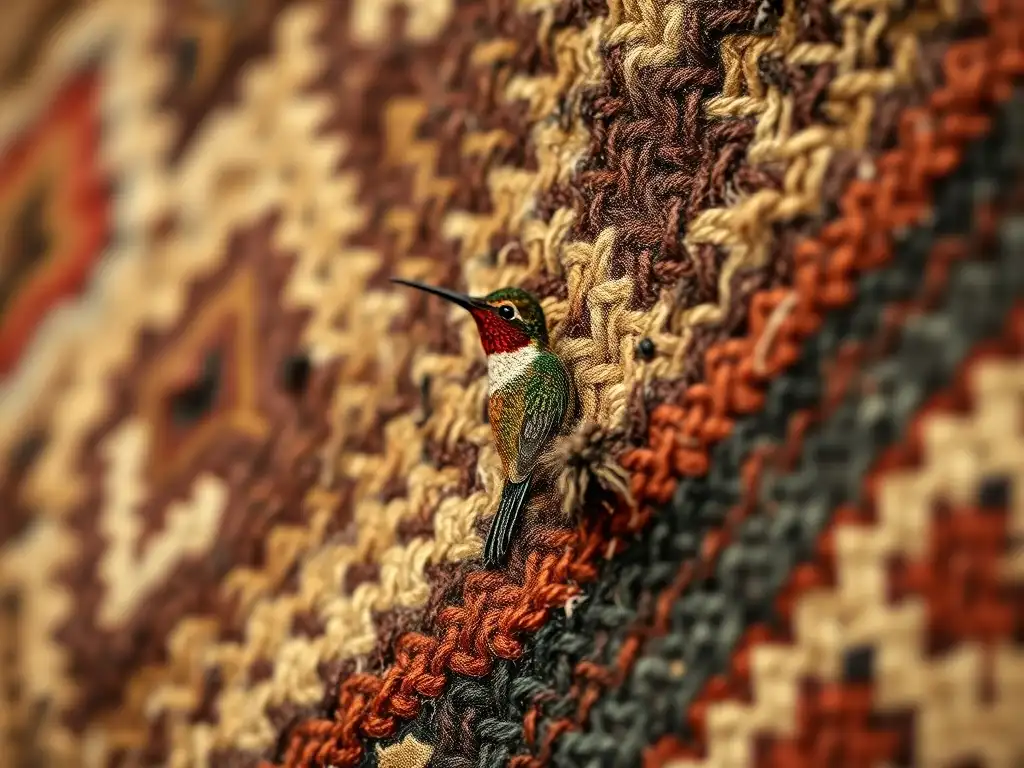
The remarkable artistry of Andean textiles is inextricably linked to the unique materials and sophisticated techniques employed by Andean weavers for millennia. Understanding these elements is crucial to appreciating the depth and complexity of their creations, which continue to inspire awe and admiration today. The legacy of Andean textile history is profoundly shaped by the ingenuity and skill invested in procuring, processing, and weaving these exceptional fabrics.
Andean Textile Fibers: From Alpaca to Cotton
Andean textile fibers represent a diverse palette of natural materials, each contributing unique properties to the final product. The most prized fibers were undoubtedly those derived from camelids – alpaca and llama. Alpaca fiber, renowned for its softness, warmth, and luxurious sheen, was highly valued, reserved for elite garments and ceremonial objects.
Llama fiber, while coarser, provided strength and durability, making it suitable for everyday textiles and utilitarian items. Vicuña, the rarest and finest of the camelid fibers, was exceptionally prized, often associated with royalty and religious figures. Its incredibly soft and lightweight texture made it ideal for fine clothing and intricate weavings.
Beyond camelids, cotton played a significant role, particularly in warmer coastal regions. Andean cotton, known for its strength and length, was cultivated and spun into yarn, creating lightweight and breathable fabrics. Other fibers, such as those from various plants and animal hair, were also incorporated, depending on regional availability and specific textile needs.
The careful selection of fibers directly influenced the texture, drape, and overall quality of the finished textile, reflecting the weaver's skill and knowledge of their materials. The precise proportions of different fibers used in a single textile can reveal insights into its purpose and the social status of its owner, underscoring the intricate relationship between materials and meaning in Andean textile history.
Natural Dyes and the Vibrant Colors of Andean Fabrics
The vibrant colors characteristic of Andean textiles were achieved through the ingenious use of natural dyes derived from plants, insects, and minerals. Cochineal, a scale insect that feeds on prickly pear cacti, yielded a rich crimson hue, highly valued for its intensity and permanence. Various plants, including those from the Rubia tinctorum family (madder), provided shades of red and pink.
Indigo, sourced from the Indigofera plant, offered an array of blues, from deep indigos to lighter shades. Yellows were obtained from a variety of sources, including annatto seeds and the flowers of certain plants. Even minerals, such as ochre for yellows and browns, and clays for various earthy tones, contributed to the diverse color palette.
The precise recipes and techniques for dye preparation were closely guarded secrets, passed down through generations of weavers. The knowledge of which plants or insects to harvest at specific times of the year, and the precise methods of extraction and application, played a crucial role in achieving the desired hues and levels of colorfastness.
The remarkable colorfastness of many Andean textiles, even after centuries, is a testament to the mastery of these ancient dyeing techniques. This sophisticated understanding of natural dyes is a key component of Andean textile history, reflecting a deep connection with the natural environment and a profound understanding of its resources.
Weaving Techniques: The Art of Backstrap Looms and Beyond
Andean weaving is synonymous with the backstrap loom, a portable and versatile device that allowed weavers to create intricate textiles in a variety of settings. This simple yet ingenious device, consisting of a warp held taut by a strap around the weaver's back and another attached to a fixed point, allowed for considerable control over the weaving process.
The backstrap loom facilitated the creation of textiles of various widths and lengths, allowing for a wide range of designs and applications. Different types of backstrap looms existed, each with its own unique features and capabilities, reflecting regional variations and stylistic preferences.
Beyond the backstrap loom, other weaving techniques were employed, including the use of spindle whorls for spinning yarn and various methods of embellishment, such as supplementary weft techniques, embroidery, and resist dyeing. These varied techniques, combined with the skillful manipulation of fibers and dyes, allowed Andean weavers to create an astonishing diversity of textiles, ranging from simple everyday garments to incredibly complex and elaborate ceremonial cloths.
The development and refinement of these techniques over centuries represent a profound achievement in textile technology, deeply intertwined with the cultural and social fabric of Andean societies and forming a significant part of Andean textiles history. The mastery of these techniques, passed down through generations, contributed to the enduring legacy of Andean textile art.
Andean Textile Patterns: Symbolic Motifs and Meanings
Andean textiles are not merely beautiful fabrics; they are rich tapestries woven with stories, beliefs, and social structures. The patterns, far from being random decorations, are carefully chosen symbolic motifs carrying profound meanings. Understanding these patterns offers a window into the complex worldview of the ancient Andean civilizations. The intricate designs, often incorporating geometric shapes, stylized animals, and anthropomorphic figures, served various purposes, from marking social status and clan affiliation to narrating myths and rituals.
For instance, the recurring motif of the khipu—a complex system of knotted cords used for record-keeping—appears frequently in textiles. These representations aren't just decorative; they symbolize the importance of record-keeping and the sophisticated administrative systems of the Inca Empire. The intricate knots and colors within these textile depictions often mirrored the complexity of the actual khipu cords themselves, suggesting a deep connection between the material representation and the abstract concept it symbolized. Scholars continue to decipher the meanings embedded within these textile representations of khipu, uncovering further insights into Inca administration and society.
Furthermore, the use of specific colors also held significant meaning. Red, for example, frequently symbolized blood, sacrifice, and power, while yellow represented gold, the sun, and royalty. The careful selection and combination of colors added another layer of meaning to the textile's overall message. A textile featuring a dominant red background with yellow geometric patterns could indicate a piece associated with a high-ranking individual or a significant ritual event. The precise meaning, however, would depend on the specific combination of colors and motifs used.
Beyond color and the khipu, other common motifs include stylized representations of animals, such as condors, jaguars, and llamas. These animals held significant symbolic value in Andean cultures, representing power, strength, fertility, and other important aspects of their worldview. The way these animals were depicted—their posture, size relative to other motifs, and the colors used—further nuanced their meaning within the context of the textile. A stylized condor, for example, might represent a powerful leader or a shaman, while a smaller, less prominently placed llama might symbolize wealth or prosperity.
The study of Andean textile patterns continues to reveal new insights into the beliefs, social structures, and history of these remarkable civilizations. Each textile is a unique artifact, a woven narrative waiting to be deciphered, offering a rich and complex understanding of "Andean textiles history". The careful observation of these symbolic motifs and their variations offers a powerful glimpse into the rich cultural tapestry of the Andes. The ongoing research and interdisciplinary approaches highlight the enduring significance of these ancient textiles as invaluable sources of historical and cultural information.
The Evolution of Andean Textile Designs
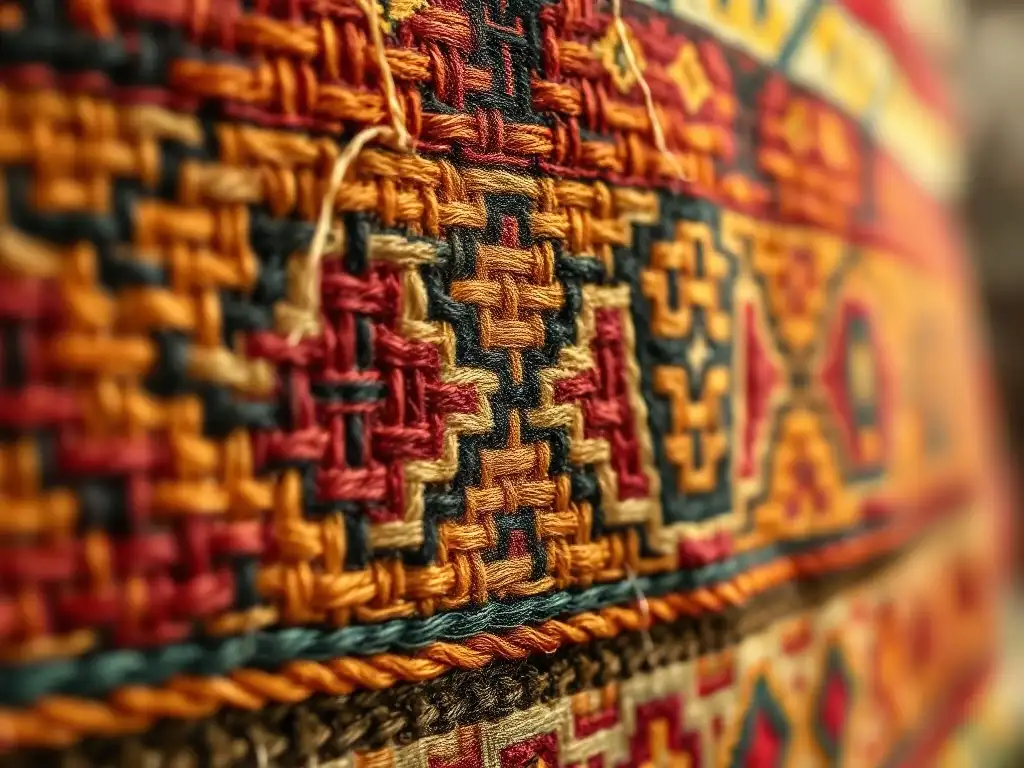
The history of Andean textiles is a vibrant tapestry woven through millennia, reflecting evolving social structures, religious beliefs, and technological advancements. Understanding this evolution requires examining the interplay between artistic expression, societal changes, and the readily available resources. From simple geometric patterns to complex narrative designs, Andean textiles offer a unique window into the past, providing invaluable insights into the lives and beliefs of ancient Andean peoples.
The development of Andean textile designs wasn't a linear progression; rather, it was a dynamic process shaped by both continuity and innovation, with various styles flourishing and influencing one another across different regions and time periods. The sheer variety and complexity of these designs make "Andean textiles history" a fascinating and extensive field of study.
Early Andean Textile Motifs: Geometric Shapes and Animal Representations
The earliest Andean textiles, dating back to the pre-ceramic periods, showcase a preference for simple, geometric motifs. These designs, often found on fragments of cloth and textiles recovered from archaeological sites, primarily consist of stripes, chevrons, and zigzags. These basic shapes likely served practical purposes, such as marking different sections of woven cloth or indicating ownership. However, as weaving techniques improved and societies became more complex, these simple geometric forms evolved.
The incorporation of animal representations marked a significant shift in Andean textile design. Camelids (llamas and alpacas), which were crucial to the Andean economy and culture, frequently appeared in early textile designs. These representations were often stylized, emphasizing key features like the animal's head or body shape. Birds, snakes, and other animals also appeared, suggesting a growing interest in representing the natural world in textile art.
The use of these animal motifs may have had symbolic meanings, perhaps representing clan affiliations, shamanic practices, or beliefs about the animal world. Analyzing these early designs helps us understand the foundational elements that would later develop into the more complex and elaborate textile traditions of later periods. For example, the consistent use of certain color palettes—reds, browns, and natural dyes—suggests access to specific resources and a deep understanding of natural pigments.
The Influence of the Inca Empire on Textile Production
The Inca Empire (1438-1533 CE) exerted a profound influence on Andean textile production, standardizing techniques and designs across a vast territory. Before the Inca, weaving was largely a decentralized craft, with regional variations in style and technique. The Inca, however, centralized production, establishing workshops and employing specialized weavers to create textiles for the elite and for ritual purposes. This resulted in a more uniform style, with certain designs and colors becoming associated with imperial power and authority.
The Inca also significantly expanded the use of symbols and iconography in their textiles. While geometric patterns continued to be used, complex designs incorporating stylized representations of animals, plants, and human figures became increasingly common. These designs often conveyed specific messages or narratives, reflecting Inca beliefs and ideology.
For instance, the tocapus, a type of headdress worn by Inca rulers, was often adorned with elaborate textiles featuring intricate designs that symbolized their power and divine connection. The Inca's mastery of textile production, combined with their sophisticated social organization, resulted in some of the most impressive and well-preserved textiles from the Andean region. The standardization of styles, however, did not completely eliminate regional variations.
Subtle differences in color palettes and design motifs can still be observed, reflecting the persistence of local traditions even under Inca rule. This careful documentation of "Andean textiles history" allows us to trace the impact of centralized power on artistic expression.
Regional Variations in Andean Weaving Styles: Paracas, Nazca, and Wari Styles
Despite the unifying influence of the Inca Empire, significant regional variations in Andean weaving styles persisted throughout history. Examining distinct traditions—such as those of the Paracas, Nazca, and Wari cultures—reveals a fascinating diversity of techniques and artistic expressions. The differences highlight the unique cultural identities and artistic sensibilities of these Andean societies.
The Paracas culture (ca. 800-200 BCE), known for its elaborate mummy bundles, produced textiles with complex iconography and intricate weaving techniques. Their textiles often featured vibrant colors and detailed representations of human figures, animals, and mythological creatures. The Nazca culture (ca. 100 BCE-600 CE), famous for its geoglyphs, created textiles with distinctive designs, often employing a tapestry technique to create intricate patterns and scenes.
Their textiles frequently incorporated stylized representations of birds, plants, and geometric motifs, many of which appear to be related to their religious beliefs. The Wari culture (ca. 600-1000 CE), a powerful empire that predates the Inca, produced textiles characterized by their geometric patterns and use of natural dyes. Their textiles often feature bold colors and intricate designs, reflecting their sophisticated weaving techniques and artistic skills.
These variations highlight the rich tapestry of Andean textile traditions, demonstrating the remarkable diversity of artistic expression in the region. The study of these diverse styles further enriches our understanding of "Andean textiles history," showcasing the unique cultural identities that existed alongside one another. Further research is needed to fully understand the subtle nuances and regional variations within these artistic traditions. For instance, [specific information pending] on the specific dye sources and techniques used by each culture.
Andean Textiles: Beyond Decoration
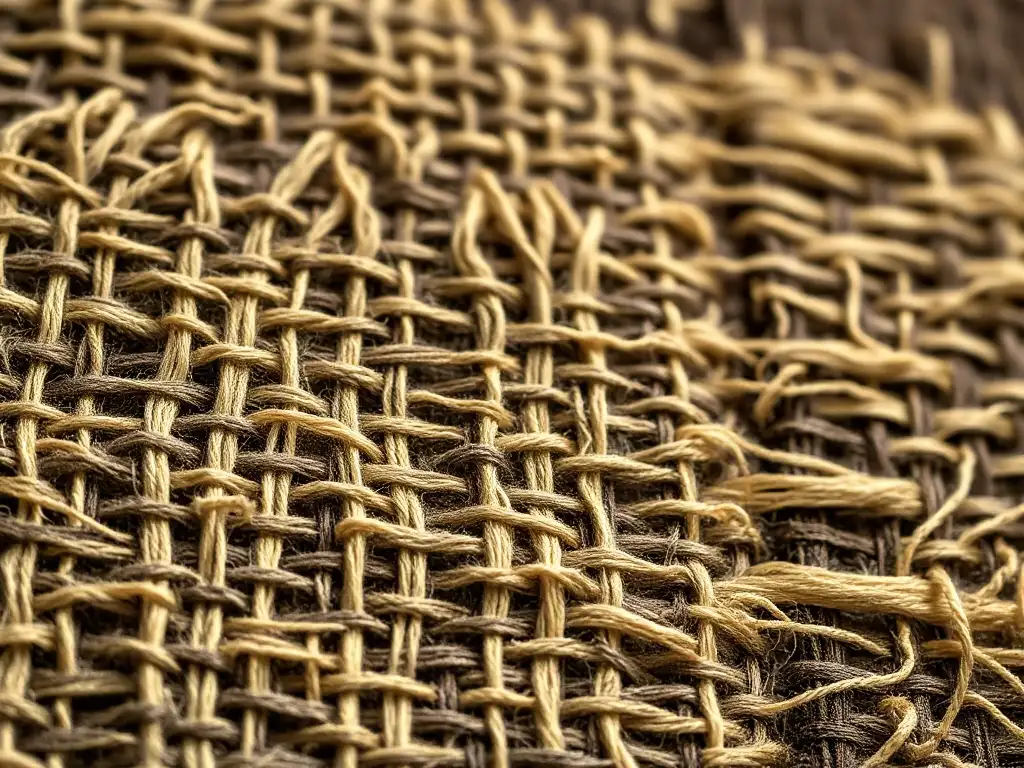
Andean textiles represent far more than mere decoration; they are intricate tapestries woven with threads of history, social standing, and spiritual belief. Understanding their significance requires moving beyond appreciating their aesthetic beauty to recognizing their profound role in the lives of ancient Andean societies. The creation and ownership of these textiles were deeply intertwined with social structures, religious practices, and complex systems of communication.
This section delves into the multifaceted meanings encoded within these remarkable artifacts, shedding light on their cultural and historical importance. The study of Andean textiles history reveals a sophisticated understanding of textile production and its social implications, far surpassing simple decorative purposes.
The complexity and artistry of Andean textiles often served as powerful indicators of social status. Elaborate garments, adorned with intricate designs and rare materials, were reserved for the elite, signifying their power and prestige. For example, the use of vibrant, imported dyes like cochineal (derived from insects) and the intricate weaving techniques employed (such as warp-faced and double-cloth methods) were hallmarks of high-status individuals. Commoners, on the other hand, wore simpler garments made with readily available materials and less complex techniques.
The type of fiber also played a role. Fine vicuña and alpaca wool, softer and more luxurious than llama wool, were reserved for the nobility. The sheer labor involved in creating these intricate textiles also contributed to their value as status symbols.
A single garment could represent years of work, highlighting the wearer's elevated position within society. Archaeological evidence consistently supports this connection between textile quality and social hierarchy, with burial sites of elites yielding significantly more elaborate and finely crafted textiles than those of commoners. Analyzing the textiles found in these contexts provides crucial insights into the social stratification of Andean societies.
Ritual Use and the Spiritual Significance of Andean Weaving
Beyond their social significance, Andean textiles held profound spiritual meaning, playing a vital role in religious ceremonies and rituals. Many textiles were specifically created for ritual purposes, incorporating symbolic designs and motifs believed to possess magical or protective powers. These designs often depicted deities, mythical creatures, or celestial bodies, connecting the wearer or offering to the spiritual realm.
The act of weaving itself was often imbued with spiritual significance. Some scholars believe that the process of creating textiles was seen as a form of communion with the supernatural, with the weaver acting as a mediator between the human and spiritual worlds. The use of specific knots, colors, and patterns in the weaving process could have held particular ritual importance, serving as a form of encoded communication with the gods or ancestors.
The careful preservation of ceremonial textiles in archaeological contexts suggests their ongoing importance and enduring power long after their creation. The rich symbolism embedded within these textiles offers a window into the complex religious beliefs and practices of Andean cultures.
Andean Textiles as a Form of Communication
Andean textiles served as a powerful and nuanced form of visual communication, conveying complex messages through intricate designs and symbolic motifs. These textiles weren't merely decorative; they were visual narratives, encoding information about clan affiliations, historical events, and social structures. Different designs and colors could represent specific geographic locations, kinship groups, or even historical events.
The use of khipus, knotted cords used for record-keeping, further demonstrates the Andean capacity for complex information storage and communication. While the exact meaning of many khipu knots remains debated, their presence alongside textiles suggests a unified system of visual communication. The intricate designs on textiles often complement and elaborate upon the information encoded in khipus, providing a richer and more detailed understanding of Andean society and history.
Deciphering these visual narratives requires careful study of iconography, color symbolism, and textile techniques, revealing the sophisticated communication systems employed by these ancient cultures. The study of Andean textiles history is thus crucial to understanding their broader communication strategies. The intricate designs weren't merely decorative; they were a sophisticated form of visual language.
Preserving the Legacy of Andean Textile Art
The enduring legacy of Andean textile art faces numerous challenges in the modern world, demanding proactive strategies for its preservation. Understanding these challenges and implementing effective solutions is crucial to safeguarding this irreplaceable cultural heritage for future generations. The intricate artistry, symbolic narratives, and technical mastery embedded within these textiles represent not only aesthetic achievements but also a profound connection to the Andean past.
Their survival hinges on a multi-faceted approach involving both institutional efforts and community engagement. The vibrant colors, complex weaving techniques, and symbolic designs continue to captivate audiences worldwide, but the very traditions that created these masterpieces are under pressure. This section delves into the complexities of preserving this invaluable aspect of Andean culture.
Contemporary Andean Textile Artists and Their Work
Despite the challenges, a vibrant community of contemporary Andean textile artists continues to thrive. These artists, many of whom are descendants of long lineages of weavers, are actively working to preserve and revitalize traditional techniques while also incorporating contemporary influences. Their work showcases a remarkable blend of tradition and innovation, demonstrating the enduring power and adaptability of Andean textile art.
For example, [Specific artist's name pending] is renowned for their innovative use of natural dyes and their incorporation of contemporary themes into their designs. Their work has gained international recognition, showcasing the beauty and sophistication of modern Andean textile art while honoring the rich history of the craft. Another example is [Specific artist's name pending], who focuses on reviving nearly lost techniques of [Specific textile technique pending], demonstrating a dedication to preserving the intricate details of Andean textile heritage.
The dedication of these artists to their craft ensures that the knowledge and skills necessary to create these exquisite textiles are passed down to future generations. Detailed studies on the number of active contemporary artists and their geographic distribution are pending, but anecdotal evidence suggests a significant number are active in [Specific regions pending].
Challenges to the Preservation of Andean Textile Heritage
The preservation of Andean textile heritage faces significant hurdles. One major challenge is the loss of traditional knowledge. As older generations pass away, the intricate techniques and symbolic meanings embedded within these textiles risk being lost forever. This is exacerbated by the increasing influence of mass-produced textiles, which often lack the cultural significance and craftsmanship of traditional Andean weavings. Furthermore, the availability of high-quality natural dyes is dwindling, threatening the vibrancy and authenticity of the textiles. Sourcing sustainable and ethically produced materials presents a continuous obstacle for many artisans.
Another significant challenge is the lack of economic opportunities for Andean textile artisans. The low prices often paid for handcrafted textiles make it difficult for artisans to make a living, leading many to abandon the craft in favor of more lucrative pursuits. This economic instability directly impacts the sustainability of the tradition, potentially leading to a decline in the number of practicing artisans and the eventual loss of invaluable skills.
Finally, the impact of tourism can be a double-edged sword. While tourism can increase demand for Andean textiles, it can also lead to the mass production of inferior imitations, undermining the value of authentic handcrafted pieces. A balanced approach that supports authentic artisans while educating tourists about the significance of their work is crucial.
The Importance of Supporting Andean Textile Artisans
Supporting Andean textile artisans is not merely an act of preserving a cultural heritage; it is an investment in the economic and social well-being of Andean communities. By purchasing authentic handcrafted textiles, we directly contribute to the livelihoods of these artisans, ensuring the continuation of their traditions. Furthermore, supporting fair trade initiatives and organizations working to promote the economic empowerment of Andean artisans is vital.
This includes promoting initiatives that provide access to fair prices, markets, and training opportunities. The creation of cooperatives and collective marketing strategies can also significantly improve the economic prospects of these artisans. Initiatives such as [Specific examples of support programs pending] demonstrate effective strategies to uplift the economic conditions of Andean textile artisans.
Investing in the preservation of Andean textiles is, therefore, an investment in the cultural richness and economic sustainability of the Andean region, safeguarding a legacy for generations to come. The vibrant tapestry of Andean textile art deserves our continued support and appreciation. 🧵💖
Frequently Asked Questions
What makes Andean textiles so unique?
Andean textiles are renowned for their exceptional craftsmanship, utilizing vibrant natural dyes and intricate weaving techniques passed down through generations. The designs often hold deep symbolic meaning, reflecting Andean cosmology and social structures.
How did Andean civilizations create such vibrant colors?
The vibrant colors in Andean textiles came from naturally sourced dyes, derived from plants, insects, and minerals. Cochineal, a tiny insect, was particularly important for creating rich reds and purples. Complex processes were used to achieve lasting, brilliant hues.
What were some of the common weaving techniques used in Andean textiles?
Andean weavers mastered various techniques, including backstrap loom weaving, spindle spinning, and complex tapestry techniques. They used diverse materials like alpaca, llama, and cotton, creating a wide range of textures and patterns.
What role did textiles play in Andean society?
Textiles played a vital role in Andean society, serving both practical and ceremonial purposes. They were used for clothing, blankets, and religious objects. Textile production was often a highly valued skill, reflecting social status and power.
Where can I learn more about the history of Andean textiles?
You can explore museums showcasing Andean artifacts, such as the Larco Museum in Lima, Peru, or research online resources focusing on Andean textile history and archaeological discoveries. Numerous books and academic papers delve into the subject.
Final Reflection: The Enduring Legacy of Andean Textiles
The vibrant threads of Andean textile traditions continue to resonate today, a testament to the enduring power of artistry and cultural preservation. These intricate weavings are not merely historical artifacts; they are living narratives, whispering stories of resilience, innovation, and a profound connection to the land. Their enduring beauty compels us to recognize the vital role of cultural heritage in shaping our understanding of the past and informing our future.
The influence of Andean textiles extends far beyond the realm of art history; they represent a powerful symbol of cultural identity and survival. Their intricate designs, often imbued with deep spiritual and symbolic meaning, continue to inspire contemporary artists and designers. The techniques passed down through generations, defying the passage of time, are a testament to human ingenuity and the strength of community. The threads themselves are a language, telling of the people, their beliefs, and their relationship with the world around them.
This quote encapsulates the profound connection between the weaver, the textile, and the rich cultural heritage it embodies.
Consider the stories woven into each piece – the dedication, the skill, the deep-rooted connection to ancestral practices. You, too, can become a part of this legacy by appreciating the artistry and understanding the cultural significance behind these magnificent textiles. Seek out opportunities to learn more, support artisans, and share the beauty and history of Andean textiles with others. Let the vibrant colors and intricate patterns inspire you to explore your own creative spirit and to appreciate the rich tapestry of human culture.
Unveil the Beauty of Andean Textiles Today!
Thank you for exploring the fascinating world of Andean textiles! We hope you've gained a deeper appreciation for the intricate artistry and rich cultural heritage woven into these remarkable creations. Let's continue your journey by discovering ways to connect with this beautiful tradition.
- Learn the art of Andean weaving firsthand. Participate in a local workshop or class to experience this ancient craft and create your own textile masterpiece.
- Share your passion with others. Host a cultural evening for friends, showcasing Andean textiles and sharing the captivating stories behind them.
- Deepen your understanding. Explore online resources, documentaries, and books to further investigate the Andean civilizations and their unparalleled textile artistry.
What aspect of Andean textiles most inspires you to integrate this rich heritage into your life?