
The Inca Astronomical Knowledge: How It Was Used and Misunderstood

Step into a world lost to time, yet echoing with the whispers of a sophisticated civilization. Imagine a sky brimming with meaning, where the stars weren't just points of light, but a complex calendar dictating life itself. Our journey into the heart of Andean history begins with the Inca astronomical calendar system, a marvel of ingenuity that shaped their society and continues to fascinate us today. But how much of their celestial knowledge survived the devastating Spanish Conquest? Discover the truth behind the myths and unravel the mysteries of this ancient wisdom – your exploration starts now.
- Inca Astronomical Knowledge: How It Was Used and Misunderstood
- The Inca Astronomical Calendar System: A Detailed Look
- Inca Astronomy and Agricultural Practices
- Misconceptions and Misinterpretations of Inca Astronomy
- The Legacy of Inca Astronomical Knowledge
- The Fall of the Inca Empire and the Loss of Astronomical Knowledge
-
Frequently Asked Questions
- What was the Inca astronomical calendar system used for?
- How accurate was the Inca astronomical knowledge?
- Did the Inca have written records of their astronomical observations?
- How did the Inca utilize specific astronomical events in their daily life?
- How has the Inca astronomical calendar system been misunderstood?
- Final Reflection: Echoes of the Sun: Inca Astronomy's Enduring Legacy
- Uncover the Stars: Embrace the Wisdom of Inca Astronomy!
Inca Astronomical Knowledge: How It Was Used and Misunderstood
The Spanish conquest of the Inca Empire in the 16th century marked a devastating turning point in Andean history, resulting in the destruction of countless cultural artifacts and the suppression of indigenous knowledge systems. Among the casualties of this conquest was a profound understanding of astronomy, a field integral to the Inca worldview and societal structure.
This article delves into the sophisticated Inca astronomical calendar system, exploring its practical applications, its role in shaping Inca society, and the subsequent misunderstandings and misinterpretations that arose following the arrival of the Europeans. We will examine how the Inca utilized their celestial observations for agriculture, religious practices, and governance, highlighting the complexity and precision of their astronomical knowledge, a testament to their advanced civilization and a significant contribution to the broader history of Andean astronomy.
Understanding the Inca's relationship with the cosmos provides crucial insight into their societal organization and the lasting impact of the Spanish conquest on the Inca worldview. This exploration of the Inca astronomical calendar system will reveal a rich and intricate system far more nuanced than previously assumed.
The Significance of Astronomy in the Inca Empire
Astronomy wasn't merely a scientific pursuit for the Inca; it was deeply interwoven with their religion, agriculture, and social organization. The Inca believed that the celestial bodies exerted a powerful influence on their lives, dictating the cycles of nature and the rhythms of their society. Their understanding of the cosmos wasn't abstract; it was practical, informing their daily lives and shaping their worldview.
The precise observation of celestial events, particularly the solstices and equinoxes, played a vital role in determining the optimal times for planting and harvesting, ensuring the success of their agricultural endeavors. This close connection between astronomy and agriculture highlights the sophisticated level of knowledge the Inca possessed and their ability to integrate scientific understanding with their spiritual beliefs. Moreover, astronomical events were often incorporated into religious ceremonies and rituals, reinforcing their societal significance.
The Inca's detailed knowledge of the celestial sphere was not only a testament to their observational skills but also a crucial element in maintaining the social order and ensuring the continuity of their civilization. The Inca calendar system, intricately linked to celestial events, allowed for precise scheduling of religious festivals, agricultural practices, and even administrative tasks.
Inca Celestial Observations and Their Purpose
The Inca employed a variety of methods for observing the celestial bodies. They didn't possess telescopes, but their keen eyesight and meticulous record-keeping allowed them to make remarkably accurate observations. They utilized strategically positioned structures, such as the Intihuatana stones (sun-watching stones) found at various sites throughout the empire, to track the sun's movement throughout the year. These structures, often located at significant religious and administrative centers, allowed for precise measurements of solstices and equinoxes, crucial information for agricultural planning and religious calendrical events.
Furthermore, the Inca meticulously recorded celestial events using a system of knotted strings called quipus. While the exact methods of interpreting the quipus remain a subject of ongoing research, it's evident they served as a sophisticated form of record-keeping, capable of capturing complex astronomical data. The Inca also likely used their knowledge of constellations and other celestial phenomena to navigate and to understand seasonal changes.
The practical applications of their astronomical knowledge were extensive, ranging from predicting weather patterns to organizing large-scale public works projects, demonstrating the profound integration of astronomy into all aspects of Inca life. The Inca's understanding of the cosmos was not limited to simple observations; it was a complex system of knowledge that informed and shaped their society in profound ways. The precision and sophistication of their astronomical knowledge are a striking testament to their intellectual capabilities and their ability to use celestial observations for the benefit of their civilization.
The Inca Astronomical Calendar System: A Detailed Look
The Inca astronomical calendar system, a sophisticated network of observations and interpretations of celestial events, played a crucial role in the Inca Empire's social, religious, and agricultural life. Unlike written records left by other civilizations, Inca knowledge was primarily transmitted orally and through practical applications. Therefore, our understanding relies heavily on archaeological evidence, ethnographic studies of later Andean cultures that retained some traditions, and interpretations of colonial accounts, which sometimes reflect biases and misunderstandings. This section delves into the intricacies of this system, clarifying common misconceptions.
Understanding the Inca Solar Calendar
The Inca solar calendar was not a fixed, rigid system like the Gregorian calendar we use today. Instead, it was a flexible system based on meticulous observations of the sun's movements. The Inca year was divided into twelve months, each associated with specific agricultural activities and ceremonies.
These months weren't of equal length, reflecting the variations in the agricultural cycle and the changing seasons in the Andes' diverse geography. The starting point of the Inca year was determined by the heliacal rising of the Pleiades star cluster, a significant event marking the beginning of the agricultural season in many Andean regions. This event, visible only under specific atmospheric conditions, showcases the Inca's acute observational skills and deep understanding of their environment.
Archaeological evidence suggests the use of intihuatana stones, which may have served as solar observatories, helping to track the solstices and equinoxes with remarkable accuracy. The positioning of these stones, often on mountain peaks, allowed for precise alignment with the sun's path across the sky, further demonstrating their advanced astronomical knowledge. The Inca calendar was, therefore, deeply intertwined with their agricultural practices, ensuring the timely planting and harvesting of crops crucial for their survival.
The Inca Lunar Calendar and its Uses
Alongside the solar calendar, the Inca also meticulously tracked the lunar cycles. The lunar calendar, while not as central to agricultural planning as the solar calendar, held significant religious and social importance.
The phases of the moon were used to regulate numerous ceremonies and festivals, some of which were connected to specific agricultural tasks, while others were more focused on ritualistic practices. The observation of lunar eclipses, often interpreted as omens or divine messages, further highlights the profound influence of celestial events on Inca society.
Unlike some cultures that associated lunar cycles solely with feminine energies, the Inca incorporated lunar observations into a broader cosmological framework that integrated both solar and lunar cycles, demonstrating a holistic approach to their understanding of the cosmos. The precise methods used to track the lunar cycles are still debated by scholars, but evidence suggests a combination of direct observation and potentially the use of knotted cords, or quipus, to record lunar phases over extended periods.
Key Dates and Festivals in the Inca Calendar
The Inca calendar was punctuated by a series of important dates and festivals, most of which were tied to the agricultural cycle and the sun's movements. The Inti Raymi, the festival of the sun, celebrated at the winter solstice, was arguably the most important event. This grand ceremony involved elaborate rituals, processions, and sacrifices, reaffirming the Inca's reverence for the sun god, Inti.
Other significant festivals included those marking the equinoxes and the planting and harvesting seasons, each with specific rituals and ceremonies tailored to the occasion. The precise dates of these festivals varied slightly based on geographical location within the vast Inca Empire, demonstrating the calendar's adaptability to diverse environmental conditions. The Inca calendar was not simply a system for tracking time; it was a deeply integrated aspect of their worldview, shaping their social structure, religious beliefs, and agricultural practices.
Unfortunately, much of the precise details of these festivals remain lost to history, requiring further research to fully uncover the richness and complexity of the Inca calendar's cultural significance. Further research into Inca astronomical practices promises to reveal more about their sophisticated understanding of celestial mechanics and their incorporation into daily life.
How the Inca Aligned Architecture with Celestial Events
The Inca's profound understanding of astronomy wasn't merely theoretical; it was deeply interwoven with their architectural practices. Many Inca structures, from monumental sites like Machu Picchu to smaller ceremonial buildings, exhibit a striking alignment with celestial events. This wasn't accidental; meticulous planning and observation went into ensuring these alignments, reflecting the Inca's belief in the interconnectedness of the earthly and cosmic realms.
The precision involved suggests sophisticated instruments and techniques, although the exact methods remain a topic of ongoing scholarly debate. Some researchers propose the use of simple tools like gnomons (vertical sticks casting shadows) to track the sun's movement, while others suggest more complex methods involving observation of star positions and the precise measurement of angles.
One of the most striking examples of this astronomical architecture is the alignment of several structures within Machu Picchu with the solstices and equinoxes. For instance, the Intihuatana stone, a monolithic structure often interpreted as a sundial, appears to be precisely oriented to mark the solstices. The rising and setting sun at these key times of the year would have cast specific shadows, potentially marking important dates within the Inca agricultural calendar.
Similarly, the orientation of certain windows and doorways in Machu Picchu's buildings seems designed to frame specific celestial events, allowing the passage of light at particular times of the year. This precise alignment served not only a practical purpose in tracking the seasons, but also had a strong symbolic significance, reinforcing the Inca worldview.
Beyond Machu Picchu, other Inca sites demonstrate similar alignments. Temples, observatories, and even residential buildings in various locations throughout the Inca empire show evidence of careful astronomical planning. These alignments were not limited to the sun; the Inca also seem to have incorporated the movements of the moon and stars into their architectural designs, although the evidence for this is less readily apparent than the solar alignments. The Inca’s mastery of stonework, allowing for incredibly precise construction, further enhanced the accuracy of these astronomical alignments.
The meticulous craftsmanship evident in Inca architecture facilitated the creation of structures that served as both functional buildings and sophisticated astronomical instruments. The integration of astronomy into architecture served to reinforce the Inca's cosmological beliefs and solidify their connection to the cosmos. Further research is needed to fully understand the complexity and extent of this practice.
Inca Astronomy and Agricultural Practices
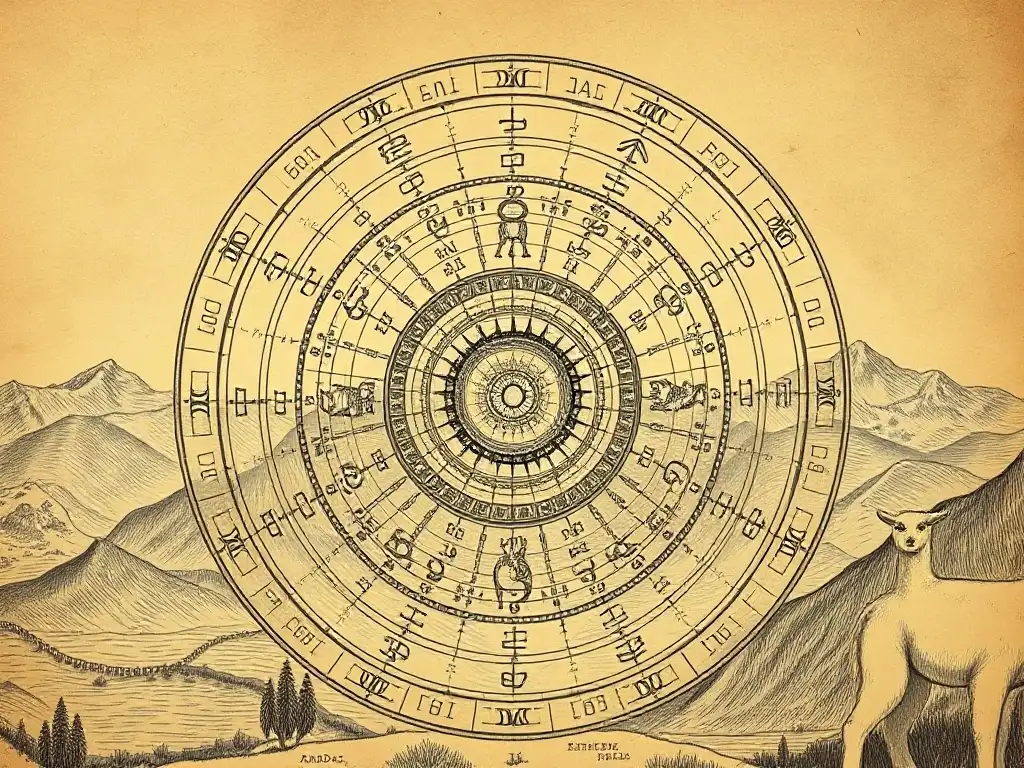
The Inca astronomical calendar system wasn't merely a celestial observation; it was deeply intertwined with their agricultural practices, forming the backbone of their sophisticated farming techniques. Their understanding of the cosmos directly influenced their planting, harvesting, and overall food production strategies, ensuring the survival and prosperity of their vast empire. The precision and accuracy of their observations were astonishing, showcasing an advanced understanding of astronomy far exceeding the perceptions of many.
This intricate connection between the heavens and the earth allowed them to maximize their yields and adapt to the challenging Andean environment. Understanding this relationship is key to comprehending the Inca's remarkable success in agriculture, especially considering the altitude and varied climates of their territories.
The Role of the Inca Calendar in Farming
The Inca calendar, a complex system based on solar and lunar observations, dictated the agricultural cycle. Specific celestial events, like solstices and equinoxes, signaled crucial moments for planting and harvesting. For example, the inti raymi, the winter solstice festival, celebrated the sun's return and marked a time for preparing the land for the upcoming planting season.
The observations weren't haphazard; sophisticated instruments, such as the intihuatana (sun stones), were used to track the sun's movement with remarkable accuracy. These structures weren't just decorative; they served as precise astronomical tools, allowing Inca priests to predict the timing of agricultural events with a high degree of precision. This precise timing was critical in optimizing yields, as the Andean climate is characterized by distinct wet and dry seasons, necessitating careful planning.
The Inca calendar system, therefore, was not just a calendar; it was a vital agricultural planning tool. Furthermore, the Inca's ability to accurately predict seasonal changes allowed for effective water management, crucial in the arid and semi-arid regions of the Andes.
Predicting Seasons with Inca Astronomical Knowledge
Inca astronomical knowledge extended beyond simply marking the solstices and equinoxes. They possessed a deep understanding of the constellations and their relationship to seasonal changes. Specific constellations' appearances or disappearances signaled the onset of specific weather patterns, like the rainy season or periods of drought.
This allowed them to anticipate weather conditions and adjust their agricultural practices accordingly. This predictive capacity minimized crop failures and ensured a more stable food supply. Their knowledge wasn't limited to simple observations; it involved interpreting complex celestial phenomena, demonstrating a sophisticated understanding of astronomy and its impact on the terrestrial environment.
The Inca's advanced knowledge of astronomy allowed them to manage risks associated with climate variability, a crucial aspect of survival in the challenging Andean environment. Evidence suggests that they used a combination of solar and lunar observations, along with observations of stars and planets, to create a remarkably accurate predictive model for seasonal changes.
Inca Agricultural Techniques Based on Celestial Cycles
The Inca's agricultural techniques were meticulously adapted to the celestial cycles they observed. They employed a variety of techniques, including terracing, irrigation systems, and crop rotation, all synchronized with their astronomical calendar. Terracing, for example, allowed them to cultivate steep slopes, maximizing arable land. The construction and orientation of terraces were often aligned with the sun's path, optimizing sunlight exposure and drainage.
Irrigation systems, often intricate networks of canals and channels, were carefully designed to utilize water resources effectively, especially during the dry season. The timing of irrigation was directly linked to the astronomical calendar, ensuring that crops received the necessary water at the optimal time. Crop rotation, another vital technique, helped maintain soil fertility and prevent pest infestations.
The implementation of these techniques was directly informed by their astronomical observations, showcasing a holistic approach to agriculture where celestial events dictated farming practices. The Inca's success in feeding a large population in a challenging environment is a testament to their mastery of these techniques and their deep understanding of the "Inca astronomical calendar system". Their agricultural legacy continues to inspire modern agricultural practices in the Andes today.
Misconceptions and Misinterpretations of Inca Astronomy
The Inca astronomical calendar system, while undeniably sophisticated, has been subject to considerable misinterpretation throughout history. This section delves into the common misconceptions surrounding Inca celestial knowledge, highlighting how inaccuracies have shaped our understanding of this advanced civilization. Separating fact from fiction requires a careful examination of historical accounts and a critical analysis of modern interpretations. Understanding these biases is crucial to appreciating the true extent of Inca astronomical achievements.
Spanish Accounts and Their Impact on Understanding Inca Science
Early Spanish accounts, often written by conquistadors with limited scientific training and a clear bias against Indigenous knowledge systems, significantly skewed our initial understanding of Inca astronomy. Many chroniclers focused on aspects that confirmed their preconceived notions of "primitive" cultures, overlooking or misrepresenting the complexities of Inca practices. For instance, the Inca's lack of a written language was often interpreted as a lack of sophisticated intellectual development, when in reality, their sophisticated quipus (complex knotted strings used for record-keeping) were underestimated in their capabilities.
This bias led to a dismissal of the intricate astronomical knowledge embedded within Inca architecture and societal practices. The emphasis placed on the conversion of the Inca population to Christianity also led to the destruction of numerous Inca artifacts and sites, further hindering our ability to accurately reconstruct their astronomical knowledge.
The surviving accounts, therefore, need careful contextualization and critical evaluation to avoid perpetuating these historical inaccuracies. The biased narratives often portrayed Inca astronomical practices as superstitious rituals rather than sophisticated scientific observations.
Modern Myths About Inca Astronomical Abilities
Even today, certain myths persist regarding Inca astronomical abilities. One common misconception is the belief that the Inca possessed a highly precise and comprehensive understanding of celestial mechanics comparable to that of ancient Greek astronomers. While the Inca certainly had advanced knowledge of the celestial cycles and their agricultural implications, attributing to them a level of theoretical understanding surpassing their practical applications is an overstatement.
Their astronomical knowledge was deeply intertwined with their religious beliefs and agricultural practices, making it difficult to separate strictly scientific elements from the wider cultural context. Another modern myth involves exaggerated claims about the Inca's ability to predict eclipses with unerring accuracy. While they undoubtedly observed and tracked celestial events, the level of precision attributed to their predictive capabilities often exceeds the evidence available.
Further research and careful analysis of archaeological data are needed to avoid perpetuating these modern myths. The Inca's achievements should be celebrated for their ingenuity and practical application, not distorted to fit preconceived notions of advanced scientific understanding.
Distortions and Exaggerations of Inca Knowledge
The tendency to romanticize or exaggerate Inca achievements in astronomy has also contributed to misunderstandings. Some interpretations present the Inca astronomical calendar system as a monolithic, perfectly unified system, meticulously planned and executed. In reality, the Inca empire encompassed a diverse range of regional traditions and practices, leading to variations in astronomical observations and interpretations across different regions.
This diversity, often overlooked, should be acknowledged to avoid presenting a simplistic and potentially inaccurate picture of Inca astronomy. Furthermore, the tendency to focus solely on the grand monuments and impressive structures, while neglecting the everyday practices and knowledge of the common people, creates a skewed perspective. The Inca astronomical calendar system was not solely a product of an elite class of astronomers but rather a reflection of the collective knowledge and practices of the entire society.
A more nuanced understanding requires considering the contributions of diverse social groups and acknowledging the regional variations within the Inca empire. Avoiding generalizations and acknowledging the complexities of the Inca civilization is essential for a more accurate and complete understanding of their sophisticated astronomical knowledge.
The Legacy of Inca Astronomical Knowledge
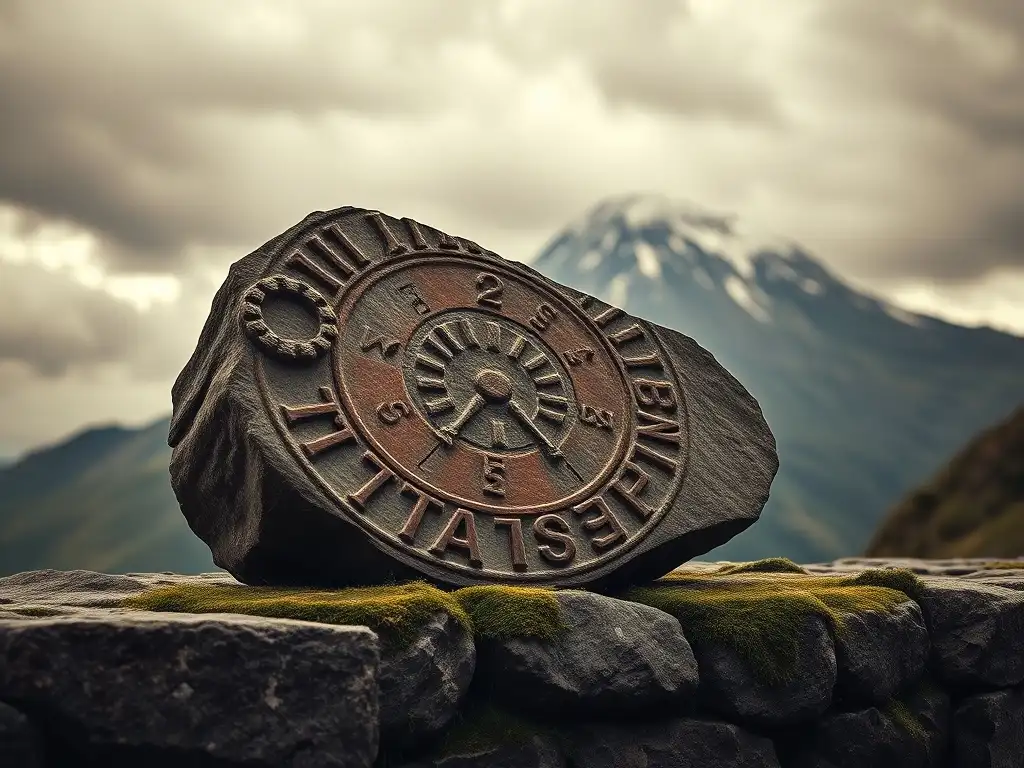
The Inca Empire, despite its relatively short lifespan compared to other ancient civilizations, left behind a remarkable legacy in various fields, including astronomy. Their sophisticated understanding of celestial movements wasn't merely an intellectual pursuit; it was deeply interwoven with their social, religious, and agricultural practices. Understanding their astronomical knowledge provides crucial insights into the Inca worldview and the intricate workings of their society.
This section explores the enduring impact of Inca astronomy, examining surviving evidence, its cultural influence, and the lessons we can glean from their celestial observations. The Inca astronomical calendar system, a complex and multifaceted tool, remains a testament to their advanced knowledge.
Surviving Evidence of Inca Astronomical Practices
While the Inca didn't leave behind written records in the same way as some other civilizations, their astronomical knowledge is preserved through a combination of archaeological evidence and oral traditions passed down through generations. Key examples include:
- Observatories: Sites like Machu Picchu, Ollantaytambo, and Sacsayhuamán show clear evidence of deliberate astronomical alignments. Buildings, windows, and even strategically placed stones were positioned to mark solstices and equinoxes, indicating a precise understanding of the sun's annual path. The precision involved suggests a dedicated effort over many years, accumulating data and refining their observations. Further research is needed to fully understand the intricate details of these sites and their astronomical functions.
- Stone Structures: Many Inca structures, beyond the major sites, exhibit subtle astronomical alignments. These alignments might have served a variety of purposes, from marking planting and harvesting times to facilitating religious rituals tied to the celestial cycles. Analysis of these alignments requires specialized techniques and careful consideration of factors like erosion and later modifications to the structures.
- Oral Traditions: Indigenous communities in the Andes continue to hold valuable oral traditions relating to Inca astronomy. These traditions, often passed down through generations of storytellers and elders, offer invaluable insights into the Inca interpretation of celestial events and their connection to everyday life. Documenting and analyzing these oral histories is critical for preserving this vital aspect of Inca heritage. Unfortunately, many of these traditions are still undocumented or only partially recorded.
The Influence of Inca Astronomy on Andean Culture
The Inca astronomical calendar system profoundly influenced nearly every aspect of Inca life. Their understanding of celestial cycles dictated:
- Agriculture: The precise timing of planting and harvesting was crucial for the success of Inca agriculture. Astronomical observations helped determine the optimal times for planting, ensuring abundant harvests. The ability to predict weather patterns, even in a rudimentary way, was essential for their survival.
- Religious Practices: Celestial events held significant religious importance. The sun, moon, and stars were revered as deities, and festivals and ceremonies were timed to coincide with specific astronomical occurrences like solstices and equinoxes. These rituals served to reinforce the Inca worldview and maintain social cohesion.
- Social Organization: The Inca calendar likely played a role in organizing the empire's vast workforce and resources. The ability to coordinate large-scale projects, such as construction and agricultural initiatives, required precise planning and scheduling, facilitated by their astronomical knowledge.
What We Can Learn from the Inca's Celestial Understanding
The Inca's sophisticated understanding of astronomy offers valuable lessons for us today:
- The Interconnectedness of Knowledge: The Inca demonstrated a holistic approach to knowledge, where astronomy was integrated with agriculture, religion, and social organization. This integrated perspective offers a valuable contrast to our often fragmented approach to scientific and cultural understanding.
- The Importance of Observation: The Inca's astronomical achievements were based on meticulous observation over many generations. This highlights the importance of long-term observation and data collection in scientific endeavors. Their methods, though different from our modern techniques, were remarkably effective.
- The Preservation of Cultural Heritage: The continuing relevance of Inca astronomical knowledge underscores the importance of preserving indigenous knowledge and traditions. These traditions provide invaluable insights into the past and can inform our understanding of the present and future. The ongoing effort to document and interpret these traditions is crucial for maintaining cultural diversity and understanding.
The study of the Inca astronomical calendar system continues to reveal new insights into the complexity and sophistication of this remarkable civilization. Further research, combining archaeological findings with the perspectives of modern Andean communities, is essential for a complete understanding of this rich and fascinating legacy.
The Fall of the Inca Empire and the Loss of Astronomical Knowledge
The Spanish conquest of the Inca Empire, beginning in 1532, marked a catastrophic turning point not only for the Inca people but also for the preservation of their sophisticated astronomical knowledge. The Inca's deep understanding of celestial events, reflected in their intricate calendar system and architectural marvels aligned with astronomical phenomena, was largely lost or deliberately destroyed during this tumultuous period. This section will explore the devastating impact of the conquest on Inca scientific traditions and the enduring importance of preserving what remains of their astronomical heritage.
Understanding the extent of this loss is crucial to appreciating the true scope of Inca civilization and its advanced understanding of the cosmos. The Inca astronomical calendar system, a complex interplay of solar and lunar observations, was integral to their agricultural practices, religious beliefs, and societal organization. Its destruction represents a significant loss to our understanding of pre-Columbian science.
How the Spanish Conquest Impacted Inca Scientific Traditions
The Spanish conquest didn't simply involve military conflict; it was a systematic dismantling of Inca culture and knowledge. The destruction wasn't solely physical; it was also intellectual and spiritual. Spanish chroniclers, while sometimes providing valuable insights, often viewed Inca practices through a lens of European biases, misinterpreting or dismissing elements of their astronomical knowledge.
For example, the intricate system of quipus— knotted cords used for record-keeping—which likely contained astronomical data, was largely ignored or destroyed, hindering our ability to fully decipher the Inca's celestial observations. The systematic suppression of Inca religious practices, which were deeply intertwined with their astronomical understanding, further contributed to the loss of knowledge.
The Spanish replaced Inca priests and astronomers with their own religious figures, resulting in a significant break in the transmission of astronomical traditions across generations. This cultural disruption led to the loss of crucial oral traditions, leaving behind significant gaps in our understanding of the Inca astronomical calendar system.
The Destruction of Inca Observatories and Records
The conquistadors' actions directly resulted in the physical destruction of many significant Inca sites related to astronomy. Many observatories, such as those integrated into the architecture of temples and palaces, were deliberately destroyed or repurposed. The Spanish often viewed these structures as pagan and idolatrous, actively seeking to erase them from the landscape.
This physical destruction extended to the destruction of written records, including those potentially contained within the quipus. The systematic dismantling of Inca infrastructure and the looting of artifacts further compounded the problem, leading to the irreversible loss of potentially crucial astronomical data.
The deliberate destruction of these observatories and records represents a profound loss not only to the Inca people but also to the global scientific community, hindering the reconstruction of a complete picture of their astronomical achievements. The precise number of destroyed observatories remains unknown, highlighting the extent of the damage and the need for further research.
The Importance of Preserving Inca Astronomical Heritage
Despite the significant losses, remnants of Inca astronomical knowledge still survive. Archaeological discoveries continue to reveal new insights into their sophisticated observations and calendar system. The preservation of these remaining artifacts and sites is paramount. Efforts to translate and interpret existing quipus, along with careful archaeological investigations of Inca sites, are crucial to piecing together the fragments of their astronomical understanding.
Furthermore, preserving and promoting indigenous knowledge and perspectives is essential to providing a more complete and nuanced understanding of Inca astronomy. This includes supporting ongoing research and educational initiatives that integrate indigenous voices and perspectives. The Inca astronomical calendar system, though significantly damaged, offers invaluable lessons about pre-Columbian scientific achievements and the importance of respecting and preserving cultural heritage.
The ongoing effort to recover and interpret this knowledge is a testament to the enduring legacy of Inca civilization and the importance of learning from the past. The preservation of this heritage is not just an academic pursuit; it is a crucial step in recognizing the rich contributions of Andean civilizations to the global history of science and culture. 🌍
Frequently Asked Questions
What was the Inca astronomical calendar system used for?
The Inca calendar system wasn't a single calendar, but a complex interplay of observations. It was primarily used for agricultural planning, religious ceremonies, and managing the empire's resources, aligning with the agricultural cycle and celestial events.
How accurate was the Inca astronomical knowledge?
Inca astronomers demonstrated a remarkable understanding of celestial movements. Their observations allowed for precise predictions of solstices and equinoxes, crucial for their agricultural practices and religious festivals, showing high accuracy in their calculations.
Did the Inca have written records of their astronomical observations?
Unlike some other civilizations, the Inca didn't have a written language in the way we understand it. Their astronomical knowledge was passed down through oral traditions, storytelling, and observational practices, using quipus (knotted cords) for some record-keeping.
How did the Inca utilize specific astronomical events in their daily life?
Specific astronomical events, like solstices and equinoxes, dictated important dates for planting and harvesting. They also played a vital role in religious festivals and political decision-making, deeply integrating astronomy into their society.
How has the Inca astronomical calendar system been misunderstood?
Some misunderstandings stem from the lack of written records. Interpretations of archaeological sites have sometimes been oversimplified or misinterpreted, leading to inaccuracies in understanding the complexity of their astronomical knowledge and its integration with daily life.
Final Reflection: Echoes of the Sun: Inca Astronomy's Enduring Legacy
The intricate astronomical knowledge of the Inca civilization, far from being a relic of the past, continues to resonate in our understanding of ancient societies and their relationship with the cosmos. Their sophisticated calendar system, built upon meticulous observation and profound understanding of celestial cycles, challenges our modern assumptions about pre-Columbian cultures and their technological capabilities. This sophisticated system wasn't merely a tool for agriculture; it was woven into the very fabric of Inca society, shaping their worldview and influencing their social structures.
The Inca's deep connection to the stars, their ability to predict celestial events with remarkable accuracy, and their integration of astronomy into their daily lives serves as a powerful reminder of humanity's enduring fascination with the heavens. The universe is written in the language of mathematics, and its characters are triangles, circles, and other geometrical figures,
Galileo Galilei once wrote. This sentiment, though penned centuries later, echoes the Inca's own mathematical and geometrical approach to understanding the cosmos. Their achievements highlight the universality of human curiosity and the power of observation in unlocking the mysteries of the universe. This legacy continues to inspire modern astronomers and historians alike, pushing the boundaries of our understanding of ancient civilizations and their scientific prowess.
Consider, for a moment, the implications of the Inca's astronomical achievements. Their ability to predict solstices and equinoxes, to align their structures with celestial events, and to integrate this knowledge into their societal structures speaks to a level of sophistication often overlooked. You, the reader, are now equipped with a deeper understanding of this remarkable civilization.
Take this knowledge with you, and let it inspire you to look up at the night sky with a renewed sense of wonder and appreciation for the rich tapestry of human history and ingenuity. Let the echoes of the Inca sun guide your own explorations of the universe and the enduring power of human knowledge.
Uncover the Stars: Embrace the Wisdom of Inca Astronomy!
Thank you for joining us on this fascinating journey through the ancient astronomical knowledge of the Inca civilization! By exploring how they used their understanding of the stars for agriculture, navigation, and spiritual practices, you've gained valuable insights into the connection between the cosmos and human ingenuity. Now, it's time to build on this foundation and deepen your understanding.
Here's how you can continue your celestial exploration:
- Delve Deeper: Research a specific Inca constellation, such as the Llama or the Serpent, and explore how it influenced their daily life or religious rituals. Share your findings to enrich the understanding of others!
- Join the Community: Connect with fellow enthusiasts by participating in online astronomy or history forums dedicated to Inca civilization. Discuss your discoveries and learn from new perspectives.
- Share the Knowledge: Write a blog post or share your newfound knowledge of Inca astronomy on social media, inviting your friends to explore the wonders of the Inca night sky with you!
What new perspectives on the cosmos and human cultures could be revealed by further studying ancient civilizations like the Inca?