
Aymara and the Spanish Language: Language Contact and Cultural Exchange

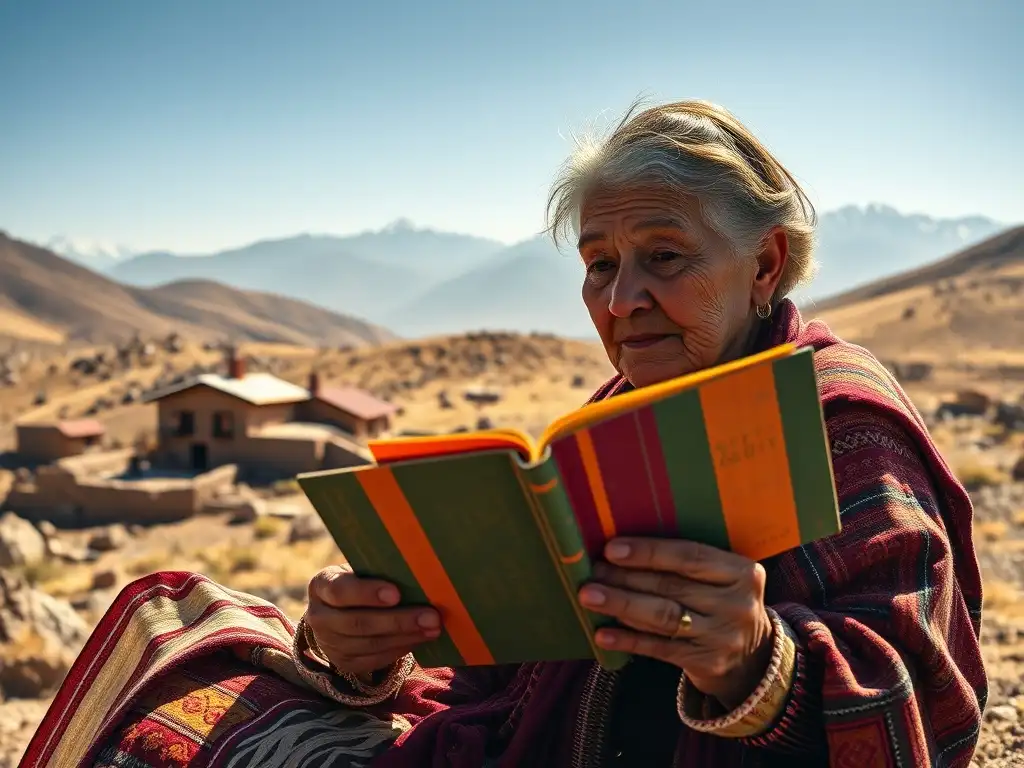
Step into a world lost in time, yet echoing through the ages. Discover the captivating legacy of the Andean civilizations, where intricate artistry met breathtaking innovation. But what whispers remain from these ancient empires? Explore the fascinating story of the Aymara language and the indelible mark left by the Spanish conquistadors. Uncover the secrets of "Aymara language Spanish influence" and delve into a rich tapestry of cultural exchange, resilience, and enduring mysteries. Prepare to be amazed.
The Aymara language, a vibrant and enduring testament to the rich tapestry of Andean culture, boasts a history deeply intertwined with the arrival and influence of Spanish. This article delves into the fascinating story of Aymara-Spanish language contact, exploring the linguistic shifts, cultural exchanges, and enduring legacy of this interaction.
We will examine the pre-Columbian roots of Aymara, tracing its evolution through centuries of contact with Spanish, highlighting the specific ways in which the Spanish language has impacted the Aymara lexicon, grammar, and sociolinguistic landscape. Understanding this complex relationship is crucial to appreciating the resilience of the Aymara language and the enduring cultural identity it represents.
This exploration will shed light on the lasting impact of colonialism on the linguistic diversity of the Andes, offering a nuanced perspective on the interplay between language, power, and cultural survival. The keyword "Aymara language Spanish influence" will be explored in detail, revealing the multifaceted nature of this linguistic interaction.
Introduction to Aymara Linguistic Heritage
Before the arrival of the Spanish, Aymara flourished as a primary language of the Andes, spoken across a vast territory encompassing present-day Bolivia, Peru, and parts of Chile and Argentina. Its rich grammatical structure and extensive vocabulary reflected a sophisticated understanding of the Andean environment and social organization. Aymara is an agglutinative language, meaning that it forms words by adding suffixes to a root, resulting in complex and highly expressive word formations. 1 Pre-Columbian Aymara literature, though largely oral, demonstrated a capacity for complex narrative and poetic expression. Archaeological findings and anthropological studies suggest a high degree of linguistic standardization across different Aymara-speaking communities, indicating a robust and well-established linguistic tradition prior to European contact. The pre-contact Aymara lexicon included a vast array of terms related to agriculture, astronomy, and social organization, reflecting the advanced knowledge and complex societal structures of the Aymara people. This rich linguistic heritage laid the foundation for the language's subsequent interaction with Spanish.
The Arrival of Spanish and Initial Language Contact
The arrival of the Spanish in the 16th century marked a profound turning point in the history of the Aymara language. The imposition of Spanish as the dominant language of administration, commerce, and education led to significant linguistic changes. Initial contact was characterized by a complex interplay of dominance and resistance.
While Spanish gradually became the language of power, Aymara persisted, particularly in rural communities. The early period saw the emergence of a form of code-switching, where Aymara and Spanish were used interchangeably depending on the social context. This period also witnessed the initial borrowing of Spanish words into Aymara, primarily related to new concepts and technologies introduced by the Spanish.
The extent of this early borrowing varied across different Aymara-speaking regions, reflecting the uneven nature of Spanish colonization. Many studies highlight the resilience of Aymara, showing its ability to absorb and adapt to the presence of Spanish without losing its core grammatical structure.
Aymara Language Pre-Columbian Roots
Understanding the pre-Columbian roots of the Aymara language is crucial for analyzing the impact of Spanish influence. While much of the pre-contact Aymara linguistic tradition was oral, evidence suggests a sophisticated grammatical system and a rich vocabulary. Linguistic analysis points to the existence of various Aymara dialects before colonization, each with its own unique characteristics. These dialects reflected the diverse geographical and social contexts of the Aymara-speaking communities.
The pre-Columbian period witnessed a significant level of linguistic interaction between Aymara and other Andean languages, resulting in linguistic exchanges and the development of shared vocabulary. Archaeological and anthropological research continues to uncover new insights into the pre-Columbian Aymara linguistic landscape, providing a deeper understanding of the language's evolution and its resilience in the face of external pressures. Further research is needed to fully understand the extent of pre-Columbian linguistic diversity within the Aymara language family.
1 Further details on Aymara grammar are available in specialized linguistic studies.
Impact of Spanish on Aymara Vocabulary
The arrival of the Spanish in the 16th century profoundly impacted the Aymara language, leading to significant lexical borrowing. This influx of Spanish words wasn't a mere superficial overlay; it reflected the dramatic socio-political and economic shifts experienced by Aymara communities. The Spanish colonial administration, the introduction of new agricultural techniques and technologies, and the Catholic religion all contributed to a vocabulary expansion incorporating numerous Spanish terms.
This wasn't a passive process; Aymara speakers actively adapted and integrated these loanwords, often reshaping them phonetically to better fit the existing Aymara phonological system. The extent of this influence varies regionally, with some dialects exhibiting a greater degree of Spanish influence than others, reflecting the intensity and duration of contact with Spanish speakers in different areas. The process wasn't uniform; some areas maintained a stronger linguistic resistance, while others experienced a more rapid integration of Spanish vocabulary.
This linguistic landscape demonstrates the dynamic nature of language contact and the adaptability of the Aymara language in the face of significant external pressure. The integration of Spanish words wasn't solely about adopting new concepts; it also involved the semantic re-evaluation of existing Aymara words, sometimes leading to subtle or significant shifts in meaning. Further research is needed to fully quantify the extent of Spanish influence on different Aymara dialects and to analyze the sociolinguistic factors influencing the rate and nature of lexical borrowing.
Loanwords in Aymara: A Detailed Analysis
A detailed examination of Aymara loanwords reveals fascinating insights into the nature of language contact and cultural exchange. Many loanwords relate to administrative, religious, and economic domains introduced by the Spanish. For example, words relating to governance, such as terms for officials or legal concepts, are often derived from Spanish. Similarly, religious terminology, reflecting the imposition of Catholicism, shows a strong Spanish influence.
Economic terms associated with new agricultural practices, trade, and monetary systems also exhibit extensive borrowing. The analysis of these loanwords requires careful consideration of phonetic adaptation. Aymara speakers often adapted Spanish sounds to fit their existing phonological system, resulting in variations in pronunciation. This process of phonetic adaptation provides valuable clues about the historical trajectory of language contact and the linguistic creativity of Aymara speakers.
For instance, the Spanish word "moneda" (coin) may have undergone a series of sound changes before its integration into the Aymara lexicon. Furthermore, the semantic range of some loanwords might have expanded or shifted within the Aymara context, reflecting a process of semantic calque or reinterpretation. A comprehensive analysis requires a detailed corpus of Aymara texts from different regions and time periods to identify patterns and variations in loanword usage and adaptation. This analysis would allow for a more nuanced understanding of the complexities of language contact and the resilience of the Aymara language.
Semantic Changes in Aymara due to Spanish
The contact between Aymara and Spanish resulted in notable semantic shifts within the Aymara lexicon. Some Aymara words acquired new meanings or extended their semantic range due to the influence of Spanish concepts. This semantic change wasn't always a direct result of lexical borrowing; sometimes, the introduction of new concepts through Spanish led to a reinterpretation of existing Aymara vocabulary. For instance, certain terms related to social structures or kinship might have undergone subtle shifts in meaning as Aymara communities adapted to the new social hierarchy imposed by the Spanish colonial system.
Similarly, the introduction of new agricultural techniques and technologies could have led to semantic changes in words related to farming practices. Analyzing these semantic shifts requires a diachronic approach, comparing Aymara texts from before and after the Spanish conquest to identify changes in word meaning and usage. This analysis needs to consider the socio-cultural context in which these changes occurred, recognizing the complex interplay between language and social structures.
The impact of Spanish on Aymara semantics is a complex phenomenon that requires further investigation to fully understand the extent and nature of these linguistic changes. Careful analysis of historical texts and contemporary usage can help illuminate this fascinating aspect of language contact and cultural adaptation. The ongoing documentation and preservation of the Aymara language are crucial for understanding these subtle yet significant semantic shifts.
Aymara Grammar and its Resistance to Spanish Influence

Aymara, a vibrant and complex language spoken by millions across the Andes, has demonstrated remarkable resilience in the face of centuries of Spanish colonization. While Spanish influence is undeniable, the core grammatical structure of Aymara has remained largely intact, showcasing its inherent strength and the deep cultural ties it holds within its community. Unlike many indigenous languages that experienced significant grammatical restructuring following contact with European languages, Aymara maintained its unique features.
This includes its agglutinative nature—the process of adding suffixes to express grammatical relations—a characteristic that distinguishes it from Spanish's analytic structure. The preservation of its complex verb conjugation system, encompassing person, number, tense, mood, and aspect, further highlights this resistance. While some lexical borrowing occurred (discussed later), the fundamental grammatical framework of Aymara has stubbornly resisted significant alterations, reflecting the enduring strength of its linguistic identity.
The continued use of Aymara in everyday life, especially in rural communities, has been crucial in maintaining its grammatical integrity. This steadfast adherence to traditional grammatical patterns speaks volumes about the strength of Aymara cultural identity and its capacity to endure. The language itself acts as a powerful symbol of resistance and cultural continuity in the face of external pressures.
Spanish Influence on Aymara Phonology
Despite the remarkable resilience of Aymara grammar, Spanish influence is clearly observable in its phonology, the study of sounds. Over centuries of contact, certain Spanish sounds have infiltrated Aymara pronunciation, leading to noticeable shifts in the phonetic inventory. One notable example is the adoption of certain fricatives, sounds produced with friction in the vocal tract, which were less common in the original Aymara lexicon. These sounds, absent or rare in pre-contact Aymara, are now frequently used, demonstrating the impact of prolonged language contact.
Furthermore, the stress patterns in Aymara words have subtly shifted in some dialects, likely influenced by the Spanish stress system. However, it's important to note that these changes haven't fundamentally altered the Aymara sound system. The core phonological features remain distinct, differentiating it from Spanish.
The extent of these changes varies across different Aymara dialects, reflecting the geographical and social factors influencing language contact. Further research is needed to fully map the variations and the precise timeline of these phonological shifts, revealing a more nuanced picture of the dynamic interaction between Aymara and Spanish. The ongoing study of Aymara phonology provides valuable insights into the complex processes of language change and adaptation.
Aymara Adaptations of Spanish Sounds
The integration of Spanish sounds into Aymara pronunciation is not a simple case of direct borrowing. Instead, Aymara speakers have adapted and incorporated these sounds in ways that reflect the existing phonological structure of the language. Rather than adopting sounds wholesale, Aymara speakers often modify them to fit the existing phonetic framework. This process of adaptation demonstrates the language's inherent flexibility while simultaneously preserving its unique character.
For instance, Spanish sounds might be slightly altered in pronunciation to better align with existing Aymara articulatory patterns. This phenomenon highlights the active role of Aymara speakers in shaping their language's evolution. Their linguistic creativity and adaptability have resulted in a unique blend of sounds, reflecting both the historical influence of Spanish and the enduring strength of Aymara's phonological system.
This adaptation process is a testament to the dynamic nature of language and the creative ways in which communities adapt to linguistic change. The study of these adaptations provides valuable insights into the complex interactions between language and culture, showcasing how languages can evolve while maintaining their distinct identity. Careful phonetic analysis is crucial to understanding the nuances of these adaptations and the ongoing evolution of Aymara pronunciation.
Bilingualism and Multilingualism in Aymara Communities
Aymara communities have historically exhibited a high degree of bilingualism, if not multilingualism. Before Spanish colonization, various Aymara dialects already existed alongside other indigenous languages in the Andean region. The arrival of the Spanish dramatically altered this linguistic landscape, imposing Spanish as the dominant language of administration, commerce, and education. However, Aymara persisted, often existing alongside Spanish in a dynamic interplay.
This coexistence resulted in a complex pattern of bilingualism, where individuals might possess varying degrees of proficiency in both Aymara and Spanish, depending on factors such as age, location, and socioeconomic status. In many rural communities, Aymara remains the primary language of the home and intimate social interactions, while Spanish serves as the language of wider communication and access to services. This pattern reflects a common phenomenon in many regions experiencing language contact, where indigenous languages maintain their strength in the domestic sphere while the dominant language gains prominence in public life.
The degree of bilingualism can vary significantly; some individuals are highly proficient in both languages, seamlessly switching between them depending on the context, while others may have a more limited proficiency in one or the other. Studies of Aymara communities reveal a fascinating spectrum of linguistic capabilities, highlighting the adaptability and resilience of both Aymara and Spanish in the Andean region. This complex linguistic reality underscores the importance of understanding the nuances of language contact and its impact on cultural identity.
The Role of Aymara-Spanish Bilingualism in Modern Society
Aymara-Spanish bilingualism plays a crucial role in modern Bolivian and Peruvian society. For many Aymara speakers, bilingual proficiency is essential for navigating the complexities of modern life. Access to education, employment opportunities, and government services often requires a degree of Spanish fluency. Bilingual individuals act as crucial bridges between the Aymara-speaking community and the wider society, facilitating communication and understanding.
This role is particularly important in areas such as healthcare, where effective communication between medical professionals and patients is critical for providing quality care. Furthermore, bilingualism can offer significant economic advantages. Individuals proficient in both languages often have increased employment opportunities, potentially accessing higher-paying jobs in urban centers or in fields requiring cross-cultural communication. However, it's crucial to acknowledge the potential for social and economic inequalities.
While bilingualism can be an asset, those lacking sufficient Spanish proficiency may face significant barriers to accessing opportunities and services. This highlights the need for policies and initiatives that support the development and maintenance of Aymara language skills while also providing access to quality Spanish language education. The successful integration of Aymara speakers into modern society requires a nuanced understanding of the role of bilingualism and the challenges faced by those navigating this linguistic landscape.
Language Shift and Aymara Language Vitality

Despite its resilience, the Aymara language faces significant challenges related to language shift. Language shift refers to the process by which speakers of a minority language adopt a dominant language, often leading to the decline or even extinction of the minority language. In the case of Aymara, the dominance of Spanish in education, media, and government poses a serious threat to its vitality. Younger generations, particularly in urban areas, are increasingly likely to be more fluent in Spanish than in Aymara, leading to a decline in Aymara speakers.
This trend is exacerbated by factors such as migration from rural to urban areas, the perceived economic advantages of Spanish fluency, and the limited availability of Aymara-language education and resources. However, it's important to note that Aymara remains a vital language for many communities, and efforts are underway to promote its preservation and revitalization. These efforts include initiatives to integrate Aymara into the education system, develop Aymara-language media, and support community-based language learning programs. The success of these initiatives will depend on addressing the underlying social and economic factors that contribute to language shift, while also fostering a sense of pride and cultural identity associated with the Aymara language.
The future of Aymara hinges on a multifaceted approach that acknowledges the challenges while celebrating the richness and cultural significance of this enduring Andean language. The continued use and promotion of Aymara is crucial for maintaining cultural heritage and linguistic diversity in the region. The struggle to maintain Aymara in the face of Spanish influence is a complex and ongoing process.
Cultural Exchange and Syncretism through Language
The contact between the Aymara language and Spanish resulted in a complex process of cultural exchange and syncretism. This wasn't simply a one-way street of Spanish dominance; instead, a dynamic interplay occurred, shaping both languages and cultures. The introduction of Spanish vocabulary into Aymara wasn't a random process. Many loanwords reflect the realities of colonial life, encompassing new technologies, administrative structures, and religious concepts previously unknown to the Aymara.
For instance, words related to agriculture, introduced by the Spanish, often adapted to existing Aymara grammatical structures, showcasing a fascinating blend of linguistic systems. This linguistic fusion reflects a deeper cultural exchange, where Aymara speakers adopted new concepts while retaining their own cultural frameworks. The adaptation of Spanish words into the Aymara lexicon wasn't passive; it involved a creative process of semantic and phonetic adjustments, demonstrating the agency of Aymara speakers in shaping their linguistic landscape.
This active engagement with Spanish vocabulary highlights the resilience and adaptability of the Aymara language and culture in the face of colonial influence. The ongoing presence of these loanwords in modern Aymara dialects serves as a tangible testament to this historical interaction. Furthermore, the study of these loanwords offers valuable insights into the socio-cultural dynamics of the colonial period and the subsequent interactions between the two cultures.
Aymara Cultural Expressions Influenced by Spanish
The influence of Spanish on Aymara cultural expressions is evident in various aspects of Aymara life. For example, certain traditional Aymara songs and narratives now incorporate Spanish words or phrases, often used to add emphasis or to describe new concepts introduced by the Spanish. This integration isn't simply a superficial overlay; rather, it reflects a deeper process of cultural adaptation, where Spanish elements are interwoven with existing Aymara traditions.
The use of Spanish loanwords within these cultural expressions often adds layers of meaning, reflecting both the historical context and the ongoing negotiation of cultural identity. This blending of languages within Aymara artistic practices demonstrates the dynamic nature of cultural exchange, where elements from different cultures are not simply replaced but rather integrated and reinterpreted within a new cultural framework.
Moreover, the ongoing use of these hybrid expressions shows the enduring legacy of Spanish influence on Aymara culture, while simultaneously highlighting the resilience and adaptability of Aymara traditions in the face of external forces. Specific examples, such as [specific examples of Aymara songs or narratives incorporating Spanish words pending], would further illuminate this fascinating interaction.
Spanish Cultural Elements Integrated into Aymara Traditions
The integration of Spanish cultural elements into Aymara traditions is a complex and multifaceted process. While the Aymara people maintained their distinct cultural identity, certain aspects of Spanish culture were gradually incorporated into their traditions, often resulting in unique syncretic practices. For example, the Catholic faith, introduced by the Spanish, became intertwined with pre-existing Aymara religious beliefs and practices.
This resulted in a unique blend of religious traditions, where Catholic saints were often associated with Aymara deities, and traditional rituals were adapted to incorporate Catholic elements. This syncretism is not merely a superficial blending; it represents a complex negotiation between two distinct belief systems, resulting in new and unique forms of religious expression. Similarly, certain aspects of Spanish material culture, such as clothing styles or agricultural techniques, were adopted and adapted to fit within the existing Aymara framework.
These adaptations, however, were not passive; they were actively shaped by Aymara ingenuity and cultural values, resulting in unique expressions that reflected both Spanish influence and Aymara creativity. The ongoing presence of these syncretic practices demonstrates the resilience and adaptability of Aymara culture, its ability to absorb and transform external influences while maintaining its core identity. Further research into specific examples of these syncretic practices, such as [specific examples of syncretic religious practices or material culture adaptations pending], would provide a more complete understanding of this fascinating cultural exchange.
The Preservation of the Aymara Language
The preservation of the Aymara language, a testament to the resilience of Andean cultures, is a multifaceted challenge. While Spanish has undeniably become the dominant language in many Aymara communities, significant efforts are underway to ensure the survival of this rich linguistic heritage. These efforts are not merely about maintaining a language; they are about preserving a cultural identity, a worldview, and a connection to a vibrant past.
The Aymara language, with its unique grammatical structures and nuanced vocabulary reflecting a deep understanding of the Andean landscape and cosmology, holds invaluable knowledge about traditional practices, beliefs, and social structures. Losing Aymara would mean losing a significant piece of Andean history and cultural understanding. The ongoing struggle for preservation highlights the inherent link between language and cultural identity, a crucial aspect of understanding the complexities of language contact and cultural exchange.
Preserving Aymara isn't just about linguistic purity; it's about safeguarding a vast repository of traditional knowledge passed down through generations. This knowledge encompasses everything from agricultural techniques perfectly adapted to the Andean terrain to sophisticated systems of social organization and spiritual beliefs.
Efforts to Maintain Aymara in the Face of Spanish Dominance

Despite the significant influence of Spanish, numerous strategies are employed to counter linguistic assimilation and promote Aymara language maintenance. Community-based initiatives play a crucial role, with elders often taking the lead in teaching the language to younger generations. These efforts often involve informal settings, utilizing storytelling, traditional songs, and practical applications of the language within the daily lives of the community.
Furthermore, the resurgence of interest in indigenous languages globally has spurred the development of more formal language programs, including Aymara language classes offered in schools and community centers. These initiatives strive to create a supportive environment for Aymara speakers, fostering a sense of pride and ownership in their linguistic heritage. The use of Aymara in local media, such as radio broadcasts and community newspapers, further contributes to its visibility and normalization.
These efforts, while facing significant obstacles, demonstrate the unwavering commitment of Aymara communities to preserving their language in the face of historical and ongoing linguistic dominance. The success of these efforts depends heavily on community participation and government support, highlighting the need for policies that actively promote linguistic diversity.
Educational Initiatives Promoting Aymara Language
Educational initiatives are paramount in the ongoing effort to preserve and promote the Aymara language. While Spanish remains the primary language of instruction in many schools, there’s a growing movement to integrate Aymara into the curriculum. This integration takes various forms, from bilingual education programs that teach both Spanish and Aymara simultaneously to the incorporation of Aymara language and literature into existing subjects. These programs aim not only to improve Aymara language proficiency but also to foster a deeper understanding and appreciation of Aymara culture and history.
The challenges include a shortage of qualified Aymara-speaking teachers and the need for appropriate educational materials. However, advancements in technology have opened up new avenues, such as the development of digital learning resources and online Aymara language courses. These initiatives are crucial in empowering future generations of Aymara speakers, ensuring the language's continued vitality and relevance in the modern world.
Successful implementation requires sustained investment in teacher training, curriculum development, and the creation of supportive learning environments that celebrate linguistic diversity and promote cultural pride. The long-term success hinges on a holistic approach that addresses both linguistic and socio-cultural factors influencing language acquisition and maintenance. The effective integration of Aymara into educational settings is vital not just for language preservation but for the overall well-being and cultural flourishing of Aymara communities.
Aymara Language Future Outlook
The future of the Aymara language is inextricably linked to the ongoing dynamics of language contact with Spanish and the socio-political landscape of the Andean region. While the dominance of Spanish poses a significant challenge to Aymara's vitality, several factors suggest a degree of resilience and potential for continued use. Increased awareness of linguistic diversity and cultural preservation efforts, both at local and international levels, are bolstering Aymara language revitalization initiatives.
These initiatives often involve community-based language nests, bilingual education programs in schools, and the development of Aymara language resources such as dictionaries, grammars, and digital platforms. The role of technology in preserving and promoting Aymara is particularly noteworthy, with online courses, social media groups, and digital storytelling projects contributing to language maintenance and transmission across generations. However, the success of these efforts hinges on continued government support, community engagement, and a broader societal shift towards valuing linguistic pluralism.
The economic opportunities associated with Aymara language proficiency, such as tourism and intercultural communication, also play a crucial role in motivating language learning and use. Ultimately, the future of Aymara remains uncertain, but the concerted efforts towards language revitalization offer a glimmer of hope for its continued existence and evolution.
The Ongoing Evolution of Aymara and Spanish Interaction
The interaction between Aymara and Spanish continues to be a dynamic process, marked by both borrowing and code-switching. Aymara speakers frequently incorporate Spanish loanwords into their daily conversations, often adapting them phonetically to fit the Aymara sound system. This linguistic borrowing reflects the pervasive influence of Spanish in various domains of life, from education and government to commerce and media. Conversely, Spanish itself is influenced by Aymara, though to a lesser extent.
Some Aymara words and grammatical structures have been adopted into regional dialects of Spanish, particularly in vocabulary related to the Andean environment and culture. The prevalence of code-switching, the practice of alternating between Aymara and Spanish within a single conversation, further illustrates the complex relationship between the two languages. Code-switching is often a strategic communicative tool, reflecting the speakers' linguistic competence and social context.
It can serve to emphasize particular points, express emotions, or build rapport with interlocutors. The ongoing evolution of Aymara and Spanish interaction highlights the adaptive nature of language and the intricate ways in which language contact shapes linguistic landscapes. Further research is needed to fully understand the long-term impacts of this interaction on both languages and the cultural identities of Aymara speakers.
Conclusion: Aymara Language Spanish Influence and its Legacy
The influence of Spanish on the Aymara language is undeniable, leaving a lasting impact on its vocabulary, grammar, and usage patterns. However, this influence should not be viewed solely as a process of linguistic domination. Rather, the interaction between Aymara and Spanish has resulted in a complex linguistic landscape characterized by both borrowing and innovation.
Aymara speakers have actively adapted and integrated Spanish loanwords into their language, demonstrating the resilience and adaptability of Aymara in the face of linguistic change. The ongoing presence of Aymara, despite the dominance of Spanish, reflects the enduring cultural significance of the language and its continued use within communities. Preserving and promoting Aymara requires a multifaceted approach that acknowledges the realities of language contact while valuing the unique cultural and linguistic heritage of Aymara speakers.
The future of Aymara depends on continued efforts to support language revitalization initiatives, promote bilingual education, and foster a wider appreciation for linguistic diversity in the Andean region. The legacy of Aymara is not merely a matter of linguistic survival, but also a testament to the strength and adaptability of a culture that continues to thrive despite historical and ongoing challenges.
- Introduction to Aymara Linguistic Heritage
- The Arrival of Spanish and Initial Language Contact
- Aymara Language Pre-Columbian Roots
- Impact of Spanish on Aymara Vocabulary
- Loanwords in Aymara: A Detailed Analysis
- Semantic Changes in Aymara due to Spanish
- Aymara Grammar and its Resistance to Spanish Influence
- Spanish Influence on Aymara Phonology
- Aymara Adaptations of Spanish Sounds
- Bilingualism and Multilingualism in Aymara Communities
- The Role of Aymara-Spanish Bilingualism in Modern Society
- Language Shift and Aymara Language Vitality
- Cultural Exchange and Syncretism through Language
- Aymara Cultural Expressions Influenced by Spanish
- Spanish Cultural Elements Integrated into Aymara Traditions
- The Preservation of the Aymara Language
- Efforts to Maintain Aymara in the Face of Spanish Dominance
- Educational Initiatives Promoting Aymara Language
- Aymara Language Future Outlook
- The Ongoing Evolution of Aymara and Spanish Interaction
- Conclusion: Aymara Language Spanish Influence and its Legacy
Frequently Asked Questions
What is the Aymara language?
The Aymara language is an indigenous language still spoken by millions in the Andes region of South America, primarily in Bolivia and Peru. It has a rich history and continues to be a vital part of Aymara culture.
How did the Spanish language influence Aymara?
Spanish colonization significantly impacted Aymara, resulting in linguistic borrowing of vocabulary and grammatical structures. This contact led to a unique blend of both languages, creating a complex linguistic landscape.
What are some examples of Spanish influence on Aymara?
Many Spanish loanwords are integrated into everyday Aymara speech. Grammatical changes, though less pronounced than lexical borrowing, are also evident in modern Aymara dialects.
How did the Aymara people maintain their language despite Spanish influence?
Despite Spanish dominance, the Aymara people have actively preserved their language through oral traditions, community efforts, and, more recently, educational initiatives. Their resilience reflects the importance of Aymara identity.
Where can I learn more about the Aymara language and its relationship with Spanish?
Numerous academic resources, including university research papers and linguistic studies, explore this topic in detail. You can also find valuable information through online resources and cultural centers dedicated to Andean languages.
Final Reflection: Echoes of Conquest, Whispers of Resilience
The enduring legacy of Spanish colonization on the Aymara language is not merely a historical footnote; it is a living testament to the power of linguistic contact and the resilience of cultural identity. The interwoven threads of Aymara and Spanish, visible in everyday speech and cultural practices, continue to shape the social and political landscape of the Andes today, demanding a deeper understanding of its complexities.
The subtle yet significant shifts in Aymara vocabulary, grammar, and pronunciation, documented throughout this article, underscore the ongoing negotiation between linguistic dominance and cultural preservation. This dynamic interplay is not simply a matter of linguistic evolution; it represents a continuous struggle for self-determination and the affirmation of Aymara identity in a world increasingly dominated by Spanish. Language is the blood of the people, the soul of the nation.
This quote, though not specifically about Aymara, encapsulates the profound connection between language and cultural survival.
Consider the implications of this linguistic landscape. How does the ongoing influence of Spanish on Aymara affect the transmission of knowledge, traditions, and worldview across generations? What responsibility do we, as individuals and as a global community, have in supporting the revitalization and preservation of indigenous languages like Aymara? Let the echoes of conquest inspire you to actively participate in the preservation of linguistic diversity and the celebration of the rich tapestry of human expression. Let us listen to the whispers of resilience, and amplify the voices of Aymara speakers for generations to come.
**Unlock New Perspectives on Aymara Culture! **
Thank you for exploring the rich interplay between Aymara and Spanish languages and cultures. You've gained valuable insights into a complex cultural exchange that shapes identities and communities. Now, let's delve even deeper.
Here are some ways to further engage with this fascinating topic:
- **Join a local language exchange** to practice Aymara or Spanish and connect with native speakers. Building relationships is key to a deeper understanding.
- **Share your newfound knowledge! ** Discuss this cultural exchange with friends, family, or colleagues, or consider writing a blog post or creating a presentation to share your insights. Your perspective could inspire others.
- **Explore Aymara literature, music, and art. ** Discover authentic expressions of this vibrant culture through your local library, online resources, or cultural centers. You might uncover hidden gems and deepen your appreciation.
What aspect of Aymara culture or language most captivates you, and how do you believe it contributes to our understanding of cultural identity? Let's continue the discussion!