
Andean Agriculture: A Symbiotic Relationship with the Land


Welcome, explorer! Prepare to delve into the captivating world of the Andean civilizations. For centuries, these remarkable cultures thrived, leaving behind a legacy of breathtaking artistry, sophisticated technology, and a profound connection to the land. But how did they achieve such success in such challenging terrain? Discover the secrets behind their ingenious Andean agricultural techniques, a testament to their deep understanding of the environment and a key to their enduring power. Unravel the mysteries of their symbiotic relationship with the Andes—a story far richer and more intricate than you might imagine. Let's begin our journey...
The Andes Mountains, a formidable and awe-inspiring landscape, presented ancient Andean civilizations with a unique set of challenges and opportunities. This harsh, high-altitude environment, characterized by dramatic variations in altitude, climate, and terrain, shaped not only their worldview but also their sophisticated agricultural practices.
This article delves into the ingenious agricultural techniques employed by Andean cultures, revealing a deep and symbiotic relationship between humans and the land – a relationship that ensured their survival and prosperity for centuries. We will explore how these techniques, honed over millennia, allowed them to thrive in some of the most challenging environments on Earth, demonstrating a profound understanding of ecological principles far ahead of their time.
Understanding Andean agricultural techniques provides invaluable insight into their cosmology, resource management, and overall societal structure, highlighting their remarkable adaptability and ingenuity. This exploration will focus on key techniques and their impact on the development and sustainability of Andean civilizations, showcasing the intricate connection between their agricultural practices and their spiritual beliefs.
Terrace Farming: Engineering the Mountains for Abundance
The iconic terraced fields cascading down Andean slopes are a testament to the remarkable engineering prowess of ancient Andean civilizations. These meticulously constructed terraces, often carved into steep inclines, served several crucial purposes. They dramatically increased the amount of arable land available, effectively transforming unforgiving slopes into productive farmland.
Furthermore, the terraces slowed water runoff, preventing soil erosion and maximizing water retention. The careful design of these terraces, often incorporating sophisticated irrigation systems, allowed for the cultivation of a wide variety of crops, even in areas with limited rainfall. The construction of these terraces was a community effort, reflecting the collaborative nature of Andean society and the deep-seated respect for the land.
Evidence suggests that different terrace designs were adapted to suit the specific microclimates and soil conditions of individual locations, demonstrating a remarkable understanding of agro-ecology. The precise methods varied across different cultures, but the underlying principle of maximizing land use remained consistent across the Andes.
Irrigation Systems: Harnessing Water Resources
Water scarcity was a constant concern in the Andes. To overcome this challenge, Andean civilizations developed ingenious irrigation systems to channel water from rivers and streams to their fields. These systems, often involving complex networks of canals, ditches, and aqueducts, were remarkably efficient. Some of these systems, such as those found in the Nazca region, are still marvels of engineering today.
The construction and maintenance of these systems required significant labor and coordination, highlighting the importance of water management in Andean society. The careful management of water resources not only ensured crop yields but also played a vital role in their spiritual and religious beliefs, emphasizing the sacred nature of water and its connection to the cosmos. Furthermore, the implementation of these systems often involved intricate knowledge of local hydrology and topography, ensuring optimal water distribution and minimizing waste.
Crop Diversification and Crop Rotation: Ensuring Food Security
Andean agricultural techniques were not limited to sophisticated infrastructure. They also involved a deep understanding of crop diversification and rotation. By cultivating a diverse range of crops, including potatoes, maize, quinoa, beans, and various fruits and vegetables, Andean civilizations ensured food security and resilience against crop failures. Crop rotation techniques helped to maintain soil fertility and prevent the depletion of essential nutrients.
This practice demonstrates a profound understanding of ecological principles, ensuring the long-term sustainability of their agricultural systems. The careful selection of crops was also influenced by altitude and microclimate, highlighting the detailed knowledge of their environment possessed by Andean farmers. This approach to agriculture, characterized by both diversification and rotation, was crucial in supporting the large and complex Andean societies.
Fertilizers and Soil Management: Enhancing Productivity
Andean farmers employed several methods to enhance soil fertility and productivity. The use of animal manure and other organic fertilizers was common, supplementing the nutrients in the often-poor Andean soils. Furthermore, techniques such as composting and terracing helped to improve soil structure and water retention. The meticulous management of soil resources was essential to the success of their agricultural practices, highlighting the long-term perspective of Andean farmers.
These methods not only ensured higher yields but also contributed to the overall sustainability of their agricultural systems. Evidence suggests that different soil types were managed according to their specific characteristics, demonstrating the sophisticated understanding of soil science possessed by ancient Andean farmers. The precise composition and application of fertilizers varied, but the overarching goal of enhancing soil productivity remained constant.
- Terrace Farming: Engineering the Mountains for Abundance
- Irrigation Systems: Harnessing Water Resources
- Crop Diversification and Crop Rotation: Ensuring Food Security
- Fertilizers and Soil Management: Enhancing Productivity
- What innovative agricultural techniques did the Andean civilizations employ?
- How did terracing contribute to Andean agricultural success?
- What role did the waru waru system play in Andean agriculture?
- Besides terracing and waru waru, what other agricultural innovations were used?
- How did Andean agricultural techniques contribute to the civilizations' success?
The Foundations of Andean Agricultural Practices
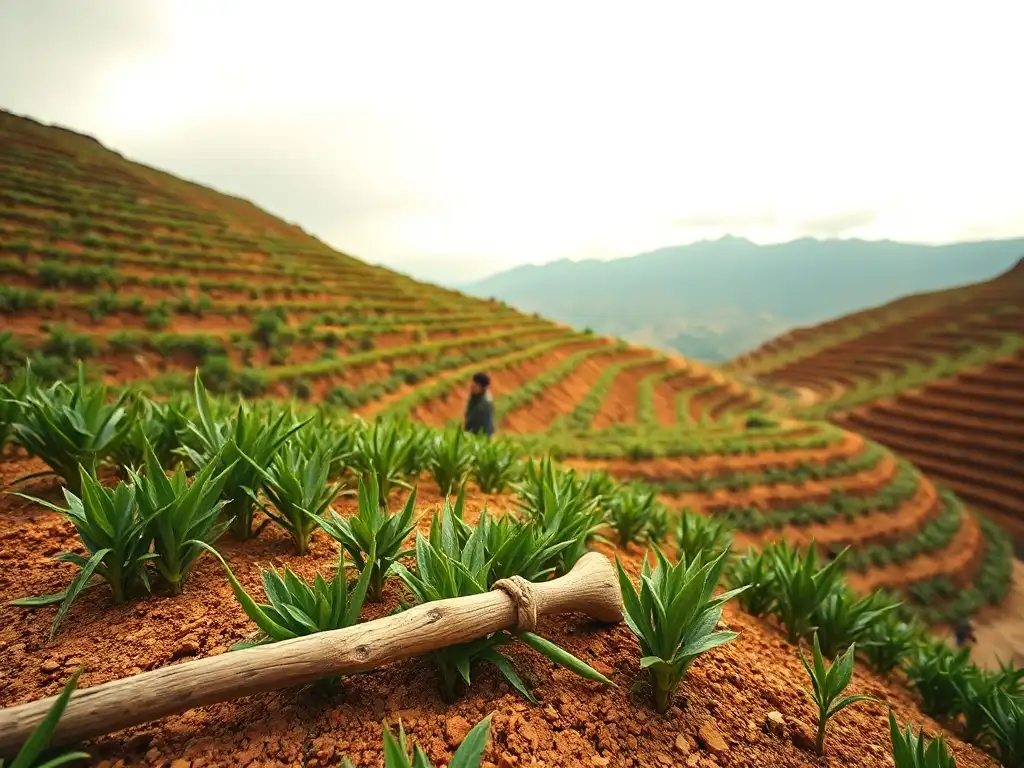
This section delves into the core principles underpinning the remarkable agricultural achievements of the Andean civilizations. Their success wasn't simply a matter of luck; it was a testament to a deep understanding of their environment and the development of ingenious techniques to overcome significant geographical hurdles. Mastering Andean agricultural techniques required a keen awareness of the delicate balance between human needs and the natural world, a symbiotic relationship reflected in their sophisticated farming practices. Understanding these foundations is key to appreciating the ingenuity and resilience of these ancient societies.
Understanding the Andean Environment and its Challenges
The Andean region presents a formidable challenge to agriculture. The dramatic altitudinal variations, ranging from coastal deserts to high-altitude plains and snow-capped mountains, create diverse microclimates with unique challenges. Rainfall distribution is highly erratic, with some areas experiencing prolonged droughts while others are susceptible to intense rainfall and flooding.
Steep slopes, thin soils, and frost are further obstacles. Andean agricultural techniques, therefore, had to be incredibly adaptable and resilient to thrive in these conditions. The civilizations weren't just farming; they were actively shaping their environment to meet their needs.
This involved a deep understanding of water management, soil conservation, and crop diversification—all essential components of their sustainable agricultural systems. For example, the Nazca people, famed for their geoglyphs, also developed sophisticated irrigation systems to cultivate crops in their arid coastal environment. This required careful observation of water sources and the construction of canals and aqueducts to transport water over long distances.
The Importance of Terracing in Andean Farming
Terracing is arguably the most iconic and impactful of all Andean agricultural techniques. This practice involved carving level platforms into steep slopes, creating a series of steps that dramatically increased the amount of arable land available. This wasn't simply a matter of creating more space; it also served several crucial functions. Terraces reduced soil erosion by slowing the flow of water, preventing valuable topsoil from being washed away.
They also improved water retention, allowing farmers to better manage irrigation and ensure a consistent water supply for their crops. The construction of terraces was a monumental undertaking, requiring significant labor and engineering skill. The precise alignment of terraces and their integration into the landscape demonstrate a sophisticated understanding of topography and water dynamics.
Different Andean cultures employed variations of terracing techniques, reflecting the unique environmental conditions of their specific regions. The scale and precision of these works stand as a testament to the organizational capacity and agricultural expertise of these societies. The efficiency of Andean terracing techniques is still studied today, offering valuable insights for sustainable agriculture in challenging environments.
Adapting to Altitude: Highland Agriculture Strategies
The high Andes presented unique challenges, with shorter growing seasons, intense solar radiation, and the ever-present threat of frost. Andean agricultural techniques in these regions focused on adapting crops to these harsh conditions. Farmers developed frost-resistant varieties of potatoes, quinoa, and other staple crops through careful selection and breeding. They also employed various strategies to protect crops from frost, such as building windbreaks and using mulch to insulate the soil.
The use of raised fields, another ingenious Andean agricultural technique, allowed farmers to regulate soil temperature and moisture levels, creating a more favorable microclimate for crops. These raised fields, often constructed in wetland areas, were essentially artificial islands of fertile soil, providing optimal growing conditions even in challenging environments. Furthermore, the practice of waru waru agriculture, involving the creation of interconnected raised beds and canals, allowed for efficient water management and improved soil fertility.
These techniques showcase the remarkable adaptability and innovation of Andean farmers in maximizing crop yields in the face of significant environmental limitations. The knowledge and practices developed over centuries represent a valuable legacy for modern sustainable agriculture, particularly in high-altitude regions worldwide. Further research into the specific crop varieties and cultivation methods employed at different altitudes would further illuminate the sophistication of these Andean agricultural techniques.
Key Andean Agricultural Techniques
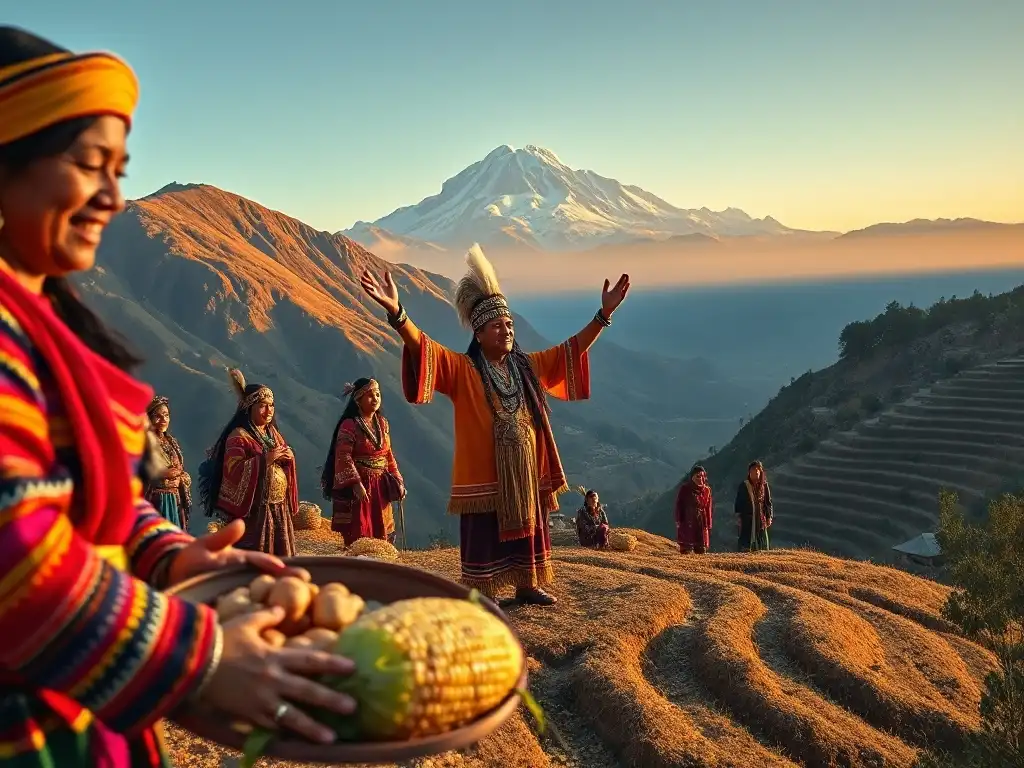
The ingenuity of Andean agricultural practices allowed these civilizations to thrive in diverse and often challenging environments. Mastering techniques like irrigation, terracing, and crop rotation, Andean farmers developed a sophisticated understanding of their ecosystems, forging a symbiotic relationship with the land that ensured food security and societal stability. This section will delve into some of the key techniques that underpinned Andean agricultural success, highlighting their innovation and demonstrating the deep connection between the people and their environment. Understanding these Andean agricultural techniques provides crucial insight into the remarkable achievements of these ancient societies.
The Ingenuity of Andean Irrigation Systems
Andean irrigation systems were marvels of engineering, showcasing a profound understanding of hydrology and landscape manipulation. These systems weren't simply about diverting water; they represented a complex interplay of observation, planning, and community collaboration. The ability to control water resources was fundamental to agricultural success in the arid and semi-arid regions of the Andes. The scale and sophistication of these systems varied depending on the specific civilization and location, but several common elements emerge.
Canal Construction and Water Management
The construction of canals involved meticulous planning and labor. Andean farmers carefully surveyed the terrain, identifying sources of water and charting the most efficient routes for channeling water to their fields. Canals were often built using stone, earth, and other readily available materials, demonstrating a mastery of basic engineering principles. The precise gradient of the canals was crucial for ensuring a consistent flow of water without erosion or flooding.
Careful maintenance was also essential, with regular cleaning and repairs needed to prevent blockages and ensure the efficient distribution of water. Evidence suggests that sophisticated systems of weirs, reservoirs, and aqueducts were also employed in some regions to regulate water flow and manage water storage. The effectiveness of these systems is testament to the advanced understanding of hydraulics possessed by Andean engineers.
Utilizing Natural Springs and Runoff
In addition to building elaborate canal systems, Andean farmers skillfully utilized natural water sources such as springs and runoff. They often integrated these natural features into their irrigation networks, supplementing the water supplied by canals and maximizing the availability of water resources. This approach demonstrated a deep understanding of the local hydrology and a pragmatic approach to water management. By combining engineered infrastructure with naturally occurring water sources, Andean farmers created resilient and sustainable irrigation systems capable of supporting large populations. This resourceful approach to water management significantly contributed to the agricultural productivity of the region.
The Power of Andean Crop Rotation
Crop rotation was another cornerstone of Andean agricultural success. It wasn't simply a matter of alternating crops; it involved a sophisticated understanding of soil fertility, nutrient cycling, and the needs of different crops. This practice played a vital role in maintaining soil health and productivity over the long term. The Andean understanding of crop rotation was arguably more advanced than contemporary European practices, highlighting their deep ecological knowledge.
Maintaining Soil Fertility through Crop Diversity
Andean farmers cultivated a remarkable diversity of crops, including potatoes, maize, quinoa, beans, and squash. The careful integration of these crops into rotation systems helped to maintain soil fertility and prevent depletion of essential nutrients. Legumes, for example, played a crucial role in fixing nitrogen in the soil, benefiting subsequent crops. This practice demonstrably prevented soil erosion and preserved the long-term productivity of their agricultural lands. The diversity of crops also provided nutritional security and resilience against crop failures.
Understanding the Importance of Fallow Periods
A key aspect of Andean crop rotation involved the practice of leaving fields fallow for periods of time. This allowed the soil to recover its fertility naturally, reducing the need for artificial fertilizers. The length of the fallow period varied depending on the specific conditions of the soil and the crops being grown.
This practice demonstrated a profound understanding of ecological processes and a commitment to sustainable land management. The incorporation of fallow periods within the rotation system is a powerful example of the Andean ethos of living in harmony with nature. The understanding and implementation of fallow periods demonstrates the long-term vision and environmental stewardship of Andean agricultural practices.
Advanced Techniques for Soil Management
Andean agricultural techniques were far from rudimentary; they demonstrated a sophisticated understanding of soil science and ecology. Farmers developed ingenious methods to maximize yields and ensure long-term soil fertility in challenging terrains. Their practices weren't simply about planting crops; they represented a deep-seated understanding of the delicate balance within their environment. This knowledge, passed down through generations, allowed them to thrive in diverse and often harsh conditions.
The success of Andean agriculture wasn't solely reliant on innovative irrigation systems; it was also deeply intertwined with advanced soil management techniques. These techniques, honed over centuries, allowed them to cultivate the steep slopes and diverse altitudes of the Andes mountains effectively and sustainably. The ingenuity and effectiveness of these practices continue to inspire modern agricultural practices focused on sustainability and resilience. The deep understanding of the soil's composition, its limitations, and its potential, formed the basis of their agricultural success.
The Use of Organic Fertilizers and Guano
One of the cornerstones of Andean agricultural techniques was the effective utilization of organic fertilizers. Among the most significant was guano, the excrement of seabirds accumulated over centuries in coastal deposits. Rich in nitrogen, phosphorus, and potassium – essential nutrients for plant growth – guano was a highly valued resource. Its strategic application provided a natural and sustainable way to enhance soil fertility, boosting crop yields significantly.
The Incas, for example, established a complex system for collecting, storing, and distributing guano, highlighting its importance to their empire's agricultural productivity. Evidence suggests carefully planned rotations of guano application, ensuring consistent soil enrichment without depletion. Beyond guano, Andean farmers also utilized other organic materials like composted plant matter and animal manure, further demonstrating a comprehensive approach to soil enrichment and sustainable agriculture. This practice highlights the cyclical nature of their understanding of the environment and their commitment to maintaining soil health.
Soil Conservation Methods
The Andean civilizations faced the constant challenge of cultivating crops on steep slopes prone to erosion. To combat this, they developed remarkably effective soil conservation methods. Terracing, the construction of flat, step-like platforms on hillsides, was a widespread practice. This significantly reduced soil erosion by slowing water runoff and providing level areas for planting.
The precision and scale of some Andean terraces are truly impressive, showcasing a mastery of engineering and land management. In addition to terracing, they employed other techniques such as contour plowing, which involved plowing along the contours of the land to minimize erosion. They also used techniques to create drainage channels to manage water effectively. These practices not only prevented soil loss but also improved water retention, making irrigation more efficient.
The integration of these methods demonstrates a sophisticated understanding of hydrology and its impact on agriculture. The long-term sustainability achieved through these techniques is a testament to the Andean people's profound connection with and respect for their environment. These methods, while adapted to specific conditions, showcase a broader principle of working with nature rather than against it.
Andean Crops and Their Significance

Andean agricultural techniques were not merely methods of food production; they were deeply intertwined with the spiritual and cosmological beliefs of the civilizations that practiced them. The cultivation of specific crops was not arbitrary; each plant held a significant place in their worldview, impacting their social structures, religious practices, and daily lives. Understanding the crops themselves is crucial to grasping the ingenuity and sophistication of Andean agriculture.
The careful selection, adaptation, and cultivation of these crops showcase a profound understanding of their environment and a remarkable capacity for innovation in the face of challenging terrains and climates. This section explores the key crops and their enduring importance within the Andean context.
The Domestication of Andean Staples
The domestication of plants in the Andes represents a remarkable achievement in human history. Over millennia, Andean peoples selectively bred and adapted wild plants to thrive in the diverse and often challenging environments of the Andes Mountains. This process led to the development of a unique agricultural system characterized by a remarkable diversity of crops.
The process wasn't simply about survival; it was a deeply integrated aspect of their relationship with the land, reflecting their understanding of the interconnectedness of all living things. This symbiotic relationship shaped not only their food supply but also their social structures, religious beliefs, and artistic expressions.
The Importance of Potatoes in Andean Diet
The potato ( Solanum tuberosum) is arguably the most iconic Andean crop. Its importance to the Andean diet is undeniable, forming the basis of countless dishes and providing essential sustenance for generations. Different varieties of potatoes, adapted to varying altitudes and climates, demonstrate the sophisticated understanding of agricultural practices. From the small, intensely flavored papa negra to the larger, starchy varieties, potatoes provided carbohydrates, vitamins, and minerals crucial for survival in harsh environments.
The potato’s versatility also played a key role; it could be boiled, roasted, fried, dried, or fermented, providing a range of culinary possibilities. Even the potato's byproducts were utilized, showcasing a remarkable level of resourcefulness. The sheer diversity of potato varieties cultivated in the Andes continues to amaze researchers and highlights the incredible ingenuity of Andean farmers.
Quinoa and Other Essential Andean Grains
Quinoa ( Chenopodium quinoa) stands out as another crucial Andean staple, a pseudo-cereal boasting exceptional nutritional value. High in protein and essential amino acids, quinoa provided a crucial complement to the potato in the Andean diet. Its adaptability to harsh conditions and high-altitude environments further solidified its importance.
Other essential grains, such as amaranth ( Amaranthus) and kiwicha ( Amaranthus caudatus), contributed significantly to the Andean diet, offering additional sources of carbohydrates, protein, and vital nutrients. The cultivation of these grains required specific knowledge of soil conditions, water management, and planting techniques, further demonstrating the sophistication of Andean agricultural practices. These crops weren't just food sources; they were integral to the spiritual and cultural fabric of Andean societies.
Understanding the Diversity of Andean Crops
The diversity of Andean crops extends far beyond potatoes and quinoa. The ingenuity of Andean agricultural techniques is evident in the wide range of plants successfully domesticated and cultivated. The Andean region's varied ecosystems, from high-altitude puna grasslands to coastal deserts, supported a remarkable diversity of agricultural products, showcasing a deep understanding of ecological niches and plant adaptations. This diversity wasn't merely a matter of chance; it was the result of centuries of careful selection, adaptation, and innovation.
The Role of Andean Tubers and Roots
Beyond the potato, numerous other tubers and roots enriched the Andean diet. These included oca ( Oxalis tuberosa), mashua ( Tropaeolum tuberosum), and yacón ( Smallanthus sonchifolius), each offering unique nutritional profiles and adaptations to diverse environments. These crops, often overlooked in discussions of Andean agriculture, played a significant role in providing carbohydrates, vitamins, and minerals to Andean communities. Their cultivation required specific knowledge of soil types, planting techniques, and harvesting methods, highlighting the depth of Andean agricultural expertise. The diversity of these tubers and roots underscores the resilience and adaptability of Andean agricultural systems.
The Importance of Andean Fruits and Vegetables
The Andean region is also renowned for its diverse range of fruits and vegetables. From the vibrant colors of ají peppers to the sweetness of lúcuma ( Pouteria lucuma), these crops provided not only essential nutrients but also flavor and variety to the Andean diet. Tomatoes, beans, squash, and many other fruits and vegetables contributed to a balanced and nutritious diet.
Their cultivation, often integrated into complex agricultural systems, required an intricate understanding of plant interactions and ecological processes. The cultivation of these fruits and vegetables further demonstrates the sophistication and ingenuity of Andean agricultural techniques and their profound connection to the land. The vibrant tapestry of Andean crops reflects both the ingenuity of the people and the richness of the Andean environment.
Preserving Traditional Andean Seeds
The preservation of traditional Andean seeds is paramount for maintaining biodiversity and food security in the region. These seeds, often passed down through generations, represent a rich genetic heritage adapted to the unique challenges of the Andean environment – high altitudes, variable climates, and often poor soil conditions. Many of these varieties possess remarkable resilience to pests and diseases, qualities that are increasingly valuable in the face of climate change. The loss of these ancestral seeds would represent not only a culinary and agricultural loss, but also a significant blow to the cultural identity of Andean communities.
Several organizations and initiatives are dedicated to the in situ and ex situ conservation of these precious genetic resources. In situ conservation focuses on maintaining seeds within their traditional agricultural landscapes, often through community-based seed banks managed by local farmers. This approach ensures the continued adaptation of the seeds to their specific environments and promotes the preservation of traditional agricultural knowledge.
Ex situ conservation, on the other hand, involves storing seeds in controlled environments, such as gene banks, to safeguard them against loss due to natural disasters, pests, or diseases. These gene banks serve as a vital backup, providing a safety net for the genetic diversity of Andean crops.
The challenges to seed preservation are significant. The introduction of modern, high-yielding varieties often leads to the abandonment of traditional crops, resulting in a decline in genetic diversity. Furthermore, climate change poses a serious threat, impacting crop yields and increasing the vulnerability of traditional seeds. Economic pressures can also force farmers to switch to more commercially viable crops, further jeopardizing the survival of traditional varieties.
Overcoming these challenges requires a concerted effort involving governments, research institutions, non-governmental organizations, and most importantly, the Andean farming communities themselves, who are the custodians of this invaluable genetic heritage. Their knowledge and participation are crucial for the long-term success of any seed preservation strategy. The future of Andean agriculture, and indeed, the future of Andean food security, depends on it. The continued cultivation and preservation of these unique Andean agricultural techniques are vital to the region's future.
Andean Agriculture: A Cultural and Spiritual Practice
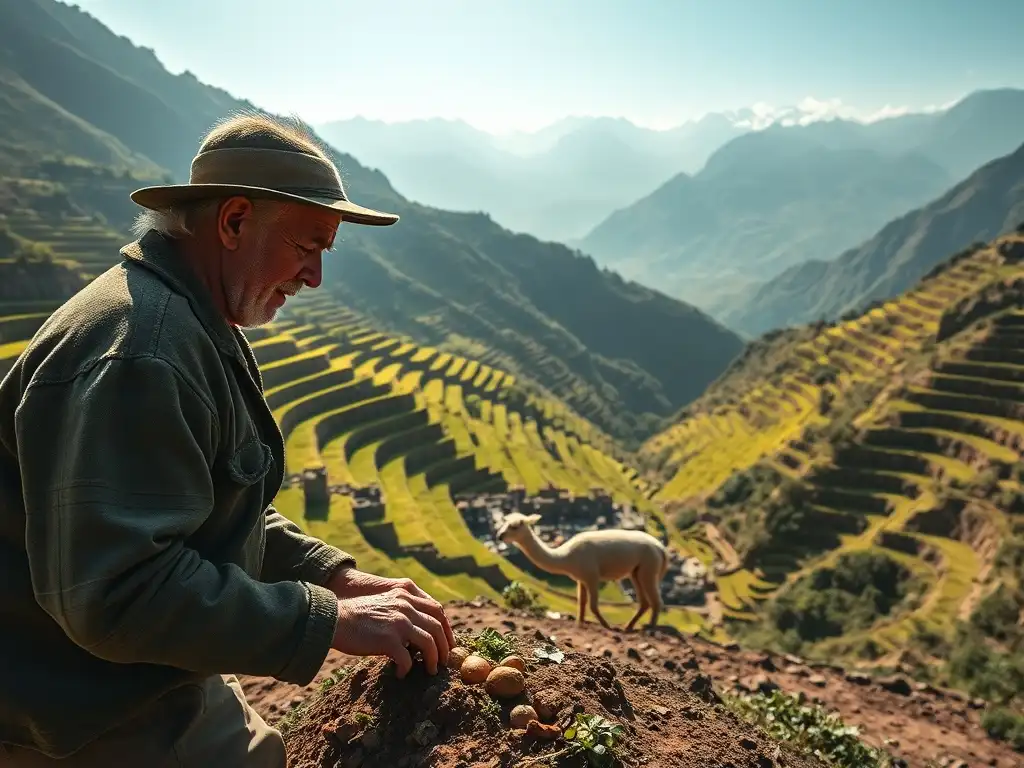
Andean agricultural techniques were not merely practical methods of food production; they were deeply interwoven with the cultural and spiritual fabric of Andean societies. Understanding Andean agriculture requires recognizing its profound connection to cosmology, ritual, and the environment. The sophisticated systems developed weren't simply about maximizing yields; they reflected a worldview that saw agriculture as a sacred act, a reciprocal relationship between humanity and the natural world.
This perspective shaped every aspect of agricultural practices, from the selection of crops and methods of cultivation to the elaborate ceremonies that accompanied the agricultural cycle. The success of Andean agriculture, particularly its resilience in challenging environments, is largely attributable to this holistic approach, emphasizing sustainability and a deep respect for the Pachamama.
The Role of Agriculture in Andean Cosmology
The Andean worldview, encompassing the beliefs and practices of various cultures across the Andes, placed immense importance on the interconnectedness of all things. Agriculture was not seen as separate from the cosmos but as an integral part of it. The Pachamama, the Earth Mother, was considered the source of all life and fertility.
Successful harvests were seen as a direct result of maintaining harmony with the Pachamama and respecting the cyclical rhythms of nature. The landscape itself was imbued with spiritual significance, with mountains, rivers, and valleys holding sacred power. Agricultural practices, therefore, were imbued with ritual and symbolic meaning, designed to foster a balanced relationship between humanity and the divine forces that governed the natural world.
This spiritual dimension ensured the continuity of agricultural practices across generations and contributed to the remarkable adaptability of Andean farming systems. The careful observation of astronomical cycles, for example, was crucial for determining planting and harvesting times, demonstrating a sophisticated understanding of the interplay between the celestial and terrestrial realms.
The Connection Between Farming and Ritual
The intricate link between Andean agricultural techniques and ritual practices is evident in the numerous ceremonies and festivals associated with the agricultural calendar. These weren't merely celebratory events but vital components of the agricultural process, believed to influence the success of the harvest. Rituals involved offerings to the Pachamama, prayers for bountiful yields, and communal participation in agricultural tasks.
The collective nature of these rituals reinforced social cohesion and emphasized the shared responsibility for maintaining the balance of the ecosystem. The use of specific tools, songs, and dances further highlighted the sacred dimension of agriculture, transforming everyday activities into acts of worship and communion with the natural world. This deep integration of the sacred and the mundane ensured the continuity and sustainability of Andean agricultural practices.
Agricultural Ceremonies and Festivals
Many Andean cultures observed specific agricultural ceremonies and festivals tied to the planting and harvesting seasons. For instance, the Capacocha ceremonies of the Inca involved offerings of selected individuals and animals to the gods, signifying the importance of human sacrifice in maintaining cosmic balance and ensuring agricultural prosperity. These events were meticulously planned and executed, involving elaborate processions, feasts, and offerings. Other festivals celebrated the harvest, thanking the Pachamama for her bounty and ensuring the continuation of the agricultural cycle.
The diversity of these ceremonies across different Andean cultures reflects the rich tapestry of beliefs and practices associated with agriculture. Detailed records of these ceremonies, though limited, provide invaluable insights into the deeply spiritual nature of Andean farming. Further research into less-documented Andean groups could reveal a much wider range of ritual practices related to agriculture.
The Importance of the Pachamama
The Pachamama, the Earth Mother, held a central role in Andean cosmology and was intrinsically linked to agricultural practices. She was revered as the provider of fertility and abundance, and maintaining a harmonious relationship with her was considered essential for successful harvests. Offerings of food, coca leaves, and other gifts were made to the Pachamama throughout the agricultural cycle, expressing gratitude and seeking her continued favor.
These offerings were often performed at specific locations considered sacred, such as mountain peaks or fertile valleys. The Pachamama was not merely a passive provider; she was an active participant in the agricultural process, her moods and actions believed to directly influence the growth and yield of crops. This deep-seated reverence for the Pachamama fostered a sustainable approach to agriculture, emphasizing respect for the land and its resources.
The concept of reciprocity—giving back to the Pachamama what she provided—was central to the Andean worldview and underpinned their agricultural practices. Ignoring this reciprocity was believed to incur her wrath, resulting in poor harvests and other misfortunes.
The Legacy of Andean Agricultural Knowledge
Andean agricultural techniques represent a sophisticated understanding of their environment, developed over millennia. This knowledge wasn't simply about producing food; it was deeply intertwined with their cosmology and spiritual beliefs. The success of Andean agriculture wasn't solely reliant on innovation but also on a profound respect for the land and its cyclical rhythms.
This holistic approach, encompassing spiritual practices alongside practical farming methods, ensured the sustainability of their food systems for generations. The intricate systems of terraces, irrigation channels, and crop diversification weren't merely engineering feats, but also reflections of a deeply spiritual connection to Pachamama, Mother Earth. This connection informed every aspect of their agricultural practices, from the selection of seeds to the timing of planting and harvesting.
The legacy of this knowledge continues to influence modern agricultural practices, both in the Andes and globally, offering valuable lessons in sustainability and resilience. Understanding this legacy requires recognizing the interconnectedness of their beliefs and their farming techniques. For instance, the intricate designs of their terraces were not only functional but also symbolic, reflecting their understanding of the cosmos and their place within it.
Passing Down Traditional Practices
The transmission of Andean agricultural knowledge wasn't solely through formal education; it was a deeply ingrained cultural process. Knowledge was passed down through generations within families and communities, often through oral traditions, practical demonstrations, and storytelling. These narratives weren't simply about farming techniques; they were integral parts of their cultural identity, reinforcing the importance of respecting the land and maintaining a harmonious relationship with nature.
Festivals and rituals played a crucial role in this transmission, reinforcing the spiritual dimension of agriculture and solidifying community bonds. Young people actively participated in these events, learning from elders and becoming integrated into the agricultural cycle. This generational transfer of knowledge, combined with the strong community ties, ensured the continuity of their agricultural practices for centuries.
The loss of some of these traditional practices in recent decades highlights the importance of continued efforts to document and preserve this invaluable heritage. Many communities are actively working to revive and protect these traditions, recognizing their significance for both food security and cultural preservation.
The Relevance of Andean Techniques Today
The ingenuity of Andean agricultural techniques continues to resonate in the 21st century. Faced with the challenges of climate change and dwindling resources, the world is increasingly looking towards sustainable agricultural practices. Andean methods, developed over centuries to adapt to diverse and often challenging environments, offer valuable lessons in resource management and environmental stewardship.
Techniques like terracing, which reduces soil erosion and maximizes water retention, are being studied and implemented in different parts of the world. Similarly, the Andean emphasis on crop diversification and intercropping provides valuable insights into building resilient and productive agricultural systems. The integration of indigenous knowledge with modern scientific approaches offers a promising pathway to creating more sustainable and equitable food systems.
While some Andean techniques might require adaptation to different contexts, the underlying principles of respect for the environment and community-based management remain highly relevant in addressing contemporary agricultural challenges. The enduring legacy of Andean agriculture serves as a powerful reminder of the importance of integrating traditional knowledge with modern innovation for a more sustainable future. The study of Andean agricultural techniques provides crucial insights for developing resilient and environmentally responsible farming practices worldwide.
The Sustainability of Andean Agricultural Methods
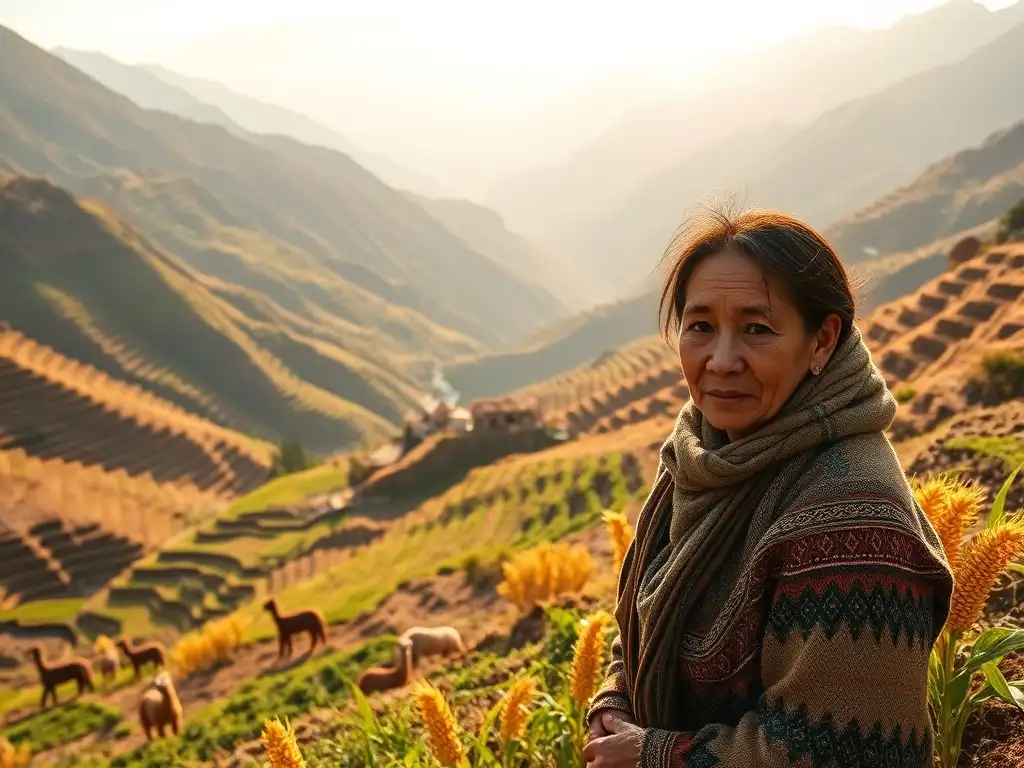
Andean agricultural techniques, developed over millennia, stand as a testament to human ingenuity and a harmonious relationship with the environment. These methods weren't merely about food production; they were deeply intertwined with the Andean worldview, reflecting a profound understanding of ecological balance and resource management. The sustainability of these practices is evident in their longevity and adaptability across diverse and challenging Andean landscapes.
For example, the terracing methods employed by civilizations like the Inca allowed for cultivation on steep slopes, minimizing soil erosion and maximizing arable land. This wasn't just a clever engineering feat; it was a sustainable solution for food security in a mountainous region. The careful selection of crops, often incorporating diverse species within a single agricultural field, further enhanced resilience against pests and diseases, contributing to a robust and sustainable food system.
This biodiversity, a cornerstone of Andean agricultural practices, minimized the risk of crop failure and ensured a varied diet for the population. The integration of livestock grazing within the agricultural system also played a vital role in soil fertilization and weed control, showcasing a holistic approach to land management. This intricate balance between crops and animals exemplifies the sophisticated understanding of ecological processes inherent in Andean agricultural techniques.
The Eco-Friendly Nature of Andean Farming
The eco-friendly nature of Andean farming is striking when compared to modern, intensive agricultural practices. The emphasis on biodiversity, crop rotation, and natural fertilization minimized the need for external inputs, resulting in a significantly lower environmental footprint. Unlike modern industrial agriculture, which often relies heavily on synthetic fertilizers and pesticides, Andean farmers utilized natural methods to enrich their soils and protect their crops.
For instance, the use of guano, bat and seabird droppings, provided a rich source of nutrients, demonstrating a sophisticated understanding of nutrient cycling. Furthermore, the integration of diverse crops within a single field, known as intercropping, promoted natural pest control and reduced the need for chemical interventions. This approach not only minimized environmental damage but also enhanced the overall health and resilience of the agricultural system.
The careful management of water resources, through techniques like irrigation channels and andenes (terraces), further minimized water waste and promoted efficient water use, a crucial aspect of sustainability in arid and semi-arid environments. The data on the long-term impact of these traditional methods is limited, but the lasting legacy of these practices in the Andes speaks volumes about their effectiveness and environmental friendliness. Studies comparing yields and environmental impact of traditional vs. modern methods in similar Andean contexts are needed to further quantify the advantages of these sustainable approaches.
Lessons from the Andes for Modern Agriculture
The ingenuity of Andean agricultural techniques offers invaluable lessons for modern agriculture, particularly in the face of climate change and growing concerns about environmental sustainability. The emphasis on biodiversity, for example, can be replicated in modern farming through the adoption of diversified cropping systems and agroforestry practices. This would not only enhance resilience against climate shocks but also improve soil health and biodiversity.
The Andean approach to water management also provides valuable insights for efficient irrigation and water conservation strategies in modern agriculture. Implementing water-harvesting techniques and efficient irrigation systems, inspired by Andean practices, could significantly reduce water waste and improve water use efficiency. The use of natural fertilizers, such as compost and biochar, inspired by traditional Andean methods, can reduce reliance on synthetic fertilizers, minimizing environmental pollution and promoting soil health.
Furthermore, the integration of livestock grazing into agricultural systems, as practiced in the Andes, can offer a sustainable approach to livestock management and soil fertilization. Adopting and adapting these Andean agricultural techniques could contribute to a more sustainable and resilient agricultural system globally. [Specific case studies of modern agriculture adopting Andean techniques pending].
Preserving Andean Agricultural Heritage
Preserving Andean agricultural heritage is crucial not only for maintaining the cultural identity of Andean communities but also for safeguarding valuable knowledge and practices vital for sustainable agriculture. This requires a multi-faceted approach involving documentation, education, and policy support. The meticulous documentation of traditional farming practices, including detailed descriptions and ethnographic studies, is essential for preserving this valuable knowledge for future generations.
Educational programs that promote the dissemination of this knowledge among Andean communities and beyond are vital for ensuring the continuity of these practices. Furthermore, policy support, in the form of incentives and regulations that promote sustainable agricultural practices, is crucial for creating an enabling environment for the preservation and promotion of Andean agricultural heritage. This could include government programs that support the adoption of traditional farming techniques, as well as initiatives that promote research and development in sustainable agriculture inspired by Andean practices.
The protection of traditional agricultural landscapes, including andenes and other important agricultural features, is also essential for preserving this unique heritage. Protecting this heritage is not merely a cultural endeavor; it's a crucial step towards ensuring global food security and environmental sustainability. The preservation of Andean agricultural heritage is a collective responsibility that requires the collaborative effort of communities, researchers, policymakers, and organizations dedicated to sustainable development.
Frequently Asked Questions
What innovative agricultural techniques did the Andean civilizations employ?
Andean civilizations developed ingenious techniques like terracing, irrigation systems, and waru waru (raised field agriculture) to maximize crop yields in challenging mountainous terrain. These methods allowed for sustainable food production.
How did terracing contribute to Andean agricultural success?
Terracing transformed steep slopes into level platforms, reducing erosion and creating ideal conditions for planting. This allowed for efficient water management and increased arable land significantly.
What role did the waru waru system play in Andean agriculture?
Waru waru involved creating raised fields separated by canals, improving drainage and soil fertility. This system also regulated temperatures and provided water storage, crucial in arid and high-altitude environments.
Besides terracing and waru waru, what other agricultural innovations were used?
Andean farmers utilized sophisticated irrigation channels, fertilizers from animal manure and guano, and diverse planting techniques like crop rotation to optimize resource use and maintain soil health.
How did Andean agricultural techniques contribute to the civilizations' success?
The innovative agricultural practices of the Andean civilizations ensured food security, supporting large populations and complex societies. This abundance of food allowed for specialization of labor and the development of sophisticated cultures.
Final Reflection: The Enduring Legacy of Andean Agriculture
The ingenious agricultural techniques developed in the Andes remain a powerful testament to humanity's capacity for innovation and adaptation, offering crucial lessons for sustainable food production in a world facing climate change and resource scarcity. These ancient practices, far from being relics of the past, hold the key to unlocking more resilient and environmentally conscious farming methods for the future.
The profound connection between Andean communities and their land, a relationship built on centuries of careful observation and reciprocal respect, continues to resonate deeply. This symbiotic partnership, where human ingenuity works in harmony with the natural environment, is a stark contrast to many modern, exploitative agricultural models. The earth does not belong to us; we belong to the earth.
This sentiment, though its precise origin is debated, encapsulates the core philosophy that underpins the success of Andean agricultural systems and offers a powerful critique of unsustainable practices.
Consider the ingenuity of the waru waru system, the terraced fields, the sophisticated understanding of water management – these are not merely historical curiosities. They are blueprints for a more sustainable future. You, the reader, are now equipped with a deeper understanding of these remarkable techniques. Will you use this knowledge to advocate for more sustainable practices? Will you seek out opportunities to learn more, to share this knowledge, and to inspire others to embrace a more harmonious relationship with the land? The future of our food systems depends on it.
Cultivate Your Connection to Andean Agriculture!
Thank you for exploring the rich tapestry of Andean agriculture and its vital relationship with the land. You've discovered the essence of sustainable practices that have thrived for centuries. Now, let's put that knowledge into practice!
Here are some ways to deepen your connection and appreciation for this remarkable agricultural heritage:
- Support Local Farmers: Visit your local farmers' market or join a community-supported agriculture (CSA) program to discover fresh Andean produce and directly support farmers who uphold these traditional methods.
- Explore Andean Cuisine: Try cooking an authentic Andean dish using ingredients like quinoa or potatoes. This is a delicious way to experience the flavors and history of the region firsthand.
- Share Your Passion: Spread the word! Share your newfound knowledge and appreciation for Andean agriculture with friends, family, and on social media. Engage in conversations about sustainable practices and their importance.
What sustainable practices from Andean agriculture will you integrate into your daily life? Let's share and discuss in the comments below!