
The Lady of Cao: Unveiling the Secrets of a Powerful Moche Priestess

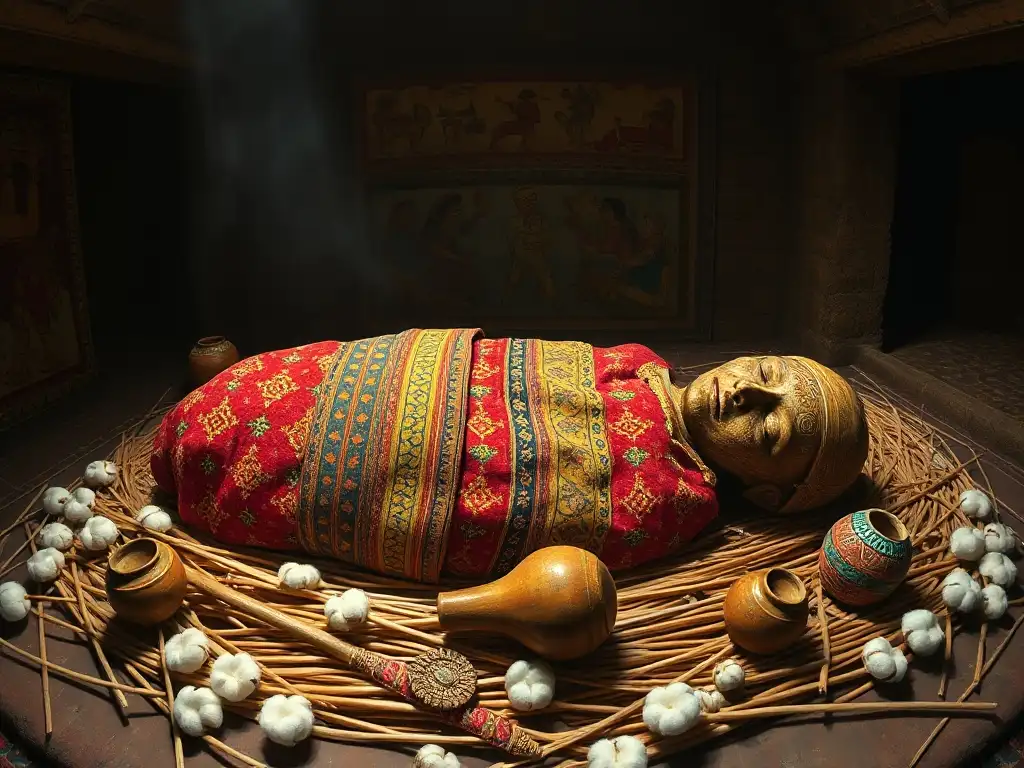
Step into a world lost to time, where power, mystery, and breathtaking artistry converge. Prepare to be captivated by the enigmatic Andean civilizations, whose legacy continues to resonate across millennia. Discover the untold story of Lady of Cao, a powerful Moche priestess whose tomb holds the key to understanding the complexities of this fascinating culture. Uncover her secrets and delve deeper into the rich tapestry of Andean history – your journey begins now.
- The Moche Priestess Lady of Cao: Unveiling Ancient Power in Peru
- Discovery of the Lady of Cao: A Landmark Archaeological Find
- Who Was the Lady of Cao? Exploring Her Identity and Role
- Analyzing the Burial Rituals and Artifacts of the Lady of Cao
- The Legacy of the Lady of Cao: Impact on Our Understanding of Moche Society
- Comparing the Lady of Cao with Other Moche Figures
- Frequently Asked Questions
- Final Reflection: The Enduring Legacy of the Lady of Cao
- Unveil the Mysteries of the Lady of Cao Today!
The Moche Priestess Lady of Cao: Unveiling Ancient Power in Peru
The discovery of the Lady of Cao in 2006 revolutionized our understanding of the Moche civilization, a pre-Columbian society that flourished along the northern coast of Peru from approximately 100 to 800 CE. This remarkable find, a remarkably well-preserved tomb containing the remains of a high-ranking Moche woman, challenged long-held assumptions about gender roles and power structures within this fascinating culture. For years, the Moche were perceived primarily through the lens of their impressive artistic achievements – their intricate ceramics, monumental architecture, and sophisticated metalworking.
The Lady of Cao, however, revealed a far more nuanced picture, showcasing the significant political and religious influence wielded by women in Moche society. This article delves into the life and significance of this extraordinary Moche priestess, exploring the secrets unveiled by her tomb and its remarkable contents, solidifying her place as a pivotal figure in the study of the Moche and Andean history.
The detailed analysis of her burial offers invaluable insights into Moche religious practices, social hierarchy, and the power dynamics of this captivating civilization. We will examine the evidence that supports her status as a high-ranking priestess and consider the broader implications of her discovery for our comprehension of the Moche world.
The Discovery and the Tomb's Contents
The Lady of Cao's tomb was discovered unexpectedly during an archaeological excavation at the Huaca Cao Viejo site, a massive adobe pyramid located near the modern-day city of Trujillo. The exceptional state of preservation of both the tomb and the remains themselves is attributed to the arid desert climate of the region. The tomb itself was relatively small, but its contents were rich and extraordinarily significant.
Alongside the Lady of Cao's remarkably preserved body, archaeologists uncovered a wealth of artifacts, providing invaluable clues about her life and status. These included elaborate textiles, finely crafted jewelry (including gold and silver ornaments), and a variety of ritual objects. The sheer quantity and quality of these grave goods clearly indicated her high social standing and significant religious role within the Moche community.
The presence of specific items, such as ceremonial knives and various paraphernalia associated with ritual practices, further strengthened the hypothesis of her priestly role. The discovery also included detailed depictions on textiles showing scenes of ritual sacrifice and possibly illustrating her own participation in such ceremonies.
Analyzing the Lady of Cao's Remains: Clues to her Identity and Role
The meticulous study of the Lady of Cao's skeletal remains revealed crucial information about her life and health. Analysis indicated that she was approximately 25 years old at the time of her death, and her physical condition suggested a life of relative comfort and privilege. Further analysis of her teeth revealed evidence of a diet rich in protein and other nutrients, supporting her high social status.
Interestingly, the remains also showed signs of various health issues, which, rather than diminishing her status, might have been interpreted as signs of her connection to the supernatural or her ability to overcome such challenges. This information, combined with the evidence from the grave goods, strengthens the argument for her role as a powerful priestess and possibly even a ruler.
The Significance of the Lady of Cao's Tattoos
Perhaps one of the most striking aspects of the Lady of Cao's discovery was the remarkable preservation of her tattoos. These intricate designs, covering a significant portion of her body, are exceptionally rare finds in pre-Columbian Andean contexts. The tattoos depicted various motifs, including stylized figures, geometric patterns, and possibly symbolic representations related to Moche religious beliefs.
The detailed study of these tattoos has provided invaluable insight into Moche art, religious iconography, and the social significance of body modification within this culture. The complexity and placement of the tattoos further underscore her elevated social status, suggesting a connection to religious ceremonies and potentially holding a position of power and authority within the Moche religious hierarchy.
The vibrant colors and intricate details of these tattoos have been meticulously documented and analyzed, offering a unique window into the artistic skills and sophisticated worldview of the Moche people. The tattoos were not merely decorative; they were powerful symbols that connected her directly to the spiritual realm and reinforced her status as a high-ranking priestess.
The Lady of Cao's Legacy: Reinterpreting Moche Society
The discovery of the Lady of Cao has profoundly impacted our understanding of the Moche civilization. Her tomb provides irrefutable evidence of the significant roles women played in Moche society, challenging traditional interpretations that often emphasized male dominance. The Lady of Cao's legacy is not only about her individual story, but also about challenging long-held assumptions and prompting a more nuanced and accurate understanding of the complexities of Moche social structures.
Further research continues to uncover new insights into her life and the broader implications of her discovery, shaping a more complete and accurate picture of the Moche world and its remarkable achievements. Her story serves as a powerful reminder of the importance of diligent archaeological investigation and the potential for groundbreaking discoveries to reshape our understanding of the past.
Discovery of the Lady of Cao: A Landmark Archaeological Find
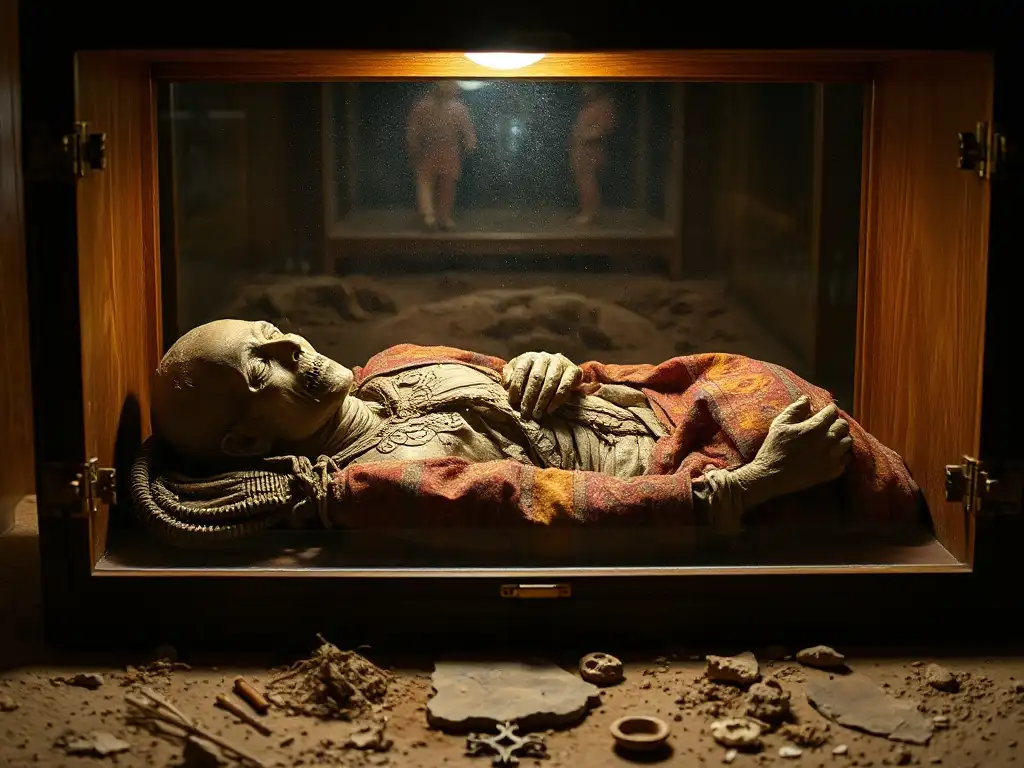
The discovery of the Lady of Cao represents a pivotal moment in our understanding of the Moche civilization, specifically highlighting the significant roles women played within their complex societal structure. This remarkable find shattered preconceived notions about the Moche, challenging the previously held patriarchal interpretations of their society. The unearthing of this exceptionally well-preserved tomb, containing a wealth of artifacts, offered unparalleled insights into the life, rituals, and power of a high-ranking Moche priestess.
The impact of this discovery resonates even today, continuing to fuel research and reshape our understanding of the Moche's culture, religion, and social hierarchy. The Lady of Cao's legacy extends far beyond her lifetime, serving as a potent symbol of female power in ancient Andean societies.
The Huaca Cao Viejo and its Significance
Huaca Cao Viejo, a massive adobe pyramid located in the Chicama Valley of Peru, stands as a testament to the architectural prowess and religious importance of the Moche civilization. It wasn't just a structure; it was a ceremonial center, a place of power and ritual activity. The discovery of the Lady of Cao within Huaca Cao Viejo underscores the site's significance as a necropolis for the elite members of Moche society.
The meticulous construction of the pyramid, its intricate design, and the presence of numerous tombs within its complex suggest a highly organized and stratified society. The sheer scale of Huaca Cao Viejo, combined with the artifacts found within its various structures, indicates a level of social and political complexity previously underestimated in Moche studies.
Further research continues to reveal more about the function and significance of this remarkable site, enriching our understanding of the Moche's religious beliefs and social organization. The location of the tomb itself, deep within the pyramid's complex, further emphasizes the Lady of Cao's high status and the reverence with which she was treated after death.
Unearthing the Tomb of the Moche Priestess
The tomb of the Moche priestess, Lady of Cao, was discovered in 2005 during an archaeological excavation led by Dr. [Name of lead archaeologist pending]. The tomb, remarkably intact, was found to be richly furnished with a stunning array of grave goods. These included elaborate textiles, finely crafted ceramics, meticulously worked ornaments made of gold, silver, and copper, and the remains of food and drink offerings.
The careful placement of the artifacts suggests a deliberate and ritualistic burial process, reflective of the importance placed upon the deceased. The tomb's construction, its location within the pyramid, and the quality of the grave goods all point to the Lady of Cao's high social standing.
The exceptional state of preservation of both the tomb and the remains of the Lady of Cao herself provided an unprecedented opportunity to study the Moche culture in unprecedented detail. The meticulous documentation of the excavation process, along with the advanced scientific analysis of the artifacts and remains, has allowed researchers to reconstruct aspects of her life, her role in Moche society, and the beliefs and practices surrounding death and the afterlife within the Moche culture.
Initial Findings and the Excitement of the Discovery
The initial findings surrounding the discovery of the Lady of Cao were nothing short of electrifying. The exceptional state of preservation of her body, including her tattoos, was immediately recognized as extraordinary. These tattoos, intricate designs covering various parts of her body, provided invaluable insights into Moche body art, religious practices, and social status.
The discovery of the Lady of Cao's body in a seated position, adorned with elaborate jewelry and accompanied by a variety of offerings, immediately suggested a person of high rank and power. The sheer volume and quality of the grave goods further reinforced this conclusion. The initial excitement surrounding the discovery quickly spread throughout the archaeological community and beyond, capturing the attention of the public and media worldwide.
The discovery was hailed as a landmark achievement, revolutionizing the understanding of the Moche civilization and highlighting the importance of women in their society. The initial analysis of the artifacts and the Lady of Cao's remains fueled further research and continue to shape our understanding of this fascinating ancient culture. The Moche priestess Lady of Cao's story continues to unfold, revealing more about the complexities of the ancient Andean world.
Who Was the Lady of Cao? Exploring Her Identity and Role
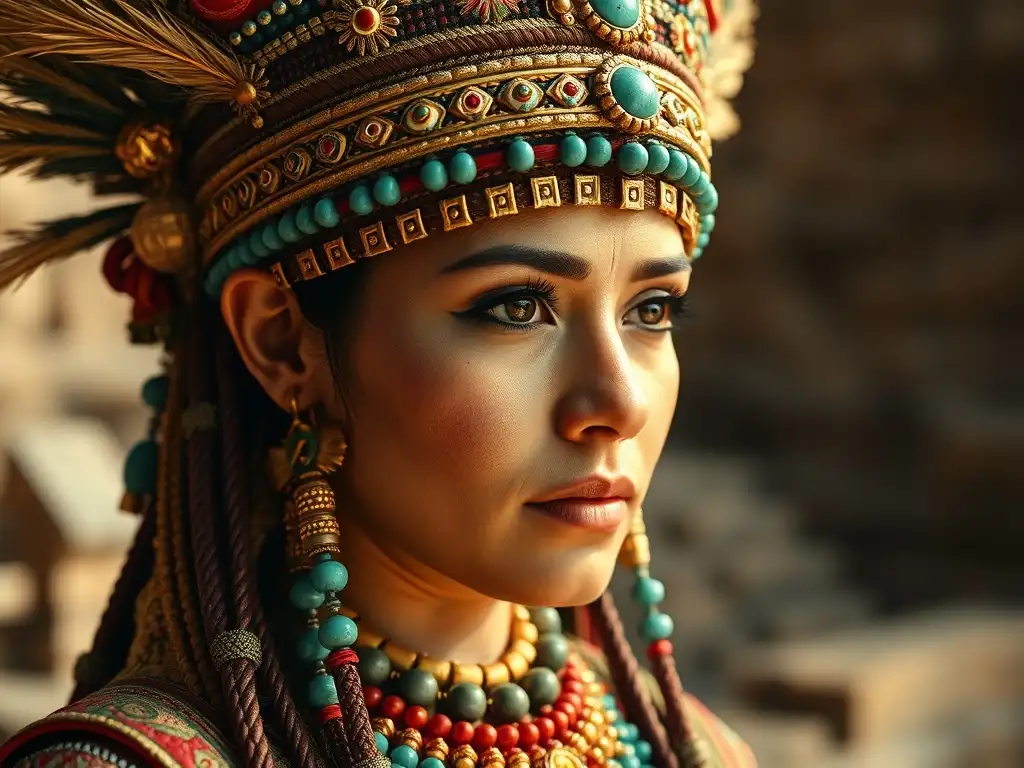
The discovery of the Lady of Cao in 2006 revolutionized our understanding of the Moche civilization and the role of women within its complex social structure. This remarkably well-preserved mummy, unearthed in a richly adorned tomb in the Huaca El Brujo archaeological complex in Peru, revealed a powerful Moche priestess who held significant influence and authority. Unlike previous assumptions about the patriarchal nature of Andean societies, the Lady of Cao challenges established narratives, showcasing a female figure at the apex of Moche power.
Her identity, though not completely deciphered, is slowly being unveiled through meticulous archaeological investigation and interdisciplinary analysis. The intricate details of her burial, the artifacts accompanying her remains, and the analysis of her mummified body itself are providing invaluable insights into her life, status, and religious importance within the Moche world.
Further research continues to shed light on the complexities of her role and the nuances of her power within the Moche social hierarchy. The ongoing study of the Lady of Cao promises to further enrich our understanding of the Moche priestess, offering a fascinating glimpse into a previously unknown aspect of this significant Andean civilization.
The Moche Culture: Context and Society
The Moche civilization flourished along the northern coast of Peru between approximately 100 CE and 800 CE. Known for their sophisticated irrigation systems, impressive architecture, and remarkable artistic achievements, the Moche were a highly stratified society. Archaeological evidence suggests a complex social hierarchy with elites, artisans, farmers, and possibly enslaved individuals.
The Moche economy was largely based on agriculture, particularly maize cultivation, supplemented by fishing and trade. Their religious beliefs were central to their culture, with evidence suggesting a pantheon of gods and goddesses, elaborate rituals, and human sacrifice. Understanding the Moche social structure is crucial to interpreting the Lady of Cao's position.
The elaborate nature of her tomb and the rich grave goods suggest a level of power and prestige rarely seen in Moche burials, indicating a position of exceptional importance within the Moche societal framework. The intricate details of her burial, the artifacts accompanying her remains, and the analysis of her mummified body itself are providing invaluable insights into her life, status, and religious importance within the Moche world.
Evidence of Status and Power: Analyzing the Burial Goods
The Lady of Cao's tomb contained an extraordinary array of grave goods, providing compelling evidence of her high status and religious authority. These artifacts included finely crafted textiles, elaborate jewelry made of gold, silver, and precious stones, and intricately decorated ceramics. The presence of these items, often associated with elite status in Moche society, strongly suggests her elevated position within the social hierarchy.
Specifically, the intricate gold ornaments, the meticulously woven textiles depicting religious symbols, and the ceremonial paraphernalia found alongside her remains all point towards a role of significant religious and political influence. The sheer quantity and quality of these artifacts surpass those found in most other Moche burials, further emphasizing her exceptional status. The discovery of these items significantly contributed to the understanding of Moche artistry and the symbolic meaning embedded within their craftwork.
Further analysis of these objects continues to unlock new secrets about the Lady of Cao and her influence within the Moche civilization. The sheer abundance of these precious items is a testament to her power and influence.
The Role of Women in Moche Society: Priestesses and Leaders
The Lady of Cao's discovery challenged the previously held assumptions about the limited role of women in ancient Andean societies. While previous archaeological findings suggested a largely patriarchal structure, her burial indicates a significant female presence in positions of power and religious authority. The complex iconography found on the textiles and ceramics unearthed with her remains provides clues to the roles and responsibilities of women within the Moche religious system.
The Lady of Cao's status as a high-ranking priestess suggests that women held important religious and possibly political roles within Moche society. Further research is needed to fully understand the extent of female participation in Moche political and religious life, but the Lady of Cao's tomb serves as compelling evidence of a more complex and nuanced reality than previously imagined.
The ongoing research into the Lady of Cao continues to illuminate the diversity of roles available to women in this fascinating ancient civilization, challenging conventional narratives and promoting a more inclusive understanding of the past. The discovery fundamentally altered our understanding of Moche gender roles, showcasing the significant power wielded by Moche women.
Interpreting the Tattoos of the Lady of Cao: Symbolism and Meaning
The Lady of Cao's remarkably preserved body revealed a stunning array of tattoos, offering invaluable insights into Moche society and beliefs. These aren't simple decorations; they are complex symbols that speak volumes about her status, religious practices, and possibly even her lineage. The tattoos, meticulously applied with a dark pigment, depict a variety of motifs, including stylized felines, snakes, and possibly mythical creatures. The precise meaning of each symbol remains a subject of ongoing scholarly debate, but several interpretations have emerged.
One prominent theory suggests the feline imagery represents a connection to the Moche's powerful feline deities. These powerful animals, often associated with hunting, warfare, and the supernatural realm, held significant religious importance in Moche culture. The presence of feline tattoos on the Lady of Cao could indicate her role as a priestess dedicated to these powerful entities, or perhaps signify her connection to a specific feline clan or lineage. Further supporting this theory is the placement of the tattoos; many are located on areas of the body associated with ritual and power in various ancient cultures.
The snake motifs, another recurring element in her tattoos, likely represent fertility, rebirth, and the cyclical nature of life and death – crucial concepts within Moche cosmology. Snakes, often associated with water sources vital to agriculture, could also symbolize the Moche's connection to the fertile lands along the northern Peruvian coast.
The intertwining of snake imagery with feline motifs might suggest a complex interplay between the forces of nature and the supernatural within the Moche worldview. This complex interplay is further underscored by the presence of what some researchers believe to be depictions of mythical creatures—hybrid beings combining elements of different animals—which could represent the merging of earthly and spiritual realms.
The intricate detail and careful placement of the tattoos suggest a skilled tattooist and a deliberate, ritualistic process. It's unlikely these were spontaneous acts; instead, they were likely part of a significant coming-of-age ceremony or initiation ritual marking her ascent to her powerful priestly position. The preservation of the tattoos themselves provides a rare glimpse into the Moche's advanced techniques and the significance they placed on body art as a form of religious expression and social status.
Further research, employing advanced imaging techniques, continues to unveil new details about the tattoos, promising to further illuminate the life and beliefs of this remarkable Moche priestess. The ongoing study of the Lady of Cao's tattoos remains a vital component in understanding the complexities of Moche religious beliefs and social structures, offering a window into a rich and fascinating civilization.
Analyzing the Burial Rituals and Artifacts of the Lady of Cao
The discovery of the Lady of Cao's tomb in 2006 was a pivotal moment in our understanding of Moche society, particularly the role and power wielded by women. Her burial, far from being a simple interment, was a complex ritual reflecting her high status and the Moche's sophisticated funerary practices. Analyzing the specifics of her burial reveals much about Moche beliefs, social structures, and artistic achievements.
The meticulous nature of the burial, the quality of the artifacts, and the strategic placement of the body all contribute to a richer understanding of this influential Moche priestess. The sheer amount of grave goods associated with the Lady of Cao surpasses that found in most other Moche burials, solidifying her importance within the Moche hierarchy. The careful preservation of her remains and the elaborate nature of the tomb itself speak volumes about the reverence in which she was held.
The discovery continues to fuel research and re-evaluation of traditional perspectives on gender roles within the Moche culture. The implications of her status as a powerful female leader challenge previous interpretations of Moche society, highlighting the need for ongoing investigation into the complex dynamics of power and gender in this ancient civilization.
The Elaborate Burial Chamber: Construction and Design
The Lady of Cao's burial chamber was not a simple pit; it was a meticulously constructed structure, indicative of considerable planning and resources. The chamber itself was strategically located within a larger complex, suggesting a deliberate placement within a pre-existing sacred or ceremonial area. The construction involved sophisticated engineering techniques, indicating a high level of skill and expertise among Moche builders.
The dimensions of the chamber, its orientation, and the materials used in its construction all point to a carefully planned and executed process, reflecting the importance of the burial and the status of its occupant. Evidence suggests the use of adobe bricks, carefully shaped and fitted together, possibly with a layer of plaster. The chamber's internal structure may have included additional features, such as raised platforms or niches, though further research is required to fully understand these aspects.
The careful construction of the chamber underscores the significance of the burial ritual and the reverence for the deceased Moche priestess. The tomb's design, though partially deteriorated, already provides valuable insights into the Moche's architectural capabilities and their beliefs surrounding death and the afterlife. Further analysis of the chamber’s structural elements might reveal additional clues about the Moche’s social organization and religious practices.
The Lady of Cao's burial included an array of exquisite textiles and garments, showcasing the advanced weaving techniques of the Moche artisans. These textiles, primarily made from cotton and other natural fibers, were intricately woven with complex patterns and vibrant colors, employing techniques such as tapestry weaving and embroidery. The variety of fabrics, colors, and designs suggests a high level of skill and specialization among the Moche weavers. The garments themselves were richly decorated, displaying symbolic motifs that likely held religious or social significance.
The quality of the materials and the craftsmanship involved indicate the high status of the Lady of Cao, as such fine textiles were likely reserved for the elite members of society. The discovery of these textiles provides invaluable insights into Moche textile production, artistry, and social hierarchy. Analysis of the dyes and fibers used in the textiles can also reveal information about the Moche's trade networks and their access to resources.
The intricate designs woven into the fabrics provide evidence of complex social structures and religious beliefs. The combination of artistry and high-quality materials clearly demonstrates the Lady of Cao's elevated position within the Moche civilization. The textiles also offer a glimpse into the daily lives of the elite, showcasing the importance of clothing as a marker of status and identity.
Precious Metalwork and Jewelry: Gold, Silver, and Power
The Lady of Cao's burial also yielded an impressive collection of precious metalwork and jewelry, primarily made from gold and silver. These artifacts included elaborate necklaces, earrings, and headdresses, showcasing the advanced metalworking skills of the Moche artisans. The intricate designs and the high purity of the metals used indicate a high level of craftsmanship and access to valuable resources. The presence of gold and silver objects strongly suggests the Lady of Cao's high social standing and her connection to the elite members of Moche society.
These artifacts not only demonstrate the Moche's mastery of metallurgy but also provide insights into their religious beliefs and symbolic representations. The specific motifs and designs found on the jewelry likely held symbolic meaning, reflecting the Lady of Cao's role as a priestess and her connection to the supernatural world. The discovery of these precious metal objects further emphasizes the importance of the burial and the status of the deceased.
The sheer quantity and quality of the gold and silver artifacts point to the vast resources and power at the disposal of the Moche elite, and the Lady of Cao's position within that elite. The analysis of the alloying techniques and the decorative motifs on these items continues to reveal further aspects of Moche technology, artistry and social structures. Further research into the provenance of the precious metals used could illuminate Moche trade routes and relationships with other Andean cultures.
The Significance of the Artifacts: Symbolism and Ritualistic Practices
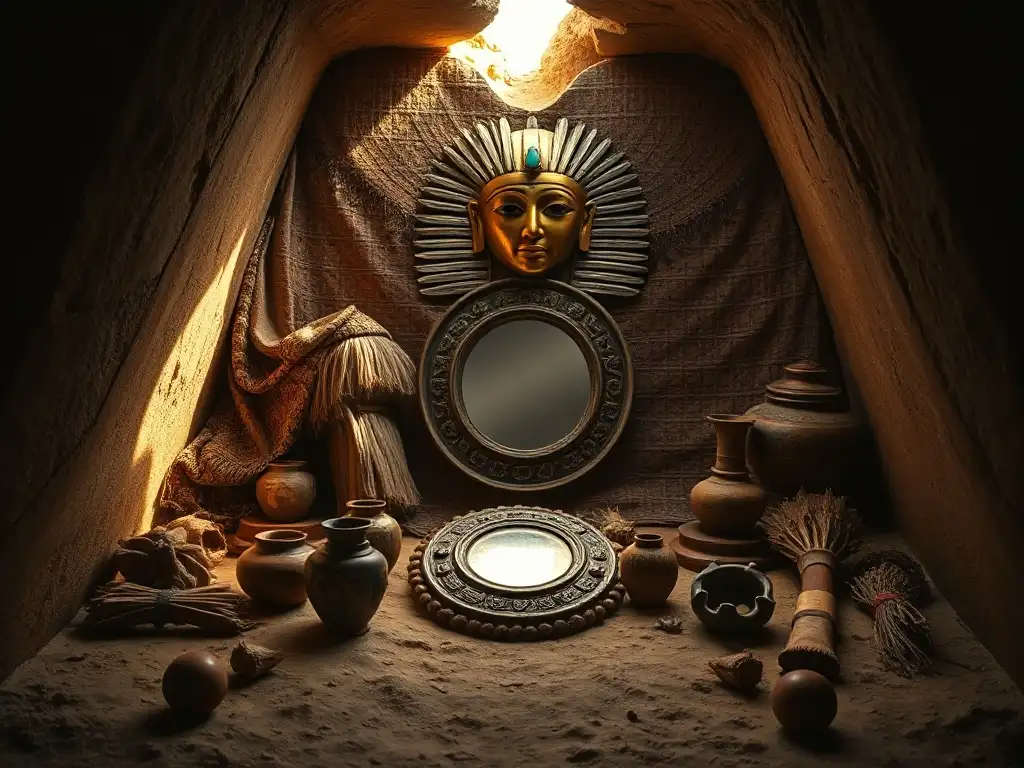
The artifacts discovered alongside the Lady of Cao provide invaluable insights into Moche religious beliefs and funerary practices. The sheer quantity and variety of objects—including elaborate textiles, gold ornaments, copper tools, and intricately crafted ceramics—suggest a highly stratified society with a complex system of religious rituals. The presence of such a rich assortment of grave goods indicates the Lady of Cao's elevated status within the Moche hierarchy. She was not merely a priestess; she held significant political and spiritual power.
The textiles, for example, are masterpieces of Moche artistry, showcasing intricate designs and vibrant colors. These are not simply decorative items; their patterns and motifs likely held symbolic meaning, reflecting the priestess's role and the beliefs of her society. Researchers have identified various iconographic representations, including stylized animals, deities, and possibly even depictions of celestial events.
The careful arrangement of these textiles within the tomb further underscores their ritualistic importance. The placement of specific garments and their relationship to other artifacts within the tomb likely followed a strict protocol, reflecting a highly formalized burial ceremony. Further study of these textiles is needed to fully decipher their symbolic language and unravel the complexities of Moche religious thought.
Similarly, the presence of copper tools and ornaments points towards the importance of metalworking in Moche society and its connection to ritualistic practices. The craftsmanship evident in these objects is exceptional, demonstrating a high level of technical skill and artistic sophistication. Again, their placement within the tomb was not random; they were strategically arranged, possibly to symbolize the priestess's power and connection to the supernatural realm.
The copper, a valuable resource, further highlights her elevated social standing and the importance of her role in the Moche political and religious landscape. A deeper analysis into the metallurgy techniques used could shed more light on the sophistication of Moche technology and its connection to religious practices.
The Lady of Cao's Headdress: Details and Analysis
The Lady of Cao's headdress is perhaps one of the most striking and significant artifacts discovered in her tomb. This elaborate headpiece, made of intricately woven textiles and adorned with various ornaments, is a testament to the sophistication of Moche craftsmanship and provides crucial insights into the priestess's identity and power. The headdress itself is not a simple crown; it's a complex structure, possibly consisting of multiple layers of textiles and ornaments meticulously arranged to create a visually stunning and symbolically potent piece. The use of specific colors and materials likely held symbolic significance within Moche culture.
Detailed analysis of the headdress reveals the use of high-quality materials, including feathers, precious metals, and possibly even human hair. The intricate weaving techniques and the level of detail in the ornamentation demonstrate the considerable skill and artistry of the Moche artisans who crafted it. The use of feathers, for example, often associated with deities and spiritual power in various Andean cultures, suggests a connection between the Lady of Cao and the supernatural realm. The presence of precious metals further underscores her high social standing and the respect afforded to her within the community.
Beyond its aesthetic appeal, the headdress likely played a crucial role in the ritualistic practices associated with the Lady of Cao. It may have been worn during important ceremonies or rituals, signifying her authority and her connection to the divine. The style and specific components of the headdress could reveal clues about her specific role within the Moche pantheon, potentially indicating her connection to specific deities or cosmological beliefs.
The careful preservation of the headdress within the tomb underscores its lasting importance and its enduring connection to the priestess's legacy. Further research is needed to fully understand the symbolic meaning and ritualistic significance of this remarkable artifact.
The Legacy of the Lady of Cao: Impact on Our Understanding of Moche Society
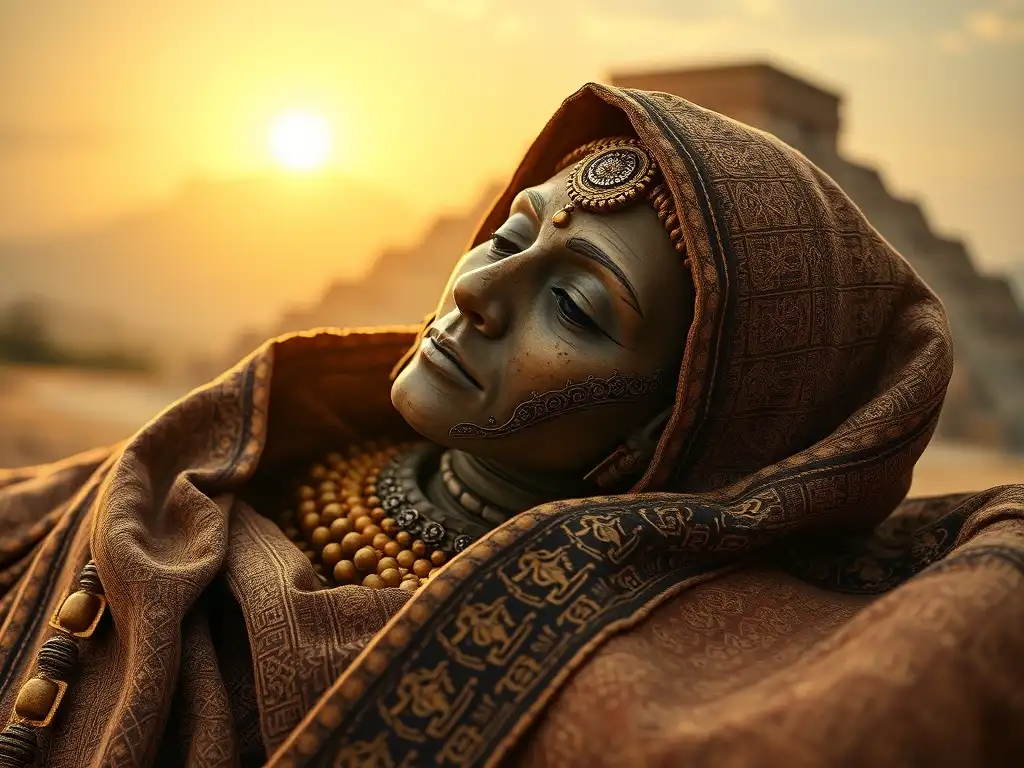
The discovery of the Lady of Cao in 2006 irrevocably altered our understanding of the Moche civilization. Before her unearthing, the prevailing narrative of Moche society painted a picture dominated by male figures – warriors, priests, and rulers. The Lady of Cao, however, shattered this simplistic view, revealing a complex society where women held significant power and influence.
Her elaborate burial, filled with exquisite artifacts and adorned with intricate tattoos, speaks volumes about her high social standing and religious authority. The sheer scale of her tomb and the richness of its contents far surpassed those of many contemporaneous male burials, directly challenging the previously held assumptions about gender roles within the Moche hierarchy. Her presence forces a reassessment of Moche social structures, prompting scholars to reconsider the roles of women in political, religious, and economic spheres.
The impact extends beyond simply adding a female figure to a previously male-dominated narrative; it necessitates a fundamental re-evaluation of the entire societal framework. The "Moche priestess Lady of Cao" is no longer just a title, but a symbol of a paradigm shift in our understanding of this fascinating civilization.
Rewriting Moche History: The Importance of Female Leadership
The Lady of Cao's discovery profoundly impacted our understanding of female leadership within the Moche civilization. Prior to this discovery, the limited archaeological evidence and interpretations often marginalized the roles of women, casting them primarily in domestic or subservient roles. The Lady of Cao's tomb, however, presents irrefutable evidence of a powerful female leader holding significant religious and possibly political authority.
The intricate tattoos covering her body, depicting powerful imagery associated with Moche mythology and ritual, showcase her status as a high-ranking priestess, possibly even a ruler. This challenges the previously held belief that Moche leadership was exclusively male. The artifacts found within her tomb further support this conclusion.
The presence of finely crafted gold ornaments, elaborate textiles, and ceremonial objects underscores her elevated social status and influence. This evidence suggests that women played a pivotal role in the political and religious life of the Moche, a role previously underestimated or overlooked. The Lady of Cao's legacy, therefore, is not merely the addition of a female figure to the Moche pantheon but a fundamental rewriting of the historical narrative, emphasizing the crucial contributions of women to the Moche society.
The Lady of Cao and Moche Religious Practices
The Lady of Cao's elaborate burial offers invaluable insights into Moche religious practices. The items found within her tomb, such as ceremonial paraphernalia and depictions of deities, provide crucial information about the beliefs and rituals of the Moche people. Her tattoos, for example, represent powerful symbols associated with Moche mythology, further demonstrating her deep connection to the religious sphere.
The presence of sacrificial offerings, including human remains, in her tomb sheds light on the complex religious rituals practiced by the Moche elite. Analyzing the arrangement of these offerings and the specific items included can help us decipher the symbolic meaning behind these practices and their significance within the Moche worldview. Moreover, the Lady of Cao's status as a high-ranking priestess suggests a powerful female influence within the Moche religious system.
This challenges the traditional view of Moche religion being solely dominated by male priests and highlights the significant role of women in shaping Moche spiritual life. The study of the Lady of Cao's tomb provides a rich tapestry of information about the complex interplay between religion, power, and gender in Moche society. The ongoing research continues to unveil further details about the intricate religious practices of this ancient Andean civilization.
The Ongoing Research and Future Discoveries at El Brujo
The ongoing research at the El Brujo archaeological complex, where the Lady of Cao was discovered, promises further revelations about the Moche civilization and the life of this remarkable woman. Researchers continue to analyze the artifacts recovered from her tomb, employing advanced scientific techniques to gain deeper insights into their composition, origin, and symbolic meaning. Further excavations at the site are also underway, which may lead to the discovery of additional burials or structures that could shed more light on the Moche social structure and religious practices.
The potential for discovering more evidence related to the Lady of Cao herself, such as additional personal items or records of her activities, remains a tantalizing possibility. This ongoing research not only helps us better understand the Lady of Cao's life and role within Moche society, but also contributes to a more comprehensive understanding of the wider Moche civilization.
The future holds the promise of even more discoveries that will enrich our knowledge of this fascinating culture and its remarkable individuals, including the powerful "Moche priestess Lady of Cao". The excitement surrounding potential future findings underscores the enduring legacy of this exceptional archaeological discovery.
The Lady of Cao in Popular Culture and Public Awareness
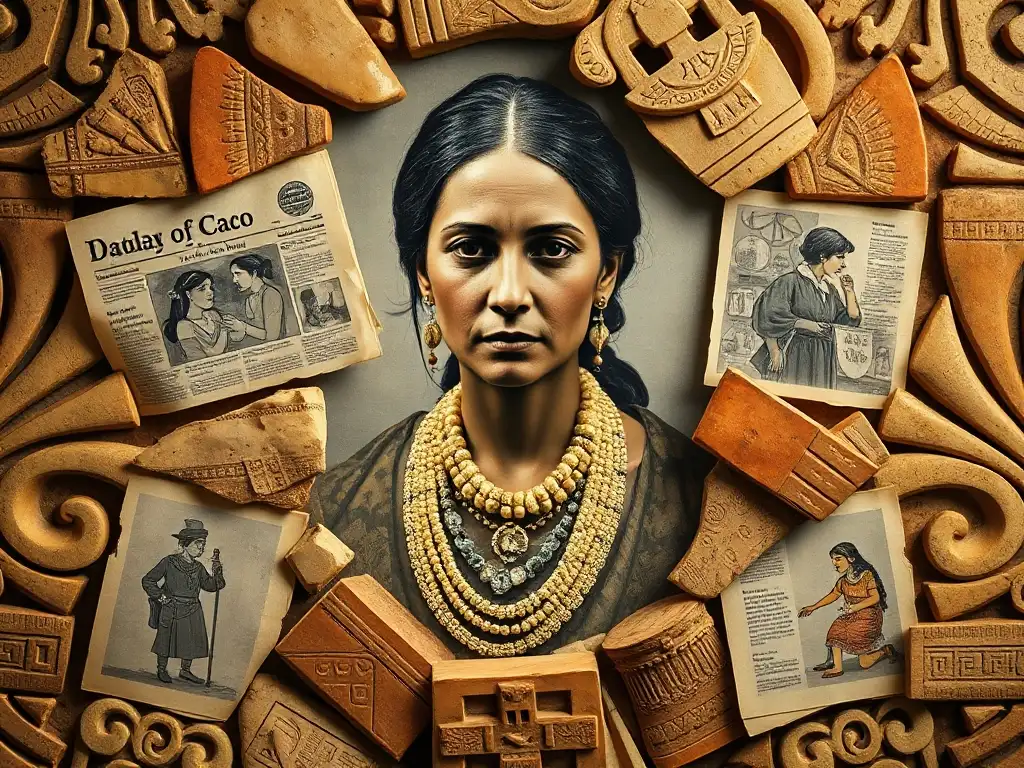
The discovery of the Lady of Cao has had a significant impact on popular culture and public awareness of Moche society. Her story, a powerful woman defying traditional gender roles in a patriarchal society, has captivated audiences worldwide. This has translated into increased interest in Peruvian archaeology and pre-Columbian cultures, far beyond the academic sphere.
The Lady of Cao's image, often depicted with her elaborate headdress and richly adorned attire, has become an iconic symbol of Moche civilization. She's featured in documentaries, books, and even works of fiction, fostering a greater appreciation for the complexity and sophistication of Andean cultures. The widespread dissemination of her story through various media outlets has helped to challenge preconceived notions about ancient societies and their social structures, showcasing the multifaceted roles women played.
This increased visibility has also led to a surge in tourism to the Huaca El Brujo archaeological site, boosting the local economy and further promoting the preservation of Moche heritage. The Lady of Cao's enduring legacy in popular culture continues to inspire new research and interpretations, ensuring her story remains relevant and engaging for future generations. Her story serves as a powerful example of how archaeological discoveries can reshape our understanding of history and bring ancient cultures to life.
Impact of the Discovery on Peruvian Archaeology
The unearthing of the Lady of Cao's tomb was a watershed moment for Peruvian archaeology. The remarkably well-preserved nature of her remains and grave goods provided unprecedented insights into Moche funerary practices, social hierarchy, and artistic achievements. Prior to this discovery, knowledge of Moche elite women was limited, relying mostly on iconography and limited skeletal remains. The Lady of Cao's discovery challenged existing interpretations of Moche society, revealing a more complex social structure than previously imagined.
The exceptional preservation of organic materials, including textiles, allowed researchers to analyze the intricate craftsmanship and symbolic meanings embedded in her clothing and adornments. This detailed analysis significantly advanced our understanding of Moche textile techniques and their socio-political significance. Furthermore, the discovery spurred advancements in archaeological methodologies, particularly in the preservation and analysis of organic remains in harsh desert conditions.
The multidisciplinary approach employed in studying the Lady of Cao—combining archaeology, anthropology, biochemistry, and other fields—set a new standard for future investigations of Moche and other Andean cultures. The Lady of Cao's legacy continues to inspire meticulous research and innovative approaches to the study of ancient Andean civilizations, solidifying her place as a pivotal figure in Peruvian archaeology. Her tomb's contents have become a benchmark for understanding Moche elite burials, and her story continues to drive ongoing research and discovery.
Comparing the Lady of Cao with Other Moche Figures
Comparing the Lady of Cao with other Moche Leaders
The discovery of the Lady of Cao's tomb in 2006 revolutionized our understanding of Moche society, particularly the role of women in leadership. While previous archaeological finds hinted at a complex social structure, the Lady of Cao provided concrete evidence of a powerful female figure holding significant political and religious authority. Unlike other Moche leaders, whose depictions often focus on warfare and conquest, the Lady of Cao's tomb reveals a more nuanced picture, emphasizing ritualistic practices and possibly even shamanistic abilities.
The intricate textiles and gold ornaments found within her tomb, far exceeding the grave goods of other Moche elites, suggest a level of power and prestige unparalleled among previously discovered individuals. While male rulers are depicted in murals and ceramics engaged in battles or overseeing public works, the Lady of Cao's iconography emphasizes her connection to the spiritual realm. This suggests a different, yet equally potent, form of leadership within the Moche hierarchy.
Further research comparing the scale and complexity of her tomb with those of other high-ranking Moche individuals, both male and female, is crucial to fully grasp the extent of her authority and her position within the broader power structure. This comparative analysis is still ongoing, with ongoing excavations and analyses continually refining our understanding of Moche social dynamics.
Similarities and Differences in Burial Practices
The Lady of Cao's burial stands out not only for its rich contents but also for its unique characteristics. While many Moche burials have been discovered, the Lady of Cao's tomb showcases distinct features that distinguish it from other elite burials. For example, while many high-ranking Moche individuals were buried with elaborate grave goods, the sheer quantity and quality of the artifacts found with the Lady of Cao are exceptional. The intricate textiles, gold ornaments, and the presence of her richly decorated headdress are unparalleled in previously discovered Moche tombs.
Furthermore, the elaborate preparation of her body, indicating a complex mortuary ritual, sets her apart. While other Moche burials show signs of ritualistic practices, the complexity and detail involved in the Lady of Cao's preparation suggest a higher level of social standing and a more elaborate funerary process. However, similarities exist in the positioning of the body and the inclusion of offerings.
Many Moche elite burials feature the deceased in a seated or recumbent position, mirroring the Lady of Cao's posture. The inclusion of food, drink, and other offerings, intended to sustain the deceased in the afterlife, is a common feature across various Moche burials, highlighting a shared belief system and funerary tradition. Therefore, while the Lady of Cao's burial shares some commonalities with other elite Moche burials, the sheer scale and complexity of her interment clearly set her apart as a figure of exceptional power and importance.
The Lady of Cao and the Representation of Power in Moche Art
The Lady of Cao's image is rarely found in traditional Moche art, unlike depictions of warrior-kings or other high-ranking officials. This absence, however, doesn't diminish her significance. Instead, it highlights a different aspect of power within Moche society – a power rooted in religious authority and ritualistic practices. While male rulers are frequently depicted in scenes of warfare or overseeing public works, the Lady of Cao’s power is expressed through her association with ritual objects and her elaborate burial.
The intricate textiles and the symbolic imagery found in her tomb suggest a connection to the spiritual world, a realm that played a vital role in Moche society. The absence of her image in conventional Moche art may reflect a deliberate choice, perhaps suggesting that her power wasn't meant to be displayed publicly in the same way as the power of male rulers. Instead, her power resided in her role as a priestess and a conduit to the supernatural.
This interpretation emphasizes the multifaceted nature of power in Moche society and challenges the traditional view of Moche leadership as solely defined by military prowess. Further research into the iconography of Moche religious figures and the symbolism present in the artifacts found in the Lady of Cao's tomb will shed more light on this unique expression of power within the Moche civilization. The ongoing study of the Lady of Cao's remains and associated artifacts continues to illuminate the complex and fascinating social dynamics of the Moche culture, challenging previous assumptions and enriching our understanding of the role of women in ancient Andean societies.
Analyzing Burial Rites and Ranks in Moche Society
The discovery of the Lady of Cao's tomb provided invaluable insights into Moche burial practices and social hierarchy. Unlike many other Moche burials which often contained simpler grave goods, the Lady of Cao's elaborate tomb, filled with exquisite artifacts, clearly indicated her high social standing. The sheer quantity and quality of the objects—gold ornaments, intricate textiles, and finely crafted ceramics—point to an individual of immense power and influence within Moche society.
Her burial was far from a simple interment; it was a carefully orchestrated ritual reflecting her elevated status and the Moche belief system. The presence of human sacrifices alongside her remains further underscores the significance of her role and the power she wielded. This contrasts with simpler burials found in the same region, highlighting the clear stratification of Moche society.
Analyzing the contents of her tomb, archaeologists were able to build a more complete picture of the Moche elite, their rituals, and the power dynamics within the civilization. The careful placement of objects within the tomb also suggests a structured ritual process, possibly involving specific individuals responsible for preparing the burial and ensuring the proper execution of funerary rites.
Further comparative analysis with other Moche elite burials reveals variations in grave goods, suggesting different levels within the hierarchy. While the Lady of Cao's tomb stands out for its richness, other high-ranking individuals were also buried with significant offerings, although perhaps on a smaller scale.
This suggests a nuanced system of social stratification within the Moche civilization, where power and prestige were not uniformly distributed, but rather expressed through a hierarchy of burial practices and grave goods. The differences in the scale and complexity of these burials provide crucial data for understanding the social and political organization of Moche society.
Future research comparing and contrasting the Lady of Cao's burial with other prominent Moche figures will likely further refine our understanding of Moche social structure and the role of women in leadership positions. The complexity of the Lady of Cao's tomb, compared to others, suggests a unique position within the Moche power structure, potentially indicating a position of supreme religious or political authority.
Frequently Asked Questions
Who was the Lady of Cao?
The Lady of Cao was a high-ranking Moche priestess whose tomb was discovered in Peru in 2005. Her remarkably well-preserved remains and elaborate burial goods offer invaluable insights into Moche society and religion. She is considered one of the most important archaeological finds in recent history.
What makes the Lady of Cao's discovery so significant?
Her exceptional preservation allowed scientists to study her tattoos, clothing, and even her diet. This provided unprecedented detail about the Moche elite's lifestyle and social structure. The discovery also challenged previous assumptions about the roles of women in Moche society.
What was the Lady of Cao's role in Moche society?
Evidence suggests she held a powerful political and religious position. Her elaborate burial, including gold ornaments and richly decorated textiles, indicates her high status. She likely played a significant role in Moche rituals and ceremonies.
What kind of artifacts were found in the Lady of Cao's tomb?
Her tomb contained a variety of stunning artifacts, including gold ornaments, silver jewelry, elaborate textiles, and ceremonial objects. These items provide crucial information about Moche art, technology, and religious beliefs. The finds were exceptionally well-preserved.
Where can I learn more about the Lady of Cao?
You can find more information through academic publications and documentaries focusing on the Moche civilization and the Lady of Cao. Many museums also feature exhibits related to this fascinating discovery. Further research online will uncover many resources.
Final Reflection: The Enduring Legacy of the Lady of Cao
The discovery of the Lady of Cao continues to reshape our understanding of ancient Andean societies, shattering preconceived notions about gender roles and power dynamics in the Moche civilization. Her remarkably preserved remains, adorned with elaborate jewelry and bearing the marks of her high status, offer a tangible connection to a past that was once shrouded in mystery. This isn't just a historical find; it's a powerful testament to the agency and influence women wielded in a culture often viewed through a male-centric lens.
The Lady of Cao's story transcends the confines of a museum display; it resonates deeply with contemporary discussions surrounding gender equality and the reclaiming of marginalized narratives. Her presence challenges us to reconsider the limitations imposed by patriarchal interpretations of history. The past is never dead. It's not even past,
wrote William Faulkner, and the Lady of Cao's legacy proves this truer than ever. Her story compels us to actively seek out and amplify the voices of those who have been historically silenced, ensuring their contributions are acknowledged and celebrated.
Consider the implications of this discovery. How does the Lady of Cao's story challenge your own understanding of power, gender, and history? I urge you to delve deeper, to seek out more information about the Moche civilization and the remarkable women who shaped its destiny. Let her story inspire you to question assumptions, to champion underrepresented voices, and to actively participate in building a more inclusive and equitable future, where the contributions of all individuals, regardless of gender, are recognized and valued.
Unveil the Mysteries of the Lady of Cao Today!
Thank you for exploring the fascinating world of the Lady of Cao with us! We hope you discovered the captivating history and influence of this powerful Moche priestess. Now, let's put that newfound knowledge to use!
To further explore this intriguing topic and connect with the rich culture of the Andean civilizations, consider these suggestions:
- Join our community: Subscribe to our newsletter for more insights into Andean history and archaeology, and never miss another exciting discovery!
- Expand your knowledge: Explore our related articles on the Moche civilization and other influential figures in Andean history to deepen your understanding.
- Share your insights: Discuss with friends or comment below on what surprised you most about the Lady of Cao's life!
What aspect of the Lady of Cao's legacy resonates most with you, and how do you believe her story shapes our understanding of ancient Andean cultures?