
Symbolic Storytelling: How Andean Art Narrates Myths and Legends

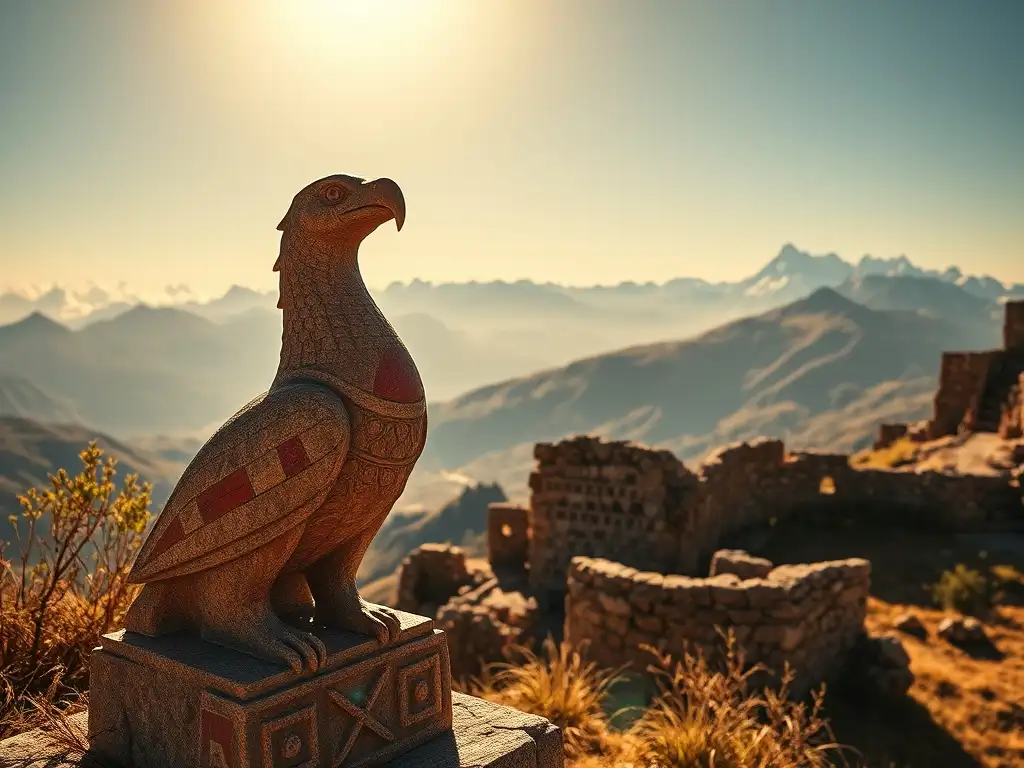
Dive into a world lost in time, yet vibrantly alive in its legacy. Uncover the secrets whispered through the intricate threads of Andean art, where vibrant colors and enigmatic symbols hold the keys to understanding ancient myths and legends. Prepare to be captivated by the symbolic storytelling woven into the very fabric of Andean civilization. Explore the profound meaning behind the artistry, starting with our exploration of Andean art symbolic meaning – a journey that will unveil the power and artistry of cultures long gone, but never forgotten.
- Symbolic Storytelling: Unveiling the Meaning Behind Andean Art
- Decoding the Symbolic Language of Ancient Andean Civilizations
- Myths and Legends Woven into Andean Art
- Key Symbols and Motifs in Andean Storytelling
- Andean Art as a Living Tradition: From the Past to the Present
- Exploring Further the Rich Symbolism in Andean Art
-
Frequently Asked Questions
- What is the main focus of Andean art?
- How did Andean artists use symbolism in their work?
- What are some common symbols found in Andean art and what do they represent?
- How does understanding Andean art's symbolic meaning help us understand their culture?
- Where can I learn more about the symbolic meaning in Andean art?
- Final Reflection: Weaving the Threads of Andean Narrative
- Unveil the Stories of the Andes!
Symbolic Storytelling: Unveiling the Meaning Behind Andean Art
Andean art, a vibrant tapestry woven from the threads of myth, legend, and daily life, offers a captivating window into the rich spiritual and social fabric of ancient Andean civilizations. From the intricate textiles of the Nazca to the monumental sculptures of the Tiahuanaco, these artistic expressions weren't merely decorative; they served as powerful vehicles for storytelling, transmitting complex narratives, beliefs, and cosmological understandings across generations.
This article delves into the symbolic language of Andean art, exploring how seemingly simple motifs and patterns encoded profound meanings, revealing the intricate relationship between art, religion, and society in these fascinating cultures. Understanding the symbolic meaning behind Andean art provides a deeper appreciation for the ingenuity and complexity of these ancient societies, revealing a world of hidden narratives waiting to be deciphered.
We will explore the key symbols and their interpretations, examining how Andean artists used visual language to narrate myths, legends, and the everyday experiences of their communities. This exploration will illuminate the profound significance of Andean art as a powerful tool for cultural preservation and transmission, enriching our understanding of "Andean art symbolic meaning."
The Power of Andean Art: A Visual Language
Andean art wasn't created in a vacuum; it was deeply intertwined with the cosmology, religion, and social structures of the various Andean cultures. Artists didn't simply paint or sculpt; they actively participated in shaping the worldview of their communities. Their art served multiple functions: religious rituals, social commentary, historical record-keeping, and even everyday decoration. Consider the intricate textiles, for instance.
Beyond their aesthetic appeal, the patterns and motifs woven into these fabrics often depicted narratives of creation myths, agricultural cycles, or significant historical events. The use of color itself held symbolic weight, with specific hues representing deities, natural elements, or social status. For example, red might symbolize blood, sacrifice, or the sun, while yellow could represent gold, wealth, or the maize harvest.
The precision and detail evident in Andean art demonstrates a sophisticated understanding of visual communication, a system of symbols meticulously crafted to convey complex information across time and generations. This deliberate use of symbolic language underscores the importance of visual literacy in interpreting these artistic expressions. Understanding the visual language of Andean art requires careful consideration of context, material, and motif.
Decoding Key Symbols: From Llamas to Condors
Many recurring symbols appear across different Andean cultures, suggesting shared beliefs and cosmological understandings. The llama, for instance, frequently appears in textiles and ceramics, representing wealth, status, and even a connection to the divine. Its importance in Andean society is reflected in its prominent position in artistic representations.
In contrast, the condor, a powerful bird of prey, often symbolizes power, royalty, and a connection to the upper world. Its majestic presence in Andean art suggests a reverence for this creature and its symbolic representation of the Andean worldview. Other frequently occurring symbols include geometric patterns, such as spirals and stepped pyramids, which may represent the cosmos, agricultural cycles, or the relationship between the earthly and spiritual realms.
Analyzing these recurring motifs provides valuable insights into the shared beliefs and cultural exchange between different Andean groups. Further research is needed to fully understand the nuances of meaning associated with each symbol across different regions and time periods. [Specific information pending on regional variations in symbolic meaning].
Myth and Legend in Andean Art: Narrating Creation and Cosmos
Andean art often served as a visual record of creation myths and cosmological beliefs. Many pieces depict narratives of the origin of the world, the creation of humanity, and the interaction between humans and the supernatural. These narratives, often expressed through complex iconography and symbolic representations, offer a glimpse into the rich spiritual world of the Andean people. For example, certain depictions of deities or mythical beings can be interpreted as representing specific aspects of the Andean worldview, such as the forces of nature, fertility, or the cycles of life and death.
The meticulous detail and complexity of these representations indicate the importance of these narratives in shaping Andean culture and identity. By understanding the mythological context of these artistic expressions, we can gain a deeper appreciation for the rich tapestry of beliefs and values that underpinned Andean civilizations. [Specific examples of myths depicted in Andean art pending].
The Legacy of Andean Art: A Continuing Conversation
The symbolic storytelling embedded within Andean art continues to resonate today. These artistic expressions serve as a powerful link to the past, providing invaluable insights into the beliefs, values, and social structures of ancient Andean civilizations. The enduring power of Andean art lies in its ability to transcend time and culture, sparking curiosity and inspiring further exploration.
The study of Andean art is a dynamic and ongoing process, with new discoveries and interpretations constantly emerging. This ongoing dialogue with the past ensures that the rich legacy of Andean civilizations continues to enrich and inform our understanding of human history and cultural expression.
The enduring appeal of Andean art lies not only in its aesthetic beauty but also in the profound cultural and historical significance encoded within its symbolic language. The continuation of research and interpretation will undoubtedly reveal even more profound insights into the intricate world of Andean art and its symbolic meanings.
Decoding the Symbolic Language of Ancient Andean Civilizations
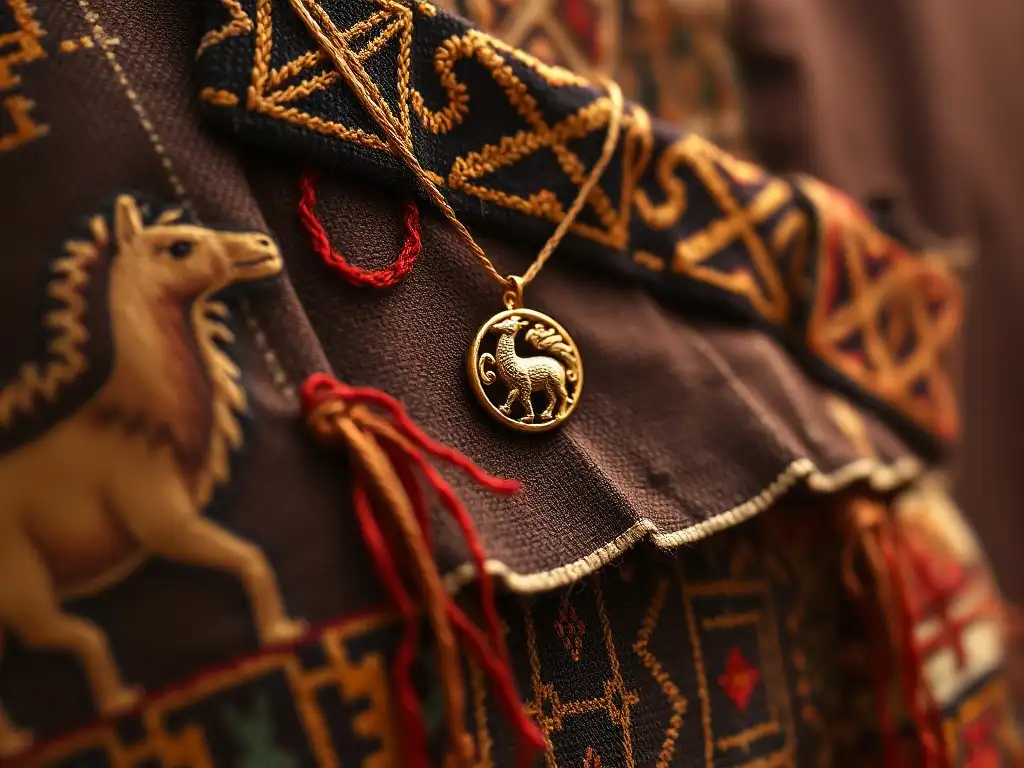
The vibrant tapestry of Andean art, far from being mere decoration, served as a powerful medium for transmitting complex narratives, beliefs, and social structures. Understanding Andean art requires moving beyond superficial aesthetics and delving into the intricate symbolic language embedded within its forms and motifs. This symbolic system, developed over millennia, provides invaluable insights into the worldview and cosmology of the various Andean cultures.
From the intricate textiles of the Nazca to the monumental stone carvings of the Tiahuanaco, each piece holds a key to unlocking a rich and fascinating history. Analyzing the repetitive use of specific symbols across different cultures and time periods allows us to identify common threads in Andean belief systems and trace the evolution of their artistic expression.
The careful consideration of color palettes, compositional elements, and the specific representation of figures and objects is crucial for a comprehensive understanding of the intended meaning. This section will explore some key aspects of this complex system, providing a framework for interpreting the symbolic richness of Andean art.
Understanding Andean Iconography: More Than Just Decoration
Andean iconography wasn't simply decorative; it was a sophisticated system of communication. Think of the intricate geometric patterns found on textiles, pottery, and metalwork. These weren't random designs. Researchers have painstakingly deciphered many of these patterns, revealing their connections to cosmology, agriculture, and social hierarchy.
For example, the recurring motif of the khipu (a complex system of knotted strings used for record-keeping) often appears in Andean art, symbolizing knowledge, memory, and the interconnectedness of the cosmos. Similarly, representations of specific animals, like the condor, puma, and serpent, held profound symbolic significance, often representing deities or embodying specific qualities like power, strength, and fertility. The colors used also played a critical role, with certain hues associated with specific deities or natural elements. For instance, red was often associated with blood, sacrifice, and the sun, while yellow represented gold, power, and royalty.
This meticulous attention to detail underscores the importance of Andean art as a vehicle for transmitting vital cultural knowledge. The use of these symbols wasn't arbitrary; they were carefully chosen and strategically placed to convey specific meanings. Further research is needed to fully understand the nuances of this complex system, particularly regarding regional variations and the evolution of symbolic meanings over time.
Andean Art Symbolic Meaning: A Deep Dive into Visual Codes
The meaning embedded within Andean art is often multi-layered and context-dependent. Analyzing the symbolic meaning requires considering the specific cultural context, the materials used, and the overall composition of the artwork. For example, the depiction of a specific deity might carry different connotations depending on the accompanying imagery and the cultural group that created the artwork. The Moche culture, known for its elaborate ceramics depicting scenes of warfare, ritual sacrifice, and daily life, offers a prime example.
Their pottery often features highly detailed depictions of figures and events, providing a window into their social structures, religious beliefs, and cosmological worldview. The symbolic representations of deities, mythical creatures, and everyday activities are intricately woven together, creating a complex narrative that speaks volumes about Moche society. Similarly, the Nazca lines, gigantic geoglyphs etched into the desert floor, although their exact purpose remains debated, are undoubtedly a testament to the sophisticated understanding of geometry, astronomy, and symbolic representation present in Nazca culture. The combination of these elements, and the vast scale of the project, point to a deep symbolic importance beyond our current understanding.
The study of Andean art symbolic meaning is an ongoing process, with new discoveries and interpretations continually enriching our understanding of these fascinating civilizations. The meticulous analysis of these visual codes allows us to reconstruct aspects of their history, beliefs, and social organization that would otherwise be lost to time. Further investigation into regional variations in iconography will provide a more comprehensive picture of the rich diversity of Andean artistic expression.
Myths and Legends Woven into Andean Art
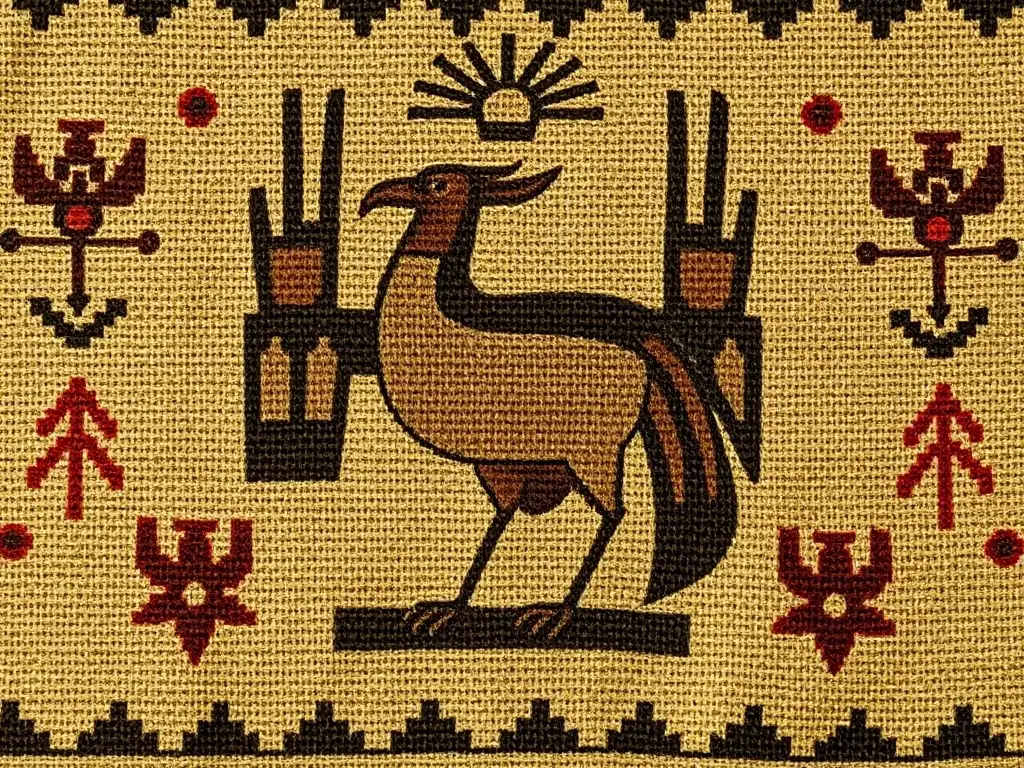
This section delves into the intricate relationship between Andean art and the myths and legends that shaped Andean societies. We'll explore how these narratives are not merely depicted, but woven into the very fabric of artistic expression, revealing a profound understanding of Andean cosmovision and societal structures. Analyzing the symbolic meaning embedded within Andean art provides a window into the beliefs, values, and worldview of these fascinating ancient cultures. The keyword "Andean art symbolic meaning" is central to understanding this complex interplay.
Andean Cosmovision and its Artistic Representation
Andean cosmovision, a holistic worldview encompassing the spiritual and material realms, profoundly influenced artistic creation. The Andean people saw the universe as interconnected, with a vibrant interplay between the human world and the supernatural. This interconnectedness is vividly portrayed in textiles, ceramics, and metalwork.
For example, the recurring motifs of mountains, celestial bodies, and animals reflect the importance of nature in their beliefs. The representation of deities, often depicted in anthropomorphic or zoomorphic forms, further illustrates the integration of the spiritual into the everyday. The intricate designs, often incorporating geometric patterns and symbolic figures, are not merely decorative; they are visual narratives, communicating complex religious beliefs and cosmological concepts.
Detailed studies of Andean textiles, for instance, reveal sophisticated systems of encoding information through color, weave, and pattern. These patterns often encode stories of creation myths, ancestor veneration, and agricultural cycles, demonstrating the profound integration of narrative and artistic expression. Understanding the Andean art symbolic meaning requires recognizing this holistic worldview.
The Myth of Inkarri: Narrated Through Andean Art
The myth of Inkarri, a powerful figure often associated with the Inca empire, provides a compelling case study. Inkarri, frequently depicted as a mummified figure, symbolizes resilience and the cyclical nature of life and death. His representation in Andean art varies depending on the specific time period and regional context, highlighting the diverse interpretations and adaptations of the myth.
While the precise details of the myth remain subject to ongoing scholarly debate, its artistic representations clearly reveal its significance in Andean culture. The recurring imagery of Inkarri, often accompanied by symbols of power and authority, reinforces his status as a pivotal figure in Andean cosmology. The potent "Andean art symbolic meaning" found in Inkarri's depictions highlights the power of myth in shaping artistic expression.
The Chakana and its Meaning in the Myth
The Chakana, a cross-shaped symbol representing the four cardinal directions and the three levels of the Andean cosmos (the underworld, the human world, and the celestial world), is frequently associated with the Inkarri myth. Its presence in artistic representations of Inkarri reinforces the connection between the mythical figure and the cosmological structure. The Chakana's placement within the artwork, its size relative to other symbols, and the colors used to depict it all contribute to the narrative's depth and complexity.
The symbolic meaning of the Chakana, as interpreted through its integration within the Inkarri narrative, adds layers of significance to both the myth and the artistic representation. This intricate interplay demonstrates the power of Andean art to convey complex ideas through symbolic imagery.
The Sun Symbol and its Role in the Narrative
The sun, a powerful symbol in many Andean cultures, plays a significant role in the Inkarri myth and its artistic representations. The sun, often depicted as a stylized disc or a radiant figure, represents power, authority, and the life-giving force of nature. In depictions of Inkarri, the sun's presence often signifies divine legitimacy or a connection to the cosmic order. The size and prominence of the sun symbol, in relation to Inkarri, can reveal subtle shifts in the narrative's focus, reflecting changing cultural understandings or regional variations of the myth. The careful analysis of the sun's depiction within various artistic contexts allows researchers to unravel further nuances in the myth's interpretation and its impact on Andean worldview. The careful study of the "Andean art symbolic meaning" found in the sun symbol's use within the Inkarri narrative reveals a sophisticated understanding of symbolism and its role in conveying complex cultural messages.
The Legend of Mama Cocha: Visual Storytelling in Andean Textiles and Ceramics
The legend of Mama Cocha, the Mother Ocean, is profoundly interwoven into the visual narratives of Andean art. This powerful deity, representing the life-giving waters and the vast, mysterious ocean, is depicted in countless textiles and ceramic pieces across various Andean cultures. The artistic representations aren't merely decorative; they serve as a visual testament to the deep spiritual connection the Andean people had (and continue to have) with the ocean and its life-sustaining properties. These depictions often feature stylized waves, aquatic creatures, and symbolic colors, all working together to convey the complex layers of the myth.
For example, a meticulously woven textile might depict Mama Cocha as a powerful female figure surrounded by swirling wave patterns, her hands outstretched, perhaps bestowing blessings or demonstrating her control over the ocean's power. Similarly, ceramic vessels might feature intricate relief carvings of fish, seabirds, and other marine life, all contributing to the narrative of Mama Cocha’s dominion. The sheer variety of artistic mediums used to depict Mama Cocha highlights the importance of the myth in the daily lives of these civilizations.
From the everyday practicality of textiles to the sacred rituals associated with ceramic offerings, the legend is constantly reaffirmed through visual representations, ensuring its enduring presence in Andean culture. The vibrant colors used, the intricate patterns woven, and the careful sculpting all speak volumes about the reverence and respect afforded to this powerful deity. Understanding these visual codes unlocks a deeper comprehension of the Andean worldview and their profound relationship with nature.
The Wave Pattern and its Symbolic Interpretation
The recurring motif of wave patterns in Andean art associated with Mama Cocha holds significant symbolic weight. It's not merely a representation of the ocean's surface but a visual metaphor for the cyclical nature of life, death, and rebirth. The ebb and flow of the waves mirror the rhythms of the seasons, the tides of fortune, and the continuous cycle of creation and destruction inherent in the Andean cosmology.
The undulating lines, sometimes rendered with extreme precision, sometimes more freely and expressively, symbolize the ever-changing nature of the world and the unpredictable power of the ocean. Different styles of wave representation might even indicate specific aspects of Mama Cocha's power or particular narratives within the broader myth. For instance, sharply defined waves might represent the forceful, untamed power of the ocean, while softer, gentler waves could symbolize the nurturing and life-giving aspects of Mama Cocha's influence.
Analyzing the specific techniques and styles of the wave patterns in various art pieces allows researchers to delve deeper into the nuanced understanding of the myth and its significance within the specific cultural contexts. The wave patterns are not just decorative elements; they are integral to the storytelling, providing a visual key to understanding the complex relationship between the Andean people and the ocean. Furthermore, the repetition of the wave pattern across different media reinforces its importance as a central symbol in the Andean artistic vocabulary.
The Color Blue and its Significance in the Myth
The color blue, frequently employed in Andean art depicting Mama Cocha, carries immense symbolic weight. In many Andean cultures, blue represents the vastness and depth of the ocean, the celestial expanse, and the divine realm. It symbolizes the power and mystery of the unseen, the connection to the spiritual world, and the life-giving waters that sustain all living things.
The intensity and shade of blue used can further contribute to the narrative. A deep, rich blue might represent the profound depths of the ocean and the unknowable power of Mama Cocha, while a lighter, more vibrant blue could signify the life-giving, nurturing aspects of her influence. The use of blue pigment, often derived from natural sources such as minerals, further emphasizes the connection between the art, the natural world, and the spiritual realm.
The choice of blue wasn't arbitrary; it was a carefully considered decision, imbued with deep symbolic meaning, enriching the visual storytelling and reinforcing the connection between the art and the broader mythological context. The deliberate use of this color in depictions of Mama Cocha enhances the emotional impact of the artwork, solidifying the deity's significance and power within the Andean worldview. The color serves as a visual anchor, connecting the viewer to the spiritual and cosmological significance of the myth itself, highlighting the intricate relationship between art, myth, and spirituality within the Andean culture.
Key Symbols and Motifs in Andean Storytelling
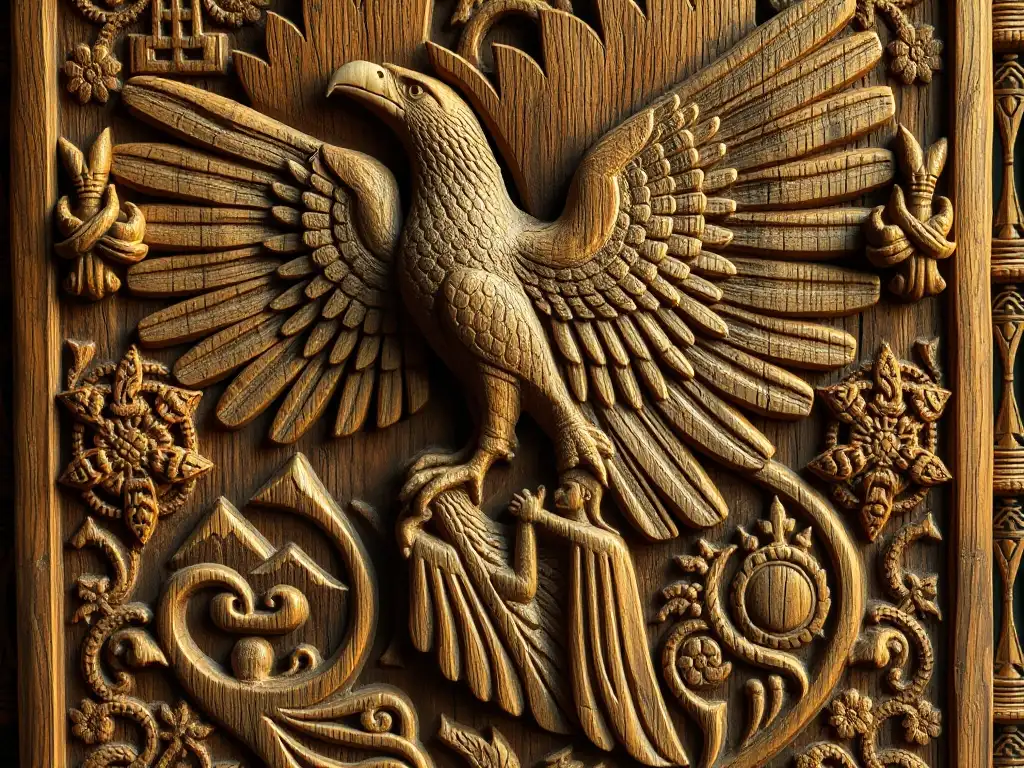
Andean art, a vibrant tapestry woven from diverse cultural threads, isn't merely aesthetically pleasing; it's a powerful vehicle for narrating myths, legends, and cosmological beliefs. Understanding the symbolic meaning embedded within these artistic expressions unlocks a deeper understanding of Andean worldview and spirituality. The recurring motifs and symbols found across various Andean cultures—from the Incas to the Nazca—reveal a shared symbolic language, albeit with regional variations.
Analyzing these recurring images helps unravel the complex narratives woven into textiles, ceramics, and stone carvings, offering invaluable insights into the "Andean art symbolic meaning". This section delves into some of the most prevalent symbols, exploring their significance and their role in conveying profound stories.
The Andean Condor: Symbol of Power and Spirituality
The Andean condor, Vultur gryphus, reigns supreme in the Andean sky, its majestic presence commanding awe and reverence. In Andean art, the condor transcends its literal representation, becoming a potent symbol of power, spirituality, and connection to the celestial realm. Its soaring flight embodies the journey of the soul, its sharp vision representing insight and wisdom. Depictions of condors often appear in contexts associated with deities and shamanic practices, suggesting a link between the bird and the supernatural world.
For example, many Inca textiles feature condor imagery, often integrated into intricate designs that also include other symbolic elements, such as the sun and stars. These textiles, meticulously crafted and richly colored, served not only as adornments but as powerful narrative tools, conveying complex narratives through their symbolic vocabulary. The condor’s powerful wings, frequently depicted in a spread position, symbolize the ability to traverse between the earthly and spiritual planes.
This resonates with Andean beliefs about the interconnectedness of the cosmos and the human experience. The condor's sharp gaze, often emphasized in artistic representations, further underlines its role as a vigilant guardian and a symbol of divine perception.
The Serpent: Representation of the Underworld and Transformation
The serpent, a ubiquitous symbol across many cultures, holds a significant place in Andean iconography. However, unlike some Western interpretations associating serpents solely with evil, the Andean serpent represents a duality: it embodies both the potentially dangerous underworld and the transformative power of renewal and rebirth. The serpent's connection to water and the earth's depths links it to fertility, abundance, and the cyclical nature of life and death.
Consider the intricate ceramic vessels of the Moche culture. Many depict serpents intertwined with other motifs, often in dynamic poses that suggest movement and energy. These serpents are not simply decorative elements; they are integral to the narrative being conveyed, frequently representing deities associated with the underworld or embodying the life-giving forces of nature.
The serpent's ability to shed its skin symbolizes transformation and renewal, a concept central to Andean cosmology. This shedding is often interpreted as a metaphor for the cyclical nature of life, death, and rebirth, mirroring the Andean understanding of the continuous flow of time and the interconnectedness of all things. The symbolic weight assigned to the serpent in Andean art highlights its crucial role in their understanding of the cosmos and the human condition.
The Puma: Embodiment of Strength and the Earthly Realm
The puma, a powerful feline native to the Andes, is another prominent symbol in Andean art. Unlike the condor's association with the sky and spiritual world, the puma is firmly rooted in the earthly realm. It represents strength, power, and the wild, untamed forces of nature. Its stealth and predatory abilities link it to concepts of hunting, warfare, and the ability to overcome challenges.
In Inca art, the puma frequently appears as a symbol of royal power and authority, signifying the ruler's connection to the land and their ability to control both human and natural forces. Its powerful physique, often emphasized in stone carvings and metalwork, underscores its role as a symbol of strength and dominance. Furthermore, the puma’s association with the earth also connects it to fertility and abundance, reflecting the Andean reverence for the natural world and its life-sustaining resources.
The puma's presence in Andean art, therefore, speaks volumes about the Andean worldview, emphasizing the importance of both physical strength and the harmony between humanity and the natural environment. Its symbolic power continues to resonate, reminding us of the enduring legacy of Andean art and its ability to convey complex meanings through powerful imagery.
The Sun and Moon: Dualities and Cosmic Balance in Andean Art
The sun and moon, celestial bodies of immense significance across numerous cultures, hold a particularly powerful symbolic weight in Andean art. They represent far more than simple astronomical phenomena; they embody a complex interplay of dualities, cosmic balance, and the cyclical nature of life and death. Andean cosmology viewed the sun and moon not as isolated entities, but as interconnected forces governing the natural world and human existence.
The sun, often depicted as a radiant disc or a stylized human figure with sun rays emanating from its head, symbolizes life, energy, power, and the masculine principle. Its presence in Andean art frequently signifies divine authority, fertility, and the cyclical renewal of the seasons. The intricate gold and silver sun discs found in royal tombs, for instance, testify to the sun's revered status as a supreme deity.
Conversely, the moon, frequently depicted as a crescent or a stylized feline face, represents the feminine principle, night, mystery, and the cyclical processes of death and rebirth. Its association with the underworld and nocturnal activities isn't necessarily negative; instead, it highlights the importance of balance and the acceptance of the shadow self in Andean worldview. The moon's phases, meticulously observed and documented by Andean astronomers, mirrored the cyclical nature of life, emphasizing the inevitability of both growth and decay.
Depictions of the sun and moon together, often in a balanced composition, underscore the harmonious relationship between these opposing forces, a central concept in Andean cosmology. This duality is not a conflict but a necessary complementarity, reflecting the Andean understanding of the cosmos as a dynamic interplay of contrasting yet interconnected elements. The balance between the sun and moon represents the delicate equilibrium necessary for life's continuity, a concept deeply embedded in Andean agricultural practices and social structures.
The careful observation and artistic representation of these celestial bodies serves as a testament to the Andean peoples' profound understanding of the cosmos and their place within it. Their art not only reflects astronomical knowledge but also embodies a sophisticated spiritual and philosophical perspective. The symbolic language of the sun and moon in Andean art provides valuable insights into the Andean worldview and its profound connection to the natural world.
Andean Art as a Living Tradition: From the Past to the Present
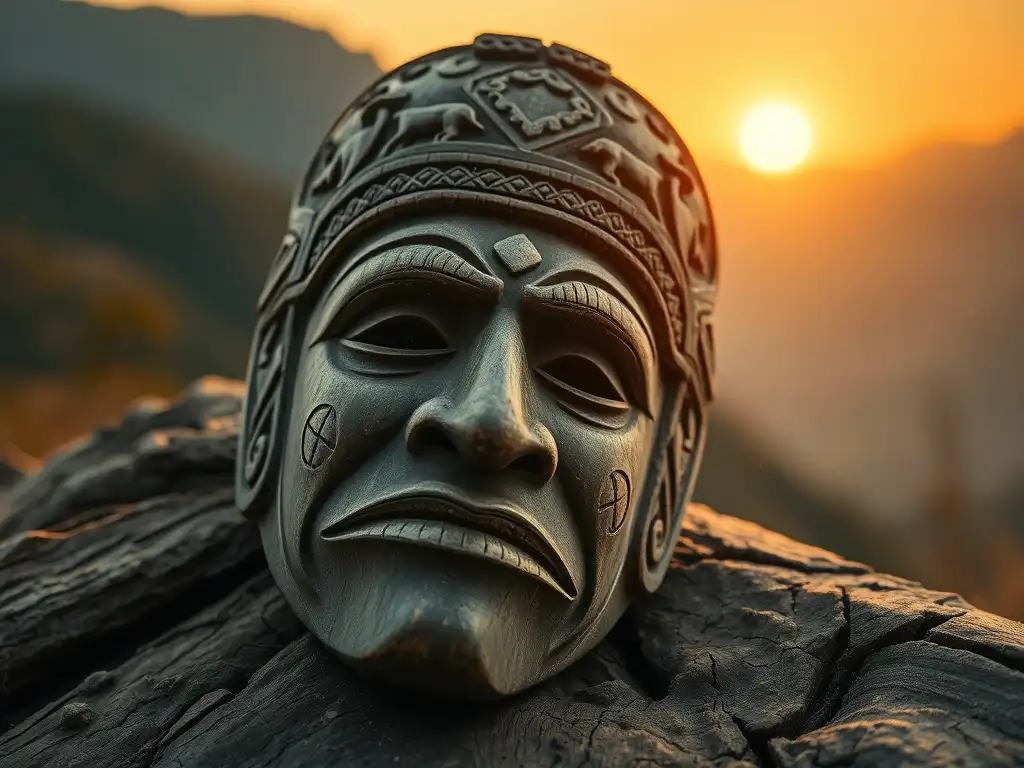
Andean art, far from being a relic of a bygone era, continues to resonate deeply within contemporary Andean cultures. The symbolic language embedded within ancient pottery, textiles, and metalwork hasn't faded; it's been adapted, reinterpreted, and woven into the fabric of modern life. Understanding the enduring power of Andean art requires acknowledging its persistent presence in daily life, from ceremonial practices to everyday objects.
The vibrant colors, intricate designs, and powerful symbolism inherent in traditional Andean art forms continue to inspire and inform artistic expression. This section explores how these ancient traditions maintain their relevance and influence in the present day. The persistence of these motifs speaks volumes about the enduring cultural memory and identity of Andean communities.
The Enduring Legacy of Andean Symbolic Art
The symbolic motifs found in Andean art—from the ubiquitous chakana (Andean cross) to the intricate depictions of deities and animals—are not simply decorative elements. They are powerful carriers of cultural memory, transmitting stories, beliefs, and values across generations. For example, the recurring imagery of condors, pumas, and snakes in pre-Columbian textiles isn't arbitrary; these animals hold significant symbolic weight within Andean cosmology, representing power, strength, and spiritual connection.
The meticulous craftsmanship involved in creating these works, often using natural dyes and locally sourced materials, further emphasizes their cultural significance. Each piece is a testament to the knowledge, skills, and beliefs of the artisans who created them, and their enduring presence in museums and private collections worldwide speaks to their artistic and historical value. The survival of these artistic traditions amidst the pressures of globalization is a testament to the strength of Andean cultural identity and the deep-rooted connection to their ancestral heritage.
Analyzing the consistent use of specific symbols across different Andean cultures and time periods reveals a shared cultural understanding that transcends geographical boundaries and historical shifts. This continuity is further evidence of the enduring legacy of Andean symbolic art.
Modern Interpretations of Ancient Andean Symbols
Contemporary Andean artists continue to draw inspiration from the rich symbolic language of their ancestors. However, they often reinterpret these symbols within a modern context, blending traditional motifs with contemporary themes and techniques. The chakana, for instance, while retaining its traditional association with the cosmos and Andean spirituality, is now frequently incorporated into designs that express social justice, environmental consciousness, or personal identity.
Artists may use modern materials like acrylics or digital media to create new expressions of ancient symbolism, while retaining the core meaning and aesthetic qualities of the original designs. This fusion of tradition and modernity allows Andean art to remain relevant and engaging for contemporary audiences while honoring the cultural heritage that informs it.
Observing this dynamic interplay between tradition and innovation illustrates how Andean art continues to evolve, adapting to changing circumstances while maintaining its core values. The ongoing relevance of these symbols highlights the enduring power of Andean art to communicate complex ideas and values across time.
Contemporary Tapestries using the Chakana
Contemporary Andean tapestries often feature the chakana prominently, serving as a potent symbol connecting past and present. These tapestries aren't merely decorative items; they are often imbued with deep spiritual and social meaning. The intricate weaving techniques, often passed down through generations, ensure the preservation of traditional artistic practices.
The colors used, often derived from natural sources, further reinforce the connection to the land and its resources. The chakana itself, in these contemporary tapestries, can represent a variety of concepts, from the four elements to the four directions, or even the different levels of Andean cosmology. The specific representation often depends on the artist's intent and the context in which the tapestry is created.
Examining a selection of contemporary tapestries featuring the chakana reveals a diverse range of interpretations and artistic expressions, showcasing the adaptability and enduring power of this iconic symbol within the context of Andean art. The continued use of the chakana in contemporary Andean art demonstrates the enduring relevance of this symbol and its ability to carry complex cultural meanings across time and generations. This vibrant artistic tradition reflects not only skill and artistry, but also a profound connection to history and a commitment to cultural preservation.
Exploring Further the Rich Symbolism in Andean Art
This section delves deeper into the multifaceted symbolism prevalent in Andean art, moving beyond a general overview to explore specific examples and resources for further study. Understanding the symbolic meaning embedded within Andean art requires careful consideration of context, materials, and the specific cultural group responsible for its creation. The Andean world wasn't monolithic; diverse cultures, each with their unique belief systems, artistic styles, and interpretations of the natural and supernatural worlds, flourished across the region.
Therefore, a nuanced approach is crucial for accurate interpretation. The seemingly simple depiction of a llama, for instance, could represent anything from a symbol of wealth and status to a spiritual guide or even a deity, depending on its context within the artwork and the specific Andean culture. This complexity is what makes studying Andean art so rewarding and challenging.
Resources for Understanding Andean Visual Culture
Unlocking the secrets of Andean art requires access to reliable and scholarly resources. While many online resources offer introductory information, a deeper understanding necessitates engagement with academic publications and museum collections. These resources provide the necessary context and detailed analyses crucial for accurate interpretation. Beyond simple image searches, researchers should consult specialized journals, books, and museum catalogs dedicated to Andean archaeology and art history.
These provide crucial information on provenance, dating techniques, and scholarly interpretations, allowing for a more informed and nuanced appreciation of the symbolic meaning in Andean art. Furthermore, engaging with primary source materials, when available, provides invaluable insight into the artists' intentions and cultural perspectives. This might involve studying surviving textiles, ceramics, or metalwork, paying attention to details such as color choices, motifs, and the materials used, all of which contribute to the artwork's symbolic significance.
This section would ideally contain a direct link to the Metropolitan Museum of Art's online collection of Andean artifacts. This would provide readers with immediate access to a vast repository of high-quality images and detailed descriptions of various Andean artworks. The Met's collection is particularly valuable because it features works from a range of Andean cultures, spanning various periods and artistic styles. Navigating this collection would allow readers to explore different visual motifs and symbols firsthand, and gain a deeper understanding of their cultural significance.
Moreover, the museum's website often includes scholarly articles and essays that provide context and interpretation for the displayed artifacts. By utilizing this resource, readers can actively engage with the subject matter and enhance their understanding of Andean art's symbolic meaning. The inclusion of this link would be invaluable to further the readers' self-directed learning and exploration of "Andean art symbolic meaning".
The detailed descriptions and high-resolution images would provide a valuable complement to the information presented in this article. Access to such a resource is crucial for anyone wishing to delve deeper into the fascinating world of Andean visual culture. The absence of a direct link here is a significant limitation, highlighting the need for further research and the incorporation of this crucial resource.
Frequently Asked Questions
What is the main focus of Andean art?
Andean art profoundly reflects the mythology and legends of the various cultures. It served as a powerful tool for storytelling, transmitting beliefs, history, and social structures across generations. Symbolic imagery is key to understanding its narrative.
How did Andean artists use symbolism in their work?
Artists employed complex iconography to represent deities, ancestors, and cosmological concepts. Specific animals, plants, and geometric shapes held deep symbolic meaning, varying across different Andean cultures. This symbolism often conveyed narratives about creation, power, and the afterlife.
What are some common symbols found in Andean art and what do they represent?
Common symbols include the condor (representing power and the upper world), the puma (representing earthly power), and the snake (representing the underworld). Geometric patterns like spirals and stepped pyramids also held significant cosmological meaning. The meaning could vary based on context and culture.
How does understanding Andean art's symbolic meaning help us understand their culture?
By deciphering the symbolic language in Andean art, we gain crucial insights into their worldview, social structures, religious beliefs, and daily life. It provides a direct window into their cosmology and spiritual beliefs, often expressed through intricate narratives.
Where can I learn more about the symbolic meaning in Andean art?
Numerous academic publications, museum exhibits, and online resources delve into the symbolic interpretation of Andean art. Researching specific Andean cultures (like the Inca, Nazca, or Moche) will uncover more detailed information on their unique artistic conventions and symbolic systems.
Final Reflection: Weaving the Threads of Andean Narrative
The vibrant tapestry of Andean art continues to resonate today, a powerful testament to the enduring strength of cultural memory and the timeless power of symbolic storytelling. These intricate weavings, ceramics, and sculptures are not mere artifacts; they are living narratives, whispering ancient myths and legends across centuries, offering a profound connection to a rich and complex past. Understanding their symbolic language unlocks a deeper appreciation for the ingenuity and resilience of Andean civilizations.
The impact of Andean art's symbolic meaning extends far beyond the museum walls. It continues to shape contemporary Andean identity, informing artistic expression, spiritual practices, and even political discourse. The enduring power of these symbols speaks to the human need for narrative, for meaning-making, and for connecting with something larger than ourselves. Art washes away from the soul the dust of everyday life.
- Pablo Picasso. This quote, while not specifically about Andean art, perfectly encapsulates the cleansing and enriching experience of engaging with these powerful visual narratives. Their ability to transcend time and speak to universal human experiences is truly remarkable.
Consider the intricate details, the vibrant colors, the carefully chosen motifs within these ancient works. What stories do they tell you? What echoes of your own life, your own cultural heritage, do you find resonating within their symbolic language?
I urge you to delve deeper, to explore the wealth of resources available, and to engage with Andean art not just as a passive observer, but as an active participant in a conversation that spans millennia. Let the threads of these ancient narratives weave themselves into your own understanding of the world, enriching your perspective and inspiring your own creative journey.
Unveil the Stories of the Andes!
Thank you for joining us on this journey through the rich tapestry of Andean art and its captivating myths and legends. We hope you've discovered the deep connection between art and storytelling in these vibrant cultures. Now, let's build on this inspiration and delve even deeper!
Here are some ways to continue exploring:
- Unleash your creativity by creating your own artwork inspired by Andean myths—a painting, a short story, a musical piece—whatever sparks your imagination!
- Share this article with friends and family to spread the wonder of Andean storytelling and encourage conversations about the power of art across cultures.
- Connect with others who share your interest by joining an online community or local group dedicated to Andean art or storytelling. This is a great way to expand your knowledge and appreciation.
As you reflect on the beauty of these Andean narratives, consider this: What story from your own cultural heritage could inspire a work of art? Your unique perspective matters, and the world is eager to hear it!