
The Transformation of Andean Family Structures over Time

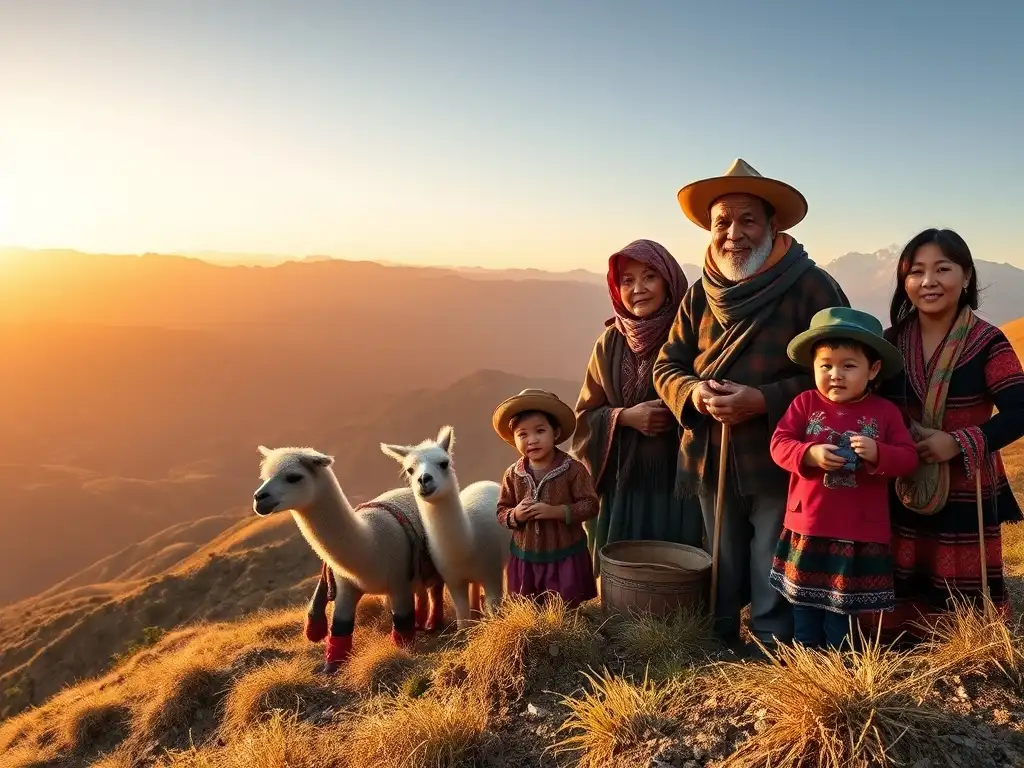
Step into a world lost to time, yet echoing with vibrant life. Journey with us through the breathtaking tapestry of Andean civilizations, uncovering secrets woven into the very fabric of their existence. But what shaped the societies that built Machu Picchu and Nazca Lines? The answer lies in the fascinating evolution of Andean family structures, a story of profound change and enduring legacy waiting to be explored. Dare to unravel the mysteries – discover how family shaped empires, and empires shaped families.
-
Andean Family Structures Evolution: A Historical Overview
- Introduction to Andean Kinship Systems
- Pre-Columbian Andean Family Dynamics
- The Inca Empire and its Impact on Andean Family Organization
- Colonial Period and Transformation of Andean Families
- Modern Andean Family: Continuity and Change
- The Role of Women in Andean Family History
- The Significance of Intergenerational Relationships
- Case Studies: Examples of Andean Family Evolution
- Conclusion: Understanding the Evolution of Andean Family
-
Frequently Asked Questions
- What were typical Andean family structures like before the Inca Empire?
- How did the Inca Empire influence Andean family structures?
- What role did women play in Andean families throughout history?
- How did the Spanish conquest impact Andean family structures?
- What evidence do we have to understand the evolution of Andean family structures?
- Final Reflection: Weaving the Threads of Andean Family: Past, Present, and Future
- Embrace the Evolution: Act on Andean Family Insights Today!
Andean Family Structures Evolution: A Historical Overview
The Andes Mountains, a spine of towering peaks stretching along the western coast of South America, have witnessed the rise and fall of numerous sophisticated civilizations. Understanding the evolution of Andean family structures is crucial to grasping the complexities of these societies, their social organization, and their remarkable capacity for adaptation to a challenging environment.
This article delves into the fascinating transformation of Andean family dynamics, from the earliest agricultural communities to the Inca Empire and beyond, examining the interplay of environmental factors, economic systems, and political power in shaping kinship and family life. We will explore how Andean family structures evolved, examining key periods and highlighting regional variations to provide a comprehensive understanding of this critical aspect of Andean history.
The study of Andean family structures sheds light not only on their social organization but also on their values, beliefs, and cultural practices, offering valuable insights into the rich tapestry of Andean civilization. This exploration will focus on the key changes and continuities in Andean family structures, providing a nuanced understanding of "Andean family structures evolution."
Introduction to Andean Kinship Systems
Andean kinship systems were, and in many ways still are, significantly different from those found in European or other Western societies. Instead of focusing solely on nuclear families (parents and children), Andean kinship often emphasized extended family networks, incorporating a wider range of relatives. This extended kinship system played a vital role in social organization, resource management, and providing mutual support within communities.
The concept of ayllu, a community-based kinship group, was central to many Andean societies, particularly before the Inca expansion. The ayllu provided a framework for social organization, land distribution, and reciprocal labor obligations. Understanding this fundamental aspect of Andean social life is essential to interpreting the nuances of family structures throughout their history.
These complex systems of kinship were not static; they evolved and adapted over centuries, influenced by factors such as agricultural practices, political changes, and interactions with other cultures. The following sections will explore these transformations in greater detail.
Pre-Columbian Andean Family Dynamics
Pre-Columbian Andean societies, existing before the arrival of Europeans, exhibited a remarkable diversity in their family structures. While generalizations are challenging due to the vast geographical expanse and the variety of cultures involved, several recurring themes emerge. The importance of lineage and ancestry was paramount, with family ties often determining access to resources, social standing, and political power.
Marriage customs varied widely, ranging from monogamy to polygamy, depending on the specific culture and social status. Inheritance patterns also differed, with some societies favoring patrilineal inheritance (through the father's line) while others prioritized matrilineal inheritance (through the mother's line). The role of women within the family and society also varied across different groups, with some societies exhibiting greater gender equality than others.
Early Andean Societies and Family Organization
The earliest Andean societies, characterized by a transition from hunter-gatherer lifestyles to agriculture, witnessed the emergence of more settled communities and the development of complex social structures. The cultivation of crops like potatoes and maize led to increased food security and population growth, which in turn influenced family organization. Early evidence suggests the importance of cooperation within families and extended kin groups for successful agricultural production.
The need for collective labor in farming, irrigation, and storage likely strengthened family ties and reinforced the importance of kinship networks. While specific details remain limited due to the scarcity of written records from this period, archaeological findings offer valuable glimpses into the daily lives and social organization of these early Andean communities.
The Influence of Agriculture on Family Life in the Andes
The development of intensive agriculture in the Andes profoundly impacted family life. The cultivation of crops like potatoes and maize required substantial labor, often involving the entire family unit and extended kinship networks. Irrigation systems, terraced farming, and other agricultural innovations demanded collective effort and cooperation, further strengthening family and community bonds.
Access to land and water resources became central to family prosperity and social standing, influencing marriage patterns, inheritance practices, and social hierarchies. The surplus generated from agriculture also contributed to the development of more complex social structures and the rise of powerful elites, further impacting family dynamics and social stratification within Andean societies.
Regional Variations in Pre-Inca Family Structures
The vast geographical expanse of the Andes resulted in significant regional variations in pre-Inca family structures. Different ecological zones, agricultural practices, and cultural traditions contributed to diverse kinship systems and family organization. Coastal societies, for example, often relied on fishing and maritime trade, which may have influenced their family structures differently from those of the highland agricultural communities.
The diverse range of pre-Inca cultures, including the Moche, Nazca, and Tiahuanaco, each had unique social and political organizations that influenced their respective family systems. Further research is necessary to fully understand the specific nuances of family life in these diverse Andean regions before the Inca expansion. The following sections will delve into the impact of the Inca Empire on these pre-existing structures.
The Inca Empire and its Impact on Andean Family Organization
The Inca Empire, at its zenith, significantly impacted the existing Andean family structures, imposing a centralized system that intertwined family life with state control. While pre-Inca societies already possessed complex kinship systems, the Inca administration brought about standardization and integration on a previously unseen scale. This wasn't a complete overhaul, however; the Inca incorporated and adapted existing structures, particularly those of the ayllu.
The empire's vast expansion and sophisticated bureaucracy meant that family life became an integral part of the empire's functioning, with responsibilities and roles clearly defined within a hierarchical framework. This system, while effective in maintaining order and facilitating economic production, also constrained individual autonomy to a degree not seen before.
The Inca state's influence extended far beyond simple taxation; it directly shaped the very fabric of family life, from marriage arrangements to inheritance practices. The success of this integration is evident in the empire's longevity and the profound impact its social organization had on subsequent generations.
The Ayllu: The Core of Inca Social Structure
The ayllu, a pre-existing communal system based on kinship and reciprocal obligations, remained the foundational unit of Inca society. It wasn't simply a family unit in the Western sense, but a complex network of extended families bound by shared ancestry, land ownership, and mutual responsibilities. The ayllu managed resources collectively, organized labor for public works projects (like mita), and provided social support for its members.
The Inca state cleverly integrated the ayllu into its administrative system, utilizing its existing structure for tax collection, labor mobilization, and social control. This strategy, while enhancing the empire's power, also preserved elements of traditional Andean family organization. The ayllu's communal nature ensured a degree of social security and mutual support, mitigating some of the potential negative consequences of the Inca's centralized rule.
This intricate balance between tradition and imperial control was key to the Inca Empire's success in managing its vast and diverse population. The ayllu acted as a buffer, ensuring social cohesion despite the imposed hierarchical structure.
Inca Marriage Practices and Family Formation
Inca marriage practices were closely tied to the ayllu system and the state’s interests. While marriages were often arranged to strengthen alliances or consolidate land ownership, love and affection played a role, particularly within the existing ayllu structure. Polygamy was allowed, especially for the elite, but monogamy was more common among the general population. Marriage ceremonies involved rituals and offerings, reflecting the importance of these unions within the community.
Inheritance patterns were also closely regulated, often favoring the eldest son or a designated heir, reflecting the Inca state's desire for maintaining stable land ownership and social order within the ayllus. These practices, while seemingly rigid, allowed for flexibility within the ayllu to adapt to individual circumstances and needs. The state's involvement in marriage, however, served to reinforce its power and control over the population, ensuring the smooth functioning of the empire's social and economic systems.
The Role of the State in Regulating Family Life
The Inca state's intervention in family life was extensive and far-reaching. It regulated marriage, inheritance, and even family size to maintain social stability and maximize agricultural output. The state's control over land distribution and resource allocation directly impacted family livelihoods and economic well-being. Regulations ensured that families fulfilled their obligations to the state through mita labor and tribute payments.
This level of control, while potentially oppressive, also provided a sense of order and security within a vast and complex empire. Enforcement was achieved through a network of officials who monitored family activities and ensured compliance with state regulations. The state's pervasive influence on family matters underscores the close relationship between the political and social spheres in Inca society. This intricate system of control and regulation was essential to the empire’s stability and its ability to mobilize its resources effectively.
Colonial Period and Transformation of Andean Families
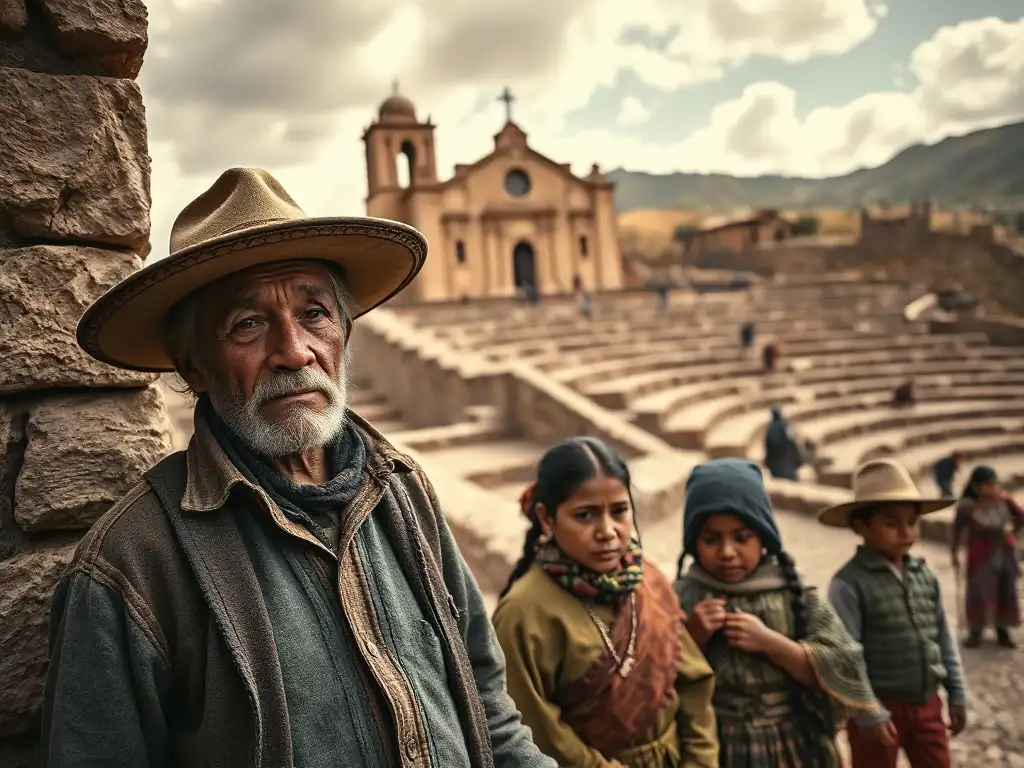
The Spanish conquest initiated a profound transformation of Andean family structures, disrupting traditional kinship patterns and introducing new social hierarchies. The imposition of European norms and institutions resulted in dramatic changes that continue to shape Andean families to this day. The colonial period witnessed a period of upheaval and adaptation, as indigenous communities struggled to maintain their cultural identity amidst the pressures of colonization.
The Impact of Spanish Conquest on Traditional Andean Kinship
The Spanish conquest dramatically altered Andean kinship systems. The destruction of the Inca Empire and the subsequent imposition of Spanish colonial rule led to the disintegration of traditional ayllu structures. The introduction of encomiendas and other forms of forced labor disrupted family units and dispersed individuals across vast distances.
This disruption not only weakened traditional kinship ties but also created new forms of social inequality and power dynamics. The Spanish colonial system prioritized the interests of the colonizers, often at the expense of indigenous communities and their traditional social organizations. The legacy of this disruption continues to affect Andean societies today.
Changes in Land Tenure and its Effects on Family Structures
The Spanish conquest's impact on land tenure profoundly affected Andean family structures. The encomienda system, which granted Spanish conquistadors control over indigenous labor and resources, disrupted traditional land ownership patterns. The subsequent establishment of haciendas further consolidated land ownership in the hands of the Spanish elite, dispossessing indigenous communities and undermining the ayllu system.
This resulted in the fragmentation of family units and the displacement of individuals from their ancestral lands. The loss of communal land impacted the collective support systems that were integral to traditional Andean family life, leading to increased vulnerability and social inequality. This shift from communal land ownership to private property had a lasting impact on Andean family structures, shaping their social and economic realities for centuries to come.
The Introduction of Catholicism and its Influence on Family Norms
The introduction of Catholicism brought about significant changes in Andean family norms and practices. The Spanish colonial authorities actively promoted the conversion of indigenous populations to Christianity, often suppressing traditional religious beliefs and practices. This religious transformation had profound implications for family life, influencing marriage customs, inheritance practices, and gender roles. The Catholic Church’s emphasis on monogamous marriage and patriarchal family structures clashed with pre-existing Andean traditions, leading to conflicts and adaptations.
The integration of Catholic beliefs into Andean culture was a complex process, with indigenous communities adapting and reinterpreting religious doctrines to fit their own cultural contexts. This fusion of Catholicism and Andean traditions resulted in a syncretic religious landscape that continues to shape Andean family life today. The influence of Catholicism remains a significant aspect of understanding the evolution of Andean family structures.
Modern Andean Family: Continuity and Change
The Andean family, a cornerstone of Andean social structures throughout history, continues to evolve in the 21st century. While traditional values and practices persist, significant changes have reshaped family dynamics, particularly in response to globalization and modernization. The very definition of "family" is broadening, encompassing diverse forms beyond the traditional nuclear unit. Extended family networks, while perhaps less geographically concentrated than in the past, remain crucial for social support and economic stability.
This enduring strength of kinship ties reflects the deep-rooted cultural importance of family in Andean societies. Modern Andean families grapple with the challenges of integrating traditional values with the realities of a rapidly changing world, navigating issues of economic opportunity, education, and migration. The intricate interplay between tradition and modernity forms the complex tapestry of contemporary Andean family life.
Adaptation of Andean Family Structures in the 20th and 21st Centuries
The 20th and 21st centuries witnessed profound transformations in Andean family structures. The impact of industrialization, urbanization, and increased access to education significantly altered traditional roles and responsibilities. For example, the rise of wage labor led to a shift away from predominantly agricultural-based economies, impacting family structures and income distribution. Increased access to education, particularly for women, challenged traditional gender roles and fostered greater economic independence.
Furthermore, exposure to global media and cultural influences introduced new ideas about family life and relationships. These changes, while sometimes disruptive, also facilitated greater individual autonomy and a gradual shift towards more egalitarian family dynamics in some Andean communities. However, the pace and extent of these changes varied considerably across different regions and social groups.
Migration, Urbanization, and their Effects on Family Dynamics
Migration, both internal and international, has profoundly impacted Andean family structures. The movement of individuals from rural areas to urban centers in search of employment has led to geographic dispersion of family members and a weakening of traditional extended family networks. Remittances from migrants often contribute significantly to the household economy, but this can also create new power dynamics within families.
Furthermore, urbanization exposes families to new social influences and lifestyles, potentially leading to conflicts between traditional values and modern practices. International migration presents additional challenges, including separation from family for extended periods and the potential for cultural assimilation. Understanding the complex effects of migration and urbanization on Andean families requires careful consideration of the diverse experiences of individual families and communities.
The Persistence of Traditional Practices and Beliefs within Modern Families
Despite significant changes, many traditional practices and beliefs regarding family continue to shape modern Andean family life. Respect for elders, communal responsibility, and the importance of kinship ties remain central to Andean family values. Traditional rituals and ceremonies, often tied to agricultural cycles or religious celebrations, continue to be practiced, reinforcing a sense of community and shared identity.
Ayni, the principle of reciprocal exchange, remains a significant aspect of social life, often playing a crucial role in supporting family members in times of need. The enduring influence of these traditional practices reflects the resilience of Andean culture and its capacity to adapt to changing circumstances while preserving its core values. These enduring traditions provide a sense of continuity and stability in a rapidly changing world.
The Role of Women in Andean Family History
The role of women in Andean family structures has been complex and dynamic throughout history. While often portrayed in simplified terms, the reality is far more nuanced, reflecting the diverse experiences of women across different Andean societies and historical periods. Understanding the evolution of women's roles requires considering their contributions to both domestic and public spheres, their agency within family structures, and the ways in which their experiences have shaped Andean societies. Examining the historical record reveals the significant, yet often overlooked, contributions of women to the economic, social, and cultural fabric of Andean civilizations.
Women's Roles in Pre-Columbian Andean Families
In Pre-Columbian Andean societies, women held significant roles within their families and communities. Archaeological evidence and ethnohistorical accounts suggest that women were involved in various economic activities, including agriculture, textile production, and food processing. Their contributions were essential to the subsistence and prosperity of their families and communities.
While the precise nature of their roles varied across different cultures and regions, women were clearly not confined to solely domestic spheres. Their participation in economic life, religious practices, and political decision-making challenges the stereotype of women solely as domestic caregivers. Further research is crucial to fully understand the complexity of women's roles in pre-Columbian Andean families.
The Changing Status of Women under Inca and Colonial Rule
The Inca Empire and subsequent Spanish colonization brought significant changes to the status of women in Andean societies. While Inca rule often maintained aspects of pre-existing social structures, it also introduced new hierarchies and power dynamics. The arrival of the Spanish led to even more profound transformations, introducing patriarchal structures and religious beliefs that marginalized women in many aspects of life.
The imposition of colonial laws and social norms often restricted women's economic opportunities and autonomy. However, women adapted and resisted, finding ways to maintain their roles within their families and communities, often through informal networks and strategies. This period witnessed a complex interplay of continuity and change, shaping the experiences of Andean women for centuries to come.
Women's Contributions to Modern Andean Family Structures
In modern Andean families, women continue to play vital roles, contributing significantly to both household economies and community life. While traditional gender roles persist in some areas, significant changes have occurred, particularly with increased access to education and employment opportunities. Women's participation in the formal economy has become increasingly important, often contributing significantly to household income and improving family livelihoods.
Despite progress, challenges remain, including gender inequality in wages, access to resources, and decision-making power within families. The ongoing struggle for gender equality underscores the need for continued efforts to empower women and ensure their full participation in all aspects of Andean family and community life. Their contributions are fundamental to the social, economic, and cultural well-being of Andean communities.
The Significance of Intergenerational Relationships
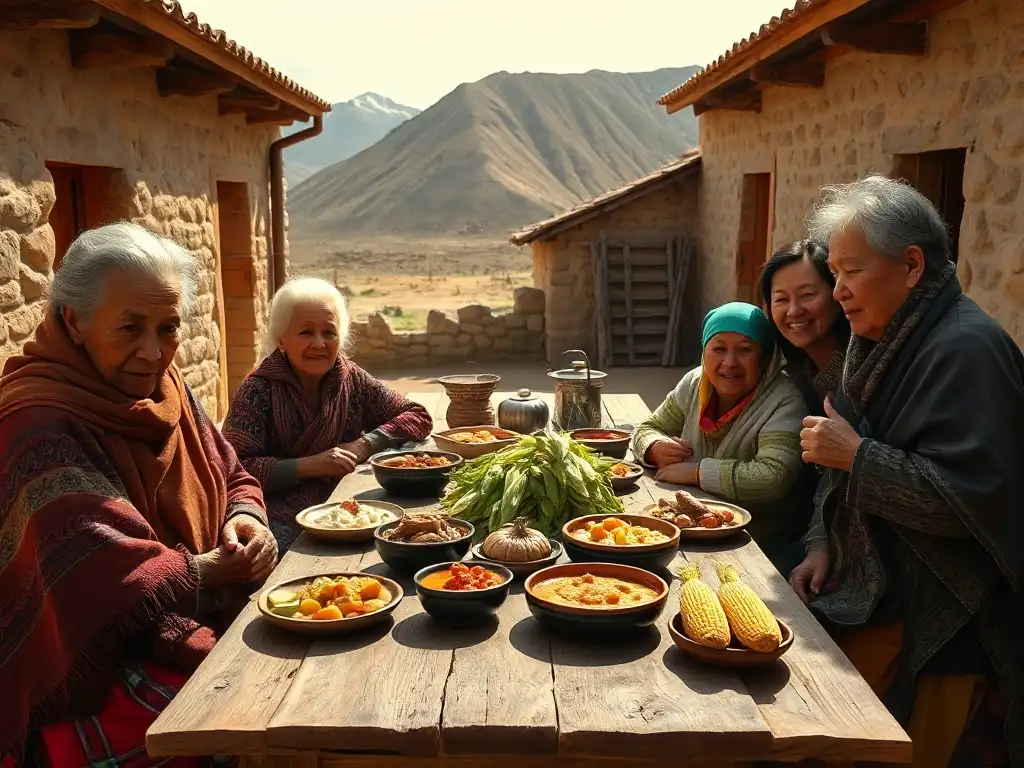
Intergenerational relationships formed the bedrock of Andean societies, shaping their social structures, economic systems, and cultural transmission. Unlike many Western societies that emphasize nuclear families, Andean kinship systems traditionally prioritized extended family networks, often encompassing multiple generations living in close proximity or within the same community. This close co-residence fostered strong bonds and facilitated the continuous flow of knowledge, resources, and support.
The concept of ayni, reciprocal exchange, played a crucial role in these relationships, ensuring the well-being of all family members, regardless of age or ability. This system of mutual obligation and support extended beyond immediate family to include wider kinship networks, creating a robust and resilient social safety net. The strength of these intergenerational ties is reflected in the enduring presence of extended family structures in many Andean communities even today, although significantly impacted by modernization.
The Importance of Elders in Andean Families
Elders held positions of immense respect and authority within Andean families. Their accumulated wisdom, knowledge of traditional practices, and understanding of ancestral customs were invaluable assets to the community. They served as repositories of cultural heritage, transmitting stories, songs, and skills to younger generations. Their role extended beyond cultural preservation; they often played crucial roles in conflict resolution, decision-making, and the management of communal resources.
Decisions regarding land use, agricultural practices, and even marriage alliances frequently involved the input and guidance of elders. This deference to elders wasn't simply a matter of tradition; it recognized their experience and ensured the continuity of established social norms and practices within the family and the broader community. The respect afforded to elders ensured social stability and the preservation of valuable cultural knowledge.
Transmission of Knowledge and Cultural Practices across Generations
The transmission of knowledge and cultural practices across generations was a central component of Andean family life. This wasn't limited to formal instruction but was woven into the fabric of daily life. Children learned by observing, participating in, and imitating the activities of their elders. Agricultural techniques, textile production, religious ceremonies, and storytelling were all passed down through this informal apprenticeship model.
This hands-on approach ensured not only the continuation of traditional practices but also the development of strong bonds between generations. The stories, songs, and myths shared within the family served as powerful tools for transmitting values, beliefs, and a sense of collective identity. This intricate system of knowledge transfer contributed to the remarkable cultural continuity observed in Andean civilizations across centuries. The impact of this system is still visible in the preservation of unique crafts and traditions.
Challenges and Changes in Intergenerational Relationships
Modernization and globalization have presented significant challenges to traditional intergenerational relationships in Andean communities. Migration to urban centers, the influence of Western education systems, and economic pressures have disrupted established family structures. Younger generations often seek opportunities outside their ancestral villages, leading to geographical separation and reduced contact with elders.
This physical distance can lead to a decline in the transmission of traditional knowledge and practices, potentially resulting in cultural loss. Furthermore, changing social values and aspirations can sometimes create generational conflicts, challenging the traditional authority and respect afforded to elders. However, many Andean communities have shown remarkable resilience, adapting their family structures and traditions to meet the challenges of the modern world while still striving to preserve the core values of their heritage.
Case Studies: Examples of Andean Family Evolution
Examining specific Andean communities provides valuable insight into the diversity and adaptability of their family structures throughout history and in response to modern pressures. The following case studies highlight this evolution.
The Aymara Family Structure and its Adaptation to Modernity
The Aymara people, inhabiting the Altiplano region of the Andes, have demonstrated a remarkable capacity to adapt their family structures to changing circumstances. Traditionally characterized by extended family units and a strong emphasis on communal living, Aymara families have experienced significant shifts due to migration to urban areas and engagement with the global economy. While the importance of kinship ties remains strong, the physical proximity of family members has decreased, leading to new forms of communication and support.
The role of elders, although still respected, has evolved, with younger generations often seeking information and guidance from diverse sources. However, the fundamental values of reciprocity and mutual support, central to Aymara culture, continue to shape family relationships, even in urban settings. This adaptation demonstrates a dynamic interplay between tradition and modernity.
The Quechua Family System and its Relationship to Communal Land
The Quechua people, spread across a vast area of the Andes, have a long history of close-knit family structures deeply intertwined with their system of communal land ownership. The ayllu, a traditional community-based social organization, played a vital role in regulating land use, resource distribution, and social relations. Family units within the ayllu worked collectively, sharing resources and responsibilities. This system fostered strong intergenerational relationships, with elders playing a crucial role in the management of communal lands and the transmission of traditional agricultural knowledge.
While the influence of external forces has led to some changes in land ownership and resource management, the importance of family and communal ties remains significant for many Quechua communities. The strength of these bonds continues to underpin the social and economic fabric of their lives. However, challenges remain, especially with the pressure of outside economic forces.
Urban Andean Families and the Impact of Globalization
The increasing migration of Andean people to urban centers has profoundly impacted family structures. The nuclear family has become more prevalent in urban settings, as individuals seek employment and educational opportunities. The close-knit extended family networks characteristic of rural areas are often dispersed, leading to weaker intergenerational ties. Globalization has also introduced new values, beliefs, and lifestyles that can challenge traditional family norms.
The impact of these changes varies significantly depending on factors such as socioeconomic status and access to resources. However, many urban Andean families maintain strong connections with their rural roots, seeking to preserve aspects of their cultural heritage while adapting to the realities of urban life. This process is an ongoing adaptation, with a constant negotiation between tradition and modern pressures. Further research is needed to fully understand the long-term consequences of these changes.
Conclusion: Understanding the Evolution of Andean Family
The evolution of Andean family structures presents a complex and multifaceted narrative, shaped by environmental pressures, economic shifts, and the rise and fall of powerful empires. From the early hunter-gatherer societies with likely less rigid structures to the highly stratified Incan Empire with its complex kinship networks and ayllu system, the Andean family adapted and transformed continuously. This adaptability, however, wasn't a uniform process. Different regions and cultures experienced unique pressures and developed distinct patterns of family organization.
Understanding this diversity is crucial for a nuanced understanding of Andean history and the enduring impact of these societal structures. The interplay between lineage, reciprocity, and resource control consistently shaped family dynamics, highlighting the resilience and adaptability of Andean communities in the face of significant historical changes. Further research, especially incorporating perspectives from indigenous communities and utilizing more nuanced archaeological data, will continue to refine our understanding of this dynamic history.
Key Takeaways on the Transformation of Family Structures
Several key themes emerge when analyzing the evolution of Andean family structures. Firstly, the importance of kinship ties and reciprocity remained remarkably consistent across different eras. The ayllu, while reaching its zenith under the Inca, represented a broader principle of communal obligation and shared resources present in earlier societies albeit in different forms.
Secondly, the relationship between family structure and economic organization was undeniable; changes in agricultural practices and resource availability often led to adjustments in family size, composition, and social roles. Thirdly, the influence of political power cannot be overstated. The Inca's centralized administration significantly impacted family structures, imposing hierarchical systems and potentially altering traditional kinship networks.
Finally, the endurance of indigenous Andean traditions, even under periods of colonial rule, underscores the strength and flexibility of these family systems. They adapted, incorporating new elements while retaining core values and practices. Understanding these takeaways provides a framework for further exploration of Andean social organization.
The Enduring Legacy of Andean Kinship Systems
The influence of Andean kinship systems extends far beyond the collapse of the Inca Empire. Many traditional practices and values related to family and community continue to shape contemporary Andean societies. The emphasis on reciprocal relationships, communal labor, and shared responsibility for resources remains a significant element of Andean cultural identity. While the formal structures of the ayllu might have diminished in some areas, the underlying principles of collective action and kinship-based support systems persist.
This enduring legacy highlights the resilience of Andean cultural traditions and their adaptability to modern contexts. The continued relevance of kinship-based social structures in many Andean communities underscores the importance of recognizing and respecting these enduring traditions. This legacy is not simply a relic of the past; it actively shapes social dynamics and cultural identities in the present.
The Importance of Studying Andean Family Dynamics in the Present Day
Studying Andean family dynamics is not merely an academic exercise; it holds significant relevance for understanding contemporary social issues in the Andes region. By analyzing the historical evolution of family structures, we gain valuable insights into the social, economic, and political challenges facing Andean communities today. Issues such as land rights, access to resources, gender inequality, and migration can be better understood within the context of their historical underpinnings in Andean kinship systems. This historical perspective allows for more informed and culturally sensitive approaches to addressing contemporary problems.
Furthermore, understanding the resilience and adaptability of Andean families throughout history offers valuable lessons for addressing challenges in other communities facing similar pressures. The study of Andean family dynamics, therefore, provides not only valuable historical insights but also practical tools for social development and cultural preservation. This interdisciplinary approach is crucial for creating sustainable and equitable solutions for the Andean region.
Frequently Asked Questions
What were typical Andean family structures like before the Inca Empire?
Andean family structures varied greatly depending on the specific civilization and region. Many societies were organized around kinship groups and lineages, with varying degrees of importance placed on patrilineal or matrilineal descent. Clan-based organization was common.
How did the Inca Empire influence Andean family structures?
The Inca Empire implemented a highly centralized system, promoting a patriarchal structure with the ayllu (extended family group) as a fundamental social and economic unit. They emphasized loyalty to the Sapa Inca and the state.
What role did women play in Andean families throughout history?
Women's roles varied across different Andean cultures and time periods. While often associated with domestic tasks and child-rearing, they also held significant economic and political power in some societies, participating in agriculture, textile production, and even leadership roles.
How did the Spanish conquest impact Andean family structures?
The Spanish conquest drastically altered Andean family structures through forced labor systems, the introduction of European patriarchal norms, and the disruption of existing social hierarchies. This led to significant social and demographic changes.
What evidence do we have to understand the evolution of Andean family structures?
Archaeological evidence, such as burials and housing layouts, provides insights into family organization. Ethnohistorical accounts and colonial records offer valuable information, although they must be interpreted cautiously due to potential biases. Analysis of textiles and ceramics also reveals clues about family life.
Final Reflection: Weaving the Threads of Andean Family: Past, Present, and Future
The evolution of Andean family structures is not merely a historical account; it's a living tapestry reflecting the resilience and adaptability of a culture facing constant change. Understanding this transformation is crucial for comprehending the complexities of contemporary Andean societies and the challenges they face in the 21st century. The interwoven threads of tradition and modernity continue to shape family dynamics, impacting everything from economic stability to social mobility.
The profound shifts documented in this article – from the impact of colonialism to the influence of globalization – underscore the enduring strength of Andean family units. These structures, while adapting to external pressures, retain a core essence rooted in kinship, reciprocity, and a deep connection to the land. As the renowned anthropologist, Guadalupe Marín, once observed: The Andean family is not simply a unit of biological reproduction, but a vital economic and social institution, a network of support that transcends the nuclear family.
This quote highlights the enduring importance of extended family networks and community support systems within Andean culture.
Consider the implications of this historical journey for your own understanding of family. How do the challenges and adaptations of Andean families resonate with your own experiences and perspectives on family structures? Let this exploration inspire you to appreciate the diversity of family forms across cultures and to recognize the enduring power of familial bonds in navigating a constantly evolving world. By understanding the past, we can better appreciate the present and work towards a future where the strength and resilience of Andean families continue to thrive.
Embrace the Evolution: Act on Andean Family Insights Today!
Thank you for exploring the fascinating evolution of Andean family structures! Your interest underscores the rich cultural heritage and resilience that continues to inspire. Now, let's delve deeper and put this knowledge into practice.
Here are some ways to further engage with this topic:
- Connect with others: Join a local cultural group or community center focused on Andean or Latin American history to share your interest and learn from others.
- Share your knowledge: Discuss the importance of family dynamics and cultural heritage with friends and family, sparking conversations and broadening perspectives.
- Reflect on your own family: Explore your family history; consider how structures have changed over time and the factors that have shaped them.
What lessons from Andean family structures resonate with your own family dynamics? Share your reflections below!