
Quechua and Andean Astronomy: Language as a Map of the Cosmos


Unravel the mysteries of the Andes! Journey beyond the breathtaking landscapes and discover a world where language itself mirrored the cosmos. Prepare to be amazed by the intricate connection between Quechua astronomy language and the celestial observations of the ancient Andean civilizations. Dive into a fascinating exploration of their sophisticated understanding of the universe, revealed through the very words they spoke. Ready to decipher the ancient secrets embedded within the stars?
The Quechua language, spoken by millions across the Andes Mountains for centuries, holds a fascinating connection to the astronomical observations and cosmology of its speakers. Far from being a mere tool for daily communication, Quechua reveals itself as a rich tapestry woven with celestial threads, where the names of constellations, celestial events, and even everyday objects reflect a profound understanding and integration of the cosmos into their worldview.
This article delves into the intricate relationship between the Quechua language and Andean astronomy, exploring how linguistic analysis can unveil a deeper understanding of the ancient Andean perception of the universe. We will examine specific examples of how Quechua vocabulary mirrors the celestial landscape, illustrating the profound influence of astronomy on the development and evolution of the language itself.
This exploration contributes to a richer understanding of Quechua culture and its enduring legacy in the Andes, offering a unique perspective on the intersection of language, culture, and the cosmos. The study of Quechua astronomy language provides valuable insights into the sophisticated knowledge systems of pre-Columbian Andean societies.
Celestial Vocabulary in Quechua
The Quechua language is replete with words directly related to celestial bodies and phenomena. Many star names, for example, are not simply descriptive but often imbued with mythological or ritualistic significance. The precise meanings and etymologies of some terms remain subjects of ongoing research, but existing studies reveal a complex system of naming conventions that reflects a keen observational understanding of the night sky.
For instance, the Pleiades star cluster, a significant feature in many Andean cultures, likely holds a specific name in various Quechua dialects, although precise translations and variations need further investigation. Similarly, the constellations visible from the Andean highlands, such as the Southern Cross, were likely identified and named in the language, reflecting a deep understanding of seasonal changes and their astrological interpretations. The detailed study of these terms provides crucial clues to reconstructing the ancient Andean calendar system and its astronomical basis.
The Role of Mythology in Celestial Nomenclature
Andean mythology is deeply intertwined with the celestial sphere. Many Quechua words for stars and constellations are linked to mythological figures, stories, and beliefs. These narratives often explain the origins of the cosmos, the relationship between humans and the divine, and the cyclical nature of life and death. For example, [specific mythological example and its Quechua name pending].
Understanding these mythological contexts enriches our comprehension of the astronomical knowledge embedded within the language. The stories associated with these celestial names offer a window into the worldview of the ancient Andean people, showcasing their sophisticated understanding of the universe and their place within it. This interweaving of mythology and astronomy is crucial for a complete understanding of Quechua cosmology.
Quechua and the Andean Calendar
The Andean calendar, intricately linked to agricultural cycles and astronomical observations, is reflected in the Quechua language. Specific terms denote different seasons, solstices, and equinoxes, highlighting the importance of astronomical events in regulating daily life and agricultural practices. The precise ways in which the Quechua language encoded these astronomical markers needs further study, but initial research suggests a complex system of linguistic markers that signified the changing seasons and the associated agricultural tasks.
[Further data on specific Quechua terms related to the Andean calendar pending]. The understanding of this calendrical system, as expressed through the Quechua language, provides a deeper understanding of the Andean relationship with time and nature.
Modern Applications and Preservation Efforts
Despite the challenges of language loss and cultural assimilation, efforts are underway to preserve and revitalize the Quechua language, including its rich astronomical vocabulary. These initiatives are crucial not only for linguistic preservation but also for safeguarding a unique cultural heritage deeply rooted in the Andean cosmos. The ongoing documentation and analysis of Quechua astronomical terminology are vital for future research and contribute to a broader understanding of the interplay between language and culture in shaping our understanding of the universe.
The preservation of Quechua, with its unique celestial vocabulary, ensures the continuation of a rich and ancient tradition. The continued study of Quechua astronomy language is essential for preserving this invaluable cultural heritage for future generations.
- Celestial Vocabulary in Quechua
- The Role of Mythology in Celestial Nomenclature
- Quechua and the Andean Calendar
- Modern Applications and Preservation Efforts
The Cosmic Vision of the Andes: An Introduction to Andean Astronomy

The Andes Mountains, a spine of rock and ice running down the western edge of South America, were not merely a geographical feature to the ancient inhabitants; they were a living, breathing entity deeply intertwined with the cosmos. Their worldview, profoundly shaped by the celestial events unfolding above, found expression in sophisticated astronomical practices and a rich, symbolic language – Quechua – that reflects this cosmic vision.
Understanding Quechua astronomy language requires moving beyond a purely Western scientific lens and embracing a holistic perspective that integrates cosmology, mythology, agriculture, and social structures. This section explores the fundamental principles underpinning Andean astronomy, focusing on the unique ways in which the Quechua language itself acted as a celestial map, encoding astronomical knowledge and beliefs within its very structure.
The intricate relationship between the Quechua language and the Andean understanding of the cosmos is a testament to the ingenuity and profound connection to nature possessed by these ancient cultures. This connection is reflected not only in their sophisticated astronomical observations but also in the intricate details of their daily life, from agriculture to social organization.
The Importance of the Sky in Andean Cultures
For Andean cultures, the sky wasn't just something above; it was an active participant in their lives. The sun, moon, and stars dictated the agricultural calendar, influencing planting and harvesting cycles crucial for survival. The celestial movements were not merely observed; they were experienced as integral to the rhythms of life.
The precise tracking of solstices and equinoxes, for example, is evident in the design and orientation of numerous archaeological sites, demonstrating a deep understanding of celestial mechanics. This wasn't simply a matter of practical application; the celestial bodies were imbued with spiritual significance, linked to deities and myths that shaped Andean religious beliefs and practices. The Quechua language itself reflects this profound connection, with numerous words and expressions directly referencing celestial phenomena and their associated meanings.
For instance, specific constellations were linked to specific deities or events, and their appearances were interpreted as omens or messages from the supernatural realm. The cyclical nature of the cosmos, mirrored in the cyclical nature of Andean agriculture and life, reinforced the importance of maintaining harmony between the earthly and celestial realms. This harmony, or ayni, is a cornerstone of Andean philosophy and is deeply embedded within the Quechua language and its astronomical vocabulary.
Defining Andean Astronomy: Beyond Western Interpretations
Understanding Andean astronomy necessitates abandoning preconceived notions shaped by Western scientific paradigms. It wasn't about formulating abstract theories or creating complex mathematical models in the same way as Greek or Hellenistic astronomy. Instead, Andean astronomy was deeply intertwined with practical knowledge, religious beliefs, and societal structures. It was an integrated system, where astronomical observations informed agricultural practices, religious rituals, and social organization.
The Quechua language played a pivotal role in transmitting this knowledge across generations, encoding astronomical concepts within its morphology, syntax, and semantics. The use of metaphors and symbolic imagery within the language further enriches our understanding of the Andean worldview. For example, the Quechua word for "star" might not only refer to a celestial body but also carry symbolic weight related to a specific deity or ancestral figure. Analyzing these nuances is crucial to interpreting the astronomical knowledge embedded within the Quechua language.
Furthermore, the lack of written records presents a challenge. While some information can be gleaned from archaeological evidence and oral traditions, the full extent of Andean astronomical knowledge remains a topic of ongoing research. The intricate relationship between the Quechua language and the Andean understanding of the cosmos is a testament to the ingenuity and profound connection to nature possessed by these ancient cultures. The continued study of Quechua astronomy language promises to unveil even more about the rich and complex cosmology of the Andes.
Quechua: A Linguistic Window into Andean Star Lore
The Quechua language, far from being a mere vehicle for everyday communication, served as a sophisticated tool for encoding and transmitting a deep understanding of Andean astronomy. For centuries, Quechua speakers meticulously observed the celestial sphere, integrating their astronomical knowledge into their daily lives and worldview. This intricate relationship between language and cosmos is reflected in the rich vocabulary and grammatical structures of Quechua, providing invaluable insights into the astronomical practices and beliefs of the Andean cultures.
The Quechua astronomy language, therefore, isn't just a collection of words; it's a living testament to a highly developed system of celestial observation and interpretation. Understanding this linguistic framework is crucial to unlocking a deeper appreciation of Andean cosmology.
How Quechua Language Encodes Astronomical Knowledge
Quechua's encoding of astronomical knowledge isn't limited to simply naming celestial objects. The language itself, through its morphology and syntax, reflects a profound understanding of celestial movements and cycles. For example, the verb tenses and aspects often correlate with the cyclical nature of astronomical events, such as the yearly solar journey or the lunar phases.
Consider the nuanced vocabulary surrounding the concept of "time"—it is often intrinsically linked to astronomical phenomena, demonstrating a deep integration of temporal and celestial frameworks. Furthermore, metaphorical expressions frequently employ celestial imagery to explain earthly events, suggesting a pervasive astronomical influence on Quechua thought and expression. This isn't simply a matter of assigning names; the very grammar embodies the observed cosmos.
Detailed studies of Quechua verb conjugations, for instance, reveal intricate connections to the perceived rhythms of the universe. This is a complex interplay between language and cosmology, a linguistic reflection of the Andean understanding of time and space.
The use of directional terms is also significant. Quechua speakers didn't just point to the sky; their language incorporated cardinal directions inextricably into their descriptions of celestial events. The rising and setting of stars, the positions of constellations—all are described in relation to the four cardinal points, demonstrating a sophisticated understanding of celestial navigation and spatial awareness. This spatial encoding in the Quechua language highlights the practical applications of their astronomical knowledge in areas such as agriculture, seasonal planning, and even social organization. [Specific examples of Quechua directional terms and their astronomical applications pending].
The Quechua Vocabulary of Celestial Bodies
The Quechua vocabulary dedicated to celestial bodies is remarkably extensive and precise. It encompasses not only the major celestial objects like the Sun (☀️ inti), Moon (🌙 killa), and stars ( ch'aska), but also a range of other phenomena. For instance, there are distinct terms for different types of stars, reflecting varying brightness or perceived significance. Furthermore, the Quechua lexicon contains words for planets, comets, and even the Milky Way galaxy, showcasing a detailed observation and categorization of the night sky.
The richness of this vocabulary testifies to the importance of astronomy in Andean cultures. The level of detail surpasses simple naming; it reveals a system of classification based on observed characteristics and astronomical significance. This nuanced vocabulary allows for a precise description of celestial events and positions, demonstrating a sophisticated level of astronomical understanding.
| Quechua Term | English Translation | Notes |
|---|---|---|
| Inti | Sun | Often personified as a deity |
| Killa | Moon | Associated with feminine energy and cycles |
| Ch'aska | Star | Generic term; more specific terms exist for different stars |
| Hanp'a | Milky Way | Often described as a celestial river |
Quechua Terms for Constellations and Stars
Beyond individual celestial bodies, Quechua possesses a rich vocabulary for constellations and asterisms. These constellations weren't merely arbitrary groupings of stars; they held profound cultural and mythological significance, often associated with specific deities, animals, or events. The constellations served as both navigational aids and symbolic representations of the Andean worldview. Unfortunately, much of the traditional knowledge concerning specific Quechua constellations and their associated myths has been lost or fragmented due to the impact of colonization.
However, ongoing research is gradually uncovering and reconstructing these invaluable aspects of Andean astronomy. The surviving terminology hints at a complex system of celestial mapping, reflecting a deep understanding of the night sky and its cyclical movements. [Specific examples of Quechua constellation names and their associated myths pending further research].
The recovery and preservation of this knowledge are crucial for a complete understanding of Quechua astronomy and its influence on Andean culture. The meticulous documentation and analysis of remaining oral traditions and historical records are vital steps in this process. The effort to preserve and understand these terms is not just an academic pursuit; it's a vital act of cultural preservation, connecting us to the rich astronomical heritage of the Andean people.
Lunar Cycles and Timekeeping in Quechua Culture

The Quechua language, spoken across the Andes for centuries, isn't just a means of communication; it's a deeply interwoven tapestry reflecting the Andean worldview, particularly their profound understanding of celestial cycles. This section delves into the intricate relationship between the Quechua language and the observation of lunar phases, highlighting its crucial role in their timekeeping and agricultural practices. The precise and nuanced vocabulary used to describe the moon reveals a sophisticated astronomical knowledge passed down through generations.
Understanding this linguistic connection offers a unique window into the cultural and practical significance of lunar observation in Andean life. The precision of Quechua terminology emphasizes the importance placed on accurately tracking lunar movements, a critical aspect of their societal organization. This linguistic precision is a testament to the deeply ingrained astronomical knowledge within the Quechua culture.
Quechua Names for the Moon's Phases
Quechua speakers didn't simply observe the moon; they meticulously named its various phases, reflecting a keen awareness of its changing appearance. Unlike Western calendars which often use abstract terms, Quechua terminology directly describes the moon's visual characteristics. For example, the new moon might be described with terms evoking darkness or invisibility, while the full moon might be associated with words signifying fullness or brightness. Unfortunately, a comprehensive, universally accepted list of Quechua terms for all lunar phases across all dialects is currently unavailable.
Further research is needed to compile a complete lexicon. However, we can examine some examples to illustrate the rich descriptive power of the language. The variations in terminology across different Quechua dialects highlight the regional nuances in astronomical observation and the diversity within the Quechua-speaking communities. This linguistic diversity reflects the adaptation of astronomical knowledge to specific local environments and agricultural cycles.
Example Quechua Moon Phase Terms (Illustrative, requires further research for comprehensive data)
While specific terms vary by dialect, some examples could include: Killa musuq (New Moon, literally "New Moon"), Killa ch'aki (Waxing Crescent, possibly indicating a "broken" or incomplete moon), Killa p'acha (Full Moon, indicating "fullness" or "completeness"). These examples showcase the descriptive nature of the Quechua language applied to celestial observation.
The Lunar Calendar and its Significance in Andean Agriculture
The meticulous observation and naming of lunar phases were not merely exercises in linguistic precision; they formed the basis of a lunar calendar deeply integrated into Andean agricultural practices. The Quechua calendar, while varying regionally, utilized lunar cycles to determine optimal times for planting, harvesting, and other crucial agricultural activities. The phases of the moon were believed to influence crop growth and animal husbandry, shaping agricultural practices for centuries.
Evidence suggests that understanding the moon's influence on the tides and weather patterns also played a significant role in their agricultural planning. This knowledge was not merely theoretical; it was directly linked to the survival and prosperity of Andean communities.
The relationship between the Quechua language and the lunar calendar is symbiotic. The precise terminology allowed for the accurate transmission of this vital knowledge across generations, ensuring the continuity of sustainable agricultural practices. This demonstrates the crucial role of language in preserving and transmitting essential cultural and practical knowledge in Andean societies.
The linguistic precision reflects the importance of accurate observation and understanding of the natural world, highlighting the close connection between language, culture, and the environment in Andean civilization. Further research focusing on specific Quechua communities and their agricultural practices would provide a more detailed understanding of this fascinating interplay.
Solar Observations and their Linguistic Representation

The Quechua language, spoken across the Andes for centuries, isn't just a means of communication; it's a repository of astronomical knowledge, intricately woven into its vocabulary and cosmology. Quechua speakers didn't passively observe the celestial events; their language actively shaped their understanding and interaction with the cosmos. The sun, in particular, held immense significance, its movements meticulously tracked and described through rich linguistic detail.
This section explores how Quechua terms and narratives reflect a deep-seated understanding of solar phenomena, revealing a sophisticated system of astronomical observation deeply embedded within their cultural identity. Analyzing the Quechua lexicon related to the sun reveals a nuanced perspective on the importance of solar cycles in their agricultural practices and spiritual beliefs, highlighting the interconnectedness between language, culture, and astronomy. The precision in the language used to describe solar events suggests a level of astronomical observation rivaling that of other ancient civilizations.
The Quechua language boasts a rich vocabulary dedicated to describing the sun's journey across the sky. Instead of generic terms, Quechua employs specific words to capture the nuances of the sun's daily and seasonal movements. For example, inti is the common word for "sun," but variations exist depending on the time of day or the season. [Specific examples of these variations and their meanings pending]. This linguistic precision allows for a more accurate description of solar events and their impact on daily life. Furthermore, the directionality of the sun's movement is encoded in the language, with terms possibly differentiating between sunrise ( [Quechua term for sunrise pending]), midday ( [Quechua term for midday pending]), and sunset ( [Quechua term for sunset pending]). These terms are not merely descriptive; they reflect a deep understanding of the sun's arc across the sky, crucial for agricultural planning and timekeeping. The intricate system of Quechua terms related to the sun's movement highlights the importance of solar observation in their society.
The following table illustrates some potential examples, though further research is needed to confirm specific terms and their accurate translations:
| Quechua Term (Example) | English Translation (Approximate) | Context/Time of Day |
|---|---|---|
Inti-raymi |
Sun Festival | Solstice celebration |
[Quechua term for sunrise pending] |
Sunrise | Morning |
[Quechua term for midday pending] |
Midday sun | Noon |
[Quechua term for sunset pending] |
Sunset | Evening |
This meticulous linguistic differentiation within Quechua demonstrates a sophisticated level of observation and understanding of the sun's movement, far surpassing a simple acknowledgement of its presence. The language itself acts as a coded map of the sun's yearly cycle.
Solar Eclipses and their Interpretation in Quechua Beliefs
Solar eclipses, dramatic celestial events, held significant cultural and religious meaning for Quechua communities. Their linguistic representation reflects not just the observation of the event, but also the cultural interpretation and response to it. Quechua narratives surrounding solar eclipses often involved mythological explanations, linking the eclipse to supernatural forces or deities. [Specific Quechua myths and stories related to solar eclipses pending].
The language used to describe the eclipse likely incorporated vivid imagery and metaphors reflecting the fear and awe inspired by the darkening of the sun. The event was not simply a scientific phenomenon; it was an integral part of their worldview, deeply embedded in their religious beliefs and cosmological understanding. The way Quechua speakers described and interpreted these events provides valuable insights into their understanding of the cosmos and their place within it. Analyzing the linguistic descriptions of these events allows researchers to uncover the rich cultural significance attached to this celestial phenomenon within Quechua cosmology.
The vocabulary used to describe the eclipse likely varied based on the intensity and duration of the event, revealing a nuanced understanding of the astronomical event itself. The survival of these narratives within the oral tradition and the linguistic structures used to convey them underscore the enduring importance of these events in Quechua culture. The study of Quechua astronomy language therefore offers a unique lens through which to understand the relationship between language, culture, and cosmology in the Andean world.
The Milky Way and Other Galactic Phenomena in Quechua Cosmovision
The Quechua language, far from being a mere tool for daily communication, served as a sophisticated framework for understanding and interpreting the cosmos. Their astronomical knowledge, deeply intertwined with their worldview, is reflected in the rich vocabulary used to describe celestial phenomena. This section delves into the Quechua names and interpretations of the Milky Way and other galactic structures, revealing a complex system of celestial mapping embedded within their linguistic structure.
Understanding this linguistic astronomy provides crucial insight into the Andean worldview and their sophisticated astronomical observations. The very language itself acted as a map of the heavens, allowing for the transmission of astronomical knowledge across generations.
Quechua Names for the Milky Way and Other Celestial Structures
The Quechua term for the Milky Way varies regionally, showcasing the diversity within the language and its adaptation to specific astronomical observations. In some regions, it's referred to as Mayu Q'umir, meaning "river of stars" or "milky river," a metaphor that beautifully captures its visual appearance. This description highlights the perception of the Milky Way not as a random scattering of stars, but as a coherent, flowing entity.
Other variations include Mayu K'umir, Mayu Pachan, and even more localized names that reflect specific constellations or asterisms within the Milky Way itself. For example, the dark rifts within the Milky Way, often seen as pathways or divisions, might have unique names reflecting their perceived significance in the Quechua cosmology. Unfortunately, comprehensive documentation of all regional variations of these terms is still an ongoing research effort, and further investigation is needed to create a complete lexicon of Quechua astronomical terminology.
This ongoing research is crucial to understanding the nuanced relationship between language and astronomical observation across the vast Andean region. The diversity of names suggests a sophisticated understanding of the Milky Way's structure and its variations across the night sky.
The Quechua language also contains specific terms for other celestial objects beyond the Milky Way. While detailed information on the names for specific galaxies or nebulae is scarce, the existence of such terms within the language suggests a level of astronomical observation that extends beyond the immediate vicinity of our solar system. Further research into archival materials, both written and oral traditions, is essential to uncover a more complete picture of the Quechua celestial lexicon. The study of these terms is crucial for understanding the depth and breadth of Andean astronomical knowledge and its relationship to their cosmology.
The Significance of the Dark Constellations in the Andean Sky
Unlike Western astronomy which traditionally focuses on bright stars and constellations, Andean astronomy also paid significant attention to the dark areas of the night sky. These dark regions, often perceived as voids or negative space against the backdrop of stars, held profound symbolic significance in Quechua cosmology. They weren't simply empty spaces but were often interpreted as celestial animals, figures, or pathways. These "dark constellations," sometimes referred to as yaku or yana (depending on the region and specific meaning), played crucial roles in their understanding of the cosmos and their relationship with the natural world.
The identification and interpretation of these dark constellations were intricately linked to agricultural cycles, seasonal changes, and spiritual beliefs. For instance, a specific dark area might have been associated with a particular animal spirit or deity, signifying a time for planting, harvesting, or religious ceremonies. The precise configurations and associated myths for these dark constellations vary greatly across different Andean communities, reflecting the rich diversity of regional astronomical traditions.
Detailed analysis of these variations would provide further insight into the cultural and cosmological beliefs of various Quechua groups. The study of dark constellations in Quechua astronomy offers a unique perspective on the Andean worldview, emphasizing the holistic and integrated nature of their understanding of the universe.
It highlights the importance of considering non-Western astronomical traditions and their unique contributions to our understanding of the cosmos. More research is needed to fully document and interpret the significance of these dark constellations across the diverse Quechua-speaking communities.
Quechua Astronomy Language: Practical Applications and Cultural Significance
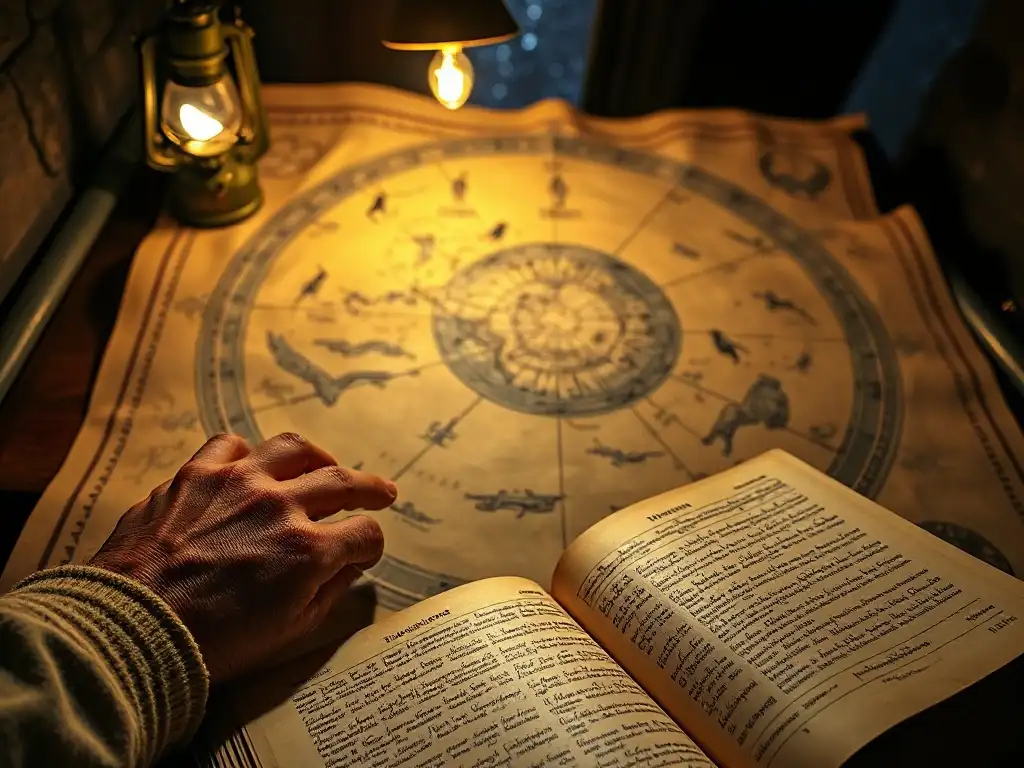
This section delves into the practical applications and profound cultural significance of the Quechua language as it relates to Andean astronomy. The intricate connection between celestial observations and daily life in the Andes wasn't merely a matter of intellectual curiosity; it was deeply embedded in the fabric of their society, shaping agriculture, navigation, and religious practices. Understanding this relationship reveals a sophisticated system of knowledge transmission and cultural preservation, where the Quechua language served as a vital tool for interpreting and interacting with the cosmos.
The precise vocabulary and rich metaphorical expressions used to describe celestial phenomena demonstrate a remarkable level of astronomical understanding. We will explore how this knowledge was not just theoretical but deeply practical, influencing the daily lives of Andean communities for centuries.
Andean farmers, relying heavily on the predictable cycles of the sun, moon, and stars, developed an incredibly precise agricultural calendar intricately woven into their Quechua language. Specific constellations and the positions of celestial bodies signaled optimal times for planting, harvesting, and other crucial agricultural activities. For instance, the appearance of certain constellations in the night sky predicted the onset of the rainy season, allowing for timely planting of crops.
Quechua terms for these constellations, often imbued with mythological significance, became integral parts of agricultural practices passed down through generations. This wasn't a passive observation; the Quechua language provided a framework for understanding and acting upon these celestial cues. The precise timing of agricultural activities, facilitated by this astronomical knowledge embedded in the language, was crucial for the survival and prosperity of Andean communities.
This system highlights the practical utility of Quechua astronomy language, demonstrating a direct link between celestial observation and agricultural success. The specific terminology used to describe the different phases of the moon and the seasonal variations, for example, provides a window into the detailed knowledge of the Andean farmers. Further research is needed to fully understand the nuances of this agricultural calendar and the specific Quechua terms associated with it [specific information pending on detailed Quechua agricultural terminology].
Quechua Cosmology and its Connection to Rituals and Festivals
Quechua cosmology, a rich tapestry of beliefs about the cosmos and humanity's place within it, is inextricably linked to the Quechua language. The language provided the means to articulate this worldview, expressing complex relationships between celestial bodies, earthly events, and spiritual realms. Many Quechua words for constellations and celestial phenomena are intrinsically tied to myths and legends, reflecting a deep spiritual connection to the heavens.
These narratives, passed down orally and later documented, reveal a sophisticated understanding of cosmology and the intricate role of the cosmos in shaping human life. For example, the constellation of the Pleiades held significant importance, often associated with fertility and agricultural cycles, and its appearance in the night sky triggered specific rituals and festivals. The precise Quechua vocabulary used to describe these rituals and their associated celestial events reveals a deep level of cultural integration between astronomy and religious practices.
Furthermore, the timing of these festivals was often dictated by astronomical observations, underscoring the powerful influence of Quechua astronomy language on the religious calendar. The intricate relationship between the Quechua language, cosmology, and ritual practices reveals a profound understanding of the universe and humanity's place within it. Analyzing the specific Quechua terms used in these rituals and festivals would offer invaluable insights into the Andean worldview and its connection to the cosmos [Specific examples of Quechua words used in rituals and their astronomical significance pending].
The Interwoven Relationship Between Quechua Language and Andean Worldview
The Quechua language wasn't simply a tool for communication; it was a fundamental element of the Andean worldview, shaping perceptions of the world and humanity's place within it. The intimate connection between Quechua and Andean astronomy reflects this broader relationship. The language provided the framework for understanding and interpreting celestial phenomena, thereby influencing social structures, religious beliefs, and daily practices. The specific vocabulary used to describe celestial events, often imbued with symbolic meaning, reveals a deep cultural understanding that went beyond mere observation.
The Quechua language, in essence, served as a map of the cosmos, guiding Andean communities in their interactions with the natural world. This close relationship between language and worldview is evident in the numerous metaphors and similes that connect celestial events to earthly phenomena. For instance, the movements of the sun and moon were often used to describe cycles of life, death, and rebirth, reflecting a holistic understanding of the universe. Understanding the intricate interplay between Quechua, astronomy, and worldview requires a deeper examination of the linguistic structures and cultural contexts in which this knowledge was embedded.
This requires further detailed linguistic analysis of Quechua texts and oral traditions to fully appreciate the nuanced relationship between language and cosmology [Further research needed on specific linguistic structures and metaphors in Quechua related to astronomy]. The study of Quechua astronomy language, therefore, offers a unique opportunity to explore the complex interplay between language, culture, and the cosmos in the Andes. 🧑🚀
Preserving the Legacy of Quechua Astronomical Knowledge
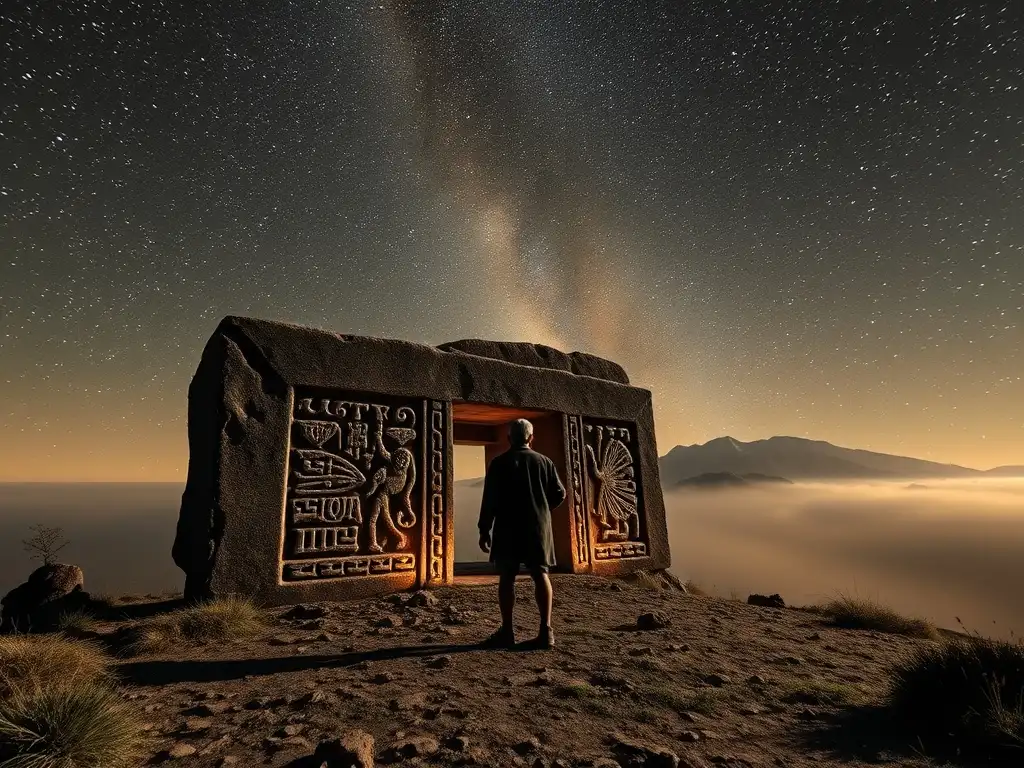
The Quechua language, spoken across the Andes for centuries, isn't merely a tool for communication; it's a repository of astronomical knowledge intricately woven into its vocabulary and narrative structures. Understanding this connection between Quechua and astronomy is crucial for preserving a rich cultural heritage and gaining insights into the sophisticated astronomical observations of Andean civilizations. The intricate relationship between the Quechua language and the cosmos is reflected in numerous ways, from the naming of constellations to the use of celestial events in agricultural practices and religious ceremonies.
This linguistic astronomy provides a unique window into the worldview and cosmology of the Andean people. The challenge lies not only in documenting this existing knowledge but also in understanding its deeper implications for our comprehension of ancient Andean societies. Failure to preserve this knowledge would represent an irreplaceable loss to both anthropological and astronomical studies.
The urgency of this task cannot be overstated. The passing of elders fluent in traditional Quechua astronomical practices represents a critical loss of invaluable knowledge, a fading echo of a rich heritage.
The Importance of Documenting and Studying Quechua Astronomy
Documenting and studying Quechua astronomy is paramount for several reasons. Firstly, it allows us to reconstruct a more complete picture of Andean cosmology. By analyzing the linguistic elements related to celestial bodies, constellations, and astronomical events, researchers can decipher the beliefs, practices, and worldview of these ancient societies. This isn't merely an academic exercise; it's about understanding the deep connection between humans and the cosmos as perceived by Andean cultures.
Secondly, this research offers valuable insights into the development of astronomical knowledge independently of Western traditions. The Quechua astronomical system, with its unique terminology and observational practices, provides a compelling counterpoint to the dominant narrative of Western astronomy, enriching our understanding of the diversity of human intellectual achievement. Thirdly, documenting this knowledge helps in the revitalization of Quechua language and culture. By highlighting the importance of this unique linguistic and astronomical heritage, we can encourage the preservation and transmission of this knowledge to future generations.
This is especially crucial in light of the ongoing language shift towards Spanish in many Andean communities. The preservation of Quechua astronomical terminology is directly linked to the preservation of the language itself. Finally, there is the potential for cross-cultural dialogue and understanding. Studying Quechua astronomy can foster appreciation for diverse cultural perspectives on the cosmos and promote a more inclusive and nuanced understanding of the history of astronomy.
Challenges and Opportunities in Revitalizing Quechua Astronomical Traditions
Revitalizing Quechua astronomical traditions faces several challenges. The first is the ongoing loss of traditional knowledge due to the dwindling number of fluent Quechua speakers who possess in-depth knowledge of traditional astronomical practices. This necessitates urgent efforts to record and document this knowledge before it disappears completely. Secondly, there's the challenge of integrating traditional knowledge with modern scientific understanding.
Researchers must be careful to avoid imposing Western frameworks on the interpretation of Quechua astronomical concepts, while simultaneously providing a context that allows for a meaningful dialogue between traditional and modern understandings of the cosmos. The potential for misinterpretation is high if cultural sensitivity is not a paramount concern. Furthermore, there are logistical challenges involved in conducting research in remote Andean communities, including access to these communities, obtaining informed consent, and ensuring ethical research practices.
Despite these challenges, there are also significant opportunities. The increasing interest in indigenous knowledge systems and the growing recognition of the importance of cultural heritage create a fertile ground for collaborative research projects involving Quechua communities, linguists, astronomers, and educators. Such collaborations can help ensure that the revitalization of Quechua astronomical traditions is driven by, and benefits, the Quechua communities themselves.
Furthermore, the development of educational materials and resources can help transmit this knowledge to younger generations, fostering cultural pride and linguistic preservation. The integration of Quechua astronomy into school curricula could be a powerful tool for language revitalization and cultural transmission. Finally, the potential for intercultural exchange and scientific collaboration offers exciting prospects for advancing our understanding of both Andean cosmology and the history of astronomy as a whole.
The future of Quechua astronomy hinges on collaborative efforts that prioritize cultural sensitivity, ethical research practices, and the active participation of Quechua communities. 🌠
Conclusion: The Enduring Relevance of Quechua Astronomy
A Legacy of Cosmic Understanding in the Andes
The Quechua language, far from being merely a tool for everyday communication, served as a sophisticated framework for understanding and interacting with the cosmos. Its intricate vocabulary, rich in astronomical terminology, reflects a deep and nuanced relationship between the Andean peoples and the celestial sphere. This relationship wasn't simply observational; it was integral to their worldview, shaping their agricultural practices, social structures, and spiritual beliefs.
The survival of Quechua, despite centuries of colonization and cultural suppression, ensures that this rich astronomical legacy continues to resonate today. We can see echoes of this cosmic understanding in contemporary Andean communities, where traditional knowledge is still passed down through generations, maintaining a vital connection to the past.
The detailed descriptions of constellations, celestial events, and their associated myths embedded within the Quechua language offer invaluable insights into the cognitive processes and cultural values of these ancient societies. By studying these linguistic patterns, we gain a deeper appreciation for the sophistication of their astronomical knowledge and its profound influence on their lives.
This is not simply a matter of historical curiosity; understanding this intricate connection between language and astronomy can inform contemporary studies of indigenous knowledge systems and their relevance to modern challenges, such as environmental conservation and sustainable development. The preservation and study of Quechua astronomical terminology are crucial for understanding the complexities of Andean cosmology and its enduring impact.
Quechua Astronomy and Modern Scientific Inquiry
The study of Quechua astronomy isn't confined to the realm of historical linguistics or anthropology. It holds significant potential for enriching modern scientific inquiry. By comparing Quechua astronomical observations with contemporary astronomical data, researchers can potentially uncover new insights into celestial phenomena and enhance our understanding of the universe.
For example, the precision of Quechua star charts and their alignment with actual celestial positions could provide valuable data for recalibrating astronomical models or identifying previously unknown patterns. Furthermore, the integration of traditional knowledge with modern scientific methods can lead to innovative approaches to astronomy education and outreach, promoting cross-cultural dialogue and fostering a deeper appreciation for the diversity of astronomical perspectives across time and cultures. This interdisciplinary approach promises to unlock a wealth of knowledge, enriching both our scientific understanding and our cultural heritage.
Challenges and Future Directions in Quechua Astronomical Research
Despite the significant progress made in understanding Quechua astronomy, numerous challenges remain. The scarcity of primary sources, the complexities of deciphering ancient texts, and the ongoing process of language evolution all pose significant hurdles. Furthermore, the need for interdisciplinary collaboration between linguists, astronomers, anthropologists, and Andean communities themselves is paramount to ensure the ethical and responsible conduct of research.
Future research should prioritize the active involvement of Quechua speakers in the interpretation and analysis of astronomical data, ensuring that traditional knowledge is respected and accurately represented. This collaborative approach will not only enhance the accuracy and validity of research findings but also promote the empowerment of Andean communities and the preservation of their invaluable cultural heritage. The future of Quechua astronomical research lies in the hands of a collaborative effort, striving for both scientific accuracy and cultural sensitivity.
The Ongoing Conversation: Quechua Astronomy and Cultural Preservation
The study of Quechua astronomy is intrinsically linked to the broader project of cultural preservation and revitalization. The continued use and study of the Quechua language are vital for maintaining the living tradition of Andean astronomy. Efforts to document and preserve Quechua astronomical terminology, through dictionaries, online resources, and educational programs, are crucial for ensuring that this rich heritage is passed down to future generations.
By fostering a deeper understanding and appreciation of Quechua astronomy, we contribute to the broader effort of celebrating the diversity of human knowledge and promoting intercultural dialogue. This ongoing conversation, involving linguists, astronomers, educators, and Andean communities, is essential for safeguarding this invaluable cultural treasure and ensuring its continued relevance in the modern world.
The preservation of Quechua astronomy is not just a historical endeavor; it is a vital contribution to the ongoing dialogue about cultural preservation and the power of language to shape our understanding of the universe. 🗺️✨
Frequently Asked Questions
What role did the Quechua language play in Andean astronomy?
Quechua wasn't just a spoken language; it served as a framework for understanding the cosmos. Many astronomical concepts and observations were directly embedded within the language itself, shaping how people perceived and interacted with the night sky.
How did Quechua words reflect astronomical knowledge?
Specific Quechua words described constellations, celestial events, and even the relationship between earthly and celestial realms. This linguistic encoding of astronomical knowledge facilitated the transmission of vital information across generations.
Were there specific Quechua terms for constellations?
Yes, the Quechua language contained rich vocabulary describing various constellations. These names often reflected mythological narratives and cultural beliefs associated with the observed celestial patterns.
How did Quechua astronomy influence Inca society?
Quechua astronomical knowledge deeply influenced Inca agricultural practices, religious rituals, and political organization. The Inca calendar, for example, was intimately tied to celestial observations and Quechua interpretations of them.
What is the significance of studying Quechua astronomy today?
Studying Quechua astronomy provides valuable insights into the intellectual achievements of Andean civilizations and helps us understand the complex interplay between language, culture, and scientific observation in pre-Columbian societies. It also offers a unique perspective on indigenous knowledge systems.
Final Reflection: Weaving the Cosmos in Quechua Words
The intricate relationship between language and cosmology, as exemplified by Quechua astronomy, remains profoundly relevant today. We are increasingly aware of the diverse ways cultures perceive and interact with the universe, and understanding the Quechua perspective offers a powerful counterpoint to dominant Western scientific narratives. This challenges us to reconsider the very nature of knowledge and its construction, reminding us that the cosmos is not a monolithic entity but a tapestry woven from countless cultural interpretations.
The enduring legacy of Quechua astronomical knowledge underscores the importance of preserving indigenous languages and their embedded wisdom. These languages are not simply tools for communication; they are repositories of accumulated knowledge, passed down through generations, shaping worldviews and offering unique insights into the natural world. The universe is written in the language of mathematics,
Galileo Galilei famously stated, but the Quechua example shows us that the universe is also written in the language of Quechua, Aymara, and other indigenous tongues, each offering its own unique and valuable translation. Their preservation is crucial not only for linguistic diversity but for the preservation of diverse cosmological perspectives.
Consider the profound implications of this for your own understanding of the cosmos. How does your language shape your perception of the universe? What stories and metaphors does it employ to describe the celestial sphere?
By exploring the Quechua connection between language and astronomy, we are invited to broaden our own perspectives, to appreciate the richness of diverse worldviews, and to actively participate in the ongoing conversation about our place within the vast expanse of the cosmos. Let us strive to listen to and learn from these other voices, enriching our own understanding of the universe and our shared humanity.
Unveil the Secrets of Andean Astronomy!
Thank you for exploring the fascinating connections between the Quechua language and Andean astronomy! Your interest reveals a deeper understanding of how language shapes our perception of the cosmos. Let's build on these insights!
- Expand your knowledge: Research how other indigenous cultures, such as the Māori or the Aboriginal Australians, interpret the night sky and compare their methods of celestial navigation to those of the Andean people.
- Share your discoveries: Discuss the cultural significance of Andean celestial navigation with friends and family, and share your insights on social media. Encourage others to explore this rich cultural heritage.
- Keep a stargazing journal: Record your own observations of the night sky, including any personal interpretations and the local or traditional names for constellations. This will allow you to track your learning and develop a deeper connection with the cosmos.
What new perspectives have you gained about your own relationship with the cosmos through the study of language? Let's discuss!