
The Sacred Coca Leaf: Its Role in Andean Rituals and Connection to Nature


Step into a world lost to time, yet echoing with vibrant life. Journey through the heart of the Andes, where towering mountains held secrets whispered only to the ancients. Discover the profound significance of Andean coca leaf rituals, a practice deeply entwined with their cosmology and worldview. Uncover the mysteries behind this sacred plant and its enduring connection to the natural world—a connection that continues to fascinate and inspire. Prepare to be captivated by the intricate tapestry of Andean civilization.
The Andean region, home to a tapestry of vibrant civilizations, holds a deep-rooted spiritual connection with its environment. This relationship, woven into the fabric of Andean cosmology and worldview, is profoundly expressed in the reverence shown to the coca leaf ( Erythroxylum coca).
Far from being a mere stimulant, coca holds immense cultural, religious, and medicinal significance, representing a vital link between the Andean people and the natural world. This article delves into the multifaceted role of the coca leaf in Andean rituals, exploring its historical importance, botanical properties, and enduring connection to the sacred landscape.
We will examine how the coca leaf functions not only as a sacred offering but also as a vital element in daily life, reflecting the intricate interplay between human society and the Andean ecosystem. Understanding the coca leaf's role is crucial to comprehending the spiritual essence of Andean civilizations and their profound respect for the natural order.
Introduction to the Significance of Coca in Andean Culture
The coca leaf occupies a central position within Andean culture, transcending its purely botanical characteristics. For centuries, it has served as a sacred offering, a medicinal remedy, and a vital element in social and religious ceremonies. Its use is deeply intertwined with the Andean worldview, which perceives the world as a dynamic interplay between the human and supernatural realms, the mountains and the valleys, the living and the dead.
The coca leaf, with its perceived ability to facilitate communication with the spiritual world, acts as a bridge between these realms. Its consumption is often accompanied by prayers and offerings, demonstrating a profound respect for the plant and its perceived powers.
The act of chewing coca leaves, known as acullico, is not merely a physical act but a ritualistic one, fostering a sense of community and connection to the ancestral past. The significance of coca is further emphasized by its presence in various art forms, archaeological findings, and oral traditions, highlighting its enduring importance across generations.
The Coca Leaf: More Than Just a Plant
The coca leaf's importance in Andean culture extends far beyond its simple botanical classification. It represents a powerful symbol, imbued with spiritual and social meaning that transcends its physical properties. Its use is deeply rooted in the Andean worldview, which emphasizes the interconnectedness of all living things and the importance of maintaining harmony with nature.
The coca leaf's perceived ability to enhance physical and spiritual well-being underscores its central role in daily life and ritualistic practices. This section will explore the multifaceted dimensions of the coca leaf, examining its botanical aspects and its historical cultivation within the context of Andean civilization.
Botanical Aspects of the Erythroxylum Coca Plant
Erythroxylum coca, a shrub native to the Andean slopes, thrives in specific ecological niches, highlighting its intrinsic connection to the region's unique environment. The plant's leaves contain various alkaloids, including cocaine, which contribute to its stimulating effects. However, it’s crucial to note that traditional Andean use of the coca leaf differs significantly from the modern recreational use of cocaine, which involves highly processed forms of the plant. Traditional chewing of coca leaves releases the alkaloids gradually, producing a mild stimulant effect that is interwoven with cultural and spiritual practices.
The precise chemical composition of coca leaves varies depending on factors such as altitude, soil conditions, and specific coca variety. Further research is needed to fully understand the complex phytochemistry of this remarkable plant and its impact on the human body within the context of traditional Andean use. [Specific information pending on precise alkaloid percentages in different coca varieties].
Historical Cultivation of Coca in the Incan Empire
The Incan Empire (1438-1533 CE) recognized the coca leaf's immense value, integrating its cultivation and use into the economic and religious structures of the empire. Coca leaves were not only a vital part of daily life for the common people but also played a crucial role in religious ceremonies and royal rituals. Evidence suggests that coca was used as an offering to the gods, consumed during religious festivals, and incorporated into mummification practices.
The Inca state controlled the cultivation and distribution of coca, ensuring its availability across the empire. The meticulous organization of coca cultivation reflected the Incas' deep understanding of the plant's importance and its close connection to the spiritual and material well-being of the empire.
The Inca’s sophisticated agricultural techniques, including terracing and irrigation, enabled them to cultivate coca at high altitudes, demonstrating their mastery of both agricultural practices and the ecological understanding of the coca plant's needs. Archaeological findings continue to uncover further insights into the Inca's sophisticated coca cultivation and its integral place in Inca society.
Andean Coca Leaf Rituals: A Bridge to the Spiritual World
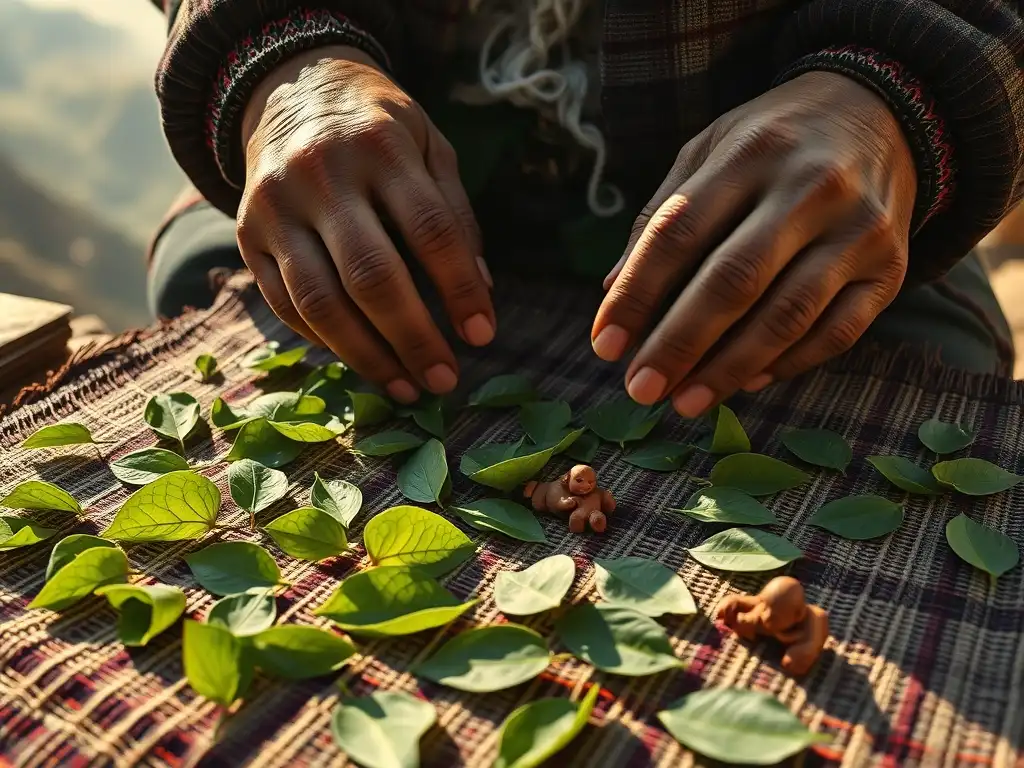
The Andean coca leaf, Erythroxylum coca, transcends its simple botanical classification; it's a sacred plant deeply interwoven with the spiritual fabric of Andean life. For centuries, it has served as a crucial element in rituals, ceremonies, and daily life, fostering a profound connection between the Andean people and their natural world.
Understanding Andean coca leaf rituals requires delving into its multifaceted symbolism and its role in maintaining cosmic balance. This section explores the diverse ways in which the coca leaf has been, and continues to be, utilized in Andean spiritual practices, offering a glimpse into the rich tapestry of Andean cosmology.
The significance of the coca leaf in Andean culture is immeasurable, reflecting a deep-rooted respect for nature and its inherent spiritual power. This sacred plant plays a vital role in maintaining harmony between the human and spiritual realms, solidifying its place as a central element in Andean rituals and beliefs.
Traditional Uses of Coca in Andean Communities
Coca leaf chewing is not merely a habit; it's an integral part of Andean social interaction and daily life. It's a practice passed down through generations, offering not only a mild stimulant but also a means of connecting with the spiritual world. Farmers often carry coca leaves while tending their fields, offering them to the earth as a gesture of respect and gratitude. The leaves are used in traditional medicine to alleviate ailments ranging from altitude sickness to headaches.
Moreover, coca is offered as a sign of respect during social gatherings and ceremonies, reinforcing communal bonds and demonstrating hospitality. The quantity of coca offered often reflects the level of respect and importance given to the occasion or person. For instance, a larger amount might be offered to a respected elder or during a significant community event.
The preparation and consumption of coca also holds symbolic significance. The careful selection of leaves, the specific way they are chewed, and the sharing of the coca with others all contribute to the ritualistic aspect of coca use. This deeply rooted practice underscores the plant's profound cultural and spiritual importance within Andean communities. The sheer ubiquity of coca in daily Andean life highlights its fundamental role, extending far beyond mere sustenance.
The Spiritual Meaning of the Coca Leaf in Andean Cosmology
Coca as a Sacred Messenger to the Spirit World
The coca leaf is considered a sacred messenger, capable of facilitating communication with the spirit world. Shamans, or paqos, utilize coca leaves in divination rituals, interpreting the patterns and shapes of the leaves to gain insights into the future or to communicate with ancestral spirits. The leaves' physical characteristics—their color, size, and the presence of any blemishes—are meticulously examined for symbolic meaning.
This intricate process requires years of training and a deep understanding of Andean cosmology to accurately interpret the messages conveyed through the coca leaves. The ritualistic use of coca in divination reinforces its role as a conduit between the physical and spiritual realms, providing a means of accessing hidden knowledge and guidance. The coca leaf, in this context, acts as a powerful tool for spiritual insight and connection.
Connection to Pachamama and the Andean Deities: Inti and Mama Quilla
The coca leaf is deeply intertwined with the worship of Pachamama (Mother Earth) and other Andean deities, such as Inti (the Sun God) and Mama Quilla (the Moon Goddess). Offerings of coca leaves are made to appease these deities and to ensure a bountiful harvest and overall well-being. The act of offering coca is not merely a symbolic gesture; it's a demonstration of respect, gratitude, and a recognition of the interconnectedness between humanity and the natural world.
Coca leaves are often placed on the earth, scattered on sacred sites, or offered during important ceremonies, strengthening the bond between the people and the spiritual forces that govern their lives. This practice underscores the profound reverence held for Pachamama and the other Andean deities, highlighting the coca leaf's pivotal role in maintaining this sacred connection. The vibrant colors of the coca leaf, mirroring the Andean landscape, further enhance its symbolic significance.
Traditional Uses of Coca in Andean Communities
Coca Leaf Divination Practices: Reading the K'intu
Coca leaf divination, known as k'intu, is a complex practice requiring specialized knowledge and skill. The paqo carefully selects a handful of coca leaves, arranging them in specific patterns and interpreting their shapes and markings. The process is not simply about predicting the future; it's about understanding the current state of affairs, identifying potential challenges, and seeking guidance on how to navigate life's complexities.
The interpretation of the k'intu is deeply nuanced, drawing upon a vast body of traditional knowledge and understanding of Andean cosmology. The k'intu is not just a form of fortune-telling; it's a spiritual consultation, providing valuable insights and guidance for navigating life's complexities. The accuracy and effectiveness of the k'intu depend heavily on the experience and intuition of the paqo, who acts as an intermediary between the individual and the spirit world.
The Role of Coca in Offerings to Apus and Pachamama
Offerings of coca leaves, often accompanied by other items such as alcohol, cigarettes, or food, are made to the Apus (mountain spirits) and Pachamama to show respect and seek their favor. These offerings are seen as a way to maintain balance in the ecosystem and ensure the well-being of the community.
The placement of the coca leaves on sacred sites, such as mountain peaks or springs, is a ritualistic act that reinforces the connection between the human world and the spiritual realm. The act of offering coca is a form of communication, a way of expressing gratitude and seeking protection from the powerful spiritual forces that govern the Andean world.
This practice demonstrates the deep-rooted belief in the interconnectedness of all living things and the importance of maintaining harmony with the natural world. The vibrant green of the coca leaves, symbolizing life and growth, further emphasizes its significance in these offerings.
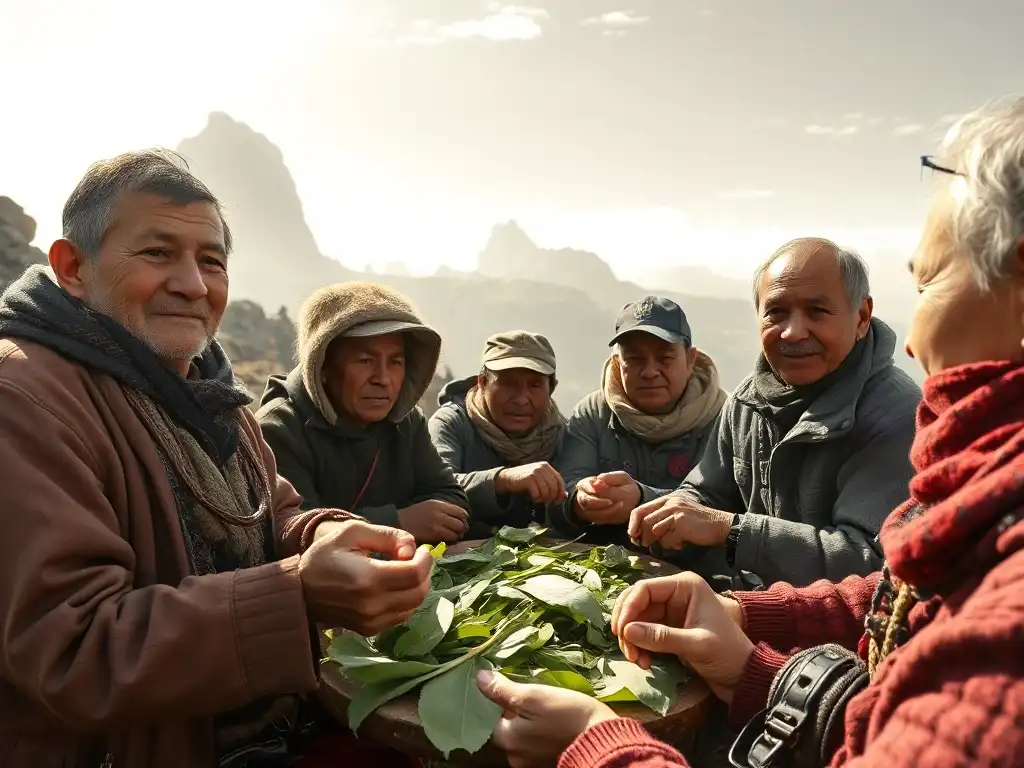
The Andean coca leaf, far from being merely a stimulant, played – and continues to play – a crucial role in fostering community cohesion and social harmony. Its use permeates various aspects of Andean life, reinforcing social bonds and contributing to a sense of shared identity. The sacredness attributed to the coca leaf extends beyond individual consumption, shaping social interactions and community rituals.
Understanding this intricate relationship is key to appreciating the holistic significance of the coca leaf within Andean culture. The enduring importance of the coca leaf in social contexts highlights its deep-rooted connection to Andean worldview and its influence on daily life.
The act of sharing coca leaves embodies much more than simple hospitality; it's a powerful symbol of respect, trust, and shared experience within Andean communities. This practice is deeply intertwined with the concept of ayni, a principle of reciprocity and mutual support that underpins Andean social structures.
Sharing Coca as a Sign of Respect and Friendship: The Ayni Principle
The offering and acceptance of coca leaves are integral to the ayni principle. Ayni emphasizes the interconnectedness of individuals and the importance of balanced exchange. Sharing coca isn't a transaction; it's an affirmation of the reciprocal relationship between people, reinforcing social bonds and demonstrating mutual respect. The act of carefully selecting the leaves, presenting them with a gesture of respect, and accepting them with gratitude underlines the significance of this social custom. The quality of the coca leaves offered can even reflect the level of respect intended. For instance, offering particularly fine leaves signifies a deeper level of esteem.
Coca in Community Gatherings and Celebrations: The Fiesta and the Mink'a
Coca's presence is ubiquitous in Andean communal gatherings, from joyous celebrations like fiestas to collaborative work events known as mink'as. During fiestas, coca is shared freely, fostering a sense of unity and shared experience among participants. The rhythmic chewing of coca leaves often accompanies music and dance, enhancing the festive atmosphere and strengthening social bonds.
Similarly, in mink'as, where communities collaborate on tasks like farming or construction, coca provides energy and sustains the collective effort. The shared consumption of coca reinforces team spirit and strengthens community ties, transforming work into a shared social experience. The coca leaf acts as a social lubricant, facilitating communication and cooperation among participants.
Coca and its Contribution to Traditional Andean Medicine
Beyond its social significance, the coca leaf holds a central position in traditional Andean medicine. Its properties are highly valued for addressing various ailments, reflecting a deep understanding of its medicinal potential within the Andean worldview. The use of coca for medicinal purposes demonstrates the holistic approach to health and wellness characteristic of Andean cultures.
Coca as a Natural Remedy for Altitude Sickness
The coca leaf has long been recognized for its ability to alleviate the symptoms of altitude sickness, a common challenge in the Andes. Chewing coca leaves helps to mitigate the effects of reduced oxygen levels, providing a natural remedy for headaches, nausea, and fatigue associated with high altitudes. This traditional use reflects a profound understanding of the plant's physiological effects and its ability to adapt the body to challenging environments. The presence of alkaloids in the coca leaf contributes to its effectiveness in this regard, though further research is needed to fully understand the specific mechanisms involved.
Healing Properties of Coca in Andean Herbalism: Treatment of Digestive Issues
In Andean herbalism, coca is employed to treat a range of digestive ailments. It's traditionally used to relieve symptoms of indigestion, nausea, and stomach cramps. Furthermore, coca is believed to possess antimicrobial properties, assisting in the treatment of digestive infections. The preparation and administration of coca for medicinal purposes vary depending on the specific ailment and the practitioner's knowledge.
This traditional use of coca highlights the plant's multifaceted medicinal value and its enduring importance in Andean healthcare practices. While modern scientific research is still underway to fully validate these traditional uses, anecdotal evidence and centuries of practice support the effectiveness of coca in these applications. The precise chemical compounds responsible for these effects are still under investigation, representing a rich area for future scientific exploration.
The Modern Relevance of Andean Coca Leaf Practices
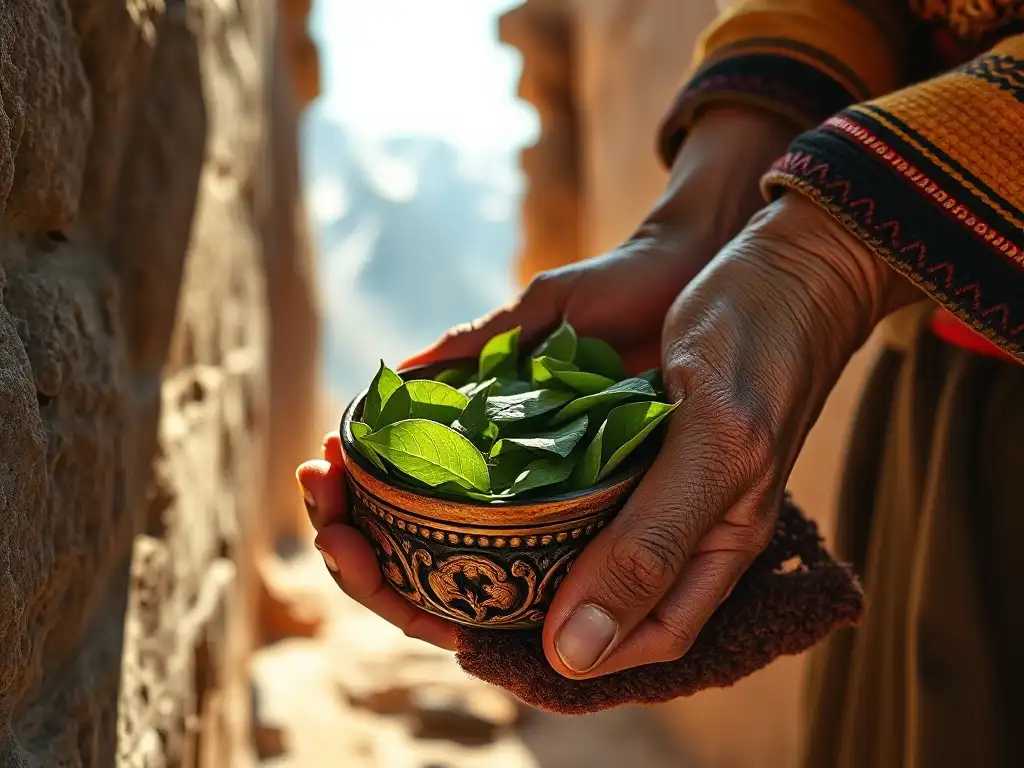
The enduring significance of the coca leaf in Andean cultures extends far beyond its historical role. Understanding its contemporary relevance requires acknowledging its multifaceted presence in daily life, spiritual practices, and the ongoing struggle for cultural preservation against external pressures. The coca leaf isn't merely a relic of the past; it's a vibrant, living symbol deeply interwoven with the fabric of Andean identity and a testament to the enduring connection between humans and nature.
Analyzing current practices reveals a complex interplay of tradition, adaptation, and resistance in the face of modern challenges. The continued use of the coca leaf in various forms demonstrates its enduring importance as a cultural keystone, a source of sustenance, and a powerful symbol of Andean heritage. This section explores the preservation of traditional coca knowledge and its integration into contemporary Andean life, highlighting the challenges and triumphs in maintaining this vital connection.
Preserving Traditional Coca Knowledge
Challenges and Threats to Traditional Practices: Drug Trade and Misinformation
The global drug trade poses a significant threat to the cultural significance of the coca leaf. The illegal production and trafficking of cocaine, derived from coca, have created a negative association with the plant itself, overshadowing its millennia-old history of sacred and medicinal use. This misconception fuels discriminatory policies and prejudices against Andean communities who utilize coca traditionally.
Furthermore, misinformation campaigns often portray coca chewing and coca tea consumption as inherently dangerous, disregarding the nuanced understanding of its responsible use within Andean cultures. This misinformation actively undermines the cultural knowledge passed down through generations, hindering efforts to preserve the traditional practices associated with the coca leaf.
Quantifying the impact of this misinformation is difficult, but anecdotal evidence suggests a growing reluctance among younger generations to embrace traditional coca practices due to negative societal perceptions. The challenge lies in separating the legitimate use of coca from the illegal cocaine trade, a crucial step in preserving its cultural integrity.
The Importance of Cultural Preservation: Education and Community Initiatives
Countering the negative impacts of the drug trade and misinformation requires a concerted effort to preserve traditional coca knowledge. Community-based initiatives play a crucial role in educating younger generations about the cultural significance of the coca leaf, emphasizing its traditional medicinal and ritualistic uses. These initiatives often involve workshops, storytelling, and demonstrations of traditional coca preparation and consumption.
Furthermore, there's a growing need for collaboration between Andean communities, researchers, and policymakers to develop evidence-based strategies for promoting responsible coca use while combating the illegal cocaine trade. Successful preservation requires not only the transmission of knowledge but also the empowerment of Andean communities to control and defend their cultural heritage.
This involves advocating for policies that recognize and respect the traditional use of coca, while simultaneously targeting the criminal networks that exploit it for illicit purposes. The preservation of this knowledge is not just a cultural imperative; it is essential for the survival of Andean traditions and the protection of the biodiversity associated with coca cultivation.
Coca in Contemporary Andean Life
Current Uses and Adaptations of Coca Rituals: Coca Tea and Chewing
The coca leaf maintains a central role in contemporary Andean life, albeit with adaptations reflecting modern circumstances. While traditional coca chewing remains prevalent, particularly in rural communities, the consumption of coca tea ( mate de coca) has become increasingly widespread, both within and outside of Andean regions. Coca tea is often consumed for its purported medicinal properties, such as alleviating altitude sickness and aiding digestion. The ritualistic aspects of coca consumption, however, persist. Sharing coca leaves and coca tea remains an integral part of social interactions, community gatherings, and ceremonies. The act of sharing symbolizes reciprocity, respect, and community bonding. While the specific rituals vary across different Andean cultures, the symbolic meaning of the coca leaf remains consistent: a gift from Pachamama (Mother Earth), a symbol of life, and a conduit to spiritual connection. The adaptation of coca use to modern contexts demonstrates the plant's remarkable resilience and its capacity to integrate into changing social landscapes.
The Ongoing Connection Between Coca and Andean Identity: Resistance and Cultural Pride
The coca leaf serves as a powerful symbol of Andean identity, representing resistance against colonial oppression and a testament to the enduring strength of indigenous cultures. The ongoing struggle to reclaim and protect the cultural significance of coca reflects a broader movement of indigenous empowerment and cultural revitalization. Andean communities actively resist attempts to criminalize or stigmatize traditional coca practices, asserting their right to preserve their cultural heritage.
This resistance often manifests in community-led initiatives promoting coca cultivation and traditional knowledge transmission. The coca leaf is not just a plant; it is a symbol of cultural pride, resilience, and the enduring connection between Andean peoples and their ancestral lands. This profound connection underscores the importance of respecting and supporting Andean communities in their efforts to preserve their cultural heritage and protect the future of the sacred coca leaf.
Frequently Asked Questions
What is the significance of the coca leaf in Andean cultures?
The coca leaf holds immense spiritual and cultural significance in Andean societies. It's not just a stimulant; it's deeply connected to ancestral veneration, healing practices, and offerings to deities. Its use is often interwoven with daily life and important ceremonies.
How was coca used in Andean rituals?
Coca leaves were (and are) used in various rituals, including offerings to Pachamama (Mother Earth) and mountain spirits (Apus). They were also chewed during ceremonies, facilitating communication with the spiritual world and enhancing spiritual experiences.
Were all Andean cultures equally reliant on coca?
While coca played a vital role across many Andean civilizations, the extent of its use varied. The Incas, for example, heavily regulated coca production and distribution, while other cultures might have had different customs and levels of dependence.
What is the connection between coca and nature in Andean beliefs?
Andean cultures view coca as a sacred gift from nature, intimately linked to the well-being of the land and its people. Its use is seen as a way to honor Pachamama and maintain a harmonious relationship with the natural world.
Are coca leaf rituals still practiced today?
Yes, coca leaf rituals and traditions continue to be practiced in many Andean communities today. While the specific customs may vary, the deep-rooted spiritual significance of the coca leaf remains central to their cultural identity.
Final Reflection: The Enduring Spirit of the Coca Leaf
The sacred coca leaf, far from being a relic of the past, remains a vibrant and vital element in Andean life, a testament to the enduring power of tradition and the profound connection between humanity and nature. Its continued use underscores the importance of understanding and respecting diverse cultural practices, particularly those deeply rooted in spiritual and ecological harmony. The ongoing debate surrounding its legality often overshadows the rich cultural significance it holds for millions.
The coca leaf's influence transcends mere ritual; it shapes Andean identity, worldview, and relationship with the land. Its use is interwoven with daily life, from agricultural practices to social gatherings, reflecting a holistic understanding of the world where the spiritual and material are inextricably linked. The coca leaf is not just a plant; it is a sacred gift from Pachamama, a symbol of reciprocity and respect for the earth.
This sentiment, echoed across generations, highlights the profound spiritual significance embedded within the seemingly simple act of chewing coca.
Consider, for a moment, the implications of this enduring tradition. How can we, as global citizens, better appreciate and protect the cultural heritage of indigenous communities? How can we foster a deeper understanding of the intricate relationship between humans and the environment, as exemplified by the Andean reverence for the coca leaf?
I urge you to explore this topic further, to challenge your own preconceptions, and to embrace the opportunity to learn from the wisdom of Andean cultures. Let the enduring spirit of the coca leaf inspire you to connect more deeply with the natural world and to respect the diverse ways in which humans find meaning and purpose in life.
Embrace the Sacred: Connect With Nature Through the Coca Leaf
Thank you for exploring the rich history and spiritual significance of the coca leaf in Andean culture. You've discovered how this sacred plant plays a vital role in rituals and fosters a profound connection with the natural world. Now, deepen your connection by honoring this tradition.
Here are some ways to begin:
- Participate in a local wellness retreat or workshop that respectfully incorporates traditional plants like coca.
- Share the coca leaf's cultural significance with friends or on social media to raise awareness.
- Learn about Andean herbalism through books or online courses, and consider incorporating nature's gifts into your own practices.
Which Andean traditions resonate most with you, and how will you integrate them into your life?