
Huari Burial Practices: What Can Tombs Tell Us About Their Society?

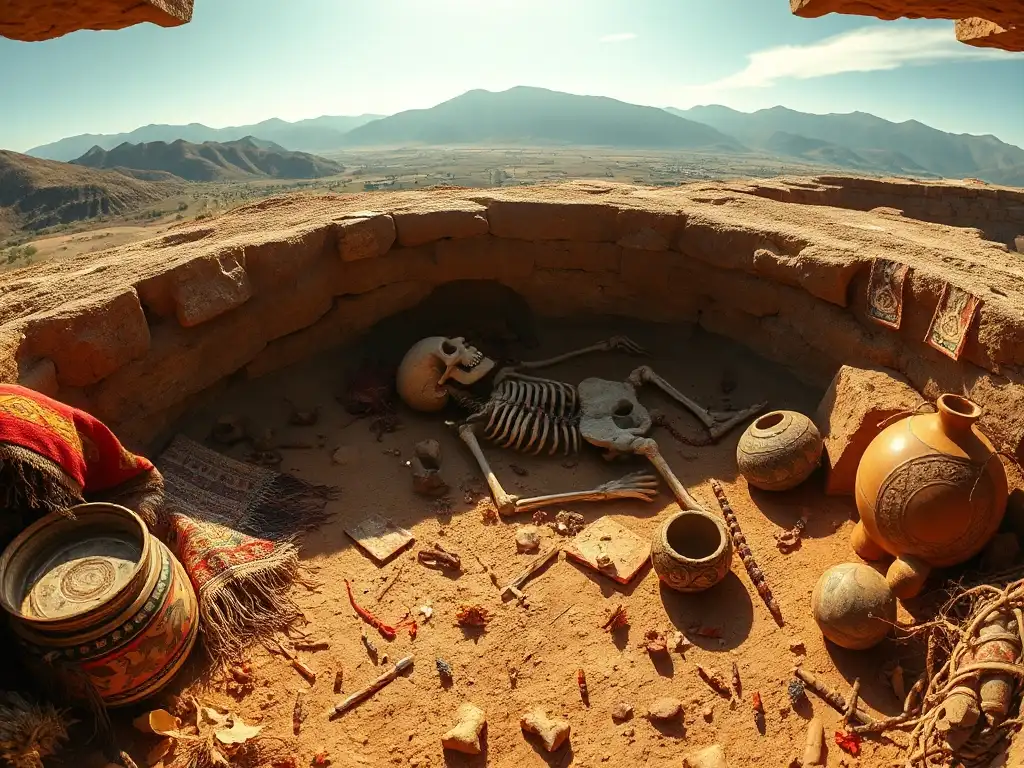
Dive into the enigmatic world of the Andes! Prepare to unearth the secrets held within the ancient tombs of a civilization that thrived centuries before the Inca. Our exploration of Huari burial practices reveals astonishing insights into their complex society—a glimpse into a world of intricate rituals and beliefs. Dare to uncover the mysteries buried beneath the sands of time? Journey with us to learn more about this fascinating pre-Incan culture and its lasting impact.
- Huari Burial Practices: Unveiling Insights into Andean Society
- Diverse Huari Burial Sites: A Glimpse into Social Hierarchy
- Huari Funeral Rites: More Than Just Burial
- Analyzing Huari Tombs: What They Reveal About Their Worldview
- Comparing Huari Burial Practices with Other Andean Cultures
- Conclusion: The Enduring Legacy of Huari Burial Practices
-
Frequently Asked Questions
- What were the Huari people's burial practices like?
- How did Huari burial practices compare to those of the Inca?
- What kind of grave goods were typically found in Huari tombs?
- What can Huari burial sites tell us about their social structure?
- How do Huari burial practices help us understand their relationship with other Andean civilizations?
- Final Reflection: Unearthing Huari Society Through Their Tombs
- **Unveil the Secrets of Huari Society! **
Huari Burial Practices: Unveiling Insights into Andean Society
The Huari Empire, a powerful pre-Inca civilization that flourished in the central Andes from approximately 600 to 1200 CE, left behind a complex and fascinating legacy. Understanding their society requires delving into various aspects of their lives, from their intricate agricultural techniques and impressive urban planning to their religious beliefs and, crucially, their burial practices.
This exploration of Huari burial rituals offers a unique window into their social structures, beliefs, and worldview. By examining the contents of Huari tombs, the arrangement of bodies, and the associated grave goods, we can piece together a more complete understanding of this influential Andean culture and its relationship to later civilizations, particularly the Inca.
This article will analyze Huari burial practices to shed light on their social hierarchy, religious beliefs, and daily life, revealing how these practices reflect and illuminate the broader context of Huari society and its place within the tapestry of Andean civilization. The keyword "Huari burial practices Inca society" will be explored throughout the article to highlight the connections and contrasts between these two important Andean cultures.
Introduction to Huari Culture and Funerary Rituals
The Huari, also known as the Wari, were master builders and administrators who created a vast empire spanning much of the central Andes. Their influence is evident in the impressive ruins of their capital city, located near present-day Ayacucho, Peru, and in numerous other sites throughout the region. Huari society was highly stratified, with a complex system of social classes evident in their urban planning and architecture. However, the extent of social stratification and its reflection in funerary practices requires further investigation.
While details about specific Huari rituals surrounding death and burial are still being uncovered through ongoing archaeological research, evidence suggests a sophisticated and ritualistic approach to funerary practices. The careful placement of bodies, the inclusion of grave goods, and the construction of elaborate tombs all point to a strong belief in an afterlife and a complex system of beliefs concerning the transition from life to death. The types of goods included varied considerably, suggesting differences in social standing and access to resources. For example, elite burials often contained fine textiles, ceramics, and gold ornaments, while commoner burials might contain more utilitarian items. This variation provides important clues about the social structure of Huari society and the distribution of wealth and power.
The Significance of Burials in Understanding Huari Society
Huari burial sites offer invaluable insights into the societal structures of the empire. The scale and complexity of some tombs suggest the existence of a powerful elite class, while the simpler burials of commoners provide information about their daily lives and material possessions. The presence or absence of specific grave goods, such as fine ceramics or elaborate textiles, can help researchers determine social status. For instance, the discovery of a tomb containing intricate gold jewelry and finely crafted pottery would strongly suggest that the individual interred held a position of high rank within Huari society. Conversely, a burial containing only basic tools and everyday items would likely indicate a lower social standing.
Furthermore, the positioning of bodies within tombs, the presence of multiple burials in a single site, and the overall layout of the burial grounds can reveal information about family structures, kinship ties, and social organization. Analysis of skeletal remains can also provide additional information about diet, health, and even potential causes of death, enriching our understanding of Huari daily life and social dynamics. The careful study of these various factors allows archaeologists to build a comprehensive picture of Huari social organization, revealing the intricate interplay between social status, religious beliefs, and funerary practices. The relationship between Huari and later Inca burial customs is a complex area of ongoing research, highlighting the rich continuity and change in Andean funerary traditions.
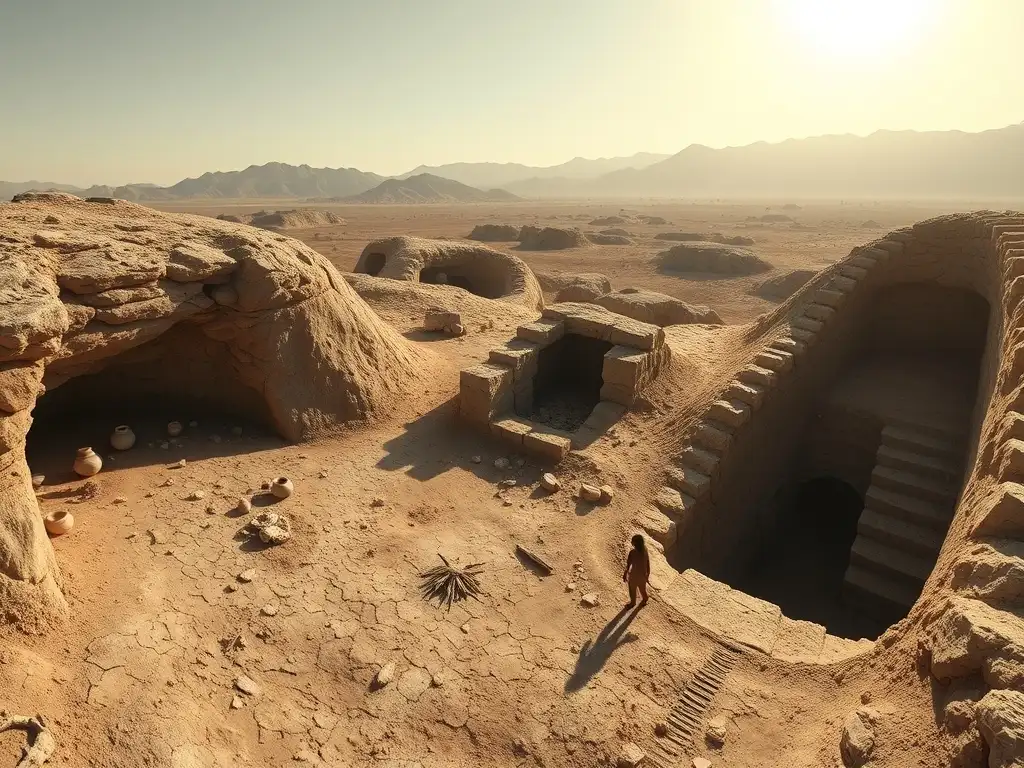
The Huari, a powerful pre-Inca civilization flourishing in the Peruvian Andes from roughly 600 to 1000 CE, left behind a rich archaeological record, including a diverse array of burial sites. These sites, ranging from simple pits to elaborate tombs, offer invaluable insights into their complex social structure and beliefs regarding death and the afterlife. Analyzing Huari burial practices provides a crucial window into their societal hierarchy, revealing significant disparities in wealth, status, and access to resources.
The careful study of grave goods, burial location, and the construction of the tombs themselves reveals much about the social stratification within Huari society. The careful placement of individuals within specific burial contexts reflects the importance of social standing, even in death.
Understanding these nuances is key to unlocking a deeper appreciation of Huari culture and its impact on subsequent Andean civilizations, including the Inca. The distribution and types of burial sites themselves reflect a sophisticated system of social organization.
Regional Variations in Huari Tombs and Grave Goods
Huari burial practices weren't uniform across their vast empire. Significant regional variations exist in tomb architecture, grave goods, and even the rituals surrounding death. For instance, sites in the central highlands, closer to the Huari heartland, often feature more elaborate tombs with richer grave goods, suggesting a higher concentration of elite individuals.
Conversely, peripheral regions might display simpler burial styles and fewer offerings, potentially reflecting a less centralized control or perhaps a different social organization within those areas. This geographical variation in burial practices highlights the complex interplay between central authority and local traditions within the Huari empire. Further research is needed to fully understand the extent of this regional variability and its implications for Huari social structure.
Detailed comparative studies across different regions are crucial to illuminate the full picture of Huari burial diversity. Careful mapping of grave goods alongside geographical location will help to further delineate these regional distinctions.
Elite Burials: Indicators of Power and Status
Elite Huari burials are characterized by their grandeur and the abundance of accompanying grave goods. These tombs, often located in prominent positions or within specially constructed structures, frequently contain elaborate textiles, finely crafted ceramics, gold and silver ornaments, and even human sacrifices. The presence of such luxury items strongly suggests a hierarchical society where a powerful elite controlled access to resources and specialized craftsmanship.
For example, the discovery of [specific example of elite burial with detailed description of grave goods pending] illustrates the opulence associated with high-status individuals. The sheer quantity and quality of grave goods, combined with the elaborate construction of the tombs themselves, serve as clear markers of social standing.
These burials offer compelling evidence of a stratified society where power and prestige were clearly reflected in death rituals. Furthermore, the presence of multiple individuals interred together in some elite tombs could indicate kinship ties or the importance of retinues in the afterlife.
Commoner Graves: Insights into Daily Life and Beliefs
In contrast to the elaborate elite burials, commoner graves are typically simpler, less elaborate, and contain far fewer grave goods. These graves, often simple pits or shallow cists, frequently contain only basic pottery, tools, and occasionally some textiles. Nevertheless, even these simpler burials offer valuable insights into the daily life and beliefs of the common Huari population.
The types of tools and pottery found in these graves can help us understand their daily occupations and the resources available to them. For example, the presence of agricultural tools in some graves suggests a substantial agricultural population. Analysis of the pottery styles and decoration can also reveal regional variations in commoner lifestyles and cultural practices.
While less ostentatious than elite burials, commoner graves provide a crucial counterpoint, offering a more complete picture of Huari society and its diverse population. The study of these simpler burials is essential to balance the narrative provided by the more spectacular elite tombs, presenting a more nuanced and complete view of Huari culture.
Huari Funeral Rites: More Than Just Burial
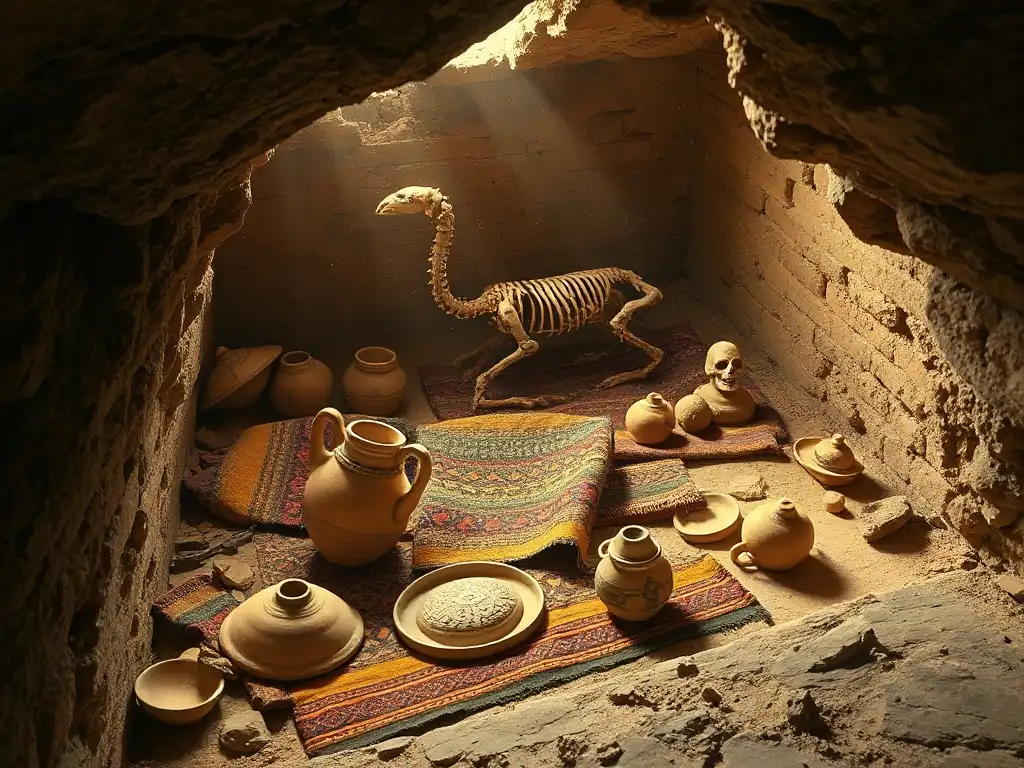
Huari burial practices offer a fascinating glimpse into the social organization, religious beliefs, and daily life of this powerful pre-Inca civilization. Unlike simpler burial customs found in some contemporary cultures, Huari funerary rites were elaborate and highly ritualized, reflecting a complex social hierarchy and sophisticated understanding of the afterlife. The careful placement of bodies, the inclusion of grave goods, and the construction of elaborate tombs all speak to the importance of death and remembrance within Huari society.
Analysis of these practices provides invaluable insights into their worldview and social structures, shedding light on the intricacies of their culture and its influence on subsequent Andean societies, including the Inca. Understanding Huari burial practices helps us decipher the intricate social tapestry of this remarkable civilization and its lasting impact on the region. The meticulous nature of their burial rituals suggests a deep-seated belief system that extended beyond the physical realm.
Preparing the Deceased: Mortuary Practices and Rituals
The preparation of the deceased for burial was a significant and ritualistic process within Huari culture. Evidence suggests that bodies were often carefully cleaned and adorned before interment. While detailed accounts of specific rituals are scarce, archaeological findings indicate a degree of standardization in the treatment of the dead. For example, many bodies were found positioned in a flexed posture, often with knees drawn up towards the chest.
This consistent positioning may indicate a specific ritualistic practice related to their beliefs about the afterlife. The presence of red ochre pigment on many skeletal remains suggests the use of this material in funerary rituals, possibly symbolizing blood, life force, or rebirth. Further research is needed to fully understand the symbolic meaning of these practices, but the consistency observed across multiple sites strongly suggests the existence of formalized mortuary rituals.
In some cases, evidence of mummification or other preservation techniques has been found, though this was not as widespread as in later Andean cultures. The level of care taken in preparing the bodies underscores the Huari's deep respect for their ancestors and their belief in the continuation of life beyond death. The careful positioning and adornment of bodies weren't just practical measures; they were integral parts of a complex funerary ritual.
Grave Goods: Objects Reflecting Status, Beliefs, and Occupations
The grave goods accompanying Huari burials provide significant information about the social stratification and daily life of the civilization. The types and quantities of objects found in tombs vary considerably, suggesting a clear social hierarchy. Elite burials often contain a lavish assortment of artifacts, including finely crafted ceramics, intricate textiles, gold and silver ornaments, and obsidian tools. These objects suggest a high level of craftsmanship and access to valuable resources, indicative of significant social standing.
In contrast, commoner burials typically contained simpler goods, such as basic pottery and utilitarian tools. This disparity in grave goods strongly supports the existence of a stratified society, with clear distinctions between the elite and the common population. The presence of specific objects, such as specialized tools or ceremonial items, can also provide insights into the deceased's occupation or social role within the community.
For instance, the inclusion of agricultural implements might suggest a farmer, while finely crafted weaponry could indicate a warrior or member of the military elite. The analysis of grave goods, therefore, offers a powerful tool for understanding Huari social dynamics and the distribution of wealth and power. The systematic variation in burial goods reflects a complex social system with clearly defined roles and status distinctions.
The Role of Textiles and Ceramics in Huari Funerary Contexts
Textiles and ceramics play prominent roles in Huari funerary contexts, serving both practical and symbolic purposes. Finely woven textiles, often adorned with intricate designs and vibrant colors, were frequently found in elite burials. These textiles were not merely clothing; they were valuable objects, representing status and artistry. The complexity of the weaving techniques and the use of rare dyes indicate a high level of skill and expertise.
The designs themselves may have held symbolic meaning, possibly related to religious beliefs or social identity. Similarly, ceramics found in Huari tombs range from simple utilitarian vessels to elaborate ceremonial objects. The style and decoration of the pottery often reflect the social status of the deceased, with elite burials containing finely painted vessels with intricate designs, while commoner burials typically contained simpler, undecorated pottery. The presence of specific ceramic forms, such as bowls or jars, might also indicate specific ritual practices or beliefs.
Further research is needed to fully understand the symbolic significance of specific textile patterns and ceramic styles within the Huari funerary context. The careful selection and placement of both textiles and ceramics highlight their importance in the broader Huari worldview and the ritualistic nature of their burial practices. Analysis of these artifacts provides vital clues to understanding their beliefs and social structures. The meticulous craftsmanship evident in both textiles and ceramics underscores the importance of these materials in the Huari cultural landscape, extending their significance beyond everyday use into the realm of the sacred.
Analyzing Huari Tombs: What They Reveal About Their Worldview
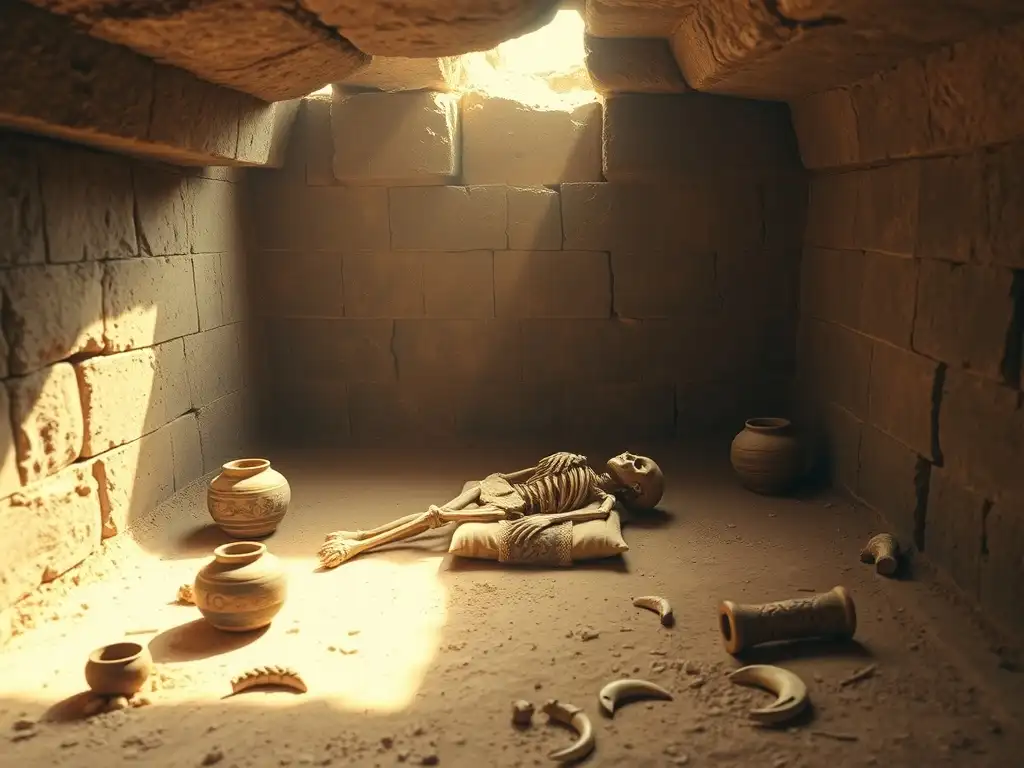
The meticulous study of Huari burial practices offers a unique window into the worldview and societal structures of this influential pre-Inca civilization. Unlike simpler interment methods of some preceding cultures, Huari burial sites present a complex tapestry of ritualistic actions and grave goods, revealing much about their beliefs, social hierarchy, and economic systems. Analyzing these aspects allows us to move beyond simple descriptions of tomb architecture and delve into the intricate social fabric of Huari society.
The careful placement of bodies, the inclusion of specific artifacts, and the overall design of tombs all contribute significantly to our understanding of Huari culture and its relationship with the Inca society that followed. By examining these elements, we can start to piece together a more complete picture of Huari life and death. This detailed analysis will significantly impact our understanding of Huari society's organization and daily life.
Huari Religion and Beliefs: As Reflected in Burial Practices
Huari burial practices strongly suggest a complex religious system, evidenced by the consistent presence of specific grave goods and the deliberate arrangement of bodies within tombs. Many tombs contain offerings of ceramic vessels, often intricately decorated with symbolic imagery, potentially representing deities or spirits. These vessels were not merely utilitarian; their careful placement and decoration point to a ritualistic significance.
The presence of textiles, adorned with elaborate designs and potentially imbued with spiritual meaning, further supports this interpretation. In some cases, the bodies themselves were positioned in specific orientations or accompanied by items that seem to have played a role in funerary rites. For instance, the discovery of [specific examples of ritual objects pending further research] in certain tombs suggests the involvement of specialized priests or shamans in burial ceremonies.
The consistent presence of these objects across various sites points to a shared religious understanding throughout the Huari empire, highlighting the power and influence of their religious beliefs on daily life. Furthermore, the scale and complexity of some tombs suggest a significant investment of resources and labor, indicating the high importance placed on death rituals and the afterlife within Huari society and influencing later Inca society's beliefs.
The arrangement of bodies and grave goods within Huari tombs also provides valuable insights into their social organization and family structures. The size and complexity of tombs, along with the quantity and quality of artifacts, often correlate with social status. Elaborate tombs with numerous grave goods suggest high-status individuals, possibly elites or members of the ruling class.
Conversely, simpler burials with fewer items suggest individuals of lower social standing. The presence of multiple individuals interred in a single tomb, particularly those showing signs of kinship or close relationships, offers clues about family structures and social bonds. For example, the discovery of [specific examples of multiple burials in single tombs, with analysis of relationships pending further research] illuminates the possible structure of Huari family units.
These findings suggest a hierarchical society with distinct social strata, reflected in the differential treatment of individuals after death. The careful arrangement of bodies and grave goods within tombs, therefore, serves as a powerful indicator of social standing and family structures within the Huari empire, informing our understanding of their social organization and its influence on the later Inca society.
Huari Trade and Exchange Networks: Insights from Grave Goods
The variety and distribution of grave goods within Huari tombs offer compelling evidence of extensive trade networks that extended far beyond their core territory. The presence of exotic materials, such as [specific examples of exotic materials found in Huari tombs pending further research], in tombs located far from their source regions demonstrates the reach of Huari trade and the interconnectedness of their economy. The inclusion of such items in burials indicates their significant social and economic value and their role in reinforcing social status and power.
The distribution patterns of these goods also suggest the existence of well-established trade routes that connected different parts of the Huari empire, facilitating the exchange of goods and ideas. The presence of similar grave goods in geographically distant tombs further strengthens this interpretation, suggesting a degree of cultural homogeneity and centralized control over resources throughout the empire.
This widespread trade, significantly influencing the later Inca society, impacted the economic and cultural development of the Huari and neighboring regions. The analysis of grave goods, therefore, provides valuable insights into the economic and political structure of Huari society and their interaction with neighboring communities.
Comparing Huari Burial Practices with Other Andean Cultures
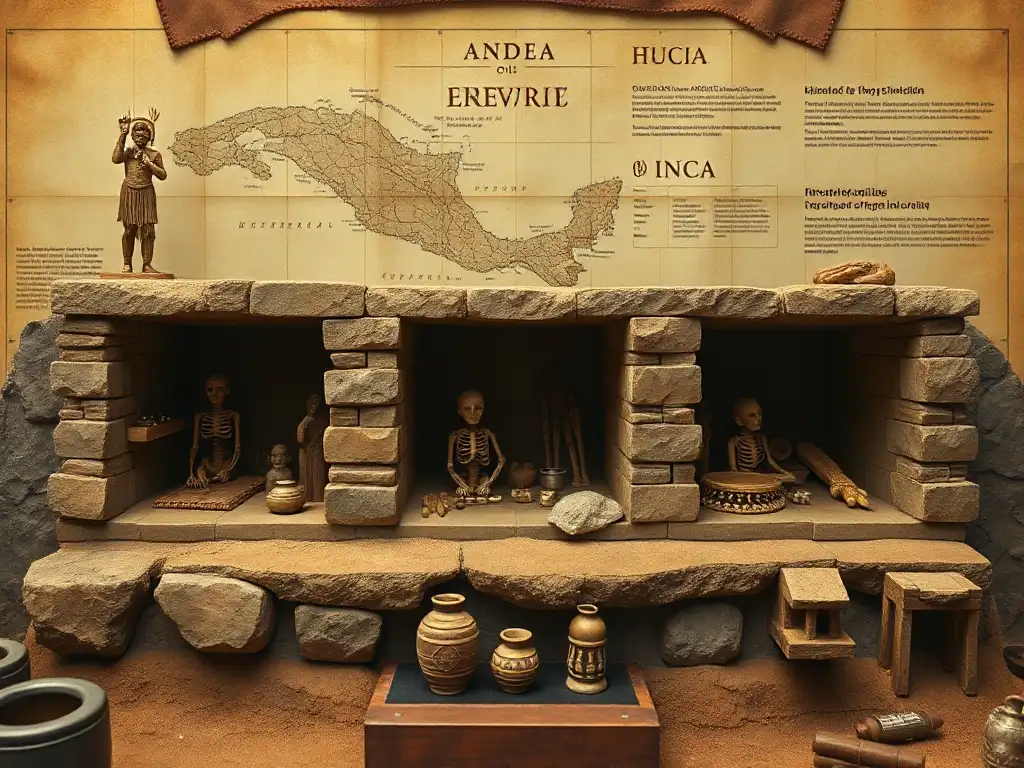
Contrasting Huari Tombs with Moche and Nazca Burials
The Huari, a powerful pre-Inca civilization, developed unique burial practices that differed significantly from their contemporaries, particularly the Moche and Nazca cultures. While the Moche are renowned for their elaborate tomb architecture and the inclusion of sacrificial offerings, including human sacrifice, and the Nazca for their complex subterranean tombs and painted ceramics reflecting their worldview, Huari burial traditions presented a distinct approach. Huari burial sites, often located in cemeteries associated with major urban centers, tend to be less ostentatious than those of the Moche, focusing less on individual grandeur and more on collective interment. Instead of elaborate individual tombs, Huari cemeteries often feature multiple simple, often rectangular pits containing multiple individuals, sometimes with minimal grave goods.
This suggests a different social structure and emphasis on community over individual status compared to the Moche's hierarchical society reflected in their burial practices. The Nazca, while also exhibiting community-oriented burial practices, often displayed a greater level of individual distinction within these communal settings through the inclusion of specific grave goods. The relative simplicity of Huari burials, therefore, presents a compelling contrast, requiring further investigation into their societal organization and values.
Further research into the types and quantities of grave goods found in Huari tombs, compared to those of the Moche and Nazca, could reveal more nuanced differences and insights into the beliefs and social structures of these distinct Andean cultures. For instance, the presence or absence of specific artifacts, such as finely crafted textiles or metalwork, could indicate variations in social stratification within the Huari society, even in the context of seemingly simple burials. Analysis of skeletal remains also offers valuable insights into the health, diet, and life expectancy of Huari individuals, potentially revealing further distinctions from their coastal neighbors.
The Influence of Huari Burial Practices on Inca Civilization
The Huari's influence extended significantly beyond their own lifespan, leaving an indelible mark on subsequent Andean cultures, most notably the Inca. While the Inca developed their own elaborate burial customs, characterized by elaborate tombs for elites and mummification practices, the legacy of Huari burial traditions can be seen in certain aspects of Inca funerary practices. Specifically, the emphasis on collective burials within Inca cemeteries, albeit on a larger and often more organized scale, echoes the Huari preference for communal interment.
The Inca's practice of placing multiple individuals, often family members, within a single tomb, reflects a continuity with the Huari approach, indicating the persistence of communal values in Andean burial traditions. However, the Inca's hierarchical social structure is clearly reflected in the vastly different treatment of elite versus commoner burials, a distinction less pronounced in known Huari burial sites. This suggests that while the Inca adopted some aspects of Huari burial practices, they adapted and reinterpreted them within the context of their own highly stratified society.
Further research is needed to definitively establish the extent of Huari influence on Inca burial practices, including a comparative analysis of the types and quantities of grave goods, the spatial arrangement of tombs within cemeteries, and the mortuary rituals associated with each culture. Analyzing the archaeological record for stylistic similarities in pottery, textiles, and other grave goods would also help determine the extent of cultural exchange and influence.
Huari burial traditions and the Inca society's foundations
The study of Huari burial practices offers a crucial lens through which to understand the societal foundations upon which the Inca civilization was built. The relative simplicity of many Huari burials, compared to the later Inca practices, suggests a social structure less rigidly stratified than that of the Inca. This doesn't necessarily imply a completely egalitarian society, but rather a different balance of power and social differentiation. By examining the distribution of grave goods and the arrangement of bodies within Huari tombs, archaeologists can gain valuable insights into social hierarchy and kinship structures.
The presence or absence of specific artifacts, such as fine ceramics or metalwork, can indicate social status. The arrangement of bodies, whether in family groups or individually, can provide information about kinship ties and social organization. The analysis of skeletal remains can also reveal crucial details about the health, diet, and life expectancy of the Huari population, providing a broader understanding of their living conditions and societal structures. Comparing this data with similar information from Inca burials allows for a more nuanced understanding of the evolution of Andean social structures over time.
The Huari's emphasis on communal burial, even with variations in grave goods, might reflect a sense of shared identity and community that, while adapted and transformed, contributed to the later Inca emphasis on imperial unity and collective identity. Therefore, studying Huari burial practices is not simply about understanding a past civilization; it's about uncovering fundamental aspects of Andean social evolution and the roots of the Inca empire. This understanding is crucial for a complete picture of "Huari burial practices Inca society".
Conclusion: The Enduring Legacy of Huari Burial Practices
The study of Huari burial practices offers a captivating window into the complexities of this powerful Andean civilization. By meticulously analyzing the contents of their tombs – from the elaborate grave goods to the positioning of the deceased – archaeologists continue to unravel the intricate social fabric of Huari society. The meticulous nature of these burial rituals, far from being simple funerary rites, reflect a deeply ingrained worldview and a sophisticated understanding of social hierarchy and religious beliefs.
The evidence suggests a society with strong centralized control, evident in the standardization of burial practices across vast geographical regions. However, variations within these practices also hint at regional differences and potentially diverse social strata. Further research is crucial to fully comprehend the nuances of Huari mortuary rituals and their implications for our understanding of their societal structure.
The Ongoing Importance of Archaeological Research on Huari Tombs
Archaeological research continues to be paramount in refining our understanding of Huari burial practices. New discoveries and advanced analytical techniques constantly provide fresh insights. For instance, the application of isotopic analysis to skeletal remains can reveal details about diet and mobility patterns, adding another layer to our knowledge of Huari social organization.
Similarly, the use of 3D scanning and digital modeling allows for non-destructive examination of fragile artifacts and tomb structures, preserving these invaluable resources for future generations. The ongoing excavation and analysis of Huari tombs, therefore, remains a vital endeavor, promising to further illuminate the mysteries of this fascinating civilization and its unique burial traditions.
The meticulous documentation of each find, along with advanced technological applications, is crucial for a comprehensive understanding of the intricacies of Huari culture and its place within the broader Andean context. This ongoing research is essential to refine our understanding of the Huari state's organization and its influence on subsequent Andean societies, particularly the Inca.
What Huari Graves Tell Us About Their Culture and Society
Huari graves reveal much about the culture and society of the Huari people. The presence of elaborate grave goods, such as finely crafted ceramics, textiles, and metalwork, points to a stratified society with significant social hierarchies. Individuals buried with lavish offerings likely held positions of power or prestige within the community.
Conversely, simpler burials may indicate lower social standing. The careful arrangement of bodies and grave goods within the tombs further reflects structured beliefs and rituals. Analysis of skeletal remains provides insights into health, diet, and life expectancy, painting a more complete picture of daily life within the Huari empire.
The consistent patterns observed across numerous sites suggest a degree of centralized control over religious and funerary practices, reflecting the strong administrative power of the Huari state. Moreover, the types of artifacts found within tombs, such as tools, weapons, and religious iconography, offer clues to the economic activities, warfare practices, and religious beliefs of the Huari people. The systematic study of these elements provides a nuanced understanding of their social, political, and religious life.
Huari burial practices and our understanding of Andean civilizations
The study of Huari burial practices significantly enhances our understanding of Andean civilizations as a whole. Huari's influence on subsequent Andean cultures, particularly the Inca, is undeniable. Many aspects of Inca mortuary practices, such as the importance of ancestor veneration and the use of elaborate grave goods, show clear parallels with Huari traditions.
Understanding the Huari system allows us to better interpret the later Inca practices and to appreciate the continuity and change in Andean funerary rituals over time. By comparing and contrasting Huari burial practices with those of other Andean societies, such as the Moche and Nazca, we can identify both unique characteristics and shared cultural traits. This comparative approach helps us trace the evolution of Andean mortuary traditions and understand the broader cultural and social processes that shaped these societies.
The meticulous study of Huari burial practices provides a crucial framework for interpreting the rich tapestry of Andean civilizations, enriching our understanding of their history, beliefs, and social structures. The careful consideration of these practices, in relation to other Andean cultures, contributes significantly to the broader narrative of Andean history and the development of complex societies in the region. The keyword "Huari burial practices Inca society" accurately reflects the importance of this research in illuminating the connections between these two significant Andean civilizations.
Frequently Asked Questions
What were the Huari people's burial practices like?
Huari burial practices varied, but often involved elaborate tombs containing grave goods reflecting the deceased's status. Simple burials were also common, suggesting a stratified society.
How did Huari burial practices compare to those of the Inca?
While both cultures practiced burial with grave goods, Inca practices were often more grandiose and centralized, reflecting their vast empire. Huari burial sites were more dispersed, reflecting a different societal structure.
What kind of grave goods were typically found in Huari tombs?
Ceramics, textiles, and tools were common grave goods, reflecting the deceased's social standing and daily life. The presence or absence of specific items helps archaeologists understand social hierarchies.
The variation in burial complexity and grave goods strongly suggests a hierarchical social structure within Huari society, with elites receiving elaborate burials.
How do Huari burial practices help us understand their relationship with other Andean civilizations?
Analyzing Huari burial practices in comparison to those of neighboring cultures, such as the Tiahuanaco, helps archaeologists understand interactions and potential influences between these groups.
Final Reflection: Unearthing Huari Society Through Their Tombs
The meticulous study of Huari burial practices offers a powerful lens through which we can not only understand their past but also gain valuable insights into the complexities of societal organization and belief systems, directly impacting our understanding of pre-Columbian Andean civilizations. The intricate details revealed within these tombs – from the grave goods to the positioning of the bodies – continue to challenge and refine our understanding of the Huari state's power structure and its impact on the broader Andean landscape.
The enduring legacy of the Huari people is profoundly shaped by their mortuary rituals, a testament to the importance they placed on the afterlife and the preservation of their cultural identity. Their elaborate burial practices, far from being mere funerary rites, served as powerful statements of social status, religious beliefs, and political control. The dead are never truly gone, but continue to live on in the memories and actions of the living.
This sentiment, though not explicitly Huari, resonates deeply with the meticulous care and resources invested in their burial sites, suggesting a vibrant connection between the living and the deceased that continues to inform our understanding of their society.
Consider the implications of these findings. What can you glean from the meticulous attention to detail evident in Huari tombs? How does understanding their burial practices reshape your perception of their society and its place within the broader tapestry of Andean history? Let the echoes of the past inspire you to delve deeper into the rich history of the Andes, to appreciate the complexity of ancient cultures, and to recognize the enduring power of their legacies. Embrace the opportunity to learn from these ancient voices, and let their stories enrich your own understanding of the human experience.
**Unveil the Secrets of Huari Society! **
Thank you for exploring the fascinating world of Huari burial practices! Your investigation of their tombs has provided valuable insights into this remarkable civilization's worldview and understanding of life and death. Now, let's build on this knowledge and make a real impact.
Here are some ways you can engage further with this captivating subject:
- **Join a local archaeology group or online forum** dedicated to Andean civilizations. Sharing your discoveries can lead to stimulating discussions and collaborative learning.
- **Visit a museum** with a strong collection of Andean artifacts. Share your favorite discoveries on social media to inspire others with the rich history of these ancient practices.
- Keep a **personal journal** to reflect on how cultural practices shape societal values. Consider the insights you've gained from studying Huari tombs regarding their perspectives on life and death.
Which aspect of Huari burial practices most resonates with you, and how do you believe it reflects the values of their society? We'd love to hear your thoughts in the comments below!