
Pizarro's Gamble: How a Handful of Spaniards Brought Down an Empire

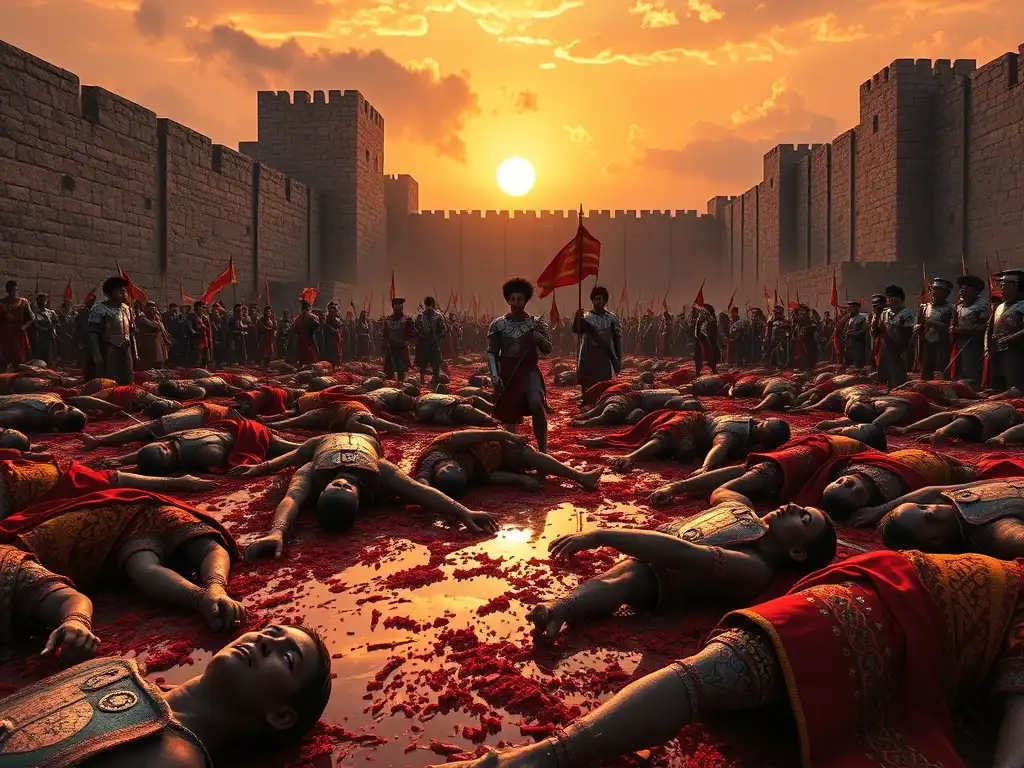
Step into a world lost to time, yet echoing with the grandeur of empires. Imagine a civilization stretching across the Andes, a tapestry woven with intricate artistry, ingenious engineering, and a rich spiritual heritage. But what happened when this powerful world collided with the ambition of Francisco Pizarro? Discover the shocking truth behind Pizarro's conquest of the Inca Empire – a gamble that reshaped the course of history. Dive in and uncover the secrets of this dramatic clash of cultures.
- Pizarro's Conquest of the Inca Empire: A Gamble That Changed History
- The Initial Encounters: Pizarro's First Steps in the Andes
- The Battle of Cajamarca: A Decisive Victory for Pizarro
- The Aftermath of Cajamarca: Consolidating Spanish Power
- The Fall of the Inca Empire: Beyond the Battlefields
- Legacy of the Conquest: Examining Pizarro's Impact
- Frequently Asked Questions
- Final Reflection: The Enduring Legacy of Conquest
- Unveil the Secrets of History's Boldest Conquests!
Pizarro's Conquest of the Inca Empire: A Gamble That Changed History
The conquest of the Inca Empire by Francisco Pizarro remains one of history's most dramatic and consequential events. This seemingly improbable feat, achieved by a relatively small band of Spanish conquistadors against a vast and powerful empire, was a gamble of immense proportions – a calculated risk fueled by ambition, greed, and a potent cocktail of military and technological advantages.
This article delves into the multifaceted factors that contributed to Pizarro's success, exploring the pre-conquest political landscape of the Inca Empire, the internal vulnerabilities that facilitated the Spanish advance, and the strategic brilliance (and brutality) that characterized Pizarro's campaign. Understanding Pizarro's conquest is not merely a study of military tactics; it's a crucial examination of the complex interplay of cultural clash, political maneuvering, and sheer audacity that irrevocably altered the course of South American history.
We will analyze the conquest through the lens of "Pizarro's conquest of the Inca Empire," examining the key elements that led to the downfall of a civilization that once dominated the Andes.
The Pre-Conquest Landscape: Setting the Stage for Pizarro's Arrival
The Andes Mountains, a formidable natural barrier, cradled a civilization of remarkable ingenuity and complexity. Long before Pizarro's arrival, the Inca Empire had consolidated its power through a sophisticated system of governance, infrastructure, and military might. However, this seemingly impenetrable empire was not without its cracks.
The Inca road system, while impressive, also facilitated the rapid spread of disease, a factor that would play a devastating role in the Spanish conquest. Furthermore, the Inca Empire's expansionist policies had created resentment among conquered populations, laying the groundwork for potential alliances with the incoming Spaniards. The empire’s vast size also presented significant logistical challenges in terms of communication and resource management, vulnerabilities that Pizarro skillfully exploited.
The pre-conquest landscape was not simply a physical terrain but a complex tapestry of political alliances, social structures, and environmental factors that shaped the events to come. Understanding this context is essential to grasping the full implications of Pizarro's seemingly improbable victory.
The Inca Empire Before the Spanish: Power and Instability
While the Inca Empire projected an image of immense power and stability, the reality was more nuanced. Emperor Huayna Capac's death in 1527, possibly from smallpox, triggered a brutal civil war between his sons, Huáscar and Atahualpa. This conflict dramatically weakened the empire, leaving it vulnerable to external threats. The ensuing power struggle fractured the Inca army and divided loyalties, creating a power vacuum that Pizarro deftly manipulated.
The war not only depleted the Inca military strength but also disrupted vital administrative systems and communication networks, hindering the empire's ability to mount an effective defense against the Spanish. The internal strife within the Inca royal family thus served as a crucial catalyst for Pizarro's conquest, highlighting the fragility beneath the empire's outwardly imposing façade. The meticulous planning and strategic exploitation of this internal conflict were key to Pizarro's success.
The Rise of Francisco Pizarro: Ambition and Opportunity
Francisco Pizarro was not just a fortunate conquistador; he was a shrewd strategist with an unwavering ambition. His relentless pursuit of wealth and glory, combined with his understanding of the political landscape and his willingness to employ ruthless tactics, set the stage for his audacious conquest. Pizarro's earlier experiences in the Caribbean and Panama provided him with invaluable knowledge of indigenous populations and the dynamics of colonial warfare.
He meticulously planned his expeditions, carefully studying the Inca Empire's weaknesses and leveraging existing rivalries to his advantage. His ability to forge alliances with indigenous groups who resented Inca rule proved instrumental in his success.
Pizarro's ambition, coupled with his strategic acumen and ruthless pragmatism, transformed a seemingly impossible challenge into a reality, permanently altering the course of Andean history. The story of Pizarro is a stark reminder of the human capacity for both ambition and cruelty, aspects inextricably intertwined in the narrative of the Inca Empire's fall.
The Initial Encounters: Pizarro's First Steps in the Andes
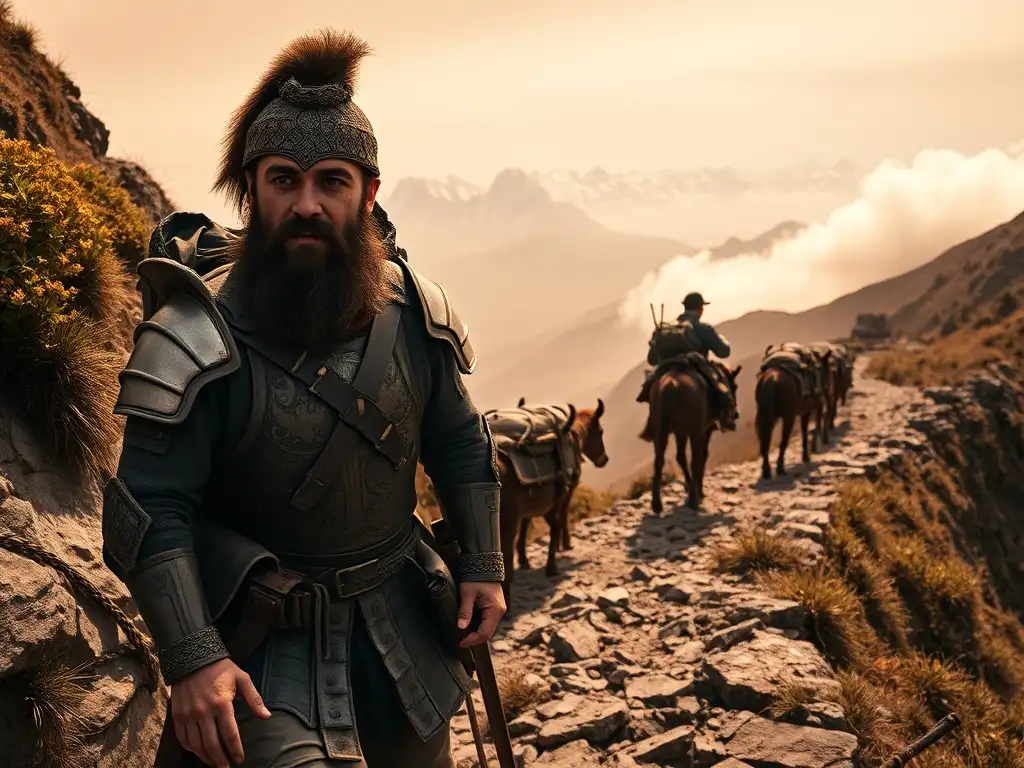
This section delves into the crucial initial encounters that set the stage for Pizarro's conquest, focusing on the expedition's logistical challenges, the strategic assessment of the Inca Empire, and the events leading to the capture of Atahualpa. Understanding these early interactions is critical to grasping the full scope of Pizarro's audacious gamble and its devastating consequences for the Inca civilization.
The narrative emphasizes the disparity in forces, the exploitation of internal Inca conflicts, and the role of chance in shaping the course of history. Pizarro’s success wasn't solely due to military prowess; it was a complex interplay of factors that allowed a small band of conquistadors to overcome a vastly larger empire.
Pizarro's Expedition to South America: The Allure of Gold and Glory
Pizarro's expedition, fueled by the insatiable thirst for gold and the promise of glory, faced immense hardships. The journey across the treacherous Pacific Ocean was fraught with peril, testing the limits of the men and their supplies. Disease, starvation, and mutiny threatened to derail the expedition before it even reached the Inca Empire.
Despite these setbacks, the lure of untold riches and the ambition to conquer a powerful empire propelled Pizarro and his men forward. The initial reports of the Inca's wealth, gleaned from earlier explorations, significantly boosted their resolve, painting a picture of an empire ripe for the taking. This initial phase underscores the crucial role of ambition and the allure of wealth in motivating the conquest, highlighting the human cost and the inherent risks involved in such a daring endeavor.
The meticulous planning, though limited by the available knowledge of the time, demonstrates a level of strategic foresight that ultimately contributed to their success. It was a calculated risk, a gamble on a scale rarely seen in history.
Early Contact with the Inca: Assessing the Empire's Weaknesses
Upon reaching the Inca Empire, Pizarro and his men astutely observed and exploited existing weaknesses within the Inca political structure. The recent death of Huayna Capac and the ensuing succession crisis between Huáscar and Atahualpa had severely weakened the empire, fracturing its unity and military strength. This internal conflict, characterized by a brutal civil war, significantly hampered the Inca's ability to mount a unified defense against the invading Spaniards. Pizarro, a shrewd observer of political dynamics, recognized and leveraged this vulnerability.
He skillfully played upon existing tensions, forging alliances with factions opposed to Atahualpa, effectively turning Inca against Inca. The Spaniards’ superior weaponry played a role, but their success was heavily reliant on their ability to capitalize on the already existing instability. The initial encounters weren't merely skirmishes; they were carefully calculated moves designed to sow discord and weaken the Inca resistance before major confrontations.
The Capture of Atahualpa: A Turning Point in the Conquest
The capture of Atahualpa at Cajamarca in 1532 marks a pivotal moment in Pizarro's conquest. The element of surprise, combined with superior weaponry and the Inca's initial reluctance to engage in open warfare, allowed a small force of Spaniards to overwhelm the Inca army.
This seemingly improbable victory, often described as a massacre, effectively shattered the Inca's confidence and severely crippled their ability to resist further Spanish advances. The capture of the Sapa Inca was not just a military victory; it was a symbolic triumph, signifying the collapse of the Inca's authority and paving the way for the complete subjugation of the empire.
The subsequent events, including the ransoming of Atahualpa and his eventual execution, cemented Spanish dominance and set the stage for the systematic dismantling of the Inca Empire. This event highlights the devastating consequences of a strategic miscalculation by the Inca leadership and the decisive role of chance, alongside the Spanish military advantage, in shaping the outcome of the conquest.
The Battle of Cajamarca: A Decisive Victory for Pizarro
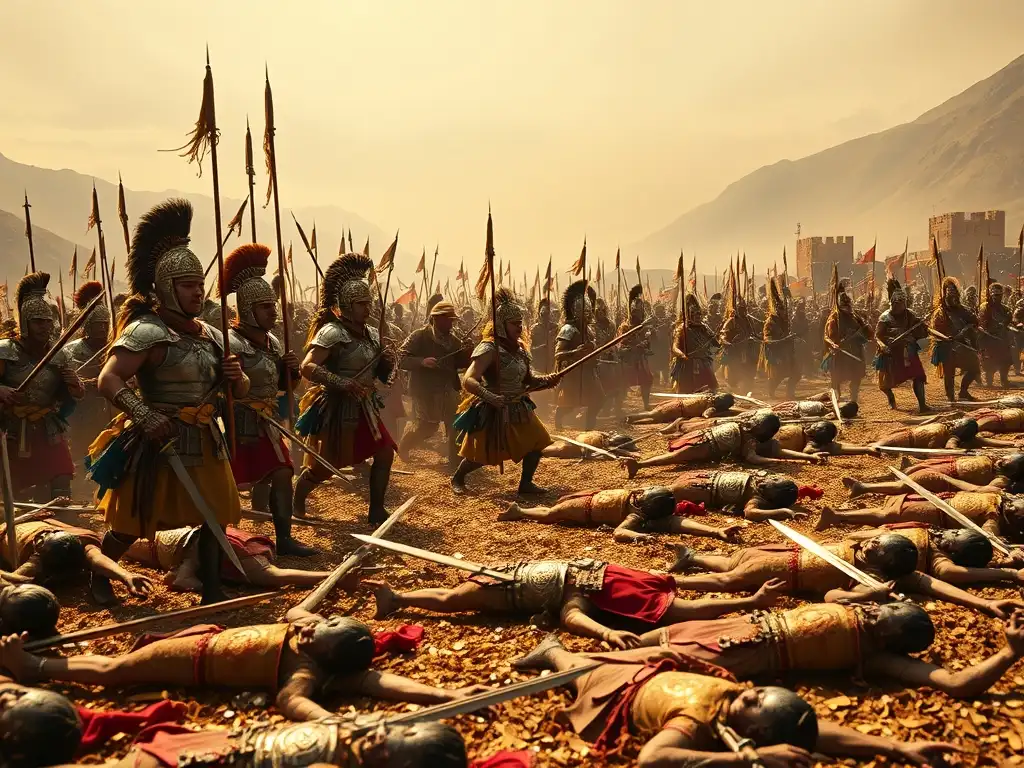
The Battle of Cajamarca, fought on November 16, 1532, wasn't a battle in the traditional sense. It was a meticulously planned ambush, a masterful display of deception and brutality that marked a turning point in Pizarro's conquest of the Inca Empire. It showcased the devastating effectiveness of Spanish military technology and tactics against a vastly superior Inca army, highlighting the vulnerability of the empire despite its size and apparent strength. The outcome irrevocably altered the course of Andean history. The clash wasn't a fair fight; it was a strategic massacre.
The Deception at Cajamarca: Pizarro's Trap for Atahualpa
Pizarro's success hinged on a calculated deception. He lured Atahualpa, the powerful Inca emperor, to Cajamarca under the guise of a peaceful meeting. The Spanish, numbering only around 168 soldiers, strategically positioned themselves within the narrow confines of the city's plaza. They concealed their cavalry and artillery, creating a false sense of security.
Atahualpa, accustomed to displays of imperial power and unaware of the Spanish weaponry, arrived with a large, unarmed retinue, believing himself to be meeting with equals. This calculated misdirection, a hallmark of Pizarro's cunning strategy, was crucial to the battle's outcome. The element of surprise, meticulously planned and flawlessly executed, completely neutralized the Inca's numerical advantage. The initial encounter was a carefully orchestrated trap, a decisive move in the larger strategy of Pizarro's conquest of the Inca Empire.
The Imprisonment of the Inca Emperor: A Strategic Move
The capture of Atahualpa wasn't merely an act of aggression; it was a calculated strategic move. The seizure of the Inca emperor immediately crippled the Inca's command structure and sowed chaos throughout the empire. With Atahualpa imprisoned, the Inca army, lacking clear leadership, was rendered ineffective. The subsequent civil war within the Inca Empire, triggered by Atahualpa's capture, further weakened the empire's ability to resist the Spanish advance.
This strategic move, seizing the head of the snake, effectively paralyzed the Inca Empire, paving the way for the Spanish conquest. The ramifications of this single act reverberated throughout the Andean world, profoundly impacting the future of the region. The imprisonment of Atahualpa was a key element in Pizarro's conquest of the Inca Empire, dismantling the empire from within.
The Massacre at Cajamarca: The Brutality of the Conquest
The ensuing massacre at Cajamarca was a brutal display of Spanish military might. The concealed Spanish forces unleashed a devastating barrage of gunfire and sword attacks upon the unsuspecting Inca. Horses, a novel and terrifying sight to the Inca, charged into the throngs of unarmed civilians, adding to the carnage.
The sheer brutality of the attack, coupled with the superior weaponry of the Spanish, resulted in a slaughter of thousands of Inca nobles and soldiers. This act of violence, a stark example of the conquest's cruelty, served as a chilling demonstration of Spanish power, effectively breaking the Inca's will to resist. The event became a symbol of the brutality inherent in Pizarro's conquest of the Inca Empire, forever staining the history of the conquest.
The sheer number of casualties remains a subject of debate among historians, but the scale of the massacre is undeniable. The battle's aftermath effectively sealed the fate of the Inca Empire.
The Aftermath of Cajamarca: Consolidating Spanish Power
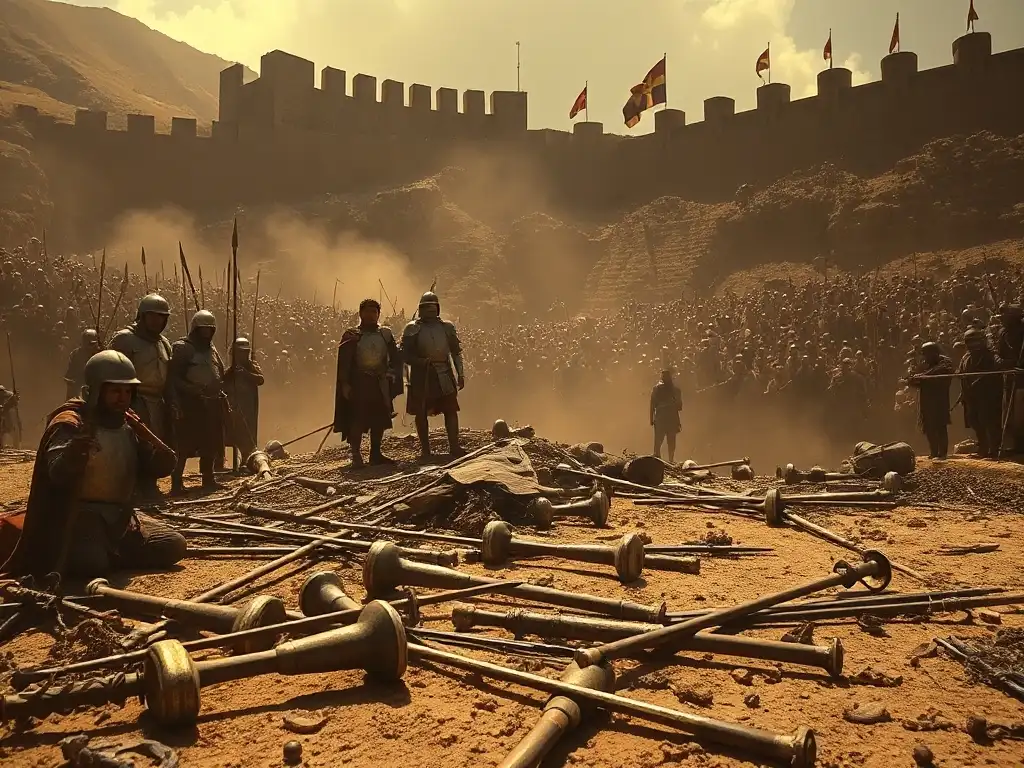
The capture of Atahualpa at Cajamarca in 1532 was not merely a military victory; it was a strategic masterstroke that irrevocably altered the course of Andean history. Pizarro's audacious gamble, relying on superior weaponry and the element of surprise, had yielded control over the Inca emperor, the linchpin of the vast empire. However, securing this control was only the first step in a long and arduous process of conquering and subjugating the Inca population.
The immediate aftermath of Cajamarca saw the Spanish grapple with the complexities of governing a conquered empire, a task far more challenging than the initial battle itself. The sheer size and complexity of the Inca administrative system, coupled with the widespread unrest among the conquered population, presented significant hurdles for the small Spanish force. The initial euphoria of victory quickly gave way to the harsh realities of maintaining power in a hostile environment.
The Spanish were outnumbered significantly, and the Inca resistance, though initially disorganized, was far from extinguished. Their success hinged on exploiting existing internal divisions within the Inca Empire, a strategy they would refine and utilize in the years to come. The next phase of Pizarro's conquest demanded shrewd political maneuvering as much as military prowess.
Atahualpa's Ransom: A Failed Attempt to Buy Freedom
Atahualpa, initially believing he could negotiate his release, offered an immense ransom: a room filled with gold and twice its volume with silver. This staggering amount, a testament to the Inca's wealth and Atahualpa's desperation, was diligently collected by his loyal subjects. The sheer quantity of precious metals gathered – historians estimate it to be worth billions of dollars in today's value – underscores the Inca Empire's economic might.
However, even this enormous ransom proved insufficient to secure Atahualpa's freedom. The Spanish, despite receiving the gold and silver, were never truly satisfied. Rumors of further hidden treasures, coupled with their growing ambition and the increasingly apparent strategic value of controlling Atahualpa himself, led to a tragic conclusion.
The sheer volume of gold and silver transported – imagine mountains of it, painstakingly gathered and transported to Cajamarca – highlights the immense wealth of the Inca empire and underscores the scale of Pizarro's plunder. This event cemented the Spanish's ruthless approach and underscored the inherent inequality in power dynamics. The ransom, ultimately, became a symbol of the Inca’s desperate attempt to preserve their autonomy, and the Spanish's unwavering greed.
The Execution of Atahualpa: The End of an Era
Despite fulfilling his side of the bargain, Atahualpa was ultimately executed in July 1533. The official reason cited was conspiracy and rebellion, a convenient justification for eliminating a powerful and potentially dangerous adversary. However, the execution served multiple purposes for the Spanish: it eliminated a legitimate ruler, further destabilizing the Inca Empire, and sent a chilling message to any potential resistance.
Atahualpa's death marked a turning point in Pizarro's conquest. The elimination of the Inca emperor provided a strategic advantage to the Spanish, allowing them to manipulate the succession crisis that ensued. The power vacuum created by his death weakened the Inca's ability to mount a unified resistance.
The execution, a brutal act, forever etched itself into the narrative of Pizarro's conquest of the Inca Empire. The aftermath witnessed a period of intense power struggles among rival Inca factions, a chaos which the Spanish expertly exploited to their advantage. The event symbolizes not only the end of Atahualpa’s life but the beginning of the systematic dismantling of the Inca Empire.
The Spanish Advance Towards Cusco: Securing the Inca Capital
Following Atahualpa's execution, the Spanish, under Pizarro’s leadership, embarked on a campaign to secure Cusco, the Inca capital. This journey involved navigating treacherous terrain, overcoming Inca resistance, and skillfully exploiting the internal divisions within the Inca leadership. The march to Cusco was not a swift, decisive victory but a prolonged and arduous campaign, characterized by strategic alliances, tactical maneuvers, and brutal warfare.
The Spanish faced numerous challenges, including ambushes, guerilla warfare, and the logistical difficulties of supplying a relatively small army in a vast and unfamiliar territory. The conquest of Cusco was not solely a military achievement but also a triumph of political strategy. The Spanish successfully manipulated rival Inca factions, playing them against each other to minimize resistance and maximize their own gains.
The eventual capture of Cusco in November 1533 marked a significant turning point in Pizarro's conquest, solidifying Spanish control over the heartland of the Inca Empire and paving the way for further expansion and colonization. The securing of Cusco represented a definitive shift in the balance of power, marking a critical phase in the complete subjugation of the Inca civilization. This strategic victory laid the groundwork for the long-term Spanish dominance in the Andes, transforming the region's political and social landscape irrevocably.
The Fall of the Inca Empire: Beyond the Battlefields
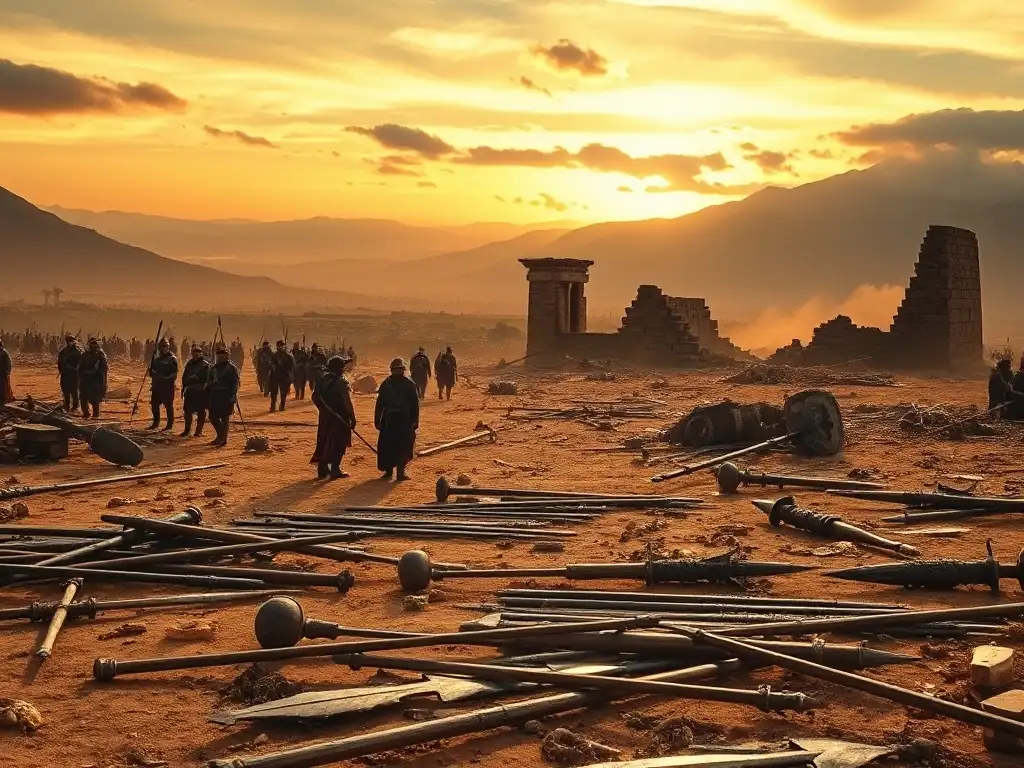
The narrative of Pizarro's conquest of the Inca Empire often focuses on the dramatic battles and strategic maneuvers of the Spanish conquistadors. However, a complete understanding of this pivotal historical event necessitates examining the factors that weakened the Inca Empire from within, paving the way for its relatively swift downfall.
Pizarro's victory wasn't solely a testament to Spanish military prowess; it was a consequence of a confluence of factors, including internal strife, disease, and a complex interplay of political and social dynamics. Understanding these internal vulnerabilities is crucial to appreciating the full scope of "Pizarro's conquest of the Inca Empire."
Inca Resistance and Internal Conflicts: A Divided Empire
The Inca Empire, at the time of Pizarro's arrival, was far from unified. The death of Huayna Capac in 1527, followed by the death of his heir Ninan Cuyochi, plunged the empire into a brutal civil war between Huáscar and Atahualpa, his half-brothers. This fratricidal conflict significantly weakened the empire's military strength and its administrative capacity.
Resources were diverted to the civil war, leaving the empire vulnerable to external threats. The conflict also eroded the loyalty of various provincial governors and nobles, who switched allegiances based on perceived advantage. This internal fracturing, arguably more than Spanish weaponry, contributed to the rapid collapse of the Inca Empire following Pizarro's initial encounters.
The Inca's sophisticated system of mit'a labor, normally a source of strength, became a liability as it was disrupted by the war, hindering the empire's ability to rebuild its infrastructure and mobilize its forces effectively. The resulting chaos and power vacuum were exploited masterfully by Pizarro and his men. Estimates suggest that the Inca army, once a formidable force, was severely depleted and demoralized by the time Pizarro arrived, making them ill-prepared to confront a technologically superior, albeit numerically inferior, enemy.
The Role of Disease in the Conquest: A Silent Killer
The impact of Old World diseases on the indigenous populations of the Americas is well-documented. In the case of Pizarro's conquest of the Inca Empire, the devastating effects of smallpox, measles, and other infectious diseases played a crucial, often overlooked, role. These diseases, introduced by the Spanish, decimated the Inca population, weakening their ability to resist the conquistadors.
The Inca had no immunity to these diseases, leading to widespread mortality amongst the population, including many of their leaders. This demographic catastrophe disrupted the social fabric of the empire, crippling its workforce and its military capacity. Some historians argue that the diseases were a more significant factor in the conquest than the Spanish military might itself.
The sheer number of deaths caused by these diseases created a power vacuum that Pizarro and his men skillfully exploited. The weakened state of the Inca population made it far easier for the Spanish to conquer and control the territory. The devastating impact of these diseases is often underestimated in narratives focusing solely on military engagements, yet its contribution to the "Pizarro's conquest of the Inca Empire" is undeniable.
The Long-Term Impact of Pizarro's Conquest: Cultural Transformation
Pizarro's conquest of the Inca Empire wasn't merely a military victory; it marked a profound and lasting cultural transformation. The Spanish conquest led to the destruction of Inca institutions, the suppression of Inca religion and traditions, and the imposition of Spanish language, culture, and social structures. The introduction of Christianity, for example, dramatically altered the religious landscape, replacing the complex Inca pantheon with a new belief system.
The mita system, though adapted, was exploited by the Spanish to extract labor for their benefit, leading to severe exploitation and ultimately shaping the economic and social structures of the region for centuries. The conquest also led to the widespread destruction of Inca artifacts and knowledge, resulting in an irreplaceable loss of cultural heritage.
The Spanish colonization that followed Pizarro's victory fundamentally altered the course of Andean history, leaving a legacy of profound cultural change that continues to resonate even today. This lasting impact underscores the long-term consequences of "Pizarro's conquest of the Inca Empire," extending far beyond the immediate military conflict.
Legacy of the Conquest: Examining Pizarro's Impact
The conquest of the Inca Empire by Francisco Pizarro remains a pivotal moment in world history, a dramatic clash of civilizations that irrevocably altered the course of South America. Pizarro's "victory," however, was far from a simple military triumph. It was a complex interplay of military might, political maneuvering, disease, and cultural misunderstandings that resulted in the toppling of a sophisticated empire and the brutal subjugation of its people.
Examining the legacy of Pizarro's conquest requires a nuanced understanding of its immediate and long-term consequences, moving beyond simplistic narratives of heroic conquest or tragic defeat. Understanding Pizarro's conquest of the Inca Empire necessitates analyzing its multifaceted impact on Andean societies and the enduring questions it raises about power, colonialism, and the interpretation of history.
The Legacy of Francisco Pizarro: Conqueror or Destroyer?
Francisco Pizarro's name is inextricably linked with the downfall of the Inca Empire. While often portrayed as a ruthless conquistador driven by greed, a closer examination reveals a more complex figure. He was a shrewd strategist, exploiting internal Inca conflicts and leveraging superior weaponry and tactics. However, his actions also resulted in widespread death, destruction, and the dismantling of a highly organized society.
Was he a brilliant military leader who seized a strategic opportunity, or a brutal agent of colonial expansion? The answer likely lies somewhere in between. His ambition, undeniably, fueled his actions, but the context of the time, including the prevalence of disease and the existing tensions within the Inca Empire itself, cannot be ignored.
The decimation of the Inca population through warfare and disease, coupled with the imposition of Spanish rule, fundamentally reshaped the social and political landscape of the Andes. The debate continues to rage: was Pizarro a conqueror or a destroyer? The evidence strongly suggests a combination of both, a legacy forever stained by the violence and disruption he inflicted.
The Enduring Impact on Andean Societies: Cultural and Political Shifts
The conquest's impact resonated deeply within Andean societies, causing profound and lasting changes. The Inca's centralized political system was shattered, replaced by a Spanish colonial administration that imposed its own laws, customs, and social hierarchy. Traditional forms of governance and land ownership were dismantled, leading to significant social upheaval.
The introduction of new diseases, such as smallpox and measles, devastated the indigenous population, causing a dramatic decline in numbers and further destabilizing society. This demographic collapse had a profound and lasting impact on Andean culture, leading to the loss of knowledge, traditions, and languages. The imposition of Christianity also led to the suppression of Inca religion and beliefs, although syncretism – the blending of indigenous and Christian beliefs – became a common survival strategy.
The introduction of new crops and livestock, along with the exploitation of Andean resources for the benefit of the Spanish crown, further transformed the economic landscape. This period marked not only the end of Inca rule but the beginning of a long and complex process of cultural transformation and adaptation in the Andes. The legacy of Pizarro's conquest of the Inca Empire is still felt in the region's cultural and political structures today.
The Ongoing Study of Inca History and Culture
The study of Pizarro's conquest and its aftermath continues to evolve. Historians are increasingly incorporating indigenous perspectives and challenging traditional Eurocentric narratives. Archaeological discoveries and the analysis of primary sources, such as colonial documents and indigenous oral traditions, offer new insights into the complexities of this historical period.
The ongoing research focuses on understanding the resilience of Andean cultures in the face of colonial oppression, the processes of cultural adaptation and resistance, and the enduring impact of the conquest on the region's identity and social structures. This ongoing scholarly work is essential to developing a more complete and accurate understanding of Pizarro's conquest of the Inca Empire, moving beyond simplistic narratives and embracing the complexities of this pivotal historical event.
The quest to fully understand this pivotal moment in history continues, fueled by new discoveries and a growing appreciation for the richness and resilience of Andean civilizations. The study of "Pizarro's conquest of the Inca Empire" is far from complete; it is a dynamic field of research constantly evolving and expanding our understanding of this transformative period.
Frequently Asked Questions
What advantages did Pizarro have over the Inca Empire?
Pizarro's conquest wasn't solely due to superior weaponry. Key factors included internal Inca conflicts, disease, and strategic alliances with rival groups, which significantly weakened the empire. His smaller force exploited these vulnerabilities.
How did disease contribute to the Spanish conquest?
Smallpox and other Old World diseases ravaged the Inca population, decimating their numbers and leadership before any major battles even occurred. This weakened resistance was a crucial factor in Pizarro's success.
What role did Atahualpa play in the Inca defeat?
Atahualpa's capture and subsequent execution were pivotal moments. His death created a power vacuum and further destabilized the already fractured Inca Empire, hindering its ability to resist the Spanish.
What were the long-term consequences of Pizarro's conquest?
The conquest led to the destruction of Inca culture and society, the exploitation of resources, and the introduction of new diseases and social structures. This drastically altered the course of Andean history.
Beyond military tactics, what other factors contributed to the Spanish victory?
Psychological warfare and the exploitation of existing political divisions within the Inca Empire proved just as effective as military might. The Spanish skillfully manipulated these factors to their advantage.
Final Reflection: The Enduring Legacy of Conquest
The fall of the Inca Empire remains a stark reminder of the fragility of power and the devastating consequences of unchecked ambition. Pizarro's audacious gamble, fueled by greed and a thirst for gold, irrevocably altered the course of history, leaving a legacy that continues to resonate in the social and political landscapes of South America today. The imbalance of power, the exploitation of resources, and the cultural devastation inflicted by the conquistadors serve as a cautionary tale, relevant even in our modern world grappling with issues of colonialism, inequality, and the ethical implications of power.
The impact of Pizarro's conquest extends far beyond the immediate destruction of the Inca civilization. Its ripple effects are still felt in the social structures, political systems, and cultural identities of modern-day Peru and surrounding nations. The trauma of colonization, the erasure of indigenous knowledge, and the enduring economic disparities are all direct consequences of this pivotal historical event. History does not repeat itself, but it often rhymes,
a quote often attributed to Mark Twain, perfectly encapsulates the enduring relevance of understanding Pizarro's actions and their lasting repercussions. We must learn from the past to avoid repeating its mistakes.
Consider the choices Pizarro made, the risks he took, and the devastating consequences that followed. Reflect on the power dynamics at play, the ethical implications of conquest, and the enduring legacy of colonialism. You, the reader, hold the power to shape a more just and equitable future. By understanding the past, we can better navigate the present and work towards a future where such acts of unchecked ambition and exploitation are consigned to the history books, serving as a constant reminder of the importance of empathy, understanding, and respect for all cultures.
Unveil the Secrets of History's Boldest Conquests!
Thank you for exploring the captivating story of Pizarro's conquest and discovering how a small Spanish force toppled a vast empire. Your interest in this pivotal moment in history is truly appreciated! Now, let's delve deeper into the rich tapestry of Andean history.
Here are some ways to further explore this fascinating subject:
- Expand your knowledge: Discover more about Andean civilizations through the numerous articles and resources available on our website. You'll gain a deeper understanding of their culture and historical context.
- Share your insights: Join the discussion in our comments section. Consider Pizarro's strategy: what lessons, if any, are relevant to challenges we face today?
- Experience history firsthand: Visit a local museum or library to examine artifacts and texts from this era. Bring history to life through direct engagement with the past.
What motivated Pizarro's audacious decisions, and how do you believe his actions continue to resonate in our world today?