
The Impact of Inca Agriculture on Population Growth and Expansion

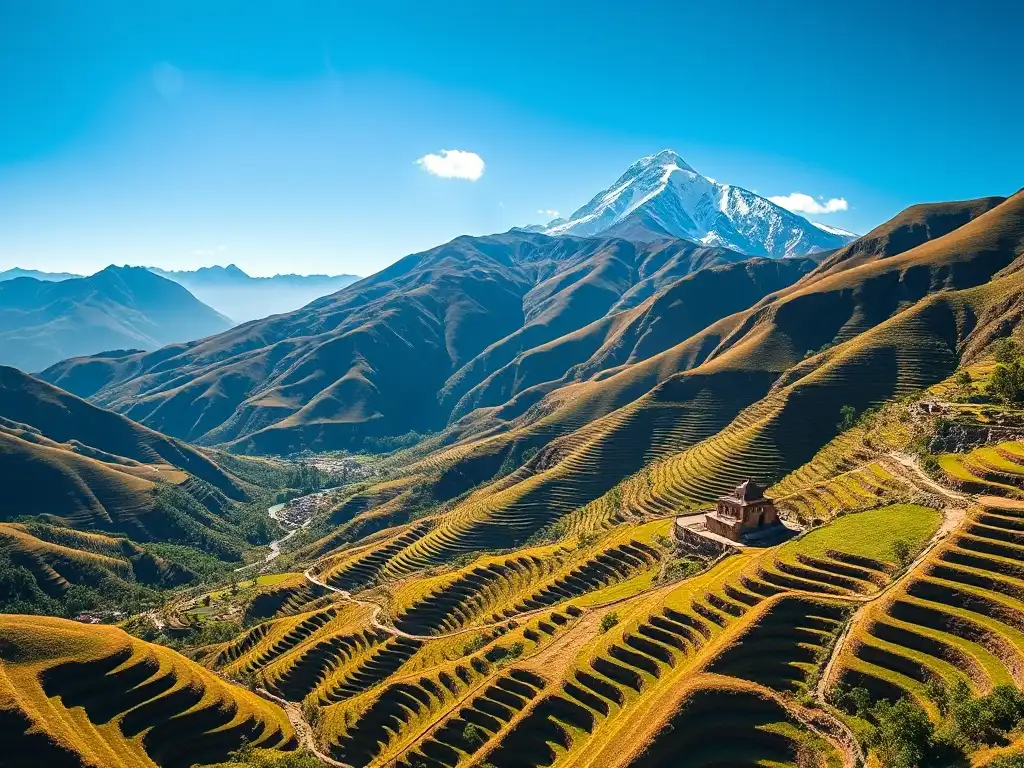
Unravel the mysteries of the Andes! Prepare to be amazed by the ingenuity of ancient civilizations that shaped a world unlike any other. For centuries, the towering peaks and fertile valleys witnessed the rise and fall of empires, none more remarkable than the Inca. But how did their mastery of Inca agricultural techniques fuel unprecedented population growth and territorial expansion? Discover the answer—and much more—as we delve into the fascinating story of the Inca Empire.
The Inca Empire, renowned for its sophisticated social structures and vast territorial reach, achieved remarkable population growth and expansion largely due to its innovative and highly efficient agricultural practices. This article will explore the crucial link between Inca agricultural techniques and the empire's demographic success, examining how the ingenuity of Inca farmers directly contributed to the sustenance and growth of a large and complex population across diverse and challenging Andean terrains. We will delve into the specific techniques employed, their impact on food production, and the resulting societal consequences, ultimately demonstrating how Inca agricultural prowess was a fundamental pillar of their empire's strength and longevity.
Understanding the intricate relationship between Inca agriculture and population growth provides a critical lens through which to appreciate the remarkable achievements of this pre-Columbian civilization and its enduring legacy. The keyword "Inca agricultural techniques population growth" will be explored throughout this article.
Introduction to Inca Agricultural Practices and Population Dynamics
The Inca Empire, at its zenith, controlled a vast territory spanning the Andes Mountains, encompassing diverse ecological zones ranging from arid coastal deserts to high-altitude alpine regions. Successfully sustaining a substantial population across such varied environments required sophisticated agricultural strategies. The Inca weren't merely farmers; they were master engineers of the landscape, employing a range of innovative techniques to maximize food production.
This included terracing on steep slopes to create level fields for cultivation, the construction of intricate irrigation systems to channel water to arid areas, and the development of waru waru raised-field agriculture in wetland regions. These techniques, coupled with a deep understanding of Andean ecosystems and crop diversification, allowed the Inca to produce surplus food, which in turn directly impacted population growth and facilitated the expansion of the empire.
The ability to feed a large and growing population was essential for supporting the empire’s vast workforce needed for construction projects, military campaigns, and administrative tasks. This surplus also allowed for the development of specialized labor, further contributing to societal complexity and growth.
Inca Farming Techniques: Foundations of a Thriving Empire
The Inca's agricultural success rested on several key techniques. Their mastery of terracing 1 allowed them to cultivate steep slopes, significantly increasing arable land. These terraces were often meticulously constructed with retaining walls made of stone, carefully designed to prevent soil erosion and to optimize water retention. Furthermore, the Inca developed sophisticated irrigation systems, diverting water from rivers and streams to irrigate fields, particularly crucial in drier regions. These systems included canals, aqueducts, and reservoirs, often built over considerable distances and demonstrating advanced engineering skills. The waru waru system, a unique form of raised-field agriculture, was employed in wetland areas. This technique involved creating raised platforms separated by canals, improving drainage and increasing soil fertility. This system allowed for year-round cultivation, even in areas prone to flooding. The Inca also practiced crop rotation and fertilization, further enhancing soil productivity and minimizing depletion. These practices, combined with their deep understanding of Andean ecosystems and diverse crops (potatoes, maize, quinoa, etc. ), ensured a reliable and abundant food supply that directly fueled population growth and the expansion of their empire. The impact of these techniques is evidenced by the substantial population densities achieved within the Inca Empire, far exceeding that of neighboring societies.
1 The construction of Inca terraces involved immense labor, demonstrating the power of the Inca state to mobilize its workforce for large-scale projects.
Terraced Farming and its Influence on Food Production
Inca agricultural techniques, particularly terraced farming, played a pivotal role in supporting the empire's substantial population growth and expansion. Terraces, carved into the steep Andean slopes, dramatically increased the amount of arable land available for cultivation. This innovative approach allowed the Incas to maximize the use of otherwise unusable terrain, transforming steep mountainsides into productive farmland.
The impact on food production was profound, providing a surplus that sustained a large and growing population. The construction itself was a remarkable feat of engineering, demonstrating a sophisticated understanding of hydrology and soil mechanics. The terraces were not simply cut into the hillside; they were meticulously designed with retaining walls built from stone, carefully graded to ensure proper drainage and water retention.
This meticulous approach minimized soil erosion and maximized crop yields, contributing significantly to the Inca Empire's success. The increased food security directly facilitated population growth by reducing the risk of famine and malnutrition.
How Terraces Expanded Cultivable Land
The ingenious system of terraced farming significantly expanded the amount of cultivable land available to the Inca. Before the implementation of terraces, much of the Andean landscape, characterized by its steep slopes and rugged terrain, was unsuitable for agriculture. The Incas, however, cleverly transformed these seemingly barren hillsides into productive farmland.
By constructing terraces, they effectively created a series of level platforms, each capable of supporting crops. This allowed them to utilize land that would have otherwise remained unproductive, leading to a substantial increase in the overall area available for food production. Estimates suggest that terraces increased arable land by a significant percentage, providing the foundation for the empire's expanding population.
The scale of this engineering achievement is truly remarkable, with some terraced areas extending for kilometers along mountain slopes. This expansion of arable land was crucial not just for feeding the growing population but also for supporting the empire's complex social and political structures.
Water Management in Inca Agriculture: Irrigation and Canals
Water management was an essential component of Inca agricultural success, closely intertwined with their terraced farming systems. The Incas developed sophisticated irrigation and canal systems to transport water from rivers and streams to their terraced fields, ensuring a consistent water supply even in arid regions. These intricate networks of canals were meticulously engineered to navigate the challenging terrain, utilizing gravity and carefully constructed channels to direct water precisely where it was needed.
The canals were often lined with stone or other materials to prevent water leakage and erosion. Moreover, the Incas implemented sophisticated water storage systems, including reservoirs and cisterns, to store water during the rainy season for use during drier periods. This ensured a reliable water supply throughout the year, safeguarding crops from drought and enhancing agricultural productivity.
The effectiveness of these water management techniques played a vital role in supporting the empire's population growth and its ability to sustain a large urban population. The ability to reliably irrigate crops in diverse environments was a key factor in the Inca Empire's success.
Crop Diversification and Adaptation in the Inca Empire
The Inca Empire's agricultural success wasn't solely dependent on innovative techniques; it also relied heavily on crop diversification and adaptation to the diverse Andean environment. The Incas cultivated a wide range of crops, each suited to specific altitudes and climates. This approach minimized the risk of crop failure due to adverse weather conditions or disease. By cultivating a variety of crops, the Incas ensured food security and nutritional diversity for their population.
Their agricultural practices were remarkably adaptable, allowing them to thrive in diverse environments ranging from arid coastal plains to high-altitude valleys. This adaptability was crucial to supporting a large and expanding population across a geographically diverse empire. The strategic cultivation of different crops in different ecological zones significantly enhanced the empire's resilience and food security.
The Importance of Maize, Potatoes, and Quinoa
Maize, potatoes, and quinoa formed the cornerstone of the Inca diet, playing a crucial role in sustaining the empire's vast population. Maize, or corn, was a staple crop, providing carbohydrates and energy. Potatoes, with their remarkable adaptability to various altitudes and climates, were widely cultivated across the Andean region, offering a versatile source of nutrients. Quinoa, a highly nutritious grain, provided essential proteins and minerals.
These three crops, along with other Andean staples, provided a balanced and nutritious diet, contributing significantly to the health and productivity of the Inca population. The abundance of these crops, facilitated by advanced agricultural techniques, supported the population growth and the empire's overall prosperity. The successful cultivation of these crops on a massive scale was a testament to the Incas' agricultural ingenuity and organizational prowess.
Vertical Archipelago and Access to Diverse Resources
The Inca Empire's unique geography, often described as a "vertical archipelago," allowed them to access a diverse range of resources and microclimates. This verticality, with its varying altitudes and corresponding climates, enabled the Incas to cultivate a wide array of crops, each adapted to its specific environment. They strategically utilized different altitudes for different crops, maximizing agricultural productivity and minimizing risk.
This system of vertical agriculture ensured a year-round supply of fresh produce, contributing to food security and population growth. The efficient management of this diverse agricultural system demonstrates the Incas' sophisticated understanding of their environment and their ability to harness its resources to support their expanding empire.
This sophisticated system allowed for the successful cultivation of a wide variety of crops, which in turn supported a large and diverse population. The "vertical archipelago" concept is key to understanding the success of Inca agricultural practices and their contribution to population growth.
Inca Agricultural Innovations and Their Impact on Food Surplus
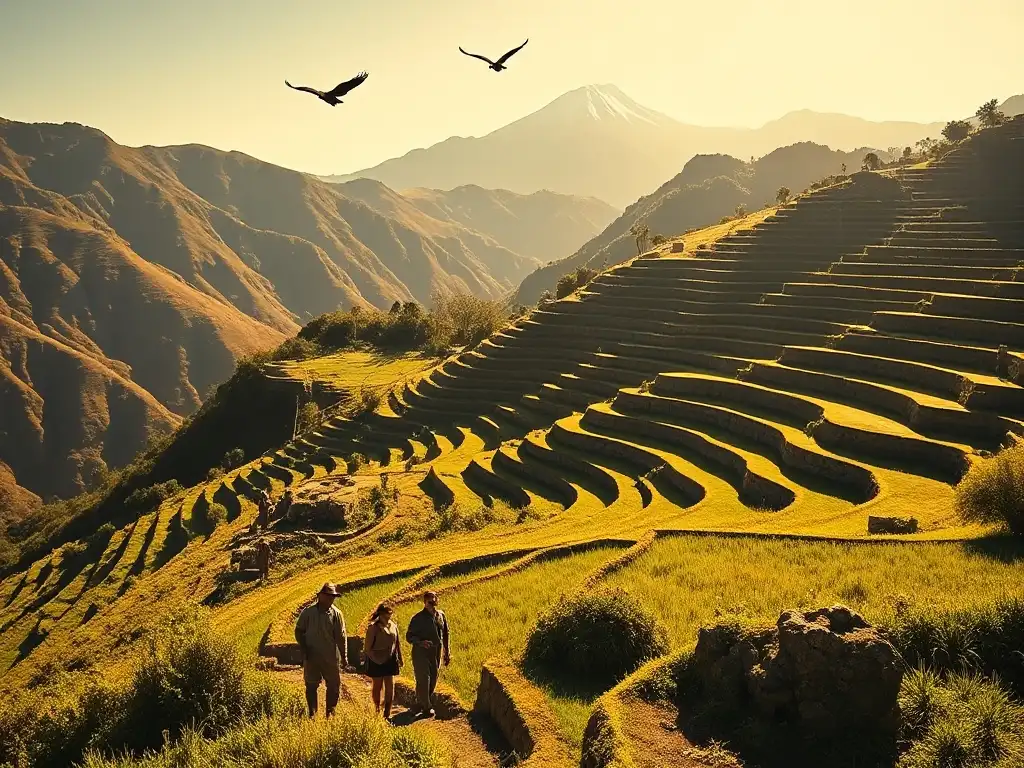
The Inca Empire's remarkable expansion and population growth were significantly fueled by advancements in agricultural techniques. Unlike many other ancient civilizations reliant on unpredictable rainfall, the Inca developed sophisticated irrigation systems, terracing techniques, and crop diversification strategies that ensured a relatively stable and abundant food supply. Their mastery of water management, particularly in arid and mountainous regions, allowed them to cultivate previously unusable land.
This is evidenced by the extensive networks of canals and aqueducts that crisscrossed the Andes, channeling water to fields at varying altitudes. The ingenious use of andenes (terraces) not only increased arable land but also reduced soil erosion and improved water retention. Furthermore, the Inca weren't reliant on a single crop.
They cultivated a wide variety of potatoes, maize, quinoa, beans, and other crops, minimizing the risk of widespread crop failure due to disease or adverse weather conditions. This diversification, coupled with efficient farming practices, resulted in significant food surpluses, providing the foundation for population growth and the empire's expansion. The surplus also allowed for the development of specialized labor and the support of a large administrative class, further contributing to the empire's strength and stability.
Storage Systems and Food Security in the Andes
A crucial element of Inca agricultural success was their sophisticated system of food storage. The qollqas, strategically located throughout the empire, were large, carefully constructed stone structures designed to preserve agricultural surpluses. These warehouses were not only effective in preventing spoilage but also played a vital role in managing food distribution during times of scarcity.
The Inca's meticulous record-keeping system ensured that the qollqas were efficiently stocked and that food was distributed equitably across the empire. This sophisticated system provided a buffer against crop failures and natural disasters, ensuring food security for the population and preventing widespread famine.
The effectiveness of the qollqas is evidenced by the empire's ability to withstand periods of drought and other environmental challenges, maintaining stability and preventing major disruptions to population growth. The design of the qollqas, incorporating ventilation and temperature control techniques, demonstrates the Inca's advanced understanding of food preservation and their commitment to long-term food security.
Labor Organization and Communal Farming Practices
The Inca's success in agriculture was not solely due to technological innovation but also to their highly organized and efficient labor system. The mita system, a form of obligatory labor, played a crucial role in large-scale agricultural projects, such as the construction and maintenance of irrigation systems and terraces. This system, while demanding, ensured that the necessary labor was available for the construction and upkeep of the agricultural infrastructure.
Moreover, the Inca implemented a system of communal farming, with communities working together to cultivate and harvest crops. This communal approach fostered a sense of shared responsibility and ensured that the land was utilized effectively.
The organization of labor, coupled with the efficient distribution of resources, facilitated the production of substantial food surpluses, which in turn supported population growth and the expansion of the Inca Empire. The ayllu, the basic social and economic unit, played a pivotal role in this communal system, fostering cooperation and ensuring the efficient use of resources.
Population Growth Driven by Inca Agricultural Efficiency
The remarkable population growth witnessed during the Inca Empire's height can be directly linked to the efficiency of their agricultural practices. The innovations described above – sophisticated irrigation, terracing, crop diversification, effective storage, and organized labor – created a system that consistently generated food surpluses. This surplus freed a portion of the population from constant subsistence farming, allowing for specialization in other areas like crafts, construction, and administration.
This diversification of labor contributed to the overall economic strength of the empire, further supporting population growth. The stability provided by reliable food supplies also reduced mortality rates, particularly among infants and children, significantly impacting population growth trends. Without the agricultural advancements, the Inca Empire's population would have likely been significantly smaller, limiting its ability to expand and exert its influence across the Andes.
The Correlation Between Increased Food Availability and Population Expansion
A clear correlation exists between the increased food availability resulting from Inca agricultural innovations and the subsequent population expansion. Historical records and archaeological evidence strongly suggest that periods of abundant harvests coincided with periods of population growth within the Inca Empire. Conversely, periods of drought or crop failure were often associated with population decline or stagnation.
This direct relationship underscores the critical role of agricultural productivity in shaping the demographic trajectory of the Inca civilization. The ability to consistently produce surplus food not only sustained a larger population but also facilitated the empire's military expansion and its ability to control vast territories. The increased food security also allowed for a larger proportion of the population to engage in non-agricultural activities, contributing to the overall complexity and sophistication of Inca society.
Inca Population Estimates and Distribution
Precise estimates of the Inca Empire's population remain a subject of debate among historians and demographers. However, most scholars agree that the population was substantial, likely ranging from [specific information pending] million people at its peak. The population was not evenly distributed, with higher densities concentrated in fertile valleys and along the coast.
The distribution was also influenced by the availability of water resources and arable land, reflecting the dependence on agricultural productivity. The Inca's administrative system facilitated the efficient distribution of resources and the management of the population across diverse geographical regions, ensuring that even remote areas had access to essential food supplies.
Further research and analysis of archaeological data are needed to refine our understanding of Inca population size and distribution, providing more precise figures and a clearer picture of demographic patterns within the empire. The challenge lies in the limited written records and the difficulties in interpreting archaeological findings.
The Role of Agriculture in Inca Expansion and Conquest
The Inca Empire's remarkable expansion across the diverse Andean landscape was intrinsically linked to its sophisticated agricultural practices. Inca agricultural techniques, far from being merely sustenance methods, served as powerful tools for conquest and the consolidation of power. The empire's ability to efficiently produce and distribute food allowed for the support of large armies and the provisioning of newly conquered territories.
This wasn't simply a matter of feeding soldiers; successful agricultural strategies facilitated the integration of conquered populations into the Inca system. By ensuring a reliable food supply, the Incas could effectively manage newly acquired populations, minimizing the risk of rebellion fueled by hunger or resource scarcity. The Inca's mastery of terracing, irrigation, and crop diversification allowed them to cultivate even the most challenging terrains, securing vital resources and extending their reach into previously uninhabitable regions.
This agricultural prowess played a crucial role in the Inca's ability to subdue and govern a vast and varied empire. The ability to cultivate previously unproductive lands also allowed for the strategic placement of settlements and military outposts, further solidifying Inca control.
Securing Resources through Agricultural Control
The Inca state exerted tight control over agricultural production, ensuring a steady flow of resources to the imperial center and its administrative network. This control wasn't simply about collecting taxes in the form of agricultural produce; it involved the meticulous organization of labor, land allocation, and water management. The mit'a system, a form of mandatory public service, played a key role in this process.
Communities were obligated to contribute labor to state-sponsored agricultural projects, such as the construction and maintenance of irrigation canals and terraces. This ensured the efficient use of resources and the expansion of cultivable land. This centralized control also ensured that surplus food was available for redistribution during times of scarcity or to support the military and administrative elite.
The meticulous record-keeping of the Inca, using quipus (knotted strings), allowed for the effective monitoring of agricultural output and the allocation of resources based on need. This sophisticated system of resource management and control was essential to the empire's stability and its ability to withstand environmental challenges and internal pressures. The control over water resources, in particular, was a powerful tool, allowing the Inca to reward loyal communities and punish those who rebelled.
Food Supply as a Tool of Inca Political Power
The control over food production and distribution was a cornerstone of Inca political power. The empire’s ability to provide for its vast population, even in times of drought or other environmental challenges, reinforced the authority of the Inca rulers. The Inca state maintained extensive storehouses filled with food supplies, which were strategically distributed during times of need.
This provided social stability and prevented widespread unrest that could have threatened the empire's stability. The ability to provide relief during times of hardship cemented the loyalty of the population and reinforced the perception of the Inca rulers as benevolent providers. Conversely, the withholding of food could be a powerful tool of punishment or control, further illustrating the intimate connection between agricultural production and political power within the Inca Empire.
The efficient management of food resources not only sustained the population but also legitimized the Inca's rule. This control over food production and distribution was a vital tool for maintaining order and consolidating political power across the vast empire.
Challenges and Adaptations in Inca Agriculture

Despite their impressive agricultural achievements, the Incas faced significant challenges in cultivating their vast and diverse empire. The Andean region is characterized by extreme variations in altitude, climate, and terrain, requiring innovative agricultural techniques to maximize yields. The Incas had to adapt their methods to accommodate these varied conditions, developing distinct agricultural practices for different ecological zones.
For example, the waru waru system, a raised-field agricultural technique, was used in the altiplano region to improve drainage and soil fertility, while terracing was employed on steep slopes to create level plots for cultivation. The Incas also demonstrated remarkable ingenuity in their selection of crops, cultivating a wide range of plants adapted to different altitudes and climates.
Their understanding of ecology and their ability to adapt their farming techniques were crucial to their success in establishing a sustainable food supply across such a geographically diverse empire. The constant need to innovate and adapt their agricultural practices underscores their deep understanding of their environment and their commitment to ensuring food security.
Responding to Environmental Variations and Climate Change
The Inca Empire's enduring success was partly due to its capacity to respond effectively to environmental variability and potential climate change impacts. The Andean region is prone to droughts, floods, and frost, all of which could significantly impact agricultural production. The Incas developed sophisticated systems for predicting and mitigating these risks.
Their extensive network of roads and messengers facilitated the rapid transmission of information about weather patterns and crop conditions, allowing for timely interventions. The construction of irrigation canals and storage facilities enabled them to manage water resources effectively and buffer against the effects of drought. The diversification of crops and the use of different agricultural techniques across different ecological zones also helped to minimize the impact of localized disasters.
These proactive measures ensured the resilience of the Inca agricultural system and contributed to the empire's longevity. Evidence suggests the Incas had a deep understanding of long-term climate patterns and incorporated this knowledge into their agricultural planning.
Management of Agricultural Resources in the Inca Territory
The Inca state implemented a highly organized system for managing agricultural resources across its vast territory. This involved not only the control of land and water but also the careful selection and distribution of crops suited to different ecological zones. The mit'a system played a crucial role in this process, mobilizing labor for the construction and maintenance of irrigation canals, terraces, and other agricultural infrastructure.
The Inca also developed sophisticated methods for storing and distributing agricultural surpluses, ensuring food security even during times of scarcity. The implementation of a standardized system of measurement and record-keeping allowed for the efficient monitoring and management of resources. The central government played a key role in allocating resources based on need, ensuring that food was distributed equitably across the empire.
This sophisticated system of resource management contributed to the empire's stability and its ability to support a large and diverse population. The organization and efficiency of this system demonstrate the Inca’s profound understanding of agriculture and its crucial role in maintaining social and political order.
The Legacy of Inca Agricultural Techniques: Lessons for Today
The ingenuity of Inca agricultural practices continues to resonate centuries later, offering valuable lessons for sustainable food production and resource management in a world grappling with climate change and population growth. Their sophisticated understanding of terracing, irrigation, and crop diversification provided remarkable resilience against environmental challenges. The techniques employed, such as the creation of andenes (terraces) on steep slopes, not only increased arable land but also minimized soil erosion and water runoff.
This is particularly relevant today, as many regions face similar environmental constraints and the need for efficient land use. The Inca's careful selection of crops adapted to varying altitudes and microclimates is another key takeaway. This diversification minimized the risk of crop failure and ensured food security for a large and expanding population.
Modern agricultural practices often prioritize monoculture, leaving them vulnerable to pests, diseases, and climate fluctuations. The Inca system, in contrast, demonstrated the benefits of biodiversity in maintaining a stable food supply.
Sustainable Farming Practices and Food Security
The Inca emphasis on sustainable farming practices is crucial for addressing contemporary food security challenges. Their methods, while seemingly simple, were incredibly effective in maximizing yields while minimizing environmental impact. The integration of crop rotation, fertilization using guano (bird droppings), and water management systems ensured soil fertility and consistent harvests. These practices are directly applicable to modern agriculture, particularly in regions with limited resources.
For example, the Inca's understanding of water management, including the construction of intricate irrigation canals and reservoirs, is essential for efficient water usage in arid and semi-arid environments. This is especially important in the face of increasing water scarcity due to climate change and growing populations. Their techniques demonstrate that sustainable agriculture isn't just environmentally responsible, but also crucial for long-term food security. The Inca legacy provides a powerful model for developing sustainable agricultural systems capable of feeding a growing global population.
Inca Agriculture's Relevance in Modern Andean Communities
The impact of Inca agricultural techniques is still palpable in modern Andean communities. Many traditional farming practices in the Andes directly reflect the Inca legacy. Terraced fields, andenes, remain a common sight, showcasing the enduring relevance of this ancient technology. Furthermore, many communities continue to utilize Inca-inspired irrigation systems and crop diversification methods. These practices are not just historical relics; they are essential for the livelihoods of millions of people living in the Andes.
The continued use of these methods demonstrates their effectiveness and adaptability to changing environmental conditions. Moreover, research into Inca agricultural techniques informs contemporary agricultural development projects aimed at improving food security and livelihoods in the region. The integration of traditional knowledge with modern scientific understanding is crucial for creating sustainable and resilient agricultural systems in the Andes. This highlights the importance of preserving and promoting traditional agricultural practices in conjunction with technological advancements.
Conclusion: The Enduring Impact of Inca Agriculture on Population and Empire
Inca agricultural techniques were instrumental in supporting the unprecedented population growth and territorial expansion of the empire. Their innovative approaches to land management, water conservation, and crop diversification allowed them to feed a vast population and maintain stability despite environmental challenges. The legacy of Inca agriculture extends far beyond the empire's demise, offering valuable lessons for sustainable food production and resource management in the modern world.
The sophisticated systems they developed, from terraced fields to intricate irrigation canals, continue to inspire and inform agricultural practices in the Andes and beyond. The enduring impact of Inca agriculture is a testament to their ingenuity and foresight, demonstrating how advanced agricultural techniques can be crucial for supporting population growth and the development of a thriving civilization.
Understanding and applying these techniques remains vital for addressing the global challenges of food security and environmental sustainability in the 21st century. The Inca's success serves as a powerful example of how careful resource management and innovative agricultural practices can contribute to both population growth and societal prosperity.
- Introduction to Inca Agricultural Practices and Population Dynamics
- Inca Farming Techniques: Foundations of a Thriving Empire
- Terraced Farming and its Influence on Food Production
- Crop Diversification and Adaptation in the Inca Empire
- Inca Agricultural Innovations and Their Impact on Food Surplus
- Population Growth Driven by Inca Agricultural Efficiency
- The Role of Agriculture in Inca Expansion and Conquest
- Challenges and Adaptations in Inca Agriculture
- The Legacy of Inca Agricultural Techniques: Lessons for Today
- Conclusion: The Enduring Impact of Inca Agriculture on Population and Empire
- How did Inca agricultural techniques contribute to population growth?
- What specific Inca agricultural methods were most impactful?
- Did Inca agricultural practices affect social structures?
- How did the Inca manage to feed such a large population?
- What role did animal husbandry play in Inca agricultural success?
Frequently Asked Questions
How did Inca agricultural techniques contribute to population growth?
Inca agricultural innovations, such as terracing and irrigation, dramatically increased crop yields. This surplus of food supported a larger and denser population, fueling the empire's expansion. This led to increased stability and less vulnerability to famines.
What specific Inca agricultural methods were most impactful?
The terracing of hillsides allowed for cultivation on previously unusable land, while sophisticated irrigation systems provided water to arid regions. Improved farming techniques also increased yields significantly.
Yes, the surplus of food generated by efficient agriculture allowed for the development of specialized labor and a complex social hierarchy. A stable food supply supported larger urban centers and the growth of the Inca state.
How did the Inca manage to feed such a large population?
The Inca implemented a highly organized system of state-controlled agriculture, including communal farming and redistribution of resources. This ensured that food was available across the empire, even in times of drought or other hardships. Efficient storage techniques also played a crucial role.
What role did animal husbandry play in Inca agricultural success?
While agriculture was paramount, the Inca also utilized llamas and alpacas for wool, meat, and transportation. These animals provided additional resources and supported the overall economic stability necessary for population growth.
Final Reflection: Harvesting the Legacy of Inca Ingenuity
The ingenious agricultural techniques employed by the Inca civilization remain a powerful testament to human adaptability and a crucial lesson for addressing modern food security challenges. Their innovative terracing, irrigation systems, and crop diversification weren't merely feats of engineering; they were the bedrock of an empire's astonishing growth and stability, directly impacting population expansion and societal development on an unprecedented scale. This legacy continues to resonate today, offering vital insights into sustainable food production in the face of climate change and population pressures.
The Inca's understanding of their environment and their commitment to sustainable practices offer a compelling counterpoint to modern, often exploitative, agricultural methods. Their success wasn't solely about technological innovation; it was deeply intertwined with a sophisticated understanding of ecological balance and community cooperation. The Inca civilization demonstrated that a harmonious relationship with the environment is not only possible but essential for long-term prosperity.
This principle, often overlooked in our current pursuit of intensive agriculture, holds profound implications for the future of food production and global sustainability. We must learn from their example to create resilient and equitable food systems.
Consider the ingenuity of the waru waru system, or the intricate network of canals that channeled water to even the most challenging terrains. These weren't simply agricultural innovations; they were expressions of a deep cultural understanding of the land and its potential. You, the reader, are now equipped with a deeper understanding of this remarkable civilization's agricultural achievements.
Reflect on how these ancient practices can inspire innovative solutions to contemporary challenges. What steps can you take, in your own life and community, to promote sustainable agriculture and ensure food security for future generations? Let the legacy of Inca ingenuity guide you.
Cultivate Your Knowledge: Take Action Today!
Thank you for exploring the fascinating world of Inca agriculture and its impact on population growth and expansion. Your curiosity has broadened your understanding of the rich history of Andean civilizations. Let's delve even deeper!
Here are some ways you can continue learning:
- Explore the Sources: Research Inca agricultural techniques, such as terracing and irrigation systems, through documentaries, books, and academic articles. Understanding these ancient practices offers valuable insights.
- Share the Insights: Discuss your newfound knowledge with friends and family, or share a post on social media to highlight the importance of agriculture in the Inca Empire.
- Join the Conversation: Share your thoughts on how Inca agricultural practices influenced other civilizations and perhaps even modern farming techniques in the comments below.
What innovative approaches to agriculture from ancient civilizations could revolutionize modern farming practices?