
Inca Art: A Reflection of Andean Worldview

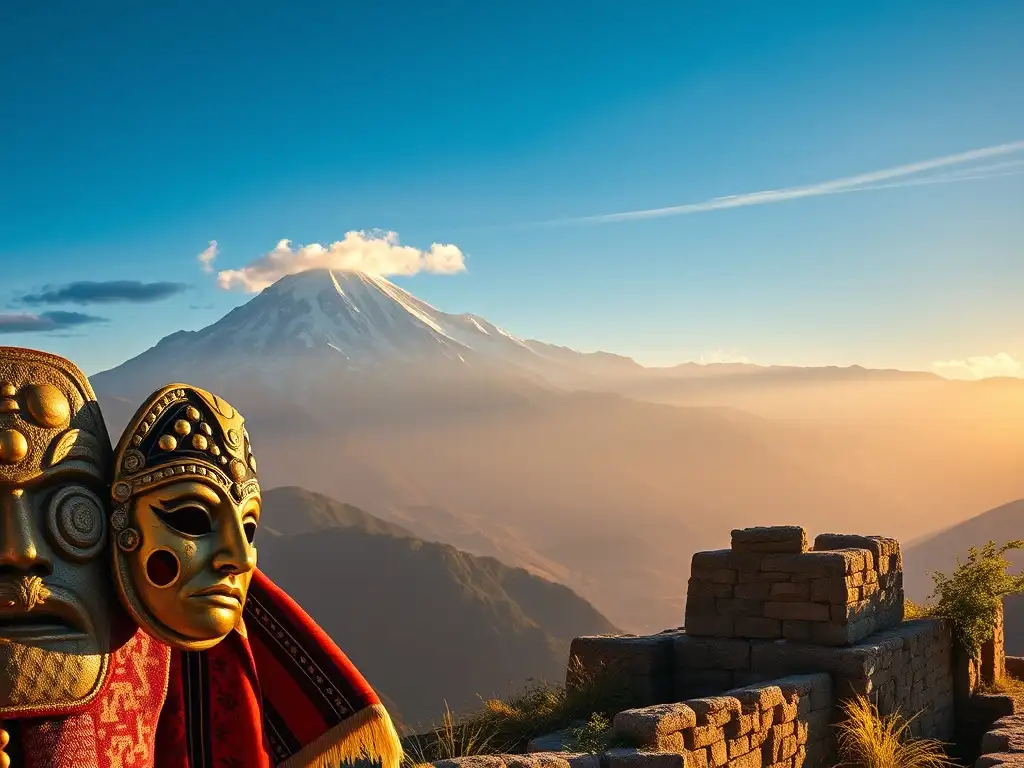
Step into a world lost to time, yet echoing with vibrant life. Discover the breathtaking artistry of the Inca, a civilization whose mastery transcended mere aesthetics. Inca art, far from mere decoration, served as a powerful lens through which the Andean worldview was expressed. Prepare to be captivated as we unravel the secrets woven into their textiles, ceramics, and goldwork – a testament to a sophisticated culture that continues to inspire awe. Uncover the intricate relationship between Inca art and the Andean worldview; the journey begins now.
Inca art, far from being mere aesthetic creations, served as a powerful lens through which to understand the complex worldview of this remarkable Andean civilization. This article delves into the intricate relationship between Inca artistic expressions and their deeply rooted cosmological beliefs, revealing how their art wasn't just decorative, but a fundamental aspect of their social, religious, and political life.
We will explore the significance of various artistic mediums, from the meticulously crafted textiles and intricate goldwork to the imposing stone architecture that still stands as a testament to their ingenuity and spiritual understanding. By examining these artistic manifestations, we gain invaluable insights into the Inca's perception of the world, their relationship with nature, and their sophisticated social structures.
Understanding Inca art is key to understanding the Inca worldview, a perspective that shaped their society and left an enduring legacy on the Andes region. This exploration will illuminate the profound connection between art and spirituality within the Inca empire, revealing the rich tapestry of meaning woven into every artistic creation.
The Significance of Inca Art in Understanding their Culture
Inca art wasn't created for purely aesthetic reasons; it was deeply intertwined with their religious beliefs, social structures, and political power. The intricate designs found on textiles, ceramics, and metalwork often depicted mythological figures, celestial events, and agricultural cycles, reflecting their close connection to the natural world and their belief in a vibrant spiritual realm. For example, the recurring motif of the condor, a powerful bird in Andean mythology, symbolizes strength, power, and connection to the upper world. Similarly, representations of llamas and agricultural scenes highlight the importance of these elements in their daily lives and their worldview.
The scale and precision of Inca architecture, particularly in sites like Machu Picchu, further emphasize the profound connection between their art and their worldview. The meticulous placement of stones, the integration of structures with the landscape, and the symbolic significance of specific building layouts all point to a sophisticated understanding of cosmology and a deep respect for their environment. The Inca's ability to seamlessly blend architecture with the surrounding landscape demonstrates a profound understanding of their place within the Andean ecosystem – a core tenet of their worldview.
The creation of art itself was a ritualistic act, often involving specialized artisans who held significant social status. This underscores the high value placed on artistic expression and its role in maintaining social order and reinforcing religious beliefs. The production of Inca art, therefore, wasn't merely a craft but a sacred practice reflecting the Andean cosmological understanding of the interconnectedness of the material and spiritual worlds. The meticulous detail and technical proficiency evident in Inca art also reflect their sophisticated understanding of engineering and mathematics, further showcasing the holistic nature of their cultural achievements.
Inca Artistic Expressions and their Connection to the Andean Cosmovision
Inca art vividly reflects their complex Andean cosmovision, a worldview that emphasized the interconnectedness of the three worlds: the Hanan Pacha (upper world), the Kay Pacha (human world), and the Uku Pacha (underworld). This tripartite structure is repeatedly reflected in their artistic motifs and architectural designs. For instance, the verticality of their architecture, with structures often built on steep mountain slopes, mirrors their understanding of the vertical axis connecting these three realms.
Textiles, a cornerstone of Inca art, frequently feature intricate designs incorporating symbolic representations of these three worlds. The use of specific colors and patterns further reinforces this cosmological connection, with certain colors representing specific deities or natural elements. The detailed weaving techniques, demanding significant skill and precision, represent the high level of artistry and the sacred nature of textile production within Inca society. These textiles were not simply clothing; they were imbued with spiritual significance and often served as important ceremonial objects.
Similarly, Inca metalwork, particularly in gold and silver, often depicted mythological figures and celestial events, reinforcing their cosmological beliefs. The intricate craftsmanship and the use of precious metals highlight the importance of these objects in religious rituals and their role in representing the power and authority of the Inca rulers. The mastery displayed in the creation of these objects showcases both the technical skill of Inca artisans and the profound spiritual significance attributed to their work. The use of precious metals also served as a powerful symbol of the Inca's wealth and their connection to the divine.
The study of Inca art provides a unique window into the Andean worldview. By examining these artistic expressions, we gain a deeper understanding of their cosmology, their social structures, and their profound connection to the natural world. The legacy of Inca art continues to fascinate and inspire, reminding us of the richness and complexity of this remarkable civilization. Further research into specific artistic motifs and techniques will undoubtedly unveil even more insights into the profound relationship between Inca art and their worldview.
- The Significance of Inca Art in Understanding their Culture
- Inca Artistic Expressions and their Connection to the Andean Cosmovision
- What is the relationship between Inca art and the Andean worldview?
- How did the Inca worldview influence their artistic techniques?
- What are some common themes depicted in Inca art?
- What materials did the Inca primarily use for their art?
- How did Inca art differ from that of other Andean civilizations?
Key Elements of Inca Art
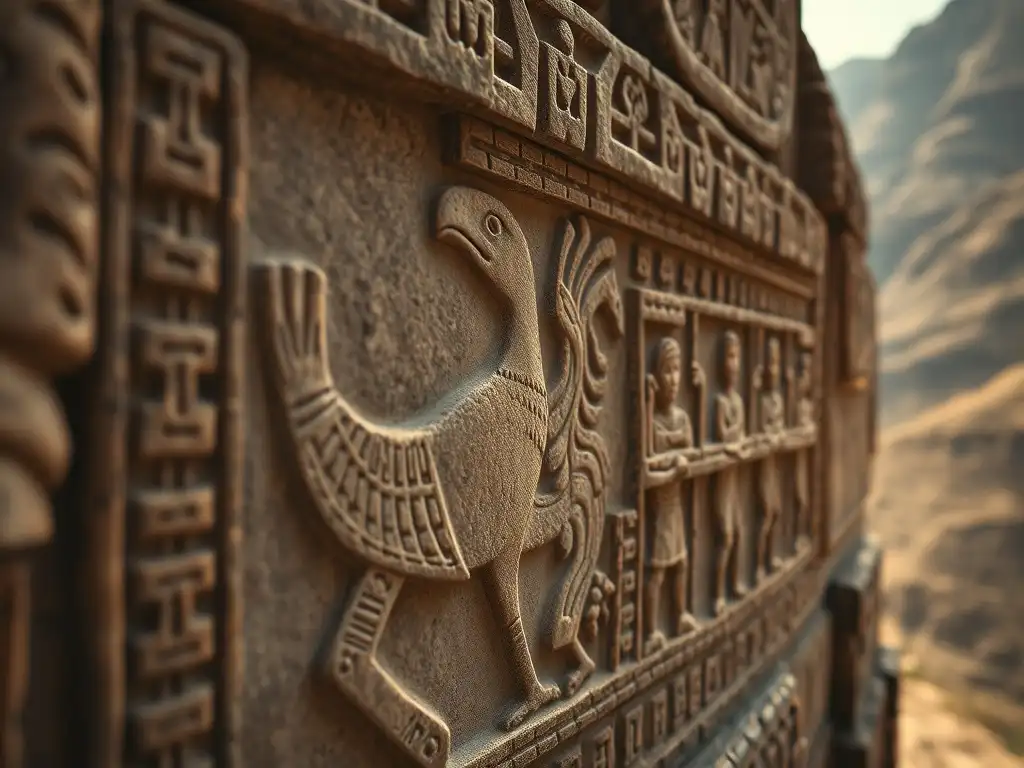
This section delves into the core visual components that defined Inca art, revealing how these elements served not merely as aesthetic choices, but as powerful expressions of their Andean worldview. Understanding these elements allows us to appreciate the intricate relationship between Inca artistic production and their cosmology, social structures, and spiritual beliefs.
We will explore the symbolic language woven into their textiles, ceramics, and metalwork, showcasing the depth and sophistication of their artistic achievements. The Inca's masterful use of geometric patterns, their emphasis on symmetry and order, and their incorporation of natural motifs all contributed to the unique and enduring legacy of Inca art.
Geometric Patterns and their Symbolic Meaning
Geometric patterns are ubiquitous in Inca art, appearing prominently in textiles, pottery, and stonework. These were not merely decorative elements; they held profound symbolic meaning, reflecting the Inca's understanding of the cosmos and their social hierarchy. Common motifs include stepped frets, triangles, zigzags, and spirals. These forms often represent celestial bodies, agricultural cycles, or the interconnectedness of the Andean landscape.
For instance, the stepped fret, frequently found in textiles and ceramics, is believed to represent the terraced agricultural fields ( andenes) that were crucial to Inca sustenance and social organization. The meticulous precision in their execution underscores the importance of agriculture in their worldview and the Inca's mastery of engineering and agricultural techniques. The triangles, on the other hand, may symbolize mountains, a dominant feature of the Andean geography and a source of both sustenance and spiritual power. Their pointed shape could also represent the upward striving towards the celestial realm.
The use of color further enhanced the symbolic meaning of these patterns. Specific colors, like red (associated with power and fertility) and yellow (representing gold and the sun), were deliberately chosen to amplify the symbolic weight of the geometric designs. More research is needed to fully decipher the complex interplay of geometric forms and colors in Inca art, but existing scholarship suggests a highly sophisticated system of visual communication. Further investigation into the specific color palettes used in different regions and during various periods could shed more light on regional variations in Inca artistic expression and beliefs.
The Importance of Symmetry and Order in Inca Design
Symmetry and order are hallmarks of Inca artistic production. From the meticulously planned layouts of their cities to the balanced designs of their textiles and pottery, a profound sense of harmony and equilibrium pervades their creations. This emphasis on order reflects their worldview, emphasizing balance, stability, and the interconnectedness of all things within the cosmos. The Inca believed that maintaining order in the human world was crucial for maintaining harmony with the supernatural realm.
This pursuit of symmetry is evident in the construction of Inca structures like Machu Picchu. The precise alignment of buildings, the balanced distribution of spaces, and the careful integration of the structures with the natural landscape all exemplify this principle. Similarly, Inca textiles often exhibit symmetrical patterns, with mirrored designs and carefully balanced color schemes.
This reflects not only aesthetic preferences, but also a deep-seated belief in the importance of balance and harmony in all aspects of life, mirroring the carefully planned agricultural cycles and social organization that characterized Inca society. Further analysis of architectural plans and textile patterns could reveal more nuanced interpretations of the significance of symmetry in Inca art.
Natural Motifs in Inca Art: Animals, Plants, and Landscapes
Inca art frequently incorporated natural motifs, drawing inspiration from the flora and fauna of the Andes and the landscape itself. These depictions were not simply realistic representations but were imbued with symbolic meaning, reflecting the Inca's intimate relationship with their environment and their understanding of the interconnectedness of all living things. Animals like the puma, condor, and serpent, often featured prominently, held significant symbolic weight, representing power, strength, and spiritual forces.
Plants like maize, coca leaves, and various flowers also appeared regularly, often symbolizing fertility, abundance, and the cyclical nature of life and death. The depiction of landscapes, often featuring mountains, rivers, and terraced fields, further emphasized the Inca's deep connection to their environment and their mastery of its resources. These natural motifs often appeared in combination with geometric patterns, creating complex visual narratives that reflected the intricate relationship between the Inca and their natural world.
Detailed studies of specific motifs, particularly their regional variations, could provide further insights into Inca beliefs and practices. For example, the specific types of birds or animals depicted might indicate regional differences in religious beliefs or environmental conditions. Analyzing the frequency and context of these motifs in different artistic mediums would also help build a more complete picture.
Inca Art Forms and Techniques
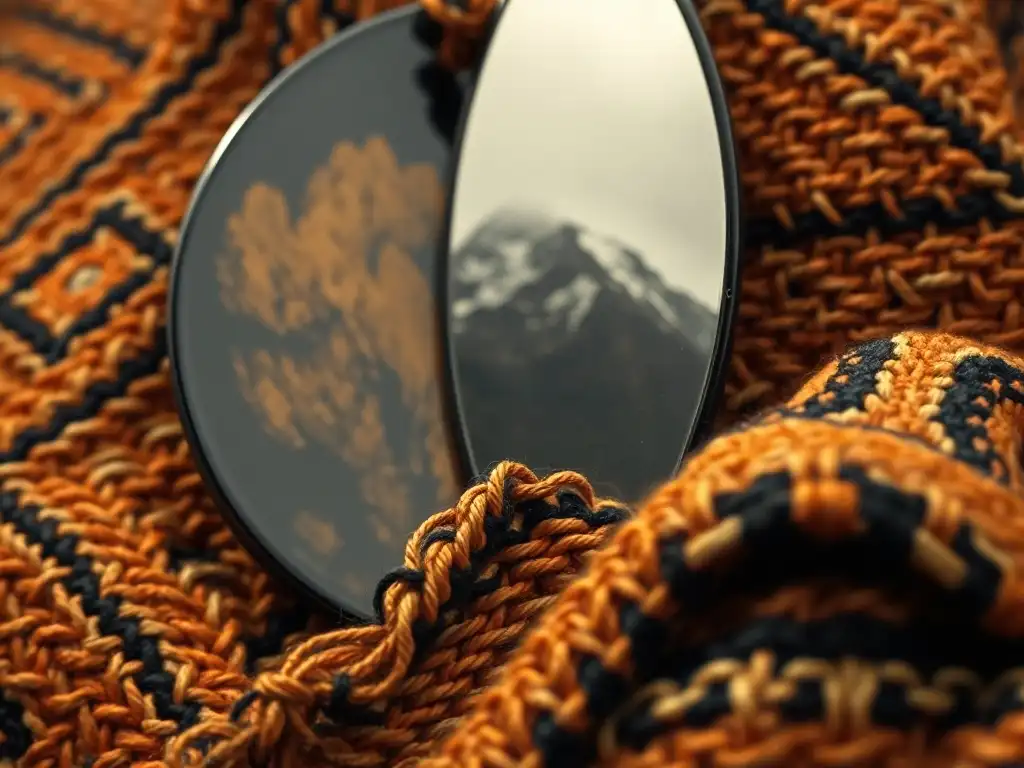
Inca art, deeply intertwined with their Andean worldview, wasn't merely decorative; it served vital social, religious, and political functions. Masterful craftsmanship and symbolic representation characterized their artistic endeavors, reflecting a sophisticated understanding of their environment and cosmos. Their artistic expressions, ranging from intricate textiles to imposing stonework, provide invaluable insights into their beliefs, social structures, and technological prowess. Understanding Inca art requires appreciating the intricate relationship between form, function, and the Andean cosmology that shaped their creative output.
The integration of Inca art into daily life and religious ceremonies underscores its profound significance within their society. This section will delve into specific Inca art forms, exploring their techniques and the underlying worldview they express. The interplay of "Inca art" and "Andean worldview" is evident in every piece, revealing a civilization deeply connected to its environment and spiritual beliefs.
Inca Pottery: Shapes, Decoration, and Function
Inca pottery, while perhaps less celebrated than their textiles or metalwork, offers a rich tapestry of information about Inca daily life and beliefs. Shapes varied considerably, from simple, utilitarian vessels for storage and cooking to more elaborate forms used in ceremonies. Common shapes included aryballos (small, globular vessels with narrow necks), kero (large, ceremonial drinking vessels often adorned with intricate designs), and q'ero (smaller, more delicate versions of the kero).
The decoration of Inca pottery was equally diverse. Geometric patterns, often featuring stepped frets, triangles, and zigzags, were prevalent, reflecting the Inca's appreciation for order and symmetry. Zoomorphic and anthropomorphic motifs, depicting animals and human figures, also appeared, sometimes integrated with symbolic elements representing deities or important events. The colors used were often earthy tones – reds, browns, yellows, and blacks – derived from natural pigments. These pigments were meticulously ground and mixed to achieve the desired hues, demonstrating a sophisticated understanding of materials and techniques.
The function of Inca pottery was multifaceted. Simple vessels served practical purposes in daily life, while more elaborate pieces played a crucial role in religious ceremonies and elite consumption. The presence of pottery in tombs suggests their importance in the afterlife, offering further evidence of their symbolic value within the Inca worldview. Analysis of pottery fragments from various sites reveals regional variations in style and decoration, hinting at a complex network of exchange and interaction across the Inca empire. The study of Inca pottery, therefore, offers a window into both the practical and spiritual aspects of Inca society.
Textile Art: Weaving as a Form of Communication
Inca textile art stands as a testament to their unparalleled skill and artistic vision. More than mere adornment, textiles served as powerful tools of communication, conveying social status, religious beliefs, and historical narratives. The intricate designs, vibrant colors, and sophisticated techniques employed reveal a deep understanding of the Andean worldview and its connection to the natural world. The mastery of weaving techniques, combined with the symbolic representation within the textiles themselves, showcases the significant place of textiles within Inca society. This skill was not just a craft but a deeply ingrained aspect of their culture, passed down through generations.
The Role of Textiles in Inca Society and Rituals
Textiles played a pivotal role in Inca society, extending far beyond their utilitarian function. They were used to create clothing, blankets, and tapestries, reflecting an individual's social standing and position within the hierarchical Inca structure. Elite members wore fine textiles adorned with intricate designs and rare colors, while commoners wore simpler garments.
Textiles were also integral to religious rituals, used in ceremonies and offerings to appease the gods. The use of specific colors and designs in religious contexts suggests a complex symbolic language embedded within the textile art itself. The intricate weaving techniques and symbolic representations found in many Inca textiles serve as powerful reflections of their worldview and beliefs.
Inca Textile Techniques and Materials
Inca weavers utilized a variety of techniques, including tapestry weaving, brocade, and sumptuary weaving, to create their remarkable textiles. They employed a wide range of materials, including alpaca, llama, and vicuña wool, each with its unique properties and symbolic significance. The selection of materials and techniques depended on the intended use and the social status of the wearer or recipient.
The quality of the materials and the intricacy of the designs often reflected the status and power of the individual. The mastery of these techniques, coupled with the careful selection of materials, demonstrates the high level of skill and artistry achieved by Inca weavers. The enduring legacy of Inca textile art is a testament to their innovation and artistic expression, deeply rooted in the Andean worldview.
Inca Metalwork: Gold, Silver, and Copper Craftsmanship
Inca metalworking represents a pinnacle of Andean artistic achievement. The mastery of techniques and the symbolic significance imbued in their creations reveal a deep understanding of metallurgy and a sophisticated worldview. The Incas weren't the first Andean civilization to work with metals—earlier cultures like the Moche and Nazca had already developed impressive metalworking skills—but the Incas refined and expanded these techniques on an unprecedented scale, producing an astonishing array of objects.
Their metalwork wasn't merely decorative; it served crucial roles in religious ceremonies, royal power displays, and everyday life. The sheer volume of surviving artifacts, while a fraction of what was originally produced, still testifies to the widespread practice and importance of metalworking within Inca society. The use of gold, silver, and copper, each carrying distinct symbolic weight, further underscores the intricate relationship between Inca art and their cosmological beliefs.
Gold and Silver as Symbols of Power and Divinity
Gold and silver held profound symbolic meaning within the Inca worldview. Gold, often associated with the sun god Inti, represented power, divinity, and the sun's life-giving energy. Inca rulers were seen as descendants of the sun, and gold artifacts frequently adorned their palaces and were used in rituals honoring Inti. Elaborate gold masks, intricate gold jewelry depicting mythical creatures and celestial bodies, and massive gold objects used in ceremonies all emphasized the Inca emperor's divine connection and absolute authority. The sheer abundance of gold used in royal contexts served to visually reinforce the Inca emperor's power and status.
Silver, while not as prominently featured as gold, also held significant symbolic value. Often associated with the moon and the feminine principle, silver objects were linked to fertility, abundance, and the cyclical nature of life and death. Silver vessels, jewelry, and other artifacts were frequently used in ceremonies related to agriculture and the veneration of moon deities.
The contrast between gold and silver, representing the sun and moon respectively, highlights the Inca understanding of the cosmos and the interconnectedness of opposing forces within their worldview. The careful selection and combination of these metals in their artwork underscore the depth and complexity of Inca symbolism.
Techniques Used in Inca Metalworking
Inca metalworkers displayed remarkable technical skill and ingenuity. Their techniques, refined over generations, involved a complex series of processes, including:
- Hammering and Repoussé: This involved shaping metal sheets by hammering from the front and back, creating three-dimensional forms. The repoussé technique allowed for intricate detail and fine ornamentation.
- Casting: The lost-wax casting method was employed to create complex shapes and delicate details. This involved creating a wax model, covering it in clay, melting out the wax, and pouring molten metal into the resulting mold.
- Alloying: Inca artisans skillfully combined different metals to achieve specific colors and properties. They understood the properties of various alloys, allowing them to produce objects with desired durability, malleability, and visual appeal. They blended gold with copper to create a range of colors, from pale yellow to deep reddish hues.
- Inlay and Overlay: Intricate designs were created by embedding or overlaying pieces of different metals onto a base metal. This technique added complexity and visual richness to their creations. This meticulous work demonstrates a profound understanding of materials and a commitment to artistic excellence.
- Soldering: Inca metalworkers used sophisticated soldering techniques to join different pieces of metal, creating seamless and durable connections. This shows a high level of technical expertise and precision.
The mastery of these techniques, combined with their profound understanding of symbolism, allowed Inca artisans to create metalwork of exceptional quality and artistry, leaving behind a legacy that continues to inspire awe and admiration. The precise methods used in some of the more complex pieces remain partially enigmatic, highlighting the advanced level of knowledge possessed by these skilled artisans. Further research continues to uncover new details about these remarkable techniques.
The Inca Art and its Reflection of the Andean Worldview
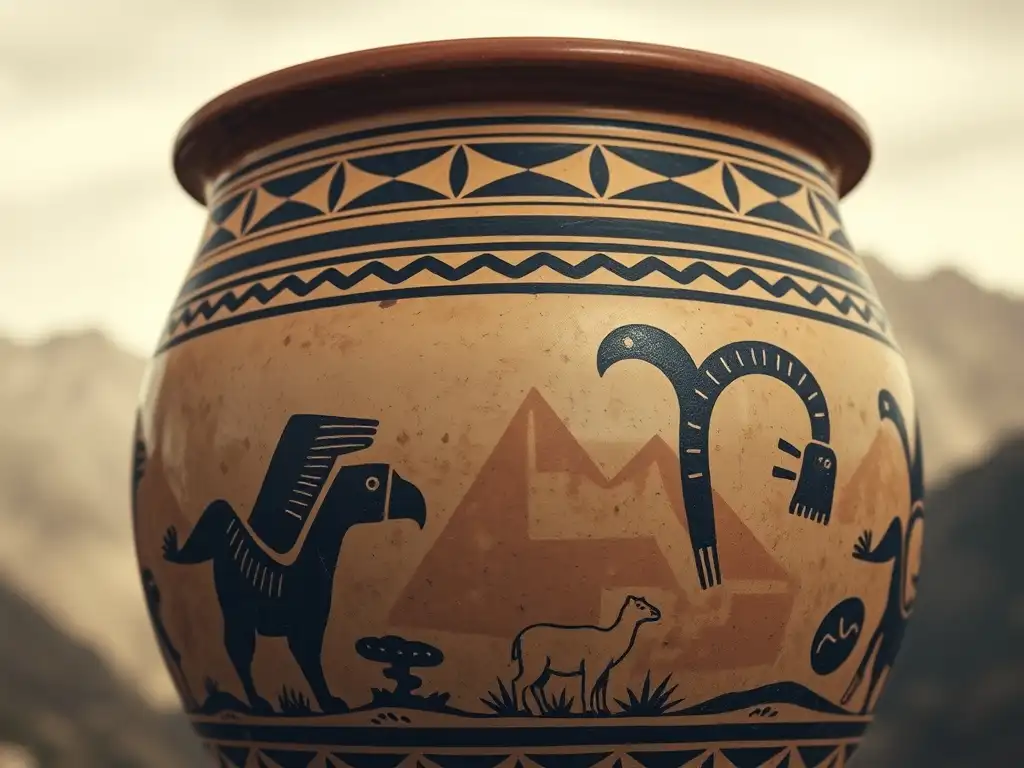
This section delves into the intricate relationship between Inca art and the Andean worldview, exploring how artistic expressions served as powerful mediums for conveying societal values, beliefs, and power structures. Inca art wasn't merely decorative; it was a fundamental component of their socio-political and religious fabric, reflecting a deeply interconnected understanding of the cosmos, society, and the natural world. Understanding Inca art requires appreciating the Andean worldview that shaped its creation and meaning.
The intricate details, symbolic imagery, and careful craftsmanship all speak volumes about the Inca civilization's sophisticated understanding of their place within a larger, interconnected universe. We will explore key aspects of this relationship, focusing on reciprocity, social control, and religious beliefs.
The Concept of Reciprocity in Inca Art
The Andean worldview emphasized ayni, the principle of reciprocity and mutual exchange. This concept permeated all aspects of Inca life, from social interactions to agricultural practices and, significantly, artistic production. Inca art often depicted scenes of exchange and mutual obligation, reinforcing the importance of balanced relationships within the community and between humanity and the supernatural world.
For example, the intricate textiles, often featuring paired motifs or symmetrical designs, visually represent this principle of balance and reciprocity. The meticulous craftsmanship itself, involving countless hours of labor, reflects the dedication and mutual support required within the community to create these magnificent works. Furthermore, the distribution of these artistic creations—from elaborate royal garments to everyday utilitarian objects—reinforced the social bonds and obligations inherent in the ayni system.
The concept of reciprocity wasn't merely a philosophical ideal; it was a tangible reality woven into the very fabric of Inca society and visually represented in their art. Even the seemingly simple designs often held deeper meaning, symbolizing the interconnectedness and interdependence within the Andean ecosystem and social structure.
Inca art served as a potent instrument for social and political control, disseminating imperial ideology and reinforcing the power of the Sapa Inca. Monumental architecture, such as the impressive stonework at Machu Picchu and Sacsayhuamán, showcased the Inca's engineering prowess and their control over resources and labor. These structures weren't just functional; they were powerful statements of imperial authority, designed to impress and inspire awe.
Similarly, the standardized styles and iconography found in Inca pottery and textiles helped to unify the vast empire, promoting a sense of shared identity and allegiance to the ruling elite. The depiction of the Sapa Inca and other important figures in official artwork further reinforced their divine status and legitimized their rule. The strict control over artistic production, including the use of standardized techniques and materials, ensured uniformity and consistency in the dissemination of imperial messages.
This centralized control over art production was a crucial component of the Inca's strategy for maintaining political stability and social order across their expansive empire. The art itself became a tool for propaganda, subtly but effectively conveying the power and authority of the Inca state.
The Connection between Inca Art and Religious Beliefs
Inca religious beliefs are deeply intertwined with their artistic expressions. The Andean worldview recognized a complex pantheon of deities and spirits associated with the natural world, and these entities were frequently represented in Inca art. For instance, representations of the sun god Inti, the moon goddess Mama Killa, and other celestial bodies are common in textiles, ceramics, and metalwork. These depictions weren't merely aesthetic choices; they served to reinforce the religious significance of these deities and their importance in the Inca worldview.
Furthermore, the use of specific colors, materials, and motifs often held symbolic meaning related to religious practices and beliefs. The use of gold, for example, was associated with the sun and divinity, while specific colors and patterns might represent different deities or spiritual forces. The creation of art itself was often seen as a sacred act, performed by skilled artisans who were considered to have a special connection to the spiritual realm.
The intricate details and symbolic imagery found in Inca art reflect the profound religious beliefs that permeated all aspects of their society. Understanding this connection is crucial to fully appreciating the depth and complexity of Inca artistic production. Analyzing the symbolic language embedded within Inca art offers invaluable insights into their religious cosmology and spiritual practices.
Inca Art and the Worship of Inti, the Sun God
Inca art profoundly reflects the Andean worldview, with the worship of Inti, the sun god, occupying a central position. Inti wasn't merely a deity; he was the source of life, the giver of sustenance, and the ultimate authority. This profound reverence is vividly expressed through various artistic mediums. Massive, precisely-cut stone structures, like those found at Machu Picchu, are oriented towards the sun's path, highlighting Inti's importance in Inca cosmology.
The meticulous craftsmanship evident in these structures – a testament to Inca engineering prowess – underscores the sacred nature of the task and the profound respect for the sun god. The positioning of temples and palaces, too, often aligned with solstices and equinoxes, further reinforces the centrality of solar worship in Inca life. These weren't merely buildings; they were expressions of faith, tangible representations of the divine.
The intricate gold and silver work, often depicting the sun or solar motifs, provides further evidence of Inti's significance. These precious metals, symbolizing the sun's brilliance and power, were carefully shaped into intricate designs: sun discs, representations of the sun's rays, and figures of the sun god himself. These weren't merely decorative pieces; they were powerful religious objects, used in ceremonies and rituals aimed at appeasing and honoring Inti.
The skill and artistry involved in creating these objects demonstrate the high esteem in which the sun god was held. The use of gold, a metal associated with the sun's radiance, served to reinforce the connection between the metalwork and the divine.
Furthermore, textiles also played a significant role in expressing the worship of Inti. Elaborate tapestries and clothing, often adorned with solar motifs and vibrant colors, were woven for religious ceremonies and worn by the Inca elite. The intricate weaving techniques, passed down through generations, demonstrate a deep understanding of Andean traditions and a commitment to representing Inti's power through artistic expression.
The colors used – often bright yellows and oranges, reminiscent of the sun – further emphasized the connection between the textiles and the sun god. These weren't simple garments; they were sacred objects, imbued with spiritual significance and reflecting the wearer's status within the Inca hierarchy.
The intricate designs often incorporated symbolic representations of the sun's journey across the sky, showcasing the Inca's deep understanding of astronomy and their reliance on the sun for their agricultural practices. The textiles, therefore, are not just artistic achievements, but also a powerful reflection of their religious beliefs and cosmological understanding.
Inca Art Legacy and its Influence
The legacy of Inca art extends far beyond the crumbling walls of Machu Picchu and the scattered remnants of once-grand cities. Its influence resonates deeply within modern Andean culture, shaping artistic expression and inspiring a sense of cultural pride. Understanding this legacy requires appreciating the intricate relationship between Inca artistic production and their worldview – a cosmology deeply intertwined with nature, spirituality, and social hierarchy.
The sophisticated techniques employed in textile weaving, metalworking, and pottery served not merely aesthetic purposes but also embodied religious beliefs and social structures. For example, the intricate designs woven into chumpi (Inca belts) often depicted mythological figures or symbolized social status, reflecting the importance of both the spiritual and the social within Inca society.
The vibrant colors and geometric patterns found in Inca pottery, frequently depicting scenes of daily life or religious rituals, provide further insights into their belief system and social organization. The enduring power of Inca art lies in its ability to connect the past with the present, continuing to inspire contemporary artists and artisans who draw upon its rich visual language and technical mastery.
The Impact of Inca Art on Modern Andean Art
Contemporary Andean art frequently draws inspiration from Inca artistic traditions. While modern artists employ new techniques and materials, the underlying aesthetic principles and symbolic language often echo those of their Inca predecessors. This is evident in the continued use of traditional Andean motifs, such as the khipu (knotted-string record-keeping system) or stylized representations of llamas and condors, in contemporary textiles, ceramics, and paintings.
The vibrant colors and geometric patterns characteristic of Inca art are also frequently reinterpreted in modern works. Moreover, the emphasis on natural materials and sustainable practices found in Inca craftsmanship is increasingly reflected in the eco-conscious approach of many modern Andean artists. For instance, many contemporary artisans utilize traditional weaving techniques to produce textiles featuring designs inspired by Inca motifs, thereby preserving both artistic heritage and traditional skills.
This continuous engagement with Inca artistic traditions ensures that the legacy of Inca art continues to thrive in the 21st century, enriching Andean cultural identity and artistic expression. The use of alpaca and llama wool, echoing Inca practices, further reinforces this connection to heritage.
Preserving Inca Art and Cultural Heritage
Preserving Inca art and cultural heritage is a complex undertaking that requires a multi-faceted approach. Efforts focus on both the physical preservation of artifacts and the safeguarding of traditional artistic knowledge and techniques. Museums and archaeological sites play a crucial role in protecting fragile artifacts from deterioration and damage, employing advanced conservation techniques.
Furthermore, initiatives aimed at documenting and cataloging Inca art are essential for research and educational purposes. The ongoing documentation of Inca art is crucial for understanding their worldview and its artistic expression. This involves meticulous recording of details like dyes used in textiles, metals employed in ornaments, and the techniques used to create intricate pottery.
Moreover, supporting and promoting traditional artisan communities who continue to practice ancient Inca techniques is vital for the long-term survival of these skills and the unique artistic heritage they represent. These communities represent a living link to the past, and their preservation is crucial for safeguarding intangible cultural heritage. [Specific governmental and NGO initiatives pending]
Recent Archaeological Findings and Interpretations of Inca Art
Recent archaeological discoveries continue to reshape our understanding of Inca art and its cultural significance. New findings often lead to reinterpretations of existing theories, enriching our knowledge of Inca artistic practices and their symbolic meaning. For example, the discovery of [specific recent archaeological find pending] has provided new insights into [specific aspect of Inca art and worldview pending].
These discoveries often challenge previously held assumptions about Inca artistic techniques, materials, and the social context in which art was produced. Furthermore, advanced scientific analysis, such as radiocarbon dating and material analysis, is increasingly used to date artifacts and determine their composition, providing more accurate information about artistic production and trade networks. The application of these advanced techniques allows for a more nuanced understanding of Inca artistic practices and their relationship to the wider Andean world.
The ongoing research and analysis of these findings contribute to a more complete and accurate picture of Inca art and its place within the broader context of Andean civilization, constantly refining our understanding of their worldview and artistic achievements. The ongoing excavation and analysis of sites like Machu Picchu continue to yield valuable information, constantly expanding our understanding of Inca art.
Frequently Asked Questions
What is the relationship between Inca art and the Andean worldview?
Inca art is a powerful reflection of the Andean worldview, expressing their cosmology, social structures, and relationship with nature. Art served both religious and practical purposes, reinforcing their beliefs and values.
How did the Inca worldview influence their artistic techniques?
The Andean worldview, emphasizing harmony, balance, and the interconnectedness of all things, shaped Inca artistic techniques. This is evident in their symmetrical designs, use of natural materials, and intricate craftsmanship.
What are some common themes depicted in Inca art?
Common themes include mythological figures, agricultural motifs, and representations of power. These themes communicated their beliefs, values, and social hierarchy to the community.
What materials did the Inca primarily use for their art?
The Inca utilized readily available materials like gold, silver, textiles, and stone. The choice of material often reflected the object's purpose and symbolic significance.
How did Inca art differ from that of other Andean civilizations?
While sharing some stylistic elements with other Andean civilizations, Inca art displays a unique imperial style. Their art demonstrates a larger scale and greater standardization, reflecting their vast empire and centralized power.
Final Reflection: Echoes of the Andes in Inca Art
The vibrant legacy of Inca art continues to resonate today, a powerful testament to a civilization's profound connection with the natural world and its enduring spiritual beliefs. From the intricate textiles depicting celestial events to the imposing stonework reflecting a deep understanding of engineering and cosmology, Inca artistry offers a window into a worldview fundamentally different from our own, yet surprisingly relevant in our increasingly interconnected and environmentally conscious world. The enduring beauty and sophistication of Inca art challenge us to reconsider our own relationship with the land and the spiritual dimensions of our lives.
The impact of Inca art extends far beyond museum walls; it permeates the cultural landscape of the Andes, shaping contemporary artistic expression and national identity. The enduring motifs, techniques, and spiritual narratives woven into Inca artifacts continue to inspire artists and craftspeople today, demonstrating the enduring power of cultural heritage. Art washes away from the soul the dust of everyday life.
– Pablo Picasso. This quote, while not directly about Inca art, perfectly captures the enduring power of art to transcend time and connect us to something larger than ourselves, something that the Inca masters understood profoundly.
Consider the intricate detail, the symbolic meaning embedded within each piece, and the sheer ingenuity of the techniques employed. You, the reader, are now equipped with a deeper understanding of the Inca worldview as reflected in their art. Take a moment to reflect on your own relationship with the natural world and the spiritual aspects of your life.
How can we, in our modern context, learn from the Inca's profound respect for the environment and their integration of spirituality into daily life? Let the echoes of the Andes inspire you to find deeper meaning and connection in your own world.
Unveil the Beauty of Inca Art—Take Action Today!
Thank you for exploring the vibrant world of Inca art and its deep connection to the Andean worldview. This article has hopefully illuminated the intricate symbolism and cultural significance of these remarkable works. Now, let's explore ways to further deepen your understanding and appreciation!
Here are a few meaningful next steps:
- **Dive Deeper:** Visit local museums or online galleries showcasing Inca art and artifacts to immerse yourself in the rich history and incredible craftsmanship. Consider researching specific artists or techniques that particularly interest you.
- **Share the Journey:** Share your newfound knowledge with friends and family, sparking conversations and inspiring others to appreciate the Inca's incredible culture. Perhaps you could even organize a visit to a museum together.
- **Join the Community:** Connect with fellow enthusiasts by participating in online forums or attending local events related to Andean civilizations. This is a great way to continue learning and expanding your understanding.
Which aspect of Inca art resonates most with you, and why do you believe it holds such enduring significance today?